Overview
Smell, also known as olfaction, is a chemical sense that allows organisms to detect and identify airborne molecules in the environment. Within the context of Psychology and the MCAT, smell represents a critical component of Sensation and Perception, bridging the gap between physical stimuli and conscious experience. Unlike other sensory systems that rely on electromagnetic or mechanical energy, olfaction processes chemical information through specialized receptors in the nasal cavity, making it unique among the primary senses.
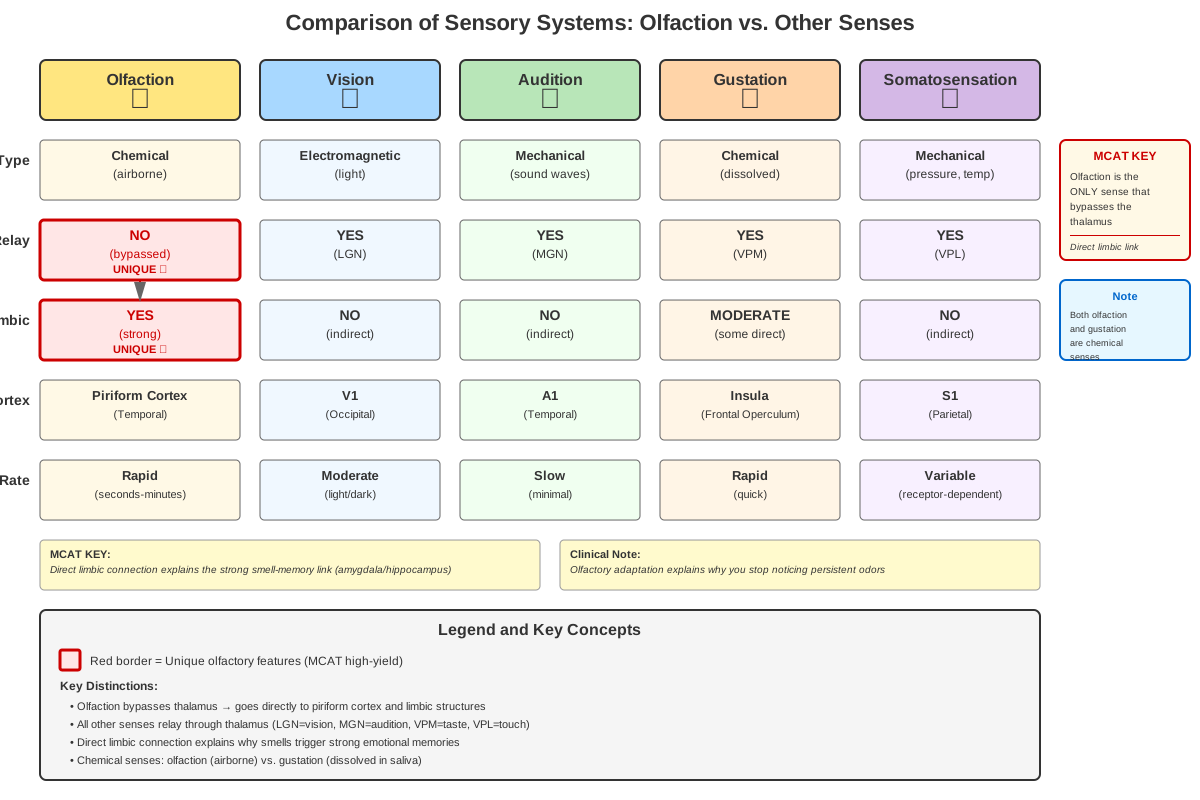
Understanding smell is essential for MCAT success because it frequently appears in passages that integrate multiple disciplines—combining neuroanatomy, behavioral psychology, and evolutionary biology. The olfactory system's direct connection to the limbic system makes it particularly important for questions about emotion, memory, and behavior. Test-makers often exploit the unique anatomical pathway of olfactory information, which bypasses the thalamus before reaching conscious processing centers, distinguishing it from other sensory modalities. This direct limbic connection explains why smells can trigger powerful emotional memories and why olfactory dysfunction often accompanies neurological conditions.
The study of smell within Smell Psychology encompasses not only the physiological mechanisms of odor detection but also the psychological phenomena of odor perception, adaptation, and the influence of olfaction on behavior and cognition. For the MCAT, students must understand both the bottom-up processing of chemical signals and the top-down influences of expectation, culture, and prior experience on smell perception. This topic connects to broader themes in sensation and perception, including signal transduction, sensory adaptation, perceptual thresholds, and the distinction between sensation (detecting stimuli) and perception (interpreting stimuli).
Learning Objectives
- [ ] Define Smell using accurate Psychology terminology
- [ ] Explain why Smell matters for the MCAT
- [ ] Apply Smell to exam-style questions
- [ ] Identify common mistakes related to Smell
- [ ] Connect Smell to related Psychology concepts
- [ ] Describe the complete pathway of olfactory signal transduction from receptor to cortex
- [ ] Compare and contrast olfaction with other sensory systems in terms of anatomy and processing
- [ ] Analyze how olfactory dysfunction relates to psychological and neurological conditions
Prerequisites
- Basic neuroanatomy: Understanding brain structures (cortex, limbic system, thalamus) is essential because olfactory pathways involve unique neural routes that distinguish smell from other senses
- Cell signaling fundamentals: Knowledge of G-protein coupled receptors and signal transduction cascades is necessary to comprehend how odorant molecules trigger neural responses
- Sensory system basics: Familiarity with concepts like absolute threshold, difference threshold, and sensory adaptation provides the framework for understanding olfactory-specific phenomena
- Limbic system function: Understanding the role of the amygdala and hippocampus in emotion and memory explains why smell has such powerful effects on emotional recall
Why This Topic Matters
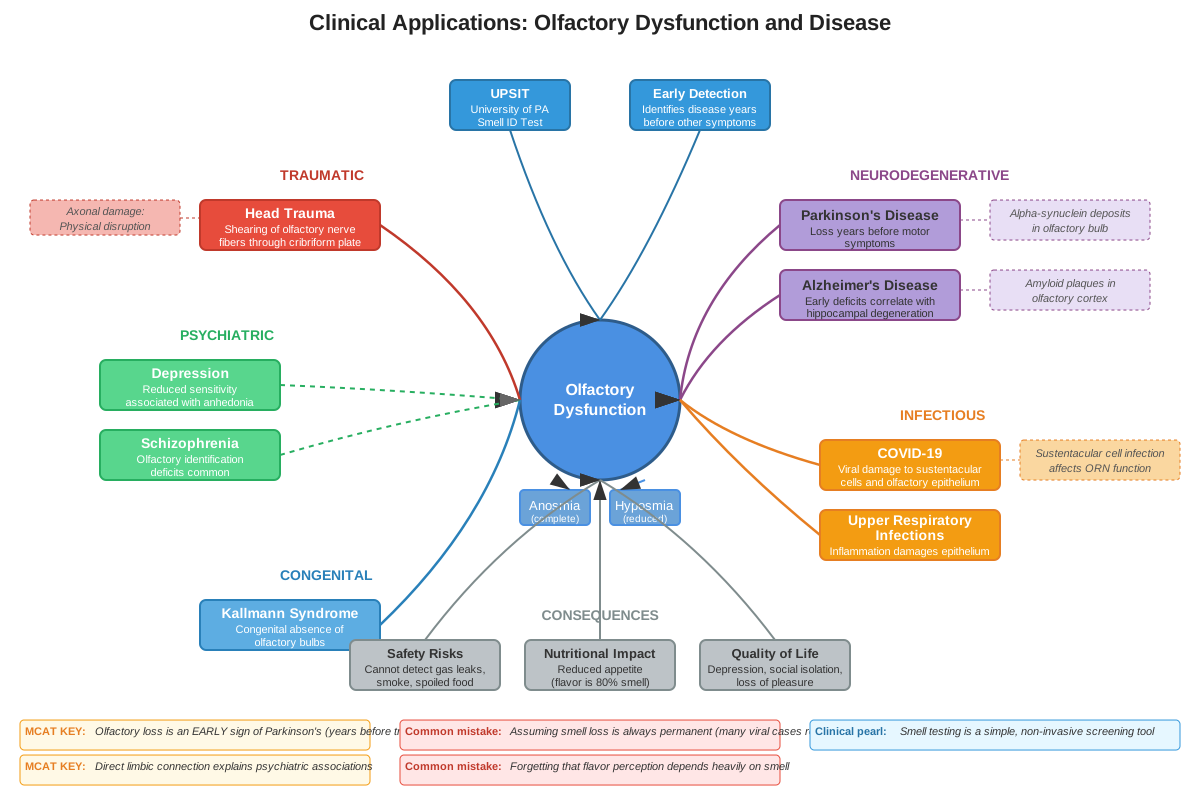
Smell holds significant clinical and real-world importance beyond its role as a sensory modality. Olfactory dysfunction (anosmia or hyposmia) serves as an early diagnostic marker for neurodegenerative diseases including Parkinson's disease and Alzheimer's disease, making it clinically relevant for medical professionals. The COVID-19 pandemic highlighted olfactory loss as a key symptom of viral infection, demonstrating how smell assessment can aid in disease diagnosis. Additionally, the chemical sense of smell plays crucial roles in nutrition (flavor perception is 80% smell), safety (detecting gas leaks, smoke, spoiled food), and social behavior (pheromone detection, mate selection).
On the MCAT, smell-related content appears with moderate frequency, typically in Psychological, Social, and Biological Foundations of Behavior passages. Questions may appear as discrete items testing anatomical knowledge or as part of research-based passages examining sensory processing, memory formation, or behavioral responses to environmental stimuli. Exam statistics suggest that 2-4 questions per exam involve olfaction either directly or as part of broader sensory processing scenarios. The topic commonly appears in passages discussing:
- Neurodegenerative disease case studies where olfactory testing serves as a diagnostic tool
- Research experiments on memory and emotion where smell acts as a stimulus
- Evolutionary psychology passages examining chemical communication and mate selection
- Sensory adaptation studies comparing different modalities
- Neuroanatomy passages requiring identification of brain structures and pathways
Understanding smell provides a foundation for answering interdisciplinary questions that integrate psychology, biology, and sociology, making it a high-yield topic despite its moderate direct testing frequency.
Core Concepts
Olfactory Anatomy and Receptor Structure
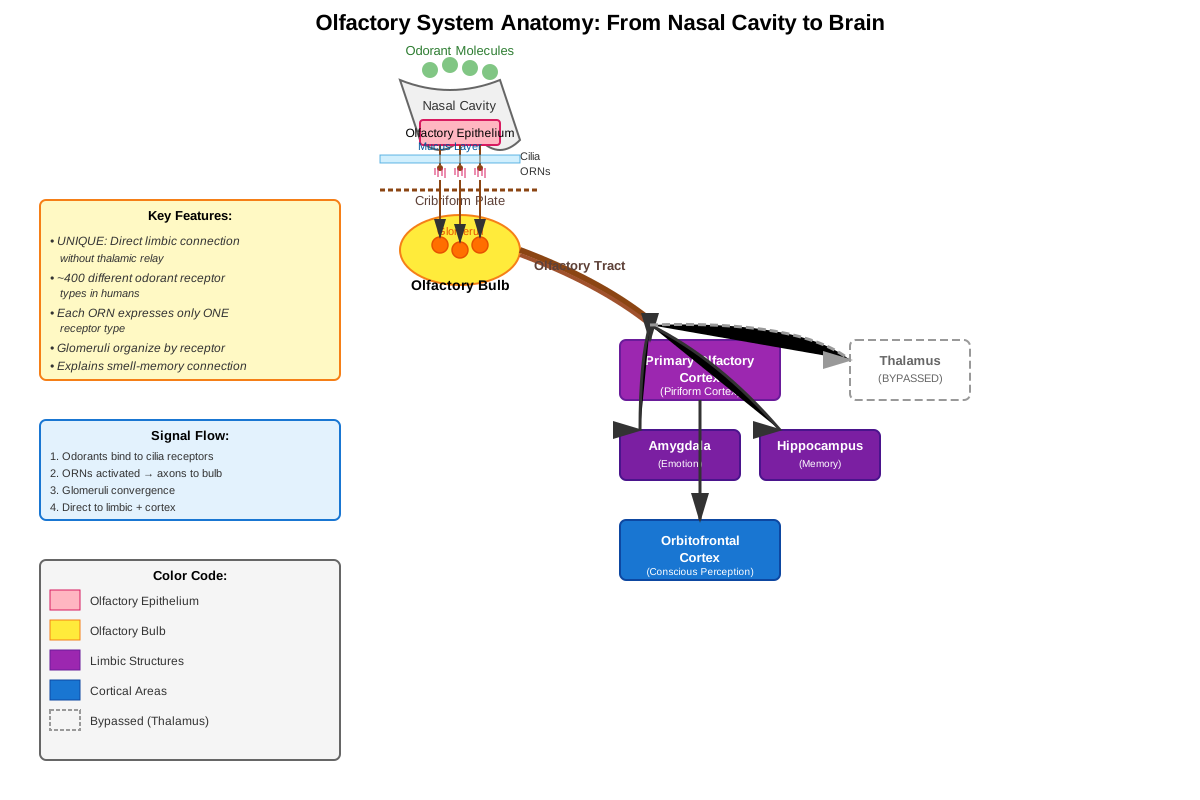
The olfactory system begins in the nasal cavity, where the olfactory epithelium contains millions of specialized olfactory receptor neurons (ORNs). These bipolar neurons are unique among sensory cells because they are true neurons (not specialized epithelial cells) and they regenerate throughout life, replacing themselves approximately every 30-60 days. Each ORN extends a single dendrite toward the nasal cavity surface, where it terminates in multiple olfactory cilia that contain the actual receptor proteins.
Odorant molecules are volatile chemical compounds that dissolve in the mucus layer covering the olfactory epithelium. The mucus, secreted by Bowman's glands, serves multiple functions: it captures odorant molecules, provides an aqueous medium for chemical reactions, and contains enzymes that degrade odorants to prevent receptor saturation. When odorant molecules bind to olfactory receptors (which are G-protein coupled receptors), they initiate a signal transduction cascade.
Humans possess approximately 350-400 functional olfactory receptor genes (out of about 1,000 total olfactory genes, with the remainder being non-functional pseudogenes). Each ORN expresses only one type of olfactory receptor protein, following the "one neuron-one receptor" rule. However, each receptor type can bind multiple related odorant molecules, and each odorant can activate multiple receptor types, creating a combinatorial coding system that allows humans to discriminate among thousands of distinct odors.
Signal Transduction Mechanism
The olfactory signal transduction cascade exemplifies chemoreception through G-protein coupled receptor (GPCR) activation:
- Odorant binding: An odorant molecule binds to a specific olfactory receptor protein on the cilia membrane
- G-protein activation: The receptor undergoes a conformational change, activating an associated Golf protein (olfactory-specific G-protein)
- Enzyme activation: The activated Golf protein stimulates adenylyl cyclase III, an enzyme that converts ATP to cyclic AMP (cAMP)
- Ion channel opening: Elevated cAMP levels open cyclic nucleotide-gated (CNG) channels, allowing Na+ and Ca2+ influx
- Depolarization: The cation influx depolarizes the ORN, and Ca2+ entry opens Ca2+-activated Cl- channels, further depolarizing the cell
- Action potential generation: If depolarization reaches threshold, action potentials fire and propagate along the ORN axon
This cascade provides signal amplification—a single odorant molecule can generate thousands of cAMP molecules, allowing detection of extremely low odorant concentrations. The absolute threshold for smell is remarkably low; humans can detect certain odorants (like mercaptans added to natural gas) at concentrations of parts per billion.
Olfactory Pathway to the Brain
The neural pathway for olfactory information is unique among sensory systems because it bypasses the thalamus before reaching cortical processing areas:
- Olfactory nerve (CN I): ORN axons collectively form the olfactory nerve, passing through the cribriform plate of the ethmoid bone to enter the cranial cavity
- Olfactory bulb: Axons synapse in spherical structures called glomeruli within the olfactory bulb. Each glomerulus receives input from ORNs expressing the same receptor type, providing the first level of signal organization
- Mitral and tufted cells: These second-order neurons in the olfactory bulb receive input from ORNs and send axons through the olfactory tract
- Primary olfactory cortex: Projections reach multiple areas including the piriform cortex (primary olfactory cortex), entorhinal cortex, amygdala, and olfactory tubercle
- Secondary processing: From primary areas, information reaches the orbitofrontal cortex (conscious odor perception and identification), hippocampus (olfactory memory), and hypothalamus (behavioral and endocrine responses)
The direct connection between olfactory receptors and the limbic system (particularly the amygdala and hippocampus) explains the powerful link between smell, emotion, and memory—a phenomenon known as the Proust effect or olfactory-evoked autobiographical memory.
Odor Perception and Coding
Unlike vision (wavelength) or audition (frequency), smell lacks a simple physical dimension that maps to perceptual quality. Instead, odor perception relies on population coding or combinatorial coding: the pattern of activation across many receptor types determines the perceived smell. This coding scheme allows discrimination of thousands of odors despite having only hundreds of receptor types.
Odor quality refers to the subjective experience of a smell (e.g., "floral," "putrid," "minty"). While attempts have been made to create primary odor categories analogous to primary colors, no universally accepted classification exists. Research suggests that odor perception involves both innate responses (e.g., aversion to sulfur compounds) and learned associations (e.g., cultural differences in odor preferences).
Odor intensity relates to odorant concentration but follows Weber's Law: the just noticeable difference (JND) in concentration is proportional to the initial concentration. The relationship between concentration and perceived intensity typically follows a power function, though it varies across odorants.
Olfactory Adaptation and Habituation
Sensory adaptation occurs rapidly in the olfactory system, allowing organisms to detect new or changing odors while ignoring constant background smells. Adaptation involves multiple mechanisms:
- Receptor adaptation: Prolonged odorant exposure causes receptor desensitization through phosphorylation and arrestin binding, similar to other GPCR systems
- Central adaptation: Neural circuits in the olfactory bulb and cortex reduce their response to sustained stimulation
- Cross-adaptation: Exposure to one odorant can reduce sensitivity to chemically similar odorants but not to dissimilar ones
Complete adaptation to a strong odor can occur within 1-2 minutes, though sensitivity returns quickly after the stimulus is removed. This phenomenon explains why individuals become "nose-blind" to their own home's smell but immediately notice odors in unfamiliar environments.
Olfactory Dysfunction
Anosmia (complete loss of smell) and hyposmia (reduced smell sensitivity) can result from multiple causes:
| Cause Category | Examples | Mechanism |
|---|---|---|
| Conductive | Nasal congestion, polyps, deviated septum | Physical blockage prevents odorants from reaching receptors |
| Sensorineural | Head trauma, viral infection, aging | Damage to ORNs, olfactory nerve, or central structures |
| Neurodegenerative | Parkinson's, Alzheimer's, Lewy body dementia | Progressive loss of olfactory bulb neurons and cortical areas |
| Congenital | Kallmann syndrome | Genetic absence of olfactory bulbs |
Olfactory testing has emerged as a valuable tool for early detection of neurodegenerative diseases, as smell loss often precedes motor or cognitive symptoms by years. The University of Pennsylvania Smell Identification Test (UPSIT) and similar instruments provide standardized assessment of olfactory function.
Pheromones and the Vomeronasal Organ
Pheromones are chemical signals released by one individual that affect the behavior or physiology of another individual of the same species. While pheromone communication is well-established in many mammals, the role of pheromones in human behavior remains controversial. Many mammals possess a vomeronasal organ (VNO) or Jacobson's organ, a specialized chemosensory structure separate from the main olfactory system that detects pheromones.
In humans, a vestigial VNO structure exists during fetal development but typically regresses, and no functional neural connections to the brain have been demonstrated in adults. Despite this, research suggests that humans may detect some chemical signals through the main olfactory system, potentially influencing mate selection, menstrual synchrony, and infant-mother bonding, though these findings remain debated in the scientific community.
Concept Relationships
The concepts within olfaction form an integrated system flowing from molecular detection to conscious perception. Odorant molecules → bind to olfactory receptors → trigger signal transduction cascades → generate action potentials in ORNs → converge in olfactory bulb glomeruli → project through olfactory pathways → reach primary olfactory cortex and limbic structures → produce odor perception and emotional/memory responses.
This topic connects to prerequisite knowledge of cell signaling through the GPCR mechanism and neuroanatomy through the unique thalamus-bypassing pathway. The direct limbic connections link olfaction to topics in emotion (amygdala processing), memory (hippocampal encoding), and motivation (hypothalamic responses). The concept of sensory adaptation in olfaction parallels adaptation in other sensory systems (vision, audition, touch) but occurs more rapidly and completely.
Olfaction relates to perception through top-down processing—expectations, labels, and prior experience significantly influence odor identification and pleasantness ratings. This connects to broader themes of constructive perception and the distinction between sensation (detecting chemical stimuli) and perception (interpreting them as specific odors). The Weber's Law application in olfactory intensity discrimination connects to psychophysics principles that apply across all sensory modalities.
The clinical aspects of olfactory dysfunction connect to neurodegenerative disease, diagnostic assessment, and quality of life issues, bridging psychology with medicine. Understanding olfactory loss as an early marker of Parkinson's or Alzheimer's disease links this sensory topic to broader themes in neuropsychology and cognitive decline.
Quick check — test yourself on Smell so far.
Try Flashcards →High-Yield Facts
⭐ Olfactory receptor neurons are the only neurons in the human nervous system that regenerate throughout life, replacing themselves approximately every 30-60 days
⭐ The olfactory pathway is unique among sensory systems because it bypasses the thalamus, projecting directly from the olfactory bulb to the primary olfactory cortex and limbic structures
⭐ Each olfactory receptor neuron expresses only one type of olfactory receptor protein (one neuron-one receptor rule), but each receptor type can bind multiple odorants, creating a combinatorial coding system
⭐ The direct connection between olfactory pathways and the limbic system (amygdala and hippocampus) explains why smells trigger powerful emotional memories more effectively than other sensory stimuli
⭐ Olfactory dysfunction (anosmia or hyposmia) often precedes motor and cognitive symptoms in neurodegenerative diseases like Parkinson's and Alzheimer's by several years, making smell testing a valuable early diagnostic tool
- Olfactory receptors are G-protein coupled receptors that activate adenylyl cyclase through Golf proteins, producing cAMP as a second messenger
- Humans possess approximately 350-400 functional olfactory receptor genes, allowing discrimination of thousands of distinct odors through pattern recognition
- Olfactory adaptation occurs rapidly (within 1-2 minutes) through both receptor desensitization and central neural mechanisms
- The cribriform plate of the ethmoid bone contains small perforations through which olfactory nerve axons pass; head trauma can shear these axons, causing anosmia
- Flavor perception is approximately 80% smell and 20% taste, which explains why food seems tasteless during nasal congestion
- The olfactory bulb contains glomeruli where all ORNs expressing the same receptor type converge, providing the first level of signal organization
- Cross-adaptation occurs between chemically similar odorants but not between dissimilar ones, supporting the theory that receptor specificity determines odor quality
Common Misconceptions
Misconception: The tongue map showing different taste regions is related to smell function → Correction: The tongue map is a debunked myth about taste (gustation), not smell (olfaction). These are separate sensory systems with different receptors, pathways, and brain regions. Smell receptors are located exclusively in the olfactory epithelium of the nasal cavity, not in the oral cavity.
Misconception: Humans have a poor sense of smell compared to other animals → Correction: While humans have fewer olfactory receptor genes than some animals (dogs have ~800), humans can discriminate thousands of odors and detect some compounds at extremely low concentrations. The "poor human olfaction" belief stems from outdated 19th-century ideas about human evolution and has been refuted by modern research.
Misconception: Olfactory information must pass through the thalamus like all other sensory information → Correction: Olfaction is unique among sensory systems in bypassing the thalamus before reaching cortical areas. Olfactory information projects directly from the olfactory bulb to the primary olfactory cortex and limbic structures, then reaches the thalamus secondarily for integration with other sensory information.
Misconception: Each olfactory receptor detects one specific odorant molecule → Correction: Olfactory coding uses a combinatorial system where each receptor type can bind multiple structurally related odorants, and each odorant activates multiple receptor types. The pattern of activation across many receptors determines the perceived odor, not a one-to-one receptor-odorant relationship.
Misconception: Smell loss is a normal, benign part of aging → Correction: While some decline in olfactory sensitivity occurs with normal aging, significant olfactory dysfunction is not normal and may indicate underlying neurological disease. Anosmia or severe hyposmia warrants medical evaluation, particularly as an early marker for neurodegenerative conditions.
Misconception: Pheromones control human behavior in the same way they do in other mammals → Correction: While pheromone effects are well-established in many species, evidence for pheromone-driven behavior in humans is limited and controversial. Humans lack a functional vomeronasal organ, and proposed pheromone effects (like menstrual synchrony) have not been consistently replicated in rigorous studies.
Worked Examples
Example 1: Olfactory Pathway Question
Question: A patient suffers a basilar skull fracture that damages the cribriform plate. Which of the following deficits is most likely?
A) Loss of taste sensation on the anterior tongue
B) Inability to detect odorants
C) Loss of visual acuity
D) Impaired balance and equilibrium
Reasoning Process:
- Identify the anatomical structure: The cribriform plate is part of the ethmoid bone that separates the nasal cavity from the cranial cavity
- Recall what passes through it: Olfactory nerve (CN I) axons pass through small perforations in the cribriform plate to reach the olfactory bulb
- Predict the consequence of damage: Shearing or severing of olfactory nerve axons would prevent olfactory signals from reaching the brain
- Evaluate each option:
- A) Taste involves CN VII (facial) and CN IX (glossopharyngeal), not structures near the cribriform plate
- B) Damage to olfactory nerve axons would cause anosmia (inability to detect odors) ✓
- C) Visual pathways involve the optic nerve (CN II) and optic chiasm, located away from the cribriform plate
- D) Balance involves the vestibular system (CN VIII) and cerebellum, unrelated to this injury
Answer: B
Connection to Learning Objectives: This question requires understanding olfactory anatomy (where ORN axons travel) and the consequences of pathway disruption, demonstrating application of smell concepts to clinical scenarios typical of MCAT passages.
Example 2: Olfactory Memory Research Passage
Passage Summary: Researchers investigated whether odor-cued memories are more emotional than memories cued by other sensory modalities. Participants were exposed to various stimuli (odors, images, sounds) while viewing emotional photographs. Later, participants were presented with the same cues and asked to recall the associated photographs while undergoing fMRI scanning.
Question: The researchers found greater amygdala activation during odor-cued recall compared to visual or auditory-cued recall. This finding best supports which explanation for the enhanced emotional quality of olfactory memories?
A) Olfactory information undergoes more extensive processing in the thalamus before reaching emotional centers
B) The olfactory pathway projects directly to limbic structures including the amygdala without thalamic relay
C) Olfactory receptors are more densely distributed than other sensory receptors
D) Olfactory adaptation occurs more slowly than adaptation in other sensory systems
Reasoning Process:
- Identify the key finding: Greater amygdala activation during odor-cued recall suggests stronger emotional processing
- Recall olfactory pathway anatomy: Olfactory information bypasses the thalamus and projects directly to limbic structures (amygdala, hippocampus)
- Connect anatomy to function: Direct limbic connections would facilitate stronger emotional associations with olfactory stimuli
- Evaluate each option:
- A) Incorrect—olfaction bypasses the thalamus, not processes extensively through it
- B) Correct—direct projection to amygdala explains enhanced emotional processing ✓
- C) Irrelevant—receptor density doesn't explain the emotional quality of memories
- D) Irrelevant—adaptation rate doesn't explain emotional memory enhancement
Answer: B
Connection to Learning Objectives: This example demonstrates how to apply knowledge of olfactory neuroanatomy to interpret research findings, connecting the unique pathway (bypassing thalamus) to functional consequences (enhanced emotional memory), a common MCAT question format.
Exam Strategy
When approaching Smell MCAT questions, first determine whether the question focuses on anatomy, physiology, or psychological phenomena. Anatomy questions typically ask about pathway structures (olfactory epithelium → ORNs → cribriform plate → olfactory bulb → primary olfactory cortex/limbic system). Physiology questions focus on signal transduction (GPCR → Golf → adenylyl cyclase → cAMP → ion channels). Psychology questions examine perception, adaptation, memory, or emotion.
Trigger words and phrases to watch for:
- "Bypasses the thalamus" or "direct limbic connection" → indicates olfactory pathway uniqueness
- "Emotional memory" or "autobiographical memory" → suggests olfactory-limbic connections
- "Cribriform plate" or "head trauma" → likely testing knowledge of anosmia causes
- "Combinatorial coding" or "pattern of activation" → refers to how multiple receptors encode odor identity
- "Early marker" or "precedes symptoms" → relates to olfactory testing in neurodegenerative disease
- "One neuron-one receptor" → describes ORN receptor expression pattern
Process-of-elimination strategies:
- Eliminate options that describe olfaction as passing through the thalamus before reaching cortex (this is true for other senses but not smell)
- Eliminate options suggesting one-to-one receptor-odorant relationships (olfaction uses combinatorial coding)
- For questions about smell and memory/emotion, favor answers involving the amygdala or hippocampus over other brain regions
- When comparing sensory systems, remember that olfaction adapts more rapidly and completely than most other senses
Time allocation: Discrete olfaction questions should take 60-90 seconds. For passage-based questions, spend 30-45 seconds per question after thoroughly reading the passage. If a question requires detailed pathway tracing, quickly sketch the pathway (epithelium → bulb → cortex/limbic) to organize your thinking.
Exam Tip: If a question asks about the "unique" or "distinctive" feature of olfaction compared to other senses, the answer almost always involves either the thalamus-bypassing pathway or the direct limbic connections. These are the most testable distinguishing features.
Memory Techniques
Pathway Mnemonic - "Every Olfactory Bulb Produces Lovely Aromas":
- Epithelium (olfactory epithelium with ORNs)
- Olfactory nerve (CN I through cribriform plate)
- Bulb (olfactory bulb with glomeruli)
- Primary cortex (piriform cortex)
- Limbic structures (amygdala, hippocampus)
- Association areas (orbitofrontal cortex)
Signal Transduction Mnemonic - "Odorants Grab Golf Clubs And Create Depolarization":
- Odorants bind receptors
- Grab (activate) Golf proteins
- Golf activates adenylyl Cyclase
- Creates cAMP
- Depolarization through CNG channels
Visualization Strategy: Picture the olfactory pathway as a "shortcut to emotion"—imagine olfactory signals taking an express elevator directly to the limbic system (amygdala and hippocampus) while other sensory signals must stop at the thalamus "transfer station" first. This visual reinforces why smell triggers emotional memories more powerfully than other senses.
Acronym for Olfactory Dysfunction Causes - "CHANT":
- Conductive (physical blockage)
- Head trauma (shearing of CN I)
- Aging/Alzheimer's (neurodegenerative)
- Neuroinfection (viral damage to ORNs)
- Toxins (environmental damage)
Summary
Smell (olfaction) is a chemical sense that detects airborne molecules through specialized olfactory receptor neurons in the nasal epithelium. The olfactory system is unique among sensory modalities because it bypasses the thalamus, projecting directly from the olfactory bulb to primary olfactory cortex and limbic structures (amygdala and hippocampus). This direct limbic connection explains the powerful link between smell, emotion, and memory. Olfactory signal transduction involves G-protein coupled receptors that activate a cAMP cascade, ultimately generating action potentials in ORNs. Each ORN expresses only one receptor type, but combinatorial coding across hundreds of receptor types allows discrimination of thousands of odors. Olfactory adaptation occurs rapidly through receptor desensitization and central mechanisms. Clinically, olfactory dysfunction serves as an early marker for neurodegenerative diseases and can result from conductive blockage, head trauma, or sensorineural damage. For MCAT success, students must understand the unique anatomical pathway, the molecular mechanism of odor detection, the psychological phenomena of odor perception and memory, and the clinical significance of olfactory testing.
Key Takeaways
- Olfaction is the only sensory system that bypasses the thalamus, projecting directly to primary cortex and limbic structures, explaining its powerful effects on emotion and memory
- Olfactory receptor neurons are unique as the only regenerating neurons in the human nervous system, replacing themselves every 30-60 days
- Combinatorial coding allows humans to discriminate thousands of odors using only 350-400 receptor types, with each receptor binding multiple odorants and each odorant activating multiple receptors
- The olfactory signal transduction cascade involves GPCR activation → Golf protein → adenylyl cyclase → cAMP → ion channel opening → depolarization
- Olfactory dysfunction (anosmia/hyposmia) often precedes motor and cognitive symptoms in neurodegenerative diseases by years, making smell testing a valuable early diagnostic tool
- Rapid olfactory adaptation (1-2 minutes) occurs through both peripheral receptor desensitization and central neural mechanisms
- The direct connection between olfactory pathways and the amygdala/hippocampus creates the Proust effect—powerful olfactory-evoked autobiographical memories with strong emotional content
Related Topics
Gustation (Taste): While separate from olfaction, taste and smell interact extensively to create flavor perception. Understanding how these chemical senses differ (taste: contact chemoreception with five basic qualities; smell: airborne chemoreception with thousands of discriminable odors) and integrate (retronasal olfaction during eating) provides a complete picture of chemical sensation.
Limbic System and Emotion: Mastering olfaction provides a concrete example of limbic system function, particularly how the amygdala processes emotional significance and how the hippocampus encodes memories. This connection facilitates understanding of emotional processing and memory formation more broadly.
Sensory Adaptation and Habituation: Olfactory adaptation exemplifies general principles of sensory adaptation that apply across modalities. Comparing adaptation rates and mechanisms across senses (rapid in olfaction, moderate in vision, slow in pain) deepens understanding of sensory processing.
Neurodegenerative Diseases: The role of olfactory testing in early detection of Parkinson's and Alzheimer's disease connects to broader topics in neuropsychology, including cognitive decline, motor dysfunction, and diagnostic assessment strategies.
Psychophysics and Perception: Olfactory thresholds, Weber's Law application to odor intensity, and top-down influences on odor perception illustrate fundamental psychophysical principles that apply across all sensory domains.
Practice CTA
Now that you've mastered the core concepts of olfaction, it's time to solidify your understanding through active practice. Complete the associated practice questions to test your ability to apply olfactory concepts to MCAT-style scenarios, and use the flashcards to reinforce high-yield facts about olfactory anatomy, physiology, and clinical significance. Remember that understanding smell provides a foundation for broader topics in sensation, perception, emotion, and memory—making this time investment valuable far beyond isolated olfaction questions. Your ability to trace the olfactory pathway, explain its unique features, and connect structure to function will serve you well across multiple MCAT disciplines. Keep pushing forward—mastery comes through deliberate practice!
Sign up free to keep reading
Create a free AnvayaPrep account to finish this MCAT guide on Smell — plus flashcards and practice questions.