Overview
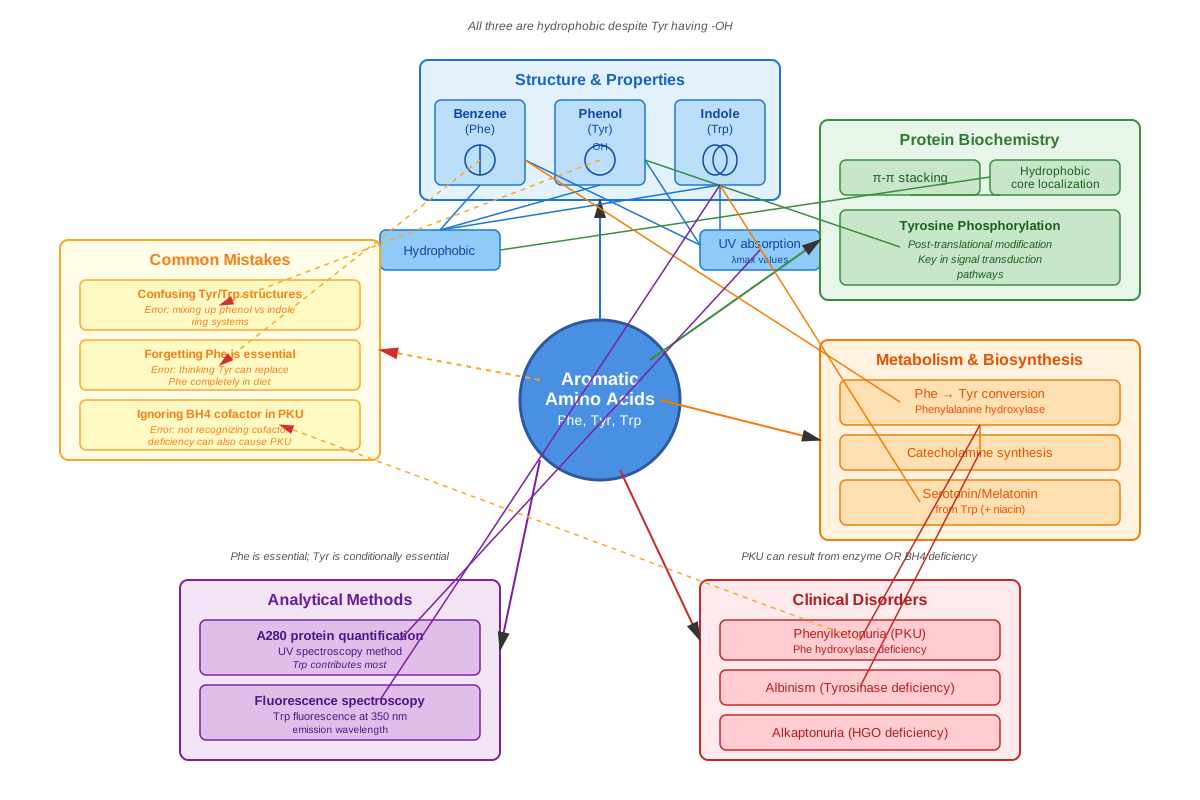
Aromatic amino acids represent a critical subset of the 20 standard amino acids that contain aromatic ring structures in their side chains. These amino acids—phenylalanine, tyrosine, and tryptophan—are distinguished by their conjugated π-electron systems that confer unique chemical, physical, and biological properties. Understanding aromatic amino acids is fundamental to Biochemistry mastery because these residues play pivotal roles in protein structure, enzyme catalysis, signal transduction, and the biosynthesis of numerous physiologically important molecules including neurotransmitters, hormones, and pigments.
For the MCAT, aromatic amino acids appear frequently across multiple contexts within the Biochemistry section and often bridge concepts tested in Organic Chemistry and Biology. Questions may probe their structural features, their contributions to protein folding through π-π stacking and hydrophobic interactions, their role in UV absorption spectroscopy, or their metabolic pathways and clinical significance. The aromatic amino acids MCAT content extends beyond simple memorization of structures to encompass mechanistic understanding of how these residues influence protein function, participate in enzymatic reactions, and serve as precursors for biologically active compounds.
Within the broader framework of Amino Acids and Proteins, aromatic amino acids exemplify how side chain chemistry dictates biological function. Their large, hydrophobic aromatic rings influence protein tertiary structure by preferentially localizing to hydrophobic cores, while their ability to participate in π-π stacking interactions provides additional stabilization. Furthermore, tyrosine's hydroxyl group enables it to serve as a site for post-translational modifications, particularly phosphorylation in signal transduction cascades. Tryptophan's indole ring makes it the largest amino acid and contributes significantly to protein stability, while phenylalanine serves as a metabolic precursor to tyrosine and subsequently to catecholamines. Mastery of aromatic amino acids provides the foundation for understanding protein structure-function relationships, enzyme mechanisms, metabolic pathways, and clinical disorders that appear regularly on the MCAT.
Learning Objectives
- [ ] Define aromatic amino acids using accurate Biochemistry terminology
- [ ] Explain why aromatic amino acids matters for the MCAT
- [ ] Apply aromatic amino acids to exam-style questions
- [ ] Identify common mistakes related to aromatic amino acids
- [ ] Connect aromatic amino acids to related Biochemistry concepts
- [ ] Compare and contrast the structural features and chemical properties of phenylalanine, tyrosine, and tryptophan
- [ ] Predict how aromatic amino acids contribute to protein structure and stability through specific interactions
- [ ] Analyze the metabolic pathways involving aromatic amino acids and identify clinical consequences of pathway disruptions
- [ ] Evaluate the role of aromatic amino acids in UV spectroscopy and protein quantification methods
Prerequisites
- Basic amino acid structure: Understanding of the general amino acid structure (amino group, carboxyl group, α-carbon, and variable R group) is essential for recognizing how aromatic side chains modify fundamental amino acid properties
- Organic chemistry aromatic compounds: Familiarity with benzene rings, resonance structures, and aromatic stability provides the foundation for understanding the unique properties conferred by aromatic side chains
- Protein structure levels: Knowledge of primary, secondary, tertiary, and quaternary structure enables comprehension of how aromatic amino acids contribute to protein folding and stability
- Noncovalent interactions: Understanding of hydrophobic effects, π-π stacking, and hydrogen bonding is necessary to predict how aromatic residues influence protein structure
- Basic enzyme kinetics: Foundational knowledge of enzyme function helps contextualize the role of aromatic residues in active sites and catalytic mechanisms
Why This Topic Matters
Clinical and Real-World Significance
Aromatic amino acids are central to numerous clinically significant conditions and physiological processes. Phenylketonuria (PKU), one of the most commonly tested inborn errors of metabolism on the MCAT, results from deficiency of phenylalanine hydroxylase, preventing conversion of phenylalanine to tyrosine. Without dietary restriction, phenylalanine accumulates to toxic levels causing intellectual disability. Tyrosine serves as the precursor for dopamine, norepinephrine, epinephrine, and thyroid hormones, making it essential for neurotransmission and metabolic regulation. Tryptophan is the sole precursor for serotonin and melatonin, linking this aromatic amino acid to mood regulation, sleep-wake cycles, and gastrointestinal function. Additionally, melanin biosynthesis from tyrosine explains pigmentation disorders, while the conversion of tryptophan to niacin (vitamin B3) connects amino acid metabolism to vitamin biochemistry.
MCAT Exam Statistics and Question Types
Aromatic amino acids appear in approximately 15-20% of amino acid-related questions on the MCAT, making them high-yield content. Questions typically fall into several categories: (1) structure-function questions asking students to predict how substituting an aromatic residue affects protein stability or activity; (2) metabolic pathway questions testing knowledge of phenylalanine and tyrosine metabolism, often in clinical contexts like PKU or alkaptonuria; (3) spectroscopy questions requiring understanding of UV absorption at 280 nm for protein quantification; (4) mechanism questions involving aromatic residues in enzyme active sites; and (5) passage-based questions presenting experimental data about protein engineering or drug design where aromatic interactions are key.
Common Exam Passage Contexts
MCAT passages frequently present aromatic amino acids in the following contexts: protein engineering studies where aromatic residues are mutated to assess their contribution to stability or binding; drug design passages where small molecules interact with aromatic residues in binding pockets; metabolic disease case studies involving PKU, alkaptonuria, or tyrosinemia; spectroscopic analysis of proteins using UV absorption; and signal transduction pathways involving tyrosine phosphorylation. Recognizing these contexts helps students quickly identify relevant concepts and apply their knowledge efficiently during the exam.
Core Concepts
Definition and Structural Features
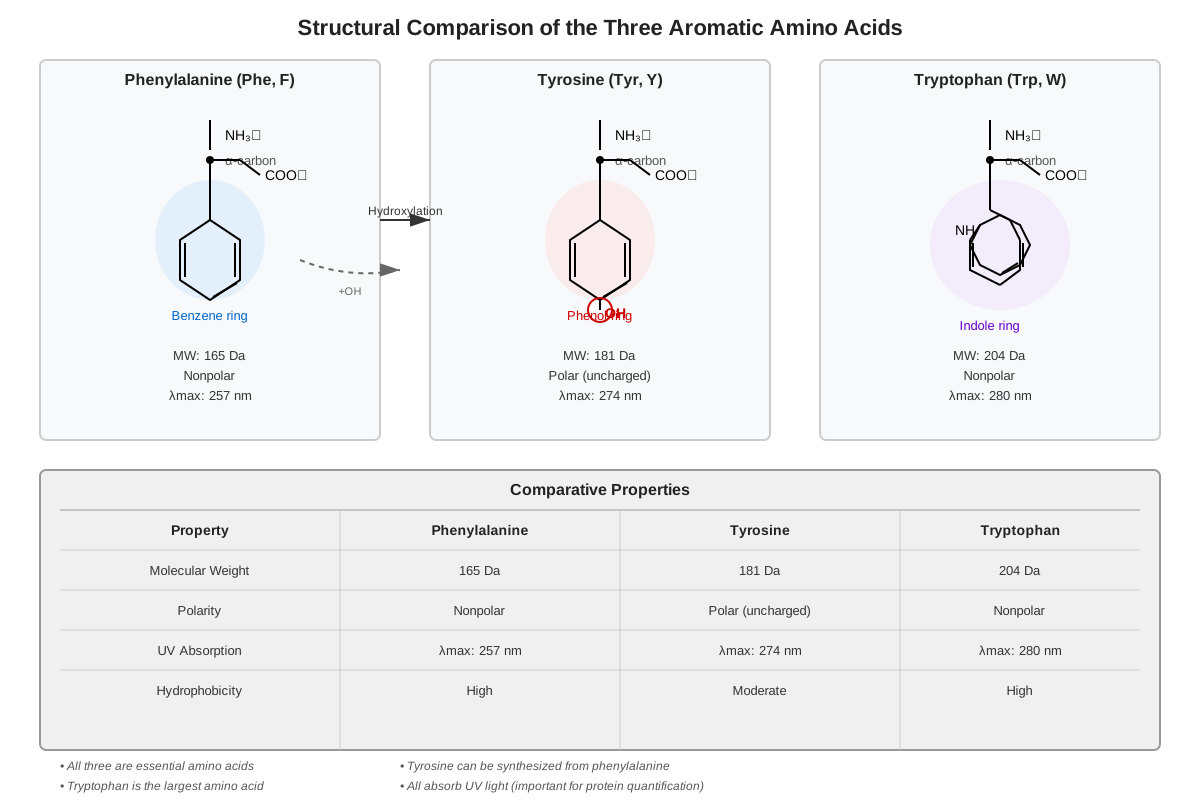
Aromatic amino acids are amino acids containing aromatic ring systems in their side chains, specifically phenylalanine (Phe, F), tyrosine (Tyr, Y), and tryptophan (Trp, W). The defining characteristic is the presence of a conjugated π-electron system that confers aromatic stability according to Hückel's rule (4n+2 π electrons in a planar, cyclic, conjugated system).
Phenylalanine contains a benzyl side chain—a benzene ring attached to a methylene (-CH₂-) group. This structure makes phenylalanine purely hydrophobic with no capacity for hydrogen bonding through its side chain. The benzene ring contains six π electrons in a planar hexagonal arrangement, providing maximum aromatic stability.
Tyrosine is structurally similar to phenylalanine but contains a para-hydroxyl (-OH) group on the benzene ring, creating a phenolic side chain. This hydroxyl group introduces amphipathic character—the aromatic ring remains hydrophobic while the hydroxyl can participate in hydrogen bonding and, critically, can be deprotonated at high pH (pKa ≈ 10.1) or phosphorylated in post-translational modifications.
Tryptophan contains an indole side chain—a bicyclic structure consisting of a benzene ring fused to a pyrrole ring. With a total of 10 π electrons distributed across both rings, tryptophan is the largest standard amino acid. The indole nitrogen can serve as a hydrogen bond donor, adding to tryptophan's interaction repertoire.
Physical and Chemical Properties
| Property | Phenylalanine | Tyrosine | Tryptophan |
|---|---|---|---|
| Three-letter code | Phe | Tyr | Trp |
| One-letter code | F | Y | W |
| Side chain type | Nonpolar, hydrophobic | Polar, amphipathic | Nonpolar, hydrophobic |
| Molecular weight | 165 Da | 181 Da | 204 Da |
| UV absorption (280 nm) | Weak | Strong | Very strong |
| pKa of ionizable group | None | ~10.1 (phenolic OH) | None (indole NH not ionizable at physiological pH) |
| Essential amino acid | Yes | No (synthesized from Phe) | Yes |
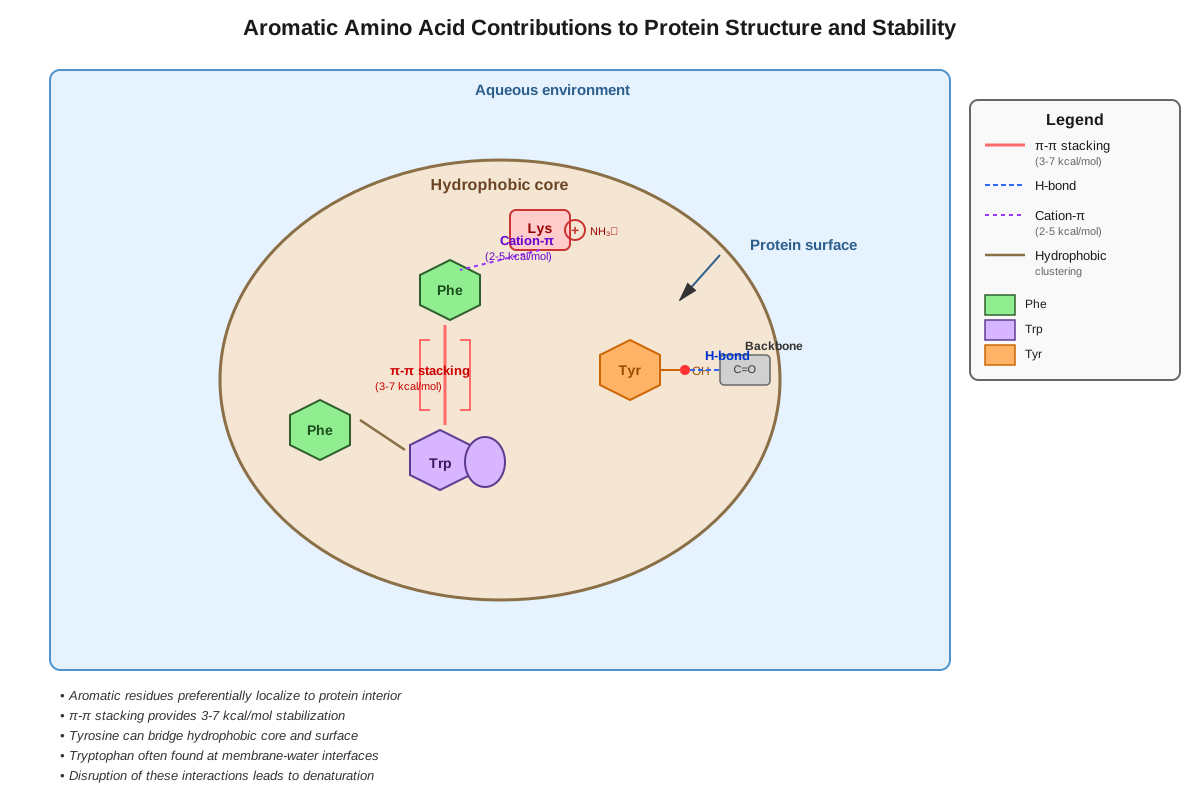
The hydrophobic character of aromatic amino acids drives their preferential location in protein interiors, away from aqueous environments. However, their large, flat ring systems enable specific interactions not available to aliphatic hydrophobic residues. The π-electron clouds above and below the aromatic rings can interact with each other (π-π stacking), with cations (cation-π interactions), and with partial positive charges on other molecular features.
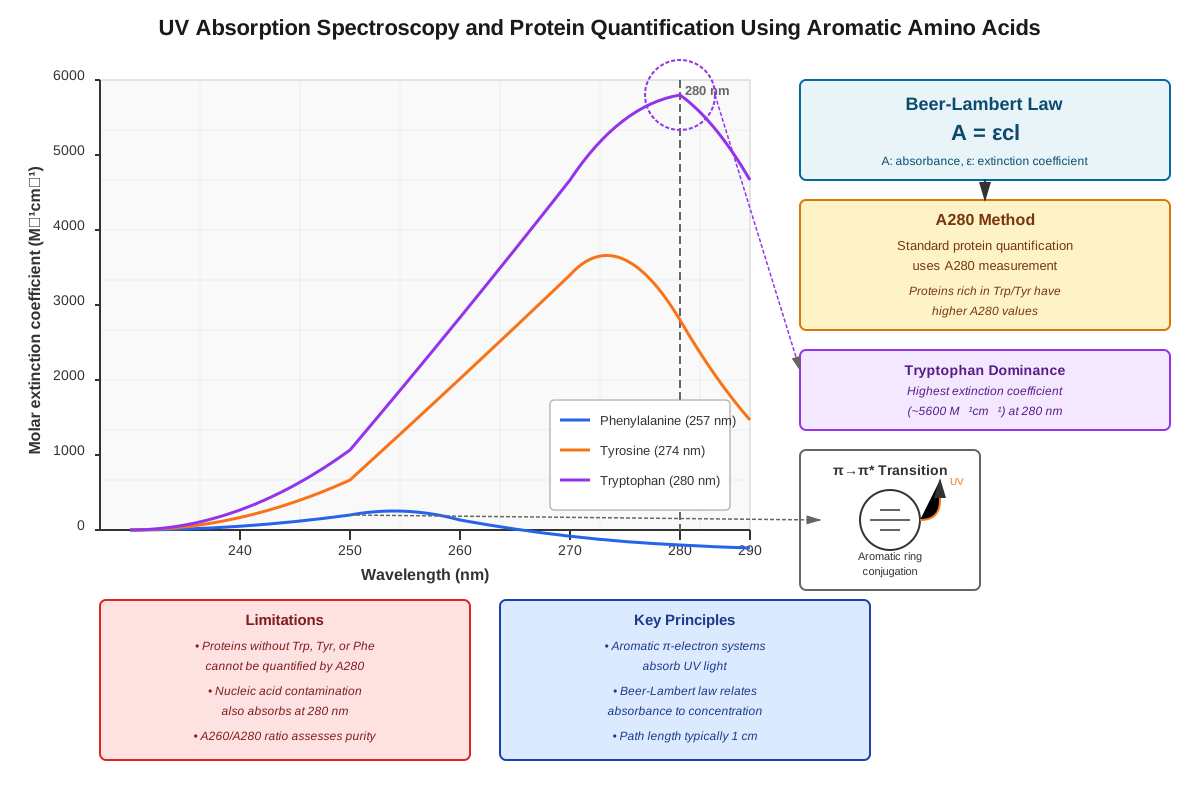
UV absorption is a critical property for MCAT questions. Aromatic rings absorb UV light at 280 nm, with tryptophan showing the strongest absorption, followed by tyrosine, and phenylalanine contributing minimally. This property forms the basis of the Bradford and Lowry protein quantification assays and allows researchers to estimate protein concentration by measuring absorbance at 280 nm.
Contributions to Protein Structure
Aromatic amino acids contribute to protein stability and structure through multiple mechanisms:
- Hydrophobic effect: The large aromatic rings preferentially partition into hydrophobic protein cores, contributing significantly to the thermodynamic driving force for protein folding
- π-π stacking interactions: Aromatic rings can stack in parallel, perpendicular (T-shaped), or offset configurations, providing 2-4 kcal/mol of stabilization energy per interaction
- Cation-π interactions: The electron-rich π system can interact favorably with positively charged residues (Lys, Arg) or metal ions, contributing 5-10 kcal/mol of binding energy
- Edge-to-face interactions: The slightly positive hydrogen atoms on one aromatic ring can interact with the π-electron cloud of another
- Hydrogen bonding: Tyrosine's hydroxyl and tryptophan's indole NH can serve as hydrogen bond donors or acceptors
These interactions are particularly important in protein binding sites, where aromatic residues frequently line hydrophobic pockets and participate in substrate or ligand recognition. Approximately 25% of residues in typical protein binding sites are aromatic, despite aromatic amino acids comprising only about 9% of total protein composition.
Metabolic Pathways and Clinical Significance
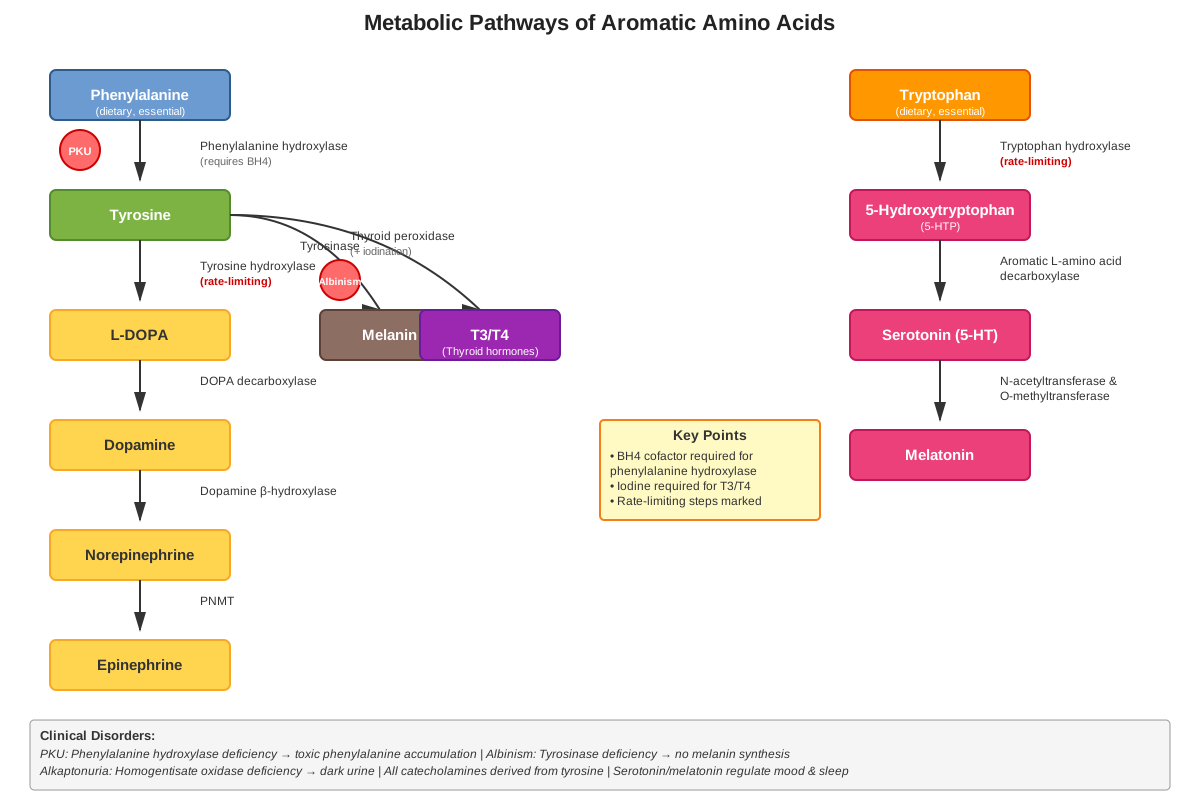
Phenylalanine metabolism is essential MCAT content. Phenylalanine is an essential amino acid that must be obtained from the diet. The enzyme phenylalanine hydroxylase (PAH) converts phenylalanine to tyrosine using tetrahydrobiopterin (BH₄) as a cofactor and molecular oxygen. This reaction makes tyrosine a conditionally essential amino acid—essential only when phenylalanine hydroxylase is deficient.
Phenylketonuria (PKU) results from mutations in PAH, causing phenylalanine accumulation. Excess phenylalanine is transaminated to phenylpyruvate (a phenylketone, hence the disease name), which along with other metabolites causes neurological damage if untreated. Treatment involves strict dietary restriction of phenylalanine. The MCAT frequently tests PKU in the context of newborn screening, dietary management, and the biochemical basis of intellectual disability.
Tyrosine metabolism branches into multiple pathways:
- Catecholamine synthesis: Tyrosine → DOPA → Dopamine → Norepinephrine → Epinephrine (in the adrenal medulla)
- Thyroid hormone synthesis: Tyrosine residues in thyroglobulin are iodinated to form T3 and T4
- Melanin synthesis: Tyrosine → DOPA → Dopaquinone → Melanin (via tyrosinase)
- Degradation pathway: Tyrosine → p-hydroxyphenylpyruvate → homogentisate → fumarate + acetoacetate
Alkaptonuria results from deficiency of homogentisate oxidase, causing homogentisate accumulation. This compound oxidizes to a dark pigment, causing dark urine and ochronosis (dark pigmentation of connective tissues). While less commonly tested than PKU, alkaptonuria may appear in passage-based questions about metabolic diseases.
Tryptophan metabolism produces several important molecules:
- Serotonin synthesis: Tryptophan → 5-hydroxytryptophan → Serotonin (5-HT) → Melatonin
- Niacin synthesis: Tryptophan can be converted to NAD⁺, providing about 1 mg of niacin equivalent per 60 mg of tryptophan
- Kynurenine pathway: The major degradative pathway producing NAD⁺
Spectroscopic Properties and Protein Analysis
The UV absorption properties of aromatic amino acids are frequently tested on the MCAT. Proteins absorb UV light maximally at 280 nm primarily due to tryptophan and tyrosine residues. This property enables:
- Protein quantification: Measuring absorbance at 280 nm provides a rapid estimate of protein concentration
- Monitoring protein purification: Following A₂₈₀ through purification steps tracks protein recovery
- Studying protein-ligand interactions: Changes in the local environment of aromatic residues upon ligand binding alter UV absorption spectra
- Fluorescence spectroscopy: Tryptophan fluoresces when excited by UV light, and this fluorescence is sensitive to the local environment, making it useful for studying protein folding and conformational changes
The extinction coefficient (ε) at 280 nm differs for each aromatic amino acid: tryptophan (5,500 M⁻¹cm⁻¹) >> tyrosine (1,490 M⁻¹cm⁻¹) >> phenylalanine (200 M⁻¹cm⁻¹). This explains why tryptophan content dominates protein UV absorption despite being the least abundant aromatic amino acid.
Post-Translational Modifications
Tyrosine phosphorylation is a crucial post-translational modification in signal transduction. Tyrosine kinases add phosphate groups to tyrosine hydroxyl groups, creating phosphotyrosine residues that serve as binding sites for proteins containing SH2 or PTB domains. This modification is central to:
- Growth factor signaling (e.g., insulin receptor, EGF receptor)
- Immune cell activation (e.g., T-cell receptor signaling)
- Cell cycle regulation
- Oncogenic transformation (many oncogenes encode constitutively active tyrosine kinases)
Tyrosine phosphorylation is reversible through protein tyrosine phosphatases (PTPs), allowing dynamic regulation of signaling pathways. The MCAT may test this concept in passages about signal transduction, cancer biology, or drug development (many cancer drugs are tyrosine kinase inhibitors).
Tyrosine sulfation and tyrosine nitration are less common modifications but may appear in advanced passages. Tryptophan can undergo oxidation, and phenylalanine can be hydroxylated to tyrosine in some proteins, though this is rare.
Concept Relationships
The aromatic amino acids form an interconnected network of concepts within biochemistry. At the structural level, phenylalanine serves as the precursor to tyrosine through the action of phenylalanine hydroxylase, establishing a direct metabolic connection between these two aromatic amino acids. This relationship has profound clinical implications, as demonstrated by PKU, where phenylalanine accumulation occurs alongside tyrosine deficiency.
Tyrosine's dual nature as both a structural amino acid and a metabolic precursor connects protein biochemistry to neurotransmitter synthesis, endocrine function, and pigmentation. The pathway from tyrosine to catecholamines links amino acid metabolism to neuroscience and pharmacology, topics that frequently appear together in MCAT passages.
Tryptophan metabolism connects to vitamin biochemistry through niacin synthesis, illustrating how amino acid catabolism can compensate for dietary vitamin deficiency. The serotonin synthesis pathway links tryptophan to neuroscience, psychiatry, and circadian biology.
Within protein structure, all three aromatic amino acids contribute to hydrophobic core formation, but their specific interaction patterns differ. Phenylalanine primarily contributes through hydrophobic and π-π interactions, tyrosine adds hydrogen bonding capability and serves as a phosphorylation site, and tryptophan provides the strongest hydrophobic contribution while also participating in hydrogen bonding through its indole NH.
The UV absorption properties of aromatic amino acids connect protein chemistry to analytical biochemistry and experimental design. Understanding that tryptophan and tyrosine content determines protein UV absorption enables interpretation of spectroscopic data in MCAT passages.
Relationship map:
Phenylalanine → (phenylalanine hydroxylase) → Tyrosine → (tyrosine hydroxylase) → DOPA → (DOPA decarboxylase) → Dopamine → (dopamine β-hydroxylase) → Norepinephrine → (PNMT) → Epinephrine
Tryptophan → (tryptophan hydroxylase) → 5-hydroxytryptophan → (aromatic amino acid decarboxylase) → Serotonin → (N-acetyltransferase, O-methyltransferase) → Melatonin
Aromatic amino acids in proteins → UV absorption at 280 nm → Protein quantification and analysis
Tyrosine residues in proteins → (tyrosine kinases) → Phosphotyrosine → Signal transduction cascade activation
Quick check — test yourself on Aromatic amino acids so far.
Try Flashcards →High-Yield Facts
⭐ The three aromatic amino acids are phenylalanine (F), tyrosine (Y), and tryptophan (W), distinguished by aromatic ring systems in their side chains
⭐ Phenylalanine is converted to tyrosine by phenylalanine hydroxylase, making tyrosine conditionally essential; deficiency of this enzyme causes phenylketonuria (PKU)
⭐ Tyrosine is the precursor for dopamine, norepinephrine, epinephrine, thyroid hormones, and melanin, connecting it to neurotransmission, endocrine function, and pigmentation
⭐ Tryptophan is the precursor for serotonin and melatonin, linking it to mood regulation, sleep, and circadian rhythms
⭐ Aromatic amino acids absorb UV light at 280 nm, with tryptophan showing the strongest absorption, enabling protein quantification by spectroscopy
- Tyrosine contains a hydroxyl group with pKa ≈ 10.1 that can be phosphorylated in signal transduction pathways
- Tryptophan is the largest standard amino acid due to its bicyclic indole side chain
- Aromatic amino acids contribute to protein stability through π-π stacking, hydrophobic interactions, and cation-π interactions
- Approximately 25% of residues in protein binding sites are aromatic, despite comprising only ~9% of total protein composition
- Alkaptonuria results from homogentisate oxidase deficiency in tyrosine degradation, causing dark urine and ochronosis
- Phenylalanine and tryptophan are essential amino acids that must be obtained from the diet
- The extinction coefficient at 280 nm follows the order: tryptophan >> tyrosine >> phenylalanine
- Tyrosine kinases and phosphatases regulate signal transduction by adding and removing phosphate groups from tyrosine residues
Common Misconceptions
Misconception: All aromatic amino acids are nonpolar and hydrophobic
Correction: While phenylalanine and tryptophan are classified as nonpolar, tyrosine is polar due to its hydroxyl group, which can participate in hydrogen bonding and can be ionized at high pH. Tyrosine is amphipathic, containing both hydrophobic (aromatic ring) and hydrophilic (hydroxyl) character.
Misconception: Tyrosine is an essential amino acid
Correction: Tyrosine is conditionally essential—it can be synthesized from phenylalanine by phenylalanine hydroxylase. It becomes essential only when this enzyme is deficient (as in PKU) or when phenylalanine intake is insufficient. Phenylalanine and tryptophan are the truly essential aromatic amino acids.
Misconception: Aromatic amino acids are always buried in protein interiors
Correction: While aromatic residues often localize to hydrophobic cores, they frequently appear at protein surfaces, particularly in binding sites and protein-protein interfaces. Tyrosine's polar hydroxyl group makes it especially common at protein surfaces where it can interact with both hydrophobic and hydrophilic environments.
Misconception: The indole nitrogen in tryptophan is basic and can be protonated at physiological pH
Correction: The indole nitrogen in tryptophan is not basic because its lone pair participates in the aromatic π-system, making it unavailable for protonation. The indole NH can serve as a hydrogen bond donor but does not become protonated at physiological pH.
Misconception: Phenylalanine can be converted directly to dopamine
Correction: Phenylalanine must first be converted to tyrosine by phenylalanine hydroxylase, then tyrosine is converted to DOPA by tyrosine hydroxylase, and finally DOPA is converted to dopamine by DOPA decarboxylase. Phenylalanine cannot bypass tyrosine in catecholamine synthesis.
Misconception: All proteins absorb UV light equally at 280 nm
Correction: UV absorption at 280 nm depends on the number of tryptophan and tyrosine residues in the protein. Proteins lacking these residues (like collagen, which is rich in glycine and proline) show minimal absorption at 280 nm. The extinction coefficient must be calculated based on aromatic amino acid content.
Misconception: π-π stacking always involves parallel aromatic rings
Correction: π-π stacking can occur in multiple geometries: parallel-displaced (offset stacking), perpendicular (T-shaped or edge-to-face), or tilted configurations. Perfectly parallel face-to-face stacking is actually unfavorable due to electrostatic repulsion between the π-electron clouds.
Worked Examples
Example 1: Protein Engineering and Stability
Question: A researcher is studying a thermostable enzyme from a hyperthermophilic organism and compares it to a mesophilic homolog. The thermostable enzyme contains 8 tryptophan residues while the mesophilic version contains only 3. Both enzymes have similar numbers of tyrosine and phenylalanine residues. Which of the following best explains how the additional tryptophan residues contribute to thermostability?
A) Tryptophan's large indole side chain increases protein molecular weight, requiring more thermal energy for denaturation
B) The additional tryptophan residues increase hydrophobic core packing and π-π stacking interactions, stabilizing the folded state
C) Tryptophan's indole nitrogen forms ionic bonds that are stable at high temperatures
D) The additional tryptophan residues increase protein flexibility, allowing the enzyme to function at high temperatures
Solution:
Step 1: Identify the key concept being tested—how aromatic amino acids, specifically tryptophan, contribute to protein stability.
Step 2: Recall that tryptophan is the largest amino acid with a bulky indole side chain that is highly hydrophobic. It contributes to protein stability primarily through hydrophobic interactions and π-π stacking.
Step 3: Evaluate each answer choice:
- Choice A is incorrect because molecular weight alone does not determine thermostability. The mass of the protein is not the primary factor in resistance to thermal denaturation.
- Choice B correctly identifies the mechanism: tryptophan's large hydrophobic indole ring contributes to tight hydrophobic core packing, and the aromatic system can participate in π-π stacking interactions with other aromatic residues. These noncovalent interactions provide additional stabilization energy that must be overcome for the protein to unfold, increasing the melting temperature.
- Choice C is incorrect because the indole nitrogen does not form ionic bonds. While it can participate in hydrogen bonding, it is not ionizable at physiological pH and does not carry a charge.
- Choice D is incorrect because increased flexibility generally decreases thermostability. Thermostable proteins typically have more rigid structures with extensive noncovalent interactions.
Answer: B
Connection to learning objectives: This example demonstrates how to apply knowledge of aromatic amino acid properties to predict their effects on protein structure and stability, a common MCAT question type.
Example 2: Metabolic Disease Case Study
Question: A newborn infant is screened for metabolic disorders. Blood tests reveal elevated phenylalanine levels (20 mg/dL; normal <2 mg/dL) and low tyrosine levels. Urine analysis shows elevated phenylpyruvate. The infant is diagnosed with phenylketonuria (PKU). Which of the following dietary modifications would be most appropriate?
A) Eliminate all protein from the diet
B) Provide a diet low in phenylalanine but supplemented with tyrosine
C) Provide a diet high in tyrosine to competitively inhibit phenylalanine absorption
D) Eliminate all aromatic amino acids from the diet
Solution:
Step 1: Understand the biochemical defect in PKU—deficiency of phenylalanine hydroxylase prevents conversion of phenylalanine to tyrosine.
Step 2: Recognize the consequences:
- Phenylalanine accumulates to toxic levels
- Tyrosine becomes an essential amino acid (cannot be synthesized from phenylalanine)
- Excess phenylalanine is transaminated to phenylpyruvate and other toxic metabolites
Step 3: Determine the therapeutic goal—reduce phenylalanine to safe levels while ensuring adequate tyrosine for protein synthesis and catecholamine production.
Step 4: Evaluate each answer choice:
- Choice A is incorrect and dangerous. Complete protein elimination would cause protein-energy malnutrition and deficiency of all essential amino acids. Some phenylalanine is actually required for protein synthesis; the goal is to limit it, not eliminate it entirely.
- Choice B is correct. The standard treatment for PKU involves a low-phenylalanine diet (restricting high-protein foods and using special medical foods) while supplementing with tyrosine, which has become essential due to the enzyme deficiency. This approach maintains phenylalanine at levels sufficient for protein synthesis but below toxic thresholds.
- Choice C is incorrect. While competitive inhibition is a valid biochemical concept, the problem is not absorption but rather metabolism. Additionally, high tyrosine intake alone would not prevent phenylalanine accumulation and could cause other imbalances.
- Choice D is incorrect because tryptophan and tyrosine are also essential for health. Tryptophan is an essential amino acid required for serotonin synthesis, and tyrosine (now essential in PKU patients) is needed for catecholamine and thyroid hormone synthesis.
Answer: B
Connection to learning objectives: This example integrates knowledge of aromatic amino acid metabolism, the relationship between phenylalanine and tyrosine, and clinical application of biochemical principles—all high-yield for the MCAT.
Exam Strategy
Approaching MCAT Questions on Aromatic Amino Acids
When encountering questions about aromatic amino acids, use this systematic approach:
- Identify which aromatic amino acid(s) are involved: Look for one-letter codes (F, Y, W), three-letter codes (Phe, Tyr, Trp), or full names. Note whether the question involves all three or focuses on one specifically.
- Determine the context: Is this a structure question (protein folding, stability), a metabolism question (PKU, catecholamine synthesis), a spectroscopy question (UV absorption), or a signal transduction question (tyrosine phosphorylation)?
- Recall the unique properties:
- Phenylalanine: purely hydrophobic, precursor to tyrosine
- Tyrosine: amphipathic, hydroxyl group, phosphorylation site, precursor to catecholamines
- Tryptophan: largest amino acid, strongest UV absorption, precursor to serotonin
- Watch for clinical connections: PKU, alkaptonuria, catecholamine disorders, and thyroid disorders frequently appear in passages involving aromatic amino acids.
Trigger Words and Phrases
- "UV absorption," "280 nm," "protein quantification" → Think about tryptophan and tyrosine content and spectroscopic properties
- "Phosphorylation," "signal transduction," "kinase" → Focus on tyrosine and its role in cell signaling
- "Hydrophobic core," "protein stability," "π-π stacking" → Consider how aromatic rings contribute to protein folding
- "Newborn screening," "intellectual disability," "dietary restriction" → PKU and phenylalanine metabolism
- "Catecholamines," "dopamine," "neurotransmitters" → Tyrosine as a precursor
- "Serotonin," "melatonin," "mood regulation" → Tryptophan metabolism
- "Essential amino acid" → Phenylalanine and tryptophan are essential; tyrosine is conditionally essential
Process-of-Elimination Tips
- Eliminate answers that confuse the three aromatic amino acids: If a question asks about tyrosine phosphorylation, eliminate answers that mention phenylalanine or tryptophan phosphorylation (these don't occur in signal transduction).
- Eliminate answers that violate metabolic pathway order: Phenylalanine must be converted to tyrosine before entering catecholamine synthesis; any answer suggesting direct conversion to dopamine is incorrect.
- Eliminate answers that mischaracterize polarity: Phenylalanine is nonpolar, tyrosine is polar, tryptophan is nonpolar. Answers that reverse these classifications are incorrect.
- Watch for answers that overstate or understate UV absorption: Tryptophan absorbs most strongly, tyrosine moderately, phenylalanine weakly. Eliminate answers that reverse this order.
Time Allocation Advice
For discrete questions about aromatic amino acids, spend 60-90 seconds. These questions typically test straightforward recall of properties or simple application of concepts. For passage-based questions, allocate time proportionally to passage length, but recognize that aromatic amino acid questions within passages often require integration of multiple concepts (e.g., connecting protein structure data to functional outcomes), so allow 90-120 seconds per question.
Exam Tip: If a passage presents experimental data about protein mutations involving aromatic residues, quickly scan for whether the mutation involves gain or loss of aromatic character, changes in polarity (especially F↔Y substitutions), or alterations in size. These changes predict functional consequences.
Memory Techniques
Mnemonics for the Three Aromatic Amino Acids
"FYW" or "Few Young Warriors" - Phenylalanine, Tyrosine, Tryptophan (the three aromatic amino acids)
"Phe-Tyr-Trp: Pretty Young Thing" - Helps remember the order in the metabolic relationship (Phe → Tyr) and that Trp is separate
Metabolic Pathway Mnemonics
"Phe-Tyr-DOPA-Dopamine-NorE-Epi" or "Pretty Tired, Don't Do Nothing Exciting"
- Phenylalanine → Tyrosine → DOPA → Dopamine → Norepinephrine → Epinephrine
"Tryptophan Takes Serotonin To Make Me Sleep"
- Tryptophan → 5-HTP → Serotonin → Melatonin
UV Absorption Memory Aid
"W wins, Y yields, F fails" - Tryptophan (W) has the strongest UV absorption, Tyrosine (Y) has moderate absorption, Phenylalanine (F) has weak absorption at 280 nm
Structural Visualization
Phenylalanine: Visualize a "plain" benzene ring attached to alanine (phenyl + alanine = phenylalanine)
Tyrosine: Visualize phenylalanine with a "tire" (sounds like "tyr") on top—the tire represents the hydroxyl group at the para position
Tryptophan: Visualize a "tryptych" (three-panel artwork)—the indole ring looks like two panels fused together, making it the largest
Properties Table Memory Aid
Create a mental table with the mnemonic "PUSH":
- Polar: Only Tyrosine
- UV absorption: Trp > Tyr >> Phe
- Synthesized: Only Tyrosine (from Phe)
- Hydroxyl group: Only Tyrosine
Summary
Aromatic amino acids—phenylalanine, tyrosine, and tryptophan—represent a critical category of amino acids distinguished by their aromatic ring structures and unique biochemical properties. These three residues contribute disproportionately to protein structure through hydrophobic interactions, π-π stacking, and specific binding interactions, despite comprising less than 10% of typical protein composition. Phenylalanine serves as the metabolic precursor to tyrosine through phenylalanine hydroxylase, and deficiency of this enzyme causes phenylketonuria, a high-yield clinical condition for the MCAT. Tyrosine functions both as a structural amino acid and as the precursor for catecholamines, thyroid hormones, and melanin, while also serving as a key phosphorylation site in signal transduction. Tryptophan, the largest amino acid, is the precursor for serotonin and melatonin and contributes most significantly to protein UV absorption at 280 nm. Understanding the structural features, chemical properties, metabolic pathways, and functional roles of aromatic amino acids is essential for success on MCAT biochemistry questions, which frequently test these concepts in contexts ranging from protein engineering to metabolic diseases to analytical biochemistry.
Key Takeaways
- The three aromatic amino acids (Phe, Tyr, Trp) contain aromatic ring systems that confer unique structural and chemical properties critical for protein function
- Phenylalanine is converted to tyrosine by phenylalanine hydroxylase; deficiency causes PKU, requiring dietary phenylalanine restriction and tyrosine supplementation
- Tyrosine serves dual roles as a structural amino acid and as the precursor for catecholamines (dopamine, norepinephrine, epinephrine), thyroid hormones, and melanin
- Tryptophan is the precursor for serotonin and melatonin and exhibits the strongest UV absorption at 280 nm, enabling protein quantification
- Aromatic amino acids contribute to protein stability through hydrophobic interactions, π-π stacking, and cation-π interactions, and are enriched in protein binding sites
- Tyrosine phosphorylation by tyrosine kinases is a central mechanism in signal transduction pathways, particularly in growth factor signaling and oncogenesis
- Understanding aromatic amino acid properties enables prediction of how mutations or modifications affect protein structure, function, and stability—a common MCAT question type
Related Topics
Protein Structure and Folding: Mastery of aromatic amino acids provides the foundation for understanding how noncovalent interactions drive protein folding and how specific residues contribute to structural stability. Advanced study should include protein folding thermodynamics and the role of aromatic clusters in protein cores.
Enzyme Catalysis and Active Sites: Many enzyme active sites contain aromatic residues that participate in substrate binding and catalysis. Understanding aromatic amino acids enables deeper comprehension of enzyme mechanisms, particularly in serine proteases and other hydrolases.
Signal Transduction Pathways: Tyrosine phosphorylation is central to receptor tyrosine kinase signaling, JAK-STAT pathways, and many oncogenic mechanisms. Building on aromatic amino acid knowledge enables mastery of cell signaling, a high-yield MCAT topic.
Amino Acid Metabolism: The metabolic pathways of aromatic amino acids connect to broader amino acid catabolism, including transamination, oxidative deamination, and the urea cycle. Understanding these connections provides a comprehensive view of nitrogen metabolism.
Spectroscopy and Analytical Techniques: The UV absorption properties of aromatic amino acids form the basis for multiple analytical methods. Further study should include fluorescence spectroscopy, circular dichroism, and other techniques for studying protein structure and dynamics.
Practice CTA
Now that you've mastered the core concepts of aromatic amino acids, it's time to reinforce your learning through active practice. Complete the practice questions and flashcards associated with this topic to solidify your understanding and identify any remaining knowledge gaps. Remember, the MCAT rewards not just knowledge but the ability to apply concepts rapidly and accurately under time pressure. Each practice question you complete builds the pattern recognition and analytical skills essential for test day success. You've built a strong foundation—now strengthen it through deliberate practice!
Sign up free to keep reading
Create a free AnvayaPrep account to finish this MCAT guide on Aromatic amino acids — plus flashcards and practice questions.