Overview
Myoglobin represents one of the most thoroughly studied proteins in Biochemistry and serves as a cornerstone example for understanding protein structure-function relationships on the MCAT. This oxygen-binding protein, found predominantly in cardiac and skeletal muscle tissue, exemplifies how amino acids and proteins fold into precise three-dimensional structures that enable specific biological functions. Myoglobin's relatively simple monomeric structure—consisting of a single polypeptide chain wrapped around a heme prosthetic group—makes it an ideal teaching model for more complex proteins like hemoglobin, while its clinical relevance in conditions such as myocardial infarction and rhabdomyolysis ensures frequent appearance in MCAT passages.
Understanding myoglobin biochemistry provides essential foundation for grasping cooperative binding, allosteric regulation, and the relationship between protein structure and physiological function. The MCAT frequently tests myoglobin in comparative contexts with hemoglobin, requiring students to analyze oxygen-binding curves, interpret structural differences, and predict functional consequences of mutations or environmental changes. Mastery of myoglobin enables students to tackle questions spanning multiple disciplines—from the biochemistry of prosthetic groups to the physiology of oxygen transport and the clinical chemistry of cardiac biomarkers.
The study of myoglobin bridges fundamental concepts in protein chemistry with practical medical applications, making it a high-yield topic that appears in approximately 15-20% of MCAT biochemistry passages involving proteins. Questions may present experimental data on oxygen binding, ask students to interpret structural diagrams, or require application of binding principles to novel scenarios. This topic integrates seamlessly with broader themes in amino acids and proteins, including secondary structure elements (alpha helices), tertiary structure stabilization, and the role of prosthetic groups in protein function.
Learning Objectives
- [ ] Define Myoglobin using accurate Biochemistry terminology
- [ ] Explain why Myoglobin matters for the MCAT
- [ ] Apply Myoglobin to exam-style questions
- [ ] Identify common mistakes related to Myoglobin
- [ ] Connect Myoglobin to related Biochemistry concepts
- [ ] Compare and contrast myoglobin and hemoglobin oxygen-binding properties quantitatively
- [ ] Analyze oxygen-binding curves and predict how changes in conditions affect myoglobin function
- [ ] Explain the structural basis for myoglobin's oxygen-binding characteristics at the molecular level
Prerequisites
- Protein structure levels (primary, secondary, tertiary, quaternary): Essential for understanding how myoglobin's amino acid sequence determines its three-dimensional fold and function
- Amino acid properties and classifications: Necessary to comprehend how specific residues stabilize myoglobin structure and interact with the heme group
- Noncovalent interactions (hydrogen bonds, hydrophobic interactions, van der Waals forces): Critical for understanding tertiary structure stabilization in myoglobin
- Basic enzyme kinetics and binding curves: Provides framework for interpreting myoglobin's hyperbolic oxygen-binding curve
- Oxidation states of iron: Required to understand heme chemistry and oxygen binding mechanism
- Alpha helix structure: Myoglobin consists predominantly of alpha helices, making this structural knowledge fundamental
Why This Topic Matters
Myoglobin serves multiple critical roles in medical education and MCAT preparation. Clinically, myoglobin functions as a cardiac biomarker released during myocardial infarction, appearing in serum within 2-3 hours of cardiac muscle damage—earlier than troponin but less specific. Elevated myoglobin levels also indicate rhabdomyolysis, a potentially fatal condition involving skeletal muscle breakdown. Understanding myoglobin's structure and function enables interpretation of these clinical scenarios, which frequently appear in MCAT passages requiring integration of biochemistry with physiology and pathology.
From an examination perspective, myoglobin appears in approximately 15-20% of MCAT biochemistry passages dealing with proteins, often in comparative questions with hemoglobin. The AAMC consistently tests students' ability to interpret oxygen-binding curves, understand cooperative versus non-cooperative binding, and apply structural knowledge to predict functional outcomes. Questions may present experimental data showing myoglobin's hyperbolic binding curve versus hemoglobin's sigmoidal curve, requiring students to explain the molecular basis for these differences. Passages commonly include mutations affecting heme pocket residues, asking students to predict effects on oxygen affinity or protein stability.
The topic appears in multiple question formats: discrete questions testing factual knowledge about myoglobin structure, passage-based questions requiring data interpretation from oxygen-binding experiments, and pseudo-discrete questions connecting myoglobin to clinical scenarios. High-yield testable concepts include the role of the distal and proximal histidines, the significance of the hydrophobic heme pocket, comparison of P50 values, and the physiological rationale for myoglobin's high oxygen affinity. Mastering myoglobin provides a framework for understanding more complex oxygen-binding proteins and allosteric regulation, making it a gateway topic for advanced biochemistry concepts.
Core Concepts
Structure of Myoglobin
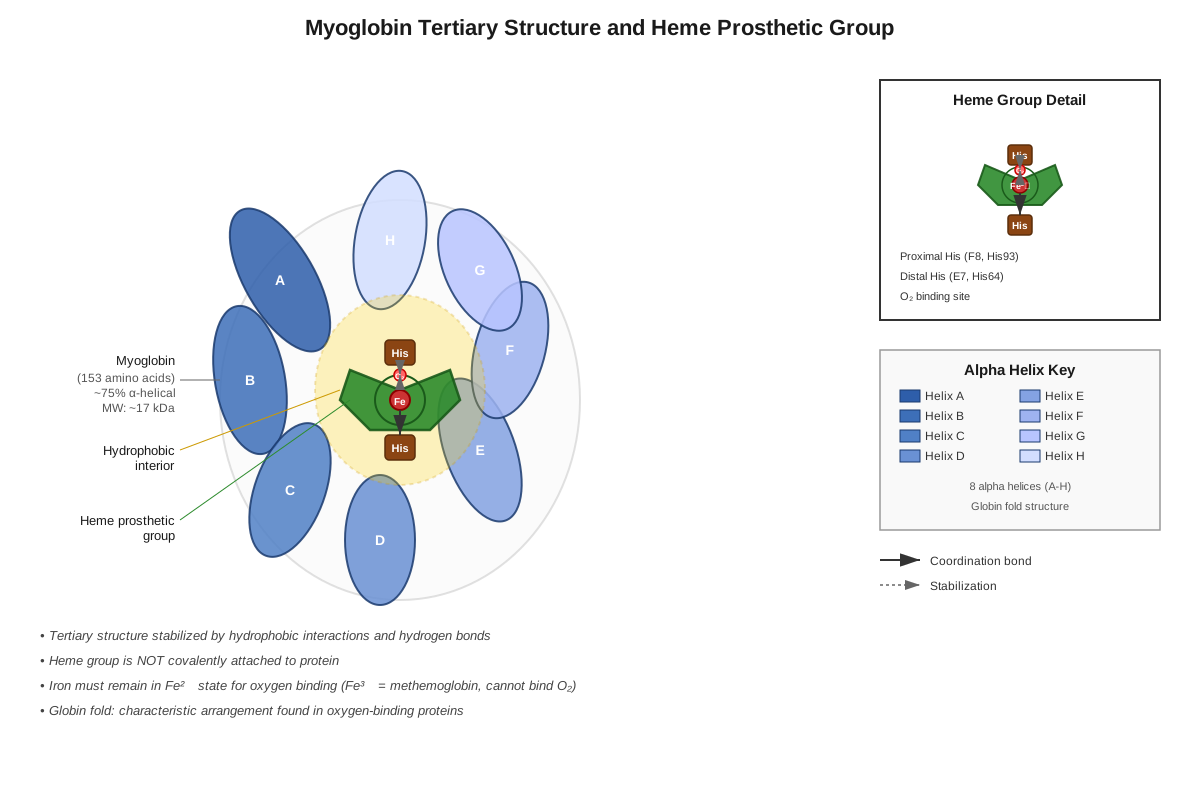
Myoglobin is a monomeric, globular protein consisting of 153 amino acids folded into eight alpha helices (labeled A through H) connected by short loops and turns. This compact structure creates a hydrophobic interior pocket that houses the heme prosthetic group, an iron-containing porphyrin ring essential for oxygen binding. The protein's tertiary structure is stabilized primarily by hydrophobic interactions between nonpolar amino acid side chains in the interior, with polar and charged residues predominantly located on the protein surface where they interact with the aqueous cellular environment.
The heme group consists of a protoporphyrin IX ring with a central iron atom in the Fe²⁺ (ferrous) oxidation state. This iron atom can form six coordination bonds: four with nitrogen atoms in the porphyrin ring (forming a planar arrangement), one with the proximal histidine residue (His93 in the F helix), and one available for oxygen binding. The distal histidine (His64 in the E helix) sits on the opposite side of the heme from the proximal histidine and plays a crucial role in stabilizing bound oxygen while preventing irreversible oxidation of the iron atom.
The hydrophobic environment of the heme pocket serves multiple functions: it protects the iron from oxidation to Fe³⁺ (which cannot bind oxygen), positions the heme group optimally for oxygen binding, and creates a binding site with appropriate affinity for physiological oxygen storage. Approximately 75% of myoglobin's structure consists of alpha helices, with no beta sheets present, making it an excellent example of an all-alpha protein domain.
Oxygen Binding Mechanism
Myoglobin binds oxygen through a reversible reaction that can be represented as:
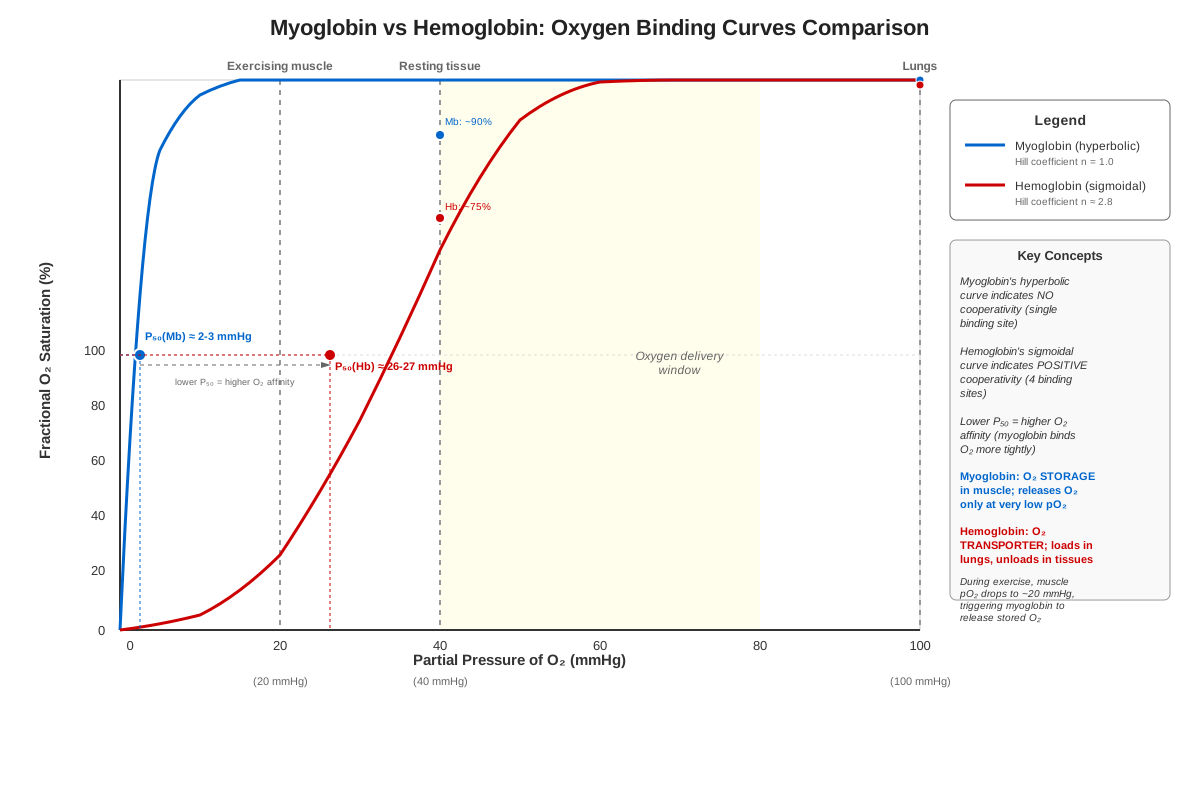
Mb + O₂ ⇌ MbO₂The binding follows simple Michaelis-Menten-like kinetics, producing a hyperbolic binding curve when oxygen saturation is plotted against partial pressure of oxygen (pO₂). This contrasts sharply with hemoglobin's sigmoidal curve and reflects the absence of cooperative binding in the monomeric myoglobin structure. The dissociation constant (Kd) or P50 (partial pressure at which myoglobin is 50% saturated) for myoglobin is approximately 2-3 mmHg, indicating very high oxygen affinity.
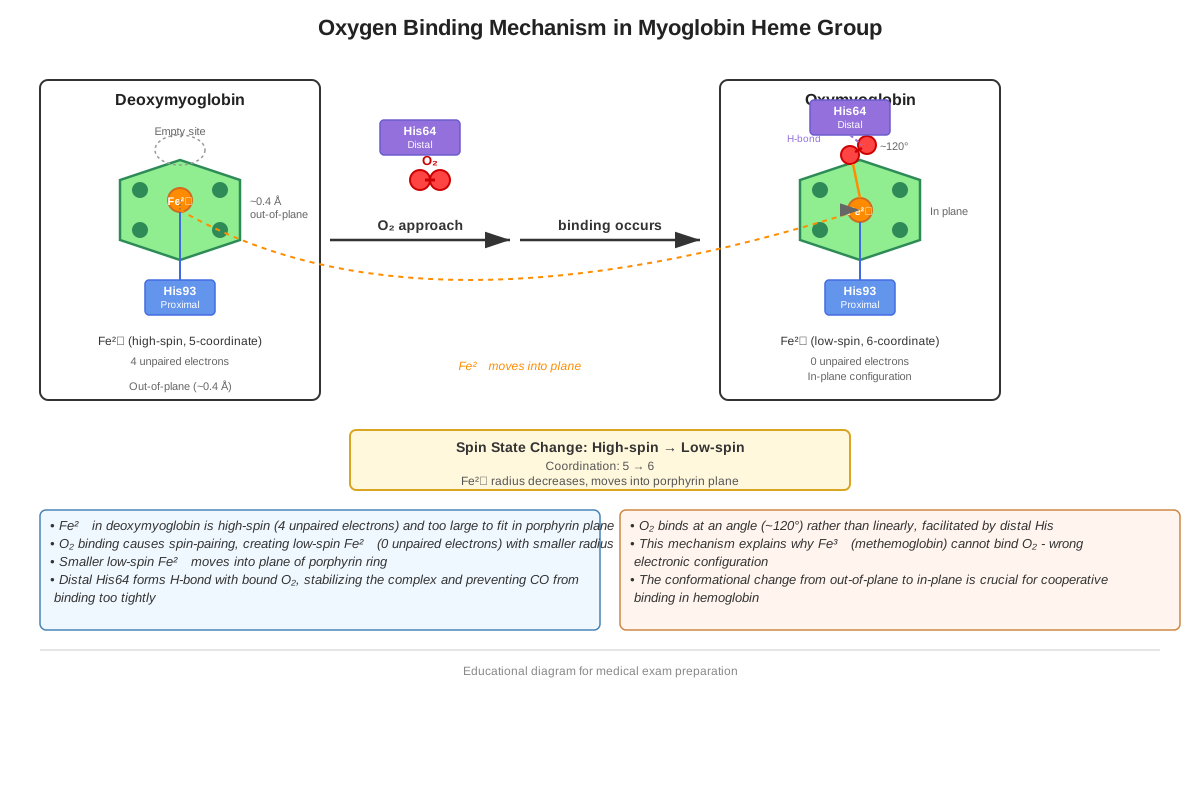
When oxygen binds to the heme iron, it forms a bent Fe-O-O structure rather than a linear arrangement. The distal histidine stabilizes this bent configuration through hydrogen bonding with the bound oxygen molecule, which serves two critical purposes: it increases oxygen affinity and prevents carbon monoxide from binding too tightly (CO would prefer a linear geometry). Without the distal histidine, carbon monoxide would bind approximately 25,000 times more strongly than oxygen; with it, the preference drops to about 250-fold, still significant but more manageable physiologically.
The binding of oxygen causes subtle conformational changes in the heme group. In deoxymyoglobin, the Fe²⁺ ion sits slightly out of the plane of the porphyrin ring (about 0.3 Å above it) because the iron atom is too large to fit comfortably within the ring. Upon oxygen binding, the iron moves into the plane of the porphyrin ring, pulling the proximal histidine and its attached F helix slightly toward the heme. While this movement is minor in myoglobin (unlike the dramatic changes in hemoglobin), it demonstrates the principle that ligand binding induces conformational changes in proteins.
Myoglobin vs. Hemoglobin Comparison
Understanding the differences between myoglobin and hemoglobin is crucial for MCAT success, as comparative questions appear frequently:
| Feature | Myoglobin | Hemoglobin |
|---|---|---|
| Quaternary Structure | Monomeric (single polypeptide) | Tetrameric (α₂β₂) |
| Oxygen-Binding Curve | Hyperbolic | Sigmoidal |
| Cooperative Binding | None | Positive cooperativity |
| P50 Value | ~2-3 mmHg | ~26 mmHg |
| Oxygen Affinity | High (stores oxygen) | Lower (transports oxygen) |
| Allosteric Regulation | None | Yes (2,3-BPG, H⁺, CO₂) |
| Hill Coefficient (n) | ~1.0 | ~2.8 |
| Primary Function | Oxygen storage in muscle | Oxygen transport in blood |
| Location | Cardiac and skeletal muscle | Red blood cells |
The Hill coefficient quantifies cooperativity: a value of 1.0 indicates no cooperativity (myoglobin), while values greater than 1.0 indicate positive cooperativity (hemoglobin's value of ~2.8). This mathematical relationship appears in MCAT questions requiring interpretation of binding data or prediction of curve shapes.
The physiological rationale for these differences relates to function. Myoglobin's high oxygen affinity (low P50) allows it to extract oxygen from hemoglobin in muscle tissue and hold it until needed during periods of high metabolic demand or reduced blood flow. Hemoglobin's moderate affinity and cooperative binding enable efficient oxygen loading in the lungs (where pO₂ is ~100 mmHg) and unloading in tissues (where pO₂ drops to ~40 mmHg in venous blood). The sigmoidal curve of hemoglobin means that small changes in tissue pO₂ result in large changes in oxygen release, optimizing delivery.
Heme Chemistry and Iron Oxidation States
The heme group in myoglobin must maintain iron in the Fe²⁺ (ferrous) state for functional oxygen binding. Oxidation to Fe³⁺ (ferric) produces metmyoglobin, which cannot bind oxygen and appears brown rather than the red color of oxymyoglobin. This oxidation can occur through several mechanisms: reaction with oxidizing agents, autoxidation in the presence of oxygen, or exposure to certain drugs and toxins.
Cells contain enzymatic systems, particularly metmyoglobin reductase (also called cytochrome b5 reductase), that reduce metmyoglobin back to functional myoglobin using NADH as an electron donor. This system maintains the majority of myoglobin in the functional ferrous state under normal physiological conditions. The hydrophobic heme pocket environment significantly slows the rate of autoxidation compared to free heme in solution, demonstrating how protein structure protects prosthetic group function.
Carbon monoxide (CO) binds to myoglobin with higher affinity than oxygen because CO is a better π-acceptor ligand, forming stronger back-bonding with iron d-orbitals. The distal histidine's steric hindrance and hydrogen bonding preferences reduce but do not eliminate this preference. CO poisoning affects both hemoglobin and myoglobin, though hemoglobin binding is clinically more significant due to its role in oxygen transport. Treatment with hyperbaric oxygen works by mass action, increasing pO₂ to compete with CO for binding sites.
Clinical Significance and Biomarker Role
Myoglobin serves as an important cardiac biomarker released into circulation following myocardial infarction. Its small size (approximately 17 kDa) allows rapid diffusion from damaged cardiac muscle cells into the bloodstream, with detectable elevation occurring 2-3 hours post-infarction, peaking at 6-12 hours, and returning to baseline within 24-36 hours. This rapid kinetics makes myoglobin useful for early detection but less specific than troponin, as myoglobin is released from any muscle damage, not just cardiac tissue.
In rhabdomyolysis, massive skeletal muscle breakdown releases large quantities of myoglobin into circulation. The myoglobin is filtered by the kidneys, where it can precipitate in renal tubules, especially in acidic urine, causing acute tubular necrosis and potentially fatal acute kidney injury. The characteristic "tea-colored" or "cola-colored" urine in rhabdomyolysis results from myoglobinuria. Treatment focuses on aggressive fluid resuscitation and urine alkalinization to prevent myoglobin precipitation.
The brown discoloration of meat during cooking and storage results from myoglobin oxidation to metmyoglobin. Fresh meat appears red due to oxymyoglobin, while the interior of meat may appear purple-red from deoxymyoglobin. This color chemistry, while seemingly trivial, has appeared in MCAT passages connecting biochemistry to everyday observations, testing students' ability to apply molecular knowledge to real-world phenomena.
Concept Relationships
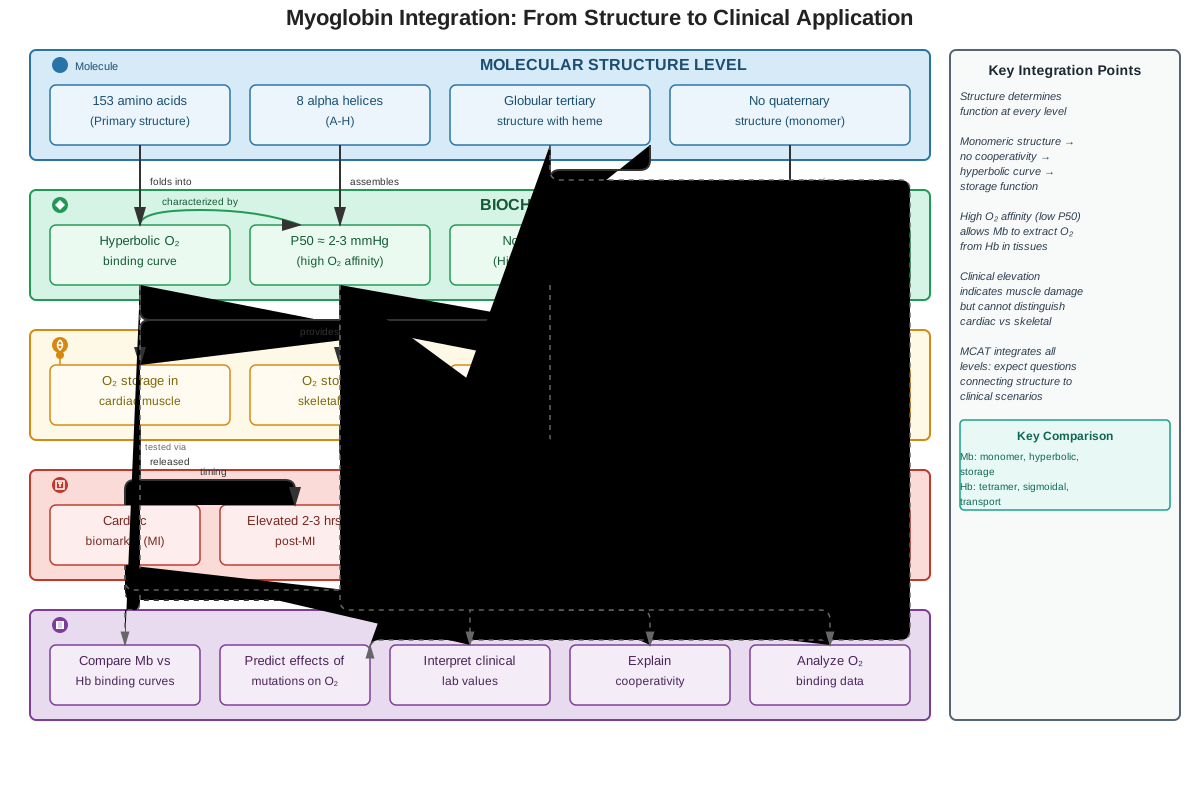
The study of myoglobin integrates multiple biochemical concepts into a coherent framework. Amino acid properties → determine protein folding → which creates the hydrophobic heme pocket → enabling oxygen binding function. This linear relationship demonstrates how primary structure (amino acid sequence) ultimately determines function through the intermediary steps of secondary and tertiary structure formation.
Myoglobin connects to prosthetic groups and cofactors as an exemplar protein requiring a non-amino acid component for function. The heme group → requires iron in the ferrous state → which necessitates protection from oxidation → achieved through the hydrophobic environment and enzymatic reduction systems. This relationship illustrates how proteins create specialized microenvironments that modify the chemistry of bound cofactors.
The comparison between myoglobin and hemoglobin bridges to quaternary structure and allosteric regulation: monomeric structure → produces non-cooperative binding → resulting in hyperbolic curves and high oxygen affinity, while tetrameric structure → enables cooperative binding → producing sigmoidal curves and moderate oxygen affinity with allosteric regulation. This comparison is fundamental to understanding how structural complexity enables functional sophistication.
Clinically, myoglobin connects to diagnostic biochemistry: muscle damage → causes myoglobin release → leading to elevated serum levels (biomarker function) and myoglobinuria → potentially causing renal tubular damage. This pathway integrates biochemistry with pathophysiology and clinical medicine, the type of integration the MCAT frequently tests.
Quick check — test yourself on Myoglobin so far.
Try Flashcards →High-Yield Facts
⭐ Myoglobin is a monomeric protein with eight alpha helices and a single heme prosthetic group, exhibiting a hyperbolic oxygen-binding curve with no cooperativity
⭐ Myoglobin's P50 (~2-3 mmHg) is much lower than hemoglobin's P50 (~26 mmHg), indicating higher oxygen affinity appropriate for its storage function
⭐ The distal histidine (His64) stabilizes bound oxygen through hydrogen bonding and reduces carbon monoxide binding affinity by favoring bent over linear geometry
⭐ Myoglobin exhibits simple binding kinetics with a Hill coefficient of ~1.0, while hemoglobin shows cooperative binding with a Hill coefficient of ~2.8
⭐ Iron must remain in the Fe²⁺ (ferrous) state for oxygen binding; oxidation to Fe³⁺ produces non-functional metmyoglobin
- The proximal histidine (His93) coordinates the heme iron from below, while the sixth coordination position binds oxygen
- Myoglobin's hydrophobic heme pocket protects iron from oxidation and optimizes oxygen-binding geometry
- Myoglobin appears in serum 2-3 hours after myocardial infarction, earlier than troponin but less cardiac-specific
- Rhabdomyolysis releases massive amounts of myoglobin that can precipitate in renal tubules, causing acute kidney injury
- Myoglobin consists of approximately 75% alpha helix with no beta sheets, making it an all-alpha protein
- The oxygen-binding curve for myoglobin remains hyperbolic regardless of pH, CO₂, or 2,3-BPG levels, unlike hemoglobin
- Myoglobin's small size (17 kDa) allows rapid diffusion from damaged muscle into circulation and filtration by kidneys
Common Misconceptions
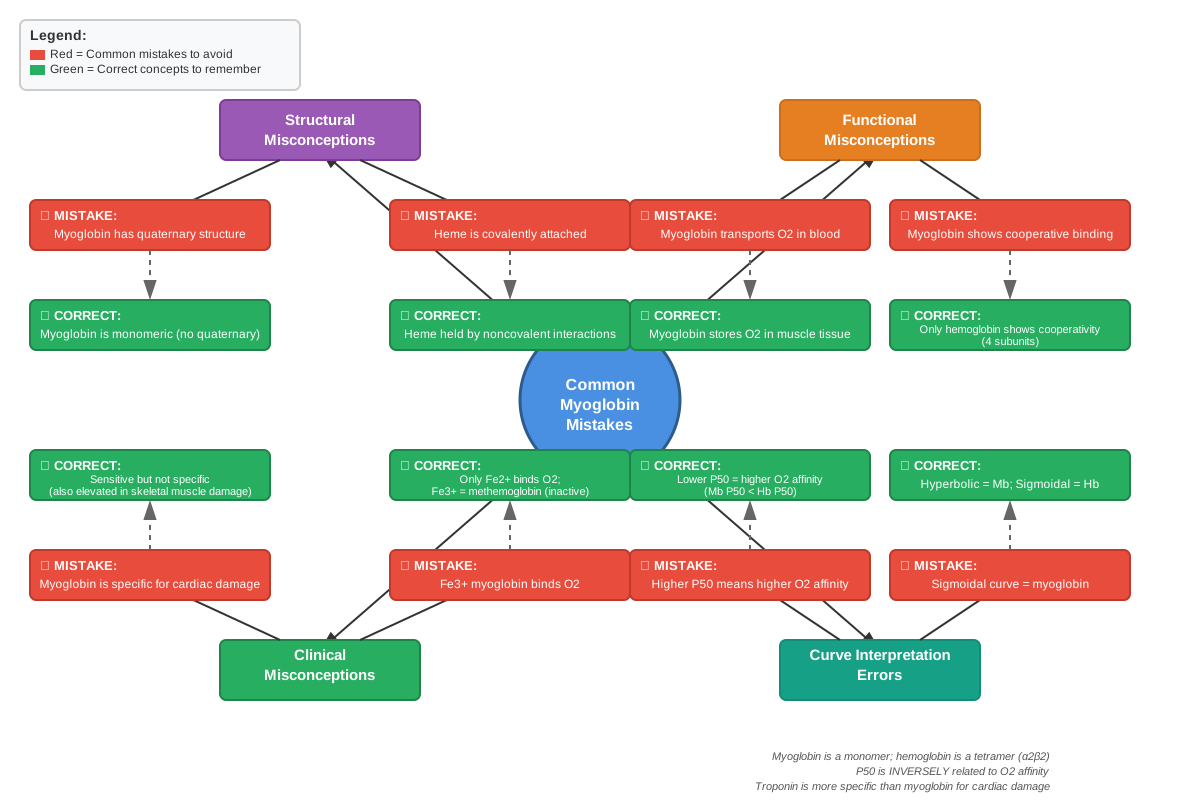
Misconception: Myoglobin and hemoglobin have similar oxygen affinities since they both bind oxygen.
Correction: Myoglobin has much higher oxygen affinity (P50 ~2-3 mmHg) than hemoglobin (P50 ~26 mmHg). This difference is functionally critical: myoglobin's high affinity allows it to extract oxygen from hemoglobin in muscle tissue and store it for periods of high demand or reduced blood flow.
Misconception: The sigmoidal shape of hemoglobin's binding curve and the hyperbolic shape of myoglobin's curve are just different ways of representing the same binding behavior.
Correction: These curve shapes reflect fundamentally different binding mechanisms. Myoglobin's hyperbolic curve results from simple, non-cooperative binding (one binding site, no interaction effects), while hemoglobin's sigmoidal curve results from positive cooperativity among four subunits. The shapes have different mathematical bases and physiological implications.
Misconception: Myoglobin can be regulated by allosteric effectors like 2,3-BPG, just less effectively than hemoglobin.
Correction: Myoglobin has no allosteric regulation whatsoever. As a monomeric protein lacking quaternary structure, it cannot undergo the conformational changes required for allosteric regulation. Its oxygen-binding properties remain constant regardless of pH, CO₂, or 2,3-BPG levels—only pO₂ affects its saturation.
Misconception: The distal histidine binds directly to the heme iron.
Correction: The distal histidine does NOT coordinate the iron atom. Only the proximal histidine (His93) forms a coordination bond with iron. The distal histidine (His64) sits on the opposite side of the heme and interacts with bound oxygen through hydrogen bonding, stabilizing the Fe-O₂ complex without directly coordinating the metal.
Misconception: Metmyoglobin (with Fe³⁺) can still bind oxygen, just with lower affinity.
Correction: Metmyoglobin cannot bind oxygen at all. The Fe³⁺ oxidation state is incompatible with reversible oxygen binding. Only Fe²⁺ can form the appropriate electronic interaction with O₂ that allows reversible binding. Metmyoglobin is completely non-functional for oxygen storage and must be reduced back to Fe²⁺ by cellular enzyme systems.
Misconception: Myoglobin is found primarily in blood, similar to hemoglobin.
Correction: Myoglobin is located in cardiac and skeletal muscle cells, not in blood under normal conditions. Its presence in blood indicates muscle damage (myocardial infarction, rhabdomyolysis, trauma). Hemoglobin is the oxygen carrier in blood, contained within red blood cells, while myoglobin serves as an intracellular oxygen storage protein in muscle tissue.
Misconception: Since myoglobin is smaller and simpler than hemoglobin, it must have evolved first.
Correction: While myoglobin is structurally simpler, evolutionary relationships are more complex. Both proteins evolved from ancient oxygen-binding proteins, and each has been optimized for its specific function. Myoglobin's simplicity reflects functional optimization for oxygen storage, not evolutionary primitiveness.
Worked Examples
Example 1: Interpreting Oxygen-Binding Curves
Question: A researcher generates oxygen-binding curves for normal myoglobin, normal hemoglobin, and a mutant myoglobin in which the distal histidine has been replaced with glycine. At a pO₂ of 20 mmHg, normal myoglobin shows approximately 90% saturation. Predict and explain the oxygen saturation of the mutant myoglobin at the same pO₂.
Solution:
Step 1: Identify the role of the distal histidine. The distal histidine stabilizes bound oxygen through hydrogen bonding and helps maintain the bent Fe-O-O geometry. It increases oxygen affinity by stabilizing the bound state.
Step 2: Predict the effect of replacing histidine with glycine. Glycine is a small, nonpolar amino acid that cannot form hydrogen bonds with bound oxygen. The mutation removes the stabilizing interaction, decreasing oxygen affinity (increasing P50).
Step 3: Determine the effect on saturation at 20 mmHg. With decreased oxygen affinity, the mutant myoglobin will show lower saturation at any given pO₂ compared to normal myoglobin. At 20 mmHg, the saturation will be significantly less than 90%—likely in the range of 60-75%, depending on the magnitude of the affinity decrease.
Step 4: Consider the curve shape. The mutant will still show a hyperbolic binding curve (no cooperativity) because it remains monomeric, but the curve will be shifted to the right (higher P50), indicating decreased affinity.
Answer: The mutant myoglobin will show lower oxygen saturation than normal myoglobin at 20 mmHg (estimated 60-75% vs. 90%) because removing the distal histidine eliminates stabilizing hydrogen bonds with bound oxygen, decreasing oxygen affinity and shifting the binding curve rightward. The curve remains hyperbolic because the protein is still monomeric.
Connection to Learning Objectives: This example applies myoglobin structure-function relationships to predict experimental outcomes, demonstrates understanding of the distal histidine's role, and requires interpretation of binding curves—all high-yield MCAT skills.
Example 2: Clinical Application
Question: A 45-year-old male presents to the emergency department 4 hours after onset of severe chest pain. Laboratory tests show elevated serum myoglobin (250 ng/mL; normal <90 ng/mL) but normal troponin I levels. The physician orders repeat troponin testing in 2 hours. Explain the biochemical basis for this testing strategy and predict the likely diagnosis.
Solution:
Step 1: Analyze the timing and biomarker pattern. Myoglobin elevation at 4 hours post-symptom onset is consistent with myocardial infarction, as myoglobin rises within 2-3 hours due to its small size (17 kDa) and rapid diffusion from damaged cells.
Step 2: Explain the normal troponin. Troponin I is a larger, more cardiac-specific protein that rises more slowly than myoglobin, typically becoming detectable 4-6 hours post-infarction and peaking at 12-24 hours. At 4 hours, troponin may not yet be elevated even in the presence of myocardial damage.
Step 3: Justify repeat testing. The physician orders repeat troponin testing because troponin is more specific for cardiac damage than myoglobin (which can be elevated from any muscle damage) and should become elevated if myocardial infarction is occurring. The 2-hour delay allows time for troponin to rise to detectable levels.
Step 4: Consider alternative explanations. Elevated myoglobin with persistently normal troponin could indicate skeletal muscle damage rather than cardiac damage, though the clinical presentation (chest pain) suggests cardiac origin.
Answer: The likely diagnosis is acute myocardial infarction. Myoglobin's small size and rapid release kinetics cause early elevation (2-3 hours), while troponin's larger size and slower release kinetics delay its appearance (4-6 hours). Repeat troponin testing in 2 hours (6 hours post-symptom onset) should show elevation if MI is occurring, providing more cardiac-specific confirmation than myoglobin alone.
Connection to Learning Objectives: This example connects myoglobin biochemistry to clinical medicine, demonstrates understanding of structure-function relationships (size affects diffusion rate), and applies knowledge to interpret diagnostic testing strategies—exactly the type of integration the MCAT requires.
Exam Strategy
When approaching MCAT questions on myoglobin, first identify whether the question asks about structure, function, or comparison with hemoglobin. Structure questions typically focus on the heme pocket, histidine residues, or alpha helix content. Function questions usually involve oxygen-binding curves, affinity, or P50 values. Comparison questions require distinguishing myoglobin's properties from hemoglobin's, particularly regarding cooperativity and allosteric regulation.
Trigger words and phrases to watch for:
- "Hyperbolic curve" → indicates non-cooperative binding (myoglobin)
- "Sigmoidal curve" → indicates cooperative binding (hemoglobin, not myoglobin)
- "Monomeric" → myoglobin; "tetrameric" → hemoglobin
- "P50" or "oxygen affinity" → compare numerical values and physiological significance
- "Distal/proximal histidine" → questions about oxygen-binding mechanism
- "Cardiac biomarker" → clinical context involving myoglobin release
- "Hill coefficient" → quantitative measure of cooperativity (n=1 for myoglobin)
For process-of-elimination strategies, remember that any answer choice suggesting myoglobin shows cooperative binding, allosteric regulation, or quaternary structure is incorrect. Eliminate choices that confuse myoglobin's high oxygen affinity with hemoglobin's moderate affinity. Be wary of answers that suggest myoglobin's binding properties change with pH or 2,3-BPG—these affect only hemoglobin.
When interpreting oxygen-binding curves, quickly identify curve shape: hyperbolic = myoglobin (or single hemoglobin subunit), sigmoidal = hemoglobin (or other cooperative protein). For questions presenting experimental data, focus on P50 values: lower P50 = higher affinity. If a question asks about mutations, consider whether the mutation affects the heme pocket (changes affinity) or protein stability (affects folding).
Time allocation: Discrete questions on myoglobin should take 60-90 seconds. Passage-based questions may require 90-120 seconds, depending on data complexity. Don't spend excessive time on curve-drawing questions—the key features (hyperbolic vs. sigmoidal, relative positions) matter more than precise shapes. For clinical vignettes, quickly identify the relevant biochemical principle (usually biomarker kinetics or oxygen storage function) and apply it to the scenario.
Memory Techniques
Mnemonic for myoglobin vs. hemoglobin differences: "My Single High Hippo"
- My = Myoglobin
- Single = Single subunit (monomeric)
- High = High affinity (low P50)
- Hippo = Hyperbolic curve
Mnemonic for histidine roles: "Proximal Pushes, Distal Defends"
- Proximal Pushes = Proximal histidine (His93) coordinates iron from below, "pushing" it toward the oxygen-binding site
- Distal Defends = Distal histidine (His64) defends against oxidation and stabilizes bound oxygen
Visualization strategy for oxygen-binding curves: Picture myoglobin as a "greedy" oxygen hoarder that grabs oxygen quickly and holds it tightly (hyperbolic curve shoots up rapidly and plateaus). Hemoglobin is a "team player" that loads and unloads cooperatively (sigmoidal curve shows gradual increase, then rapid rise, then plateau).
Acronym for myoglobin's key structural features: "HAHA"
- H = Heme prosthetic group
- A = All-alpha structure (eight alpha helices)
- H = Hydrophobic pocket
- A = Absence of quaternary structure
Memory aid for clinical timing: "Myoglobin Moves Most" (the three M's) = Myoglobin moves into blood most rapidly after muscle damage (2-3 hours), before troponin (4-6 hours) or CK-MB (4-8 hours).
Numerical memory: P50 values can be remembered as "2-3 for Me, 26 for Heme" (Me = Myoglobin ~2-3 mmHg; Heme = Hemoglobin ~26 mmHg). The 10-fold difference emphasizes myoglobin's much higher affinity.
Summary
Myoglobin is a monomeric, globular oxygen-storage protein consisting of 153 amino acids folded into eight alpha helices surrounding a hydrophobic heme pocket. The heme prosthetic group contains Fe²⁺ iron coordinated by the proximal histidine, with the distal histidine stabilizing bound oxygen through hydrogen bonding. Myoglobin exhibits non-cooperative, hyperbolic oxygen binding with very high affinity (P50 ~2-3 mmHg), enabling it to extract oxygen from hemoglobin in muscle tissue and store it for periods of high metabolic demand. Unlike hemoglobin, myoglobin lacks quaternary structure and shows no allosteric regulation or cooperative binding (Hill coefficient ~1.0). Clinically, myoglobin serves as an early cardiac biomarker released 2-3 hours after myocardial infarction and is implicated in rhabdomyolysis-induced acute kidney injury. Understanding myoglobin's structure-function relationships provides essential foundation for comprehending more complex oxygen-binding proteins and represents a high-yield MCAT topic frequently tested through comparative questions, binding curve interpretation, and clinical applications.
Key Takeaways
- Myoglobin is a monomeric, all-alpha protein with a single heme group that exhibits hyperbolic oxygen binding with no cooperativity (Hill coefficient = 1.0)
- The P50 of myoglobin (~2-3 mmHg) is approximately 10-fold lower than hemoglobin's (~26 mmHg), reflecting myoglobin's role in oxygen storage rather than transport
- The proximal histidine coordinates heme iron while the distal histidine stabilizes bound oxygen and reduces CO binding affinity through geometric constraints
- Myoglobin shows no allosteric regulation—its oxygen-binding properties are unaffected by pH, CO₂, or 2,3-BPG, unlike hemoglobin
- Iron must remain in the Fe²⁺ state for oxygen binding; oxidation to Fe³⁺ produces non-functional metmyoglobin
- Clinically, myoglobin serves as an early but non-specific biomarker of muscle damage, appearing in serum 2-3 hours after myocardial infarction
- The structural simplicity of myoglobin (monomeric) versus hemoglobin (tetrameric) directly determines their functional differences in oxygen binding and regulation
Related Topics
- Hemoglobin structure and function: Understanding hemoglobin's tetrameric structure, cooperative binding, and allosteric regulation builds directly on myoglobin knowledge and represents the next level of complexity in oxygen-binding proteins
- Allosteric regulation and cooperativity: The comparison between myoglobin (non-cooperative) and hemoglobin (cooperative) provides concrete examples for understanding these fundamental biochemical principles
- Protein folding and tertiary structure: Myoglobin serves as a classic example of how amino acid sequence determines three-dimensional structure through noncovalent interactions
- Prosthetic groups and cofactors: The heme group in myoglobin exemplifies how non-amino acid components enable protein function, connecting to other heme proteins (cytochromes, catalase, peroxidase)
- Cardiac biomarkers and clinical chemistry: Myoglobin's role as a biomarker connects to troponin, CK-MB, and other diagnostic markers tested in clinical medicine
- Oxygen transport and tissue respiration: Myoglobin's function integrates with broader physiological concepts of oxygen delivery, cellular respiration, and metabolic adaptation
Practice CTA
Now that you've mastered the core concepts of myoglobin structure, function, and clinical significance, it's time to reinforce your understanding through active practice. Attempt the practice questions and flashcards to test your ability to apply these concepts to MCAT-style scenarios. Focus particularly on interpreting oxygen-binding curves, comparing myoglobin with hemoglobin, and connecting structural features to functional outcomes. Remember, the MCAT rewards not just memorization but the ability to analyze novel situations using fundamental principles—and myoglobin provides an excellent framework for developing these critical thinking skills. Your investment in mastering this topic will pay dividends across multiple biochemistry and physiology questions on test day!
Sign up free to keep reading
Create a free AnvayaPrep account to finish this MCAT guide on Myoglobin — plus flashcards and practice questions.