Overview
Lipid rafts represent specialized microdomains within biological membranes that challenge the traditional fluid mosaic model of membrane structure. These dynamic, nanoscale assemblies are enriched in cholesterol, sphingolipids, and specific membrane proteins, creating distinct regions with unique physical and functional properties. Unlike the homogeneous lipid bilayer described in early membrane models, lipid rafts demonstrate that cellular membranes possess lateral heterogeneity—organized patches that float within the more fluid phospholipid sea. This organization is critical for numerous cellular processes including signal transduction, protein sorting, membrane trafficking, and pathogen entry.
For the MCAT, understanding lipid rafts is essential because they represent a higher-order application of fundamental Biochemistry principles. Questions may test knowledge of membrane composition, lipid-lipid interactions, protein localization, and how membrane organization influences cellular function. The MCAT frequently presents passages describing experimental manipulations of membrane composition or signal transduction pathways where lipid raft integrity is crucial. Students must recognize how the unique properties of sphingolipids and cholesterol create these specialized domains and how disrupting raft structure affects cellular processes.
Within the broader context of Lipids and Membranes, lipid rafts illustrate how molecular properties determine supramolecular organization. This topic connects membrane lipid chemistry to cell biology, linking the hydrophobic effect, van der Waals forces, and hydrogen bonding to functional membrane compartmentalization. Mastery of lipid rafts requires integrating knowledge of lipid structure, membrane dynamics, protein-lipid interactions, and cellular signaling—making it a high-yield topic that bridges multiple MCAT content areas.
Learning Objectives
- [ ] Define lipid rafts using accurate Biochemistry terminology
- [ ] Explain why lipid rafts matter for the MCAT
- [ ] Apply lipid rafts to exam-style questions
- [ ] Identify common mistakes related to lipid rafts
- [ ] Connect lipid rafts to related Biochemistry concepts
- [ ] Describe the molecular basis for lipid raft formation, including the roles of cholesterol and sphingolipids
- [ ] Analyze experimental approaches used to study lipid rafts and interpret data from raft disruption experiments
- [ ] Predict the functional consequences of altering membrane lipid composition on raft-dependent cellular processes
Prerequisites
- Phospholipid structure and properties: Understanding glycerophospholipids and sphingolipids is essential because lipid rafts are enriched in specific lipid classes with distinct structural features
- Cholesterol structure and membrane effects: Cholesterol is a critical raft component that modulates membrane fluidity and packing
- Fluid mosaic model: The basic membrane model provides the foundation for understanding how lipid rafts represent specialized deviations from membrane homogeneity
- Protein structure and membrane proteins: Knowledge of GPI-anchored proteins and transmembrane domains helps explain protein partitioning into rafts
- Intermolecular forces: Van der Waals interactions, hydrogen bonding, and hydrophobic effects drive raft formation and stability
Why This Topic Matters
Clinical and Real-World Significance
Lipid rafts play crucial roles in human health and disease. Many pathogens, including influenza virus, HIV, and cholera toxin, exploit lipid rafts for cellular entry. Cancer cells often exhibit altered raft composition, affecting growth factor signaling and metastatic potential. Neurodegenerative diseases like Alzheimer's involve aberrant processing of amyloid precursor protein within lipid rafts. Immune cell activation depends on raft-mediated clustering of receptors and signaling molecules. Understanding lipid rafts provides insight into drug targeting strategies, as many therapeutic agents must reach raft or non-raft domains to function effectively.
MCAT Exam Statistics
Lipid rafts appear in approximately 3-5% of MCAT Biochemistry passages, typically within the context of cell signaling, membrane trafficking, or experimental membrane biology. Questions most commonly test:
- Interpretation of experiments using raft-disrupting agents (methyl-β-cyclodextrin, cholesterol depletion)
- Prediction of protein localization based on lipid modifications (GPI anchors, palmitoylation)
- Analysis of signal transduction pathways requiring raft integrity
- Understanding how membrane composition affects raft formation
Common Exam Presentations
The MCAT presents lipid rafts through research passages describing signal transduction experiments, studies of pathogen entry mechanisms, or investigations of membrane protein organization. Passages may describe cholesterol depletion experiments and ask students to predict effects on cellular processes. Discrete questions might test knowledge of raft composition or the physical basis for raft formation. Expect questions requiring integration of lipid chemistry, membrane biophysics, and cell biology.
Core Concepts
Definition and Basic Structure
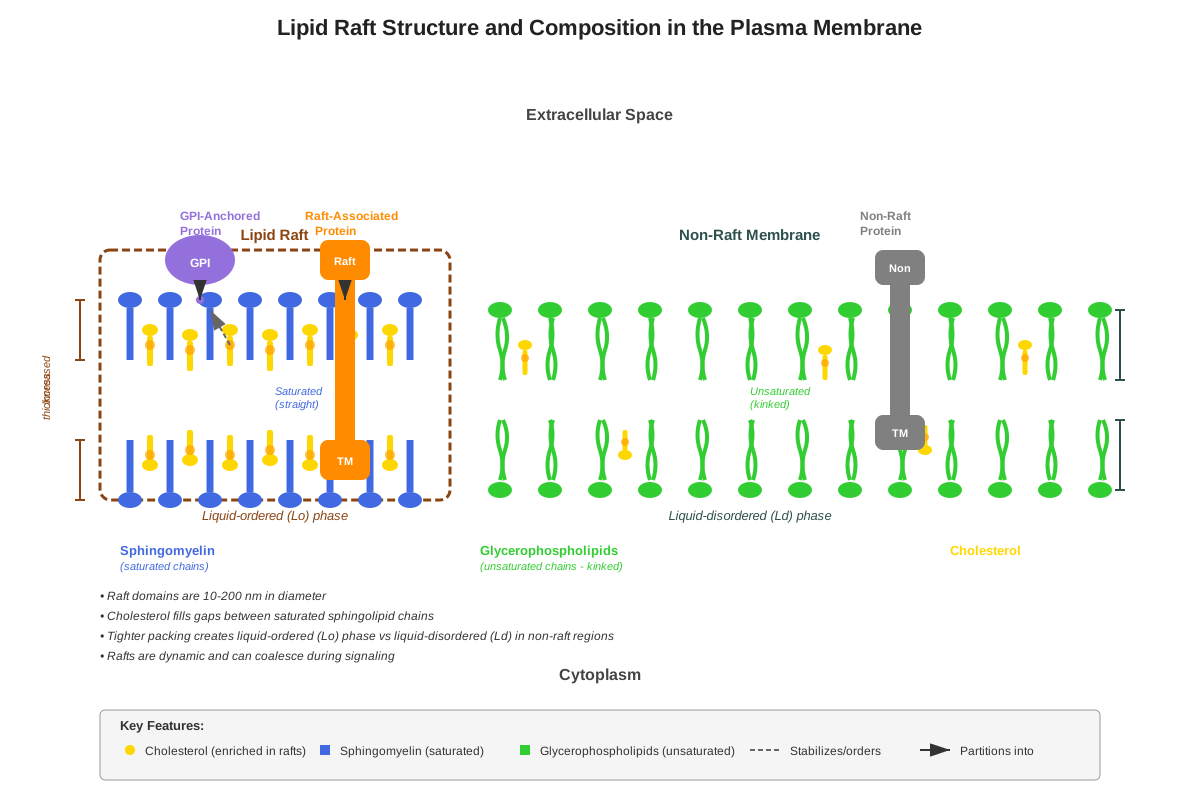
Lipid rafts are dynamic, cholesterol- and sphingolipid-enriched membrane microdomains that compartmentalize cellular processes. These structures represent liquid-ordered (Lo) phases within the liquid-disordered (Ld) bulk membrane. The term "raft" reflects their ability to move laterally within the membrane plane while maintaining distinct composition and properties. Typical dimensions range from 10-200 nanometers, though rafts can coalesce into larger platforms during cellular signaling events.
The liquid-ordered phase characteristic of lipid rafts exhibits intermediate properties between gel-phase (solid-ordered) and liquid-disordered membranes. In this state, lipid acyl chains remain extended and tightly packed (like gel phase) while retaining lateral mobility (like liquid-disordered phase). This unique organization arises from the specific molecular properties of raft lipids.
Molecular Composition
Sphingolipids are major structural components of lipid rafts. Unlike glycerophospholipids that dominate bulk membrane regions, sphingolipids possess longer, more saturated acyl chains that pack tightly together through extensive van der Waals interactions. Sphingomyelin, the most abundant sphingolipid in mammalian plasma membranes, contains a sphingosine backbone linked to a fatty acid (typically 16-24 carbons, often saturated) and a phosphocholine headgroup. Glycosphingolipids, including cerebrosides and gangliosides, also concentrate in rafts and contribute to raft stability through headgroup interactions.
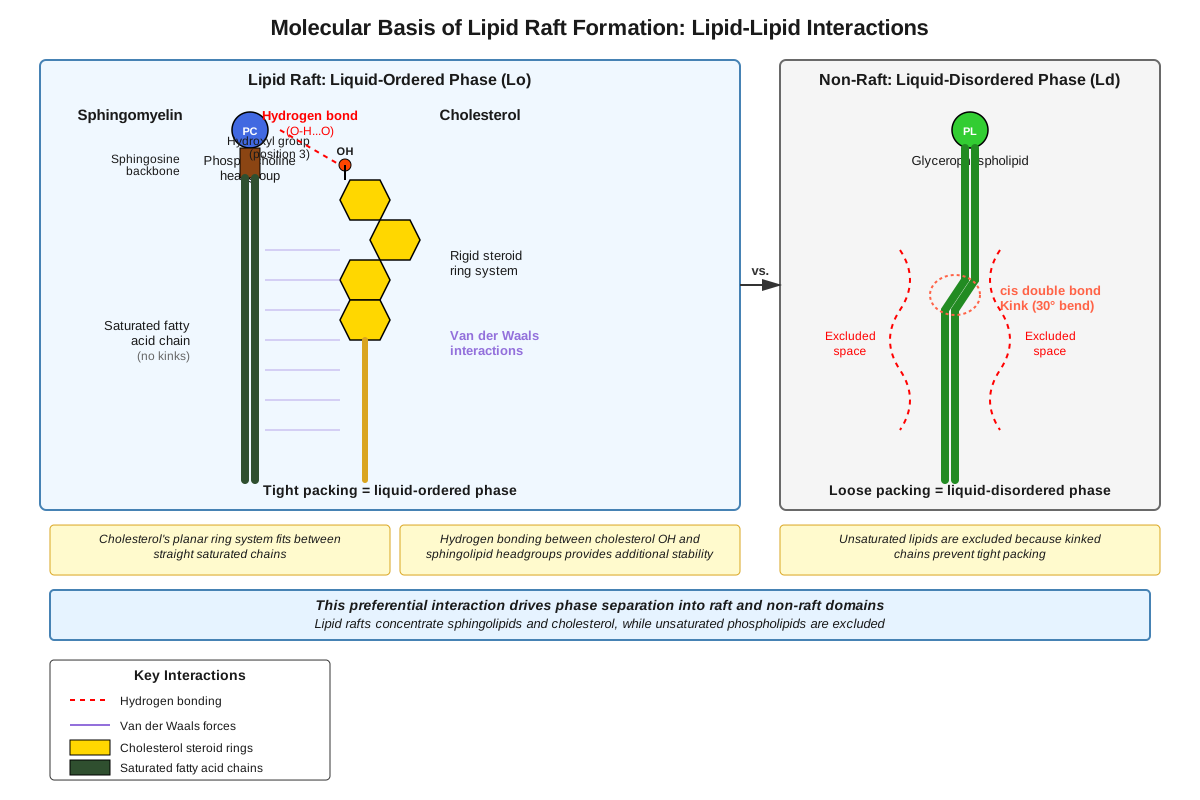
Cholesterol serves as the essential organizing molecule for lipid raft formation. Its rigid steroid ring system inserts between the extended acyl chains of sphingolipids, filling gaps and ordering the surrounding lipids. The hydroxyl group of cholesterol forms hydrogen bonds with sphingolipid headgroups, while its hydrophobic body interacts favorably with saturated acyl chains. Cholesterol comprises 30-50% of lipid raft composition, compared to 10-20% in non-raft regions. This high cholesterol content is absolutely required for raft formation—depleting membrane cholesterol disrupts rafts and their associated functions.
Physical Basis for Raft Formation
The formation of lipid rafts depends on preferential lipid-lipid interactions driven by thermodynamic principles. Saturated acyl chains of sphingolipids pack more efficiently with cholesterol than do the kinked, unsaturated chains of typical glycerophospholipids like phosphatidylcholine. This preferential interaction creates phase separation within the membrane, analogous to oil and water separating into distinct layers.
The hydrophobic effect drives cholesterol and sphingolipids to associate, minimizing unfavorable contacts between their ordered domains and the more fluid surrounding membrane. Additionally, sphingolipid headgroups can form extensive hydrogen bonding networks with each other and with cholesterol, further stabilizing raft structure. The longer acyl chains of sphingolipids (often 22-24 carbons) create hydrophobic matching with cholesterol's extended structure, promoting their co-localization.
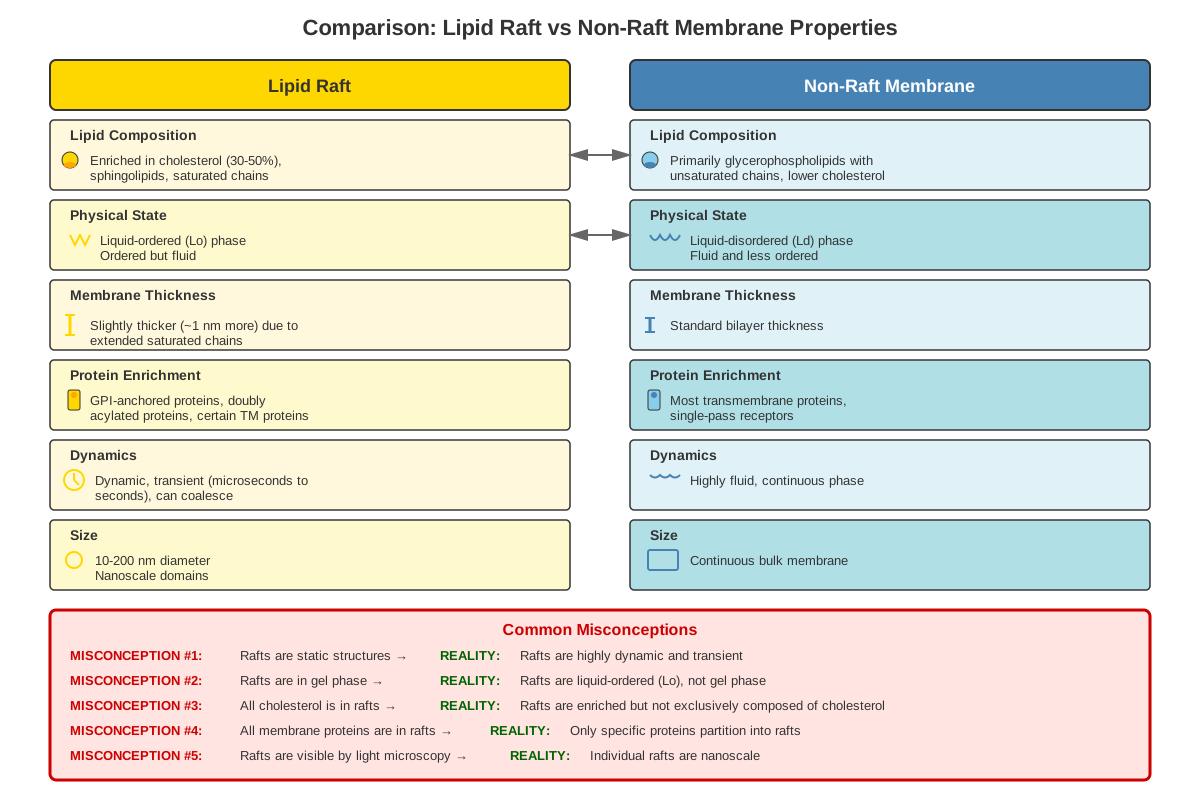
| Property | Lipid Rafts (Lo phase) | Bulk Membrane (Ld phase) |
|---|---|---|
| Major lipids | Sphingolipids, cholesterol | Unsaturated glycerophospholipids |
| Cholesterol content | 30-50% | 10-20% |
| Acyl chain saturation | High (saturated) | Low (unsaturated) |
| Membrane thickness | Greater (~4-5 nm) | Standard (~3.5-4 nm) |
| Lateral diffusion | Slower | Faster |
| Detergent resistance | High (at 4°C) | Low |
| Phase state | Liquid-ordered | Liquid-disordered |
Protein Association with Lipid Rafts
Specific proteins preferentially partition into lipid rafts based on their lipid modifications and transmembrane domain properties. GPI-anchored proteins (glycosylphosphatidylinositol-anchored) are classic raft residents. The GPI anchor consists of saturated lipid chains that interact favorably with raft lipids, targeting these proteins to raft domains. Examples include folate receptors, alkaline phosphatase, and various cell adhesion molecules.
Palmitoylated proteins also concentrate in rafts. Palmitoylation adds saturated 16-carbon fatty acids to cysteine residues, creating hydrophobic anchors that prefer the ordered raft environment. Many signaling proteins, including Src-family kinases and G-protein α subunits, undergo palmitoylation for raft targeting.
Transmembrane proteins with long, saturated transmembrane domains partition into rafts through hydrophobic matching—the tendency of protein transmembrane regions to match the thickness of surrounding lipids. Since rafts are thicker than bulk membrane (due to extended sphingolipid chains), proteins with longer transmembrane domains preferentially localize to rafts to avoid energetically unfavorable hydrophobic mismatch.
Functional Roles in Cell Signaling
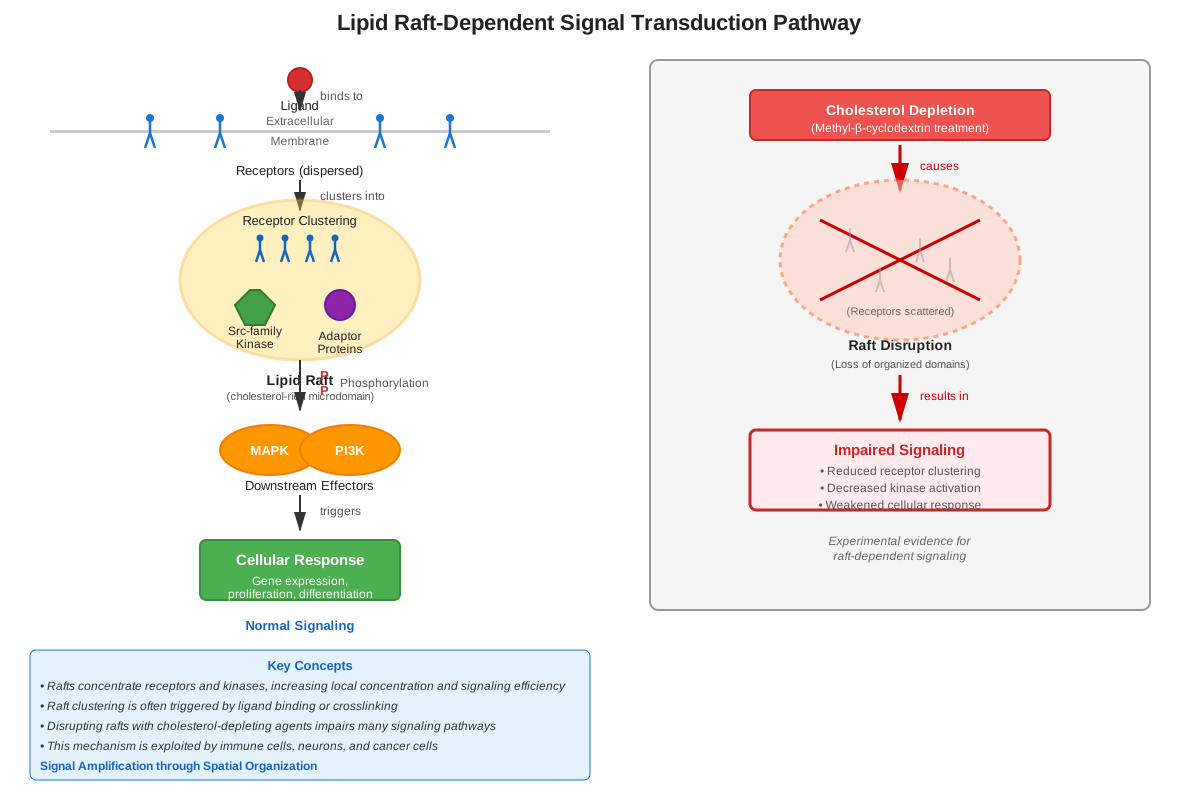
Lipid rafts serve as signaling platforms that concentrate receptors, signaling enzymes, and adaptor proteins. This spatial organization enhances signaling efficiency by increasing local concentrations of interacting components. Upon ligand binding, receptors often cluster within rafts or recruit additional raft components, forming larger signaling platforms.
T-cell receptor (TCR) signaling exemplifies raft-dependent signaling. TCR engagement triggers recruitment of the receptor and associated kinases (Lck, Fyn) into lipid rafts, where they interact with downstream signaling molecules. Raft integrity is essential for proper T-cell activation—disrupting rafts with cholesterol-depleting agents inhibits TCR signaling.
Caveolae represent specialized lipid rafts stabilized by caveolin proteins. These flask-shaped membrane invaginations concentrate signaling molecules and regulate endocytosis, mechanosensing, and lipid homeostasis. Caveolae dysfunction contributes to cardiovascular disease, muscular dystrophy, and cancer.
Experimental Approaches to Study Lipid Rafts
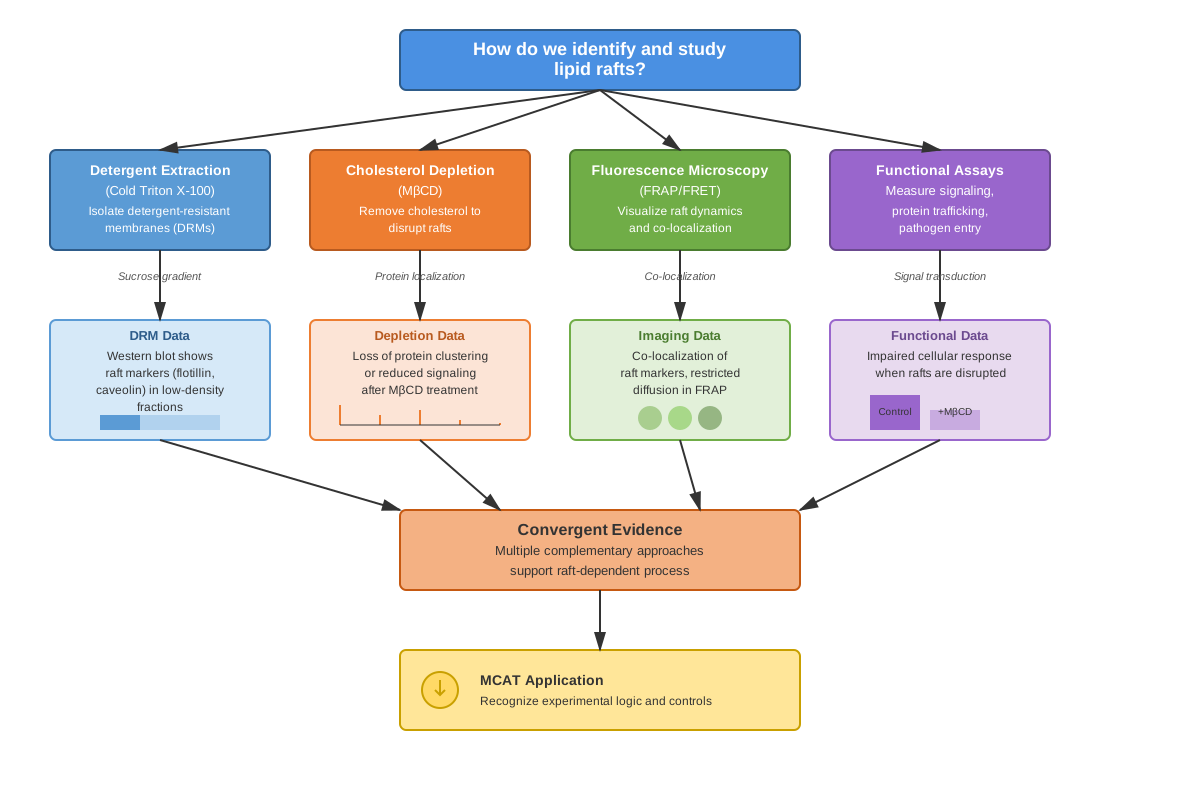
Detergent resistance historically defined lipid rafts. Treatment of membranes with cold non-ionic detergents (Triton X-100) solubilizes liquid-disordered regions while leaving liquid-ordered rafts intact. These detergent-resistant membranes (DRMs) can be isolated by density gradient centrifugation. However, this biochemical definition has limitations—detergent treatment may artificially create or disrupt raft structures.
Cholesterol depletion using methyl-β-cyclodextrin (MβCD) disrupts lipid rafts by extracting cholesterol from membranes. Observing loss of function after MβCD treatment suggests raft dependence. Conversely, cholesterol repletion should restore function.
Fluorescence microscopy techniques including FRET (Förster resonance energy transfer), FRAP (fluorescence recovery after photobleaching), and super-resolution microscopy directly visualize raft organization in living cells. These approaches reveal raft dynamics and heterogeneity that biochemical methods miss.
Concept Relationships
Lipid raft formation fundamentally depends on the molecular properties of sphingolipids and cholesterol → these lipids undergo preferential interactions driven by van der Waals forces and hydrogen bonding → creating phase separation into liquid-ordered domains → which serve as organizing platforms for specific proteins → enabling compartmentalized signaling and cellular functions.
The concept connects to prerequisite knowledge: phospholipid structure determines why sphingolipids behave differently from glycerophospholipids → cholesterol's structure explains its raft-organizing properties → intermolecular forces provide the physical basis for raft stability → membrane protein structure determines raft vs. non-raft localization.
Lipid rafts link to broader membrane biology: they represent lateral heterogeneity that modifies the fluid mosaic model → they demonstrate how membrane composition affects membrane function → they illustrate structure-function relationships at the supramolecular level → they connect to signal transduction, membrane trafficking, and pathogen entry mechanisms.
Quick check — test yourself on Lipid rafts so far.
Try Flashcards →High-Yield Facts
⭐ Lipid rafts are enriched in cholesterol (30-50% of lipids) and sphingolipids with long, saturated acyl chains
⭐ Cholesterol is absolutely required for lipid raft formation; depleting cholesterol disrupts rafts
⭐ Lipid rafts exist in the liquid-ordered (Lo) phase, intermediate between gel and liquid-disordered phases
⭐ GPI-anchored proteins and palmitoylated proteins preferentially localize to lipid rafts
⭐ Methyl-β-cyclodextrin (MβCD) disrupts lipid rafts by extracting cholesterol from membranes
- Sphingolipids have longer, more saturated acyl chains than typical glycerophospholipids, promoting tight packing
- Lipid rafts are 10-200 nm in diameter and are dynamic structures that can coalesce during signaling
- Detergent-resistant membranes (DRMs) isolated at 4°C were historically used to identify raft components
- Caveolae are specialized lipid rafts stabilized by caveolin proteins that form flask-shaped invaginations
- Many pathogens (influenza, HIV, cholera toxin) exploit lipid rafts for cellular entry
- Raft thickness (~4-5 nm) exceeds bulk membrane thickness (~3.5-4 nm) due to extended sphingolipid chains
- Transmembrane proteins with longer, saturated transmembrane domains partition into rafts through hydrophobic matching
- T-cell receptor signaling requires lipid raft integrity for proper immune cell activation
Common Misconceptions
Misconception: Lipid rafts are static, permanent structures in membranes → Correction: Lipid rafts are highly dynamic microdomains that constantly form, dissolve, and move laterally within the membrane. Their composition and size change in response to cellular signals and can coalesce into larger platforms during signaling events.
Misconception: All membrane cholesterol resides in lipid rafts → Correction: While lipid rafts are enriched in cholesterol (30-50%), cholesterol also exists throughout the bulk membrane at lower concentrations (10-20%). Cholesterol distributes between raft and non-raft regions based on local lipid composition.
Misconception: Lipid rafts are gel-phase (solid) regions in the membrane → Correction: Lipid rafts exist in the liquid-ordered (Lo) phase, which maintains lateral fluidity while having ordered, extended acyl chains. This differs from gel phase, which is solid-ordered with restricted lateral movement.
Misconception: Only proteins with GPI anchors localize to lipid rafts → Correction: Multiple protein modifications target proteins to rafts, including GPI anchors, palmitoylation, and myristoylation. Additionally, transmembrane proteins with long, saturated transmembrane domains partition into rafts through hydrophobic matching.
Misconception: Detergent-resistant membranes (DRMs) perfectly represent native lipid rafts → Correction: DRM isolation using cold detergent may artificially create or disrupt raft structures. DRMs provide biochemical evidence for raft-like domains but don't necessarily reflect the size, composition, or dynamics of rafts in living cells.
Misconception: Lipid rafts only function in signal transduction → Correction: While rafts are important signaling platforms, they also participate in membrane trafficking, protein sorting, pathogen entry, lipid homeostasis, and mechanosensing. Their functions extend across multiple cellular processes.
Worked Examples
Example 1: Cholesterol Depletion Experiment
Scenario: Researchers studying T-cell activation treat cells with methyl-β-cyclodextrin (MβCD) before stimulating T-cell receptors (TCR). They observe that TCR-stimulated calcium influx is reduced by 80% compared to untreated controls. When they add back cholesterol to MβCD-treated cells, calcium signaling is restored to 90% of control levels.
Question: Explain these results in terms of lipid raft structure and function.
Solution:
Step 1: Identify what MβCD does. MβCD is a cholesterol-depleting agent that extracts cholesterol from membranes, disrupting lipid raft structure since cholesterol is essential for raft formation.
Step 2: Connect TCR signaling to lipid rafts. T-cell receptor signaling requires lipid raft integrity. Upon TCR engagement, the receptor and associated kinases (Lck, Fyn) cluster within lipid rafts, creating signaling platforms that enable efficient downstream signaling, including calcium influx.
Step 3: Interpret the MβCD effect. The 80% reduction in calcium signaling after MβCD treatment indicates that disrupting lipid rafts (by removing cholesterol) prevents proper TCR signaling platform formation. Without intact rafts, signaling components cannot efficiently interact, reducing calcium influx.
Step 4: Explain cholesterol restoration. Adding cholesterol back allows lipid raft reformation. The restoration of signaling to 90% of control levels demonstrates that the effect was specifically due to cholesterol depletion and raft disruption, not other cellular damage. The incomplete restoration (90% vs. 100%) might reflect incomplete cholesterol reincorporation or some irreversible changes.
Key Concept: This experiment demonstrates that lipid raft integrity, dependent on cholesterol, is functionally required for TCR signaling. The reversibility with cholesterol addition provides strong evidence for raft-specific effects.
Example 2: Protein Localization Prediction
Scenario: A research passage describes three membrane proteins:
- Protein A: Contains a GPI anchor with two saturated 18-carbon fatty acid chains
- Protein B: A transmembrane protein with a 19-amino acid transmembrane domain composed entirely of leucine and isoleucine residues
- Protein C: A transmembrane protein with a 19-amino acid transmembrane domain containing several proline residues
Question: Predict which proteins would localize to lipid rafts and explain your reasoning.
Solution:
Protein A Analysis: GPI-anchored proteins are classic lipid raft residents. The GPI anchor contains saturated fatty acid chains that interact favorably with the saturated acyl chains of sphingolipids and the ordered environment created by cholesterol. The saturated nature of the 18-carbon chains promotes tight packing with raft lipids. Prediction: Localizes to lipid rafts.
Protein B Analysis: This transmembrane protein has a long (19 amino acids ≈ 28.5 Å or ~2.85 nm) transmembrane domain composed of hydrophobic amino acids (leucine, isoleucine). The absence of proline means the α-helix can remain straight and extended. Lipid rafts are thicker (~4-5 nm) than bulk membrane (~3.5-4 nm) due to extended sphingolipid chains. However, 19 amino acids may be slightly short for optimal raft localization. The protein would likely show partial raft association, depending on exact raft thickness and whether the transmembrane domain can stretch. Prediction: Possible partial raft localization, but not as strong as Protein A.
Protein C Analysis: Proline residues introduce kinks in α-helices, preventing the transmembrane domain from adopting an extended, straight conformation. This kinked structure would create hydrophobic mismatch with the thicker, ordered lipid environment of rafts. The protein would preferentially localize to thinner, more disordered bulk membrane regions where the kinked transmembrane domain fits better. Prediction: Does NOT localize to lipid rafts.
Key Concept: Protein localization to lipid rafts depends on lipid modifications (GPI anchors, palmitoylation) and transmembrane domain properties (length, saturation, absence of helix-breaking residues) that promote favorable interactions with the ordered, thicker raft environment.
Exam Strategy
Approaching MCAT Questions on Lipid Rafts
- Identify the experimental manipulation: MCAT passages often describe cholesterol depletion (MβCD), detergent extraction, or genetic modifications affecting raft components. Immediately recognize these as raft-related experiments.
- Predict functional consequences: If rafts are disrupted, expect impaired signal transduction, altered protein localization, reduced pathogen entry, or changes in membrane trafficking. If rafts are stabilized or enhanced, expect opposite effects.
- Connect structure to function: Questions may present lipid or protein structures and ask about raft localization. Apply principles: saturated chains → raft association; unsaturated/kinked chains → non-raft localization; GPI anchors/palmitoylation → raft targeting.
Trigger Words and Phrases
- "Cholesterol depletion" or "methyl-β-cyclodextrin" → Think lipid raft disruption
- "Detergent-resistant membranes" or "DRMs" → Biochemical raft isolation
- "GPI-anchored protein" → Raft localization
- "Membrane microdomains" → Likely referring to lipid rafts
- "Signal transduction platform" → Possible raft-dependent signaling
- "Liquid-ordered phase" → Raft physical state
- "Sphingolipid-enriched regions" → Lipid raft composition
Process-of-Elimination Tips
- Eliminate answers suggesting rafts are gel-phase or solid—they're liquid-ordered
- Eliminate answers claiming all membrane proteins localize to rafts—only specific proteins with appropriate modifications or transmembrane domains do
- Eliminate answers suggesting cholesterol is unnecessary for rafts—it's absolutely required
- When asked about raft disruption effects, eliminate answers suggesting enhanced signaling or function—disruption typically impairs raft-dependent processes
Time Allocation
Lipid raft questions typically appear in passages (6-7 minutes per passage including questions) rather than as discrete questions. Spend 3-4 minutes reading and annotating the passage, identifying the experimental approach and predicted outcomes. Allocate 1-1.5 minutes per question. If a question requires predicting protein localization, quickly assess lipid modifications and transmembrane domain properties (30 seconds), then evaluate answer choices.
Memory Techniques
Mnemonics
"RAFT" for key components and properties:
- Rich in cholesterol
- Associated with sphingolipids
- Floating platforms (dynamic, mobile)
- Thicker than bulk membrane
"CHOPS" for raft-localizing modifications:
- Cholesterol interaction
- Hydrophobic matching (long transmembrane domains)
- Ordered lipid preference
- Palmitoylation
- Saturated chains (GPI anchors, sphingolipids)
Visualization Strategy
Picture the membrane as an ocean with icebergs (lipid rafts) floating in water (bulk membrane). The icebergs are:
- Thicker (extended below the surface like sphingolipid chains)
- More rigid (like the ordered raft structure)
- Clustered together (like cholesterol and sphingolipids associating)
- Floating and mobile (like dynamic rafts moving laterally)
- Hosting specific visitors (like raft-associated proteins)
Acronym for Experimental Approaches
"DRF-C" for studying lipid rafts:
- Detergent resistance (DRM isolation)
- Raft disruption (cholesterol depletion)
- Fluorescence microscopy (FRET, FRAP)
- Co-localization studies (protein tracking)
Summary
Lipid rafts are dynamic, cholesterol- and sphingolipid-enriched membrane microdomains that exist in the liquid-ordered phase, representing specialized regions within the broader fluid mosaic membrane structure. Their formation depends on preferential interactions between cholesterol and sphingolipids with long, saturated acyl chains, creating thicker, more ordered domains that float within the liquid-disordered bulk membrane. Specific proteins localize to rafts through GPI anchors, palmitoylation, or transmembrane domain properties that favor the ordered raft environment. Functionally, lipid rafts serve as organizing platforms for signal transduction, membrane trafficking, and pathogen entry. For the MCAT, students must understand raft composition, the molecular basis for their formation, experimental approaches to study them (especially cholesterol depletion with methyl-β-cyclodextrin), and how raft disruption affects cellular processes. Questions typically present experimental manipulations and require predicting functional consequences or explaining protein localization patterns based on structural features.
Key Takeaways
- Lipid rafts are cholesterol- and sphingolipid-enriched microdomains in the liquid-ordered phase that compartmentalize membrane functions
- Cholesterol (30-50% of raft lipids) is absolutely essential for raft formation and stability
- Sphingolipids with long, saturated acyl chains preferentially associate with cholesterol through van der Waals interactions and hydrogen bonding
- GPI-anchored proteins, palmitoylated proteins, and transmembrane proteins with long saturated domains localize to lipid rafts
- Methyl-β-cyclodextrin disrupts rafts by depleting cholesterol, providing an experimental tool to test raft-dependent functions
- Lipid rafts function as signaling platforms, concentrating receptors and signaling molecules to enhance cellular responses
- MCAT questions focus on experimental manipulations (cholesterol depletion), predicting protein localization, and connecting raft disruption to functional consequences
Related Topics
- Membrane transport and channels: Understanding how transporters and channels may localize to specific membrane domains, including or excluding rafts, based on their structural properties
- Signal transduction pathways: Detailed examination of how receptor tyrosine kinases, G-protein coupled receptors, and immune receptors utilize lipid rafts for signaling efficiency
- Membrane trafficking and endocytosis: Exploring how lipid rafts participate in clathrin-independent endocytosis, caveolae-mediated uptake, and protein sorting
- Lipid metabolism and homeostasis: Investigating how cells regulate cholesterol and sphingolipid levels, affecting raft formation and cellular function
- Viral and bacterial pathogenesis: Studying how pathogens exploit lipid rafts for cellular entry and infection
Mastering lipid rafts provides a foundation for understanding membrane heterogeneity and compartmentalization, enabling deeper comprehension of complex cellular processes that depend on spatial organization of membrane components.
Practice CTA
Now that you've mastered the core concepts of lipid rafts, it's time to solidify your understanding through active practice. Challenge yourself with MCAT-style practice questions that test your ability to apply these concepts to experimental scenarios and clinical contexts. Use flashcards to reinforce high-yield facts about raft composition, protein localization rules, and experimental approaches. Remember: understanding lipid rafts demonstrates your ability to integrate molecular structure with cellular function—a critical skill for MCAT success. The more you practice applying these concepts, the more confident you'll become in tackling any membrane biology question the exam presents. You've got this!
Sign up free to keep reading
Create a free AnvayaPrep account to finish this MCAT guide on Lipid rafts — plus flashcards and practice questions.