Overview
Membrane asymmetry refers to the structural and compositional differences between the inner (cytoplasmic) and outer (extracellular) leaflets of biological membranes. This fundamental property of cellular membranes is not merely an architectural curiosity—it represents a critical organizational principle that enables cells to maintain distinct functional domains, regulate signaling pathways, and respond to environmental changes. The phospholipid bilayer that forms the foundation of all biological membranes exhibits remarkable asymmetry in both lipid composition and protein distribution, with specific phospholipids preferentially localized to one leaflet or the other. This asymmetric distribution is actively maintained by cellular machinery and plays essential roles in processes ranging from blood clotting to apoptosis recognition.
For the MCAT, understanding membrane asymmetry is crucial because it bridges multiple testable concepts within Biochemistry and cell biology. Questions frequently integrate membrane structure with signal transduction, cell death pathways, and membrane trafficking. The MCAT expects students to recognize that membrane organization is dynamic and functionally significant, not simply a static barrier. Test-takers must understand both the molecular basis for asymmetry and its physiological consequences, as passages often present experimental scenarios involving membrane manipulation or disease states where asymmetry is disrupted.
Within the broader context of Lipids and Membranes, membrane asymmetry connects directly to topics including phospholipid structure, membrane fluidity, membrane proteins, and cellular signaling. It exemplifies how biochemical structure dictates biological function—a central theme throughout MCAT Biochemistry. The topic also intersects with cell biology concepts such as apoptosis, blood coagulation, and vesicle trafficking, making it a high-yield area where interdisciplinary questions frequently appear. Mastering membrane asymmetry provides a framework for understanding how cells compartmentalize functions and communicate with their environment.
Learning Objectives
- [ ] Define membrane asymmetry using accurate Biochemistry terminology
- [ ] Explain why membrane asymmetry matters for the MCAT
- [ ] Apply membrane asymmetry to exam-style questions
- [ ] Identify common mistakes related to membrane asymmetry
- [ ] Connect membrane asymmetry to related Biochemistry concepts
- [ ] Describe the specific lipid distribution patterns in the inner versus outer membrane leaflets
- [ ] Explain the mechanisms by which cells establish and maintain membrane asymmetry
- [ ] Analyze the functional consequences of membrane asymmetry disruption in physiological and pathological contexts
Prerequisites
- Phospholipid structure: Understanding the amphipathic nature of phospholipids, including head group chemistry and fatty acid tails, is essential for comprehending why different phospholipids localize to specific membrane leaflets
- Membrane bilayer organization: Knowledge of the fluid mosaic model and basic membrane architecture provides the structural foundation for understanding asymmetric distribution
- Protein structure and function: Familiarity with membrane proteins (integral and peripheral) is necessary because proteins contribute to and maintain membrane asymmetry
- Basic cell biology: Understanding cellular compartments and the distinction between cytoplasm and extracellular space is required to appreciate the functional significance of leaflet differences
- Enzyme kinetics: Background in enzyme function helps explain the ATP-dependent mechanisms that maintain asymmetry
Why This Topic Matters
Clinically, membrane asymmetry has profound implications for human health and disease. The exposure of phosphatidylserine (PS) on the outer leaflet of the plasma membrane serves as an "eat me" signal during apoptosis, allowing phagocytes to recognize and remove dying cells without triggering inflammation. In blood clotting, PS externalization on activated platelets provides a catalytic surface for coagulation cascade enzymes, making membrane asymmetry essential for hemostasis. Disrupted membrane asymmetry appears in conditions ranging from sickle cell disease (where abnormal PS exposure contributes to vascular complications) to cancer (where tumor cells may manipulate PS exposure to evade immune surveillance). Understanding these mechanisms provides insight into therapeutic targets and diagnostic markers.
On the MCAT, membrane asymmetry appears with moderate frequency but high impact. Approximately 2-4% of Biochemistry and Molecular Biology questions directly test this concept, but it appears indirectly in many more passages involving cell signaling, membrane transport, or cell death. Questions typically present experimental scenarios where membrane composition is manipulated, or clinical vignettes where asymmetry disruption causes pathology. The MCAT favors questions that require students to predict functional consequences of structural changes rather than simple recall of lipid distributions.
Common exam presentations include: (1) research passages describing fluorescent labeling experiments that distinguish inner and outer leaflet lipids; (2) questions about apoptosis mechanisms requiring knowledge of PS externalization; (3) passages on blood clotting that integrate membrane asymmetry with enzyme kinetics; (4) questions linking membrane asymmetry to signal transduction pathways; and (5) experimental scenarios involving flippases, floppases, or scramblases. The MCAT particularly emphasizes cause-and-effect relationships—how asymmetry is established, maintained, and what happens when it fails.
Core Concepts
Definition and Structural Basis of Membrane Asymmetry
Membrane asymmetry describes the unequal distribution of lipids and proteins between the two leaflets of a biological membrane. In the plasma membrane, the outer leaflet (facing the extracellular space) and inner leaflet (facing the cytoplasm) differ significantly in their phospholipid composition. This asymmetry is not random but represents a carefully maintained organizational principle that requires energy expenditure and specific enzymatic machinery.
The phospholipid bilayer consists of amphipathic molecules with hydrophilic head groups facing aqueous environments and hydrophobic fatty acid tails forming the membrane interior. While this basic structure is symmetric, the specific phospholipid species show marked preferences for particular leaflets. This compositional asymmetry creates functionally distinct membrane surfaces with different charges, protein-binding properties, and signaling capabilities.
Lipid Distribution Patterns
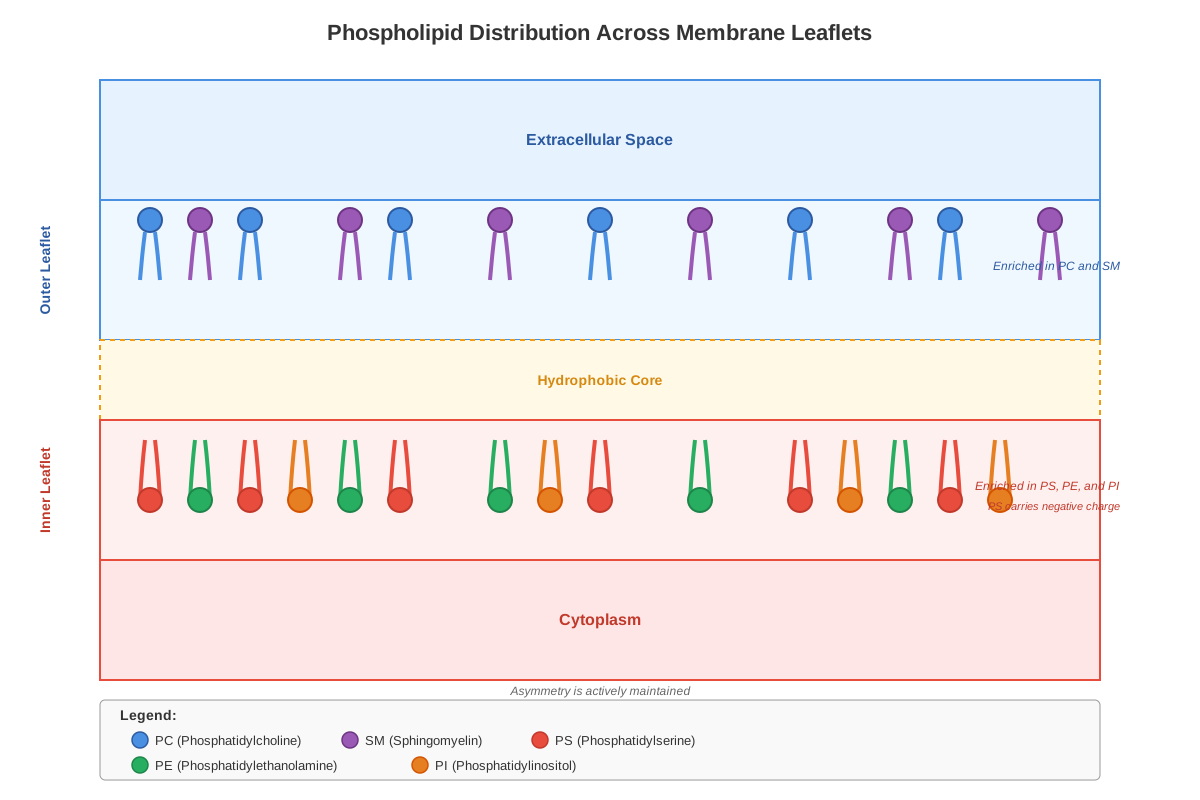
The distribution of major phospholipid classes between membrane leaflets follows consistent patterns across cell types:
| Phospholipid | Preferred Leaflet | Charge | Key Functions |
|---|---|---|---|
| Phosphatidylcholine (PC) | Outer | Neutral | Structural; most abundant phospholipid |
| Sphingomyelin (SM) | Outer | Neutral | Structural; lipid raft formation |
| Phosphatidylserine (PS) | Inner | Negative | Apoptosis signal; protein binding |
| Phosphatidylethanolamine (PE) | Inner | Neutral | Membrane curvature; structural |
| Phosphatidylinositol (PI) | Inner | Negative | Signaling precursor (PIP₂, PIP₃) |
Phosphatidylcholine and sphingomyelin predominate in the outer leaflet, creating a relatively neutral surface that interacts with the extracellular environment. The outer leaflet also contains glycolipids, which exclusively localize to this surface with their carbohydrate moieties extending into the extracellular space.
The inner leaflet is enriched in phosphatidylserine, phosphatidylethanolamine, and phosphatidylinositol. This creates a net negative charge on the cytoplasmic surface, which is functionally significant for recruiting positively charged proteins and signaling molecules. The inner leaflet composition supports protein-membrane interactions essential for signal transduction, cytoskeletal attachment, and membrane trafficking.
Mechanisms Maintaining Membrane Asymmetry
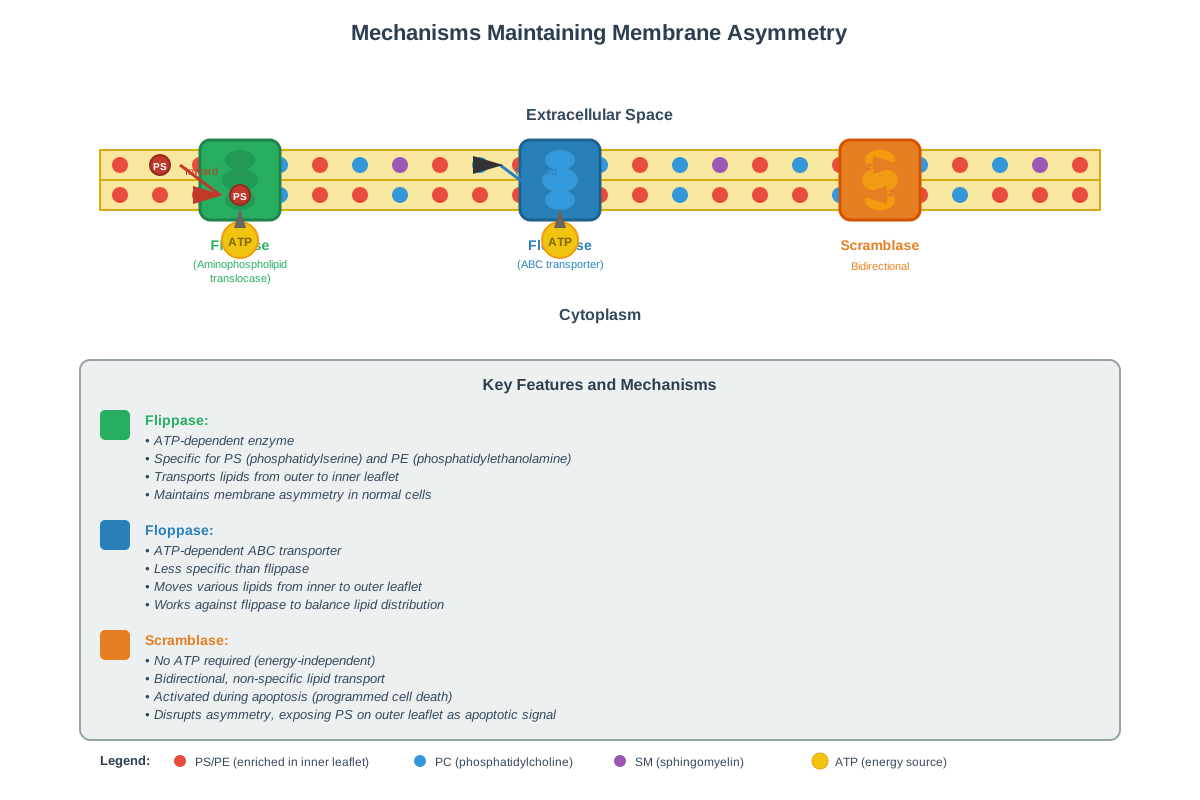
Membrane asymmetry does not arise spontaneously—phospholipids would naturally equilibrate between leaflets over time through a process called "flip-flop." However, spontaneous flip-flop is extremely slow (half-time of hours to days) due to the energetic cost of moving hydrophilic head groups through the hydrophobic membrane core. Cells actively maintain asymmetry through three classes of membrane proteins:
Flippases (P-type ATPases)
Flippases are ATP-dependent enzymes that move specific phospholipids from the outer leaflet to the inner leaflet. These enzymes show specificity for aminophospholipids (PS and PE), actively transporting them to the cytoplasmic face. Flippases work against concentration gradients, requiring ATP hydrolysis to power this energetically unfavorable transport. This activity continuously restores asymmetry and maintains PS sequestration on the inner leaflet.
Floppases (ABC Transporters)
Floppases transport phospholipids from the inner leaflet to the outer leaflet, also in an ATP-dependent manner. These ABC (ATP-binding cassette) transporters show broader specificity than flippases and can move various phospholipid species outward. Floppases contribute to establishing the initial asymmetric distribution during membrane biogenesis.
Scramblases
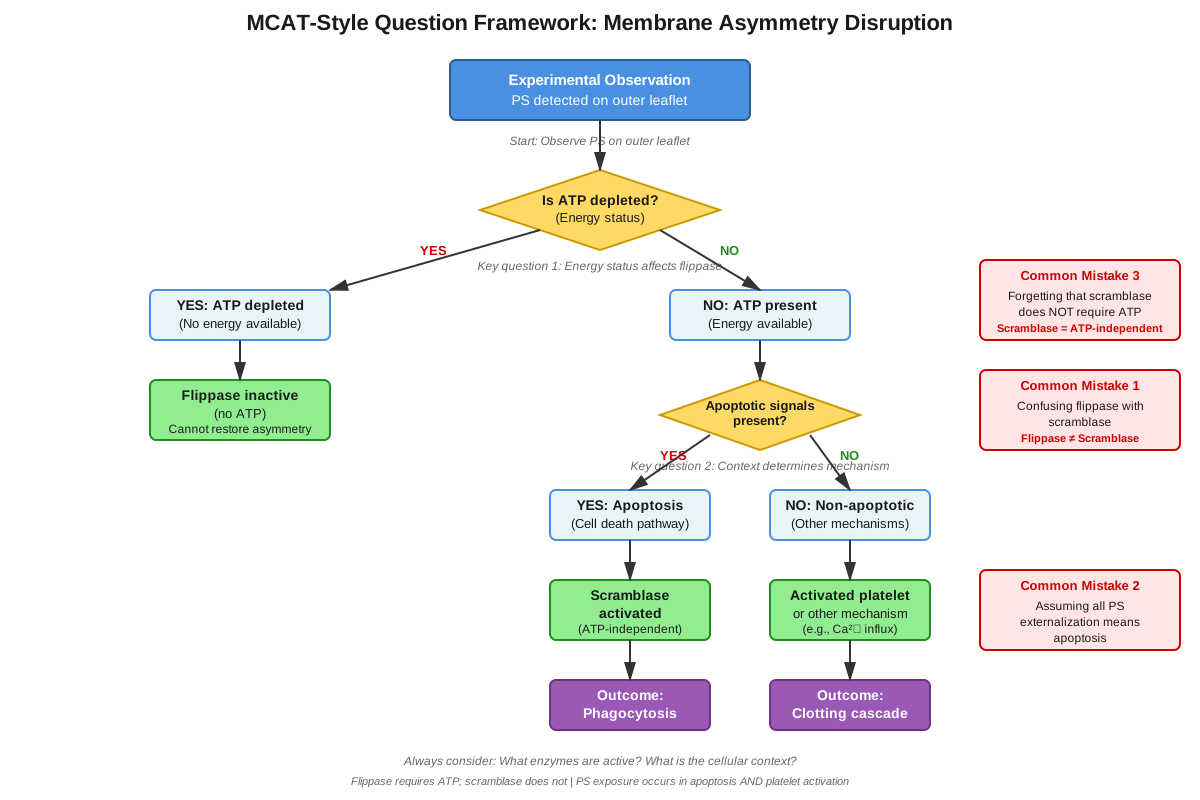
Scramblases are calcium-activated proteins that facilitate bidirectional, non-specific phospholipid movement down concentration gradients. Unlike flippases and floppases, scramblases do not require ATP and do not establish asymmetry—instead, they rapidly dissipate it. Scramblases remain inactive under normal conditions but activate in response to elevated intracellular calcium, as occurs during apoptosis or platelet activation. This activation causes rapid PS externalization.
Functional Consequences of Membrane Asymmetry
Apoptosis Recognition
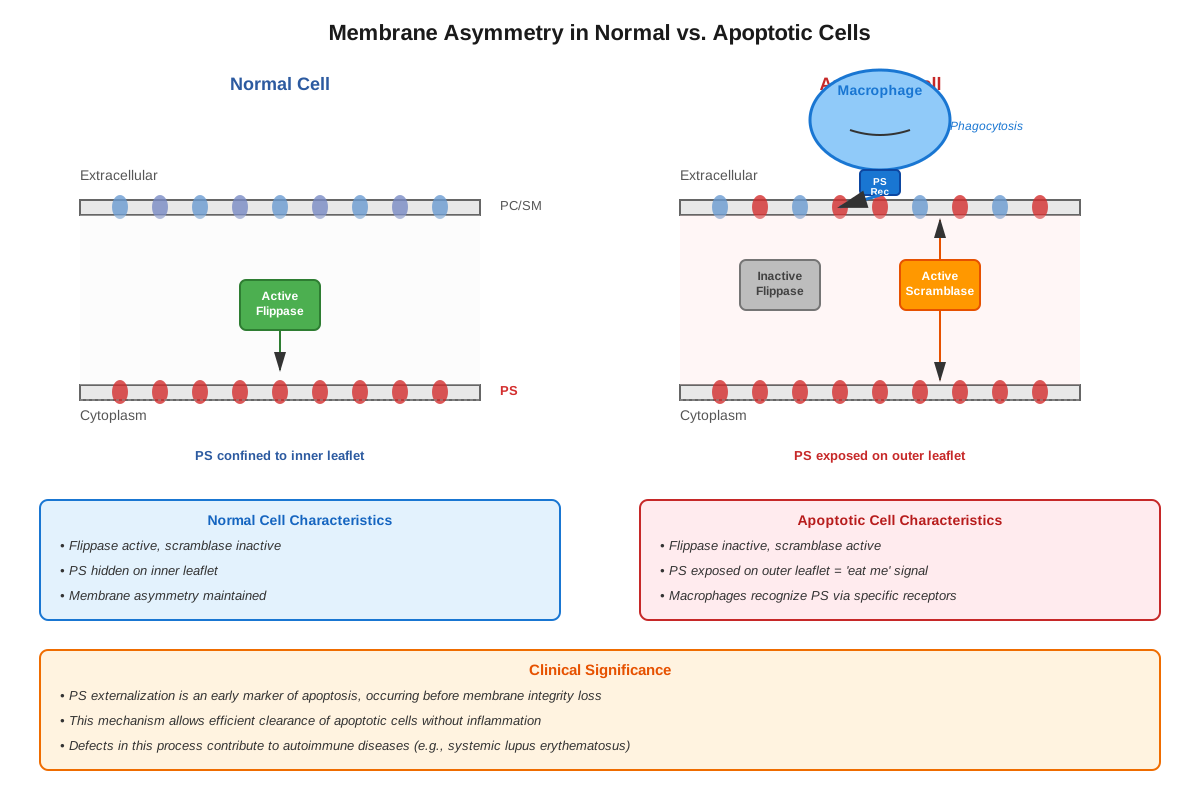
The most clinically significant function of membrane asymmetry involves apoptosis. In healthy cells, PS remains strictly confined to the inner leaflet. During programmed cell death, scramblase activation and flippase inactivation cause PS externalization to the outer leaflet. This exposed PS serves as an "eat me" signal recognized by phagocytes through PS receptors, enabling efficient clearance of apoptotic cells without inflammatory responses. This mechanism is essential for development, tissue homeostasis, and immune regulation.
Blood Coagulation
In blood clotting, platelet activation triggers calcium influx and scramblase activation, externalizing PS on the platelet surface. The negatively charged PS provides a catalytic surface that concentrates coagulation factors (particularly factors Va and VIIIa) and accelerates the formation of enzyme complexes essential for thrombin generation. This represents a critical link between membrane structure and hemostasis—without PS externalization, blood clotting is severely impaired.
Signal Transduction
The inner leaflet enrichment of phosphatidylinositol enables localized production of signaling molecules. Phosphatidylinositol 4,5-bisphosphate (PIP₂) serves as a substrate for phospholipase C (generating IP₃ and DAG second messengers) and PI3-kinase (generating PIP₃, which recruits signaling proteins with pleckstrin homology domains). The asymmetric localization of these signaling lipids ensures that signal transduction occurs specifically at the cytoplasmic membrane surface.
Membrane Curvature and Trafficking
PE enrichment in the inner leaflet influences membrane curvature due to its small head group and conical molecular shape. This affects processes like vesicle budding and fusion. Additionally, asymmetry serves as a quality control mechanism—newly synthesized membranes in the endoplasmic reticulum initially lack asymmetry, which develops progressively through the secretory pathway, marking membrane maturation.
Protein Asymmetry
Beyond lipid asymmetry, membrane proteins also distribute asymmetrically. Integral membrane proteins have defined orientations with specific domains facing the cytoplasm or extracellular space. Glycoproteins exclusively present carbohydrate modifications on the extracellular surface (or luminal surface of organelles), as glycosylation occurs only in the ER and Golgi lumens. Peripheral membrane proteins show leaflet preferences based on their lipid-binding domains—proteins with polybasic regions bind the negatively charged inner leaflet, while those recognizing specific lipid head groups localize accordingly.
Concept Relationships
Membrane asymmetry emerges from and connects to multiple foundational biochemistry concepts. The phospholipid structure (prerequisite knowledge) directly determines asymmetry patterns—the specific head group chemistry of PS, PE, PC, and PI dictates their leaflet preferences and functional roles. The amphipathic nature of phospholipids creates the bilayer structure that enables asymmetry to exist, as the two leaflets represent distinct chemical environments despite physical continuity.
ATP-dependent transport mechanisms (flippases and floppases) link membrane asymmetry to cellular energetics and active transport principles. This connection emphasizes that membrane organization is not thermodynamically favorable but represents an energy-requiring steady state. The concept parallels other active transport systems like the Na⁺/K⁺-ATPase, where ATP hydrolysis maintains concentration gradients.
Signal transduction pathways depend critically on membrane asymmetry. The inner leaflet localization of PI and its phosphorylated derivatives (PIP₂, PIP₃) enables spatially restricted signaling. This connects to enzyme regulation, as membrane-localized signaling lipids recruit and activate specific protein kinases and other effectors. The relationship flows: membrane asymmetry → localized signaling lipids → recruited signaling proteins → activated pathways → cellular responses.
Apoptosis mechanisms represent a major downstream consequence of asymmetry disruption. The pathway connects: apoptotic stimulus → caspase activation → calcium release → scramblase activation + flippase inactivation → PS externalization → phagocyte recognition → cell clearance. This illustrates how membrane asymmetry serves as a regulatory switch in programmed cell death.
Blood coagulation cascades integrate membrane asymmetry with enzyme kinetics. The relationship: platelet activation → PS externalization → assembly of coagulation factor complexes → accelerated enzymatic reactions → thrombin generation → fibrin clot formation. This demonstrates how membrane composition directly affects enzyme efficiency through substrate concentration effects.
The concept map flows: Phospholipid structure → Membrane bilayer formation → Asymmetric distribution (via flippases/floppases) → Maintained asymmetry (energy-dependent) → Functional consequences (signaling, apoptosis, coagulation) → Disrupted asymmetry (disease states). Understanding these connections enables prediction of experimental outcomes and clinical manifestations.
Quick check — test yourself on Membrane asymmetry so far.
Try Flashcards →High-Yield Facts
⭐ Phosphatidylserine (PS) is normally restricted to the inner leaflet of the plasma membrane and its externalization serves as an apoptosis signal recognized by phagocytes
⭐ Flippases are ATP-dependent enzymes that move PS and PE from the outer leaflet to the inner leaflet, maintaining asymmetry
⭐ Scramblases are calcium-activated proteins that cause rapid, bidirectional phospholipid movement, disrupting asymmetry during apoptosis and platelet activation
⭐ The inner leaflet is enriched in negatively charged phospholipids (PS and PI), while the outer leaflet contains primarily neutral phospholipids (PC and sphingomyelin)
⭐ PS externalization on activated platelets provides a catalytic surface for coagulation factor assembly, essential for blood clotting
- Phosphatidylinositol and its phosphorylated derivatives (PIP₂, PIP₃) localize to the inner leaflet where they function as signaling molecules
- Glycolipids and glycoproteins exclusively localize to the outer leaflet/extracellular surface due to glycosylation occurring in the ER/Golgi lumen
- Spontaneous phospholipid flip-flop is extremely slow (hours to days) due to the energetic barrier of moving polar head groups through the hydrophobic membrane core
- Floppases (ABC transporters) move phospholipids from inner to outer leaflet in an ATP-dependent manner
- Membrane asymmetry is established during membrane biogenesis and maintained throughout the membrane's lifetime through continuous enzymatic activity
- Loss of membrane asymmetry in red blood cells (PS externalization) occurs in sickle cell disease and contributes to vascular complications
- The small head group of PE contributes to membrane curvature, affecting vesicle formation and membrane trafficking
Common Misconceptions
Misconception: Membrane asymmetry is a static property established once during membrane formation and then passively maintained.
Correction: Membrane asymmetry is a dynamic steady state requiring continuous ATP-dependent enzymatic activity. Flippases constantly work to restore asymmetry as spontaneous flip-flop and cellular processes gradually dissipate it. Inhibiting ATP production causes gradual loss of asymmetry over time.
Misconception: All phospholipids can freely move between membrane leaflets through rapid flip-flop.
Correction: Spontaneous phospholipid flip-flop is extremely slow (half-time of hours to days) because moving the hydrophilic head group through the hydrophobic membrane core is energetically unfavorable. Only with enzymatic catalysis (flippases, floppases, scramblases) does rapid transbilayer movement occur.
Misconception: Scramblases actively pump phospholipids to create asymmetry.
Correction: Scramblases facilitate bidirectional phospholipid movement down concentration gradients—they dissipate asymmetry rather than create it. Scramblases are normally inactive and only activate in response to elevated calcium, causing rapid loss of asymmetry during apoptosis or platelet activation.
Misconception: PS externalization only occurs during apoptosis.
Correction: While PS externalization is a hallmark of apoptosis, it also occurs during platelet activation (essential for blood clotting), in activated lymphocytes, during cell fusion events, and in certain pathological conditions like sickle cell disease. The functional consequence depends on cellular context.
Misconception: The outer leaflet has a net negative charge due to glycolipids.
Correction: The outer leaflet is relatively neutral or slightly positive, composed primarily of PC and sphingomyelin (both zwitterionic/neutral). The inner leaflet carries a net negative charge due to PS and PI enrichment. This charge asymmetry is functionally important for recruiting positively charged signaling proteins to the cytoplasmic membrane surface.
Misconception: Membrane proteins can freely rotate to switch which leaflet they associate with.
Correction: Integral membrane proteins have fixed orientations determined during biosynthesis and insertion. They cannot flip to reverse their orientation. Protein asymmetry is established during translation and translocation into the ER and remains fixed throughout the protein's lifetime.
Worked Examples
Example 1: Experimental Analysis of Membrane Asymmetry
Question: Researchers treat cells with annexin V conjugated to a fluorescent probe. Annexin V specifically binds to PS in a calcium-dependent manner. In healthy cells, no fluorescence is detected. After treating cells with staurosporine (an apoptosis inducer), strong fluorescence appears on the cell surface. When cells are treated with a calcium chelator before staurosporine, fluorescence is greatly reduced. Explain these observations in terms of membrane asymmetry.
Solution:
Step 1: Identify what annexin V detects. Annexin V binds PS specifically, and since it's a protein, it cannot cross the membrane to access the inner leaflet. Therefore, it only detects PS on the outer leaflet (extracellular surface).
Step 2: Interpret the healthy cell result. No fluorescence in healthy cells indicates that PS is not present on the outer leaflet—it remains sequestered on the inner leaflet, maintaining normal membrane asymmetry. Flippases actively maintain this distribution.
Step 3: Explain the staurosporine effect. Staurosporine induces apoptosis, which triggers several events: caspase activation leads to calcium release from intracellular stores, elevated calcium activates scramblases, and caspases may also inactivate flippases. Scramblase activation causes rapid bidirectional phospholipid movement, externalizing PS to the outer leaflet where annexin V can bind it, producing fluorescence.
Step 4: Interpret the calcium chelator result. Chelating calcium prevents scramblase activation even during apoptosis, since scramblases are calcium-dependent. Without scramblase activity, PS externalization is greatly reduced (though not completely eliminated, as flippase inactivation alone causes some gradual PS appearance). This demonstrates that calcium-dependent scramblase activation is the primary mechanism for rapid PS externalization during apoptosis.
Key Concept Connection: This example integrates membrane asymmetry maintenance (flippases), asymmetry disruption (scramblases), apoptosis signaling, and experimental techniques for detecting leaflet-specific lipid distribution—all high-yield MCAT topics.
Example 2: Clinical Application to Blood Clotting
Question: A patient presents with a bleeding disorder. Laboratory tests reveal normal levels of all coagulation factors, but the rate of thrombin generation is severely reduced. Further investigation shows that the patient's platelets fail to externalize PS upon activation. Explain why this defect causes impaired coagulation despite normal factor levels.
Solution:
Step 1: Identify the normal role of PS in coagulation. When platelets activate, scramblase activation externalizes PS to the outer leaflet. The negatively charged PS head groups create a catalytic surface that binds and concentrates coagulation factors, particularly the tenase complex (factors VIIIa, IXa, and X) and prothrombinase complex (factors Va, Xa, and prothrombin).
Step 2: Explain the kinetic advantage. Many coagulation factors contain gamma-carboxyglutamate (Gla) domains that bind calcium ions, which in turn bind to negatively charged PS. This concentrates factors on the membrane surface, dramatically increasing their local concentration and the rate of complex formation. The membrane surface also provides optimal orientation for enzyme-substrate interactions.
Step 3: Connect to the patient's phenotype. Without PS externalization, coagulation factors remain dispersed in the plasma at much lower effective concentrations. Even though factor levels are normal, the rate of complex assembly and enzymatic reactions is severely reduced because factors cannot efficiently concentrate on a catalytic surface. This is analogous to reducing substrate concentration in enzyme kinetics—Vmax may be normal, but the actual reaction rate is much lower.
Step 4: Explain the bleeding disorder. Reduced thrombin generation means slower and less stable fibrin clot formation, causing a bleeding tendency. This illustrates how membrane asymmetry disruption (specifically, failure to disrupt normal asymmetry when needed) causes disease.
Key Concept Connection: This example demonstrates how membrane asymmetry connects to enzyme kinetics, the functional importance of PS externalization in a non-apoptotic context, and how structural defects manifest as clinical disease—integrating biochemistry with physiology and pathology.
Exam Strategy
When approaching MCAT questions on membrane asymmetry, first identify whether the question asks about normal asymmetry maintenance or disruption. Trigger words indicating maintenance include "healthy cells," "resting state," "ATP-dependent," "flippase," and "energy requirement." Trigger words indicating disruption include "apoptosis," "platelet activation," "calcium," "scramblase," "PS externalization," and "annexin V."
For experimental passages, determine what technique is being used to assess asymmetry. Common approaches include: (1) fluorescent lipid analogs that report on specific leaflets; (2) annexin V binding to detect PS externalization; (3) phospholipase treatment that only accesses the outer leaflet; (4) membrane impermeant reagents that label only outer leaflet components. Understanding the technique's limitations helps eliminate wrong answers.
Exam Tip: If a question describes PS externalization, immediately consider two contexts: apoptosis (for cell clearance) or platelet activation (for blood clotting). The surrounding passage context will indicate which applies.
When questions involve ATP depletion or metabolic inhibitors, predict that membrane asymmetry will gradually dissipate as flippases and floppases become inactive. This is a common experimental manipulation in MCAT passages. Conversely, calcium elevation (from ionophores, cell damage, or signaling) should trigger consideration of scramblase activation and rapid asymmetry loss.
For process-of-elimination, remember that scramblases never establish asymmetry—they only dissipate it. Any answer choice suggesting scramblases create or maintain asymmetry is incorrect. Similarly, spontaneous flip-flop is always slow; answers suggesting rapid equilibration without enzymes are wrong.
Time allocation: Membrane asymmetry questions typically appear as part of longer passages (4-6 questions). Allocate 1.5-2 minutes per question. If a question requires detailed analysis of experimental results, spend the full 2 minutes—these questions often test multiple concepts simultaneously and reward careful reasoning.
Watch for questions that combine membrane asymmetry with other topics. Common combinations include: asymmetry + signal transduction (PI/PIP₂/PIP₃), asymmetry + apoptosis (PS externalization), asymmetry + membrane proteins (protein orientation and localization), and asymmetry + energetics (ATP requirement for maintenance). These integrated questions are high-value and frequently appear.
Memory Techniques
Mnemonic for inner leaflet phospholipids: "PIPE" - PhosphatidylInositol, PhosphatidylEthanolamine (and also PS, but PIPE is easier to remember). These are the negatively charged or inner-leaflet enriched phospholipids.
Mnemonic for outer leaflet phospholipids: "SPC" - Sphingomyelin, PhosphatidylCholine. Think "SPC" as "Space" (outer space = outer leaflet).
Flippase vs. Floppase directionality: Flippase = Flip IN (moves lipids to the INner leaflet). Floppase = Flop OUT (moves lipids to the OUTer leaflet). The "flip" sound is quick and inward; "flop" sounds like something falling outward.
Scramblase function: Think of "scrambling" eggs—mixing everything together. Scramblases scramble the membrane, mixing lipids between leaflets and destroying organization (asymmetry).
Visualization for PS externalization: Picture a cell with a red inner leaflet (PS = red for "danger signal"). In healthy cells, red stays hidden inside. During apoptosis, the cell "shows its red flag" by externalizing PS—a distress signal for phagocytes. This visual helps remember that PS externalization = apoptosis signal.
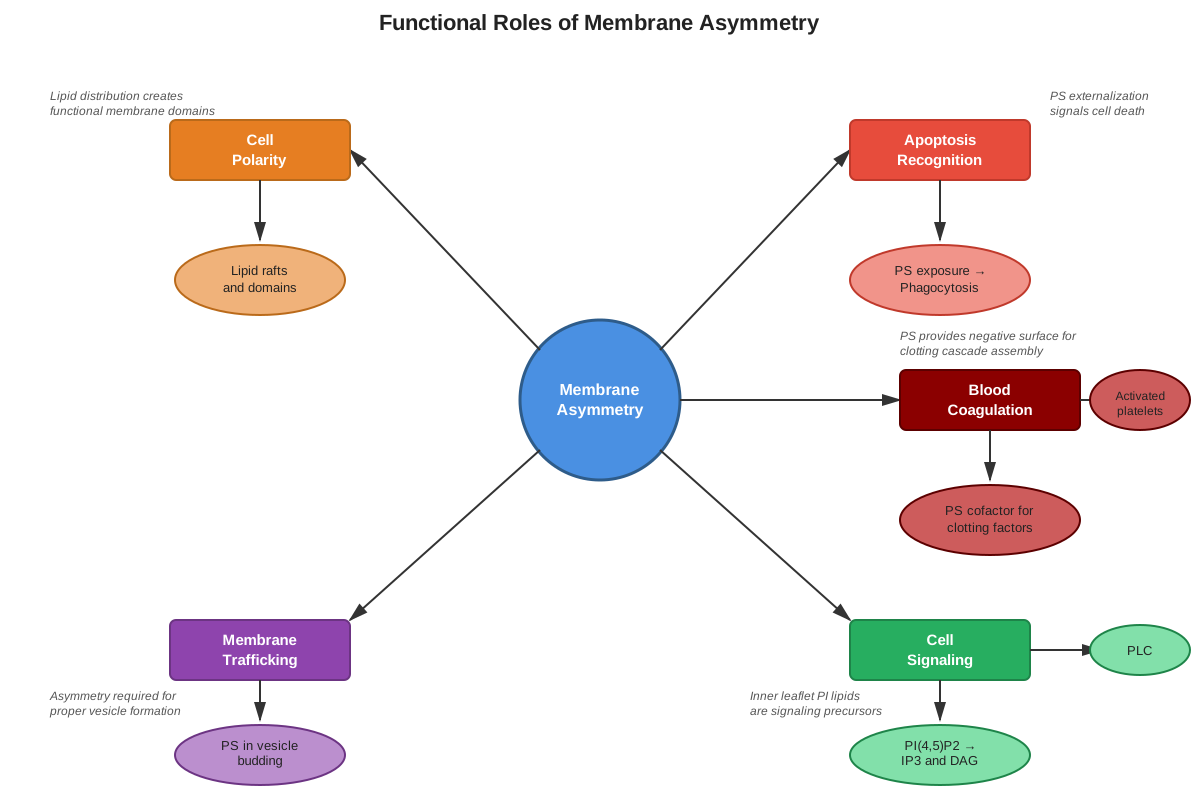
Acronym for asymmetry functions: "SCAT" - Signaling (PI/PIP₂), Coagulation (PS on platelets), Apoptosis (PS externalization), Trafficking (membrane curvature). These are the four major functional consequences of membrane asymmetry.
Summary
Membrane asymmetry represents the unequal distribution of lipids and proteins between the inner and outer leaflets of biological membranes, maintained by ATP-dependent enzymes called flippases and floppases. The inner leaflet is enriched in negatively charged phospholipids (PS, PI, PE), while the outer leaflet contains primarily neutral phospholipids (PC, sphingomyelin) and glycolipids. This asymmetry is functionally essential: PS sequestration on the inner leaflet prevents inappropriate apoptosis signaling, while controlled PS externalization (via calcium-activated scramblases) enables apoptotic cell recognition and platelet-mediated blood clotting. The inner leaflet localization of PI and its derivatives supports signal transduction by creating spatially restricted signaling platforms. Membrane asymmetry is not static but represents a dynamic steady state requiring continuous energy expenditure. Disruption of asymmetry occurs physiologically during apoptosis and platelet activation, and pathologically in diseases like sickle cell anemia. For the MCAT, students must understand both the mechanisms maintaining asymmetry and the functional consequences of its disruption, as questions frequently integrate this topic with signal transduction, apoptosis, and blood coagulation.
Key Takeaways
- Membrane asymmetry is the unequal distribution of phospholipids between membrane leaflets, with PS, PE, and PI enriched in the inner leaflet and PC and sphingomyelin in the outer leaflet
- Flippases (ATP-dependent) move aminophospholipids to the inner leaflet, floppases move lipids to the outer leaflet, and scramblases (calcium-activated) cause bidirectional movement that disrupts asymmetry
- PS externalization serves as an "eat me" signal during apoptosis and provides a catalytic surface for coagulation factor assembly during blood clotting
- Membrane asymmetry is a dynamic, energy-requiring steady state that dissipates when ATP is depleted or calcium levels rise
- The inner leaflet's negative charge (from PS and PI) recruits signaling proteins and supports signal transduction pathways
- Disruption of normal asymmetry maintenance or inappropriate asymmetry loss causes disease, including bleeding disorders and complications of sickle cell disease
- MCAT questions frequently integrate membrane asymmetry with apoptosis mechanisms, blood coagulation cascades, and signal transduction pathways
Related Topics
Phospholipid biosynthesis: Understanding how cells synthesize different phospholipid species provides context for why specific lipids are available for asymmetric distribution. This topic explains the metabolic origins of membrane components.
Signal transduction pathways: Mastering membrane asymmetry enables deeper understanding of how PIP₂ and PIP₃ function as second messengers and how membrane localization regulates signaling cascades including PI3K/Akt and PLCβ pathways.
Apoptosis mechanisms: Membrane asymmetry disruption is one of several apoptotic hallmarks. Further study of caspase cascades, mitochondrial pathways, and death receptor signaling builds on the PS externalization concept.
Blood coagulation cascade: The role of PS in providing catalytic surfaces connects to detailed study of the intrinsic and extrinsic coagulation pathways, factor activation, and hemostasis regulation.
Membrane trafficking and vesicle formation: Asymmetry affects membrane curvature and vesicle budding. Advanced study of COPI/COPII vesicles, clathrin-mediated endocytosis, and SNARE proteins builds on these foundations.
Lipid rafts and membrane microdomains: Sphingomyelin enrichment in the outer leaflet contributes to lipid raft formation, connecting asymmetry to specialized membrane domains that organize signaling complexes.
Practice CTA
Now that you've mastered the core concepts of membrane asymmetry, it's time to test your understanding with practice questions and flashcards. Active retrieval through practice is the most effective way to consolidate this knowledge and prepare for MCAT success. Focus particularly on questions that integrate membrane asymmetry with apoptosis, blood coagulation, and signal transduction—these interdisciplinary questions mirror the MCAT's approach and will strengthen your ability to apply concepts across contexts. Remember, understanding the "why" behind membrane asymmetry (its functional significance) is just as important as knowing the "what" (lipid distributions). You've built a strong foundation—now reinforce it through deliberate practice!
Sign up free to keep reading
Create a free AnvayaPrep account to finish this MCAT guide on Membrane asymmetry — plus flashcards and practice questions.