Overview
Saturated fatty acids are fundamental building blocks of biological lipids and represent one of the most clinically and biochemically significant topics within the Lipids and Membranes unit of Biochemistry. These molecules consist of hydrocarbon chains with no carbon-carbon double bonds, containing only single bonds between carbon atoms and being "saturated" with hydrogen atoms. Understanding saturated fatty acids is essential not only for grasping lipid structure and function but also for comprehending membrane biology, energy metabolism, cardiovascular disease mechanisms, and nutritional biochemistry—all high-yield areas for the MCAT.
The MCAT frequently tests saturated fatty acids within multiple contexts: their structural properties compared to unsaturated fatty acids, their role in membrane fluidity, their metabolic fate through beta-oxidation, and their impact on human health. Questions may appear in passage-based formats discussing atherosclerosis, dietary interventions, or membrane composition studies, as well as in discrete questions testing fundamental structural knowledge. The topic bridges organic chemistry concepts (particularly alkane chemistry and intermolecular forces) with biological applications, making it an ideal subject for integrated MCAT questions that span multiple disciplines.
Mastery of saturated fatty acids provides the foundation for understanding more complex lipid molecules including triglycerides, phospholipids, sphingolipids, and cholesterol esters. This knowledge directly connects to critical MCAT topics such as lipid digestion and absorption, lipoprotein metabolism, cellular membrane structure and dynamics, and the biochemical basis of metabolic diseases. The ability to predict physical properties of fatty acids based on their saturation state and chain length is a recurring theme in MCAT biochemistry passages and represents a high-yield skill that distinguishes top-scoring students.
Learning Objectives
- [ ] Define saturated fatty acids using accurate Biochemistry terminology
- [ ] Explain why saturated fatty acids matters for the MCAT
- [ ] Apply saturated fatty acids to exam-style questions
- [ ] Identify common mistakes related to saturated fatty acids
- [ ] Connect saturated fatty acids to related Biochemistry concepts
- [ ] Compare and contrast the physical properties of saturated versus unsaturated fatty acids
- [ ] Predict the effect of fatty acid saturation on membrane fluidity and phase transition temperature
- [ ] Analyze the relationship between fatty acid chain length, saturation, and melting point
Prerequisites
- Basic organic chemistry: Understanding of alkanes, single versus double bonds, and intermolecular forces (van der Waals forces, hydrogen bonding) is essential for predicting fatty acid physical properties
- Carboxylic acid chemistry: Fatty acids contain carboxyl groups that determine their acidic properties and ability to form ester linkages in complex lipids
- General lipid classification: Familiarity with the broader category of lipids helps contextualize fatty acids as building blocks of more complex molecules
- Cell membrane structure: Basic knowledge of the phospholipid bilayer provides context for understanding how fatty acid properties affect membrane characteristics
- Thermodynamics basics: Understanding phase transitions and the relationship between molecular structure and physical state aids in comprehending melting point differences
Why This Topic Matters
Clinical and Real-World Significance
Saturated fatty acids play a central role in cardiovascular health and metabolic disease, making them clinically relevant beyond their biochemical properties. Dietary saturated fats have been extensively studied for their relationship to LDL cholesterol levels, atherosclerosis, and coronary artery disease. The American Heart Association and other health organizations provide specific recommendations regarding saturated fat intake, and understanding the biochemical basis for these recommendations requires knowledge of how saturated fatty acids affect lipoprotein metabolism and arterial plaque formation. Additionally, saturated fatty acids are major components of adipose tissue triglycerides, making them central to discussions of obesity, insulin resistance, and metabolic syndrome.
MCAT Exam Statistics and Question Types
Saturated fatty acids appear in approximately 15-20% of MCAT biochemistry passages related to lipids and membranes, making this a high-yield topic. Questions typically fall into several categories: (1) structural identification and nomenclature questions requiring students to recognize or draw saturated fatty acid structures, (2) comparative questions asking students to predict relative melting points or membrane effects based on saturation state, (3) passage-based questions embedded in experimental contexts studying membrane fluidity or dietary interventions, and (4) integrated questions connecting fatty acid metabolism to energy production or biosynthetic pathways. The topic frequently appears in interdisciplinary passages that combine biochemistry with physiology, nutrition, or organic chemistry concepts.
Common Exam Passage Contexts
MCAT passages featuring saturated fatty acids often present experimental scenarios such as: studies comparing membrane fluidity in cells exposed to different fatty acid compositions; nutritional intervention studies measuring blood lipid profiles after dietary modifications; biochemical analyses of fatty acid oxidation rates; or structural biology investigations of membrane protein function in different lipid environments. Passages may also discuss evolutionary adaptations (such as cold-water fish producing more unsaturated fatty acids) or industrial applications (such as hydrogenation of vegetable oils). Recognizing these common contexts helps students quickly identify the relevant biochemical principles being tested.
Core Concepts
Definition and Chemical Structure
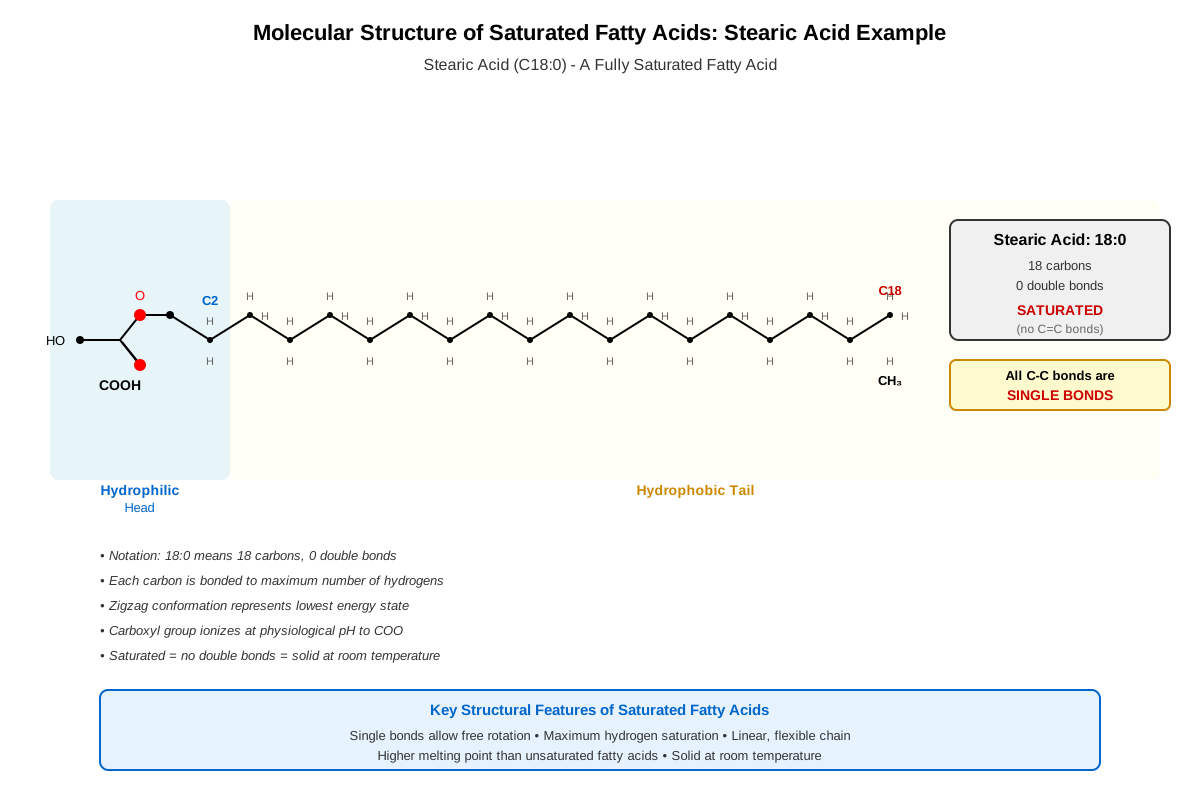
Saturated fatty acids are carboxylic acids consisting of a hydrocarbon chain in which all carbon-carbon bonds are single bonds, with each carbon atom bonded to the maximum number of hydrogen atoms possible. The general formula for saturated fatty acids is CH₃(CH₂)ₙCOOH, where n represents the number of methylene groups in the chain. The term "saturated" refers to the carbon chain being saturated with hydrogen atoms—no additional hydrogen can be added without breaking carbon-carbon bonds. This contrasts with unsaturated fatty acids, which contain one or more carbon-carbon double bonds and therefore have fewer hydrogen atoms.
The carboxyl group (-COOH) at one end of the molecule is the functional group that defines these molecules as acids and provides their chemical reactivity. At physiological pH (approximately 7.4), the carboxyl group is typically deprotonated, existing as a carboxylate anion (-COO⁻), which makes the molecule amphipathic—possessing both a hydrophilic (polar) head and a hydrophobic (nonpolar) tail. This amphipathic nature is crucial for the role of fatty acids in membrane structure and lipid metabolism.
Nomenclature and Common Examples
Saturated fatty acids are named systematically using IUPAC nomenclature, but common names are frequently used in biological contexts and on the MCAT. The systematic name is based on the number of carbon atoms, using the suffix "-oic acid" (e.g., hexadecanoic acid). Common names often reflect the source from which the fatty acid was first isolated. The notation system uses the format X:Y, where X represents the total number of carbon atoms and Y represents the number of double bonds (which is 0 for saturated fatty acids).
| Carbon Atoms | Systematic Name | Common Name | Notation | Source/Notes |
|---|---|---|---|---|
| 4 | Butanoic acid | Butyric acid | 4:0 | Butter, rancid smell |
| 12 | Dodecanoic acid | Lauric acid | 12:0 | Coconut oil |
| 14 | Tetradecanoic acid | Myristic acid | 14:0 | Nutmeg, palm oil |
| 16 | Hexadecanoic acid | Palmitic acid | 16:0 | Palm oil, most common |
| 18 | Octadecanoic acid | Stearic acid | 18:0 | Animal fats |
| 20 | Eicosanoic acid | Arachidic acid | 20:0 | Peanut oil |
Palmitic acid (16:0) and stearic acid (18:0) are the most abundant saturated fatty acids in human tissues and dietary fats, making them particularly high-yield for MCAT questions.
Physical Properties and Melting Points
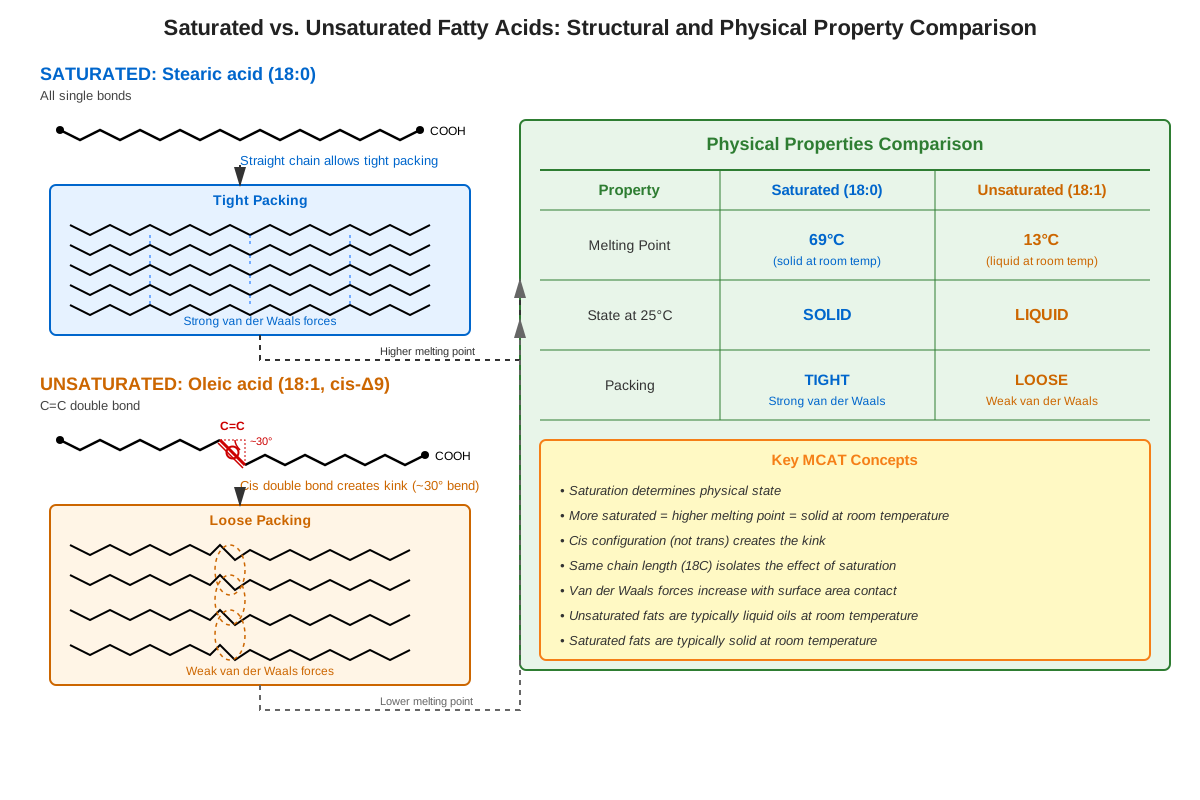
The physical properties of saturated fatty acids are directly determined by their molecular structure and the intermolecular forces between molecules. Because saturated fatty acids have straight, unbranched hydrocarbon chains with no double bonds, they can pack tightly together in parallel arrangements. This tight packing maximizes van der Waals forces (London dispersion forces) between adjacent molecules, resulting in stronger intermolecular attractions and higher melting points compared to unsaturated fatty acids of similar chain length.
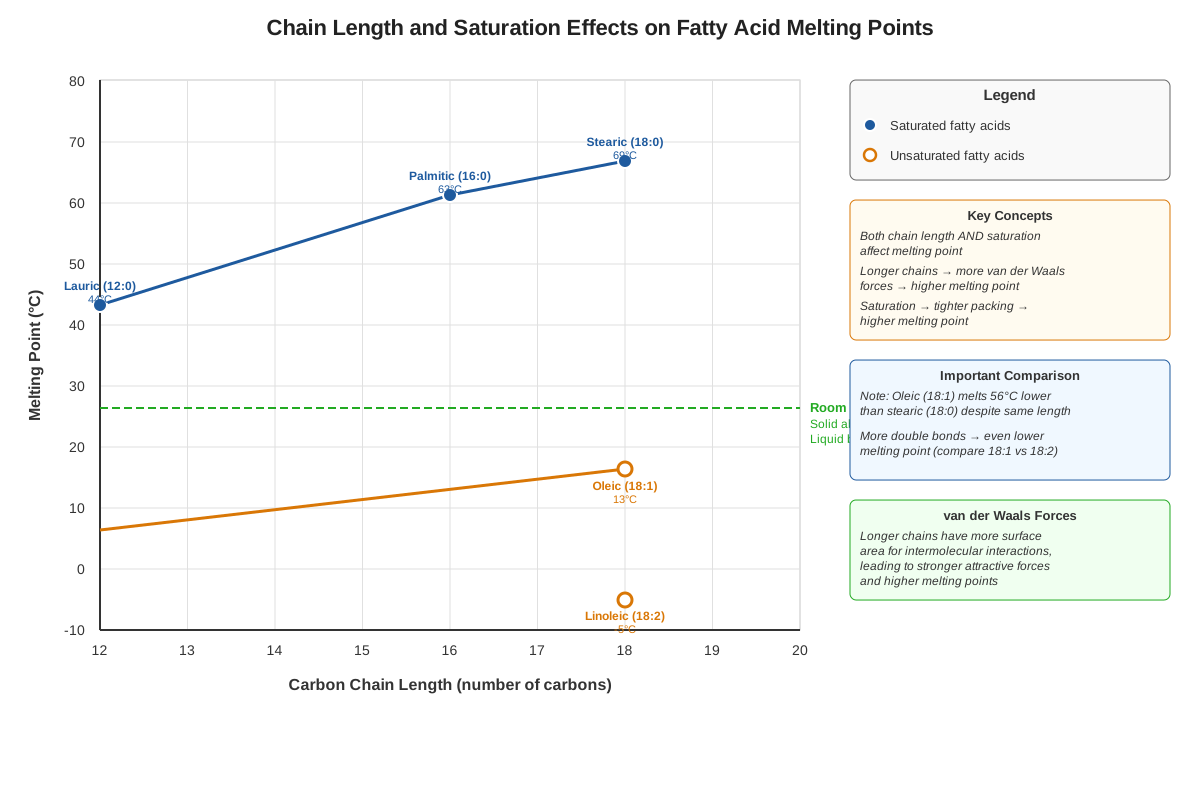
The melting point of saturated fatty acids increases with chain length because longer chains have greater surface area for van der Waals interactions. Short-chain saturated fatty acids (fewer than 10 carbons) are typically liquids at room temperature, while medium- and long-chain saturated fatty acids (12 or more carbons) are solids at room temperature. This relationship is critical for understanding why animal fats (rich in long-chain saturated fatty acids like palmitic and stearic acid) are solid at room temperature, while plant oils (rich in unsaturated fatty acids) are liquid.
The phase transition temperature (melting point) is also crucial for membrane biology. Membranes containing high proportions of saturated fatty acids have higher transition temperatures and are less fluid at physiological temperatures. This principle explains why organisms living in cold environments incorporate more unsaturated fatty acids into their membranes to maintain appropriate fluidity.
Comparison with Unsaturated Fatty Acids
Understanding saturated fatty acids requires comparing them to unsaturated fatty acids, which contain one or more carbon-carbon double bonds. This comparison is frequently tested on the MCAT and represents a high-yield concept:
| Property | Saturated Fatty Acids | Unsaturated Fatty Acids |
|---|---|---|
| C-C bonds | All single bonds | One or more double bonds |
| Hydrogen content | Maximum (saturated) | Fewer hydrogens |
| Molecular shape | Straight, linear chains | Kinked at double bonds (cis) |
| Packing efficiency | Tight, ordered packing | Loose, disordered packing |
| Van der Waals forces | Strong (extensive contact) | Weaker (less contact) |
| Melting point | Higher | Lower |
| Physical state (room temp) | Often solid | Usually liquid |
| Membrane fluidity effect | Decreases fluidity | Increases fluidity |
| Oxidative stability | More stable | Less stable (prone to oxidation) |
The presence of cis double bonds in unsaturated fatty acids creates kinks in the hydrocarbon chain that prevent tight packing, reducing intermolecular forces and lowering melting points. This structural difference has profound implications for membrane properties and is a frequent basis for MCAT questions.
Role in Membrane Structure and Fluidity
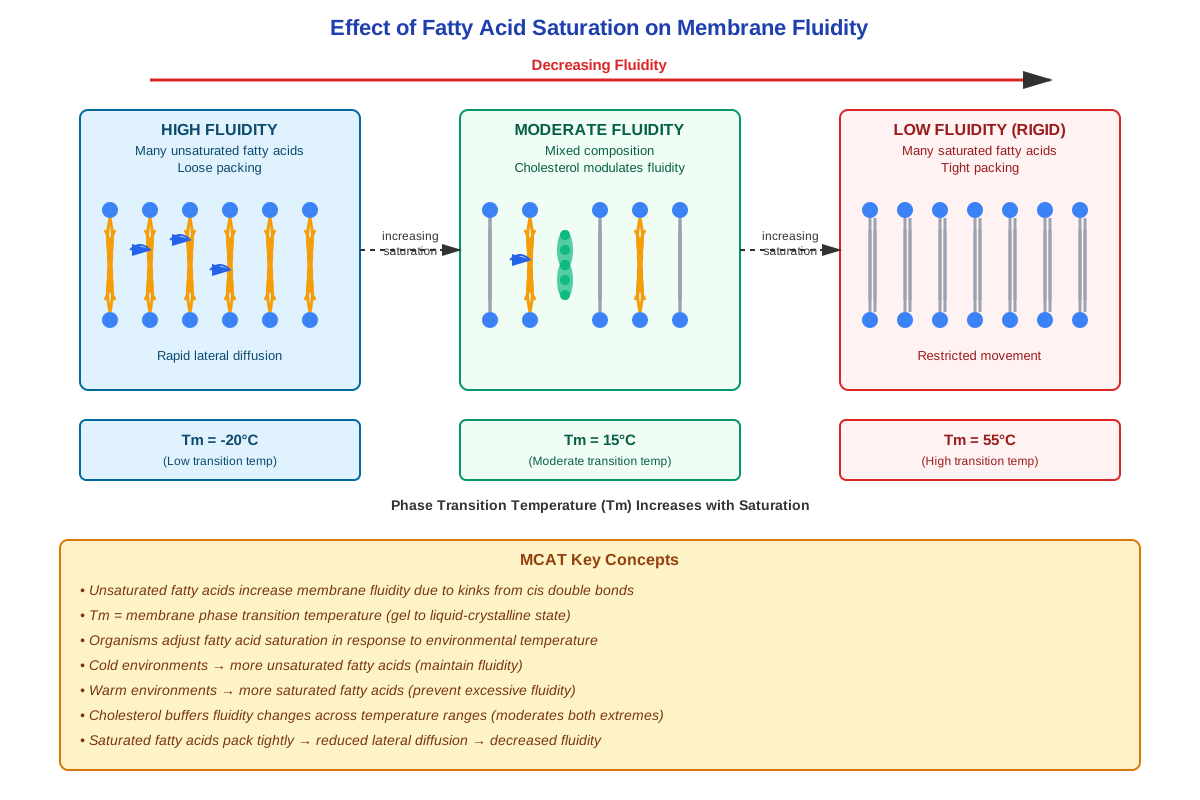
Saturated fatty acids are major components of membrane phospholipids, where they occupy one or both of the fatty acid positions on the glycerol backbone. The degree of saturation in membrane lipids directly affects membrane fluidity—the ability of lipid molecules and membrane proteins to move laterally within the bilayer. Membranes with high saturated fatty acid content are less fluid (more rigid) because the straight chains pack tightly, restricting molecular movement.
The fluid mosaic model of membrane structure describes membranes as dynamic structures where lipids and proteins can diffuse laterally. Membrane fluidity is essential for proper membrane function, including protein mobility, vesicle formation, cell signaling, and membrane fusion events. Cells regulate membrane fluidity by adjusting the ratio of saturated to unsaturated fatty acids in response to environmental conditions—a process called homeoviscous adaptation. For example, bacteria grown at lower temperatures increase the proportion of unsaturated fatty acids in their membranes to maintain fluidity.
The transition temperature (Tm) is the temperature at which a membrane transitions from a rigid, gel-like state to a fluid, liquid-crystalline state. Membranes rich in saturated fatty acids have higher transition temperatures. This concept is frequently tested through questions asking students to predict how changes in fatty acid composition affect membrane properties or cellular function at different temperatures.
Metabolic Significance
Saturated fatty acids serve as important energy storage molecules and metabolic substrates. When incorporated into triglycerides (triacylglycerols), they represent the most energy-dense form of biological fuel, yielding approximately 9 kcal/g upon complete oxidation—more than twice the energy density of carbohydrates or proteins. This high energy content results from the highly reduced state of the carbon atoms in fatty acid chains.
During energy demand, saturated fatty acids are released from triglycerides through lipolysis and undergo beta-oxidation in mitochondria, generating acetyl-CoA, FADH₂, and NADH. These products feed into the citric acid cycle and electron transport chain, producing substantial ATP. Saturated fatty acids are excellent substrates for beta-oxidation because their straight chains allow efficient enzymatic processing. The complete oxidation of palmitic acid (16:0), for example, yields approximately 106 ATP molecules, making it a highly efficient fuel source.
Saturated fatty acids can also be synthesized de novo through fatty acid synthesis (lipogenesis) when dietary carbohydrates are abundant. The primary product of mammalian fatty acid synthase is palmitic acid (16:0), which can be elongated to form stearic acid (18:0) or desaturated to form unsaturated fatty acids. This metabolic flexibility allows organisms to adjust their fatty acid composition based on dietary intake and physiological needs.
Health and Dietary Considerations
The relationship between dietary saturated fatty acids and cardiovascular health is a clinically important topic that appears on the MCAT in various contexts. Saturated fatty acids in the diet have been associated with increased levels of LDL cholesterol (low-density lipoprotein), which is a risk factor for atherosclerosis and coronary artery disease. The mechanism involves saturated fatty acids reducing LDL receptor expression in the liver, decreasing LDL clearance from the blood.
However, not all saturated fatty acids have identical metabolic effects. Stearic acid (18:0) appears to have a neutral effect on blood cholesterol levels, possibly because it is rapidly converted to oleic acid (a monounsaturated fatty acid) in the body. Palmitic acid (16:0) and myristic acid (14:0) have stronger cholesterol-raising effects. These nuances may appear in MCAT passages discussing nutritional interventions or lipid metabolism studies.
The Western diet typically contains high levels of saturated fatty acids from animal products (meat, dairy, butter) and tropical oils (coconut, palm). Public health recommendations generally advise limiting saturated fat intake to less than 10% of total calories and replacing saturated fats with unsaturated fats to reduce cardiovascular disease risk. Understanding the biochemical basis for these recommendations requires knowledge of how different fatty acids affect lipoprotein metabolism and arterial health.
Concept Relationships
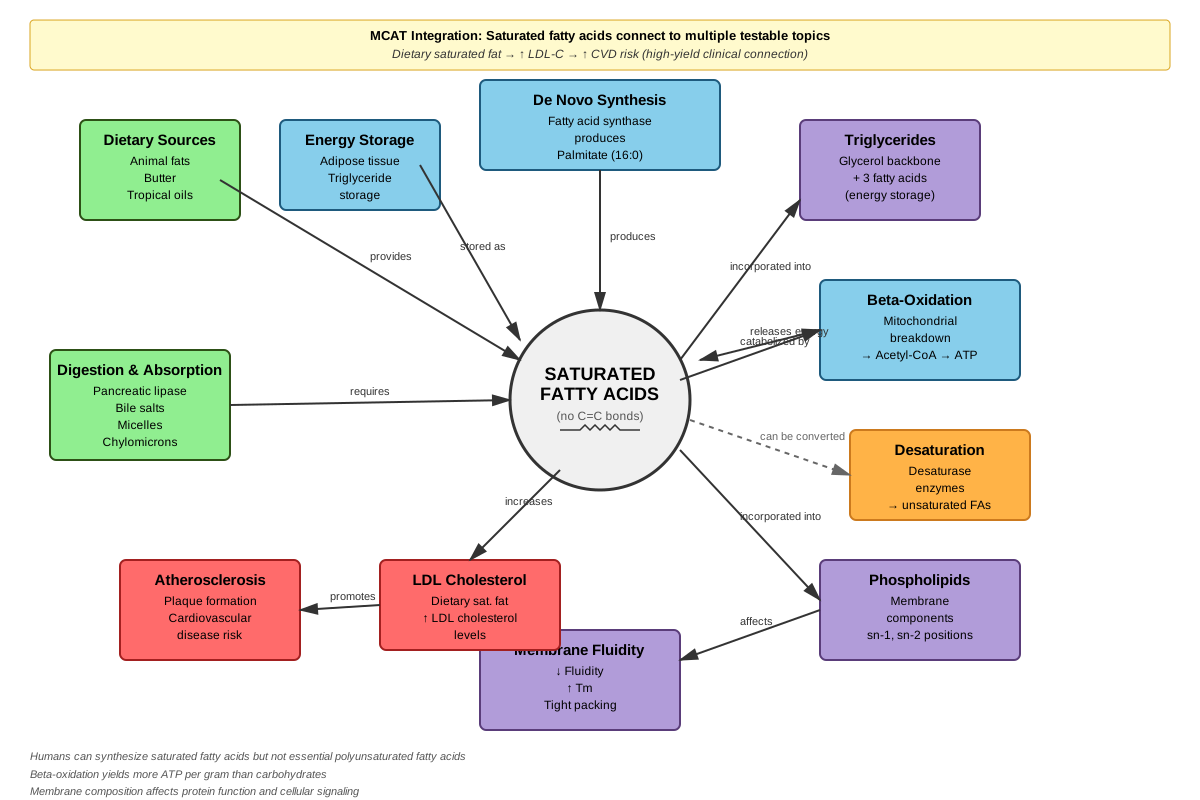
The concepts within saturated fatty acids are hierarchically and functionally interconnected. The chemical structure (all single bonds, straight chains) → determines physical properties (tight packing, high melting points) → which affects biological function (membrane rigidity, energy storage efficiency). This structure-function relationship is fundamental to understanding all aspects of saturated fatty acids.
Saturated fatty acids connect to prerequisite knowledge of organic chemistry through their alkane-like hydrocarbon chains and carboxylic acid functional groups. The principles of intermolecular forces learned in general chemistry directly explain why saturated fatty acids have higher melting points than unsaturated fatty acids. This connection to foundational chemistry makes saturated fatty acids an ideal topic for integrated MCAT questions.
Within the broader context of Lipids and Membranes, saturated fatty acids serve as building blocks for complex lipids: they are esterified to glycerol in triglycerides and phospholipids, attached to sphingosine in sphingolipids, and esterified to cholesterol in cholesterol esters. Understanding saturated fatty acid properties is therefore prerequisite to understanding these more complex molecules. The relationship flows: saturated fatty acids → complex lipids → membrane structure → cellular function.
Saturated fatty acids also connect forward to metabolic pathways: beta-oxidation breaks down fatty acids to generate energy, fatty acid synthesis builds saturated fatty acids from acetyl-CoA, and desaturation converts saturated fatty acids to unsaturated forms. The metabolic fate of saturated fatty acids links to energy metabolism, ketone body formation, and lipid transport via lipoproteins. This creates a conceptual map: dietary intake → digestion and absorption → lipoprotein transport → tissue uptake → metabolic processing → energy production or storage.
Quick check — test yourself on Saturated fatty acids so far.
Try Flashcards →High-Yield Facts
⭐ Saturated fatty acids contain only single bonds between carbon atoms and are "saturated" with hydrogen atoms, resulting in straight hydrocarbon chains that pack tightly together.
⭐ The melting point of saturated fatty acids increases with chain length due to increased van der Waals forces between longer chains.
⭐ Saturated fatty acids have higher melting points than unsaturated fatty acids of the same chain length because straight chains pack more efficiently than kinked chains.
⭐ Palmitic acid (16:0) and stearic acid (18:0) are the most abundant saturated fatty acids in human tissues and dietary fats.
⭐ Membranes with high saturated fatty acid content are less fluid (more rigid) than those with high unsaturated fatty acid content.
- Saturated fatty acids are named using the notation X:0, where X is the number of carbon atoms and 0 indicates no double bonds.
- The carboxyl group of fatty acids is typically ionized at physiological pH, existing as a carboxylate anion (-COO⁻).
- Animal fats are typically solid at room temperature because they contain high proportions of long-chain saturated fatty acids.
- Short-chain saturated fatty acids (fewer than 10 carbons) are typically liquids at room temperature despite being saturated.
- Dietary saturated fatty acids are associated with increased LDL cholesterol levels and cardiovascular disease risk.
- Saturated fatty acids are more chemically stable than unsaturated fatty acids because they lack double bonds susceptible to oxidation.
- The complete oxidation of palmitic acid (16:0) yields approximately 106 ATP molecules, making it an efficient energy source.
- Organisms in cold environments increase the proportion of unsaturated fatty acids in their membranes to maintain fluidity—a process called homeoviscous adaptation.
- Fatty acid synthase in mammals primarily produces palmitic acid (16:0), which can then be elongated or desaturated.
- Butyric acid (4:0) is a short-chain saturated fatty acid produced by gut bacteria that has important roles in colon health.
Common Misconceptions
Misconception: All fats that are solid at room temperature are saturated, and all liquid fats are unsaturated.
Correction: While saturation is a major determinant of physical state, chain length also matters significantly. Short-chain saturated fatty acids can be liquid at room temperature, and the physical state of a fat depends on the mixture of different fatty acids it contains. Additionally, trans unsaturated fatty acids (which have straight chains despite having double bonds) can be solid at room temperature.
Misconception: Saturated fatty acids are "bad" and unsaturated fatty acids are "good" in absolute terms.
Correction: While dietary patterns high in saturated fats are associated with increased cardiovascular risk, saturated fatty acids are essential biological molecules with important structural and metabolic roles. The body synthesizes saturated fatty acids even when dietary intake is low. The health effects depend on overall dietary context, total intake, and what replaces saturated fats in the diet. Additionally, different saturated fatty acids (e.g., stearic acid vs. palmitic acid) have different metabolic effects.
Misconception: Saturated fatty acids cannot be synthesized by the body and must be obtained from the diet.
Correction: Unlike essential fatty acids (certain polyunsaturated fatty acids), saturated fatty acids can be readily synthesized de novo from acetyl-CoA through fatty acid synthesis. The body can produce all the saturated fatty acids it needs, making them non-essential from a dietary perspective. This is why deficiency diseases related to saturated fatty acid intake do not exist.
Misconception: The term "saturated" refers to the fatty acid being saturated with oxygen or other elements.
Correction: "Saturated" specifically refers to the carbon chain being saturated with hydrogen atoms—meaning each carbon is bonded to the maximum number of hydrogens possible given the single-bond structure. This is a purely structural descriptor related to the absence of double bonds, not to the presence of any particular element beyond carbon and hydrogen.
Misconception: Membrane fluidity is solely determined by the ratio of saturated to unsaturated fatty acids.
Correction: While the saturation state of fatty acids is a major determinant of membrane fluidity, other factors also play important roles, including cholesterol content (which has complex effects on fluidity), fatty acid chain length, temperature, and the presence of specific lipid species. Cholesterol, in particular, can both increase fluidity at low temperatures (by preventing tight packing) and decrease fluidity at high temperatures (by restricting movement).
Misconception: Saturated fatty acids with more carbons always have proportionally more hydrogen atoms.
Correction: While longer saturated fatty acids have more total hydrogen atoms, the ratio of hydrogen to carbon atoms actually decreases slightly with chain length. The general formula CH₃(CH₂)ₙCOOH shows that the number of hydrogens is approximately 2n+2 (not counting the carboxyl group), so the H:C ratio approaches but never exceeds 2:1, and actually decreases slightly as chain length increases due to the fixed carboxyl group.
Misconception: All saturated fatty acids have an even number of carbon atoms.
Correction: While the most common naturally occurring saturated fatty acids have even numbers of carbon atoms (because fatty acid synthesis adds two-carbon units), odd-chain fatty acids do exist in nature, particularly in ruminant fats and certain marine organisms. Odd-chain fatty acids are metabolized slightly differently, producing propionyl-CoA in addition to acetyl-CoA during beta-oxidation.
Worked Examples
Example 1: Predicting Relative Melting Points
Question: Rank the following fatty acids in order of increasing melting point: (A) palmitic acid (16:0), (B) oleic acid (18:1), (C) stearic acid (18:0), (D) palmitoleic acid (16:1).
Solution:
Step 1: Identify the key structural features of each fatty acid.
- Palmitic acid (16:0): 16 carbons, saturated (no double bonds)
- Oleic acid (18:1): 18 carbons, one double bond (unsaturated)
- Stearic acid (18:0): 18 carbons, saturated (no double bonds)
- Palmitoleic acid (16:1): 16 carbons, one double bond (unsaturated)
Step 2: Apply the principle that saturation increases melting point.
Saturated fatty acids pack more tightly than unsaturated fatty acids, so saturated fatty acids will have higher melting points than unsaturated fatty acids of similar length. This means (A) and (C) will have higher melting points than (B) and (D).
Step 3: Apply the principle that longer chains increase melting point.
Among saturated fatty acids, longer chains have higher melting points due to increased van der Waals forces. Therefore, stearic acid (18:0) will have a higher melting point than palmitic acid (16:0). Similarly, among unsaturated fatty acids with one double bond, oleic acid (18:1) will have a higher melting point than palmitoleic acid (16:1).
Step 4: Rank the fatty acids.
Lowest melting point: Palmitoleic acid (16:1) - shortest and unsaturated
Next: Oleic acid (18:1) - longer than palmitoleic but still unsaturated
Next: Palmitic acid (16:0) - saturated but shorter than stearic
Highest melting point: Stearic acid (18:0) - longest and saturated
Answer: D < B < A < C (palmitoleic < oleic < palmitic < stearic)
Key Concept: This problem tests the understanding that both chain length and saturation state affect melting point, with saturation having a larger effect than modest differences in chain length. The presence of even one double bond dramatically reduces melting point by disrupting tight packing.
Example 2: Membrane Fluidity Analysis
Question: A researcher is studying bacterial adaptation to temperature stress. Bacteria are grown at 37°C and then shifted to 15°C. After several hours at the lower temperature, the fatty acid composition of membrane phospholipids is analyzed. Which change would most likely be observed, and why?
(A) Increased proportion of saturated fatty acids to maintain membrane integrity
(B) Decreased proportion of saturated fatty acids to maintain membrane fluidity
(C) No change in fatty acid composition because bacteria cannot modify their lipids
(D) Increased chain length of fatty acids to increase membrane thickness
Solution:
Step 1: Understand the biological problem.
At lower temperatures, membranes become less fluid (more rigid) because molecular motion decreases. If a membrane becomes too rigid, it cannot function properly—proteins cannot move, vesicles cannot form, and transport processes are impaired.
Step 2: Recall the principle of homeoviscous adaptation.
Organisms maintain relatively constant membrane fluidity across different temperatures by adjusting membrane lipid composition. This is a well-documented adaptive response in bacteria and other organisms.
Step 3: Determine what change would increase membrane fluidity.
Saturated fatty acids pack tightly and decrease membrane fluidity, while unsaturated fatty acids have kinked chains that pack loosely and increase membrane fluidity. To compensate for the rigidifying effect of lower temperature, the bacteria would need to increase membrane fluidity by incorporating more unsaturated fatty acids (or decreasing saturated fatty acids).
Step 4: Evaluate each answer choice.
(A) Incorrect - Increasing saturated fatty acids would further decrease fluidity, making the problem worse.
(B) Correct - Decreasing saturated fatty acids (equivalently, increasing unsaturated fatty acids) would increase fluidity to compensate for the temperature decrease.
(C) Incorrect - Bacteria can modify their fatty acid composition through desaturase enzymes and selective incorporation of different fatty acids.
(D) Incorrect - While increased chain length might increase membrane thickness, it would also decrease fluidity (longer chains pack more tightly), which would worsen the problem.
Answer: (B) Decreased proportion of saturated fatty acids to maintain membrane fluidity
Key Concept: This problem integrates knowledge of saturated fatty acid properties with membrane biology and adaptive physiology. It tests the understanding that organisms actively regulate membrane composition to maintain function across environmental conditions, and that the ratio of saturated to unsaturated fatty acids is a key regulatory parameter. This type of integrated question is common on the MCAT and requires connecting structural properties to biological function.
Exam Strategy
Approaching MCAT Questions on Saturated Fatty Acids
When encountering questions about saturated fatty acids, first identify whether the question is testing structural knowledge, physical properties, biological function, or metabolic pathways. Structural questions often require recognizing or drawing fatty acid structures and identifying saturation state. Physical property questions typically ask about melting points, solubility, or packing efficiency. Biological function questions focus on membrane effects or energy storage. Metabolic questions involve synthesis or degradation pathways.
For comparative questions (saturated vs. unsaturated), immediately focus on the key structural difference: the presence or absence of double bonds. This single feature determines nearly all other differences between the two types of fatty acids. Create a mental checklist: straight vs. kinked chains → tight vs. loose packing → strong vs. weak van der Waals forces → high vs. low melting point → decreased vs. increased membrane fluidity.
Trigger Words and Phrases
Watch for these high-yield trigger words that signal saturated fatty acid concepts:
- "Membrane fluidity" or "membrane rigidity" → Think about saturation state affecting packing and molecular movement
- "Melting point" or "phase transition temperature" → Consider chain length and saturation
- "Straight chain" or "linear" → Indicates saturated fatty acids
- "Tight packing" or "ordered arrangement" → Characteristic of saturated fatty acids
- "Animal fat" or "solid at room temperature" → Suggests high saturated fatty acid content
- "Cold adaptation" or "temperature stress" → Likely testing homeoviscous adaptation
- "LDL cholesterol" or "cardiovascular risk" → May involve dietary saturated fatty acids
- "Palmitic acid" or "stearic acid" → The most common saturated fatty acids
Process-of-Elimination Tips
When unsure between answer choices, use these elimination strategies:
- Eliminate answers that confuse saturated with unsaturated properties: If an answer claims saturated fatty acids increase membrane fluidity or have low melting points, it's likely incorrect.
- Check for chain length consistency: If comparing fatty acids of different lengths, remember that longer chains always have higher melting points within the same saturation category.
- Watch for absolute statements: Answers using "always" or "never" regarding health effects or biological roles are often incorrect because biological systems are complex and context-dependent.
- Verify cause-and-effect relationships: Ensure that proposed mechanisms correctly link structure to function (e.g., straight chains → tight packing → high melting point is correct; straight chains → loose packing → high melting point is incorrect).
Time Allocation Advice
For discrete questions on saturated fatty acids, aim to spend 60-90 seconds. These questions typically test straightforward factual knowledge or simple applications of principles. For passage-based questions, allocate time proportionally to the passage length, but recognize that saturated fatty acid questions within passages often require integrating passage information with foundational knowledge. If a question asks you to predict an outcome based on fatty acid composition, quickly sketch out the key structural features rather than trying to visualize everything mentally—this reduces errors and saves time. For questions involving multiple fatty acids or complex comparisons, create a quick table or list to organize information systematically.
Memory Techniques
Mnemonics for Key Concepts
"SATURATED = STRAIGHT, SOLID, STIFF": This alliterative mnemonic captures the three key properties of saturated fatty acids—straight chains (no kinks from double bonds), solid at room temperature (high melting point), and stiff membranes (reduced fluidity).
"More Carbons = More Contact = More Melting": This phrase helps remember that longer carbon chains have more surface area for van der Waals contact, leading to higher melting points.
"PACK" for comparing saturated vs. unsaturated:
- Packing: Saturated pack tightly, unsaturated pack loosely
- Arrangement: Saturated are straight, unsaturated are kinked
- Contact: Saturated have more intermolecular contact
- Kinetics: Saturated restrict movement (less fluid)
Visualization Strategies
The Pencil Bundle Analogy: Visualize saturated fatty acids as straight pencils that can be bundled tightly together with all surfaces touching. Unsaturated fatty acids are like bent pencils that cannot bundle as tightly because the bends create gaps. This mental image helps remember why saturated fatty acids pack more efficiently and have stronger intermolecular forces.
The Temperature-Fluidity Seesaw: Imagine a seesaw with temperature on one side and saturation on the other, both affecting fluidity in the middle. When temperature goes down (making membranes more rigid), saturation must also go down (more unsaturated fatty acids) to keep fluidity balanced. This visualization helps remember homeoviscous adaptation.
The 16-18 Rule: The two most important saturated fatty acids both have 16 or 18 carbons (palmitic and stearic). Visualize these numbers as a pair to quickly recall the most common saturated fatty acids on the exam.
Acronyms
"PLMS" for the four most common dietary saturated fatty acids in order of increasing chain length:
- Palmitic (16:0)
- Lauric (12:0)
- Myristic (14:0)
- Stearic (18:0)
(Note: This is not in perfect order—rearrange to "LMPS" for correct order, or remember "Please Let Me Study" with P and S as the most important endpoints.)
Summary
Saturated fatty acids are fundamental lipid molecules characterized by hydrocarbon chains containing only single carbon-carbon bonds, making them "saturated" with hydrogen atoms. This structural feature—the absence of double bonds—determines all their key properties: straight chains that pack tightly together, high melting points due to strong van der Waals forces, solid physical state at room temperature for long-chain varieties, and membrane-rigidifying effects when incorporated into phospholipids. The most biologically important saturated fatty acids are palmitic acid (16:0) and stearic acid (18:0), which are abundant in both dietary fats and human tissues. Understanding saturated fatty acids requires mastering the structure-function relationships that connect molecular structure to physical properties and biological roles, particularly their effects on membrane fluidity and their role in energy storage. The comparison between saturated and unsaturated fatty acids is a high-yield MCAT concept, with saturation state determining melting point, packing efficiency, and membrane dynamics. Clinically, dietary saturated fatty acids are associated with increased LDL cholesterol and cardiovascular risk, though individual saturated fatty acids have varying metabolic effects. For the MCAT, students must be able to predict physical properties based on structure, explain membrane fluidity effects, and apply these concepts to experimental and clinical scenarios.
Key Takeaways
- Saturated fatty acids contain only single C-C bonds, resulting in straight chains that pack tightly and have high melting points
- Palmitic acid (16:0) and stearic acid (18:0) are the most abundant and important saturated fatty acids in human biology
- Longer saturated fatty acid chains have higher melting points due to increased van der Waals forces
- Saturated fatty acids decrease membrane fluidity compared to unsaturated fatty acids because their straight chains pack more efficiently
- The key comparison for MCAT questions is saturated (straight, tight packing, high melting point, rigid membranes) vs. unsaturated (kinked, loose packing, low melting point, fluid membranes)
- Organisms adapt to temperature changes by adjusting the ratio of saturated to unsaturated fatty acids in membranes (homeoviscous adaptation)
- Dietary saturated fatty acids are associated with increased LDL cholesterol levels and cardiovascular disease risk, though effects vary by specific fatty acid
Related Topics
Unsaturated Fatty Acids: Understanding saturated fatty acids provides the foundation for learning about unsaturated fatty acids, which contain one or more double bonds. Mastery of the differences between these two categories is essential for understanding lipid biochemistry and membrane biology.
Triglycerides and Phospholipids: Saturated fatty acids serve as building blocks for these complex lipids. Understanding fatty acid properties is prerequisite to understanding how triglycerides function in energy storage and how phospholipids form membrane bilayers.
Membrane Fluidity and Dynamics: The effects of saturated fatty acids on membrane properties connect directly to broader topics of membrane structure, protein function, and cellular signaling.
Beta-Oxidation: Saturated fatty acids are major substrates for this metabolic pathway. Understanding their structure helps in learning how they are systematically broken down to generate energy.
Fatty Acid Synthesis: This anabolic pathway produces saturated fatty acids (primarily palmitic acid) from acetyl-CoA. Understanding the product helps in learning the synthesis process.
Lipoprotein Metabolism: The relationship between dietary saturated fatty acids and blood lipid profiles connects to the broader topic of how lipids are transported in the bloodstream and their role in cardiovascular disease.
Practice CTA
Now that you have mastered the core concepts of saturated fatty acids, it's time to reinforce your learning through active practice. Complete the associated practice questions to test your ability to apply these concepts to MCAT-style scenarios, and use the flashcards to ensure rapid recall of high-yield facts. Remember that understanding saturated fatty acids is not just about memorizing structures—it's about being able to predict properties, explain biological effects, and integrate this knowledge with broader biochemistry concepts. The time you invest in practice now will pay dividends on test day when you encounter questions about membrane fluidity, lipid metabolism, or cardiovascular biochemistry. You've built a strong foundation—now strengthen it through deliberate practice!
Sign up free to keep reading
Create a free AnvayaPrep account to finish this MCAT guide on Saturated fatty acids — plus flashcards and practice questions.