Overview
Beta oxidation is the central metabolic pathway by which fatty acids are broken down in the mitochondria to generate acetyl-CoA, NADH, and FADH₂. This process represents one of the body's most efficient energy-producing mechanisms, yielding significantly more ATP per gram than carbohydrate metabolism. Understanding beta oxidation is essential for MCAT success because it integrates multiple biochemical concepts including enzyme mechanisms, metabolic regulation, and bioenergetics. The pathway derives its name from the oxidation that occurs at the beta carbon (C-3) of the fatty acid chain during each cycle of the process.
For the MCAT, beta oxidation Biochemistry appears frequently in passages involving metabolic disorders, energy metabolism during fasting states, and comparative biochemistry questions. The exam tests not only the mechanistic details of the pathway but also its regulation, integration with other metabolic processes, and clinical relevance. Students must understand how beta oxidation connects to the citric acid cycle, electron transport chain, and ketone body formation. Questions often present scenarios involving prolonged exercise, starvation, or metabolic diseases that require application of beta oxidation principles to novel situations.
The relationship between beta oxidation and broader Metabolism concepts is fundamental to understanding human bioenergetics. This pathway serves as the primary mechanism for mobilizing stored energy from adipose tissue, making it crucial during periods when glucose availability is limited. Beta oxidation intersects with carbohydrate metabolism through acetyl-CoA production, lipid synthesis through regulatory mechanisms, and amino acid metabolism through shared enzymatic cofactors. Mastering this topic provides the foundation for understanding metabolic flexibility, hormonal regulation of fuel utilization, and the biochemical basis of various disease states tested on the MCAT.
Learning Objectives
- [ ] Define Beta oxidation using accurate Biochemistry terminology
- [ ] Explain why Beta oxidation matters for the MCAT
- [ ] Apply Beta oxidation to exam-style questions
- [ ] Identify common mistakes related to Beta oxidation
- [ ] Connect Beta oxidation to related Biochemistry concepts
- [ ] Calculate the ATP yield from complete oxidation of saturated fatty acids of varying chain lengths
- [ ] Describe the four enzymatic steps of each beta oxidation cycle and identify the cofactors required
- [ ] Explain the regulatory mechanisms controlling beta oxidation and their hormonal influences
- [ ] Compare and contrast beta oxidation of saturated versus unsaturated fatty acids
- [ ] Predict the metabolic consequences of enzyme deficiencies in the beta oxidation pathway
Prerequisites
- Fatty acid structure and nomenclature: Understanding carbon chain length, saturation, and numbering conventions is essential for tracking the stepwise degradation process
- Mitochondrial structure and function: Beta oxidation occurs in the mitochondrial matrix, requiring knowledge of compartmentalization and transport mechanisms
- Basic enzyme kinetics and cofactor function: The pathway employs FAD, NAD⁺, and CoA as cofactors whose roles must be understood
- Citric acid cycle: Acetyl-CoA produced by beta oxidation enters this cycle, making it the direct downstream pathway
- Electron transport chain and oxidative phosphorylation: NADH and FADH₂ generated must be understood in the context of ATP production
- Carnitine shuttle mechanism: Fatty acids must be transported into mitochondria via this system before beta oxidation can occur
Why This Topic Matters
Beta oxidation MCAT questions appear with moderate frequency across both discrete questions and passage-based items, typically comprising 2-4 questions per exam. The topic's clinical significance makes it ideal for passage construction, as metabolic disorders affecting beta oxidation produce dramatic phenotypes that test-makers can exploit for data interpretation questions. Real-world applications include understanding why patients with carnitine deficiency experience muscle weakness, why medium-chain acyl-CoA dehydrogenase (MCAD) deficiency causes hypoglycemia during fasting, and why diabetic ketoacidosis develops when beta oxidation proceeds unchecked.
From a clinical perspective, beta oxidation defects represent some of the most serious inborn errors of metabolism. Newborn screening programs test for several beta oxidation disorders because early detection and dietary management can prevent life-threatening metabolic crises. The pathway's importance extends to understanding athletic performance, as trained endurance athletes shift toward greater reliance on fat oxidation, and to comprehending the metabolic adaptations during prolonged fasting or ketogenic diets.
On the MCAT, beta oxidation commonly appears in passages discussing: metabolic responses to starvation or prolonged exercise; comparative metabolism between different tissue types (cardiac muscle relies heavily on fatty acid oxidation); hormonal regulation of metabolism (insulin inhibits while glucagon and epinephrine promote beta oxidation); and genetic disorders with accompanying clinical data requiring interpretation. Questions may present experimental data showing accumulation of specific fatty acid intermediates and ask students to identify the defective enzyme, or provide scenarios requiring calculation of ATP yields from fatty acids of different chain lengths.
Core Concepts
Definition and Overview of Beta Oxidation
Beta oxidation is the catabolic process by which fatty acyl-CoA molecules are sequentially shortened by two-carbon units, producing acetyl-CoA, NADH, and FADH₂ with each cycle. The term "beta" refers to the carbon atom that undergoes oxidation—specifically, the third carbon (β-carbon) from the carbonyl group of the fatty acyl-CoA. This pathway occurs primarily in the mitochondrial matrix, though peroxisomal beta oxidation handles very long-chain fatty acids (>20 carbons). The process is highly efficient, with complete oxidation of palmitate (16:0) yielding 129 ATP molecules, compared to only 38 ATP from glucose.
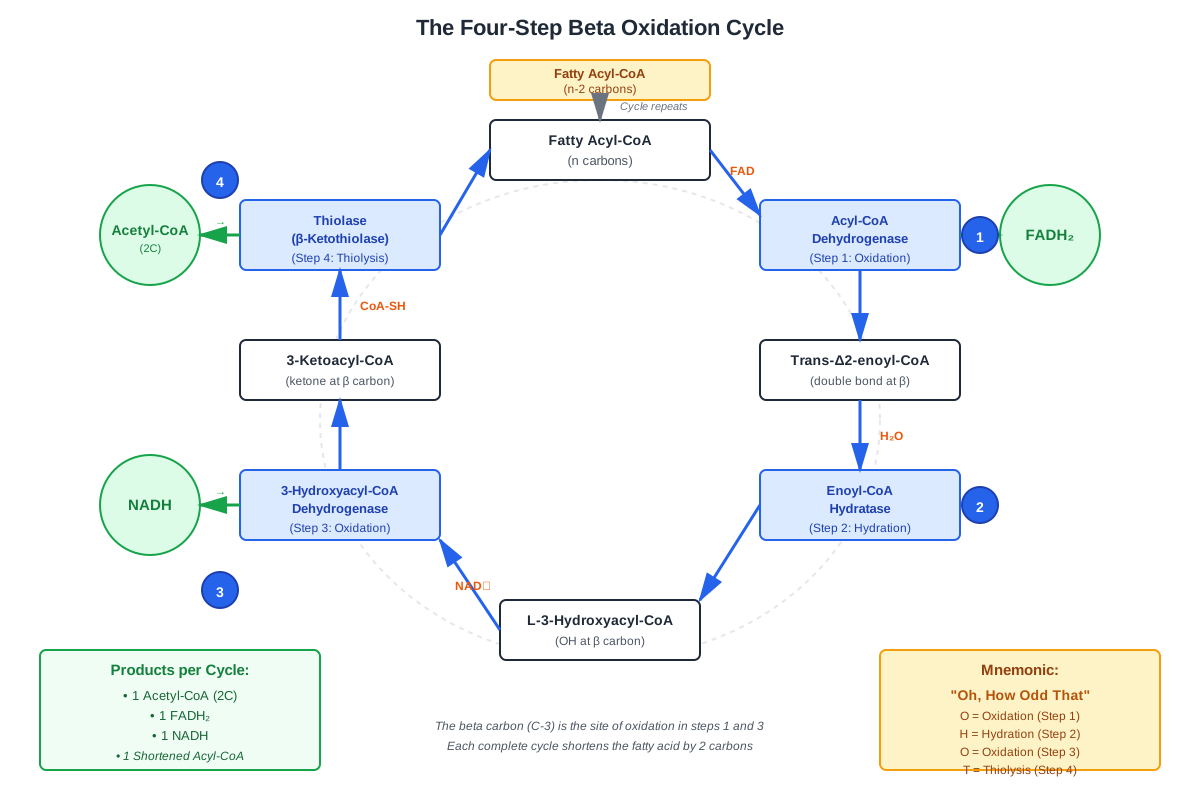
The pathway operates in a cyclical manner, with each turn removing a two-carbon acetyl group from the carboxyl end of the fatty acid chain. For a saturated fatty acid with n carbons, the number of cycles required equals (n/2) - 1. Each cycle consists of four distinct enzymatic reactions: oxidation, hydration, oxidation, and thiolysis. Understanding this repetitive nature is crucial for MCAT questions that require calculation of products or energy yields.
The Four Steps of Beta Oxidation
Step 1: Oxidation by Acyl-CoA Dehydrogenase
The first step involves acyl-CoA dehydrogenase, which catalyzes the oxidation of the fatty acyl-CoA to form a trans-Δ²-enoyl-CoA (a double bond between C-2 and C-3). This reaction reduces FAD to FADH₂. Multiple isoforms of this enzyme exist with different chain-length specificities: very long-chain acyl-CoA dehydrogenase (VLCAD), long-chain (LCAD), medium-chain (MCAD), and short-chain (SCAD). MCAD deficiency is the most common beta oxidation disorder, causing hypoglycemia and hypoketotic episodes during fasting because the body cannot efficiently mobilize fat stores for energy.
The mechanism involves removal of hydrogen atoms from both the α-carbon (C-2) and β-carbon (C-3), creating a trans double bond. The FAD cofactor is covalently bound to the enzyme and must be reoxidized by the electron transport chain through electron-transferring flavoprotein (ETF) and ETF dehydrogenase. This direct connection to the respiratory chain means that FADH₂ produced in this step generates approximately 1.5 ATP molecules.
Step 2: Hydration by Enoyl-CoA Hydratase
Enoyl-CoA hydratase catalyzes the stereospecific addition of water across the trans double bond, producing L-3-hydroxyacyl-CoA. This hydration reaction does not require any cofactors and is readily reversible. The enzyme exhibits broad substrate specificity, handling fatty acids of various chain lengths. The stereochemistry is critical—only the L-isomer is produced, which is essential for the subsequent oxidation step.
This step represents a classic hydration reaction where the hydroxyl group adds to the β-carbon and a hydrogen adds to the α-carbon. The reaction mechanism involves acid-base catalysis with active site residues facilitating the addition of water. Understanding this stereochemical specificity becomes important when considering unsaturated fatty acids, which may require additional enzymes to convert naturally occurring cis double bonds to the trans configuration required by the pathway.
Step 3: Oxidation by 3-Hydroxyacyl-CoA Dehydrogenase
The second oxidation step is catalyzed by 3-hydroxyacyl-CoA dehydrogenase, which oxidizes the hydroxyl group at the β-carbon to a ketone, forming 3-ketoacyl-CoA. This reaction reduces NAD⁺ to NADH, which subsequently generates approximately 2.5 ATP molecules through the electron transport chain. This enzyme is highly specific for the L-stereoisomer produced in the previous step.
The mechanism involves hydride transfer from the β-carbon to NAD⁺, converting the secondary alcohol to a ketone. This oxidation step is thermodynamically favorable and essentially irreversible under physiological conditions. The NADH produced must be reoxidized by Complex I of the electron transport chain, linking beta oxidation directly to oxidative phosphorylation. This connection explains why beta oxidation is inhibited under anaerobic conditions—without oxygen to serve as the terminal electron acceptor, NADH accumulates and inhibits the dehydrogenase enzymes.
Step 4: Thiolysis by Thiolase
Thiolase (also called β-ketothiolase or acyl-CoA acetyltransferase) catalyzes the cleavage of 3-ketoacyl-CoA by coenzyme A, releasing acetyl-CoA and producing a fatty acyl-CoA shortened by two carbons. This reaction is called thiolysis because it involves cleavage by a thiol group (the sulfhydryl group of CoA). The shortened acyl-CoA then re-enters the cycle for another round of oxidation.
The mechanism involves nucleophilic attack by the thiol group of CoA on the carbonyl carbon of the ketone, breaking the bond between the α- and β-carbons. This reaction is thermodynamically favorable due to the resonance stabilization of the products. The acetyl-CoA released can enter the citric acid cycle for complete oxidation to CO₂ and H₂O, or it can be used for ketone body synthesis in the liver during fasting states.
Energy Yield Calculations
Calculating ATP yield from fatty acid oxidation is a high-yield MCAT skill. For a saturated fatty acid with n carbons:
Number of cycles = (n/2) - 1
Acetyl-CoA produced = n/2
FADH₂ produced = (n/2) - 1
NADH produced = (n/2) - 1
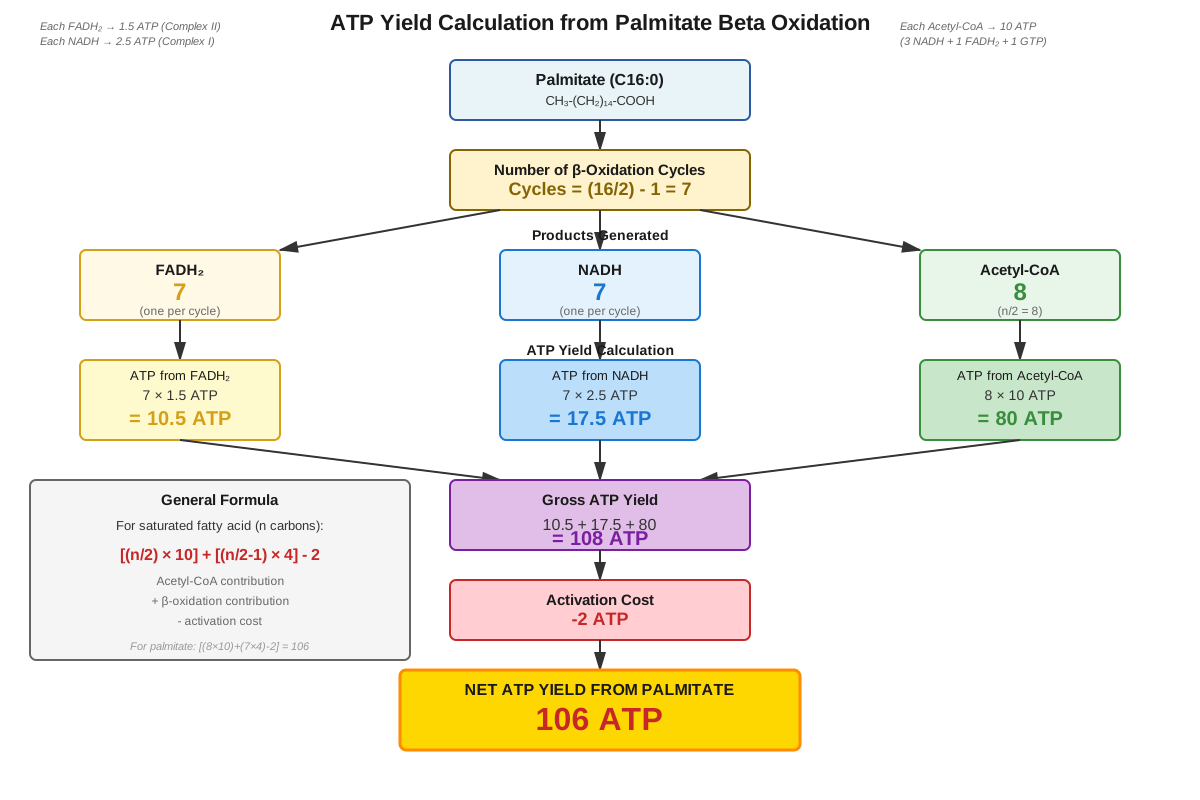
Each FADH₂ yields ~1.5 ATP, each NADH yields ~2.5 ATP, and each acetyl-CoA yields ~10 ATP through the citric acid cycle (3 NADH, 1 FADH₂, 1 GTP). However, 2 ATP equivalents are consumed during fatty acid activation (ATP → AMP + PPi), which must be subtracted from the total.
For palmitate (16:0), the calculation proceeds as follows:
- Cycles: (16/2) - 1 = 7 cycles
- Acetyl-CoA: 16/2 = 8 molecules
- FADH₂: 7 × 1.5 = 10.5 ATP
- NADH: 7 × 2.5 = 17.5 ATP
- Acetyl-CoA: 8 × 10 = 80 ATP
- Total: 10.5 + 17.5 + 80 - 2 = 106 ATP
Note: Some sources use slightly different P/O ratios (2 for NADH, 1.5 for FADH₂) which would yield 129 ATP for palmitate. The MCAT typically provides the P/O ratios to use or accepts either convention.
Regulation of Beta Oxidation
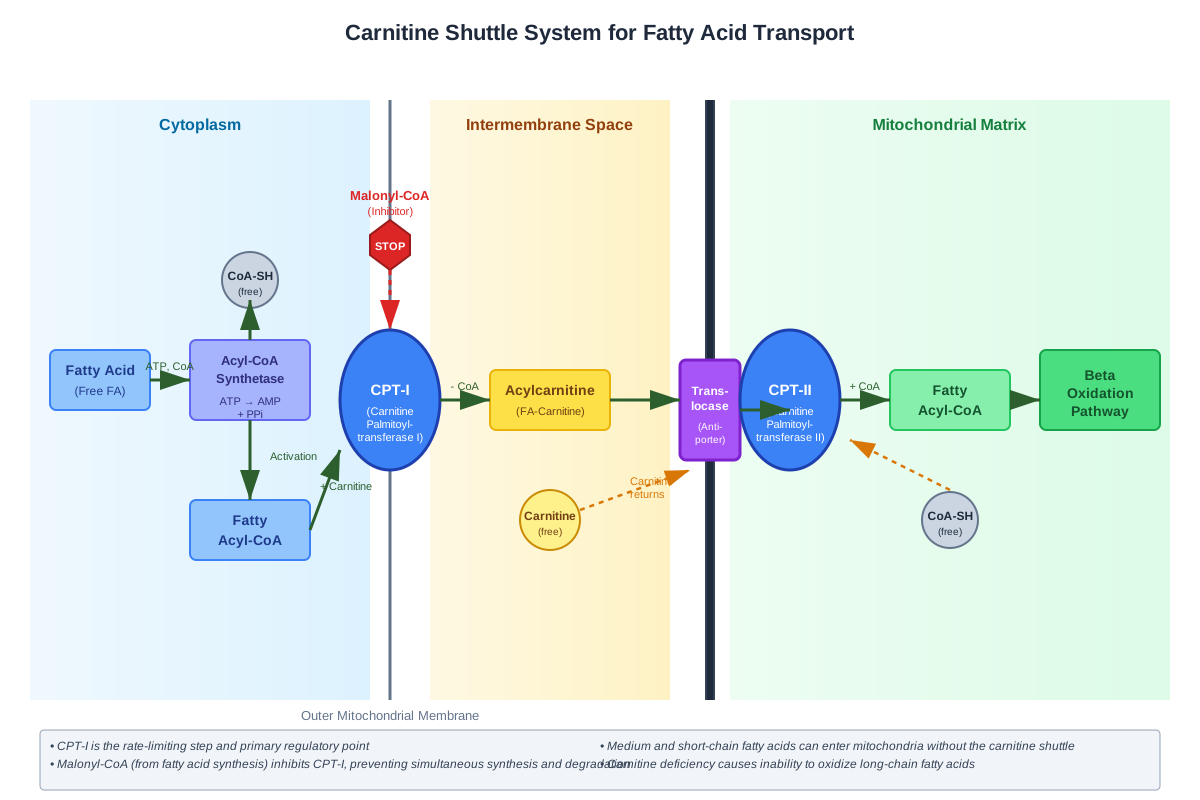
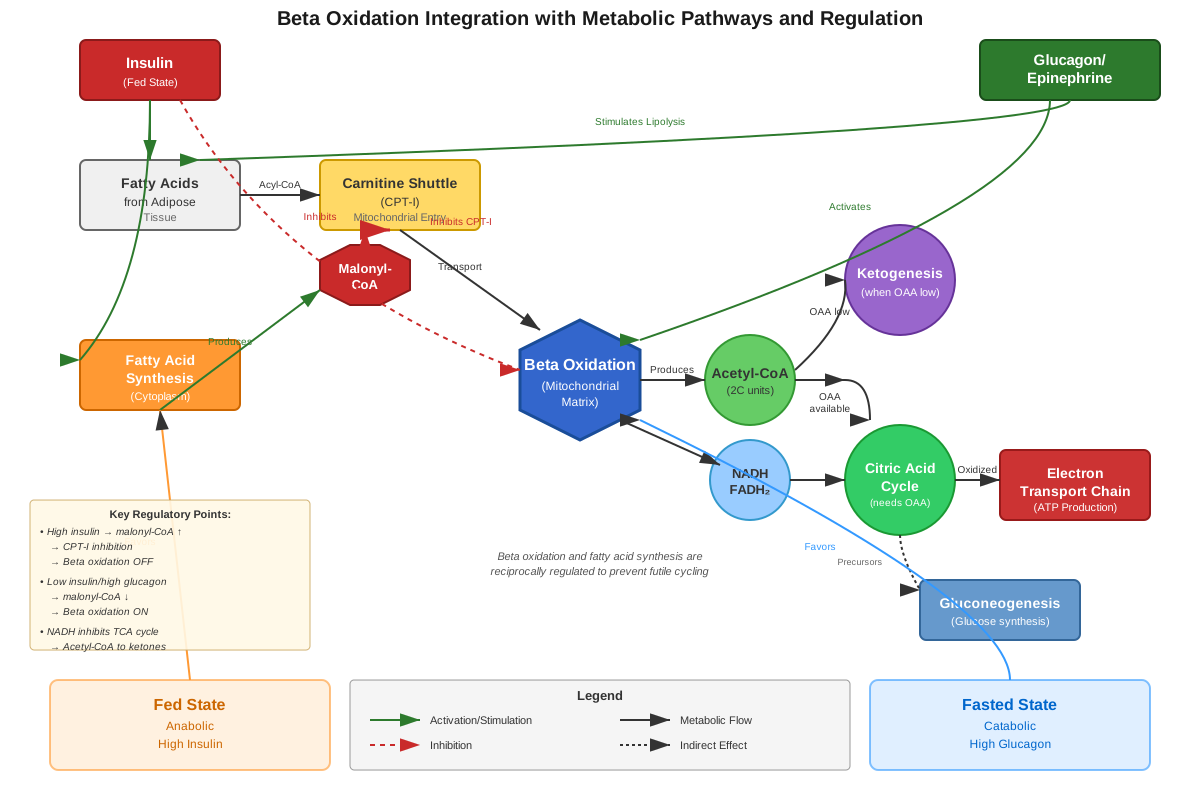
Beta oxidation is primarily regulated at the level of fatty acid entry into mitochondria via the carnitine shuttle system. Malonyl-CoA, the first committed intermediate in fatty acid synthesis, serves as the key regulatory molecule by inhibiting carnitine palmitoyltransferase I (CPT-I), the enzyme that transfers fatty acyl groups from CoA to carnitine for mitochondrial import. This reciprocal regulation ensures that fatty acid synthesis and oxidation do not occur simultaneously.
Hormonal regulation operates through this mechanism:
| Metabolic State | Hormone | Effect on Malonyl-CoA | Effect on Beta Oxidation |
|---|---|---|---|
| Fed state | Insulin | Increased (activates ACC) | Inhibited |
| Fasting | Glucagon | Decreased (inhibits ACC) | Activated |
| Exercise | Epinephrine | Decreased | Activated |
Acetyl-CoA carboxylase (ACC), which produces malonyl-CoA, is activated by insulin through dephosphorylation and inhibited by glucagon and epinephrine through phosphorylation by AMP-activated protein kinase (AMPK). This hormonal control ensures that during the fed state, when glucose and insulin levels are high, fatty acids are synthesized and stored rather than oxidized. Conversely, during fasting or exercise, when glucagon or epinephrine levels rise, beta oxidation is activated to provide energy.
Oxidation of Unsaturated Fatty Acids
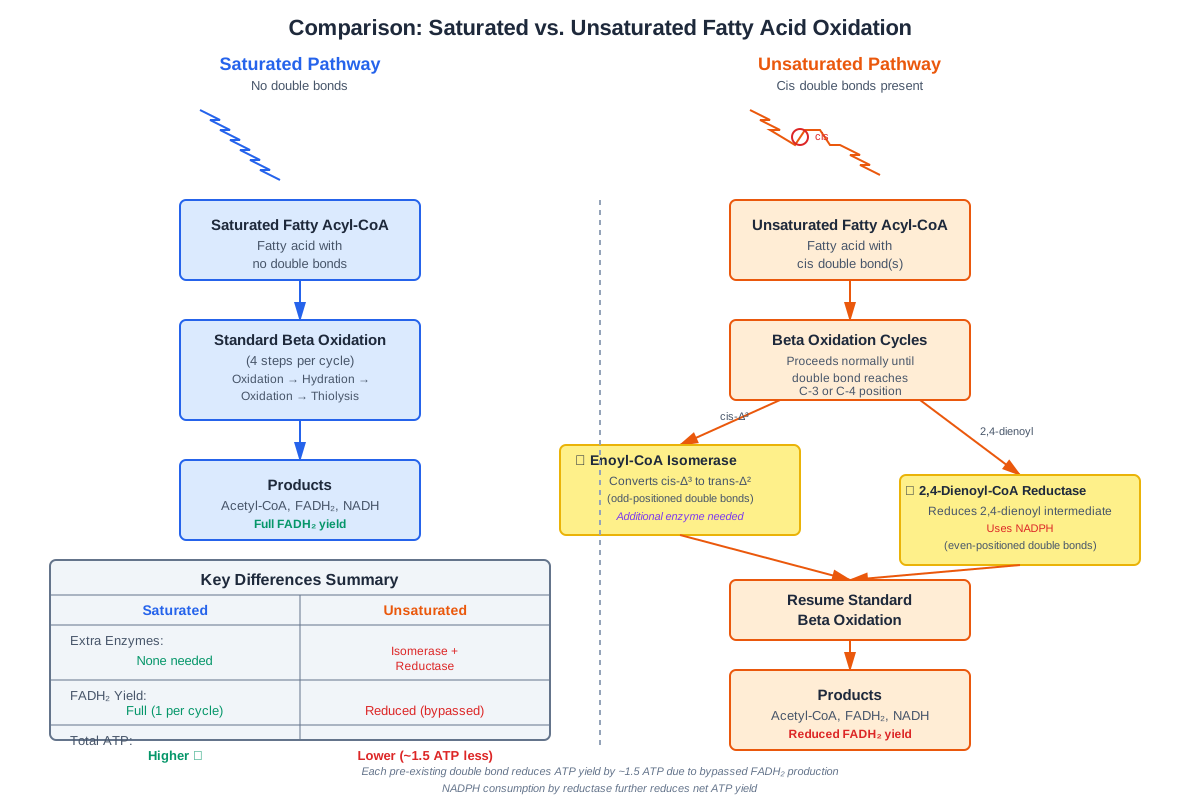
Unsaturated fatty acids require additional enzymes beyond the standard beta oxidation machinery. Naturally occurring unsaturated fatty acids typically contain cis double bonds, whereas beta oxidation produces and utilizes trans double bonds. Two auxiliary enzymes handle this issue:
Enoyl-CoA isomerase converts cis-Δ³ double bonds to trans-Δ² double bonds, allowing the pathway to proceed normally. This enzyme is required when beta oxidation reaches a cis double bond at an odd-numbered position. 2,4-dienoyl-CoA reductase handles situations where two double bonds are present, using NADPH to reduce the dienoyl intermediate to a single trans-Δ³ double bond, which can then be isomerized.
The presence of double bonds reduces the energy yield slightly because fewer FADH₂ molecules are produced—each pre-existing double bond eliminates one acyl-CoA dehydrogenase reaction. For example, oleate (18:1, cis-Δ⁹) requires enoyl-CoA isomerase once and produces one fewer FADH₂ than stearate (18:0).
Odd-Chain Fatty Acid Oxidation
While most naturally occurring fatty acids have even numbers of carbons, odd-chain fatty acids undergo beta oxidation until the final three-carbon unit remains as propionyl-CoA rather than acetyl-CoA. Propionyl-CoA cannot enter the citric acid cycle directly and must be converted to succinyl-CoA through a three-step process:
- Propionyl-CoA carboxylase (requires biotin) adds CO₂ to form D-methylmalonyl-CoA
- Methylmalonyl-CoA epimerase converts the D-isomer to L-methylmalonyl-CoA
- Methylmalonyl-CoA mutase (requires vitamin B₁₂) rearranges the molecule to form succinyl-CoA
This pathway is clinically significant because vitamin B₁₂ deficiency can impair the final step, leading to accumulation of methylmalonic acid (methylmalonic acidemia). Succinyl-CoA is a citric acid cycle intermediate, making odd-chain fatty acids both ketogenic (from the acetyl-CoA units) and glucogenic (from the propionyl-CoA-derived succinyl-CoA).
Peroxisomal Beta Oxidation
Very long-chain fatty acids (VLCFAs) with more than 20 carbons undergo initial oxidation in peroxisomes before being transferred to mitochondria for complete oxidation. Peroxisomal beta oxidation differs from mitochondrial beta oxidation in several key ways:
- The first oxidation step uses an oxidase that transfers electrons directly to O₂, producing H₂O₂ rather than FADH₂ (no ATP generated)
- Catalase breaks down the H₂O₂ to prevent oxidative damage
- The pathway shortens VLCFAs to medium-chain length before transferring them to mitochondria
- No energy is captured from the first oxidation step
Zellweger syndrome and X-linked adrenoleukodystrophy (X-ALD) are peroxisomal disorders affecting VLCFA oxidation. X-ALD results from defective transport of VLCFAs into peroxisomes, causing accumulation of these fatty acids in the brain and adrenal glands, leading to neurological deterioration and adrenal insufficiency.
Quick check — test yourself on Beta oxidation so far.
Try Flashcards →Concept Relationships
Beta oxidation serves as a central hub connecting multiple metabolic pathways. The carnitine shuttle (prerequisite knowledge) enables fatty acid entry into mitochondria, where beta oxidation occurs. This transport mechanism represents the primary regulatory point, controlled by malonyl-CoA levels that reflect the cell's biosynthetic versus catabolic state.
The products of beta oxidation flow into downstream pathways: acetyl-CoA enters the citric acid cycle for complete oxidation, while NADH and FADH₂ feed electrons into the electron transport chain for ATP synthesis. This creates a direct relationship: Beta oxidation → Acetyl-CoA → Citric acid cycle → NADH/FADH₂ → Electron transport chain → ATP production.
During prolonged fasting or uncontrolled diabetes, excessive beta oxidation produces more acetyl-CoA than the citric acid cycle can process, leading to ketone body synthesis in the liver. This represents a branching point: Beta oxidation → Excess acetyl-CoA → Ketogenesis → Ketone bodies (acetoacetate, β-hydroxybutyrate, acetone).
The regulatory relationship with fatty acid synthesis operates through reciprocal control: high malonyl-CoA (indicating active synthesis) inhibits CPT-I and thus beta oxidation, while low malonyl-CoA (indicating low synthetic activity) permits beta oxidation. This ensures metabolic efficiency: Insulin → ACC activation → Malonyl-CoA ↑ → CPT-I inhibition → Beta oxidation ↓ and Fatty acid synthesis ↑.
Beta oxidation also connects to gluconeogenesis through the propionyl-CoA pathway (odd-chain fatty acids) and through the ATP and NADH it provides to power gluconeogenesis. However, acetyl-CoA from even-chain fatty acids cannot be converted to glucose in mammals, an important limitation frequently tested on the MCAT.
High-Yield Facts
⭐ Beta oxidation occurs in the mitochondrial matrix and produces acetyl-CoA, FADH₂, and NADH through four repeating steps: oxidation (FAD), hydration, oxidation (NAD⁺), and thiolysis.
⭐ Each cycle of beta oxidation removes two carbons from the fatty acid chain; a saturated fatty acid with n carbons requires (n/2) - 1 cycles.
⭐ Malonyl-CoA inhibits carnitine palmitoyltransferase I (CPT-I), preventing fatty acid entry into mitochondria and serving as the primary regulatory mechanism coordinating beta oxidation with fatty acid synthesis.
⭐ Complete oxidation of palmitate (16:0) yields approximately 106-129 ATP (depending on P/O ratios used), making fatty acids the most energy-dense fuel source per gram.
⭐ Medium-chain acyl-CoA dehydrogenase (MCAD) deficiency is the most common beta oxidation disorder, causing hypoketotic hypoglycemia during fasting because fat cannot be efficiently mobilized for energy.
- Unsaturated fatty acids require enoyl-CoA isomerase and/or 2,4-dienoyl-CoA reductase to handle cis double bonds, and produce less ATP than saturated fatty acids due to fewer FADH₂ molecules generated.
- Odd-chain fatty acids produce propionyl-CoA in the final cycle, which is converted to succinyl-CoA through a vitamin B₁₂-dependent pathway, making these fatty acids both ketogenic and glucogenic.
- Very long-chain fatty acids (>20 carbons) undergo initial oxidation in peroxisomes, where the first oxidation produces H₂O₂ rather than FADH₂, yielding no ATP.
- Insulin inhibits beta oxidation by activating acetyl-CoA carboxylase (ACC), increasing malonyl-CoA levels, while glucagon and epinephrine activate beta oxidation by inhibiting ACC.
- The FADH₂ produced by acyl-CoA dehydrogenase transfers electrons to the electron transport chain via electron-transferring flavoprotein (ETF), not through direct interaction with Complex II.
- Carnitine deficiency impairs fatty acid oxidation, causing muscle weakness, cardiomyopathy, and hypoglycemia, particularly affecting tissues with high energy demands like cardiac and skeletal muscle.
- Beta oxidation is inhibited under anaerobic conditions because NADH and FADH₂ cannot be reoxidized without oxygen as the terminal electron acceptor.
Common Misconceptions
Misconception: Beta oxidation produces ATP directly like substrate-level phosphorylation in glycolysis.
Correction: Beta oxidation does not directly produce ATP; instead, it generates NADH and FADH₂ that must be oxidized through the electron transport chain to produce ATP. The only direct energy currency produced is from the acetyl-CoA entering the citric acid cycle, which generates one GTP per turn.
Misconception: Fatty acids can be converted to glucose in humans because they produce acetyl-CoA.
Correction: While acetyl-CoA is produced, it cannot be converted to glucose in mammals because there is no enzyme to catalyze the net conversion of acetyl-CoA to pyruvate or oxaloacetate. The two carbons entering the citric acid cycle as acetyl-CoA are released as CO₂, resulting in no net carbon gain. Only the propionyl-CoA from odd-chain fatty acids can contribute to gluconeogenesis via succinyl-CoA.
Misconception: All beta oxidation occurs in mitochondria.
Correction: While most beta oxidation occurs in mitochondria, very long-chain fatty acids (>20 carbons) must first undergo partial oxidation in peroxisomes. Peroxisomal beta oxidation shortens these fatty acids to medium-chain length before they are transferred to mitochondria for complete oxidation. This distinction is clinically important in peroxisomal disorders.
Misconception: Each cycle of beta oxidation produces the same amount of ATP regardless of chain length.
Correction: While each cycle produces one FADH₂ and one NADH (worth ~4 ATP combined), the acetyl-CoA units produced vary in their contribution. The final cycle produces two acetyl-CoA molecules (one from thiolysis and one remaining), while intermediate cycles produce only one. Additionally, unsaturated fatty acids produce fewer FADH₂ molecules because pre-existing double bonds bypass the first oxidation step.
Misconception: Malonyl-CoA directly inhibits beta oxidation enzymes in the mitochondrial matrix.
Correction: Malonyl-CoA inhibits CPT-I, which is located on the outer mitochondrial membrane, not the beta oxidation enzymes themselves. This prevents fatty acyl-CoA from being converted to fatty acyl-carnitine, blocking entry into the mitochondrial matrix where beta oxidation occurs. The beta oxidation enzymes themselves are not directly regulated by malonyl-CoA.
Misconception: FADH₂ from acyl-CoA dehydrogenase enters the electron transport chain at Complex II like succinate dehydrogenase.
Correction: The FADH₂ produced by acyl-CoA dehydrogenase transfers electrons to electron-transferring flavoprotein (ETF) and then to ETF dehydrogenase, which delivers them to coenzyme Q. While this is similar to Complex II entry, it is a distinct pathway. This distinction rarely affects ATP calculations but is mechanistically important.
Misconception: Beta oxidation is named for the beta carbon being cleaved off.
Correction: The name refers to oxidation occurring at the beta carbon (C-3), not cleavage at that position. The actual cleavage occurs between the alpha and beta carbons during the thiolysis step, but the pathway is named for the oxidation reactions at the beta position in steps 1 and 3.
Worked Examples
Example 1: ATP Yield Calculation
Question: Calculate the net ATP yield from complete oxidation of myristate, a 14-carbon saturated fatty acid. Assume that NADH yields 2.5 ATP and FADH₂ yields 1.5 ATP through oxidative phosphorylation, and that each acetyl-CoA yields 10 ATP through the citric acid cycle.
Solution:
Step 1: Determine the number of beta oxidation cycles.
- For a fatty acid with n carbons: cycles = (n/2) - 1
- For myristate (14 carbons): cycles = (14/2) - 1 = 7 - 1 = 6 cycles
Step 2: Calculate products from beta oxidation.
- FADH₂ produced: 6 cycles × 1 FADH₂/cycle = 6 FADH₂
- NADH produced: 6 cycles × 1 NADH/cycle = 6 NADH
- Acetyl-CoA produced: 14/2 = 7 acetyl-CoA
Step 3: Calculate ATP from each product.
- From FADH₂: 6 × 1.5 = 9 ATP
- From NADH: 6 × 2.5 = 15 ATP
- From acetyl-CoA: 7 × 10 = 70 ATP
Step 4: Account for activation cost.
- Fatty acid activation: ATP → AMP + PPi (equivalent to -2 ATP)
Step 5: Calculate net ATP.
- Total: 9 + 15 + 70 - 2 = 92 ATP
Key Concept Connection: This problem directly applies the core concept of energy yield calculations and demonstrates why fatty acids are such efficient fuel sources. The high ATP yield per carbon (92 ATP ÷ 14 carbons = 6.6 ATP/carbon) exceeds that of glucose (38 ATP ÷ 6 carbons = 6.3 ATP/carbon), though the comparison is more dramatic per gram due to fatty acids' reduced state.
Example 2: Clinical Vignette Analysis
Question: A 6-month-old infant is brought to the emergency department with lethargy, hypoglycemia (blood glucose 35 mg/dL), and hypoketotic state after sleeping through the night without feeding. Urine organic acid analysis reveals elevated levels of medium-chain dicarboxylic acids and medium-chain acylcarnitines. Genetic testing confirms medium-chain acyl-CoA dehydrogenase (MCAD) deficiency. Explain the biochemical basis for this patient's presentation.
Solution:
Step 1: Identify the defective enzyme and its role.
- MCAD catalyzes the first step of beta oxidation for medium-chain fatty acids (C6-C12)
- This is the FAD-dependent oxidation step that creates a trans double bond
- MCAD deficiency prevents efficient oxidation of medium-chain fatty acids
Step 2: Explain the hypoglycemia.
- During overnight fasting, the infant depletes glycogen stores
- Normal response: shift to fatty acid oxidation to spare glucose and produce ketone bodies
- With MCAD deficiency: fatty acid oxidation is impaired, so the liver cannot generate sufficient ATP and NADH for gluconeogenesis
- Result: hypoglycemia develops because gluconeogenesis cannot maintain blood glucose
Step 3: Explain the hypoketotic state.
- Ketone body synthesis requires abundant acetyl-CoA from beta oxidation
- MCAD deficiency reduces acetyl-CoA production from fatty acids
- Result: inadequate ketone body formation despite fasting state (hypoketotic hypoglycemia)
Step 4: Explain the laboratory findings.
- Medium-chain fatty acids accumulate because they cannot be efficiently oxidized
- These are converted to dicarboxylic acids through omega-oxidation (alternative pathway)
- Medium-chain acylcarnitines accumulate because fatty acids are activated but cannot proceed through beta oxidation
- These metabolites appear in urine and are diagnostic markers
Clinical Correlation: MCAD deficiency is the most common fatty acid oxidation disorder (1 in 10,000-20,000 births) and is included in newborn screening panels. Management involves avoiding prolonged fasting and providing carbohydrate-rich meals to prevent hypoglycemic crises. This case demonstrates how understanding beta oxidation biochemistry directly informs clinical diagnosis and management.
MCAT Relevance: This type of clinical vignette is high-yield for the MCAT because it requires integrating multiple concepts: enzyme function, metabolic regulation, alternative pathways, and clinical manifestations. The exam frequently presents metabolic disorders and asks students to predict laboratory findings or explain symptoms based on the biochemical defect.
Exam Strategy
When approaching beta oxidation MCAT questions, first identify the question type: calculation-based (ATP yield), mechanism-based (enzyme steps), regulation-based (hormonal control), or clinical application (metabolic disorders). Each requires a different strategic approach.
Trigger words and phrases to watch for:
- "Fasting state," "prolonged exercise," or "starvation" → indicates beta oxidation should be active
- "Fed state" or "high insulin" → indicates beta oxidation should be inhibited
- "Odd-chain fatty acid" → look for propionyl-CoA and vitamin B₁₂ involvement
- "Very long-chain fatty acid" → consider peroxisomal oxidation
- "Hypoglycemia with hypoketosis" → suggests beta oxidation disorder
- "Carnitine deficiency" → impaired fatty acid transport into mitochondria
Process-of-elimination strategies:
- For ATP yield questions, eliminate answers that don't account for the activation cost (-2 ATP equivalent)
- For regulation questions, eliminate options suggesting simultaneous fatty acid synthesis and oxidation (reciprocal regulation prevents this)
- For unsaturated fatty acid questions, eliminate answers suggesting the same ATP yield as saturated fatty acids
- For clinical scenarios, eliminate diagnoses inconsistent with the metabolic state (e.g., active beta oxidation in fed state)
Time allocation advice:
- Calculation questions (ATP yield): allocate 90-120 seconds; set up the formula first, then calculate
- Mechanism questions: 60-90 seconds; focus on cofactors and products of each step
- Clinical vignettes: 90-120 seconds; identify the defective step first, then predict consequences
- Regulation questions: 60 seconds; remember the malonyl-CoA/CPT-I relationship
Common question formats:
- "Which of the following best explains why fatty acids cannot be converted to glucose?" → Focus on the irreversibility of acetyl-CoA to pyruvate
- "A patient with MCAD deficiency would be expected to have..." → Predict accumulation of medium-chain fatty acids and reduced ketone bodies
- "Calculate the net ATP yield from complete oxidation of..." → Use the systematic approach from worked examples
- "During prolonged fasting, which enzyme activity increases?" → Look for beta oxidation enzymes or decreased ACC activity
Memory Techniques
Mnemonic for the four steps of beta oxidation: "Oh, How Odd, That"
- Oxidation (FAD → FADH₂)
- Hydration (add H₂O)
- Oxidation (NAD⁺ → NADH)
- Thiolysis (cleave with CoA)
Mnemonic for products per cycle: "FANA"
- FADH₂ (one per cycle)
- Acetyl-CoA (one per cycle, except final cycle gives two)
- NADH (one per cycle)
- Acyl-CoA (shortened by 2 carbons)
Visualization strategy for regulation: Picture a gate (CPT-I) at the mitochondrial entrance. When malonyl-CoA is high (fed state), the gate is locked (synthesis mode, no oxidation). When malonyl-CoA is low (fasting), the gate is open (oxidation mode). Insulin is the "lock" signal, glucagon/epinephrine are the "unlock" signals.
Acronym for beta oxidation disorders: "MCAD is MAD"
- MCAD deficiency
- Causes
- Acute
- Decompensation
- Manifesting as
- Asymptomatic until fasting
- Develops hypoglycemia
Memory aid for ATP calculation: "Cycles minus one, acetyl-CoA is n over two, activation costs two"
- Cycles = (n/2) - 1
- Acetyl-CoA = n/2
- Don't forget to subtract 2 ATP for activation
Visualization for odd-chain fatty acids: Picture a three-legged stool (propionyl-CoA) that needs vitamin B₁₂ to be converted into a four-legged chair (succinyl-CoA) that fits into the citric acid cycle table.
Summary
Beta oxidation is the mitochondrial pathway that degrades fatty acids through sequential removal of two-carbon acetyl-CoA units, generating FADH₂ and NADH with each cycle. The four-step process—oxidation by acyl-CoA dehydrogenase (producing FADH₂), hydration by enoyl-CoA hydratase, oxidation by 3-hydroxyacyl-CoA dehydrogenase (producing NADH), and thiolysis by thiolase (releasing acetyl-CoA)—repeats until the fatty acid is completely degraded. Regulation occurs primarily through malonyl-CoA inhibition of CPT-I, coordinating beta oxidation with fatty acid synthesis under hormonal control. The pathway's efficiency makes it the primary energy source during fasting, with complete palmitate oxidation yielding over 100 ATP molecules. Understanding beta oxidation requires mastery of the enzymatic steps, energy calculations, regulatory mechanisms, and clinical implications of pathway defects. For MCAT success, students must be able to calculate ATP yields, predict metabolic consequences of enzyme deficiencies, and explain the integration of beta oxidation with other metabolic pathways under various physiological conditions.
Key Takeaways
- Beta oxidation is a four-step cyclical process (oxidation-hydration-oxidation-thiolysis) occurring in the mitochondrial matrix that produces acetyl-CoA, FADH₂, and NADH from fatty acids
- Each cycle removes two carbons; a saturated fatty acid with n carbons requires (n/2) - 1 cycles and produces n/2 acetyl-CoA molecules
- Malonyl-CoA serves as the master regulator by inhibiting CPT-I, preventing fatty acid entry into mitochondria when synthesis is active (fed state)
- Complete oxidation of palmitate yields approximately 106-129 ATP, making fatty acids the most energy-dense fuel source in the body
- MCAD deficiency is the most common beta oxidation disorder, causing hypoketotic hypoglycemia during fasting due to impaired medium-chain fatty acid oxidation
- Unsaturated fatty acids require auxiliary enzymes (enoyl-CoA isomerase, 2,4-dienoyl-CoA reductase) and produce less ATP than saturated fatty acids
- Odd-chain fatty acids produce propionyl-CoA, which requires vitamin B₁₂ for conversion to succinyl-CoA, making them both ketogenic and glucogenic
Related Topics
Ketone Body Metabolism: Beta oxidation produces the acetyl-CoA substrate for ketogenesis in the liver during prolonged fasting. Understanding beta oxidation is essential for comprehending why ketone bodies form and how they serve as alternative fuel for the brain and other tissues when glucose is limited.
Fatty Acid Synthesis: This anabolic pathway operates in the cytoplasm and is reciprocally regulated with beta oxidation through malonyl-CoA. Mastering beta oxidation provides the foundation for understanding how cells coordinate energy storage and mobilization.
Carnitine Shuttle System: This transport mechanism is the gateway to beta oxidation, moving fatty acyl groups from the cytoplasm into the mitochondrial matrix. Understanding the shuttle is essential for comprehending beta oxidation regulation and carnitine deficiency disorders.
Citric Acid Cycle: Acetyl-CoA from beta oxidation enters this central metabolic hub for complete oxidation. The integration between these pathways is frequently tested on the MCAT, particularly regarding energy yield and metabolic regulation.
Electron Transport Chain and Oxidative Phosphorylation: The NADH and FADH₂ produced by beta oxidation must be oxidized here to generate ATP. Understanding this connection is crucial for calculating total energy yields and explaining why beta oxidation requires aerobic conditions.
Practice CTA
Now that you've mastered the core concepts of beta oxidation, it's time to reinforce your understanding through active practice. Work through the practice questions to test your ability to apply these concepts to MCAT-style scenarios, and use the flashcards to solidify the high-yield facts and mechanisms. Remember, beta oxidation questions often integrate multiple metabolic pathways, so focus on understanding the connections between concepts rather than memorizing isolated facts. Your ability to calculate ATP yields, predict metabolic consequences, and explain regulatory mechanisms will serve you well not only on beta oxidation questions but across the entire metabolism section of the MCAT. You've got this!
Sign up free to keep reading
Create a free AnvayaPrep account to finish this MCAT guide on Beta oxidation — plus flashcards and practice questions.