Overview
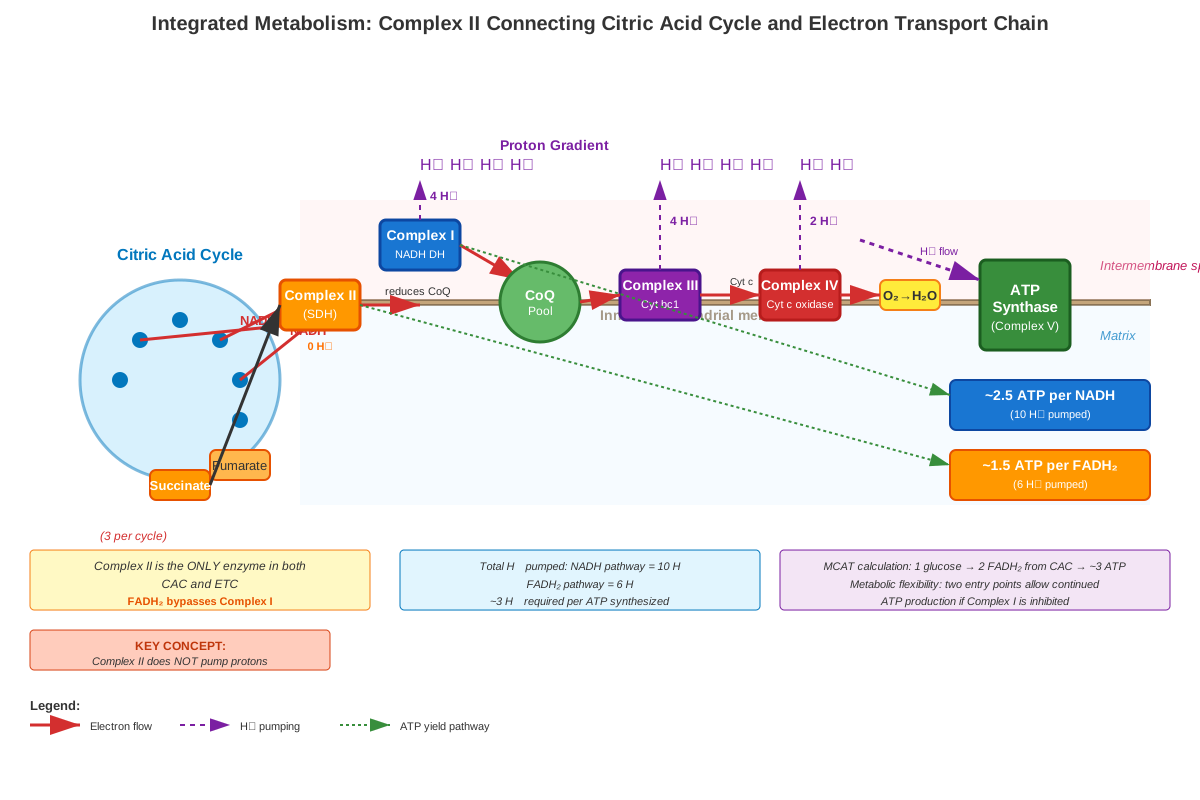
Complex II, also known as succinate dehydrogenase (SDH), occupies a unique position in cellular metabolism as the only enzyme complex that participates in both the citric acid cycle and the electron transport chain. This dual functionality makes it a critical junction point in aerobic energy production. Unlike the other electron transport chain complexes, Complex II does not pump protons across the inner mitochondrial membrane, yet it plays an essential role in feeding electrons into the electron transport system through the reduction of ubiquinone (coenzyme Q) to ubiquinol.
For the MCAT, understanding Complex II is essential because it frequently appears in passages testing integrated metabolic knowledge, particularly those exploring the connections between the citric acid cycle and oxidative phosphorylation. Questions may present clinical scenarios involving Complex II mutations, ask students to trace electron flow through the respiratory chain, or require analysis of how inhibitors affect ATP production. The Biochemistry tested on the MCAT emphasizes these interconnections, and Complex II serves as a perfect example of metabolic integration.
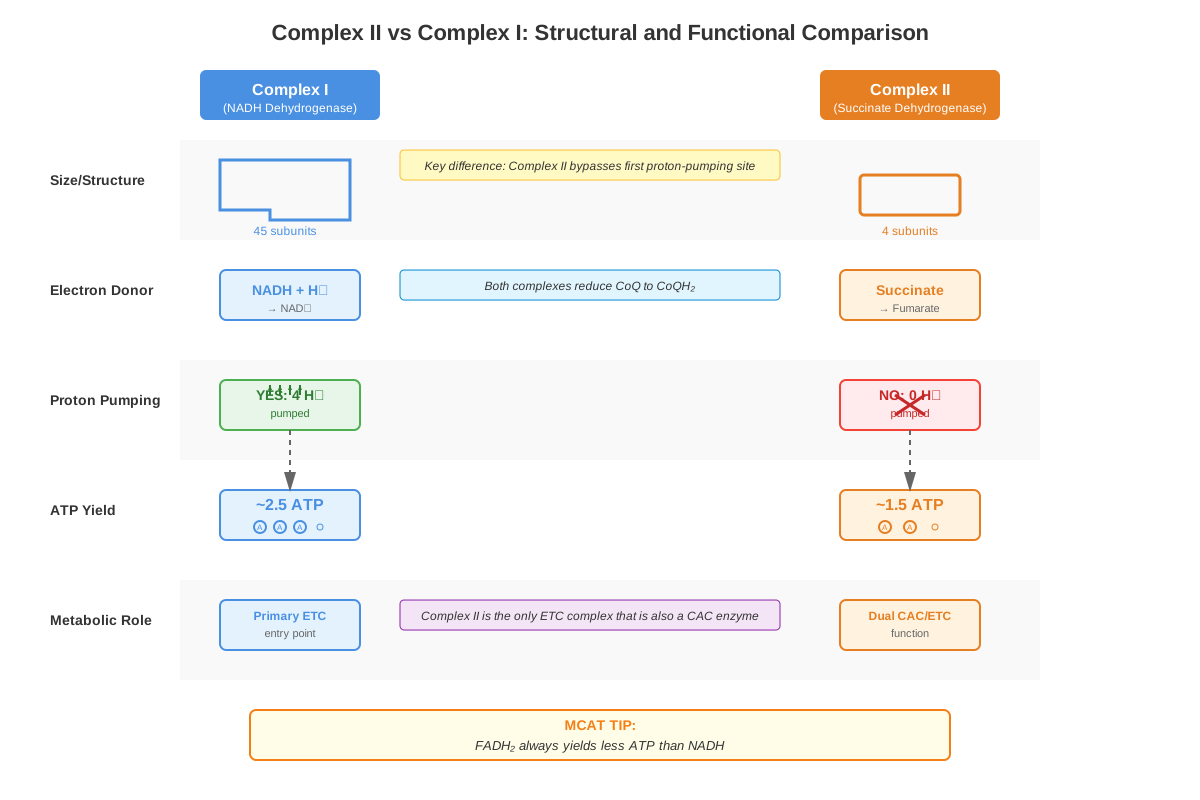
Within the broader context of cellular respiration, Complex II represents a secondary entry point for electrons into the electron transport chain. While Complex I accepts electrons from NADH (the primary electron carrier), Complex II accepts electrons from FADH₂ that is covalently bound to the enzyme itself. This distinction has important energetic consequences: electrons entering through Complex II bypass the first proton-pumping site, resulting in the production of approximately 1.5 ATP molecules per FADH₂ compared to 2.5 ATP molecules per NADH. Understanding this quantitative difference is crucial for MCAT questions that ask students to calculate total ATP yield from glucose oxidation or to predict the metabolic consequences of enzyme deficiencies.
Learning Objectives
- [ ] Define Complex II using accurate Biochemistry terminology
- [ ] Explain why Complex II matters for the MCAT
- [ ] Apply Complex II to exam-style questions
- [ ] Identify common mistakes related to Complex II
- [ ] Connect Complex II to related Biochemistry concepts
- [ ] Compare and contrast Complex II with other electron transport chain complexes in terms of structure and function
- [ ] Calculate the energetic consequences of electron entry through Complex II versus Complex I
- [ ] Predict the metabolic effects of Complex II inhibitors and genetic mutations
- [ ] Trace the flow of electrons from succinate through Complex II to the final electron acceptor
Prerequisites
- Citric acid cycle (Krebs cycle): Complex II catalyzes one of the eight reactions in this cycle, specifically the oxidation of succinate to fumarate
- Redox reactions and electron carriers: Understanding how FAD/FADH₂ function as electron acceptors/donors is essential for comprehending Complex II's mechanism
- Mitochondrial structure: Knowledge of the inner mitochondrial membrane organization helps explain where Complex II is located and how it interacts with other components
- Basic enzyme kinetics: Familiarity with competitive inhibition is necessary to understand how malonate affects Complex II
- Oxidative phosphorylation overview: General understanding of the electron transport chain provides context for Complex II's specific role
- Thermodynamics and free energy: Concepts of exergonic reactions help explain why electron transfer through Complex II is favorable
Why This Topic Matters
Clinical Significance
Mutations in Complex II subunits have been linked to several human diseases, including hereditary paraganglioma-pheochromocytoma syndrome, Leigh syndrome, and certain forms of cancer. When Complex II is deficient, succinate accumulates in cells, acting as an oncometabolite that can stabilize hypoxia-inducible factor (HIF) even under normoxic conditions, promoting tumorigenesis. Additionally, Complex II dysfunction contributes to neurodegenerative diseases because neurons have high energy demands and are particularly vulnerable to impaired oxidative phosphorylation. These clinical connections make Complex II a relevant topic for MCAT passages that integrate biochemistry with pathophysiology.
MCAT Exam Statistics
Complex II appears in approximately 15-20% of MCAT biochemistry passages dealing with metabolism, often embedded within broader questions about cellular respiration, metabolic regulation, or mitochondrial function. Questions typically fall into three categories: (1) mechanistic questions asking students to identify where electrons enter or exit the complex, (2) quantitative questions requiring ATP yield calculations, and (3) experimental analysis questions presenting data about inhibitors or mutations. The topic is considered medium difficulty because it requires integration of knowledge from multiple metabolic pathways rather than simple memorization.
Common Exam Presentations
MCAT passages featuring Complex II often present experimental scenarios where researchers measure oxygen consumption, ATP production, or succinate levels under various conditions. A typical passage might describe cells treated with malonate (a competitive inhibitor) and ask students to predict effects on both the citric acid cycle and electron transport chain. Another common format presents genetic data about patients with Complex II mutations and asks students to explain the biochemical basis of their symptoms. Discrete questions may simply ask students to identify which statement about Complex II is correct, testing fundamental knowledge of its unique properties.
Core Concepts
Structure and Composition of Complex II
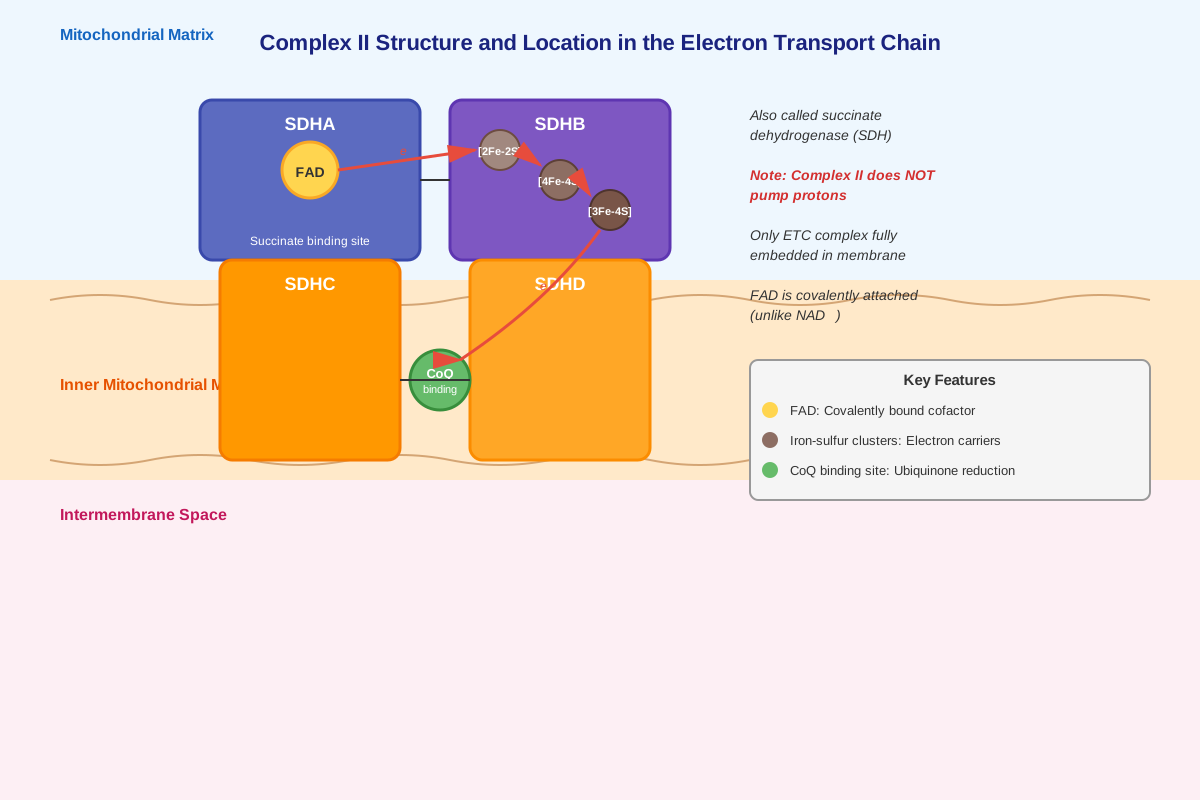
Complex II is the smallest of the four main electron transport chain complexes, consisting of four protein subunits (SDHA, SDHB, SDHC, and SDHD) with a combined molecular weight of approximately 140 kDa. Unlike Complexes I, III, and IV, Complex II is entirely encoded by nuclear DNA rather than mitochondrial DNA, making it unique among the respiratory chain complexes. The complex contains multiple prosthetic groups that facilitate electron transfer: a covalently bound FAD molecule (attached to the SDHA subunit), three iron-sulfur clusters (located in SDHB), and a heme b group (in the membrane-spanning region).
The enzyme spans the inner mitochondrial membrane with its catalytic domain protruding into the mitochondrial matrix, where it has access to citric acid cycle intermediates. The two hydrophilic subunits (SDHA and SDHB) form the catalytic core that oxidizes succinate, while the two hydrophobic subunits (SDHC and SDHD) anchor the complex in the membrane and provide the binding site for ubiquinone. This structural organization allows Complex II to efficiently transfer electrons from the matrix-side substrate (succinate) to the membrane-embedded electron carrier (coenzyme Q).
Dual Role in Metabolism
The defining characteristic of Complex II in metabolism is its participation in two distinct metabolic pathways simultaneously. As succinate dehydrogenase, it catalyzes the sixth step of the citric acid cycle, converting succinate to fumarate while reducing FAD to FADH₂. This reaction is the only oxidation step in the citric acid cycle that directly produces FADH₂ rather than NADH, and it is also the only membrane-bound enzyme of the cycle.
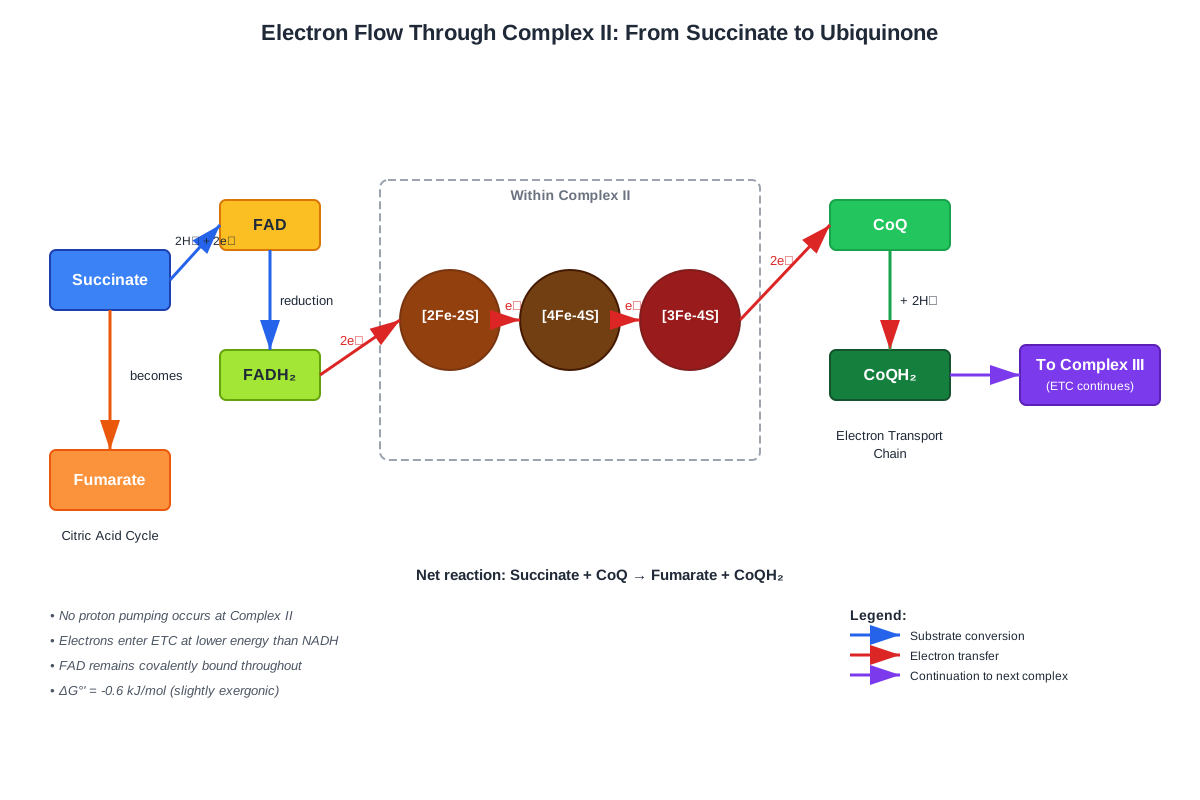
As a component of the electron transport chain, Complex II transfers electrons from its bound FADH₂ to ubiquinone (coenzyme Q), reducing it to ubiquinol (QH₂). This electron transfer occurs through a series of redox centers: electrons flow from FADH₂ → iron-sulfur clusters → ubiquinone. The reduced ubiquinol then diffuses through the membrane to Complex III, where it donates electrons to continue the respiratory chain. This dual functionality creates a direct link between substrate-level metabolism (the citric acid cycle) and oxidative phosphorylation, exemplifying the integrated nature of cellular energy production.
Energetics and Proton Pumping
A critical distinction for Complex II MCAT questions is that this complex does not pump protons across the inner mitochondrial membrane. While Complexes I, III, and IV all contribute to the proton-motive force by translocating H⁺ ions from the matrix to the intermembrane space, Complex II simply transfers electrons without contributing directly to the electrochemical gradient. This occurs because the free energy released during electron transfer from succinate to ubiquinone (ΔG°' ≈ -0.03 V) is insufficient to drive proton pumping.
The energetic consequence of this difference is significant: electrons entering the electron transport chain through Complex II (from FADH₂) generate approximately 1.5 ATP molecules, while electrons entering through Complex I (from NADH) generate approximately 2.5 ATP molecules. This occurs because FADH₂-derived electrons bypass Complex I, missing one proton-pumping site. For MCAT calculations of total ATP yield from glucose oxidation, students must account for this difference by assigning different ATP values to NADH and FADH₂.
Reaction Mechanism and Electron Flow
The catalytic mechanism of Complex II begins when succinate binds to the active site in the SDHA subunit. The enzyme catalyzes the removal of two hydrogen atoms from succinate, converting it to fumarate through a stereospecific trans-elimination. The two electrons are transferred to the covalently bound FAD cofactor, reducing it to FADH₂. Unlike freely diffusible NADH, this FADH₂ remains tightly bound to the enzyme throughout the catalytic cycle.
The electrons then flow through a series of iron-sulfur clusters (designated [2Fe-2S], [4Fe-4S], and [3Fe-4S]) located in the SDHB subunit. These clusters serve as electron transfer intermediaries, conducting electrons from the flavin to the membrane-embedded ubiquinone binding site. Finally, the electrons reduce ubiquinone (Q) to ubiquinol (QH₂) at the Q-binding site formed by the SDHC and SDHD subunits. The reaction can be summarized as:
Succinate + FAD + Q → Fumarate + FADH₂ + QH₂
(simplified: Succinate + Q → Fumarate + QH₂)
Inhibition and Regulation
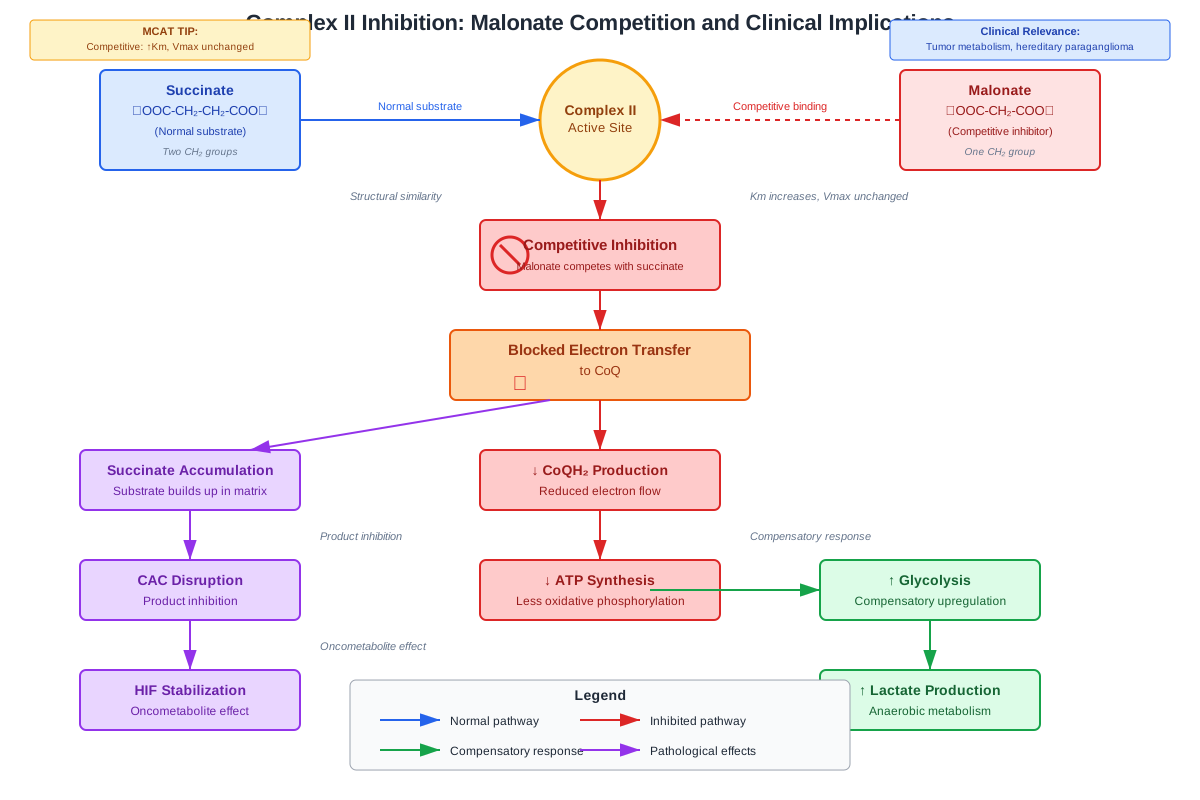
Complex II is subject to competitive inhibition by malonate, a three-carbon dicarboxylic acid that structurally resembles succinate but lacks the central methylene groups. Malonate binds to the active site of succinate dehydrogenase but cannot be oxidized, effectively blocking the enzyme. This inhibition has dual consequences: it directly impairs the citric acid cycle (causing succinate accumulation) and reduces electron flow into the electron transport chain (decreasing ATP production). MCAT questions often use malonate as a tool to test understanding of competitive inhibition and metabolic integration.
Other inhibitors include oxaloacetate (product inhibition from the citric acid cycle), atpenin A5 (which blocks ubiquinone reduction), and carboxin (a fungicide that specifically targets fungal Complex II). The enzyme is also regulated by post-translational modifications, including acetylation and phosphorylation, though these mechanisms are less commonly tested on the MCAT. Reactive oxygen species (ROS) can be generated at Complex II when electron flow is impaired, particularly at the flavin site, contributing to oxidative stress in pathological conditions.
Comparison with Other ETC Complexes
| Feature | Complex I | Complex II | Complex III | Complex IV |
|---|---|---|---|---|
| Electron donor | NADH | FADH₂ (bound) | QH₂ | Cytochrome c |
| Electron acceptor | Q | Q | Cytochrome c | O₂ |
| Protons pumped | 4 H⁺ | 0 H⁺ | 4 H⁺ | 2 H⁺ |
| Subunits | ~45 | 4 | 11 | 13 |
| Also functions in | — | Citric acid cycle | — | — |
| Gene encoding | Nuclear + mtDNA | Nuclear only | Nuclear + mtDNA | Nuclear + mtDNA |
| ATP yield | ~2.5 | ~1.5 | — | — |
This comparison table highlights the unique properties of Complex II that distinguish it from other respiratory chain complexes and are frequently tested on the MCAT.
Concept Relationships
Complex II serves as a critical integration point connecting multiple metabolic pathways. The enzyme directly links the citric acid cycle to the electron transport chain, functioning as both a citric acid cycle enzyme (succinate dehydrogenase) and an electron transport chain complex (Complex II). This dual identity means that any factor affecting Complex II will simultaneously impact both pathways.
The relationship flows as follows: Citric acid cycle → Succinate oxidation (Complex II) → FADH₂ reduction → Electron transfer to ubiquinone → Ubiquinol formation → Complex III → Continued electron transport → ATP synthesis. When Complex II is inhibited, succinate accumulates (backing up the citric acid cycle) and electron flow to Complex III decreases (reducing ATP production). This bidirectional impact distinguishes Complex II from other electron transport chain complexes.
Complex II also connects to fatty acid oxidation and amino acid metabolism because these pathways generate FADH₂ through other flavoproteins (like acyl-CoA dehydrogenase). While these FADH₂ molecules don't directly interact with Complex II, they feed electrons into the same ubiquinone pool, creating a common electron collection point. Understanding this convergence helps explain why total ATP yield calculations must account for multiple FADH₂ sources.
The relationship between Complex II and oxygen availability is indirect but important: while Complex II itself doesn't use oxygen, the electrons it contributes to the electron transport chain ultimately require oxygen at Complex IV. Under anaerobic conditions, the entire electron transport chain backs up, including Complex II, causing succinate accumulation and citric acid cycle inhibition. This demonstrates how downstream processes (oxygen availability) can affect upstream reactions (succinate oxidation).
Quick check — test yourself on Complex II so far.
Try Flashcards →High-Yield Facts
⭐ Complex II is the only electron transport chain complex that does not pump protons, resulting in lower ATP yield per FADH₂ (1.5 ATP) compared to NADH (2.5 ATP)
⭐ Complex II is the only enzyme that participates in both the citric acid cycle and the electron transport chain, functioning as succinate dehydrogenase
⭐ Malonate is a competitive inhibitor of Complex II because it structurally resembles succinate but cannot be oxidized
⭐ FAD is covalently bound to Complex II, unlike NAD⁺ which freely diffuses; this explains why FADH₂ from Complex II cannot contribute electrons to Complex I
⭐ Complex II is entirely encoded by nuclear DNA, making it unique among the major electron transport chain complexes
- Complex II contains four subunits (SDHA, SDHB, SDHC, SDHD) with distinct functions in catalysis, electron transfer, and membrane anchoring
- The reaction catalyzed by Complex II is the only oxidation in the citric acid cycle that produces FADH₂ directly rather than NADH
- Electrons flow through Complex II in the sequence: succinate → FAD → iron-sulfur clusters → ubiquinone
- Complex II mutations can cause accumulation of succinate, which acts as an oncometabolite by stabilizing HIF and promoting tumorigenesis
- The standard reduction potential change for succinate oxidation to fumarate is approximately +0.03 V, insufficient to drive proton pumping
Common Misconceptions
Misconception: Complex II pumps protons like the other electron transport chain complexes.
Correction: Complex II does NOT pump protons across the inner mitochondrial membrane. Only Complexes I, III, and IV contribute to the proton-motive force. This is why FADH₂ generates less ATP than NADH—electrons from FADH₂ bypass the first proton-pumping site at Complex I.
Misconception: FADH₂ from Complex II can donate electrons to Complex I.
Correction: The FADH₂ in Complex II is covalently bound to the enzyme and cannot diffuse to other locations. It can only donate electrons to ubiquinone within Complex II itself. This is fundamentally different from NADH, which freely diffuses and specifically donates electrons to Complex I.
Misconception: Inhibiting Complex II only affects the electron transport chain, not the citric acid cycle.
Correction: Because Complex II is succinate dehydrogenase, inhibiting it blocks both the citric acid cycle (preventing succinate oxidation to fumarate) and electron transport (preventing electron transfer to ubiquinone). This dual effect causes succinate accumulation and reduces both NADH production (from downstream citric acid cycle reactions) and direct electron flow.
Misconception: All FADH₂ in the cell is produced by Complex II.
Correction: Multiple enzymes produce FADH₂, including acyl-CoA dehydrogenase (fatty acid β-oxidation), glycerol-3-phosphate dehydrogenase, and other flavoproteins. However, Complex II is unique because its FAD is covalently attached. Other FADH₂-producing enzymes transfer electrons to the ubiquinone pool through different mechanisms, not through Complex II itself.
Misconception: Complex II is less important than other electron transport chain complexes because it doesn't pump protons.
Correction: Complex II is essential for complete citric acid cycle function and provides a significant portion of electrons for oxidative phosphorylation. Its dual role makes it a critical metabolic integration point. Additionally, Complex II deficiency causes severe diseases, demonstrating its physiological importance despite not directly pumping protons.
Misconception: The reaction catalyzed by Complex II is reversible under physiological conditions.
Correction: While the reaction is technically reversible in vitro, under physiological conditions the oxidation of succinate to fumarate is essentially irreversible due to the continuous removal of products (fumarate enters subsequent citric acid cycle reactions, and electrons flow through the electron transport chain). The cellular conditions strongly favor the forward direction.
Worked Examples
Example 1: ATP Yield Calculation with Complex II Inhibition
Question: A researcher treats isolated mitochondria with malonate, a competitive inhibitor of Complex II. The mitochondria are then provided with succinate as the only substrate. Compared to untreated mitochondria with succinate, predict the effect on ATP production and explain your reasoning.
Solution:
Step 1: Identify what malonate does.
Malonate competitively inhibits Complex II (succinate dehydrogenase) by binding to the active site and preventing succinate oxidation.
Step 2: Determine the normal pathway for succinate.
Under normal conditions, succinate is oxidized to fumarate by Complex II, producing FADH₂ (bound to the enzyme). The electrons are then transferred to ubiquinone, which carries them to Complex III, then Complex IV, ultimately reducing oxygen to water. This electron flow through Complexes III and IV pumps protons, generating ATP.
Step 3: Analyze the effect of malonate.
With malonate present, succinate cannot be oxidized. No FADH₂ is produced, no electrons enter the ubiquinone pool through Complex II, and no electron flow occurs through the downstream complexes.
Step 4: Predict ATP production.
ATP production will be essentially zero (or drastically reduced to only baseline ATP from other sources). Without succinate oxidation, there is no electron flow to drive the proton-motive force and ATP synthesis.
Step 5: Consider if malonate were removed or overcome.
If excess succinate were added, it could compete with malonate for the active site (competitive inhibition), partially restoring activity. Alternatively, if other substrates (like NADH-generating substrates) were provided, they could bypass Complex II and generate ATP through Complex I.
Key Concept: This example demonstrates understanding of competitive inhibition, the specific role of Complex II in accepting electrons from succinate, and how blocking one entry point affects overall ATP production.
Example 2: Tracing Metabolic Consequences of Complex II Mutation
Question: A patient presents with elevated blood succinate levels and symptoms consistent with mitochondrial dysfunction. Genetic testing reveals a mutation in the SDHB subunit of Complex II that prevents electron transfer from FAD to the iron-sulfur clusters. Explain the biochemical basis for the elevated succinate levels and predict two additional metabolic consequences of this mutation.
Solution:
Step 1: Understand the mutation's effect.
The SDHB subunit contains the iron-sulfur clusters that transfer electrons from FADH₂ to ubiquinone. If this electron transfer is blocked, FADH₂ cannot be reoxidized back to FAD.
Step 2: Explain elevated succinate.
When FADH₂ cannot be reoxidized, the FAD cofactor remains in the reduced state. Without oxidized FAD available, succinate cannot be oxidized to fumarate. This causes succinate to accumulate in the mitochondrial matrix and eventually in the blood. The citric acid cycle is blocked at this step.
Step 3: Predict consequence #1 - Reduced ATP production.
With Complex II non-functional, electrons from succinate cannot enter the electron transport chain. This reduces the total electron flow through Complexes III and IV, decreasing proton pumping and ATP synthesis. The patient would experience symptoms of energy deficiency, particularly in high-demand tissues like brain and muscle.
Step 4: Predict consequence #2 - Accumulation of upstream citric acid cycle intermediates.
Because the citric acid cycle is blocked at succinate, upstream intermediates (α-ketoglutarate, succinyl-CoA) may also accumulate. However, the cycle might partially continue through alternative pathways or slow down overall, reducing production of downstream intermediates (fumarate, malate, oxaloacetate) and reducing NADH production from the cycle.
Step 5: Consider additional effects.
Accumulated succinate can act as an oncometabolite, inhibiting α-ketoglutarate-dependent dioxygenases including prolyl hydroxylases that normally mark HIF for degradation. This could lead to HIF stabilization even under normal oxygen conditions, potentially promoting abnormal cell growth.
Key Concept: This example integrates knowledge of Complex II structure, its dual role in metabolism, the consequences of enzyme deficiency, and the broader metabolic effects including potential pathological outcomes.
Exam Strategy
Approaching Complex II Questions
When encountering MCAT questions about Complex II, first determine whether the question focuses on its role in the citric acid cycle, the electron transport chain, or both. Questions emphasizing substrate/product relationships (succinate/fumarate) typically test citric acid cycle knowledge, while questions about electron flow, ATP yield, or proton pumping test electron transport chain understanding. Many high-yield questions require integration of both perspectives.
Trigger Words and Phrases
Watch for these key phrases that signal Complex II content:
- "Succinate dehydrogenase" (alternative name for Complex II)
- "Malonate" (classic competitive inhibitor)
- "FADH₂ bound to the enzyme" (distinguishes from free NADH)
- "Does not pump protons" or "no contribution to proton-motive force"
- "Electrons enter at ubiquinone" or "bypass Complex I"
- "Lower ATP yield" (compared to NADH)
- "Only membrane-bound citric acid cycle enzyme"
- "Nuclear DNA encoded" (all subunits)
Process of Elimination Tips
When evaluating answer choices:
- Eliminate options that claim Complex II pumps protons - this is never correct
- Eliminate options that suggest FADH₂ from Complex II can reach Complex I - the FAD is covalently bound
- Eliminate options that give equal ATP yields for NADH and FADH₂ - FADH₂ yields less (~1.5 vs ~2.5 ATP)
- Eliminate options that separate Complex II from the citric acid cycle - it participates in both pathways
- For inhibitor questions, eliminate options that don't account for effects on BOTH the citric acid cycle and electron transport
Time Allocation
Complex II questions typically require 60-90 seconds. Discrete questions testing basic facts (e.g., "Which complex does not pump protons?") should take 30-45 seconds. Passage-based questions requiring integration or calculation may need 90-120 seconds. If a question asks for ATP yield calculations involving multiple substrates, budget extra time to carefully track NADH vs FADH₂ contributions.
Exam Tip: If a passage describes an experiment measuring oxygen consumption with different substrates, immediately identify which substrates generate NADH (entering at Complex I) versus FADH₂ (entering at Complex II). This distinction is often the key to answering multiple questions in the passage.
Memory Techniques
Mnemonic for Complex II Unique Features
"Complex II: SNUB"
- Succinate dehydrogenase (dual role)
- No proton pumping
- Ubiquinone is the electron acceptor
- Bound FAD (covalently attached)
Visualization Strategy
Picture Complex II as a "bridge" connecting two islands: the citric acid cycle (one island) and the electron transport chain (the other island). The bridge has a toll booth (the active site) where succinate pays a toll (gets oxidized) to cross. Unlike other bridges (Complexes I, III, IV) that have pumps moving water uphill (proton pumping), this bridge is flat—no pumping occurs. The bridge has a conveyor belt (iron-sulfur clusters) that moves packages (electrons) from one side to the other.
Acronym for Electron Flow
"SFIQ" - the path electrons take through Complex II:
- Succinate
- FAD
- Iron-sulfur clusters
- Q (ubiquinone)
Malonate Memory Aid
"Malonate is MEAN":
- Malonate
- Enzyme inhibitor
- Analog of succinate (structural)
- No oxidation possible
Remember: Malonate has one fewer carbon than succinate (3 vs 4), making it "mean" because it blocks the enzyme without being productive.
Summary
Complex II (succinate dehydrogenase) is a unique enzyme complex that simultaneously participates in the citric acid cycle and the electron transport chain, making it a critical integration point in cellular metabolism. As the only electron transport chain complex that does not pump protons, Complex II contributes electrons to the ubiquinone pool without directly generating the proton-motive force, resulting in lower ATP yield per FADH₂ compared to NADH. The enzyme catalyzes the oxidation of succinate to fumarate while transferring electrons through covalently bound FAD and iron-sulfur clusters to ubiquinone. For the MCAT, students must understand Complex II's dual role, recognize that it is competitively inhibited by malonate, calculate the energetic consequences of electron entry at this point, and predict the metabolic effects of Complex II dysfunction on both the citric acid cycle and oxidative phosphorylation. The enzyme's unique properties—including its exclusive nuclear DNA encoding and lack of proton pumping—distinguish it from other respiratory chain complexes and make it a frequent target for exam questions testing integrated metabolic knowledge.
Key Takeaways
- Complex II is the only enzyme functioning in both the citric acid cycle (as succinate dehydrogenase) and the electron transport chain, creating a direct metabolic link between these pathways
- Complex II does not pump protons, resulting in approximately 1.5 ATP per FADH₂ compared to 2.5 ATP per NADH from Complex I
- FAD is covalently bound to Complex II, preventing the reduced cofactor from diffusing to other enzymes and restricting electron donation to ubiquinone only
- Malonate competitively inhibits Complex II by mimicking succinate structure, simultaneously blocking both the citric acid cycle and electron transport
- Electrons flow through Complex II in the sequence: succinate → FAD → iron-sulfur clusters → ubiquinone → Complex III
- Complex II mutations cause succinate accumulation, which can act as an oncometabolite and contribute to various diseases including cancer and neurodegeneration
- All Complex II subunits are encoded by nuclear DNA, making it unique among the major electron transport chain complexes
Related Topics
Complex I (NADH Dehydrogenase): Understanding Complex I provides contrast with Complex II, particularly regarding proton pumping, ATP yield, and electron entry points. Mastering Complex II enables better comprehension of why different electron donors generate different ATP amounts.
Complex III (Cytochrome bc₁ Complex): Complex III receives electrons from ubiquinol produced by Complex II, making it the immediate downstream component. Understanding their interaction explains how electrons flow through the respiratory chain.
Citric Acid Cycle Regulation: Since Complex II is a citric acid cycle enzyme, understanding cycle regulation helps explain how Complex II activity is coordinated with overall metabolic demands.
Fatty Acid β-Oxidation: This pathway produces FADH₂ through acyl-CoA dehydrogenase, which feeds electrons into the same ubiquinone pool as Complex II, illustrating convergent electron flow.
Mitochondrial Diseases: Complex II mutations cause specific clinical syndromes, and understanding the biochemical basis of these diseases reinforces knowledge of Complex II's physiological importance.
Practice CTA
Now that you have mastered the core concepts of Complex II, test your understanding with practice questions and flashcards. Focus on questions that require you to integrate Complex II's dual role in metabolism, calculate ATP yields, and predict the effects of inhibitors or mutations. Challenge yourself with passage-based questions that present experimental data about electron transport or metabolic flux. The more you apply this knowledge to MCAT-style scenarios, the more confident you'll become in recognizing Complex II concepts on test day. Remember: understanding Complex II's unique properties is essential for achieving a high score on metabolism questions—you've got this!
Sign up free to keep reading
Create a free AnvayaPrep account to finish this MCAT guide on Complex II — plus flashcards and practice questions.