Overview
Complex I, also known as NADH dehydrogenase or NADH:ubiquinone oxidoreductase, represents the first and largest enzyme complex in the electron transport chain (ETC) of cellular respiration. This massive protein assembly, embedded in the inner mitochondrial membrane, catalyzes the transfer of electrons from NADH to ubiquinone (coenzyme Q) while simultaneously pumping protons from the mitochondrial matrix into the intermembrane space. This dual function makes Complex I a critical contributor to both electron flow and the establishment of the proton-motive force that drives ATP synthesis.
For the MCAT, understanding Complex I is essential because it integrates multiple high-yield concepts in Biochemistry and Metabolism: redox reactions, energy transduction, membrane protein function, and the coupling of exergonic electron transfer to endergonic proton pumping. Questions frequently test the mechanistic details of how NADH oxidation drives proton translocation, the stoichiometry of protons pumped per NADH oxidized, and how inhibitors of Complex I affect cellular respiration and ATP production. Complex I also serves as a common site for the generation of reactive oxygen species (ROS), linking metabolic function to oxidative stress—a connection that appears in both biochemistry and biology passages.
The study of Complex I provides a foundation for understanding the entire electron transport chain, oxidative phosphorylation, and cellular energy metabolism. It connects directly to upstream metabolic pathways (glycolysis, citric acid cycle, fatty acid oxidation) that generate NADH, and to downstream processes (ATP synthase function, oxygen consumption) that depend on the proton gradient Complex I helps establish. Mastery of this topic enables students to tackle integrated passages that span multiple metabolic pathways and to predict the metabolic consequences of mitochondrial dysfunction.
Learning Objectives
- [ ] Define Complex I using accurate Biochemistry terminology
- [ ] Explain why Complex I matters for the MCAT
- [ ] Apply Complex I to exam-style questions
- [ ] Identify common mistakes related to Complex I
- [ ] Connect Complex I to related Biochemistry concepts
- [ ] Describe the mechanism by which Complex I couples electron transfer to proton pumping
- [ ] Calculate the contribution of Complex I to the total proton-motive force
- [ ] Predict the metabolic consequences of Complex I inhibition on cellular respiration and ATP production
Prerequisites
- Redox reactions and electron carriers: Complex I function depends on understanding oxidation-reduction reactions and the role of NAD+/NADH as electron carriers
- Mitochondrial structure: Knowledge of the inner mitochondrial membrane, matrix, and intermembrane space is essential for understanding proton pumping
- Basic thermodynamics: Understanding free energy changes (ΔG) and how exergonic reactions can drive endergonic processes underlies the coupling mechanism
- Citric acid cycle: This pathway generates the NADH that serves as Complex I's substrate
- Chemiosmotic theory: The concept of proton-motive force and its role in ATP synthesis provides context for Complex I's function
Why This Topic Matters
Complex I dysfunction is implicated in numerous human diseases, including Parkinson's disease, Leigh syndrome, and various mitochondrial myopathies. The pesticide rotenone, a specific Complex I inhibitor, has been linked to Parkinson's disease development, making this topic clinically relevant for understanding both normal physiology and pathophysiology. Additionally, Complex I is the primary site of superoxide production in mitochondria, connecting metabolic function to oxidative damage and aging—concepts that appear frequently in MCAT passages integrating biochemistry with cell biology.
On the MCAT, Complex I appears in approximately 15-20% of passages covering cellular respiration and metabolism. Questions typically fall into three categories: (1) mechanistic questions asking students to trace electron flow or predict the effects of inhibitors, (2) quantitative questions requiring calculation of ATP yield or proton stoichiometry, and (3) experimental passages presenting data on mitochondrial function and asking students to interpret results in the context of electron transport chain function. The topic frequently appears in passages that integrate biochemistry with biology, particularly those discussing mitochondrial diseases, metabolic regulation, or cellular energy states.
Common passage contexts include: experimental manipulations of isolated mitochondria measuring oxygen consumption and ATP production; clinical vignettes describing patients with mitochondrial disorders; comparative biochemistry passages examining electron transport in different organisms; and passages on toxicology discussing the effects of various inhibitors on cellular respiration. Understanding Complex I enables students to quickly identify the point of disruption in the electron transport chain and predict downstream consequences.
Core Concepts
Structure and Location of Complex I
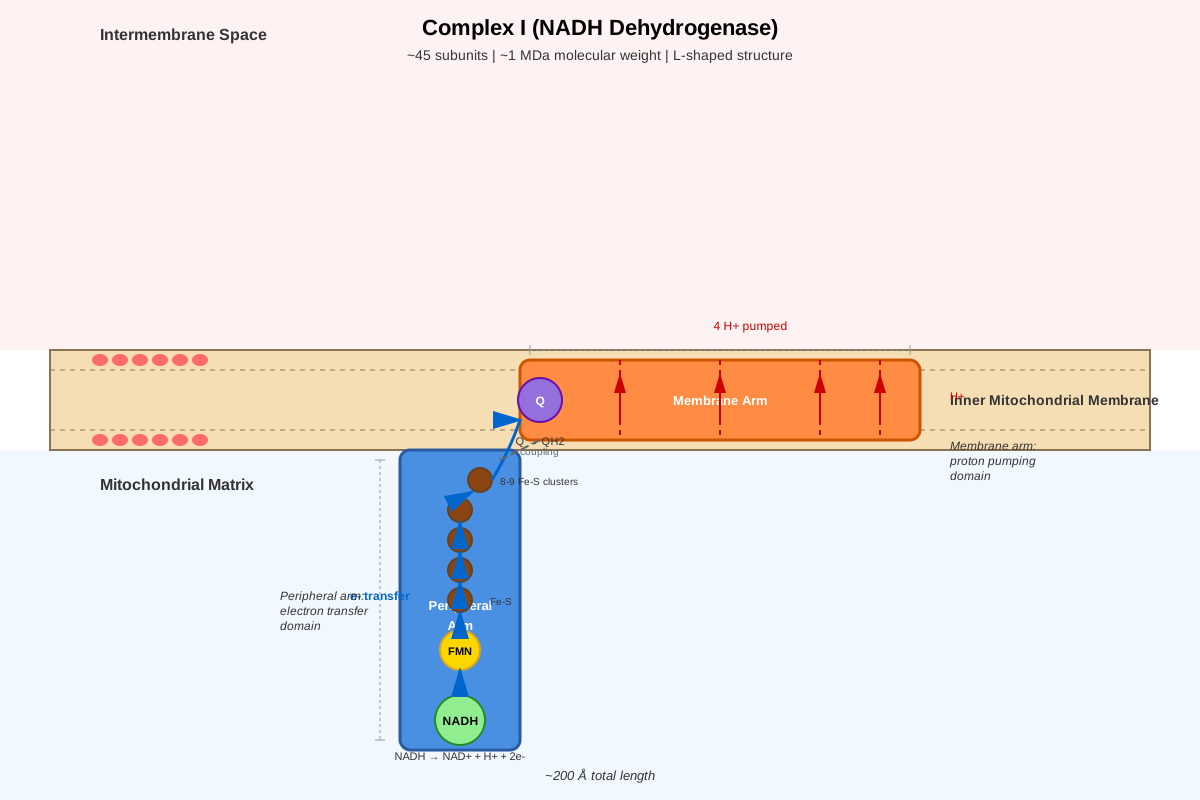
Complex I is an L-shaped protein complex consisting of approximately 45 different protein subunits with a combined molecular weight exceeding 900 kDa, making it one of the largest membrane protein complexes in cells. The complex has two major domains: a hydrophobic membrane arm embedded in the inner mitochondrial membrane and a hydrophilic peripheral arm that extends into the mitochondrial matrix. The membrane arm contains the proton-pumping machinery, while the peripheral arm contains the NADH binding site and the electron transfer chain components.
The complex contains one flavin mononucleotide (FMN) prosthetic group and eight iron-sulfur (Fe-S) clusters that form an electron transfer chain spanning approximately 90 Ångströms from the NADH binding site to the ubiquinone binding site. This arrangement allows for efficient electron transfer while coupling the exergonic electron flow to the endergonic process of proton translocation across the membrane.
The Reaction Catalyzed by Complex I
The overall reaction catalyzed by Complex I can be written as:
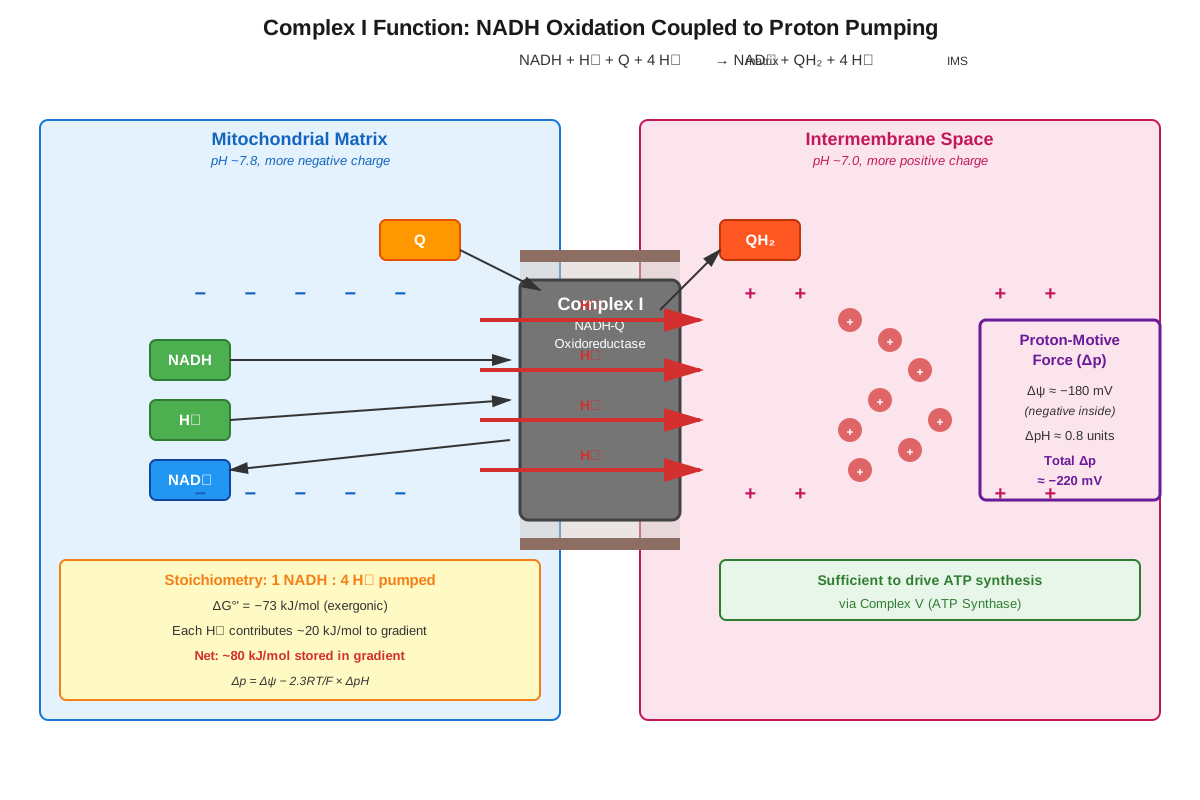
NADH + H+ + CoQ + 4H+(matrix) → NAD+ + CoQH2 + 4H+(intermembrane space)This equation reveals three critical aspects of Complex I function: (1) NADH is oxidized to NAD+, releasing two electrons; (2) ubiquinone (CoQ) is reduced to ubiquinol (CoQH2), accepting those two electrons; and (3) four protons are translocated from the matrix to the intermembrane space for every NADH oxidized. The stoichiometry of four protons pumped per two electrons transferred is a high-yield fact frequently tested on the MCAT.
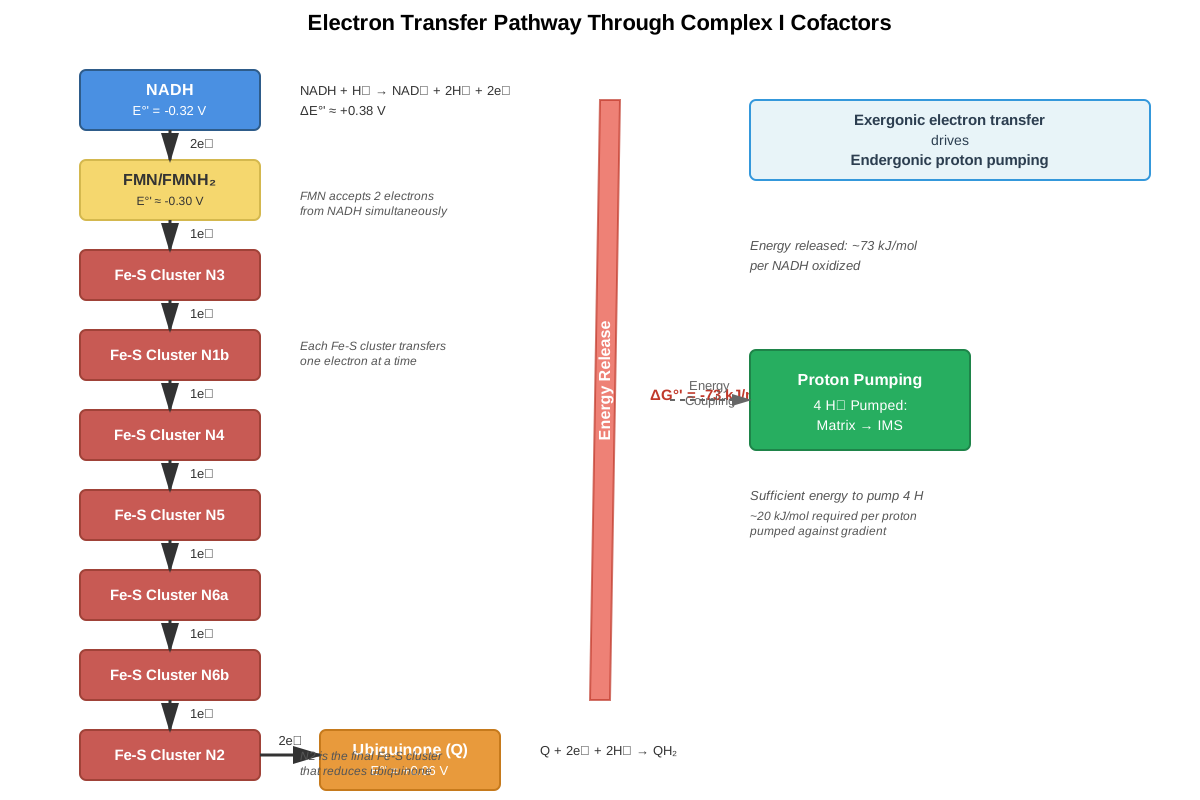
The standard free energy change (ΔG°') for electron transfer from NADH to ubiquinone is approximately -69 kJ/mol, providing more than sufficient energy to drive the translocation of four protons against the electrochemical gradient. This coupling of electron transfer to proton pumping represents a fundamental example of energy transduction in biological systems.
Mechanism of Electron Transfer
Electron transfer through Complex I follows a specific pathway through the prosthetic groups. NADH binds to the peripheral arm and transfers two electrons to FMN, reducing it to FMNH2. The electrons then pass sequentially through the chain of Fe-S clusters, designated N1a, N3, N1b, N4, N5, N6a, N6b, and N2. This electron transfer chain terminates at the ubiquinone binding site in the membrane arm, where ubiquinone is reduced to ubiquinol.
The electron transfer process is highly efficient, with minimal energy loss as heat. The Fe-S clusters are positioned at optimal distances (approximately 14 Å apart) to allow rapid electron tunneling while maintaining directionality. The reduction potential increases progressively along the chain, ensuring that electron flow is thermodynamically favorable at each step.
Mechanism of Proton Pumping
The coupling of electron transfer to proton pumping in Complex I involves conformational changes in the membrane arm triggered by redox reactions in the peripheral arm. Current models suggest that electron transfer induces conformational changes that are transmitted through the protein structure to the membrane arm, where they drive proton translocation. The membrane arm contains four proton-pumping channels, and the conformational changes alter the accessibility and pKa values of key amino acid residues, allowing protons to be captured from the matrix side and released on the intermembrane space side.
The exact mechanism remains an active area of research, but the key principle for the MCAT is that the exergonic electron transfer provides the energy to drive the endergonic proton pumping, and this coupling is obligatory—electron transfer cannot occur without proton pumping, and vice versa. This tight coupling ensures efficient energy conservation.
Contribution to the Proton-Motive Force
The four protons pumped by Complex I per NADH oxidized contribute significantly to the total proton-motive force (Δp) across the inner mitochondrial membrane. The proton-motive force consists of two components: a chemical gradient (ΔpH) and an electrical gradient (ΔΨ). In actively respiring mitochondria, the proton-motive force is approximately 200 mV, with the matrix negative and alkaline relative to the intermembrane space.
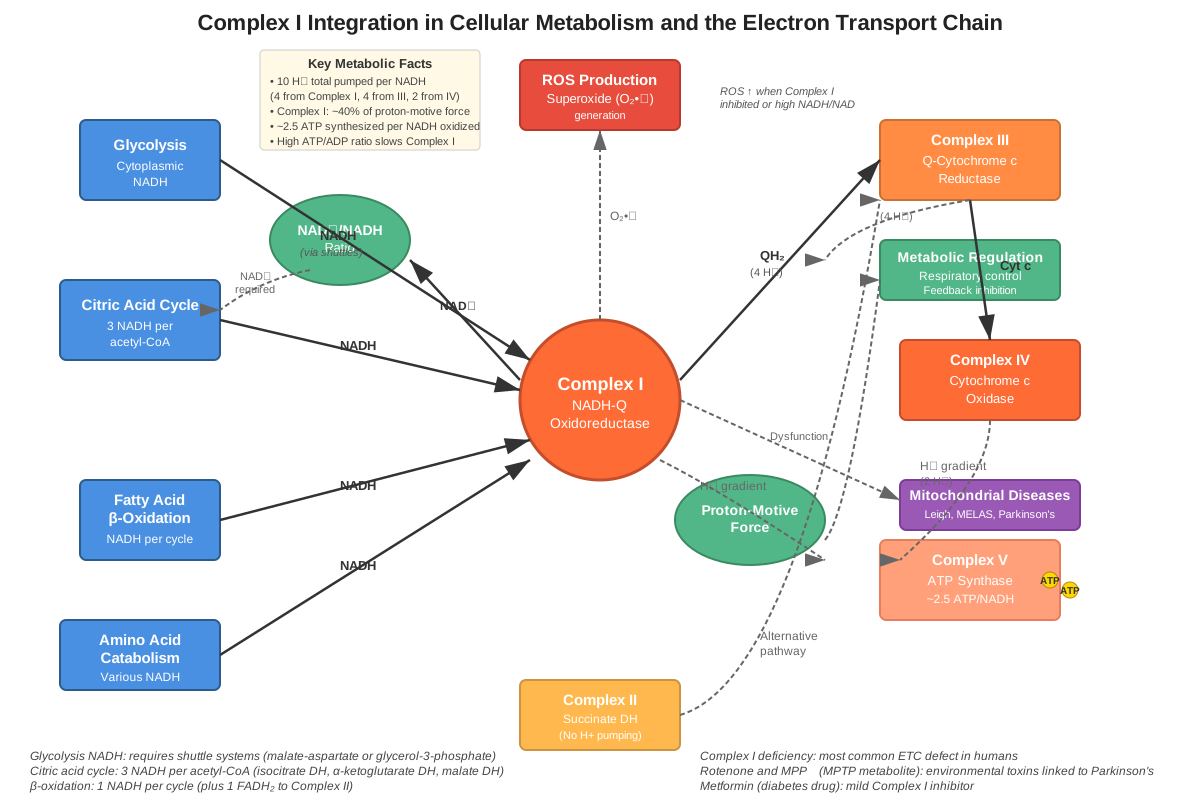
For MCAT purposes, students should understand that the entire electron transport chain (Complexes I, III, and IV) pumps approximately 10 protons per NADH oxidized (4 from Complex I, 4 from Complex III, and 2 from Complex IV). Complex I thus contributes 40% of the total proton pumping from NADH oxidation, making it a major contributor to the proton-motive force that drives ATP synthesis.
Complex I Inhibitors
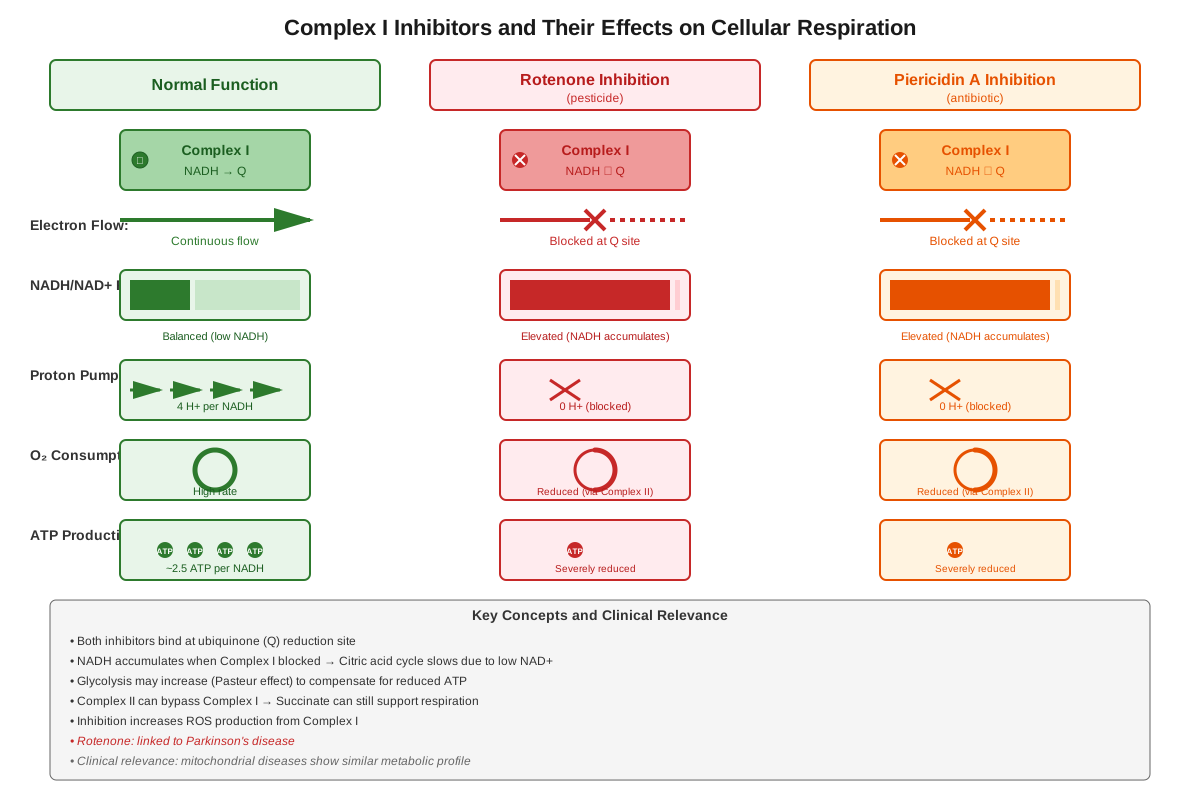
Several important inhibitors specifically target Complex I, and these frequently appear in MCAT passages. Rotenone, a naturally occurring pesticide, binds to the ubiquinone binding site and prevents electron transfer from the Fe-S clusters to ubiquinone. This blocks electron flow through the entire electron transport chain when NADH is the electron donor. Other Complex I inhibitors include piericidin A, amytal (a barbiturate), and MPP+ (the toxic metabolite of MPTP, linked to Parkinson's disease).
When Complex I is inhibited, several consequences occur: (1) NADH accumulates in the matrix because it cannot be reoxidized; (2) the NAD+/NADH ratio decreases, inhibiting NAD+-dependent dehydrogenases in the citric acid cycle and other pathways; (3) oxygen consumption decreases because electrons cannot flow to oxygen; (4) ATP production decreases because the proton-motive force is not maintained; and (5) cells must rely more heavily on glycolysis for ATP production, leading to increased lactate production. Understanding this cascade of effects is essential for analyzing experimental passages.
Reactive Oxygen Species Production
Complex I is one of the two major sites of superoxide (O2•−) production in mitochondria (the other being Complex III). When electron flow through Complex I is slowed or blocked, electrons can leak from the Fe-S clusters or reduced FMN to molecular oxygen, generating superoxide. This is particularly likely to occur when the NADH/NAD+ ratio is high and the ubiquinone pool is highly reduced, conditions that occur during high substrate availability or when downstream complexes are inhibited.
The production of reactive oxygen species (ROS) by Complex I has important implications for cellular damage, aging, and disease. Superoxide can be converted to hydrogen peroxide by superoxide dismutase, and hydrogen peroxide can generate highly reactive hydroxyl radicals through the Fenton reaction. These ROS can damage proteins, lipids, and DNA. For the MCAT, students should recognize that Complex I dysfunction can lead to increased oxidative stress, connecting metabolic dysfunction to cellular damage.
Regulation of Complex I Activity
Complex I activity is regulated primarily by substrate availability (NADH concentration) and product inhibition (NAD+ and ubiquinol concentrations). The enzyme follows Michaelis-Menten kinetics with respect to NADH, and activity increases as NADH concentration rises. However, when the ubiquinone pool becomes highly reduced (high ubiquinol/ubiquinone ratio), the reaction slows due to product inhibition.
Additionally, Complex I activity is influenced by the proton-motive force. When the proton-motive force is high (low ATP demand), it becomes thermodynamically more difficult to pump additional protons against the gradient, and Complex I activity decreases. This represents a form of feedback regulation that matches electron transport to ATP demand. Conversely, when ATP demand is high and the proton-motive force decreases, Complex I activity increases, demonstrating respiratory control.
Concept Relationships
Complex I serves as the entry point for electrons from NADH into the electron transport chain, directly connecting it to all upstream metabolic pathways that generate NADH, including glycolysis (via the malate-aspartate and glycerol-3-phosphate shuttles), the citric acid cycle, fatty acid β-oxidation, and amino acid catabolism. The NAD+/NADH ratio maintained by Complex I activity feeds back to regulate these pathways—when Complex I is inhibited and NADH accumulates, NAD+-dependent dehydrogenases are inhibited, slowing these metabolic pathways.
The relationship flows as follows: Metabolic pathways → generate NADH → Complex I → oxidizes NADH to NAD+ while reducing ubiquinone → Ubiquinol → carries electrons to Complex III → Complex III → transfers electrons to cytochrome c while pumping protons → Cytochrome c → carries electrons to Complex IV → Complex IV → reduces oxygen to water while pumping protons → Proton-motive force → drives ATP synthase → ATP production.
Complex I also connects to the concept of metabolic flexibility. When Complex I is inhibited, cells can still oxidize FADH2 through Complex II (succinate dehydrogenase), which bypasses Complex I and feeds electrons directly into the ubiquinone pool. However, this produces less ATP per substrate molecule because Complex I's contribution to the proton-motive force is lost. This relationship explains why Complex I deficiencies cause metabolic disease but are not immediately lethal—Complex II provides a partial bypass.
The production of reactive oxygen species by Complex I connects electron transport to oxidative stress, cellular signaling, and aging. This links metabolism to cell biology topics including apoptosis, cellular damage responses, and the role of antioxidant systems. Understanding these connections allows students to integrate information across multiple MCAT topics.
Quick check — test yourself on Complex I so far.
Try Flashcards →High-Yield Facts
⭐ Complex I pumps 4 protons per NADH oxidized, contributing 40% of the total proton pumping from complete NADH oxidation through the electron transport chain
⭐ Complex I is the first and largest complex in the electron transport chain, containing approximately 45 subunits and having a molecular weight exceeding 900 kDa
⭐ The overall reaction is: NADH + H+ + CoQ + 4H+(matrix) → NAD+ + CoQH2 + 4H+(intermembrane space)
⭐ Rotenone is a specific Complex I inhibitor that blocks electron transfer from Fe-S clusters to ubiquinone, preventing all NADH-dependent respiration
⭐ Complex I contains one FMN prosthetic group and eight Fe-S clusters that form the electron transfer chain from NADH to ubiquinone
- Complex I is also called NADH dehydrogenase or NADH:ubiquinone oxidoreductase
- The standard free energy change for electron transfer from NADH to ubiquinone through Complex I is approximately -69 kJ/mol
- Complex I is a major site of superoxide production in mitochondria, particularly when electron flow is impaired
- Inhibition of Complex I causes NADH accumulation, decreased NAD+/NADH ratio, and inhibition of NAD+-dependent dehydrogenases
- Complex I deficiency is associated with various mitochondrial diseases, including Leigh syndrome and some forms of Parkinson's disease
- The proton-motive force generated by Complex I (and other complexes) has both chemical (ΔpH) and electrical (ΔΨ) components
- Complex II (succinate dehydrogenase) can bypass Complex I by feeding electrons directly into the ubiquinone pool, but this produces less ATP
Common Misconceptions
Misconception: Complex I directly produces ATP through substrate-level phosphorylation → Correction: Complex I does not directly produce ATP. Instead, it pumps protons to establish a proton-motive force that is later used by ATP synthase to produce ATP through oxidative phosphorylation. The energy from NADH oxidation is conserved in the proton gradient, not directly in ATP bonds.
Misconception: All electron transport chain complexes pump the same number of protons → Correction: Different complexes pump different numbers of protons. Complex I pumps 4 protons per 2 electrons, Complex III pumps 4 protons per 2 electrons, and Complex IV pumps 2 protons per 2 electrons. Complex II does not pump any protons. These differences are important for calculating total ATP yield.
Misconception: Inhibiting Complex I completely stops all ATP production → Correction: While Complex I inhibition severely impairs ATP production from NADH oxidation, cells can still produce ATP through glycolysis (substrate-level phosphorylation) and can still oxidize FADH2 through Complex II. However, ATP production is greatly reduced, and cells must rely more heavily on glycolysis, leading to lactate accumulation.
Misconception: NADH and FADH2 enter the electron transport chain at the same point → Correction: NADH donates electrons to Complex I, while FADH2 (from succinate dehydrogenase/Complex II and other flavoproteins) donates electrons directly to the ubiquinone pool, bypassing Complex I. This is why NADH oxidation produces more ATP than FADH2 oxidation—NADH oxidation includes Complex I's contribution to the proton-motive force.
Misconception: The four protons pumped by Complex I are the same protons removed from NADH → Correction: The two protons involved in the NADH oxidation reaction (NADH + H+ → NAD+ + 2H+ + 2e−) are separate from the four protons pumped across the membrane. The pumped protons come from the matrix and are translocated to the intermembrane space through conformational changes driven by electron transfer, not directly from NADH oxidation.
Misconception: Complex I can function in reverse under normal conditions → Correction: While Complex I can theoretically operate in reverse (reducing NAD+ using ubiquinol and the proton-motive force), this requires extreme conditions not found in normal physiology. Under physiological conditions, the reaction is essentially irreversible in the forward direction due to the large negative free energy change.
Worked Examples
Example 1: Calculating ATP Yield with Complex I Inhibition
Question: A researcher treats isolated mitochondria with rotenone, a specific Complex I inhibitor, and then adds succinate as the only substrate. The mitochondria are provided with ADP, Pi, and oxygen. Approximately how many ATP molecules will be produced per succinate molecule oxidized, assuming standard P/O ratios?
Solution:
Step 1: Identify what happens when succinate is oxidized. Succinate is oxidized by succinate dehydrogenase (Complex II), which reduces FAD to FADH2. The FADH2 remains bound to Complex II and directly reduces ubiquinone to ubiquinol.
Step 2: Determine the path of electrons. Since rotenone inhibits Complex I, electrons from succinate cannot flow through Complex I. However, Complex II feeds electrons directly into the ubiquinone pool, bypassing Complex I. From ubiquinol, electrons flow through Complex III → cytochrome c → Complex IV → oxygen.
Step 3: Calculate proton pumping. Complex II does not pump protons. Complex III pumps 4 protons per 2 electrons. Complex IV pumps 2 protons per 2 electrons. Total: 6 protons pumped per succinate oxidized.
Step 4: Calculate ATP production. Using the standard estimate of approximately 1 ATP per 3-4 protons (or more directly, the P/O ratio for FADH2 is approximately 1.5), succinate oxidation produces approximately 1.5 ATP molecules.
Step 5: Compare to normal conditions. Without rotenone inhibition, if NADH were the substrate, approximately 2.5 ATP would be produced (10 protons pumped ÷ 4 protons per ATP). The difference reflects Complex I's contribution.
Answer: Approximately 1.5 ATP per succinate, demonstrating that Complex I inhibition reduces but does not eliminate ATP production when alternative substrates are available.
Example 2: Predicting Metabolic Consequences of Complex I Deficiency
Question: A patient presents with a mitochondrial myopathy caused by a genetic defect in Complex I. Blood tests reveal elevated lactate levels and an increased lactate/pyruvate ratio. Muscle biopsy shows decreased ATP levels and increased NADH/NAD+ ratio. Explain these findings in terms of Complex I function.
Solution:
Step 1: Analyze the primary defect. Complex I deficiency impairs NADH oxidation, causing NADH to accumulate in the mitochondrial matrix. This decreases the NAD+/NADH ratio.
Step 2: Connect to upstream metabolism. The decreased NAD+/NADH ratio inhibits NAD+-dependent dehydrogenases in the citric acid cycle (isocitrate dehydrogenase, α-ketoglutarate dehydrogenase, malate dehydrogenase), slowing the cycle. This reduces ATP production from oxidative phosphorylation.
Step 3: Explain the compensatory response. To compensate for decreased ATP production from oxidative phosphorylation, cells increase glycolysis to produce ATP through substrate-level phosphorylation. Increased glycolysis produces more pyruvate.
Step 4: Explain lactate accumulation. The decreased NAD+/NADH ratio in the cytoplasm (communicated from mitochondria via shuttle systems) favors the lactate dehydrogenase reaction in the direction of lactate formation: pyruvate + NADH + H+ → lactate + NAD+. This reaction regenerates NAD+ needed for glycolysis to continue.
Step 5: Explain the lactate/pyruvate ratio. The lactate/pyruvate ratio reflects the cytoplasmic NADH/NAD+ ratio. An increased lactate/pyruvate ratio indicates an increased NADH/NAD+ ratio, consistent with impaired NADH oxidation due to Complex I deficiency.
Step 6: Explain decreased ATP. With Complex I deficiency, less ATP is produced per glucose molecule because oxidative phosphorylation is impaired. Glycolysis alone produces only 2 ATP per glucose, compared to approximately 30-32 ATP per glucose with fully functional oxidative phosphorylation.
Answer: The findings are all consistent with Complex I deficiency: impaired NADH oxidation causes NADH accumulation (increased NADH/NAD+ ratio), which inhibits the citric acid cycle and shifts metabolism toward glycolysis and lactate production, resulting in elevated lactate, increased lactate/pyruvate ratio, and decreased ATP levels.
Exam Strategy
When approaching MCAT questions on Complex I, first identify whether the question is asking about structure, function, regulation, or inhibition. Structure questions typically ask about the location of prosthetic groups or the overall organization of the complex. Function questions focus on the reaction catalyzed, electron flow, or proton pumping. Regulation questions examine how substrate availability or the proton-motive force affects activity. Inhibition questions present scenarios with rotenone or other inhibitors and ask students to predict consequences.
Trigger words and phrases to watch for include: "NADH dehydrogenase" (another name for Complex I), "rotenone" (specific inhibitor), "proton pumping" (key function), "first complex" (positional information), "FMN" or "iron-sulfur clusters" (prosthetic groups), "ubiquinone reduction" (the reaction), and "mitochondrial myopathy" (clinical context). When you see these terms, immediately activate your Complex I knowledge framework.
For process-of-elimination, remember these key distinctions: Complex I oxidizes NADH (not FADH2), pumps 4 protons (not 2 or 6), contains FMN (not FAD), and is inhibited by rotenone (not cyanide or antimycin A). If an answer choice confuses Complex I with Complex II (which oxidizes FADH2 and doesn't pump protons) or Complex IV (which reduces oxygen), eliminate it immediately.
Time allocation: Most Complex I questions can be answered in 60-90 seconds if you have solid foundational knowledge. If a question requires calculations (ATP yield, proton stoichiometry), budget 90-120 seconds. For passage-based questions presenting experimental data, spend 30-45 seconds identifying which aspect of Complex I function is being tested before attempting to answer.
Common question types: (1) "What is the immediate effect of rotenone on..." questions test your understanding of the cascade of consequences from Complex I inhibition; (2) "How many protons are pumped..." questions test stoichiometry; (3) "Which of the following would increase/decrease Complex I activity..." questions test regulation; (4) "A patient with Complex I deficiency would be expected to have..." questions test your ability to predict metabolic consequences.
Memory Techniques
Mnemonic for proton pumping stoichiometry: "I pump FOUR" (Complex I pumps 4 protons). The Roman numeral I has one vertical line, but it pumps four protons—remember the contrast.
Mnemonic for electron flow through Complex I: "NADH → Flavors Ice cream Quickly" represents NADH → FMN → Iron-sulfur clusters → Quinone (ubiquinone). The silly phrase helps you remember the sequence of electron carriers.
Visualization strategy: Picture Complex I as an "L-shaped pump" with one arm in the membrane (pumping protons) and one arm in the matrix (accepting electrons from NADH). Visualize electrons flowing down the matrix arm and then triggering conformational changes that pump protons through the membrane arm—like a molecular piston.
Acronym for Complex I inhibitors: "RAMP" = Rotenone, Amytal, MPP+, Piericidin A. All these compounds inhibit Complex I at or near the ubiquinone binding site.
Memory aid for consequences of Complex I inhibition: Use the cascade "NOLA" = NADH accumulates, Oxygen consumption decreases, Lactate increases, ATP decreases. This captures the four major metabolic consequences in a memorable sequence.
Summary
Complex I (NADH dehydrogenase) is the first and largest complex in the electron transport chain, catalyzing the oxidation of NADH and the reduction of ubiquinone while pumping four protons from the mitochondrial matrix to the intermembrane space. This L-shaped protein complex contains approximately 45 subunits, one FMN prosthetic group, and eight iron-sulfur clusters that form an electron transfer chain. The coupling of exergonic electron transfer to endergonic proton pumping represents a fundamental example of energy transduction, with Complex I contributing 40% of the total proton pumping from NADH oxidation. Inhibition of Complex I by rotenone or genetic defects causes NADH accumulation, decreased NAD+/NADH ratio, impaired citric acid cycle function, increased reliance on glycolysis, lactate accumulation, and decreased ATP production. Complex I is also a major site of reactive oxygen species production, linking metabolism to oxidative stress. Understanding Complex I requires integrating knowledge of redox reactions, membrane protein function, bioenergetics, and metabolic regulation—making it a high-yield topic for MCAT passages that test integrated biochemistry knowledge.
Key Takeaways
- Complex I oxidizes NADH to NAD+ and reduces ubiquinone to ubiquinol while pumping 4 protons per NADH oxidized, contributing significantly to the proton-motive force
- The complex contains one FMN and eight Fe-S clusters that form an electron transfer chain from the NADH binding site to the ubiquinone binding site
- Rotenone specifically inhibits Complex I, blocking NADH-dependent respiration and causing NADH accumulation, decreased ATP production, and increased lactate production
- Complex I is the largest electron transport chain complex with approximately 45 subunits arranged in an L-shaped structure with membrane and matrix domains
- Inhibition or deficiency of Complex I has cascading effects on metabolism: NADH accumulates → NAD+/NADH ratio decreases → citric acid cycle slows → cells rely more on glycolysis → lactate increases
- Complex I is a major site of superoxide production, particularly when electron flow is impaired, linking metabolism to oxidative stress
- Understanding Complex I requires integrating concepts of redox reactions, proton pumping, energy transduction, and metabolic regulation
Related Topics
Complex II (Succinate Dehydrogenase): Understanding Complex II helps clarify how FADH2 enters the electron transport chain by bypassing Complex I, and why FADH2 oxidation produces less ATP than NADH oxidation. This topic builds directly on Complex I knowledge.
Complex III (Cytochrome bc1 Complex): Complex III receives electrons from ubiquinol (produced by Complex I) and transfers them to cytochrome c while pumping protons. Understanding the Q cycle mechanism in Complex III deepens comprehension of electron transport chain function.
Oxidative Phosphorylation and ATP Synthase: Complex I's proton pumping contributes to the proton-motive force that drives ATP synthase. Mastering Complex I enables understanding of how electron transport is coupled to ATP production.
Citric Acid Cycle: This cycle generates the NADH that serves as Complex I's substrate. Understanding the regulation of NAD+-dependent dehydrogenases in the cycle by the NAD+/NADH ratio connects upstream and downstream metabolism.
Mitochondrial Diseases: Many mitochondrial myopathies involve Complex I defects. Understanding Complex I function enables prediction of clinical manifestations and interpretation of diagnostic findings in these disorders.
Practice CTA
Now that you have mastered the core concepts of Complex I, test your understanding with practice questions and flashcards. Focus on questions that require you to predict the metabolic consequences of Complex I inhibition, calculate proton stoichiometry and ATP yield, and integrate Complex I function with other metabolic pathways. The more you practice applying these concepts to exam-style questions, the more confident and efficient you will become on test day. Remember: understanding Complex I is not just about memorizing facts—it is about developing the ability to reason through complex metabolic scenarios, a skill that will serve you throughout the MCAT biochemistry section. You have got this!
Sign up free to keep reading
Create a free AnvayaPrep account to finish this MCAT guide on Complex I — plus flashcards and practice questions.