Overview
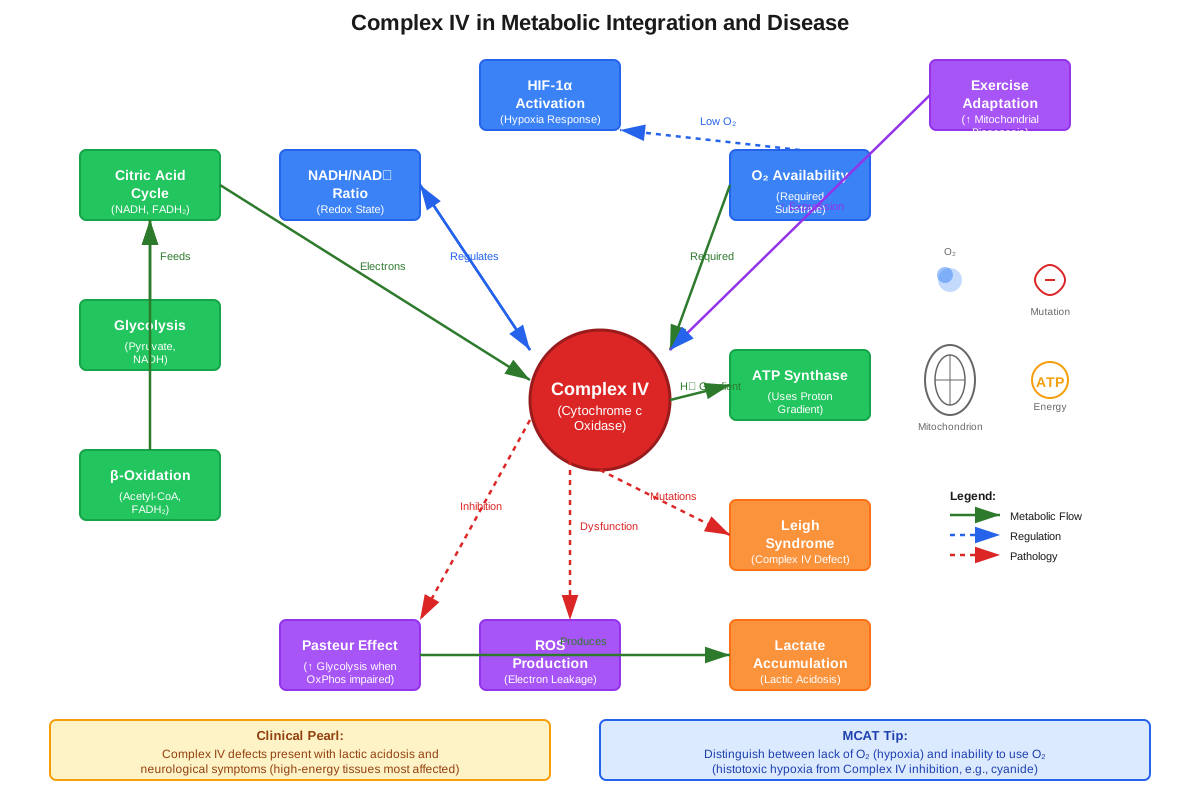
Complex IV, also known as cytochrome c oxidase, represents the terminal enzyme complex in the electron transport chain (ETC) and stands as one of the most critical components of oxidative phosphorylation. This membrane-bound protein complex catalyzes the final electron transfer from cytochrome c to molecular oxygen, the ultimate electron acceptor in aerobic metabolism. The reaction simultaneously pumps protons across the inner mitochondrial membrane, contributing to the electrochemical gradient that drives ATP synthesis. Understanding Complex IV is essential for comprehending how cells extract energy from nutrients and how disruptions in this process lead to metabolic dysfunction and disease.
For the MCAT, Complex IV Biochemistry appears regularly in passages and discrete questions testing cellular respiration, bioenergetics, and metabolic regulation. The exam frequently presents scenarios involving electron transport inhibitors, oxygen availability, metabolic poisons, and clinical conditions affecting mitochondrial function. Students must understand not only the structural and functional characteristics of Complex IV but also its integration within the broader context of cellular energy production. Questions may require analysis of experimental data showing oxygen consumption rates, interpretation of metabolic pathway diagrams, or prediction of downstream effects when Complex IV function is compromised.
The significance of Complex IV MCAT content extends beyond isolated memorization of facts. This topic connects intimately with the citric acid cycle (which generates the electron carriers that feed the ETC), ATP synthase function (which depends on the proton gradient Complex IV helps create), and cellular responses to hypoxia. Mastery of Complex IV enables students to tackle complex passages involving mitochondrial diseases, exercise physiology, altitude adaptation, and pharmacological interventions targeting cellular respiration—all high-yield topics for test day.
Learning Objectives
- [ ] Define Complex IV using accurate Biochemistry terminology
- [ ] Explain why Complex IV matters for the MCAT
- [ ] Apply Complex IV to exam-style questions
- [ ] Identify common mistakes related to Complex IV
- [ ] Connect Complex IV to related Biochemistry concepts
- [ ] Describe the complete electron transfer pathway through Complex IV including all prosthetic groups
- [ ] Calculate the contribution of Complex IV to the proton-motive force and explain its impact on ATP yield
- [ ] Predict the metabolic consequences of Complex IV inhibition at the cellular and organismal levels
Prerequisites
- Electron Transport Chain Overview: Understanding the sequential arrangement of Complexes I-IV and their collective role in oxidative phosphorylation provides the framework for appreciating Complex IV's specific function
- Redox Reactions: Familiarity with oxidation-reduction chemistry, electron carriers, and reduction potentials is essential for understanding electron flow through Complex IV
- Chemiosmotic Theory: Knowledge of how proton gradients drive ATP synthesis explains why Complex IV's proton-pumping activity is metabolically significant
- Mitochondrial Structure: Understanding inner membrane topology, matrix composition, and intermembrane space organization contextualizes where Complex IV operates
- Cytochrome Structure: Basic knowledge of heme-containing proteins and metal cofactors prepares students for Complex IV's prosthetic groups
Why This Topic Matters
Complex IV dysfunction underlies numerous clinically significant conditions, making it relevant beyond pure biochemistry. Mutations in Complex IV subunits cause Leigh syndrome, a devastating neurodegenerative disorder affecting infants and children. Carbon monoxide and cyanide poisoning—medical emergencies requiring immediate intervention—exert their lethal effects by inhibiting Complex IV, preventing cellular oxygen utilization despite adequate oxygen delivery. Understanding this mechanism explains why cyanide victims appear pink (oxygenated blood cannot be deoxygenated at tissues) and why hyperbaric oxygen or hydroxocobalamin serve as antidotes.
On the MCAT, Complex IV appears in approximately 15-20% of biochemistry passages involving metabolism, typically integrated with other ETC components or metabolic pathways. Questions commonly test: (1) the sequence of electron carriers and their reduction potentials, (2) the stoichiometry of proton pumping and its contribution to ATP yield, (3) the effects of inhibitors on upstream and downstream ETC components, and (4) experimental interpretation of oxygen consumption measurements. The MCAT particularly favors passages presenting research data on mitochondrial function, requiring students to analyze graphs showing oxygen consumption rates, membrane potential changes, or ATP production under various experimental conditions.
Complex IV frequently appears in passages discussing altitude physiology, exercise metabolism, aging, and mitochondrial diseases. The exam may present scenarios involving athletes training at high altitude (requiring adaptation to reduced oxygen availability), patients with suspected mitochondrial disorders (showing elevated lactate despite adequate oxygenation), or experimental treatments targeting mitochondrial function. Recognizing Complex IV's role as the oxygen-binding site of the ETC allows students to predict how oxygen availability affects the entire respiratory chain and cellular metabolism.
Core Concepts
Structure and Composition of Complex IV
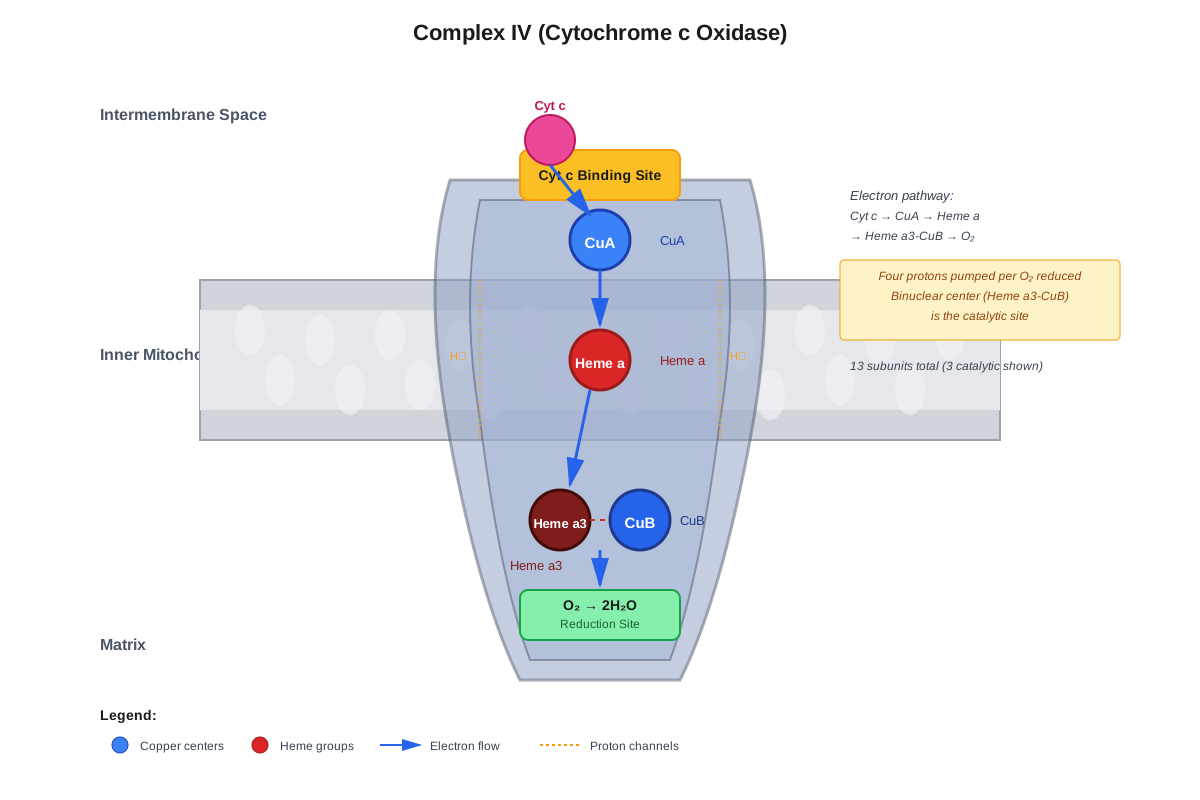
Complex IV (cytochrome c oxidase) is a large transmembrane protein complex embedded in the inner mitochondrial membrane, consisting of 13 subunits in mammals, though only three catalytic subunits (I, II, and III) are encoded by mitochondrial DNA. The complex contains four redox-active metal centers: two heme groups (heme a and heme a₃) and two copper centers (CuA and CuB). These prosthetic groups form an electron transfer pathway that spans the membrane, enabling both electron transport and proton translocation.
The CuA center serves as the initial electron acceptor, receiving electrons from reduced cytochrome c in the intermembrane space. This binuclear copper center can accept one electron at a time, allowing the complex to process electrons from multiple cytochrome c molecules sequentially. Electrons then transfer to heme a, a low-spin iron center that serves as an intermediate electron carrier. From heme a, electrons move to the heme a₃-CuB binuclear center, where oxygen reduction occurs. This catalytic site represents the only location in mammalian cells where molecular oxygen is reduced to water.
Electron Transfer Mechanism
The electron transfer pathway through Complex IV follows a specific sequence essential for understanding its function. Reduced cytochrome c (containing Fe²⁺) docks at the intermembrane space surface of Complex IV, transferring a single electron to the CuA center. This oxidizes cytochrome c back to its Fe³⁺ form, allowing it to return to Complex III for re-reduction. The electron rapidly transfers from CuA to heme a (reducing Fe³⁺ to Fe²⁺), then to the heme a₃-CuB binuclear center.
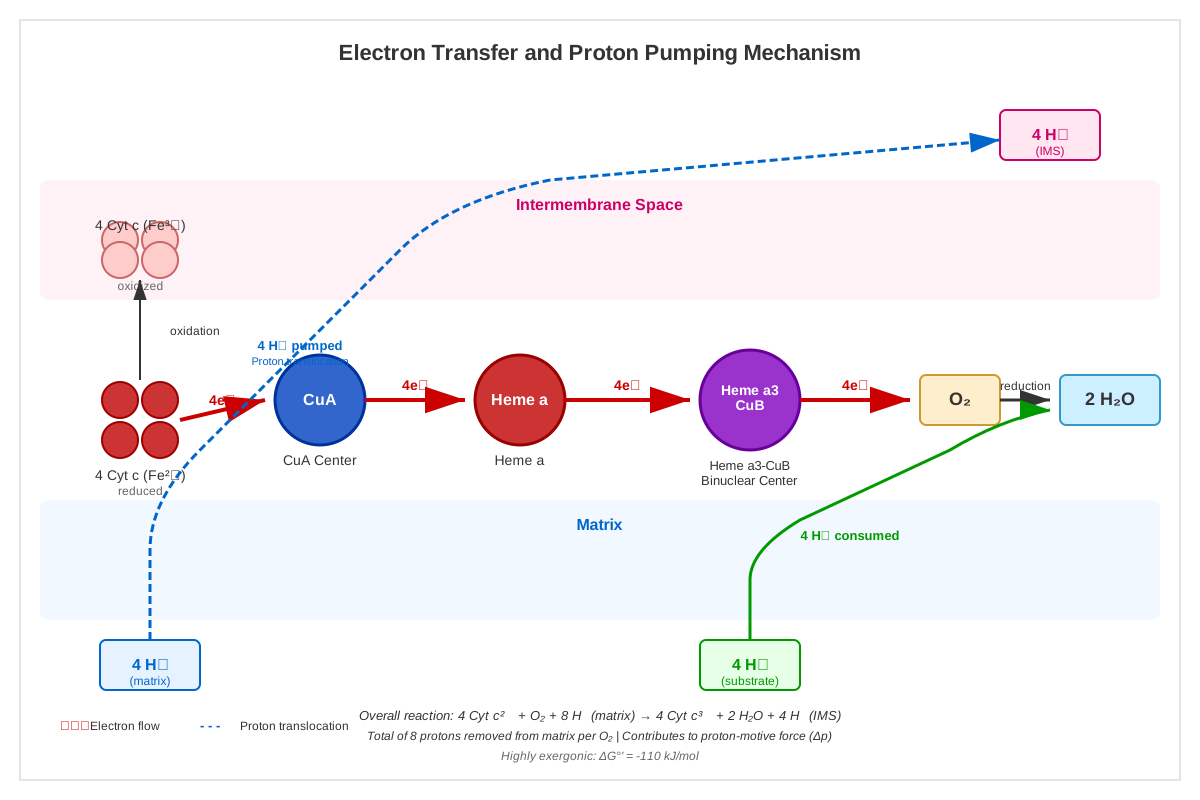
At the binuclear center, a remarkable catalytic cycle occurs. Four electrons (delivered sequentially from four cytochrome c molecules) and four protons (taken from the mitochondrial matrix) reduce one oxygen molecule to two water molecules:
O₂ + 4e⁻ + 4H⁺ → 2H₂OThis reaction is highly exergonic (ΔG°' = -110 kJ/mol), releasing substantial energy that Complex IV harnesses to pump additional protons across the membrane. The reduction of oxygen occurs through several intermediate states, preventing the release of partially reduced oxygen species (superoxide, hydrogen peroxide) that would damage cellular components.
Proton Pumping and Energy Transduction
Complex IV couples the energy released from oxygen reduction to active proton translocation, contributing to the electrochemical gradient driving ATP synthesis. For every four electrons transferred through the complex (reducing one O₂ molecule), Complex IV pumps four protons from the matrix to the intermembrane space, in addition to the four protons consumed in water formation. This means eight protons total are removed from the matrix per oxygen molecule reduced: four incorporated into water and four pumped across the membrane.
The proton-pumping mechanism involves conformational changes in the protein structure triggered by electron transfer and oxygen binding. Specific amino acid residues form proton channels that open and close in coordination with the redox state of the metal centers, ensuring unidirectional proton movement. The D-pathway and K-pathway represent two distinct proton channels: the D-pathway delivers protons for both pumping and oxygen reduction, while the K-pathway specifically delivers protons for the initial reduction of the binuclear center.
Contribution to ATP Synthesis
Understanding Complex IV's contribution to ATP yield requires considering both its direct proton pumping and its role in consuming protons during water formation. The traditional calculation suggests that approximately 2.5 ATP molecules are synthesized per NADH oxidized through the complete ETC, with Complex IV contributing to this yield through its proton-pumping activity. However, the exact stoichiometry remains debated, with estimates ranging from 0.5 to 1.0 ATP per electron pair passing through Complex IV.
| ETC Complex | Protons Pumped per 2e⁻ | Contribution to Proton Gradient |
|---|---|---|
| Complex I | 4 H⁺ | High |
| Complex III | 4 H⁺ | High |
| Complex IV | 2 H⁺ (pumped) + 2 H⁺ (consumed) | Moderate-High |
| Total | 10 H⁺ per NADH | Drives ~2.5 ATP synthesis |
Oxygen as the Terminal Electron Acceptor
The use of molecular oxygen as the terminal electron acceptor represents a defining feature of aerobic metabolism. Oxygen's high reduction potential (+0.82 V) makes it an excellent electron acceptor, creating a large potential difference from NADH (-0.32 V) that drives electron flow through the ETC. This 1.14 V difference corresponds to substantial free energy release (ΔG°' = -220 kJ/mol for NADH oxidation), which the ETC complexes capture through proton pumping.
Complex IV's affinity for oxygen (Km ≈ 1 μM) ensures efficient function even at relatively low oxygen concentrations. This high affinity explains why cellular respiration continues normally until oxygen levels drop significantly. However, when oxygen becomes limiting (hypoxia), Complex IV cannot function, causing electrons to back up through the ETC, reducing all upstream carriers and halting oxidative phosphorylation. This forces cells to rely on anaerobic glycolysis, producing lactate and yielding far less ATP per glucose molecule.
Inhibitors of Complex IV
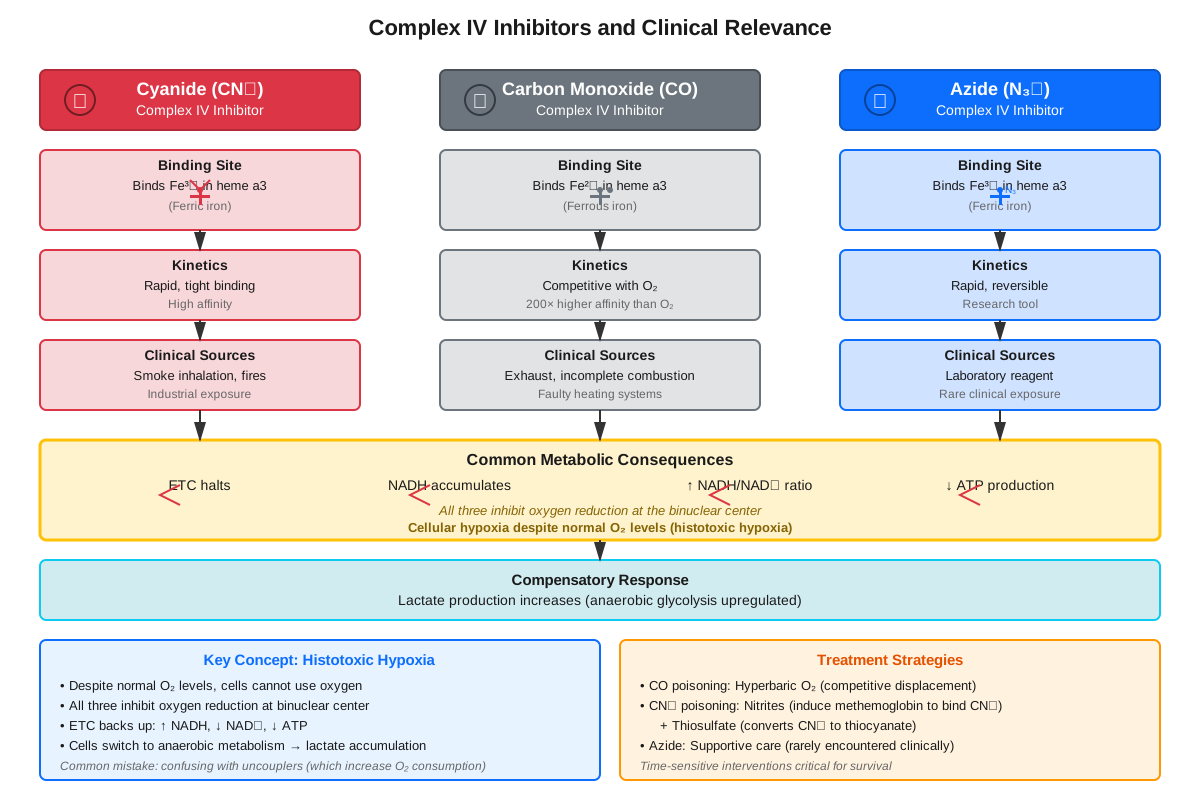
Several clinically and experimentally important compounds inhibit Complex IV by binding to its catalytic site. Cyanide (CN⁻) and carbon monoxide (CO) represent the most significant inhibitors, both binding to the heme a₃-CuB binuclear center and preventing oxygen binding. Cyanide binds to the oxidized (Fe³⁺) form of heme a₃, while carbon monoxide binds to the reduced (Fe²⁺) form, both blocking the catalytic cycle.
Azide (N₃⁻) and hydrogen sulfide (H₂S) also inhibit Complex IV through similar mechanisms. These inhibitors cause immediate cessation of oxidative phosphorylation, forcing cells to rely entirely on substrate-level phosphorylation (glycolysis and the citric acid cycle). The resulting ATP depletion proves rapidly fatal in tissues with high energy demands (brain, heart), explaining the acute toxicity of cyanide poisoning.
Regulation of Complex IV Activity
Complex IV activity responds to cellular energy status through several regulatory mechanisms. Allosteric regulation by ATP provides feedback inhibition—when ATP levels are high, Complex IV activity decreases, slowing electron transport and oxygen consumption. Conversely, ADP acts as an allosteric activator, increasing Complex IV activity when energy demand rises. This regulation ensures that oxygen consumption matches ATP utilization.
Calcium ions also modulate Complex IV activity, with increased matrix calcium concentrations enhancing enzyme activity. This mechanism links cellular signaling (calcium as a second messenger) to metabolic rate, allowing cells to increase ATP production in response to stimuli that elevate intracellular calcium. Additionally, nitric oxide (NO) reversibly inhibits Complex IV by competing with oxygen at the binuclear center, providing a mechanism for local regulation of oxygen consumption and blood flow.
Concept Relationships
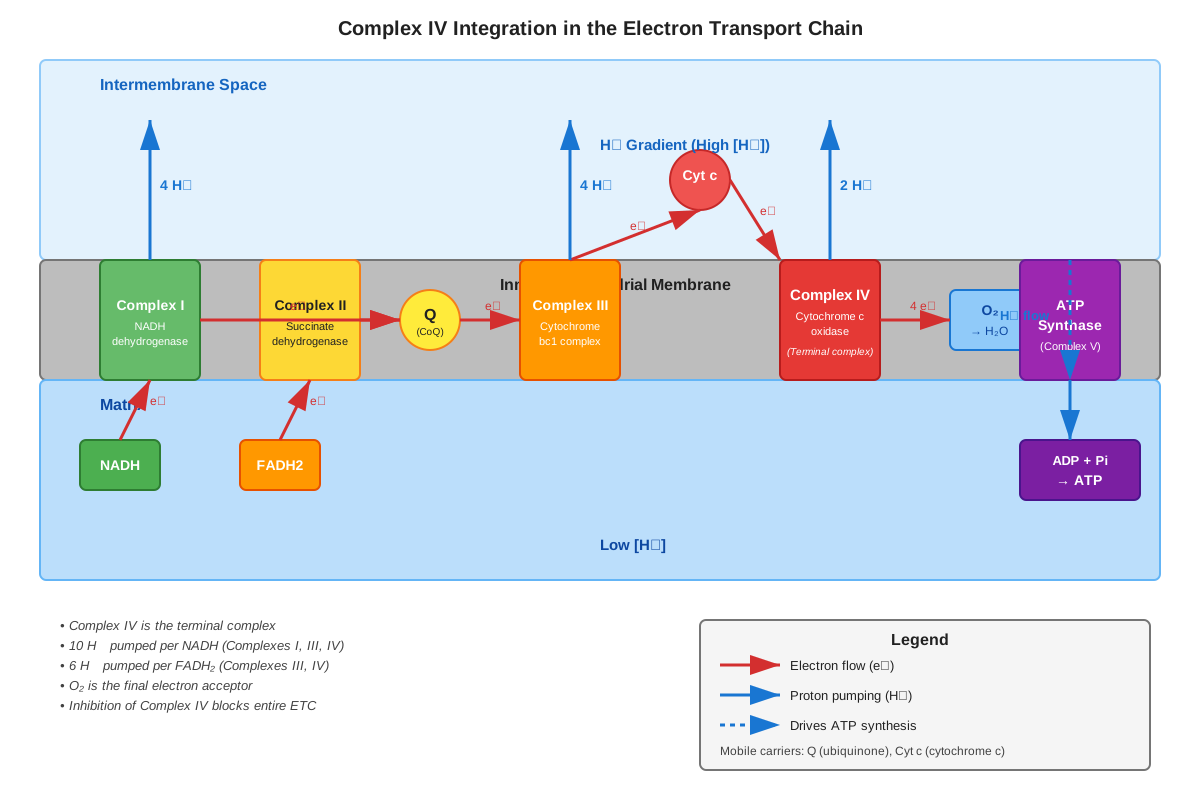
Complex IV functions as the terminal component of an integrated electron transport system, receiving electrons from Complex III via the mobile electron carrier cytochrome c. This relationship means Complex IV activity depends on proper functioning of upstream complexes—if Complex I or III is inhibited, electron flow to Complex IV decreases, reducing its activity regardless of its intrinsic function. Conversely, Complex IV inhibition causes electrons to accumulate in cytochrome c and upstream carriers, increasing their reduction state and potentially leading to reactive oxygen species formation.
The protons pumped by Complex IV contribute to the electrochemical gradient (proton-motive force) that drives ATP synthase (Complex V). This creates a direct functional link: Complex IV activity influences ATP synthesis rate, while ATP synthase activity affects the proton gradient magnitude, which in turn influences the driving force for Complex IV's proton pumping. This interdependence explains why inhibiting ATP synthase (with oligomycin) causes the proton gradient to increase until it opposes further proton pumping, slowing electron transport despite adequate oxygen and substrates.
Complex IV's oxygen consumption connects it to hemoglobin and myoglobin function, as these proteins deliver oxygen to tissues for use by Complex IV. The oxygen cascade—from atmospheric air through alveoli, blood, and tissues to mitochondria—culminates at Complex IV's binuclear center. Understanding this relationship explains why anemia (reduced oxygen-carrying capacity) or carbon monoxide poisoning (hemoglobin dysfunction) can limit oxidative phosphorylation even when Complex IV itself functions normally.
The relationship map: Citric Acid Cycle → generates NADH and FADH₂ → Complex I and II → transfer electrons to ubiquinone → Complex III → transfers electrons to cytochrome c → Complex IV → reduces oxygen to water while pumping protons → Proton gradient → drives ATP Synthase → produces ATP
Quick check — test yourself on Complex IV so far.
Try Flashcards →High-Yield Facts
⭐ Complex IV (cytochrome c oxidase) is the only site in mammalian cells where molecular oxygen is reduced to water
⭐ Complex IV contains four redox-active metal centers: CuA, heme a, heme a₃, and CuB, arranged in an electron transfer pathway
⭐ For every four electrons transferred through Complex IV, four protons are pumped across the membrane and four protons are consumed in water formation (eight total protons removed from the matrix)
⭐ Cyanide and carbon monoxide inhibit Complex IV by binding to the heme a₃-CuB binuclear center, preventing oxygen reduction
⭐ Complex IV has a very high affinity for oxygen (Km ≈ 1 μM), allowing continued function at low oxygen concentrations
- Complex IV receives electrons from reduced cytochrome c, which is oxidized by Complex III
- The reduction potential of the oxygen/water pair (+0.82 V) is the highest in the ETC, making oxygen an excellent terminal electron acceptor
- Complex IV inhibition causes electrons to back up through the entire ETC, reducing all upstream carriers
- ATP acts as an allosteric inhibitor of Complex IV, providing feedback regulation based on energy status
- Nitric oxide (NO) reversibly inhibits Complex IV by competing with oxygen at the catalytic site
- Complex IV contains 13 subunits in mammals, with three catalytic subunits encoded by mitochondrial DNA
- Mutations in Complex IV subunits cause Leigh syndrome, a severe neurodegenerative disorder
- The complete reduction of one oxygen molecule requires four electrons delivered sequentially from four cytochrome c molecules
Common Misconceptions
Misconception: Complex IV pumps four protons per two electrons transferred (per electron pair).
Correction: Complex IV pumps two protons per two electrons, but additionally consumes two protons from the matrix in forming water, resulting in four total protons removed from the matrix per electron pair. The distinction between "pumped" and "consumed" protons is important for understanding the mechanism.
Misconception: Cyanide poisoning causes death by preventing oxygen from reaching tissues.
Correction: Cyanide inhibits Complex IV directly, preventing cells from using oxygen even when oxygen delivery is adequate. Victims of cyanide poisoning actually have high venous oxygen content because tissues cannot extract oxygen from blood—this is why they may appear pink rather than cyanotic.
Misconception: Complex IV is the rate-limiting step of the electron transport chain.
Correction: Under normal physiological conditions, Complex IV is not rate-limiting due to its high catalytic efficiency and oxygen affinity. The rate-limiting step typically involves substrate availability (NADH, FADH₂) or ATP synthase activity. Complex IV only becomes limiting under severe hypoxia or when directly inhibited.
Misconception: All four metal centers in Complex IV bind oxygen.
Correction: Only the heme a₃-CuB binuclear center binds and reduces oxygen. The CuA center and heme a serve as electron transfer intermediates, passing electrons to the binuclear center but not directly interacting with oxygen.
Misconception: Complex IV generates the largest portion of the proton gradient among ETC complexes.
Correction: Complexes I and III each pump four protons per electron pair, while Complex IV pumps only two (though it consumes two additional protons). Complex IV contributes significantly to the gradient but not more than the other proton-pumping complexes.
Misconception: Inhibiting Complex IV immediately stops all ATP production in cells.
Correction: While Complex IV inhibition halts oxidative phosphorylation, cells can still produce ATP through substrate-level phosphorylation in glycolysis and the citric acid cycle. However, this produces far less ATP (2 per glucose from glycolysis versus ~30 from complete oxidation), leading to rapid energy depletion in high-demand tissues.
Worked Examples
Example 1: Predicting Metabolic Effects of Complex IV Inhibition
Question: A researcher adds sodium azide (a Complex IV inhibitor) to isolated mitochondria actively performing oxidative phosphorylation. Predict the immediate effects on: (a) oxygen consumption, (b) NADH/NAD⁺ ratio, (c) proton gradient, and (d) ATP synthesis rate.
Solution:
(a) Oxygen consumption: Will decrease to near zero immediately. Since Complex IV is the only site where oxygen is reduced, inhibiting it prevents oxygen consumption regardless of electron availability from upstream complexes. This is a direct effect of blocking the terminal step.
(b) NADH/NAD⁺ ratio: Will increase dramatically. When Complex IV is inhibited, electrons cannot flow through the ETC, causing all electron carriers to become reduced. Complex I cannot oxidize NADH if it cannot transfer electrons to ubiquinone (which is already reduced), so NADH accumulates while NAD⁺ is depleted. This increased ratio will also inhibit citric acid cycle dehydrogenases that require NAD⁺ as a cofactor.
(c) Proton gradient: Will initially remain high but gradually dissipate. The existing gradient persists briefly because the membrane is relatively impermeable to protons. However, without continued proton pumping by Complexes I, III, and IV, the gradient dissipates through proton leak and ATP synthase activity. Eventually, the gradient collapses to near zero.
(d) ATP synthesis rate: Will decrease rapidly. Initially, ATP synthase can continue using the existing proton gradient, but as the gradient dissipates (see part c), ATP synthesis slows and eventually stops. The cell must rely on substrate-level phosphorylation, producing far less ATP.
Key Concept: This example illustrates how Complex IV inhibition affects the entire integrated system of oxidative phosphorylation, not just the immediate site of inhibition. Understanding these cascade effects is essential for MCAT passages involving metabolic poisons or mitochondrial dysfunction.
Example 2: Calculating Proton Contribution and ATP Yield
Question: Consider the complete oxidation of one NADH through the electron transport chain. (a) How many protons does Complex IV contribute to removing from the matrix? (b) If approximately 4 protons must flow through ATP synthase to synthesize one ATP, what is Complex IV's contribution to ATP yield per NADH?
Solution:
(a) Proton contribution: When one NADH is oxidized, two electrons flow through the ETC. These electrons pass through Complex I (pumping 4 H⁺), then through Complex III (pumping 4 H⁺), and finally through Complex IV. At Complex IV, two electrons reduce one-half of an oxygen molecule (½ O₂ → H₂O).
For each electron pair, Complex IV:
- Pumps 2 H⁺ from matrix to intermembrane space
- Consumes 2 H⁺ from the matrix to form water
Total protons removed from matrix by Complex IV = 2 + 2 = 4 H⁺ per NADH
(b) ATP contribution: The total protons removed from the matrix per NADH = 4 (Complex I) + 4 (Complex III) + 4 (Complex IV) = 12 H⁺
However, the traditional estimate uses ~10 H⁺ per NADH (accounting for proton leak and other inefficiencies), yielding approximately 2.5 ATP per NADH (10 H⁺ ÷ 4 H⁺/ATP = 2.5 ATP).
Complex IV's contribution = (4 H⁺ / 10 H⁺) × 2.5 ATP = 1.0 ATP per NADH
This represents approximately 40% of the ATP yield from NADH oxidation, highlighting Complex IV's significant contribution to energy production.
Key Concept: This calculation demonstrates the quantitative relationship between proton pumping and ATP synthesis, a common MCAT question type. Note that exam questions may use slightly different H⁺/ATP ratios (ranging from 3 to 4), so students should be prepared to work with the values provided in the passage.
Exam Strategy
When approaching MCAT questions on Complex IV, first identify whether the question focuses on structure, function, regulation, or integration with other metabolic pathways. Trigger words indicating Complex IV content include: "cytochrome c oxidase," "terminal electron acceptor," "oxygen consumption," "cyanide," "carbon monoxide," and "final step of electron transport." These phrases signal that understanding Complex IV's specific role is essential for answering correctly.
For questions involving inhibitors, immediately consider the cascade effects: inhibiting Complex IV stops electron flow through the entire ETC, reduces all upstream carriers, halts proton pumping, dissipates the proton gradient, and stops ATP synthesis. Questions often ask about oxygen consumption—remember that Complex IV inhibition prevents oxygen use even when oxygen is present, distinguishing it from hypoxia (insufficient oxygen delivery).
When analyzing experimental data showing oxygen consumption rates, recognize that oxygen consumption directly reflects Complex IV activity. If a passage shows decreased oxygen consumption with normal substrate availability, consider Complex IV inhibition or dysfunction. Conversely, increased oxygen consumption suggests enhanced ETC activity, possibly due to uncoupling (proton leak) or increased ATP demand.
For calculation questions involving ATP yield, carefully track whether the question asks about total protons removed from the matrix (including both pumped and consumed protons) or only pumped protons. Complex IV's contribution is unique because it both pumps protons and consumes protons in water formation—this distinction frequently appears in MCAT questions.
Process of elimination strategy: If a question asks about the site of oxygen reduction, immediately eliminate any answer mentioning Complexes I, II, or III—only Complex IV reduces oxygen. If asked about metal cofactors, eliminate answers mentioning only iron or only copper—Complex IV contains both. For questions about inhibitor mechanisms, eliminate answers suggesting that cyanide or CO prevent oxygen delivery—these inhibitors prevent oxygen use at Complex IV, not oxygen transport.
Time allocation: Most Complex IV questions can be answered in 60-90 seconds if core concepts are mastered. Spend extra time on questions integrating Complex IV with other metabolic pathways or requiring multi-step reasoning about cascade effects. Don't get bogged down in memorizing all 13 subunits—the MCAT focuses on functional understanding rather than exhaustive structural details.
Memory Techniques
Mnemonic for metal centers in order of electron flow: "Can Horses Have Carrots?" = CuA → Heme a → Heme a₃ → CuB (with oxygen binding at the last two)
Mnemonic for Complex IV inhibitors: "Cats Can Always Hiss" = Cyanide, Carbon monoxide, Azide, Hydrogen sulfide (all inhibit Complex IV)
Visualization strategy: Picture Complex IV as a "proton pump with an oxygen trap." Electrons flow through like water through a pipe, turning a pump wheel (proton pumping) before falling into a bucket (oxygen) at the end. This image reinforces that electron flow drives proton pumping and ends with oxygen reduction.
Number memory: "4-4-4-2" represents the key stoichiometry: 4 electrons from 4 cytochrome c molecules reduce 1 O₂, consuming 4 protons and pumping 2 protons (total 4 protons removed from matrix per electron pair).
Acronym for Complex IV functions: "PREP" = Proton pumping, Reduces oxygen, Electron transfer, Produces water. This captures the four essential functions in a memorable package.
Association technique: Link "Complex IV" with "IV = IntraVenous oxygen" to remember that Complex IV is where oxygen is actually used (consumed) in the body, not just delivered. This helps distinguish oxygen consumption (Complex IV function) from oxygen delivery (cardiovascular function).
Summary
Complex IV (cytochrome c oxidase) serves as the terminal enzyme of the electron transport chain, catalyzing the reduction of molecular oxygen to water while pumping protons across the inner mitochondrial membrane. This large protein complex contains four redox-active metal centers (CuA, heme a, heme a₃, and CuB) that transfer electrons from cytochrome c to oxygen in a carefully controlled sequence. For every four electrons transferred, Complex IV pumps four protons and consumes four additional protons in water formation, contributing significantly to the proton-motive force driving ATP synthesis. The complex's high affinity for oxygen ensures efficient function under most physiological conditions, but inhibitors like cyanide and carbon monoxide block its catalytic site, causing rapid cellular energy depletion. Understanding Complex IV requires integrating knowledge of electron transfer mechanisms, proton pumping, oxygen chemistry, and metabolic regulation—all essential for MCAT success in biochemistry and metabolism questions.
Key Takeaways
- Complex IV is the only site in mammalian cells where oxygen is reduced to water, making it essential for aerobic metabolism
- The complex contains four metal centers (CuA, heme a, heme a₃, CuB) that transfer electrons from cytochrome c to oxygen
- Complex IV removes eight protons from the matrix per oxygen molecule: four pumped across the membrane and four consumed in water formation
- Cyanide and carbon monoxide are potent Complex IV inhibitors that prevent oxygen utilization despite adequate oxygen delivery
- Complex IV inhibition causes electrons to back up through the entire ETC, affecting all upstream carriers and halting oxidative phosphorylation
- The complex's high oxygen affinity (Km ≈ 1 μM) allows continued function at low oxygen concentrations
- Complex IV activity is regulated by ATP (inhibitor), ADP (activator), and calcium (activator), linking energy status to electron transport rate
Related Topics
Complex III (Cytochrome bc₁ Complex): Understanding Complex III's Q-cycle mechanism and its role in reducing cytochrome c provides essential context for Complex IV function, as cytochrome c serves as the direct electron donor to Complex IV.
ATP Synthase (Complex V): Mastering ATP synthase structure and mechanism reveals how the proton gradient generated by Complex IV (and other ETC complexes) drives ATP synthesis, completing the oxidative phosphorylation story.
Oxygen Transport and Hemoglobin: Studying hemoglobin's oxygen-binding properties and the oxygen-hemoglobin dissociation curve connects systemic oxygen delivery to cellular oxygen utilization at Complex IV.
Mitochondrial Diseases: Exploring genetic disorders affecting ETC complexes, particularly Complex IV deficiencies causing Leigh syndrome, provides clinical context and reinforces understanding of Complex IV's physiological importance.
Cellular Responses to Hypoxia: Learning about HIF-1α (hypoxia-inducible factor) and metabolic adaptations to low oxygen connects Complex IV function to gene expression and whole-organism physiology.
Practice CTA
Now that you've mastered the core concepts of Complex IV, it's time to reinforce your understanding through active practice. Challenge yourself with MCAT-style practice questions that test your ability to apply these concepts in novel contexts—this is where true mastery develops. Work through the flashcards to solidify high-yield facts and test your recall under time pressure. Remember, understanding Complex IV isn't just about memorizing facts; it's about building the conceptual framework that allows you to tackle any electron transport chain question the MCAT throws at you. You've got this—now prove it with practice!
Sign up free to keep reading
Create a free AnvayaPrep account to finish this MCAT guide on Complex IV — plus flashcards and practice questions.