Overview
Epinephrine (also known as adrenaline) stands as one of the most clinically and biochemically significant hormones tested on the MCAT. This catecholamine hormone, synthesized in the adrenal medulla, serves as a critical regulator of metabolism during the body's "fight-or-flight" response. Understanding epinephrine requires integrating knowledge across multiple disciplines: its biochemical structure and synthesis pathway, its mechanism of action through G-protein coupled receptors, and its profound metabolic effects on carbohydrate, lipid, and protein metabolism. For the MCAT, epinephrine represents a high-yield intersection of endocrinology, cell signaling, and metabolic regulation.
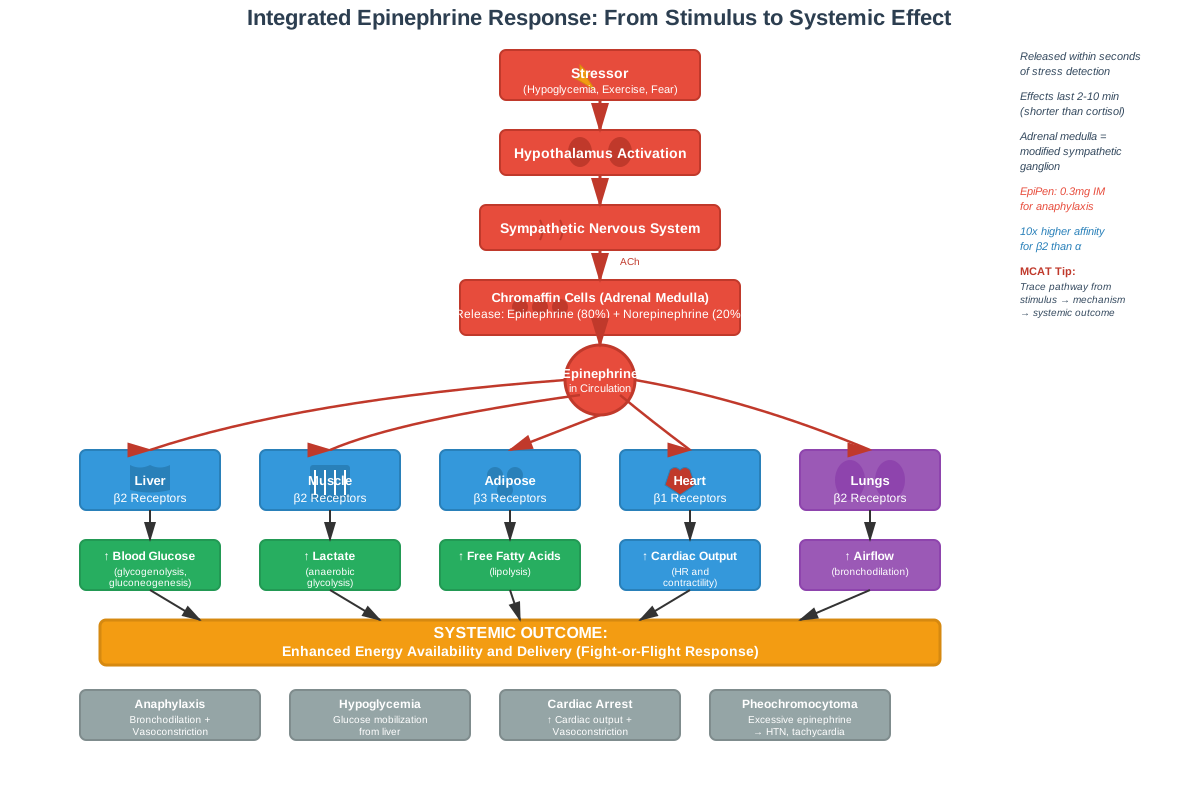
The importance of epinephrine biochemistry extends beyond memorizing its structure. Students must understand how this single molecule orchestrates a coordinated metabolic response affecting virtually every organ system. When epinephrine binds to adrenergic receptors, it triggers signal transduction cascades that rapidly mobilize energy stores—increasing blood glucose through glycogenolysis and gluconeogenesis, liberating fatty acids through lipolysis, and enhancing cardiac output to deliver these fuels to tissues. These effects exemplify how hormonal signals translate into metabolic changes, a fundamental principle repeatedly tested on the MCAT.
For Epinephrine MCAT preparation, students must recognize that this topic bridges Biochemistry with Physiology, Biology, and even Psychology (stress response). Questions may present clinical vignettes involving hypoglycemia, anaphylaxis, or exercise physiology, requiring students to predict metabolic consequences of epinephrine release. The hormone's opposing relationship with insulin, its role in the cAMP second messenger system, and its tissue-specific effects through different receptor subtypes all represent testable concepts that appear in both discrete questions and passage-based items.
Learning Objectives
- [ ] Define Epinephrine using accurate Biochemistry terminology
- [ ] Explain why Epinephrine matters for the MCAT
- [ ] Apply Epinephrine to exam-style questions
- [ ] Identify common mistakes related to Epinephrine
- [ ] Connect Epinephrine to related Biochemistry concepts
- [ ] Diagram the complete signal transduction pathway from epinephrine binding to metabolic effects
- [ ] Compare and contrast the metabolic effects of epinephrine versus insulin
- [ ] Predict tissue-specific responses to epinephrine based on receptor distribution
Prerequisites
- Amino acid structure and classification: Epinephrine is synthesized from the amino acid tyrosine through a multi-step enzymatic pathway
- G-protein coupled receptor (GPCR) signaling: Epinephrine exerts its effects by binding to adrenergic receptors, which are classic GPCRs
- Second messenger systems (cAMP, IP3/DAG): Understanding how epinephrine triggers intracellular cascades requires knowledge of these amplification systems
- Glycolysis and gluconeogenesis pathways: Epinephrine's metabolic effects directly regulate these opposing pathways
- Glycogen metabolism: Epinephrine is the primary hormone stimulating glycogen breakdown in muscle and liver
- Basic enzyme regulation: Epinephrine works through phosphorylation cascades that activate or inhibit key metabolic enzymes
Why This Topic Matters
Clinical Significance
Epinephrine represents one of the most important emergency medications in clinical practice. It is the first-line treatment for anaphylaxis, cardiac arrest, and severe asthma exacerbations. Understanding its mechanism explains why it works: bronchodilation through β2-receptor activation, vasoconstriction through α1-receptors, and increased cardiac output through β1-receptors. Pheochromocytomas (epinephrine-secreting tumors) produce classic symptoms—hypertension, tachycardia, hyperglycemia, and anxiety—that directly reflect the hormone's metabolic and cardiovascular effects. Patients with diabetes must understand how stress-induced epinephrine release can cause hyperglycemia even without food intake.
MCAT Exam Statistics
Epinephrine appears in approximately 15-20% of MCAT Biochemistry passages and discrete questions related to metabolism and endocrinology. The AAMC frequently tests this topic through:
- Passage-based questions: Clinical vignettes describing stress responses, exercise physiology, or endocrine disorders
- Discrete questions: Testing knowledge of signal transduction, receptor types, or metabolic pathway regulation
- Data interpretation: Graphs showing blood glucose, fatty acid, or glycogen levels in response to epinephrine
- Experimental passages: Studies investigating receptor antagonists or metabolic responses in different tissues
Common Exam Presentations
MCAT questions on epinephrine typically appear in several formats: (1) passages describing patients with pheochromocytoma or hypoglycemia requiring students to predict metabolic consequences; (2) experimental studies comparing epinephrine effects in liver versus muscle tissue; (3) questions about receptor pharmacology asking students to predict effects of β-blockers or α-antagonists; (4) biochemical pathway questions requiring students to trace the effects of epinephrine on specific enzymes like glycogen phosphorylase or hormone-sensitive lipase.
Core Concepts
Biochemical Structure and Synthesis
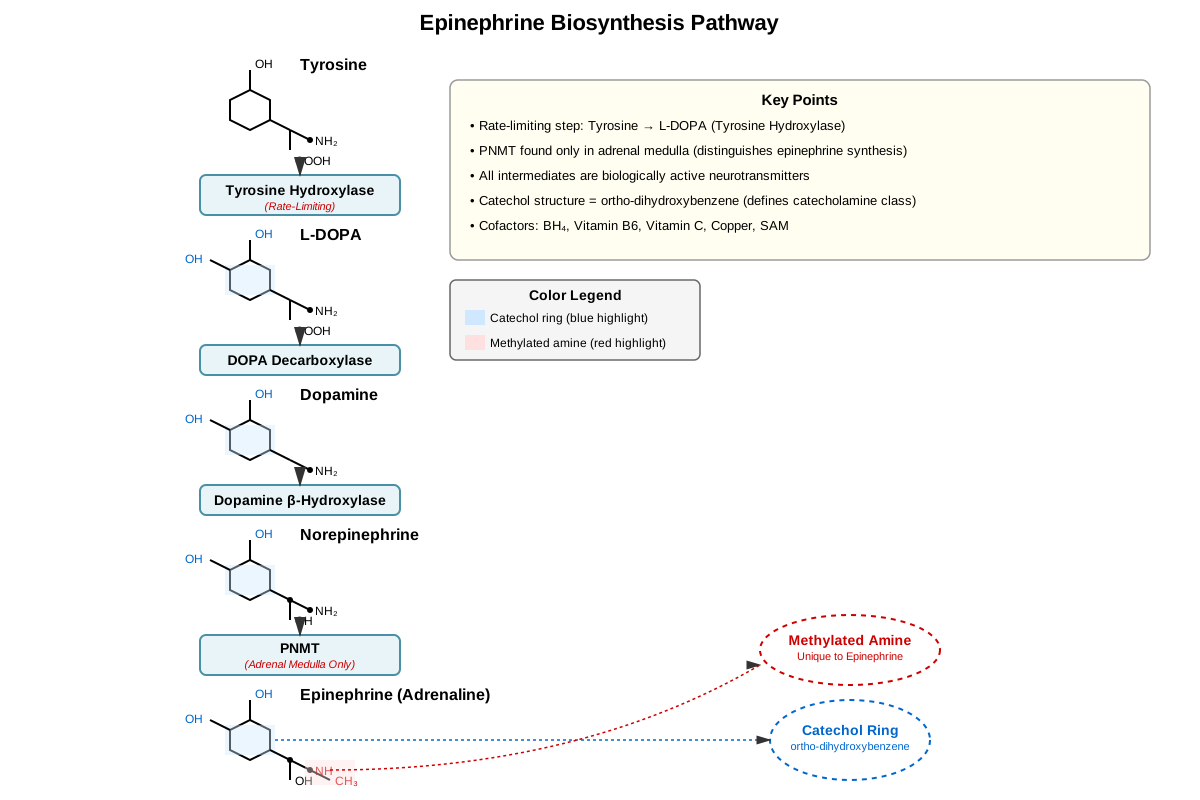
Epinephrine (C₉H₁₃NO₃) is a catecholamine hormone and neurotransmitter characterized by a catechol group (benzene ring with two adjacent hydroxyl groups) attached to an amine-containing side chain. Its systematic name is (R)-4-(1-hydroxy-2-(methylamino)ethyl)benzene-1,2-diol, reflecting its stereochemistry and functional groups.
The biosynthesis of epinephrine occurs primarily in chromaffin cells of the adrenal medulla through a four-step enzymatic pathway:
- Tyrosine → L-DOPA: Tyrosine hydroxylase (rate-limiting step)
- L-DOPA → Dopamine: DOPA decarboxylase
- Dopamine → Norepinephrine: Dopamine β-hydroxylase
- Norepinephrine → Epinephrine: Phenylethanolamine N-methyltransferase (PNMT)
The final methylation step distinguishing epinephrine from norepinephrine occurs only in the adrenal medulla, where high local concentrations of cortisol induce PNMT expression. This explains why the adrenal medulla produces primarily epinephrine while sympathetic neurons produce norepinephrine.
Receptor Types and Signal Transduction
Epinephrine binds to adrenergic receptors, which are divided into two main classes with distinct signaling mechanisms:
| Receptor Type | G-Protein | Second Messenger | Primary Effects | Tissue Distribution |
|---|---|---|---|---|
| α1 | Gq | IP3/DAG, Ca²⁺ | Vasoconstriction, glycogenolysis (liver) | Vascular smooth muscle, liver |
| α2 | Gi | ↓ cAMP | Inhibits insulin release | Pancreatic β-cells, presynaptic neurons |
| β1 | Gs | ↑ cAMP | Increased heart rate and contractility | Cardiac muscle |
| β2 | Gs | ↑ cAMP | Bronchodilation, vasodilation, glycogenolysis (muscle) | Skeletal muscle, bronchial smooth muscle |
| β3 | Gs | ↑ cAMP | Lipolysis | Adipose tissue |
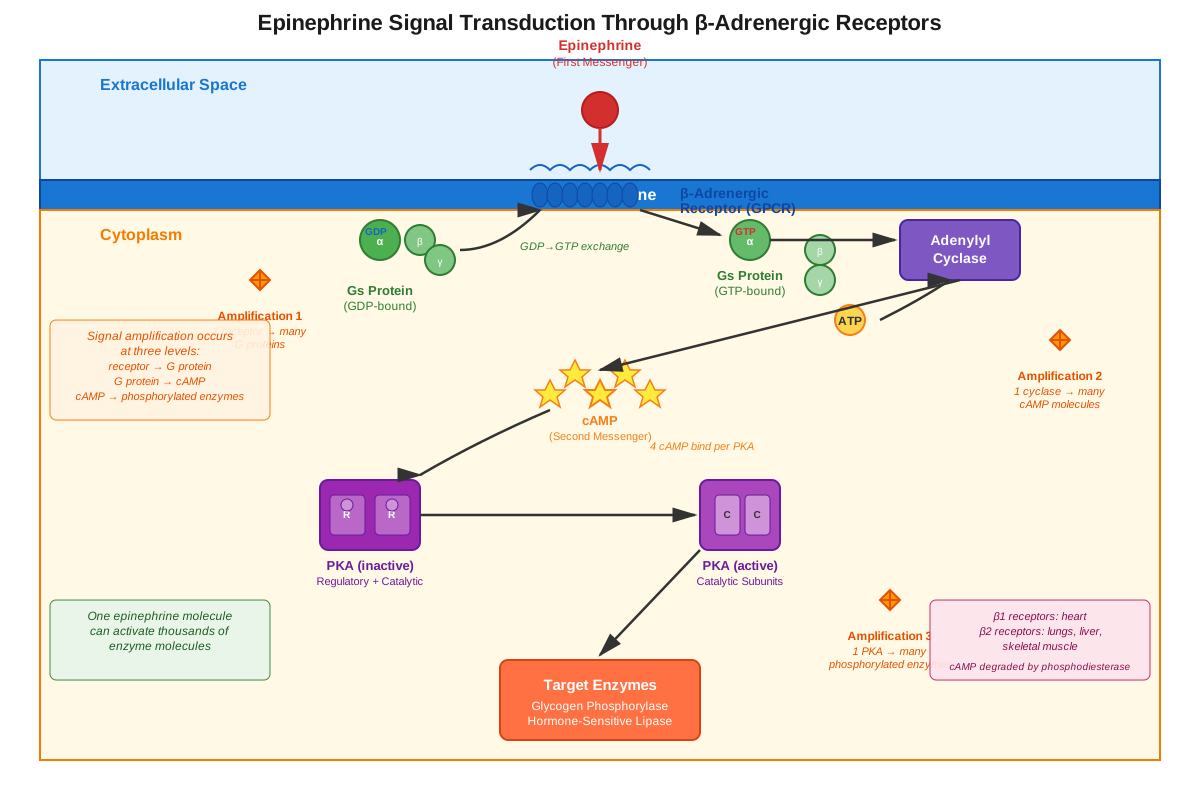
The cAMP pathway represents the most important signaling mechanism for epinephrine's metabolic effects:
- Epinephrine binds to β-adrenergic receptor
- Conformational change activates Gs protein
- Gs stimulates adenylyl cyclase
- Adenylyl cyclase converts ATP to cAMP (cyclic adenosine monophosphate)
- cAMP activates protein kinase A (PKA)
- PKA phosphorylates target enzymes, altering their activity
This cascade provides tremendous signal amplification: one epinephrine molecule can generate hundreds of cAMP molecules, each activating multiple PKA molecules, which phosphorylate thousands of enzyme molecules.
Metabolic Effects on Carbohydrate Metabolism
Epinephrine's primary metabolic function is rapid energy mobilization. In carbohydrate metabolism, epinephrine increases blood glucose through multiple mechanisms:
Glycogenolysis (Glycogen Breakdown):
- PKA phosphorylates phosphorylase kinase, activating it
- Active phosphorylase kinase phosphorylates glycogen phosphorylase b → glycogen phosphorylase a (active form)
- Glycogen phosphorylase cleaves glucose-1-phosphate from glycogen
- In liver: glucose-6-phosphatase converts G6P → glucose for blood
- In muscle: G6P enters glycolysis (muscle lacks glucose-6-phosphatase)
Inhibition of Glycogen Synthesis:
- PKA phosphorylates glycogen synthase, inactivating it
- This prevents futile cycling (simultaneous synthesis and breakdown)
- Ensures net glycogen breakdown during stress
Stimulation of Gluconeogenesis (liver only):
- Increases transcription of gluconeogenic enzymes (PEPCK, glucose-6-phosphatase)
- Provides substrates through increased protein breakdown
- Inhibits glycolysis by decreasing fructose-2,6-bisphosphate levels
Metabolic Effects on Lipid Metabolism
Epinephrine promotes lipolysis (fat breakdown) to provide fatty acids as alternative fuel:
- β3-receptor activation in adipocytes increases cAMP
- PKA phosphorylates hormone-sensitive lipase (HSL), activating it
- HSL cleaves triglycerides → glycerol + fatty acids
- Fatty acids released into bloodstream bind albumin
- Tissues oxidize fatty acids through β-oxidation
- Glycerol travels to liver for gluconeogenesis
This shift toward lipid oxidation spares glucose for the brain, which cannot efficiently use fatty acids for energy. The increased fatty acid availability also inhibits glucose uptake in muscle (Randle cycle), further preserving blood glucose.
Tissue-Specific Responses
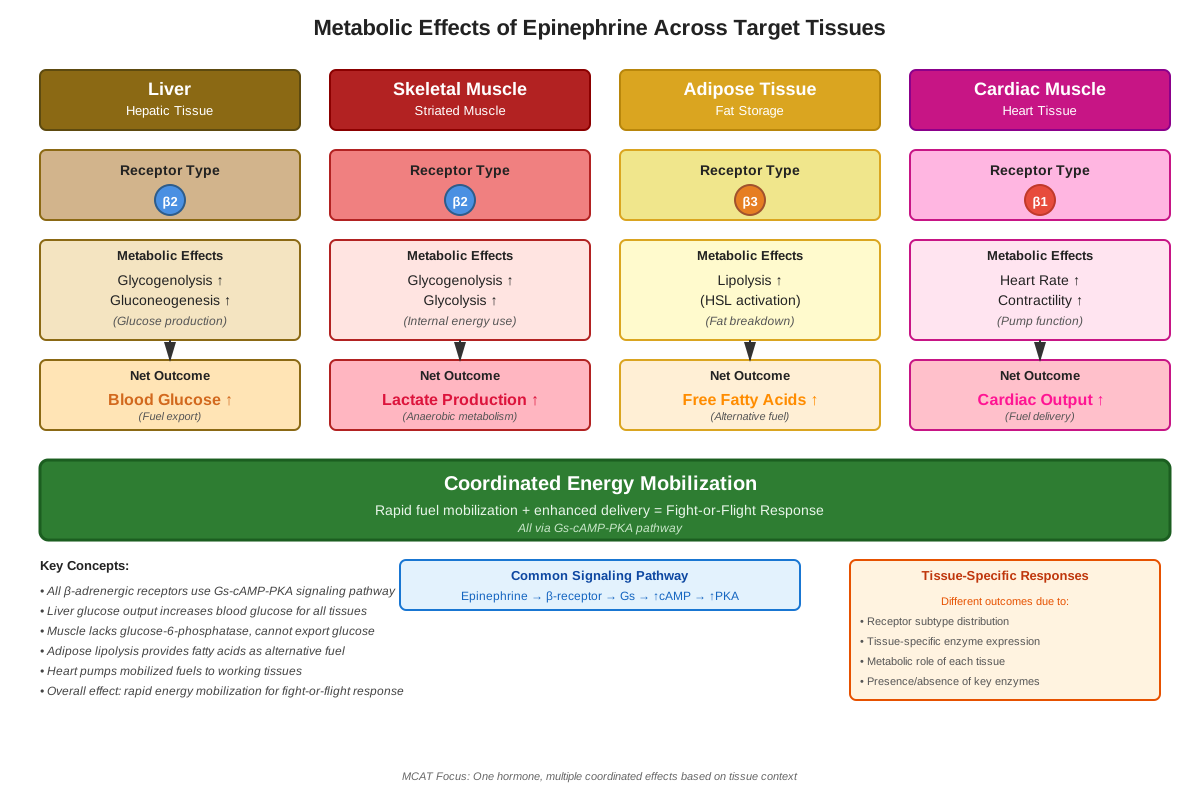
Understanding that epinephrine produces different effects in different tissues is crucial for MCAT success:
Liver:
- Glycogenolysis with glucose release (has glucose-6-phosphatase)
- Gluconeogenesis activation
- Decreased glycolysis
- Net effect: increases blood glucose
Skeletal Muscle:
- Glycogenolysis without glucose release (lacks glucose-6-phosphatase)
- Increased glycolysis for local ATP production
- Enhanced contractility
- Net effect: mobilizes internal glucose for muscle use
Adipose Tissue:
- Lipolysis through HSL activation
- Release of fatty acids and glycerol
- Net effect: provides alternative fuel
Pancreas:
- α2-receptor activation inhibits insulin secretion
- Allows blood glucose to rise unopposed
- Net effect: prevents glucose uptake by tissues
Heart:
- β1-receptor activation increases heart rate and contractility
- Increased oxygen and nutrient delivery
- Net effect: supports increased metabolic demands
Integration with Other Hormones
Epinephrine functions as part of a hormonal network regulating metabolism:
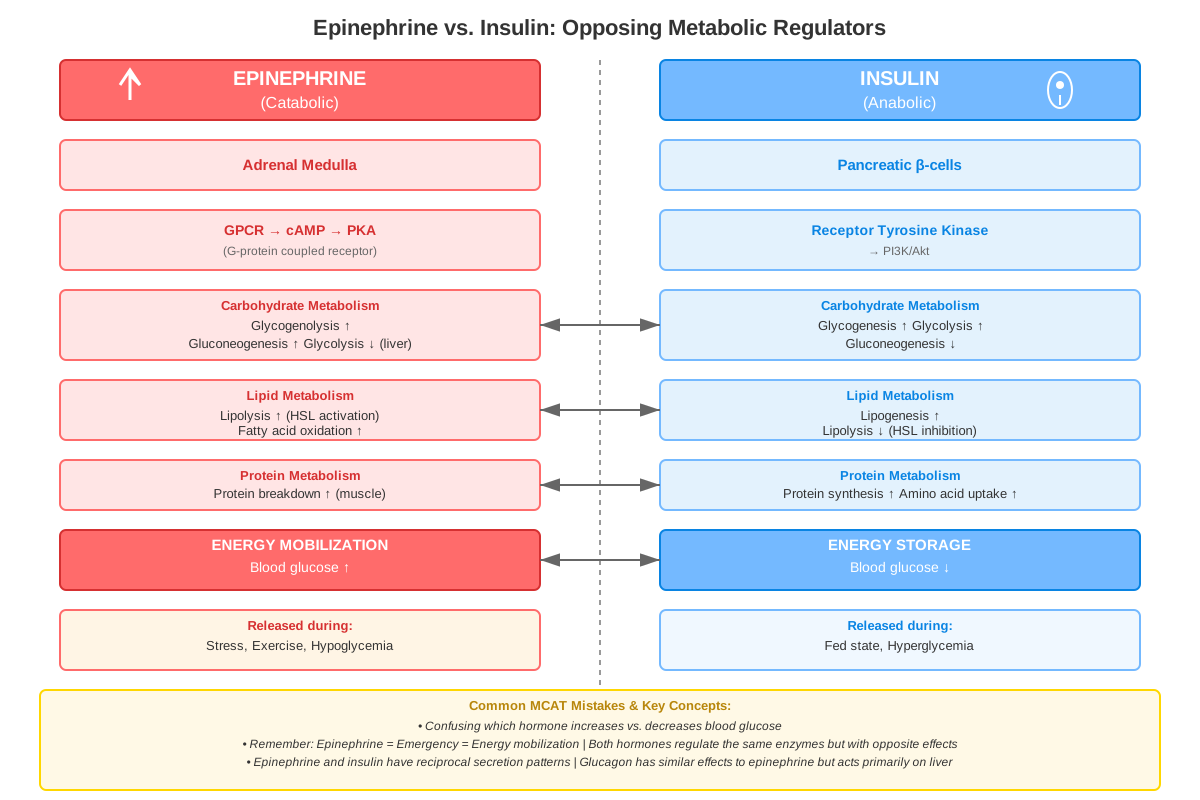
Epinephrine vs. Insulin (opposing effects):
- Epinephrine: catabolic, increases blood glucose, promotes breakdown
- Insulin: anabolic, decreases blood glucose, promotes storage
- Both regulate the same enzymes but with opposite effects
Epinephrine vs. Glucagon (similar effects):
- Both increase blood glucose
- Glucagon acts primarily on liver
- Epinephrine acts on multiple tissues
- Epinephrine has additional cardiovascular effects
Epinephrine and Cortisol (synergistic):
- Both released during stress
- Cortisol provides sustained metabolic support
- Cortisol induces PNMT for epinephrine synthesis
- Together maximize energy availability
Concept Relationships
The concepts within epinephrine biochemistry form an integrated network. Epinephrine structure (derived from tyrosine) → determines its classification as a catecholamine → which predicts its water solubility and inability to cross membranes freely → necessitating cell surface receptors (adrenergic receptors) → which activate G-protein signaling cascades → producing second messengers (cAMP) → activating protein kinases (PKA) → phosphorylating metabolic enzymes → producing coordinated metabolic effects (glycogenolysis, gluconeogenesis, lipolysis).
These metabolic effects connect to prerequisite knowledge: glycogenolysis requires understanding glycogen structure and phosphorylase mechanism; gluconeogenesis builds on knowledge of glycolysis running in reverse; lipolysis connects to lipid structure and β-oxidation. The opposing effects of epinephrine and insulin demonstrate reciprocal regulation, where the same enzymes are controlled in opposite directions through phosphorylation (epinephrine activates) versus dephosphorylation (insulin activates phosphatases).
Epinephrine also bridges to related topics: its synthesis pathway connects to neurotransmitter biochemistry (dopamine, norepinephrine); its receptor pharmacology relates to cardiovascular physiology (β-blockers, α-agonists); its metabolic effects integrate with exercise physiology, stress response, and diabetes pathophysiology. Understanding epinephrine provides a framework for learning other hormones (glucagon, cortisol, thyroid hormone) that similarly regulate metabolism through receptor-mediated signaling.
High-Yield Facts
⭐ Epinephrine is synthesized from tyrosine through a four-step pathway, with the final methylation step (PNMT) occurring only in the adrenal medulla
⭐ β-adrenergic receptors couple to Gs proteins and increase cAMP, while α1-receptors couple to Gq and increase IP3/DAG/Ca²⁺
⭐ Epinephrine activates glycogen phosphorylase and inhibits glycogen synthase through PKA-mediated phosphorylation
⭐ Liver releases glucose in response to epinephrine (has glucose-6-phosphatase), while muscle does not (lacks this enzyme)
⭐ Epinephrine stimulates lipolysis by activating hormone-sensitive lipase through PKA phosphorylation
- Epinephrine and norepinephrine differ by a single methyl group on the amine nitrogen
- α2-receptors in pancreatic β-cells inhibit insulin secretion when activated by epinephrine
- The cAMP cascade provides signal amplification: one hormone molecule can activate thousands of enzyme molecules
- Epinephrine increases both glycogenolysis and gluconeogenesis, while simultaneously inhibiting glycolysis in liver
- β-blockers (propranolol) prevent epinephrine's effects on heart rate, bronchodilation, and glycogenolysis
- Epinephrine's effects are rapid (seconds to minutes) compared to cortisol's slower effects (hours)
- Pheochromocytoma (epinephrine-secreting tumor) causes hypertension, tachycardia, hyperglycemia, and anxiety
- Epinephrine cannot cross the blood-brain barrier due to its catechol structure and hydrophilicity
Quick check — test yourself on Epinephrine so far.
Try Flashcards →Common Misconceptions
Misconception: Epinephrine and adrenaline are different molecules.
Correction: These are simply different names for the same molecule—epinephrine is the preferred term in the United States, while adrenaline is used internationally. The MCAT may use either term interchangeably.
Misconception: Epinephrine always causes vasoconstriction.
Correction: Epinephrine's vascular effects depend on receptor distribution and concentration. At low concentrations, β2-receptor activation causes vasodilation in skeletal muscle. At high concentrations, α1-receptor activation predominates, causing vasoconstriction. This explains why epinephrine can both increase blood pressure (α1) and improve blood flow to muscles (β2).
Misconception: Muscle releases glucose into the blood after epinephrine stimulation.
Correction: Muscle lacks glucose-6-phosphatase, the enzyme required to convert glucose-6-phosphate to free glucose. Therefore, glycogenolysis in muscle produces G6P that enters glycolysis for local ATP production, not glucose for blood. Only liver and kidney can release free glucose.
Misconception: Epinephrine directly phosphorylates metabolic enzymes.
Correction: Epinephrine is a hormone that binds to cell surface receptors; it never enters cells. The phosphorylation of metabolic enzymes is performed by protein kinase A (PKA), which is activated downstream of the cAMP second messenger system triggered by epinephrine binding.
Misconception: Epinephrine and glucagon have identical metabolic effects.
Correction: While both hormones increase blood glucose, their tissue specificity differs. Glucagon acts primarily on liver through glucagon receptors. Epinephrine acts on liver, muscle, adipose tissue, heart, and other tissues through adrenergic receptors. Epinephrine also has cardiovascular effects (increased heart rate, blood pressure) that glucagon lacks.
Misconception: All β-adrenergic receptors are found in the same tissues.
Correction: β-receptor subtypes have distinct tissue distributions: β1 predominates in heart (cardiac effects), β2 in bronchial smooth muscle and skeletal muscle (bronchodilation, glycogenolysis), and β3 in adipose tissue (lipolysis). This distribution explains why selective β1-blockers affect the heart without causing bronchoconstriction.
Worked Examples
Example 1: Predicting Metabolic Consequences
Question: A patient with a pheochromocytoma (epinephrine-secreting tumor) presents with chronic hyperglycemia despite normal insulin levels. Blood tests reveal elevated fatty acids and decreased glycogen stores in liver. Explain the biochemical basis for each finding.
Solution:
Step 1 - Identify the hormone excess: Pheochromocytoma causes chronic elevation of epinephrine, creating a persistent "fight-or-flight" metabolic state.
Step 2 - Explain hyperglycemia: Epinephrine binds to β-adrenergic receptors in liver → increases cAMP → activates PKA → phosphorylates and activates glycogen phosphorylase (promoting glycogenolysis) → phosphorylates and inactivates glycogen synthase (preventing glycogen synthesis) → increases transcription of gluconeogenic enzymes. The net result is increased glucose production through both glycogenolysis and gluconeogenesis, raising blood glucose.
Step 3 - Explain elevated fatty acids: Epinephrine binds to β3-receptors in adipose tissue → increases cAMP → activates PKA → phosphorylates hormone-sensitive lipase (HSL) → HSL cleaves triglycerides into fatty acids and glycerol → fatty acids released into bloodstream. Chronic epinephrine elevation causes sustained lipolysis.
Step 4 - Explain decreased liver glycogen: Chronic activation of glycogen phosphorylase combined with inhibition of glycogen synthase causes net glycogen breakdown. Without periods of insulin dominance (which would promote glycogen synthesis), liver glycogen stores become depleted.
Step 5 - Connect to insulin: Although insulin levels are normal, epinephrine antagonizes insulin's effects. Additionally, α2-receptor activation in pancreatic β-cells may suppress insulin secretion, preventing the anabolic response that would normally counter hyperglycemia.
Key Concept: This example demonstrates how a single hormone (epinephrine) produces coordinated metabolic changes across multiple pathways and tissues, all aimed at maximizing energy availability.
Example 2: Receptor Pharmacology Application
Question: A researcher treats isolated liver cells with epinephrine and measures glucose output. In separate experiments, cells are pretreated with either propranolol (β-blocker), phentolamine (α-blocker), or pertussis toxin (inhibits Gi proteins) before epinephrine addition. Predict the glucose output in each condition compared to epinephrine alone.
Solution:
Step 1 - Establish baseline: Epinephrine alone stimulates maximal glucose output through glycogenolysis and gluconeogenesis.
Step 2 - Propranolol (β-blocker) effect: Propranolol blocks β-adrenergic receptors, preventing Gs activation and cAMP production. This eliminates the PKA-mediated activation of glycogen phosphorylase and inhibition of glycogen synthase. Prediction: Glucose output is significantly reduced or eliminated, as the primary mechanism for epinephrine's effects on liver glucose metabolism is through β-receptors.
Step 3 - Phentolamine (α-blocker) effect: Phentolamine blocks α-adrenergic receptors. In liver, α1-receptors contribute to glycogenolysis through the IP3/Ca²⁺ pathway (independent of cAMP). However, β-receptor signaling remains intact. Prediction: Glucose output is reduced but not eliminated, as β-receptor signaling can still activate glycogenolysis, though less effectively without the synergistic α1 contribution.
Step 4 - Pertussis toxin effect: Pertussis toxin prevents Gi protein activation. In liver, this would affect α2-receptors if present, but the primary glucose-producing effects of epinephrine are through Gs (β-receptors) and Gq (α1-receptors), not Gi. Prediction: Glucose output remains similar to epinephrine alone, as the main signaling pathways are unaffected.
Step 5 - Rank the effects: Epinephrine alone = Pertussis toxin > Phentolamine >> Propranolol
Key Concept: This example illustrates how understanding receptor subtypes and their signaling mechanisms allows prediction of pharmacological interventions. The MCAT frequently tests this type of experimental reasoning.
Exam Strategy
Question Recognition
MCAT questions on epinephrine typically contain trigger words and phrases that signal the topic:
- "Fight-or-flight response," "stress hormone," "adrenal medulla"
- "Catecholamine," "adrenergic receptor," "β-blocker"
- "Glycogenolysis," "lipolysis," "blood glucose elevation"
- Clinical scenarios: "anaphylaxis," "pheochromocytoma," "hypoglycemia," "exercise"
- Experimental setups: "cAMP levels," "PKA activity," "receptor antagonist"
Approach Strategy
When encountering epinephrine questions:
- Identify the tissue/organ: Epinephrine's effects are tissue-specific. Determine whether the question involves liver (glucose release), muscle (glucose use), adipose (lipolysis), heart (contractility), or pancreas (insulin inhibition).
- Determine the receptor type: Look for clues about α versus β receptors, or specific subtypes (β1, β2, β3). This predicts the signaling pathway and ultimate effect.
- Trace the signaling cascade: For mechanism questions, work through the pathway systematically: receptor → G-protein → second messenger → kinase → enzyme phosphorylation → metabolic effect.
- Consider the time course: Epinephrine acts rapidly (seconds to minutes) through post-translational modification (phosphorylation). If a question describes effects over hours or days, consider other hormones (cortisol, thyroid hormone) or transcriptional regulation.
- Apply opposing regulation: Many questions test understanding that epinephrine and insulin have opposite effects. If you know insulin's effect, epinephrine likely does the opposite.
Process of Elimination
For epinephrine questions, eliminate answers that:
- Confuse epinephrine with insulin (opposite metabolic effects)
- Suggest epinephrine decreases blood glucose (it always increases it)
- Claim muscle releases glucose (lacks glucose-6-phosphatase)
- Describe slow onset of action (epinephrine acts rapidly)
- Confuse receptor types (e.g., β-receptors causing vasoconstriction)
- Suggest epinephrine enters cells to act directly on enzymes (it binds surface receptors)
Time Management
Epinephrine questions range from quick recall (30 seconds) to complex passage analysis (2-3 minutes per question). Budget time based on question type:
- Discrete questions: 45-60 seconds for straightforward receptor or metabolic effect questions
- Passage questions: Read the passage for experimental setup or clinical context (3-4 minutes), then 60-90 seconds per question
- Complex mechanism questions: Allow 90-120 seconds to trace signaling pathways or predict multiple metabolic effects
If a question requires tracing a complete signaling cascade with multiple steps, quickly sketch the pathway (receptor → G-protein → second messenger → kinase → enzyme) to organize your thinking.
Memory Techniques
Receptor Mnemonic: "QISS and GASS"
- Qq receptors → IP3 and Smooth muscle contraction (α1)
- Gs receptors → Adenylyl cyclase → Stimulation of cAMP (β-receptors)
- Gi receptors → Inhibition of cAMP (α2)
Metabolic Effects Mnemonic: "EPINEPHRINE"
- Elevates blood glucose
- Promotes glycogenolysis
- Inhibits glycogen synthesis
- Neutralize insulin effects
- Enhances lipolysis
- Phosphorylates enzymes via PKA
- Heart rate increases (β1)
- Releases fatty acids from adipose
- Increases gluconeogenesis
- No glucose release from muscle
- Expands bronchioles (β2)
Visualization: The Energy Mobilization Cascade
Picture epinephrine as an "emergency energy alarm" that sounds throughout the body:
- Alarm sounds (epinephrine released from adrenal medulla)
- Receivers activate (adrenergic receptors on target cells)
- Signal amplifies (G-protein → adenylyl cyclase → cAMP → PKA)
- Storage vaults open (glycogen breaks down, triglycerides split)
- Fuel floods bloodstream (glucose from liver, fatty acids from adipose)
- Delivery system accelerates (heart rate and contractility increase)
Synthesis Pathway Acronym: "Try DOing Drugs, Naturally Energizes"
- Try(rosine) → DO(PA) → Dopamine → Norepinephrine → Epinephrine
Remember: Each step adds something (hydroxyl, then removes carboxyl, then adds hydroxyl, then adds methyl)
Summary
Epinephrine represents a cornerstone concept in MCAT biochemistry, integrating hormone structure, receptor signaling, and metabolic regulation. This catecholamine hormone, synthesized from tyrosine in the adrenal medulla, orchestrates the body's rapid response to stress by mobilizing energy stores. Through binding to α- and β-adrenergic receptors, epinephrine activates G-protein signaling cascades that increase cAMP and activate protein kinase A. The resulting phosphorylation of metabolic enzymes produces coordinated effects: glycogenolysis in liver and muscle, gluconeogenesis in liver, lipolysis in adipose tissue, and increased cardiac output. Critically, liver releases glucose into blood (possesses glucose-6-phosphatase) while muscle uses glucose internally (lacks this enzyme). Epinephrine's effects oppose insulin, creating a catabolic state that maximizes energy availability. Understanding tissue-specific responses, receptor subtypes, and the complete signaling cascade from hormone binding to metabolic outcome enables students to tackle diverse MCAT questions, from clinical vignettes to experimental analysis.
Key Takeaways
- Epinephrine is a catecholamine hormone synthesized from tyrosine that triggers rapid energy mobilization during stress through adrenergic receptor activation
- β-adrenergic receptors increase cAMP via Gs proteins, activating PKA to phosphorylate metabolic enzymes; α1-receptors work through Gq and IP3/Ca²⁺
- Epinephrine increases blood glucose through hepatic glycogenolysis and gluconeogenesis while simultaneously promoting lipolysis in adipose tissue
- Liver releases glucose in response to epinephrine (has glucose-6-phosphatase), but muscle cannot release glucose (lacks this enzyme) and uses G6P internally
- Epinephrine and insulin have opposing metabolic effects: epinephrine is catabolic (breakdown, energy release) while insulin is anabolic (storage, synthesis)
- Tissue-specific effects depend on receptor distribution: β1 in heart (increased contractility), β2 in muscle and bronchi (glycogenolysis, bronchodilation), β3 in adipose (lipolysis)
- The cAMP signaling cascade provides tremendous amplification, allowing one hormone molecule to activate thousands of enzyme molecules within seconds
Related Topics
Glucagon and Blood Glucose Regulation: Glucagon shares many metabolic effects with epinephrine but acts primarily on liver through different receptors. Understanding glucagon reinforces concepts of hormonal regulation of glycogenolysis and gluconeogenesis while highlighting tissue specificity.
Insulin Signaling and Metabolic Effects: Insulin represents the metabolic opposite of epinephrine, promoting anabolic processes. Mastering insulin's mechanism (receptor tyrosine kinase pathway) and effects provides essential contrast for understanding reciprocal metabolic regulation.
G-Protein Coupled Receptor Signaling: Epinephrine exemplifies GPCR function. Deeper study of GPCR structure, G-protein subtypes (Gs, Gi, Gq), and downstream effectors builds on epinephrine knowledge and applies to numerous other hormones and neurotransmitters.
Glycogen Metabolism Regulation: Epinephrine's effects on glycogen phosphorylase and glycogen synthase illustrate coordinated reciprocal regulation. Detailed study of these enzymes, their allosteric and covalent regulation, and tissue-specific differences extends epinephrine concepts.
Lipid Metabolism and β-Oxidation: Epinephrine-stimulated lipolysis provides fatty acids for oxidation. Understanding how fatty acids are activated, transported into mitochondria, and oxidized completes the picture of epinephrine's role in energy mobilization.
Cardiovascular Physiology: Epinephrine's effects on heart rate, contractility, and vascular tone connect biochemistry to physiology. Study of cardiac action potentials, blood pressure regulation, and pharmacological agents (β-blockers, α-agonists) builds on epinephrine receptor knowledge.
Practice CTA
Now that you've mastered the biochemistry of epinephrine, it's time to solidify your understanding through active practice. Challenge yourself with MCAT-style practice questions that test your ability to apply these concepts in clinical vignettes and experimental scenarios. Use flashcards to reinforce high-yield facts, receptor subtypes, and metabolic effects. Remember: understanding epinephrine's mechanism provides a template for learning other hormones and signaling pathways. The time invested in truly mastering this topic will pay dividends across multiple MCAT sections. You've built a strong foundation—now demonstrate your mastery through practice!
Sign up free to keep reading
Create a free AnvayaPrep account to finish this MCAT guide on Epinephrine — plus flashcards and practice questions.