Overview
Glucagon is a critical peptide hormone that plays a central role in maintaining blood glucose homeostasis, particularly during fasting states. Produced by the alpha cells of the pancreatic islets of Langerhans, glucagon acts as the primary counter-regulatory hormone to insulin, orchestrating a coordinated metabolic response that elevates blood glucose levels when they fall below physiological thresholds. Understanding glucagon's mechanisms of action, regulatory pathways, and metabolic consequences is essential for mastering Metabolism and Biochemistry concepts tested on the MCAT.
For the MCAT, Glucagon Biochemistry represents a high-yield topic that frequently appears in passages involving metabolic regulation, hormonal signaling, and energy homeostasis. Questions may test students' understanding of glucagon's molecular mechanisms, its effects on various metabolic pathways, or its role in clinical conditions such as diabetes mellitus and hypoglycemia. The hormone's actions touch upon multiple biochemical pathways including glycogenolysis, gluconeogenesis, lipolysis, and ketogenesis, making it a nexus concept that integrates diverse metabolic processes.
The study of Glucagon MCAT content connects intimately with broader biochemistry principles including signal transduction cascades, allosteric enzyme regulation, hormonal feedback loops, and the integration of carbohydrate, lipid, and protein metabolism. Mastery of glucagon's physiological roles provides the foundation for understanding metabolic adaptations to fasting, exercise, stress, and disease states—all topics that appear regularly in MCAT passages and discrete questions.
Learning Objectives
- [ ] Define Glucagon using accurate Biochemistry terminology
- [ ] Explain why Glucagon matters for the MCAT
- [ ] Apply Glucagon to exam-style questions
- [ ] Identify common mistakes related to Glucagon
- [ ] Connect Glucagon to related Biochemistry concepts
- [ ] Describe the complete signal transduction pathway initiated by glucagon binding to its receptor
- [ ] Compare and contrast the metabolic effects of glucagon versus insulin in different tissues
- [ ] Predict the metabolic consequences of abnormal glucagon secretion or signaling
Prerequisites
- Insulin structure and function: Glucagon's effects are best understood in contrast to insulin's opposing actions on metabolism
- Glycolysis and gluconeogenesis pathways: Glucagon regulates key enzymes in these reciprocal pathways
- Glycogen metabolism: Glucagon stimulates glycogen breakdown, requiring knowledge of glycogenolysis mechanisms
- G-protein coupled receptor signaling: Glucagon functions through a GPCR mechanism involving cAMP as a second messenger
- Basic endocrinology: Understanding hormonal regulation, feedback loops, and target tissue responses
- Lipid metabolism fundamentals: Glucagon promotes lipolysis and ketogenesis, requiring baseline knowledge of these processes
Why This Topic Matters
Clinical Significance
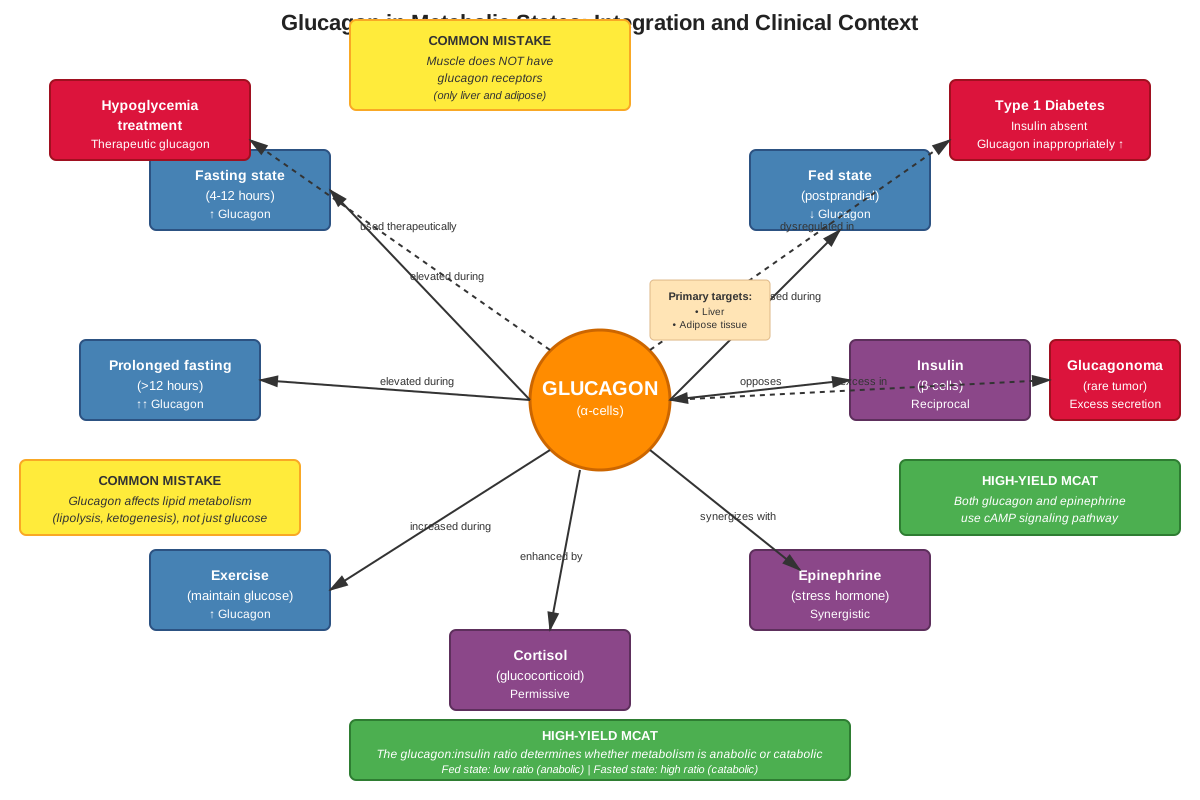
Glucagon represents a cornerstone of metabolic medicine with profound clinical implications. Patients with type 1 diabetes mellitus lack not only insulin but also appropriate glucagon suppression, leading to excessive hepatic glucose production and contributing to hyperglycemia. Conversely, glucagon is used therapeutically to treat severe hypoglycemia in diabetic patients who cannot consume oral glucose. Glucagonomas (rare pancreatic tumors) cause excessive glucagon secretion, resulting in hyperglycemia, weight loss, and a characteristic skin rash called necrolytic migratory erythema. Understanding glucagon's physiological roles enables clinicians to interpret metabolic derangements and design appropriate interventions.
MCAT Exam Relevance
Glucagon appears in approximately 15-20% of MCAT Biochemistry passages dealing with metabolism, making it a medium-to-high yield topic. The MCAT frequently tests glucagon in the following contexts:
- Passage-based questions: Experimental passages describing hormonal regulation of metabolism, often requiring students to predict outcomes of glucagon administration or deficiency
- Discrete questions: Testing direct knowledge of glucagon's mechanisms, target tissues, or metabolic effects
- Integrated questions: Combining glucagon with concepts from physiology (blood glucose regulation), biology (cell signaling), or organic chemistry (hormone structure)
Questions typically assess whether students can predict metabolic shifts in response to glucagon, identify which pathways are activated or inhibited, or explain the molecular mechanisms underlying glucagon's effects. The MCAT particularly favors questions that require integration of multiple metabolic pathways rather than simple recall.
Core Concepts
Structure and Synthesis of Glucagon
Glucagon is a 29-amino acid peptide hormone synthesized as a larger precursor molecule called proglucagon in the alpha cells of the pancreatic islets. Through post-translational processing, proglucagon is cleaved to produce mature glucagon, which is then stored in secretory granules awaiting release. The hormone's relatively small size allows it to circulate freely in the bloodstream without requiring carrier proteins, unlike lipophilic hormones such as steroid hormones.
The primary stimulus for glucagon secretion is hypoglycemia (low blood glucose), typically defined as blood glucose concentrations below 70 mg/dL. Alpha cells detect falling glucose levels and respond by releasing glucagon into the portal circulation, where it travels directly to the liver—its primary target organ. Other stimuli for glucagon release include amino acids (particularly alanine and arginine), sympathetic nervous system activation via beta-adrenergic receptors, and the hormone cholecystokinin (CCK). Conversely, glucagon secretion is inhibited by elevated blood glucose, insulin, and somatostatin.
Glucagon Receptor and Signal Transduction
Glucagon exerts its effects by binding to the glucagon receptor, a G-protein coupled receptor (GPCR) located primarily on hepatocytes (liver cells). Upon glucagon binding, the receptor undergoes a conformational change that activates an associated Gs protein (stimulatory G-protein). The activated Gs protein dissociates, and its alpha subunit stimulates adenylyl cyclase, an enzyme that converts ATP to cyclic AMP (cAMP), a crucial second messenger.
The elevation of intracellular cAMP levels triggers a signaling cascade:
- cAMP binds to and activates protein kinase A (PKA)
- PKA phosphorylates numerous target proteins, altering their activity
- These phosphorylation events coordinate metabolic changes across multiple pathways
This signal transduction mechanism amplifies the initial hormonal signal—a single glucagon molecule can generate thousands of cAMP molecules, which in turn activate multiple PKA molecules, creating a cascade effect that rapidly mobilizes glucose production.
Metabolic Effects in the Liver
The liver serves as glucagon's primary target tissue, where the hormone orchestrates multiple metabolic adaptations to raise blood glucose:
Glycogenolysis Activation
Glucagon stimulates glycogenolysis (glycogen breakdown) through PKA-mediated phosphorylation of key enzymes:
- Phosphorylase kinase is activated by phosphorylation, which then activates glycogen phosphorylase, the rate-limiting enzyme that cleaves glucose-1-phosphate units from glycogen
- Simultaneously, PKA phosphorylates and inactivates glycogen synthase, preventing futile cycling by blocking glycogen synthesis while breakdown occurs
This coordinated regulation ensures efficient mobilization of hepatic glycogen stores to release glucose into the bloodstream.
Gluconeogenesis Stimulation
Glucagon promotes gluconeogenesis (synthesis of new glucose from non-carbohydrate precursors) through multiple mechanisms:
- PKA phosphorylates and activates key gluconeogenic enzymes while inhibiting glycolytic enzymes
- Fructose-2,6-bisphosphate (F-2,6-BP) levels decrease because PKA phosphorylates the bifunctional enzyme PFK-2/FBPase-2, converting it to its phosphatase form, which degrades F-2,6-BP
- Reduced F-2,6-BP levels relieve inhibition of fructose-1,6-bisphosphatase (a gluconeogenic enzyme) while reducing activation of phosphofructokinase-1 (a glycolytic enzyme)
- Gene transcription of gluconeogenic enzymes (PEPCK, glucose-6-phosphatase) is upregulated through CREB (cAMP response element-binding protein) activation
The substrates for gluconeogenesis include lactate (from anaerobic glycolysis in muscle), glycerol (from lipolysis), and amino acids (particularly alanine from muscle protein breakdown).
Glycolysis Inhibition
To prevent futile cycling, glucagon simultaneously inhibits glycolysis in the liver:
- Decreased F-2,6-BP levels reduce PFK-1 activity, the rate-limiting step of glycolysis
- PKA-mediated phosphorylation inactivates pyruvate kinase, preventing the final committed step of glycolysis
- The overall effect redirects hepatic metabolism away from glucose utilization toward glucose production
Effects on Lipid Metabolism
Glucagon profoundly influences lipid metabolism, particularly during prolonged fasting:
Lipolysis in Adipose Tissue
While the liver is glucagon's primary target, the hormone also affects adipose tissue by promoting lipolysis (fat breakdown):
- Glucagon activates hormone-sensitive lipase (HSL) through the cAMP-PKA pathway
- HSL hydrolyzes stored triglycerides into glycerol and free fatty acids
- Glycerol travels to the liver for gluconeogenesis, while fatty acids serve as fuel for various tissues
Ketogenesis in the Liver
The fatty acids released from adipose tissue are taken up by hepatocytes, where glucagon promotes their conversion to ketone bodies through ketogenesis:
- Glucagon stimulates fatty acid oxidation (beta-oxidation) in mitochondria
- The resulting acetyl-CoA accumulates because the citric acid cycle is relatively suppressed during fasting
- Excess acetyl-CoA is diverted to ketogenesis, producing acetoacetate and beta-hydroxybutyrate
- These ketone bodies serve as alternative fuel sources for the brain and other tissues during prolonged fasting
Tissue-Specific Effects
| Tissue | Glucagon Receptor | Primary Effects | Metabolic Outcome |
|---|---|---|---|
| Liver | High density | ↑ Glycogenolysis, ↑ Gluconeogenesis, ↑ Ketogenesis, ↓ Glycolysis | Glucose and ketone production |
| Adipose | Low density | ↑ Lipolysis | Fatty acid and glycerol release |
| Muscle | Minimal/absent | No direct effects | Responds to metabolic changes indirectly |
| Brain | Absent | No direct effects | Benefits from elevated glucose and ketones |
| Kidney | Present | ↑ Gluconeogenesis (minor) | Contributes to glucose production during prolonged fasting |
Regulation of Glucagon Secretion
Glucagon secretion is tightly regulated by multiple factors:
Stimulators:
- Hypoglycemia (primary stimulus)
- Amino acids (especially alanine, arginine)
- Sympathetic nervous system activation (epinephrine via beta-receptors)
- Cholecystokinin (CCK)
- Exercise and stress
Inhibitors:
- Hyperglycemia
- Insulin (paracrine inhibition from adjacent beta cells)
- Somatostatin (from delta cells)
- Free fatty acids and ketones (negative feedback)
- GLP-1 (glucagon-like peptide-1)
This regulatory network ensures that glucagon secretion is appropriately matched to metabolic needs, preventing excessive glucose production when unnecessary.
Integration with Insulin
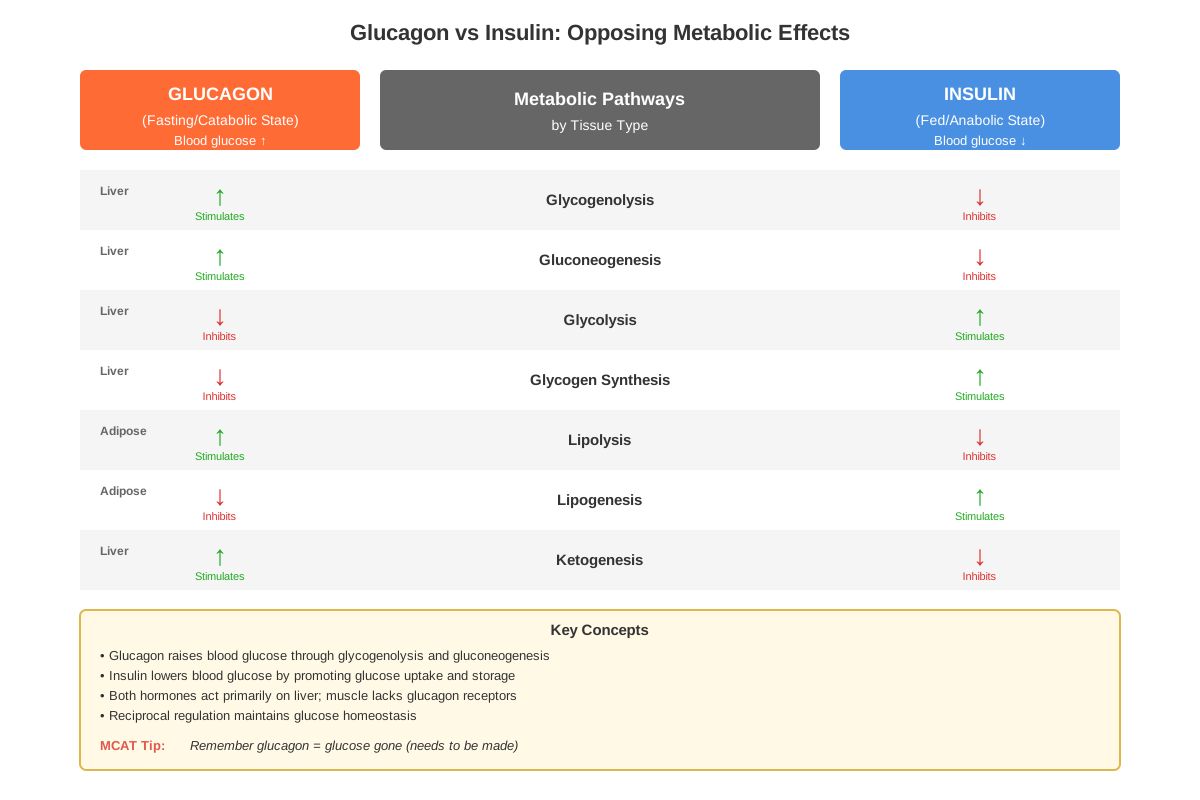
Understanding glucagon requires appreciating its reciprocal relationship with insulin. These hormones represent opposing metabolic signals:
- Fed state: High glucose → insulin secretion → anabolic metabolism (storage)
- Fasted state: Low glucose → glucagon secretion → catabolic metabolism (mobilization)
The insulin-to-glucagon ratio determines the overall metabolic state. A high ratio (fed state) favors glycogen synthesis, lipogenesis, and protein synthesis. A low ratio (fasted state) favors glycogenolysis, gluconeogenesis, lipolysis, and ketogenesis. This concept frequently appears in MCAT questions asking students to predict metabolic outcomes under various physiological conditions.
Concept Relationships
Glucagon serves as a central integrator of metabolic pathways, connecting multiple biochemical concepts tested on the MCAT:
Signal Transduction → Metabolic Regulation: Glucagon binding to its GPCR initiates the cAMP-PKA cascade, which demonstrates how extracellular signals are transduced into intracellular metabolic changes. This exemplifies the broader principle of hormonal regulation of metabolism.
Glycogenolysis ↔ Glycogen Synthesis: Glucagon's activation of glycogen breakdown while simultaneously inhibiting glycogen synthesis illustrates reciprocal regulation, a key concept in metabolic control. This connects to the prerequisite knowledge of glycogen metabolism and demonstrates how phosphorylation can have opposite effects on different enzymes.
Gluconeogenesis ↔ Glycolysis: The reciprocal regulation of these pathways through F-2,6-BP demonstrates substrate cycling prevention and metabolic efficiency. This relationship connects to prerequisite knowledge of both pathways and shows how a single regulatory molecule can coordinate opposing processes.
Lipolysis → Ketogenesis: The fatty acids released by glucagon-stimulated lipolysis provide substrates for ketogenesis, demonstrating metabolic pathway integration. This connects carbohydrate metabolism to lipid metabolism, showing how the body adapts to fasting by switching fuel sources.
Glucagon ↔ Insulin: The opposing actions of these hormones represent the fundamental concept of hormonal antagonism in metabolic regulation. Understanding one hormone requires understanding the other, as they form a regulatory axis that maintains glucose homeostasis.
Fasting Physiology → Clinical Conditions: Glucagon's role in normal fasting metabolism provides the foundation for understanding pathological states like diabetes mellitus, where glucagon regulation is disrupted, leading to excessive hepatic glucose production.
High-Yield Facts
⭐ Glucagon is secreted by alpha cells of the pancreatic islets in response to hypoglycemia and acts primarily on the liver to raise blood glucose levels.
⭐ Glucagon signals through a Gs-protein coupled receptor, activating adenylyl cyclase to increase cAMP, which activates protein kinase A (PKA).
⭐ In the liver, glucagon stimulates glycogenolysis and gluconeogenesis while inhibiting glycolysis and glycogen synthesis.
⭐ Glucagon decreases fructose-2,6-bisphosphate (F-2,6-BP) levels by activating the phosphatase activity of the bifunctional enzyme PFK-2/FBPase-2.
⭐ The insulin-to-glucagon ratio determines the overall metabolic state: high ratio favors anabolism (fed state), low ratio favors catabolism (fasted state).
- Glucagon promotes lipolysis in adipose tissue, releasing fatty acids and glycerol for energy production and gluconeogenesis, respectively.
- Glucagon stimulates ketogenesis in the liver during prolonged fasting by promoting fatty acid oxidation and diverting acetyl-CoA to ketone body production.
- Amino acids, particularly alanine and arginine, stimulate glucagon secretion, linking protein metabolism to glucose homeostasis.
- Glucagon secretion is inhibited by insulin, somatostatin, elevated glucose, and free fatty acids, creating multiple negative feedback loops.
- Muscle tissue lacks significant glucagon receptors and does not respond directly to glucagon, unlike the liver and adipose tissue.
- Glucagon activates hormone-sensitive lipase (HSL) through PKA-mediated phosphorylation, initiating triglyceride breakdown in adipocytes.
- The glucagon receptor is most densely expressed in hepatocytes, making the liver the primary target organ for glucagon's metabolic effects.
Quick check — test yourself on Glucagon so far.
Try Flashcards →Common Misconceptions
Misconception: Glucagon directly breaks down muscle glycogen to raise blood glucose.
Correction: Muscle lacks glucose-6-phosphatase and cannot release free glucose into the bloodstream. Additionally, muscle has minimal glucagon receptors. Glucagon acts primarily on hepatic glycogen stores. Muscle glycogen is used only for the muscle's own energy needs during contraction.
Misconception: Glucagon and epinephrine have identical metabolic effects because both increase cAMP.
Correction: While both hormones use cAMP signaling, their tissue distribution and overall effects differ. Epinephrine acts on multiple tissues including muscle, heart, and adipose tissue, promoting the "fight-or-flight" response. Glucagon acts primarily on the liver and has more specific metabolic effects focused on glucose homeostasis. Epinephrine also activates glycogenolysis in muscle (for the muscle's own use), while glucagon does not.
Misconception: Glucagon stimulates glycolysis to produce more ATP for gluconeogenesis.
Correction: Glucagon inhibits glycolysis while stimulating gluconeogenesis. These are reciprocal pathways, and activating both simultaneously would create futile cycling and waste energy. Glucagon's effect on F-2,6-BP ensures that glycolysis is suppressed when gluconeogenesis is active.
Misconception: Insulin and glucagon are secreted at the same time to maintain balance.
Correction: Insulin and glucagon secretion are reciprocally regulated. High glucose stimulates insulin secretion while inhibiting glucagon secretion (and vice versa). The two hormones are not secreted simultaneously under normal physiological conditions; rather, their relative concentrations shift based on metabolic state.
Misconception: Glucagon directly causes glucose uptake by cells to be inhibited.
Correction: Glucagon does not directly affect glucose uptake by peripheral tissues. Instead, it increases hepatic glucose production and release. The reduction in glucose uptake during fasting is primarily due to decreased insulin levels, not direct glucagon action. Glucagon's role is to increase glucose availability, not to block its utilization.
Worked Examples
Example 1: Predicting Metabolic Outcomes
Question: A researcher administers glucagon to a fasted experimental animal and measures various metabolic parameters. Predict the expected changes in: (A) blood glucose, (B) hepatic cAMP levels, (C) fructose-2,6-bisphosphate concentration in liver, and (D) blood ketone bodies. Explain the mechanisms.
Solution:
(A) Blood glucose will increase. Glucagon's primary function is to raise blood glucose through two mechanisms: stimulating glycogenolysis (breakdown of hepatic glycogen stores) and promoting gluconeogenesis (synthesis of new glucose from non-carbohydrate precursors like amino acids and glycerol). Both processes release glucose from the liver into the bloodstream.
(B) Hepatic cAMP levels will increase. Glucagon binds to its Gs-protein coupled receptor on hepatocytes, activating adenylyl cyclase. This enzyme converts ATP to cAMP, the second messenger that mediates glucagon's intracellular effects. The elevation in cAMP is the initial step in the signaling cascade that leads to all downstream metabolic changes.
(C) Fructose-2,6-bisphosphate (F-2,6-BP) will decrease. The elevated cAMP activates PKA, which phosphorylates the bifunctional enzyme PFK-2/FBPase-2. Phosphorylation converts this enzyme to its phosphatase form (FBPase-2), which degrades F-2,6-BP. The decrease in F-2,6-BP has two critical effects: it relieves inhibition of fructose-1,6-bisphosphatase (promoting gluconeogenesis) and reduces activation of phosphofructokinase-1 (inhibiting glycolysis). This reciprocal regulation ensures efficient glucose production without futile cycling.
(D) Blood ketone bodies will increase (especially in the fasted state). Glucagon promotes lipolysis in adipose tissue, releasing fatty acids that travel to the liver. In hepatocytes, glucagon stimulates fatty acid oxidation (beta-oxidation), producing acetyl-CoA. During fasting, when the citric acid cycle is relatively suppressed, excess acetyl-CoA is diverted to ketogenesis, producing acetoacetate and beta-hydroxybutyrate. These ketone bodies are released into the bloodstream to serve as alternative fuel sources for tissues like the brain.
Connection to Learning Objectives: This example demonstrates the application of glucagon biochemistry to predict experimental outcomes, integrating signal transduction, metabolic pathway regulation, and the coordinated response to hormonal stimulation.
Example 2: Clinical Vignette Analysis
Question: A 45-year-old patient with type 1 diabetes mellitus presents with confusion and diaphoresis. Blood glucose is measured at 35 mg/dL (severe hypoglycemia). The patient is unconscious and cannot take oral glucose. A glucagon injection is administered intramuscularly. Explain: (A) Why glucagon is an appropriate treatment, (B) What metabolic changes occur after glucagon administration, (C) Why this treatment might be less effective if the patient has been fasting for several days, and (D) What would happen if the patient had a glucagonoma instead.
Solution:
(A) Glucagon is appropriate because it rapidly mobilizes hepatic glucose stores. In severe hypoglycemia with altered mental status, the patient cannot safely consume oral glucose. Glucagon injection provides an alternative route to raise blood glucose by stimulating hepatic glycogenolysis and gluconeogenesis. The hormone acts within minutes to release glucose from liver glycogen stores, restoring blood glucose to safer levels and reversing neuroglycopenic symptoms.
(B) After glucagon administration, several metabolic changes occur:
- Hepatic cAMP levels rise, activating PKA
- Glycogen phosphorylase is activated while glycogen synthase is inhibited, initiating rapid glycogenolysis
- Glucose-6-phosphate (from glycogen breakdown) is converted to free glucose by glucose-6-phosphatase and released into the bloodstream
- Gluconeogenic pathways are activated through decreased F-2,6-BP and increased expression of gluconeogenic enzymes
- Blood glucose rises, typically within 10-15 minutes
- As glucose rises, the brain receives adequate fuel, and consciousness is restored
(C) Glucagon effectiveness decreases after prolonged fasting because hepatic glycogen stores become depleted. Glycogenolysis can only mobilize existing glycogen; after 24-48 hours of fasting, liver glycogen is substantially depleted. While glucagon would still stimulate gluconeogenesis, this process is slower and requires adequate substrates (amino acids, glycerol, lactate). In a patient who has been fasting for days, glucagon injection would produce a smaller and slower rise in blood glucose compared to a well-fed individual with full glycogen stores. This is why glucagon is most effective for acute hypoglycemia in patients with recent food intake.
(D) A glucagonoma (glucagon-secreting tumor) would cause the opposite problem: chronic hyperglycemia. Excessive glucagon secretion would continuously stimulate hepatic glucose production through glycogenolysis and gluconeogenesis, overwhelming the body's ability to utilize glucose and leading to elevated blood glucose levels. Additional manifestations would include:
- Weight loss (due to increased catabolism and lipolysis)
- Elevated ketone bodies (from continuous fatty acid oxidation)
- Necrolytic migratory erythema (characteristic skin rash)
- Diabetes mellitus (from chronic hyperglycemia)
- Hypoaminoacidemia (amino acids consumed for gluconeogenesis)
Connection to Learning Objectives: This clinical vignette integrates glucagon's mechanisms with real-world medical applications, demonstrates understanding of metabolic state effects on hormone efficacy, and contrasts normal physiology with pathological conditions.
Exam Strategy
Approaching MCAT Questions on Glucagon
When encountering glucagon-related questions on the MCAT, employ this systematic approach:
- Identify the metabolic state: Determine whether the scenario describes fed, fasted, or pathological conditions. This immediately tells you whether glucagon levels should be high or low.
- Trace the signaling pathway: For mechanism questions, mentally walk through the cascade: glucagon → GPCR → Gs protein → adenylyl cyclase → cAMP → PKA → phosphorylation of target proteins.
- Consider tissue specificity: Remember that glucagon primarily affects the liver, with secondary effects on adipose tissue. It does NOT directly affect muscle glucose metabolism.
- Apply reciprocal regulation: When glucagon activates one pathway (e.g., gluconeogenesis), it simultaneously inhibits the opposing pathway (e.g., glycolysis). Look for answer choices that reflect this coordination.
Trigger Words and Phrases
Watch for these key terms that signal glucagon-related content:
- "Fasting state," "between meals," "hypoglycemia": These conditions indicate high glucagon, low insulin
- "Hepatic glucose production," "glucose output": Glucagon is the primary hormonal driver
- "cAMP," "protein kinase A," "phosphorylation cascade": Signals glucagon's mechanism of action
- "Glycogen breakdown," "glycogenolysis": Glucagon is the primary activator in liver
- "Ketone bodies," "ketogenesis": Elevated during prolonged glucagon action
- "Alpha cells," "pancreatic islets": Anatomical source of glucagon
- "Counter-regulatory hormone": Refers to hormones like glucagon that oppose insulin
Process of Elimination Tips
When using process of elimination on glucagon questions:
- Eliminate answers suggesting glucagon lowers blood glucose: This is insulin's role, not glucagon's
- Eliminate answers indicating direct muscle effects: Glucagon has minimal direct effects on skeletal muscle
- Eliminate answers showing simultaneous activation of opposing pathways: Glucagon doesn't activate both glycolysis and gluconeogenesis
- Eliminate answers confusing glucagon with insulin: If an answer describes increased glucose uptake or glycogen synthesis, it's describing insulin, not glucagon
- Eliminate answers suggesting glucagon uses tyrosine kinase signaling: Glucagon uses GPCR/cAMP signaling, not receptor tyrosine kinase pathways
Time Allocation
For discrete questions on glucagon, allocate 60-90 seconds. These typically test direct knowledge and can be answered quickly if you've mastered the core concepts.
For passage-based questions, allocate 1.5-2 minutes per question. These often require integrating information from the passage with your background knowledge of glucagon's mechanisms. Read the passage carefully for experimental conditions (fed vs. fasted, hormone administration, genetic modifications) that affect glucagon's actions or secretion.
Exam Tip: If a passage describes an experiment manipulating blood glucose or measuring hepatic glucose output, glucagon is likely relevant even if not explicitly mentioned. Consider how glucagon levels would change in response to the experimental manipulation.
Memory Techniques
Mnemonics
"Glucagon LIFTS glucose"
- Lipolysis (releases fatty acids and glycerol)
- Inhibits glycolysis (prevents glucose consumption)
- F-2,6-BP decreases (key regulatory change)
- Triggers gluconeogenesis (makes new glucose)
- Stimulates glycogenolysis (breaks down glycogen)
"CAMP in the LIVER" (for glucagon's primary effects)
- CAMP increases
- Activates PKA
- Mobilizes glucose
- Phosphorylates enzymes
- Lowers F-2,6-BP
- Inhibits glycolysis
- Vitalizes gluconeogenesis
- Elevates blood glucose
- Releases from alpha cells
Visualization Strategy
Picture glucagon as an "emergency glucose mobilizer" responding to low blood sugar:
- Visualize the pancreas with alpha cells detecting low glucose and releasing glucagon (imagine red alert signals)
- See glucagon traveling through the bloodstream to the liver (primary target)
- Imagine the liver as a glucose warehouse with glucagon as the key that unlocks storage (glycogen) and activates the glucose factory (gluconeogenesis)
- Picture glucose molecules streaming out of the liver into the bloodstream, raising blood glucose levels
- Visualize adipose tissue releasing fatty acids (like backup fuel) when glucagon signals extended fasting
Acronym for Glucagon Inhibitors
"SIGH" - factors that inhibit glucagon secretion:
- Somatostatin
- Insulin
- Glucose (elevated)
- Hyperglycemia (same as glucose, reinforces the concept)
Summary
Glucagon is a 29-amino acid peptide hormone secreted by pancreatic alpha cells in response to hypoglycemia, serving as the primary counter-regulatory hormone to insulin. Acting through a Gs-protein coupled receptor mechanism, glucagon elevates intracellular cAMP levels in hepatocytes, activating protein kinase A and initiating a phosphorylation cascade that coordinates multiple metabolic adaptations. In the liver, glucagon stimulates glycogenolysis and gluconeogenesis while inhibiting glycolysis and glycogen synthesis, primarily through regulation of fructose-2,6-bisphosphate levels and direct phosphorylation of key enzymes. The hormone also promotes lipolysis in adipose tissue and ketogenesis in the liver during prolonged fasting. Understanding glucagon requires appreciating its reciprocal relationship with insulin, tissue-specific effects, and role in maintaining glucose homeostasis across various metabolic states. For the MCAT, students must be able to predict metabolic outcomes of glucagon action, trace its signaling mechanisms, and integrate this knowledge with broader concepts in metabolism and endocrinology.
Key Takeaways
- Glucagon is the primary hormone that raises blood glucose through hepatic glycogenolysis and gluconeogenesis, acting as insulin's metabolic antagonist
- The cAMP-PKA signaling cascade mediates all of glucagon's intracellular effects, beginning with Gs-protein activation and adenylyl cyclase stimulation
- Fructose-2,6-bisphosphate (F-2,6-BP) serves as the key regulatory molecule that coordinates reciprocal regulation of glycolysis and gluconeogenesis in response to glucagon
- Glucagon acts primarily on the liver, with secondary effects on adipose tissue; it has minimal direct effects on skeletal muscle despite muscle's importance in glucose metabolism
- The insulin-to-glucagon ratio determines metabolic state: high ratio (fed state) favors anabolism, low ratio (fasted state) favors catabolism and glucose mobilization
- Glucagon promotes a coordinated fasting response including glycogenolysis, gluconeogenesis, lipolysis, and ketogenesis, demonstrating integration across carbohydrate and lipid metabolism
- Clinical relevance includes diabetes mellitus pathophysiology (inappropriate glucagon secretion), hypoglycemia treatment (glucagon injection), and rare conditions like glucagonoma
Related Topics
Insulin signaling and metabolism: Understanding insulin's opposing effects provides essential context for glucagon's role; mastery of both hormones enables comprehensive understanding of glucose homeostasis
Epinephrine and stress response: Epinephrine shares some metabolic effects with glucagon (glycogenolysis, lipolysis) but acts on different tissues and in different physiological contexts
Diabetes mellitus pathophysiology: Both type 1 and type 2 diabetes involve dysregulation of the insulin-glucagon axis, making glucagon knowledge essential for understanding diabetic hyperglycemia
Fasting and starvation metabolism: Glucagon orchestrates the metabolic adaptations to fasting, connecting to broader topics of metabolic flexibility and fuel source switching
Allosteric enzyme regulation: Many enzymes affected by glucagon (phosphorylase, PFK-1, pyruvate kinase) are also regulated allosterically, demonstrating multiple levels of metabolic control
Ketone body metabolism: Glucagon's promotion of ketogenesis during fasting connects to the broader topic of alternative fuel sources and metabolic adaptation
Practice CTA
Now that you've mastered the core concepts of glucagon biochemistry, it's time to reinforce your understanding through active practice. Complete the associated practice questions to test your ability to apply glucagon concepts to MCAT-style scenarios, and use the flashcards to solidify high-yield facts for rapid recall on test day. Remember, understanding glucagon's mechanisms and metabolic effects provides a foundation for integrating multiple biochemistry topics—an essential skill for achieving a top MCAT score. Your investment in mastering this material will pay dividends not only on metabolism questions but also on integrated passages that require connecting hormonal regulation to metabolic outcomes. Keep pushing forward!
Sign up free to keep reading
Create a free AnvayaPrep account to finish this MCAT guide on Glucagon — plus flashcards and practice questions.