Overview
The fasting state represents a critical metabolic phase that occurs when the body transitions from nutrient abundance to nutrient scarcity, typically beginning 4-6 hours after the last meal and extending through overnight fasting periods. During this physiological state, the body must maintain blood glucose homeostasis while shifting its primary fuel sources from dietary nutrients to stored energy reserves. Understanding the fasting state Biochemistry requires mastery of hormonal regulation, particularly the decreased insulin-to-glucagon ratio, and the coordinated metabolic responses across multiple organ systems including the liver, adipose tissue, muscle, and brain. This metabolic shift involves the activation of glycogenolysis, gluconeogenesis, lipolysis, and ketogenesis—processes that work in concert to ensure continuous energy supply to vital organs, especially the glucose-dependent brain.
For the MCAT, the fasting state is a high-yield topic that integrates multiple biochemical pathways and regulatory mechanisms tested across Biological and Biochemical Foundations sections. Questions frequently present clinical scenarios involving prolonged fasting, starvation, diabetes, or metabolic disorders that require students to predict hormonal changes, identify active metabolic pathways, and trace the flow of carbon atoms through various biochemical transformations. The fasting state MCAT questions often appear in passage-based formats that describe experimental conditions, patient presentations, or research studies examining metabolic adaptations, making this topic essential for achieving competitive scores.
The fasting state serves as a conceptual bridge connecting carbohydrate metabolism, lipid metabolism, amino acid metabolism, and hormonal regulation—all fundamental pillars of Biochemistry. Mastery of this topic enables students to understand the metabolic flexibility of human physiology, appreciate the integration of organ-specific metabolic roles, and predict the consequences of metabolic dysregulation in disease states. This knowledge foundation is essential for understanding related topics including the fed state, starvation, exercise metabolism, and metabolic diseases such as diabetes mellitus.
Learning Objectives
- [ ] Define fasting state using accurate Biochemistry terminology
- [ ] Explain why fasting state matters for the MCAT
- [ ] Apply fasting state to exam-style questions
- [ ] Identify common mistakes related to fasting state
- [ ] Connect fasting state to related Biochemistry concepts
- [ ] Predict the hormonal changes that characterize the transition from fed to fasting state
- [ ] Trace the metabolic fate of glucose, fatty acids, and amino acids during fasting
- [ ] Compare and contrast the metabolic activities of liver, muscle, adipose tissue, and brain during fasting
- [ ] Calculate the timeline of metabolic transitions from early fasting through prolonged starvation
Prerequisites
- Glycolysis and gluconeogenesis pathways: Essential for understanding how glucose production and utilization change during fasting
- Glycogen metabolism: Required to comprehend the initial energy source during early fasting and the depletion timeline
- Lipid metabolism (lipolysis and beta-oxidation): Necessary to understand the shift to fat as the primary fuel source
- Ketone body synthesis and utilization: Critical for understanding brain fuel adaptation during prolonged fasting
- Insulin and glucagon signaling: Fundamental to understanding the hormonal regulation that orchestrates fasting metabolism
- Amino acid metabolism and protein catabolism: Important for understanding gluconeogenesis substrates during extended fasting
- Basic endocrinology: Needed to understand the roles of cortisol, epinephrine, and growth hormone in fasting
Why This Topic Matters
The fasting state has profound clinical significance as it represents the metabolic foundation for understanding numerous pathological conditions. Type 1 and Type 2 diabetes mellitus involve dysregulation of fasting metabolism, with patients unable to properly suppress glucose production or mobilize alternative fuels. Hypoglycemia, whether from insulinoma, medication errors, or metabolic disorders, represents a failure of fasting metabolic adaptations. Understanding fasting metabolism is essential for interpreting clinical laboratory values, including fasting glucose, ketone levels, and free fatty acid concentrations, which are routinely used in medical diagnosis and monitoring.
On the MCAT, fasting state concepts appear in approximately 15-20% of metabolism-related questions, making it a medium-to-high yield topic. Questions typically present in three formats: (1) passage-based questions describing experimental manipulations of fasting duration or hormonal states, (2) discrete questions testing knowledge of specific pathway activation or hormonal regulation, and (3) data interpretation questions requiring analysis of metabolite concentrations or enzyme activities across different metabolic states. The AAMC frequently tests students' ability to integrate multiple metabolic pathways and predict the consequences of hormonal or enzymatic deficiencies.
Common exam passage themes include: comparative metabolism studies examining different fasting durations, clinical vignettes of patients with diabetes or metabolic disorders, research studies investigating hormonal regulation of metabolism, and experimental scenarios involving enzyme inhibitors or genetic knockouts affecting fasting metabolism. Students must be prepared to analyze graphs showing temporal changes in metabolite concentrations, interpret tables comparing fed versus fasted states, and apply biochemical principles to predict outcomes of metabolic perturbations.
Core Concepts
Definition and Timeline of the Fasting State
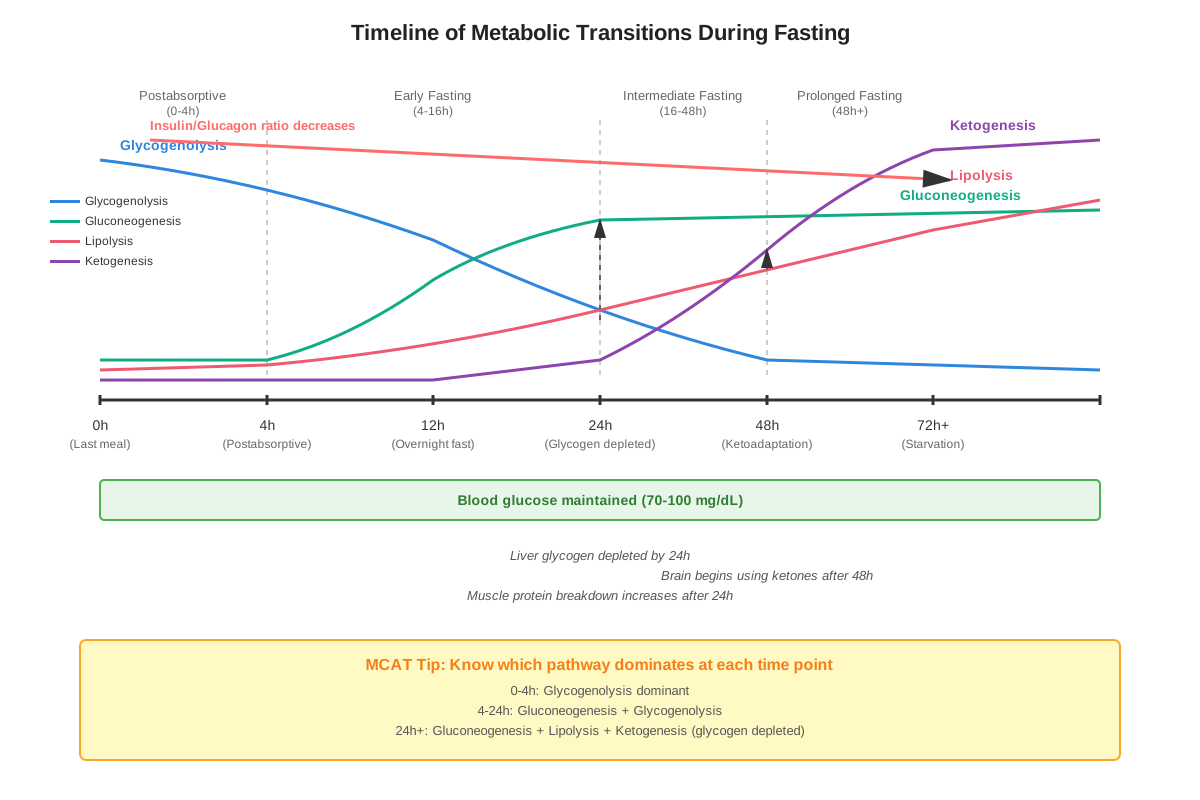
The fasting state is defined as the metabolic condition occurring when the body has fully absorbed nutrients from the previous meal and begins relying on endogenous energy stores to maintain blood glucose and provide fuel to tissues. This state typically begins 4-6 hours postprandial (after eating) and can be subdivided into several phases based on duration and metabolic characteristics:
- Early fasting (4-12 hours): Characterized by glycogenolysis as the primary source of blood glucose
- Intermediate fasting (12-24 hours): Transition period with increasing gluconeogenesis and lipolysis
- Prolonged fasting (24-72 hours): Dominant gluconeogenesis, active ketogenesis, and protein sparing mechanisms
- Starvation (>72 hours): Maximal ketone body production, reduced gluconeogenesis, and adaptive metabolic suppression
The overnight fast (approximately 8-12 hours) represents the most commonly tested fasting duration on the MCAT and serves as the reference point for "fasting blood glucose" measurements in clinical medicine.
Hormonal Regulation During Fasting
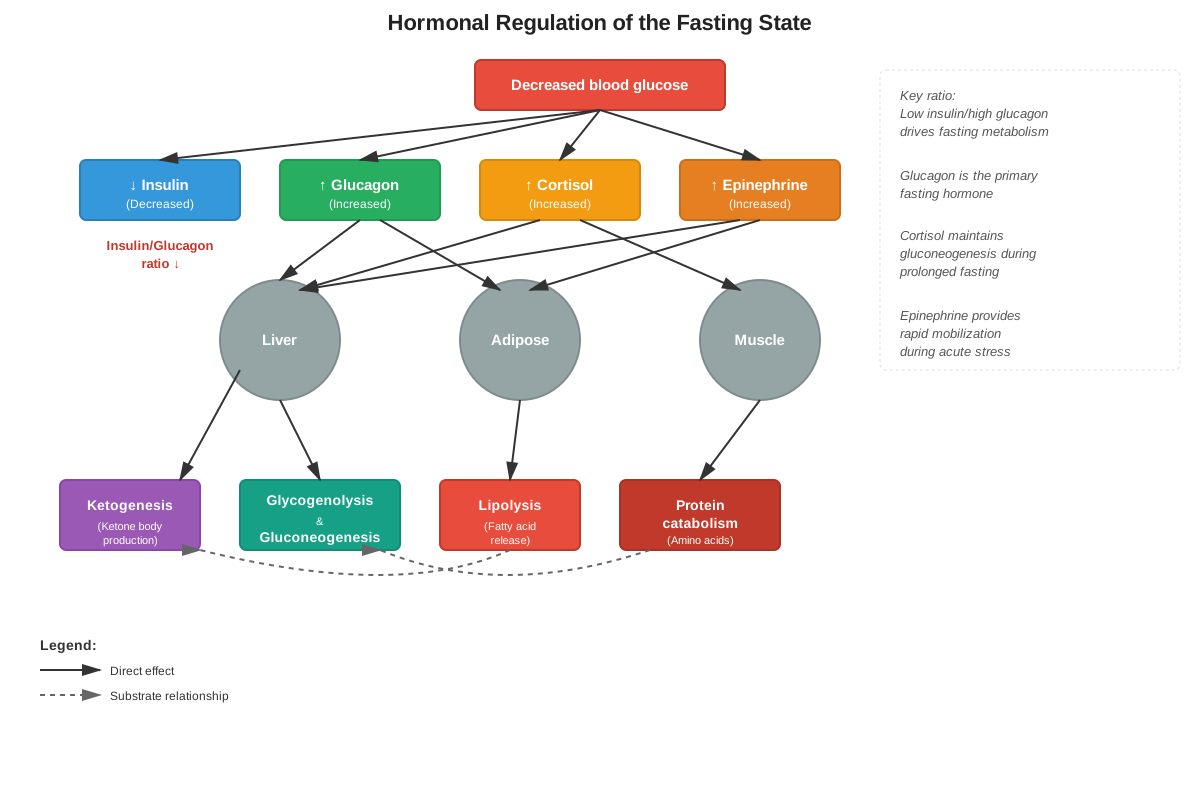
The transition from fed to fasting state is orchestrated by dramatic changes in the insulin-to-glucagon ratio. During the fed state, this ratio is high (approximately 3:1 or greater), favoring anabolic processes. During fasting, this ratio decreases significantly (to approximately 0.5:1 or lower), triggering catabolic processes:
| Hormone | Fed State | Fasting State | Primary Effects |
|---|---|---|---|
| Insulin | High | Low | Decreased glucose uptake, reduced glycogen/fat synthesis |
| Glucagon | Low | High | Increased glycogenolysis, gluconeogenesis, lipolysis |
| Cortisol | Baseline | Elevated | Protein catabolism, gluconeogenesis substrate provision |
| Epinephrine | Baseline | Elevated (stress) | Rapid glycogenolysis, lipolysis activation |
| Growth Hormone | Variable | Elevated | Lipolysis, protein sparing, insulin antagonism |
Glucagon serves as the primary counter-regulatory hormone during fasting, binding to G-protein coupled receptors on hepatocytes and adipocytes. This binding activates adenylyl cyclase, increasing cAMP levels, which activates protein kinase A (PKA). PKA phosphorylates key regulatory enzymes, simultaneously activating catabolic pathways and inhibiting anabolic pathways through covalent modification.
Hepatic Metabolism During Fasting
The liver serves as the metabolic hub during fasting, responsible for maintaining blood glucose through two sequential processes:
Glycogenolysis
During the first 12-18 hours of fasting, hepatic glycogenolysis provides the majority of blood glucose. Glucagon-stimulated PKA phosphorylates and activates glycogen phosphorylase while simultaneously phosphorylating and inactivating glycogen synthase. This coordinated reciprocal regulation ensures unidirectional glycogen breakdown. The liver contains approximately 100-120 grams of glycogen, sufficient to maintain blood glucose for 12-24 hours depending on activity level and metabolic rate.
Glucose-6-phosphate generated from glycogen breakdown is converted to free glucose by glucose-6-phosphatase, an enzyme unique to liver and kidney. This free glucose is released into the bloodstream to maintain blood glucose concentrations between 70-100 mg/dL (3.9-5.6 mM).
Gluconeogenesis
As glycogen stores become depleted, gluconeogenesis becomes the dominant pathway for glucose production, eventually accounting for nearly 100% of hepatic glucose output after 24-48 hours of fasting. This pathway synthesizes glucose from non-carbohydrate precursors:
- Lactate: Produced by anaerobic glycolysis in red blood cells and exercising muscle (Cori cycle)
- Glycerol: Released from triglyceride breakdown in adipose tissue
- Glucogenic amino acids: Primarily alanine from muscle protein catabolism (glucose-alanine cycle)
The rate-limiting enzyme phosphoenolpyruvate carboxykinase (PEPCK) is transcriptionally upregulated by glucagon and cortisol during fasting. Additionally, fructose-1,6-bisphosphatase and glucose-6-phosphatase activities increase, while the opposing glycolytic enzymes (phosphofructokinase-1 and glucokinase) are inhibited by decreased fructose-2,6-bisphosphate levels.
Ketogenesis
After 12-24 hours of fasting, the liver begins significant ketogenesis, producing ketone bodies (acetoacetate, β-hydroxybutyrate, and acetone) from acetyl-CoA derived from fatty acid oxidation. This process occurs exclusively in hepatic mitochondria when acetyl-CoA accumulates beyond the capacity of the citric acid cycle. The key regulatory point is the availability of oxaloacetate—during fasting, oxaloacetate is diverted to gluconeogenesis, preventing acetyl-CoA from entering the citric acid cycle and shunting it toward ketone body synthesis.
The enzyme HMG-CoA synthase catalyzes the rate-limiting step of ketogenesis. Ketone bodies are released into the bloodstream and serve as water-soluble lipid-derived fuels that can cross the blood-brain barrier, eventually providing up to 70% of the brain's energy needs during prolonged fasting.
Adipose Tissue Metabolism During Fasting
Adipose tissue transitions from a storage depot to a fuel supplier during fasting. The decreased insulin-to-glucagon ratio activates hormone-sensitive lipase (HSL) through PKA-mediated phosphorylation. HSL catalyzes the hydrolysis of triglycerides stored in adipocytes, releasing free fatty acids and glycerol into the bloodstream.
Lipolysis proceeds through three sequential steps:
- Triglyceride → Diacylglycerol + Fatty acid (via HSL)
- Diacylglycerol → Monoacylglycerol + Fatty acid (via HSL)
- Monoacylglycerol → Glycerol + Fatty acid (via monoacylglycerol lipase)
The released free fatty acids bind to serum albumin for transport to peripheral tissues (muscle, heart, liver) where they undergo β-oxidation for ATP production. Glycerol travels to the liver where it enters gluconeogenesis after phosphorylation to glycerol-3-phosphate and oxidation to dihydroxyacetone phosphate.
Muscle Metabolism During Fasting
Skeletal muscle undergoes significant metabolic reprogramming during fasting. Unlike the fed state where muscle readily takes up glucose via GLUT4 transporters, fasting muscle becomes insulin-resistant and preferentially oxidizes fatty acids for energy, sparing glucose for the brain and red blood cells.
During early fasting, muscle glycogen (approximately 400-500 grams total) is broken down to provide glucose-6-phosphate for intramuscular glycolysis. However, muscle lacks glucose-6-phosphatase and cannot release free glucose into the bloodstream. Instead, muscle glycolysis produces lactate that is exported to the liver for gluconeogenesis via the Cori cycle.
During prolonged fasting (>24 hours), muscle begins catabolizing proteins to provide amino acids for hepatic gluconeogenesis. Alanine and glutamine are the primary amino acids released. Branched-chain amino acids (leucine, isoleucine, valine) are oxidized within muscle, with their amino groups transferred to pyruvate to form alanine via the glucose-alanine cycle. This process can result in the loss of 75-100 grams of muscle protein per day during extended fasting, though this rate decreases as ketone body utilization increases.
Brain Metabolism During Fasting
The brain is an obligate glucose consumer under normal conditions, requiring approximately 120 grams of glucose daily (about 5-6 mg/kg/min). During early fasting, the brain continues to rely exclusively on glucose delivered from hepatic glycogenolysis and gluconeogenesis. However, the brain cannot access free fatty acids as fuel because they cannot efficiently cross the blood-brain barrier when bound to albumin.
During prolonged fasting (>2-3 days), the brain adapts to utilize ketone bodies as an alternative fuel source. Ketone bodies are transported across the blood-brain barrier via monocarboxylate transporters (MCT1). Within neurons, β-hydroxybutyrate is oxidized back to acetoacetate, then converted to acetoacetyl-CoA, which is cleaved to two acetyl-CoA molecules that enter the citric acid cycle. This adaptation is critical for survival during starvation, as it reduces the glucose requirement to approximately 40 grams per day, thereby decreasing the need for muscle protein catabolism.
Metabolic Integration and Substrate Flow
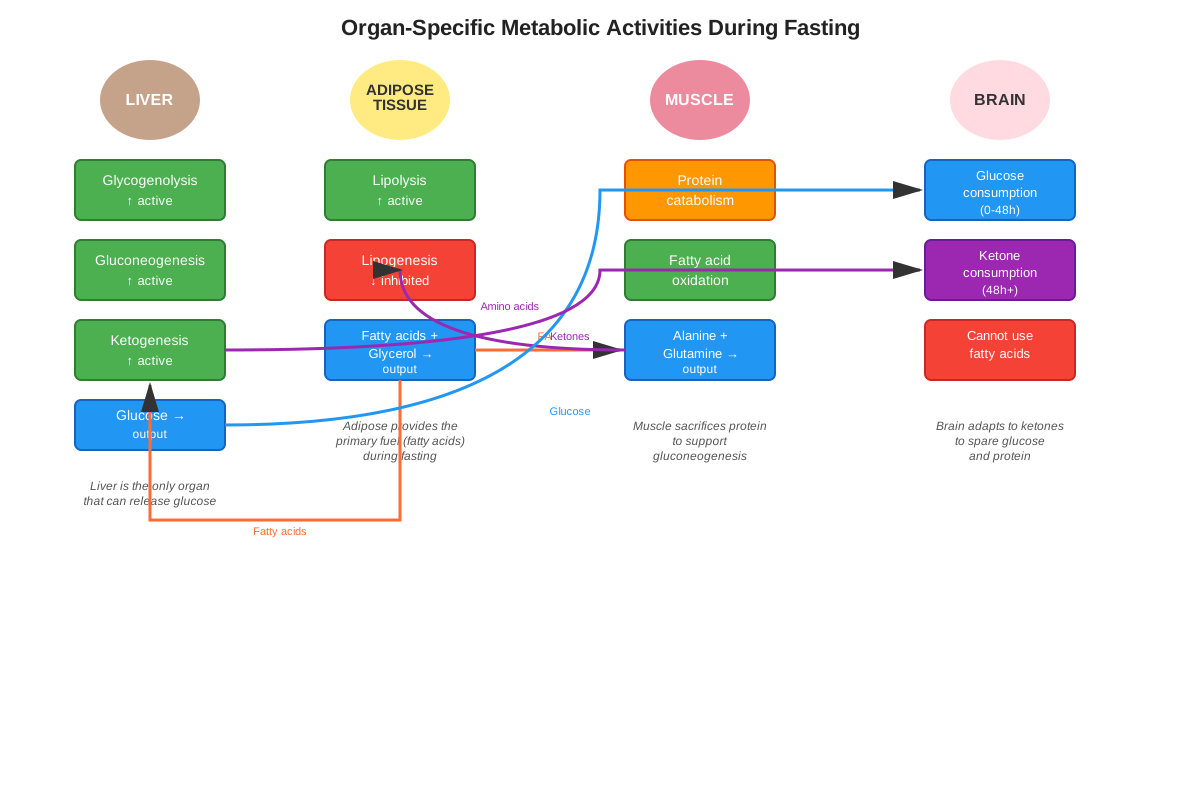
The fasting state exemplifies metabolic integration across organ systems. The following substrate flows characterize this state:
Adipose → Liver/Muscle/Heart: Free fatty acids for β-oxidation and ATP production
Adipose → Liver: Glycerol for gluconeogenesis
Muscle → Liver: Lactate (Cori cycle) and alanine (glucose-alanine cycle) for gluconeogenesis
Liver → Brain/RBC: Glucose to maintain obligate glucose-dependent tissues
Liver → Brain/Muscle/Heart: Ketone bodies as alternative fuel during prolonged fasting
This coordinated response ensures that blood glucose remains within the narrow physiological range (70-100 mg/dL) necessary for brain function while mobilizing stored energy to meet the body's ATP demands.
Concept Relationships
The fasting state integrates multiple metabolic pathways through hormonal regulation. The primary driver is the decreased insulin-to-glucagon ratio → which activates PKA signaling → leading to simultaneous activation of glycogenolysis and lipolysis while inhibiting glycogen synthesis and lipogenesis.
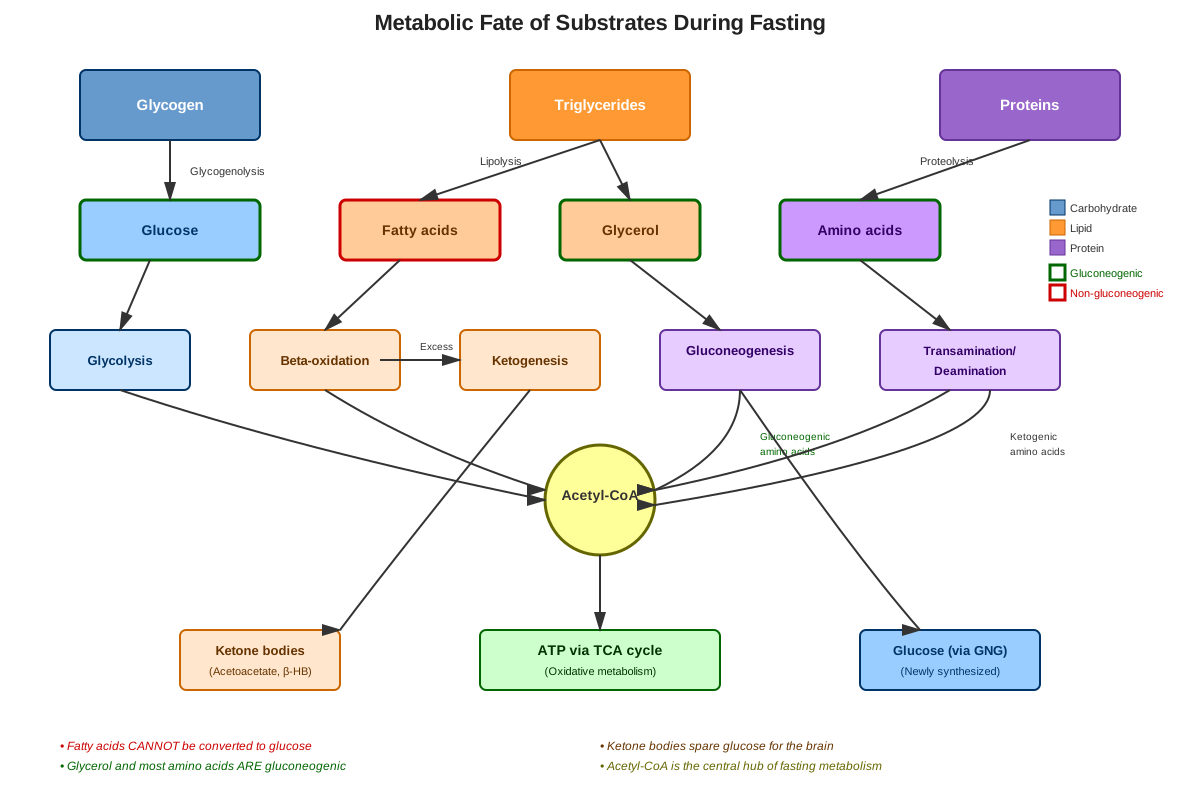
As fasting progresses: Glycogen depletion → necessitates gluconeogenesis activation → requiring substrates from muscle protein catabolism (amino acids) and adipose lipolysis (glycerol). Simultaneously, increased fatty acid oxidation → produces excess acetyl-CoA → which cannot fully enter the citric acid cycle due to oxaloacetate diversion to gluconeogenesis → resulting in ketogenesis.
The fasting state connects to prerequisite topics: Glycolysis (reversed in gluconeogenesis), glycogen metabolism (provides early fasting glucose), fatty acid oxidation (primary ATP source), and ketone body metabolism (brain fuel adaptation). It contrasts directly with the fed state where insulin dominates and anabolic processes prevail.
Understanding fasting metabolism enables comprehension of related topics including exercise metabolism (similar hormonal profile and fuel utilization), diabetes mellitus (dysregulated fasting metabolism), starvation (extreme extension of fasting adaptations), and metabolic acidosis (from excessive ketone body production).
Quick check — test yourself on Fasting state so far.
Try Flashcards →High-Yield Facts
⭐ The insulin-to-glucagon ratio decreases dramatically during fasting, serving as the primary hormonal signal that coordinates all metabolic changes
⭐ Hepatic glycogen stores (100-120g) are sufficient to maintain blood glucose for approximately 12-24 hours, after which gluconeogenesis becomes the dominant source
⭐ The liver is the only organ capable of releasing free glucose into the bloodstream due to the presence of glucose-6-phosphatase
⭐ Ketone bodies (acetoacetate and β-hydroxybutyrate) can provide up to 70% of the brain's energy needs during prolonged fasting, reducing glucose requirements from 120g to 40g per day
⭐ Muscle lacks glucose-6-phosphatase and therefore cannot contribute directly to blood glucose, but provides lactate and alanine for hepatic gluconeogenesis
- Free fatty acids become the primary fuel for muscle, heart, and liver during fasting, sparing glucose for the brain and red blood cells
- Hormone-sensitive lipase is activated by PKA-mediated phosphorylation in response to elevated glucagon and decreased insulin
- The Cori cycle (muscle lactate → hepatic glucose) and glucose-alanine cycle (muscle alanine → hepatic glucose) represent important inter-organ metabolic cooperation
- Cortisol and epinephrine serve as secondary counter-regulatory hormones that enhance gluconeogenesis and lipolysis during fasting
- Red blood cells remain obligate glucose consumers throughout fasting because they lack mitochondria and cannot utilize fatty acids or ketone bodies
- Acetone, produced from spontaneous decarboxylation of acetoacetate, is exhaled and produces the characteristic "fruity breath" of ketosis
- The rate-limiting enzymes of gluconeogenesis (PEPCK and fructose-1,6-bisphosphatase) are transcriptionally upregulated during fasting
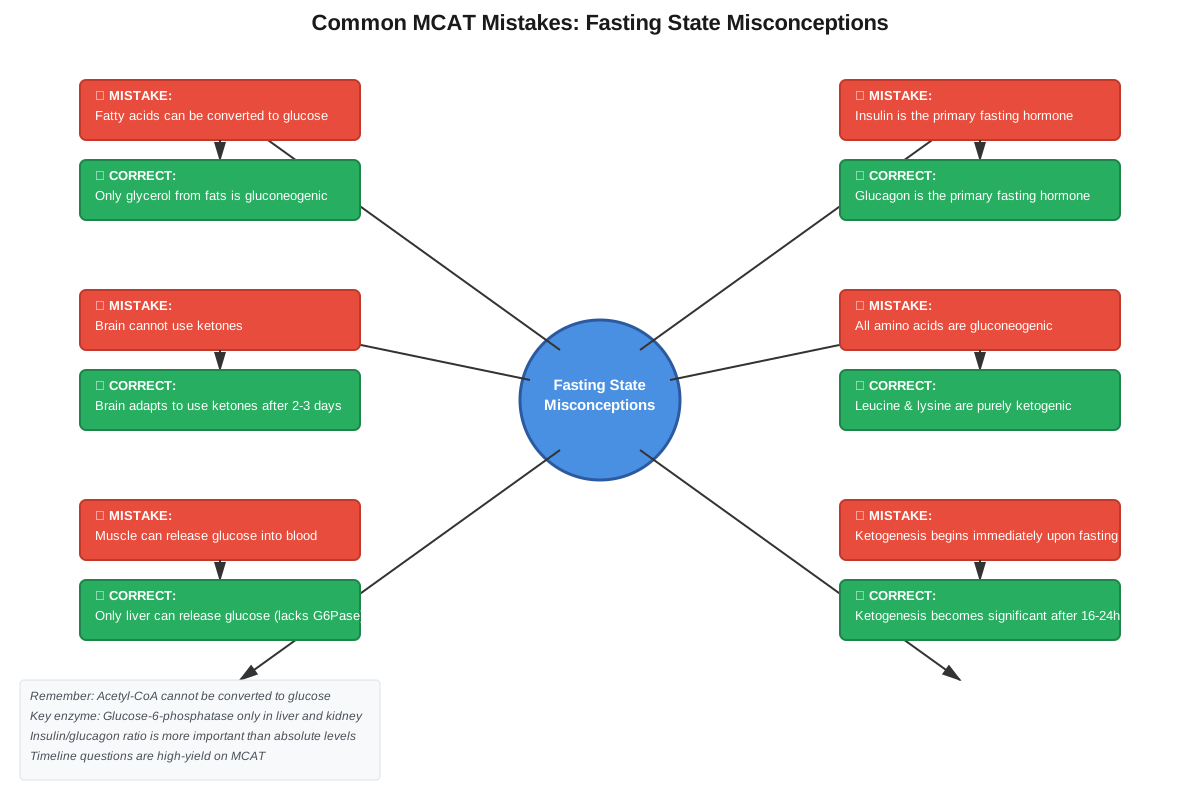
Common Misconceptions
Misconception: The body enters the fasting state immediately after finishing a meal.
Correction: The fasting state begins 4-6 hours postprandial, after the absorptive phase is complete and insulin levels have returned to baseline. The first several hours after eating constitute the fed state, characterized by nutrient absorption, storage, and elevated insulin.
Misconception: Muscle glycogen can be broken down to provide glucose for the brain during fasting.
Correction: Muscle lacks glucose-6-phosphatase and cannot release free glucose into the bloodstream. Muscle glycogen is broken down to glucose-6-phosphate for intramuscular use only. Muscle contributes to blood glucose indirectly through lactate and alanine production for hepatic gluconeogenesis.
Misconception: Ketone bodies are toxic waste products that should be avoided.
Correction: Ketone bodies are normal, efficient metabolic fuels produced during fasting. They represent a crucial adaptation that allows the brain to utilize fat-derived energy and reduces the need for muscle protein catabolism. Pathological ketoacidosis (as in uncontrolled diabetes) is distinct from physiological ketosis during fasting.
Misconception: Fatty acids can directly provide energy to the brain during fasting.
Correction: Free fatty acids bound to albumin cannot efficiently cross the blood-brain barrier. The brain accesses fat-derived energy only through ketone bodies, which are water-soluble and can be transported across the blood-brain barrier via monocarboxylate transporters.
Misconception: Glucagon directly stimulates lipolysis in adipose tissue.
Correction: While glucagon is the primary signal for fasting metabolism, its direct effects on adipose tissue are limited in humans. The primary trigger for lipolysis is the decrease in insulin, which removes the inhibition of hormone-sensitive lipase. Epinephrine and norepinephrine provide additional direct stimulation of lipolysis through β-adrenergic receptors.
Misconception: All amino acids can be used for gluconeogenesis during fasting.
Correction: Only glucogenic amino acids can be converted to glucose. Leucine and lysine are purely ketogenic and cannot contribute to gluconeogenesis. Most amino acids are glucogenic, but some (isoleucine, phenylalanine, tryptophan, tyrosine) are both glucogenic and ketogenic.
Misconception: The liver produces ketone bodies for its own energy use during fasting.
Correction: The liver produces ketone bodies but cannot utilize them for energy because hepatocytes lack the enzyme succinyl-CoA:3-ketoacid CoA transferase (thiophorase) needed to activate ketone bodies. Ketone bodies are produced exclusively for export to peripheral tissues.
Worked Examples
Example 1: Metabolic Transitions During Overnight Fast
Clinical Vignette: A healthy 70 kg male eats dinner at 7 PM and does not eat again until breakfast at 7 AM the next morning. Describe the metabolic changes occurring in his liver, adipose tissue, and muscle during this 12-hour fast.
Analysis:
Hour 0-4 (Fed to Post-absorptive Transition):
- Insulin levels gradually decline from peak postprandial values
- Hepatic glycogen synthesis slows and stops
- Glucose uptake by muscle and adipose tissue decreases
- The body transitions from storing nutrients to maintaining homeostasis
Hour 4-8 (Early Fasting):
- Insulin-to-glucagon ratio decreases significantly
- Liver: Glycogenolysis becomes the primary source of blood glucose output (approximately 8-10 g/hour). Glucagon-activated PKA phosphorylates glycogen phosphorylase (active) and glycogen synthase (inactive). Glucose-6-phosphatase converts glucose-6-phosphate to free glucose for release.
- Adipose tissue: Hormone-sensitive lipase becomes activated, initiating lipolysis. Free fatty acids and glycerol are released into the bloodstream at increasing rates.
- Muscle: Glucose uptake decreases dramatically. Muscle begins preferentially oxidizing fatty acids for ATP production. Muscle glycogen is used for intramuscular needs only, producing lactate that enters the Cori cycle.
Hour 8-12 (Transition to Intermediate Fasting):
- Hepatic glycogen stores are approximately 50% depleted
- Liver: Gluconeogenesis contributes increasingly to glucose output (now approximately 40-50% of total). PEPCK expression increases. Fatty acid oxidation increases, producing acetyl-CoA. Early ketogenesis begins as acetyl-CoA accumulates.
- Adipose tissue: Lipolysis continues at elevated rates, providing the primary fuel for most tissues
- Muscle: Fatty acid oxidation is maximal. Some protein catabolism begins, releasing alanine for hepatic gluconeogenesis via the glucose-alanine cycle.
- Brain: Still using 100% glucose, but blood ketone levels are beginning to rise (0.5-1.0 mM)
Key Exam Point: At 12 hours of fasting, the body is transitioning from glycogenolysis-dominant to gluconeogenesis-dominant glucose production, with increasing reliance on fatty acid oxidation and early ketone body production.
Example 2: Predicting Metabolite Concentrations
Question: A researcher measures blood concentrations of various metabolites in subjects after 0, 6, 12, and 24 hours of fasting. Predict whether each metabolite will increase, decrease, or remain stable at each time point: (A) glucose, (B) insulin, (C) glucagon, (D) free fatty acids, (E) ketone bodies, (F) lactate.
Solution:
| Metabolite | 0 hrs (Fed) | 6 hrs | 12 hrs | 24 hrs | Reasoning |
|---|---|---|---|---|---|
| Glucose | 100-120 mg/dL | 80-100 | 70-90 | 70-80 | Decreases initially then stabilizes as hepatic output matches utilization |
| Insulin | High | Low | Very Low | Very Low | Decreases rapidly as nutrient absorption ends |
| Glucagon | Low | Elevated | High | High | Increases reciprocally to insulin |
| Free Fatty Acids | Low | Moderate | High | Very High | Increases progressively as lipolysis accelerates |
| Ketone Bodies | <0.3 mM | 0.5-1.0 mM | 1.0-2.0 mM | 3.0-5.0 mM | Increases exponentially as fasting progresses |
| Lactate | Baseline | Stable/↑ | Stable/↑ | Stable | Remains relatively stable as Cori cycle activity continues |
Detailed Reasoning:
(A) Glucose: Initially decreases from fed-state levels (100-120 mg/dL) as insulin-stimulated uptake continues but dietary input ceases. By 6-12 hours, hepatic glucose output (glycogenolysis + gluconeogenesis) matches peripheral utilization, stabilizing glucose at 70-90 mg/dL. This represents successful homeostatic regulation.
(B) Insulin: Decreases rapidly within the first 2-4 hours as nutrient absorption ends. By 6 hours, insulin is at basal levels and continues to decline slightly through 24 hours. This decrease is the primary signal initiating fasting metabolism.
(C) Glucagon: Increases reciprocally to insulin, rising significantly by 6 hours and remaining elevated throughout fasting. The decreased insulin-to-glucagon ratio is the key regulatory signal.
(D) Free Fatty Acids: Increase progressively as lipolysis accelerates. At 6 hours, FFA levels are moderately elevated; by 12-24 hours, they may increase 3-4 fold above fed-state levels, providing the primary fuel for most tissues.
(E) Ketone Bodies: Show the most dramatic change, increasing exponentially. Minimal in the fed state (<0.3 mM), they rise to 0.5-1.0 mM by 6 hours, 1-2 mM by 12 hours, and 3-5 mM by 24 hours as hepatic ketogenesis accelerates.
(F) Lactate: Remains relatively stable as the Cori cycle continues to operate. Muscle produces lactate from glycolysis, and the liver converts it back to glucose. May increase slightly during early fasting as muscle glycogen breakdown accelerates.
Exam Strategy Application: MCAT questions often present graphs or tables of metabolite concentrations and ask students to identify the metabolic state or predict the effects of enzyme deficiencies. Recognizing the characteristic pattern—decreased insulin, increased glucagon, elevated FFA and ketones—immediately identifies the fasting state.
Exam Strategy
Approaching Fasting State Questions:
- Identify the metabolic state first: Look for time since last meal, insulin/glucagon levels, or metabolite concentrations. Phrases like "overnight fast," "12 hours postprandial," or "between meals" indicate fasting state.
- Determine the fasting duration: Early fasting (4-12 hours) is glycogenolysis-dominant; intermediate fasting (12-24 hours) involves significant gluconeogenesis; prolonged fasting (>24 hours) features maximal ketogenesis and brain adaptation.
- Apply the insulin-to-glucagon ratio principle: This single concept predicts the activation state of nearly all metabolic pathways. Low ratio = catabolic processes active.
Trigger Words and Phrases:
- "Overnight fast" or "fasting blood glucose" → 8-12 hour fast
- "Between meals" → early fasting state
- "Prolonged fast" or "several days without food" → starvation physiology
- "Counter-regulatory hormones" → glucagon, cortisol, epinephrine (fasting hormones)
- "Glucose sparing" → shift to fatty acid and ketone body utilization
- "Protein catabolism" → prolonged fasting for gluconeogenesis substrates
Process of Elimination Tips:
- Eliminate options suggesting active glycogen synthesis or lipogenesis during fasting: These are fed-state processes incompatible with low insulin.
- Eliminate options suggesting the brain uses fatty acids directly: The brain cannot efficiently utilize free fatty acids; it uses glucose or ketone bodies only.
- Eliminate options suggesting muscle releases free glucose: Muscle lacks glucose-6-phosphatase and cannot release free glucose regardless of metabolic state.
- For enzyme activity questions: During fasting, catabolic enzymes (glycogen phosphorylase, hormone-sensitive lipase, PEPCK) are active while anabolic enzymes (glycogen synthase, acetyl-CoA carboxylase) are inactive.
Time Allocation:
- Discrete questions on fasting state: 60-90 seconds (straightforward recall and application)
- Passage-based questions: 90-120 seconds per question (requires integration of passage information with fasting state knowledge)
- Complex multi-step questions requiring pathway tracing: up to 2 minutes (work systematically through each organ system)
Common Question Formats:
- Comparative questions: "Which metabolite concentration is higher in fasting versus fed state?"
- Prediction questions: "What would happen to blood glucose if glucagon signaling were blocked during fasting?"
- Mechanism questions: "How does the liver maintain blood glucose during overnight fasting?"
- Clinical application: "A patient with a gluconeogenesis enzyme deficiency would most likely experience hypoglycemia at what time point?"
Memory Techniques
Mnemonic for Fasting State Hormones - "Good Cats Eat Grass Happily":
- Glucagon (primary fasting hormone)
- Cortisol (enhances gluconeogenesis)
- Epinephrine (stress-activated lipolysis)
- Growth Hormone (protein sparing, lipolysis)
- High (all are elevated during fasting)
Mnemonic for Gluconeogenesis Substrates - "LAG":
- Lactate (from Cori cycle)
- Alanine (from glucose-alanine cycle)
- Glycerol (from lipolysis)
Mnemonic for Ketone Bodies - "All Bodies Adapt":
- Acetoacetate (first ketone body formed)
- Beta-hydroxybutyrate (predominant ketone body in blood)
- Acetone (spontaneously formed, exhaled)
Visualization Strategy for Metabolic Flow:
Picture a three-story building during fasting:
- Basement (Adipose): Fat stores melting, releasing fatty acids (flames) and glycerol (water drops) upward
- Ground Floor (Liver): Central factory receiving glycerol and amino acids, producing glucose (sugar cubes) and ketone bodies (stars) for export
- Top Floor (Brain): Initially eating only sugar cubes (glucose), gradually learning to eat stars (ketones) during prolonged fasting
- Side Wing (Muscle): Burning fatty acid flames for energy, occasionally breaking down its own structure (protein) to send amino acid bricks to the liver
Timeline Visualization - "The 12-24-48 Rule":
- 12 hours: Glycogen approximately 50% depleted, gluconeogenesis contributing significantly
- 24 hours: Glycogen exhausted, gluconeogenesis dominant, ketones rising substantially
- 48 hours: Brain begins significant ketone utilization, protein catabolism decreases
Acronym for Active Fasting Pathways - "GLGL-K" (sounds like "giggle-K"):
- Glycogenolysis (early fasting)
- Lipolysis (throughout fasting)
- Gluconeogenesis (intermediate to prolonged fasting)
- Lactate production (Cori cycle)
- Ketogenesis (prolonged fasting)
Summary
The fasting state represents a coordinated metabolic response to nutrient scarcity, characterized by a decreased insulin-to-glucagon ratio that orchestrates the transition from glucose storage to glucose production and from carbohydrate to fat utilization. Beginning 4-6 hours postprandial, the liver initially maintains blood glucose through glycogenolysis, then progressively shifts to gluconeogenesis using lactate, alanine, and glycerol as substrates. Simultaneously, adipose tissue activates lipolysis, releasing free fatty acids that become the primary fuel for muscle, heart, and liver, while glycerol supports hepatic gluconeogenesis. During prolonged fasting, the liver produces ketone bodies from fatty acid-derived acetyl-CoA, providing an alternative fuel that allows the brain to reduce its glucose dependence from 120 to 40 grams daily, thereby sparing muscle protein. This metabolic flexibility ensures survival during periods without food while maintaining critical blood glucose concentrations for obligate glucose-consuming tissues. Understanding the temporal sequence of metabolic changes, organ-specific roles, and hormonal regulation is essential for MCAT success and provides the foundation for comprehending metabolic diseases and clinical nutrition.
Key Takeaways
- The fasting state is defined by a low insulin-to-glucagon ratio that activates catabolic pathways (glycogenolysis, gluconeogenesis, lipolysis, ketogenesis) while inhibiting anabolic pathways
- Hepatic glycogen stores (100-120g) maintain blood glucose for approximately 12-24 hours, after which gluconeogenesis from lactate, alanine, and glycerol becomes the dominant source
- The liver is the only organ capable of releasing free glucose into the bloodstream due to glucose-6-phosphatase, making it the central regulator of blood glucose during fasting
- Free fatty acids from adipose lipolysis become the primary fuel for most tissues during fasting, sparing glucose for the brain and red blood cells
- Ketone bodies produced by hepatic ketogenesis during prolonged fasting can provide up to 70% of the brain's energy needs, representing a critical adaptation that reduces muscle protein catabolism
- Muscle contributes to blood glucose maintenance indirectly through the Cori cycle (lactate) and glucose-alanine cycle (alanine), not through direct glucose release
- The temporal progression of fasting metabolism—glycogenolysis (0-12 hours) → gluconeogenesis (12-24 hours) → ketogenesis (>24 hours)—is essential for predicting metabolic changes and answering MCAT questions
Related Topics
Fed State (Absorptive State): The metabolic opposite of fasting, characterized by high insulin-to-glucagon ratio, active glycogen and fat synthesis, and nutrient storage. Mastering the fasting state enables clear contrast with fed-state metabolism.
Starvation Metabolism: An extension of prolonged fasting (>72 hours) with maximal ketone body production, severe protein catabolism reduction, and metabolic rate suppression. Understanding fasting state provides the foundation for comprehending starvation adaptations.
Exercise Metabolism: Shares many features with fasting state including elevated glucagon, active glycogenolysis and lipolysis, and increased fatty acid oxidation. The hormonal and metabolic similarities make fasting state knowledge directly applicable.
Diabetes Mellitus: Represents dysregulated fasting metabolism where Type 1 patients cannot suppress gluconeogenesis and ketogenesis due to absolute insulin deficiency, while Type 2 patients have impaired insulin signaling. Fasting state knowledge is essential for understanding diabetic pathophysiology.
Cori Cycle and Glucose-Alanine Cycle: Inter-organ metabolic cooperation mechanisms that are particularly active during fasting. These cycles represent practical applications of fasting state principles.
Ketone Body Metabolism: The synthesis, transport, and utilization of ketone bodies becomes increasingly important during prolonged fasting and represents a critical metabolic adaptation.
Practice CTA
Now that you have mastered the core concepts of fasting state metabolism, test your understanding with practice questions that simulate MCAT-style scenarios. Focus on questions requiring you to predict metabolic changes across different fasting durations, trace substrate flow between organs, and apply hormonal regulation principles. Use flashcards to reinforce the temporal sequence of metabolic transitions and the organ-specific roles during fasting. Remember that metabolic integration questions—which require synthesizing information across multiple pathways and organ systems—are among the highest-yield question types on the MCAT. Your solid understanding of fasting state metabolism will serve as a foundation for mastering related topics and achieving your target score. Keep pushing forward—metabolic biochemistry is challenging but conquerable with systematic study and practice!
Sign up free to keep reading
Create a free AnvayaPrep account to finish this MCAT guide on Fasting state — plus flashcards and practice questions.