Overview
The glycolysis investment phase represents the first five enzymatic reactions of glycolysis, during which the cell commits two ATP molecules to phosphorylate glucose and its derivatives. This energy investment is essential for trapping glucose within the cell and destabilizing the six-carbon sugar to facilitate its eventual cleavage into two three-carbon molecules. Understanding this phase is critical for MCAT success because it establishes the foundation for cellular energy metabolism, connects to regulatory mechanisms, and frequently appears in both discrete questions and passage-based scenarios involving metabolic disorders, exercise physiology, and cancer biology.
The investment phase demonstrates a fundamental principle in biochemistry: sometimes energy must be spent to generate greater energy returns later. This concept parallels economic investment strategies and illustrates how cells manage their energy economy. The phase consists of five distinct reactions catalyzed by hexokinase (or glucokinase), phosphoglucose isomerase, phosphofructokinase-1 (PFK-1), aldolase, and triose phosphate isomerase. Each enzyme serves a specific purpose in preparing glucose for the energy-yielding payoff phase that follows.
For the MCAT, the investment phase connects to broader themes in metabolism including enzyme regulation, thermodynamics, metabolic pathway integration, and disease states. Questions may test knowledge of specific enzyme mechanisms, regulatory control points, or the consequences of enzyme deficiencies. The investment phase also provides context for understanding how cells respond to varying energy demands, hormonal signals, and nutrient availability—all high-yield topics for the Biochemical and Molecular Foundations section of the exam.
Learning Objectives
- [ ] Define glycolysis investment phase using accurate Biochemistry terminology
- [ ] Explain why glycolysis investment phase matters for the MCAT
- [ ] Apply glycolysis investment phase to exam-style questions
- [ ] Identify common mistakes related to glycolysis investment phase
- [ ] Connect glycolysis investment phase to related Biochemistry concepts
- [ ] Diagram the complete five-step sequence with substrates, products, and enzymes
- [ ] Analyze the regulatory mechanisms controlling the investment phase, particularly at the PFK-1 checkpoint
- [ ] Predict the metabolic consequences of enzyme deficiencies in the investment phase
Prerequisites
- Basic enzyme kinetics: Understanding Michaelis-Menten kinetics and enzyme regulation is essential for comprehending how hexokinase and PFK-1 are controlled
- ATP structure and energetics: Knowledge of ATP as the cellular energy currency explains why two ATP molecules are invested and how phosphoryl group transfer works
- Carbohydrate chemistry: Familiarity with glucose structure, aldose vs. ketose sugars, and phosphate ester formation is necessary to follow the chemical transformations
- Thermodynamics fundamentals: Understanding ΔG, coupled reactions, and irreversible vs. reversible steps explains why certain reactions serve as regulatory checkpoints
- Cellular compartmentalization: Knowing that glycolysis occurs in the cytoplasm helps contextualize this pathway within broader cellular metabolism
Why This Topic Matters
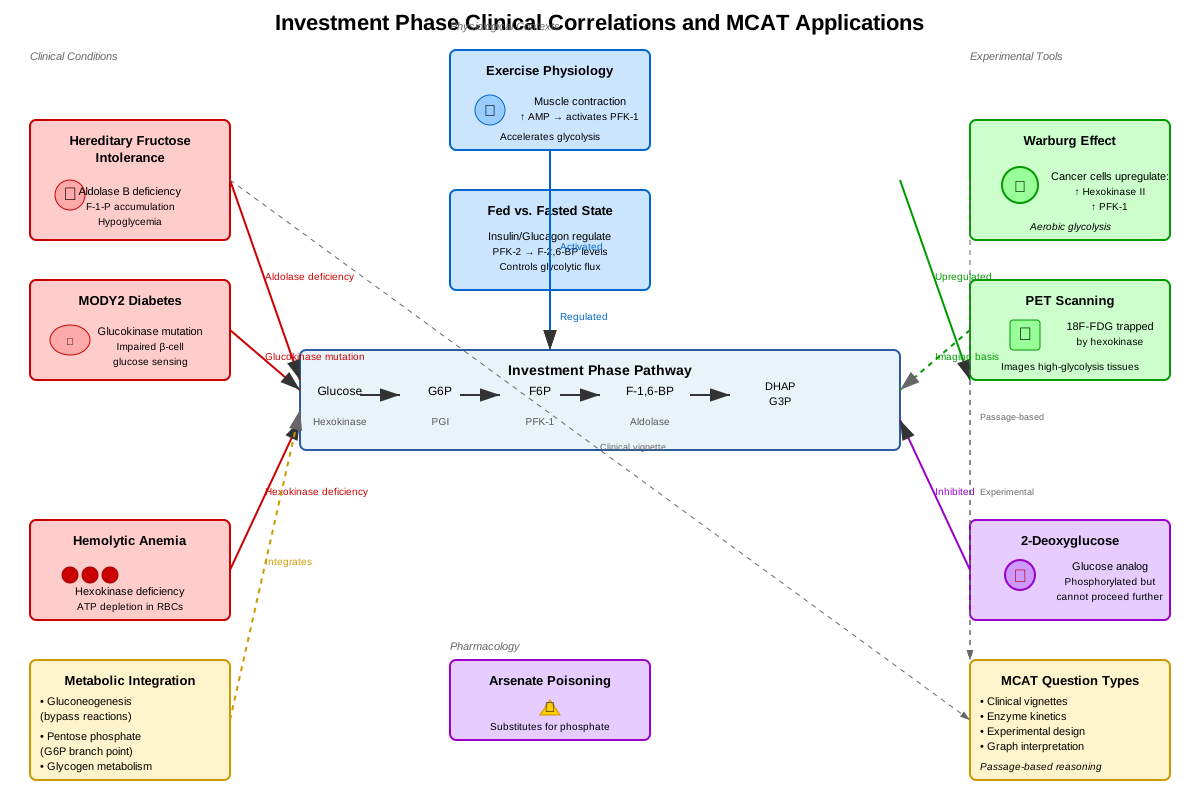
The glycolysis investment phase appears frequently on the MCAT because it integrates multiple testable concepts: enzyme regulation, metabolic control, energetics, and disease mechanisms. Approximately 15-20% of biochemistry questions on the MCAT involve glycolysis or related metabolic pathways, making this a high-yield topic. Questions may present clinical vignettes involving diabetes (where glucose metabolism is dysregulated), cancer (where glycolysis is upregulated even in oxygen-rich conditions—the Warburg effect), or genetic enzyme deficiencies.
Clinically, understanding the investment phase is crucial for comprehending metabolic diseases. Deficiencies in enzymes like aldolase or triose phosphate isomerase cause rare but serious metabolic disorders. More commonly, the regulatory mechanisms controlling PFK-1 are relevant to understanding how exercise, fasting, and hormonal signals affect glucose utilization. Cancer cells often exhibit increased glycolytic flux, making the investment phase enzymes potential therapeutic targets.
On the MCAT, this topic typically appears in several formats: discrete questions testing specific enzyme functions or regulatory mechanisms, passage-based questions involving experimental data on glycolytic flux, and questions requiring integration with other pathways like gluconeogenesis or the pentose phosphate pathway. Students must recognize trigger words like "committed step," "rate-limiting enzyme," "allosteric regulation," and "substrate-level phosphorylation" to identify when investment phase knowledge is being tested.
Core Concepts
The Five Reactions of the Investment Phase
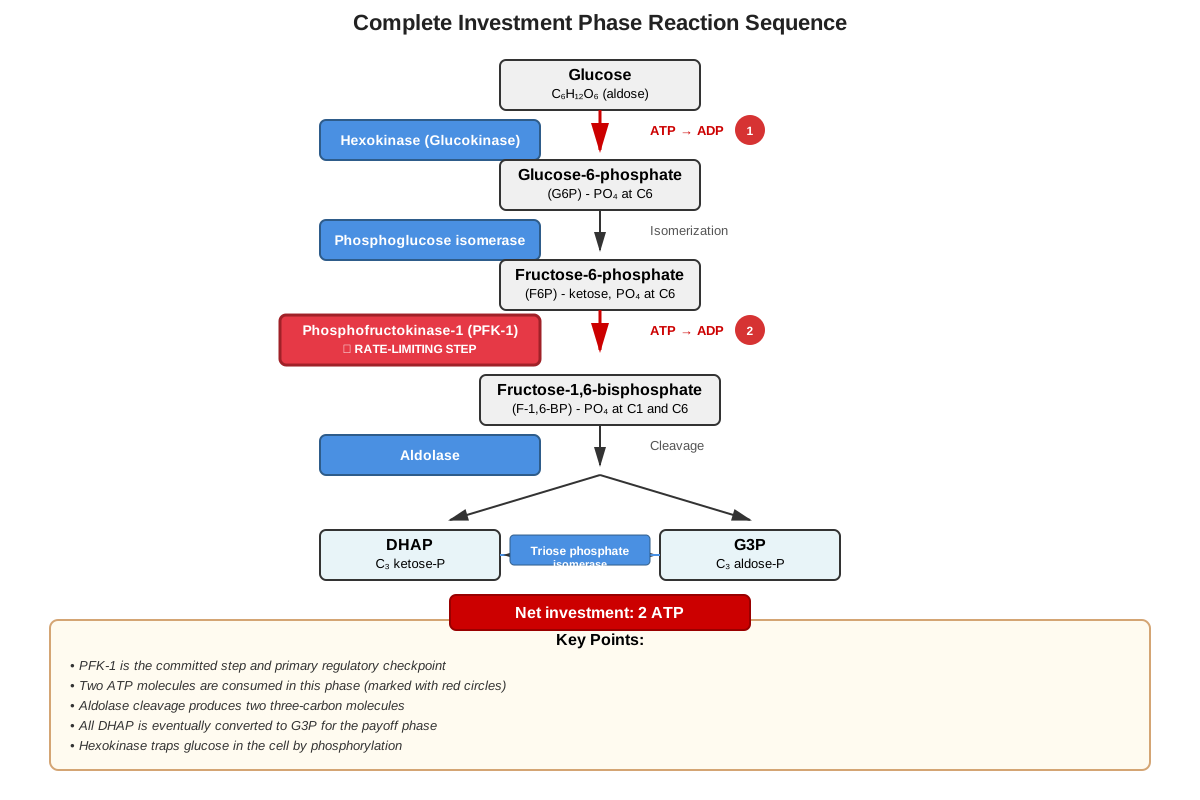
The glycolysis investment phase encompasses five sequential enzymatic reactions that convert one glucose molecule into two glyceraldehyde-3-phosphate (G3P) molecules while consuming two ATP molecules. This phase is called the "investment" phase because the cell expends energy before any ATP generation occurs in the subsequent payoff phase.
Reaction 1: Glucose → Glucose-6-Phosphate
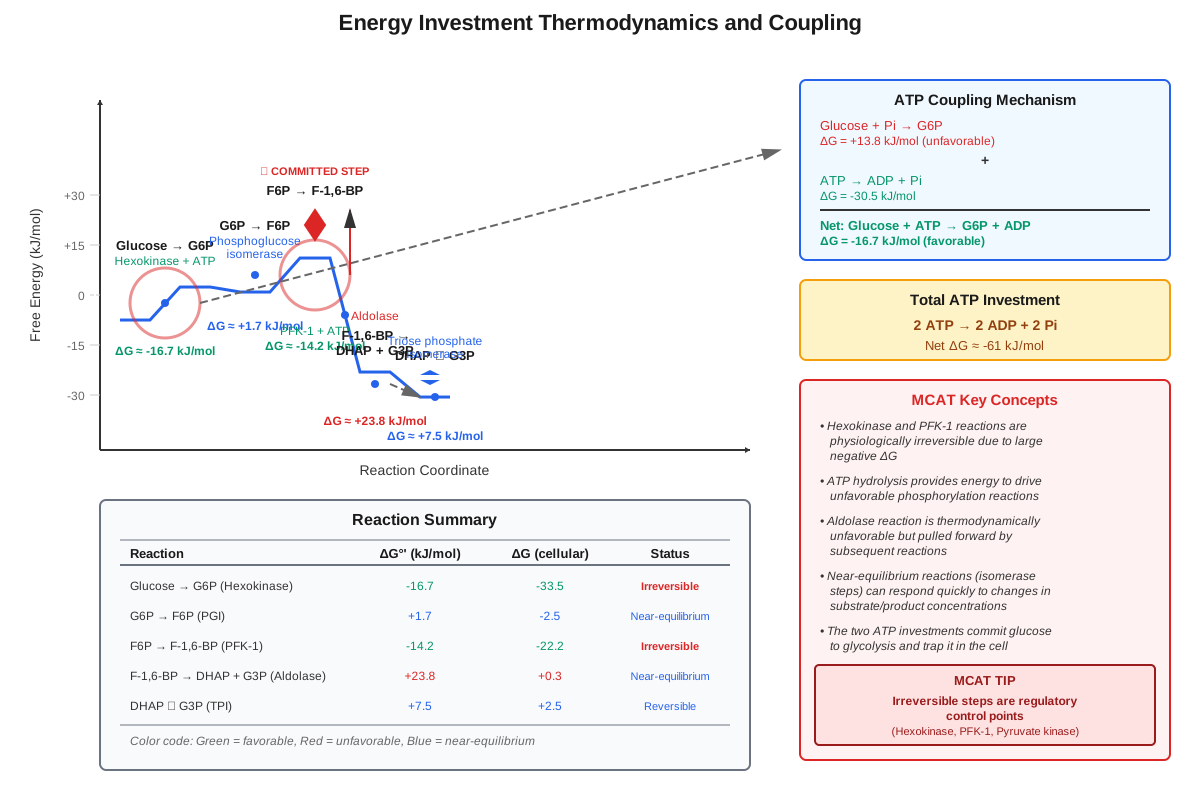
The enzyme hexokinase (or glucokinase in liver and pancreatic β-cells) catalyzes the phosphorylation of glucose at the C6 position using ATP as the phosphate donor. This reaction serves two critical functions: it traps glucose inside the cell (since glucose-6-phosphate cannot cross the plasma membrane) and it destabilizes the glucose molecule by adding a negatively charged phosphate group. The reaction is thermodynamically favorable (ΔG = -16.7 kJ/mol) and essentially irreversible under cellular conditions.
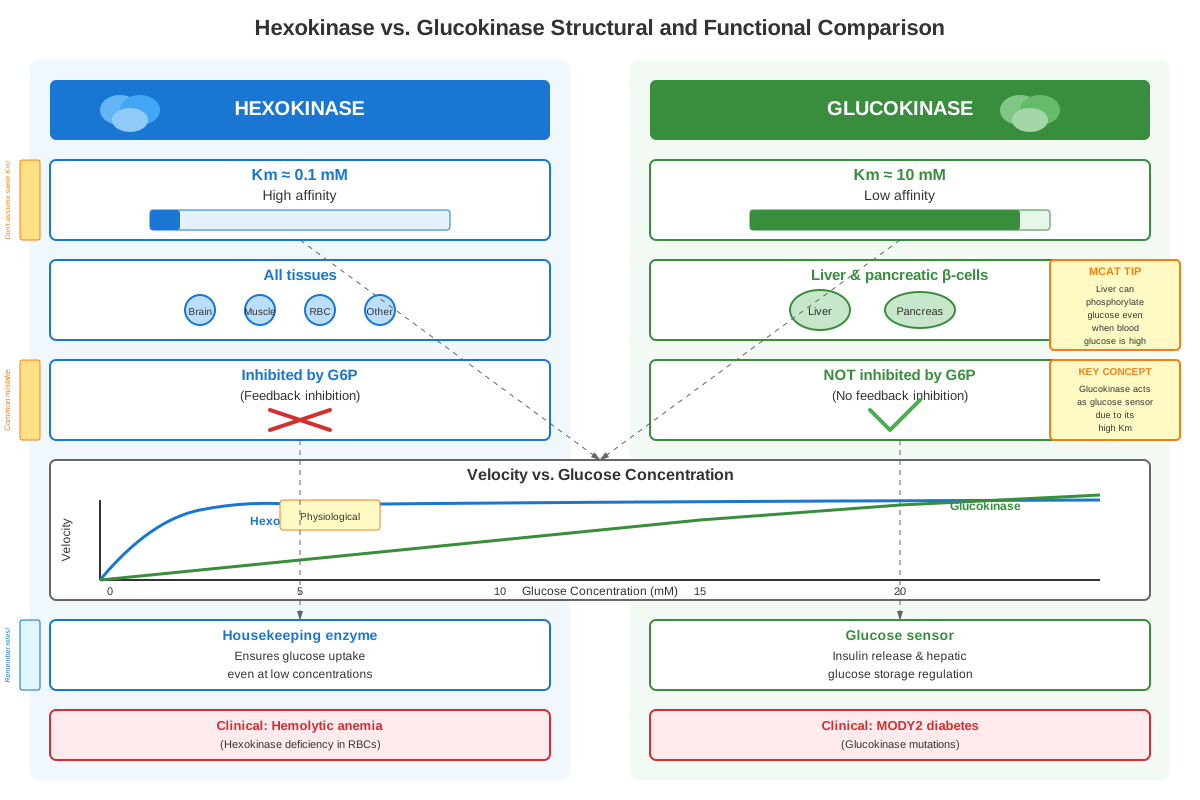
Hexokinase exhibits product inhibition by glucose-6-phosphate, providing feedback regulation. In contrast, glucokinase (the liver isoform) has a higher Km for glucose (~10 mM vs. ~0.1 mM for hexokinase) and is not inhibited by glucose-6-phosphate, allowing the liver to respond proportionally to blood glucose levels. This distinction is frequently tested on the MCAT.
Reaction 2: Glucose-6-Phosphate → Fructose-6-Phosphate
Phosphoglucose isomerase (also called phosphohexose isomerase) catalyzes the reversible isomerization of the aldose sugar glucose-6-phosphate to the ketose sugar fructose-6-phosphate. This reaction involves opening the ring structure, shifting the carbonyl group from C1 to C2, and reclosing the ring. The equilibrium slightly favors glucose-6-phosphate, but the reaction proceeds forward because subsequent reactions remove fructose-6-phosphate. This reaction is near-equilibrium (ΔG ≈ 0), meaning it can proceed in either direction depending on substrate and product concentrations.
Reaction 3: Fructose-6-Phosphate → Fructose-1,6-Bisphosphate
Phosphofructokinase-1 (PFK-1) catalyzes the second phosphorylation reaction, adding a phosphate group to the C1 position of fructose-6-phosphate using ATP. This reaction is the committed step of glycolysis—once fructose-1,6-bisphosphate is formed, the molecule is committed to glycolytic breakdown rather than being diverted to other pathways. PFK-1 is the rate-limiting enzyme of glycolysis and the primary regulatory control point.
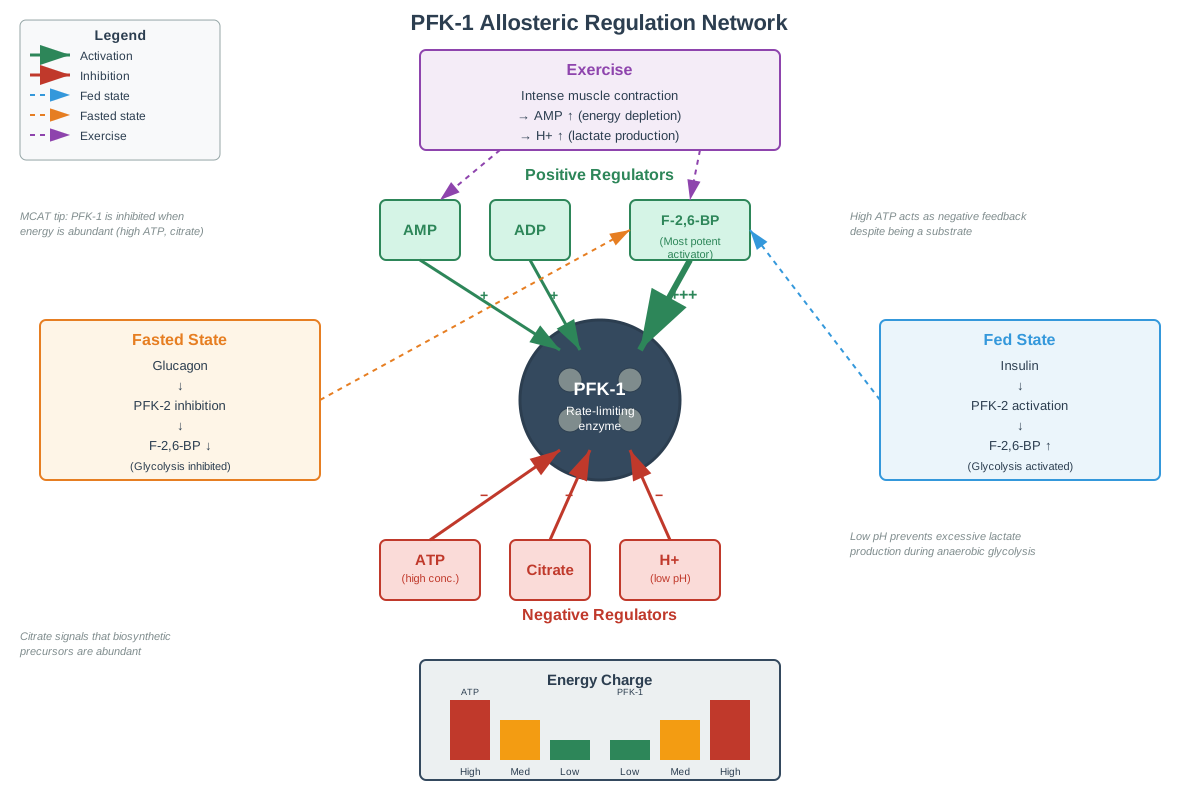
This reaction is highly exergonic (ΔG = -14.2 kJ/mol) and irreversible under physiological conditions. PFK-1 is subject to extensive allosteric regulation:
| Activators | Inhibitors |
|---|---|
| AMP | ATP |
| ADP | Citrate |
| Fructose-2,6-bisphosphate | H+ (low pH) |
The regulation makes metabolic sense: when energy is abundant (high ATP, high citrate from the citric acid cycle), PFK-1 is inhibited. When energy is needed (high AMP/ADP), PFK-1 is activated. Fructose-2,6-bisphosphate is the most potent activator and is produced by a separate enzyme (PFK-2) that is itself regulated by hormones—insulin activates PFK-2 (promoting glycolysis) while glucagon inhibits it (promoting gluconeogenesis).
Reaction 4: Fructose-1,6-Bisphosphate → DHAP + G3P
Aldolase (specifically aldolase B in liver, aldolase A in muscle) cleaves the six-carbon fructose-1,6-bisphosphate into two three-carbon molecules: dihydroxyacetone phosphate (DHAP) and glyceraldehyde-3-phosphate (G3P). This is a reversible aldol cleavage reaction that breaks the C3-C4 bond. The reaction is endergonic (ΔG = +23.8 kJ/mol) but proceeds forward because subsequent reactions rapidly consume the products.
Aldolase deficiency (hereditary fructose intolerance when aldolase B is affected) causes accumulation of fructose-1-phosphate in the liver, leading to hypoglycemia and liver damage—a clinically relevant connection for MCAT passages.
Reaction 5: DHAP ⇌ G3P
Triose phosphate isomerase catalyzes the rapid, reversible interconversion of DHAP and G3P. This reaction is essential because only G3P can proceed through the payoff phase of glycolysis. The enzyme is remarkably efficient, operating at nearly the diffusion-controlled limit. At equilibrium, the ratio favors DHAP (96% DHAP, 4% G3P), but the continuous removal of G3P by subsequent reactions pulls the equilibrium forward.
Triose phosphate isomerase deficiency is a rare genetic disorder causing hemolytic anemia and neurological problems, as DHAP accumulates and cannot be efficiently converted to G3P for energy production.
Energy Investment and Thermodynamic Strategy
The investment phase consumes two ATP molecules (one at the hexokinase step, one at the PFK-1 step) to accomplish three strategic goals:
- Trapping glucose: Phosphorylation prevents glucose from leaving the cell
- Destabilization: Adding negative charges makes the molecule more reactive and easier to cleave
- Symmetry: Creating two identical three-carbon phosphorylated molecules that can both enter the payoff phase
The thermodynamic strategy involves coupling unfavorable reactions (like the aldolase cleavage) with favorable ones (the phosphorylation reactions). The overall ΔG for the investment phase is negative, making the sequence thermodynamically favorable despite individual endergonic steps.
Regulatory Integration
The investment phase integrates multiple regulatory signals through PFK-1, making it responsive to:
- Energy status: ATP/AMP ratio
- Metabolic state: Citrate levels (indicating citric acid cycle activity)
- Hormonal signals: Insulin and glucagon (via fructose-2,6-bisphosphate)
- Oxygen availability: Low pH from lactic acid accumulation inhibits PFK-1
This multi-level regulation ensures that glycolysis operates at appropriate rates for cellular needs, a concept frequently tested through experimental passages showing how different conditions affect glycolytic flux.
Concept Relationships
The investment phase connects internally through a linear sequence: each product becomes the substrate for the next enzyme. The two phosphorylation reactions (hexokinase and PFK-1) are both irreversible and serve as potential control points, though PFK-1 is the primary regulatory checkpoint. The isomerization reactions (phosphoglucose isomerase and triose phosphate isomerase) are reversible and respond to substrate/product concentrations. The aldolase cleavage links the six-carbon phase to the three-carbon phase, doubling the number of molecules proceeding through the payoff phase.
Externally, the investment phase connects to multiple metabolic pathways:
Glucose-6-phosphate → branches to pentose phosphate pathway (for NADPH and ribose-5-phosphate production) or glycogen synthesis
Fructose-6-phosphate → can be formed from mannose or galactose metabolism
Fructose-1,6-bisphosphate → is the reciprocal substrate/product in gluconeogenesis (cleaved by fructose-1,6-bisphosphatase)
DHAP → can be converted to glycerol-3-phosphate for triglyceride synthesis
G3P → enters the payoff phase and is also an intermediate in the Calvin cycle (photosynthesis)
The relationship map: Glucose → (hexokinase + ATP) → G6P → (PGI) → F6P → (PFK-1 + ATP, RATE-LIMITING) → F-1,6-BP → (aldolase) → DHAP + G3P → (TPI) → 2 G3P → [payoff phase]
Quick check — test yourself on Glycolysis investment phase so far.
Try Flashcards →High-Yield Facts
⭐ The investment phase consumes 2 ATP molecules (one at hexokinase, one at PFK-1) before any ATP is generated
⭐ PFK-1 catalyzes the committed, rate-limiting step of glycolysis and is the primary regulatory control point
⭐ Fructose-2,6-bisphosphate is the most potent activator of PFK-1, produced when insulin signals fed state
⭐ Hexokinase is inhibited by its product (glucose-6-phosphate) while glucokinase is not, allowing liver to respond proportionally to blood glucose
⭐ The investment phase produces two G3P molecules from one glucose, effectively doubling the molecules entering the payoff phase
- Phosphoglucose isomerase converts an aldose (glucose-6-phosphate) to a ketose (fructose-6-phosphate)
- Aldolase cleaves fructose-1,6-bisphosphate at the C3-C4 bond into two three-carbon molecules
- Triose phosphate isomerase is one of the most efficient enzymes known, operating near the diffusion limit
- ATP and citrate are negative allosteric regulators of PFK-1, signaling energy abundance
- AMP and ADP are positive allosteric regulators of PFK-1, signaling energy depletion
- The investment phase occurs entirely in the cytoplasm and does not require oxygen
- Glucokinase has a Km of ~10 mM (near physiological blood glucose) while hexokinase has a Km of ~0.1 mM
- Low pH (from lactic acid accumulation) inhibits PFK-1, preventing excessive lactate production
- All five reactions of the investment phase are reversible in gluconeogenesis except the two kinase reactions (hexokinase and PFK-1)
Common Misconceptions
Misconception: The investment phase generates ATP since it involves kinase enzymes.
Correction: Kinases transfer phosphate groups FROM ATP TO substrates, consuming ATP. The investment phase uses 2 ATP; ATP generation occurs only in the payoff phase.
Misconception: Hexokinase and glucokinase are the same enzyme with different names.
Correction: These are distinct isoforms with different kinetic properties. Hexokinase has low Km, is inhibited by G6P, and is found in most tissues. Glucokinase has high Km, lacks product inhibition, and is found in liver and pancreatic β-cells, serving as a "glucose sensor."
Misconception: PFK-1 and PFK-2 catalyze the same reaction.
Correction: PFK-1 phosphorylates fructose-6-phosphate to fructose-1,6-bisphosphate (a glycolytic intermediate). PFK-2 phosphorylates fructose-6-phosphate to fructose-2,6-bisphosphate (a regulatory molecule that activates PFK-1).
Misconception: The aldolase reaction is irreversible because it breaks a carbon-carbon bond.
Correction: The aldolase reaction is reversible and operates in the reverse direction during gluconeogenesis. The reaction is pulled forward in glycolysis by rapid consumption of products, not by thermodynamic irreversibility.
Misconception: Only G3P proceeds to the payoff phase, so half the glucose carbon is lost.
Correction: Triose phosphate isomerase rapidly converts DHAP to G3P, ensuring that both three-carbon molecules (representing all six carbons from glucose) proceed through the payoff phase.
Misconception: The committed step and rate-limiting step are always different reactions.
Correction: In glycolysis, the PFK-1 reaction is both the committed step (first irreversible step unique to glycolysis) and the rate-limiting step (slowest reaction that controls overall flux).
Misconception: Fructose-2,6-bisphosphate is an intermediate in glycolysis.
Correction: Fructose-2,6-bisphosphate is a regulatory molecule, not a glycolytic intermediate. It is produced by a separate enzyme (PFK-2) and functions solely to regulate PFK-1 activity.
Worked Examples
Example 1: Enzyme Deficiency Analysis
Question: A patient presents with hemolytic anemia and neurological symptoms. Laboratory analysis reveals elevated levels of DHAP in red blood cells and decreased G3P. Which enzyme is most likely deficient, and why does this cause the observed symptoms?
Solution:
Step 1: Identify which enzyme connects DHAP and G3P.
- Triose phosphate isomerase catalyzes the interconversion of DHAP and G3P (Reaction 5 of the investment phase).
Step 2: Predict the metabolic consequence of deficiency.
- Without functional triose phosphate isomerase, DHAP cannot be efficiently converted to G3P.
- G3P is required to enter the payoff phase and generate ATP.
- Red blood cells rely entirely on glycolysis for ATP (they lack mitochondria).
Step 3: Connect to clinical symptoms.
- Insufficient ATP production in red blood cells leads to hemolytic anemia (cells cannot maintain membrane integrity and undergo hemolysis).
- Neurological symptoms result from inadequate energy production in neural tissue and possible toxic accumulation of DHAP.
Step 4: Verify with biochemical findings.
- Elevated DHAP and decreased G3P are consistent with a block in the DHAP → G3P conversion.
Answer: Triose phosphate isomerase deficiency. This enzyme is essential for converting DHAP to G3P, allowing both three-carbon molecules from glucose to proceed through the payoff phase. Without it, ATP production is severely compromised, particularly affecting red blood cells that depend exclusively on glycolysis.
Example 2: Regulatory Mechanism Application
Question: During intense exercise, muscle cells experience increased AMP levels and decreased pH. How do these changes affect PFK-1 activity, and what is the physiological rationale for this regulation?
Solution:
Step 1: Identify the regulatory effects on PFK-1.
- Increased AMP: AMP is a positive allosteric regulator of PFK-1, increasing enzyme activity.
- Decreased pH: Low pH (from lactic acid accumulation) is a negative allosteric regulator of PFK-1, decreasing enzyme activity.
Step 2: Analyze the competing signals.
- Initially during exercise, AMP increases as ATP is consumed, activating PFK-1 to increase glycolytic flux and regenerate ATP.
- As exercise continues and oxygen becomes limiting, pyruvate is converted to lactate, lowering pH.
Step 3: Explain the physiological rationale.
- AMP activation makes sense: when energy is depleted (high AMP/ATP ratio), glycolysis should increase to regenerate ATP.
- pH inhibition makes sense: excessive lactate accumulation causes muscle fatigue and potential damage. Inhibiting PFK-1 at low pH prevents further lactate production and allows time for lactate clearance.
Step 4: Predict the net effect.
- Early in intense exercise: AMP activation dominates, increasing glycolytic flux.
- During sustained intense exercise: pH inhibition becomes significant, limiting glycolytic rate and contributing to muscle fatigue.
Answer: Increased AMP activates PFK-1 (increasing glycolysis to meet energy demands), while decreased pH inhibits PFK-1 (preventing excessive lactate accumulation). This dual regulation balances ATP production with the need to avoid dangerous pH drops, explaining why sustained high-intensity exercise eventually leads to fatigue despite continued energy demand.
Exam Strategy
When approaching MCAT questions on the glycolysis investment phase, follow this systematic strategy:
Identify the question type:
- Enzyme identification: Look for substrate/product pairs or enzyme names
- Regulation: Watch for terms like "allosteric," "activator," "inhibitor," "rate-limiting"
- Energetics: Questions about ATP consumption, ΔG, or thermodynamic favorability
- Clinical correlation: Enzyme deficiencies, metabolic disorders, or physiological states
Trigger words and phrases:
- "Committed step" → PFK-1 reaction
- "Rate-limiting" → PFK-1 enzyme
- "Glucose sensor" → Glucokinase (liver)
- "Product inhibition" → Hexokinase
- "Fructose-2,6-bisphosphate" → PFK-1 activator (not a glycolytic intermediate)
- "Aldol cleavage" → Aldolase reaction
- "Trapping glucose" → Hexokinase phosphorylation
Process of elimination tips:
- If a question asks about ATP generation in the investment phase, eliminate any answer suggesting ATP is produced (it's consumed).
- If asked about the rate-limiting step, eliminate hexokinase (it's irreversible but not rate-limiting) and aldolase (it's reversible).
- For regulation questions, remember that energy abundance (high ATP, high citrate) inhibits glycolysis, while energy depletion (high AMP/ADP) activates it.
- If a question involves liver-specific glucose metabolism, consider glucokinase rather than hexokinase.
Time allocation:
- Discrete questions on this topic should take 60-90 seconds; if you know the enzyme sequence and regulation, answers should be immediate.
- Passage-based questions may require 90-120 seconds to integrate experimental data with investment phase knowledge.
- If a question requires drawing out the pathway, quickly sketch the five reactions with enzymes and ATP consumption points.
Common question formats:
- "Which enzyme catalyzes the committed step?" → PFK-1
- "What is the net ATP consumption in the investment phase?" → 2 ATP
- "Which molecule is the most potent activator of PFK-1?" → Fructose-2,6-bisphosphate
- "A deficiency in which enzyme would cause accumulation of fructose-1,6-bisphosphate?" → Aldolase
Memory Techniques
Mnemonic for the five enzymes (in order):
"Happy People Find Amazing Treasures"
- Hexokinase
- Phosphoglucose isomerase
- Phosphofructokinase-1
- Aldolase
- Triose phosphate isomerase
Mnemonic for PFK-1 activators and inhibitors:
"AMP Activates, ATP Antagonizes" (alliteration helps remember the opposing effects)
"Citrate Stops, F-2,6-BP Starts" (citrate inhibits, fructose-2,6-bisphosphate activates)
Visualization strategy for the investment phase:
Picture a tollbooth on a highway where you must pay twice (2 ATP) before reaching the "payoff" section. The first toll (hexokinase) traps you on the highway (glucose can't leave the cell). The second toll (PFK-1) is the "point of no return" (committed step) with a traffic controller (allosteric regulation) deciding how many cars can pass.
Acronym for what the investment phase accomplishes:
"TDS" - Trapping glucose, Destabilizing the molecule, Splitting into two three-carbon units
Memory aid for hexokinase vs. glucokinase:
- Hexokinase: High affinity (low Km), Has product inhibition, Housekeeping enzyme (in all tissues)
- Glucokinase: Glucose sensor (high Km), Glucagon inhibits (indirectly), Good for liver (proportional response)
Rhyme for the committed step:
"PFK-1 is the one, committed step has begun, rate-limiting too, it's the control for you"
Summary
The glycolysis investment phase comprises five enzymatic reactions that convert glucose into two glyceraldehyde-3-phosphate molecules while consuming two ATP molecules. This phase is essential for trapping glucose within cells, destabilizing the sugar for subsequent cleavage, and establishing regulatory control over glycolytic flux. The key enzymes—hexokinase, phosphoglucose isomerase, phosphofructokinase-1, aldolase, and triose phosphate isomerase—each serve specific functions, with PFK-1 acting as both the committed and rate-limiting step. PFK-1 is extensively regulated by allosteric effectors including ATP, AMP, citrate, and fructose-2,6-bisphosphate, allowing cells to adjust glycolytic rate according to energy status and hormonal signals. Understanding the investment phase is crucial for MCAT success because it integrates enzyme kinetics, metabolic regulation, thermodynamics, and clinical applications. Mastery requires knowing the enzyme sequence, recognizing regulatory mechanisms, and applying this knowledge to predict metabolic consequences in various physiological and pathological states.
Key Takeaways
- The investment phase consumes 2 ATP molecules to phosphorylate glucose and fructose-6-phosphate, preparing glucose for cleavage into two three-carbon molecules
- PFK-1 catalyzes the committed, rate-limiting step and is the primary regulatory control point, responding to energy status (ATP/AMP ratio), metabolic signals (citrate), and hormonal regulation (via fructose-2,6-bisphosphate)
- Hexokinase and glucokinase differ in kinetic properties and regulation: hexokinase has low Km and product inhibition (most tissues), while glucokinase has high Km and no product inhibition (liver and pancreas)
- The five reactions produce two G3P molecules from one glucose, with triose phosphate isomerase ensuring that both DHAP and G3P proceed through the payoff phase
- Investment phase regulation integrates cellular energy status, metabolic state, and hormonal signals to control glycolytic flux appropriately
- Enzyme deficiencies in the investment phase (aldolase, triose phosphate isomerase) cause clinically significant metabolic disorders
- The investment phase connects to multiple metabolic pathways including gluconeogenesis, pentose phosphate pathway, and lipid synthesis through shared intermediates
Related Topics
Glycolysis Payoff Phase: After mastering the investment phase, study how the two G3P molecules generate 4 ATP and 2 NADH, resulting in net production of 2 ATP per glucose. Understanding both phases together reveals the complete energy yield and regulation of glycolysis.
Gluconeogenesis: This pathway reverses most glycolytic reactions, but uses different enzymes to bypass the three irreversible steps (including hexokinase and PFK-1). Comparing these pathways reveals reciprocal regulation and how cells switch between glucose catabolism and synthesis.
Pentose Phosphate Pathway: Glucose-6-phosphate can be diverted from glycolysis into this pathway to generate NADPH and ribose-5-phosphate. Understanding this branch point explains how cells balance energy production with biosynthetic needs.
Enzyme Kinetics and Regulation: Deeper study of allosteric regulation, cooperativity, and feedback inhibition builds on the PFK-1 regulatory mechanisms introduced here, applicable to many metabolic enzymes.
Metabolic Integration: Examining how glycolysis coordinates with the citric acid cycle, oxidative phosphorylation, and other pathways reveals the sophisticated control systems that maintain metabolic homeostasis.
Practice CTA
Now that you've mastered the glycolysis investment phase, reinforce your understanding by attempting practice questions and flashcards focused on this topic. Challenge yourself with questions that require applying regulatory principles to novel scenarios, predicting metabolic consequences of enzyme deficiencies, and integrating investment phase knowledge with other metabolic pathways. The investment phase is a high-yield topic that appears frequently on the MCAT—your thorough preparation here will pay dividends on test day. Remember: understanding the "why" behind each reaction and regulatory mechanism is more valuable than memorizing isolated facts. You've built a strong foundation; now apply it to practice problems to achieve mastery!
Sign up free to keep reading
Create a free AnvayaPrep account to finish this MCAT guide on Glycolysis investment phase — plus flashcards and practice questions.