Overview
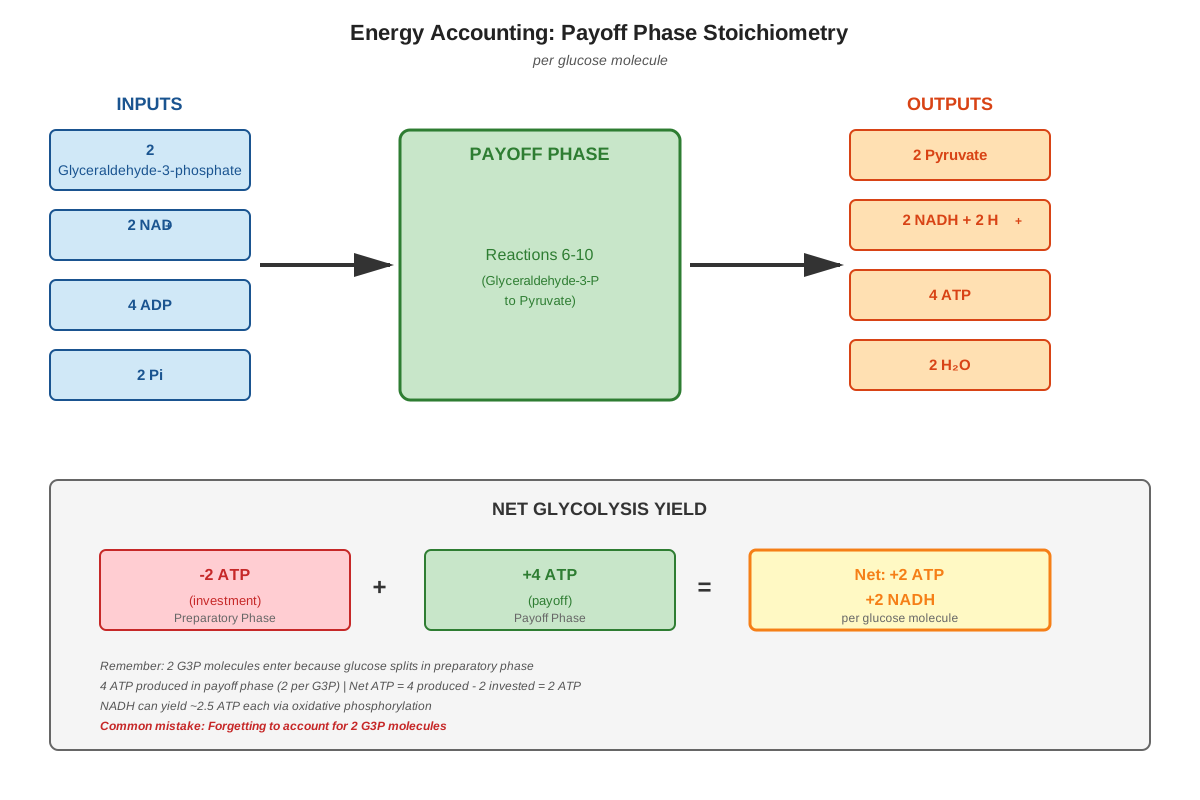
The Glycolysis payoff phase represents the second half of the glycolytic pathway, encompassing reactions 6 through 10 of this fundamental metabolic process. During this critical phase, the energy investment made in the preparatory phase is recouped with substantial returns: each three-carbon intermediate generates ATP through substrate-level phosphorylation and produces NADH through oxidation reactions. This phase transforms two molecules of glyceraldehyde-3-phosphate (G3P) into two molecules of pyruvate while yielding four ATP molecules and two NADH molecules per original glucose molecule. Understanding the Glycolysis payoff phase is essential for Biochemistry mastery because it represents the first major energy-harvesting step in cellular Metabolism.
For the MCAT, the Glycolysis payoff phase appears frequently in both discrete questions and passage-based scenarios. Test-makers favor this topic because it integrates multiple biochemical principles: enzyme mechanisms, thermodynamics, coupled reactions, and metabolic regulation. Questions often require students to calculate net ATP yields, predict the effects of enzyme inhibitors, or trace the fate of radiolabeled carbons through the pathway. The payoff phase also serves as a conceptual bridge connecting glycolysis to subsequent metabolic pathways including the citric acid cycle, oxidative phosphorylation, and fermentation.
The payoff phase exemplifies fundamental biochemical principles that extend far beyond glycolysis itself. The oxidation-reduction reactions, phosphoryl group transfers, and substrate-level phosphorylation mechanisms encountered here recur throughout metabolism. Additionally, this phase demonstrates how cells couple energetically favorable reactions to drive unfavorable ones—a strategy central to all biosynthetic processes. Mastering the Glycolysis payoff phase Biochemistry provides the foundation for understanding gluconeogenesis, the pentose phosphate pathway, and the metabolic flexibility that allows cells to adapt to varying energy demands.
Learning Objectives
- [ ] Define Glycolysis payoff phase using accurate Biochemistry terminology
- [ ] Explain why Glycolysis payoff phase matters for the MCAT
- [ ] Apply Glycolysis payoff phase to exam-style questions
- [ ] Identify common mistakes related to Glycolysis payoff phase
- [ ] Connect Glycolysis payoff phase to related Biochemistry concepts
- [ ] Calculate the net energy yield from the payoff phase and explain the stoichiometry for each product
- [ ] Describe the mechanism of substrate-level phosphorylation and distinguish it from oxidative phosphorylation
- [ ] Analyze how specific enzyme inhibitors or cofactor deficiencies would affect payoff phase reactions and overall cellular metabolism
Prerequisites
- Basic enzyme kinetics and mechanisms: Understanding catalysis, active sites, and cofactor requirements is essential for comprehending how payoff phase enzymes function
- Oxidation-reduction reactions: The ability to identify electron donors and acceptors is necessary for understanding the GAPDH reaction that generates NADH
- ATP structure and high-energy bonds: Knowledge of phosphate group transfer and the energetics of phosphoanhydride bonds underlies substrate-level phosphorylation
- Glycolysis preparatory phase: The payoff phase begins with G3P produced during the investment phase, making this prior knowledge indispensable
- Basic thermodynamics: Concepts of ΔG, equilibrium, and coupled reactions explain why certain steps are irreversible and how unfavorable reactions are driven forward
Why This Topic Matters
The Glycolysis payoff phase holds immense clinical significance because defects in payoff phase enzymes cause serious metabolic disorders. Pyruvate kinase deficiency, one of the most common glycolytic enzyme deficiencies, leads to chronic hemolytic anemia because red blood cells cannot generate sufficient ATP to maintain membrane integrity. Similarly, understanding the payoff phase is crucial for comprehending cancer metabolism: tumor cells often exhibit altered glycolytic flux (the Warburg effect), making payoff phase enzymes potential therapeutic targets. The phase also explains why tissues with high energy demands—cardiac muscle, brain, and skeletal muscle—are particularly vulnerable to ischemia when oxygen delivery is compromised.
On the MCAT, glycolysis questions appear in approximately 15-20% of Biochemistry passages, with the payoff phase specifically tested in roughly half of these. The exam frequently presents experimental scenarios involving enzyme inhibitors, genetic mutations affecting glycolytic enzymes, or metabolic adaptations to different physiological conditions. Common question formats include: calculating ATP yields under various conditions, predicting metabolite accumulation when specific enzymes are blocked, interpreting graphs showing reaction rates or product formation, and analyzing the effects of cofactor availability (NAD+, Pi, ADP) on pathway flux. The Glycolysis payoff phase MCAT questions often integrate multiple concepts, requiring students to connect enzyme function to cellular energetics and physiological outcomes.
Passages commonly present the payoff phase in contexts such as: exercise physiology and lactate production, red blood cell metabolism and enzyme deficiencies, cancer cell metabolism and altered glycolytic rates, or comparative biochemistry examining glycolysis across different organisms. Recognizing these contexts and understanding the underlying payoff phase biochemistry enables efficient passage analysis and accurate question answering.
Core Concepts
Overview of the Payoff Phase
The Glycolysis payoff phase begins with two molecules of glyceraldehyde-3-phosphate (G3P) and concludes with two molecules of pyruvate. This phase is termed the "payoff" because it generates ATP and NADH, recovering the two ATP molecules invested during the preparatory phase and producing a net gain. The five reactions (steps 6-10) include one oxidation-reduction reaction, two substrate-level phosphorylation reactions, and several isomerization and dehydration steps. Each reaction is catalyzed by a specific enzyme, and several steps involve high-energy intermediates that enable ATP synthesis.
Step 6: Glyceraldehyde-3-Phosphate Dehydrogenase (GAPDH)
The first reaction of the payoff phase is catalyzed by glyceraldehyde-3-phosphate dehydrogenase (GAPDH), which performs both oxidation and phosphorylation. G3P is oxidized at the aldehyde group (carbon-1) to form an acyl phosphate, 1,3-bisphosphoglycerate (1,3-BPG), while NAD+ is reduced to NADH. This reaction is unique because it couples an energetically favorable oxidation (ΔG° = -50 kJ/mol) to the formation of a high-energy acyl phosphate bond.
The mechanism involves a cysteine residue in the GAPDH active site that forms a thiohemiacetal intermediate with the aldehyde group of G3P. Oxidation by NAD+ converts this to a thioester, which is then attacked by inorganic phosphate (Pi) to release 1,3-BPG. This reaction is the only oxidation-reduction step in glycolysis and represents the point where chemical energy from glucose is first captured in the form of reducing equivalents (NADH).
Key features of the GAPDH reaction:
- Requires NAD+ as a cofactor (not NADP+)
- Requires inorganic phosphate (Pi) as a substrate
- Produces a high-energy acyl phosphate (1,3-BPG)
- Reversible under cellular conditions
- Rate can be limited by NAD+ availability
Step 7: Phosphoglycerate Kinase (PGK)
Phosphoglycerate kinase catalyzes the first substrate-level phosphorylation of glycolysis, transferring the high-energy phosphate from 1,3-BPG to ADP, forming ATP and 3-phosphoglycerate (3-PG). This reaction is highly exergonic (ΔG° = -18.5 kJ/mol) because the acyl phosphate bond in 1,3-BPG has a higher phosphoryl transfer potential than the phosphoanhydride bond in ATP.
This step exemplifies the principle of coupled reactions: the energetically favorable dephosphorylation of 1,3-BPG drives the synthesis of ATP. Because two molecules of 1,3-BPG are formed per glucose, this step generates two ATP molecules. The term "kinase" indicates that this enzyme transfers a phosphate group, and the reaction is reversible, playing a role in gluconeogenesis when running in the opposite direction.
Step 8: Phosphoglycerate Mutase
Phosphoglycerate mutase catalyzes the isomerization of 3-phosphoglycerate to 2-phosphoglycerate (2-PG) by relocating the phosphate group from carbon-3 to carbon-2. This reaction prepares the molecule for the subsequent dehydration step. The enzyme mechanism involves a phosphorylated histidine residue that temporarily accepts and then donates the phosphate group, creating a transient 2,3-bisphosphoglycerate intermediate.
While this reaction appears minor, it is essential for positioning the phosphate group such that the next enzyme can create a high-energy phosphate compound. The reaction has a small positive ΔG° but proceeds forward due to the rapid consumption of 2-PG by the next enzyme.
Step 9: Enolase
Enolase catalyzes the dehydration of 2-phosphoglycerate to form phosphoenolpyruvate (PEP), removing a water molecule and creating a high-energy enol phosphate. This reaction is remarkable because it converts a low-energy phosphate ester into one of the highest-energy phosphate compounds in biochemistry (ΔG° of hydrolysis = -61.9 kJ/mol).
The mechanism involves the removal of a hydroxyl group from carbon-3 and a proton from carbon-2, creating a carbon-carbon double bond. Enolase requires Mg²+ or Mn²+ as cofactors and is inhibited by fluoride ions, which form a complex with Mg²+ and phosphate, preventing enzyme function. This inhibition is exploited in blood collection tubes to prevent glycolysis in blood samples.
The energy transformation in this step is crucial: by removing water, the enzyme creates a molecule with a highly unstable enol phosphate that has a much greater phosphoryl transfer potential than the original phosphate ester. This energy enrichment occurs without direct ATP input, demonstrating how dehydration can create high-energy bonds.
Step 10: Pyruvate Kinase
Pyruvate kinase (PK) catalyzes the second substrate-level phosphorylation and the final step of glycolysis, transferring the phosphate from PEP to ADP, forming ATP and pyruvate. This reaction is highly exergonic (ΔG° = -31.4 kJ/mol) and essentially irreversible under cellular conditions, making it a key regulatory point in glycolysis.
The reaction proceeds in two stages: first, the phosphate is transferred to ADP forming ATP and enolpyruvate; second, enolpyruvate spontaneously tautomerizes to the more stable keto form (pyruvate), releasing additional energy that drives the reaction forward. This tautomerization is crucial because it makes the overall reaction irreversible—once pyruvate forms, the reverse reaction cannot occur.
Pyruvate kinase regulation is complex and physiologically important:
- Feedforward activation by fructose-1,6-bisphosphate (from step 3)
- Allosteric inhibition by ATP and alanine (signals of energy sufficiency)
- Covalent modification: phosphorylation by protein kinase A inactivates the liver isoform
- Tissue-specific isoforms: M (muscle), L (liver), and R (red blood cells) with different regulatory properties
Energy Accounting for the Payoff Phase
Understanding the stoichiometry is essential for Glycolysis payoff phase MCAT questions:
| Molecule | Per G3P | Per Glucose | Step |
|---|---|---|---|
| ATP produced | 2 | 4 | Steps 7 and 10 |
| NADH produced | 1 | 2 | Step 6 |
| ATP invested (prep phase) | - | 2 | Steps 1 and 3 |
| Net ATP yield | - | 2 | - |
Each glucose molecule yields:
- Gross ATP: 4 molecules (2 from PGK, 2 from PK)
- Net ATP: 2 molecules (after subtracting the 2 ATP invested in the preparatory phase)
- NADH: 2 molecules (from GAPDH)
The NADH produced must be reoxidized to NAD+ for glycolysis to continue. Under aerobic conditions, NADH enters the electron transport chain, yielding approximately 2.5 ATP per NADH through oxidative phosphorylation. Under anaerobic conditions, NADH is reoxidized through fermentation pathways (lactate or ethanol production), yielding no additional ATP.
Substrate-Level Phosphorylation vs. Oxidative Phosphorylation
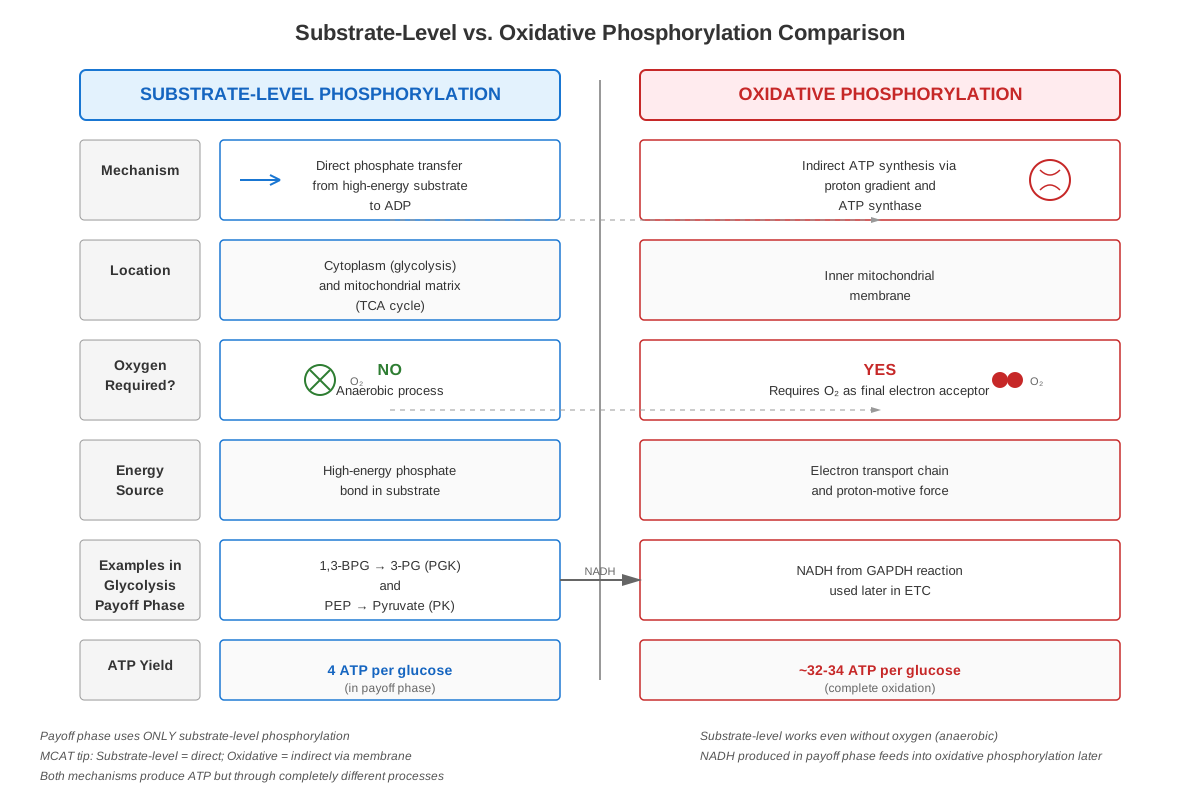
Substrate-level phosphorylation occurs when a phosphate group is directly transferred from a high-energy substrate molecule to ADP, forming ATP. This mechanism operates independently of oxygen and the electron transport chain. In the payoff phase, substrate-level phosphorylation occurs at steps 7 (PGK) and 10 (PK).
In contrast, oxidative phosphorylation couples electron transport through the respiratory chain to ATP synthesis via ATP synthase, requiring oxygen as the final electron acceptor. This process generates most cellular ATP under aerobic conditions but cannot function anaerobically.
The distinction is clinically relevant: tissues can produce ATP through substrate-level phosphorylation even when oxygen is limited (though at much lower efficiency), explaining why glycolysis accelerates during hypoxia or intense exercise.
Regulation of the Payoff Phase
While the preparatory phase contains the primary regulatory enzymes of glycolysis (hexokinase, phosphofructokinase, and pyruvate kinase), the payoff phase is also subject to regulation:
- NAD+ availability limits the GAPDH reaction; when NAD+ is depleted, glycolysis slows or stops
- Inorganic phosphate (Pi) availability affects GAPDH activity
- ADP availability limits both PGK and PK reactions
- Pyruvate kinase is extensively regulated by allosteric effectors and covalent modification
These regulatory mechanisms ensure that glycolysis responds to cellular energy status and metabolic demands.
Concept Relationships
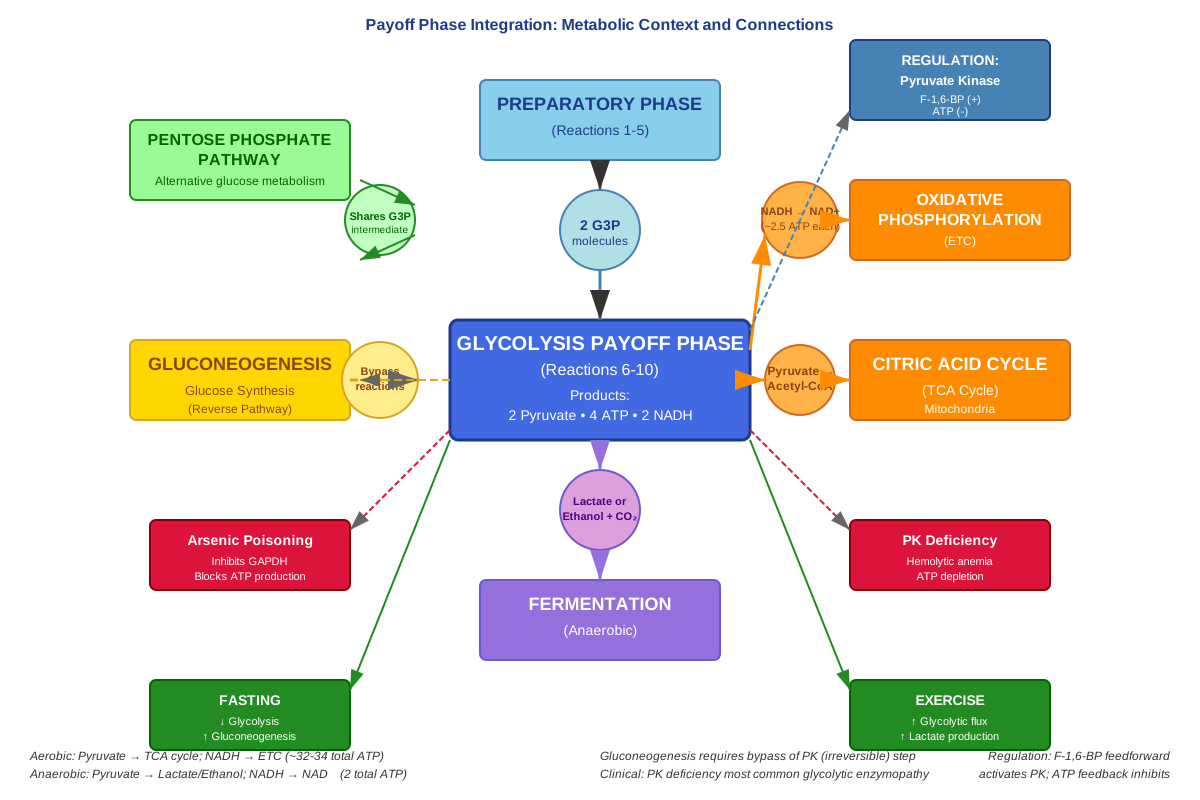
The Glycolysis payoff phase is intimately connected to multiple metabolic pathways and biochemical principles. Within glycolysis itself, the payoff phase depends absolutely on the preparatory phase, which produces the two G3P molecules that serve as substrates. The preparatory phase → payoff phase relationship is sequential and stoichiometric: one glucose yields two G3P, which proceed through identical payoff phase reactions.
The GAPDH reaction (step 6) → creates a critical link to cellular redox balance. The NADH produced must be reoxidized to NAD+ for glycolysis to continue, connecting the payoff phase → fermentation pathways (under anaerobic conditions) or → electron transport chain (under aerobic conditions). This connection explains why oxygen availability profoundly affects glycolytic rate and why lactate accumulates during intense exercise.
The pyruvate produced at the end of the payoff phase → serves as a metabolic branch point: under aerobic conditions, pyruvate → enters mitochondria → is converted to acetyl-CoA → enters the citric acid cycle. Under anaerobic conditions, pyruvate → is reduced to lactate (in animals) or → is decarboxylated to acetaldehyde then reduced to ethanol (in yeast). This branching demonstrates how the payoff phase integrates with broader metabolic networks.
The substrate-level phosphorylation reactions (steps 7 and 10) → exemplify the principle of coupled reactions, where energetically favorable processes drive ATP synthesis. This concept → extends to all biosynthetic pathways that require energy input. The high-energy intermediates (1,3-BPG and PEP) → demonstrate how cells create and utilize phosphoryl transfer potential, a principle → that recurs in the citric acid cycle (succinyl-CoA → succinate) and other metabolic pathways.
The payoff phase also connects to gluconeogenesis, which reverses most glycolytic steps. However, the pyruvate kinase reaction is irreversible, requiring gluconeogenesis to bypass this step using pyruvate carboxylase and PEPCK. Understanding payoff phase thermodynamics → enables prediction of which steps require bypass reactions in gluconeogenesis.
Quick check — test yourself on Glycolysis payoff phase so far.
Try Flashcards →High-Yield Facts
⭐ The payoff phase produces 4 ATP and 2 NADH per glucose molecule, yielding a net gain of 2 ATP after accounting for the 2 ATP invested in the preparatory phase.
⭐ Glyceraldehyde-3-phosphate dehydrogenase (GAPDH) is the only enzyme in glycolysis that performs oxidation-reduction, producing NADH from NAD+.
⭐ Substrate-level phosphorylation occurs at two steps in the payoff phase: phosphoglycerate kinase (step 7) and pyruvate kinase (step 10).
⭐ Pyruvate kinase catalyzes an irreversible reaction under cellular conditions, making it a key regulatory enzyme and requiring a bypass in gluconeogenesis.
⭐ 1,3-bisphosphoglycerate and phosphoenolpyruvate are the two high-energy intermediates that enable ATP synthesis through substrate-level phosphorylation.
- The GAPDH reaction requires both NAD+ and inorganic phosphate (Pi) as substrates; depletion of either halts glycolysis.
- Enolase is inhibited by fluoride ions, which is why fluoride is added to blood collection tubes to prevent glycolysis in blood samples.
- Phosphoenolpyruvate has the highest phosphoryl transfer potential of any glycolytic intermediate (ΔG° of hydrolysis = -61.9 kJ/mol).
- Pyruvate kinase is activated by fructose-1,6-bisphosphate (feedforward activation) and inhibited by ATP and alanine (feedback inhibition).
- The enolpyruvate intermediate formed by pyruvate kinase spontaneously tautomerizes to pyruvate, making the reaction essentially irreversible.
- Each three-carbon intermediate (G3P) proceeds independently through the payoff phase, which is why all yields are doubled when starting from glucose.
- Pyruvate kinase deficiency is the most common glycolytic enzyme deficiency, causing hemolytic anemia due to inadequate ATP production in red blood cells.
Common Misconceptions
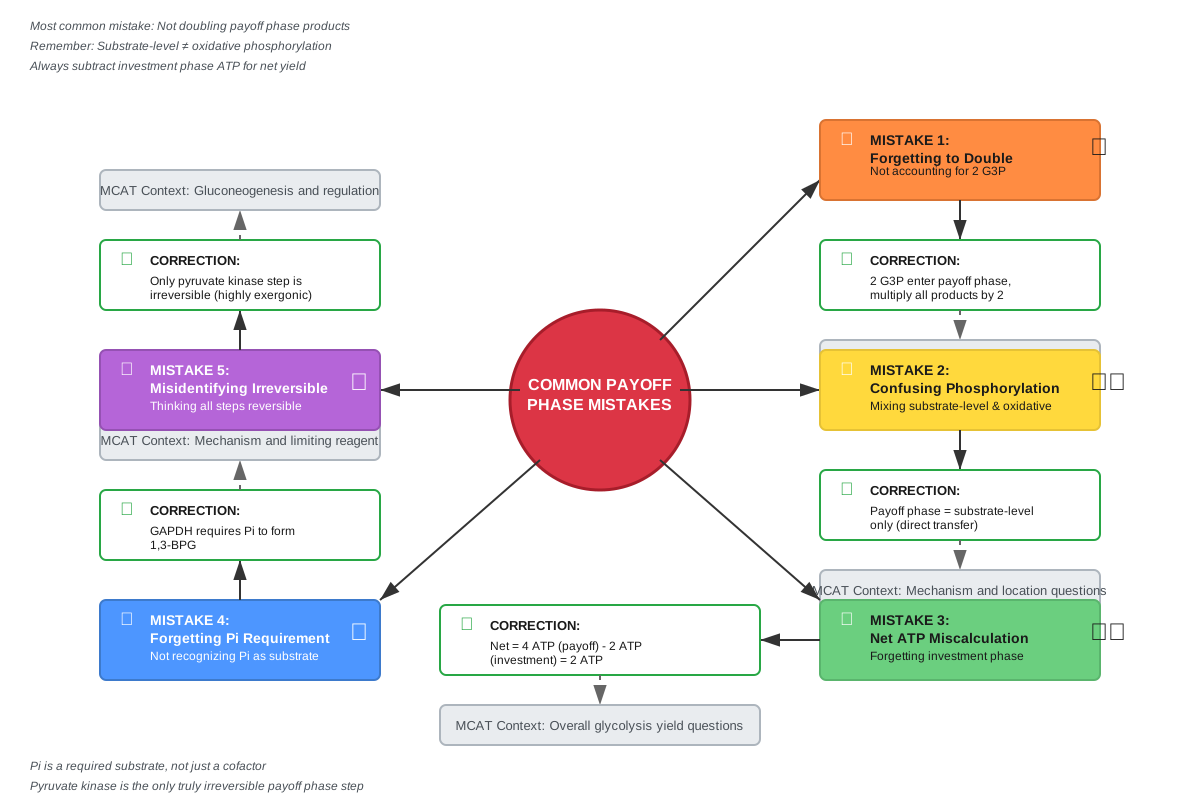
Misconception: The payoff phase produces 2 ATP per glucose molecule.
Correction: The payoff phase produces 4 ATP per glucose (2 from each G3P), but the net yield is 2 ATP after subtracting the 2 ATP invested in the preparatory phase. Always distinguish between gross and net ATP production.
Misconception: NADH produced in glycolysis directly yields 3 ATP through oxidative phosphorylation.
Correction: Cytoplasmic NADH must be shuttled into mitochondria, and the shuttle systems (malate-aspartate or glycerol-3-phosphate) determine the ATP yield. The glycerol-3-phosphate shuttle yields ~1.5 ATP per NADH, while the malate-aspartate shuttle yields ~2.5 ATP per NADH. The exact yield depends on tissue type and shuttle system used.
Misconception: All kinases in glycolysis add phosphate groups from ATP.
Correction: Phosphoglycerate kinase and pyruvate kinase are unique—they transfer phosphate groups TO ATP (synthesizing ATP) rather than from ATP. These are substrate-level phosphorylation reactions. Only hexokinase and phosphofructokinase consume ATP in glycolysis.
Misconception: The payoff phase can proceed indefinitely as long as glucose is available.
Correction: The payoff phase requires continuous regeneration of NAD+ and availability of ADP and Pi. If NAD+ is not regenerated (through fermentation or oxidative phosphorylation), GAPDH cannot function and glycolysis stops, regardless of glucose availability.
Misconception: Pyruvate kinase is the rate-limiting enzyme of glycolysis.
Correction: Phosphofructokinase (in the preparatory phase) is the primary rate-limiting enzyme and main regulatory point. While pyruvate kinase is regulated and catalyzes an irreversible reaction, it is not the primary control point for glycolytic flux.
Misconception: The high-energy phosphate bonds in 1,3-BPG and PEP are the same as those in ATP.
Correction: 1,3-BPG contains an acyl phosphate bond, and PEP contains an enol phosphate bond—both have higher phosphoryl transfer potential than the phosphoanhydride bonds in ATP. This difference in bond energy is what enables ATP synthesis through substrate-level phosphorylation.
Worked Examples
Example 1: Calculating ATP Yield Under Different Conditions
Question: A researcher is studying glycolysis in isolated muscle cells. In Experiment A, cells are incubated with glucose under aerobic conditions. In Experiment B, cells are incubated with glucose under anaerobic conditions with adequate lactate dehydrogenase activity. Calculate the net ATP yield per glucose molecule in each experiment, considering both substrate-level phosphorylation and oxidative phosphorylation (assume the malate-aspartate shuttle is active).
Solution:
Experiment A (Aerobic conditions):
Step 1: Calculate substrate-level phosphorylation from glycolysis
- Preparatory phase: -2 ATP (hexokinase and PFK)
- Payoff phase: +4 ATP (2 from PGK, 2 from PK)
- Net from substrate-level phosphorylation: 2 ATP
Step 2: Calculate ATP from NADH oxidation
- Payoff phase produces: 2 NADH (from GAPDH)
- With malate-aspartate shuttle: 2 NADH × 2.5 ATP/NADH = 5 ATP
Step 3: Calculate total ATP
- Total ATP = 2 (substrate-level) + 5 (from NADH) = 7 ATP per glucose
Experiment B (Anaerobic conditions):
Step 1: Substrate-level phosphorylation remains the same
- Net from glycolysis: 2 ATP
Step 2: NADH cannot be oxidized via electron transport chain
- The 2 NADH produced by GAPDH must be reoxidized by lactate dehydrogenase
- Pyruvate + NADH → Lactate + NAD+
- This regenerates NAD+ but produces no additional ATP
Step 3: Calculate total ATP
- Total ATP = 2 (substrate-level only) = 2 ATP per glucose
Key insight: This example demonstrates why aerobic metabolism is far more efficient than anaerobic metabolism and why cells increase glycolytic rate during hypoxia to compensate for reduced ATP yield per glucose.
Example 2: Enzyme Inhibition and Metabolite Accumulation
Question: A novel compound is discovered that specifically inhibits enolase. Researchers add this inhibitor to cells actively performing glycolysis. Which metabolites would you expect to accumulate, and which would be depleted? Explain the downstream effects on ATP production and NAD+ regeneration.
Solution:
Step 1: Identify the blocked reaction
- Enolase catalyzes: 2-phosphoglycerate → phosphoenolpyruvate (PEP)
- Blocking this step prevents PEP formation
Step 2: Predict metabolite accumulation upstream of the block
- 2-phosphoglycerate will accumulate (direct substrate)
- 3-phosphoglycerate will accumulate (precursor to 2-PG)
- 1,3-bisphosphoglycerate will accumulate (precursor to 3-PG)
- Glyceraldehyde-3-phosphate will accumulate (precursor to 1,3-BPG)
- Eventually, preparatory phase intermediates will also accumulate
Step 3: Predict metabolite depletion downstream of the block
- PEP will be depleted (cannot be formed)
- Pyruvate will be depleted (cannot be formed from PEP)
- Lactate will be depleted (if under anaerobic conditions, cannot be formed from pyruvate)
Step 4: Analyze effects on ATP production
- Phosphoglycerate kinase (step 7) can still produce ATP from 1,3-BPG
- Pyruvate kinase (step 10) cannot produce ATP because PEP is not available
- Net ATP yield drops from 2 to 0 per glucose (4 ATP produced - 2 ATP invested - 2 ATP lost from PK inhibition = 0)
- Actually, the cell would experience net ATP consumption because the preparatory phase continues to consume ATP while only one substrate-level phosphorylation (PGK) can occur
Step 5: Analyze effects on NAD+ regeneration
- GAPDH continues to consume NAD+ and produce NADH initially
- Without pyruvate formation, lactate dehydrogenase cannot regenerate NAD+ (under anaerobic conditions)
- NAD+ becomes depleted, which then inhibits GAPDH
- Once GAPDH stops, the entire glycolytic pathway halts
Conclusion: Enolase inhibition would rapidly halt glycolysis due to NAD+ depletion and would prevent the final ATP-generating step, making it lethal to cells dependent on glycolysis (such as red blood cells). This explains why fluoride, an enolase inhibitor, is used to preserve blood samples—it prevents glycolysis and maintains glucose concentrations for accurate measurement.
Exam Strategy
When approaching Glycolysis payoff phase MCAT questions, employ these strategic approaches:
Trigger words to recognize payoff phase questions:
- "Substrate-level phosphorylation"
- "NADH production in glycolysis"
- "Pyruvate formation"
- "Net ATP yield"
- "Enzyme deficiency" (especially pyruvate kinase)
- "Fluoride inhibition"
- "NAD+ regeneration"
Systematic approach to glycolysis calculations:
- Always start by determining whether the question asks for gross or net ATP
- Remember that one glucose produces TWO G3P molecules, so all payoff phase yields must be doubled
- Track NADH separately from ATP—they are not interchangeable without additional information about oxygen availability
- When calculating total ATP yield, explicitly state whether you're including oxidative phosphorylation
Process-of-elimination strategies:
- If a question asks about oxidation-reduction in glycolysis, only GAPDH (step 6) performs this function—eliminate answers mentioning other enzymes
- If a question involves irreversible steps, only three glycolytic reactions are irreversible: hexokinase, phosphofructokinase, and pyruvate kinase—the payoff phase contains only one (PK)
- If a question asks about high-energy intermediates, only 1,3-BPG and PEP qualify—eliminate answers mentioning other metabolites
- When evaluating enzyme inhibition effects, work systematically: identify the blocked step, predict upstream accumulation and downstream depletion, then consider secondary effects on cofactors (NAD+, ADP, Pi)
Time allocation advice:
- Spend 30-45 seconds identifying which specific aspect of the payoff phase is being tested
- For calculation questions, write out the stoichiometry explicitly rather than trying to calculate mentally—this prevents errors and allows partial credit on free-response questions
- For passage-based questions, create a quick flowchart of the pathway showing where the experimental manipulation occurs
- If a question seems to require detailed knowledge of enzyme mechanisms, focus on the functional outcome (what is produced/consumed) rather than mechanistic details unless specifically asked
Common question formats and how to approach them:
- "Calculate the net ATP yield...": Always account for ATP invested in the preparatory phase
- "Which enzyme catalyzes substrate-level phosphorylation?": Only PGK and PK in the payoff phase
- "What would happen if NAD+ were depleted?": GAPDH would stop, halting the entire pathway
- "A patient has pyruvate kinase deficiency...": Focus on reduced ATP production and accumulation of upstream intermediates
Memory Techniques
Mnemonic for payoff phase enzymes (steps 6-10):
"Good People Practice Every Principle"
- Glyceraldehyde-3-phosphate dehydrogenase (GAPDH)
- Phosphoglycerate kinase (PGK)
- Phosphoglycerate mutase
- Enolase
- Pyruvate kinase (PK)
Mnemonic for substrate-level phosphorylation steps:
"PK Picks up PGK" (Pyruvate Kinase and Phosphoglycerate Kinase are the two kinases that make ATP)
Visualization strategy for energy accounting:
Picture a balance scale:
- Left side: 2 ATP invested (preparatory phase)
- Right side: 4 ATP produced (payoff phase)
- Net result: Scale tips right by 2 ATP
- Bonus: 2 NADH molecules sitting beside the scale (separate from ATP accounting)
Acronym for high-energy intermediates:
"BP" = Bisphosphoglycerate and Phosphoenolpyruvate (the two compounds with enough energy to make ATP)
Memory aid for pyruvate kinase regulation:
Think "PK is PICKY":
- Positive regulation by F-1,6-BP (feedforward)
- Kicked into action when glycolysis is active
- Inhibited by ATP (energy sufficient)
- Covalently modified (phosphorylation inactivates liver form)
- Keeps glycolysis responsive to energy status
- Yields ATP only when needed
Visualization for the GAPDH reaction:
Imagine GAPDH as a "two-handed" enzyme:
- One hand grabs the aldehyde (G3P) and oxidizes it (producing NADH)
- The other hand grabs inorganic phosphate and attaches it
- Result: Both oxidation AND phosphorylation in one step
- This "two-handed" image helps remember that GAPDH requires both NAD+ and Pi
Memory technique for distinguishing substrate-level from oxidative phosphorylation:
"DIRECT vs. INDIRECT"
- Substrate-level = DIRECT transfer of phosphate from substrate to ADP
- Oxidative = INDIRECT, requires electron transport chain and ATP synthase
- Payoff phase uses DIRECT method (substrate-level)
Summary
The Glycolysis payoff phase encompasses the five reactions (steps 6-10) that transform two molecules of glyceraldehyde-3-phosphate into two molecules of pyruvate while generating four ATP molecules through substrate-level phosphorylation and two NADH molecules through oxidation. This phase represents the energy-harvesting portion of glycolysis, recovering the ATP invested in the preparatory phase and producing a net gain of two ATP per glucose molecule. The key reactions include the oxidation-reduction catalyzed by GAPDH (the only redox reaction in glycolysis), two substrate-level phosphorylation steps catalyzed by phosphoglycerate kinase and pyruvate kinase, and the creation of high-energy intermediates (1,3-bisphosphoglycerate and phosphoenolpyruvate) that enable ATP synthesis. Pyruvate kinase catalyzes the final, irreversible step and serves as an important regulatory point, responding to cellular energy status through allosteric regulation and covalent modification. Understanding the payoff phase requires mastery of substrate-level phosphorylation mechanisms, energy accounting, cofactor requirements (NAD+, Pi, ADP), and the metabolic fates of products (pyruvate and NADH). For MCAT success, students must be able to calculate ATP yields under various conditions, predict the effects of enzyme inhibitors, and connect the payoff phase to broader metabolic pathways including fermentation, the citric acid cycle, and oxidative phosphorylation.
Key Takeaways
- The payoff phase produces 4 ATP (gross) and 2 NADH per glucose, yielding a net gain of 2 ATP after accounting for the preparatory phase investment
- Substrate-level phosphorylation occurs at two steps: phosphoglycerate kinase (step 7) and pyruvate kinase (step 10), directly transferring phosphate from high-energy intermediates to ADP
- GAPDH catalyzes the only oxidation-reduction reaction in glycolysis, coupling aldehyde oxidation to phosphorylation while producing NADH from NAD+
- The payoff phase requires continuous availability of NAD+, ADP, and inorganic phosphate; depletion of any cofactor halts glycolysis
- Pyruvate kinase catalyzes an essentially irreversible reaction and is extensively regulated by allosteric effectors (activated by F-1,6-BP, inhibited by ATP and alanine) and covalent modification
- High-energy intermediates (1,3-BPG and PEP) have greater phosphoryl transfer potential than ATP, enabling substrate-level phosphorylation
- The fate of pyruvate and NADH depends on oxygen availability: aerobic conditions lead to complete oxidation via the citric acid cycle, while anaerobic conditions require fermentation to regenerate NAD+
Related Topics
Glycolysis Preparatory Phase: Understanding the investment phase is essential for calculating net ATP yields and comprehending how glucose is converted to two G3P molecules. Mastering the payoff phase enables deeper understanding of why the preparatory phase reactions are necessary.
Fermentation Pathways: Lactate and ethanol fermentation regenerate NAD+ under anaerobic conditions, allowing glycolysis to continue. The payoff phase directly connects to fermentation because NADH accumulation would otherwise halt GAPDH activity.
Citric Acid Cycle: Pyruvate produced in the payoff phase enters mitochondria and is converted to acetyl-CoA, which feeds into the citric acid cycle. Understanding the payoff phase is prerequisite knowledge for studying how pyruvate is completely oxidized to CO₂.
Oxidative Phosphorylation: The NADH produced by GAPDH can be shuttled into mitochondria and oxidized via the electron transport chain, yielding additional ATP. This connection explains why aerobic metabolism is far more efficient than anaerobic glycolysis alone.
Gluconeogenesis: This pathway reverses most glycolytic reactions but must bypass the three irreversible steps, including pyruvate kinase. Understanding payoff phase thermodynamics enables prediction of which steps require bypass reactions.
Metabolic Regulation: The payoff phase exemplifies multiple regulatory mechanisms including allosteric regulation, covalent modification, and feedforward activation. These principles extend to regulation of all major metabolic pathways.
Practice CTA
Now that you have mastered the Glycolysis payoff phase, reinforce your understanding by attempting practice questions and flashcards. Focus on calculation problems involving ATP yields under different conditions, enzyme inhibition scenarios, and questions requiring you to trace metabolites through the pathway. Challenge yourself with passage-based questions that integrate the payoff phase with other metabolic pathways or clinical scenarios. The more you practice applying these concepts to MCAT-style questions, the more automatic your recall and reasoning will become on test day. Remember: understanding the payoff phase is not just about memorizing five reactions—it is about grasping the fundamental principles of energy metabolism that underlie all of biochemistry. Your investment in mastering this topic will pay dividends throughout your study of metabolism and on the MCAT itself!
Sign up free to keep reading
Create a free AnvayaPrep account to finish this MCAT guide on Glycolysis payoff phase — plus flashcards and practice questions.