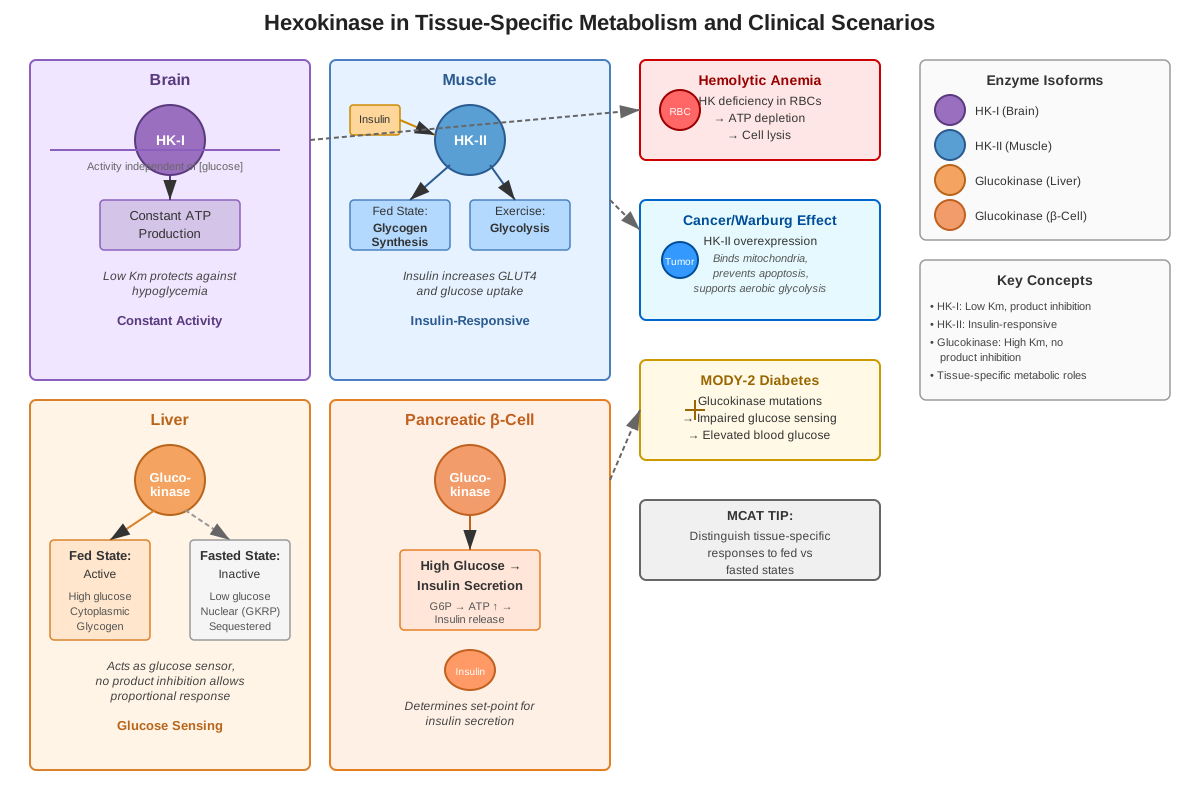
Overview
Hexokinase represents one of the most critical regulatory enzymes in cellular metabolism, serving as the gatekeeper for glucose utilization across virtually all human tissues. This enzyme catalyzes the first committed step of glycolysis by phosphorylating glucose to glucose-6-phosphate, effectively trapping glucose inside the cell and committing it to metabolic processing. Understanding hexokinase is essential for mastering Biochemistry concepts tested on the MCAT, as it connects carbohydrate metabolism, enzyme kinetics, regulatory mechanisms, and tissue-specific metabolic adaptations.
For the MCAT, hexokinase appears frequently in passages involving metabolic regulation, diabetes pathophysiology, tissue-specific metabolism, and enzyme kinetics. Questions often test the ability to distinguish between hexokinase isoforms (particularly hexokinase versus glucokinase), understand feedback inhibition mechanisms, and apply kinetic principles to predict metabolic outcomes under various physiological conditions. The enzyme exemplifies key biochemical principles including induced fit, product inhibition, and the importance of phosphorylation in metabolic regulation.
Hexokinase connects to broader Biochemistry themes including glycolysis, gluconeogenesis, glycogen metabolism, and cellular energy homeostasis. Its regulation demonstrates how cells integrate nutritional status with metabolic needs, making it a high-yield topic for understanding metabolic flexibility and tissue specialization. Mastery of hexokinase provides the foundation for understanding how different organs respond to fed versus fasted states, insulin signaling, and metabolic diseases—all frequently tested concepts on the MCAT.
Learning Objectives
- [ ] Define Hexokinase using accurate Biochemistry terminology
- [ ] Explain why Hexokinase matters for the MCAT
- [ ] Apply Hexokinase to exam-style questions
- [ ] Identify common mistakes related to Hexokinase
- [ ] Connect Hexokinase to related Biochemistry concepts
- [ ] Compare and contrast the four hexokinase isoforms with emphasis on tissue distribution and kinetic properties
- [ ] Predict the metabolic consequences of hexokinase inhibition or deficiency in different tissues
- [ ] Analyze experimental data involving hexokinase kinetics and regulation
Prerequisites
- Basic enzyme kinetics: Understanding Km, Vmax, and Michaelis-Menten kinetics is essential for comparing hexokinase isoforms and interpreting their physiological roles
- Glycolysis pathway: Hexokinase catalyzes the first step, so familiarity with subsequent reactions provides context for its regulatory importance
- ATP structure and energetics: The reaction mechanism involves ATP as a phosphate donor, requiring knowledge of high-energy phosphate bonds
- Cell membrane transport: Understanding glucose transporters (GLUTs) explains how glucose availability affects hexokinase activity
- Phosphorylation reactions: General knowledge of kinase mechanisms and the significance of adding phosphate groups to substrates
Why This Topic Matters
Clinical and Real-World Significance
Hexokinase dysfunction has profound clinical implications. Hexokinase deficiency causes rare forms of hemolytic anemia because red blood cells depend entirely on glycolysis for ATP production. More commonly, understanding hexokinase helps explain diabetes pathophysiology—glucokinase (hexokinase IV) mutations cause maturity-onset diabetes of the young (MODY-2), demonstrating how altered glucose sensing disrupts metabolic homeostasis. Cancer cells often overexpress hexokinase II, which binds to mitochondrial membranes and promotes the Warburg effect, making this enzyme a therapeutic target in oncology.
MCAT Exam Statistics
Hexokinase appears in approximately 15-20% of MCAT Biochemistry passages involving metabolism. Questions typically test:
- Enzyme kinetics and regulation (40% of hexokinase questions): Comparing Km values, interpreting inhibition patterns
- Tissue-specific metabolism (35%): Distinguishing liver glucokinase from muscle hexokinase function
- Experimental interpretation (25%): Analyzing graphs showing enzyme activity under various conditions
Common Exam Presentation Formats
MCAT passages featuring hexokinase often present:
- Research studies comparing enzyme kinetics between tissues
- Clinical vignettes involving diabetes or metabolic disorders
- Experimental manipulations of glucose concentration with resulting metabolic effects
- Graphs showing substrate saturation curves for different isoforms
- Questions requiring prediction of metabolic flux changes when hexokinase is inhibited
Core Concepts
Hexokinase Definition and Basic Function
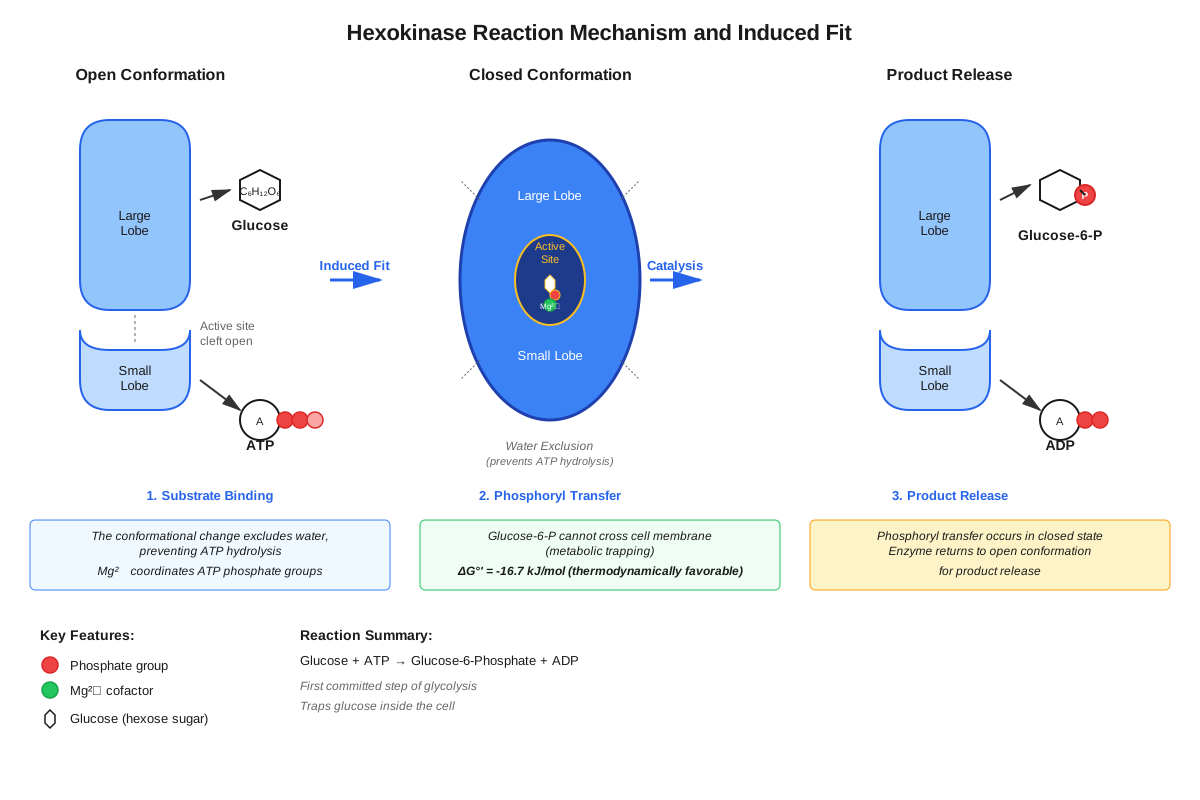
Hexokinase is a transferase enzyme (EC 2.7.1.1) that catalyzes the ATP-dependent phosphorylation of glucose to glucose-6-phosphate (G6P). This reaction represents the first step of glycolysis and the first committed step of glucose metabolism in most cells. The reaction mechanism involves:
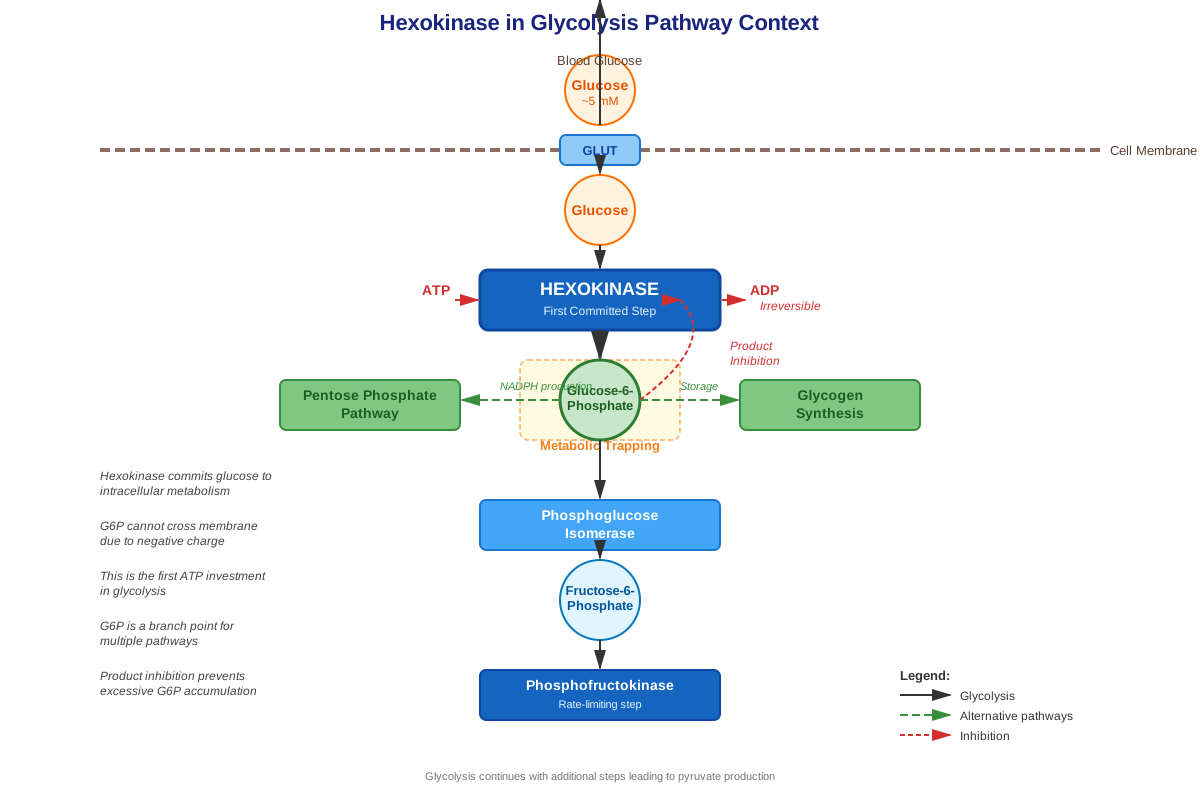
Glucose + ATP → Glucose-6-phosphate + ADP + H⁺The reaction is essentially irreversible under physiological conditions (ΔG°' = -16.7 kJ/mol), making it an ideal regulatory point. By adding a negatively charged phosphate group, hexokinase traps glucose inside the cell because G6P cannot cross the plasma membrane through glucose transporters. This "metabolic trapping" ensures that glucose entering cells commits to intracellular metabolism rather than diffusing back out.
Hexokinase Isoforms and Tissue Distribution
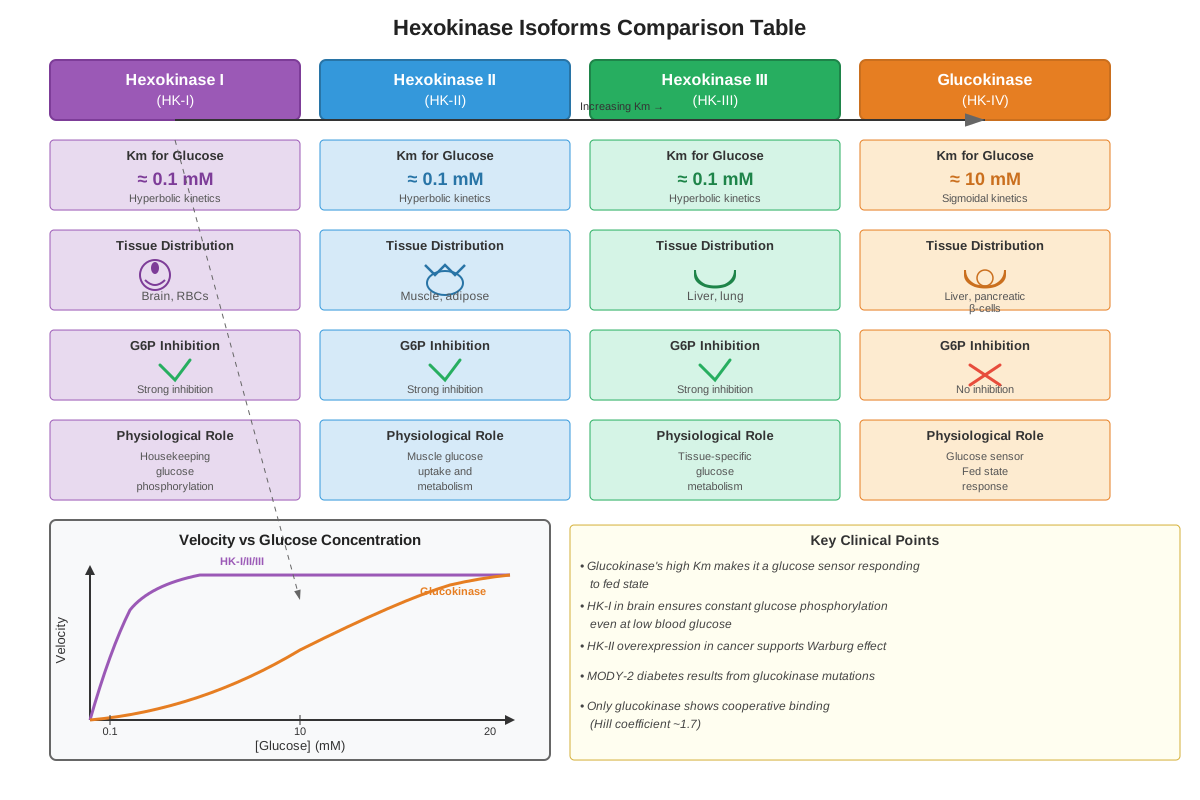
Mammals express four hexokinase isoforms (I-IV) with distinct kinetic properties and tissue distributions that reflect specialized metabolic roles:
| Isoform | Common Name | Primary Tissues | Km for Glucose | Vmax | Inhibited by G6P? | Key Function |
|---|---|---|---|---|---|---|
| Hexokinase I | HK-I | Brain, RBCs | 0.05 mM | Low | Yes | Maintain constant glucose phosphorylation |
| Hexokinase II | HK-II | Muscle, adipose | 0.1 mM | Moderate | Yes | Support variable metabolic demands |
| Hexokinase III | HK-III | Various (low expression) | 0.1 mM | Low | Yes | Unclear physiological role |
| Hexokinase IV | Glucokinase (GK) | Liver, pancreatic β-cells | 10 mM | High | No | Glucose sensing and regulation |
Hexokinase I, II, and III share several characteristics:
- Low Km values (0.05-0.1 mM) mean they are saturated at normal blood glucose concentrations (5 mM)
- Product inhibition by G6P provides feedback regulation
- High glucose affinity ensures efficient glucose capture even at low concentrations
- Present in tissues that require constant glucose supply regardless of fed/fasted state
Glucokinase (Hexokinase IV) exhibits unique properties critical for its glucose-sensing role:
- High Km (10 mM) means activity increases proportionally with blood glucose in the physiological range
- No product inhibition by G6P allows continued glucose phosphorylation when glucose is abundant
- Sigmoidal kinetics (positive cooperativity) rather than hyperbolic Michaelis-Menten kinetics
- Acts as a "glucose sensor" in liver and pancreatic β-cells
Mechanism and Induced Fit
Hexokinase demonstrates the induced fit model of enzyme-substrate interaction. When glucose binds to the active site, the enzyme undergoes a large conformational change, with two lobes closing around the substrate like a clamshell. This conformational change:
- Positions glucose and ATP in optimal orientation for phosphate transfer
- Excludes water from the active site (preventing wasteful ATP hydrolysis)
- Stabilizes the transition state
- Ensures substrate specificity—only glucose and a few similar hexoses induce proper closure
The induced fit mechanism explains why hexokinase exhibits high specificity for glucose over other potential substrates and why water (despite being abundant) doesn't cause significant ATP hydrolysis.
Regulation of Hexokinase Activity
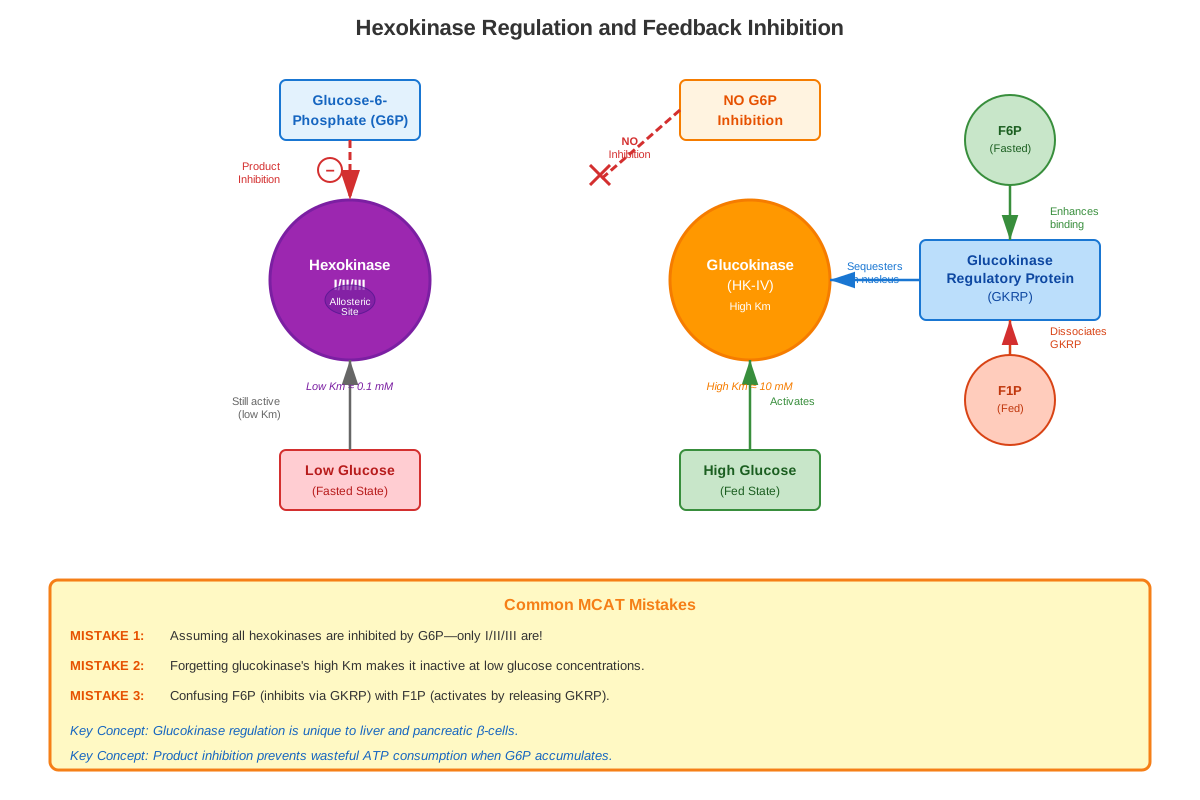
Product Inhibition: Hexokinases I-III are allosterically inhibited by their product, glucose-6-phosphate. When G6P accumulates (indicating that downstream pathways are saturated), it binds to a regulatory site distinct from the active site, reducing enzyme activity. This feedback inhibition prevents excessive glucose phosphorylation and ATP depletion when cells cannot process G6P through glycolysis, glycogen synthesis, or the pentose phosphate pathway.
Subcellular Localization: Hexokinase II can bind to the outer mitochondrial membrane through interaction with voltage-dependent anion channels (VDAC). This localization:
- Provides preferential access to mitochondrially-generated ATP
- Couples glycolysis to oxidative phosphorylation
- Protects the enzyme from product inhibition (G6P is rapidly metabolized)
- Is exploited by cancer cells to maintain high glycolytic rates
Hormonal Regulation: While hexokinases I-III are not directly regulated by hormones, their expression levels respond to metabolic conditions. Insulin increases hexokinase II expression in muscle and adipose tissue, enhancing glucose uptake capacity during fed states.
Glucokinase: The Specialized Glucose Sensor
Glucokinase's unique properties make it ideal for glucose sensing in liver and pancreatic β-cells:
In Pancreatic β-Cells: Glucokinase acts as the "glucose sensor" that determines insulin secretion rates. As blood glucose rises after a meal:
- Glucose enters β-cells through GLUT2 transporters (high Km, not rate-limiting)
- Glucokinase phosphorylates glucose proportionally to blood glucose concentration
- Increased G6P production drives glycolysis and ATP generation
- Rising ATP/ADP ratio closes K⁺-ATP channels
- Membrane depolarization opens voltage-gated Ca²⁺ channels
- Ca²⁺ influx triggers insulin secretion
In Hepatocytes: Glucokinase regulates hepatic glucose uptake and storage:
- During fed states (high blood glucose), glucokinase activity increases, promoting glucose uptake for glycogen synthesis and lipogenesis
- During fasted states (low blood glucose), minimal glucokinase activity allows the liver to produce glucose via gluconeogenesis without futile cycling
- Glucokinase is sequestered in the nucleus when bound to glucokinase regulatory protein (GKRP); fructose-6-phosphate promotes sequestration while glucose promotes release
Thermodynamics and Metabolic Commitment
The hexokinase reaction is thermodynamically favorable (ΔG°' = -16.7 kJ/mol) and essentially irreversible under cellular conditions. This irreversibility serves several purposes:
- Metabolic commitment: Once phosphorylated, glucose is committed to intracellular metabolism
- Directional flux: Ensures glycolysis proceeds forward rather than reversing
- Regulatory control: Irreversible steps are ideal control points for pathway regulation
- Metabolic trapping: The negative charge on G6P prevents membrane crossing
The energy investment of one ATP in this step is recovered multiple times over during subsequent glycolytic and oxidative metabolism, making this an efficient metabolic strategy.
Concept Relationships
Hexokinase connects to multiple biochemical pathways and concepts in an integrated metabolic network:
Hexokinase → Glycolysis: The G6P product directly enters glycolysis as the substrate for phosphoglucose isomerase, making hexokinase the gateway to glycolytic ATP production.
Hexokinase → Glycogen Metabolism: G6P can be converted to glucose-1-phosphate and then UDP-glucose for glycogen synthesis, connecting hexokinase to energy storage pathways.
Hexokinase → Pentose Phosphate Pathway: G6P serves as the entry point for the pentose phosphate pathway, linking hexokinase to NADPH production and nucleotide biosynthesis.
Glucose Transporters → Hexokinase: GLUT proteins determine glucose availability to hexokinase; in most tissues, hexokinase (not transport) is rate-limiting due to low Km values, but in liver, GLUT2 and glucokinase have matched high Km values.
Insulin Signaling → Hexokinase: Insulin increases hexokinase II expression and promotes its mitochondrial binding, enhancing glucose utilization in insulin-sensitive tissues.
Glucokinase ↔ Glucokinase Regulatory Protein: This interaction provides additional regulation in hepatocytes, with F6P promoting nuclear sequestration and glucose promoting cytoplasmic release.
Product Inhibition Feedback Loop: G6P accumulation → hexokinase inhibition → reduced glucose phosphorylation → metabolic adjustment, demonstrating negative feedback regulation.
High-Yield Facts
⭐ Hexokinase catalyzes the first committed step of glycolysis, phosphorylating glucose to G6P using ATP
⭐ Hexokinases I-III have low Km (~0.1 mM) and are inhibited by G6P; glucokinase has high Km (~10 mM) and is NOT inhibited by G6P
⭐ Glucokinase functions as the glucose sensor in pancreatic β-cells and hepatocytes, with activity proportional to blood glucose in the physiological range
⭐ The hexokinase reaction is essentially irreversible (ΔG°' = -16.7 kJ/mol), making it an ideal regulatory control point
⭐ Hexokinase demonstrates induced fit mechanism—the enzyme undergoes conformational change upon glucose binding
- Hexokinase II can bind to mitochondrial membranes, coupling glycolysis to oxidative phosphorylation and protecting against product inhibition
- G6P cannot cross cell membranes, so hexokinase effectively traps glucose inside cells
- Glucokinase exhibits sigmoidal (cooperative) kinetics rather than hyperbolic Michaelis-Menten kinetics
- Glucokinase regulatory protein (GKRP) sequesters glucokinase in hepatocyte nuclei during fasted states
- Cancer cells often overexpress hexokinase II to support high glycolytic rates (Warburg effect)
- Hexokinase deficiency causes hemolytic anemia because RBCs depend entirely on glycolysis for ATP
- Glucokinase mutations cause MODY-2 (maturity-onset diabetes of the young type 2)
- Brain and RBCs express primarily hexokinase I to ensure constant glucose phosphorylation
- Muscle expresses hexokinase II, which increases with insulin signaling and exercise training
- The induced fit mechanism prevents wasteful ATP hydrolysis by excluding water from the active site
Quick check — test yourself on Hexokinase so far.
Try Flashcards →Common Misconceptions
Misconception: All hexokinase isoforms have the same kinetic properties and regulatory mechanisms.
Correction: The four isoforms have distinct Km values, tissue distributions, and regulatory properties. Most critically, glucokinase (HK-IV) has a 100-fold higher Km than other isoforms and is NOT inhibited by G6P, allowing it to function as a glucose sensor rather than a constitutive glucose phosphorylator.
Misconception: Hexokinase is the rate-limiting step of glycolysis in all tissues.
Correction: While hexokinase catalyzes the first step, phosphofructokinase-1 (PFK-1) is generally considered the primary rate-limiting and most highly regulated step of glycolysis. However, hexokinase can become rate-limiting in specific conditions, particularly when product inhibition by G6P is strong.
Misconception: Glucokinase and hexokinase are completely different enzymes with no structural relationship.
Correction: Glucokinase IS hexokinase IV—it's a member of the hexokinase family with similar catalytic mechanism but evolved kinetic and regulatory properties suited for glucose sensing. The name "glucokinase" emphasizes its specialized function, but it's structurally and mechanistically related to other hexokinases.
Misconception: The hexokinase reaction can be easily reversed to produce glucose from G6P.
Correction: The hexokinase reaction is essentially irreversible under physiological conditions due to its large negative ΔG. Glucose production from G6P requires a different enzyme (glucose-6-phosphatase, found only in liver and kidney) that hydrolyzes the phosphate rather than reversing the kinase reaction.
Misconception: Hexokinase can phosphorylate any sugar that enters the cell.
Correction: Hexokinase exhibits substrate specificity for glucose and structurally similar hexoses (like fructose and mannose). The induced fit mechanism ensures that only appropriate substrates trigger the conformational change necessary for catalysis. Other sugars require different kinases (e.g., fructokinase for fructose in liver).
Misconception: G6P inhibition of hexokinase is competitive inhibition at the active site.
Correction: G6P inhibition is allosteric (non-competitive) inhibition at a regulatory site distinct from the active site. This allows G6P to inhibit the enzyme even when glucose is bound, providing effective feedback regulation without directly competing with substrate binding.
Worked Examples
Example 1: Comparing Hexokinase Kinetics in Different Tissues
Question: A researcher measures hexokinase activity in liver and brain tissue extracts at various glucose concentrations. At 5 mM glucose (normal blood glucose), brain hexokinase operates at 98% of Vmax while liver glucokinase operates at approximately 33% of Vmax. Explain these observations and their physiological significance.
Solution:
Step 1: Identify the relevant kinetic parameters.
- Brain expresses primarily hexokinase I with Km ≈ 0.05 mM
- Liver expresses primarily glucokinase with Km ≈ 10 mM
- The Michaelis-Menten equation relates velocity to substrate concentration: v = Vmax[S]/(Km + [S])
Step 2: Calculate expected activity for brain hexokinase.
At [glucose] = 5 mM and Km = 0.05 mM:
v/Vmax = 5/(0.05 + 5) = 5/5.05 ≈ 0.99 or 99%
This matches the observed 98%, confirming saturation kinetics.
Step 3: Calculate expected activity for liver glucokinase.
At [glucose] = 5 mM and Km = 10 mM:
v/Vmax = 5/(10 + 5) = 5/15 ≈ 0.33 or 33%
This matches the observed value.
Step 4: Explain physiological significance.
- Brain hexokinase: The low Km ensures the brain maintains constant glucose phosphorylation regardless of blood glucose fluctuations (within normal range). This protects brain metabolism, which depends almost exclusively on glucose.
- Liver glucokinase: The high Km means activity varies proportionally with blood glucose. When blood glucose is high (fed state), the liver increases glucose uptake for storage. When blood glucose is low (fasted state), minimal glucokinase activity allows the liver to release glucose via gluconeogenesis without futile cycling.
Connection to Learning Objectives: This example demonstrates how to apply hexokinase kinetics to predict tissue-specific metabolic responses and connects enzyme properties to physiological function—key skills for MCAT passages.
Example 2: Predicting Metabolic Effects of Hexokinase Inhibition
Question: A novel drug inhibits hexokinase II but not glucokinase. Predict the metabolic consequences in: (A) skeletal muscle during exercise, and (B) pancreatic β-cells after a glucose-rich meal.
Solution:
Step 1: Identify which tissues express which isoforms.
- Skeletal muscle: primarily hexokinase II
- Pancreatic β-cells: primarily glucokinase (hexokinase IV)
Step 2: Analyze effects in skeletal muscle.
With hexokinase II inhibited:
- Glucose entering muscle cells via GLUT4 cannot be phosphorylated to G6P
- Without G6P formation, glycolysis cannot proceed
- Muscle cannot generate ATP from glucose metabolism
- During exercise, muscle would experience severe energy deficit
- Lactate production would decrease (no glycolytic flux)
- Muscle would rely more heavily on fatty acid oxidation and stored glycogen (until depleted)
- Blood glucose would remain elevated because muscle glucose uptake is impaired
Step 3: Analyze effects in pancreatic β-cells.
Since the drug doesn't inhibit glucokinase:
- β-cells retain normal glucose sensing capability
- Glucose phosphorylation proceeds normally
- ATP generation from glucose metabolism is unaffected
- Insulin secretion in response to elevated blood glucose remains intact
- β-cell function is preserved
Step 4: Consider systemic effects.
- Impaired muscle glucose uptake would cause hyperglycemia
- Intact β-cell function would trigger insulin secretion
- However, muscle insulin resistance (inability to use glucose) would persist
- This mimics aspects of type 2 diabetes pathophysiology
Connection to Learning Objectives: This example requires understanding isoform distribution, predicting metabolic consequences of enzyme inhibition, and connecting molecular changes to physiological outcomes—all high-yield MCAT skills.
Exam Strategy
Approaching Hexokinase Questions
Step 1: Identify the tissue or cell type mentioned in the question. This immediately tells you which isoform is likely involved:
- Brain/RBCs → Hexokinase I
- Muscle/adipose → Hexokinase II
- Liver/pancreatic β-cells → Glucokinase (Hexokinase IV)
Step 2: Determine whether the question involves kinetics or regulation:
- If Km values or substrate saturation curves appear → apply Michaelis-Menten principles
- If G6P levels or metabolic conditions are mentioned → consider product inhibition (except for glucokinase)
- If blood glucose changes are described → focus on glucokinase's glucose-sensing role
Step 3: Watch for comparison questions that require distinguishing hexokinase from glucokinase—these are extremely high-yield.
Trigger Words and Phrases
- "Glucose sensor" → Think glucokinase in liver or β-cells
- "Product inhibition" or "feedback inhibition" → Hexokinases I-III (NOT glucokinase)
- "Metabolic trapping" → The phosphorylation that prevents G6P from leaving cells
- "First committed step" → Hexokinase reaction in glycolysis
- "Induced fit" → Conformational change upon glucose binding
- "Tissue-specific metabolism" → Compare isoform properties
- "Km for glucose" → Key distinguishing feature between isoforms
Process of Elimination Tips
When comparing answer choices:
- Eliminate options that confuse hexokinase with glucokinase properties: If an answer claims liver hexokinase is inhibited by G6P, it's wrong (liver has glucokinase, which isn't inhibited by G6P).
- Eliminate options that reverse cause and effect: For example, "G6P accumulation increases hexokinase activity" is backwards—G6P inhibits hexokinase.
- Watch for absolute statements: "Hexokinase is ALWAYS the rate-limiting step" is too strong—PFK-1 is generally more rate-limiting.
- Check for tissue-isoform mismatches: "Brain expresses primarily glucokinase" is incorrect.
Time Allocation
For discrete hexokinase questions: 60-90 seconds
- Quick identification of isoform (10 seconds)
- Apply relevant principle (30 seconds)
- Eliminate wrong answers (20 seconds)
For passage-based questions: 90-120 seconds per question
- Reference passage data (20 seconds)
- Connect to hexokinase principles (40 seconds)
- Evaluate answer choices (30 seconds)
Exam Tip: If a passage presents enzyme kinetics data with Km values, immediately compare them to the standard values for hexokinase (~0.1 mM) and glucokinase (~10 mM). This often reveals the answer to multiple questions.
Memory Techniques
Mnemonic for Hexokinase vs. Glucokinase
"Hex is FIXED, Gluco GOES with glucose"
- Hexokinase has FIXED activity (saturated at normal glucose levels)
- Glucokinase activity GOES up and down with blood glucose levels
Mnemonic for Glucokinase Properties
"Glucokinase: High, No, Liver, Pancreas" (HNLP)
- High Km (~10 mM)
- No G6P inhibition
- Liver location
- Pancreas location (β-cells)
Visualization Strategy for Induced Fit
Picture hexokinase as a "Pac-Man enzyme":
- Open mouth (unbound enzyme)
- Glucose enters the mouth
- Mouth closes around glucose (induced fit)
- Phosphate transfer occurs in the closed mouth
- Mouth opens to release G6P
This visual helps remember that the conformational change excludes water and positions substrates optimally.
Acronym for Hexokinase Isoform Distribution
"Brain Muscle Liver Pancreas" = "BMLP"
- Brain → HK-I (low Km, always active)
- Muscle → HK-II (low Km, insulin-responsive)
- Liver → Glucokinase (high Km, glucose sensor)
- Pancreas → Glucokinase (high Km, glucose sensor)
Number Memory Aid
"1-10-100 Rule"
- Hexokinase Km: ~0.1 mM (think "1 tenth")
- Glucokinase Km: ~10 mM (think "10 whole")
- Glucokinase Km is 100-fold higher than hexokinase Km
Summary
Hexokinase represents a critical control point in glucose metabolism, catalyzing the ATP-dependent phosphorylation of glucose to glucose-6-phosphate in the first committed step of glycolysis. The four mammalian isoforms exhibit distinct kinetic properties and tissue distributions that reflect specialized metabolic roles. Hexokinases I-III possess low Km values (~0.1 mM), ensuring saturation at physiological glucose concentrations, and are subject to product inhibition by G6P, providing feedback regulation. In contrast, glucokinase (hexokinase IV) in liver and pancreatic β-cells has a high Km (~10 mM) and lacks G6P inhibition, allowing it to function as a glucose sensor whose activity varies proportionally with blood glucose. The enzyme demonstrates induced fit mechanism, undergoing conformational change upon substrate binding to optimize catalysis and prevent wasteful ATP hydrolysis. For the MCAT, students must distinguish between isoforms, predict metabolic consequences of altered hexokinase activity, and understand how tissue-specific expression patterns support specialized metabolic functions in fed versus fasted states.
Key Takeaways
- Hexokinase catalyzes the irreversible, ATP-dependent phosphorylation of glucose to G6P, trapping glucose in cells and committing it to metabolism
- The critical distinction: hexokinases I-III have low Km and G6P inhibition; glucokinase has high Km and NO G6P inhibition
- Glucokinase functions as the glucose sensor in liver and pancreatic β-cells, with activity proportional to blood glucose in the physiological range
- Tissue-specific isoform expression reflects metabolic specialization: brain (HK-I for constant activity), muscle (HK-II for insulin-responsive activity), liver/pancreas (glucokinase for glucose sensing)
- Product inhibition by G6P provides feedback regulation in most tissues, preventing excessive glucose phosphorylation when downstream pathways are saturated
- The induced fit mechanism ensures substrate specificity and prevents wasteful ATP hydrolysis by excluding water from the active site
- Understanding hexokinase kinetics and regulation is essential for predicting metabolic responses to nutritional states, hormonal signals, and pathological conditions
Related Topics
Glycolysis: Hexokinase catalyzes the first step; mastering hexokinase enables deeper understanding of glycolytic regulation and the subsequent nine enzymatic steps that generate ATP and pyruvate.
Gluconeogenesis: Understanding hexokinase's irreversibility explains why glucose-6-phosphatase (not hexokinase reversal) is required for glucose production, highlighting the concept of bypass reactions.
Glycogen Metabolism: G6P produced by hexokinase can enter glycogen synthesis pathways, connecting glucose phosphorylation to energy storage mechanisms.
Pentose Phosphate Pathway: G6P serves as the entry substrate, linking hexokinase to NADPH production and nucleotide biosynthesis.
Enzyme Kinetics: Hexokinase provides an excellent model for applying Michaelis-Menten kinetics, allosteric regulation, and induced fit mechanisms.
Diabetes and Metabolic Disease: Glucokinase mutations cause MODY-2, and understanding hexokinase helps explain insulin resistance and altered glucose homeostasis.
Cancer Metabolism: Hexokinase II overexpression in tumors supports the Warburg effect, connecting basic biochemistry to oncology.
Practice CTA
Now that you've mastered the core concepts of hexokinase, it's time to solidify your understanding through active practice. Attempt the practice questions to test your ability to apply hexokinase principles to MCAT-style scenarios, and use the flashcards to reinforce high-yield facts and distinctions between isoforms. Remember: understanding hexokinase isn't just about memorizing Km values—it's about predicting how cells respond metabolically to changing conditions. The more you practice applying these concepts, the more confident you'll be when hexokinase appears on test day. You've got this!
Sign up free to keep reading
Create a free AnvayaPrep account to finish this MCAT guide on Hexokinase — plus flashcards and practice questions.