Overview
NADPH (nicotinamide adenine dinucleotide phosphate, reduced form) stands as one of the most critical reducing agents in cellular biochemistry, serving functions distinct from its close relative NADH. While NADH primarily participates in catabolic pathways and energy production through oxidative phosphorylation, NADPH drives anabolic biosynthetic reactions and maintains cellular redox balance. This electron carrier molecule appears throughout metabolism, from fatty acid synthesis to cholesterol production, from nucleotide biosynthesis to antioxidant defense systems. Understanding NADPH's unique roles, production pathways, and biochemical properties represents essential knowledge for the MCAT, particularly within the Biological and Biochemical Foundations of Living Systems section.
The distinction between NADPH and NADH extends beyond a simple phosphate group—it reflects fundamental differences in cellular compartmentalization, metabolic function, and regulatory mechanisms. NADPH maintains cells in a reduced state, counteracting oxidative stress and providing the reducing power necessary for building complex molecules from simpler precursors. The pentose phosphate pathway serves as the primary source of cytosolic NADPH, though other pathways contribute significantly depending on tissue type and metabolic state. For MCAT preparation, students must recognize when passages describe anabolic processes requiring reducing equivalents versus catabolic processes generating ATP, as this distinction frequently appears in experimental passages and discrete questions.
This topic integrates seamlessly with broader biochemistry concepts including carbohydrate metabolism, lipid biosynthesis, nucleotide synthesis, and cellular defense mechanisms. MCAT questions often embed NADPH within complex metabolic scenarios, requiring students to trace electron flow, predict metabolic consequences of enzyme deficiencies, or analyze experimental data involving oxidative stress. Mastery of NADPH biochemistry enables students to approach these multifaceted questions with confidence, recognizing the molecular logic underlying anabolic metabolism and redox homeostasis.
Learning Objectives
- [ ] Define NADPH using accurate Biochemistry terminology
- [ ] Explain why NADPH matters for the MCAT
- [ ] Apply NADPH to exam-style questions
- [ ] Identify common mistakes related to NADPH
- [ ] Connect NADPH to related Biochemistry concepts
- [ ] Compare and contrast NADPH with NADH in terms of structure, function, and metabolic roles
- [ ] Trace the production of NADPH through major metabolic pathways and identify tissue-specific variations
- [ ] Predict the metabolic consequences of impaired NADPH production or utilization
- [ ] Analyze experimental scenarios involving NADPH-dependent enzymes and redox balance
Prerequisites
- Basic understanding of oxidation-reduction reactions: NADPH functions as a reducing agent, requiring familiarity with electron transfer and redox chemistry
- Knowledge of NAD+ and NADH structure and function: NADPH is structurally similar to NADH, and understanding their relationship clarifies their distinct metabolic roles
- Familiarity with glycolysis and glucose metabolism: The pentose phosphate pathway branches from glycolysis, making glucose metabolism foundational
- Understanding of enzyme cofactors: NADPH serves as a cofactor for numerous enzymes, requiring knowledge of how cofactors facilitate catalysis
- Basic cellular compartmentalization: NADPH production and utilization occur in specific cellular locations, necessitating awareness of cytosol versus mitochondria
Why This Topic Matters
Clinical Significance
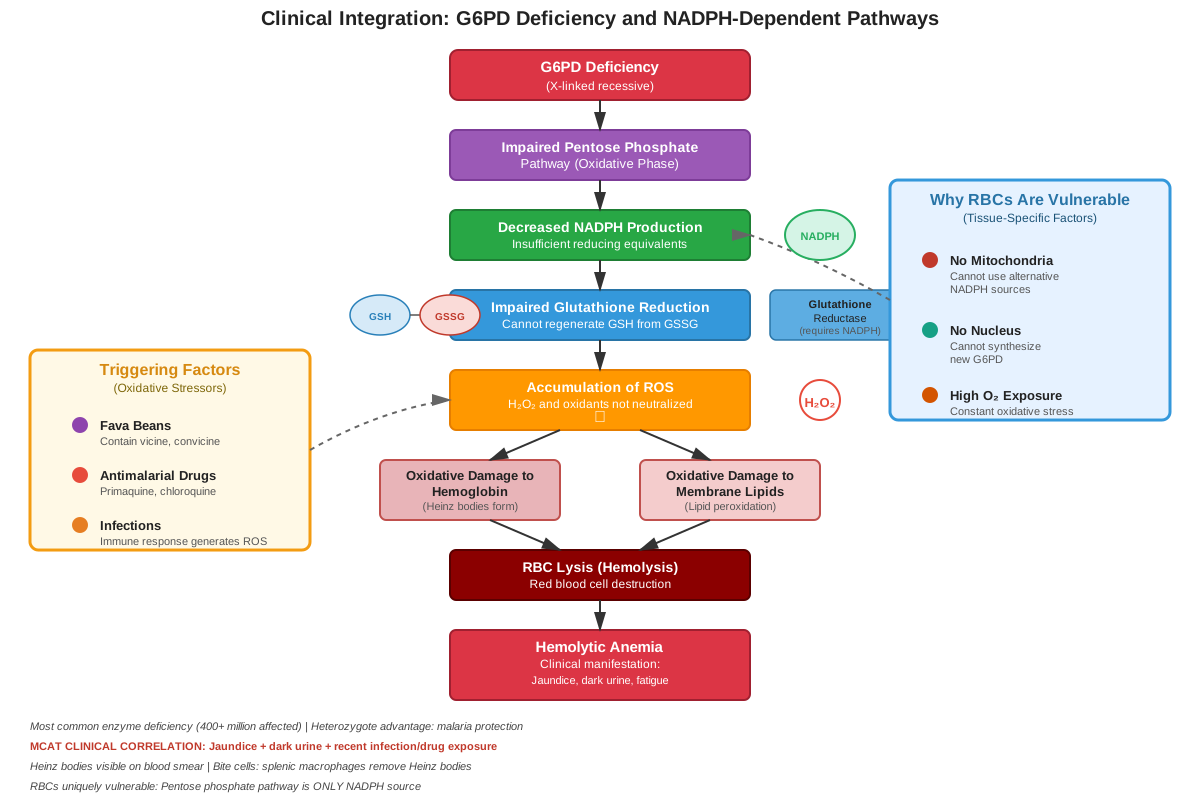
NADPH deficiency manifests in several clinically significant conditions. Glucose-6-phosphate dehydrogenase (G6PD) deficiency, affecting over 400 million people worldwide, impairs NADPH production in red blood cells, leading to hemolytic anemia when patients encounter oxidative stressors like certain medications, fava beans, or infections. This condition illustrates NADPH's critical role in maintaining reduced glutathione levels, which protect cellular components from oxidative damage. Additionally, NADPH oxidase in phagocytes generates reactive oxygen species for pathogen destruction—chronic granulomatous disease results from defective NADPH oxidase, causing recurrent bacterial and fungal infections. Cancer cells exhibit altered NADPH metabolism to support rapid proliferation and manage oxidative stress, making NADPH-producing pathways potential therapeutic targets.
MCAT Exam Relevance
NADPH appears in approximately 3-5% of MCAT biochemistry questions, typically integrated within broader metabolic scenarios rather than as isolated discrete questions. The topic most commonly surfaces in passages describing:
- Metabolic pathway experiments measuring glucose utilization through different routes
- Oxidative stress studies examining cellular antioxidant capacity
- Lipid biosynthesis investigations in liver or adipose tissue
- Drug metabolism studies involving cytochrome P450 enzymes
- Genetic disorders affecting pentose phosphate pathway enzymes
Questions frequently require students to distinguish between NADH and NADPH functions, identify which metabolic pathways produce or consume NADPH, or predict cellular consequences of altered NADPH availability. The MCAT particularly favors questions connecting NADPH to experimental data interpretation, such as analyzing radiolabeled glucose tracking studies or enzyme kinetics experiments.
Common Exam Contexts
MCAT passages embed NADPH within scenarios involving fatty acid synthesis regulation, cholesterol biosynthesis, nucleotide production for DNA replication, detoxification reactions, or cellular responses to oxidative stress. Questions may present enzyme deficiency cases requiring students to trace metabolic consequences, or experimental manipulations affecting NADPH-dependent pathways. Understanding NADPH enables students to navigate these complex, integrated biochemistry questions that test both factual knowledge and analytical reasoning.
Core Concepts
Structure and Chemical Properties
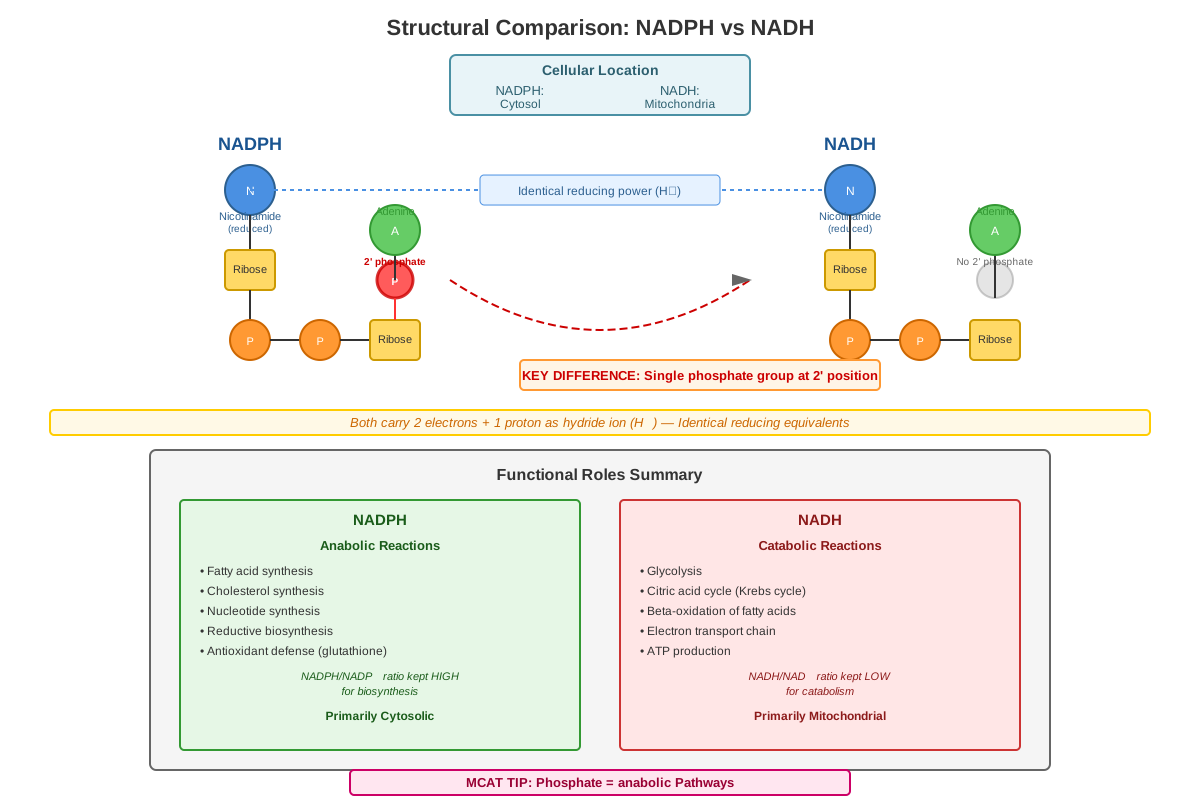
NADPH (nicotinamide adenine dinucleotide phosphate, reduced form) consists of two nucleotides joined through phosphate groups: an adenine nucleotide and a nicotinamide nucleotide. The critical structural difference between NADPH and NADH lies in the phosphate group attached to the 2' position of the adenosine ribose moiety. This seemingly minor modification profoundly affects the molecule's cellular roles and enzyme interactions. The nicotinamide ring carries the reducing power—specifically, the reduced form contains an extra hydrogen and two electrons compared to NADP+. During oxidation-reduction reactions, NADPH transfers a hydride ion (H-, consisting of a proton and two electrons) to substrate molecules, becoming oxidized to NADP+.
The phosphate group at the 2' position serves as a molecular "tag" that directs NADPH toward anabolic enzymes while preventing its use in catabolic pathways. Enzymes possess binding pockets specifically shaped to accommodate either the phosphorylated (NADPH) or non-phosphorylated (NADH) form, ensuring metabolic pathway segregation. This structural specificity maintains separate pools of reducing equivalents for different cellular purposes: NADH primarily feeds electrons into the electron transport chain for ATP production, while NADPH drives biosynthetic reactions and antioxidant systems.
NADPH Production Pathways
Pentose Phosphate Pathway (Primary Source)
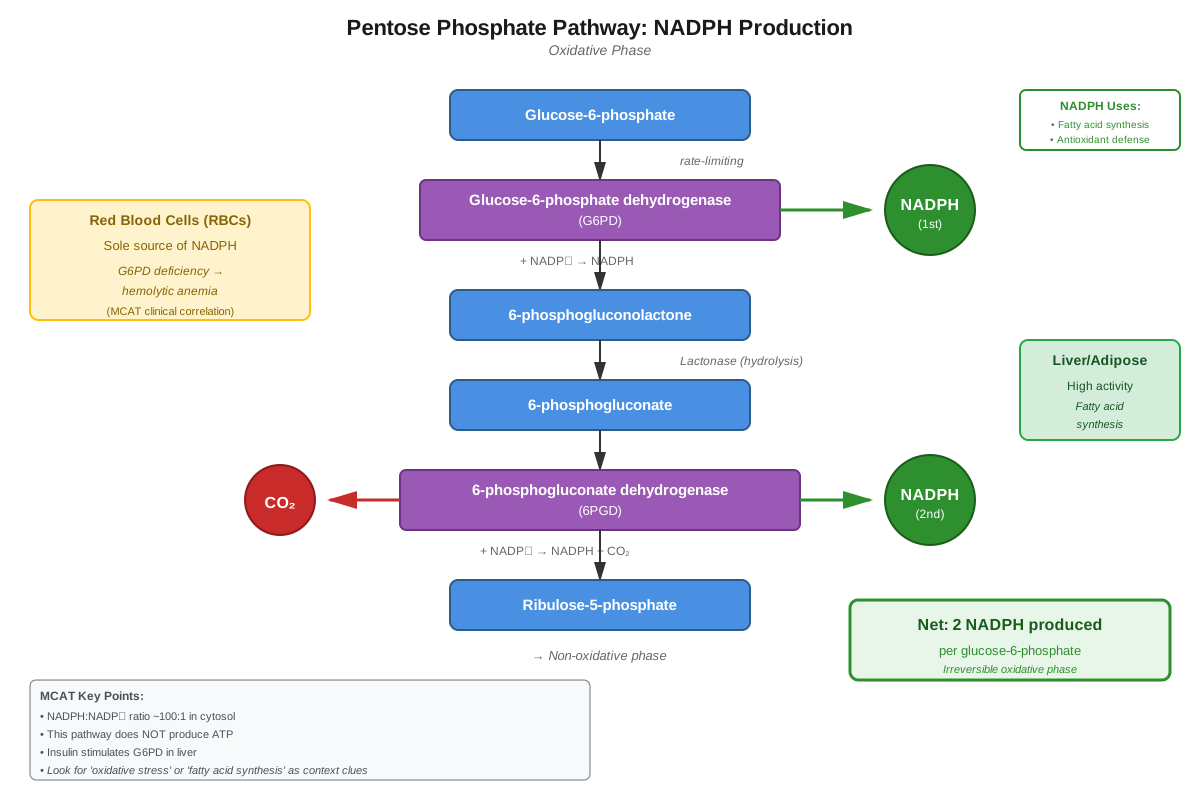
The pentose phosphate pathway (PPP), also called the hexose monophosphate shunt, represents the predominant source of cytosolic NADPH in most tissues. This pathway branches from glycolysis at glucose-6-phosphate and consists of two phases: oxidative and non-oxidative. The oxidative phase generates NADPH through two irreversible reactions:
- Glucose-6-phosphate dehydrogenase (G6PD) catalyzes the rate-limiting step, oxidizing glucose-6-phosphate to 6-phosphogluconolactone while reducing NADP+ to NADPH
- 6-phosphogluconate dehydrogenase oxidizes 6-phosphogluconate to ribulose-5-phosphate, generating a second NADPH molecule and releasing CO₂
Each glucose molecule processed through the oxidative PPP yields 2 NADPH molecules. The pathway's activity varies dramatically by tissue type: highly active in liver (fatty acid synthesis), adipose tissue (lipogenesis), adrenal cortex (steroid hormone synthesis), red blood cells (glutathione reduction), and lactating mammary glands (milk fat production). The non-oxidative phase interconverts various sugar phosphates but produces no NADPH, serving primarily to generate ribose-5-phosphate for nucleotide synthesis or recycle intermediates back to glycolysis.
Malic Enzyme
Malic enzyme provides an alternative NADPH source, particularly important in tissues with high lipogenic activity. This enzyme catalyzes the oxidative decarboxylation of malate to pyruvate:
Malate + NADP+ → Pyruvate + CO₂ + NADPH
Two isoforms exist: a cytosolic NADP+-dependent form (predominant in lipogenic tissues) and a mitochondrial form. The cytosolic malic enzyme contributes significantly to NADPH production in liver and adipose tissue during active fatty acid synthesis. Malate exits mitochondria via the malate-aspartate shuttle or citrate-malate shuttle, providing substrate for cytosolic malic enzyme. This pathway becomes particularly important when cells require NADPH for biosynthesis but also need to maintain glycolytic flux.
Isocitrate Dehydrogenase
Cytosolic isocitrate dehydrogenase (IDH1) catalyzes the oxidative decarboxylation of isocitrate to α-ketoglutarate, generating NADPH:
Isocitrate + NADP+ → α-Ketoglutarate + CO₂ + NADPH
This reaction parallels the mitochondrial TCA cycle reaction but uses NADP+ rather than NAD+ as the electron acceptor. The cytosolic isoform contributes to NADPH pools, particularly in cells requiring substantial reducing power. Notably, mutations in IDH1 and IDH2 occur in certain cancers, producing 2-hydroxyglutarate instead of α-ketoglutarate and disrupting cellular metabolism and epigenetic regulation.
NADPH Utilization Pathways
Fatty Acid Synthesis
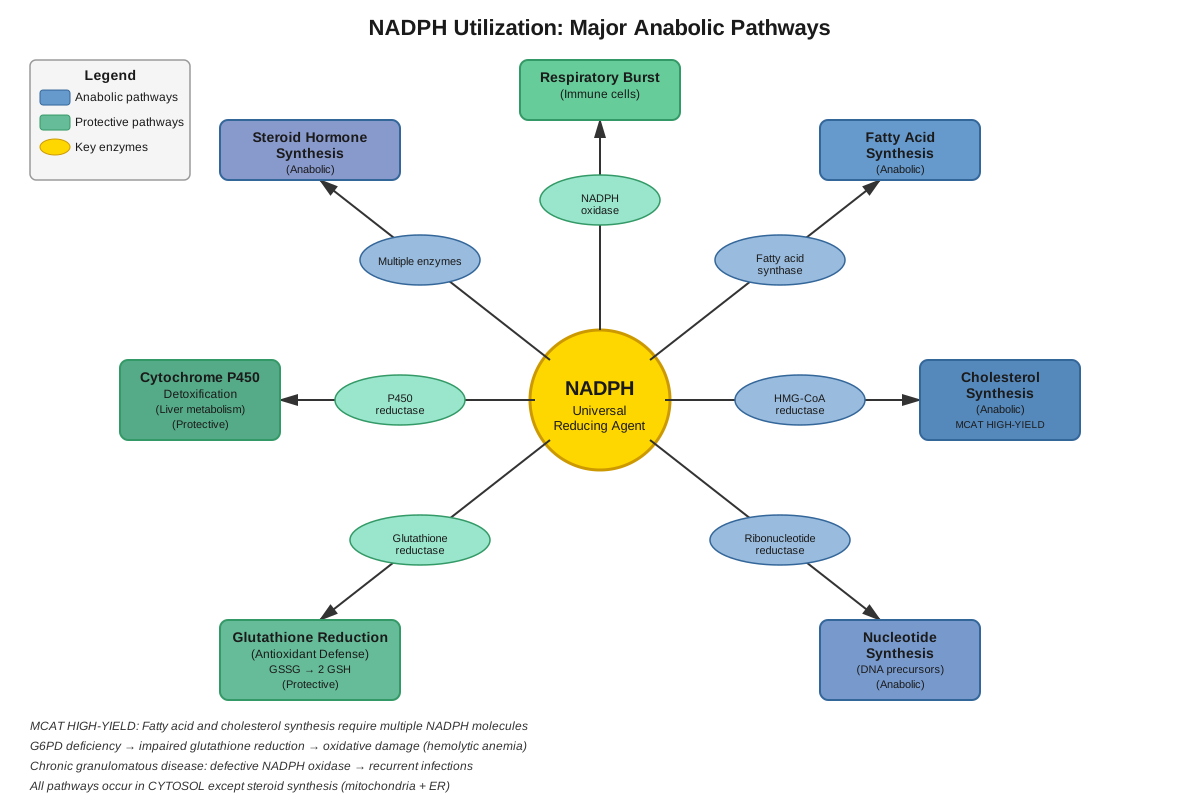
Fatty acid synthesis represents one of the most NADPH-intensive anabolic processes. Each cycle of fatty acid chain elongation requires 2 NADPH molecules to reduce the growing acyl chain. Synthesizing one palmitate molecule (16-carbon saturated fatty acid) from acetyl-CoA requires 14 NADPH molecules. Fatty acid synthase, a large multifunctional enzyme complex in the cytosol, uses NADPH to reduce carbonyl groups to methylene groups during chain elongation. The reducing power of NADPH drives the thermodynamically unfavorable reduction reactions, enabling cells to build complex lipids from simple two-carbon units.
The coordination between NADPH production and fatty acid synthesis becomes evident in metabolic regulation: insulin stimulates both the pentose phosphate pathway and fatty acid synthase, while glucagon inhibits both. This hormonal coordination ensures NADPH availability matches biosynthetic demand. Tissues with high lipogenic activity (liver, adipose tissue, lactating mammary glands) exhibit elevated pentose phosphate pathway activity to supply necessary NADPH.
Cholesterol and Steroid Synthesis
Cholesterol biosynthesis requires substantial NADPH input, particularly during the conversion of HMG-CoA to mevalonate (catalyzed by HMG-CoA reductase, the rate-limiting enzyme) and subsequent reduction steps. Approximately 18 NADPH molecules are consumed per cholesterol molecule synthesized. Steroid hormone synthesis in adrenal cortex, gonads, and placenta similarly depends on NADPH for various hydroxylation and reduction reactions catalyzed by cytochrome P450 enzymes. The adrenal cortex exhibits particularly high pentose phosphate pathway activity to support steroid hormone production.
Nucleotide Biosynthesis
Ribonucleotide reductase catalyzes the rate-limiting step in DNA synthesis, converting ribonucleotides to deoxyribonucleotides. This enzyme requires reduced thioredoxin or glutaredoxin as the immediate reducing agent, which in turn depends on NADPH for regeneration. The reaction sequence:
NADPH → Thioredoxin reductase → Thioredoxin → Ribonucleotide reductase → Deoxyribonucleotides
This pathway links NADPH availability to DNA replication capacity, explaining why rapidly dividing cells (cancer cells, immune cells, intestinal epithelium) exhibit elevated pentose phosphate pathway activity. Additionally, certain steps in purine and pyrimidine synthesis directly require NADPH as a reducing agent.
Antioxidant Defense Systems
NADPH maintains cellular redox balance through the glutathione system. Glutathione reductase uses NADPH to regenerate reduced glutathione (GSH) from oxidized glutathione (GSSG):
GSSG + NADPH + H+ → 2 GSH + NADP+
Reduced glutathione serves multiple protective functions: directly scavenging reactive oxygen species, serving as substrate for glutathione peroxidase (which reduces hydrogen peroxide and lipid peroxides), and maintaining protein sulfhydryl groups in reduced states. Red blood cells particularly depend on this system—lacking mitochondria and other antioxidant mechanisms, they rely entirely on NADPH-dependent glutathione reduction to prevent oxidative damage to hemoglobin and membrane lipids. G6PD deficiency compromises this protective system, explaining the hemolytic anemia that occurs under oxidative stress.
The thioredoxin system provides another NADPH-dependent antioxidant mechanism. Thioredoxin reductase uses NADPH to maintain thioredoxin in its reduced form, which then reduces oxidized proteins and supports ribonucleotide reductase. This system complements the glutathione system in maintaining cellular redox homeostasis.
Cytochrome P450 Reactions
Cytochrome P450 enzymes catalyze numerous hydroxylation reactions involved in drug metabolism, steroid hormone synthesis, and xenobiotic detoxification. While these enzymes directly use NADPH-cytochrome P450 reductase to transfer electrons from NADPH, the ultimate electron donor is NADPH. The general reaction:
RH + O₂ + NADPH + H+ → ROH + H₂O + NADP+
The liver's extensive cytochrome P450 system for drug metabolism creates substantial NADPH demand, contributing to the liver's high pentose phosphate pathway activity. Phase I drug metabolism reactions frequently involve NADPH-dependent cytochrome P450 enzymes, linking NADPH availability to detoxification capacity.
Metabolic Regulation and Compartmentalization
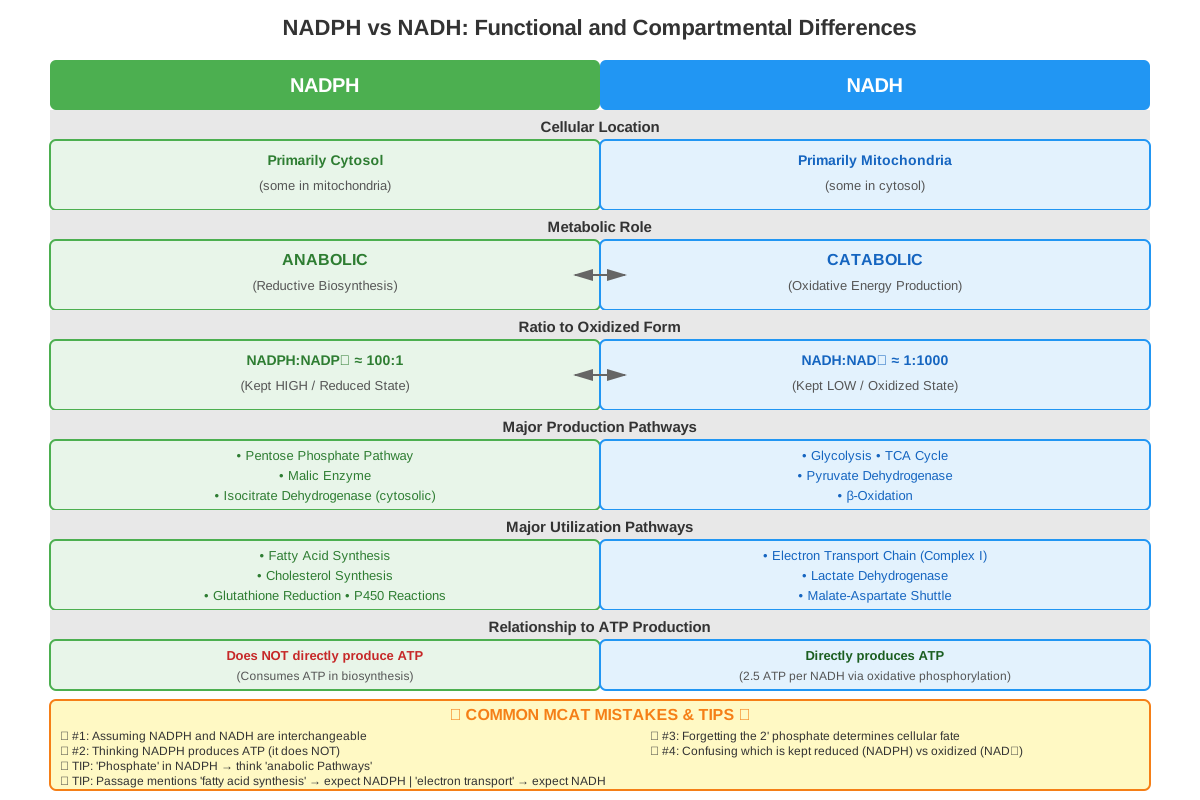
NADPH metabolism exhibits sophisticated regulation coordinated with overall metabolic state. The NADPH/NADP+ ratio in cytosol typically remains high (approximately 100:1), contrasting sharply with the low NADH/NAD+ ratio (approximately 1:1000). This high ratio maintains a strongly reducing cytosolic environment favorable for biosynthetic reactions. Mitochondria maintain different ratios appropriate for their catabolic functions.
Hormonal regulation coordinates NADPH production with biosynthetic needs. Insulin activates glucose-6-phosphate dehydrogenase through dephosphorylation and induces expression of lipogenic enzymes, simultaneously increasing NADPH supply and demand. Glucagon and epinephrine inhibit the pentose phosphate pathway and fatty acid synthesis, reducing both NADPH production and consumption. This coordination prevents futile cycling and ensures metabolic efficiency.
Substrate availability also regulates NADPH production. High glucose concentrations drive flux through the pentose phosphate pathway, while the NADPH/NADP+ ratio itself provides feedback regulation—elevated NADPH inhibits glucose-6-phosphate dehydrogenase, preventing excessive NADPH accumulation. This product inhibition ensures NADPH production matches cellular needs.
Comparison: NADPH vs. NADH
| Feature | NADPH | NADH |
|---|---|---|
| Structure | Phosphate at 2' position of adenosine ribose | No phosphate at 2' position |
| Primary function | Anabolic reactions, reductive biosynthesis | Catabolic reactions, ATP production |
| Main production sites | Pentose phosphate pathway, malic enzyme, cytosolic IDH | Glycolysis, TCA cycle, β-oxidation |
| Main consumption sites | Fatty acid synthesis, cholesterol synthesis, glutathione reduction | Electron transport chain |
| Cellular location | Primarily cytosol | Cytosol and mitochondria |
| Ratio (reduced/oxidized) | High (~100:1) | Low (~1:1000 in cytosol) |
| Metabolic role | Maintains reduced cellular environment | Generates ATP through oxidative phosphorylation |
| Regulation | Coordinated with biosynthetic demand | Coordinated with energy demand |
Concept Relationships
The biochemistry of NADPH interconnects extensively with multiple metabolic pathways and cellular processes. The pentose phosphate pathway branches from glycolysis at glucose-6-phosphate, creating a metabolic decision point: glucose-6-phosphate can proceed through glycolysis for ATP production or through the pentose phosphate pathway for NADPH and ribose-5-phosphate generation. Cellular needs determine flux distribution—cells requiring rapid ATP production favor glycolysis, while cells engaged in biosynthesis or managing oxidative stress favor the pentose phosphate pathway.
NADPH production directly enables fatty acid synthesis and cholesterol biosynthesis, creating a functional coupling: increased lipogenic activity stimulates NADPH production through coordinated hormonal regulation. This relationship extends to steroid hormone synthesis, where adrenal cortex and gonadal cells maintain high pentose phosphate pathway activity to support cytochrome P450-dependent hydroxylation reactions.
The connection between NADPH and nucleotide metabolism operates through ribonucleotide reductase, linking NADPH availability to DNA replication capacity. The pentose phosphate pathway serves dual roles here: producing NADPH for ribonucleotide reduction and generating ribose-5-phosphate for nucleotide backbone synthesis. Rapidly dividing cells upregulate the pentose phosphate pathway to meet both needs simultaneously.
NADPH's role in antioxidant defense connects to virtually all cellular processes generating reactive oxygen species. The electron transport chain produces superoxide as a byproduct, which dismutates to hydrogen peroxide requiring glutathione peroxidase (GSH-dependent) for detoxification. NADPH regenerates reduced glutathione, creating an indirect link between NADPH availability and mitochondrial function. Similarly, cytochrome P450 reactions generate reactive oxygen species during drug metabolism, requiring NADPH-dependent antioxidant systems for cellular protection.
Metabolic flow diagram:
Glucose → Glucose-6-phosphate → [Branch point] → Glycolysis (ATP production) OR Pentose phosphate pathway (NADPH + Ribose-5-P) → NADPH → [Multiple pathways] → Fatty acid synthesis, Cholesterol synthesis, Glutathione reduction, Nucleotide synthesis, Cytochrome P450 reactions
High-Yield Facts
⭐ NADPH differs from NADH by a phosphate group at the 2' position of the adenosine ribose, directing it toward anabolic rather than catabolic pathways
⭐ The pentose phosphate pathway generates 2 NADPH molecules per glucose-6-phosphate in the oxidative phase, representing the primary cytosolic NADPH source
⭐ Glucose-6-phosphate dehydrogenase (G6PD) catalyzes the rate-limiting step of the pentose phosphate pathway and is the most common enzyme deficiency worldwide
⭐ Fatty acid synthesis requires 14 NADPH molecules to produce one palmitate (16-carbon) molecule from acetyl-CoA
⭐ NADPH maintains reduced glutathione (GSH) levels through glutathione reductase, providing critical antioxidant protection, especially in red blood cells
- The NADPH/NADP+ ratio in cytosol (~100:1) greatly exceeds the NADH/NAD+ ratio (~1:1000), maintaining a reducing environment for biosynthesis
- Malic enzyme and cytosolic isocitrate dehydrogenase provide alternative NADPH sources, particularly important in lipogenic tissues
- Ribonucleotide reductase requires NADPH indirectly through thioredoxin/glutaredoxin systems for converting ribonucleotides to deoxyribonucleotides
- Cytochrome P450 enzymes use NADPH for drug metabolism and steroid hormone synthesis through NADPH-cytochrome P450 reductase
- Insulin stimulates both NADPH production (activating G6PD) and NADPH consumption (activating fatty acid synthase), coordinating biosynthetic metabolism
- NADPH oxidase in phagocytes intentionally generates reactive oxygen species for pathogen destruction, representing a unique NADPH-consuming pathway
- The pentose phosphate pathway's non-oxidative phase produces no NADPH but interconverts sugar phosphates and can recycle intermediates to glycolysis
- Chronic granulomatous disease results from defective NADPH oxidase, impairing phagocyte ability to kill pathogens
- Cancer cells often upregulate the pentose phosphate pathway to support rapid proliferation and manage oxidative stress from increased metabolism
- G6PD deficiency causes hemolytic anemia under oxidative stress (certain drugs, fava beans, infections) due to inadequate glutathione reduction in red blood cells
Quick check — test yourself on NADPH so far.
Try Flashcards →Common Misconceptions
Misconception: NADPH and NADH are interchangeable reducing agents that cells use indiscriminately.
Correction: NADPH and NADH serve distinct metabolic roles determined by their structural difference (phosphate group) and maintained in separate cellular pools. Enzymes exhibit strict specificity for one or the other based on binding pocket structure. NADPH drives anabolic biosynthesis and antioxidant defense, while NADH primarily feeds the electron transport chain for ATP production. This segregation prevents metabolic interference and allows independent regulation of catabolic versus anabolic processes.
Misconception: The pentose phosphate pathway only produces NADPH.
Correction: The pentose phosphate pathway serves dual purposes: the oxidative phase generates NADPH (2 molecules per glucose-6-phosphate), while the non-oxidative phase produces ribose-5-phosphate for nucleotide synthesis and interconverts various sugar phosphates. Cells can adjust pathway flux through different phases depending on whether they need more NADPH, more ribose-5-phosphate, or both. The non-oxidative phase can also recycle intermediates back to glycolysis when cells need NADPH but not ribose-5-phosphate.
Misconception: G6PD deficiency affects all cell types equally.
Correction: G6PD deficiency most severely impacts red blood cells because they lack mitochondria and alternative NADPH sources (malic enzyme, isocitrate dehydrogenase). Other cell types possess multiple NADPH-generating pathways and can partially compensate for reduced pentose phosphate pathway activity. Red blood cells depend entirely on the pentose phosphate pathway for NADPH production, making them uniquely vulnerable to oxidative damage when G6PD activity is impaired. This explains why hemolytic anemia is the primary clinical manifestation despite G6PD being expressed in all cells.
Misconception: NADPH production and consumption always occur in the same cellular compartment.
Correction: While NADPH is primarily cytosolic, production and consumption can occur in different locations requiring transport mechanisms. For example, citrate-malate and malate-aspartate shuttles transport metabolites between mitochondria and cytosol, indirectly moving reducing equivalents. Mitochondria also contain NADPH-producing enzymes (mitochondrial malic enzyme, mitochondrial isocitrate dehydrogenase) that support local NADPH-dependent reactions. Understanding compartmentalization is crucial for tracing metabolic pathways accurately.
Misconception: Increasing glucose availability automatically increases NADPH production proportionally.
Correction: While glucose provides substrate for the pentose phosphate pathway, NADPH production is tightly regulated by cellular needs and feedback mechanisms. High NADPH/NADP+ ratios inhibit glucose-6-phosphate dehydrogenase, preventing excessive NADPH accumulation. Additionally, hormonal signals coordinate NADPH production with biosynthetic demand—simply providing more glucose without appropriate hormonal signals (like insulin) won't dramatically increase NADPH production. Cells regulate metabolic flux through the pentose phosphate pathway based on NADPH consumption rates, not just substrate availability.
Misconception: NADPH oxidase dysfunction only affects immune function.
Correction: While chronic granulomatous disease (defective NADPH oxidase in phagocytes) primarily manifests as recurrent infections due to impaired pathogen killing, NADPH oxidase exists in multiple cell types and serves various functions. Vascular NADPH oxidase contributes to blood pressure regulation and vascular remodeling. Excessive NADPH oxidase activity in some contexts contributes to pathological conditions like hypertension and atherosclerosis through oxidative stress. The enzyme's role extends beyond immunity to include cell signaling and physiological regulation.
Worked Examples
Example 1: G6PD Deficiency Case Analysis
Clinical Vignette: A 25-year-old male of Mediterranean descent develops sudden onset fatigue, jaundice, and dark urine three days after starting treatment with primaquine (antimalarial drug). Laboratory studies reveal decreased hemoglobin, elevated indirect bilirubin, and presence of Heinz bodies on blood smear. Genetic testing confirms glucose-6-phosphate dehydrogenase deficiency.
Question: Explain the biochemical mechanism linking G6PD deficiency to hemolytic anemia in this patient, and why symptoms appeared only after drug exposure.
Solution:
Step 1: Identify the metabolic defect
G6PD catalyzes the rate-limiting step of the pentose phosphate pathway, converting glucose-6-phosphate to 6-phosphogluconolactone while reducing NADP+ to NADPH. Deficiency reduces NADPH production in all cells, but red blood cells are uniquely vulnerable because they lack mitochondria and alternative NADPH sources.
Step 2: Connect NADPH to antioxidant defense
NADPH maintains reduced glutathione (GSH) levels through glutathione reductase:
GSSG + NADPH + H+ → 2 GSH + NADP+
Reduced glutathione protects red blood cells by:
- Directly scavenging reactive oxygen species
- Serving as substrate for glutathione peroxidase, which reduces hydrogen peroxide
- Maintaining hemoglobin and membrane proteins in reduced states
Step 3: Explain the oxidative stress trigger
Primaquine undergoes metabolism producing reactive oxygen species (hydrogen peroxide, superoxide). Normal red blood cells handle this oxidative stress through the glutathione system. G6PD-deficient cells cannot generate sufficient NADPH to maintain adequate reduced glutathione levels under oxidative stress.
Step 4: Trace the pathological consequences
Insufficient reduced glutathione → Accumulation of oxidized proteins → Hemoglobin precipitation (Heinz bodies) → Membrane damage → Hemolysis → Anemia, jaundice (from bilirubin), dark urine (from hemoglobin breakdown products)
Step 5: Explain why symptoms appear only with triggers
Baseline oxidative stress in G6PD-deficient red blood cells remains manageable with reduced NADPH production. However, additional oxidative challenges (certain drugs, fava beans, infections) overwhelm the compromised antioxidant capacity, triggering acute hemolysis. This explains the episodic nature of symptoms.
Key Takeaway: This example demonstrates how NADPH links carbohydrate metabolism (pentose phosphate pathway) to antioxidant defense (glutathione system) and illustrates tissue-specific metabolic vulnerabilities (red blood cells lacking alternative NADPH sources).
Example 2: Metabolic Flux Analysis
Experimental Scenario: Researchers incubate hepatocytes with glucose labeled with ¹⁴C at different positions: [1-¹⁴C]glucose and [6-¹⁴C]glucose. They measure ¹⁴CO₂ release and ¹⁴C incorporation into fatty acids under two conditions: (A) normal medium and (B) medium supplemented with insulin.
Results:
- [1-¹⁴C]glucose produces significantly more ¹⁴CO₂ than [6-¹⁴C]glucose in both conditions
- Insulin increases ¹⁴CO₂ release from [1-¹⁴C]glucose more than from [6-¹⁴C]glucose
- Insulin increases ¹⁴C incorporation into fatty acids from both labeled glucose forms
Question: Explain these results in terms of metabolic pathway utilization and NADPH production.
Solution:
Step 1: Identify relevant pathways
Two major pathways process glucose-6-phosphate: glycolysis and the pentose phosphate pathway. The oxidative pentose phosphate pathway releases CO₂ specifically from carbon-1 of glucose through 6-phosphogluconate dehydrogenase. Glycolysis does not release CO₂ (that occurs later in the TCA cycle).
Step 2: Interpret differential ¹⁴CO₂ release
Greater ¹⁴CO₂ release from [1-¹⁴C]glucose versus [6-¹⁴C]glucose indicates significant flux through the oxidative pentose phosphate pathway. Carbon-1 is released as CO₂ during the conversion of 6-phosphogluconate to ribulose-5-phosphate. Carbon-6 remains in the sugar phosphate backbone and is not released as CO₂ in the pentose phosphate pathway.
Step 3: Explain insulin's effect on ¹⁴CO₂ release
Insulin stimulates glucose-6-phosphate dehydrogenase (G6PD), increasing pentose phosphate pathway flux. This preferentially increases ¹⁴CO₂ release from [1-¹⁴C]glucose. The effect is less pronounced for [6-¹⁴C]glucose because carbon-6 doesn't become CO₂ in the pentose phosphate pathway—it would only be released as CO₂ if metabolized through glycolysis → TCA cycle.
Step 4: Connect to fatty acid synthesis
Fatty acid synthesis requires substantial NADPH (14 NADPH per palmitate). Insulin coordinately stimulates:
- Pentose phosphate pathway (NADPH production)
- Fatty acid synthase (NADPH consumption)
- Glucose uptake (substrate provision)
Increased pentose phosphate pathway flux generates NADPH needed for insulin-stimulated fatty acid synthesis, explaining increased ¹⁴C incorporation into fatty acids.
Step 5: Quantitative interpretation
The ratio of ¹⁴CO₂ from [1-¹⁴C]glucose to [6-¹⁴C]glucose estimates the relative contribution of pentose phosphate pathway versus glycolysis to glucose metabolism. Higher ratios indicate greater pentose phosphate pathway activity. Insulin increases this ratio, demonstrating coordinated regulation of NADPH supply and biosynthetic demand.
Key Takeaway: This example illustrates how isotope labeling experiments reveal metabolic pathway utilization and demonstrates the coordinated hormonal regulation of NADPH production and consumption. Understanding which carbons are released as CO₂ in different pathways enables interpretation of experimental data.
Exam Strategy
Question Recognition
MCAT questions involving NADPH typically present in several formats:
Discrete questions may directly test NADPH knowledge: "Which of the following pathways is the primary source of NADPH in red blood cells?" or "A patient with G6PD deficiency would most likely experience symptoms when exposed to which of the following?"
Passage-based questions embed NADPH within experimental scenarios or clinical vignettes. Watch for trigger phrases:
- "Reductive biosynthesis" or "anabolic pathway" → likely requires NADPH
- "Oxidative stress" or "antioxidant capacity" → connects to NADPH-dependent glutathione system
- "Lipogenesis" or "fatty acid synthesis" → major NADPH consumer
- "Pentose phosphate pathway" or "hexose monophosphate shunt" → primary NADPH source
- "Glucose-6-phosphate dehydrogenase" → rate-limiting enzyme for NADPH production
Systematic Approach
When encountering NADPH-related questions:
- Identify the metabolic context: Is the question about biosynthesis (NADPH consumption) or antioxidant defense (NADPH consumption) or pathway regulation (NADPH production)?
- Distinguish NADPH from NADH: If answer choices include both, immediately eliminate options confusing their roles. Remember: NADPH = anabolic/reducing, NADH = catabolic/ATP production.
- Consider compartmentalization: NADPH is primarily cytosolic. If the question involves mitochondrial processes, verify whether NADPH or NADH is appropriate.
- Trace electron flow: For mechanism questions, follow reducing equivalents from production (pentose phosphate pathway, malic enzyme) through NADPH to final electron acceptor (fatty acids, NADP+, oxidized glutathione).
- Apply hormonal logic: Insulin stimulates NADPH production and anabolic pathways; glucagon/epinephrine inhibit both. Use this coordination to predict metabolic states.
Process of Elimination Tips
For pathway identification questions: Eliminate options involving mitochondrial processes when asked about NADPH production (pentose phosphate pathway is cytosolic). Eliminate glycolysis and TCA cycle as NADPH sources—these produce NADH.
For clinical vignette questions: G6PD deficiency questions often include distractors suggesting problems with ATP production or oxygen transport. Eliminate these—the primary issue is antioxidant capacity, not energy or oxygen delivery. Look for oxidative stress triggers in the patient history.
For experimental data interpretation: If data shows differential effects on carbon-1 versus other carbons of glucose, the pentose phosphate pathway is likely involved (carbon-1 released as CO₂). Eliminate interpretations focusing solely on glycolysis or TCA cycle.
For mechanism questions: Eliminate answer choices that reverse the direction of electron flow (NADPH is always the electron donor/reducing agent, never the acceptor in its typical roles).
Time Management
NADPH questions rarely appear as isolated, quick discrete questions. More commonly, they're embedded in complex passages requiring integration of multiple concepts. Budget adequate time (1.5-2 minutes for passage-based questions) to:
- Read the experimental setup or clinical scenario carefully
- Identify which metabolic pathways are relevant
- Trace the biochemical logic connecting NADPH to the question
- Eliminate clearly incorrect answers before selecting the best option
Don't get trapped in excessive detail about enzyme mechanisms unless specifically asked. Focus on the big picture: NADPH production sources, major consumption pathways, and metabolic coordination.
Memory Techniques
Mnemonics
"NADPH Powers Anabolic Processes" - Remember that NADPH (with the "P" for phosphate) drives anabolic (building) processes, while NADH (no "P") drives catabolic processes for ATP production.
"PPP Makes 2 NADPH Per Pass" - The Pentose Phosphate Pathway's oxidative phase generates 2 NADPH molecules per glucose-6-phosphate (one from G6PD, one from 6-phosphogluconate dehydrogenase).
"FANG Consumes NADPH" - Major NADPH consumption pathways:
- Fatty acid synthesis
- Antioxidant defense (glutathione)
- Nucleotide synthesis (ribonucleotide reductase)
- Glutathione reduction (also antioxidant, but worth emphasizing)
Alternative: "FACS" for NADPH consumers:
- Fatty acid synthesis
- Antioxidant systems
- Cholesterol synthesis
- Steroid synthesis
"G6PD Gets NADPH Production Started" - Glucose-6-Phosphate Dehydrogenase is the rate-limiting enzyme for NADPH production via the pentose phosphate pathway.
"Red Blood Cells Really Need NADPH" - RBCs depend entirely on the pentose phosphate pathway for NADPH (no mitochondria = no alternative sources), making them uniquely vulnerable to G6PD deficiency.
Visualization Strategy
Mental image for NADPH vs. NADH: Picture NADPH with a "construction hat" (the phosphate group) building molecules (anabolic), while NADH wears a "hard hat" working in the mitochondrial "power plant" (catabolic ATP production). The phosphate group is the "tag" directing NADPH to construction sites.
Metabolic flow visualization: Imagine glucose entering a factory (cell) where it reaches a fork in the road (glucose-6-phosphate decision point). One path leads to the "power plant" (glycolysis → ATP), the other to the "manufacturing wing" (pentose phosphate pathway → NADPH → biosynthesis). Insulin is the "manager" who directs more traffic toward manufacturing when building materials are needed.
Antioxidant defense chain: Visualize NADPH as a "battery" that charges glutathione (GSH), which then neutralizes "fires" (reactive oxygen species). In G6PD deficiency, the battery can't recharge, so the fire extinguishers (GSH) remain empty, and fires (oxidative damage) destroy the building (hemolysis).
Conceptual Anchors
Anchor concept: "Phosphate = Anabolic tag"
Whenever you see NADPH, immediately think "building molecules" and "reducing environment." The phosphate group is nature's way of labeling reducing equivalents for construction projects.
Anchor concept: "RBCs = PPP dependent"
Red blood cells serve as the clinical anchor for understanding NADPH importance. Their unique vulnerability (no mitochondria, no alternative NADPH sources) makes G6PD deficiency a high-yield clinical correlation.
Anchor concept: "Insulin coordinates supply and demand"
Use insulin as the regulatory anchor: it simultaneously increases NADPH production (activating G6PD) and NADPH consumption (activating fatty acid synthase, cholesterol synthesis). This coordination principle applies broadly to anabolic metabolism.
Summary
NADPH represents the cell's primary reducing agent for anabolic biosynthesis and antioxidant defense, distinguished from NADH by a phosphate group at the 2' position of its adenosine ribose moiety. This structural modification directs NADPH toward biosynthetic enzymes while maintaining it in a separate metabolic pool from NADH. The pentose phosphate pathway serves as the predominant cytosolic NADPH source, generating 2 NADPH molecules per glucose-6-phosphate through the oxidative phase, with glucose-6-phosphate dehydrogenase catalyzing the rate-limiting step. Alternative sources include malic enzyme and cytosolic isocitrate dehydrogenase, particularly important in lipogenic tissues. NADPH drives major anabolic processes including fatty acid synthesis (14 NADPH per palmitate), cholesterol biosynthesis, steroid hormone production, and nucleotide synthesis through ribonucleotide reductase. Critically, NADPH maintains cellular redox balance by regenerating reduced glutathione through glutathione reductase, providing essential antioxidant protection especially in red blood cells. G6PD deficiency, the most common enzyme deficiency worldwide, impairs NADPH production causing hemolytic anemia under oxidative stress. Hormonal regulation coordinates NADPH production with biosynthetic demand—insulin stimulates both generation and consumption, while glucagon inhibits both. Understanding NADPH requires recognizing its distinct role from NADH, tracing its production and consumption pathways, and appreciating its integration with broader metabolic regulation and clinical pathology.
Key Takeaways
- NADPH differs structurally from NADH by a single phosphate group but serves entirely different metabolic functions—anabolic biosynthesis and antioxidant defense rather than ATP production
- The pentose phosphate pathway generates 2 NADPH per glucose-6-phosphate in the oxidative phase, with G6PD catalyzing the rate-limiting step
- Major NADPH consumers include fatty acid synthesis (14 NADPH per palmitate), cholesterol synthesis, nucleotide synthesis, and glutathione reduction for antioxidant defense
- Red blood cells depend entirely on the pentose phosphate pathway for NADPH, making them uniquely vulnerable to G6PD deficiency and oxidative stress-induced hemolysis
- Insulin coordinately regulates NADPH production and consumption, stimulating both the pentose phosphate pathway and biosynthetic pathways that use NADPH
- The high cytosolic NADPH/NADP+ ratio (~100:1) maintains a reducing environment favorable for biosynthesis, contrasting with the low NADH/NAD+ ratio (~1:1000)
- NADPH-dependent glutathione reduction provides critical antioxidant protection, linking carbohydrate metabolism to cellular defense against oxidative damage
Related Topics
Pentose Phosphate Pathway Details: Deep dive into both oxidative and non-oxidative phases, including the complex sugar interconversions catalyzed by transketolase and transaldolase. Understanding the complete pathway enables prediction of metabolic flux under various cellular conditions and interpretation of enzyme deficiency consequences beyond G6PD.
Fatty Acid Synthesis Mechanism: Detailed examination of fatty acid synthase complex, including the role of NADPH in each reduction step, regulation by citrate and hormones, and coordination with acetyl-CoA carboxylase. Mastering this topic builds on NADPH knowledge to understand complete lipogenic pathways.
Glutathione Metabolism: Comprehensive study of glutathione synthesis, the glutathione peroxidase/reductase cycle, glutathione S-transferases in detoxification, and clinical consequences of glutathione system dysfunction. This topic extends NADPH's role in antioxidant defense to broader toxicology and oxidative stress biology.
Cholesterol Biosynthesis and Regulation: Complete pathway from acetyl-CoA to cholesterol, including HMG-CoA reductase regulation, sterol regulatory element-binding proteins (SREBPs), and statin mechanisms. Understanding NADPH's role in cholesterol synthesis connects to cardiovascular disease and pharmacology.
Nucleotide Metabolism: Detailed study of purine and pyrimidine synthesis and salvage pathways, including ribonucleotide reductase mechanism and regulation. This topic shows how NADPH availability links to DNA replication and cell division, relevant for cancer biology and immunology.
Practice CTA
Now that you've mastered the biochemistry of NADPH, reinforce your understanding by working through practice questions and flashcards focusing on this topic. Challenge yourself with questions integrating NADPH into complex metabolic scenarios, clinical vignettes involving G6PD deficiency, and experimental data interpretation requiring pathway analysis. Pay particular attention to questions distinguishing NADPH from NADH functions and those requiring you to trace metabolic consequences of altered NADPH availability. The more you practice applying these concepts to MCAT-style questions, the more automatic your recognition of NADPH's roles will become on test day. Your investment in understanding this medium-yield topic will pay dividends when it appears integrated into high-yield passages on metabolism, providing you with the biochemical foundation to confidently tackle complex, multi-step reasoning questions. Keep building your metabolic knowledge—you're developing the integrated understanding that distinguishes top MCAT performers!
Sign up free to keep reading
Create a free AnvayaPrep account to finish this MCAT guide on NADPH — plus flashcards and practice questions.