Overview
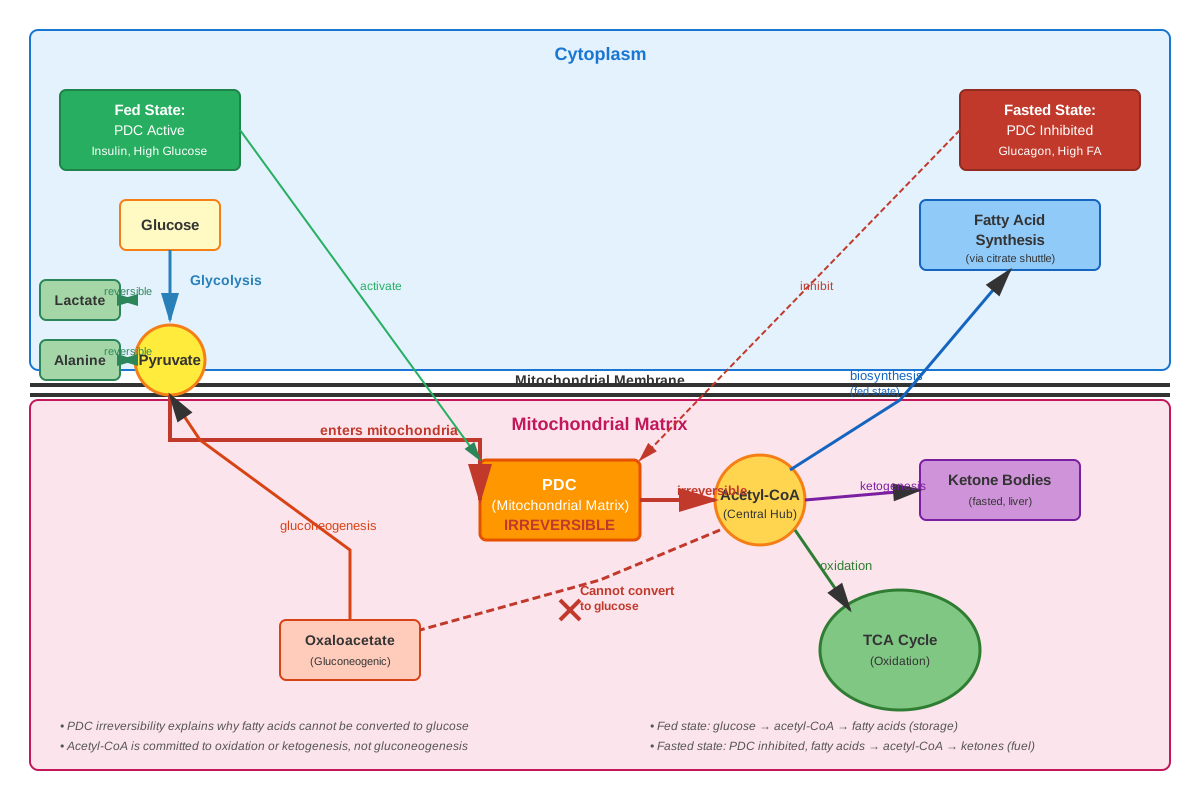
The pyruvate dehydrogenase complex (PDC) represents one of the most critical metabolic junctions in cellular biochemistry, serving as the irreversible bridge between glycolysis and the citric acid cycle. This massive multi-enzyme complex catalyzes the oxidative decarboxylation of pyruvate to acetyl-CoA, effectively linking cytoplasmic glucose catabolism to mitochondrial aerobic respiration. Understanding the PDC is essential for comprehending how cells commit to complete oxidation of glucose-derived carbons and how metabolic regulation coordinates energy production with cellular needs.
For the MCAT, the pyruvate dehydrogenase complex appears frequently in passages testing integrated metabolism knowledge, particularly in questions requiring students to trace carbon flow through metabolic pathways, predict the effects of enzyme deficiencies, or explain how hormonal signals coordinate fuel utilization. The complex exemplifies several high-yield biochemical principles: multi-enzyme complex organization, cofactor requirements, allosteric regulation, and covalent modification through phosphorylation. MCAT questions often present clinical vignettes involving PDC deficiency or ask students to predict metabolic consequences of impaired PDC function, making thorough understanding of this enzyme system crucial for exam success.
The PDC occupies a unique position in cellular metabolism, representing the point of no return for glucose-derived carbons entering complete oxidation. Unlike most glycolytic reactions, the PDC reaction is highly exergonic and irreversible under physiological conditions, making it a key regulatory checkpoint. This topic connects directly to glycolysis (which produces the pyruvate substrate), the citric acid cycle (which processes the acetyl-CoA product), gluconeogenesis (which cannot reverse this step), fatty acid synthesis (which uses acetyl-CoA), and broader concepts of metabolic regulation including fed/fasted states and tissue-specific metabolism.
Learning Objectives
- [ ] Define pyruvate dehydrogenase complex using accurate biochemistry terminology
- [ ] Explain why pyruvate dehydrogenase complex matters for the MCAT
- [ ] Apply pyruvate dehydrogenase complex concepts to exam-style questions
- [ ] Identify common mistakes related to pyruvate dehydrogenase complex
- [ ] Connect pyruvate dehydrogenase complex to related biochemistry concepts
- [ ] Describe the five cofactors required by PDC and their specific roles in the reaction mechanism
- [ ] Predict the metabolic consequences of PDC deficiency or inhibition in different tissues
- [ ] Explain the dual regulation of PDC through allosteric effectors and covalent modification
- [ ] Trace the fate of carbon atoms and reducing equivalents through the PDC reaction
Prerequisites
- Glycolysis pathway: The PDC uses pyruvate as its substrate, which is the end product of glycolysis; understanding pyruvate production is essential
- Citric acid cycle basics: The PDC produces acetyl-CoA, which enters the citric acid cycle; knowing what happens to acetyl-CoA provides context for PDC importance
- Enzyme kinetics and regulation: PDC demonstrates both allosteric regulation and covalent modification, requiring familiarity with these regulatory mechanisms
- Oxidation-reduction reactions: The PDC reaction involves oxidation of pyruvate and reduction of NAD+, necessitating understanding of redox chemistry
- Mitochondrial structure: PDC is located in the mitochondrial matrix, making knowledge of mitochondrial compartmentalization relevant
- Coenzyme structure and function: PDC requires five cofactors; basic familiarity with vitamins and coenzymes aids understanding
Why This Topic Matters
Clinical Significance
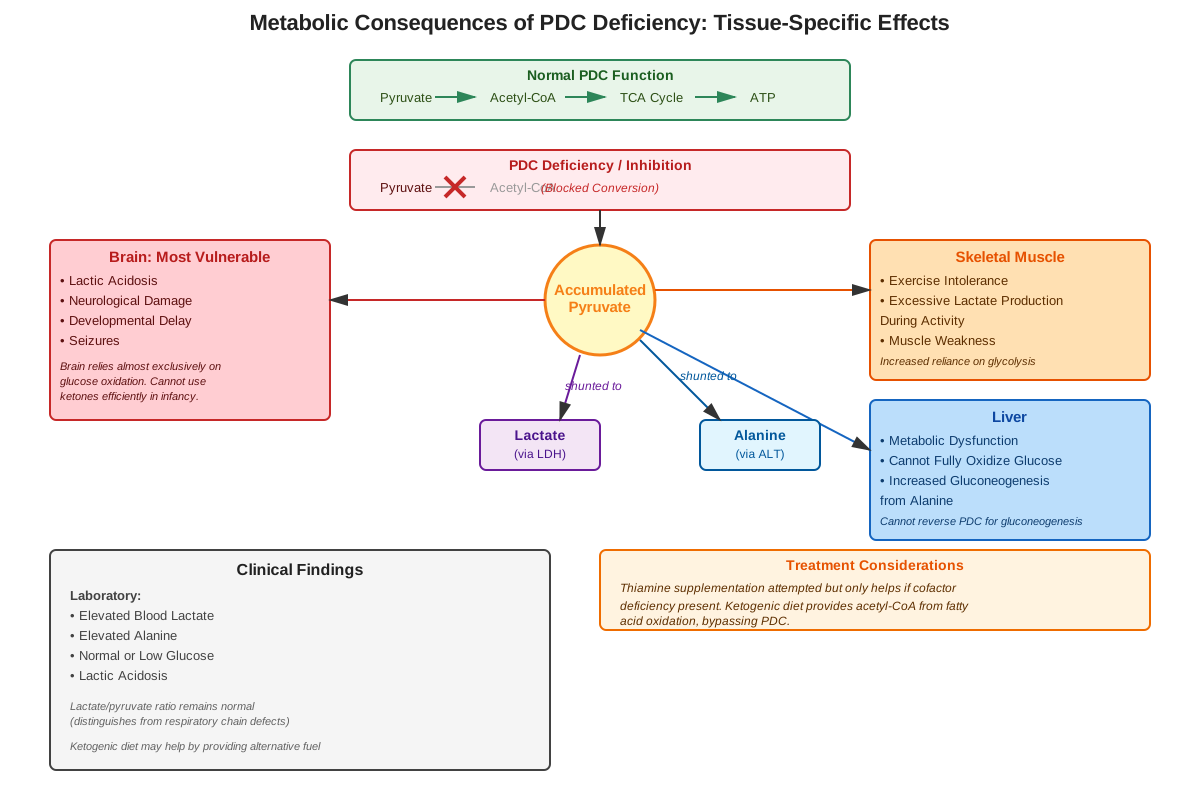
PDC deficiency represents one of the most common inherited disorders of metabolism, with devastating neurological consequences. Because the brain relies almost exclusively on glucose for energy and cannot effectively use alternative fuels when PDC is impaired, patients with PDC deficiency develop severe lactic acidosis, developmental delays, and neurological dysfunction. The clinical presentation—elevated blood lactate and pyruvate with normal or low glucose—appears in MCAT passages testing diagnostic reasoning. Additionally, thiamine (vitamin B1) deficiency, which impairs PDC function, causes beriberi and Wernicke-Korsakoff syndrome, conditions frequently referenced in MCAT biochemistry and behavioral science passages.
The PDC also plays a central role in metabolic flexibility—the ability of tissues to switch between glucose and fatty acid oxidation based on fuel availability. In the fed state, active PDC commits glucose carbons to complete oxidation or lipid synthesis, while in fasting, PDC is inhibited to spare glucose for the brain. This metabolic switching is disrupted in diabetes and metabolic syndrome, making PDC regulation clinically relevant to understanding these prevalent diseases.
MCAT Exam Statistics
Analysis of released MCAT materials reveals that pyruvate dehydrogenase complex appears in approximately 3-5% of biochemistry passages, typically integrated with questions about metabolic regulation, vitamin deficiencies, or pathway integration. The topic most commonly appears in:
- Passage-based questions requiring students to interpret experimental data about enzyme activity or metabolic flux
- Discrete questions testing cofactor requirements or regulatory mechanisms
- Clinical vignettes presenting patients with lactic acidosis or vitamin deficiencies
- Integrated questions connecting glycolysis, PDC, and citric acid cycle
Questions typically test conceptual understanding rather than rote memorization, asking students to predict consequences of PDC inhibition, explain why certain tissues are more affected by PDC deficiency, or identify which cofactor is missing based on clinical presentation.
Core Concepts
Structure and Organization of the Pyruvate Dehydrogenase Complex
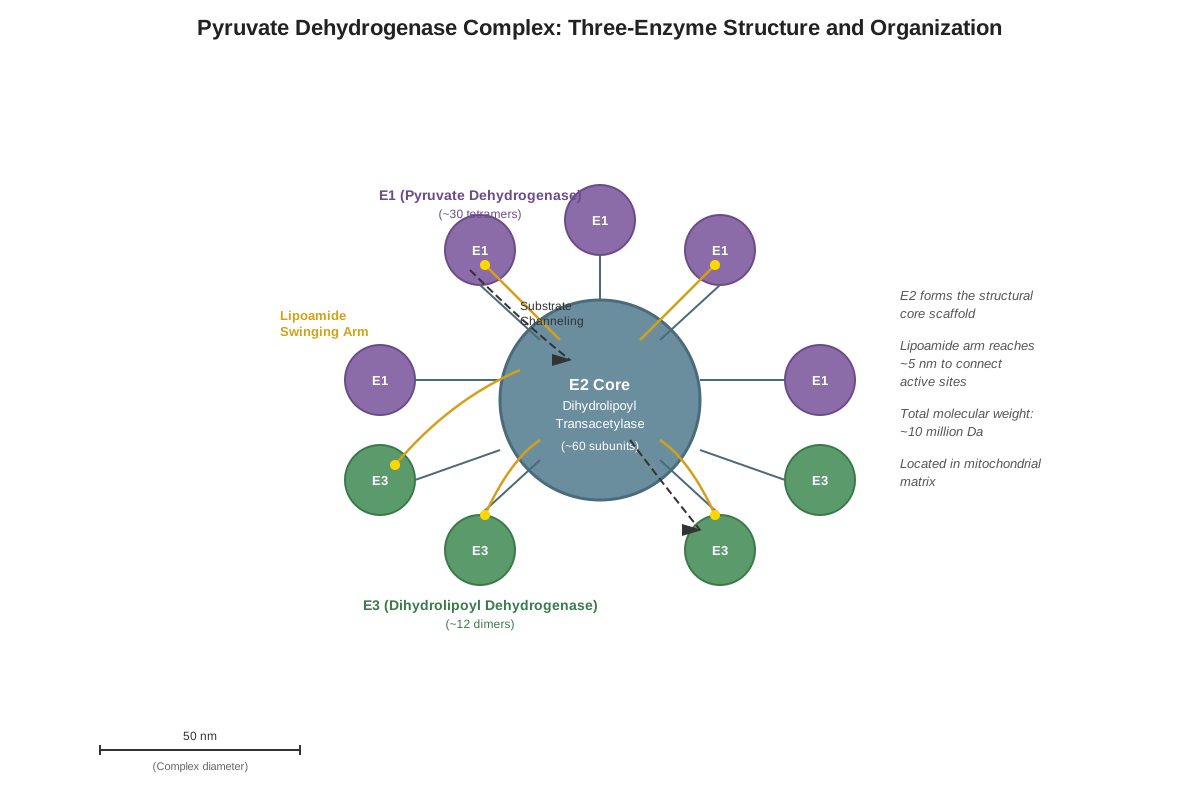
The pyruvate dehydrogenase complex is a massive multi-enzyme assembly consisting of three distinct enzymatic activities organized into a highly structured complex. With a molecular weight exceeding 8 million daltons, it represents one of the largest enzyme complexes in mammalian cells. The complex contains multiple copies of three enzymes:
- E1 (Pyruvate dehydrogenase): Contains thiamine pyrophosphate (TPP) and catalyzes pyruvate decarboxylation
- E2 (Dihydrolipoyl transacetylase): Contains lipoic acid covalently attached to lysine residues and transfers the acetyl group
- E3 (Dihydrolipoyl dehydrogenase): Contains FAD and regenerates oxidized lipoic acid
The structural organization places E2 at the core, with E1 and E3 arranged around the periphery. This architecture allows substrates and intermediates to be channeled directly from one active site to the next without diffusing into solution, dramatically increasing catalytic efficiency and preventing loss of reactive intermediates.
The Five Essential Cofactors
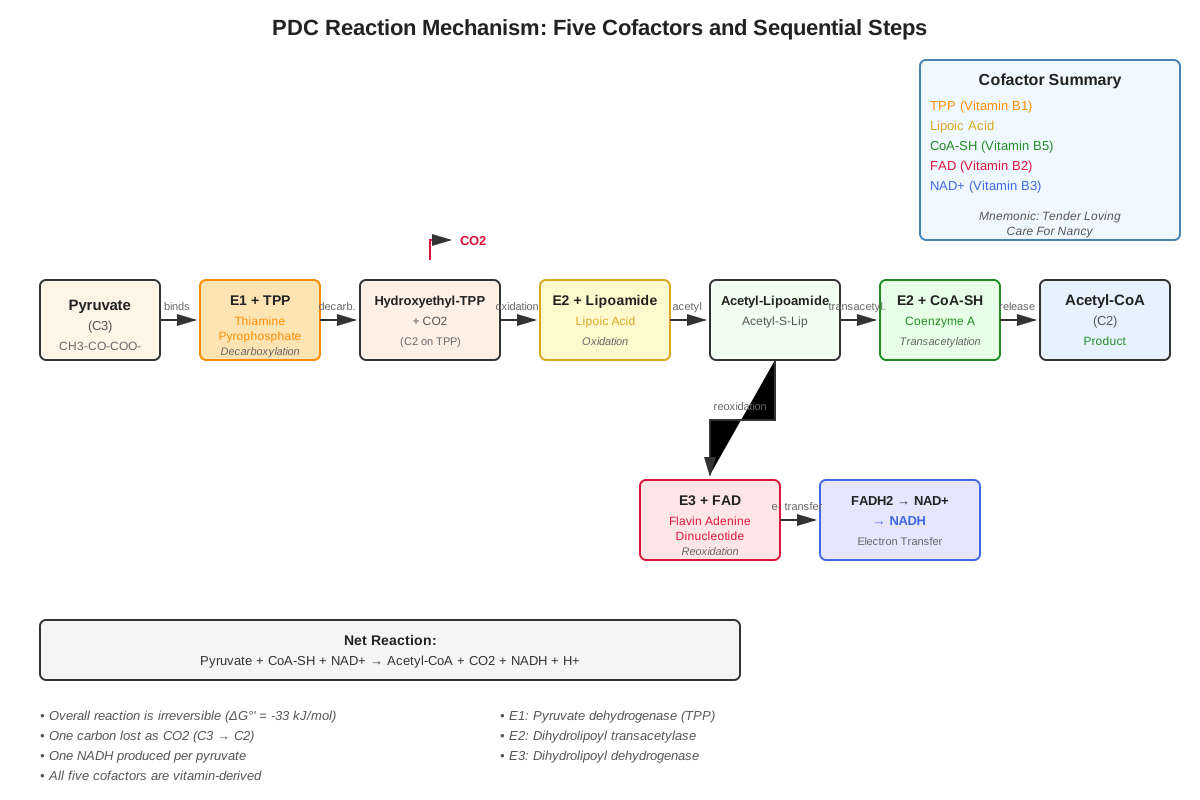
The PDC requires five cofactors, making it one of the most cofactor-dependent enzymes in metabolism. A useful mnemonic for these cofactors is "Tender Loving Care For Nancy" (or "The Lovely Co-Factors"):
| Cofactor | Vitamin Precursor | Role in PDC Reaction | Associated Enzyme |
|---|---|---|---|
| Thiamine pyrophosphate (TPP) | Thiamine (B1) | Stabilizes carbanion intermediate after decarboxylation | E1 |
| Lipoic acid | Synthesized in body | Accepts acetyl group and transfers it to CoA | E2 |
| Coenzyme A (CoA-SH) | Pantothenic acid (B5) | Accepts acetyl group to form acetyl-CoA | E2 |
| FAD | Riboflavin (B2) | Accepts electrons from reduced lipoic acid | E3 |
| NAD+ | Niacin (B3) | Final electron acceptor, producing NADH | E3 |
Understanding which vitamin deficiency would impair PDC function is high-yield for the MCAT. Thiamine deficiency is most clinically significant because TPP is absolutely required for the decarboxylation step—without it, the entire reaction halts.
The Reaction Mechanism: Step-by-Step
The overall reaction catalyzed by PDC is:
Pyruvate + CoA-SH + NAD+ → Acetyl-CoA + CO2 + NADH + H+This deceptively simple equation conceals a complex five-step mechanism:
- Decarboxylation (E1): Pyruvate binds to E1, and the thiazolium ring of TPP attacks the carbonyl carbon of pyruvate. The carboxyl group is released as CO2, leaving a two-carbon hydroxyethyl group attached to TPP as a resonance-stabilized carbanion.
- Oxidation and transfer to lipoic acid (E1): The hydroxyethyl-TPP intermediate is oxidized to an acetyl group, which is simultaneously transferred to the oxidized (disulfide) form of lipoic acid on E2, forming an acetyl-lipoamide thioester. This step involves both oxidation (of the two-carbon unit) and reduction (of lipoic acid's disulfide to dithiol).
- Transfer to CoA (E2): The acetyl group is transferred from acetyl-lipoamide to the sulfhydryl group of coenzyme A, forming acetyl-CoA (the product) and leaving lipoic acid in its reduced (dithiol) form.
- Reoxidation of lipoic acid (E3): The reduced lipoic acid must be reoxidized to regenerate the active enzyme. E3 catalyzes transfer of electrons from the dithiol groups of lipoic acid to FAD, producing FADH2 and regenerating oxidized lipoic acid.
- Regeneration of FAD (E3): FADH2 transfers its electrons to NAD+, producing NADH and regenerating FAD for the next catalytic cycle.
The key insight is that lipoic acid serves as a "swinging arm" that moves between the three active sites, carrying the acetyl group and electrons to their destinations.
Regulation of Pyruvate Dehydrogenase Complex
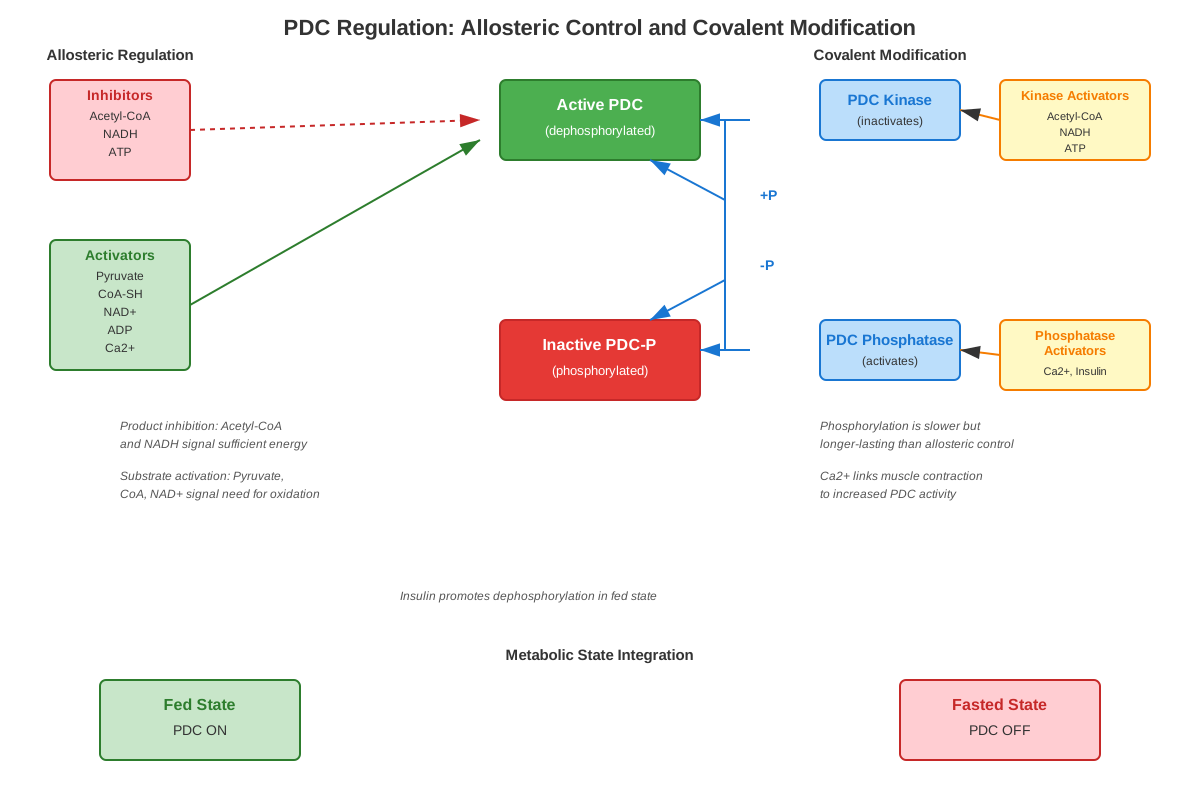
PDC activity is controlled through two complementary mechanisms: product inhibition (allosteric regulation) and covalent modification (phosphorylation/dephosphorylation).
Allosteric Regulation
The PDC is inhibited by its products through negative feedback:
- Acetyl-CoA inhibits E2
- NADH inhibits E3
- ATP signals sufficient energy and inhibits the complex
These inhibitors accumulate when the cell has adequate energy, signaling that further glucose oxidation is unnecessary. Conversely, the complex is activated by:
- CoA-SH (substrate availability)
- NAD+ (oxidized coenzyme availability)
- AMP (low energy signal)
- Ca2+ (in muscle, signals increased energy demand)
Covalent Modification
The most important regulatory mechanism involves reversible phosphorylation of E1:
- Pyruvate dehydrogenase kinase (PDK) phosphorylates specific serine residues on E1, inactivating the complex
- Pyruvate dehydrogenase phosphatase (PDP) dephosphorylates E1, activating the complex
This system allows hormonal control of PDC activity:
Conditions favoring PDC INACTIVATION (phosphorylation by PDK):
- High acetyl-CoA/CoA ratio
- High NADH/NAD+ ratio
- High ATP/ADP ratio
- Fasting state (when glucose should be spared)
- High fatty acid oxidation (acetyl-CoA from β-oxidation inhibits PDC)
Conditions favoring PDC ACTIVATION (dephosphorylation by PDP):
- Insulin signaling (fed state)
- Low energy charge
- Increased Ca2+ (muscle contraction)
- Pyruvate accumulation
MCAT Exam Tip: Questions often ask what happens to PDC during fasting versus fed states. Remember: fasting = phosphorylated = inactive; fed = dephosphorylated = active.
Metabolic Context and Tissue-Specific Considerations
The PDC reaction occurs in the mitochondrial matrix, requiring pyruvate to be transported from the cytoplasm (where glycolysis occurs) across both mitochondrial membranes. This compartmentalization is crucial because:
- It separates glycolysis (cytoplasmic) from the citric acid cycle (mitochondrial)
- It allows independent regulation of these pathways
- It creates a committed step—once pyruvate enters mitochondria and is converted to acetyl-CoA, those carbons cannot be used for gluconeogenesis
Different tissues show varying dependence on PDC:
- Brain: Highly dependent on PDC because neurons rely almost exclusively on glucose oxidation; PDC deficiency causes severe neurological symptoms
- Muscle: Uses PDC during aerobic exercise; can switch to fatty acid oxidation during rest
- Liver: Can bypass PDC by using fatty acids for acetyl-CoA; less affected by PDC deficiency
- Heart: Prefers fatty acids but can use glucose via PDC when fatty acids are limited
Irreversibility and Metabolic Implications
The PDC reaction is irreversible under physiological conditions (ΔG°' = -33.4 kJ/mol), which has profound metabolic consequences:
- Glucose carbons cannot be recovered: Once pyruvate is converted to acetyl-CoA, those carbons cannot be used to synthesize glucose. This is why fatty acids (which are broken down to acetyl-CoA) cannot be net converted to glucose in mammals.
- Regulatory checkpoint: The irreversibility makes PDC an ideal control point for committing glucose to complete oxidation versus preserving it for other uses.
- Metabolic flexibility: Tissues must regulate PDC carefully to balance glucose oxidation with glucose availability and alternative fuel use.
The irreversibility contrasts with most glycolytic reactions, which have corresponding gluconeogenic enzymes that reverse them. The PDC step, along with three glycolytic reactions (hexokinase, phosphofructokinase, and pyruvate kinase), represents an irreversible commitment point in glucose metabolism.
Concept Relationships
The pyruvate dehydrogenase complex serves as the central hub connecting multiple metabolic pathways. Understanding these relationships is essential for MCAT success:
Glycolysis → PDC → Citric Acid Cycle: This represents the main pathway for complete glucose oxidation. Glycolysis produces pyruvate in the cytoplasm, which enters mitochondria and is converted by PDC to acetyl-CoA, which then enters the citric acid cycle. Inhibition of PDC causes pyruvate accumulation and increased lactate production.
PDC ⊥ Gluconeogenesis: The irreversibility of PDC explains why gluconeogenesis must bypass this step. Gluconeogenesis uses pyruvate carboxylase and PEPCK to convert pyruvate to phosphoenolpyruvate, avoiding the PDC reaction entirely. This is why acetyl-CoA cannot be converted to glucose—there's no enzyme to reverse the PDC reaction.
Fatty Acid Oxidation → Acetyl-CoA ⊥ PDC: When fatty acids are oxidized via β-oxidation, they produce acetyl-CoA directly, bypassing PDC. The accumulation of acetyl-CoA from fatty acid oxidation inhibits PDC (product inhibition), implementing the glucose-fatty acid cycle (Randle cycle). This explains why during fasting, when fatty acid oxidation is high, glucose oxidation via PDC is suppressed.
PDC → Fatty Acid Synthesis: In the fed state, excess glucose is converted to pyruvate, then to acetyl-CoA via PDC. This acetyl-CoA can be exported from mitochondria (as citrate) and used for fatty acid synthesis in the cytoplasm. Active PDC in the fed state thus supports lipogenesis.
Vitamin Deficiencies → PDC Impairment → Lactic Acidosis: Deficiency of thiamine, riboflavin, niacin, or pantothenic acid impairs PDC function, causing pyruvate accumulation. Accumulated pyruvate is reduced to lactate, causing lactic acidosis. This connection appears frequently in MCAT clinical vignettes.
Insulin/Glucagon → PDC Regulation → Metabolic State: Hormonal signals control PDC through the kinase/phosphatase system. Insulin (fed state) activates PDP, activating PDC and promoting glucose oxidation. Glucagon (fasted state) activates PDK, inactivating PDC and sparing glucose.
Quick check — test yourself on Pyruvate dehydrogenase complex so far.
Try Flashcards →High-Yield Facts
⭐ The pyruvate dehydrogenase complex requires five cofactors: TPP (from thiamine/B1), lipoic acid, CoA (from pantothenic acid/B5), FAD (from riboflavin/B2), and NAD+ (from niacin/B3).
⭐ PDC is inactivated by phosphorylation (via PDK) and activated by dephosphorylation (via PDP); fasting/high fatty acids favor phosphorylation (inactive), while fed state/insulin favor dephosphorylation (active).
⭐ The PDC reaction is irreversible, making it impossible to convert acetyl-CoA back to pyruvate; this explains why fatty acids cannot be net converted to glucose in mammals.
⭐ PDC is located in the mitochondrial matrix, requiring pyruvate transport from the cytoplasm where glycolysis occurs.
⭐ Thiamine (vitamin B1) deficiency causes PDC impairment, leading to lactic acidosis and neurological symptoms (beriberi, Wernicke-Korsakoff syndrome).
- The overall PDC reaction is: Pyruvate + CoA + NAD+ → Acetyl-CoA + CO2 + NADH + H+
- PDC is inhibited by its products (acetyl-CoA, NADH) and by ATP, implementing negative feedback regulation
- High fatty acid oxidation inhibits PDC through acetyl-CoA accumulation, implementing the glucose-fatty acid (Randle) cycle
- PDC deficiency causes elevated blood lactate and pyruvate, with particularly severe effects on the brain due to its glucose dependence
- Lipoic acid functions as a "swinging arm" that moves between the three enzyme active sites, transferring the acetyl group and electrons
- Arsenic poisoning inhibits PDC by binding to lipoic acid's sulfhydryl groups, causing symptoms similar to thiamine deficiency
- The E3 component (dihydrolipoyl dehydrogenase) is shared with other α-ketoacid dehydrogenase complexes (α-ketoglutarate dehydrogenase, branched-chain α-ketoacid dehydrogenase)
- Ca2+ activates PDC in muscle tissue, linking increased contractile activity to increased glucose oxidation
- PDC activity is highest in the fed state when insulin levels are elevated and glucose is abundant
- Genetic PDC deficiency is X-linked and causes severe lactic acidosis, developmental delays, and early death in affected males
Common Misconceptions
Misconception: PDC is located in the cytoplasm since glycolysis (which produces pyruvate) occurs there.
Correction: PDC is located in the mitochondrial matrix. Pyruvate must be transported from the cytoplasm into mitochondria via a specific pyruvate transporter. This compartmentalization allows separate regulation of glycolysis and the citric acid cycle and creates a committed step for complete glucose oxidation.
Misconception: Phosphorylation activates PDC, similar to how phosphorylation activates many enzymes.
Correction: Phosphorylation inactivates PDC, which is unusual but crucial to remember. PDK phosphorylates E1 to turn PDC off (during fasting), while PDP dephosphorylates E1 to turn PDC on (during feeding). This is opposite to enzymes like glycogen phosphorylase, where phosphorylation activates.
Misconception: Acetyl-CoA from PDC can be converted back to pyruvate or glucose when needed.
Correction: The PDC reaction is irreversible under physiological conditions. Once pyruvate is converted to acetyl-CoA, those carbons cannot be used for gluconeogenesis. This is why mammals cannot achieve net conversion of fatty acids (which break down to acetyl-CoA) into glucose. The only way to "reverse" this is through the citric acid cycle and then oxaloacetate to PEP, but this requires anaplerotic reactions and doesn't represent true reversal.
Misconception: All five cofactors are consumed in the PDC reaction and must be continuously supplied.
Correction: Only CoA and NAD+ are true substrates that are consumed and must be regenerated by other reactions. TPP, lipoic acid, and FAD remain bound to the enzyme complex and are regenerated during each catalytic cycle. However, vitamin deficiencies can impair synthesis or maintenance of these cofactors, reducing PDC activity.
Misconception: PDC deficiency affects all tissues equally.
Correction: PDC deficiency disproportionately affects the brain and nervous system because neurons depend almost exclusively on glucose for energy and cannot effectively switch to alternative fuels like fatty acids (which cannot cross the blood-brain barrier efficiently). Muscle and liver can compensate better by using fatty acids or ketone bodies, making neurological symptoms the primary clinical manifestation.
Misconception: High glucose levels directly activate PDC.
Correction: Glucose itself doesn't directly regulate PDC. Instead, insulin (released in response to high glucose) activates PDC by stimulating the phosphatase (PDP) that dephosphorylates and activates the complex. Additionally, increased glycolytic flux produces more pyruvate, which can activate PDC allosterically and inhibit PDK. The regulation is indirect through hormonal and metabolic signals.
Worked Examples
Example 1: Clinical Vignette - Thiamine Deficiency
Question: A 45-year-old man with chronic alcoholism presents to the emergency department with confusion, ataxia, and ophthalmoplegia. Laboratory studies reveal elevated blood lactate (8 mM; normal <2 mM) and pyruvate (0.4 mM; normal <0.1 mM). Blood glucose is 85 mg/dL (normal). Which of the following best explains the laboratory findings?
A) Increased glycolytic flux exceeding citric acid cycle capacity
B) Impaired pyruvate dehydrogenase complex function
C) Defective lactate dehydrogenase
D) Mitochondrial DNA mutation affecting Complex I
Worked Solution:
Step 1 - Identify key clinical features: The patient has chronic alcoholism (risk factor for nutritional deficiencies) and presents with the classic triad of Wernicke encephalopathy: confusion, ataxia, and ophthalmoplegia. This immediately suggests thiamine (vitamin B1) deficiency.
Step 2 - Analyze laboratory findings:
- Elevated lactate AND pyruvate (both increased)
- Normal glucose (rules out hypoglycemia as cause of lactate elevation)
- The lactate:pyruvate ratio is 20:1, which is normal (typically 10-20:1)
Step 3 - Connect biochemistry to clinical presentation: Thiamine is required for TPP, an essential cofactor for PDC. Without adequate thiamine, PDC cannot efficiently convert pyruvate to acetyl-CoA. This causes:
- Pyruvate accumulation (directly observed in labs)
- Increased conversion of pyruvate to lactate via lactate dehydrogenase (explaining elevated lactate)
- Normal lactate:pyruvate ratio (because the problem is upstream of both, not in their interconversion)
Step 4 - Evaluate answer choices:
- Choice A: If glycolysis simply exceeded citric acid cycle capacity, we'd expect primarily lactate elevation with less pyruvate accumulation. Also doesn't explain the neurological symptoms.
- Choice B: CORRECT. Impaired PDC (from thiamine deficiency) explains both the biochemical findings and the neurological presentation.
- Choice C: Defective LDH would impair lactate production, causing elevated pyruvate but LOW lactate—opposite of what's observed.
- Choice D: Complex I deficiency would increase NADH/NAD+ ratio, favoring lactate production over pyruvate, causing an elevated lactate:pyruvate ratio (>25:1), which isn't observed.
Answer: B
Key Learning Points:
- Thiamine deficiency impairs PDC, causing pyruvate and lactate accumulation
- Normal lactate:pyruvate ratio with both elevated suggests a problem with pyruvate utilization, not redox state
- Wernicke encephalopathy results from thiamine deficiency affecting PDC in neurons
Example 2: Metabolic Regulation Scenario
Question: A researcher is studying metabolic regulation in isolated liver cells. She observes that when cells are incubated with high concentrations of palmitate (a fatty acid), glucose oxidation decreases significantly even though glucose uptake remains constant. Measurements show increased acetyl-CoA levels and decreased PDC activity. Which regulatory mechanism best explains these observations?
Worked Solution:
Step 1 - Identify the metabolic context:
- High fatty acid availability (palmitate)
- Maintained glucose uptake but decreased glucose oxidation
- Increased acetyl-CoA
- Decreased PDC activity
Step 2 - Trace the metabolic pathway: Palmitate undergoes β-oxidation in mitochondria, producing acetyl-CoA. This acetyl-CoA accumulates because the citric acid cycle has limited capacity. The accumulated acetyl-CoA must affect PDC activity.
Step 3 - Apply knowledge of PDC regulation: PDC is regulated by:
- Allosteric inhibition by acetyl-CoA (product inhibition)
- Covalent modification - acetyl-CoA activates PDK, which phosphorylates and inactivates PDC
Step 4 - Connect to the glucose-fatty acid cycle: This scenario describes the Randle cycle (glucose-fatty acid cycle):
- High fatty acid oxidation → increased acetyl-CoA
- Acetyl-CoA inhibits PDC directly (allosteric)
- Acetyl-CoA activates PDK → phosphorylates PDC → inactivates PDC (covalent modification)
- Inactive PDC → pyruvate cannot be converted to acetyl-CoA → glucose oxidation decreases
- Glucose uptake continues, but pyruvate is diverted to other fates (lactate, alanine) or glycolysis slows due to feedback
Step 5 - Physiological significance: This mechanism allows tissues to spare glucose when fatty acids are available, implementing metabolic flexibility. During fasting, when fatty acid oxidation is high, this mechanism preserves glucose for the brain.
Answer: The observations are explained by product inhibition (acetyl-CoA directly inhibiting PDC) combined with covalent modification (acetyl-CoA activating PDK, which phosphorylates and inactivates PDC). This represents the glucose-fatty acid cycle, where high fatty acid oxidation suppresses glucose oxidation.
Key Learning Points:
- Fatty acid oxidation produces acetyl-CoA that inhibits PDC through multiple mechanisms
- The Randle cycle coordinates fuel utilization based on availability
- PDC regulation involves both immediate (allosteric) and sustained (phosphorylation) mechanisms
- Understanding these interactions explains metabolic flexibility in different nutritional states
Exam Strategy
Approaching PDC Questions on the MCAT
1. Identify the question type:
- Mechanism questions: Focus on cofactor roles and the step-by-step reaction
- Regulation questions: Determine whether the scenario represents fed/fasted state and predict phosphorylation status
- Clinical vignette questions: Look for vitamin deficiency clues or symptoms of lactic acidosis
- Pathway integration questions: Trace carbon flow and identify where PDC fits in the larger metabolic picture
2. Trigger words and phrases to watch for:
- "Thiamine deficiency," "chronic alcoholism," "beriberi" → Think PDC impairment
- "Lactic acidosis with elevated pyruvate" → Consider PDC deficiency or inhibition
- "Fasting," "high fatty acid oxidation" → PDC should be phosphorylated (inactive)
- "Fed state," "insulin signaling" → PDC should be dephosphorylated (active)
- "Irreversible step," "cannot be converted back" → PDC reaction is irreversible
- "Mitochondrial matrix" → Location of PDC
- "Links glycolysis to citric acid cycle" → PDC function
3. Process-of-elimination strategies:
When evaluating answer choices about PDC regulation:
- Eliminate options that suggest phosphorylation activates PDC (it inactivates)
- Eliminate options that place PDC in the cytoplasm (it's mitochondrial)
- Eliminate options suggesting acetyl-CoA can be converted back to pyruvate (irreversible)
When evaluating vitamin deficiency questions:
- If the question mentions neurological symptoms + lactic acidosis → thiamine (B1) is most likely
- If multiple B vitamins are listed, thiamine deficiency has the most dramatic effect on PDC
When predicting metabolic consequences:
- If PDC is inhibited → expect pyruvate and lactate accumulation
- If PDC is inhibited → glucose oxidation decreases, but fatty acid oxidation may continue
- If PDC is inhibited → brain is most affected due to glucose dependence
4. Time allocation advice:
PDC questions typically appear in passages rather than as discrete items. Allocate time as follows:
- Passage reading (3-4 minutes): Identify whether the passage involves PDC regulation, deficiency, or pathway integration
- Per question (1-1.5 minutes): Most PDC questions test conceptual understanding rather than calculations
- Complex questions (2 minutes): Questions requiring you to trace metabolic consequences through multiple pathways deserve extra time
Quick Decision Tree for PDC Questions: Is it about location? → Mitochondrial matrix. Is it about regulation? → Check fed vs. fasted state. Is it about cofactors? → Remember "Tender Loving Care For Nancy." Is it about clinical presentation? → Think thiamine deficiency and lactic acidosis.
Memory Techniques
Mnemonics for PDC Cofactors
"Tender Loving Care For Nancy" or "The Lovely Co-Factors":
- Thiamine pyrophosphate (TPP)
- Lipoic acid
- Coenzyme A
- FAD
- NAD+
Alternative: "Tiger Lions Can't Find Nickels" (same order)
Mnemonic for Vitamin Precursors
"Before 1, Before 5, Before 2, Before 3" - The B vitamins in order of PDC cofactors:
- B1 (thiamine) → TPP
- B5 (pantothenic acid) → CoA
- B2 (riboflavin) → FAD
- B3 (niacin) → NAD+
Visualization Strategy for the Reaction Mechanism
The "Swinging Arm" Model: Visualize lipoic acid as a long flexible arm attached to E2 (the core). This arm:
- Swings to E1, picks up the acetyl group (like grabbing a package)
- Swings to the CoA binding site on E2, drops off the acetyl group (delivers the package)
- Swings to E3, gets "recharged" (oxidized) by transferring electrons to FAD
- Returns to starting position, ready for the next cycle
This mental image helps remember that lipoic acid physically moves between active sites and serves multiple functions (acetyl carrier and electron carrier).
Regulation Memory Aid
"Phosphorylation Puts PDC to sleep" - The unusual inactivation by phosphorylation
- Phosphorylation = Paused (inactive)
- Dephosphorylation = Dynamic (active)
"Fast = Phosphorylated" - During fasting, PDC is phosphorylated (inactive)
- Fasting → Fatty acids high → PDC Frozen (phosphorylated)
- Fed → PDC Functional (dephosphorylated)
Acronym for PDC Inhibitors
"ANNA inhibits PDC":
- Acetyl-CoA
- NADH
- No energy needed (ATP)
- Arsenic (binds lipoic acid)
Clinical Correlation Memory Device
"Wernicke's Needs Thiamine, PDC Needs TPP" - Links the clinical syndrome to the biochemical defect:
- Wernicke encephalopathy → Thiamine deficiency → Impaired TPP synthesis → PDC dysfunction → Lactic acidosis + neurological symptoms
Summary
The pyruvate dehydrogenase complex represents a critical metabolic junction that irreversibly commits pyruvate to complete oxidation by converting it to acetyl-CoA in the mitochondrial matrix. This massive multi-enzyme complex requires five cofactors (TPP, lipoic acid, CoA, FAD, NAD+) derived from four B vitamins, making it vulnerable to nutritional deficiencies, particularly thiamine deficiency. The complex is regulated through both product inhibition (acetyl-CoA, NADH, ATP) and covalent modification, with phosphorylation inactivating the complex during fasting and dephosphorylation activating it in the fed state. This dual regulation allows tissues to coordinate glucose oxidation with energy status and alternative fuel availability, implementing metabolic flexibility through the glucose-fatty acid cycle. The irreversibility of the PDC reaction explains why acetyl-CoA cannot be converted back to glucose, a fundamental principle underlying gluconeogenesis limitations. For the MCAT, students must understand PDC's role in pathway integration, predict consequences of deficiency or inhibition, recognize clinical presentations of thiamine deficiency, and apply knowledge of PDC regulation to metabolic scenarios. The brain's particular vulnerability to PDC dysfunction, due to its dependence on glucose oxidation, explains the severe neurological consequences of PDC deficiency and thiamine deficiency.
Key Takeaways
- The pyruvate dehydrogenase complex catalyzes the irreversible conversion of pyruvate to acetyl-CoA, linking glycolysis to the citric acid cycle in the mitochondrial matrix
- PDC requires five cofactors (TPP, lipoic acid, CoA, FAD, NAD+) derived from four B vitamins; thiamine (B1) deficiency most severely impairs PDC function, causing lactic acidosis and neurological symptoms
- PDC is inactivated by phosphorylation (via PDK during fasting/high fatty acids) and activated by dephosphorylation (via PDP during fed state/insulin signaling)—remember that phosphorylation inactivates, which is unusual
- Product inhibition by acetyl-CoA and NADH provides immediate feedback regulation, while the glucose-fatty acid cycle coordinates PDC activity with alternative fuel availability
- The irreversibility of the PDC reaction explains why fatty acids (broken down to acetyl-CoA) cannot be net converted to glucose in mammals
- PDC deficiency disproportionately affects the brain due to neuronal dependence on glucose oxidation, causing elevated lactate and pyruvate with severe neurological consequences
- Understanding PDC regulation, cofactor requirements, and metabolic integration is essential for MCAT questions involving pathway coordination, vitamin deficiencies, and clinical vignettes
Related Topics
Citric Acid Cycle (Krebs Cycle): The acetyl-CoA produced by PDC enters the citric acid cycle for complete oxidation. Understanding how acetyl-CoA is processed, how much ATP is generated, and how the cycle is regulated builds directly on PDC knowledge. The citric acid cycle also contains α-ketoglutarate dehydrogenase, which has a similar structure and mechanism to PDC.
Gluconeogenesis: This pathway synthesizes glucose from non-carbohydrate precursors and must bypass the irreversible PDC step. Understanding why PDC cannot be reversed and how pyruvate carboxylase and PEPCK circumvent this step is crucial for comprehending metabolic pathway integration.
Fatty Acid Metabolism: β-oxidation produces acetyl-CoA that inhibits PDC through the glucose-fatty acid cycle. Additionally, acetyl-CoA from PDC can be used for fatty acid synthesis in the fed state. Understanding the reciprocal regulation between glucose and fatty acid oxidation requires solid PDC knowledge.
Metabolic Regulation and Hormonal Control: PDC exemplifies how hormones (insulin, glucagon) coordinate metabolism through covalent modification. This connects to broader concepts of fed/fasted state metabolism, diabetes, and metabolic syndrome.
Vitamin Biochemistry: PDC requires cofactors from four B vitamins, making it an excellent model for understanding how vitamin deficiencies cause disease. This connects to clinical presentations of beriberi, Wernicke-Korsakoff syndrome, and other nutritional deficiencies.
Mitochondrial Function and Compartmentalization: PDC's location in the mitochondrial matrix illustrates how compartmentalization allows independent regulation of metabolic pathways and creates committed steps in metabolism.
Practice CTA
Now that you've mastered the pyruvate dehydrogenase complex, it's time to test your understanding and reinforce these concepts through active practice. Work through the practice questions to apply your knowledge to MCAT-style scenarios, and use the flashcards to drill high-yield facts until they become automatic. Remember, understanding PDC thoroughly gives you a powerful framework for approaching questions about metabolic integration, vitamin deficiencies, and pathway regulation—concepts that appear frequently on the MCAT. The time you invest in mastering this topic will pay dividends across multiple biochemistry questions. You've got this!
Sign up free to keep reading
Create a free AnvayaPrep account to finish this MCAT guide on Pyruvate dehydrogenase complex — plus flashcards and practice questions.