Overview
The urea cycle is a fundamental metabolic pathway that converts toxic ammonia, produced during amino acid catabolism, into urea for safe excretion by the kidneys. This cycle represents a critical intersection of metabolism, nitrogen balance, and acid-base homeostasis, making it an essential topic within Biochemistry for the MCAT. Understanding the urea cycle requires integration of enzyme kinetics, compartmentalization, energy requirements, and regulatory mechanisms—all high-yield concepts that appear frequently on standardized examinations.
For the MCAT, the urea cycle serves as a prime example of how the body manages metabolic waste products while maintaining homeostasis. Questions often test students' ability to trace nitrogen flow through metabolic pathways, identify rate-limiting steps, recognize inherited metabolic disorders, and understand the energetic costs of biosynthetic processes. The cycle's location spanning both mitochondria and cytoplasm exemplifies the importance of subcellular compartmentalization, a recurring theme in Biochemistry MCAT questions.
The urea cycle connects directly to amino acid metabolism, the citric acid cycle (through fumarate production), gluconeogenesis, and the electron transport chain. Mastery of this pathway enables students to answer complex passage-based questions that integrate multiple metabolic systems, predict the consequences of enzyme deficiencies, and understand how the liver maintains nitrogen homeostasis during both fed and fasted states. This topic typically appears in 2-4 questions per MCAT administration, often embedded within passages discussing liver function, metabolic diseases, or protein metabolism.
Learning Objectives
- [ ] Define the urea cycle using accurate Biochemistry terminology
- [ ] Explain why the urea cycle matters for the MCAT
- [ ] Apply the urea cycle to exam-style questions
- [ ] Identify common mistakes related to the urea cycle
- [ ] Connect the urea cycle to related Biochemistry concepts
- [ ] Diagram the complete urea cycle with all substrates, products, enzymes, and cofactors
- [ ] Calculate the net ATP cost of converting two ammonia molecules to one urea molecule
- [ ] Predict the metabolic consequences of specific urea cycle enzyme deficiencies
- [ ] Explain the regulatory mechanisms controlling urea cycle flux
Prerequisites
- Amino acid structure and classification: The urea cycle processes nitrogen from amino acid catabolism, requiring understanding of amino acid deamination and transamination reactions
- Mitochondrial structure and function: The cycle begins in the mitochondrial matrix, necessitating knowledge of mitochondrial compartments and transport systems
- Basic enzyme kinetics: Understanding rate-limiting steps and allosteric regulation is essential for grasping urea cycle control
- ATP and high-energy phosphate bonds: The cycle consumes significant ATP, requiring familiarity with energy currency and phosphoryl transfer potential
- Acid-base chemistry: Ammonia toxicity relates to pH disruption, connecting to acid-base homeostasis concepts
Why This Topic Matters
The urea cycle holds significant clinical relevance as deficiencies in any of its five enzymes cause hyperammonemia, leading to neurological damage, cerebral edema, and potentially fatal outcomes. Conditions like ornithine transcarbamylase (OTC) deficiency represent some of the most common inherited metabolic disorders, making this pathway clinically important for medical professionals. The cycle also plays a crucial role in managing nitrogen balance during high-protein diets, starvation, and various disease states affecting liver function.
On the MCAT, the urea cycle appears with moderate frequency (approximately 3-5% of Biochemistry questions) but carries high yield because it integrates multiple testable concepts. Questions typically appear in three formats: discrete questions testing cycle mechanics and regulation, passage-based questions presenting clinical vignettes of metabolic disorders, and data interpretation questions showing laboratory values in patients with hyperammonemia. The AAMC particularly favors questions that require students to trace nitrogen atoms through multiple metabolic pathways or predict the accumulation of specific intermediates in enzyme deficiency states.
Common exam scenarios include passages describing patients with elevated blood ammonia levels, questions asking students to identify which amino acids contribute nitrogen to urea synthesis, and experimental passages investigating the effects of various compounds on urea production rates. The cycle's connection to the citric acid cycle through fumarate production frequently appears in questions testing integrated metabolism, while its high ATP cost makes it a favorite topic for energetics calculations.
Core Concepts
The Urea Cycle Overview
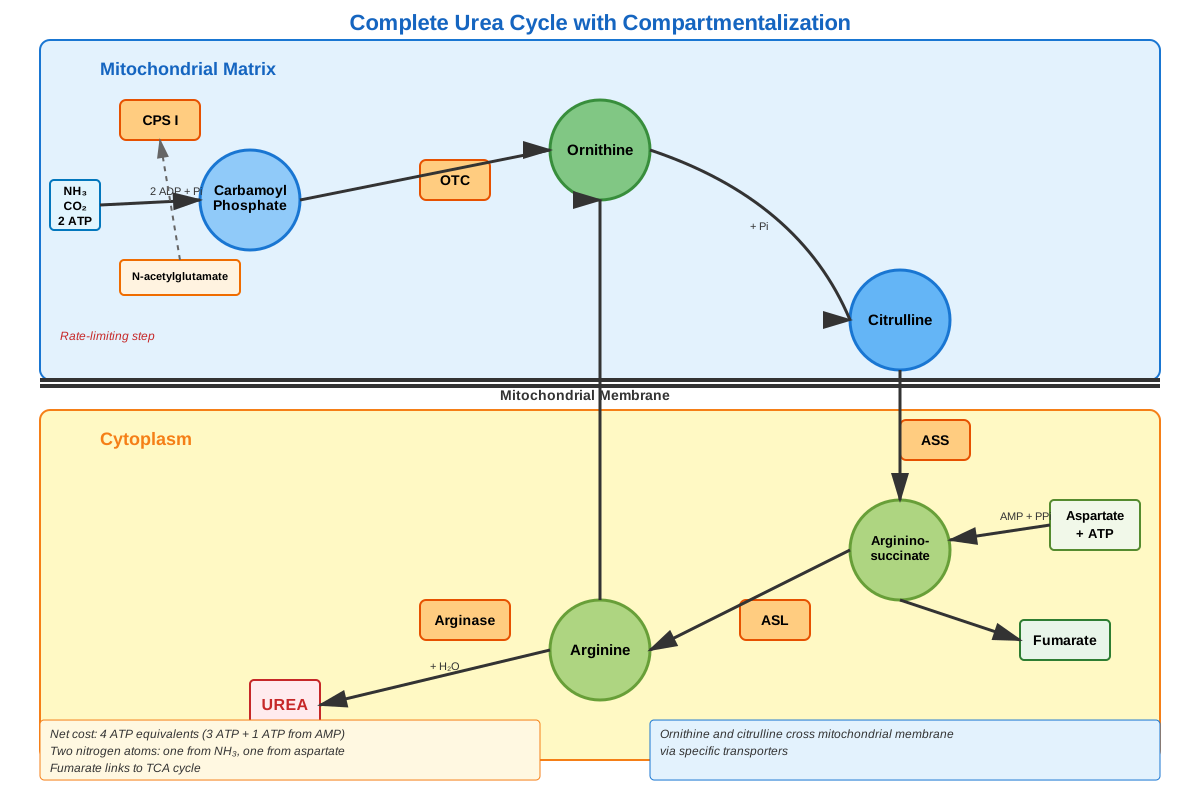
The urea cycle, also known as the ornithine cycle or Krebs-Henseleit cycle, is the primary mechanism by which mammals convert toxic ammonia into water-soluble urea for excretion. This cycle occurs predominantly in hepatocytes (liver cells) and involves five enzymatic reactions, with the first two occurring in the mitochondrial matrix and the remaining three in the cytoplasm. The cycle's primary function is nitrogen disposal, but it also serves as a critical link between amino acid catabolism and other metabolic pathways.
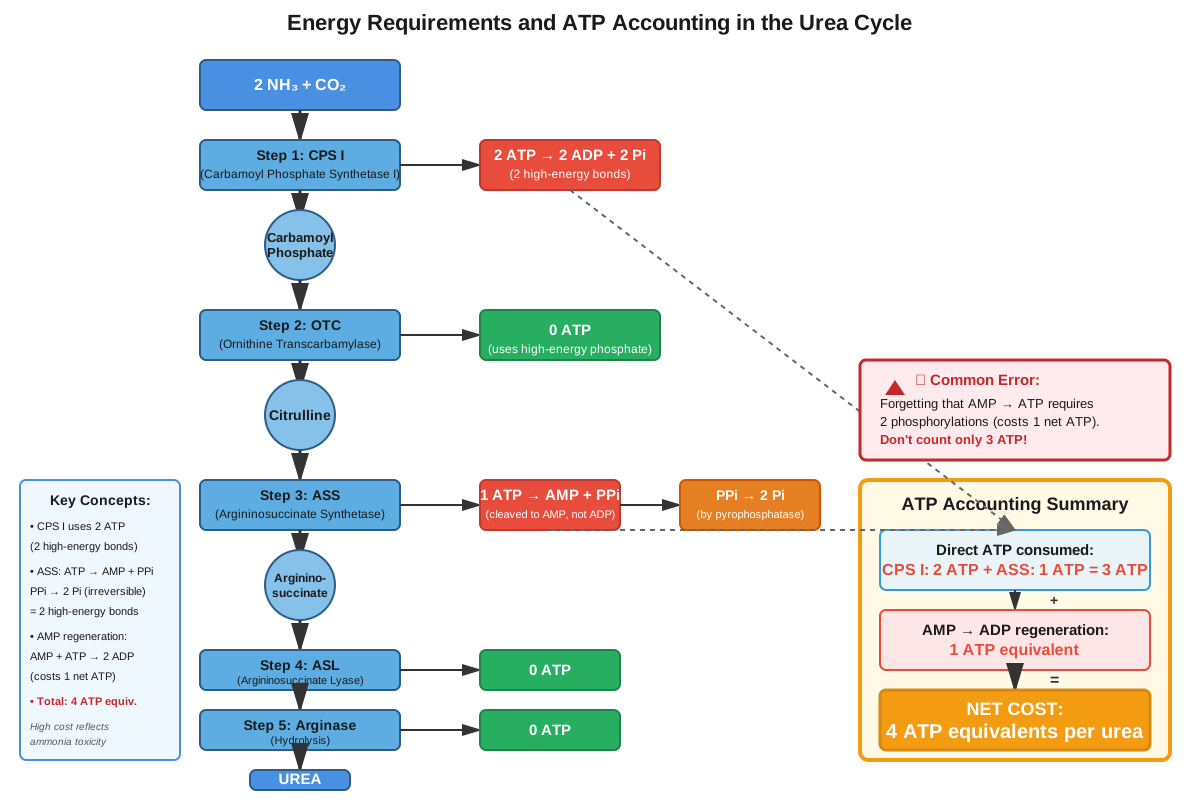
The cycle begins with the condensation of ammonia (NH₃) and bicarbonate (HCO₃⁻) to form carbamoyl phosphate, then proceeds through a series of reactions that incorporate a second nitrogen atom from aspartate, ultimately releasing urea (NH₂-CO-NH₂) and regenerating ornithine to continue the cycle. Each complete turn of the cycle consumes three ATP equivalents (two ATP for carbamoyl phosphate synthesis and one ATP converted to AMP + PPi during argininosuccinate synthesis), making it one of the most energetically expensive biosynthetic pathways in human metabolism.
Detailed Reaction Sequence
Step 1: Carbamoyl Phosphate Synthesis (Mitochondrial Matrix)
The rate-limiting and committed step of the urea cycle involves carbamoyl phosphate synthetase I (CPS I), which catalyzes the condensation of ammonia, bicarbonate, and two ATP molecules to form carbamoyl phosphate:
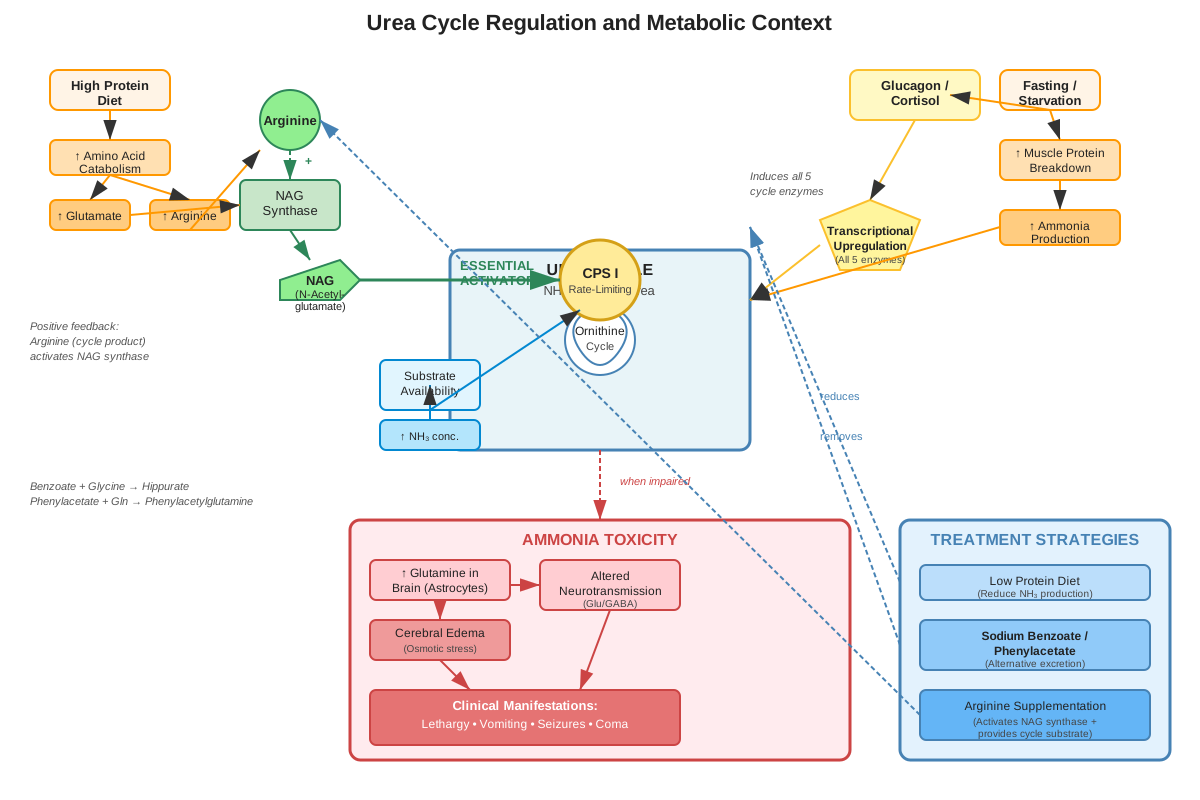
NH₃ + HCO₃⁻ + 2 ATP → Carbamoyl phosphate + 2 ADP + PiThis reaction is essentially irreversible and requires N-acetylglutamate (NAG) as an obligate allosteric activator. NAG is synthesized from acetyl-CoA and glutamate by N-acetylglutamate synthase, which is activated by arginine (a product of the cycle), creating a positive feedback loop. The CPS I enzyme is distinct from CPS II, which participates in pyrimidine synthesis and uses glutamine rather than free ammonia as the nitrogen source.
Step 2: Ornithine Transcarbamylase Reaction (Mitochondrial Matrix)
Ornithine transcarbamylase (OTC) catalyzes the transfer of the carbamoyl group from carbamoyl phosphate to ornithine, forming citrulline:
Carbamoyl phosphate + Ornithine → Citrulline + PiCitrulline then exits the mitochondria via a specific transporter and enters the cytoplasm, while ornithine is transported back into the mitochondria to continue the cycle. OTC deficiency is the most common urea cycle disorder and follows an X-linked inheritance pattern, making it more severe in males.
Step 3: Argininosuccinate Synthesis (Cytoplasm)
In the cytoplasm, argininosuccinate synthetase condenses citrulline with aspartate (the source of the second nitrogen atom) to form argininosuccinate:
Citrulline + Aspartate + ATP → Argininosuccinate + AMP + PPiThis reaction is driven by the hydrolysis of ATP to AMP and pyrophosphate (PPi), which is subsequently hydrolyzed by pyrophosphatase, making the reaction essentially irreversible. The aspartate used in this reaction typically comes from transamination reactions in the cytoplasm, linking amino acid catabolism directly to urea synthesis.
Step 4: Argininosuccinate Cleavage (Cytoplasm)
Argininosuccinate lyase (also called argininosuccinase) cleaves argininosuccinate into arginine and fumarate:
Argininosuccinate → Arginine + FumarateThe fumarate produced can enter the citric acid cycle (after conversion to malate), creating a direct metabolic link between the urea cycle and the TCA cycle. This connection is particularly important during gluconeogenesis, as the carbon skeleton can ultimately contribute to glucose synthesis.
Step 5: Urea Formation (Cytoplasm)
Arginase hydrolyzes arginine to produce urea and regenerate ornithine:
Arginine + H₂O → Urea + OrnithineThe ornithine is then transported back into the mitochondria to begin another cycle. Urea, being highly water-soluble and non-toxic, is released into the bloodstream and filtered by the kidneys for excretion in urine. Arginase has the highest activity of all urea cycle enzymes, ensuring that arginine does not accumulate.
Nitrogen Sources and Flow
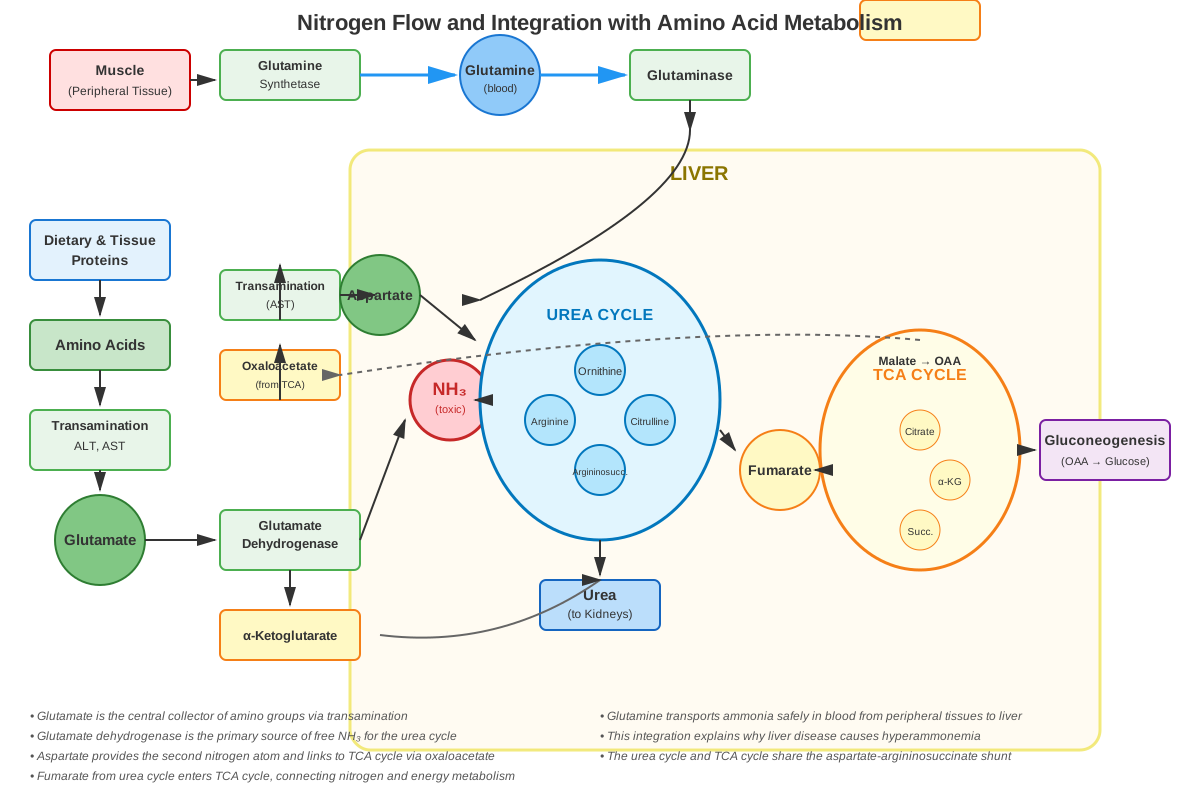
The two nitrogen atoms incorporated into each urea molecule come from different sources. The first nitrogen enters as free ammonia (NH₃), which is primarily generated through:
- Glutamate dehydrogenase reaction in the mitochondria, which oxidatively deaminates glutamate
- Bacterial action on unabsorbed proteins in the intestine
- Purine nucleotide catabolism
- Amino acid oxidase reactions
The second nitrogen enters via aspartate, which is formed through transamination reactions, particularly the reaction catalyzed by aspartate aminotransferase (AST):
Glutamate + Oxaloacetate ⇌ α-Ketoglutarate + AspartateThis connection means that most amino acids can contribute nitrogen to urea synthesis indirectly through transamination to glutamate, followed by either oxidative deamination (to release ammonia) or transamination to aspartate.
Energetics and Stoichiometry
The complete conversion of two ammonia molecules to one urea molecule requires four high-energy phosphate bonds:
| Reaction | ATP Consumed | High-Energy Bonds |
|---|---|---|
| Carbamoyl phosphate synthesis | 2 ATP → 2 ADP + Pi | 2 bonds |
| Argininosuccinate synthesis | 1 ATP → AMP + PPi | 2 bonds (PPi hydrolysis) |
| Total | 3 ATP | 4 high-energy bonds |
The net reaction for one complete cycle is:
NH₃ + CO₂ + Aspartate + 3 ATP + 2 H₂O →
Urea + Fumarate + 2 ADP + AMP + 2 Pi + PPi
This high energetic cost reflects the importance of ammonia detoxification, as even small increases in blood ammonia concentration can cause severe neurological dysfunction.
Regulation of the Urea Cycle
The urea cycle is regulated at multiple levels to match urea production with nitrogen load:
Allosteric Regulation: N-acetylglutamate (NAG) is the essential activator of CPS I. NAG synthesis is stimulated by arginine, creating positive feedback when cycle intermediates accumulate. High-protein diets increase arginine levels, thereby upregulating the cycle.
Transcriptional Regulation: Prolonged high-protein intake or starvation (which increases amino acid catabolism) induces synthesis of all five urea cycle enzymes. This adaptation occurs over hours to days and involves hormonal signals including glucagon and glucocorticoids.
Substrate Availability: The concentration of ammonia itself influences cycle flux, as CPS I has a relatively high Km for ammonia, making the reaction sensitive to substrate concentration changes.
Compartmentalization: The distribution of reactions between mitochondria and cytoplasm provides additional regulatory control through transport processes and allows integration with other metabolic pathways.
Subcellular Localization and Transport
The urea cycle's distribution across two compartments requires specific transport systems:
- Ornithine/citrulline antiporter: Exchanges ornithine (entering mitochondria) for citrulline (exiting mitochondria)
- Aspartate-glutamate carrier: Provides aspartate to the cytoplasm for argininosuccinate synthesis
- Malate-α-ketoglutarate carrier: Supports the malate-aspartate shuttle, which indirectly provides reducing equivalents
This compartmentalization allows the cycle to interface with mitochondrial metabolism (TCA cycle, oxidative phosphorylation) while producing urea in the cytoplasm where it can be efficiently released.
Concept Relationships
The urea cycle serves as a metabolic hub connecting multiple pathways. Amino acid catabolism → generates ammonia and aspartate → which enter the urea cycle → producing urea for excretion and fumarate → which enters the citric acid cycle → generating NADH for the electron transport chain → producing ATP that powers the urea cycle.
The cycle's connection to transamination reactions is bidirectional: amino acids transfer nitrogen to α-ketoglutarate (forming glutamate), which can either undergo oxidative deamination (releasing ammonia for the cycle) or transamination to oxaloacetate (forming aspartate for the cycle). This network means that virtually all amino acids can contribute nitrogen to urea synthesis.
The glucose-alanine cycle (Cahill cycle) links muscle protein catabolism to hepatic urea synthesis: muscle releases alanine → liver converts alanine to pyruvate (via transamination) → nitrogen enters the urea cycle → pyruvate undergoes gluconeogenesis → glucose returns to muscle. Similarly, the glutamine-glutamate pathway transports ammonia from peripheral tissues to the liver in a non-toxic form.
The fumarate produced in Step 4 creates a direct link to gluconeogenesis: fumarate → malate → oxaloacetate → phosphoenolpyruvate → glucose. This connection explains why amino acid catabolism can support glucose production during fasting, with nitrogen disposed of via the urea cycle and carbon skeletons contributing to gluconeogenesis.
Quick check — test yourself on Urea cycle so far.
Try Flashcards →High-Yield Facts
⭐ The urea cycle is the only pathway for disposing of excess nitrogen in humans, making it essential for survival on protein-containing diets
⭐ Carbamoyl phosphate synthetase I (CPS I) is the rate-limiting enzyme and requires N-acetylglutamate (NAG) as an obligate allosteric activator
⭐ The cycle spans two compartments: the first two reactions occur in the mitochondrial matrix, and the last three occur in the cytoplasm
⭐ Each urea molecule contains two nitrogen atoms: one from free ammonia and one from aspartate
⭐ The net ATP cost is 4 high-energy phosphate bonds (3 ATP molecules) per urea molecule synthesized
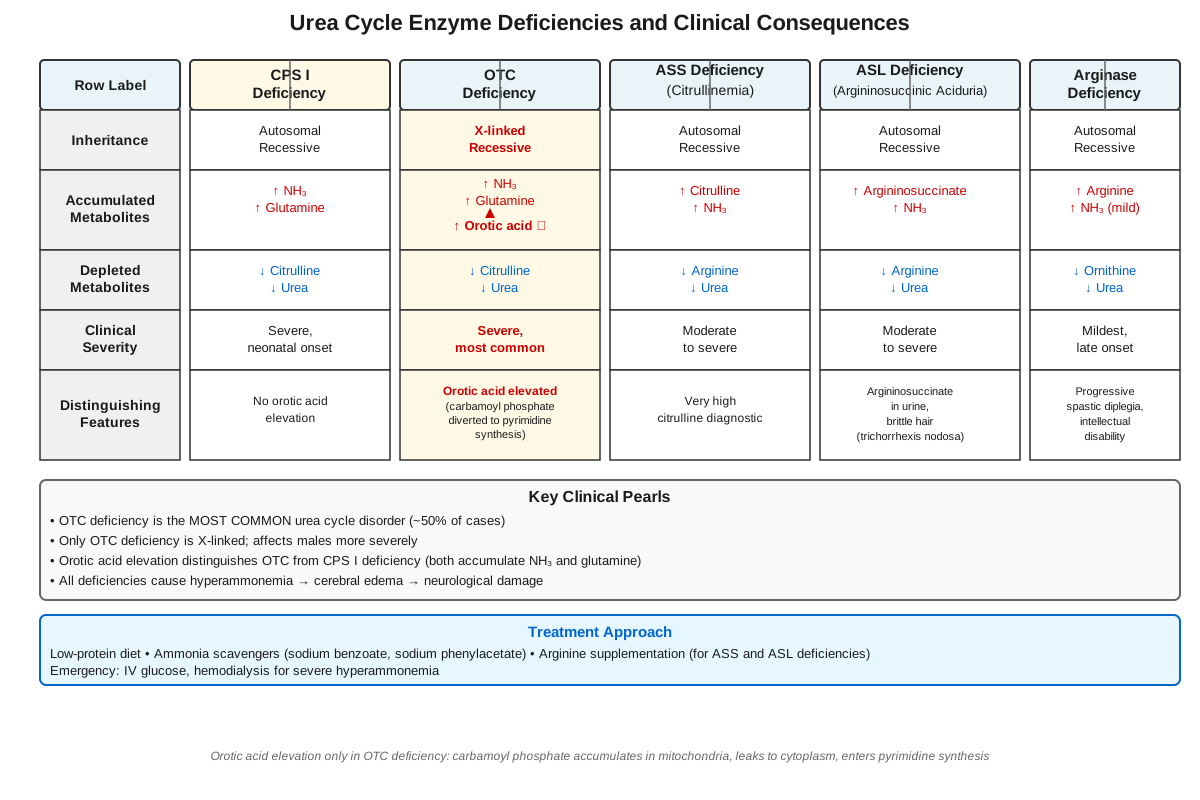
- Ornithine transcarbamylase (OTC) deficiency is the most common urea cycle disorder and is X-linked
- Fumarate produced in the cycle can enter the citric acid cycle, linking nitrogen metabolism to energy production
- Hyperammonemia causes neurological symptoms because ammonia crosses the blood-brain barrier and disrupts neurotransmitter metabolism
- Arginine is both a product and a regulator of the cycle (through NAG synthesis), creating positive feedback
- The urea cycle occurs primarily in periportal hepatocytes, which have high concentrations of cycle enzymes
- Benzoate and phenylbutyrate can be used therapeutically to treat hyperammonemia by providing alternative nitrogen disposal routes
- The cycle is upregulated during high-protein diets and starvation (when amino acid catabolism increases)
Common Misconceptions
Misconception: The urea cycle occurs entirely in the mitochondria or entirely in the cytoplasm.
Correction: The cycle spans both compartments, with CPS I and OTC reactions in the mitochondrial matrix and the remaining three reactions (argininosuccinate synthetase, argininosuccinate lyase, and arginase) in the cytoplasm. This compartmentalization is essential for integrating the cycle with other metabolic pathways.
Misconception: Each turn of the urea cycle consumes exactly 3 ATP molecules.
Correction: While 3 ATP molecules are consumed, the energetic cost is 4 high-energy phosphate bonds because one ATP is converted to AMP + PPi (equivalent to 2 high-energy bonds), and another 2 ATP are converted to 2 ADP + 2 Pi (2 high-energy bonds).
Misconception: Ammonia toxicity is primarily due to its effects on blood pH.
Correction: While ammonia is a weak base, its primary toxicity mechanism involves disrupting brain metabolism. Ammonia depletes α-ketoglutarate (by driving glutamate synthesis), impairing the citric acid cycle and ATP production in neurons. It also disrupts neurotransmitter metabolism and causes astrocyte swelling.
Misconception: The urea cycle is only active after protein-rich meals.
Correction: The cycle operates continuously but at varying rates. During fasting, increased amino acid catabolism (from muscle protein breakdown) actually increases urea cycle activity. The cycle is regulated by substrate availability and enzyme induction, not simply turned "on" or "off."
Misconception: Carbamoyl phosphate synthetase I and II are interchangeable enzymes.
Correction: CPS I (urea cycle, mitochondrial) and CPS II (pyrimidine synthesis, cytoplasmic) are distinct enzymes with different nitrogen sources (ammonia vs. glutamine), different locations, and different regulatory mechanisms. CPS I requires NAG as an activator, while CPS II does not.
Misconception: All amino acids contribute nitrogen to the urea cycle through direct deamination.
Correction: Most amino acids contribute nitrogen indirectly through transamination reactions that ultimately produce glutamate (which can be deaminated to release ammonia) or aspartate (which directly enters the cycle). Only a few amino acids undergo direct oxidative deamination.
Worked Examples
Example 1: Calculating ATP Cost and Nitrogen Flow
Question: A patient consumes a high-protein meal, resulting in the catabolism of amino acids that release 10 moles of ammonia. Calculate the total ATP cost for converting this ammonia to urea, and determine how many moles of aspartate are required.
Solution:
Step 1: Determine how many urea molecules are produced.
- Each urea molecule contains 2 nitrogen atoms
- One nitrogen comes from ammonia, one from aspartate
- 10 moles of ammonia → 10 moles of urea (each incorporating one NH₃)
Step 2: Calculate ATP consumption.
- Each urea molecule requires 4 high-energy phosphate bonds (equivalent to 3 ATP → 2 ADP + AMP + 2 Pi + PPi)
- 10 moles of urea × 4 high-energy bonds = 40 high-energy phosphate bonds
- This equals 30 ATP molecules consumed (since one ATP → AMP counts as 2 bonds)
Step 3: Determine aspartate requirement.
- Each urea molecule requires one aspartate molecule (providing the second nitrogen)
- 10 moles of urea require 10 moles of aspartate
Answer: The conversion requires 40 high-energy phosphate bonds (from 30 ATP molecules), and 10 moles of aspartate are needed.
Key Concept: This problem tests understanding of urea cycle stoichiometry and the distinction between ATP molecules consumed and high-energy bonds broken. It also reinforces that both nitrogen atoms in urea come from different sources.
Example 2: Enzyme Deficiency Clinical Vignette
Question: A 3-day-old male infant presents with lethargy, poor feeding, and vomiting. Laboratory tests reveal elevated blood ammonia (300 μM; normal <50 μM), elevated urinary orotic acid, and normal to low blood urea nitrogen (BUN). Genetic testing confirms an X-linked disorder. Which enzyme is most likely deficient, and why does orotic acid accumulate?
Solution:
Step 1: Analyze the clinical presentation.
- Hyperammonemia indicates impaired urea cycle function
- X-linked inheritance pattern suggests OTC deficiency (most common X-linked urea cycle disorder)
- Low BUN confirms reduced urea synthesis
Step 2: Identify the enzyme deficiency.
- Ornithine transcarbamylase (OTC) deficiency is the most likely diagnosis
- OTC catalyzes: Carbamoyl phosphate + Ornithine → Citrulline + Pi
Step 3: Explain orotic acid accumulation.
- When OTC is deficient, carbamoyl phosphate accumulates in mitochondria
- Excess carbamoyl phosphate leaks into the cytoplasm
- Cytoplasmic carbamoyl phosphate enters the pyrimidine synthesis pathway
- Carbamoyl phosphate + Aspartate → Carbamoyl aspartate → Orotic acid
- Elevated orotic acid is excreted in urine
Step 4: Explain why this doesn't occur in CPS I deficiency.
- CPS I deficiency would also cause hyperammonemia but WITHOUT orotic acid elevation
- No carbamoyl phosphate is produced, so none is available for pyrimidine synthesis
- This distinguishes CPS I deficiency from OTC deficiency
Answer: The infant most likely has ornithine transcarbamylase (OTC) deficiency. Orotic acid accumulates because excess mitochondrial carbamoyl phosphate enters the cytoplasm and is shunted into pyrimidine synthesis, producing orotic acid as an intermediate.
Key Concept: This problem integrates urea cycle biochemistry with clinical presentation and diagnostic reasoning. It tests understanding of enzyme deficiency consequences, metabolic shunting, and the connection between the urea cycle and pyrimidine synthesis.
Exam Strategy
When approaching urea cycle questions on the MCAT, first identify whether the question asks about normal cycle function, regulation, or pathology. Questions about normal function typically require tracing nitrogen flow or calculating energetics, while pathology questions present clinical vignettes requiring diagnosis of enzyme deficiencies.
Trigger words to watch for include "hyperammonemia" (signals urea cycle dysfunction), "X-linked" (suggests OTC deficiency), "orotic acid" (distinguishes OTC from CPS I deficiency), "N-acetylglutamate" (indicates regulation question), and "compartmentalization" (tests knowledge of mitochondrial vs. cytoplasmic reactions). When you see "high-protein diet" or "starvation," expect questions about cycle regulation and upregulation.
For process-of-elimination strategies, remember that the urea cycle is exclusively hepatic (eliminate answers suggesting muscle or kidney as primary sites), requires ATP (eliminate answers suggesting ATP production), and produces urea as the sole nitrogenous end product (eliminate answers suggesting ammonia or amino acids as products). If a question asks about the rate-limiting step, immediately focus on CPS I and NAG—other enzymes are rarely rate-limiting.
Time allocation: Discrete questions on the urea cycle should take 60-90 seconds. Spend 30 seconds identifying what the question asks (mechanism, regulation, or pathology), 30 seconds recalling relevant facts, and 30 seconds selecting and confirming your answer. For passage-based questions, spend 2-3 minutes on the passage, noting any experimental manipulations or clinical findings, then 90 seconds per question applying passage information to urea cycle concepts.
When facing calculation questions, quickly write out the stoichiometry: 2 NH₃ → 1 urea, requiring 4 high-energy bonds. For enzyme deficiency questions, immediately consider whether the defect is before or after citrulline synthesis, as this determines whether orotic acid will accumulate. Always check whether the question asks about the deficient enzyme or the accumulated substrate—these are different answers.
Memory Techniques
Mnemonic for the five enzymes in order: "Careless Orcs Are Always Angry"
- Carbamoyl phosphate synthetase I
- Ornithine transcarbamylase
- Argininosuccinate synthetase
- Argininosuccinate lyase
- Arginase
Mnemonic for the cycle intermediates: "Ordinarily, Careless Cooks Are Always Organizing Utensils"
- Ornithine
- Carbamoyl phosphate
- Citrulline
- Argininosuccinate
- Arginine
- Ornithine (regenerated)
- Urea (product)
Visualization strategy: Picture the urea cycle as a "two-story house." The basement (mitochondria) is where the "dirty work" happens—ammonia enters and carbamoyl phosphate is made. The main floor (cytoplasm) is where the "finishing touches" occur—aspartate enters, fumarate leaves, and urea is produced. Ornithine is the "elevator" that travels between floors.
Acronym for NAG function: "NAG = Needed for Ammonia to Go" (NAG activates CPS I, which incorporates ammonia)
Energy cost memory trick: "Four letters in UREA = Four high-energy bonds required"
Compartment memory device: "Mitochondria = Make carbamoyl phosphate (first 2 steps), Cytoplasm = Complete the cycle (last 3 steps)"
Summary
The urea cycle is the primary pathway for nitrogen disposal in humans, converting toxic ammonia into water-soluble urea through five enzymatic reactions spanning the mitochondrial matrix and cytoplasm. The cycle begins with carbamoyl phosphate synthetase I (the rate-limiting enzyme requiring N-acetylglutamate activation) condensing ammonia and bicarbonate to form carbamoyl phosphate, which combines with ornithine to produce citrulline. In the cytoplasm, citrulline condenses with aspartate (providing the second nitrogen) to form argininosuccinate, which is cleaved to arginine and fumarate. Finally, arginase hydrolyzes arginine to produce urea and regenerate ornithine. The complete cycle consumes four high-energy phosphate bonds (three ATP molecules) and produces fumarate, which links nitrogen metabolism to the citric acid cycle and gluconeogenesis. Regulation occurs through NAG-mediated allosteric activation and transcriptional upregulation during high-protein intake or starvation. Enzyme deficiencies cause hyperammonemia with severe neurological consequences, making this pathway clinically significant and a high-yield MCAT topic.
Key Takeaways
- The urea cycle is the only pathway for disposing of excess nitrogen, occurring primarily in hepatocytes and spanning mitochondrial and cytoplasmic compartments
- Carbamoyl phosphate synthetase I is the rate-limiting enzyme and requires N-acetylglutamate (NAG) as an obligate allosteric activator
- Each urea molecule incorporates two nitrogen atoms (one from ammonia, one from aspartate) and requires four high-energy phosphate bonds (three ATP molecules)
- The cycle produces fumarate, creating a direct metabolic link to the citric acid cycle and gluconeogenesis
- Ornithine transcarbamylase (OTC) deficiency is the most common urea cycle disorder, causing hyperammonemia with elevated urinary orotic acid
- Hyperammonemia causes neurological toxicity by depleting α-ketoglutarate, impairing brain energy metabolism, and disrupting neurotransmitter synthesis
- The cycle is regulated by substrate availability, allosteric activation (NAG), and transcriptional induction during high-protein diets or increased amino acid catabolism
Related Topics
Amino Acid Metabolism: Understanding transamination and oxidative deamination reactions is essential for grasping how amino acids contribute nitrogen to the urea cycle. Mastering the urea cycle provides the foundation for studying amino acid catabolism pathways.
Citric Acid Cycle: The fumarate produced in the urea cycle enters the TCA cycle, creating an important metabolic link. This connection is crucial for understanding integrated metabolism and gluconeogenesis.
Gluconeogenesis: The carbon skeletons from amino acid catabolism can contribute to glucose synthesis, with nitrogen disposed of via the urea cycle. This relationship is essential for understanding fasting metabolism.
Inherited Metabolic Disorders: Urea cycle enzyme deficiencies represent important examples of metabolic diseases, providing context for understanding newborn screening, genetic counseling, and metabolic crisis management.
Nitrogen Balance and Protein Metabolism: The urea cycle is central to understanding how the body maintains nitrogen balance during different nutritional states, connecting to broader concepts of protein turnover and nutritional biochemistry.
Practice CTA
Now that you've mastered the urea cycle, test your understanding with practice questions and flashcards. Focus on tracing nitrogen flow through the cycle, calculating ATP costs, and diagnosing enzyme deficiencies from clinical vignettes. Challenge yourself with integrated questions that connect the urea cycle to amino acid metabolism, the citric acid cycle, and gluconeogenesis. Remember: the MCAT rewards students who can apply biochemical knowledge to novel scenarios, so practice with passage-based questions that require you to analyze experimental data and clinical presentations. Your thorough understanding of this pathway will serve as a foundation for mastering integrated metabolism—one of the highest-yield topics on the exam. Keep pushing forward!
Sign up free to keep reading
Create a free AnvayaPrep account to finish this MCAT guide on Urea cycle — plus flashcards and practice questions.