Overview
Expression vectors are specialized plasmids or viral DNA molecules engineered to produce large quantities of specific proteins in host cells. These molecular tools represent a cornerstone of modern Biochemistry and recombinant DNA technology, enabling scientists to harness cellular machinery for protein production. Unlike standard cloning vectors that simply maintain and replicate foreign DNA, expression vectors contain regulatory elements that drive transcription and translation of the inserted gene, resulting in functional protein synthesis.
For the MCAT, understanding expression vectors is essential because they bridge multiple high-yield concepts in Nucleic Acids and Biotechnology. Questions frequently test the relationship between vector components (promoters, ribosome binding sites, selectable markers) and the molecular processes of gene expression. The MCAT expects students to analyze experimental passages describing protein purification, recombinant vaccine production, or insulin manufacturing—all applications that rely fundamentally on expression vector technology. This topic integrates knowledge of transcriptional regulation, translation mechanisms, and genetic engineering principles.
Expression vectors MCAT questions typically appear in passage-based formats within the Biological and Biochemical Foundations section, often embedded in research scenarios involving biotechnology applications. Mastery of this topic connects directly to understanding gene regulation, protein structure and function, bacterial transformation, and pharmaceutical biotechnology. The ability to trace the path from DNA sequence through transcription and translation to functional protein product demonstrates the integrative thinking that distinguishes high-scoring MCAT candidates.
Learning Objectives
- [ ] Define Expression vectors using accurate Biochemistry terminology
- [ ] Explain why Expression vectors matters for the MCAT
- [ ] Apply Expression vectors to exam-style questions
- [ ] Identify common mistakes related to Expression vectors
- [ ] Connect Expression vectors to related Biochemistry concepts
- [ ] Distinguish between different types of expression vectors and their optimal applications
- [ ] Analyze the function of each regulatory element within an expression vector system
- [ ] Predict the outcome of mutations or modifications to expression vector components
Prerequisites
- DNA structure and replication: Understanding double-stranded DNA structure is essential for comprehending how vectors are constructed and maintained in host cells
- Central Dogma (transcription and translation): Expression vectors function by directing these processes, requiring solid knowledge of promoters, RNA polymerase, ribosomes, and the genetic code
- Bacterial cell biology: Most expression systems use bacterial hosts (especially E. coli), necessitating familiarity with prokaryotic gene expression and cellular organization
- Restriction enzymes and DNA ligase: These molecular tools enable the insertion of genes of interest into vector backbones
- Plasmid biology: Expression vectors are typically plasmid-based, requiring understanding of plasmid replication, antibiotic resistance, and horizontal gene transfer
Why This Topic Matters
Clinical and Real-World Significance
Expression vectors have revolutionized medicine and biotechnology. Human insulin for diabetes treatment, produced in bacteria using expression vectors, replaced animal-derived insulin and eliminated allergic reactions in millions of patients. Recombinant vaccines (hepatitis B, HPV), monoclonal antibodies for cancer therapy, blood clotting factors for hemophilia, and growth hormones all depend on expression vector technology. The COVID-19 pandemic highlighted the importance of this technology, as mRNA vaccines and recombinant spike proteins for diagnostic tests both relied on principles of expression systems.
MCAT Exam Statistics
Expression vectors appear in approximately 15-20% of Biochemistry passages in the Biological and Biochemical Foundations section. Questions typically test:
- Identification of vector components and their functions (35% of questions)
- Prediction of experimental outcomes when vector elements are modified (30%)
- Analysis of protein purification strategies using tagged proteins (20%)
- Troubleshooting expression problems (15%)
Common Exam Presentations
MCAT passages frequently present research scenarios where scientists attempt to produce a therapeutic protein, study protein function through mutagenesis, or develop a recombinant vaccine. Students must interpret experimental designs, identify which vector components are necessary for successful expression, and predict results when regulatory elements are altered. Discrete questions may test knowledge of specific vector features like the lac operon, T7 promoter systems, or affinity tags.
Core Concepts
Definition and Basic Structure
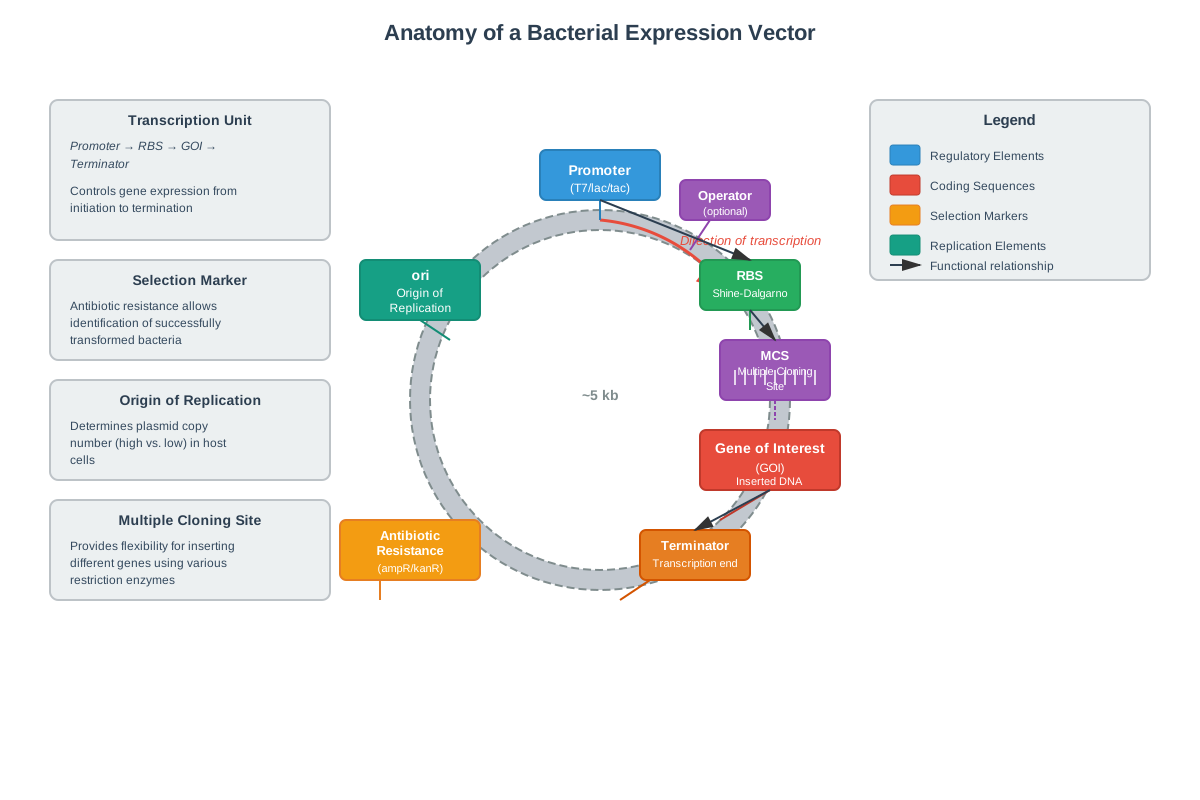
An expression vector is a DNA construct designed to direct the synthesis of a specific protein product in a host organism. While standard cloning vectors simply replicate and maintain foreign DNA, expression vectors contain specialized regulatory sequences that ensure the inserted gene is transcribed into mRNA and translated into protein. The fundamental architecture includes:
- Origin of replication (ori): Enables autonomous replication within the host cell
- Selectable marker: Typically an antibiotic resistance gene for identifying transformed cells
- Multiple cloning site (MCS): Contains restriction enzyme recognition sites for inserting the gene of interest
- Promoter: Drives transcription of the inserted gene
- Ribosome binding site (RBS): Facilitates translation initiation in prokaryotes
- Terminator sequence: Signals transcription termination
Prokaryotic Expression Vectors
Bacterial expression systems, particularly those using Escherichia coli, represent the most common and cost-effective approach for producing recombinant proteins. Key features include:
Promoter Systems:
- lac promoter: Inducible by IPTG (isopropyl β-D-1-thiogalactopyranoside), allowing controlled expression timing
- tac promoter: Hybrid of trp and lac promoters, providing stronger expression than lac alone
- T7 promoter: Recognized by T7 RNA polymerase (not native E. coli polymerase), offering extremely high expression levels when the host strain contains T7 polymerase gene under lac control
- araBAD promoter: Induced by arabinose, offering tight regulation with minimal basal expression
Ribosome Binding Sites (Shine-Dalgarno Sequence):
The Shine-Dalgarno sequence (consensus: AGGAGGU) must be positioned 5-9 nucleotides upstream of the start codon (AUG) to enable ribosome recognition and translation initiation. Optimal spacing and sequence complementarity to the 16S rRNA in the small ribosomal subunit are critical for efficient translation.
Affinity Tags:
Expression vectors often encode fusion proteins with purification tags:
- His-tag (6xHis): Six consecutive histidine residues that bind nickel columns
- GST (glutathione S-transferase): Binds glutathione resin
- MBP (maltose-binding protein): Binds amylose resin and enhances solubility
- FLAG tag: Recognized by specific antibodies for immunopurification
Eukaryotic Expression Vectors
When proteins require post-translational modifications (glycosylation, phosphorylation, disulfide bond formation) or proper folding by eukaryotic chaperones, eukaryotic expression systems become necessary:
Yeast Systems (Saccharomyces cerevisiae, Pichia pastoris):
- Perform many post-translational modifications
- Secrete proteins into culture medium for easier purification
- Use promoters like GAL1 (galactose-inducible) or AOX1 (methanol-inducible in Pichia)
Mammalian Cell Systems (CHO cells, HEK293 cells):
- Provide authentic human post-translational modifications
- Essential for therapeutic antibodies and complex glycoproteins
- Use promoters like CMV (constitutive) or tetracycline-inducible systems
- Require more complex culture conditions and longer production times
Insect Cell Systems (baculovirus vectors):
- Balance between prokaryotic simplicity and eukaryotic modifications
- Excellent for producing large, complex proteins or multi-subunit complexes
Regulatory Elements and Inducible Systems
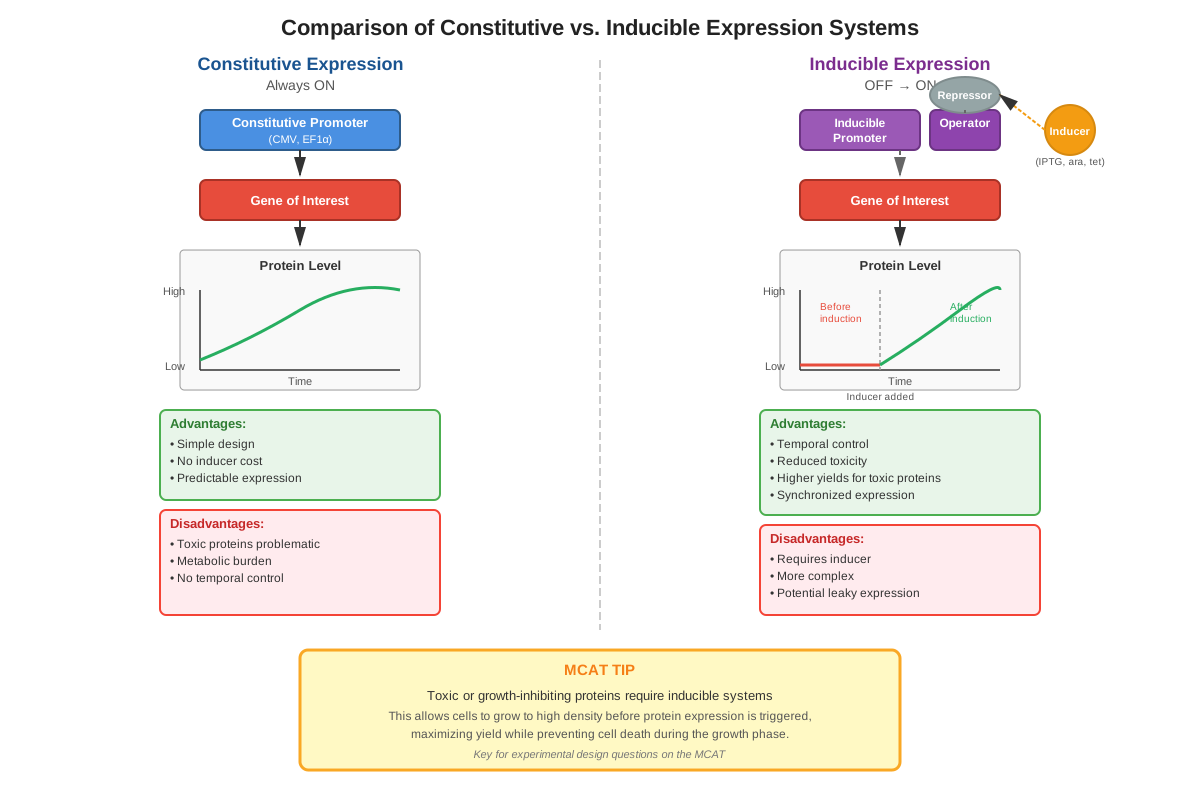
Inducible expression systems prevent constitutive protein production, which can be toxic to host cells or metabolically burdensome. The lac operon system exemplifies this principle:
- In absence of inducer: lac repressor protein binds operator sequence, blocking transcription
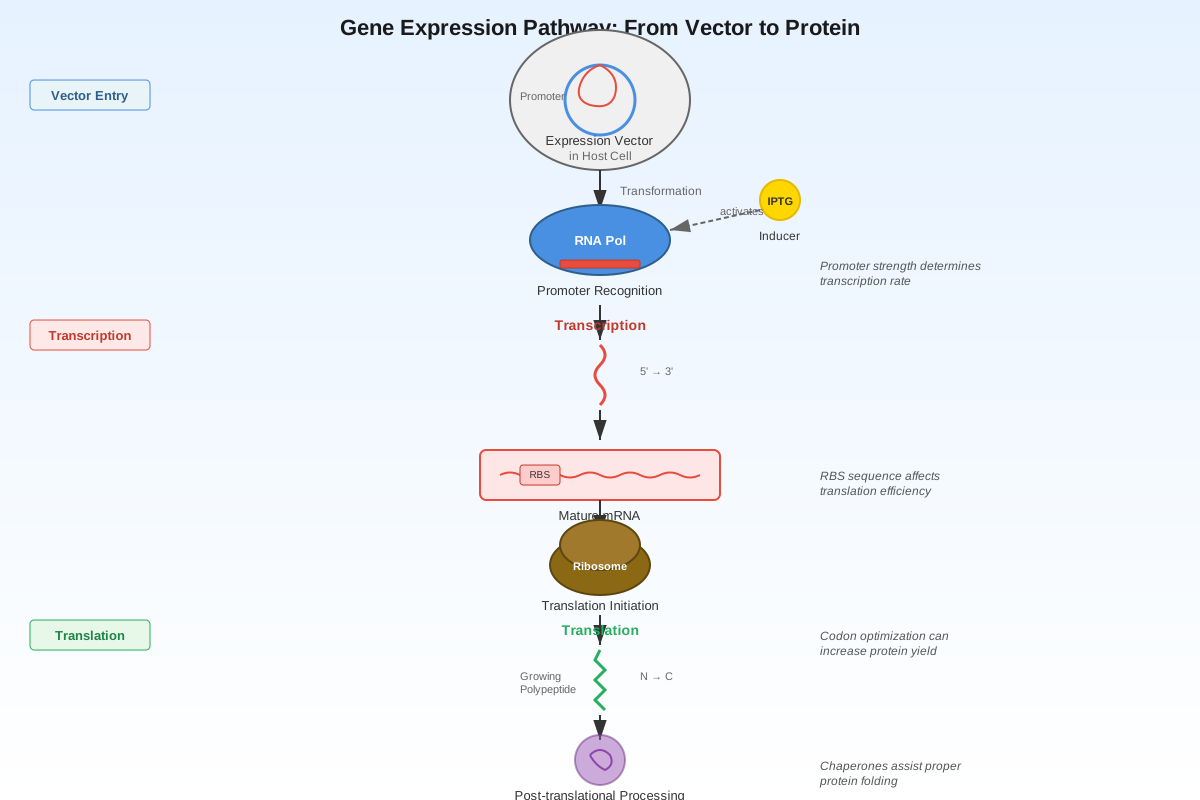
- IPTG addition: Binds lac repressor, causing conformational change and release from operator
- RNA polymerase accesses promoter, initiating transcription
- Protein production proceeds until inducer is depleted or cells are harvested
This temporal control allows cells to grow to high density before diverting resources to recombinant protein production, maximizing yield.
Selection and Screening
Selectable markers enable identification of successfully transformed cells:
| Marker Type | Mechanism | Application |
|---|---|---|
| Ampicillin resistance (ampR) | β-lactamase degrades ampicillin | Positive selection in bacteria |
| Kanamycin resistance (kanR) | Aminoglycoside phosphotransferase inactivates antibiotic | Alternative bacterial selection |
| Blue-white screening | lacZ gene disruption by insert prevents X-gal cleavage | Visual identification of recombinants |
| Auxotrophic markers | Complements metabolic deficiency | Selection in yeast (HIS3, LEU2) |
Blue-white screening deserves special attention: vectors containing an intact lacZ gene (encoding β-galactosidase) with an MCS inserted within the coding sequence will produce white colonies when the gene of interest disrupts lacZ. Colonies with empty vector retain lacZ function and appear blue when grown on medium containing X-gal.
Expression Optimization
Several factors influence expression levels:
Codon Usage: Different organisms prefer different synonymous codons. A human gene may contain rare codons for E. coli, reducing translation efficiency. Codon optimization involves redesigning the gene sequence to match host codon preferences without changing the amino acid sequence.
mRNA Stability: Secondary structures in the 5' untranslated region can block ribosome binding. Expression vectors may include stabilizing sequences or remove problematic hairpins.
Protein Solubility: Overexpressed proteins often form insoluble aggregates called inclusion bodies. Strategies include:
- Lower expression temperature (reduces aggregation)
- Co-expression of chaperone proteins
- Fusion with solubility-enhancing tags (MBP, SUMO)
- Secretion signals to direct protein to periplasm or culture medium
Concept Relationships
Expression vectors integrate multiple biochemical concepts into a functional system. The origin of replication connects to DNA replication mechanisms, determining copy number (high-copy vectors like pUC produce 500-700 copies per cell, while low-copy vectors like pBR322 maintain 15-20 copies). The promoter links directly to transcriptional regulation—understanding RNA polymerase recognition, sigma factors in bacteria, and transcription factor binding in eukaryotes is essential for predicting expression patterns.
The ribosome binding site bridges to translation initiation, requiring knowledge of how the small ribosomal subunit recognizes mRNA through complementary base pairing between the Shine-Dalgarno sequence and 16S rRNA. Selectable markers connect to antibiotic mechanisms of action and resistance—understanding how β-lactamase cleaves the β-lactam ring in ampicillin explains why only transformed cells survive selection.
Affinity tags relate to protein purification techniques and protein structure. His-tags exploit the coordination chemistry of histidine's imidazole side chain with nickel ions, while GST tags utilize enzyme-substrate interactions. The choice of tag affects not only purification but potentially protein folding and function.
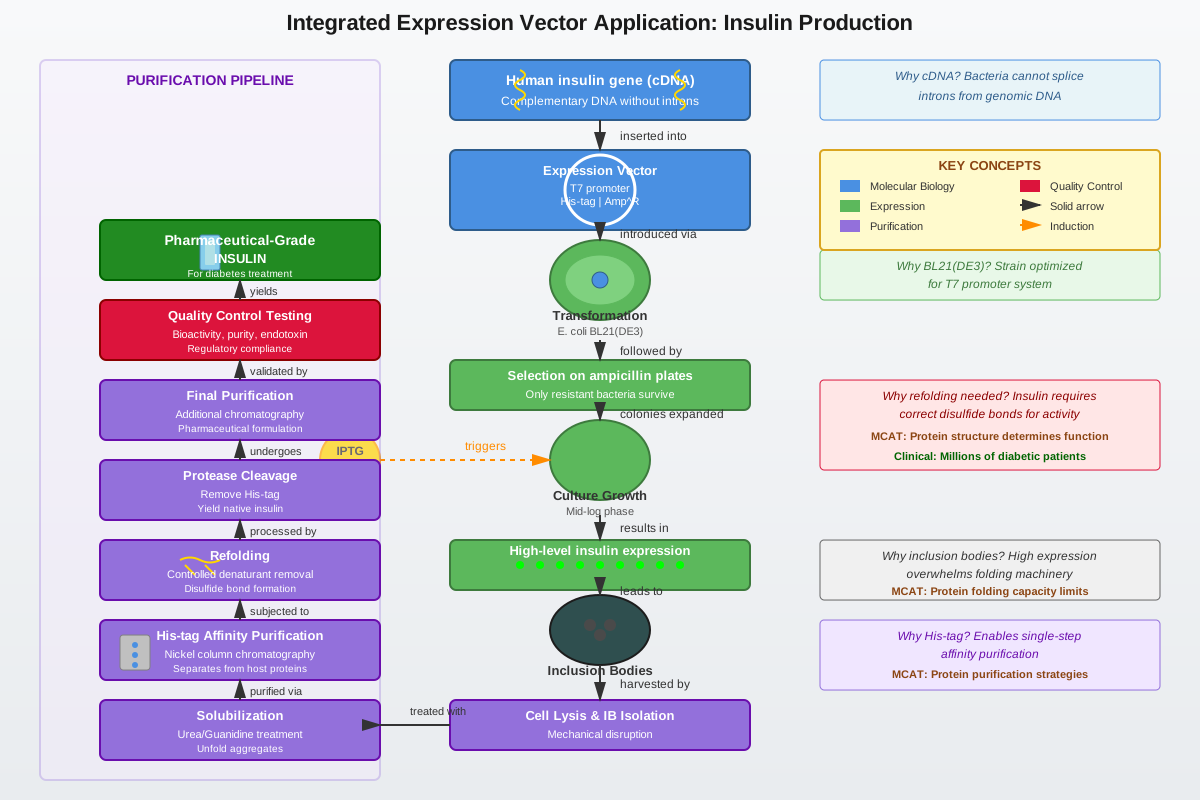
The relationship map flows: Gene of interest → inserted into → Expression vector → transformed into → Host cell → promoter drives → Transcription → RBS facilitates → Translation → affinity tag enables → Purification → yields → Recombinant protein
High-Yield Facts
⭐ Expression vectors differ from cloning vectors by containing regulatory elements (promoter, RBS, terminator) that drive protein production, not just DNA replication
⭐ The lac promoter system uses IPTG as an inducer because IPTG is not metabolized by bacteria, providing stable induction unlike lactose
⭐ His-tags (6xHistidine) enable single-step purification via nickel affinity chromatography, the most common purification method for recombinant proteins
⭐ The Shine-Dalgarno sequence must be positioned 5-9 nucleotides upstream of the start codon for efficient prokaryotic translation
⭐ T7 promoter systems provide the highest expression levels in bacteria but require host strains expressing T7 RNA polymerase
- Ampicillin resistance (ampR or bla gene) is the most common selectable marker in bacterial expression vectors
- Blue-white screening uses lacZ disruption: blue colonies lack insert, white colonies contain insert
- Codon optimization matches gene sequence to host organism's codon preferences without changing amino acid sequence
- Inclusion bodies form when overexpressed proteins aggregate; they can be solubilized with denaturants and refolded
- Eukaryotic expression vectors are necessary for proteins requiring glycosylation, disulfide bonds, or complex post-translational modifications
- Multiple cloning sites (MCS) contain several unique restriction sites to provide flexibility in cloning strategies
- Secretion signals can direct proteins to the periplasm (bacteria) or culture medium (eukaryotes) for easier purification
- The copy number of a vector affects expression levels: high-copy vectors produce more protein but may stress cells
Quick check — test yourself on Expression vectors so far.
Try Flashcards →Common Misconceptions
Misconception: All expression vectors work equally well in any host organism.
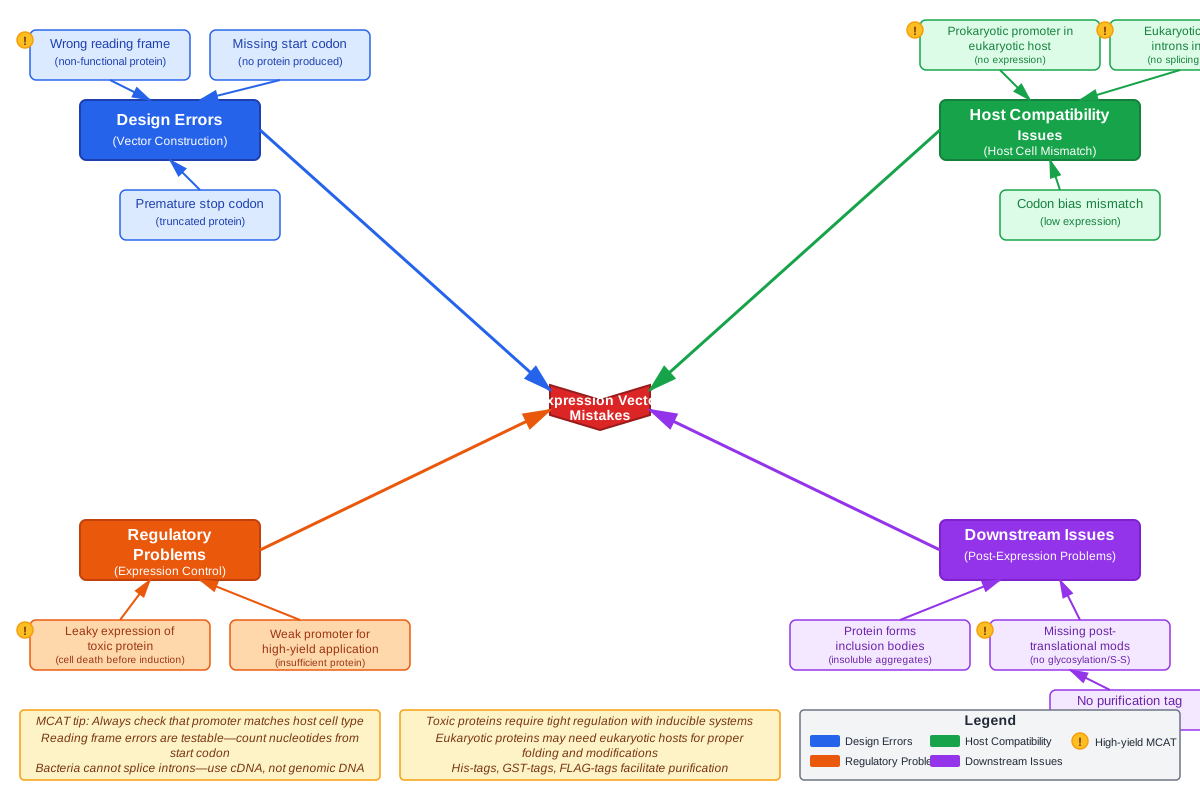
Correction: Expression vectors are host-specific. Bacterial vectors use bacterial promoters (recognized by bacterial RNA polymerase) and Shine-Dalgarno sequences, while eukaryotic vectors require eukaryotic promoters (recognized by RNA Pol II) and Kozak sequences. A bacterial expression vector will not function in mammalian cells and vice versa.
Misconception: The presence of a promoter alone is sufficient for protein expression.
Correction: Successful protein expression requires multiple coordinated elements: a promoter for transcription, a ribosome binding site (or Kozak sequence in eukaryotes) for translation initiation, proper spacing between elements, a start codon, and a terminator sequence. Missing any component can prevent expression.
Misconception: IPTG is metabolized by bacteria to induce the lac operon.
Correction: IPTG (isopropyl β-D-1-thiogalactopyranoside) is a lactose analog that induces the lac operon by binding the lac repressor but is NOT metabolized by bacteria. This non-metabolizable property makes IPTG superior to lactose for induction because its concentration remains constant throughout the experiment.
Misconception: Affinity tags don't affect protein function.
Correction: While often small, affinity tags can interfere with protein folding, activity, or localization. This is why many expression systems include protease cleavage sites (thrombin, TEV protease recognition sequences) between the tag and protein of interest, allowing tag removal after purification.
Misconception: Higher expression always yields more purified protein.
Correction: Excessive expression often causes protein misfolding and aggregation into inclusion bodies. Moderate expression at lower temperatures with appropriate chaperones frequently yields more soluble, functional protein than maximal expression at 37°C.
Misconception: Antibiotic resistance genes in expression vectors pose environmental risks.
Correction: While antibiotic resistance is a legitimate concern in clinical settings, laboratory strains are typically disabled for environmental survival. However, this misconception highlights why newer systems use auxotrophic markers or other selection methods that don't involve antibiotic resistance genes.
Worked Examples
Example 1: Troubleshooting Expression Failure
Scenario: A researcher clones a human gene into a pET vector (T7 promoter system) and transforms it into standard E. coli DH5α cells. After IPTG induction, no recombinant protein is detected by Western blot.
Analysis:
- Identify the vector system: pET vectors use the T7 promoter, which is recognized by T7 RNA polymerase, not the native E. coli RNA polymerase.
- Identify the host strain issue: DH5α is a standard cloning strain that does NOT contain the T7 RNA polymerase gene. Without T7 RNA polymerase, the T7 promoter cannot be recognized, and transcription will not occur.
- Solution: The researcher must use a compatible expression strain like BL21(DE3), which contains the T7 RNA polymerase gene under control of the lac promoter. When IPTG is added, it induces T7 RNA polymerase expression, which then recognizes the T7 promoter in the pET vector and drives transcription of the human gene.
- Additional considerations: Even with the correct strain, the researcher should verify:
- The gene is in the correct reading frame with the start codon
- No premature stop codons exist in the sequence
- The ribosome binding site is properly positioned
- The protein isn't being rapidly degraded by proteases
Learning objective connection: This example demonstrates the critical importance of matching expression vector components with appropriate host strains and understanding the molecular basis of inducible systems.
Example 2: Designing a Purification Strategy
Scenario: A pharmaceutical company needs to produce human insulin in bacteria for diabetes treatment. The mature insulin protein consists of two chains (A and B) connected by disulfide bonds. Design an expression and purification strategy.
Analysis:
- Expression system choice: Use bacterial expression (E. coli) for cost-effectiveness and scalability. However, bacteria cannot perform the complex processing that occurs naturally in pancreatic β-cells.
- Strategy options:
Option A (Historical approach): Express proinsulin (single chain precursor) with a His-tag in bacteria, purify via nickel affinity chromatography, refold to form correct disulfide bonds, then enzymatically cleave the C-peptide to generate mature insulin.
Option B (Modern approach): Express A and B chains separately, each with His-tags, purify independently, mix under oxidizing conditions to form disulfide bonds, remove tags if necessary.
- Vector design for Option A:
- Use pET vector with T7 promoter for high expression
- Include N-terminal His-tag for purification
- Include TEV protease cleavage site to remove tag after purification
- Optimize codons for E. coli expression
- Use BL21(DE3) host strain
- Purification workflow:
- Grow cells to OD₆₀₀ = 0.6-0.8
- Induce with 1 mM IPTG
- Harvest cells after 4 hours
- Lyse cells and apply to nickel column (His-tag binds)
- Wash with buffer containing 20 mM imidazole (removes non-specific binding)
- Elute with 250 mM imidazole (competes with His-tag for nickel binding)
- Refold protein under controlled oxidizing conditions
- Cleave with TEV protease to remove His-tag
- Final purification by size exclusion chromatography
- Quality control: Verify correct disulfide bond formation, confirm biological activity in cell-based assays, test for endotoxin contamination.
Learning objective connection: This example integrates expression vector design, host strain selection, affinity tag utilization, and protein purification strategies—all high-yield topics for the MCAT.
Exam Strategy
Approaching MCAT Questions
When encountering expression vector questions on the MCAT, follow this systematic approach:
- Identify the host organism: This immediately tells you which regulatory elements are required (bacterial vs. eukaryotic promoters, Shine-Dalgarno vs. Kozak sequences).
- Map the vector components: Mentally catalog the promoter, RBS, MCS, selectable marker, and any tags. Missing components often explain experimental failures in passage-based questions.
- Trace the molecular flow: Follow DNA → RNA → Protein, identifying where each vector element functions in this pathway.
- Consider the experimental goal: Is the question about maximizing yield, ensuring proper folding, enabling purification, or controlling expression timing? This guides which vector features are most relevant.
Trigger Words and Phrases
- "Inducible expression" → Think lac/IPTG, ara/arabinose, or tet systems; understand that basal expression should be minimal
- "Protein purification" → Look for affinity tags (His, GST, MBP) and understand the chemistry of their purification
- "Inclusion bodies" → Indicates overexpression problems; solutions include lower temperature, slower induction, or fusion tags
- "Post-translational modifications" → Signals need for eukaryotic expression system
- "High-level expression" → Consider T7 promoter system, high-copy vectors, or codon optimization
- "Blue-white screening" → lacZ gene disruption; blue = no insert, white = insert present
- "Selection" → Antibiotic resistance markers; only transformed cells survive
Process of Elimination Tips
When multiple answer choices seem plausible:
- Eliminate answers that confuse prokaryotic and eukaryotic elements (e.g., suggesting Shine-Dalgarno sequences function in mammalian cells)
- Eliminate answers that ignore host-vector compatibility (e.g., using DH5α with T7 promoter vectors)
- Eliminate answers that violate the Central Dogma (e.g., suggesting ribosomes recognize promoters)
- Favor answers that consider all necessary components over those focusing on single elements
Time Allocation
For discrete questions on expression vectors (1-2 minutes):
- Quickly identify what's being asked (component function, troubleshooting, prediction)
- Recall the relevant concept
- Eliminate obviously wrong answers
- Select the best remaining option
For passage-based questions (8-10 minutes for passage + 6 questions):
- Spend 3-4 minutes reading and annotating the passage
- Identify the expression system being used
- Note any experimental manipulations or problems
- For each question, refer back to specific passage details
- Don't rely solely on outside knowledge—integrate passage information
Memory Techniques
Mnemonic for Essential Vector Components
"PROMS" - The essential elements for Protein expression:
- Promoter (drives transcription)
- Ribosome binding site (enables translation)
- Origin of replication (maintains vector)
- Multiple cloning site (insertion point)
- Selectable marker (identifies transformants)
Visualization Strategy for lac Operon Induction
Picture a locked door (operator) with a guard (lac repressor) blocking entry. The key (IPTG) doesn't open the door but instead distracts the guard, causing them to leave their post. Now RNA polymerase (the worker) can enter through the door and begin transcription (doing their job).
Acronym for Affinity Tags
"His GST Made Flagging" - Common purification tags:
- His (histidine tag - nickel columns)
- GST (glutathione S-transferase - glutathione resin)
- MBP (maltose-binding protein - amylose resin)
- FLAG (antibody recognition)
Remembering Shine-Dalgarno Positioning
"5 to 9 before you dine" - The Shine-Dalgarno sequence must be 5-9 nucleotides upstream of the start codon (where translation "dines" on the mRNA).
Blue-White Screening Memory Aid
"White is Right" - In blue-white screening, white colonies contain your insert (the right result), while blue colonies have empty vector.
Summary
Expression vectors are sophisticated molecular tools that harness cellular machinery to produce recombinant proteins, representing a critical intersection of gene regulation, biotechnology, and protein biochemistry for the MCAT. These specialized plasmids contain coordinated regulatory elements—promoters for transcription initiation, ribosome binding sites for translation, selectable markers for identifying transformants, and often affinity tags for purification. The choice between prokaryotic and eukaryotic expression systems depends on the protein's complexity and required post-translational modifications. Inducible systems like the lac operon allow temporal control of expression, preventing cellular toxicity while maximizing yield. Understanding the molecular basis of each vector component, recognizing host-vector compatibility requirements, and troubleshooting expression problems are essential skills for MCAT success. Expression vectors exemplify how fundamental biochemical principles translate into practical applications that have revolutionized medicine, from insulin production to vaccine development.
Key Takeaways
- Expression vectors contain regulatory elements (promoter, RBS, terminator) that drive protein production, distinguishing them from simple cloning vectors
- The lac/IPTG inducible system provides temporal control of expression, with IPTG's non-metabolizable nature ensuring stable induction
- Host-vector compatibility is critical: T7 promoter systems require T7 RNA polymerase-expressing strains like BL21(DE3)
- Affinity tags (especially His-tags) enable rapid single-step purification via specific binding interactions
- Prokaryotic systems (bacteria) are cost-effective but lack post-translational modification machinery; eukaryotic systems are necessary for complex proteins requiring glycosylation or proper disulfide bond formation
- The Shine-Dalgarno sequence must be positioned 5-9 nucleotides upstream of the start codon for efficient prokaryotic translation
- Troubleshooting expression problems requires systematic analysis of each vector component and its molecular function
Related Topics
Protein Purification Techniques: Mastering expression vectors naturally leads to understanding chromatography methods (affinity, ion exchange, size exclusion) used to isolate recombinant proteins. The affinity tags discussed here directly connect to purification strategies.
Gene Regulation and the lac Operon: Deep understanding of the lac operon's molecular mechanism enhances comprehension of inducible expression systems and provides a model for understanding other regulatory systems.
Post-Translational Modifications: Knowing when eukaryotic expression systems are necessary requires understanding glycosylation, phosphorylation, and disulfide bond formation—modifications that affect protein stability and function.
Recombinant DNA Technology: Expression vectors represent one application of broader recombinant DNA techniques, including restriction enzyme digestion, ligation, and transformation.
Protein Structure and Folding: Expression strategies must consider how proteins fold; this topic connects to chaperones, inclusion bodies, and the relationship between primary sequence and tertiary structure.
Pharmaceutical Biotechnology: Expression vectors enable production of therapeutic proteins, vaccines, and diagnostic reagents—understanding this application provides clinical context for the molecular mechanisms.
Practice CTA
Now that you've mastered the molecular mechanisms and applications of expression vectors, it's time to solidify your understanding through active practice. Attempt the practice questions to test your ability to apply these concepts in MCAT-style scenarios, and use the flashcards to reinforce high-yield facts and terminology. Remember, the MCAT rewards not just knowledge but the ability to integrate concepts and analyze experimental scenarios—skills you've developed through this comprehensive guide. Your understanding of expression vectors will serve as a foundation for related biotechnology topics and demonstrate the integrative thinking that distinguishes top-scoring candidates. You've got this!
Sign up free to keep reading
Create a free AnvayaPrep account to finish this MCAT guide on Expression vectors — plus flashcards and practice questions.