Overview
The Lac operon represents one of the most elegant and well-studied examples of gene regulation in prokaryotes, specifically in Escherichia coli bacteria. This regulatory system controls the expression of genes responsible for lactose metabolism, allowing bacteria to efficiently respond to environmental changes by producing enzymes only when lactose is present and glucose is absent. Understanding the Lac operon provides fundamental insight into how cells regulate gene expression at the transcriptional level, a concept that extends beyond prokaryotes to inform our understanding of eukaryotic gene regulation as well.
For the MCAT, the Lac operon serves as a cornerstone topic within Molecular Biology and Genetics, appearing frequently in both passage-based and discrete questions. The exam tests not only factual recall of the operon's components but also the ability to predict outcomes under various environmental conditions, interpret experimental data, and apply principles of negative and positive regulation. Questions often present novel scenarios requiring students to extrapolate from the classic Lac operon model to hypothetical regulatory systems, making deep conceptual understanding essential rather than mere memorization.
The Lac operon connects to broader themes in Biology including cellular metabolism, evolutionary adaptation, protein-DNA interactions, and the central dogma of molecular biology. It exemplifies how organisms optimize resource allocation through coordinated gene expression, a principle that appears throughout biological systems from bacterial operons to eukaryotic transcription factors. Mastery of this topic provides the foundation for understanding more complex regulatory mechanisms tested on the MCAT, including eukaryotic gene regulation, epigenetics, and signal transduction pathways.
Learning Objectives
- [ ] Define Lac operon using accurate Biology terminology
- [ ] Explain why Lac operon matters for the MCAT
- [ ] Apply Lac operon to exam-style questions
- [ ] Identify common mistakes related to Lac operon
- [ ] Connect Lac operon to related Biology concepts
- [ ] Predict gene expression patterns under different glucose and lactose conditions
- [ ] Distinguish between negative and positive regulation mechanisms in the Lac operon
- [ ] Analyze experimental data involving Lac operon mutations and their phenotypic consequences
Prerequisites
- Basic gene structure: Understanding of promoters, operators, and structural genes is essential for comprehending how the Lac operon components interact
- Transcription and translation: Knowledge of RNA polymerase function and protein synthesis enables understanding of how the operon regulates enzyme production
- Enzyme function: Familiarity with how enzymes catalyze reactions helps explain why bacteria need regulated lactose metabolism
- Prokaryotic cell structure: Recognition that bacteria lack nuclei and can rapidly respond to environmental changes contextualizes the operon's evolutionary advantage
- DNA-protein interactions: Understanding how proteins bind DNA provides the foundation for comprehending repressor and activator function
Why This Topic Matters
The Lac operon holds significant real-world importance beyond its role as a model system. Antibiotic resistance genes in bacteria are often regulated by similar operon-like mechanisms, making this knowledge clinically relevant for understanding how bacteria adapt to pharmaceutical interventions. Industrial biotechnology extensively exploits inducible promoter systems derived from the Lac operon to control recombinant protein production, including insulin and other therapeutic proteins. The principles learned from studying the Lac operon have informed genetic engineering techniques, synthetic biology approaches, and our understanding of how pathogens regulate virulence factors in response to host environments.
On the MCAT, the Lac operon appears with moderate to high frequency, particularly in the Biological and Biochemical Foundations of Living Systems section. Approximately 2-4 questions per exam either directly test Lac operon knowledge or use it as a framework for understanding analogous regulatory systems. Questions typically appear in three formats: passage-based questions presenting experimental manipulations of the operon, discrete questions testing conceptual understanding of regulation under various conditions, and comparative questions asking students to apply operon principles to novel regulatory systems. The MCAT particularly favors questions that integrate multiple concepts, such as combining Lac operon regulation with enzyme kinetics or metabolic pathway analysis.
Common exam presentations include passages describing mutant strains with altered regulatory components, experiments measuring β-galactosidase activity under different conditions, or evolutionary scenarios explaining why certain regulatory mechanisms provide selective advantages. The exam frequently tests the distinction between constitutive and inducible expression, the hierarchy of glucose and lactose in gene regulation (catabolite repression), and the ability to predict phenotypes from genotypes in various mutant combinations.
Core Concepts
Structure and Components of the Lac Operon
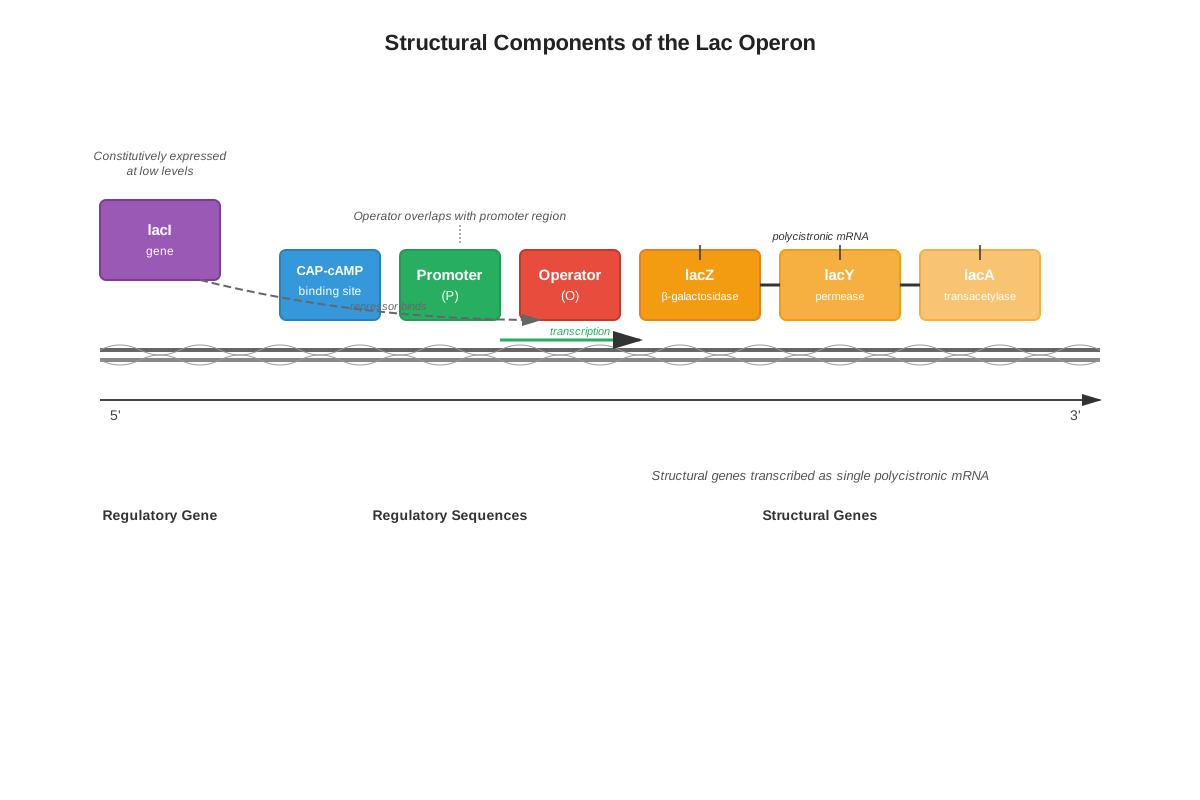
The Lac operon is a cluster of genes in E. coli that encodes enzymes necessary for lactose metabolism. The operon consists of three structural genes (lacZ, lacY, and lacA) that are transcribed together as a single polycistronic mRNA, along with regulatory elements that control their expression. This organization allows coordinated regulation of all three genes simultaneously, ensuring that the complete lactose metabolism machinery is produced or repressed as a unit.
The regulatory region includes the promoter (lacP), where RNA polymerase binds to initiate transcription, and the operator (lacO), a DNA sequence where the repressor protein binds to block transcription. The operator overlaps slightly with the promoter, meaning that when the repressor is bound, RNA polymerase cannot effectively access the promoter to begin transcription. Additionally, the CAP-cAMP binding site (also called the CAP site) is located upstream of the promoter and plays a crucial role in positive regulation.
The three structural genes encode specific proteins:
- lacZ encodes β-galactosidase, which cleaves lactose into glucose and galactose
- lacY encodes permease, a membrane protein that facilitates lactose transport into the cell
- lacA encodes transacetylase, which transfers an acetyl group to β-galactosides (though its precise physiological role remains less clear)
The lac repressor protein (encoded by the lacI gene, which is located upstream of the operon but is not part of it) constitutively produces a repressor that can bind to the operator. This gene has its own promoter and is transcribed independently of the operon itself.
Negative Regulation: The Repressor System
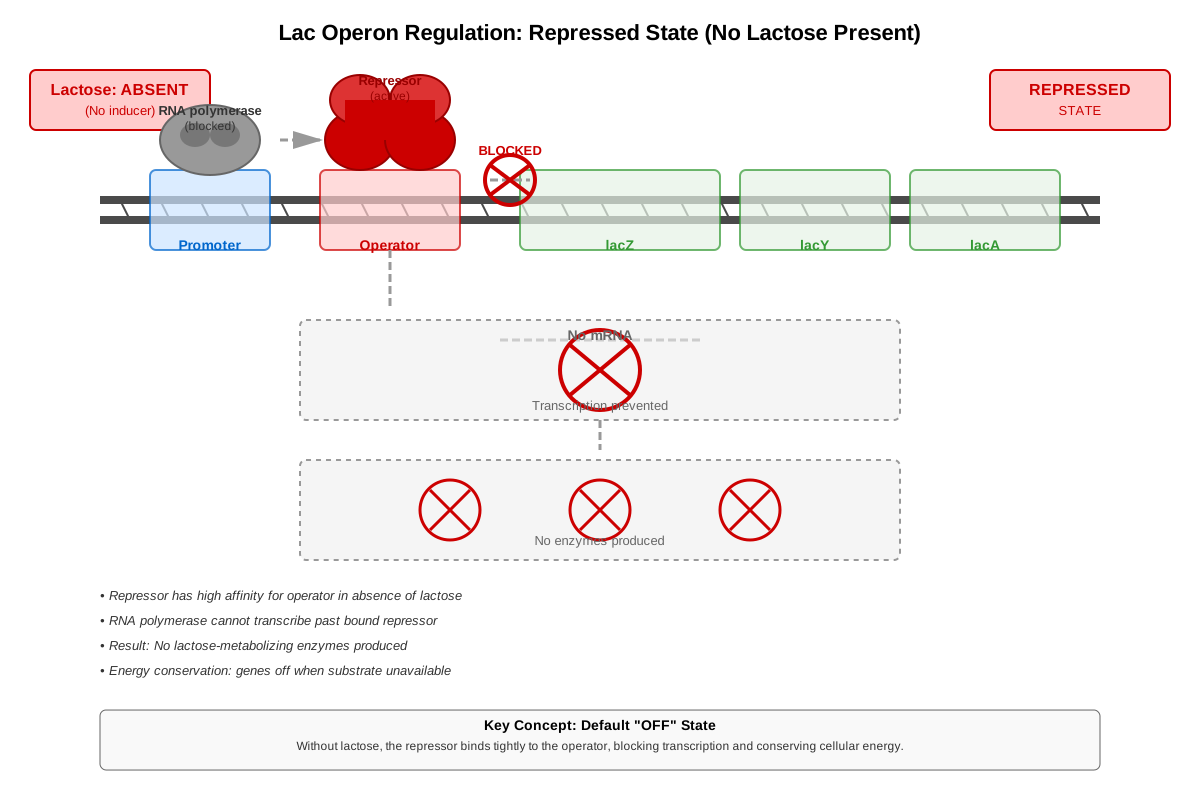
Negative regulation of the Lac operon occurs through the lac repressor protein, which acts as a molecular switch that defaults to the "off" position. In the absence of lactose, the repressor protein binds tightly to the operator sequence, physically blocking RNA polymerase from transcribing the structural genes. This prevents wasteful production of lactose-metabolizing enzymes when the substrate is unavailable.
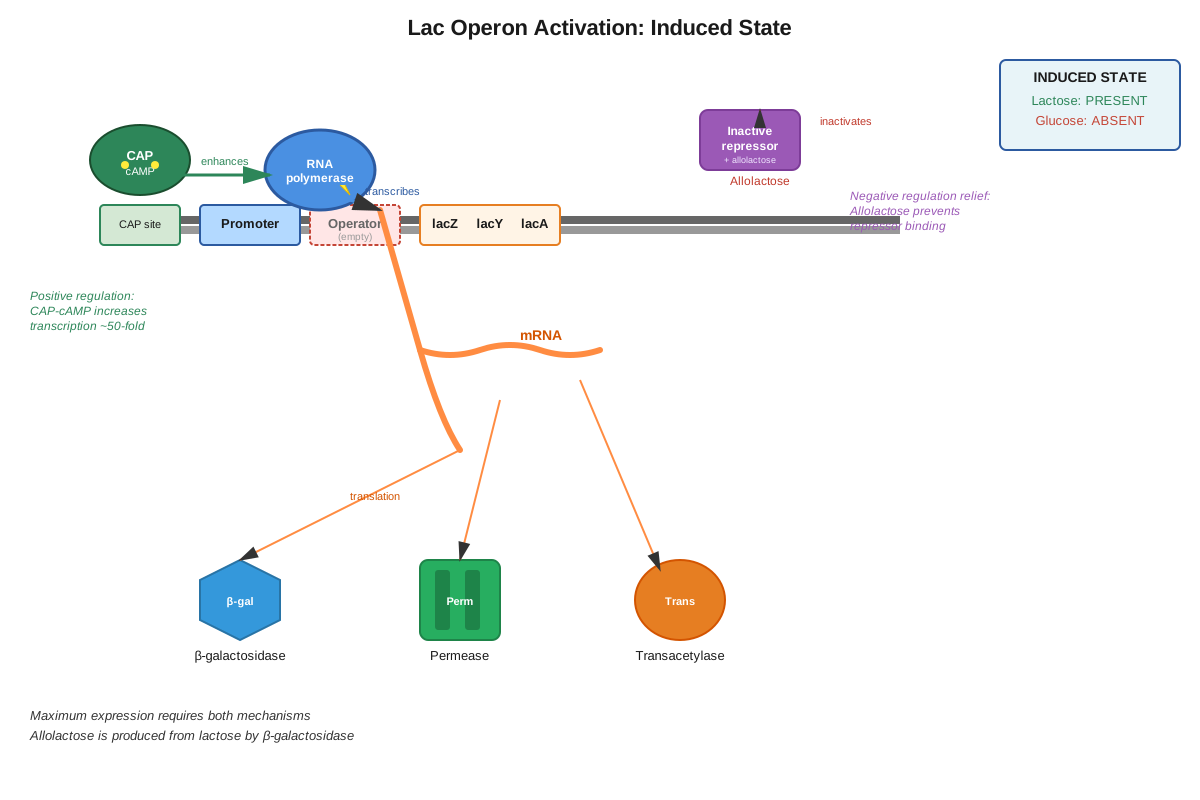
When lactose becomes available in the environment, a small amount enters the cell and is converted to allolactose, the true inducer of the operon. Allolactose binds to the repressor protein, causing a conformational change that reduces the repressor's affinity for the operator. The repressor releases from the DNA, allowing RNA polymerase to proceed with transcription. This mechanism is called induction, and the Lac operon is therefore an inducible operon (as opposed to repressible operons like the trp operon).
The system demonstrates negative control because the regulatory protein (repressor) inhibits transcription when active. The inducer (allolactose) inactivates the repressor, thereby relieving inhibition rather than directly activating transcription. This double-negative logic—removing an inhibitor—is a key concept that students must grasp to correctly predict operon behavior.
Positive Regulation: CAP-cAMP System
While the repressor system determines whether the operon can be transcribed, the CAP-cAMP system determines whether it will be transcribed efficiently. This represents positive regulation because it involves an activator protein that enhances transcription. The catabolite activator protein (CAP, also called CRP for cAMP receptor protein) binds to DNA only when complexed with cyclic AMP (cAMP), a small molecule that serves as a cellular signal of glucose scarcity.
When glucose levels are low, the enzyme adenylyl cyclase produces cAMP from ATP. The cAMP-CAP complex binds to the CAP site near the promoter, physically interacting with RNA polymerase to enhance its binding and activity at the promoter. This increases the transcription rate of the Lac operon by approximately 50-fold compared to conditions where the repressor is absent but CAP-cAMP is not bound.
Conversely, when glucose is abundant, cAMP levels drop dramatically because glucose inhibits adenylyl cyclase. Without sufficient cAMP, CAP cannot bind to the DNA, and even if lactose is present (and the repressor is inactive), transcription occurs at only basal levels. This phenomenon is called catabolite repression or glucose effect, reflecting the cell's preference for glucose over lactose as a carbon source.
Integration of Regulatory Signals
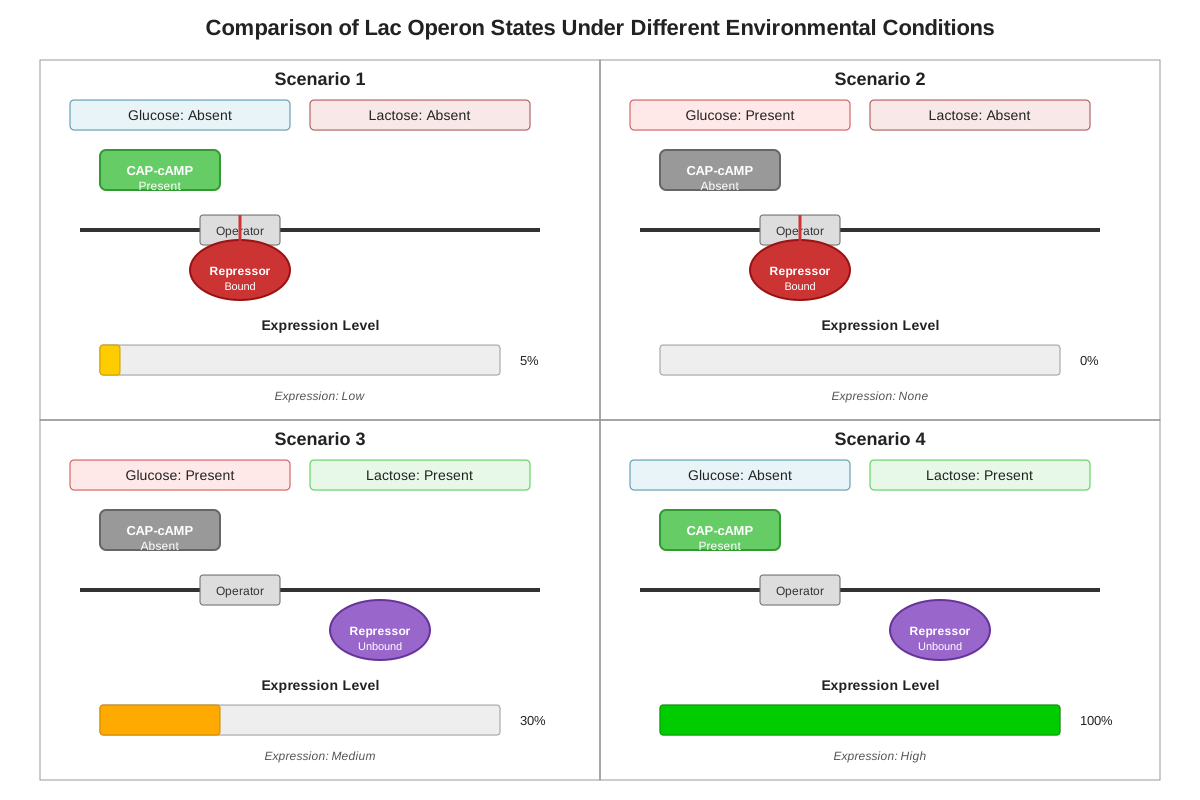
The Lac operon integrates two environmental signals—glucose availability and lactose presence—to produce four distinct regulatory states:
| Glucose | Lactose | cAMP Level | Repressor Status | CAP-cAMP Binding | Transcription Level |
|---|---|---|---|---|---|
| High | Absent | Low | Bound to operator | No | None (repressed) |
| High | Present | Low | Not bound | No | Low (basal) |
| Low | Absent | High | Bound to operator | Yes (but blocked) | None (repressed) |
| Low | Present | High | Not bound | Yes | High (induced) |
This table reveals the hierarchical logic: the repressor provides an absolute veto (no transcription if lactose is absent), while CAP-cAMP modulates the magnitude of transcription when lactose is present. Maximum expression requires both lactose presence (to inactivate the repressor) and glucose absence (to activate CAP-cAMP). This ensures that bacteria preferentially consume glucose before investing resources in lactose metabolism machinery.
Molecular Mechanisms and Protein-DNA Interactions
At the molecular level, the lac repressor functions as a tetramer (four subunits) that can simultaneously bind to the primary operator and auxiliary operators, creating a DNA loop that further stabilizes repression. Each repressor monomer contains a DNA-binding domain with a helix-turn-helix motif that recognizes specific DNA sequences in the operator. When allolactose binds to the repressor's allosteric site, it induces a conformational change that disrupts the DNA-binding domain's interaction with the operator.
The CAP-cAMP complex also uses a helix-turn-helix motif to bind DNA, but its mechanism differs fundamentally. Rather than blocking RNA polymerase, CAP-cAMP makes direct protein-protein contacts with RNA polymerase, stabilizing its binding to the promoter and facilitating the transition from closed to open complex formation. This physical recruitment mechanism exemplifies how transcriptional activators function at the molecular level.
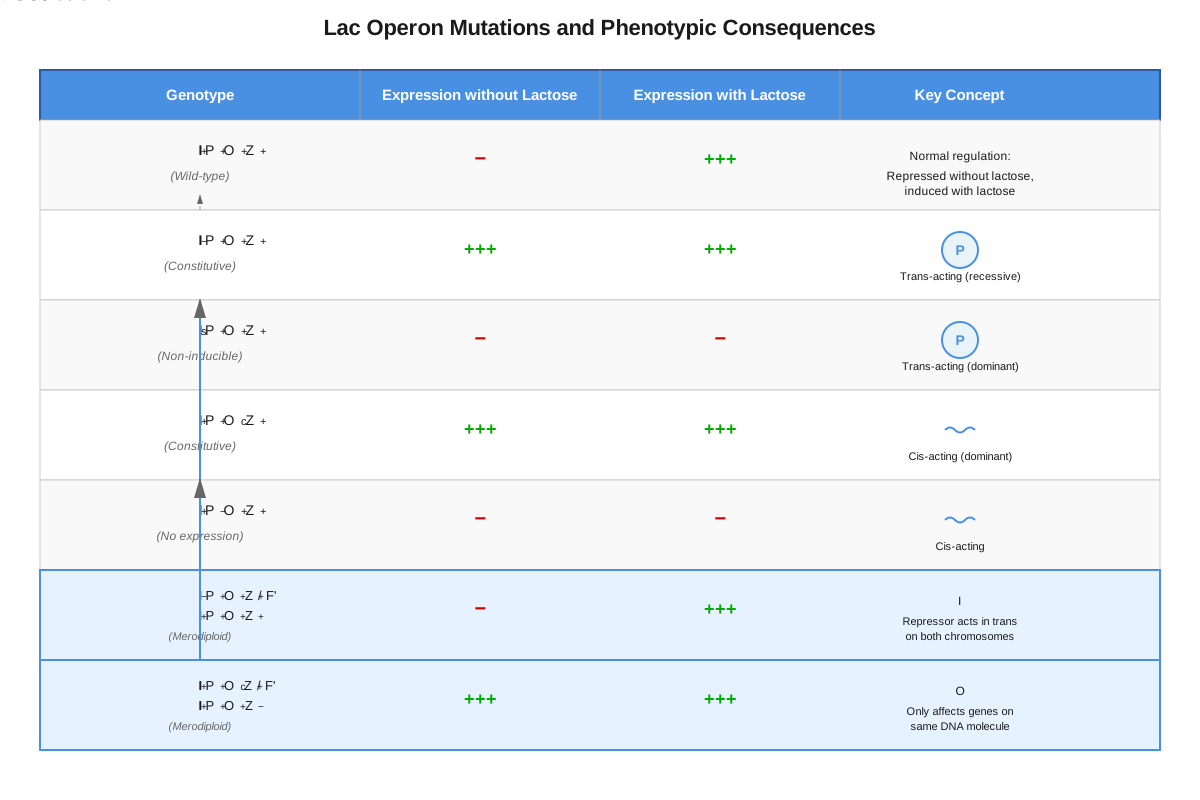
Mutations and Their Phenotypic Consequences
Understanding Lac operon mutations is crucial for MCAT success, as exam questions frequently present mutant scenarios. Key mutation types include:
- Operator mutations (O^c): Constitutive mutations in the operator prevent repressor binding, causing continuous transcription regardless of lactose presence. These are cis-acting (affect only genes on the same DNA molecule).
- Repressor mutations (I^-): Loss-of-function mutations in lacI eliminate functional repressor, resulting in constitutive expression. These are trans-acting (affect genes on any DNA molecule in the cell).
- Super-repressor mutations (I^s): Mutations that prevent allolactose binding create a repressor that cannot be inactivated, causing permanent repression even when lactose is present.
- Promoter mutations (P^-): Mutations that reduce RNA polymerase binding decrease transcription under all conditions.
- CAP binding site mutations: Mutations preventing CAP-cAMP binding eliminate positive regulation, reducing maximum expression levels.
In diploid scenarios (partial diploids or merodiploids created by F' plasmids), understanding cis versus trans effects becomes essential for predicting phenotypes. A cell with genotype I^+ O^c Z^+ / I^+ O^+ Z^- will constitutively express β-galactosidase from the O^c chromosome because operator mutations only affect adjacent genes, while the normal repressor from either chromosome cannot bind to the mutant operator.
Concept Relationships
The Lac operon concepts form an integrated regulatory network where each component influences the others. The structural genes (lacZ, lacY, lacA) represent the output of the system, producing enzymes only when regulatory conditions permit. The repressor protein acts as the primary gate, with its DNA-binding activity controlled by allolactose (the inducer), which itself is produced by basal levels of β-galactosidase. This creates a positive feedback loop: small amounts of lactose metabolism produce inducer, which increases enzyme production, which increases lactose metabolism.
The CAP-cAMP system operates in parallel, modulating transcription intensity based on glucose availability. The relationship between glucose and cAMP is inverse: high glucose → low cAMP → no CAP-cAMP binding → reduced transcription. This connects the Lac operon to broader cellular metabolism, as glucose levels reflect the cell's overall energy status and carbon source availability.
These concepts connect to prerequisite knowledge of transcription (RNA polymerase function, promoter recognition) and protein-DNA interactions (how regulatory proteins recognize specific sequences). They also link forward to more advanced topics including eukaryotic gene regulation (transcription factors, enhancers), signal transduction (second messengers like cAMP), and metabolic regulation (feedback inhibition, allosteric regulation).
The conceptual flow can be mapped as: Environmental signals (glucose, lactose) → Molecular signals (cAMP, allolactose) → Regulatory proteins (CAP-cAMP, repressor) → DNA-protein interactions (binding/release at operator and CAP site) → Transcriptional output (mRNA levels) → Protein production (enzyme levels) → Metabolic capacity (lactose utilization).
Quick check — test yourself on Lac operon so far.
Try Flashcards →High-Yield Facts
⭐ The Lac operon is an inducible operon that is normally "off" and turned "on" by the presence of lactose (via allolactose)
⭐ Maximum transcription requires both lactose presence (to inactivate repressor) AND glucose absence (to activate CAP-cAMP)
⭐ The lac repressor binds to the operator to block transcription; allolactose binding causes repressor release
⭐ Catabolite repression (glucose effect) occurs because glucose lowers cAMP levels, preventing CAP-cAMP formation and reducing transcription even when lactose is present
⭐ Operator mutations (O^c) are cis-acting and cause constitutive expression only of genes on the same DNA molecule
- Repressor mutations (I^-) are trans-acting and affect all copies of the operon in the cell
- The true inducer is allolactose, not lactose itself; allolactose is produced by basal β-galactosidase activity
- CAP-cAMP binding increases transcription approximately 50-fold by enhancing RNA polymerase binding to the promoter
- The three structural genes (lacZ, lacY, lacA) are transcribed as a single polycistronic mRNA
- Super-repressor mutations (I^s) cannot bind allolactose and cause permanent repression regardless of lactose presence
Common Misconceptions
Misconception: Lactose directly binds to and inactivates the repressor.
Correction: Allolactose, a metabolite of lactose produced by basal β-galactosidase activity, is the actual inducer that binds the repressor. Lactose must first be converted to allolactose inside the cell.
Misconception: When glucose is present with lactose, the operon is completely turned off.
Correction: When both sugars are present, the repressor is inactive (due to allolactose), but transcription occurs at low basal levels because CAP-cAMP cannot form. The operon is not repressed but is not maximally activated either—this represents an intermediate state.
Misconception: CAP-cAMP is required for any transcription to occur.
Correction: CAP-cAMP enhances transcription but is not absolutely required. Without CAP-cAMP, transcription can still occur at approximately 2% of maximum levels if the repressor is inactive. CAP-cAMP is a positive regulator that amplifies transcription, not an essential on/off switch.
Misconception: All mutations in the repressor gene cause constitutive expression.
Correction: While loss-of-function repressor mutations (I^-) cause constitutive expression, super-repressor mutations (I^s) cause permanent repression. The phenotype depends on which domain of the repressor is affected—DNA-binding domain mutations prevent repression, while inducer-binding domain mutations prevent induction.
Misconception: The lacI gene is part of the Lac operon.
Correction: The lacI gene is located upstream of the operon and has its own promoter. It is transcribed independently and constitutively produces repressor protein. Only lacZ, lacY, and lacA are part of the operon itself and are transcribed together from the lac promoter.
Misconception: In a merodiploid, having one normal copy of lacI is insufficient to repress a mutant operator.
Correction: This confuses cis and trans effects. A normal lacI gene produces repressor that can act on any operator in the cell (trans-acting), so one functional copy can repress normal operators. However, it cannot repress a mutant operator (O^c) because the mutation prevents repressor binding (cis-acting defect).
Worked Examples
Example 1: Predicting Expression in a Merodiploid
Question: An E. coli strain has the genotype I^+ O^c Z^- Y^+ / I^- O^+ Z^+ Y^-. Predict the expression of β-galactosidase (Z gene product) and permease (Y gene product) in the presence and absence of lactose.
Solution:
Step 1: Analyze each chromosome separately.
- First chromosome: I^+ O^c Z^- Y^+
- Has functional repressor gene (I^+) but this acts in trans
- Has constitutive operator (O^c) that cannot bind repressor
- Has non-functional β-galactosidase gene (Z^-)
- Has functional permease gene (Y^+)
- Second chromosome: I^- O^+ Z^+ Y^-
- Has non-functional repressor gene (I^-)
- Has normal operator (O^+)
- Has functional β-galactosidase gene (Z^+)
- Has non-functional permease gene (Y^-)
Step 2: Determine which repressor is present in the cell.
The first chromosome produces functional repressor (I^+), which will be present throughout the cell and can act on any normal operator in trans.
Step 3: Analyze β-galactosidase expression (Z gene).
The functional Z^+ gene is on the second chromosome with a normal operator (O^+). The repressor from the first chromosome can bind to this O^+ operator. Therefore:
- Without lactose: Repressor binds O^+, blocking Z^+ transcription → no β-galactosidase
- With lactose: Allolactose inactivates repressor, allowing Z^+ transcription → β-galactosidase produced
Step 4: Analyze permease expression (Y gene).
The functional Y^+ gene is on the first chromosome with a constitutive operator (O^c). Even though functional repressor is present, it cannot bind to O^c. Therefore:
- Without lactose: O^c cannot bind repressor → Y^+ is transcribed → permease produced (constitutive)
- With lactose: O^c still cannot bind repressor → Y^+ is transcribed → permease produced (constitutive)
Answer: β-galactosidase is inducible (produced only with lactose), while permease is constitutive (produced regardless of lactose presence).
Key Concept: This example demonstrates the critical distinction between cis-acting elements (operators affect only adjacent genes) and trans-acting factors (repressors affect all operators in the cell).
Example 2: Interpreting Experimental Data
Question: Researchers measure β-galactosidase activity in wild-type E. coli under four conditions:
| Condition | Glucose | Lactose | β-galactosidase Activity (units) |
|---|---|---|---|
| A | + | - | 1 |
| B | + | + | 10 |
| C | - | - | 1 |
| D | - | + | 1000 |
Explain the molecular basis for the activity levels in each condition.
Solution:
Condition A (Glucose present, lactose absent):
- Lactose absence means repressor remains bound to operator → transcription blocked
- Activity level of 1 represents background/basal activity from rare transcription events
- Molecular state: Repressor bound to operator, no CAP-cAMP binding (low cAMP due to glucose)
Condition B (Glucose present, lactose present):
- Lactose presence (as allolactose) inactivates repressor → transcription can occur
- However, glucose presence keeps cAMP low → CAP-cAMP cannot form → no positive regulation
- Activity of 10 represents transcription without CAP-cAMP enhancement (basal induced level)
- This is approximately 1% of maximum, demonstrating catabolite repression
- Molecular state: Repressor inactive, no CAP-cAMP binding
Condition C (Glucose absent, lactose absent):
- Lactose absence means repressor remains bound → transcription blocked
- Even though cAMP is high and CAP-cAMP could bind, the repressor provides absolute block
- Activity remains at background level of 1
- Molecular state: Repressor bound to operator, CAP-cAMP bound but transcription still blocked
Condition D (Glucose absent, lactose present):
- Lactose presence inactivates repressor → transcription can occur
- Glucose absence allows high cAMP → CAP-cAMP forms and binds → strong positive regulation
- Activity of 1000 represents maximum transcription (100-fold higher than condition B)
- This demonstrates that both conditions must be met for maximum expression
- Molecular state: Repressor inactive, CAP-cAMP bound and activating transcription
Key Insight: The 100-fold difference between conditions B and D (both with lactose) demonstrates the powerful effect of catabolite repression. The operon is "on" in both cases (repressor inactive), but CAP-cAMP determines whether transcription is minimal or maximal. This hierarchical regulation ensures glucose is consumed preferentially.
Exam Strategy
When approaching Lac operon questions on the MCAT, begin by identifying which regulatory state is being tested. Look for explicit mentions of glucose and lactose conditions, as these immediately determine the expected expression level. Create a mental or written 2×2 table of the four possible conditions to organize your thinking.
Trigger words to watch for include:
- "Constitutive" → suggests operator or repressor mutations
- "Inducible" → confirms normal regulation
- "Catabolite repression" or "glucose effect" → focuses on CAP-cAMP system
- "Merodiploid" or "partial diploid" → requires cis/trans analysis
- "Basal level" → refers to low transcription without CAP-cAMP
- "Allolactose" → the actual inducer, not lactose itself
For mutation questions, immediately classify whether the mutation is cis-acting (affects only adjacent genes: operator, promoter) or trans-acting (affects all copies: repressor, CAP). In merodiploid problems, analyze each chromosome separately first, then determine which regulatory proteins are present in the cell, and finally predict expression of each gene individually.
Process of elimination strategies:
- Eliminate answers suggesting transcription when lactose is absent (unless mutation prevents repressor function)
- Eliminate answers suggesting maximum transcription when glucose is present (catabolite repression always reduces expression)
- For mutation questions, eliminate answers that violate cis/trans logic
- If a question asks about "induction," eliminate answers involving repressible operons or constitutive expression
Time allocation: Spend 30-45 seconds identifying the regulatory state and conditions, then 30-45 seconds applying the logic to answer the specific question. For complex merodiploid problems, allocate up to 90 seconds to work through the genetics systematically. Don't rush—these questions reward careful, systematic analysis over quick intuition.
When passages present novel regulatory systems, identify which components correspond to the Lac operon elements (repressor, operator, inducer, activator) and apply the same logical framework. The MCAT frequently tests your ability to transfer Lac operon principles to unfamiliar contexts.
Memory Techniques
Mnemonic for maximum expression conditions: "Low Glucose, Lactose Present = Lots of Gene Products" (LGLP = LGGP)
Mnemonic for the three structural genes: "Zebras Yell Aloud" for lacZ, lacY, lacA, representing β-galactosidase, permease (Y for "Yank in lactose"), and transacetylase.
Visualization strategy: Picture the operator as a physical gate across a road (the DNA), with the repressor as a guard blocking the gate. RNA polymerase is a truck that needs to pass through. When lactose (allolactose) arrives, it's like showing the guard a pass—the guard steps aside. CAP-cAMP is like a traffic controller who waves the truck through faster, but can't help if the guard is blocking the gate.
Acronym for regulatory states: "GRIN" for the four conditions:
- Glucose only → Repressed
- Glucose + lactose → Reduced (basal)
- No glucose, no lactose → No transcription (repressed)
- No glucose + lactose → Induced (maximum)
Memory aid for cis vs. trans: "CIS = Can't Influence Separate DNA" (cis-acting elements only affect genes on the same molecule). "TRANS = Travels Round All Nucleic acid Strands" (trans-acting factors diffuse and affect all DNA).
Conceptual anchor: Remember that the Lac operon is like a "smart factory" that only produces lactose-processing machinery when (1) the raw material (lactose) is available AND (2) a better alternative (glucose) is not available. This economic logic helps predict behavior in any scenario.
Summary
The Lac operon exemplifies prokaryotic gene regulation through coordinated control of three structural genes (lacZ, lacY, lacA) that encode lactose metabolism enzymes. This inducible operon integrates two environmental signals through distinct mechanisms: negative regulation via the lac repressor (which blocks transcription unless inactivated by allolactose) and positive regulation via the CAP-cAMP complex (which enhances transcription when glucose is scarce). Maximum expression requires both lactose presence and glucose absence, reflecting the cell's preferential use of glucose through catabolite repression. Understanding the molecular interactions between regulatory proteins and DNA, the distinction between cis- and trans-acting elements, and the phenotypic consequences of various mutations enables students to predict operon behavior under any conditions and apply these principles to novel regulatory systems on the MCAT.
Key Takeaways
- The Lac operon is an inducible system with default "off" state, activated by lactose (allolactose) and maximally expressed only when glucose is absent
- Negative regulation by the repressor provides on/off control, while positive regulation by CAP-cAMP modulates transcription intensity
- Catabolite repression ensures glucose is consumed preferentially by reducing cAMP levels, preventing CAP-cAMP formation even when lactose is present
- Operator mutations (O^c) are cis-acting and affect only adjacent genes, while repressor mutations (I^-) are trans-acting and affect all operons in the cell
- The four regulatory states (presence/absence of glucose and lactose) produce distinct expression levels: none, basal, low, and maximum
- Understanding protein-DNA interactions and allosteric regulation of the repressor is essential for predicting operon behavior
- Merodiploid analysis requires systematic evaluation of each chromosome and careful application of cis/trans logic
Related Topics
Trp operon: A repressible operon that contrasts with the inducible Lac operon, demonstrating how cells regulate biosynthetic versus catabolic pathways differently. Mastering the Lac operon provides the foundation for understanding repressible systems.
Eukaryotic gene regulation: While prokaryotic operons provide the foundational concepts, eukaryotic regulation involves additional complexity including chromatin remodeling, transcription factors, and enhancers. The Lac operon principles of activators and repressors extend to these more complex systems.
Allosteric regulation: The conformational changes in the lac repressor upon allolactose binding exemplify allosteric regulation, a principle that applies broadly to enzymes and regulatory proteins throughout metabolism.
Signal transduction: The cAMP second messenger system in the Lac operon connects to broader signal transduction pathways, including G-protein coupled receptors and hormonal signaling in eukaryotes.
Bacterial genetics and conjugation: Understanding how merodiploids are created through F' plasmid transfer connects Lac operon genetics to bacterial reproduction and horizontal gene transfer.
Practice CTA
Now that you've mastered the conceptual framework of the Lac operon, it's time to solidify your understanding through active practice. Attempt the practice questions and flashcards associated with this topic, focusing on applying the regulatory logic to novel scenarios rather than simply recalling facts. Challenge yourself with merodiploid genetics problems and experimental interpretation questions—these mirror the MCAT's emphasis on application over memorization. Each practice question you work through strengthens your ability to think systematically about gene regulation, a skill that will serve you throughout the Molecular Biology and Genetics section and beyond. You've built the foundation; now construct mastery through deliberate practice!
Sign up free to keep reading
Create a free AnvayaPrep account to finish this MCAT guide on Lac operon — plus flashcards and practice questions.