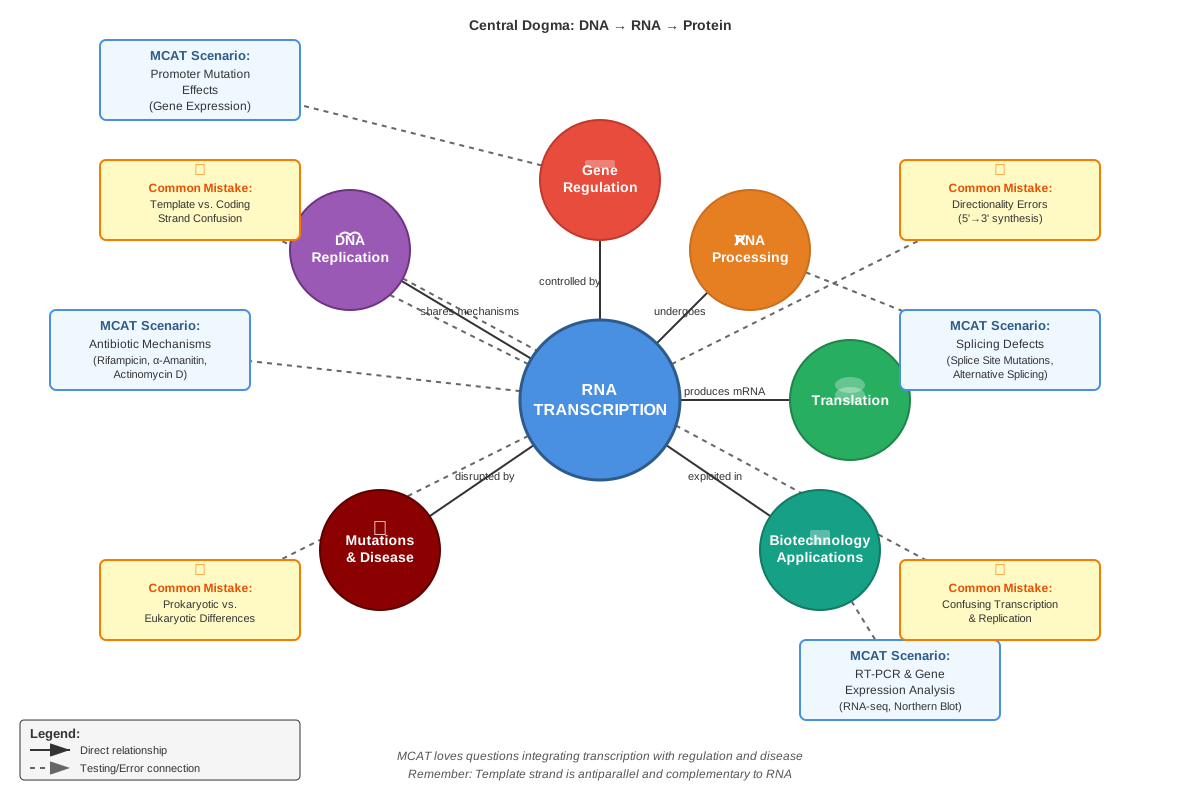
Overview
RNA transcription biochemistry is a fundamental molecular process that serves as the critical first step in gene expression, converting the genetic information stored in DNA into functional RNA molecules. This process involves the enzyme RNA polymerase reading a DNA template strand and synthesizing a complementary RNA strand, which can then serve various cellular functions—from coding for proteins (mRNA) to catalyzing reactions (ribozymes) to regulating gene expression (regulatory RNAs). Understanding transcription at the biochemical level requires mastery of enzyme kinetics, nucleotide chemistry, protein-DNA interactions, and the regulatory mechanisms that control when and how genes are expressed.
For the MCAT, RNA transcription biochemistry represents a high-yield topic that bridges multiple disciplines tested on the exam. Questions frequently integrate transcription concepts with molecular biology, genetics, cell biology, and even organic chemistry principles. The MCAT expects students to understand not just the basic steps of transcription, but also the regulatory mechanisms, the differences between prokaryotic and eukaryotic transcription, and how mutations or drugs can affect this process. This topic appears in both passage-based and discrete questions, often requiring students to interpret experimental data, predict outcomes of genetic manipulations, or explain disease mechanisms at the molecular level.
Within the broader context of Biochemistry and Nucleic Acids and Biotechnology, transcription serves as the essential link between the static information repository (DNA) and the dynamic functional molecules (RNA and proteins) that execute cellular processes. Mastering transcription biochemistry provides the foundation for understanding translation, gene regulation, recombinant DNA technology, and numerous biotechnology applications tested on the MCAT. This topic directly connects to protein synthesis, enzyme function, cellular signaling, and metabolic regulation—making it a central hub in the conceptual network of MCAT biochemistry.
Learning Objectives
- [ ] Define RNA transcription biochemistry using accurate Biochemistry terminology
- [ ] Explain why RNA transcription biochemistry matters for the MCAT
- [ ] Apply RNA transcription biochemistry to exam-style questions
- [ ] Identify common mistakes related to RNA transcription biochemistry
- [ ] Connect RNA transcription biochemistry to related Biochemistry concepts
- [ ] Compare and contrast prokaryotic and eukaryotic transcription mechanisms at the molecular level
- [ ] Analyze the role of transcription factors and regulatory elements in controlling gene expression
- [ ] Predict the effects of specific mutations in promoter regions or RNA polymerase on transcription efficiency
Prerequisites
- DNA structure and base-pairing rules: Understanding the antiparallel double helix structure and Watson-Crick base pairing is essential for comprehending how RNA polymerase reads the template strand and synthesizes complementary RNA
- Basic enzyme kinetics: Familiarity with enzyme-substrate interactions, catalytic mechanisms, and factors affecting enzyme activity helps explain RNA polymerase function and regulation
- Nucleotide structure: Knowledge of ribonucleotide triphosphates (ATP, GTP, CTP, UTP) and their chemical structure is necessary to understand the substrates and energy source for transcription
- Central Dogma of Molecular Biology: Awareness of the DNA → RNA → Protein information flow provides context for transcription's role in gene expression
- Protein structure: Understanding protein domains and DNA-binding motifs helps explain how transcription factors and RNA polymerase interact with DNA
Why This Topic Matters
RNA transcription biochemistry has profound clinical and real-world significance. Many diseases result from transcriptional dysregulation, including cancers where oncogenes are overexpressed or tumor suppressors are silenced. Antibiotics like rifampin target bacterial RNA polymerase, exploiting differences between prokaryotic and eukaryotic transcription machinery. Mushroom poisoning by α-amanitin, which inhibits eukaryotic RNA polymerase II, demonstrates the lethal consequences of blocking transcription. Understanding transcription is also essential for comprehending modern therapeutics, including antisense oligonucleotides, RNA interference technologies, and CRISPR-based gene editing approaches that modify transcriptional output.
On the MCAT, transcription-related questions appear with high frequency across multiple sections. The Biological and Biochemical Foundations section regularly features passages describing experimental manipulations of transcription, requiring students to interpret data from reporter gene assays, Northern blots, or RT-PCR experiments. Questions may present mutations in promoter regions and ask students to predict effects on gene expression, or describe drugs that inhibit transcription and ask about downstream consequences. The exam particularly favors questions that integrate transcription with regulation, requiring understanding of how transcription factors, enhancers, silencers, and epigenetic modifications control gene expression.
Common MCAT passage types include: experimental passages describing transcription factor binding studies using electrophoretic mobility shift assays (EMSA); passages on bacterial operons requiring analysis of positive and negative regulation; passages presenting mutations in TATA boxes or other promoter elements; and passages describing the effects of histone modifications or DNA methylation on transcription. Discrete questions often test the differences between prokaryotic and eukaryotic transcription, the directionality of RNA synthesis, or the specific functions of different RNA polymerases.
Core Concepts
The Transcription Process: Overview and Directionality
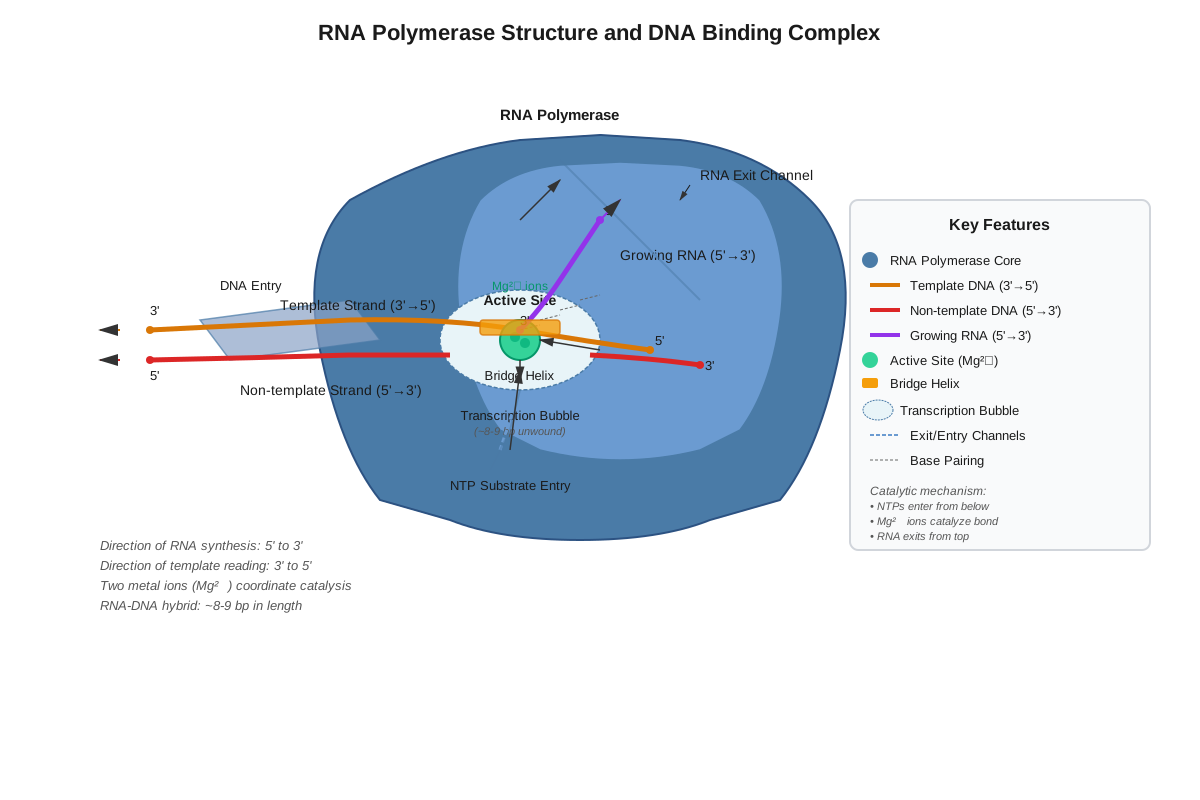
Transcription is the enzymatic synthesis of RNA from a DNA template, catalyzed by RNA polymerase. This process occurs in the 5' to 3' direction, meaning new ribonucleotides are added to the 3'-OH group of the growing RNA chain. The enzyme reads the DNA template strand in the 3' to 5' direction, synthesizing an RNA molecule complementary and antiparallel to the template. The DNA strand with the same sequence as the RNA product (except T instead of U) is called the coding strand or non-template strand, while the strand actually read by RNA polymerase is the template strand or antisense strand.
The biochemical mechanism involves RNA polymerase catalyzing a nucleophilic attack by the 3'-OH of the growing RNA chain on the α-phosphate of an incoming ribonucleoside triphosphate (NTP). This reaction releases pyrophosphate (PPi), which is subsequently hydrolyzed by pyrophosphatase, making the reaction essentially irreversible and providing thermodynamic favorability. The energy for forming the phosphodiester bond comes from breaking the high-energy phosphate bonds in the NTP substrate, not from ATP hydrolysis as a separate step.
Three Stages of Transcription
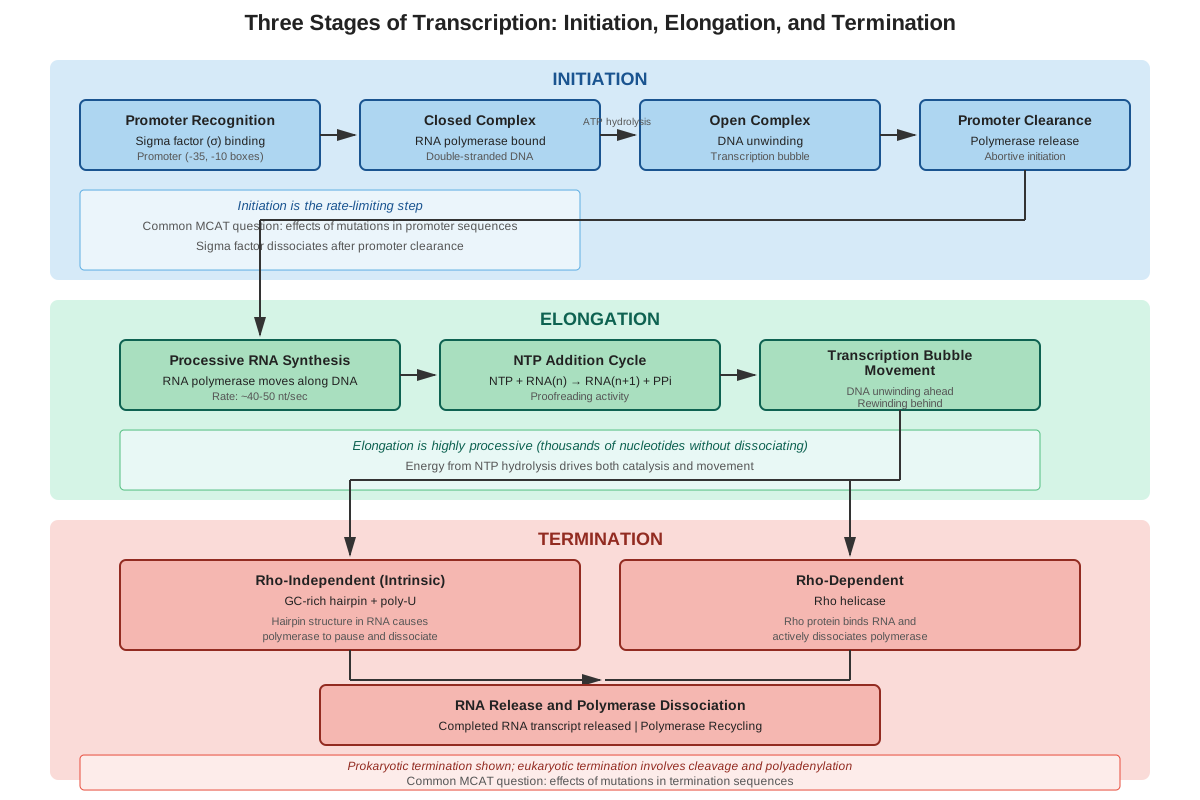
Transcription proceeds through three distinct biochemical stages: initiation, elongation, and termination. Each stage involves specific molecular interactions and regulatory checkpoints.
Initiation begins when RNA polymerase recognizes and binds to a promoter region on DNA. In prokaryotes, the promoter contains conserved sequences at approximately -10 (Pribnow box, consensus sequence TATAAT) and -35 positions relative to the transcription start site (+1). The sigma (σ) factor subunit of bacterial RNA polymerase recognizes these sequences, facilitating holoenzyme binding. Once bound, RNA polymerase causes local DNA melting, creating a transcription bubble of approximately 17 base pairs where the DNA strands separate. The enzyme then begins synthesizing RNA without requiring a primer, distinguishing it from DNA polymerase.
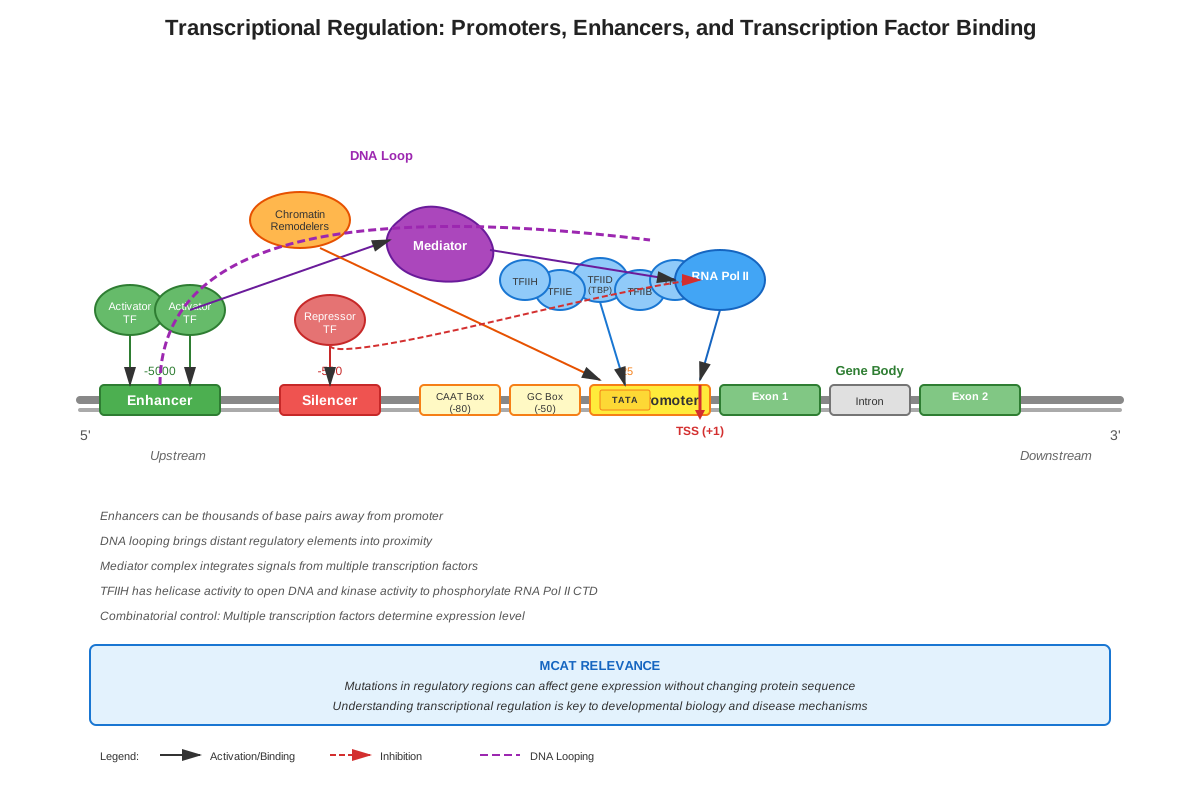
In eukaryotes, initiation is more complex. RNA polymerase II (which transcribes mRNA) requires multiple general transcription factors (GTFs) including TFIID, TFIIB, TFIIE, TFIIF, and TFIIH. TFIID contains the TATA-binding protein (TBP), which recognizes the TATA box (consensus sequence TATAAA) located approximately 25-30 base pairs upstream of the start site. These factors assemble sequentially at the promoter, forming the pre-initiation complex (PIC). TFIIH possesses helicase activity that unwinds DNA and kinase activity that phosphorylates the C-terminal domain (CTD) of RNA polymerase II, triggering promoter clearance and transition to elongation.
Elongation involves the processive addition of ribonucleotides to the growing RNA chain. RNA polymerase maintains the transcription bubble as it moves along DNA, continuously unwinding downstream DNA and rewinding upstream DNA. The enzyme achieves high processivity through multiple contacts with DNA and RNA, maintaining a stable elongation complex. In prokaryotes, the core enzyme (without sigma factor) performs elongation. In eukaryotes, elongation factors help RNA polymerase II navigate nucleosomes and maintain processivity through chromatin.
Termination occurs through different mechanisms in prokaryotes versus eukaryotes. In prokaryotes, two termination mechanisms exist: Rho-independent (intrinsic) termination and Rho-dependent termination. Rho-independent termination involves a GC-rich palindromic sequence followed by a poly-U tract in the DNA template. The transcribed RNA forms a stable hairpin structure due to complementary base pairing, followed by a string of uracils. This hairpin destabilizes the RNA-DNA hybrid in the transcription bubble, causing RNA polymerase to dissociate. Rho-dependent termination requires the Rho protein, a hexameric helicase that binds to the nascent RNA at a Rho utilization site (rut site) and uses ATP hydrolysis to translocate along the RNA, eventually catching up to RNA polymerase and causing dissociation.
Eukaryotic termination is coupled to RNA processing. For RNA polymerase II, transcription continues past the polyadenylation signal sequence (AAUAAA in the RNA). The nascent RNA is cleaved 10-30 nucleotides downstream of this signal, and a poly(A) tail is added. The remaining RNA still attached to RNA polymerase is degraded by exonucleases, leading to polymerase dissociation through mechanisms not fully understood but involving conformational changes in the elongation complex.
Prokaryotic vs. Eukaryotic Transcription
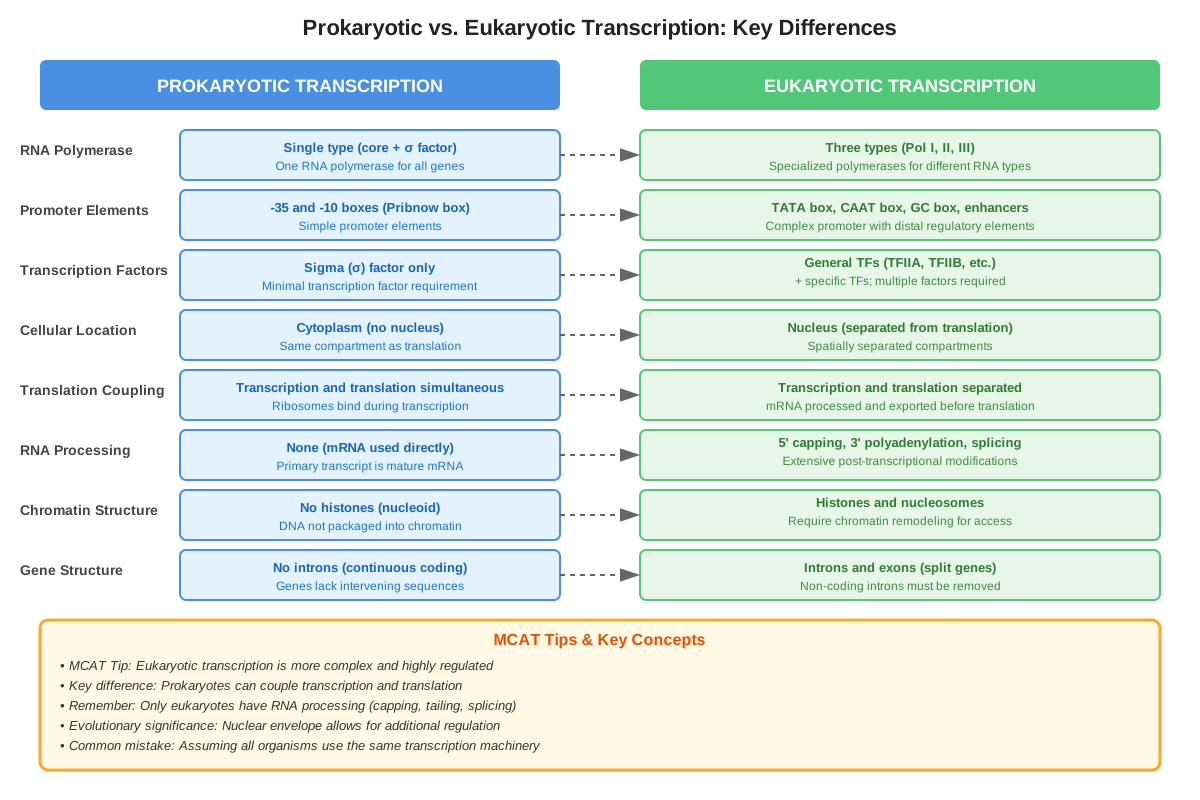
Understanding the differences between prokaryotic and eukaryotic transcription is essential for MCAT success, as comparative questions frequently appear on the exam.
| Feature | Prokaryotes | Eukaryotes |
|---|---|---|
| Location | Cytoplasm (no nucleus) | Nucleus (except mitochondria/chloroplasts) |
| RNA Polymerases | Single RNA polymerase for all genes | Three main polymerases: Pol I (rRNA), Pol II (mRNA), Pol III (tRNA, 5S rRNA) |
| Promoter Recognition | Sigma factor recognizes -10 and -35 boxes | General transcription factors; TATA box at -25 |
| Transcription Factors | Sigma factor only | Multiple GTFs required for initiation |
| RNA Processing | None; translation begins during transcription | 5' capping, 3' polyadenylation, splicing |
| Coupling | Transcription and translation coupled | Transcription and translation separated |
| Chromatin | DNA not packaged with histones | DNA packaged in nucleosomes; chromatin remodeling required |
| Regulation | Primarily at initiation; operons common | Multiple levels; enhancers, silencers, epigenetic modifications |
RNA Polymerase Structure and Function
Bacterial RNA polymerase holoenzyme consists of five core subunits (α₂ββ'ω) plus a sigma factor. The core enzyme possesses catalytic activity but cannot recognize promoters efficiently. The sigma factor (σ) provides promoter recognition specificity, and different sigma factors direct RNA polymerase to different sets of genes. For example, σ⁷⁰ recognizes housekeeping genes, while σ³² recognizes heat shock genes. After initiation, sigma dissociates, allowing the core enzyme to perform elongation.
Eukaryotic RNA polymerases are larger and more complex. RNA polymerase II, the most studied, contains 12 subunits and requires numerous accessory factors. Its C-terminal domain (CTD) consists of multiple heptapeptide repeats (YSPTSPS) that undergo phosphorylation during the transcription cycle. Unphosphorylated CTD is associated with initiation, while phosphorylated CTD is associated with elongation and serves as a binding platform for RNA processing factors, coupling transcription to mRNA processing.
Transcriptional Regulation
Gene expression is primarily controlled at the transcriptional level through multiple mechanisms. Transcription factors are proteins that bind to specific DNA sequences and modulate RNA polymerase activity. Activators enhance transcription by recruiting RNA polymerase or stabilizing its binding, while repressors inhibit transcription by blocking polymerase access or recruiting corepressors.
In prokaryotes, genes are often organized into operons—clusters of functionally related genes transcribed as a single mRNA. The lac operon exemplifies negative regulation: the lac repressor binds to the operator sequence, blocking transcription until lactose (or allolactose) binds the repressor, causing a conformational change that releases it from DNA. The trp operon demonstrates repressible negative regulation: the trp repressor only binds DNA when complexed with tryptophan (the corepressor), shutting down transcription when tryptophan is abundant. Positive regulation occurs through catabolite activator protein (CAP), which binds DNA when complexed with cAMP, enhancing transcription of genes involved in alternative sugar metabolism when glucose is scarce.
Eukaryotic regulation is more complex, involving cis-regulatory elements (DNA sequences) and trans-acting factors (proteins). Enhancers are DNA sequences that increase transcription and can function at great distances from the promoter, in either orientation. Silencers decrease transcription. These elements work through DNA looping, bringing bound transcription factors into proximity with the promoter. Mediator complex serves as a bridge between transcription factors bound at enhancers and RNA polymerase II at the promoter.
Epigenetic modifications also regulate transcription. DNA methylation at cytosine residues (particularly in CpG islands) generally represses transcription by recruiting methyl-binding proteins that compact chromatin. Histone modifications including acetylation, methylation, phosphorylation, and ubiquitination affect chromatin structure and transcription factor access. Histone acetylation by histone acetyltransferases (HATs) generally activates transcription by neutralizing positive charges on lysine residues, reducing histone-DNA interactions and opening chromatin. Histone deacetylases (HDACs) remove acetyl groups, promoting chromatin compaction and transcriptional repression.
RNA Processing in Eukaryotes
Unlike prokaryotic mRNA, which is used directly for translation, eukaryotic pre-mRNA undergoes extensive processing before becoming mature mRNA. These modifications occur co-transcriptionally, coupled to RNA polymerase II elongation.
5' capping occurs when the nascent RNA is only 20-30 nucleotides long. The 5' triphosphate is modified by adding a 7-methylguanosine cap through an unusual 5'-5' triphosphate linkage. This cap protects mRNA from degradation, facilitates ribosome binding during translation, and aids in mRNA export from the nucleus.
3' polyadenylation involves cleavage of the pre-mRNA 10-30 nucleotides downstream of the AAUAAA polyadenylation signal, followed by addition of approximately 200 adenine residues by poly(A) polymerase. The poly(A) tail enhances mRNA stability, facilitates translation, and aids nuclear export.
Splicing removes introns (intervening sequences) and joins exons (expressed sequences) to create the final mRNA. The spliceosome, a large ribonucleoprotein complex containing five small nuclear RNAs (snRNAs: U1, U2, U4, U5, U6) and numerous proteins, catalyzes splicing. The process involves two transesterification reactions: first, the 2'-OH of an adenine residue in the branch point sequence attacks the 5' splice site, creating a lariat structure; second, the free 3'-OH of the upstream exon attacks the 3' splice site, joining the exons and releasing the lariat intron.
Alternative splicing allows a single gene to produce multiple protein isoforms by including or excluding different exons. This mechanism greatly expands proteomic diversity and is a major source of protein variation in complex organisms.
Concept Relationships
The concepts within RNA transcription biochemistry form an interconnected network where each element depends on and influences others. The fundamental process begins with promoter recognition → which determines initiation efficiency → which controls RNA polymerase recruitment → leading to transcription bubble formation → enabling elongation → ultimately resulting in RNA synthesis → concluding with termination → producing the final RNA product.
Regulatory mechanisms overlay this basic process: transcription factors → bind to cis-regulatory elements (promoters, enhancers, silencers) → modulating RNA polymerase activity → thereby controlling gene expression levels. In eukaryotes, chromatin structure → influences transcription factor access → affecting transcription initiation, while epigenetic modifications (DNA methylation, histone modifications) → alter chromatin compaction → providing another layer of transcriptional control.
The coupling of transcription to RNA processing in eukaryotes creates additional relationships: RNA polymerase II CTD phosphorylation → recruits capping enzymes → leading to 5' cap addition, and similarly recruits splicing factors → enabling co-transcriptional splicing. The polyadenylation signal → triggers cleavage and polyadenylation → which couples to transcription termination.
Connections to prerequisite topics include: DNA structure provides the template and determines promoter sequences; enzyme kinetics explains RNA polymerase catalytic mechanism and processivity; nucleotide chemistry underlies the phosphodiester bond formation that builds the RNA chain; and protein structure determines how transcription factors recognize specific DNA sequences through DNA-binding domains.
Connections to related topics extend outward: transcription produces mRNA that undergoes translation to synthesize proteins; regulatory RNAs (miRNA, siRNA) produced by transcription control post-transcriptional gene regulation; understanding transcription is essential for recombinant DNA technology including reporter gene assays and gene cloning; and transcriptional dysregulation underlies many disease mechanisms tested on the MCAT.
Quick check — test yourself on RNA transcription biochemistry so far.
Try Flashcards →High-Yield Facts
⭐ RNA polymerase synthesizes RNA in the 5' to 3' direction by reading the DNA template strand in the 3' to 5' direction
⭐ Prokaryotes have one RNA polymerase for all genes; eukaryotes have three main RNA polymerases (I, II, III) with specialized functions
⭐ The sigma factor in prokaryotes provides promoter recognition; in eukaryotes, general transcription factors (GTFs) including TFIID with TBP perform this function
⭐ Eukaryotic mRNA undergoes processing (5' capping, 3' polyadenylation, splicing) while prokaryotic mRNA does not
⭐ Rho-independent termination in prokaryotes involves a GC-rich hairpin followed by poly-U tract; eukaryotic termination is coupled to polyadenylation
- The TATA box (TATAAA) in eukaryotes is located approximately 25-30 base pairs upstream of the transcription start site
- Transcription does not require a primer, unlike DNA replication, because RNA polymerase can initiate synthesis de novo
- The lac operon demonstrates negative inducible regulation, while the trp operon demonstrates negative repressible regulation
- Enhancers can function at great distances from promoters and in either orientation, working through DNA looping mechanisms
- Histone acetylation generally activates transcription by reducing positive charge and loosening chromatin structure
- Alternative splicing allows one gene to produce multiple protein isoforms, greatly expanding proteomic diversity
- Rifampin inhibits bacterial RNA polymerase, making it useful as an antibiotic; α-amanitin inhibits eukaryotic RNA polymerase II, causing toxicity
- The spliceosome catalyzes intron removal through two transesterification reactions, creating a lariat intermediate
- RNA polymerase II CTD phosphorylation couples transcription to RNA processing by recruiting capping, splicing, and polyadenylation factors
- Transcription and translation are coupled in prokaryotes (occurring simultaneously) but separated in eukaryotes (occurring in different compartments)
Common Misconceptions
Misconception: RNA polymerase requires a primer to begin transcription, just like DNA polymerase requires a primer for replication.
Correction: RNA polymerase can initiate RNA synthesis de novo without a primer. This is a fundamental difference between RNA polymerase and DNA polymerase. RNA polymerase positions two NTPs at the active site and catalyzes formation of the first phosphodiester bond, then continues elongation.
Misconception: The coding strand is the template strand that RNA polymerase reads.
Correction: The coding strand (also called the non-template or sense strand) has the same sequence as the RNA product (except T instead of U) and is NOT the template. RNA polymerase reads the template strand (also called antisense strand), which is complementary and antiparallel to both the coding strand and the RNA product.
Misconception: All three stages of transcription (initiation, elongation, termination) occur at the same rate and are equally regulated.
Correction: Initiation is typically the rate-limiting step and the primary point of regulation. Most transcriptional control occurs at initiation through promoter strength, transcription factor availability, and chromatin accessibility. Elongation and termination can also be regulated but are generally less important control points.
Misconception: Enhancers must be located upstream (5') of the promoter to function.
Correction: Enhancers can function when located upstream, downstream, or even within introns of the gene they regulate. They can be thousands of base pairs away from the promoter and function in either orientation. They work through DNA looping that brings bound transcription factors into proximity with the promoter.
Misconception: In the lac operon, lactose directly binds to the lac repressor to inactivate it.
Correction: Lactose is converted to allolactose by the basal level of β-galactosidase present even when the operon is repressed. Allolactose (not lactose itself) is the inducer that binds to the lac repressor, causing a conformational change that releases it from the operator. This is an important mechanistic detail that distinguishes substrate from inducer.
Misconception: Histone modifications always have the same effect regardless of which residue is modified or the type of modification.
Correction: Different histone modifications have different effects depending on the specific residue modified and the type of modification. For example, H3K4me3 (trimethylation of lysine 4 on histone H3) is associated with active transcription, while H3K9me3 (trimethylation of lysine 9) is associated with repression. Acetylation generally activates transcription, but the effects of methylation depend on the specific site.
Misconception: Splicing removes exons and keeps introns to make mature mRNA.
Correction: This is backwards. Splicing removes introns (intervening sequences that are not expressed) and joins exons (expressed sequences) to create mature mRNA. The introns are degraded after removal. A helpful mnemonic: "exons are expressed."
Misconception: Prokaryotic and eukaryotic RNA polymerases are completely different enzymes with no structural or functional similarities.
Correction: While there are important differences, prokaryotic and eukaryotic RNA polymerases share fundamental structural features and catalytic mechanisms. They are evolutionarily related, use the same basic chemistry for phosphodiester bond formation, and synthesize RNA in the same 5' to 3' direction. The main differences involve complexity (number of subunits), regulatory requirements, and associated factors.
Worked Examples
Example 1: Analyzing a Promoter Mutation
Question: A mutation in a bacterial gene changes the -10 box sequence from TATAAT to TAAAAT. Predict the effect on transcription and explain your reasoning.
Solution:
Step 1: Identify what the -10 box does.
The -10 box (Pribnow box) in prokaryotic promoters is recognized by the sigma factor of RNA polymerase. This sequence is critical for RNA polymerase binding and positioning at the correct transcription start site.
Step 2: Analyze the mutation.
The wild-type sequence TATAAT has been changed to TAAAAT. This represents a single base pair change (T→A at the second position). The mutant sequence deviates from the consensus sequence.
Step 3: Predict the functional consequence.
The sigma factor recognizes the -10 box through specific protein-DNA contacts. Deviation from the consensus sequence typically reduces binding affinity. The mutation changes the sequence to be less similar to the consensus, which would decrease sigma factor recognition and binding.
Step 4: Determine the effect on transcription.
Reduced RNA polymerase binding to the promoter would decrease the frequency of transcription initiation. This would result in decreased transcription of the gene, producing less mRNA and ultimately less protein product.
Answer: The mutation would decrease transcription efficiency. The altered -10 box sequence deviates from the consensus sequence recognized by the sigma factor, reducing RNA polymerase binding affinity for the promoter. This would result in fewer initiation events and decreased mRNA production from this gene.
Connection to learning objectives: This example applies RNA transcription biochemistry to an exam-style question by requiring analysis of how promoter sequence affects transcription initiation, demonstrating understanding of the molecular mechanism of promoter recognition.
Example 2: Interpreting an Experimental Result
Question: Researchers studying a eukaryotic gene perform the following experiment: They treat cells with α-amanitin, then measure mRNA levels for three different genes. Gene A (encodes 18S rRNA) shows no change, Gene B (encodes a protein) shows a 90% decrease, and Gene C (encodes tRNA) shows no change. Explain these results.
Solution:
Step 1: Recall what α-amanitin does.
α-amanitin is a toxin from death cap mushrooms that specifically inhibits eukaryotic RNA polymerase II. It does not significantly affect RNA polymerase I or RNA polymerase III at the concentrations typically used experimentally.
Step 2: Identify which RNA polymerase transcribes each gene.
- Gene A produces 18S rRNA, which is part of the large ribosomal RNA transcript produced by RNA polymerase I
- Gene B produces mRNA (protein-coding), which is transcribed by RNA polymerase II
- Gene C produces tRNA, which is transcribed by RNA polymerase III
Step 3: Predict the effect of α-amanitin on each gene.
- Gene A: No effect expected because RNA polymerase I is not inhibited by α-amanitin
- Gene B: Strong inhibition expected because RNA polymerase II is the primary target of α-amanitin
- Gene C: No effect expected because RNA polymerase III is not significantly inhibited by α-amanitin
Step 4: Compare predictions to results.
The experimental results match the predictions perfectly:
- Gene A: no change (RNA Pol I not affected)
- Gene B: 90% decrease (RNA Pol II strongly inhibited)
- Gene C: no change (RNA Pol III not affected)
Answer: The results demonstrate the specificity of α-amanitin for RNA polymerase II. Gene A (rRNA) is transcribed by RNA Pol I and Gene C (tRNA) is transcribed by RNA Pol III, neither of which is significantly inhibited by α-amanitin, explaining why their expression is unchanged. Gene B (mRNA) is transcribed by RNA Pol II, which is potently inhibited by α-amanitin, explaining the dramatic decrease in its expression. This experiment effectively distinguishes which RNA polymerase transcribes each gene type.
Connection to learning objectives: This example requires applying knowledge of RNA transcription biochemistry to interpret experimental data, connecting the specific functions of different RNA polymerases to the mechanism of action of an inhibitor—a common MCAT passage type.
Exam Strategy
When approaching MCAT questions on RNA transcription biochemistry, begin by identifying the key elements: Is the question about prokaryotes or eukaryotes? Which stage of transcription (initiation, elongation, termination)? Is regulation involved? These distinctions immediately narrow the relevant concepts.
Trigger words and phrases to watch for:
- "Promoter," "TATA box," "-10 box," "-35 box" → questions about initiation and promoter recognition
- "Sigma factor," "general transcription factors," "TFIID" → questions about transcription machinery differences
- "Enhancer," "silencer," "transcription factor" → questions about regulation
- "Hairpin," "Rho protein," "polyadenylation signal" → questions about termination mechanisms
- "Splicing," "intron," "exon," "spliceosome" → questions about RNA processing
- "RNA polymerase I, II, or III" → questions requiring knowledge of which polymerase transcribes which RNA type
- "Rifampin," "α-amanitin" → questions about transcription inhibitors
Process-of-elimination strategies:
- For prokaryote vs. eukaryote questions, eliminate answers that confuse features between the two systems (e.g., if the question is about bacteria, eliminate answers mentioning splicing or RNA polymerase II)
- For directionality questions, remember that RNA synthesis is ALWAYS 5' to 3', and the template is ALWAYS read 3' to 5'—eliminate any answer suggesting otherwise
- For regulation questions, distinguish between positive regulation (activators, enhancers) and negative regulation (repressors, silencers)—eliminate answers that reverse these relationships
- For RNA processing questions, remember the order: capping occurs first (co-transcriptionally), then splicing, then polyadenylation—eliminate answers with incorrect temporal sequences
Time allocation advice:
Transcription questions often appear in passages with experimental data. Allocate 1-2 minutes to understand the experimental setup, identifying what is being manipulated (promoter mutations, transcription factor knockouts, drug treatments) and what is being measured (mRNA levels, protein levels, reporter gene activity). Then spend 30-45 seconds per question, referring back to the passage as needed. For discrete questions, if you can't immediately recall the answer, use process of elimination based on the strategies above rather than spending excessive time trying to remember every detail.
When passages present mutations, always ask: Where is the mutation (promoter, coding sequence, splice site)? What is the likely molecular consequence (altered binding, changed sequence, disrupted structure)? What is the downstream effect (changed transcription rate, altered mRNA, different protein)? This systematic approach prevents confusion and helps organize your thinking under time pressure.
Memory Techniques
For the stages of transcription: Initiation, Elongation, Termination = "I Eat Tacos" (simple but effective for remembering the order)
For prokaryotic promoter elements: The -10 box is the "TATA" box (actually TATAAT), and it's TEN-tatively close to the start site. The -35 box is THIRTY-FIVE steps back (further away). Remember: "Ten TAT, Thirty-Five back"
For eukaryotic RNA polymerases and their products:
- RNA Pol I makes rRNA (both have vertical lines: I and r)
- RNA Pol II makes mRNA (II = two = m has two humps)
- RNA Pol III makes tRNA (III = three = t has three lines)
For distinguishing template vs. coding strand: The template strand is the "anti-sense" strand—think of "anti" as opposite, so it's opposite (complementary) to the RNA. The coding strand codes for the same sequence as the RNA (except T→U). Mnemonic: "Template = Anti = Complementary" vs. "Coding = Same Sense"
For Rho-independent termination: "GC-rich hairpin, U-rich tail" → visualize a person with curly hair (GC hairpin) and a tail made of U's (UUUUU). The hairpin forms first, then the U's cause dissociation.
For the order of RNA processing: "Cap, Splice, Tail" = CST = "Central Standard Time" (if you're in that time zone) or "Can't Stop Transcribing" (until processing is done)
For lac operon regulation: "Lactose Lets Loose" → lactose (allolactose) lets loose (releases) the repressor from the operator, allowing transcription
For general transcription factors: "The Factors Initiate Interesting Biology" = TFIIB (one of the key GTFs). Or remember that they all start with TF for Transcription Factor, followed by II for RNA polymerase II, then a letter.
Visualization strategy for enhancers: Picture DNA as a string that can loop back on itself, bringing distant enhancers (with bound activators) into contact with the promoter (with RNA polymerase). Visualize this as a telephone cord that loops and brings the two ends together—this helps remember that enhancers work at a distance through DNA looping.
Summary
RNA transcription biochemistry encompasses the enzymatic synthesis of RNA from a DNA template by RNA polymerase, proceeding through initiation, elongation, and termination stages. The process differs significantly between prokaryotes (single RNA polymerase, sigma factor-mediated promoter recognition, no RNA processing, coupled transcription-translation) and eukaryotes (three RNA polymerases with specialized functions, general transcription factors, extensive RNA processing including capping, splicing, and polyadenylation). Transcriptional regulation occurs primarily at initiation through transcription factors binding to cis-regulatory elements (promoters, enhancers, silencers) and through chromatin modifications that affect DNA accessibility. Understanding the molecular mechanisms—including promoter recognition, the catalytic mechanism of phosphodiester bond formation, the structural basis of termination, and the coupling of transcription to RNA processing—is essential for MCAT success. This topic integrates with gene regulation, protein synthesis, biotechnology applications, and disease mechanisms, making it a central hub in biochemistry and molecular biology tested on the exam.
Key Takeaways
- RNA polymerase synthesizes RNA in the 5' to 3' direction without requiring a primer, reading the template strand 3' to 5' and using NTPs as substrates with pyrophosphate release driving the reaction forward
- Prokaryotic transcription uses a single RNA polymerase with sigma factor for promoter recognition (-10 and -35 boxes), while eukaryotic transcription employs three RNA polymerases (I, II, III) requiring general transcription factors for initiation at the TATA box
- Transcription proceeds through three stages: initiation (promoter binding and transcription bubble formation), elongation (processive RNA synthesis), and termination (Rho-dependent/independent in prokaryotes; coupled to polyadenylation in eukaryotes)
- Eukaryotic pre-mRNA undergoes processing including 5' capping (7-methylguanosine), 3' polyadenylation (poly-A tail addition), and splicing (intron removal by the spliceosome), all coupled to transcription
- Transcriptional regulation occurs through transcription factors binding to cis-regulatory elements, with prokaryotic operons (lac, trp) demonstrating coordinated gene control and eukaryotic enhancers/silencers functioning at a distance through DNA looping
- Chromatin structure and epigenetic modifications (DNA methylation, histone acetylation/methylation) provide additional layers of transcriptional control in eukaryotes by affecting DNA accessibility
- Understanding the differences between prokaryotic and eukaryotic transcription is essential for interpreting experimental passages and answering comparative questions on the MCAT
Related Topics
Translation and Protein Synthesis: Mastering transcription provides the foundation for understanding how mRNA is decoded by ribosomes to synthesize proteins, including the genetic code, tRNA function, and the stages of translation. This represents the next step in the central dogma.
Gene Regulation and Operons: Deeper exploration of regulatory mechanisms including the lac and trp operons in prokaryotes, and complex eukaryotic regulation through transcription factors, enhancers, and chromatin remodeling. Understanding transcription biochemistry is prerequisite to analyzing these regulatory networks.
Epigenetics and Chromatin Structure: Advanced study of how DNA methylation, histone modifications, and chromatin remodeling complexes control gene expression without changing DNA sequence. Transcription knowledge is essential for understanding how these modifications affect RNA polymerase access.
RNA Processing and Alternative Splicing: Detailed examination of the spliceosome mechanism, alternative splicing patterns, and how splicing regulation generates protein diversity. This builds directly on understanding of eukaryotic transcription and co-transcriptional processing.
Recombinant DNA Technology: Application of transcription principles to biotechnology including reporter gene assays, expression vectors, RNA interference, and CRISPR-based transcriptional regulation. Understanding transcription mechanisms is essential for interpreting these experimental approaches.
Molecular Basis of Disease: Many diseases involve transcriptional dysregulation, including cancers with altered oncogene/tumor suppressor expression, and genetic disorders affecting transcription factors or RNA processing. Transcription knowledge enables understanding of these pathological mechanisms.
Practice CTA
Now that you've mastered the core concepts of RNA transcription biochemistry, it's time to solidify your understanding through active practice. Work through the practice questions and flashcards associated with this topic, focusing on applying the concepts to novel scenarios rather than simply memorizing facts. Pay special attention to questions that integrate transcription with regulation, compare prokaryotic and eukaryotic mechanisms, or require interpretation of experimental data—these represent the highest-yield question types on the MCAT. Remember that transcription is a central topic that connects to numerous other areas of biochemistry and molecular biology, so mastering it now will pay dividends throughout your MCAT preparation. You've built a strong foundation—now reinforce it through deliberate practice and you'll be well-prepared to tackle any transcription question the MCAT presents!
Sign up free to keep reading
Create a free AnvayaPrep account to finish this MCAT guide on RNA transcription biochemistry — plus flashcards and practice questions.