Overview
Sequencing techniques represent a cornerstone of modern molecular biology and biotechnology, enabling scientists to determine the precise order of nucleotides in DNA and RNA molecules. For the MCAT, understanding these techniques is essential because they bridge fundamental biochemistry concepts with practical laboratory applications that appear frequently in both passage-based and discrete questions. The ability to sequence nucleic acids has revolutionized medicine, forensics, evolutionary biology, and personalized healthcare, making this topic not only high-yield for exam success but also critical for understanding contemporary medical practice.
The MCAT tests sequencing techniques within the broader context of Nucleic Acids and Biotechnology, requiring students to understand both the theoretical principles and practical applications. Questions may present experimental scenarios where students must interpret sequencing data, troubleshoot methodological problems, or predict outcomes based on specific sequencing approaches. The most commonly tested method is Sanger sequencing (also called dideoxy sequencing or chain-termination sequencing), though familiarity with next-generation sequencing concepts and their applications is increasingly relevant.
Mastery of Sequencing techniques Biochemistry connects directly to DNA structure, replication mechanisms, PCR amplification, gel electrophoresis, and recombinant DNA technology. Understanding how sequencing works requires solid knowledge of DNA polymerase function, complementary base pairing, and the chemical differences between normal nucleotides and modified nucleotides. This topic frequently appears in passages describing genetic disorders, cancer mutations, evolutionary relationships, or biotechnology applications, making it one of the most versatile and high-yield subjects in the Sequencing techniques MCAT curriculum.
Learning Objectives
- [ ] Define Sequencing techniques using accurate Biochemistry terminology
- [ ] Explain why Sequencing techniques matters for the MCAT
- [ ] Apply Sequencing techniques to exam-style questions
- [ ] Identify common mistakes related to Sequencing techniques
- [ ] Connect Sequencing techniques to related Biochemistry concepts
- [ ] Describe the mechanism of Sanger sequencing and explain the role of dideoxynucleotides
- [ ] Compare and contrast different sequencing methodologies and their appropriate applications
- [ ] Interpret sequencing chromatograms and electrophoresis results to determine DNA sequences
- [ ] Analyze experimental scenarios to predict sequencing outcomes and troubleshoot technical problems
Prerequisites
- DNA structure and base pairing: Understanding Watson-Crick base pairing (A-T, G-C) is essential for predicting how primers anneal and how complementary strands are synthesized during sequencing
- DNA replication and polymerase function: Sequencing exploits DNA polymerase's ability to synthesize new strands in the 5' to 3' direction, requiring knowledge of the elongation mechanism
- PCR (Polymerase Chain Reaction): Many sequencing protocols incorporate PCR amplification steps, and the cyclic nature of temperature changes parallels sequencing reactions
- Gel electrophoresis: Separation of DNA fragments by size is fundamental to traditional sequencing visualization and interpretation
- Nucleotide structure: Distinguishing between the 3'-OH group (required for chain elongation) and its absence in modified nucleotides is central to understanding chain-termination sequencing
Why This Topic Matters
Clinical and Real-World Significance
Sequencing techniques have transformed medicine from a reactive to a predictive discipline. Clinicians now routinely use sequencing to identify disease-causing mutations in cancer (tumor profiling), diagnose rare genetic disorders, guide antibiotic selection for resistant bacterial infections, and develop personalized treatment plans based on individual genetic profiles. Prenatal genetic screening, pharmacogenomics (tailoring drug therapy to genetic makeup), and infectious disease tracking (as demonstrated during the COVID-19 pandemic) all depend on rapid, accurate sequencing. Understanding these techniques allows future physicians to interpret genetic test results, counsel patients about hereditary conditions, and participate in precision medicine initiatives.
MCAT Exam Statistics and Question Types
Sequencing techniques appear in approximately 3-5% of MCAT Biochemistry questions, with particularly high representation in passage-based questions within the Biological and Biochemical Foundations section. Questions typically fall into three categories: (1) mechanistic questions asking students to explain how sequencing works or why specific modifications produce certain results, (2) data interpretation questions presenting chromatograms or gel images that students must analyze, and (3) application questions requiring students to select appropriate sequencing methods for specific research or clinical scenarios.
Common Exam Passage Contexts
- Genetic disease diagnosis: Passages describe families with inherited disorders, presenting sequencing data that reveals causative mutations
- Cancer genomics: Tumor sequencing identifies driver mutations, with questions about how specific sequence changes affect protein function
- Evolutionary biology: Phylogenetic studies use sequence comparisons to establish evolutionary relationships
- Biotechnology applications: Industrial or pharmaceutical passages describe using sequencing to verify recombinant DNA constructs or identify contaminating organisms
- Forensic applications: DNA fingerprinting and paternity testing scenarios that incorporate sequencing principles
Core Concepts
Fundamental Principles of DNA Sequencing
DNA sequencing refers to any method used to determine the precise order of nucleotides (adenine, thymine, guanine, and cytosine) within a DNA molecule. All sequencing methods share common requirements: a DNA template to be sequenced, a primer that anneals to a complementary region to provide a 3'-OH group for polymerase initiation, DNA polymerase enzyme to catalyze nucleotide addition, and deoxynucleotide triphosphates (dNTPs) as building blocks. The key innovation in most sequencing approaches involves creating a method to distinguish which nucleotide is added at each position along the growing strand.
The template strand serves as the guide for synthesis, while the newly synthesized strand represents the sequence that is actually read. Because DNA polymerase synthesizes in the 5' to 3' direction, the sequence obtained is complementary and antiparallel to the template. Students must remember to apply complementary base pairing rules and consider directionality when interpreting sequencing results.
Sanger Sequencing (Dideoxy Chain-Termination Method)
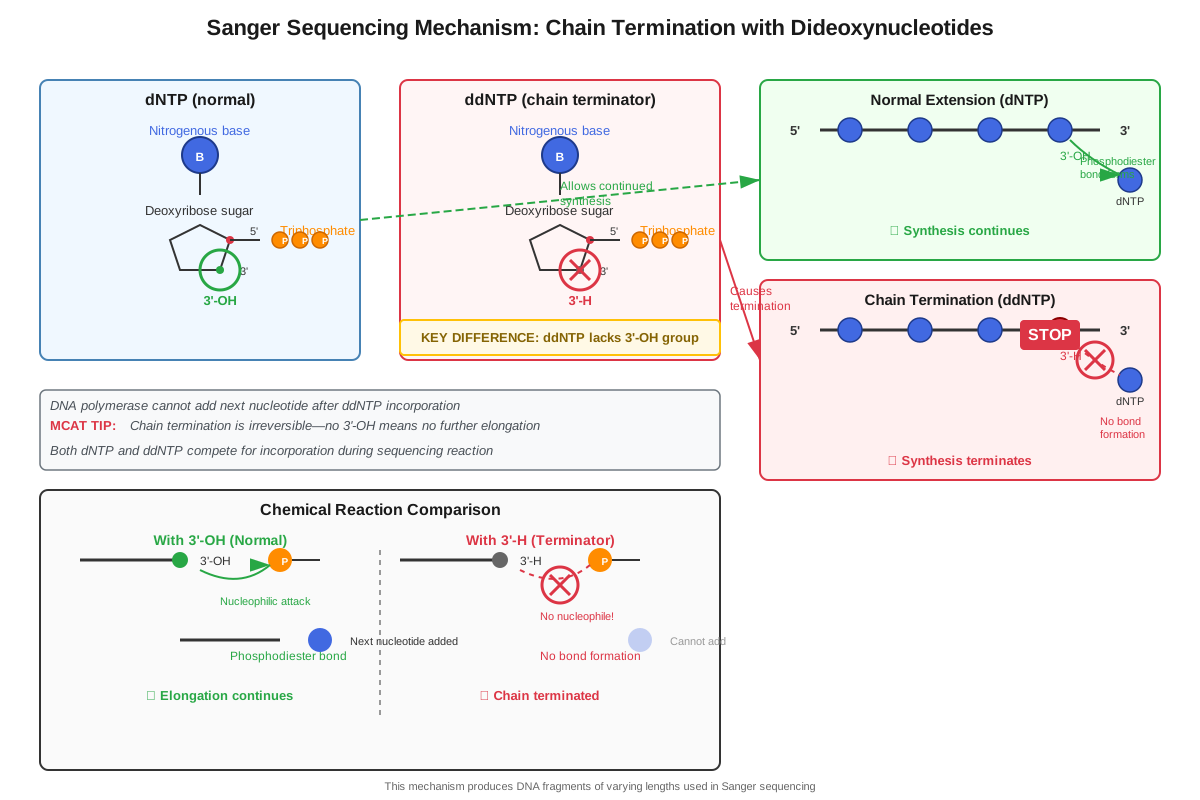
Sanger sequencing, developed by Frederick Sanger in 1977, remains the gold standard for accuracy and the most frequently tested method on the MCAT. This technique exploits modified nucleotides called dideoxynucleotides (ddNTPs) that lack a 3'-OH group on the sugar moiety. Normal deoxynucleotides (dNTPs) possess both a 5'-triphosphate group (which provides energy for bond formation and is released as pyrophosphate) and a 3'-OH group (which attacks the incoming nucleotide's 5'-triphosphate to form the phosphodiester bond).
When a ddNTP is incorporated into a growing DNA strand, chain elongation terminates because no 3'-OH group is available to attack the next incoming nucleotide. The sequencing reaction contains both normal dNTPs (in high concentration) and ddNTPs (in low concentration) for all four bases. DNA polymerase randomly incorporates either a dNTP (allowing continuation) or a ddNTP (causing termination) at each position. This creates a population of DNA fragments of varying lengths, each terminated at a different position where a ddNTP was incorporated.
Modern Sanger Sequencing Methodology
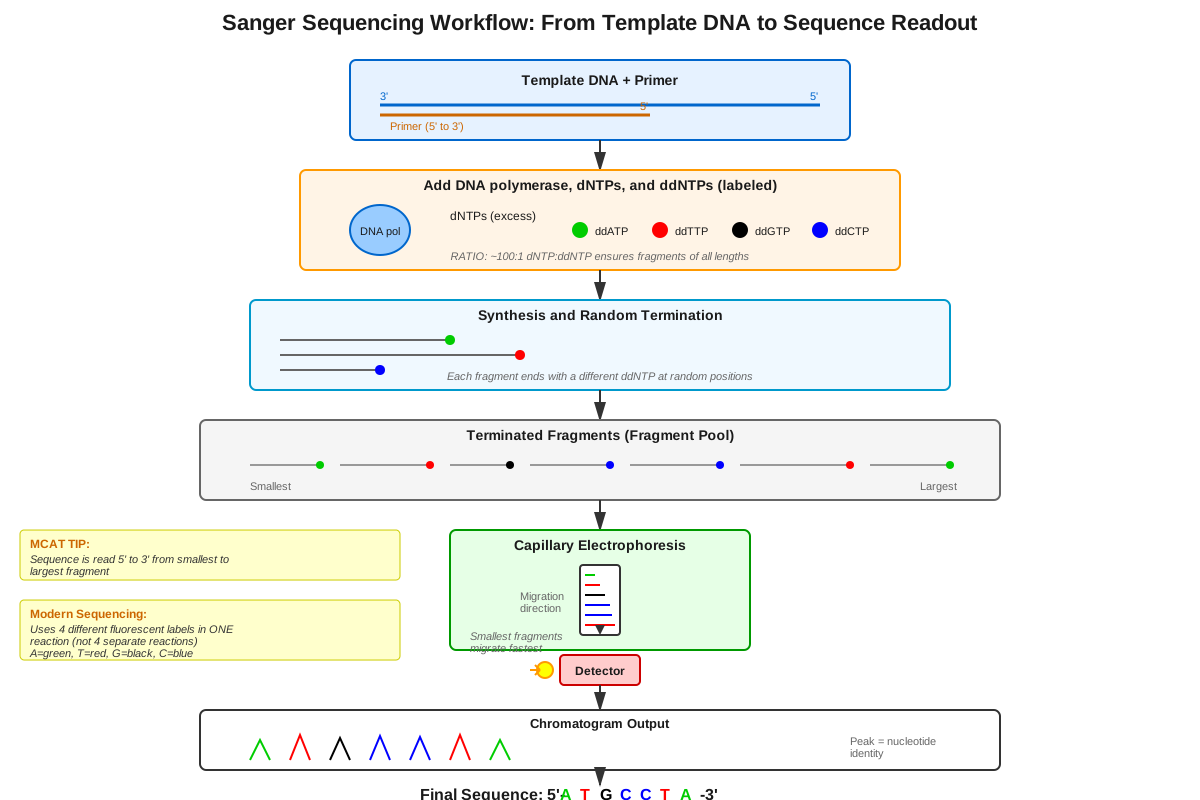
Contemporary Sanger sequencing uses fluorescent dye-labeled ddNTPs, with each of the four ddNTPs (ddATP, ddTTP, ddGTP, ddCTP) tagged with a different colored fluorophore. All four ddNTPs are included in a single reaction tube along with normal dNTPs, DNA template, primer, and DNA polymerase. As synthesis proceeds, fragments of every possible length are generated, each terminating with a fluorescently labeled ddNTP.
The reaction products are separated by capillary electrophoresis, where smaller fragments migrate faster than larger ones through a polymer-filled capillary tube. A laser detector at the end of the capillary excites the fluorescent dyes as fragments pass by, and the emitted light is recorded. The resulting chromatogram displays colored peaks representing each nucleotide in sequence order. The first peak corresponds to the nucleotide closest to the primer (smallest fragment), and subsequent peaks represent nucleotides progressively farther from the primer.
Interpreting Sequencing Chromatograms
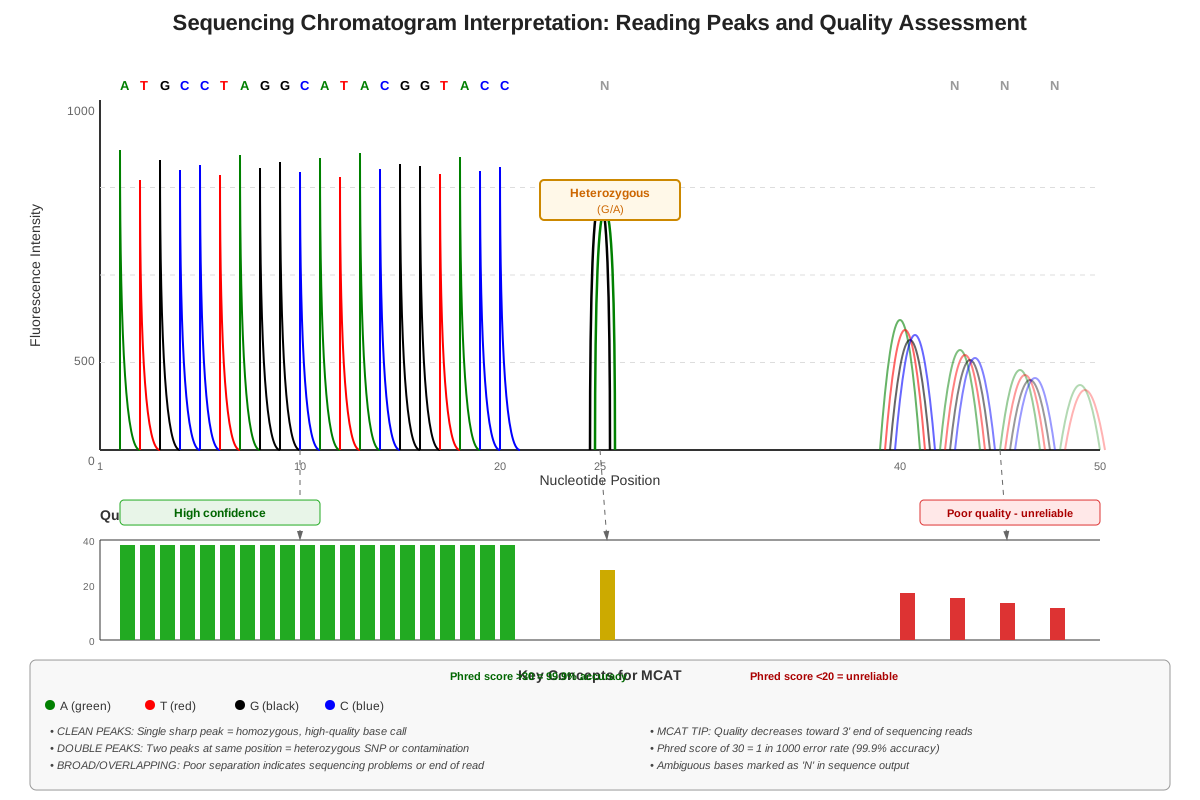
A high-quality chromatogram shows sharp, well-separated peaks with minimal background noise. The height of each peak reflects the signal intensity, with taller peaks indicating stronger fluorescent signals. Key features to evaluate include:
- Peak spacing: Uniform spacing indicates consistent fragment separation
- Peak height: Relatively uniform heights suggest balanced incorporation of all four ddNTPs
- Background noise: Low baseline signal between peaks indicates high purity
- Peak overlap: Minimal overlap suggests good resolution and accurate base calling
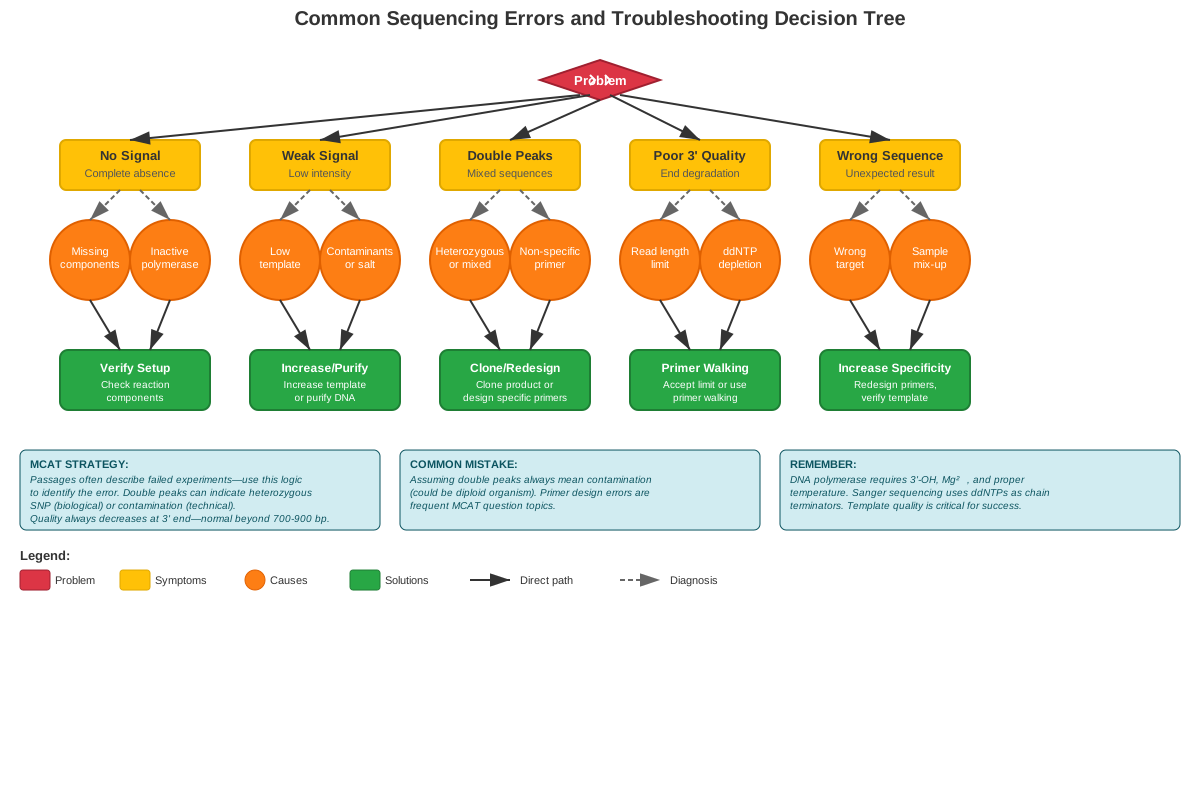
Problems in chromatograms often indicate technical issues: overlapping peaks may suggest mixed templates (contamination or heterozygous mutations), declining peak heights toward the end indicate polymerase processivity limitations, and double peaks at single positions suggest heterozygous mutations or mixed populations.
Comparison of Sequencing Approaches
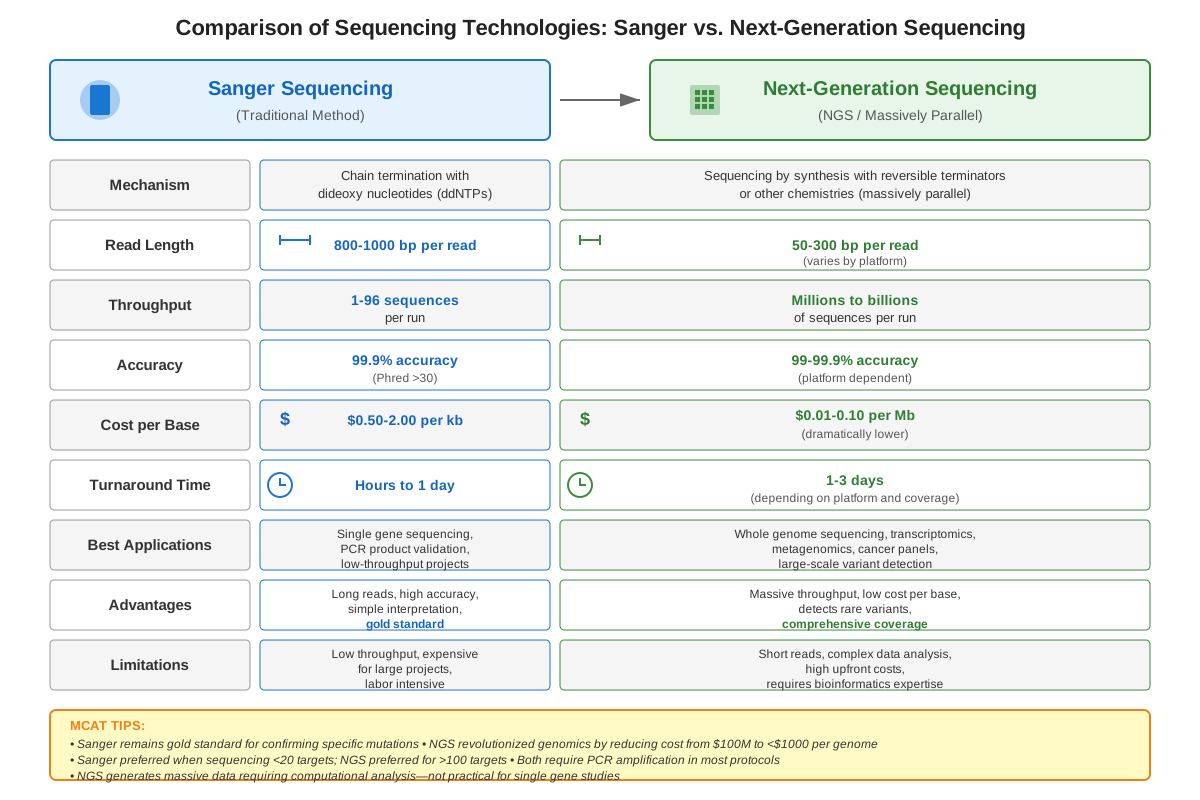
| Feature | Sanger Sequencing | Next-Generation Sequencing (NGS) |
|---|---|---|
| Read length | 500-1000 base pairs | 50-300 base pairs (varies by platform) |
| Throughput | 1 sequence per reaction | Millions to billions of sequences simultaneously |
| Cost per base | Higher | Much lower |
| Accuracy | 99.9% (very high) | 99-99.9% (platform-dependent) |
| Time required | Hours | Hours to days (depending on depth) |
| Best applications | Single gene sequencing, verification, low sample numbers | Whole genome sequencing, transcriptomics, large-scale projects |
| Equipment cost | Lower initial investment | High initial investment |
Next-Generation Sequencing (NGS) Principles
Next-generation sequencing (also called massively parallel sequencing or high-throughput sequencing) encompasses various technologies that sequence millions of DNA fragments simultaneously. While specific platforms differ in technical details, most share common steps: (1) library preparation where DNA is fragmented and adapters are ligated to fragment ends, (2) clonal amplification where individual fragments are amplified to create clusters of identical sequences, (3) sequencing-by-synthesis where nucleotides are added iteratively and detected in real-time, and (4) bioinformatic analysis where millions of short reads are aligned and assembled.
NGS has revolutionized genomics by making whole-genome sequencing economically feasible. Applications include RNA sequencing (RNA-seq) for transcriptome analysis, ChIP-seq for identifying protein-DNA binding sites, whole-exome sequencing for identifying coding region mutations, and metagenomics for characterizing microbial communities. For the MCAT, students should understand that NGS trades individual read length for massive parallelization, making it ideal for large-scale projects but requiring computational analysis to assemble short reads into complete sequences.
Maxam-Gilbert Sequencing (Chemical Degradation Method)
Though rarely used today, Maxam-Gilbert sequencing represents an alternative approach that uses chemical reagents to cleave DNA at specific bases. The DNA is end-labeled with radioactive phosphate, then divided into four reactions, each containing chemicals that preferentially modify and cleave at one or two base types. Partial digestion creates nested sets of fragments that are separated by gel electrophoresis and visualized by autoradiography. While historically important, this method has been largely replaced by Sanger sequencing due to the latter's use of enzymatic reactions (safer than toxic chemicals) and easier automation.
Practical Considerations in Sequencing
Successful sequencing requires careful attention to several factors:
- Template quality: Pure, intact DNA without contaminants (proteins, RNA, salts) that might inhibit polymerase
- Primer design: Primers must be 18-25 nucleotides long, have appropriate melting temperature (50-60°C), lack secondary structure, and anneal uniquely to the target sequence
- Reaction optimization: Proper ratios of dNTPs to ddNTPs (typically 100:1) ensure adequate chain termination without premature stopping
- Sequence length limitations: Sanger sequencing typically produces reliable data for 500-1000 bases; longer sequences require multiple primers or walking strategies
Concept Relationships
The foundation of sequencing techniques rests on DNA structure and base pairing rules, which dictate how primers anneal to templates and how complementary strands are synthesized. This connects directly to DNA replication mechanisms, as sequencing essentially mimics replication but with controlled termination. The DNA polymerase enzyme serves as the central actor, requiring understanding of its 5' to 3' directionality, requirement for a 3'-OH group, and processivity characteristics.
PCR amplification often precedes sequencing to generate sufficient template DNA, creating a methodological link where PCR products become sequencing templates. The gel electrophoresis technique enables fragment separation in traditional Sanger sequencing, requiring knowledge of how DNA migrates based on size and charge. Recombinant DNA technology frequently employs sequencing as a verification step, confirming that cloned inserts match expected sequences.
The relationship flow can be mapped as: DNA Structure → DNA Replication Principles → PCR Amplification → Sequencing Reaction (incorporating ddNTPs) → Fragment Separation (electrophoresis) → Data Interpretation (chromatogram analysis) → Applications (mutation detection, cloning verification, evolutionary studies). Each step depends on the previous one, and understanding this progression helps students troubleshoot experimental problems and predict outcomes in MCAT passages.
Sequencing also connects forward to genomics and personalized medicine, where sequence information guides clinical decisions. Understanding sequencing enables comprehension of CRISPR gene editing (which requires knowing target sequences), SNP analysis (single nucleotide polymorphisms detected by sequencing), and phylogenetic analysis (comparing sequences across species). These connections make sequencing a hub concept that integrates multiple biochemistry and molecular biology topics.
Quick check — test yourself on Sequencing techniques so far.
Try Flashcards →High-Yield Facts
⭐ Dideoxynucleotides (ddNTPs) lack a 3'-OH group, preventing formation of the next phosphodiester bond and causing chain termination when incorporated
⭐ Sanger sequencing reads the newly synthesized strand, which is complementary and antiparallel to the template strand
⭐ Modern Sanger sequencing uses four different fluorescent dyes (one for each ddNTP) in a single reaction tube, unlike older methods that required four separate reactions
⭐ Smaller DNA fragments migrate faster through capillary electrophoresis, so the first peak in a chromatogram represents the nucleotide closest to the primer
⭐ The ratio of dNTPs to ddNTPs is approximately 100:1, ensuring that chain termination occurs randomly and generates fragments of all possible lengths
- DNA polymerase synthesizes in the 5' to 3' direction, requiring a primer with a 3'-OH group to initiate synthesis
- Heterozygous mutations appear as double peaks at a single position in chromatograms because both alleles are sequenced simultaneously
- Next-generation sequencing achieves massive parallelization by sequencing millions of fragments simultaneously, trading read length for throughput
- Sequencing requires four components: template DNA, primer, DNA polymerase, and nucleotides (both dNTPs and ddNTPs for Sanger method)
- Capillary electrophoresis has replaced slab gel electrophoresis in modern sequencing because it offers better resolution, faster analysis, and easier automation
- The 3'-OH group on deoxyribose is the nucleophile that attacks the α-phosphate of incoming nucleotides during chain elongation
- Primer design must consider melting temperature, uniqueness of binding site, and absence of secondary structure to ensure specific, efficient annealing
Common Misconceptions
Misconception: Sequencing directly reads the template strand that you want to know the sequence of.
Correction: Sequencing synthesizes and reads a new complementary strand. To determine the template sequence, you must apply base pairing rules (A↔T, G↔C) and remember that the strands are antiparallel. If the sequencing read is 5'-ATCG-3', the template is 3'-TAGC-5', which written in conventional 5' to 3' notation is 5'-CGAT-3'.
Misconception: Dideoxynucleotides stop the reaction by inhibiting DNA polymerase.
Correction: ddNTPs are substrates for DNA polymerase and are incorporated normally into the growing chain. Chain termination occurs because the incorporated ddNTP lacks a 3'-OH group, making it impossible to add the next nucleotide. The polymerase remains active but cannot continue synthesis on that particular strand.
Misconception: All fragments in a sequencing reaction terminate at the same position.
Correction: The mixture of dNTPs and ddNTPs ensures random termination. Some molecules incorporate a ddNTP early (creating short fragments), while others incorporate many dNTPs before encountering a ddNTP (creating long fragments). This generates a nested set of fragments differing by one nucleotide in length.
Misconception: The first peak in a chromatogram represents the 5' end of the template.
Correction: The first peak represents the nucleotide immediately adjacent to the 3' end of the primer (the first nucleotide added during synthesis). Since synthesis proceeds 5' to 3', this is the 5' end of the newly synthesized strand, but it corresponds to a position near the 3' end of the template in that region.
Misconception: Next-generation sequencing is always better than Sanger sequencing.
Correction: Each method has optimal applications. Sanger sequencing provides longer read lengths (500-1000 bp vs. 50-300 bp for NGS), higher per-base accuracy, and simpler data analysis, making it ideal for sequencing single genes, verifying cloning results, or analyzing small numbers of samples. NGS excels at large-scale projects like whole-genome sequencing where its massive parallelization justifies the higher equipment costs and computational requirements.
Misconception: You can sequence RNA directly using standard Sanger sequencing.
Correction: Standard sequencing requires DNA as the template because DNA polymerases are used. To sequence RNA, you must first perform reverse transcription using reverse transcriptase enzyme to synthesize complementary DNA (cDNA) from the RNA template. This cDNA then serves as the template for standard sequencing reactions.
Worked Examples
Example 1: Interpreting a Sanger Sequencing Result
Scenario: A researcher sequences a PCR product using a primer with sequence 5'-ATGCCTAG-3'. The sequencing chromatogram shows the following peaks in order: G (green), A (green), T (red), C (blue), G (green), A (green). What is the sequence of the original template strand in the 5' to 3' direction?
Solution:
Step 1: Understand what the chromatogram represents. The peaks show the newly synthesized strand in the 5' to 3' direction, starting from the nucleotide immediately after the primer's 3' end.
Step 2: Write out the newly synthesized strand:
- Primer: 5'-ATGCCTAG-3'
- Newly synthesized extension: 5'-GATCGA-3'
- Complete new strand: 5'-ATGCCTAG-GATCGA-3'
Step 3: Determine the template strand. The template is complementary and antiparallel to the newly synthesized strand. Working with just the newly sequenced portion:
- New strand: 5'-GATCGA-3'
- Template: 3'-CTAGCT-5'
Step 4: Convert to conventional 5' to 3' notation:
- Template: 5'-TCGATC-3' (this is the reverse of 3'-CTAGCT-5')
Step 5: Include the region where the primer annealed:
- Primer sequence: 5'-ATGCCTAG-3'
- Primer binding site on template: 3'-TACGGATC-5' or 5'-CTAGGCAT-3'
- Complete template in sequenced region: 5'-CTAGGCAT-TCGATC-3'
Answer: The template strand sequence is 5'-CTAGGCAT-TCGATC-3' (or just 5'-TCGATC-3' for the newly sequenced portion beyond the primer).
Key Learning Points: Always remember that sequencing reads the newly synthesized strand, not the template. Apply complementary base pairing and account for antiparallel orientation. The chromatogram reads 5' to 3' starting from the primer's 3' end.
Example 2: Troubleshooting a Sequencing Problem
Scenario: A student attempts to sequence a plasmid insert but obtains a chromatogram showing clear, strong peaks for the first 100 nucleotides, followed by progressively overlapping double peaks for every position thereafter. The student used a pure plasmid preparation and a well-designed primer. What is the most likely explanation, and how would you test this hypothesis?
Solution:
Step 1: Analyze the pattern. Clear single peaks initially suggest successful sequencing of a single template. Double peaks appearing at every position after a certain point suggest two different sequences are present from that point forward.
Step 2: Consider possible explanations:
- Contamination with a second plasmid: Would show double peaks from the beginning
- Poor-quality DNA: Would show noisy baseline, not clean double peaks
- Heterozygous mutation: Would show double peaks at only one position
- Insertion/deletion polymorphism or two different plasmids in the preparation: Could explain the pattern if both sequences are identical up to a point
Step 3: Formulate the most likely hypothesis. The pattern suggests the plasmid preparation contains two populations: one with the expected insert and one with a variant (perhaps a deletion, insertion, or completely different insert). Both sequences are identical in the region near the primer but diverge at the point where double peaks begin.
Step 4: Design a test. To confirm:
- Transform bacteria with the plasmid preparation and sequence individual colonies: If the hypothesis is correct, some colonies will show one sequence and others will show the variant
- Perform restriction digest analysis: Different inserts might show different restriction patterns
- Use a different primer: Sequencing from the opposite direction might clarify whether the issue is template heterogeneity or a technical problem
Answer: The most likely explanation is that the plasmid preparation contains two different populations with sequences that diverge after position 100. This could result from co-transformation with two different constructs or from a recombination/deletion event. Testing individual colonies would confirm this hypothesis.
Key Learning Points: Double peaks at a single position indicate heterozygosity or mixed template at that position. Double peaks at all positions after a certain point indicate two templates that diverge from that point. Understanding these patterns helps diagnose experimental problems and interpret clinical sequencing results (e.g., tumor heterogeneity).
Exam Strategy
Approaching MCAT Sequencing Questions
When encountering sequencing questions, first identify the question type: mechanistic (how does it work?), interpretive (what does this data show?), or applied (which method should be used?). For mechanistic questions, focus on the role of ddNTPs, the 3'-OH requirement, and polymerase directionality. For interpretive questions, carefully note whether the sequence shown is the template or newly synthesized strand, and always consider directionality (5' to 3' vs. 3' to 5').
Trigger Words and Phrases
Watch for these high-yield terms that signal sequencing content:
- "Chain termination" or "dideoxy method": Indicates Sanger sequencing
- "Lacks a 3'-OH group": Refers to ddNTPs and their mechanism
- "Fluorescent detection": Modern automated Sanger sequencing
- "Massively parallel" or "high-throughput": Next-generation sequencing
- "Chromatogram": Data interpretation question likely
- "Heterozygous": Look for double peaks in sequencing data
- "Primer walking": Strategy for sequencing long DNA regions
- "Read length": Comparing sequencing methods
Process of Elimination Tips
When comparing sequencing methods, eliminate choices that:
- Confuse template and newly synthesized strands
- Reverse the 5' to 3' directionality incorrectly
- Claim ddNTPs inhibit polymerase (they're substrates, not inhibitors)
- Suggest sequencing can proceed without a primer (polymerase requires 3'-OH)
- State that all fragments terminate at the same position (termination is random)
For data interpretation questions, eliminate answers that:
- Ignore complementary base pairing rules
- Fail to account for antiparallel orientation
- Misinterpret double peaks (usually heterozygosity or mixed templates)
- Confuse the order of peaks (first peak = closest to primer = smallest fragment)
Time Allocation Advice
Sequencing questions often appear in passages with experimental data. Budget 1.5-2 minutes for discrete questions and 8-10 minutes for passage-based question sets. When analyzing chromatograms or gel images, spend 30-45 seconds orienting yourself to the data (What is being shown? What is the scale? What patterns are evident?) before attempting questions. This upfront investment prevents misinterpretation that wastes time on incorrect answer choices.
Memory Techniques
Mnemonics for Key Concepts
"3-OH NO!" - Remember that dideoxynucleotides lack the 3'-OH group, and without it, NO further nucleotides can be added (chain termination).
"Small Fragments Sprint" - Smaller DNA fragments migrate faster through gels and capillaries, reaching the detector first.
"SANGER = Single Accurate Nucleotide Gets Each Read" - Emphasizes that Sanger sequencing reads one nucleotide at a time with high accuracy.
"NGS = Need Giant Scale" - Next-generation sequencing is best for large-scale projects requiring massive parallelization.
Visualization Strategy
Picture DNA polymerase as a train moving along a track (the template strand) in one direction (5' to 3'). The train adds cars (nucleotides) one at a time. Normal nucleotides (dNTPs) have a coupling mechanism (3'-OH) that allows the next car to attach. Dideoxynucleotides (ddNTPs) lack this coupling mechanism, so when one is added, the train can't add any more cars and stops. Different trains stop at different positions depending on when they randomly encounter a ddNTP, creating trains of all different lengths.
Acronym for Sequencing Requirements
"TPPN" - The four requirements for sequencing:
- Template DNA
- Primer
- Polymerase
- Nucleotides (both dNTPs and ddNTPs)
Summary
Sequencing techniques, particularly Sanger sequencing, represent essential MCAT content that bridges DNA structure, replication mechanisms, and biotechnology applications. The core principle involves using dideoxynucleotides (ddNTPs) that lack 3'-OH groups to randomly terminate DNA synthesis, creating a nested set of fragments that differ by one nucleotide in length. Modern automated sequencing uses four fluorescently labeled ddNTPs in a single reaction, with fragments separated by capillary electrophoresis and detected as colored peaks in a chromatogram. Students must understand that sequencing reads the newly synthesized strand (complementary and antiparallel to the template), that smaller fragments migrate faster and appear first in chromatograms, and that the ratio of dNTPs to ddNTPs ensures random termination. Next-generation sequencing offers massive parallelization for large-scale projects but trades read length for throughput. MCAT questions test mechanistic understanding, data interpretation skills, and the ability to select appropriate methods for specific applications. Mastery requires connecting sequencing to DNA replication principles, PCR, gel electrophoresis, and clinical applications in genetic diagnosis and personalized medicine.
Key Takeaways
- Dideoxynucleotides (ddNTPs) terminate DNA synthesis by lacking the 3'-OH group required for the next phosphodiester bond, forming the mechanistic basis of Sanger sequencing
- Sequencing reads the newly synthesized strand, not the template; always apply complementary base pairing and account for antiparallel orientation when interpreting results
- Modern Sanger sequencing uses four fluorescent dyes (one per ddNTP) in a single reaction tube, with fragments separated by capillary electrophoresis and detected as colored peaks
- Smaller fragments migrate faster and appear first in chromatograms, so peak order represents sequence from the primer's 3' end outward
- Double peaks indicate heterozygosity or mixed templates, while declining peak quality suggests technical problems or polymerase limitations
- Next-generation sequencing trades read length for massive parallelization, making it ideal for whole-genome projects but requiring computational analysis to assemble short reads
- Sequencing connects to multiple MCAT topics including DNA structure, replication, PCR, electrophoresis, and clinical applications in genetic diagnosis and personalized medicine
Related Topics
PCR (Polymerase Chain Reaction): Amplifies specific DNA sequences and often provides template DNA for sequencing; understanding PCR cycles and primer design directly supports sequencing comprehension.
Gel Electrophoresis: Separates DNA fragments by size using an electric field; mastering electrophoresis principles enables interpretation of traditional sequencing gels and understanding of capillary electrophoresis in modern sequencing.
Recombinant DNA Technology: Uses sequencing to verify cloned inserts, confirm mutations, and validate genetic constructs; sequencing serves as the quality control step in molecular cloning.
DNA Replication: Provides the enzymatic foundation for sequencing; understanding polymerase mechanism, directionality, and the requirement for 3'-OH groups is essential for sequencing mastery.
Genomics and Personalized Medicine: Applies sequencing data to clinical decision-making; understanding sequencing enables comprehension of genetic testing, pharmacogenomics, and precision oncology.
Mutation Analysis: Uses sequencing to identify point mutations, insertions, deletions, and chromosomal rearrangements; interpreting sequencing data is central to diagnosing genetic disorders.
Practice CTA
Now that you've mastered the core concepts of sequencing techniques, it's time to solidify your understanding through active practice. Challenge yourself with MCAT-style practice questions that test your ability to interpret chromatograms, troubleshoot experimental scenarios, and apply sequencing principles to clinical contexts. Use flashcards to reinforce high-yield facts like the structure of ddNTPs, the directionality of sequencing reads, and the differences between Sanger and next-generation sequencing. Remember: understanding the mechanism is just the first step—true mastery comes from applying these concepts to diverse question formats under timed conditions. You've built a strong foundation; now practice will transform that knowledge into exam-day confidence and top-tier performance!
Sign up free to keep reading
Create a free AnvayaPrep account to finish this MCAT guide on Sequencing techniques — plus flashcards and practice questions.