Overview
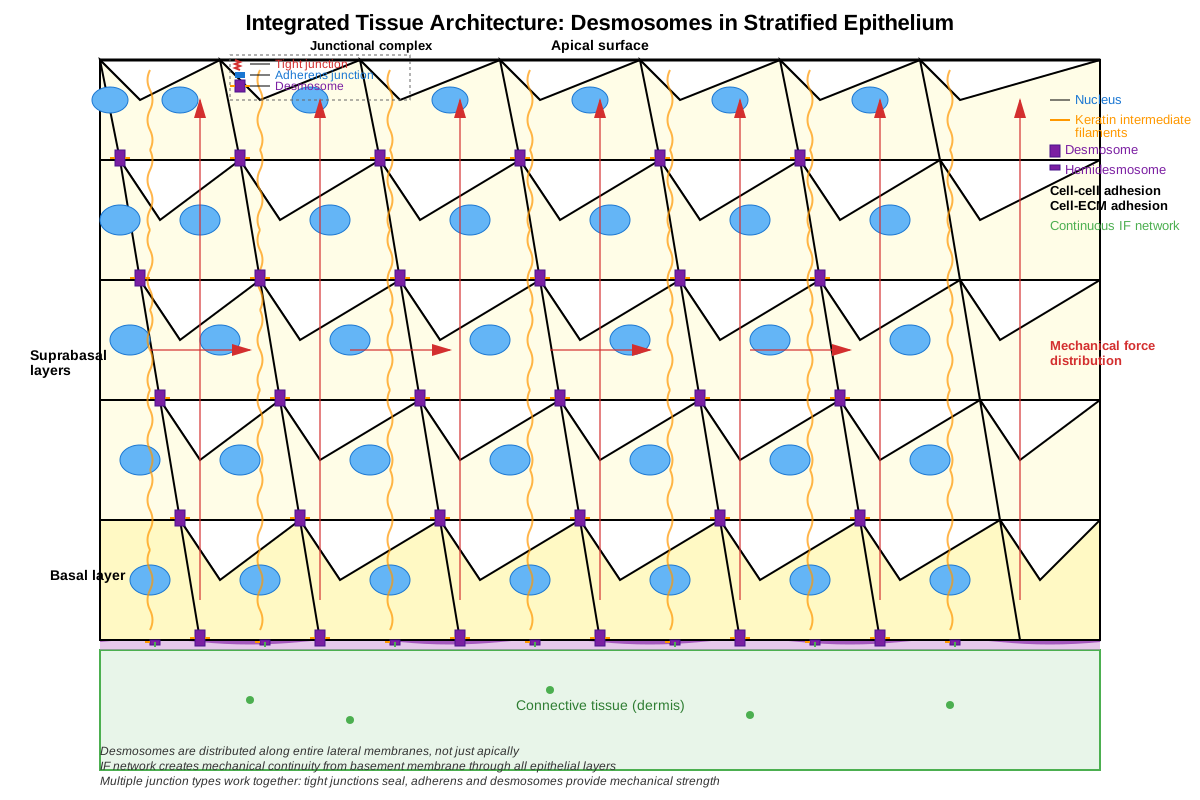
Desmosomes are specialized intercellular junctions that function as molecular "spot welds" between adjacent cells, providing mechanical strength and structural integrity to tissues that experience significant physical stress. These protein complexes anchor intermediate filaments from neighboring cells together, creating a continuous network that distributes tensile forces across entire tissues. In Cell Biology, desmosomes represent one of several junction types that enable multicellular organisms to maintain tissue architecture while allowing cells to communicate and coordinate their activities.
For the MCAT, understanding desmosomes is essential because they exemplify fundamental principles of cell-cell adhesion, structural protein organization, and tissue-level integration. Questions involving desmosomes frequently appear in passages discussing epithelial tissue integrity, cardiac muscle function, or diseases affecting cell adhesion. The Biology section of the MCAT tests not only the structural components of desmosomes but also their functional significance in maintaining tissue cohesion under mechanical stress, making this a medium-yield topic that bridges molecular biology with physiology.
Desmosomes Biology connects to broader concepts including cytoskeletal organization, protein-protein interactions, cell signaling, and tissue pathology. Understanding how these structures form, function, and fail provides insight into both normal physiology and disease states such as pemphigus vulgaris and arrhythmogenic right ventricular cardiomyopathy. The Desmosomes MCAT content emphasizes the relationship between molecular structure and tissue-level function, a recurring theme throughout the biological sciences section of the examination.
Learning Objectives
- [ ] Define Desmosomes using accurate Biology terminology
- [ ] Explain why Desmosomes matters for the MCAT
- [ ] Apply Desmosomes to exam-style questions
- [ ] Identify common mistakes related to Desmosomes
- [ ] Connect Desmosomes to related Biology concepts
- [ ] Describe the molecular components of desmosomal structures and their specific functions
- [ ] Compare and contrast desmosomes with other types of cell junctions
- [ ] Predict the physiological consequences of desmosome dysfunction in specific tissue types
- [ ] Analyze experimental data or clinical scenarios involving desmosomal integrity
Prerequisites
- Plasma membrane structure: Understanding phospholipid bilayers and transmembrane proteins is essential because desmosomal proteins span the cell membrane
- Protein structure and function: Knowledge of protein domains, binding interactions, and structural proteins enables comprehension of how desmosomal components assemble
- Cytoskeleton basics: Familiarity with intermediate filaments is necessary since desmosomes anchor these cytoskeletal elements
- Cell adhesion molecules: General understanding of how cells recognize and bind to each other provides context for desmosomal specificity
- Epithelial tissue organization: Knowing basic tissue types helps contextualize where desmosomes are most abundant and functionally important
Why This Topic Matters
Clinical and Real-World Significance
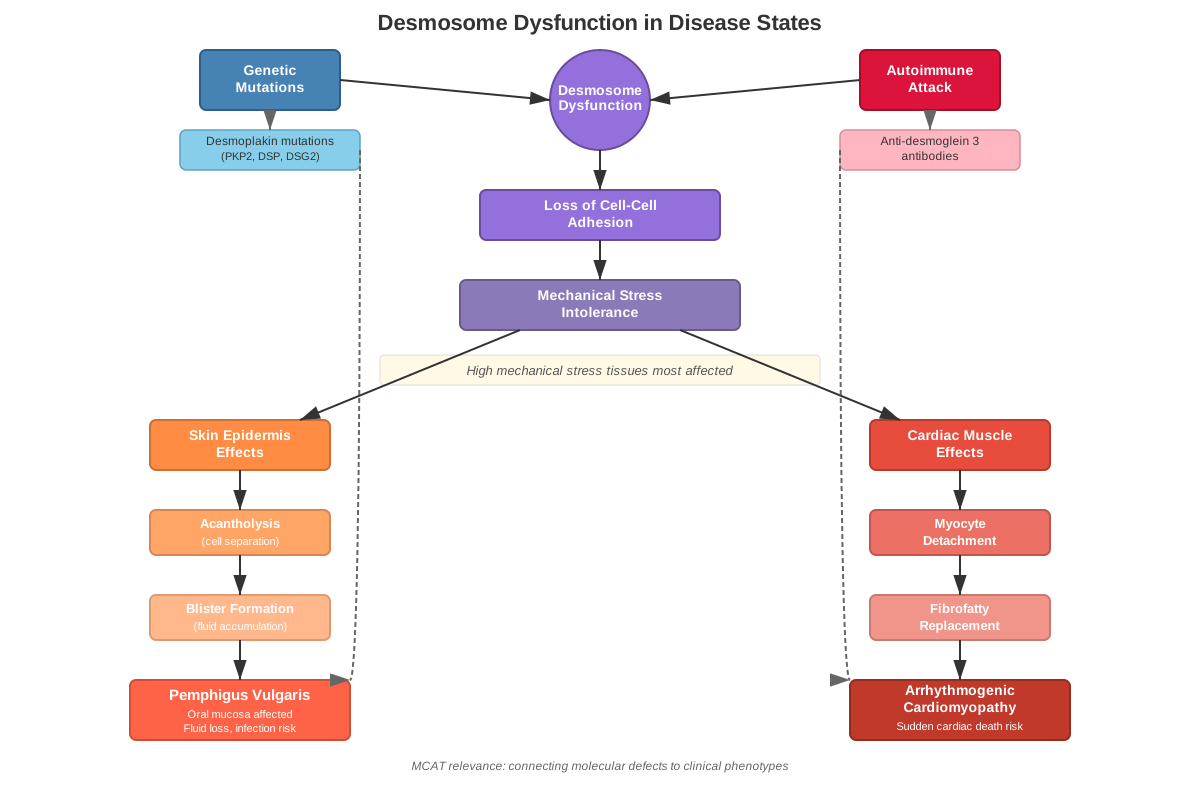
Desmosomes are critical for maintaining the structural integrity of tissues subjected to mechanical stress, particularly the skin, heart, and mucous membranes. Autoimmune diseases like pemphigus vulgaris occur when antibodies target desmosomal proteins, causing skin blistering and potentially life-threatening fluid loss. Genetic mutations in desmosomal components cause arrhythmogenic cardiomyopathy, where cardiac muscle cells lose their mechanical connections, leading to heart rhythm abnormalities and sudden cardiac death. Understanding desmosomes provides insight into why certain tissues are particularly vulnerable to specific diseases and how cellular architecture relates to organ-level function.
MCAT Exam Statistics and Question Types
Desmosomes appear in approximately 3-5% of MCAT Biology questions, typically within passages discussing tissue organization, cell adhesion mechanisms, or disease pathology. Questions may present experimental data showing the effects of antibodies against desmosomal proteins, ask students to predict consequences of genetic mutations, or require identification of tissues most affected by desmosome dysfunction. The topic frequently appears in conjunction with other cell junctions, requiring students to differentiate between tight junctions, gap junctions, adherens junctions, and desmosomes based on structure and function.
Common Exam Passage Contexts
MCAT passages featuring desmosomes often include: (1) research studies investigating autoimmune blistering diseases and antibody specificity; (2) genetic analyses of cardiomyopathy patients with mutations in desmosomal genes; (3) comparative studies of junction types in different epithelial tissues; (4) experiments examining how mechanical stress affects cell-cell adhesion; and (5) developmental biology contexts exploring how tissues acquire mechanical strength during differentiation. Recognizing these contexts helps students quickly identify when desmosome knowledge will be tested.
Core Concepts
Structural Organization of Desmosomes
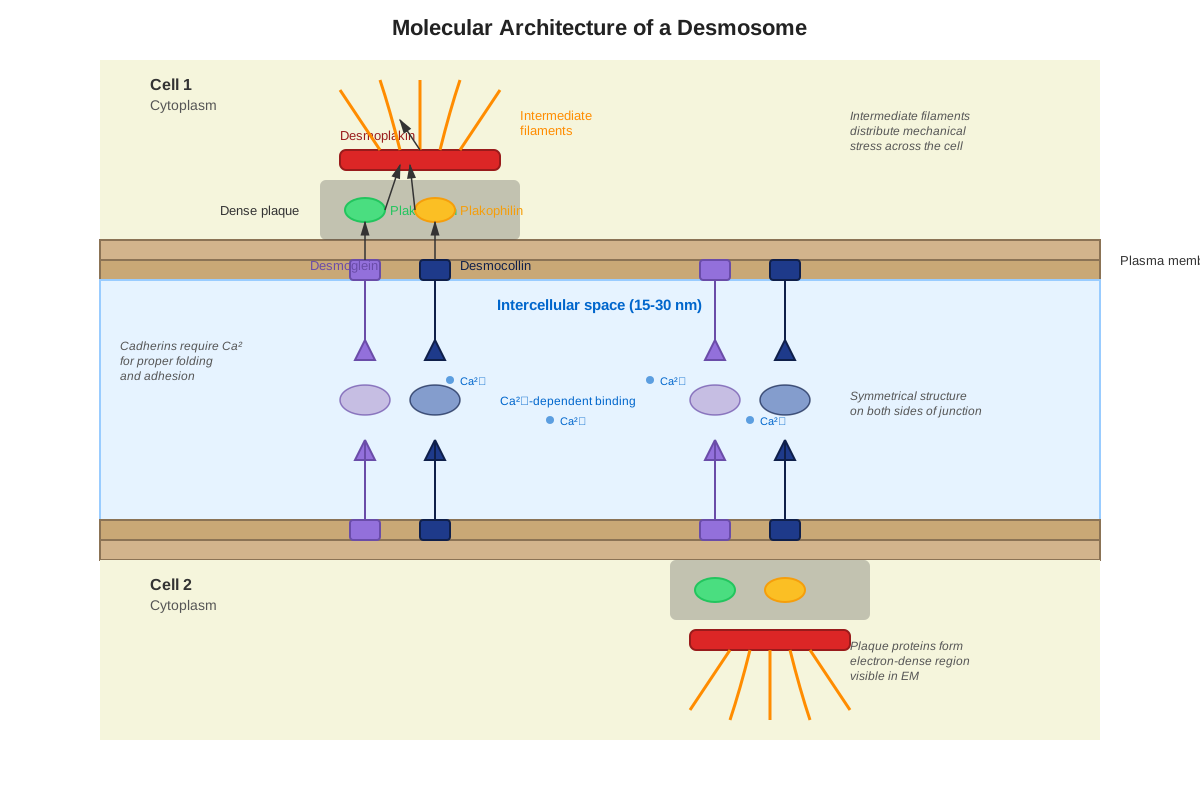
Desmosomes (also called macula adherens, meaning "adhering spot") are button-like points of intercellular contact that rivet cells together. Each desmosome consists of three main regions: the extracellular core, the outer dense plaque, and the inner dense plaque. The extracellular core contains cadherin proteins that extend from both adjacent cells and interact in the space between cells. The plaques are electron-dense protein complexes on the cytoplasmic side of the plasma membrane that serve as attachment sites for intermediate filaments.
The molecular architecture involves several key protein families. Desmogleins and desmocollins are transmembrane cadherin proteins that form the adhesive interface between cells. These proteins have extracellular domains that bind calcium ions and interact with cadherins from the neighboring cell through homophilic binding (like proteins binding to like proteins). The cytoplasmic tails of these cadherins bind to plaque proteins including plakoglobin and plakophilin, which in turn connect to desmoplakin. Desmoplakin serves as the critical linker protein that anchors intermediate filaments (keratin in epithelial cells, desmin in cardiac muscle) to the desmosomal complex.
Molecular Components and Their Functions
| Component | Type | Location | Function |
|---|---|---|---|
| Desmoglein | Transmembrane cadherin | Spans membrane | Extracellular adhesion; calcium-dependent binding |
| Desmocollin | Transmembrane cadherin | Spans membrane | Extracellular adhesion; calcium-dependent binding |
| Plakoglobin | Armadillo protein | Cytoplasmic plaque | Links cadherins to desmoplakin |
| Plakophilin | Armadillo protein | Cytoplasmic plaque | Stabilizes plaque structure; signaling |
| Desmoplakin | Plakin family | Inner dense plaque | Anchors intermediate filaments to plaque |
| Intermediate filaments | Cytoskeletal | Cytoplasm | Provides mechanical strength; distributes tension |
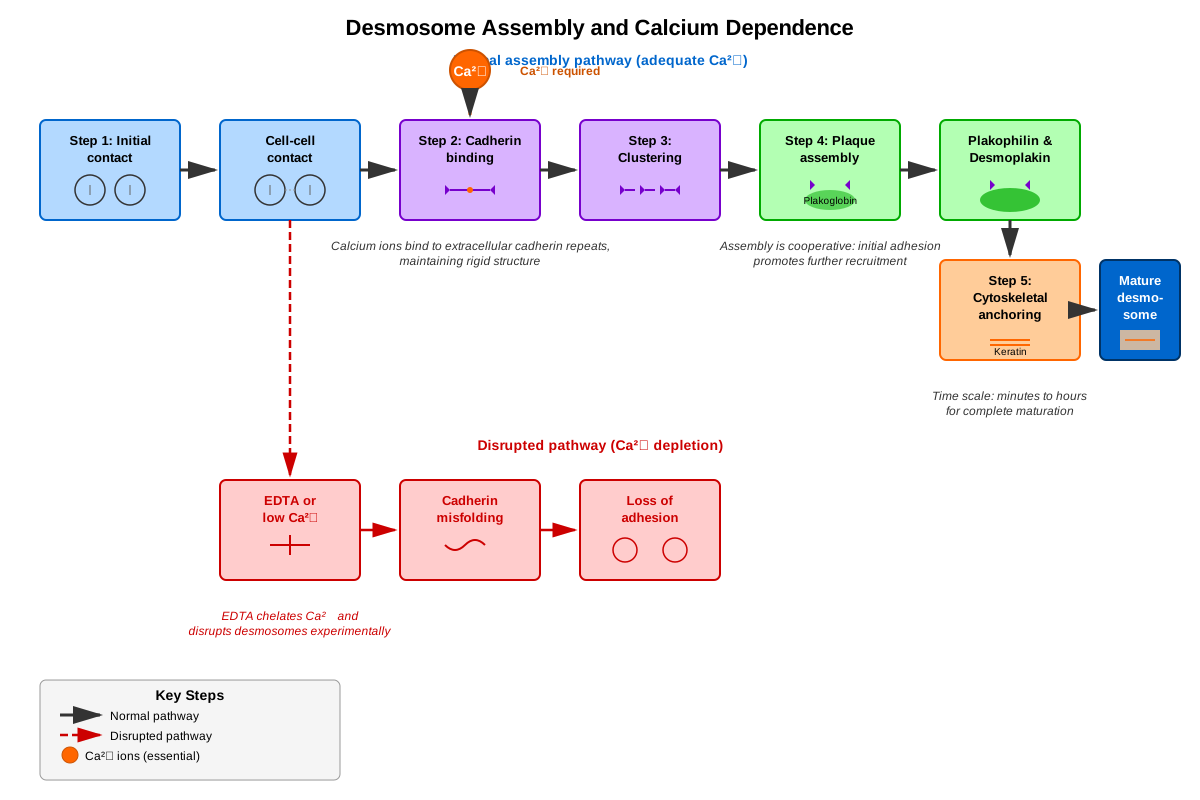
The calcium-dependent nature of cadherin binding is functionally significant. Calcium ions stabilize the extracellular domains of desmogleins and desmocollins in a rigid conformation that enables strong adhesion. This calcium dependence explains why chelating agents that remove calcium can disrupt desmosomal adhesion in experimental settings.
Tissue Distribution and Functional Specialization
Desmosomes are most abundant in tissues experiencing mechanical stress. Stratified squamous epithelium of the skin contains extensive desmosomal connections that prevent cells from separating when the skin is stretched or compressed. The cardiac muscle relies on specialized desmosomes within intercalated discs to maintain mechanical coupling between cardiomyocytes during the forceful contractions of the heartbeat. Simple epithelial tissues lining organs also contain desmosomes, though typically fewer than stratified epithelia.
The density and specific protein composition of desmosomes varies by tissue type. Skin expresses multiple isoforms of desmoglein (Dsg1, Dsg3) in different epidermal layers, with Dsg1 predominating in superficial layers and Dsg3 in deeper layers. This differential expression pattern explains why autoantibodies targeting specific desmoglein isoforms cause blistering at different tissue depths. Cardiac desmosomes incorporate desmin intermediate filaments rather than keratin, reflecting the specialized cytoskeletal organization of muscle cells.
Desmosome Assembly and Regulation
Desmosome formation follows a coordinated sequence:
- Initial cell-cell contact: Cadherins from adjacent cells encounter each other in the extracellular space
- Calcium-dependent adhesion: Cadherin extracellular domains bind in the presence of calcium ions
- Plaque protein recruitment: Cytoplasmic plaque proteins (plakoglobin, plakophilin) accumulate at adhesion sites
- Desmoplakin localization: Desmoplakin is recruited to the developing plaque
- Intermediate filament anchoring: Cytoskeletal filaments attach to desmoplakin, completing the junction
- Maturation and stabilization: Additional proteins reinforce the structure, creating a mature desmosome
This assembly process is dynamically regulated by signaling pathways including protein kinase C (PKC) and Rho GTPases. Phosphorylation of desmosomal proteins can modulate junction strength, allowing tissues to adapt to changing mechanical demands. During wound healing, desmosomes are temporarily disassembled to allow cell migration, then reassembled once epithelial integrity is restored.
Comparison with Other Cell Junctions
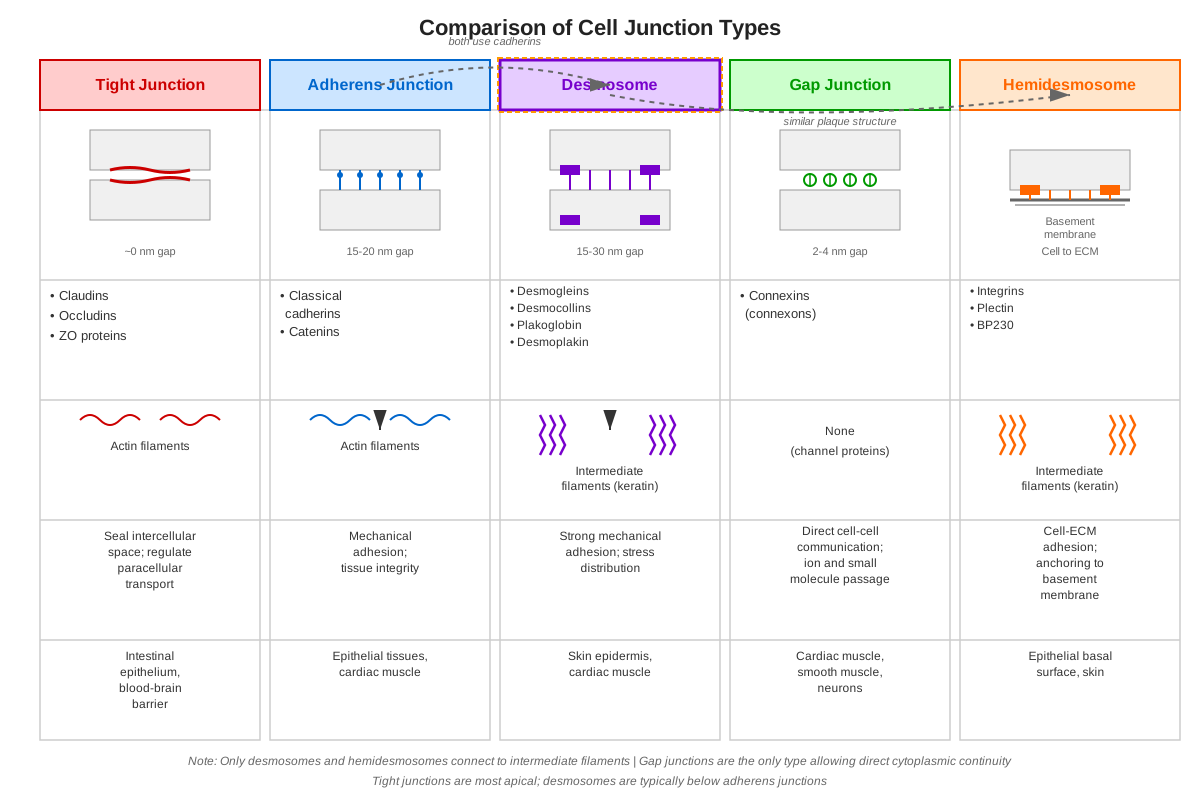
Understanding desmosomes requires distinguishing them from other junction types:
Tight junctions (zonula occludens) form continuous seals around cells that prevent passage of molecules between cells, creating barriers that separate body compartments. They involve claudin and occludin proteins but do not anchor to the cytoskeleton in the same manner as desmosomes.
Adherens junctions also use cadherin proteins (classical cadherins like E-cadherin) but connect to actin filaments rather than intermediate filaments. They typically form continuous belts around cells rather than discrete spots.
Gap junctions contain connexin proteins that form channels allowing direct cytoplasmic communication between cells, enabling passage of ions and small molecules. They provide electrical and metabolic coupling but no mechanical strength.
Hemidesmosomes structurally resemble half-desmosomes but connect cells to the extracellular matrix (basement membrane) rather than to other cells. They use integrin proteins instead of cadherins and anchor to keratin intermediate filaments.
Pathophysiology of Desmosome Dysfunction
Desmosomal defects cause distinct disease patterns. Pemphigus vulgaris is an autoimmune disease where IgG antibodies target desmoglein 3 (and sometimes desmoglein 1), disrupting cell-cell adhesion in the epidermis and mucous membranes. This causes acantholysis (loss of cell-cell adhesion), resulting in intraepidermal blistering. The Nikolsky sign (skin sloughing with gentle pressure) is characteristic.
Arrhythmogenic right ventricular cardiomyopathy (ARVC) results from mutations in genes encoding desmosomal proteins (plakoglobin, desmoplakin, plakophilin-2, desmoglein-2, desmocollin-2). Loss of mechanical coupling between cardiomyocytes leads to cell death, fibrofatty replacement of myocardium, and ventricular arrhythmias. This condition is a leading cause of sudden cardiac death in young athletes.
Genetic disorders affecting keratin intermediate filaments (epidermolysis bullosa simplex) also compromise desmosome function indirectly, since the cytoskeletal anchoring system is defective even if desmosomal proteins themselves are normal.
Concept Relationships
The molecular architecture of desmosomes directly determines their mechanical function: transmembrane cadherins → bind calcium and adjacent cell cadherins → creating extracellular adhesion, while cytoplasmic plaque proteins → link cadherins to desmoplakin → which anchors intermediate filaments → distributing mechanical forces throughout the cytoskeleton. This structural hierarchy means that disruption at any level compromises the entire junction.
Desmosomes connect to prerequisite knowledge of membrane proteins through their transmembrane cadherin components, to cytoskeleton concepts through intermediate filament anchoring, and to protein-protein interactions through the complex assembly of plaque proteins. The calcium-dependent adhesion mechanism relates to broader principles of protein conformation and ion-mediated stabilization.
Within the broader context of cell junctions, desmosomes complement tight junctions (which provide barrier function) and gap junctions (which provide communication). Together, these junction types enable epithelial tissues to simultaneously maintain barriers, mechanical integrity, and coordinated function. The relationship can be mapped as: Tissue mechanical stress → requires strong cell-cell adhesion → provided by desmosomes → which anchor to intermediate filaments → creating a tissue-wide mechanical network.
Desmosome pathology connects to immunology (autoantibody production in pemphigus), genetics (inherited cardiomyopathies), and physiology (cardiac conduction and skin barrier function), demonstrating how molecular defects manifest as organ-level dysfunction.
Quick check — test yourself on Desmosomes so far.
Try Flashcards →High-Yield Facts
⭐ Desmosomes anchor intermediate filaments (keratin in epithelia, desmin in cardiac muscle) to the plasma membrane, creating mechanical continuity between cells
⭐ Desmogleins and desmocollins are cadherin proteins that mediate calcium-dependent cell-cell adhesion in the extracellular space
⭐ Desmoplakin is the critical linker protein that connects cytoplasmic plaque proteins to intermediate filaments
⭐ Desmosomes are most abundant in tissues under mechanical stress: stratified squamous epithelium (skin) and cardiac muscle (intercalated discs)
⭐ Pemphigus vulgaris involves autoantibodies against desmoglein 3, causing skin blistering through loss of cell-cell adhesion (acantholysis)
- Desmosomes are also called macula adherens, meaning "adhering spot," reflecting their discrete, button-like structure
- Plakoglobin and plakophilin are armadillo repeat proteins that form the cytoplasmic plaque and link cadherins to desmoplakin
- Hemidesmosomes connect cells to the basement membrane using integrins rather than cadherins
- Arrhythmogenic cardiomyopathy results from mutations in desmosomal genes, causing cardiac arrhythmias and sudden death
- The Nikolsky sign (skin sloughing with gentle lateral pressure) indicates loss of desmosomal adhesion in pemphigus
- Desmosomes can be dynamically regulated through phosphorylation, allowing tissues to modulate adhesion strength
- Calcium chelators like EDTA disrupt desmosomal adhesion by removing calcium ions required for cadherin binding
Common Misconceptions
Misconception: Desmosomes and tight junctions are the same structure because both connect adjacent cells.
Correction: Desmosomes provide mechanical strength by anchoring intermediate filaments and form discrete spots, while tight junctions create continuous seals that prevent molecular passage between cells and involve completely different proteins (claudins/occludins vs. cadherins).
Misconception: All cadherins function identically in cell adhesion.
Correction: Desmosomal cadherins (desmogleins and desmocollins) specifically link to intermediate filaments through desmoplakin, while classical cadherins (like E-cadherin in adherens junctions) link to actin filaments through catenins, creating functionally distinct junction types.
Misconception: Desmosomes are only found in epithelial tissues.
Correction: While abundant in epithelia, desmosomes are also critical in cardiac muscle (within intercalated discs) and some other tissues experiencing mechanical stress. The specific intermediate filament type varies by tissue (keratin in epithelia, desmin in muscle).
Misconception: Pemphigus causes blistering by destroying cells.
Correction: Pemphigus autoantibodies disrupt desmosomal adhesion without killing cells, causing acantholysis (cell separation). The cells remain viable but lose connections to neighbors, creating intraepidermal blisters filled with separated but living keratinocytes.
Misconception: Hemidesmosomes are half-formed desmosomes that will complete their structure.
Correction: Hemidesmosomes are complete, functional structures that connect cells to the extracellular matrix rather than to other cells. They use integrins instead of cadherins and represent a distinct junction type, not an incomplete desmosome.
Misconception: Desmosome function is purely structural with no signaling role.
Correction: While primarily mechanical, desmosomal proteins (particularly plakoglobin) participate in signaling pathways including Wnt signaling. Desmosome assembly and disassembly are regulated by kinases and GTPases, integrating mechanical and biochemical signals.
Worked Examples
Example 1: Autoimmune Disease Analysis
Question: A 45-year-old woman presents with painful oral ulcers and flaccid blisters on her trunk that rupture easily. Immunofluorescence of a skin biopsy shows IgG antibodies deposited in a "fishnet" pattern throughout the epidermis. The antibodies specifically target desmoglein 3. Which of the following best explains the blister formation?
Step 1 - Identify the disease: The clinical presentation (oral ulcers, flaccid blisters) and immunofluorescence pattern indicate pemphigus vulgaris, an autoimmune disease targeting desmosomal proteins.
Step 2 - Understand the molecular target: Desmoglein 3 is a transmembrane cadherin protein essential for desmosomal adhesion. It's particularly important in mucous membranes and deep epidermal layers.
Step 3 - Connect structure to function: Desmosomes anchor keratin intermediate filaments and provide mechanical strength to epidermis. When antibodies bind desmoglein 3, they disrupt cadherin-cadherin interactions between adjacent keratinocytes.
Step 4 - Predict the consequence: Loss of desmosomal adhesion causes acantholysis (cell separation). Keratinocytes lose connections to neighbors but remain viable, creating intraepidermal blisters that rupture easily because the overlying epidermis lacks structural support.
Step 5 - Apply to question: The correct answer would explain that antibody binding to desmoglein 3 disrupts cell-cell adhesion by preventing cadherin-mediated binding, causing keratinocytes to separate and form blisters. This demonstrates how molecular disruption of desmosomal components manifests as tissue-level pathology.
Learning objective addressed: This example applies desmosome knowledge to a clinical scenario, requiring integration of molecular structure, function, and pathophysiology—a common MCAT question format.
Example 2: Experimental Data Interpretation
Question: Researchers treat cultured epithelial cells with EDTA (a calcium chelator) and observe that cells separate from each other within minutes. When calcium is added back to the medium, cells re-establish contact but full adhesion strength requires 2-3 hours. Which of the following best explains these observations?
Step 1 - Identify the experimental manipulation: EDTA chelates (binds and removes) calcium ions from the extracellular environment.
Step 2 - Recall calcium-dependent structures: Desmosomal cadherins (desmogleins and desmocollins) require calcium ions to maintain their rigid conformation and enable homophilic binding between cells. Adherens junctions also use calcium-dependent cadherins.
Step 3 - Explain rapid cell separation: When EDTA removes calcium, cadherin extracellular domains lose their stabilized structure and can no longer bind to cadherins on adjacent cells. This causes immediate loss of adhesion and cell separation.
Step 4 - Explain delayed recovery: Adding calcium back allows cadherins to resume binding, enabling initial cell-cell contact. However, full desmosome assembly requires recruitment of plaque proteins (plakoglobin, plakophilin, desmoplakin) and anchoring of intermediate filaments—a process requiring protein trafficking, assembly, and cytoskeletal reorganization that takes hours.
Step 5 - Formulate answer: The observations are explained by calcium-dependent cadherin binding (rapid effect) and the time-intensive process of desmosome assembly and intermediate filament anchoring (delayed effect). This distinguishes between the immediate adhesive function of cadherins and the complete structural maturation of desmosomes.
Learning objective addressed: This example requires applying knowledge of desmosome molecular components and assembly to interpret experimental data, demonstrating understanding of both structure and dynamic regulation.
Exam Strategy
Approaching MCAT Questions on Desmosomes
When encountering desmosome questions, first determine whether the question focuses on: (1) structural components and molecular organization, (2) functional role in tissue mechanics, (3) comparison with other junction types, or (4) pathophysiology of desmosome dysfunction. This categorization guides your approach and helps identify relevant information in passages.
Trigger Words and Phrases
Watch for these key terms that signal desmosome content:
- "Mechanical strength," "tensile stress," "tissue integrity" → suggests desmosome function
- "Intermediate filaments," "keratin," "desmin" → indicates cytoskeletal anchoring via desmosomes
- "Intercalated discs," "cardiac muscle" → specialized desmosomes in heart
- "Stratified squamous epithelium," "skin blistering" → tissues rich in desmosomes
- "Calcium-dependent adhesion," "cadherin" → molecular mechanism of desmosome binding
- "Acantholysis," "pemphigus," "autoantibodies" → desmosome pathology
- "Macula adherens," "spot weld" → alternative terminology for desmosomes
Process-of-Elimination Tips
When comparing junction types, eliminate answers that:
- Attribute barrier function to desmosomes (that's tight junctions)
- Suggest desmosomes connect to actin filaments (that's adherens junctions)
- Claim desmosomes allow direct cytoplasmic communication (that's gap junctions)
- State desmosomes connect cells to extracellular matrix (that's hemidesmosomes or focal adhesions)
For pathology questions, eliminate answers that:
- Suggest cell death as the primary mechanism in pemphigus (cells separate but remain viable)
- Confuse the tissue distribution of different desmoglein isoforms
- Attribute desmosome dysfunction to tight junction proteins
Time Allocation Advice
Desmosome questions typically require 60-90 seconds. Spend 20-30 seconds identifying the specific aspect being tested (structure, function, comparison, or pathology), 30-40 seconds analyzing the passage information or question stem, and 20-30 seconds evaluating answer choices. If a question requires detailed comparison of multiple junction types, allocate an additional 20-30 seconds to systematically differentiate them using a mental table of their key features.
Memory Techniques
Mnemonic for Desmosome Components
"Dapper Gentlemen Prefer Plaid Designs"
- Desmoplakin (anchors intermediate filaments)
- Gleins (desmogleins - transmembrane cadherins)
- Plakoglobin (plaque protein)
- Plakophilin (plaque protein)
- Desmocollins (transmembrane cadherins)
Visualization Strategy
Picture desmosomes as rivets in a leather jacket: discrete button-like structures (not continuous like zippers) that hold two pieces of material together under stress. The rivet head on each side represents the plaque proteins, the rivet shaft represents the transmembrane cadherins extending through the membrane, and the threads woven through the rivet represent intermediate filaments anchored to desmoplakin.
Acronym for Junction Comparison
"TDAG" for the four major junction types in order of their position from apical to basal in epithelial cells:
- Tight junctions (most apical - seal)
- Desmosomes (spot welds)
- Adherens junctions (belt)
- Gap junctions (communication)
Memory Aid for Pemphigus
"Pemphigus = Painful Peeling" - Both start with P, and the disease causes painful blistering with skin peeling (Nikolsky sign). The autoantibodies target Desmoglein 3 (remember: 3 letters in "Dsg" and pemphigus vulgaris is the most common type - 3 syllables).
Summary
Desmosomes are specialized cell-cell junctions that provide mechanical strength to tissues experiencing physical stress by anchoring intermediate filaments between adjacent cells. These structures consist of transmembrane cadherin proteins (desmogleins and desmocollins) that mediate calcium-dependent adhesion in the extracellular space, cytoplasmic plaque proteins (plakoglobin and plakophilin) that organize the junction, and desmoplakin that links the complex to intermediate filaments. Desmosomes are particularly abundant in stratified squamous epithelium and cardiac muscle, where they distribute tensile forces across tissues. Dysfunction of desmosomal components causes diseases including pemphigus vulgaris (autoimmune blistering disease) and arrhythmogenic cardiomyopathy (cardiac arrhythmias from loss of mechanical coupling). For the MCAT, students must understand desmosome molecular architecture, distinguish desmosomes from other junction types based on structure and function, and predict consequences of desmosomal disruption in specific tissues. This knowledge integrates molecular biology, cell biology, and pathophysiology—a synthesis frequently tested on the examination.
Key Takeaways
- Desmosomes are "spot weld" junctions that anchor intermediate filaments between cells, providing mechanical strength to tissues under stress
- The molecular structure includes transmembrane cadherins (desmogleins and desmocollins), plaque proteins (plakoglobin and plakophilin), and desmoplakin linking to intermediate filaments
- Desmosomal adhesion is calcium-dependent; removing calcium disrupts cadherin binding and causes cell separation
- Desmosomes are most abundant in stratified squamous epithelium (skin) and cardiac muscle (intercalated discs)
- Pemphigus vulgaris results from autoantibodies against desmoglein 3, causing acantholysis and skin blistering
- Distinguish desmosomes (intermediate filaments, mechanical strength) from adherens junctions (actin filaments), tight junctions (barrier function), and gap junctions (communication)
- Mutations in desmosomal genes cause arrhythmogenic cardiomyopathy, demonstrating the critical role of mechanical coupling in cardiac function
Related Topics
Adherens Junctions: These cadherin-based junctions connect to actin filaments rather than intermediate filaments. Understanding adherens junctions clarifies how different cytoskeletal systems provide distinct mechanical properties and how classical cadherins differ from desmosomal cadherins.
Tight Junctions: These sealing junctions use claudins and occludins to create barriers between epithelial cells. Mastering tight junctions enables complete understanding of epithelial polarity and barrier function, complementing desmosome knowledge.
Gap Junctions: These connexin-based channels allow direct cell-cell communication. Understanding gap junctions completes the picture of how cells coordinate function while maintaining mechanical integrity through desmosomes.
Intermediate Filaments: Since desmosomes anchor these cytoskeletal elements, deeper knowledge of intermediate filament types (keratins, desmin, vimentin) and their tissue distribution enhances understanding of desmosome function and pathology.
Autoimmune Diseases: Pemphigus exemplifies how autoantibodies disrupt normal protein function. This connects to broader immunology concepts including antibody specificity, complement activation, and immune-mediated tissue damage.
Cardiac Muscle Physiology: Understanding intercalated discs (which contain desmosomes, gap junctions, and adherens junctions) integrates structural and functional aspects of cardiac contraction and electrical coupling.
Practice CTA
Now that you've mastered the core concepts of desmosomes, it's time to reinforce your understanding through active practice. Attempt the practice questions and flashcards associated with this topic to solidify your knowledge and identify any remaining gaps. Remember, the MCAT rewards not just recognition of facts but the ability to apply concepts to novel scenarios—exactly what you've practiced in this guide. Your understanding of how molecular structure determines tissue-level function will serve you well across multiple MCAT topics. Keep building these connections, and you'll approach test day with confidence!
Sign up free to keep reading
Create a free AnvayaPrep account to finish this MCAT guide on Desmosomes — plus flashcards and practice questions.