Overview
Intermediate filaments are one of the three major components of the eukaryotic cytoskeleton, alongside microfilaments (actin filaments) and microtubules. These rope-like protein structures provide mechanical strength and structural integrity to cells and tissues, serving as the primary tension-bearing elements that help cells withstand mechanical stress. Unlike the dynamic microfilaments and microtubules that constantly assemble and disassemble, intermediate filaments are more stable and permanent structures that form a scaffold throughout the cytoplasm and nucleus.
For the MCAT, understanding intermediate filaments Biology is essential because these structures represent a critical intersection of cell structure, tissue organization, and disease pathology. Questions frequently test the ability to distinguish between the three cytoskeletal components, understand tissue-specific expression patterns of intermediate filament proteins, and recognize how mutations in these proteins lead to various diseases. The MCAT particularly emphasizes the structural role of intermediate filaments in maintaining cellular architecture under mechanical stress, making this topic relevant to both Cell Biology passages and integrated questions that connect molecular biology to tissue function.
Within the broader context of Biology, intermediate filaments exemplify how protein structure determines cellular function and how cell-level organization scales up to tissue-level properties. They connect fundamental concepts of protein assembly, cellular architecture, and tissue specialization, making them an ideal topic for integrated MCAT questions that test multiple levels of biological organization simultaneously. Understanding intermediate filaments also provides insight into epithelial tissue organization, muscle cell structure, and the nuclear envelope—all high-yield topics for the exam.
Learning Objectives
- [ ] Define intermediate filaments using accurate Biology terminology
- [ ] Explain why intermediate filaments matters for the MCAT
- [ ] Apply intermediate filaments to exam-style questions
- [ ] Identify common mistakes related to intermediate filaments
- [ ] Connect intermediate filaments to related Biology concepts
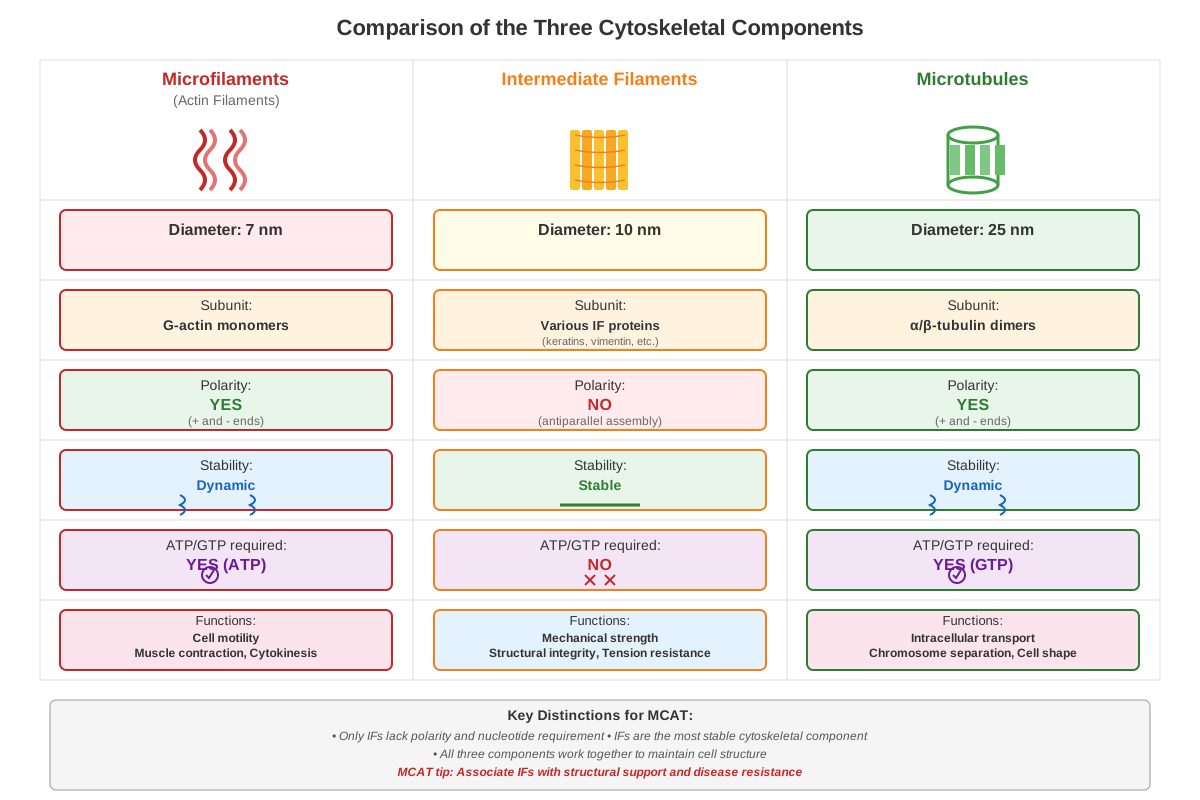
- [ ] Compare and contrast intermediate filaments with microfilaments and microtubules in terms of structure, stability, and function
- [ ] Identify the major classes of intermediate filament proteins and their tissue-specific distributions
- [ ] Predict the consequences of intermediate filament mutations on cellular and tissue function
Prerequisites
- Basic protein structure: Understanding of alpha-helices and coiled-coil domains is essential because intermediate filaments are built from these structural motifs
- Cytoskeleton overview: General knowledge of the three cytoskeletal components provides context for distinguishing intermediate filaments from microfilaments and microtubules
- Cell membrane structure: Familiarity with membrane proteins helps understand how intermediate filaments anchor to desmosomes and hemidesmosomes
- Epithelial tissue organization: Basic tissue types provide context for understanding tissue-specific intermediate filament expression
- Gene expression and protein synthesis: Understanding how different cell types express different proteins explains the diversity of intermediate filament types
Why This Topic Matters
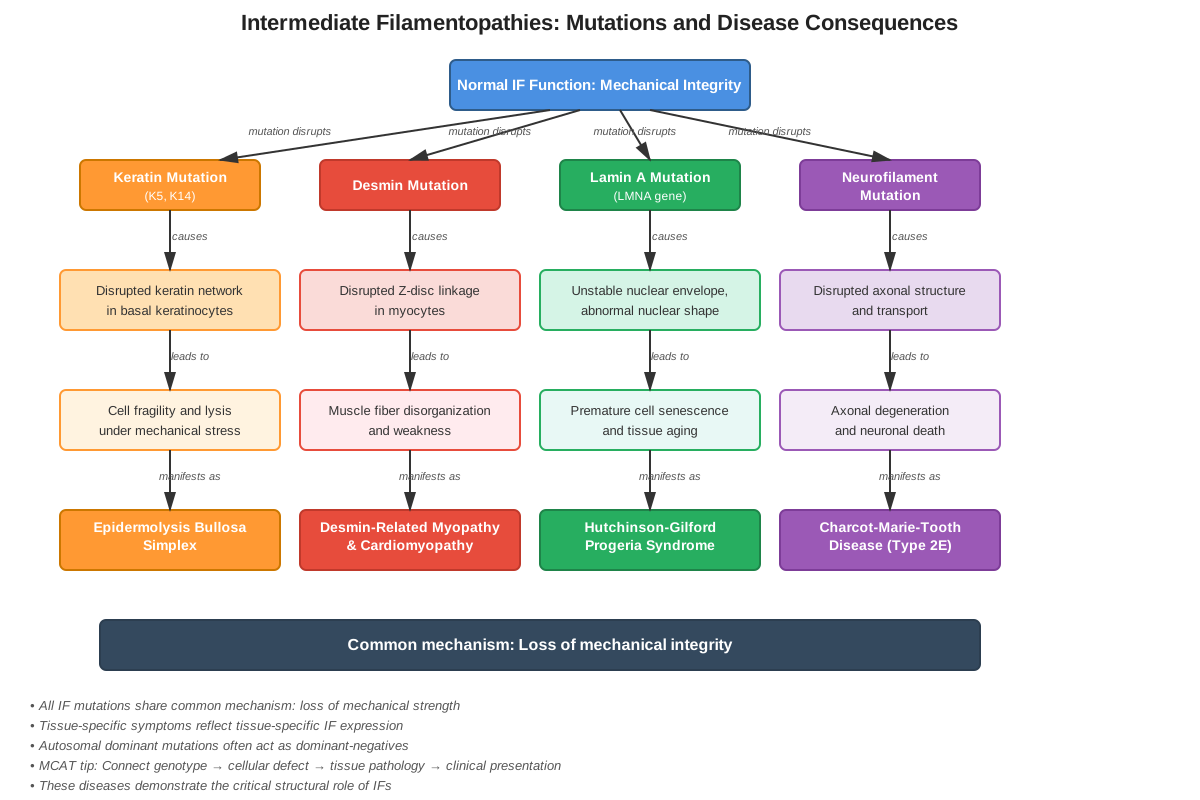
Intermediate filaments have significant clinical relevance because mutations in intermediate filament genes cause numerous human diseases collectively called "intermediate filamentopathies." Epidermolysis bullosa simplex results from keratin mutations that weaken skin cells, causing blistering with minor trauma. Muscular dystrophies can arise from desmin mutations affecting muscle cell integrity. Progeria, a premature aging syndrome, results from lamin A mutations that destabilize the nuclear envelope. These disease connections make intermediate filaments excellent material for MCAT passages that integrate molecular biology with pathophysiology.
On the MCAT, intermediate filaments MCAT questions appear with moderate frequency, typically 1-2 questions per exam either as discrete items or within Cell Biology passages. Questions commonly test three areas: (1) distinguishing structural and functional properties among cytoskeletal components, (2) identifying which intermediate filament type appears in specific tissues, and (3) predicting cellular consequences of intermediate filament disruption. The exam particularly favors questions that require applying knowledge to novel scenarios, such as interpreting experimental results where intermediate filaments are chemically disrupted or genetically modified.
Common passage contexts include experiments examining cellular responses to mechanical stress, immunofluorescence studies identifying cell types based on intermediate filament markers, and clinical vignettes describing diseases caused by cytoskeletal defects. The MCAT also integrates intermediate filaments into questions about epithelial tissue organization, particularly regarding desmosomes and hemidesmosomes, and nuclear structure when discussing the nuclear lamina. Understanding intermediate filaments enables students to confidently approach these integrated questions that span multiple biological scales.
Core Concepts
Structure and Composition
Intermediate filaments derive their name from their diameter of approximately 10 nanometers, which is intermediate between the thin microfilaments (7 nm) and thick microtubules (25 nm). Unlike the other cytoskeletal components that are built from globular proteins (actin and tubulin), intermediate filaments are constructed from fibrous proteins with an extended alpha-helical rod domain. This fundamental structural difference explains many of their unique properties.
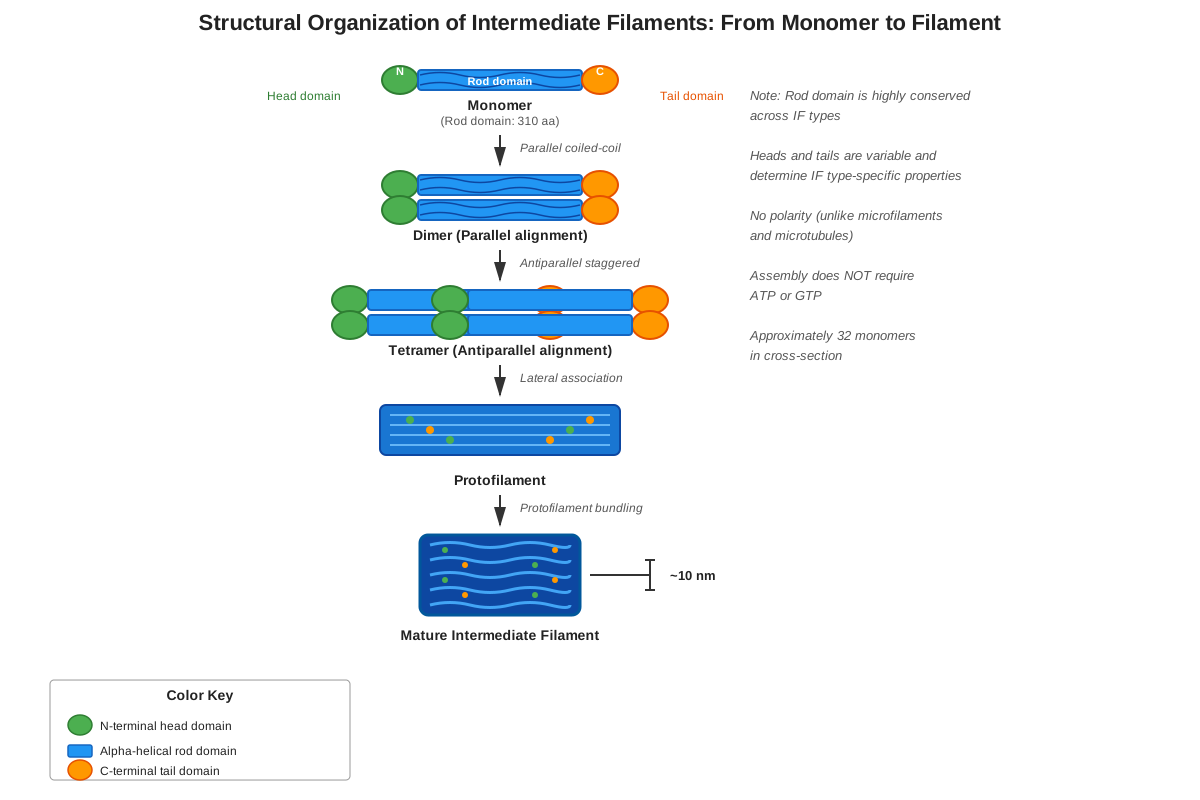
The basic building block is a monomer containing a central alpha-helical rod domain flanked by non-helical N-terminal "head" and C-terminal "tail" regions. Two monomers wrap around each other in a parallel, in-register manner to form a coiled-coil dimer. This coiled-coil structure is stabilized by hydrophobic interactions between the alpha-helices. Two dimers then associate in an antiparallel, staggered arrangement to form a tetramer, which represents the soluble subunit. Multiple tetramers then assemble laterally and longitudinally to create the final rope-like filament structure approximately 10 nm in diameter.
This assembly process differs fundamentally from microfilaments and microtubules in several critical ways. First, intermediate filament assembly does not require nucleotide binding or hydrolysis—no ATP or GTP is needed. Second, the filaments lack polarity because the antiparallel arrangement of dimers means there is no distinct plus or minus end. Third, the assembly is more stable and less dynamic, with filaments persisting for hours to days rather than seconds to minutes.
Major Classes and Tissue Distribution
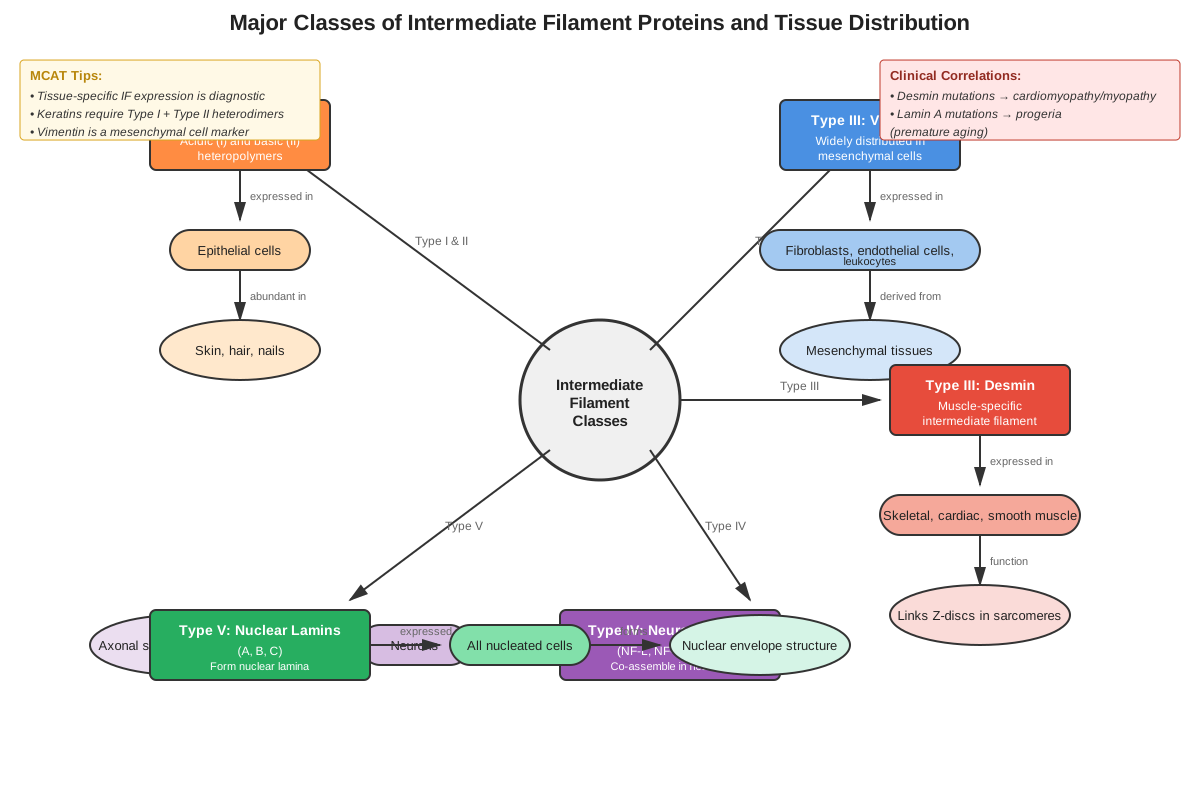
Intermediate filament proteins comprise a diverse superfamily with over 70 genes in humans, organized into six major classes based on sequence homology and expression patterns. This diversity allows different cell types to express intermediate filaments optimized for their specific mechanical demands.
| Class | Protein Examples | Primary Location | Key Function |
|---|---|---|---|
| I & II | Keratins (acidic & basic) | Epithelial cells | Mechanical strength in skin, hair, nails |
| III | Vimentin, Desmin, GFAP | Mesenchymal cells, muscle, glia | Structural support in connective tissue |
| IV | Neurofilaments (NF-L, NF-M, NF-H) | Neurons | Axonal structure and caliber |
| V | Nuclear lamins (A, B, C) | Nuclear envelope (all cells) | Nuclear structure and organization |
| VI | Nestin | Stem cells, developing neurons | Developmental scaffolding |
Keratins (Types I and II) are the most diverse group, with approximately 54 different keratin genes. Epithelial cells always express keratin pairs—one acidic (Type I) and one basic (Type II)—that co-assemble into heteropolymeric filaments. Different epithelial tissues express specific keratin pairs: K5/K14 in basal epidermis, K8/K18 in simple epithelia, and K1/K10 in differentiated epidermis. This tissue-specific expression makes keratins valuable diagnostic markers in pathology.
Vimentin is the most widely distributed Type III intermediate filament, expressed in mesenchymal cells including fibroblasts, endothelial cells, and leukocytes. During epithelial-to-mesenchymal transition (EMT), cells downregulate keratins and upregulate vimentin, a process important in development, wound healing, and cancer metastasis. Desmin is the muscle-specific Type III intermediate filament that connects Z-discs in adjacent myofibrils and anchors myofibrils to the plasma membrane, maintaining sarcomere alignment. GFAP (glial fibrillary acidic protein) is expressed by astrocytes and serves as a marker for glial cells.
Neurofilaments are neuron-specific intermediate filaments composed of three proteins (NF-L, NF-M, NF-H) that co-assemble into heteropolymers. They are particularly abundant in large myelinated axons where they determine axonal caliber, which influences conduction velocity. The long C-terminal tail domains of NF-M and NF-H project outward from the filament core, creating lateral spacing between neurofilaments and other organelles.
Nuclear lamins are unique among intermediate filaments because they localize to the nuclear envelope rather than the cytoplasm. Lamins form a meshwork beneath the inner nuclear membrane that provides structural support to the nucleus, organizes chromatin, and regulates nuclear processes including DNA replication and transcription. B-type lamins (lamin B1, B2) are expressed in all cells, while A-type lamins (lamin A, C) are expressed primarily in differentiated cells.
Functional Roles
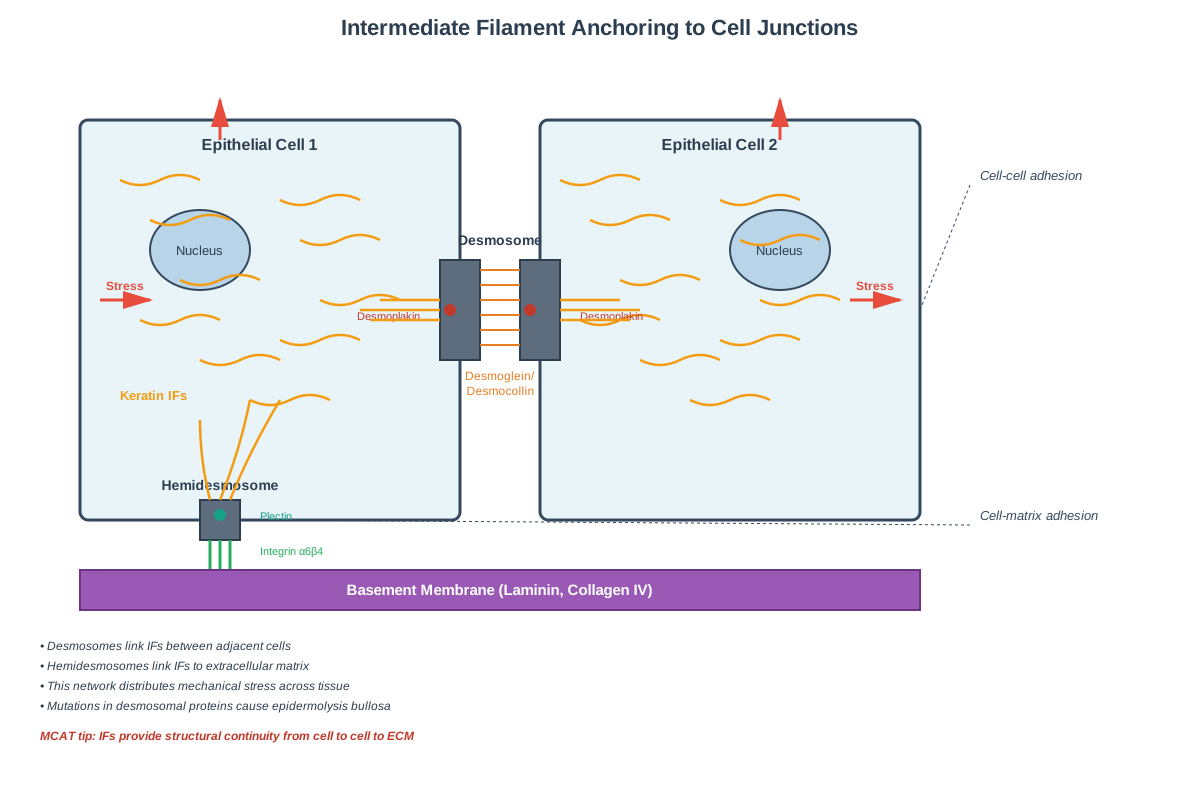
The primary function of intermediate filaments is providing mechanical strength and structural integrity to cells and tissues. Their rope-like structure and stable assembly make them ideal for bearing tensile forces. In epithelial tissues, keratin filaments form extensive networks that span the cytoplasm and anchor to cell-cell junctions (desmosomes) and cell-matrix junctions (hemidesmosomes), creating a continuous mechanical network across the entire tissue. This network distributes mechanical stress across many cells, preventing individual cells from rupturing under tension.
In muscle cells, desmin filaments connect Z-discs of adjacent myofibrils both laterally and longitudinally, maintaining the precise alignment of sarcomeres necessary for efficient contraction. Desmin also connects myofibrils to costameres at the plasma membrane and to mitochondria, integrating the contractile apparatus with energy production and force transmission to the extracellular matrix.
Nuclear lamins serve multiple functions beyond mechanical support. They organize chromatin into distinct domains, with heterochromatin typically associating with the nuclear lamina. Lamins interact with numerous nuclear proteins involved in DNA replication, transcription, and chromatin organization. During mitosis, lamin phosphorylation triggers nuclear envelope breakdown, and dephosphorylation promotes reassembly during telophase. Mutations affecting these processes lead to laminopathies with diverse phenotypes affecting multiple tissues.
Regulation and Dynamics
Although intermediate filaments are more stable than other cytoskeletal components, they are not static structures. Filament organization and properties are regulated through post-translational modifications, particularly phosphorylation. During mitosis, extensive phosphorylation of intermediate filament proteins by kinases such as CDK1 causes filament disassembly or reorganization, allowing proper chromosome segregation and cytokinesis. After mitosis, dephosphorylation by phosphatases promotes filament reassembly.
Intermediate filament networks also undergo remodeling in response to cellular signals and mechanical stress. While individual filaments are stable, the network can be reorganized through filament severing, bundling, and changes in cross-linking. Motor proteins, particularly kinesin and dynein, can transport intermediate filament precursors along microtubules to sites where filaments assemble or reorganize.
The head and tail domains of intermediate filament proteins, which vary considerably between different types, regulate filament assembly, interactions with other cellular structures, and responses to signaling pathways. These domains contain binding sites for other proteins and are targets for post-translational modifications that modulate filament properties.
Anchoring to Cellular Structures
Intermediate filaments connect to specific junctional complexes that link cells to each other and to the extracellular matrix. In epithelial tissues, keratin filaments attach to desmosomes (cell-cell junctions) and hemidesmosomes (cell-matrix junctions). Desmosomes contain transmembrane cadherin proteins (desmogleins and desmocollins) that mediate cell-cell adhesion, with their cytoplasmic domains connecting to keratin filaments through plakoglobin and desmoplakin. This creates a continuous mechanical network spanning the entire epithelial sheet.
Hemidesmosomes connect keratin filaments to the basement membrane through integrin α6β4, which binds to laminin in the extracellular matrix. The cytoplasmic domain of integrin β4 associates with plectin and BP230, which bind keratin filaments. This arrangement allows forces generated within the cell to be transmitted to the extracellular matrix and vice versa.
In muscle cells, desmin filaments connect to the plasma membrane at specialized sites called costameres, which align with Z-discs. These connections involve dystrophin and associated proteins that link the cytoskeleton to the extracellular matrix. Mutations in dystrophin cause Duchenne muscular dystrophy, illustrating the importance of proper intermediate filament anchoring for tissue function.
Quick check — test yourself on Intermediate filaments so far.
Try Flashcards →Concept Relationships
The concepts within intermediate filaments Biology form an integrated framework where structure determines function. The coiled-coil structure of intermediate filament monomers → enables formation of stable, rope-like filaments → which provide mechanical strength to cells → allowing tissues to withstand tensile forces. The tissue-specific expression of different intermediate filament types → reflects the specialized mechanical demands of different tissues → explaining why mutations cause tissue-specific diseases.
Intermediate filaments connect to prerequisite knowledge of protein structure through their reliance on alpha-helical coiled-coils, demonstrating how secondary structure determines quaternary structure and ultimately cellular function. They relate to cell membrane structure through their anchoring at desmosomes and hemidesmosomes, showing how cytoskeletal and membrane systems integrate. The tissue-specific expression patterns connect to gene regulation concepts, illustrating how differential gene expression creates cellular diversity.
Within the broader cytoskeleton, intermediate filaments complement microfilaments and microtubules: microfilaments provide dynamic force generation and cell motility → microtubules serve as tracks for intracellular transport and form the mitotic spindle → intermediate filaments provide stable mechanical support. Together, these three systems create a comprehensive cytoskeletal network that enables cells to maintain shape, generate forces, transport cargo, and withstand mechanical stress.
The connection between intermediate filaments and disease (intermediate filamentopathies) → illustrates how molecular defects scale up to cellular dysfunction → which manifests as tissue pathology → ultimately causing clinical disease. This multi-scale relationship is frequently tested on the MCAT through passages that require connecting molecular, cellular, and organismal levels of organization.
High-Yield Facts
⭐ Intermediate filaments are approximately 10 nm in diameter, intermediate between microfilaments (7 nm) and microtubules (25 nm)
⭐ Intermediate filament assembly does NOT require ATP or GTP, unlike microfilaments and microtubules
⭐ Intermediate filaments lack polarity (no plus/minus ends) due to antiparallel dimer arrangement
⭐ Keratins are expressed exclusively in epithelial cells and always function as heterodimers (one Type I acidic + one Type II basic)
⭐ Nuclear lamins are the only intermediate filaments located in the nucleus rather than the cytoplasm
- Vimentin is the most widely distributed intermediate filament, expressed in mesenchymal cells
- Desmin connects Z-discs in muscle cells, maintaining sarcomere alignment
- GFAP (glial fibrillary acidic protein) is specific to astrocytes and serves as a glial cell marker
- Neurofilaments determine axonal caliber in neurons, influencing conduction velocity
- Intermediate filaments anchor to desmosomes (cell-cell junctions) and hemidesmosomes (cell-matrix junctions) in epithelial tissues
- Phosphorylation of intermediate filament proteins during mitosis causes filament disassembly or reorganization
- Mutations in intermediate filament genes cause tissue-specific diseases called intermediate filamentopathies
- Epidermolysis bullosa simplex results from keratin mutations causing skin blistering
- Laminopathies (diseases from lamin mutations) include muscular dystrophy and progeria
- Intermediate filaments are more stable and long-lived than microfilaments and microtubules
Common Misconceptions
Misconception: All intermediate filaments are identical across different cell types → Correction: Intermediate filaments show remarkable tissue-specific diversity with over 70 different genes encoding different types. Epithelial cells express keratins, neurons express neurofilaments, muscle cells express desmin, and mesenchymal cells express vimentin. This diversity reflects specialized mechanical demands of different tissues.
Misconception: Intermediate filaments require ATP for assembly like microfilaments and microtubules → Correction: Intermediate filament assembly is ATP-independent and occurs through spontaneous protein-protein interactions driven by hydrophobic forces. This distinguishes them fundamentally from microfilaments (which require ATP-actin) and microtubules (which require GTP-tubulin).
Misconception: Intermediate filaments have plus and minus ends like other cytoskeletal components → Correction: Intermediate filaments lack polarity because dimers associate in an antiparallel arrangement. This means there are no distinct plus (fast-growing) or minus (slow-growing) ends, which has important implications for filament dynamics and motor protein interactions.
Misconception: Intermediate filaments are static, unchanging structures → Correction: While more stable than microfilaments and microtubules, intermediate filaments undergo dynamic reorganization through phosphorylation-regulated assembly/disassembly, particularly during mitosis. The network can be remodeled in response to mechanical stress and cellular signals.
Misconception: All intermediate filaments are cytoplasmic → Correction: Nuclear lamins are intermediate filaments that localize to the nuclear envelope, forming a meshwork beneath the inner nuclear membrane. They serve distinct functions in nuclear structure, chromatin organization, and gene regulation, separate from cytoplasmic intermediate filaments.
Misconception: Keratin mutations only affect skin because keratin is only in skin cells → Correction: While keratins are most abundant in skin, different keratin pairs are expressed throughout all epithelial tissues including liver (K8/K18), intestine, and other organs. Mutations in K8/K18 can cause liver disease, demonstrating that keratin-related pathology extends beyond skin.
Worked Examples
Example 1: Distinguishing Cytoskeletal Components
Question: A researcher treats cultured epithelial cells with three different drugs: Drug A prevents ATP hydrolysis, Drug B prevents GTP hydrolysis, and Drug C disrupts coiled-coil protein interactions. After treatment, the researcher uses immunofluorescence to visualize the three major cytoskeletal components. Which drug would specifically disrupt intermediate filaments while leaving the other components intact?
Solution:
Step 1: Identify the assembly requirements for each cytoskeletal component
- Microfilaments: Require ATP-actin for polymerization
- Microtubules: Require GTP-tubulin for polymerization
- Intermediate filaments: Assemble through coiled-coil interactions without nucleotide requirement
Step 2: Analyze each drug's mechanism
- Drug A (prevents ATP hydrolysis): Would disrupt microfilament dynamics by preventing ATP-actin from hydrolyzing to ADP-actin
- Drug B (prevents GTP hydrolysis): Would disrupt microtubule dynamics by preventing GTP-tubulin from hydrolyzing to GDP-tubulin
- Drug C (disrupts coiled-coil interactions): Would prevent intermediate filament monomers from forming dimers and assembling into filaments
Step 3: Determine which drug specifically targets intermediate filaments
Drug C would specifically disrupt intermediate filaments because they uniquely depend on coiled-coil interactions for assembly. Microfilaments and microtubules are built from globular proteins (actin and tubulin) that don't form coiled-coils, so they would remain intact.
Key Concept: This question tests the fundamental structural and biochemical differences between cytoskeletal components. The ATP/GTP-independence of intermediate filament assembly is a high-yield distinguishing feature frequently tested on the MCAT.
Example 2: Predicting Disease Consequences
Question: A patient presents with severe skin blistering following minor trauma. Genetic analysis reveals a mutation in the gene encoding keratin 14 (K14) that disrupts its ability to form coiled-coil dimers with keratin 5 (K5). Based on the normal function of intermediate filaments in epithelial tissues, explain why this mutation causes the observed phenotype.
Solution:
Step 1: Identify the normal function of K5/K14
K5 and K14 are the keratin pair expressed in basal epidermal cells. They form heterodimeric intermediate filaments that create a cytoplasmic network providing mechanical strength to skin cells.
Step 2: Explain the role of intermediate filaments in tissue mechanics
Keratin intermediate filaments anchor to desmosomes (cell-cell junctions) and hemidesmosomes (cell-matrix junctions), creating a continuous mechanical network across the entire epithelial tissue. This network distributes tensile forces across many cells, preventing individual cells from rupturing under mechanical stress.
Step 3: Predict consequences of disrupted K5/K14 assembly
If K14 cannot form coiled-coil dimers with K5, intermediate filaments cannot assemble properly. Without an intact keratin network, basal epidermal cells cannot withstand normal mechanical forces. When minor trauma applies tensile stress to the skin, individual cells rupture because forces cannot be distributed across the tissue, leading to blister formation.
Step 4: Connect to disease
This describes epidermolysis bullosa simplex, a genetic disease caused by keratin mutations. The tissue-specific nature of the disease (affecting skin but not other organs) reflects the tissue-specific expression of K5/K14 in epidermis.
Key Concept: This question integrates multiple levels of biological organization—molecular (protein structure), cellular (cytoskeletal organization), tissue (mechanical properties), and organismal (disease phenotype)—which is characteristic of high-level MCAT questions on intermediate filaments.
Exam Strategy
When approaching MCAT questions on intermediate filaments, first identify whether the question is asking about structure, function, or tissue distribution. Structure questions typically require distinguishing intermediate filaments from microfilaments and microtubules based on size, assembly mechanism (ATP/GTP requirement), or polarity. Function questions focus on mechanical support and tissue integrity. Distribution questions test knowledge of which intermediate filament type appears in specific cell types.
Trigger words that signal intermediate filament content include: "mechanical strength," "tissue integrity," "keratin," "desmin," "vimentin," "nuclear lamina," "desmosomes," "hemidesmosomes," "epithelial cells," and "coiled-coil." When you see these terms, immediately activate your intermediate filament knowledge framework. Phrases like "withstand mechanical stress" or "maintain structural integrity" strongly suggest intermediate filaments rather than the more dynamic microfilaments or microtubules.
For process-of-elimination, remember these key distinguishing features:
- If a question mentions ATP or GTP requirement → eliminate intermediate filaments
- If a question mentions motor proteins moving cargo → likely microtubules, not intermediate filaments
- If a question mentions cell motility or contractile forces → likely microfilaments, not intermediate filaments
- If a question mentions nuclear structure → consider nuclear lamins (intermediate filaments)
- If a question specifies epithelial cells and mechanical stress → strongly suggests keratins (intermediate filaments)
Exam Tip: When passages describe immunofluorescence experiments identifying cell types, intermediate filaments serve as excellent cell-type markers. Keratin = epithelial, vimentin = mesenchymal, GFAP = astrocytes, desmin = muscle, neurofilaments = neurons.
Time allocation for intermediate filament questions should be standard (approximately 1-1.5 minutes for discrete questions, proportional time for passage-based questions). These questions rarely involve complex calculations, so if you find yourself spending excessive time, you may be overthinking. Return to the fundamental distinguishing features: structure (coiled-coil, 10 nm, no polarity), assembly (no ATP/GTP), function (mechanical support), and distribution (tissue-specific types).
Memory Techniques
Mnemonic for intermediate filament types: "Keep Very Nice Lambs Nearby"
- Keratins (epithelial cells)
- Vimentin (mesenchymal cells)
- Neurofilaments (neurons)
- Lamins (nuclear envelope)
- Nestin (stem cells) - bonus!
Mnemonic for distinguishing cytoskeletal components by size: "Small Medium Large" = "Actin Intermediate Tubules"
- Small (7 nm) = Actin (microfilaments)
- Medium (10 nm) = Intermediate filaments
- Large (25 nm) = Tubules (microtubules)
Visualization strategy: Picture intermediate filaments as steel cables in a suspension bridge—they don't actively move or generate force, but they provide the structural integrity that prevents the bridge from collapsing under tension. This contrasts with microfilaments (active ropes that can pull) and microtubules (railroad tracks for cargo transport).
Acronym for keratin function: "DAME"
- Desmosomes (anchor point)
- Anchoring to junctions
- Mechanical strength
- Epithelial cells (location)
Memory aid for ATP/GTP independence: "IF you don't need energy" (IF = Intermediate Filaments don't need ATP/GTP). This simple wordplay helps remember that intermediate filaments uniquely assemble without nucleotide hydrolysis.
Summary
Intermediate filaments are rope-like cytoskeletal structures approximately 10 nm in diameter that provide mechanical strength and structural integrity to cells and tissues. Built from fibrous proteins with alpha-helical coiled-coil domains, they assemble without requiring ATP or GTP and lack the polarity characteristic of microfilaments and microtubules. The intermediate filament superfamily includes over 70 genes organized into six major classes, with tissue-specific expression patterns: keratins in epithelial cells, vimentin in mesenchymal cells, desmin in muscle, neurofilaments in neurons, and nuclear lamins in all cell nuclei. These filaments anchor to specialized junctions (desmosomes and hemidesmosomes) to create continuous mechanical networks across tissues, distributing tensile forces and preventing cellular rupture under stress. Mutations in intermediate filament genes cause tissue-specific diseases called intermediate filamentopathies, including epidermolysis bullosa simplex (keratin mutations), muscular dystrophies (desmin mutations), and progeria (lamin mutations). For the MCAT, the key distinguishing features are their intermediate size, ATP/GTP-independent assembly, lack of polarity, stable structure, mechanical support function, and tissue-specific expression patterns.
Key Takeaways
- Intermediate filaments are 10 nm diameter cytoskeletal structures that provide mechanical strength through stable, rope-like assemblies of coiled-coil proteins
- Unlike microfilaments and microtubules, intermediate filament assembly requires no ATP or GTP and produces non-polar filaments
- Tissue-specific intermediate filament types include keratins (epithelial), vimentin (mesenchymal), desmin (muscle), neurofilaments (neurons), and nuclear lamins (all nuclei)
- Intermediate filaments anchor to desmosomes and hemidesmosomes, creating continuous mechanical networks that distribute tensile forces across tissues
- Mutations in intermediate filament genes cause tissue-specific diseases (intermediate filamentopathies) that manifest as mechanical weakness in affected tissues
- On the MCAT, distinguish intermediate filaments from other cytoskeletal components by their size, assembly mechanism, stability, and primary mechanical support function
- Intermediate filaments serve as excellent cell-type markers in experimental passages using immunofluorescence or other detection methods
Related Topics
Microfilaments (Actin Filaments): Understanding the dynamic, ATP-dependent assembly of actin filaments and their roles in cell motility, muscle contraction, and cytokinesis provides essential contrast to the stable, mechanical support function of intermediate filaments. Mastering intermediate filaments enables better comprehension of how different cytoskeletal components serve complementary roles.
Microtubules: Knowledge of microtubule structure, GTP-dependent assembly, polarity, and function in intracellular transport and mitosis completes the cytoskeletal triad. Comparing all three components strengthens understanding of each individual system.
Cell Junctions: Desmosomes, hemidesmosomes, adherens junctions, and tight junctions represent the anchoring points and organizational structures that intermediate filaments connect to, making this a natural progression for deeper study of tissue organization.
Epithelial Tissue Structure: Understanding how intermediate filaments contribute to epithelial tissue organization and mechanical properties connects cellular components to tissue-level function, a common MCAT integration point.
Muscle Cell Structure: The role of desmin in organizing sarcomeres and maintaining muscle cell integrity connects intermediate filaments to muscle physiology and contractile function.
Nuclear Structure and Function: Nuclear lamins' roles in nuclear organization, chromatin structure, and gene regulation extend intermediate filament biology into nuclear processes and cell cycle regulation.
Practice CTA
Now that you've mastered the core concepts of intermediate filaments, reinforce your understanding by attempting practice questions and flashcards on this topic. Focus particularly on questions that require distinguishing between cytoskeletal components, identifying tissue-specific intermediate filament types, and predicting consequences of intermediate filament disruption. The more you practice applying these concepts to MCAT-style questions, the more automatic your recognition and reasoning will become on test day. Remember: intermediate filaments represent an excellent opportunity to demonstrate integrated understanding across multiple biological scales—from protein structure to tissue function to disease pathology. You've got this!
Sign up free to keep reading
Create a free AnvayaPrep account to finish this MCAT guide on Intermediate filaments — plus flashcards and practice questions.