Overview
Lysosomes are membrane-bound organelles that serve as the cell's primary digestive compartment, containing powerful hydrolytic enzymes capable of breaking down virtually all types of biological macromolecules. These organelles play a critical role in cellular homeostasis by degrading worn-out organelles, digesting engulfed pathogens, recycling cellular components, and participating in programmed cell death. Understanding lysosomes is essential for Cell Biology mastery on the MCAT, as they represent a key intersection between membrane trafficking, cellular metabolism, and disease pathology.
For the MCAT, lysosomes frequently appear in passages involving cellular dysfunction, genetic disorders, immune responses, and metabolic processes. Questions may test understanding of lysosomal enzyme function, pH requirements, formation pathways, or clinical manifestations of lysosomal storage diseases. The Biology section of the MCAT expects students to integrate knowledge of lysosomal structure and function with broader concepts including endocytosis, autophagy, apoptosis, and cellular compartmentalization. Lysosomes exemplify how cells maintain distinct biochemical environments through membrane-bound compartments—a fundamental principle in cell biology.
The study of lysosomes connects multiple high-yield MCAT topics: the endomembrane system (Golgi apparatus, endoplasmic reticulum), vesicular transport, enzyme kinetics, pH effects on protein function, and genetic disorders. Mastery of Lysosomes Biology provides a foundation for understanding how cells regulate degradative processes, respond to nutrient deprivation, and eliminate damaged components. This knowledge directly applies to MCAT passages discussing cellular stress responses, infectious disease mechanisms, and metabolic disorders, making lysosomes a medium-yield but conceptually important topic for exam success.
Learning Objectives
- [ ] Define Lysosomes using accurate Biology terminology
- [ ] Explain why Lysosomes matters for the MCAT
- [ ] Apply Lysosomes to exam-style questions
- [ ] Identify common mistakes related to Lysosomes
- [ ] Connect Lysosomes to related Biology concepts
- [ ] Describe the formation pathway of lysosomes from the Golgi apparatus
- [ ] Explain the mechanism and importance of the acidic lysosomal pH
- [ ] Analyze the consequences of lysosomal enzyme deficiencies in storage diseases
- [ ] Compare and contrast different pathways of lysosomal degradation (autophagy, phagocytosis, endocytosis)
Prerequisites
- Endomembrane system structure and function: Lysosomes are part of the endomembrane system and receive enzymes from the Golgi apparatus
- Enzyme structure and function: Understanding how pH affects enzyme activity is essential for comprehending lysosomal enzyme function
- Membrane structure and transport: Knowledge of membrane-bound organelles and vesicular transport explains lysosomal formation and fusion
- Endocytosis and exocytosis: These processes deliver material to lysosomes and are fundamental to lysosomal function
- Basic biochemistry of macromolecules: Understanding what proteins, lipids, carbohydrates, and nucleic acids are composed of helps explain what lysosomal enzymes degrade
Why This Topic Matters
Clinical Significance
Lysosomal dysfunction underlies over 50 genetic disorders collectively known as lysosomal storage diseases (LSDs), including Tay-Sachs disease, Gaucher disease, and Pompe disease. These conditions result from deficiencies in specific lysosomal enzymes, causing accumulation of undegraded substrates that damage cells and tissues. Understanding lysosomes is also crucial for comprehending how cells respond to infection—lysosomes fuse with phagosomes to destroy engulfed bacteria and viruses. Additionally, lysosomal dysfunction has been implicated in neurodegenerative diseases, cancer, and aging, making this organelle clinically relevant across multiple medical specialties.
MCAT Exam Statistics
Lysosomes appear in approximately 3-5% of MCAT Biology questions, typically in passages involving cellular processes, genetic disorders, or immune function. Questions most commonly test: (1) the acidic pH requirement and its functional significance, (2) the pathway of lysosomal enzyme delivery via mannose-6-phosphate targeting, (3) the distinction between autophagy and heterophagy, and (4) the consequences of enzyme deficiencies in storage diseases. Discrete questions may ask about lysosomal structure or function, while passage-based questions often present experimental data about enzyme activity, cellular degradation, or disease phenotypes requiring application of lysosomal biology principles.
Common Exam Contexts
Lysosomes MCAT questions frequently appear in passages describing: immune cell function (macrophages destroying bacteria), cellular stress responses (autophagy during starvation), genetic disease case studies (patients with accumulation disorders), drug delivery mechanisms (targeting lysosomes for therapy), or experimental manipulations of cellular pH. Recognizing these contexts helps students quickly identify when lysosomal knowledge applies and what specific concepts the question likely tests.
Core Concepts
Structure and Composition
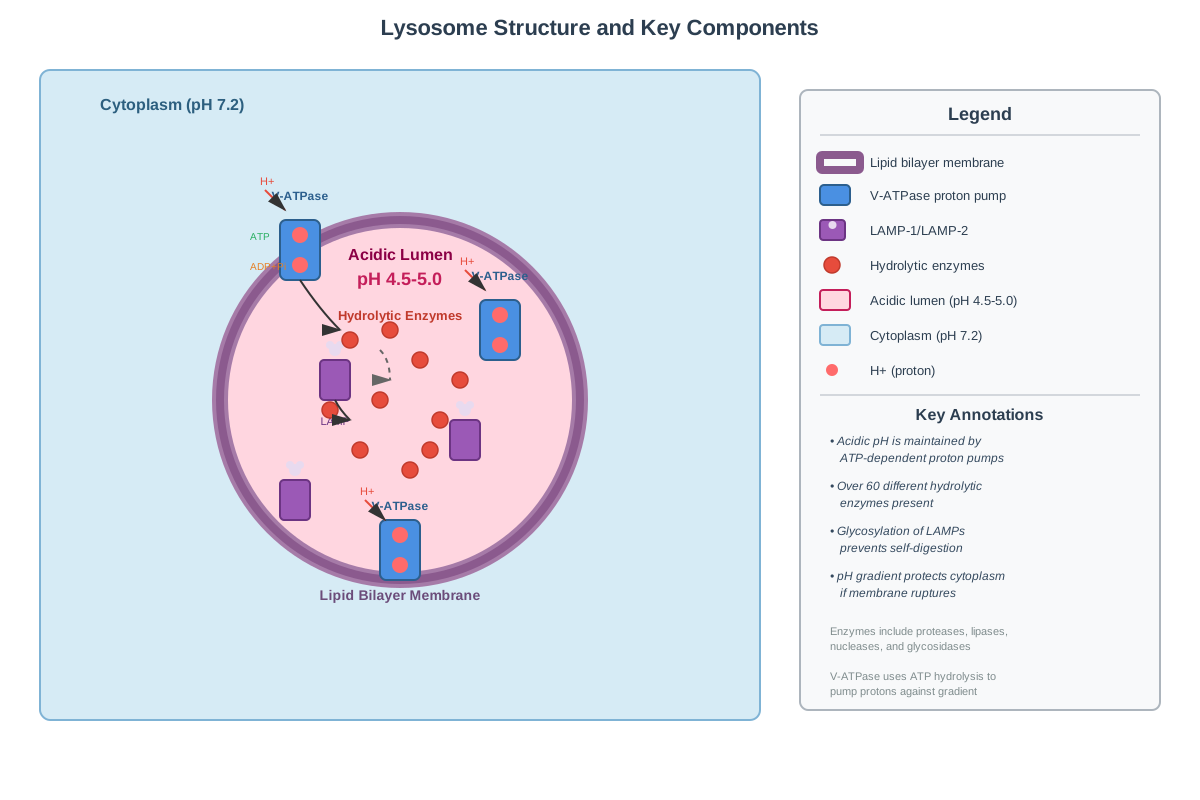
Lysosomes are spherical, membrane-bound organelles typically 0.1-1.2 μm in diameter, containing approximately 50-60 different types of hydrolytic enzymes (also called acid hydrolases). The lysosomal membrane is composed of a lipid bilayer with heavily glycosylated integral membrane proteins that protect the membrane from enzymatic digestion. These membrane proteins include lysosomal-associated membrane proteins (LAMPs) and proton pumps that maintain the organelle's characteristic acidic environment.
The interior of the lysosome maintains a pH of approximately 4.5-5.0, significantly more acidic than the cytosolic pH of ~7.2. This acidic environment is maintained by V-type ATPase proton pumps embedded in the lysosomal membrane, which actively transport H⁺ ions from the cytosol into the lysosomal lumen using ATP hydrolysis. The acidic pH is crucial because lysosomal enzymes have optimal activity at low pH—this provides a safety mechanism, as these enzymes would be relatively inactive if accidentally released into the neutral-pH cytosol.
Lysosomal Enzymes
Lysosomal hydrolytic enzymes catalyze the breakdown of biological macromolecules through hydrolysis reactions. Major categories include:
| Enzyme Class | Substrate | Examples |
|---|---|---|
| Proteases | Proteins and peptides | Cathepsins |
| Lipases | Lipids and phospholipids | Phospholipases |
| Glycosidases | Carbohydrates and glycoproteins | β-galactosidase, β-hexosaminidase |
| Nucleases | DNA and RNA | DNase, RNase |
| Phosphatases | Phosphate-containing molecules | Acid phosphatase |
| Sulfatases | Sulfate-containing molecules | Arylsulfatase |
These enzymes work synergistically to completely degrade complex molecules into their basic building blocks (amino acids, monosaccharides, nucleotides, fatty acids), which are then transported across the lysosomal membrane into the cytosol for reuse in biosynthetic pathways.
Lysosome Formation and Enzyme Targeting
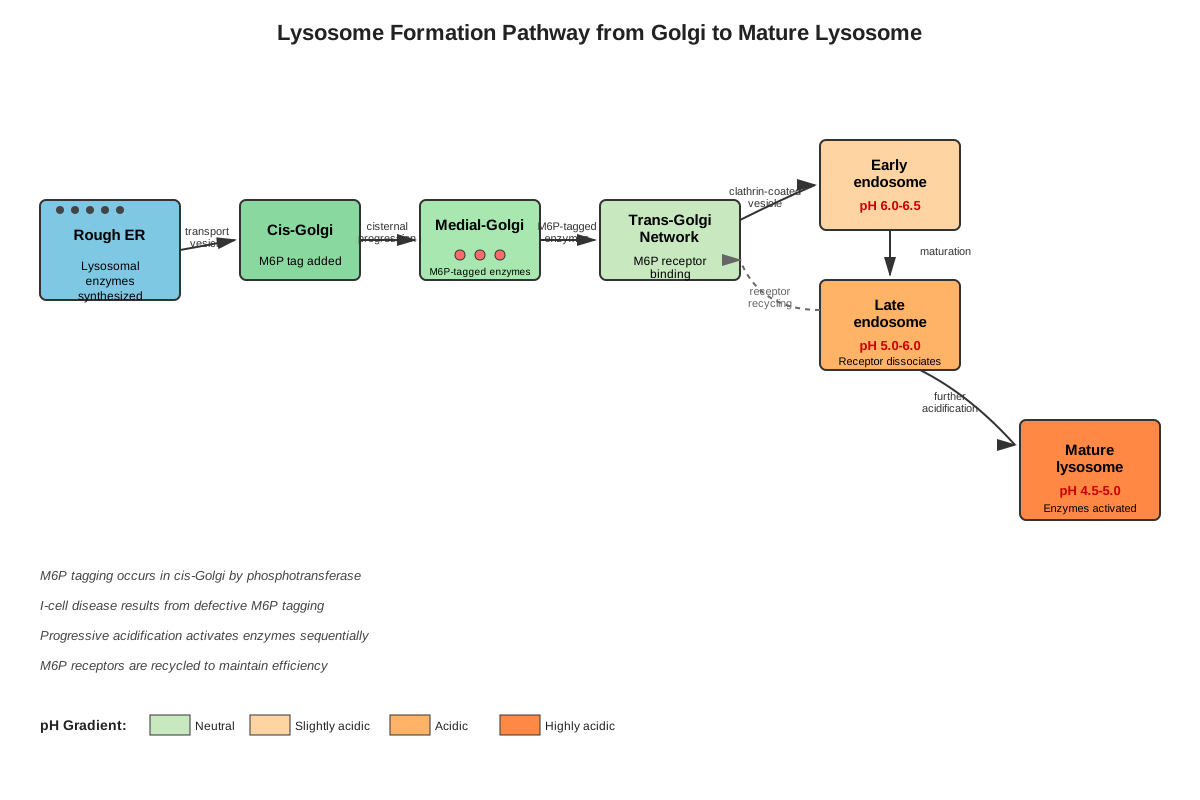
Lysosomes form through a specific pathway involving the Golgi apparatus. The process follows these steps:
- Synthesis: Lysosomal enzymes are synthesized on ribosomes of the rough endoplasmic reticulum (RER) and contain signal sequences directing them into the ER lumen
- Modification: In the ER and Golgi, enzymes undergo glycosylation and receive a specific marker—mannose-6-phosphate (M6P)—added by enzymes in the cis-Golgi
- Recognition: M6P receptors in the trans-Golgi network recognize and bind enzymes bearing M6P tags
- Packaging: Enzyme-receptor complexes are packaged into clathrin-coated vesicles that bud from the Golgi
- Transport: These vesicles lose their clathrin coat and fuse with late endosomes
- Maturation: The acidic pH of late endosomes causes enzymes to dissociate from M6P receptors; receptors are recycled back to the Golgi while the late endosome matures into a lysosome
MCAT Exam Tip: The mannose-6-phosphate targeting system is high-yield. Questions may present mutations affecting M6P addition or receptor function, asking students to predict consequences (enzymes secreted instead of targeted to lysosomes).
Pathways of Lysosomal Degradation
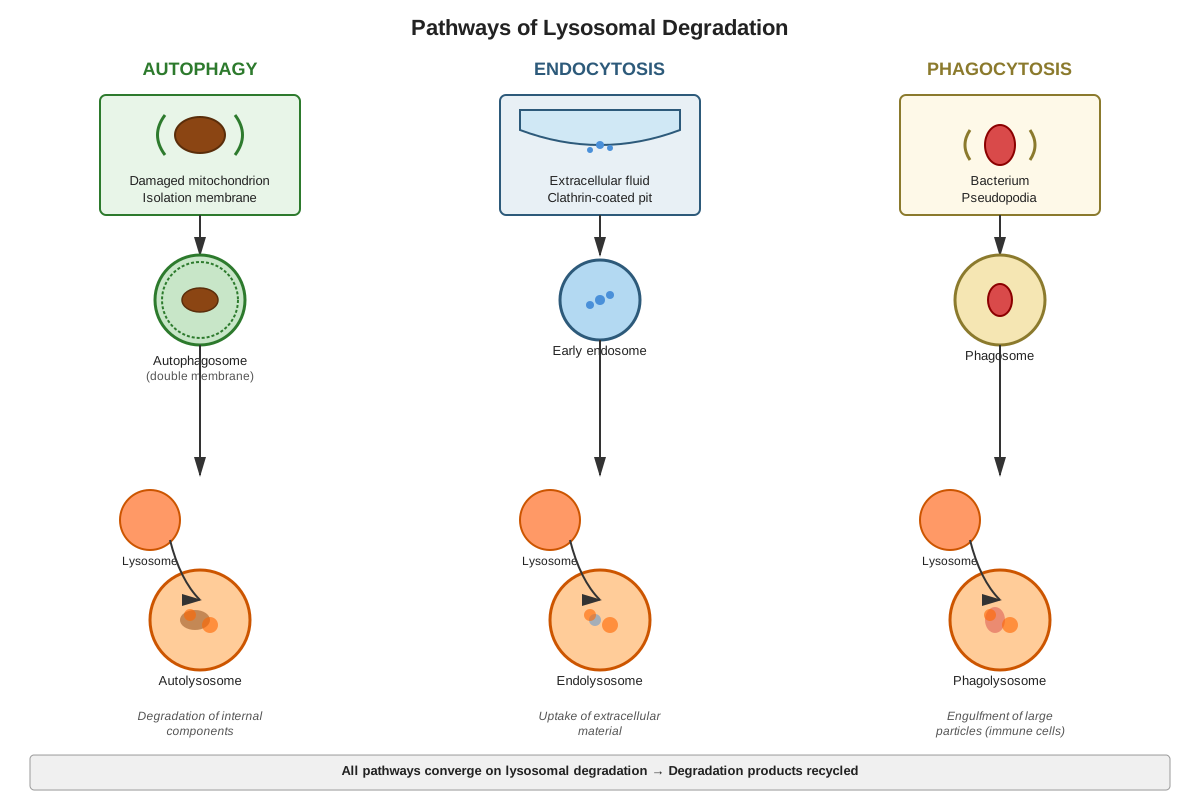
Lysosomes participate in several degradative pathways, collectively maintaining cellular homeostasis:
Heterophagy (degradation of extracellular material):
- Phagocytosis: Large particles (bacteria, dead cells) are engulfed in phagosomes, which fuse with lysosomes to form phagolysosomes
- Receptor-mediated endocytosis: Specific molecules bind cell surface receptors and are internalized in endocytic vesicles that mature into early endosomes, then late endosomes, which fuse with lysosomes
- Pinocytosis: Non-specific uptake of extracellular fluid and dissolved solutes
Autophagy (degradation of intracellular material):
- Macroautophagy: Damaged organelles or protein aggregates are sequestered in double-membrane structures called autophagosomes, which fuse with lysosomes to form autolysosomes
- Microautophagy: The lysosomal membrane directly invaginates to engulf small portions of cytoplasm
- Chaperone-mediated autophagy: Specific proteins with targeting sequences are recognized by chaperones and transported directly across the lysosomal membrane
Autophagy is particularly important during nutrient deprivation, allowing cells to recycle their own components to generate energy and building blocks for essential processes.
Lysosomal Storage Diseases
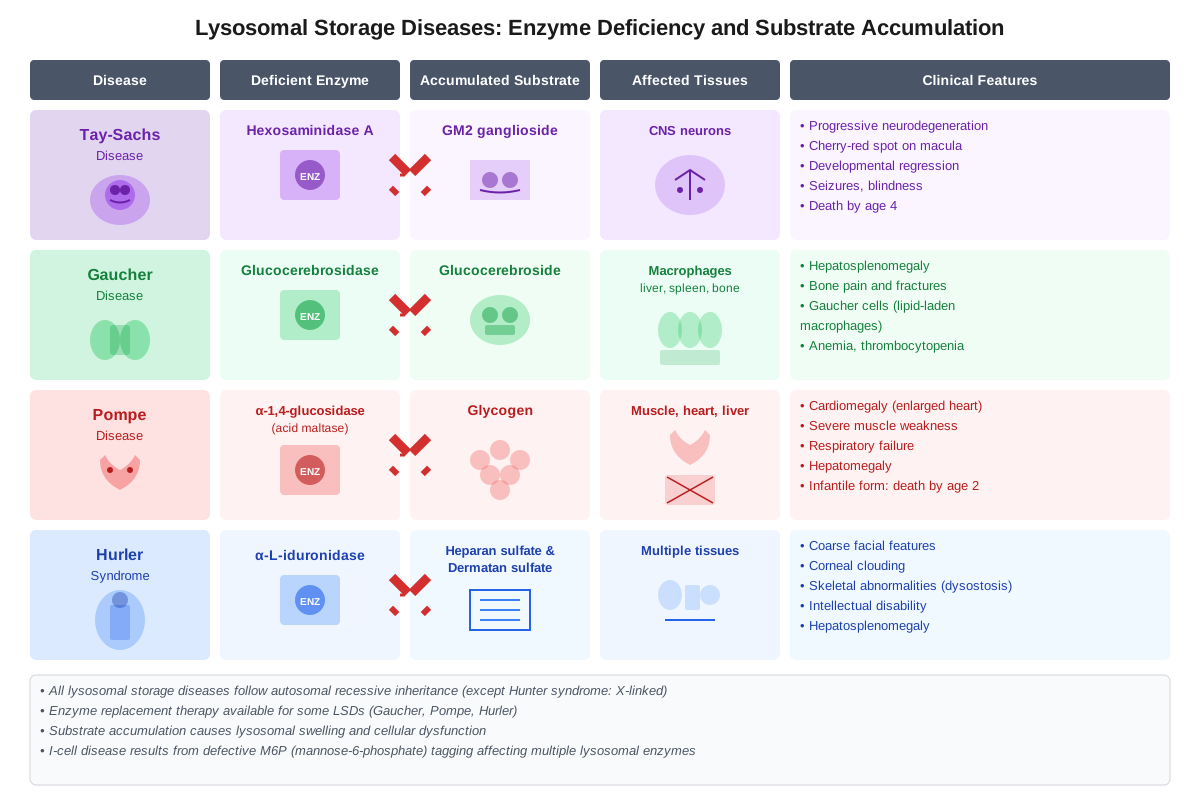
Lysosomal storage diseases (LSDs) result from genetic mutations causing deficiency or dysfunction of specific lysosomal enzymes. Without functional enzymes, substrates accumulate within lysosomes, causing cellular dysfunction and tissue damage. Key examples include:
- Tay-Sachs disease: Deficiency of β-hexosaminidase A leads to accumulation of GM2 gangliosides in neurons, causing neurodegeneration, developmental regression, and early death
- Gaucher disease: Deficiency of β-glucocerebrosidase causes accumulation of glucocerebroside in macrophages, leading to hepatosplenomegaly and bone disease
- Pompe disease: Deficiency of acid α-glucosidase causes glycogen accumulation, particularly affecting cardiac and skeletal muscle
- I-cell disease (mucolipidosis II): Deficiency in the enzyme that adds M6P tags causes lysosomal enzymes to be secreted rather than targeted to lysosomes, resulting in multiple enzyme deficiencies
High-Yield Connection: LSDs demonstrate the principle that even single enzyme deficiencies can have devastating consequences, emphasizing the importance of complete degradative pathways.
Concept Relationships
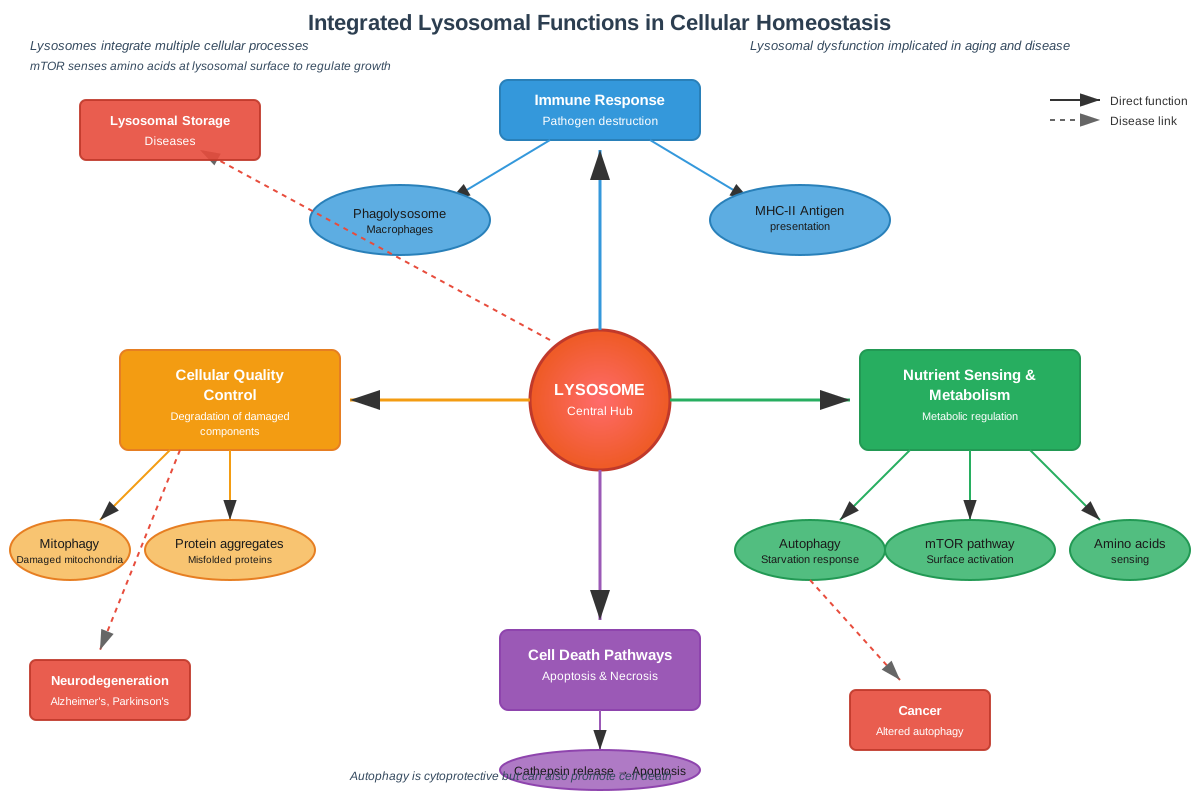
The formation and function of lysosomes integrates multiple cellular processes. Protein synthesis in the rough ER → glycosylation and M6P tagging in the Golgi → vesicular transport to endosomes → fusion events creating mature lysosomes. This pathway connects lysosomes to the broader endomembrane system.
Lysosomal function depends on membrane transport (V-ATPase proton pumps maintaining pH) and enzyme kinetics (pH-dependent activity of acid hydrolases). The acidic pH represents an application of acid-base chemistry and demonstrates how cells create specialized biochemical environments.
Lysosomes connect to cellular metabolism through autophagy, which provides nutrients during starvation by degrading cellular components. This links to metabolic regulation and cellular stress responses. Lysosomes also participate in apoptosis (programmed cell death) by releasing enzymes that activate death pathways, connecting to cell cycle and development concepts.
The immune system relies heavily on lysosomes—macrophages and neutrophils use phagolysosomes to destroy pathogens, linking lysosomes to innate immunity. Understanding lysosomal storage diseases connects to genetics (autosomal recessive inheritance patterns) and biochemistry (substrate accumulation and pathway disruption).
Conceptual flow: Endomembrane system → Lysosome formation → pH maintenance → Enzyme activation → Substrate degradation → Recycling or disease (if deficient)
Quick check — test yourself on Lysosomes so far.
Try Flashcards →High-Yield Facts
⭐ Lysosomes maintain an internal pH of ~4.5-5.0 through V-type ATPase proton pumps, and lysosomal enzymes (acid hydrolases) have optimal activity at this acidic pH
⭐ Mannose-6-phosphate (M6P) tags direct lysosomal enzymes from the Golgi to lysosomes; defects in M6P addition cause I-cell disease
⭐ Lysosomes contain approximately 50-60 different hydrolytic enzymes capable of degrading all major classes of biological macromolecules
⭐ Autophagy is the process by which cells degrade their own components in lysosomes, particularly important during starvation
⭐ Lysosomal storage diseases result from deficiencies in specific lysosomal enzymes, causing substrate accumulation and cellular dysfunction
- The lysosomal membrane contains heavily glycosylated proteins (LAMPs) that protect it from enzymatic digestion
- Phagolysosomes form when phagosomes containing engulfed material fuse with lysosomes
- Tay-Sachs disease results from β-hexosaminidase A deficiency and causes GM2 ganglioside accumulation in neurons
- If lysosomal enzymes are accidentally released into the cytosol, their low activity at neutral pH provides protection against cellular damage
- Late endosomes mature into lysosomes as they acquire more hydrolytic enzymes and become more acidic
- Lysosomes participate in bone remodeling through osteoclast activity
- Certain drugs (chloroquine) can accumulate in lysosomes and raise their pH, inhibiting enzyme function
Common Misconceptions
Misconception: Lysosomes only degrade material from outside the cell
Correction: Lysosomes degrade both extracellular material (through heterophagy/endocytosis) and intracellular material (through autophagy). Autophagy is essential for recycling damaged organelles and proteins.
Misconception: The acidic pH of lysosomes is harmful and represents cellular damage
Correction: The acidic pH is carefully maintained and functionally essential—it provides optimal conditions for lysosomal enzyme activity and serves as a safety mechanism since these enzymes are less active at cytosolic pH.
Misconception: All lysosomal enzymes are identical
Correction: Lysosomes contain 50-60 different enzymes with distinct specificities for different substrates (proteins, lipids, carbohydrates, nucleic acids). Each enzyme catalyzes specific hydrolytic reactions.
Misconception: Lysosomal storage diseases result from overactive lysosomal enzymes
Correction: LSDs result from deficient or absent enzyme activity, causing substrate accumulation rather than excessive degradation. The problem is too little enzyme function, not too much.
Misconception: Lysosomes and peroxisomes are the same organelle
Correction: Lysosomes and peroxisomes are distinct organelles. Lysosomes contain hydrolytic enzymes and function at acidic pH for degradation; peroxisomes contain oxidative enzymes and function at neutral pH for lipid metabolism and hydrogen peroxide breakdown.
Misconception: Mannose-6-phosphate receptors remain in lysosomes after delivering enzymes
Correction: M6P receptors are recycled back to the Golgi after releasing enzymes in the acidic environment of late endosomes/lysosomes. This allows receptors to be reused for multiple rounds of enzyme transport.
Worked Examples
Example 1: Enzyme Targeting Defect
Question: A patient presents with coarse facial features, skeletal abnormalities, and developmental delays. Laboratory analysis reveals that the patient's fibroblasts have normal levels of lysosomal enzymes in the culture medium but very low levels within the cells. Lysosomes in these cells contain large amounts of undegraded material. Which of the following best explains this patient's condition?
Step 1 - Identify key information:
- Lysosomal enzymes are present in normal amounts but in the wrong location (secreted into medium instead of inside cells)
- Lysosomes cannot properly degrade material (accumulation of substrates)
- This suggests a targeting problem, not an enzyme synthesis problem
Step 2 - Recall lysosomal enzyme targeting mechanism:
Lysosomal enzymes are tagged with mannose-6-phosphate (M6P) in the Golgi, recognized by M6P receptors, and transported to lysosomes. Without proper M6P tagging, enzymes follow the default secretory pathway.
Step 3 - Connect to disease:
This presentation is consistent with I-cell disease (mucolipidosis II), caused by deficiency of the enzyme that adds M6P tags to lysosomal enzymes. Without M6P tags, enzymes cannot be recognized by M6P receptors and are secreted instead of being delivered to lysosomes.
Step 4 - Predict consequences:
- Multiple lysosomal enzyme deficiencies within cells (since all enzymes lack proper targeting)
- Accumulation of multiple substrate types (proteins, lipids, carbohydrates)
- Elevated enzyme levels in blood/culture medium (due to secretion)
Answer: The patient has a defect in the enzyme that adds mannose-6-phosphate tags to lysosomal enzymes, causing them to be secreted rather than targeted to lysosomes.
Learning objective addressed: This example demonstrates application of lysosomal enzyme targeting knowledge to interpret clinical and laboratory findings, connecting molecular mechanisms to disease phenotypes.
Example 2: pH Manipulation Experiment
Question: Researchers treat cultured cells with bafilomycin A1, a drug that inhibits V-type ATPase proton pumps. They then measure the degradation rate of proteins delivered to lysosomes via autophagy. Predict the experimental results and explain the mechanism.
Step 1 - Understand the drug's effect:
Bafilomycin A1 inhibits V-ATPase → prevents H⁺ pumping into lysosomes → lysosomal pH increases (becomes less acidic, closer to neutral)
Step 2 - Recall pH-activity relationship:
Lysosomal enzymes (acid hydrolases) have optimal activity at pH 4.5-5.0. At higher (more neutral) pH, their catalytic efficiency decreases significantly.
Step 3 - Predict experimental outcome:
- Protein degradation rate will decrease substantially
- Autophagosomes may still form and fuse with lysosomes, but degradation within autolysosomes will be impaired
- Undegraded material will accumulate in lysosomes
Step 4 - Consider additional effects:
- The accumulation might be detected by increased LC3-II levels (autophagosome marker) or p62 accumulation (autophagy substrate)
- Cell viability might decrease if autophagy is essential for the experimental conditions (e.g., nutrient deprivation)
Answer: Protein degradation will be significantly reduced because inhibiting V-ATPase prevents maintenance of acidic lysosomal pH, and lysosomal enzymes require acidic pH for optimal activity. This demonstrates that the acidic environment is functionally essential, not merely a characteristic feature of lysosomes.
Learning objective addressed: This example requires applying understanding of lysosomal pH maintenance and enzyme kinetics to predict experimental outcomes, demonstrating integration of multiple concepts.
Exam Strategy
Question Recognition
Trigger words indicating lysosomal involvement include: "acidic organelle," "degradation," "hydrolytic enzymes," "autophagy," "phagocytosis," "storage disease," "mannose-6-phosphate," "acid hydrolase," and specific disease names (Tay-Sachs, Gaucher, Pompe, I-cell disease). When passages describe cellular digestion, immune cell function, or genetic disorders with substrate accumulation, immediately consider lysosomal mechanisms.
Approach Strategy
- Identify the process: Determine whether the question involves lysosome formation, enzyme targeting, degradation pathways, or disease states
- Consider pH: Many lysosomal questions hinge on understanding the acidic pH requirement—ask yourself how pH affects the scenario
- Trace the pathway: For targeting questions, mentally trace enzymes from ER → Golgi → M6P tagging → vesicle transport → endosome → lysosome
- Distinguish pathways: Clarify whether material comes from outside (heterophagy) or inside (autophagy) the cell
Process of Elimination
- Eliminate answers suggesting lysosomes function at neutral or basic pH—this is incorrect
- Eliminate answers confusing lysosomes with other organelles (peroxisomes, proteasomes)—know the distinctions
- Eliminate answers suggesting lysosomal enzymes are most active in the cytosol—they're optimized for acidic pH
- For storage disease questions, eliminate answers suggesting overactive enzymes—these diseases involve deficiencies
Time Management
Lysosomal questions are typically straightforward if you know the core concepts. Allocate 60-90 seconds for discrete questions. For passage-based questions, spend 30-45 seconds identifying which lysosomal concept is being tested, then apply that knowledge systematically. Don't overthink—MCAT questions on lysosomes usually test fundamental principles rather than obscure details.
Memory Techniques
Mnemonics
"LAMP Lights the Acidic Path" - Remember that LAMPs (Lysosomal-Associated Membrane Proteins) are in the membrane, and lysosomes are acidic
"M6P Marks for Delivery" - Mannose-6-Phosphate tags mark enzymes for delivery to lysosomes
"Hetero = Other, Auto = Self" - Heterophagy degrades material from other sources (outside cell); Autophagy degrades self-components
"pH 5 Keeps Enzymes Alive" - Lysosomal pH (~5) is essential for enzyme activity
Visualization Strategy
Picture lysosomes as cellular "recycling centers" with three key features:
- Thick protective walls (glycosylated membrane proteins) preventing self-digestion
- Acidic interior (visualize H⁺ ions being pumped in by V-ATPase)
- Multiple specialized workers (different enzymes) breaking down different materials
For enzyme targeting, visualize a postal system: enzymes are "packages" that receive "address labels" (M6P tags) in the Golgi "post office," then are delivered by "mail carriers" (vesicles) to the correct "destination" (lysosomes).
Acronym for Lysosomal Storage Diseases
"Tay-Gaucher Pompe" (TGP) - Remember the three most commonly tested LSDs:
- Tay-Sachs (hexosaminidase A deficiency, GM2 ganglioside accumulation, neurological)
- Gaucher (glucocerebrosidase deficiency, glucocerebroside accumulation, hepatosplenomegaly)
- Pompe (acid α-glucosidase deficiency, glycogen accumulation, muscle/heart)
Summary
Lysosomes are membrane-bound organelles containing approximately 50-60 hydrolytic enzymes that function optimally at acidic pH (~4.5-5.0) maintained by V-ATPase proton pumps. These organelles serve as the cell's primary degradative compartment, breaking down macromolecules from both extracellular sources (heterophagy via endocytosis and phagocytosis) and intracellular sources (autophagy). Lysosomal enzymes are synthesized in the ER, tagged with mannose-6-phosphate in the Golgi, and transported to lysosomes via M6P receptor-mediated vesicular transport. Deficiencies in specific lysosomal enzymes cause lysosomal storage diseases characterized by substrate accumulation and cellular dysfunction. For the MCAT, students must understand lysosomal structure, the functional importance of acidic pH, enzyme targeting mechanisms, degradation pathways, and the molecular basis of storage diseases. This knowledge integrates concepts from cell biology, biochemistry, and genetics, appearing in questions about cellular processes, immune function, and genetic disorders.
Key Takeaways
- Lysosomes maintain acidic pH (~4.5-5.0) via V-ATPase proton pumps, essential for optimal acid hydrolase activity
- Mannose-6-phosphate tagging in the Golgi directs lysosomal enzymes to their destination; defects cause I-cell disease
- Lysosomes degrade both extracellular material (heterophagy) and intracellular components (autophagy)
- Lysosomal storage diseases result from enzyme deficiencies causing substrate accumulation (Tay-Sachs, Gaucher, Pompe)
- The heavily glycosylated lysosomal membrane protects against self-digestion by contained enzymes
- Autophagy is crucial during starvation, allowing cells to recycle components for energy and biosynthesis
- Lysosomes integrate multiple cellular processes: endomembrane system, vesicular transport, immune function, and apoptosis
Related Topics
Endoplasmic Reticulum and Protein Synthesis: Understanding how lysosomal enzymes are initially synthesized and processed in the ER provides context for the complete pathway of lysosome formation
Golgi Apparatus and Protein Modification: The Golgi's role in adding mannose-6-phosphate tags is essential for lysosomal enzyme targeting
Endocytosis and Membrane Trafficking: These processes deliver extracellular material to lysosomes and explain how cells internalize nutrients and pathogens
Autophagy and Cellular Stress Responses: Detailed study of autophagy mechanisms reveals how cells respond to nutrient deprivation and maintain homeostasis
Apoptosis and Cell Death: Lysosomes participate in programmed cell death pathways, connecting to developmental biology and cancer biology
Immune System Function: Phagocytic cells rely on lysosomes to destroy pathogens, linking to innate immunity concepts
Peroxisomes: Comparing lysosomes and peroxisomes clarifies the distinct roles of different degradative organelles
Practice CTA
Now that you've mastered the core concepts of lysosomal structure and function, test your understanding with practice questions and flashcards. Focus on applying your knowledge to experimental scenarios and clinical vignettes—this is how the MCAT will assess your comprehension. Pay special attention to questions involving pH manipulation, enzyme targeting defects, and storage disease presentations. Remember, understanding lysosomes isn't just about memorizing facts; it's about integrating multiple biological concepts to solve complex problems. You've built a strong foundation—now reinforce it through active practice and application. Your ability to quickly recognize lysosomal involvement in MCAT passages and systematically apply these principles will directly translate to points on test day!
Sign up free to keep reading
Create a free AnvayaPrep account to finish this MCAT guide on Lysosomes — plus flashcards and practice questions.