Overview
Necrosis is a form of traumatic cell death resulting from acute cellular injury, representing one of the fundamental pathological processes tested on the MCAT. Unlike apoptosis, which is a regulated and programmed form of cell death, necrosis occurs when cells are exposed to extreme variations from physiological conditions—such as ischemia, toxins, infections, or physical trauma. Understanding necrosis is essential for the MCAT because it bridges multiple disciplines tested on the exam: Cell Biology, biochemistry, physiology, and pathology. Questions involving necrosis frequently appear in passages discussing tissue injury, inflammation, cardiovascular disease, and organ pathology.
The MCAT tests necrosis within the broader context of cellular homeostasis and stress responses. Students must understand not only the morphological and biochemical features that distinguish necrosis from other forms of cell death but also the downstream consequences of necrotic cell death on surrounding tissues and the organism as a whole. Necrosis triggers inflammatory responses, releases intracellular contents that can damage neighboring cells, and often leads to functional impairment of affected organs. This topic appears in both passage-based and discrete questions, often requiring students to analyze experimental data, interpret clinical vignettes, or predict outcomes of cellular injury.
From a big-picture perspective, necrosis connects to numerous high-yield Biology concepts including membrane integrity, ATP depletion, calcium homeostasis, oxidative stress, and the inflammatory response. It serves as a critical link between normal cellular physiology and pathological states, making it an integrative topic that can appear across multiple sections of the MCAT. Mastery of necrosis enables students to approach questions about tissue injury, disease mechanisms, and therapeutic interventions with confidence and precision.
Learning Objectives
- [ ] Define Necrosis using accurate Biology terminology
- [ ] Explain why Necrosis matters for the MCAT
- [ ] Apply Necrosis to exam-style questions
- [ ] Identify common mistakes related to Necrosis
- [ ] Connect Necrosis to related Biology concepts
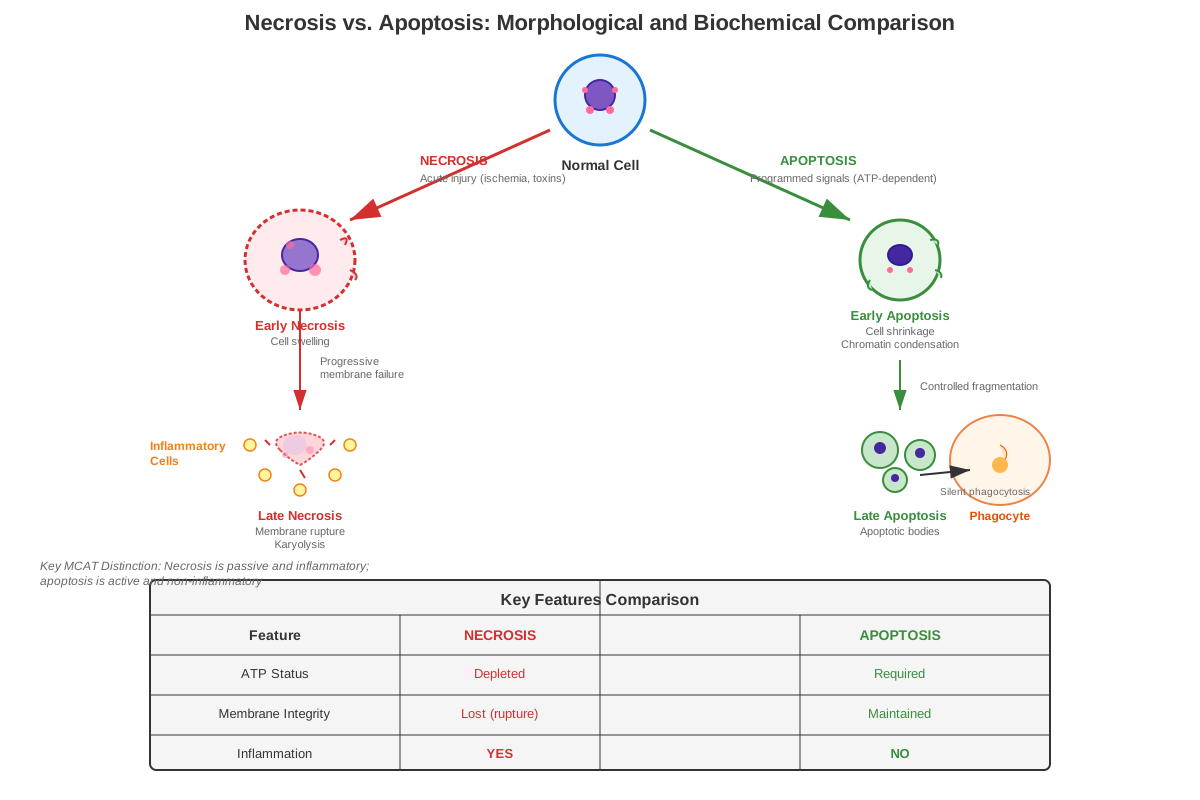
- [ ] Distinguish between necrosis and apoptosis based on morphological and biochemical features
- [ ] Describe the major types of necrosis and their characteristic tissue contexts
- [ ] Explain the molecular mechanisms underlying necrotic cell death, including ATP depletion and membrane failure
- [ ] Predict the inflammatory consequences of necrotic cell death and their physiological significance
Prerequisites
- Cell membrane structure and function: Understanding phospholipid bilayers, membrane proteins, and selective permeability is essential because necrosis involves catastrophic membrane failure
- ATP synthesis and cellular energetics: Necrosis often results from ATP depletion, requiring knowledge of glycolysis, oxidative phosphorylation, and cellular energy requirements
- Calcium homeostasis: Normal cells maintain low intracellular calcium concentrations; necrosis involves loss of calcium regulation
- Basic inflammation concepts: Necrotic cells trigger inflammatory responses, necessitating familiarity with inflammatory mediators and immune cell recruitment
- Apoptosis fundamentals: Distinguishing necrosis from programmed cell death requires understanding apoptotic mechanisms and characteristics
Why This Topic Matters
Clinical and Real-World Significance
Necrosis underlies numerous pathological conditions encountered in clinical medicine. Myocardial infarction (heart attack) results from necrosis of cardiac muscle due to ischemia. Stroke involves necrosis of brain tissue. Frostbite, burns, and traumatic injuries all produce necrotic tissue. Bacterial infections can cause liquefactive necrosis, while tuberculosis produces characteristic caseous necrosis. Understanding necrosis is fundamental to comprehending disease mechanisms, predicting clinical outcomes, and developing therapeutic strategies aimed at minimizing tissue damage.
MCAT Exam Statistics and Question Types
Necrosis appears on the MCAT with moderate frequency, typically in 2-4 questions per exam. Questions may be discrete or embedded within passages discussing cardiovascular disease, infectious disease, toxicology, or experimental models of cellular injury. The topic most commonly appears in the Biological and Biochemical Foundations of Living Systems section but can also appear in passages with physiological or pathological themes. Question formats include:
- Comparison questions: Distinguishing necrosis from apoptosis based on described features
- Mechanism questions: Identifying the sequence of events leading to necrotic cell death
- Prediction questions: Determining consequences of necrosis in specific tissue contexts
- Experimental analysis: Interpreting data from studies examining cellular injury and death
Common Passage Contexts
MCAT passages featuring necrosis often present scenarios involving ischemia-reperfusion injury, toxic exposures, or infectious processes. A typical passage might describe an experimental model of stroke, present data on cellular ATP levels and membrane integrity, then ask students to identify the type of cell death occurring and predict inflammatory consequences. Other passages might compare different forms of tissue injury or explore therapeutic interventions aimed at preventing necrotic cell death.
Core Concepts
Definition and Fundamental Characteristics of Necrosis
Necrosis is defined as the pathological death of cells or tissues through injury or disease, particularly in living organisms. It represents an uncontrolled, passive form of cell death that occurs in response to overwhelming cellular stress or damage. The term derives from the Greek word "nekros," meaning dead. Unlike apoptosis, which is an active, energy-requiring process, necrosis typically occurs when cells lack sufficient ATP to execute programmed death pathways.
The hallmark features of necrosis include:
- Loss of membrane integrity leading to cell swelling and rupture
- Release of intracellular contents into the extracellular space
- Triggering of inflammatory responses
- Involvement of groups of contiguous cells rather than individual cells
- Absence of energy-dependent processes
- Irreversible cellular injury
Molecular Mechanisms of Necrotic Cell Death
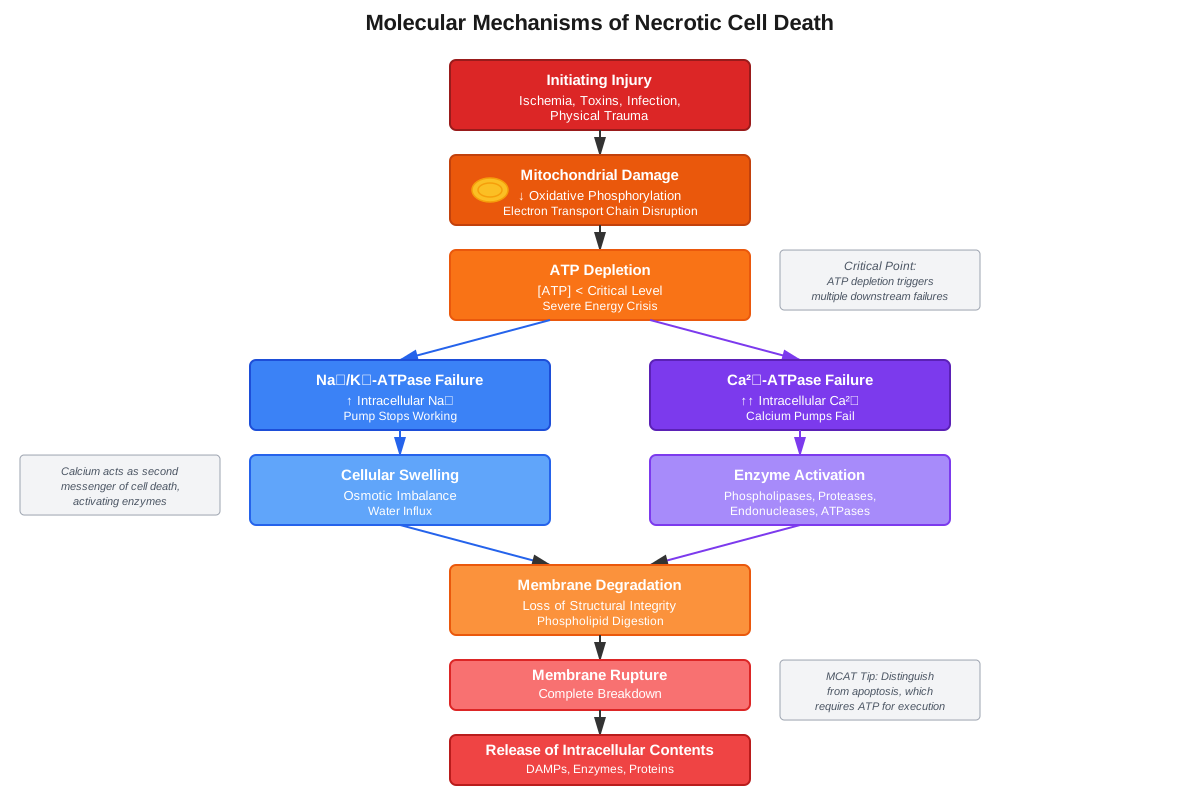
The pathogenesis of necrosis involves a cascade of molecular events initiated by severe cellular injury:
- ATP Depletion: The primary trigger for necrosis is often severe ATP depletion below critical thresholds (typically <5-10% of normal levels). Without adequate ATP, cells cannot maintain essential energy-dependent processes.
- Failure of Ion Pumps: ATP depletion causes failure of Na⁺/K⁺-ATPase pumps in the plasma membrane. This leads to:
- Intracellular sodium accumulation
- Loss of potassium from the cell
- Osmotic imbalance causing water influx
- Cellular and organellar swelling (oncosis)
- Calcium Dysregulation: Loss of ATP-dependent calcium pumps results in:
- Increased cytosolic calcium concentrations
- Activation of calcium-dependent enzymes (proteases, phospholipases, endonucleases)
- Mitochondrial calcium overload
- Further impairment of ATP synthesis
- Membrane Damage: Multiple mechanisms contribute to membrane failure:
- Phospholipase activation degrades membrane phospholipids
- Reactive oxygen species (ROS) cause lipid peroxidation
- Loss of membrane asymmetry
- Physical disruption from cellular swelling
- Organellar Dysfunction: Mitochondria swell and lose function, endoplasmic reticulum dilates, and lysosomes rupture, releasing hydrolytic enzymes that digest cellular components.
- Nuclear Changes: DNA damage and chromatin clumping occur, though these are less organized than in apoptosis. Nuclear changes include:
- Pyknosis: Nuclear shrinkage and increased basophilia
- Karyorrhexis: Nuclear fragmentation
- Karyolysis: Nuclear dissolution due to DNase activity
Types of Necrosis
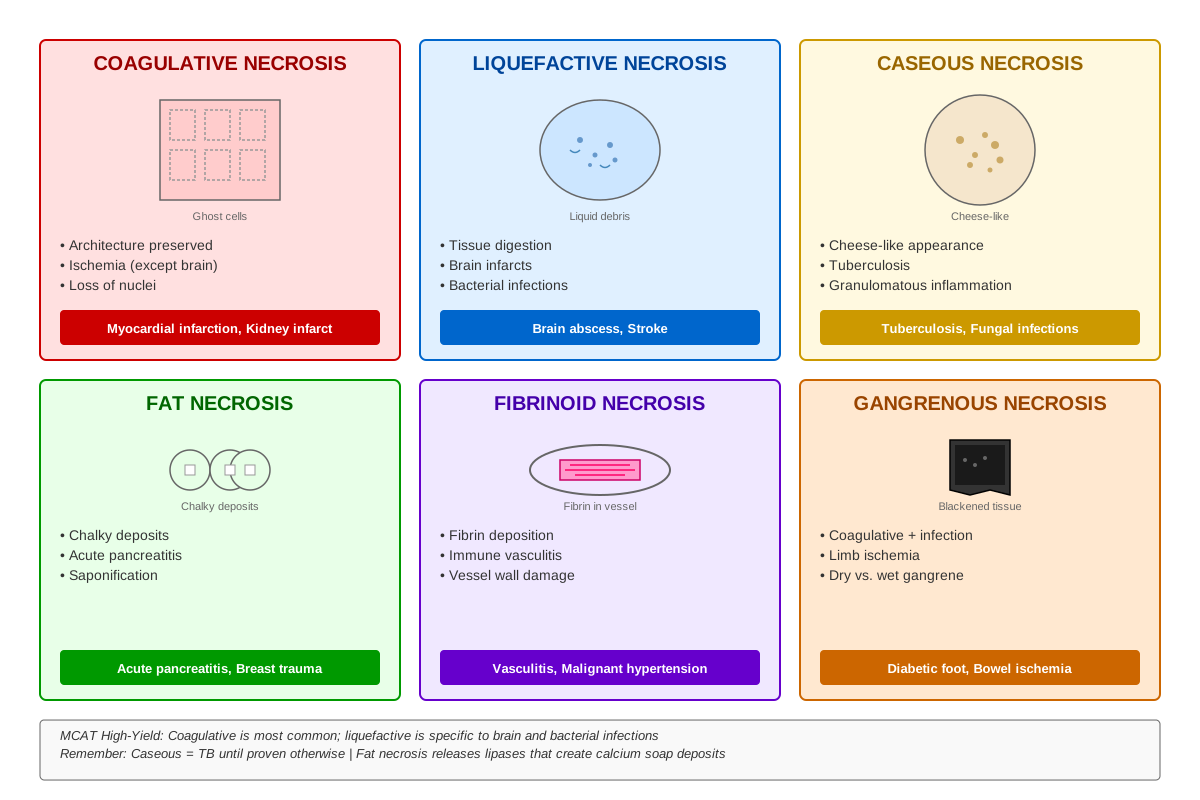
Different patterns of necrosis occur depending on the tissue type and nature of injury:
| Type of Necrosis | Characteristics | Common Locations | Typical Causes |
|---|---|---|---|
| Coagulative | Preservation of tissue architecture; firm texture; proteins denature | Heart, kidney, liver, spleen | Ischemia (except brain) |
| Liquefactive | Tissue digestion creating liquid viscous mass | Brain, bacterial infections | Ischemic stroke, bacterial/fungal infections |
| Caseous | Cheese-like appearance; fragmented cells and debris | Lungs (tuberculosis), lymph nodes | Mycobacterial infections, some fungi |
| Fat Necrosis | Chalky white appearance; saponification | Breast, pancreas, adipose tissue | Trauma, pancreatitis, breast injury |
| Fibrinoid | Deposition of immune complexes and fibrin | Blood vessel walls | Autoimmune diseases, hypertension |
| Gangrenous | Large-scale tissue death; dry or wet variants | Limbs, intestines | Ischemia, infection |
Coagulative necrosis is the most common type, occurring when ischemia causes protein denaturation while preserving the basic tissue architecture. The "ghost outline" of dead cells remains visible microscopically for days. This pattern is typical of infarctions in solid organs.
Liquefactive necrosis occurs when hydrolytic enzymes digest dead cells, transforming tissue into a liquid mass. In the brain, this reflects the high lipid content and relative lack of structural proteins. In bacterial infections, neutrophil-derived enzymes cause liquefaction, forming abscesses.
Caseous necrosis is characteristic of tuberculosis and represents a combination of coagulative and liquefactive patterns, producing a cheese-like appearance grossly and structureless debris microscopically.
Necrosis versus Apoptosis
Understanding the distinctions between necrosis and apoptosis is high-yield for the MCAT:
| Feature | Necrosis | Apoptosis |
|---|---|---|
| Trigger | Pathological injury | Physiological or pathological signals |
| Energy requirement | Passive; no ATP needed | Active; requires ATP |
| Cell size | Swelling (oncosis) | Shrinkage |
| Membrane integrity | Lost early; rupture | Maintained until late stages |
| Cellular contents | Released; damage neighbors | Contained in apoptotic bodies |
| Inflammation | Yes; significant | No; "silent" death |
| DNA degradation | Random | Organized; ladder pattern |
| Tissue involvement | Groups of cells | Individual cells |
| Reversibility | Irreversible once initiated | Potentially reversible early |
| Physiological role | None; always pathological | Normal development and homeostasis |
Consequences of Necrosis
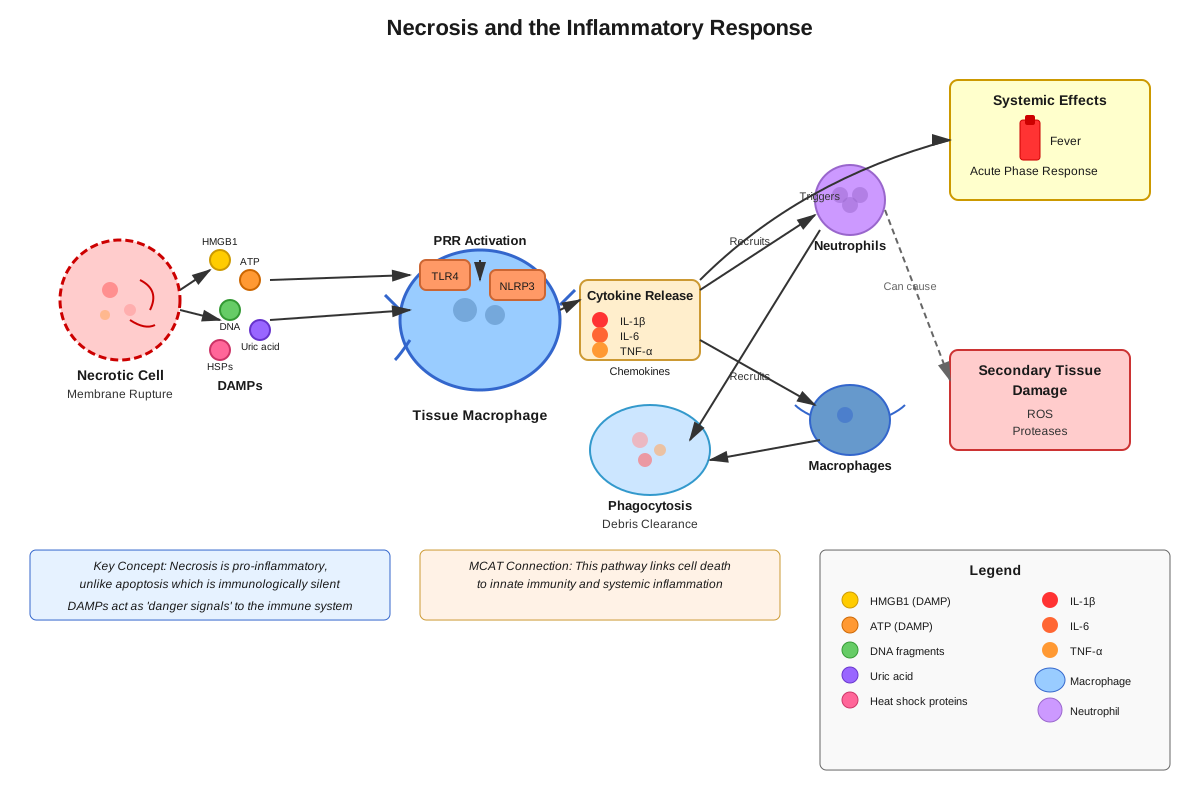
When cells undergo necrosis, they release their intracellular contents into the surrounding tissue. These contents include:
- Damage-associated molecular patterns (DAMPs): Molecules like HMGB1, ATP, and uric acid that signal tissue damage
- Intracellular proteins: Enzymes and structural proteins not normally present extracellularly
- Ions: Potassium, calcium, and other electrolytes
- Lysosomal enzymes: Hydrolytic enzymes that can damage neighboring cells
These released contents trigger inflammatory responses by activating pattern recognition receptors on immune cells. The inflammatory response involves:
- Recognition of DAMPs by innate immune receptors
- Activation of inflammatory signaling pathways (NF-κB, inflammasomes)
- Production of pro-inflammatory cytokines (IL-1, IL-6, TNF-α)
- Recruitment of neutrophils and macrophages
- Increased vascular permeability and edema
- Phagocytic clearance of necrotic debris
While inflammation helps clear damaged tissue, excessive or prolonged inflammation can cause additional tissue damage and contribute to chronic disease states.
Factors Influencing Necrosis
Several factors determine whether cells undergo necrosis and the extent of tissue damage:
- Severity and duration of injury: More severe or prolonged insults increase necrotic cell death
- Tissue type: Different tissues have varying susceptibilities (neurons are highly sensitive to ischemia)
- Metabolic state: Cells with higher metabolic demands are more vulnerable to ATP depletion
- Blood supply: Well-vascularized tissues may better tolerate brief ischemic episodes
- Temperature: Hypothermia can reduce metabolic demands and protect against necrosis
- Presence of toxins or pathogens: Direct cellular damage accelerates necrotic processes
Concept Relationships
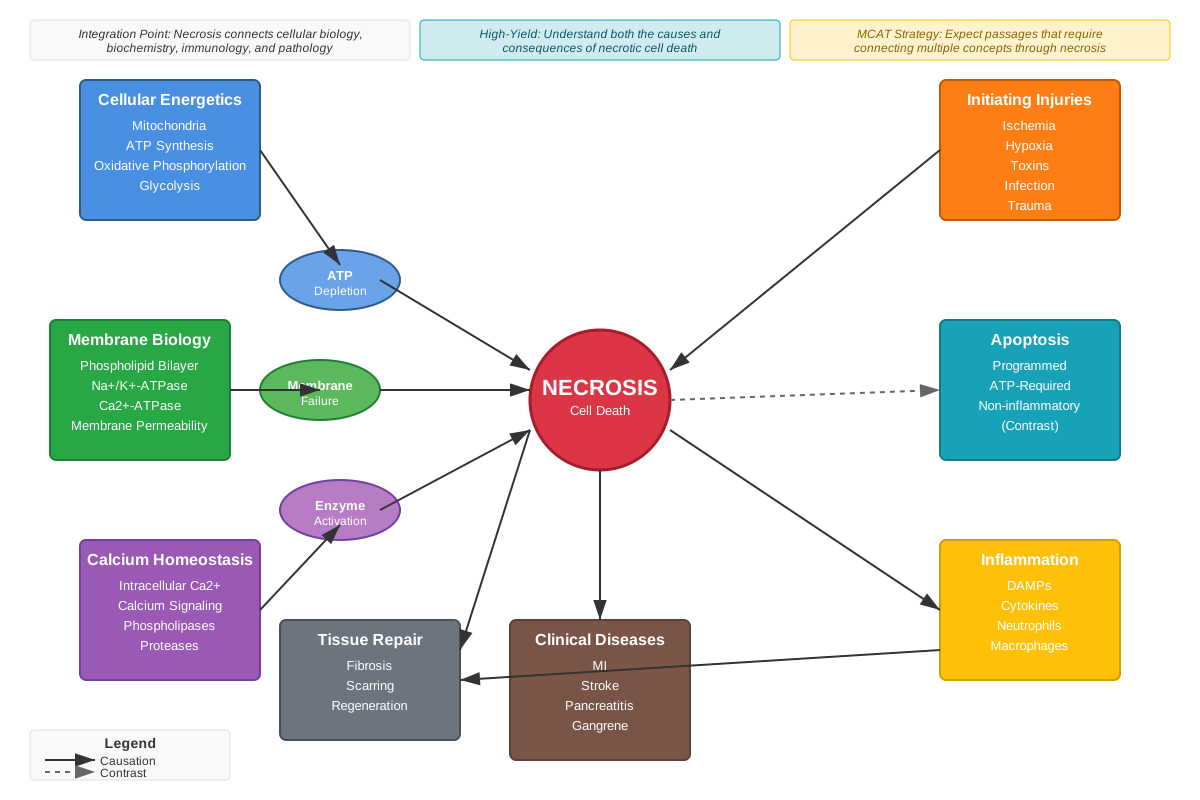
The concepts within necrosis are interconnected in a logical cascade: Cellular injury → ATP depletion → Ion pump failure → Osmotic imbalance and calcium dysregulation → Membrane damage → Cell rupture → Release of intracellular contents → Inflammation. Each step in this sequence depends on the preceding events and contributes to the irreversible nature of necrotic cell death.
Necrosis connects to prerequisite topics in essential ways. Cell membrane structure determines vulnerability to injury and the consequences of membrane failure. ATP synthesis through glycolysis and oxidative phosphorylation provides the energy that, when depleted, initiates necrotic cascades. Calcium homeostasis mechanisms normally prevent the calcium overload that activates destructive enzymes in necrosis. Inflammation concepts explain the tissue-level consequences of necrotic cell death.
Necrosis also relates to numerous advanced topics. It contrasts with apoptosis, highlighting different cellular death pathways. It connects to ischemia and hypoxia, which are common triggers of necrotic cell death. Understanding necrosis is essential for comprehending myocardial infarction, stroke, organ transplantation (ischemia-reperfusion injury), and infectious diseases. The topic also relates to oxidative stress and free radical damage, which contribute to membrane injury in necrosis.
The relationship map: Normal cellular homeostasis ↔ Cellular stress/injury → Reversible injury (if mild) OR Irreversible injury (if severe) → Necrosis → Inflammation → Tissue repair or chronic damage. This framework helps students understand necrosis within the broader context of cellular pathology.
Quick check — test yourself on Necrosis so far.
Try Flashcards →High-Yield Facts
⭐ Necrosis is always pathological and results from severe cellular injury, unlike apoptosis which can be physiological
⭐ Necrotic cells swell and rupture, releasing intracellular contents that trigger inflammation
⭐ ATP depletion below critical levels is the primary trigger for necrotic cell death
⭐ Coagulative necrosis is the most common type and occurs in ischemic injury to solid organs (except brain)
⭐ Liquefactive necrosis occurs in brain infarctions and bacterial infections due to enzymatic digestion of tissue
- Caseous necrosis is characteristic of tuberculosis and has a cheese-like appearance
- Fat necrosis occurs in adipose tissue, particularly in acute pancreatitis and breast trauma
- Necrosis involves groups of contiguous cells, while apoptosis affects individual scattered cells
- Calcium dysregulation in necrosis activates destructive enzymes including proteases, phospholipases, and endonucleases
- Membrane damage in necrosis results from phospholipase activation, lipid peroxidation, and osmotic stress
- Nuclear changes in necrosis include pyknosis (shrinkage), karyorrhexis (fragmentation), and karyolysis (dissolution)
- DAMPs (damage-associated molecular patterns) released from necrotic cells activate innate immune responses
- Gangrenous necrosis refers to large-scale tissue death and can be dry (coagulative) or wet (liquefactive with infection)
- Fibrinoid necrosis occurs in blood vessel walls in autoimmune diseases and malignant hypertension
- Unlike apoptosis, necrosis does not require caspase activation or ATP
Common Misconceptions
Misconception: Necrosis and apoptosis are just different names for the same process of cell death.
Correction: Necrosis and apoptosis are fundamentally different processes. Necrosis is passive, pathological, energy-independent, and inflammatory, while apoptosis is active, can be physiological, requires ATP, and is non-inflammatory. They have distinct morphological features, molecular mechanisms, and biological consequences.
Misconception: All cell death in disease states is necrotic.
Correction: Cells can die through multiple mechanisms including apoptosis, necrosis, autophagy, and other pathways. Many diseases involve apoptotic cell death (e.g., viral infections, cancer treatment), and some conditions involve mixed or intermediate forms of cell death. The type of cell death depends on the nature and severity of injury and cellular energy status.
Misconception: Necrosis occurs instantly when cells are injured.
Correction: Necrosis is a process that unfolds over time, typically hours. There is often a period of reversible injury during which interventions might prevent progression to irreversible necrotic cell death. The timeline depends on injury severity, tissue type, and metabolic demands.
Misconception: Inflammation caused by necrosis is always harmful.
Correction: While excessive inflammation can cause additional tissue damage, the inflammatory response to necrosis serves important functions including clearing cellular debris, preventing infection, and initiating tissue repair. The key is balance—appropriate inflammation is beneficial, but uncontrolled inflammation is detrimental.
Misconception: Liquefactive necrosis only occurs in the brain.
Correction: While liquefactive necrosis is the characteristic pattern in brain infarctions due to the brain's high lipid content and lack of substantial connective tissue framework, it also occurs in bacterial and fungal infections in any tissue. Neutrophil-derived enzymes create liquefactive necrosis in abscesses throughout the body.
Misconception: Once ATP is depleted, necrosis is inevitable.
Correction: The relationship between ATP depletion and necrosis is threshold-dependent. Moderate ATP depletion may be reversible if the injury is removed and cellular energetics can recover. Only when ATP falls below critical levels (typically <5-10% of normal) and remains there does irreversible injury and necrosis become inevitable.
Misconception: Necrotic cells can be phagocytosed without triggering inflammation.
Correction: Unlike apoptotic cells, which are cleared "silently" without inflammation, necrotic cells release their contents before or during phagocytosis, triggering inflammatory responses. The loss of membrane integrity and release of DAMPs ensures that necrosis is inherently inflammatory.
Worked Examples
Example 1: Distinguishing Necrosis from Apoptosis in a Clinical Vignette
Question: A researcher is studying two different models of liver injury in mice. In Model A, mice are treated with a toxin that causes rapid ATP depletion in hepatocytes. In Model B, mice are treated with a compound that activates death receptors on hepatocyte surfaces. Microscopic examination shows that Model A produces groups of swollen cells with ruptured membranes and significant neutrophil infiltration, while Model B shows scattered individual cells that have shrunk and fragmented into membrane-bound bodies with minimal inflammation. Which type of cell death predominates in each model?
Analysis:
Let's systematically evaluate the features described for each model:
Model A features:
- Rapid ATP depletion (key trigger for necrosis)
- Groups of swollen cells (necrosis affects contiguous cells and causes oncosis)
- Ruptured membranes (loss of membrane integrity is characteristic of necrosis)
- Significant neutrophil infiltration (inflammation is triggered by necrosis)
Model B features:
- Activation of death receptors (apoptotic pathway initiation)
- Scattered individual cells (apoptosis affects single cells)
- Cell shrinkage (apoptotic cells shrink rather than swell)
- Fragmentation into membrane-bound bodies (apoptotic bodies)
- Minimal inflammation (apoptosis is non-inflammatory)
Answer: Model A demonstrates necrosis, while Model B demonstrates apoptosis. The ATP depletion in Model A prevents cells from executing energy-dependent apoptotic pathways, forcing them into passive necrotic death. The death receptor activation in Model B initiates caspase cascades leading to organized apoptotic cell death. This example illustrates how the nature of the initial injury determines the cell death pathway and subsequent tissue response.
Example 2: Predicting Consequences of Necrosis in Myocardial Infarction
Question: A 58-year-old patient experiences complete occlusion of a coronary artery for 6 hours before receiving treatment. Cardiac tissue downstream of the occlusion undergoes necrosis. Based on your understanding of necrotic cell death, predict: (A) What type of necrosis will occur? (B) What will happen to intracellular cardiac enzymes? (C) What inflammatory response will develop? (D) What will be the microscopic appearance of the tissue after 24 hours?
Analysis:
(A) Type of necrosis: The heart is a solid organ experiencing ischemic injury. This will produce coagulative necrosis, the characteristic pattern for ischemic injury in solid organs (except brain). In coagulative necrosis, protein denaturation occurs while tissue architecture is initially preserved.
(B) Intracellular enzymes: As cardiac myocytes undergo necrosis, their membranes rupture and release intracellular contents into the bloodstream. Cardiac-specific enzymes and proteins will be released, including:
- Troponins (troponin I and T) - highly specific cardiac markers
- Creatine kinase-MB (CK-MB) - cardiac isoform
- Lactate dehydrogenase (LDH)
- Myoglobin
These enzymes can be detected in blood tests and serve as biomarkers for myocardial infarction. The release pattern follows a timeline: myoglobin rises first (1-4 hours), followed by troponins (3-12 hours), which remain elevated for days.
(C) Inflammatory response: The necrotic cardiac tissue will trigger acute inflammation:
- Released DAMPs activate innate immune receptors
- Pro-inflammatory cytokines (IL-1, IL-6, TNF-α) are produced
- Neutrophils infiltrate the necrotic area within 24 hours
- Macrophages arrive later (3-7 days) to clear debris
- The inflammatory response contributes to additional tissue damage but is necessary for eventual healing
(D) Microscopic appearance at 24 hours: The tissue will show:
- Coagulative necrosis with preserved "ghost outlines" of dead myocytes
- Loss of nuclei (karyolysis) and cytoplasmic eosinophilia
- Wavy fiber appearance at the border of necrotic tissue
- Early neutrophil infiltration
- Interstitial edema
- Hemorrhage at the margins
Answer Summary: This myocardial infarction will produce coagulative necrosis with release of cardiac enzymes into the bloodstream (useful for diagnosis), triggering of acute inflammation with neutrophil infiltration, and characteristic microscopic changes showing preserved tissue architecture with dead cells and inflammatory infiltrate. This example demonstrates how understanding necrosis mechanisms allows prediction of clinical findings and diagnostic test results.
Exam Strategy
Approaching MCAT Questions on Necrosis
When encountering necrosis questions on the MCAT, follow this systematic approach:
- Identify the type of cellular injury: Determine whether the scenario describes acute trauma, ischemia, toxin exposure, or infection
- Assess energy status: Look for clues about ATP availability—necrosis occurs when ATP is severely depleted
- Evaluate the timeline: Necrosis unfolds over hours; very rapid cell death or very slow processes may suggest other mechanisms
- Look for inflammation markers: Presence of significant inflammation suggests necrosis rather than apoptosis
- Consider tissue type: Different tissues show characteristic necrosis patterns (coagulative in heart, liquefactive in brain)
Trigger Words and Phrases
Watch for these high-yield terms that signal necrosis-related content:
- "Ischemia," "infarction," "loss of blood supply"
- "ATP depletion," "energy failure," "metabolic crisis"
- "Cell swelling," "oncosis," "membrane rupture"
- "Inflammatory response," "neutrophil infiltration"
- "Release of intracellular contents," "enzyme leakage"
- "Coagulative," "liquefactive," "caseous" (describing necrosis types)
- "Irreversible injury," "point of no return"
- "DAMPs," "damage signals"
Process of Elimination Tips
When evaluating answer choices:
- Eliminate options suggesting energy-dependent processes if the question describes severe ATP depletion
- Rule out apoptosis if the description includes membrane rupture, cell swelling, or significant inflammation
- Eliminate physiological processes if the scenario clearly describes pathological injury
- Discard answers suggesting reversibility if the question indicates prolonged severe injury
- Remove options describing organized, programmed events when the scenario involves traumatic injury
Time Allocation
For discrete questions on necrosis: Spend 60-90 seconds identifying key features and selecting the answer.
For passage-based questions:
- First pass through passage: 3-4 minutes, noting mentions of cell death, injury, or inflammation
- Per question: 60-90 seconds, referring back to passage details as needed
- If a question requires comparing necrosis and apoptosis, quickly sketch a mental table of distinguishing features
Exam Tip: If a question asks you to distinguish between necrosis and apoptosis, focus on three key differentiators: (1) membrane integrity, (2) inflammation, and (3) energy requirement. These three features alone can usually lead you to the correct answer.
Memory Techniques
Mnemonic for Necrosis Features: "SWIRL"
- Swelling (oncosis, cell enlargement)
- Whole groups of cells affected
- Inflammation triggered
- Rupture of membranes
- Loss of ATP (energy depletion)
Mnemonic for Types of Necrosis: "Can Lazy Cats Frequently Find Garbage?"
- Coagulative (ischemia in solid organs)
- Liquefactive (brain, bacterial infections)
- Caseous (tuberculosis)
- Fat (pancreatitis, trauma)
- Fibrinoid (blood vessels, autoimmune)
- Gangrenous (large-scale tissue death)
Visualization Strategy for Necrosis vs. Apoptosis
Necrosis: Picture a water balloon being overfilled until it bursts, spilling its contents everywhere and making a mess (inflammation). The balloon swells (oncosis) before rupturing.
Apoptosis: Picture a balloon being carefully deflated, tied into small knots (apoptotic bodies), and quietly disposed of in a trash bag (phagocytosis) without any mess.
Acronym for Nuclear Changes: "PKL"
- Pyknosis (shrinkage)
- Karyorrhexis (fragmentation)
- Lysis/Karyolysis (dissolution)
Remember: These occur in sequence during necrosis, representing progressive nuclear degradation.
Memory Aid for Coagulative vs. Liquefactive
Coagulative = Coagulated (like cooked egg white) = Firm = Solid organs
Liquefactive = Liquid = Soft = Brain and infections
Summary
Necrosis represents pathological cell death resulting from acute injury, characterized by ATP depletion, loss of membrane integrity, cell swelling, and rupture. Unlike apoptosis, necrosis is passive, energy-independent, and triggers significant inflammation through release of intracellular contents and DAMPs. The process involves a cascade of events: cellular injury leads to ATP depletion, causing failure of ion pumps, osmotic imbalance, calcium dysregulation, membrane damage, and ultimately cell rupture. Different patterns of necrosis occur depending on tissue type and injury mechanism, with coagulative necrosis being most common in ischemic injury to solid organs, and liquefactive necrosis characteristic of brain infarctions and bacterial infections. The inflammatory response to necrosis serves to clear damaged tissue but can cause additional injury. Understanding necrosis is essential for the MCAT because it integrates concepts from cell biology, biochemistry, and pathology, and appears in questions involving tissue injury, cardiovascular disease, and inflammation. Students must be able to distinguish necrosis from apoptosis, identify necrosis types, explain underlying mechanisms, and predict consequences in various clinical contexts.
Key Takeaways
- Necrosis is passive, pathological cell death triggered by severe injury and ATP depletion, always resulting in inflammation
- Necrotic cells swell and rupture, releasing intracellular contents that damage neighboring cells and activate immune responses
- Coagulative necrosis (most common) preserves tissue architecture initially, while liquefactive necrosis produces tissue digestion
- The key distinctions from apoptosis are: necrosis involves cell swelling vs. shrinkage, membrane rupture vs. integrity, inflammation vs. silent death, and groups of cells vs. individual cells
- ATP depletion causes ion pump failure, leading to osmotic imbalance, calcium dysregulation, and membrane damage
- Different tissues show characteristic necrosis patterns: coagulative in heart/kidney/liver, liquefactive in brain/infections, caseous in tuberculosis
- Released DAMPs and intracellular contents trigger inflammatory responses involving cytokine production and neutrophil recruitment
Related Topics
Apoptosis: Programmed cell death that contrasts with necrosis in mechanism, morphology, and consequences. Mastering necrosis provides the foundation for understanding apoptosis and distinguishing these two fundamental cell death pathways.
Ischemia and Hypoxia: Reduced blood flow and oxygen deprivation are common triggers of necrosis. Understanding necrosis mechanisms explains why ischemic tissues undergo cell death and how reperfusion can cause additional injury.
Inflammation and Immune Response: Necrosis triggers inflammatory cascades involving cytokines, chemokines, and immune cell recruitment. This topic builds on necrosis to explain tissue-level responses to injury.
Cardiovascular Pathology: Myocardial infarction involves coagulative necrosis of cardiac tissue. Understanding necrosis is essential for comprehending heart attack pathophysiology, diagnosis, and treatment.
Oxidative Stress and Free Radicals: Reactive oxygen species contribute to membrane damage in necrosis through lipid peroxidation. This topic extends necrosis concepts to molecular mechanisms of cellular injury.
Autophagy: Another form of cellular response to stress that can lead to cell death. Understanding necrosis helps distinguish autophagy from other cell death mechanisms.
Practice CTA
Now that you have mastered the core concepts of necrosis, it's time to reinforce your understanding through active practice. Complete the practice questions and flashcards associated with this topic to test your ability to apply these concepts in exam-style scenarios. Focus particularly on distinguishing necrosis from apoptosis, identifying necrosis types from clinical descriptions, and predicting consequences of necrotic cell death. Remember that the MCAT rewards not just memorization but the ability to analyze, integrate, and apply knowledge—skills you develop through deliberate practice. You've built a strong foundation; now strengthen it through application. Your investment in mastering this topic will pay dividends across multiple sections of the MCAT, as necrosis concepts appear in diverse contexts from cardiovascular disease to infectious pathology. Keep pushing forward—you're building the comprehensive understanding that leads to top scores!
Sign up free to keep reading
Create a free AnvayaPrep account to finish this MCAT guide on Necrosis — plus flashcards and practice questions.