Overview
The nucleolus is a highly specialized, membrane-less organelle located within the nucleus of eukaryotic cells. As the primary site of ribosomal RNA (rRNA) synthesis and ribosome assembly, the nucleolus represents one of the most metabolically active regions of the cell. This dense, spherical structure appears as a dark-staining region under light microscopy and can occupy up to 25% of the nuclear volume in highly active cells. Understanding the nucleolus is fundamental to comprehending how cells regulate protein synthesis capacity, respond to cellular stress, and maintain growth control—all critical concepts for the MCAT.
For MCAT preparation, the nucleolus serves as a bridge between molecular biology and cell biology, connecting DNA transcription, RNA processing, and ribosome biogenesis into a cohesive narrative. The nucleolus Biology encompasses not only its structural organization but also its dynamic response to cellular demands and its role in disease states, particularly cancer. Questions involving the nucleolus frequently appear in passages discussing cell growth, protein synthesis regulation, or cellular responses to stress and nutrient availability.
The nucleolus MCAT relevance extends beyond simple memorization of its function. Test-takers must understand how disruptions in nucleolar function affect downstream cellular processes, how the nucleolus integrates signals about cellular health, and how its activity correlates with cell proliferation rates. This topic connects directly to transcription, translation, cell cycle regulation, and cancer biology—making it a high-yield area that appears across multiple Cell Biology contexts on the exam. Mastery of nucleolar structure and function provides the foundation for understanding ribosome biogenesis, a process that consumes approximately 60% of a cell's transcriptional energy in rapidly dividing cells.
Learning Objectives
- [ ] Define Nucleolus using accurate Biology terminology
- [ ] Explain why Nucleolus matters for the MCAT
- [ ] Apply Nucleolus to exam-style questions
- [ ] Identify common mistakes related to Nucleolus
- [ ] Connect Nucleolus to related Biology concepts
- [ ] Describe the three distinct regions of the nucleolus and their specific functions
- [ ] Explain the process of ribosomal RNA transcription and processing within the nucleolus
- [ ] Analyze how nucleolar size and activity correlate with cellular metabolic state and proliferation rate
- [ ] Predict the cellular consequences of nucleolar dysfunction or disruption
Prerequisites
- Nuclear structure and organization: Understanding the nucleus as a membrane-bound organelle is essential because the nucleolus exists within this compartment and depends on nuclear pores for protein import
- DNA structure and organization: Knowledge of chromosomes and specific DNA regions (nucleolar organizing regions) is necessary to understand where rRNA genes are located
- RNA polymerases: Familiarity with different RNA polymerase types (especially RNA Pol I and III) is required since the nucleolus is the primary site of RNA Pol I activity
- Ribosome structure: Basic understanding of ribosomal subunits (large and small) provides context for why the nucleolus assembles these structures
- Transcription fundamentals: General transcription mechanisms must be understood before learning about the specialized transcription occurring in the nucleolus
- Protein synthesis overview: Knowing that ribosomes are the sites of translation helps contextualize why cells invest heavily in ribosome production
Why This Topic Matters
The nucleolus represents a critical intersection of multiple high-yield MCAT topics, making it clinically and academically significant. In medical contexts, nucleolar size and morphology serve as diagnostic markers for cancer aggressiveness—rapidly dividing cancer cells typically display enlarged, irregular nucleoli due to increased demand for ribosomes to support accelerated protein synthesis. Chemotherapeutic agents often target nucleolar function, disrupting ribosome biogenesis to preferentially kill rapidly dividing cells. Additionally, several genetic disorders (ribosomopathies) result from defects in ribosome assembly, highlighting the nucleolus's essential role in human health.
On the MCAT, nucleolus-related content appears with moderate frequency, typically in 2-4 questions per exam either directly or as part of broader cell biology passages. Questions most commonly test understanding of ribosome biogenesis, the relationship between nucleolar activity and cell proliferation, and the ability to predict consequences of nucleolar disruption. The topic appears in several question formats: discrete questions testing factual knowledge, passage-based questions requiring application of nucleolar function to experimental scenarios, and questions integrating nucleolar concepts with cancer biology or gene expression regulation.
MCAT Exam Tip: Passages discussing cancer cell characteristics, cell growth regulation, or protein synthesis capacity frequently include nucleolus-related questions. Watch for descriptions of "prominent nucleoli" or "nucleolar hypertrophy" as signals that nucleolar function will be tested.
Common passage contexts include: experimental manipulations of rRNA transcription, comparisons between quiescent and proliferating cells, cancer cell characterization studies, and investigations of cellular stress responses. Understanding nucleolar dynamics allows test-takers to make sophisticated predictions about cellular behavior and interpret experimental results involving cell growth and protein synthesis.
Core Concepts
Structure and Organization of the Nucleolus
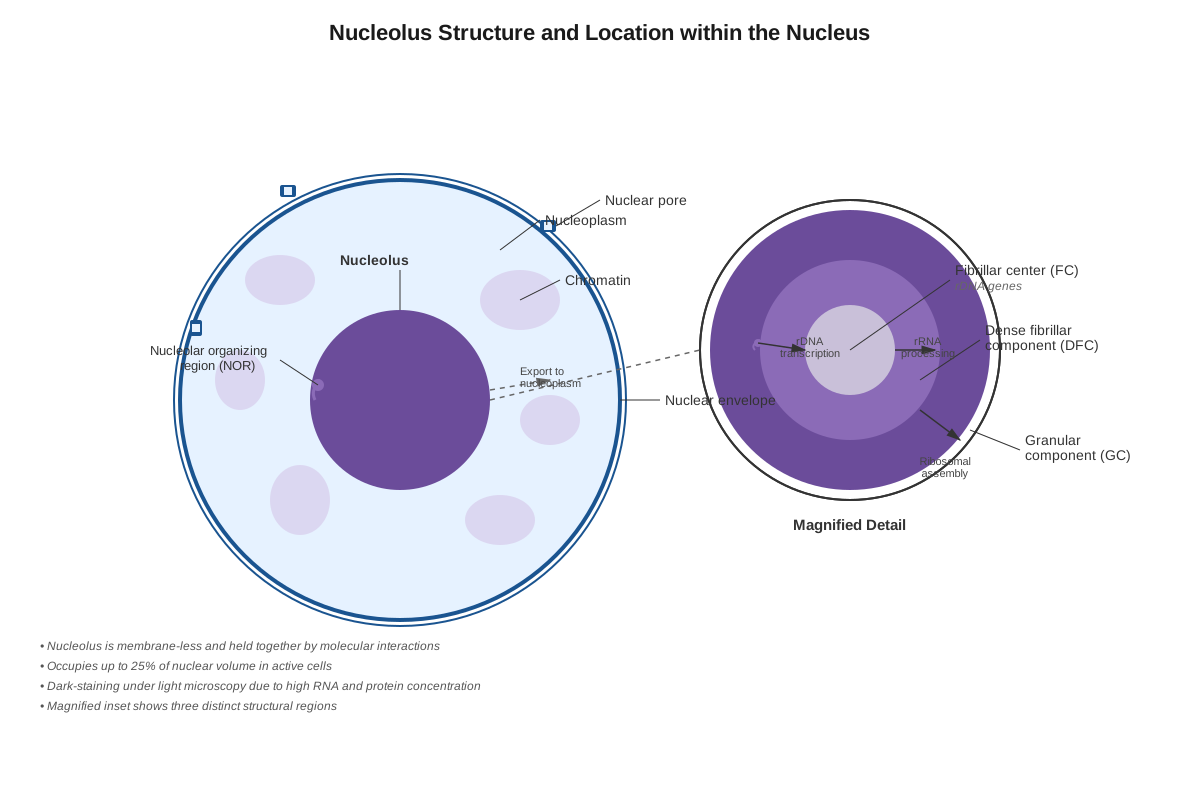
The nucleolus is a non-membrane-bound nuclear subdomain that forms around specific chromosomal regions called nucleolar organizing regions (NORs). Unlike membrane-bound organelles, the nucleolus is a phase-separated condensate held together by molecular interactions between proteins and RNA. In human cells, NORs are located on the short arms of five acrocentric chromosomes (13, 14, 15, 21, and 22), each containing multiple copies of ribosomal RNA genes arranged in tandem repeats. These chromosomal regions physically associate to form one or more nucleoli per nucleus, with the number varying by cell type and metabolic state.
The nucleolus exhibits three distinct ultrastructural regions visible under electron microscopy:
| Nucleolar Region | Primary Components | Main Function |
|---|---|---|
| Fibrillar Center (FC) | rDNA, RNA Pol I, transcription factors | Contains rRNA genes; site of rRNA transcription initiation |
| Dense Fibrillar Component (DFC) | Nascent rRNA transcripts, processing factors | Early rRNA processing and modification (methylation, pseudouridylation) |
| Granular Component (GC) | Late pre-ribosomal particles, ribosomal proteins | Late rRNA processing and ribosomal subunit assembly |
This tripartite organization reflects the assembly-line nature of ribosome biogenesis, with components moving from the FC through the DFC to the GC as they mature. The nucleolus is highly dynamic, disassembling during mitosis when transcription ceases and reassembling in daughter cells during telophase.
Ribosomal RNA Transcription
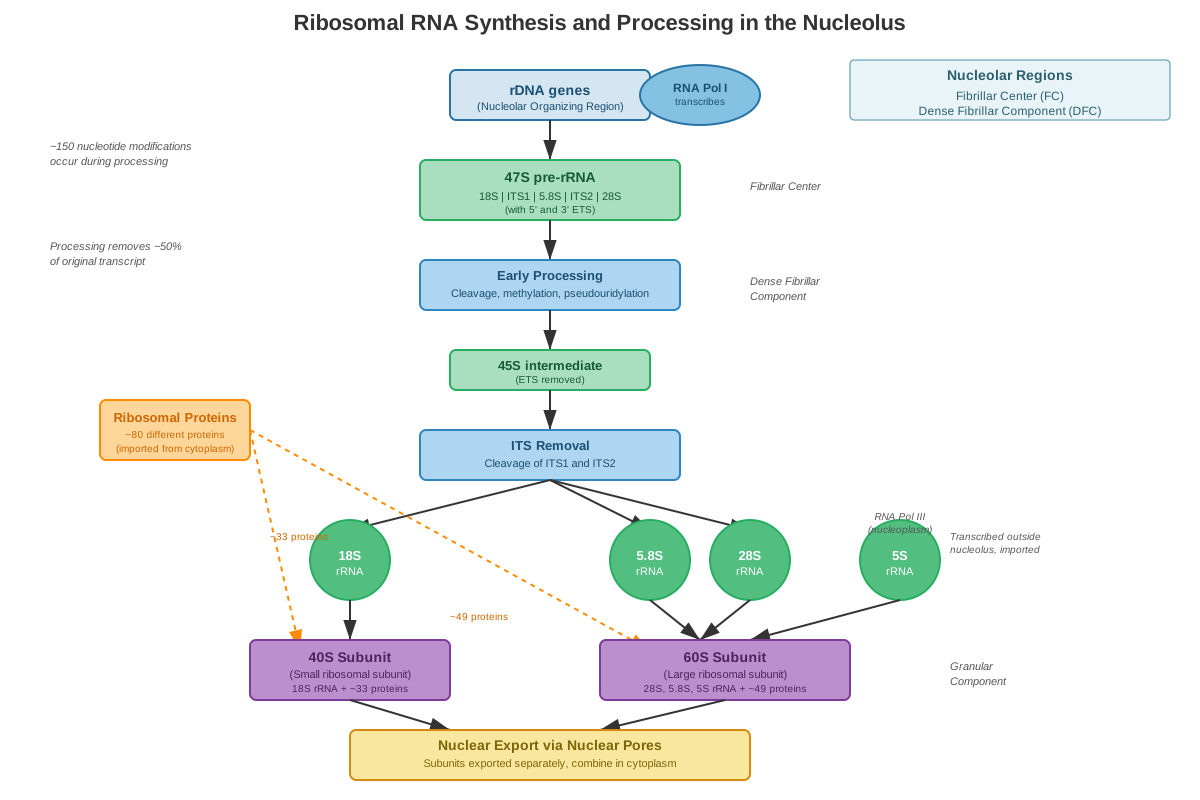
The nucleolus serves as the primary site for transcription of ribosomal RNA genes by RNA polymerase I (RNA Pol I), which is dedicated almost exclusively to rRNA synthesis. In humans, a single transcription unit produces a large 47S pre-rRNA transcript that contains the sequences for three of the four ribosomal RNAs: 18S rRNA (small subunit), 5.8S rRNA (large subunit), and 28S rRNA (large subunit). These sequences are separated by internal transcribed spacers (ITS) and flanked by external transcribed spacers (ETS).
The transcription process involves several key features:
- High transcription rate: Each rRNA gene can be transcribed 40-60 times per minute, with multiple RNA Pol I molecules simultaneously transcribing a single gene
- Multiple gene copies: Human cells contain approximately 400 copies of the rRNA gene distributed across the five NOR-containing chromosomes
- Selective gene activation: Not all rRNA gene copies are transcribed simultaneously; cells activate the number needed to meet ribosome demand
- Regulation by growth signals: rRNA transcription responds to growth factors, nutrients, and cellular stress through signaling pathways involving mTOR, Myc, and p53
The fourth ribosomal RNA, 5S rRNA, is transcribed outside the nucleolus by RNA polymerase III but is imported into the nucleolus for ribosome assembly. This represents an important distinction frequently tested on the MCAT.
Pre-rRNA Processing and Modification
Following transcription, the 47S pre-rRNA undergoes extensive processing within the nucleolus to generate mature rRNA molecules. This processing involves:
Chemical modifications: Over 200 sites on the pre-rRNA are modified through:
- Pseudouridylation: Conversion of uridine to pseudouridine (Ψ) by small nucleolar RNAs (snoRNAs) and associated proteins
- 2'-O-methylation: Addition of methyl groups to the 2'-hydroxyl position of ribose sugars, also guided by snoRNAs
Cleavage events: A series of endonucleolytic cleavages remove the spacer sequences:
- Early cleavages separate the 18S, 5.8S, and 28S sequences
- The 5' ETS is removed first
- ITS1 (between 18S and 5.8S) and ITS2 (between 5.8S and 28S) are excised
- The 3' ETS is removed last
- Final trimming produces mature rRNA molecules
These modifications and cleavages are essential for proper ribosome function, affecting rRNA folding, stability, and interaction with ribosomal proteins. Defects in these processes lead to ribosomopathies—genetic disorders characterized by impaired ribosome biogenesis.
Ribosomal Subunit Assembly
The nucleolus coordinates the assembly of ribosomal proteins with processed rRNA to form pre-ribosomal particles. This process involves:
Protein import: Approximately 80 different ribosomal proteins are synthesized in the cytoplasm and imported into the nucleus, then specifically targeted to the nucleolus through nucleolar localization signals. These proteins associate with rRNA in a highly ordered sequence, with early-binding proteins facilitating the binding of later-arriving proteins.
Assembly checkpoints: Quality control mechanisms ensure proper assembly:
- Incorrectly assembled particles are retained in the nucleolus
- Assembly factors (non-ribosomal proteins) temporarily associate with pre-ribosomal particles to facilitate correct folding
- These assembly factors are removed before export to the cytoplasm
Subunit formation: The process generates two distinct pre-ribosomal particles:
- Pre-40S particle: Contains 18S rRNA and small subunit proteins
- Pre-60S particle: Contains 5S, 5.8S, and 28S rRNA and large subunit proteins
These pre-ribosomal particles undergo final maturation steps after export to the cytoplasm, where they become functional 40S and 60S ribosomal subunits capable of participating in translation.
Nucleolar Response to Cellular Conditions
The nucleolus functions as a sensor of cellular stress and metabolic state, dynamically adjusting its size and activity:
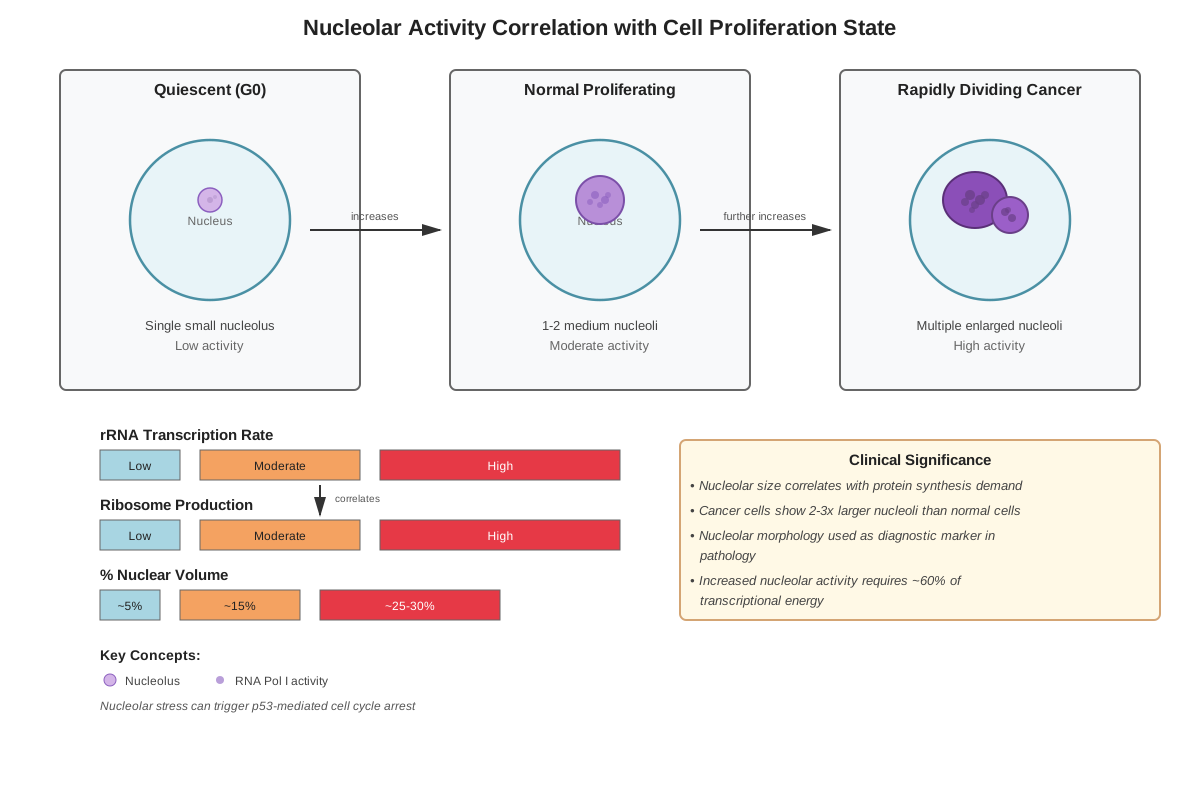
Growth and proliferation: Rapidly dividing cells display enlarged nucleoli with increased rRNA transcription to meet the demand for ribosomes needed for protein synthesis. Cancer cells characteristically show nucleolar hypertrophy, making nucleolar size a prognostic marker.
Nutrient availability: Nutrient deprivation reduces nucleolar activity through mTOR pathway inhibition, decreasing rRNA transcription and ribosome production to conserve resources.
Cellular stress: Various stresses (DNA damage, hypoxia, heat shock) trigger nucleolar disruption and redistribution of nucleolar proteins, which can activate stress response pathways including p53 stabilization.
Cell cycle regulation: The nucleolus disassembles during mitosis (prophase) when transcription ceases and reassembles during telophase/early G1 phase, with nucleolar reformation serving as a marker of cell cycle progression.
Concept Relationships
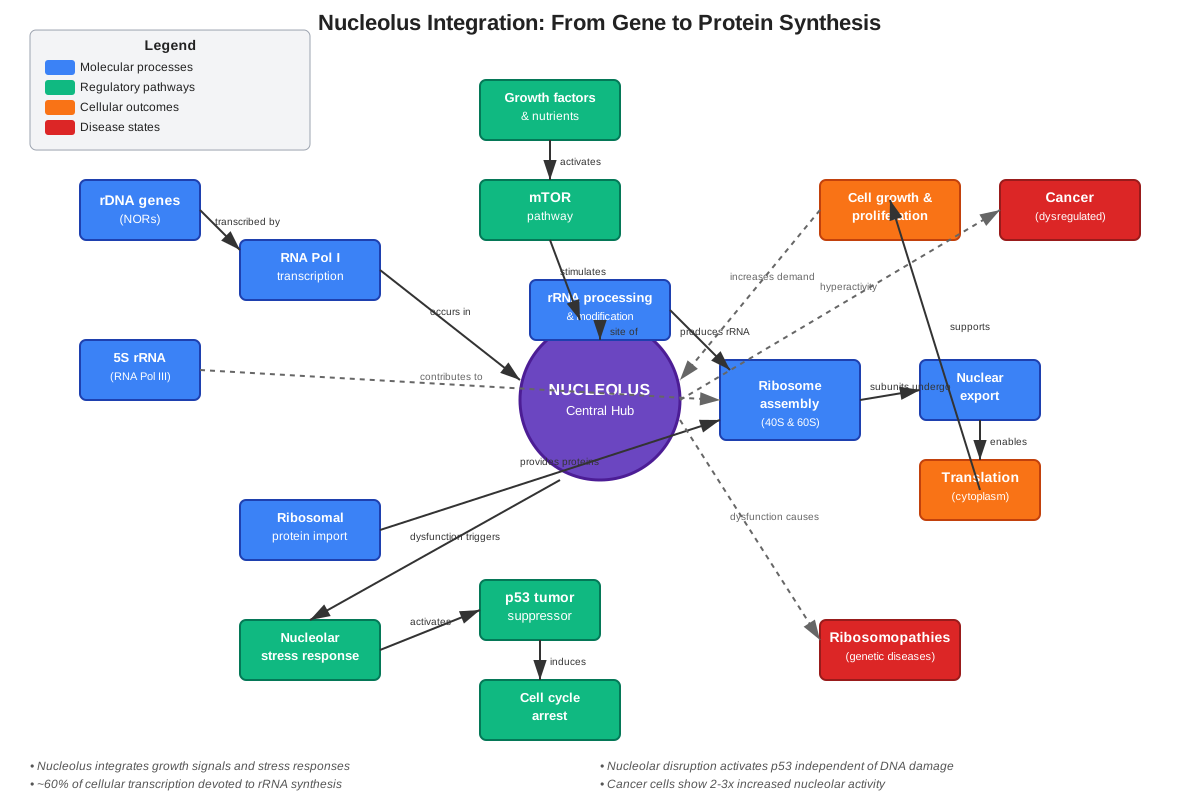
The nucleolus sits at the center of a complex network of cellular processes. Ribosomal RNA genes (located at NORs) → transcribed by RNA Pol I → produces 47S pre-rRNA → processed in the nucleolus → combines with ribosomal proteins → forms pre-ribosomal subunits → exported to cytoplasm → mature into functional ribosomes → enable protein synthesis. This linear pathway demonstrates how nucleolar function directly determines cellular protein synthesis capacity.
The nucleolus connects to broader cellular regulation through multiple pathways. Growth signals (growth factors, nutrients) → activate mTOR and Myc → increase rRNA transcription → enlarged nucleolus → more ribosomes → increased protein synthesis → cell growth and division. Conversely, cellular stress → nucleolar disruption → ribosomal protein release → p53 stabilization → cell cycle arrest or apoptosis. This bidirectional relationship makes the nucleolus both a responder to and regulator of cellular state.
The nucleolus also relates to prerequisite concepts: understanding transcription is necessary to comprehend rRNA synthesis; knowledge of RNA processing provides context for pre-rRNA cleavage; familiarity with nuclear-cytoplasmic transport explains how ribosomal proteins enter the nucleus and ribosomal subunits exit; and understanding translation clarifies why ribosome production is so critical. These connections make the nucleolus an integrative topic that reinforces multiple fundamental concepts.
Quick check — test yourself on Nucleolus so far.
Try Flashcards →High-Yield Facts
⭐ The nucleolus is the site of ribosomal RNA transcription and ribosome assembly, making it essential for protein synthesis capacity
⭐ RNA polymerase I transcribes the 47S pre-rRNA containing 18S, 5.8S, and 28S rRNA sequences (but NOT 5S rRNA, which is transcribed by RNA Pol III outside the nucleolus)
⭐ The nucleolus is NOT membrane-bound but rather a phase-separated nuclear subdomain organized around nucleolar organizing regions (NORs)
⭐ Nucleolar size correlates with cell proliferation rate—rapidly dividing cells (especially cancer cells) have enlarged, prominent nucleoli
⭐ The nucleolus disassembles during mitosis and reassembles in daughter cells, reflecting the cell cycle-dependent nature of ribosome biogenesis
- The nucleolus contains three distinct regions: fibrillar center (FC), dense fibrillar component (DFC), and granular component (GC), each corresponding to different stages of ribosome assembly
- Small nucleolar RNAs (snoRNAs) guide chemical modifications of pre-rRNA, including pseudouridylation and 2'-O-methylation
- Approximately 80 different ribosomal proteins must be imported from the cytoplasm and assembled with rRNA in the nucleolus
- Nucleolar organizing regions (NORs) are located on human chromosomes 13, 14, 15, 21, and 22, containing tandem repeats of rRNA genes
- Nucleolar stress (disruption of ribosome biogenesis) can activate p53 through release of ribosomal proteins, linking nucleolar function to tumor suppression
- The nucleolus produces approximately 10,000 ribosomes per minute in actively growing mammalian cells
- Defects in ribosome biogenesis cause ribosomopathies, genetic disorders characterized by tissue-specific developmental abnormalities despite the universal need for ribosomes
Common Misconceptions
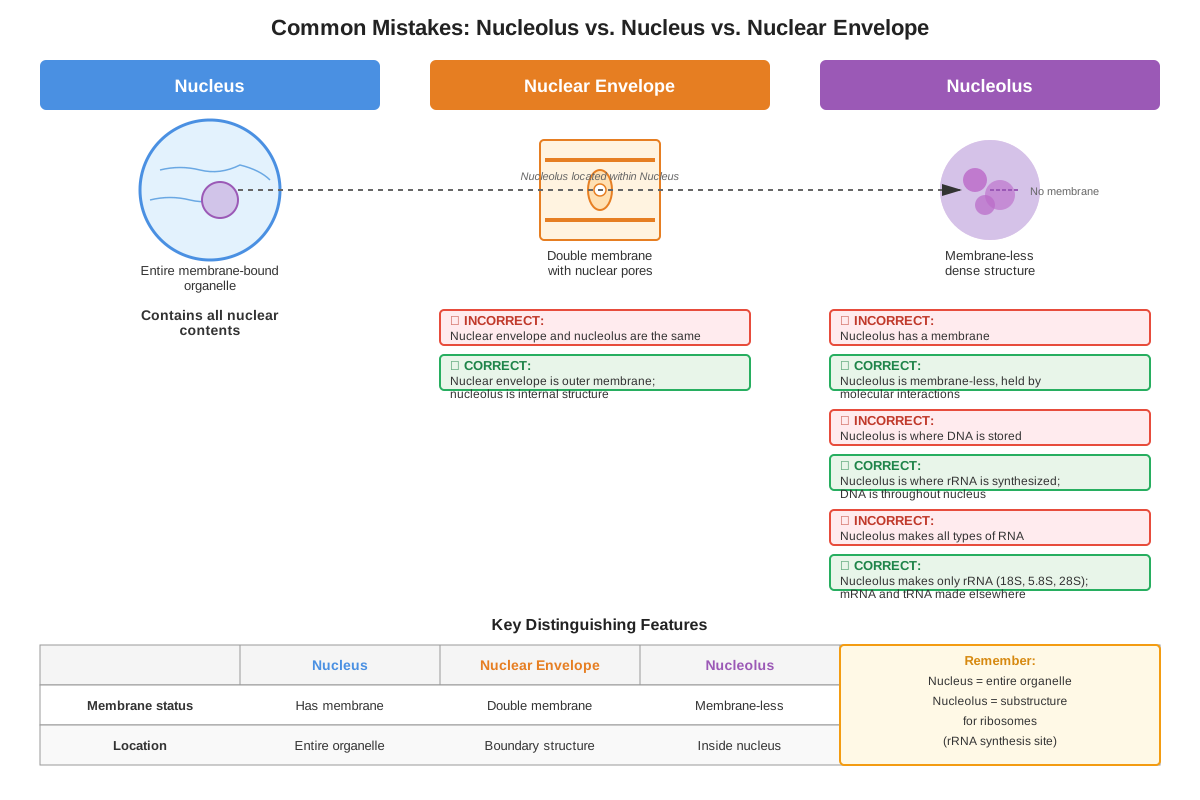
Misconception: The nucleolus is surrounded by a membrane like other organelles.
Correction: The nucleolus is a non-membrane-bound nuclear subdomain formed through liquid-liquid phase separation. It exists within the nucleus and is not separated from the nucleoplasm by any membrane barrier. This allows dynamic exchange of components between the nucleolus and surrounding nucleoplasm.
Misconception: The nucleolus produces all four types of ribosomal RNA.
Correction: The nucleolus produces only three of the four rRNAs (18S, 5.8S, and 28S) through RNA Pol I transcription of the 47S pre-rRNA. The 5S rRNA is transcribed by RNA Pol III in the nucleoplasm outside the nucleolus, then imported into the nucleolus for ribosome assembly. This distinction is frequently tested on the MCAT.
Misconception: The nucleolus only functions in ribosome production and has no other cellular roles.
Correction: While ribosome biogenesis is the primary function, the nucleolus has additional roles including sequestration of regulatory proteins, cell cycle control, stress sensing, and assembly of other ribonucleoprotein complexes. The nucleolus serves as a multifunctional nuclear domain that integrates various cellular signals.
Misconception: All rRNA gene copies are always actively transcribed.
Correction: Cells contain approximately 400 copies of rRNA genes but only activate the number needed to meet current ribosome demand. This selective activation allows cells to fine-tune ribosome production in response to growth signals and metabolic state. Inactive rRNA genes are maintained in a heterochromatic (condensed) state.
Misconception: Nucleolar size remains constant regardless of cellular conditions.
Correction: Nucleolar size is highly dynamic and directly reflects cellular metabolic activity and proliferation rate. Rapidly dividing cells have enlarged nucleoli, while quiescent cells have small nucleoli. This dynamic sizing makes nucleolar morphology a useful diagnostic marker in pathology, particularly for cancer grading.
Misconception: Ribosomal subunits are fully functional immediately upon leaving the nucleolus.
Correction: Pre-ribosomal particles exported from the nucleolus undergo final maturation steps in the cytoplasm, including removal of remaining assembly factors and final conformational changes. Only after these cytoplasmic maturation steps do the subunits become competent to participate in translation.
Worked Examples
Example 1: Experimental Manipulation of Nucleolar Function
Question: Researchers treat cultured cells with a drug that specifically inhibits RNA polymerase I but does not affect RNA polymerase II or III. After 24 hours of treatment, which of the following would be the most direct consequence?
A) Complete cessation of all protein synthesis
B) Decreased production of 18S, 5.8S, and 28S rRNA but normal 5S rRNA levels
C) Inability to transcribe mRNA from protein-coding genes
D) Immediate cell death due to loss of all ribosome function
Worked Solution:
Step 1: Identify what RNA Pol I does specifically. RNA Pol I is dedicated to transcribing the 47S pre-rRNA in the nucleolus, which contains the sequences for 18S, 5.8S, and 28S rRNA.
Step 2: Consider what is NOT affected. RNA Pol II (which transcribes mRNA) and RNA Pol III (which transcribes 5S rRNA, tRNA, and other small RNAs) remain functional.
Step 3: Evaluate each answer:
- A is incorrect because existing ribosomes would continue functioning, and 5S rRNA production continues
- B is correct—this directly describes the consequence of RNA Pol I inhibition
- C is incorrect because RNA Pol II (which transcribes mRNA) is not affected
- D is incorrect because existing ribosomes would continue functioning for some time; the effect would be gradual as existing ribosomes are diluted through cell division
Step 4: Consider the timeline. After 24 hours, cells would begin experiencing ribosome depletion as existing ribosomes are diluted through cell division and protein turnover, but immediate effects would be limited to new rRNA synthesis.
Answer: B
Connection to learning objectives: This example demonstrates application of nucleolar function to experimental scenarios, requiring understanding of which RNA polymerase transcribes which rRNA species—a high-yield distinction for the MCAT.
Example 2: Clinical Correlation with Cancer Biology
Question: A pathologist examining a biopsy specimen notes that the cells display "prominent, enlarged nucleoli" compared to normal tissue. The pathologist uses this observation as evidence supporting a diagnosis of malignancy. Which of the following best explains why nucleolar enlargement is associated with cancer?
A) Cancer cells have more DNA than normal cells, requiring larger nucleoli for storage
B) Rapidly dividing cancer cells require increased ribosome production to support high rates of protein synthesis
C) The nucleolus expands to accommodate the increased number of mutated genes in cancer cells
D) Enlarged nucleoli indicate increased lipid synthesis needed for membrane production
Worked Solution:
Step 1: Recall the primary function of the nucleolus—ribosome biogenesis (rRNA transcription and ribosome assembly).
Step 2: Connect nucleolar size to cellular activity. Nucleolar size directly correlates with ribosome production rate, which in turn reflects cellular protein synthesis demands.
Step 3: Consider cancer cell characteristics. Cancer cells divide rapidly and have high metabolic activity, requiring substantial protein synthesis for growth and division.
Step 4: Evaluate each answer:
- A is incorrect—the nucleolus doesn't store DNA; it's organized around specific chromosomal regions (NORs)
- B is correct—this accurately connects rapid division → high protein synthesis demand → increased ribosome production → nucleolar enlargement
- C is incorrect—the nucleolus doesn't accommodate genes; mutations occur in chromosomal DNA throughout the nucleus
- D is incorrect—lipid synthesis occurs in the smooth ER, not the nucleolus
Step 5: Consider the clinical application. Pathologists routinely assess nucleolar size and morphology as part of cancer grading, with larger, more irregular nucleoli indicating more aggressive tumors.
Answer: B
Connection to learning objectives: This example connects nucleolar biology to clinical medicine and demonstrates why understanding nucleolar function matters for the MCAT, which frequently tests the ability to apply basic science concepts to medical scenarios.
Exam Strategy
When approaching MCAT questions involving the nucleolus, employ a systematic strategy that leverages the structure-function relationship. First, identify whether the question focuses on nucleolar structure, function, or regulation. Structure questions typically test knowledge of the nucleolus being non-membrane-bound and organized around NORs. Function questions focus on ribosome biogenesis and the specific roles of different RNA polymerases. Regulation questions examine how nucleolar activity responds to cellular conditions.
Trigger words and phrases to recognize:
- "Prominent nucleoli" or "nucleolar hypertrophy" → signals high proliferation rate or cancer
- "RNA polymerase I" → specifically indicates rRNA transcription in the nucleolus
- "Ribosome biogenesis" or "ribosome assembly" → directly points to nucleolar function
- "47S pre-rRNA" → the precursor transcript produced in the nucleolus
- "Nucleolar organizing regions" or "NORs" → chromosomal locations of rRNA genes
- "Cell proliferation" or "rapidly dividing cells" → expect connection to nucleolar size/activity
Process-of-elimination strategies:
- Eliminate answers that confuse RNA polymerase types (remember: Pol I = most rRNA; Pol II = mRNA; Pol III = 5S rRNA, tRNA)
- Eliminate answers suggesting the nucleolus has a membrane (it doesn't)
- Eliminate answers that attribute non-ribosomal functions to the nucleolus without clear connection to its primary role
- Eliminate answers that suggest immediate, catastrophic effects from nucleolar disruption (effects are typically gradual as existing ribosomes are depleted)
Time allocation advice: Nucleolus questions are typically straightforward if you know the core concepts. Allocate 60-90 seconds for discrete questions and 90-120 seconds for passage-based questions. If a question seems complex, quickly identify whether it's testing structure (non-membrane-bound, NOR-associated), function (ribosome biogenesis), or regulation (response to growth signals), then apply the relevant concept. Don't overthink—MCAT questions on this topic usually test fundamental understanding rather than obscure details.
Exam Tip: When passages describe experimental manipulations of cellular growth or protein synthesis, immediately consider whether nucleolar function might be affected. The nucleolus serves as a hub connecting growth signals to protein synthesis capacity, making it relevant to many experimental scenarios.
Memory Techniques
Mnemonic for nucleolar regions and their functions:
"FC-DFC-GC: From Creation to Departure, Getting Complete"
- Fibrillar Center: Where transcription begins (From Creation)
- Dense Fibrillar Component: Processing happens (to Departure)
- Granular Component: Final assembly before export (Getting Complete)
Mnemonic for RNA polymerase specificity:
"Pol I is #1 for rRNA (but not 5S)"
- Pol I = Immense amounts of rRNA (18S, 5.8S, 28S)
- Pol II = mRNA (II looks like "m" sideways)
- Pol III = III small RNAs (5S, tRNA, and others)
Visualization strategy for ribosome assembly:
Picture the nucleolus as a factory with three floors:
- Ground floor (FC): Raw materials arrive (rRNA genes transcribed)
- Middle floor (DFC): Processing and quality control (rRNA modified and cleaved)
- Top floor (GC): Final assembly and packaging (ribosomal proteins added, subunits formed)
- Shipping dock: Export to cytoplasm through nuclear pores
Acronym for nucleolar organizing chromosomes:
"NORs on 13, 14, 15, 21, 22" → Remember "NOR-TEENS-TWENTIES" (chromosomes in the teens and twenties)
Memory hook for nucleolar size and cell activity:
"Big nucleolus = Big ambitions" → Cells with large nucleoli are actively growing and dividing (high ambitions for protein synthesis)
Summary
The nucleolus is a non-membrane-bound nuclear subdomain that serves as the primary site for ribosome biogenesis in eukaryotic cells. Organized around nucleolar organizing regions (NORs) on specific chromosomes, the nucleolus coordinates three essential processes: transcription of ribosomal RNA by RNA polymerase I (producing 18S, 5.8S, and 28S rRNA from the 47S precursor), processing and modification of pre-rRNA through cleavage and chemical modifications guided by snoRNAs, and assembly of rRNA with ribosomal proteins to form pre-ribosomal subunits. The nucleolus exhibits three distinct ultrastructural regions—fibrillar center, dense fibrillar component, and granular component—each corresponding to sequential stages of ribosome assembly. Nucleolar size and activity dynamically respond to cellular conditions, with rapidly dividing cells displaying enlarged nucleoli to meet increased ribosome demands. This makes nucleolar morphology clinically significant as a marker of cell proliferation, particularly in cancer diagnosis. For the MCAT, understanding the nucleolus requires integrating knowledge of transcription, RNA processing, nuclear organization, and cellular regulation, as questions frequently test the ability to predict consequences of nucleolar disruption or connect nucleolar activity to cellular growth states.
Key Takeaways
- The nucleolus is a non-membrane-bound nuclear subdomain specialized for ribosome biogenesis, organized around nucleolar organizing regions containing rRNA genes
- RNA polymerase I transcribes the 47S pre-rRNA (containing 18S, 5.8S, and 28S sequences) in the nucleolus, while 5S rRNA is transcribed elsewhere by RNA Pol III
- The nucleolus contains three functional regions (fibrillar center, dense fibrillar component, granular component) representing sequential stages of ribosome assembly
- Nucleolar size directly correlates with cellular proliferation rate—enlarged nucleoli indicate high ribosome production and are characteristic of rapidly dividing cells, especially cancer cells
- The nucleolus disassembles during mitosis and reassembles in daughter cells, reflecting cell cycle-dependent regulation of ribosome biogenesis
- Nucleolar function connects multiple high-yield MCAT topics including transcription, RNA processing, cell cycle regulation, cancer biology, and cellular stress responses
- Disruption of nucleolar function triggers cellular stress responses including p53 activation, linking ribosome biogenesis to tumor suppression pathways
Related Topics
Ribosome Structure and Function: Understanding the detailed architecture of ribosomal subunits and their role in translation builds directly on nucleolar assembly processes. Mastering nucleolar function provides the foundation for comprehending how ribosomes are constructed before studying how they operate.
Transcription Regulation: The nucleolus exemplifies specialized transcription by RNA Pol I, complementing knowledge of RNA Pol II-mediated mRNA transcription. Studying transcriptional control mechanisms in the nucleolus enhances understanding of gene expression regulation more broadly.
Cell Cycle Control: Nucleolar dynamics during cell division connect to broader cell cycle regulation, including checkpoints that monitor ribosome biogenesis. This relationship is particularly important for understanding how cells coordinate growth with division.
Cancer Biology: Nucleolar hypertrophy as a cancer hallmark links to oncogene activation (particularly Myc) and tumor suppressor loss (particularly p53). Understanding nucleolar changes in cancer provides insight into cellular transformation mechanisms.
RNA Processing: The extensive processing of pre-rRNA in the nucleolus parallels mRNA processing, with both involving cleavage, modification, and quality control. Mastering nucleolar RNA processing reinforces general RNA maturation concepts.
Nuclear-Cytoplasmic Transport: Export of pre-ribosomal subunits through nuclear pores exemplifies selective transport mechanisms. This connection helps integrate understanding of nuclear compartmentalization and trafficking.
Practice CTA
Now that you've mastered the core concepts of nucleolar structure and function, it's time to reinforce your understanding through active practice. Challenge yourself with MCAT-style practice questions that test your ability to apply nucleolar concepts to experimental scenarios, clinical vignettes, and data interpretation passages. Use flashcards to drill high-yield facts, particularly the distinctions between RNA polymerase types and the sequential stages of ribosome assembly. Remember, the nucleolus appears frequently in passages discussing cell growth, cancer biology, and protein synthesis regulation—topics that are consistently high-yield on the MCAT. Your investment in thoroughly understanding this topic will pay dividends across multiple sections of the exam. You've built a strong foundation; now solidify it through deliberate practice!
Sign up free to keep reading
Create a free AnvayaPrep account to finish this MCAT guide on Nucleolus — plus flashcards and practice questions.