Overview
Pinocytosis is a fundamental cellular process that enables cells to internalize extracellular fluid and dissolved solutes through the formation of small vesicles at the plasma membrane. Often referred to as "cell drinking," this mechanism represents one of the primary forms of endocytosis and plays a critical role in nutrient uptake, cellular homeostasis, and intercellular communication. Unlike phagocytosis, which involves the engulfment of large particles, pinocytosis is characterized by the nonselective uptake of small volumes of extracellular fluid along with whatever molecules happen to be dissolved within it.
For the MCAT, understanding pinocytosis is essential because it bridges multiple high-yield concepts in Cell Biology and Biology. Questions frequently test students' ability to distinguish between different forms of endocytosis, understand the energy requirements of active transport processes, and apply knowledge of membrane dynamics to physiological scenarios. The process exemplifies how cells maintain selective permeability while still acquiring necessary nutrients and signaling molecules that cannot pass directly through the lipid bilayer. This topic commonly appears in passages discussing cellular nutrition, drug delivery mechanisms, immune function, and membrane trafficking.
Pinocytosis Biology connects directly to broader themes in cellular physiology, including membrane structure and function, vesicular transport, ATP-dependent processes, and cellular metabolism. Mastery of this topic enables students to understand more complex processes such as receptor-mediated endocytosis, transcytosis, and the cellular response to hormones and growth factors. The mechanism also illustrates fundamental principles of surface area-to-volume ratios, membrane fluidity, and the dynamic nature of cellular membranes—all frequently tested concepts on the MCAT.
Learning Objectives
- [ ] Define Pinocytosis using accurate Biology terminology
- [ ] Explain why Pinocytosis matters for the MCAT
- [ ] Apply Pinocytosis to exam-style questions
- [ ] Identify common mistakes related to Pinocytosis
- [ ] Connect Pinocytosis to related Biology concepts
- [ ] Compare and contrast pinocytosis with other forms of endocytosis (phagocytosis and receptor-mediated endocytosis)
- [ ] Describe the molecular mechanisms and energy requirements underlying pinocytosis
- [ ] Analyze experimental scenarios to determine when pinocytosis would be the primary mechanism of cellular uptake
Prerequisites
- Plasma membrane structure: Understanding phospholipid bilayers, membrane proteins, and membrane fluidity is essential because pinocytosis involves membrane invagination and vesicle formation
- ATP and cellular energy: Pinocytosis requires energy input, so familiarity with ATP hydrolysis and active transport is necessary
- Endocytosis vs. exocytosis: Basic knowledge of vesicular transport directions helps contextualize pinocytosis within broader cellular trafficking
- Selective permeability: Understanding what can and cannot cross membranes passively explains why pinocytosis is necessary for certain molecules
- Vesicle formation and fusion: Knowledge of how membrane-bound compartments form and merge is fundamental to understanding the pinocytosis mechanism
Why This Topic Matters
Clinical and Real-World Significance
Pinocytosis plays crucial roles in numerous physiological processes that have direct clinical relevance. Cells lining blood capillaries use pinocytosis to transport nutrients from the bloodstream to surrounding tissues. Kidney cells employ this mechanism to reabsorb proteins and other molecules from the filtrate, preventing their loss in urine. In the immune system, antigen-presenting cells use pinocytosis to sample the extracellular environment for foreign antigens. Pharmaceutical companies exploit pinocytosis pathways to design drug delivery systems, particularly for large molecules like proteins and nucleic acids that cannot cross membranes passively. Dysfunction in pinocytotic pathways contributes to diseases including lysosomal storage disorders and certain forms of kidney disease.
MCAT Exam Statistics and Question Types
Pinocytosis MCAT questions appear with moderate frequency, typically 2-4 times per exam across different sections. The topic most commonly appears in:
- Biological and Biochemical Foundations passages (60%): Often embedded in experimental passages about membrane transport, cellular nutrition, or drug uptake studies
- Standalone questions (30%): Testing direct knowledge of endocytosis types and their distinguishing features
- Integrated passages (10%): Combined with topics like osmosis, membrane potential, or cellular signaling
Questions typically ask students to identify which transport mechanism is occurring based on experimental data, predict the effects of ATP depletion on cellular uptake, or distinguish between constitutive and regulated endocytosis. The MCAT favors questions that require application rather than pure memorization, so expect scenarios involving novel cell types or experimental manipulations.
Common Exam Passage Contexts
Pinocytosis appears in passages discussing: nutrient absorption in intestinal epithelial cells, transcytosis across endothelial barriers, cellular uptake of fluorescent tracers in microscopy experiments, drug delivery mechanisms for biologics, and comparative studies of different endocytosis pathways using inhibitors or temperature manipulations.
Core Concepts
Definition and Basic Mechanism
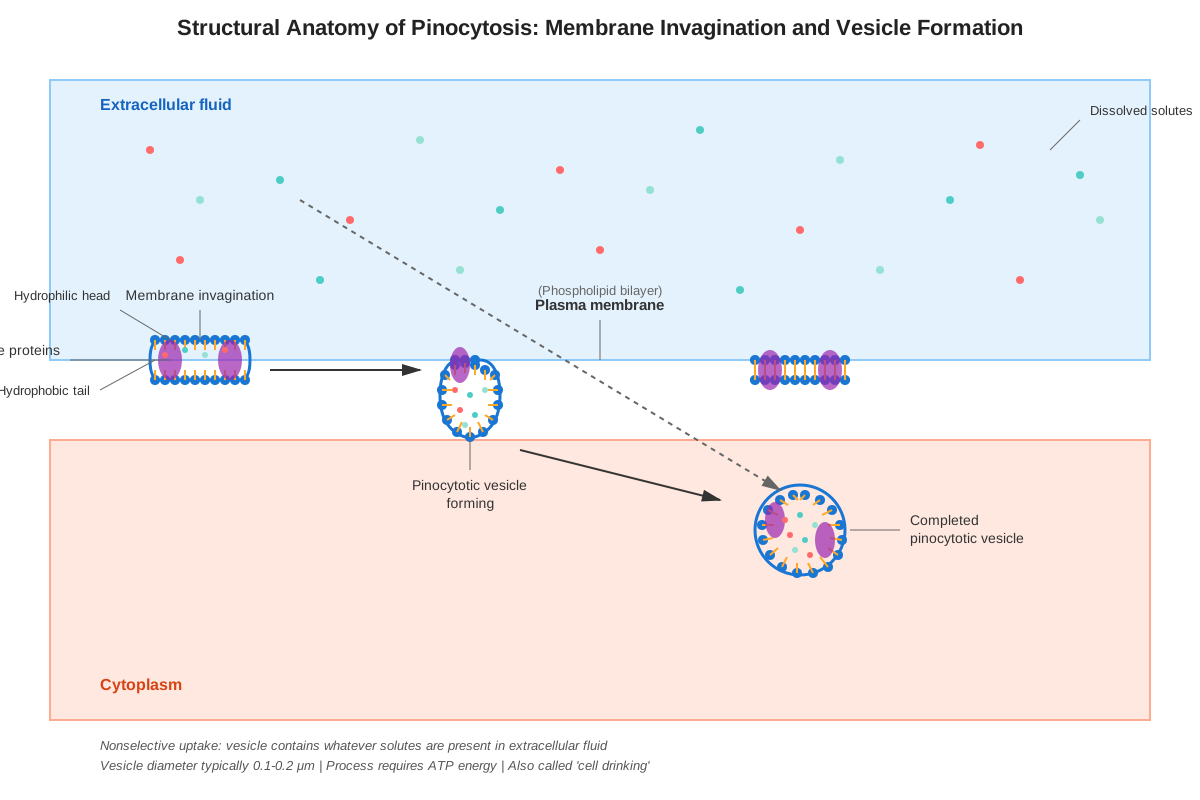
Pinocytosis (from Greek "pino" meaning "to drink" and "cyto" meaning "cell") is a form of endocytosis in which cells internalize extracellular fluid and small dissolved solutes by forming small vesicles (typically 0.1-0.2 μm in diameter) from invaginations of the plasma membrane. This process is constitutive in most cells, meaning it occurs continuously without specific external signals, though its rate can be modulated by cellular conditions.
The basic mechanism involves several coordinated steps:
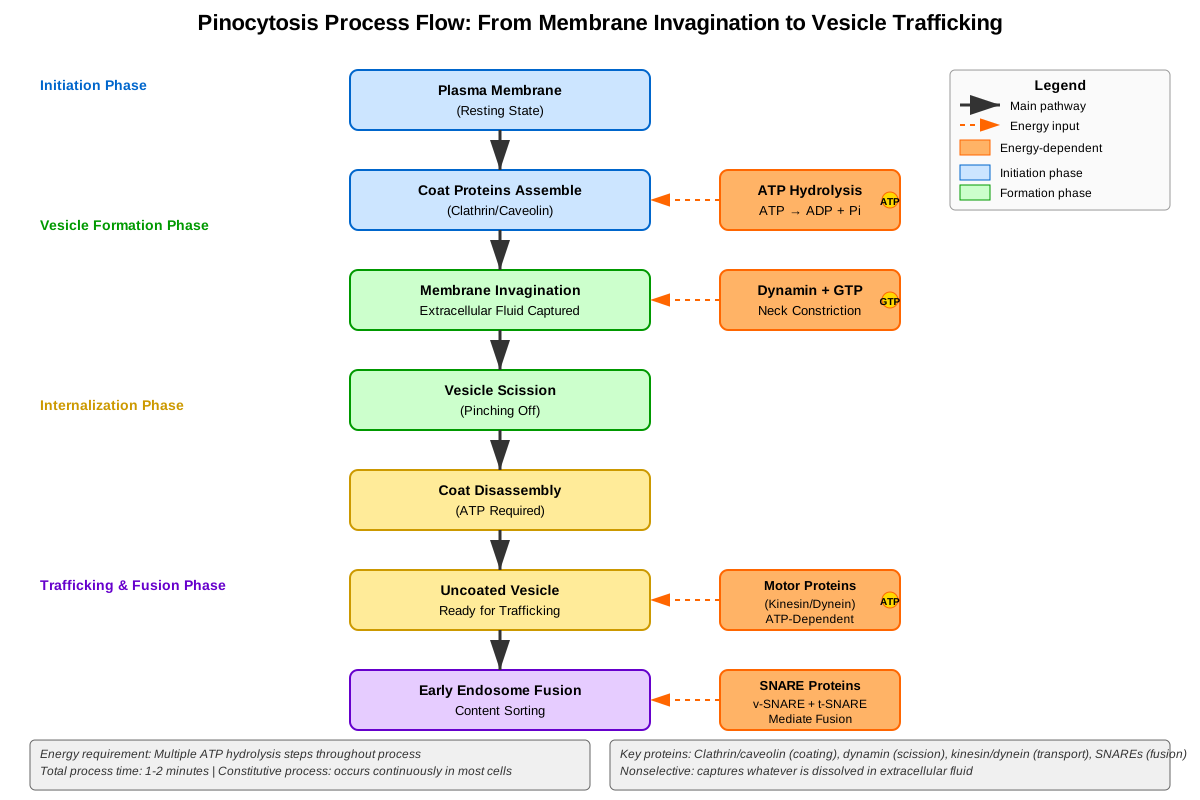
- Membrane invagination: The plasma membrane forms a small inward pocket or pit
- Vesicle formation: The invagination deepens and eventually pinches off from the membrane
- Vesicle internalization: The newly formed pinocytotic vesicle moves into the cytoplasm
- Vesicle fusion: The pinocytotic vesicle typically fuses with early endosomes for cargo sorting
- Membrane recycling: Membrane components are often returned to the plasma membrane
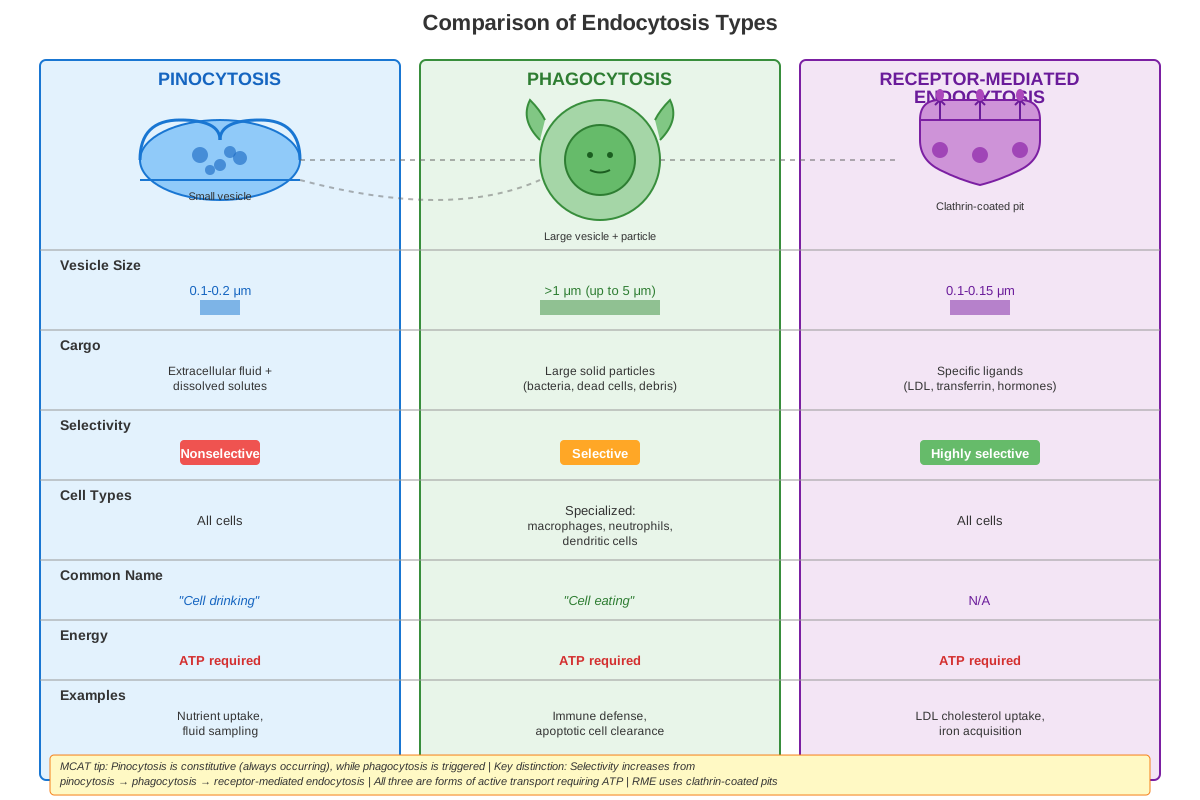
Unlike phagocytosis ("cell eating"), which involves the uptake of large particles (>0.5 μm) and is triggered by specific recognition events, pinocytosis is nonselective and occurs continuously in most cell types. The process is also distinct from receptor-mediated endocytosis, which concentrates specific ligands through receptor binding before internalization.
Energy Requirements and Active Transport
Pinocytosis is an ATP-dependent process, classifying it as a form of active transport. Energy is required at multiple steps:
- Membrane deformation: Bending the plasma membrane against its natural curvature requires energy input
- Cytoskeletal rearrangement: Actin filaments and associated motor proteins facilitate vesicle formation and movement
- Vesicle scission: Proteins like dynamin use GTP hydrolysis (energetically equivalent to ATP) to pinch off vesicles
- Vesicle trafficking: Motor proteins consume ATP to move vesicles along cytoskeletal tracks
Experimental evidence for energy dependence includes observations that pinocytosis rates dramatically decrease when cells are depleted of ATP (through metabolic inhibitors or oxygen deprivation) or when temperature is reduced below physiological levels (slowing enzyme activity).
Types of Pinocytosis
While pinocytosis is generally nonselective, two subtypes are recognized based on molecular mechanisms:
| Type | Mechanism | Vesicle Size | Selectivity | Key Proteins |
|---|---|---|---|---|
| Clathrin-independent pinocytosis | Membrane invagination without coat proteins | 50-80 nm | Nonselective | Caveolin (in caveolae), flotillin |
| Macropinocytosis | Large membrane ruffles collapse to form vesicles | 0.5-5 μm | Nonselective | Actin, Rac GTPases |
Macropinocytosis represents a specialized form of pinocytosis involving extensive actin-driven membrane ruffling that creates large, irregular vesicles called macropinosomes. This process is particularly important in immune cells and cancer cells, where it facilitates antigen sampling and nutrient scavenging, respectively.
Molecular Machinery
Several protein families orchestrate pinocytosis:
- Dynamin: A GTPase that forms a collar around the neck of budding vesicles and mediates membrane scission
- Actin and actin-binding proteins: Provide mechanical force for membrane deformation
- Small GTPases (Rab proteins): Regulate vesicle targeting and fusion with appropriate intracellular compartments
- SNARE proteins: Facilitate membrane fusion between pinocytotic vesicles and endosomes
- Phosphoinositides: Lipid signaling molecules that recruit specific proteins to membrane domains
Fate of Pinocytotic Vesicles
After internalization, pinocytotic vesicles follow a defined trafficking pathway:
- Early endosomes (pH ~6.0-6.5): Initial sorting station where cargo is separated from membrane receptors
- Recycling endosomes: Return membrane components and some cargo back to the plasma membrane
- Late endosomes (pH ~5.0-6.0): Further acidification and cargo processing
- Lysosomes (pH ~4.5-5.0): Terminal degradative compartment containing hydrolytic enzymes
The progressive acidification of endocytic compartments is achieved by V-ATPases (vacuolar proton pumps) and serves multiple functions: facilitating ligand-receptor dissociation, activating pH-dependent enzymes, and enabling protein unfolding for degradation.
Regulation and Cellular Control
Although pinocytosis is constitutive, cells regulate its rate through several mechanisms:
- Growth factor signaling: Activation of receptor tyrosine kinases can stimulate macropinocytosis
- Membrane tension: High membrane tension inhibits vesicle formation; low tension facilitates it
- Lipid composition: Cholesterol and sphingolipids influence membrane domains that support pinocytosis
- Calcium levels: Intracellular calcium can modulate cytoskeletal dynamics affecting vesicle formation
Concept Relationships
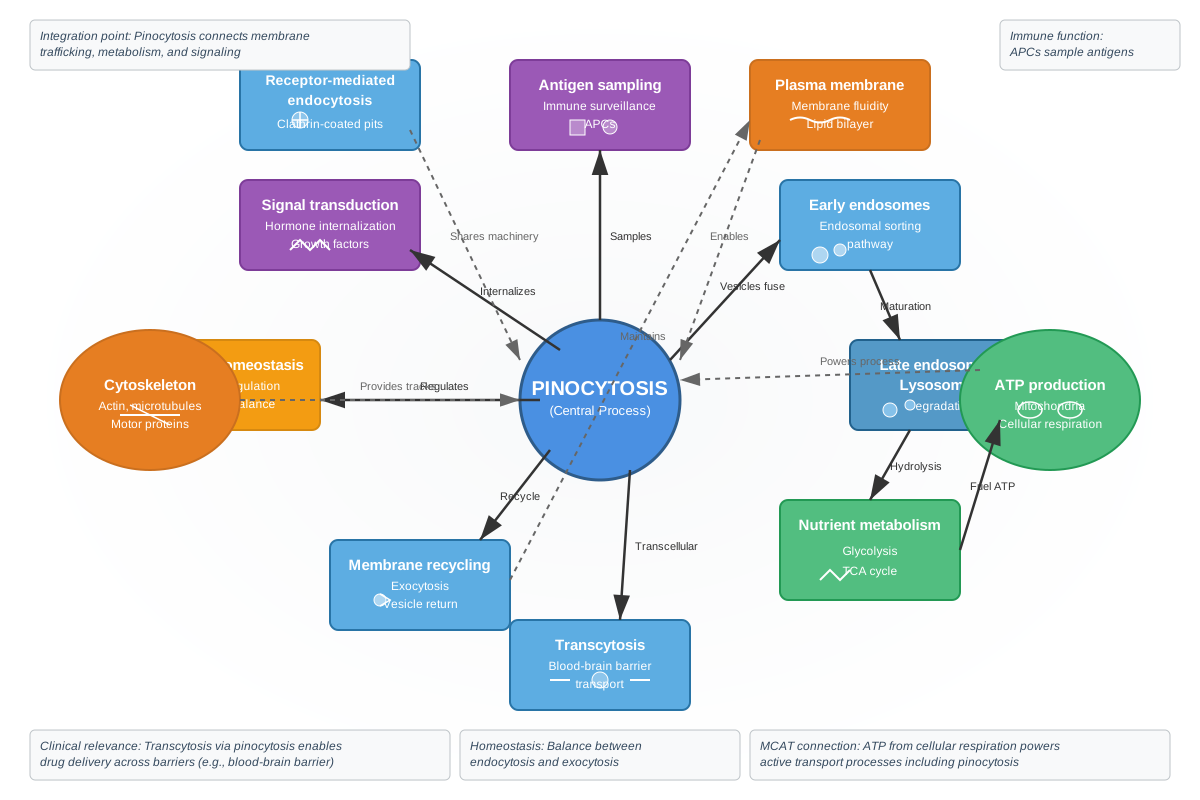
Pinocytosis sits at the intersection of multiple fundamental cellular processes. The mechanism directly depends on membrane structure and dynamics—the fluid mosaic model explains how membrane components can reorganize to form vesicles, while membrane fluidity (influenced by cholesterol and fatty acid saturation) affects the ease of vesicle formation.
The process connects to cellular energetics through its ATP dependence, linking to concepts of glycolysis, oxidative phosphorylation, and the cellular energy budget. When ATP is depleted, pinocytosis ceases, demonstrating the active nature of this transport mechanism.
Vesicular transport represents the broader category encompassing pinocytosis. The relationship flows: Vesicular Transport → Endocytosis → Pinocytosis (alongside phagocytosis and receptor-mediated endocytosis). Understanding this hierarchy helps distinguish between different uptake mechanisms.
Pinocytosis also connects to cell signaling because many signaling molecules (hormones, growth factors) are internalized through endocytic pathways, affecting signal duration and cellular response. The endocytic pathway itself can serve as a signaling platform, with specific proteins recruited to endosomes to propagate signals.
The relationship to lysosomes and cellular digestion is direct: pinocytotic vesicles ultimately deliver their contents to lysosomes for degradation, connecting to concepts of autophagy, cellular recycling, and waste management.
Finally, pinocytosis relates to osmosis and water balance because the internalization of extracellular fluid affects cellular volume and must be balanced by exocytosis and other regulatory mechanisms to maintain homeostasis.
Conceptual flow: Membrane structure → enables → Vesicle formation → requires → ATP hydrolysis → drives → Pinocytosis → delivers cargo to → Endosomes → mature into → Lysosomes → complete → Cellular digestion
High-Yield Facts
⭐ Pinocytosis is a constitutive, nonselective form of endocytosis that occurs continuously in most cells without requiring specific external signals
⭐ The process is ATP-dependent and therefore classified as active transport, not passive transport
⭐ Pinocytotic vesicles are small (0.1-0.2 μm) compared to phagocytic vesicles (>0.5 μm)
⭐ Pinocytosis internalizes extracellular fluid along with whatever solutes are dissolved in it, showing no selectivity for specific molecules
⭐ The process requires membrane invagination, vesicle scission (often mediated by dynamin), and subsequent fusion with endosomes
- Macropinocytosis is a specialized form of pinocytosis involving large membrane ruffles and creating vesicles up to 5 μm in diameter
- Pinocytotic vesicles progressively acidify as they mature from early endosomes (pH ~6.0) to lysosomes (pH ~4.5)
- Temperature reduction below physiological levels dramatically slows pinocytosis, confirming its dependence on enzyme activity
- Membrane recycling from endosomes back to the plasma membrane prevents net membrane loss during continuous pinocytosis
- Cholesterol depletion disrupts certain forms of pinocytosis by affecting membrane domain organization
- Unlike receptor-mediated endocytosis, pinocytosis does not concentrate specific ligands before internalization
Quick check — test yourself on Pinocytosis so far.
Try Flashcards →Common Misconceptions
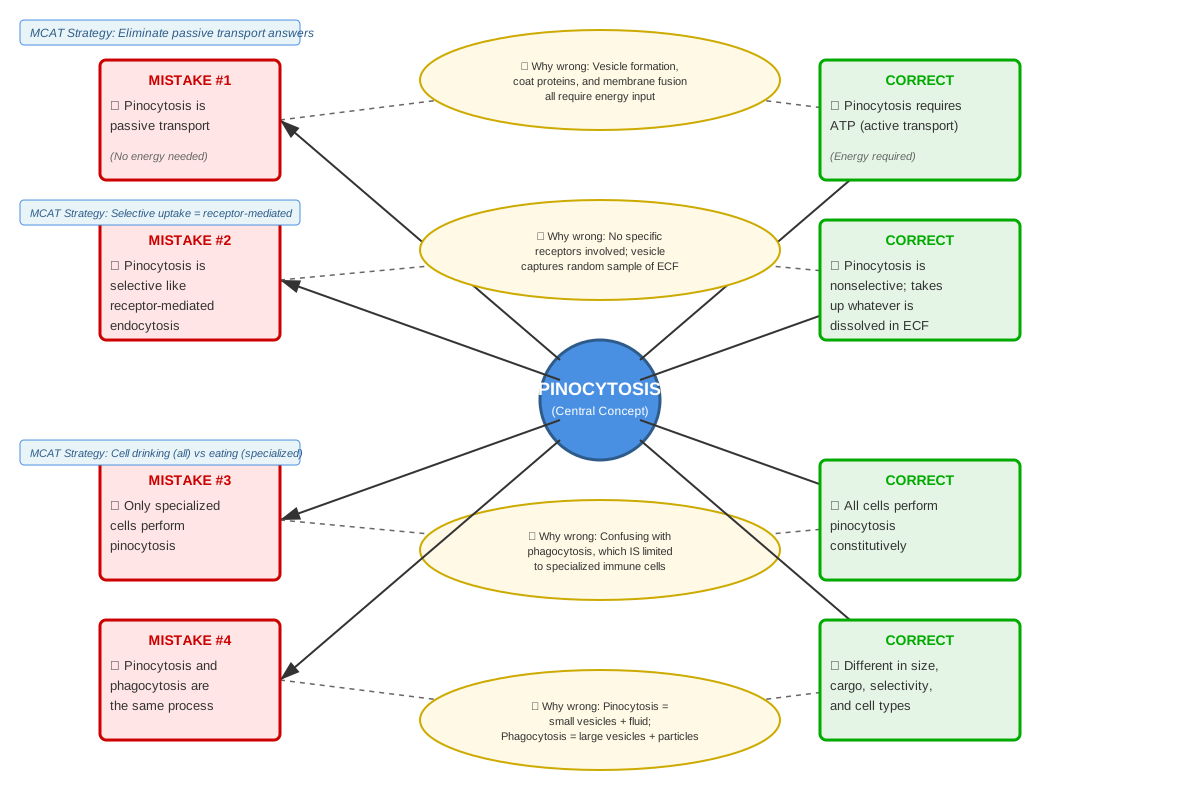
Misconception: Pinocytosis is a form of passive transport because it involves moving substances down their concentration gradient.
Correction: Pinocytosis is active transport requiring ATP for membrane deformation, vesicle scission, and vesicle trafficking. The process continues even against concentration gradients and stops when ATP is depleted.
Misconception: Pinocytosis and phagocytosis are the same process, just with different names.
Correction: These are distinct processes. Phagocytosis involves large particles (>0.5 μm), is triggered by specific recognition events, occurs primarily in specialized cells (macrophages, neutrophils), and creates large phagosomes. Pinocytosis involves fluid uptake, is constitutive, occurs in most cell types, and creates small vesicles.
Misconception: Pinocytosis is selective for specific molecules that the cell needs.
Correction: Pinocytosis is nonselective—it internalizes extracellular fluid along with whatever happens to be dissolved in it. Selectivity occurs in receptor-mediated endocytosis, not pinocytosis. However, cells can achieve some selectivity by regulating which internalized molecules are retained versus recycled.
Misconception: Once molecules are taken up by pinocytosis, they remain in vesicles permanently.
Correction: Pinocytotic vesicles follow a dynamic trafficking pathway, fusing with early endosomes, then progressing to late endosomes and lysosomes. Contents are typically degraded, though some molecules may be recycled back to the extracellular space or transported across the cell (transcytosis).
Misconception: Pinocytosis only occurs when cells are specifically stimulated by external signals.
Correction: Pinocytosis is constitutive, meaning it occurs continuously without specific external signals. While the rate can be modulated by growth factors and other signals (especially for macropinocytosis), baseline pinocytosis continues constantly in most cells.
Misconception: All endocytosis involves clathrin-coated pits.
Correction: While receptor-mediated endocytosis typically uses clathrin-coated pits, most pinocytosis occurs through clathrin-independent mechanisms, including caveolae and other lipid raft-associated pathways.
Worked Examples
Example 1: Experimental Analysis of Cellular Uptake
Scenario: Researchers are studying how cells take up a fluorescent dye that is water-soluble and does not bind to any specific cell surface receptors. They observe that:
- The dye accumulates inside cells over time
- Uptake continues even when the extracellular dye concentration is lower than intracellular concentration
- Uptake is completely blocked when cells are treated with metabolic inhibitors that deplete ATP
- Microscopy reveals small vesicles containing the dye throughout the cytoplasm
- The rate of uptake is similar across many different cell types
Question: What mechanism is responsible for dye uptake, and what evidence supports this conclusion?
Solution:
Step 1: Identify key experimental observations
- Water-soluble molecule that doesn't cross membranes passively
- No specific receptor binding (rules out receptor-mediated endocytosis)
- Uptake against concentration gradient (rules out passive transport)
- ATP-dependent (indicates active transport)
- Small vesicles observed (suggests endocytosis)
- Occurs in many cell types (suggests constitutive process)
Step 2: Evaluate possible mechanisms
- Passive diffusion: Ruled out—water-soluble molecules cannot cross lipid bilayers, and uptake occurs against gradient
- Facilitated diffusion: Ruled out—no specific binding, and uptake occurs against gradient
- Active transport pumps: Unlikely—would not produce vesicles
- Phagocytosis: Ruled out—no large particles involved, occurs in many cell types (not just specialized phagocytes)
- Receptor-mediated endocytosis: Ruled out—no specific receptor binding
- Pinocytosis: Consistent with all observations
Step 3: Connect to learning objectives
This is pinocytosis because:
- It involves nonselective uptake of extracellular fluid (containing dissolved dye)
- It is ATP-dependent (blocked by metabolic inhibitors)
- It creates small vesicles
- It is constitutive (occurs in many cell types)
- It can move substances against concentration gradients (active transport)
Answer: The mechanism is pinocytosis. The evidence includes ATP dependence, formation of small vesicles, nonselective uptake of dissolved solutes, constitutive activity across cell types, and the ability to internalize substances against their concentration gradient.
Example 2: Comparing Transport Mechanisms
Scenario: A student is presented with four different scenarios and must identify the transport mechanism:
A. A macrophage engulfs a bacterium
B. Intestinal epithelial cells continuously take up small amounts of extracellular fluid containing nutrients
C. Cells internalize LDL particles after they bind to LDL receptors
D. Glucose enters a cell through GLUT transporters
Question: Which scenario(s) involve pinocytosis, and how can you distinguish it from the other mechanisms?
Solution:
Step 1: Analyze each scenario
Scenario A (Macrophage engulfing bacterium):
- Large particle (>0.5 μm)
- Specific recognition event
- Specialized cell type
- Mechanism: Phagocytosis
Scenario B (Intestinal cells taking up fluid):
- Small volumes of extracellular fluid
- Continuous/constitutive process
- Nonselective uptake
- Mechanism: Pinocytosis ✓
Scenario C (LDL internalization):
- Specific ligand-receptor interaction
- Selective concentration of cargo
- Clathrin-coated pits typically involved
- Mechanism: Receptor-mediated endocytosis
Scenario D (Glucose through GLUT):
- Transmembrane protein channel
- No vesicle formation
- Down concentration gradient
- Mechanism: Facilitated diffusion
Step 2: Create distinguishing table
| Feature | Pinocytosis (B) | Phagocytosis (A) | Receptor-Mediated (C) | Facilitated Diffusion (D) |
|---|---|---|---|---|
| Vesicle formation | Yes (small) | Yes (large) | Yes (small) | No |
| Selectivity | Nonselective | Particle-specific | Ligand-specific | Substrate-specific |
| ATP required | Yes | Yes | Yes | No |
| Constitutive | Yes | No (triggered) | Can be either | Yes |
Step 3: Apply MCAT reasoning
On the MCAT, distinguishing between endocytosis types requires identifying:
- Size of material (fluid vs. particles)
- Selectivity (nonselective vs. receptor-mediated)
- Cell type (all cells vs. specialized phagocytes)
- Triggering (constitutive vs. signal-dependent)
Answer: Scenario B involves pinocytosis. It can be distinguished from phagocytosis (A) by the absence of large particles and specialized cell types, from receptor-mediated endocytosis (C) by the lack of specific receptor-ligand interactions and selectivity, and from facilitated diffusion (D) by the formation of vesicles and ATP requirement.
Exam Strategy
Approaching MCAT Questions on Pinocytosis
When encountering questions about cellular uptake mechanisms, use this systematic approach:
Step 1: Identify the cargo
- Large particle (>0.5 μm) → likely phagocytosis
- Extracellular fluid/small solutes → likely pinocytosis
- Specific ligand mentioned → consider receptor-mediated endocytosis
- Small molecules (ions, glucose) → consider channels or carriers
Step 2: Check for selectivity
- Nonselective uptake → pinocytosis
- Specific binding mentioned → receptor-mediated endocytosis
- Particle recognition → phagocytosis
Step 3: Assess energy requirements
- ATP-dependent, vesicle formation → endocytosis (determine type)
- ATP-dependent, no vesicles → active transport pumps
- No ATP required → passive transport
Step 4: Consider cell type and context
- All/most cell types, constitutive → pinocytosis
- Immune cells, triggered → phagocytosis
- Specific cell types with specialized receptors → receptor-mediated endocytosis
Trigger Words and Phrases
Watch for these key phrases that signal pinocytosis:
- "Cell drinking"
- "Nonselective uptake"
- "Extracellular fluid internalization"
- "Constitutive endocytosis"
- "Small vesicles continuously forming"
- "Fluid-phase endocytosis"
- "Sampling the extracellular environment"
Phrases that suggest OTHER mechanisms:
- "Specific receptor binding" → receptor-mediated endocytosis
- "Large particle engulfment" → phagocytosis
- "Down concentration gradient, no ATP" → passive transport
- "Clathrin-coated pits" → usually receptor-mediated endocytosis
Process-of-Elimination Tips
When multiple answer choices seem plausible:
- Eliminate passive transport if the question mentions ATP depletion affecting uptake or movement against a gradient
- Eliminate phagocytosis if no large particles are mentioned or if the cell type is not a specialized phagocyte
- Eliminate receptor-mediated endocytosis if no specific binding or selectivity is described
- Eliminate pinocytosis if the passage emphasizes specific ligand-receptor interactions or selective concentration of cargo
Exam Tip: If a question asks about "fluid uptake" or "sampling extracellular environment" without mentioning specific receptors, pinocytosis is likely correct. If specific molecules are concentrated before uptake, choose receptor-mediated endocytosis instead.
Time Allocation Advice
Pinocytosis questions are typically straightforward once you identify the key features:
- Standalone questions: 30-45 seconds (quick identification of mechanism)
- Passage-based questions: 60-90 seconds (read relevant experimental details, apply concepts)
- Complex comparison questions: 90-120 seconds (systematically compare multiple mechanisms)
Don't overthink these questions—the MCAT usually provides clear distinguishing features. If you find yourself spending more than 2 minutes, you may be overcomplicating the analysis.
Memory Techniques
Mnemonics
"PINO" for Pinocytosis characteristics:
- Process is continuous (constitutive)
- Internalizes fluid
- Nonselective
- Obligates ATP (requires energy)
"SMALL DRINK" for distinguishing pinocytosis:
- Small vesicles
- Most cell types
- ATP-dependent
- Liquid uptake
- Lacks selectivity
- Dynamic (continuous)
- Requires membrane invagination
- Internalizes dissolved solutes
- No specific receptors needed
- Keeps cells nourished
Visualization Strategies
Mental Image 1: The Drinking Cell
Visualize the cell membrane as a flexible surface with tiny "straws" constantly forming—small indentations that pinch off to create vesicles filled with extracellular fluid. Unlike a person selectively choosing what to drink, the cell "drinks" whatever fluid is nearby, nonselectively.
Mental Image 2: Size Comparison
Picture three different-sized vesicles:
- Pinocytotic vesicle: Size of a small marble (0.1-0.2 μm)
- Receptor-mediated vesicle: Similar size but with specific "cargo" concentrated inside
- Phagosome: Size of a basketball (>0.5 μm) containing a visible particle
Mental Image 3: The Endocytic Pathway
Visualize a conveyor belt system: pinocytotic vesicles form at the cell surface (loading dock), travel to early endosomes (sorting facility), then to late endosomes (processing center), and finally to lysosomes (recycling plant). This helps remember the trafficking pathway.
Acronyms
VESICLE for the pinocytosis process:
- Very small size
- Energy required (ATP)
- Solutes dissolved in fluid
- Invagination of membrane
- Constitutive process
- Lacks selectivity
- Endosome fusion follows
Summary
Pinocytosis represents a fundamental mechanism by which cells continuously internalize small volumes of extracellular fluid along with dissolved solutes through the formation of small vesicles. As a constitutive, ATP-dependent form of endocytosis, pinocytosis differs from phagocytosis (which involves large particles and specialized cells) and receptor-mediated endocytosis (which selectively concentrates specific ligands). The process involves membrane invagination, vesicle scission mediated by proteins like dynamin, and subsequent trafficking through the endosomal-lysosomal pathway where progressive acidification enables cargo processing and degradation. For the MCAT, students must recognize pinocytosis as an active transport mechanism that occurs in most cell types, requires ATP, creates small vesicles (0.1-0.2 μm), and shows no selectivity for specific molecules. Understanding the distinguishing features—particularly the nonselective, constitutive nature and small vesicle size—enables students to correctly identify pinocytosis in experimental scenarios and distinguish it from other cellular uptake mechanisms commonly tested on the exam.
Key Takeaways
- Pinocytosis is constitutive, nonselective endocytosis that continuously internalizes extracellular fluid and dissolved solutes in most cell types
- The process is ATP-dependent active transport, requiring energy for membrane deformation, vesicle scission, and intracellular trafficking
- Pinocytotic vesicles are small (0.1-0.2 μm), distinguishing them from phagosomes (>0.5 μm) and helping identify the mechanism in exam questions
- Lack of selectivity differentiates pinocytosis from receptor-mediated endocytosis, which concentrates specific ligands through receptor binding
- Vesicles follow the endosomal-lysosomal pathway, progressively acidifying from early endosomes (pH ~6.0) to lysosomes (pH ~4.5)
- Temperature reduction and ATP depletion dramatically inhibit pinocytosis, confirming its dependence on enzyme activity and cellular energy
- On the MCAT, trigger words include "cell drinking," "nonselective uptake," "extracellular fluid," and "constitutive endocytosis"—recognize these to quickly identify pinocytosis questions
Related Topics
Receptor-Mediated Endocytosis: Building on pinocytosis concepts, this selective form of endocytosis concentrates specific ligands through receptor binding before internalization, involving clathrin-coated pits and enabling efficient uptake of hormones, growth factors, and nutrients like LDL cholesterol.
Phagocytosis: The "cell eating" counterpart to pinocytosis, involving large particle engulfment by specialized cells (macrophages, neutrophils) and playing critical roles in immune defense and tissue remodeling.
Exocytosis: The reverse process of endocytosis, where vesicles fuse with the plasma membrane to release contents extracellularly, essential for neurotransmitter release, hormone secretion, and membrane recycling.
Lysosomal Function and Autophagy: Understanding the terminal degradative compartment where pinocytotic cargo is processed connects to broader concepts of cellular digestion, waste management, and organelle turnover.
Membrane Trafficking and Vesicular Transport: The broader category encompassing all vesicle-mediated transport between cellular compartments, including ER-to-Golgi transport, Golgi-to-plasma membrane transport, and endocytic pathways.
Transcytosis: A specialized process combining endocytosis and exocytosis to transport molecules across epithelial or endothelial barriers, important in capillary function and intestinal absorption.
Practice CTA
Now that you've mastered the core concepts of pinocytosis, it's time to solidify your understanding through active practice. Challenge yourself with MCAT-style practice questions that test your ability to distinguish between different endocytosis mechanisms, analyze experimental scenarios, and apply your knowledge to novel contexts. Work through the accompanying flashcards to reinforce high-yield facts and ensure rapid recall during the exam. Remember, understanding pinocytosis not only helps you answer direct questions about this mechanism but also strengthens your broader comprehension of membrane dynamics, cellular energetics, and vesicular transport—all frequently tested topics on the MCAT. Your investment in mastering this medium-yield topic will pay dividends when you encounter it integrated with other concepts in complex passage-based questions. Keep pushing forward—you're building the comprehensive biology foundation needed for MCAT success!
Sign up free to keep reading
Create a free AnvayaPrep account to finish this MCAT guide on Pinocytosis — plus flashcards and practice questions.