Overview
Phagocytosis is a specialized form of endocytosis in which cells engulf large particles, pathogens, or cellular debris by extending their plasma membrane around the target material. This fundamental process in Cell Biology represents one of the most important mechanisms by which immune cells protect the body from infection and maintain tissue homeostasis. The term derives from Greek roots meaning "cell eating," distinguishing it from other forms of endocytosis that involve smaller molecules or fluid uptake. Understanding phagocytosis requires integration of membrane dynamics, cytoskeletal reorganization, intracellular signaling, and organelle function—making it a high-yield topic that connects multiple domains of cellular biology.
For the MCAT, phagocytosis appears frequently in both biological sciences passages and discrete questions, particularly in contexts involving immune function, cellular communication, and membrane transport. The process exemplifies how cells interact with their environment and demonstrates the dynamic nature of cellular membranes. Questions often test students' understanding of the mechanistic steps, the cellular components involved, and the relationship between phagocytosis and other cellular processes such as receptor-mediated endocytosis, lysosomal degradation, and antigen presentation.
Mastery of phagocytosis provides essential foundation for understanding innate immunity, inflammation, tissue remodeling, and disease pathogenesis. This topic bridges cell biology with immunology and connects to broader MCAT themes including signal transduction, membrane structure, protein trafficking, and cellular energetics. Students who thoroughly understand phagocytosis can more easily tackle complex passages involving immune responses, bacterial infections, and cellular homeostasis—all common scenarios in MCAT biological sciences sections.
Learning Objectives
- [ ] Define phagocytosis using accurate Biology terminology
- [ ] Explain why phagocytosis matters for the MCAT
- [ ] Apply phagocytosis to exam-style questions
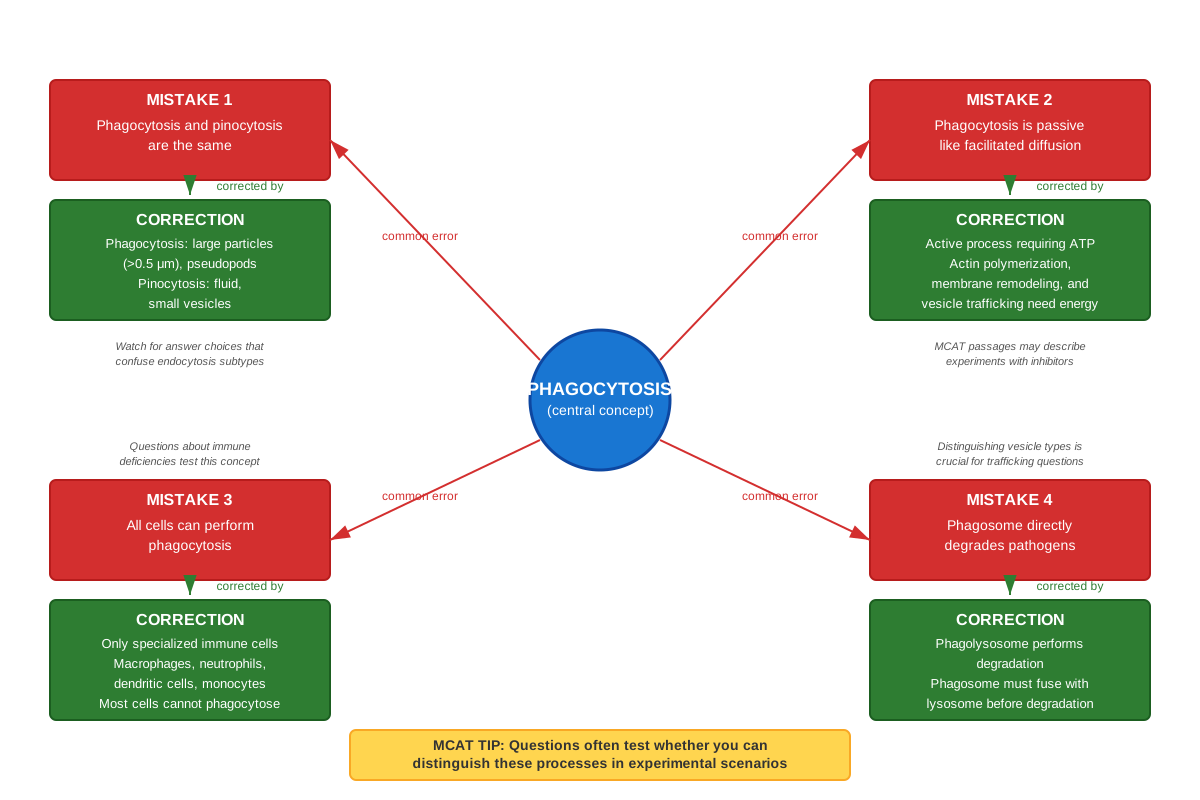
- [ ] Identify common mistakes related to phagocytosis
- [ ] Connect phagocytosis to related Biology concepts
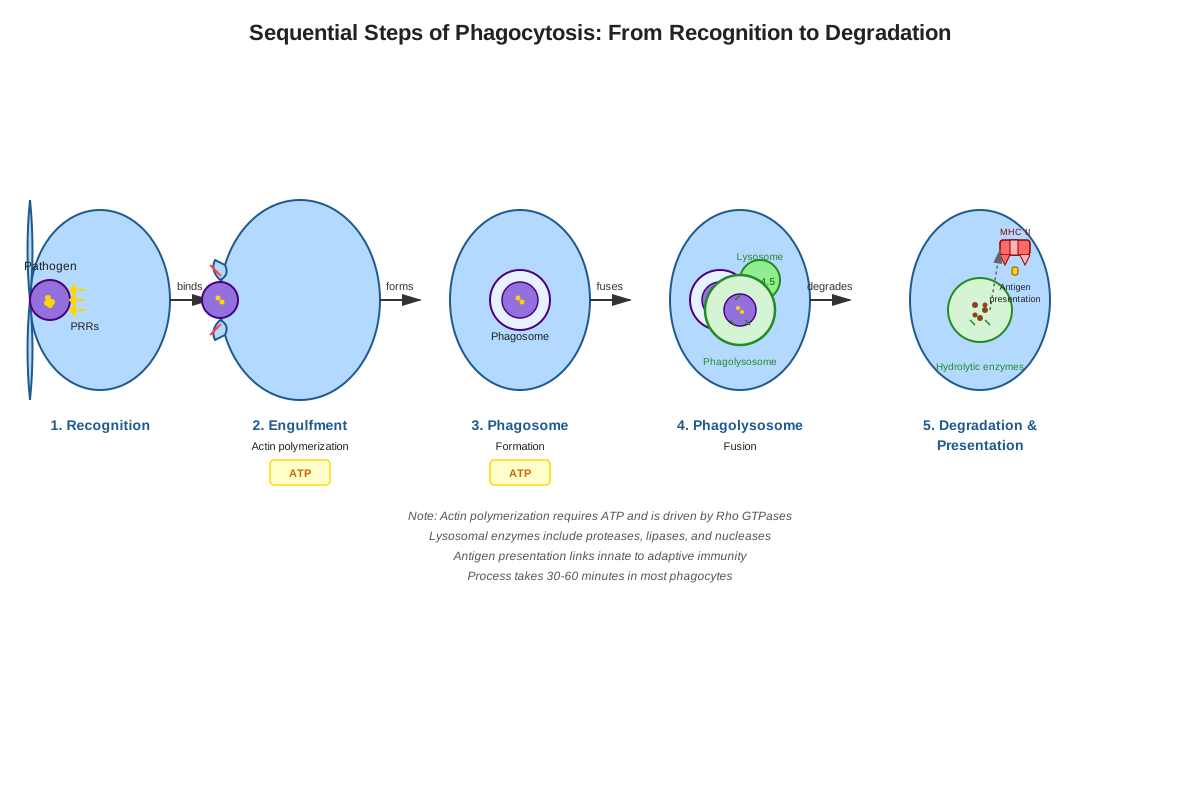
- [ ] Describe the sequential steps of phagocytosis from recognition to degradation
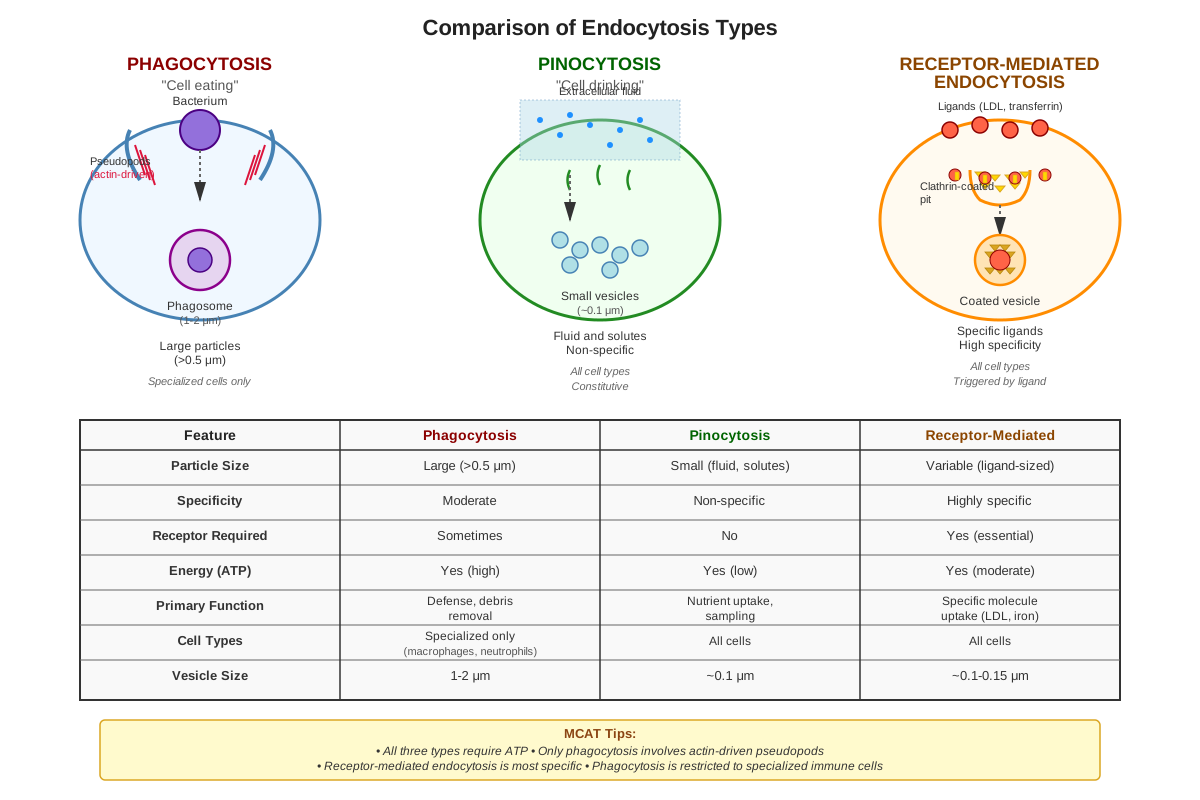
- [ ] Compare and contrast phagocytosis with other forms of endocytosis
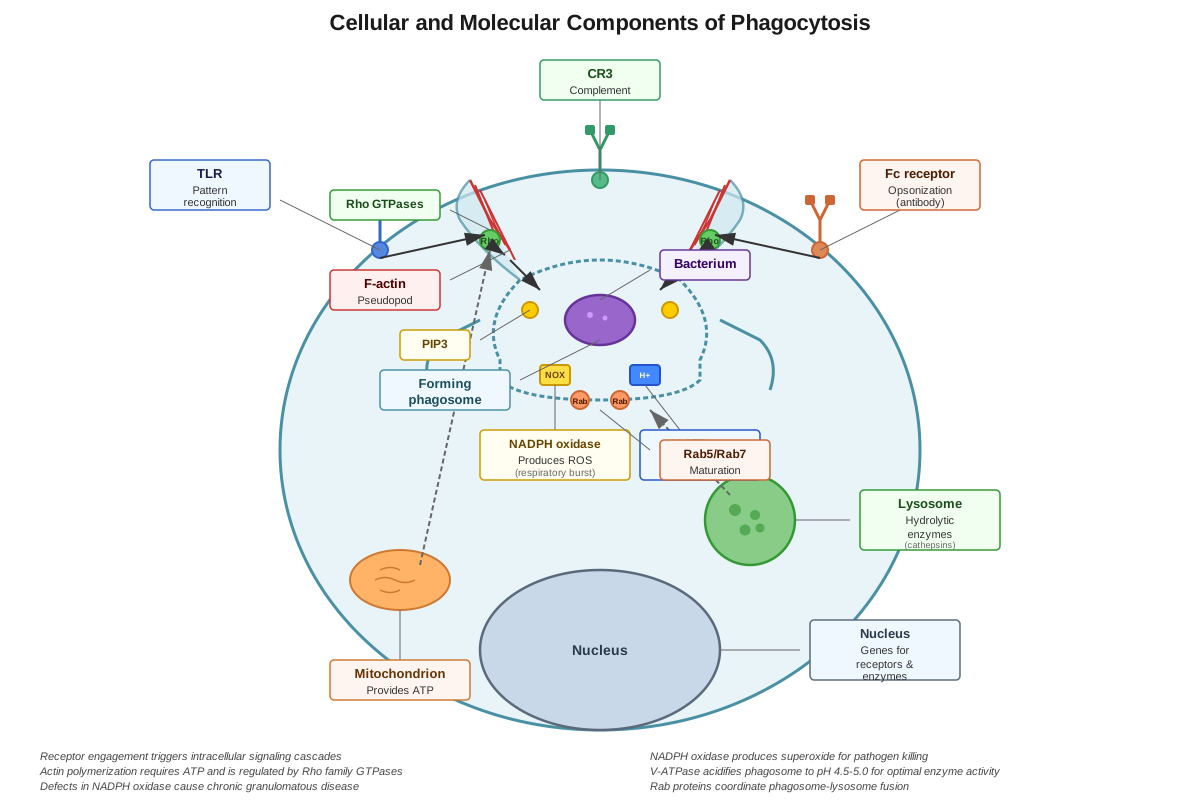
- [ ] Explain the role of specific cellular structures and molecules in phagocytosis
- [ ] Analyze how phagocytosis contributes to both innate and adaptive immunity
Prerequisites
- Plasma membrane structure and function: Understanding phospholipid bilayers, membrane fluidity, and membrane proteins is essential because phagocytosis involves extensive membrane remodeling and receptor-mediated recognition
- Endocytosis basics: Familiarity with general endocytic mechanisms provides context for understanding phagocytosis as a specialized form of this broader category
- Lysosome structure and function: Knowledge of lysosomal enzymes and acidic pH is necessary to understand how phagocytosed material is degraded
- Cytoskeleton components: Actin filaments drive the membrane extensions required for phagocytosis, making cytoskeletal knowledge foundational
- Basic immunology: Understanding the difference between innate and adaptive immunity helps contextualize phagocytosis within immune function
- ATP and cellular energy: Phagocytosis is an active, energy-dependent process requiring ATP hydrolysis
Why This Topic Matters
Phagocytosis represents a critical defense mechanism that protects organisms from pathogens and maintains tissue integrity. Clinically, defects in phagocytosis lead to severe immunodeficiency disorders such as chronic granulomatous disease, where patients suffer recurrent bacterial and fungal infections due to impaired pathogen killing. The process also plays essential roles in clearing apoptotic cells during development and tissue remodeling, removing cellular debris after injury, and presenting antigens to adaptive immune cells. Understanding phagocytosis is fundamental to comprehending how the body responds to infection, inflammation, and tissue damage.
On the MCAT, phagocytosis appears in approximately 3-5% of biological sciences questions, with particular frequency in passages involving immune responses, bacterial pathogenesis, and cellular biology experiments. Questions typically test mechanistic understanding rather than pure memorization, requiring students to apply knowledge of membrane dynamics, receptor function, and intracellular trafficking to novel scenarios. The topic commonly appears in passages describing experimental manipulations of immune cells, clinical vignettes involving immunodeficiency, or research scenarios investigating cellular uptake mechanisms.
MCAT passages frequently present phagocytosis in contexts requiring integration across multiple biological systems. For example, a passage might describe how macrophages in atherosclerotic plaques engulf oxidized lipoproteins, requiring students to connect phagocytosis with cardiovascular pathology and lipid metabolism. Another common presentation involves bacterial evasion strategies that inhibit phagocytosis, testing students' ability to reason about how disrupting specific steps affects overall immune function. The interdisciplinary nature of phagocytosis questions makes thorough understanding essential for achieving competitive scores.
Core Concepts
Definition and Classification
Phagocytosis is a form of endocytosis in which cells internalize large particles (typically >0.5 μm diameter) by extending pseudopodia—temporary cytoplasmic projections—that surround and engulf the target material. This process differs fundamentally from pinocytosis (cell drinking), which involves uptake of fluids and dissolved solutes, and from receptor-mediated endocytosis, which internalizes specific molecules bound to membrane receptors via clathrin-coated pits. Phagocytosis is an active, energy-dependent process requiring ATP and extensive cytoskeletal reorganization.
Professional phagocytes include neutrophils, macrophages, monocytes, and dendritic cells—specialized immune cells that continuously survey tissues for pathogens and debris. However, many other cell types exhibit phagocytic capability under specific conditions, including epithelial cells, fibroblasts, and even some neurons. The distinction between professional and non-professional phagocytes relates to efficiency, constitutive expression of phagocytic receptors, and the sophistication of intracellular killing mechanisms.
Molecular Recognition and Receptor Binding
Phagocytosis begins with recognition of target particles through specific surface receptors. Pattern recognition receptors (PRRs) detect conserved molecular patterns on pathogens, including bacterial lipopolysaccharide, peptidoglycan, and fungal β-glucans. Key PRRs include Toll-like receptors, mannose receptors, and scavenger receptors. Additionally, opsonin receptors recognize host proteins that coat foreign particles, dramatically enhancing phagocytosis efficiency.
The two most important opsonin receptors are Fc receptors (which bind the Fc region of antibodies coating pathogens) and complement receptors (which bind complement proteins, particularly C3b). This process of coating particles with antibodies or complement proteins is called opsonization, derived from the Greek word for "to make tasty." Opsonization represents a critical link between innate and adaptive immunity, as antibodies produced by B cells enhance the phagocytic efficiency of innate immune cells.
Sequential Steps of Phagocytosis
The phagocytic process follows a well-defined sequence:
- Recognition and attachment: Phagocytic receptors on the cell surface bind to ligands on the target particle, initiating intracellular signaling cascades
- Membrane extension: Receptor engagement triggers actin polymerization beneath the binding site, driving pseudopod formation that extends around the particle
- Engulfment: Pseudopodia extend completely around the target, with their tips eventually fusing to enclose the particle
- Phagosome formation: The internalized particle becomes enclosed in a membrane-bound vesicle called a phagosome, which initially has a neutral pH
- Phagolysosome formation: The phagosome fuses with lysosomes, creating a phagolysosome where the pH drops to ~4.5-5.0
- Degradation: Lysosomal enzymes (proteases, lipases, nucleases) and reactive oxygen species destroy the engulfed material
- Exocytosis: Indigestible residues are expelled from the cell, while antigenic peptides may be presented on MHC molecules
Cytoskeletal Dynamics
Actin polymerization drives the membrane extensions essential for phagocytosis. Upon receptor engagement, signaling proteins activate the Rho family of small GTPases (particularly Rac and Cdc42), which in turn activate actin nucleation factors. This creates branched actin networks that push the plasma membrane forward, forming pseudopodia. The process requires continuous ATP hydrolysis and involves coordinated assembly and disassembly of actin filaments.
Myosin motor proteins also contribute by generating contractile forces that help close the phagocytic cup around the target particle. Microtubules play supporting roles in phagosome maturation and trafficking toward lysosomes. Disruption of actin polymerization with drugs like cytochalasin D completely blocks phagocytosis, demonstrating the absolute requirement for intact cytoskeletal function.
Phagosome Maturation and Microbial Killing
After phagosome formation, the vesicle undergoes progressive maturation through fusion with endosomes and lysosomes. This maturation involves:
- Acidification: V-ATPase proton pumps actively transport H+ ions into the phagosome, lowering pH
- Enzyme delivery: Fusion with lysosomes delivers hydrolytic enzymes optimized for acidic conditions
- Oxidative burst: NADPH oxidase assembles on the phagosome membrane, generating superoxide radicals (O₂⁻) that convert to hydrogen peroxide (H₂O₂) and other reactive oxygen species
- Nitric oxide production: Inducible nitric oxide synthase (iNOS) generates nitric oxide, which has antimicrobial properties
- Antimicrobial peptides: Defensins and other peptides create pores in microbial membranes
The respiratory burst (oxidative burst) represents a critical killing mechanism, particularly in neutrophils. Patients with chronic granulomatous disease have defective NADPH oxidase and cannot generate reactive oxygen species, resulting in severe recurrent infections despite normal phagocytosis.
Comparison of Endocytic Mechanisms
| Feature | Phagocytosis | Pinocytosis | Receptor-Mediated Endocytosis |
|---|---|---|---|
| Particle size | >0.5 μm | <0.1 μm | Molecular scale |
| Mechanism | Pseudopod extension | Membrane invagination | Clathrin-coated pits |
| Selectivity | Receptor-mediated | Non-selective | Highly selective |
| Primary cells | Professional phagocytes | Most cells | Most cells |
| Energy requirement | High ATP demand | Moderate | Moderate |
| Cytoskeletal involvement | Extensive actin remodeling | Minimal | Moderate |
Integration with Immune Function
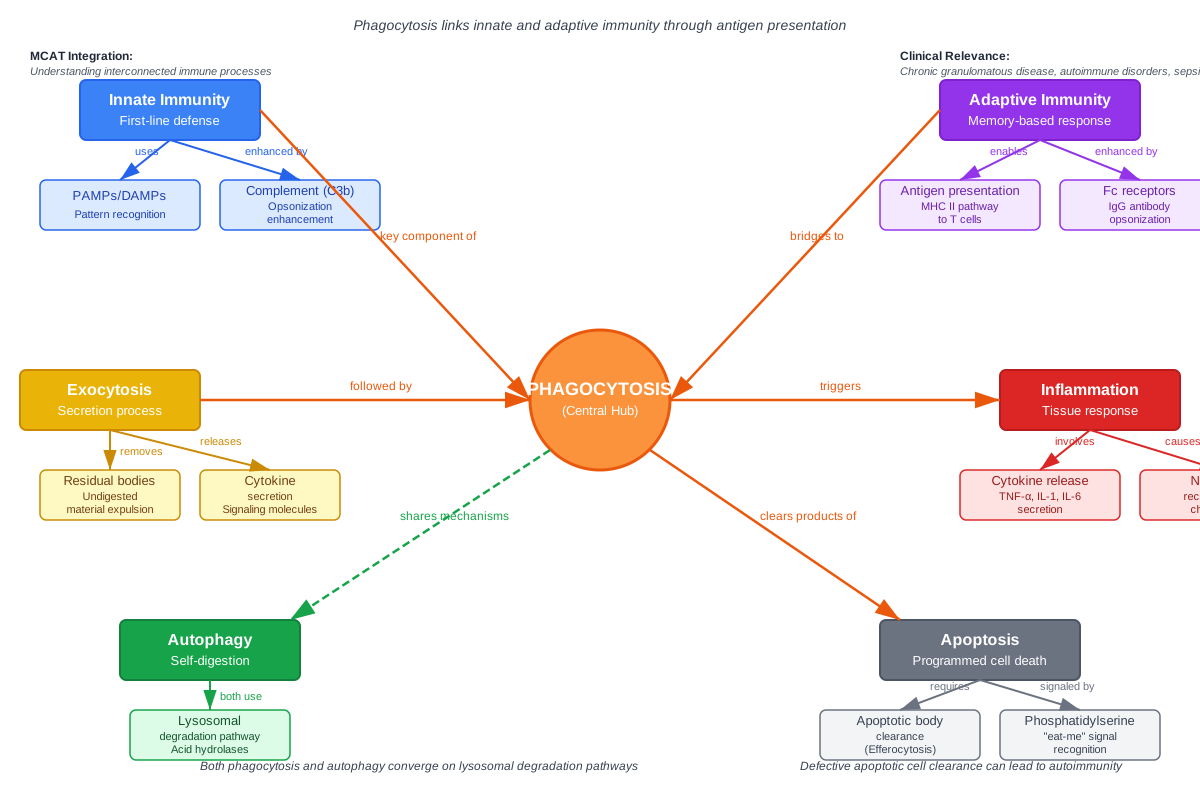
Phagocytosis serves dual roles in immunity. In innate immunity, it provides immediate defense by removing pathogens before they establish infection. Neutrophils arrive first at infection sites, phagocytosing and killing bacteria within hours. Macrophages follow, clearing debris and dead neutrophils while secreting cytokines that orchestrate inflammation.
In adaptive immunity, phagocytosis enables antigen presentation. After degrading pathogens, dendritic cells and macrophages display antigenic peptides on MHC class II molecules, presenting them to CD4+ T helper cells. This process, called antigen processing and presentation, links innate recognition to adaptive immune activation, allowing the immune system to mount specific responses against particular pathogens.
Concept Relationships
Phagocytosis integrates multiple cellular processes into a coordinated response. The process begins with receptor-ligand binding (connecting to cell signaling), which activates intracellular signaling cascades involving kinases and small GTPases. These signals trigger cytoskeletal reorganization (connecting to cell structure), specifically actin polymerization that drives membrane extension. The resulting membrane dynamics (connecting to membrane biology) involve extensive lipid bilayer remodeling and membrane fusion events.
After internalization, vesicular trafficking (connecting to endomembrane system) directs phagosomes toward lysosomes through microtubule-based transport. Organelle fusion (connecting to membrane fusion mechanisms) creates phagolysosomes where enzymatic degradation (connecting to biochemistry) breaks down engulfed material. The oxidative burst (connecting to cellular metabolism and redox chemistry) generates antimicrobial reactive oxygen species through NADPH oxidase activity.
The relationship map flows as: Pathogen recognition → Receptor activation → Signal transduction → Actin polymerization → Pseudopod extension → Phagosome formation → Lysosome fusion → Phagolysosome maturation → Degradation → Antigen presentation or exocytosis. Each step depends on the previous one, and disruption at any point impairs the entire process. This sequential dependency explains why genetic defects affecting specific components (like NADPH oxidase or actin regulators) cause severe immunodeficiency despite normal function of other components.
Quick check — test yourself on Phagocytosis so far.
Try Flashcards →High-Yield Facts
⭐ Phagocytosis is an active, energy-dependent process requiring ATP for actin polymerization and membrane remodeling
⭐ Opsonization by antibodies (IgG) or complement (C3b) dramatically enhances phagocytosis efficiency through Fc receptors and complement receptors
⭐ Professional phagocytes include neutrophils, macrophages, monocytes, and dendritic cells
⭐ The respiratory burst (oxidative burst) generates reactive oxygen species via NADPH oxidase and is essential for killing many pathogens
⭐ Phagolysosome formation requires fusion of phagosomes with lysosomes, creating an acidic environment (pH 4.5-5.0) with hydrolytic enzymes
- Actin polymerization driven by Rho GTPases (Rac, Cdc42) is absolutely required for pseudopod formation
- Pattern recognition receptors (PRRs) detect conserved pathogen-associated molecular patterns (PAMPs)
- Chronic granulomatous disease results from defective NADPH oxidase, preventing reactive oxygen species generation
- Phagocytosis differs from receptor-mediated endocytosis in particle size (>0.5 μm vs. molecular scale) and mechanism (pseudopodia vs. clathrin-coated pits)
- Antigen presentation on MHC class II molecules following phagocytosis links innate and adaptive immunity
- Some pathogens (Mycobacterium tuberculosis, Listeria) have evolved mechanisms to survive within phagosomes by preventing phagolysosome formation
- Cytochalasin D, which prevents actin polymerization, completely blocks phagocytosis
Common Misconceptions
Misconception: Phagocytosis and endocytosis are synonymous terms
Correction: Phagocytosis is a specific type of endocytosis involving large particles (>0.5 μm) and pseudopod formation. Endocytosis is the broader category that also includes pinocytosis and receptor-mediated endocytosis, which involve different mechanisms and particle sizes.
Misconception: All cells can perform phagocytosis equally well
Correction: While many cells have some phagocytic capacity, professional phagocytes (neutrophils, macrophages, dendritic cells) are specialized for this function with constitutive expression of phagocytic receptors, efficient killing mechanisms, and continuous surveillance activity. Non-professional phagocytes have limited capacity and typically require specific activation signals.
Misconception: Opsonization is required for all phagocytosis
Correction: While opsonization dramatically enhances phagocytosis efficiency, phagocytes can recognize and engulf particles directly through pattern recognition receptors that detect pathogen-associated molecular patterns. Opsonization is an enhancement mechanism, not an absolute requirement, though it increases phagocytosis rates by 100-1000 fold.
Misconception: The phagosome immediately becomes acidic upon formation
Correction: Newly formed phagosomes have neutral pH similar to the cytoplasm. Acidification occurs progressively during phagosome maturation as V-ATPase proton pumps are delivered through fusion with endosomes and lysosomes. Full acidification to pH 4.5-5.0 requires phagolysosome formation.
Misconception: Reactive oxygen species generation occurs in the cytoplasm
Correction: The respiratory burst generates reactive oxygen species specifically within the phagosome lumen, not in the cytoplasm. NADPH oxidase assembles on the phagosome membrane with its catalytic site facing inward, protecting the cell's own structures from oxidative damage while killing the engulfed pathogen.
Misconception: Phagocytosis only functions in pathogen defense
Correction: While pathogen clearance is important, phagocytosis also removes apoptotic cells during development and tissue remodeling, clears cellular debris after injury, removes senescent red blood cells, and participates in bone remodeling. These homeostatic functions are essential for normal physiology beyond immune defense.
Worked Examples
Example 1: Experimental Manipulation
Question: Researchers treat macrophages with cytochalasin D before exposing them to opsonized bacteria. They observe that bacteria bind to the macrophage surface but are not internalized. When they wash out the drug and add fresh bacteria, phagocytosis proceeds normally. Which component of phagocytosis was specifically disrupted by cytochalasin D?
Analysis: This question tests understanding of the sequential steps of phagocytosis and the specific role of cytoskeletal elements.
Step 1: Identify what cytochalasin D does. This drug prevents actin polymerization by capping the plus ends of actin filaments, blocking their elongation.
Step 2: Determine which step of phagocytosis requires actin polymerization. The formation of pseudopodia that extend around the target particle absolutely requires actin polymerization to push the membrane forward.
Step 3: Analyze the experimental observations. Bacteria still bind to the surface, indicating that receptor recognition and attachment are intact. However, internalization fails, indicating that the membrane extension step is blocked.
Step 4: Confirm reversibility. When the drug is removed, actin can polymerize again, and phagocytosis resumes, confirming that the defect was specifically in actin-dependent membrane extension, not in receptors or other permanent cellular structures.
Answer: Cytochalasin D specifically disrupted pseudopod formation and membrane extension by preventing actin polymerization. Receptor binding remained functional, but the mechanical process of engulfing the bacteria could not proceed without actin-driven membrane protrusions.
Connection to Learning Objectives: This example demonstrates how to apply knowledge of phagocytosis mechanisms to interpret experimental results, a common MCAT question format.
Example 2: Clinical Vignette
Question: A 3-year-old boy presents with recurrent bacterial and fungal infections. Laboratory studies show normal numbers of neutrophils that can phagocytose bacteria normally. However, a nitroblue tetrazolium (NBT) test, which detects reactive oxygen species production, is negative. The patient's neutrophils contain live bacteria within phagosomes even hours after phagocytosis. What is the most likely molecular defect?
Analysis: This clinical scenario requires integrating phagocytosis mechanisms with pathophysiology.
Step 1: Identify what's normal. The patient has normal neutrophil numbers and normal phagocytosis (bacteria are internalized), indicating that receptor function, actin polymerization, and phagosome formation are intact.
Step 2: Identify what's abnormal. The NBT test is negative, indicating failure to produce reactive oxygen species. Bacteria survive within phagosomes, indicating defective killing despite successful internalization.
Step 3: Connect the defect to molecular mechanisms. Reactive oxygen species production during phagocytosis depends on NADPH oxidase, which generates superoxide radicals in the phagosome lumen. This is the respiratory burst or oxidative burst.
Step 4: Recognize the disease. The combination of normal phagocytosis with defective reactive oxygen species production and recurrent infections with catalase-positive organisms (bacteria and fungi) is characteristic of chronic granulomatous disease (CGD).
Step 5: Identify the molecular defect. CGD results from mutations in genes encoding NADPH oxidase subunits, preventing assembly of functional enzyme complex on the phagosome membrane.
Answer: The patient most likely has chronic granulomatous disease caused by defective NADPH oxidase. While phagocytosis proceeds normally, the inability to generate reactive oxygen species prevents effective killing of catalase-positive organisms, which can neutralize the limited amounts of hydrogen peroxide produced by other cellular mechanisms.
Connection to Learning Objectives: This example demonstrates how understanding phagocytosis mechanisms enables clinical reasoning about immunodeficiency disorders, connecting cell biology to medicine—a key MCAT skill.
Exam Strategy
When approaching MCAT questions on phagocytosis, first identify which step of the process is being tested: recognition, engulfment, phagosome formation, maturation, or degradation. Questions often present experimental manipulations or clinical scenarios that disrupt specific steps, requiring you to trace the consequences through the sequential process.
Trigger words to watch for include "opsonization" (indicating antibody or complement involvement), "respiratory burst" or "oxidative burst" (indicating NADPH oxidase and reactive oxygen species), "actin polymerization" (indicating pseudopod formation), and "phagolysosome" (indicating fusion and degradation). When you see "professional phagocyte," think neutrophils, macrophages, or dendritic cells. When you see "pattern recognition," think PRRs detecting PAMPs.
For process-of-elimination, remember that phagocytosis is always active and energy-dependent—eliminate any answer suggesting it's passive or doesn't require ATP. Phagocytosis involves large particles—eliminate answers confusing it with pinocytosis or receptor-mediated endocytosis of small molecules. The respiratory burst occurs in the phagosome, not the cytoplasm—eliminate answers placing reactive oxygen species generation in the wrong location.
Time allocation: Spend 10-15 seconds identifying which component of phagocytosis is central to the question. If it's a passage-based question, quickly scan for experimental manipulations of specific steps (drug treatments, genetic knockouts, receptor blocking). For discrete questions, immediately categorize whether the question tests mechanism, comparison with other processes, or clinical application. Most phagocytosis questions can be answered in 60-90 seconds once you've identified the relevant step.
When facing complex scenarios, draw a quick mental flowchart: Recognition → Engulfment → Phagosome → Phagolysosome → Degradation. Identify where in this sequence the question focuses, then apply your knowledge of that specific step. This systematic approach prevents confusion and helps you avoid common traps.
Memory Techniques
Mnemonic for phagocytosis steps: "Really Excited Phagocytes Prefer Delicious Meals"
- Recognition
- Engulfment
- Phagosome formation
- Phagolysosome formation (fusion)
- Degradation
- MHC presentation (or Material expulsion)
Mnemonic for professional phagocytes: "Never Mind Dangerous Microbes"
- Neutrophils
- Macrophages
- Dendritic cells
- Monocytes
Visualization strategy: Picture phagocytosis as "cellular Pac-Man"—the cell extends its membrane like Pac-Man's mouth opening, surrounds the particle, closes around it, then digests it internally. This simple analogy helps remember the engulfment mechanism and distinguishes it from receptor-mediated endocytosis (which is more like a trap door opening inward).
Acronym for opsonins: "AC/DC" (like the band)
- Antibodies (IgG via Fc receptors)
- Complement (C3b via complement receptors)
Memory aid for respiratory burst: Think "NADPH = Need Air Destroying Pathogens Harshly"—connecting NADPH oxidase to oxygen-dependent killing. Remember that chronic granulomatous disease patients have infections with catalase-positive organisms because these organisms destroy the small amounts of H₂O₂ they produce themselves, and the patient can't generate additional H₂O₂ via NADPH oxidase.
Summary
Phagocytosis is a specialized, active form of endocytosis in which cells engulf large particles through actin-driven pseudopod extension. The process proceeds sequentially through recognition (via pattern recognition receptors or opsonin receptors), engulfment (requiring actin polymerization), phagosome formation, phagolysosome maturation (through fusion with lysosomes), and degradation (via hydrolytic enzymes and reactive oxygen species). Professional phagocytes—neutrophils, macrophages, monocytes, and dendritic cells—are specialized for this function and play critical roles in innate immunity, tissue homeostasis, and antigen presentation. The respiratory burst, mediated by NADPH oxidase, generates reactive oxygen species essential for killing many pathogens. Understanding phagocytosis requires integrating knowledge of membrane dynamics, cytoskeletal function, vesicular trafficking, and immune function, making it a high-yield MCAT topic that connects multiple biological domains.
Key Takeaways
- Phagocytosis is an active, ATP-dependent process involving large particles (>0.5 μm) and actin-driven pseudopod formation, distinguishing it from other endocytic mechanisms
- Professional phagocytes (neutrophils, macrophages, dendritic cells, monocytes) are specialized immune cells with constitutive phagocytic capacity
- Opsonization by antibodies (IgG) or complement (C3b) enhances phagocytosis efficiency 100-1000 fold through Fc receptors and complement receptors
- The respiratory burst generates reactive oxygen species via NADPH oxidase within the phagosome, providing essential antimicrobial activity
- Phagolysosome formation through fusion with lysosomes creates an acidic (pH 4.5-5.0) degradative compartment with hydrolytic enzymes
- Phagocytosis links innate and adaptive immunity through antigen processing and presentation on MHC class II molecules
- Defects in specific components (NADPH oxidase in chronic granulomatous disease, actin regulators, receptor expression) cause immunodeficiency despite normal function of other components
Related Topics
Receptor-Mediated Endocytosis: Understanding this clathrin-dependent mechanism for internalizing specific molecules helps distinguish it from phagocytosis and reveals how cells use different strategies for different cargo sizes. Mastering phagocytosis provides foundation for understanding all endocytic mechanisms.
Lysosomal Storage Diseases: These genetic disorders result from defective lysosomal enzymes, causing accumulation of undegraded material. Understanding phagolysosome function in phagocytosis enables comprehension of how lysosomal defects affect multiple cellular processes.
Innate Immunity: Phagocytosis represents a central mechanism of innate immune defense. Mastering this topic enables deeper understanding of complement activation, inflammatory responses, and pattern recognition.
Antigen Presentation: The connection between phagocytosis and MHC class II presentation links innate recognition to adaptive immunity. Understanding phagocytic degradation is essential for comprehending how T cells become activated.
Cytoskeleton Dynamics: The actin polymerization driving phagocytosis exemplifies broader principles of cytoskeletal regulation. Mastering this application enables understanding of cell motility, cytokinesis, and other actin-dependent processes.
Practice CTA
Now that you've mastered the core concepts of phagocytosis, challenge yourself with practice questions to solidify your understanding and develop exam-ready skills. Focus on questions that require you to apply mechanistic knowledge to experimental scenarios and clinical vignettes—these mirror the integrative reasoning the MCAT demands. Review the flashcards to reinforce high-yield facts and ensure rapid recall of key concepts. Remember, phagocytosis questions often test your ability to connect cellular mechanisms to immune function and disease pathology, so practice tracing consequences through the sequential steps of the process. Your thorough understanding of this topic will serve as foundation for mastering related concepts in immunology and cell biology. You've got this!
Sign up free to keep reading
Create a free AnvayaPrep account to finish this MCAT guide on Phagocytosis — plus flashcards and practice questions.