Overview
Primary active transport is a fundamental cellular mechanism that moves solutes across biological membranes against their concentration gradients by directly coupling the transport process to ATP hydrolysis. This energy-dependent process is essential for maintaining cellular homeostasis, establishing electrochemical gradients, and enabling numerous physiological functions throughout the human body. Unlike passive transport mechanisms that rely on existing concentration gradients, primary active transport harnesses chemical energy stored in ATP to power the movement of ions and molecules from regions of low concentration to regions of high concentration—a thermodynamically unfavorable process that requires direct energy input.
For the MCAT, understanding primary active transport is crucial because it appears frequently in both Cell Biology passages and integrated questions that span multiple disciplines. The exam tests not only the mechanistic details of how ATP-driven pumps function but also the physiological consequences of these transport systems in contexts ranging from neuronal signaling to kidney function. Questions may present experimental scenarios involving pump inhibitors, ask students to predict the effects of ATP depletion on cellular ion gradients, or require analysis of how primary active transport establishes the conditions necessary for secondary active transport mechanisms.
Within the broader landscape of Biology, primary active transport represents a critical intersection of bioenergetics, membrane biology, and cellular physiology. It directly connects to concepts of thermodynamics (particularly the use of Gibbs free energy from ATP hydrolysis), protein structure and function (as all primary active transporters are integral membrane proteins), and homeostatic regulation. The sodium-potassium pump (Na⁺/K⁺-ATPase), the most extensively studied primary active transporter, exemplifies how cells invest significant metabolic energy—up to 30% of total ATP in some cell types—to maintain the ionic gradients that underpin excitability, osmotic balance, and numerous coupled transport processes.
Learning Objectives
- [ ] Define Primary active transport using accurate Biology terminology
- [ ] Explain why Primary active transport matters for the MCAT
- [ ] Apply Primary active transport to exam-style questions
- [ ] Identify common mistakes related to Primary active transport
- [ ] Connect Primary active transport to related Biology concepts
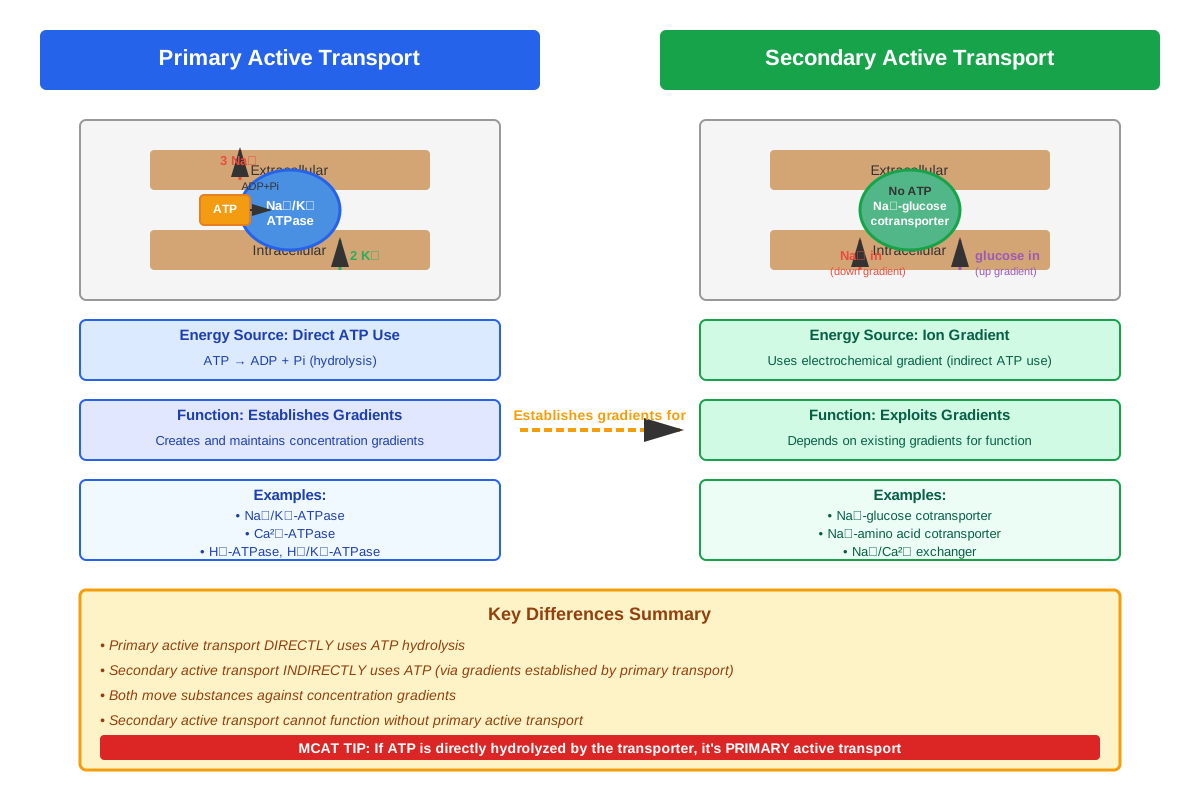
- [ ] Distinguish between primary and secondary active transport mechanisms based on energy source
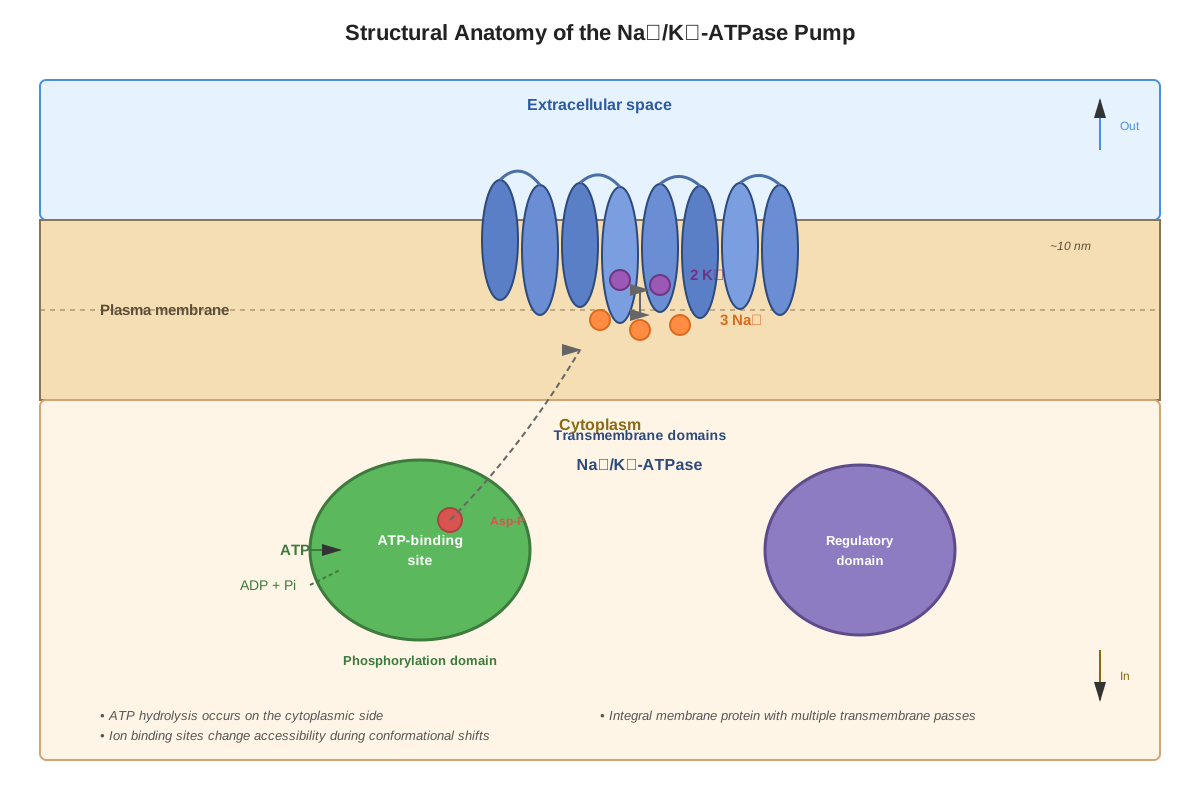
- [ ] Describe the structure-function relationship of the Na⁺/K⁺-ATPase in molecular detail
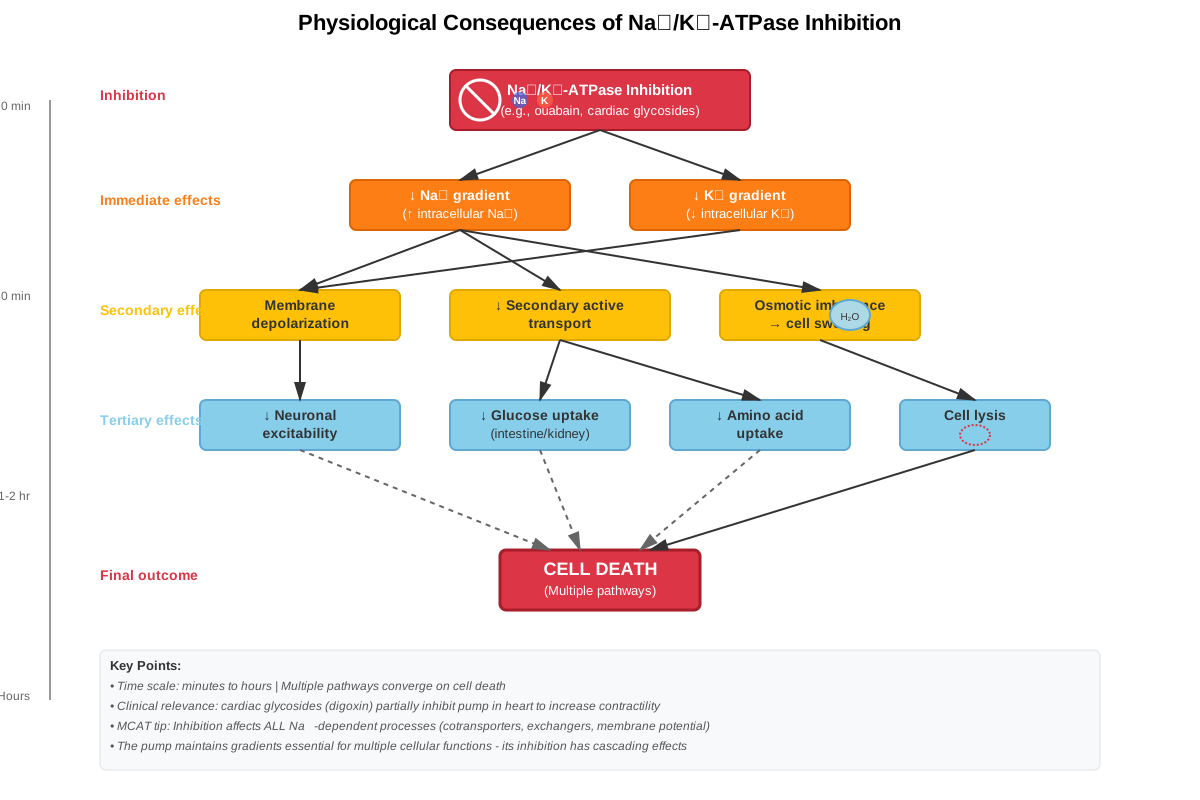
- [ ] Predict the cellular consequences of primary active transport inhibition in various physiological contexts
- [ ] Calculate the energetic requirements for maintaining concentration gradients via primary active transport
Prerequisites
- Membrane structure and properties: Understanding phospholipid bilayers and membrane protein integration is essential because primary active transporters are transmembrane proteins that undergo conformational changes during the transport cycle
- ATP structure and hydrolysis: Knowledge of how ATP stores and releases energy through phosphate bond cleavage is necessary to comprehend the direct coupling mechanism that powers primary active transport
- Concentration gradients and electrochemical potentials: Familiarity with the concept of moving substances against gradients is required to appreciate why primary active transport requires energy input
- Basic thermodynamics: Understanding that moving molecules against concentration gradients is thermodynamically unfavorable (positive ΔG) explains why ATP hydrolysis (negative ΔG) must be coupled to the process
- Protein conformational changes: Recognition that proteins can change shape in response to phosphorylation or ligand binding underlies the mechanism by which transporters alternate between different conformational states
Why This Topic Matters
Clinical and Real-World Significance
Primary active transport mechanisms are therapeutic targets for numerous medications and are implicated in various disease states. Cardiac glycosides like digoxin, used to treat heart failure and atrial fibrillation, function by inhibiting the Na⁺/K⁺-ATPase, which indirectly increases intracellular calcium and enhances cardiac contractility. Proton pump inhibitors (PPIs) such as omeprazole target the H⁺/K⁺-ATPase in gastric parietal cells to reduce stomach acid production, representing one of the most prescribed medication classes worldwide. Genetic defects in primary active transporters cause serious conditions: mutations in the copper-transporting ATPase (ATP7B) cause Wilson's disease, while defects in calcium ATPases can lead to muscle disorders. Understanding primary active transport is also critical for comprehending how neurons maintain resting membrane potentials, how kidneys reabsorb essential nutrients while excreting waste, and how cells regulate their volume in response to osmotic challenges.
MCAT Exam Statistics and Question Types
Primary active transport appears in approximately 3-5% of MCAT questions, with the highest frequency in Biological and Biochemical Foundations of Living Systems passages. Questions typically fall into three categories: (1) mechanistic questions asking students to identify the energy source or describe the conformational changes during transport cycles, (2) experimental analysis questions presenting data about pump inhibitors or ATP depletion scenarios, and (3) integrated physiology questions requiring students to predict downstream effects of altered primary active transport on cellular or organ function. The Na⁺/K⁺-ATPase appears most frequently, but calcium pumps (SERCA and plasma membrane Ca²⁺-ATPase) and proton pumps also feature in exam passages.
Common Exam Passage Contexts
MCAT passages frequently present primary active transport in the context of neurophysiology (maintaining resting potential and recovering from action potentials), renal physiology (active reabsorption in nephron segments), cardiac physiology (calcium handling and contractility), and gastric physiology (acid secretion). Research-based passages may describe experiments using ouabain (a specific Na⁺/K⁺-ATPase inhibitor) or present scenarios involving cellular ATP depletion due to metabolic poisons. Comparative physiology passages sometimes contrast primary active transport mechanisms across different organisms or cell types, requiring students to apply principles rather than recall memorized facts.
Core Concepts
Definition and Fundamental Mechanism
Primary active transport is defined as the movement of solutes across a biological membrane against their electrochemical gradient, powered by the direct hydrolysis of ATP or another high-energy molecule. The term "primary" distinguishes this process from secondary active transport, which uses pre-existing ion gradients (themselves established by primary active transport) rather than directly consuming ATP. All primary active transporters belong to the ATPase superfamily of proteins and share a common mechanistic feature: they undergo conformational changes driven by phosphorylation and dephosphorylation cycles that alternately expose binding sites to different sides of the membrane.
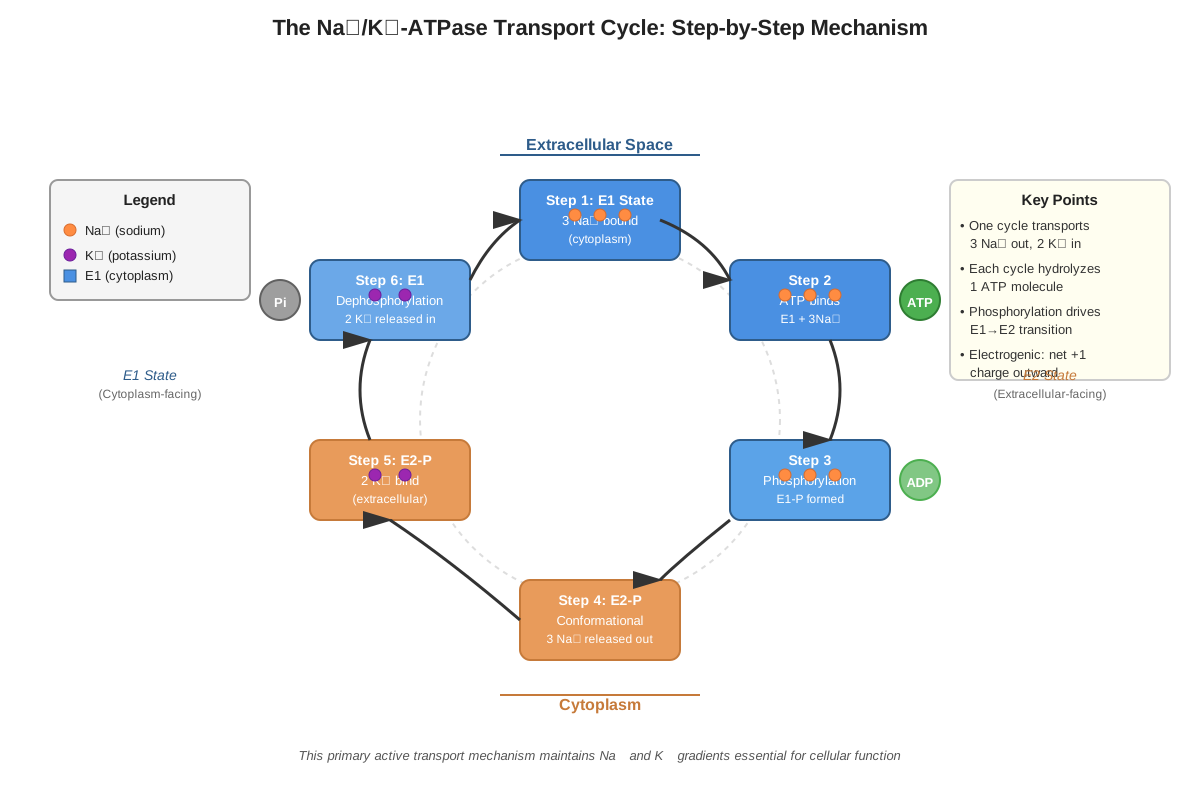
The fundamental mechanism involves several key steps: (1) substrate binding on one side of the membrane, (2) ATP binding and hydrolysis leading to protein phosphorylation, (3) conformational change that reorients the binding site to the opposite side of the membrane, (4) substrate release, (5) dephosphorylation, and (6) return to the original conformation. This cyclical process couples the thermodynamically favorable ATP hydrolysis (ΔG ≈ -30.5 kJ/mol under standard conditions) to the thermodynamically unfavorable uphill transport of solutes.
The Sodium-Potassium Pump (Na⁺/K⁺-ATPase)
The Na⁺/K⁺-ATPase is the most abundant and well-characterized primary active transporter in animal cells. This integral membrane protein maintains the characteristic high intracellular K⁺ and low intracellular Na⁺ concentrations that are essential for cellular function. The pump operates with a 3:2 stoichiometry, transporting three sodium ions out of the cell and two potassium ions into the cell for each ATP molecule hydrolyzed. This unequal exchange makes the pump electrogenic, meaning it generates a net charge separation across the membrane, contributing approximately -5 to -10 mV to the resting membrane potential.
The transport cycle of the Na⁺/K⁺-ATPase follows the Post-Albers scheme:
- E1 conformation: The pump has high affinity for Na⁺ on the cytoplasmic side; three Na⁺ ions bind
- Phosphorylation: ATP binds and transfers its terminal phosphate to an aspartate residue on the pump
- E1-P to E2-P transition: Phosphorylation triggers a conformational change that reduces Na⁺ affinity and exposes the binding sites to the extracellular space
- Na⁺ release and K⁺ binding: Na⁺ ions are released outside the cell; two K⁺ ions bind from the extracellular space
- Dephosphorylation: K⁺ binding stimulates removal of the phosphate group
- E2 to E1 transition: The pump returns to its original conformation, exposing K⁺ binding sites to the cytoplasm
- K⁺ release: K⁺ ions are released into the cytoplasm, and the cycle repeats
This pump is inhibited by cardiac glycosides (ouabain, digitalis) that bind to the extracellular face and prevent the conformational changes necessary for transport. The Na⁺/K⁺-ATPase consumes approximately 20-40% of the ATP produced by most cells, and up to 70% in neurons, highlighting its critical importance.
Calcium Pumps (Ca²⁺-ATPases)
Cells maintain extremely low cytoplasmic calcium concentrations (approximately 100 nM) compared to extracellular fluid (approximately 1-2 mM) and intracellular stores like the sarcoplasmic reticulum (approximately 0.5-1 mM). This steep gradient is maintained by two types of Ca²⁺-ATPases: the plasma membrane Ca²⁺-ATPase (PMCA) and the sarcoplasmic/endoplasmic reticulum Ca²⁺-ATPase (SERCA).
PMCA pumps calcium out of the cell with a 1:1 stoichiometry (one Ca²⁺ per ATP), contributing to the maintenance of low basal cytoplasmic calcium. It has high affinity but low capacity, making it suitable for fine-tuning calcium levels. SERCA pumps calcium from the cytoplasm into the sarcoplasmic reticulum (in muscle cells) or endoplasmic reticulum (in other cells) with a 2:1 stoichiometry (two Ca²⁺ per ATP). SERCA has lower affinity but higher capacity than PMCA, allowing rapid calcium sequestration after cellular signaling events or muscle contraction.
The importance of calcium pumps is evident in muscle physiology: after an action potential triggers calcium release from the sarcoplasmic reticulum (causing contraction), SERCA must actively pump calcium back into the SR to allow muscle relaxation. Inhibition of SERCA by thapsigargin (a research tool) or mutations in SERCA genes can cause muscle dysfunction and disease.
Proton Pumps (H⁺-ATPases)
Proton pumps use ATP hydrolysis to transport hydrogen ions against their concentration gradient, creating pH differences across membranes. The two major types are P-type H⁺-ATPases and V-type H⁺-ATPases (vacuolar-type).
The H⁺/K⁺-ATPase in gastric parietal cells is a P-type pump that exchanges cytoplasmic H⁺ for extracellular K⁺ with 1:1 stoichiometry, secreting acid into the stomach lumen and creating a pH as low as 1-2. This pump is the target of proton pump inhibitors (PPIs), which are prodrugs that become activated in acidic environments and form covalent bonds with cysteine residues on the pump, irreversibly inhibiting it.
V-type H⁺-ATPases are found in lysosomes, endosomes, and other intracellular compartments, where they acidify the interior to activate pH-dependent enzymes. Unlike P-type pumps, V-type ATPases do not undergo phosphorylation; instead, they use ATP hydrolysis to drive rotational conformational changes that translocate protons.
Comparison of Primary Active Transport Mechanisms
| Feature | Na⁺/K⁺-ATPase | PMCA | SERCA | H⁺/K⁺-ATPase |
|---|---|---|---|---|
| Ions transported | 3 Na⁺ out, 2 K⁺ in | 1 Ca²⁺ out | 2 Ca²⁺ into SR/ER | 1 H⁺ out, 1 K⁺ in |
| Stoichiometry | 3:2:1 (Na:K:ATP) | 1:1 (Ca:ATP) | 2:1 (Ca:ATP) | 1:1:1 (H:K:ATP) |
| Electrogenic? | Yes (net +1 out) | No | No | No |
| Primary location | Plasma membrane | Plasma membrane | SR/ER membrane | Gastric parietal cells |
| Key inhibitor | Ouabain, digitalis | Vanadate | Thapsigargin | Omeprazole (PPIs) |
| % of cellular ATP | 20-40% | <5% | 5-10% (muscle) | Variable |
Energy Coupling and Thermodynamics
The coupling of ATP hydrolysis to uphill transport is a fundamental principle of primary active transport Biology. The free energy change for moving an uncharged solute against a concentration gradient is given by:
ΔG_transport = RT ln([C]_final/[C]_initial)For charged species, the electrical potential difference must also be considered:
ΔG_transport = RT ln([C]_final/[C]_initial) + zFΔΨwhere z is the charge, F is Faraday's constant, and ΔΨ is the membrane potential.
For transport to occur, the free energy from ATP hydrolysis must exceed the free energy required for transport:
ΔG_ATP hydrolysis + ΔG_transport < 0Under physiological conditions, ATP hydrolysis releases approximately -50 to -54 kJ/mol (more negative than the standard -30.5 kJ/mol due to cellular concentrations of ATP, ADP, and Pi). This substantial energy release can drive the transport of multiple ions against steep gradients. For example, the Na⁺/K⁺-ATPase maintains a sodium gradient where intracellular [Na⁺] ≈ 12 mM and extracellular [Na⁺] ≈ 145 mM, representing a concentration ratio of approximately 12:1 that requires significant energy input to maintain.
Regulation of Primary Active Transport
Primary active transporters are regulated at multiple levels to match cellular needs:
Transcriptional regulation: Expression levels of pump proteins can be increased or decreased based on long-term cellular demands. For example, thyroid hormone increases Na⁺/K⁺-ATPase expression, contributing to the increased metabolic rate in hyperthyroidism.
Post-translational modifications: Phosphorylation of regulatory sites (distinct from the catalytic phosphorylation site) can modulate pump activity. PMCA activity is enhanced by calmodulin binding when calcium levels rise.
Substrate availability: ATP depletion during hypoxia or metabolic poisoning directly limits primary active transport. Similarly, changes in substrate ion concentrations affect transport rates through mass action effects.
Inhibitor sensitivity: Endogenous compounds like cardiotonic steroids can modulate Na⁺/K⁺-ATPase activity, and pathological conditions may alter sensitivity to inhibitors.
Concept Relationships
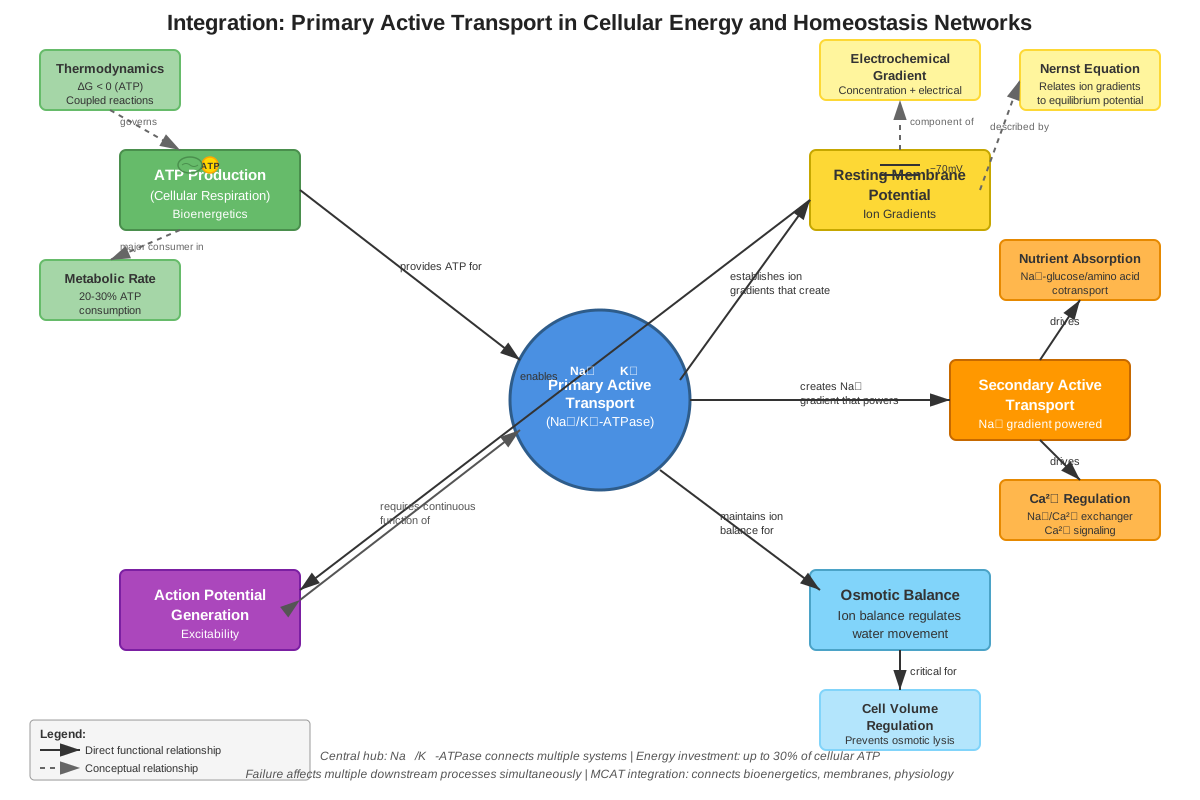
Primary active transport serves as a foundational concept that connects to numerous other biological processes. The relationship map flows as follows:
ATP synthesis (cellular respiration/photosynthesis) → provides energy for → Primary active transport → establishes ion gradients → enables → Secondary active transport, Resting membrane potential, Action potentials, Osmotic balance
Within the topic itself, the core mechanism (ATP hydrolysis coupled to conformational change) applies universally to all primary active transporters, but specific implementations vary based on the ions transported and physiological context. The Na⁺/K⁺-ATPase establishes the sodium gradient that powers most secondary active transport systems, creating a hierarchical relationship where one primary active transporter enables multiple secondary processes.
Primary active transport connects to prerequisite knowledge of membrane structure because these transporters are integral membrane proteins with multiple transmembrane domains that must maintain structural integrity while undergoing conformational changes. The concept links to ATP and bioenergetics because the availability of ATP directly limits transport capacity—during ischemia or hypoxia, primary active transport fails first, leading to loss of ion gradients and cellular dysfunction.
The relationship to action potentials and neurophysiology is particularly important for the MCAT: the Na⁺/K⁺-ATPase maintains the resting potential and recovers the ion gradients after action potentials. Without continuous primary active transport, neurons would depolarize and become inexcitable within minutes. Similarly, in muscle physiology, calcium pumps (SERCA) enable relaxation after contraction, connecting primary active transport to the excitation-contraction coupling cycle.
Primary active transport also relates to osmotic regulation: by controlling intracellular ion concentrations, cells regulate water movement and prevent osmotic lysis or crenation. This connects to kidney physiology, where primary active transport in nephron epithelial cells drives reabsorption and secretion processes essential for maintaining body fluid homeostasis.
Quick check — test yourself on Primary active transport so far.
Try Flashcards →High-Yield Facts
⭐ Primary active transport directly uses ATP hydrolysis to move substances against their concentration gradient, distinguishing it from secondary active transport which uses pre-existing ion gradients
⭐ The Na⁺/K⁺-ATPase transports 3 Na⁺ out and 2 K⁺ in per ATP hydrolyzed, making it electrogenic and contributing to the negative resting membrane potential
⭐ Cardiac glycosides (ouabain, digoxin) inhibit the Na⁺/K⁺-ATPase, leading to increased intracellular Na⁺, reduced Na⁺/Ca²⁺ exchanger activity, increased intracellular Ca²⁺, and enhanced cardiac contractility
⭐ Primary active transport can consume 20-40% of total cellular ATP (up to 70% in neurons), representing a major energy expenditure
⭐ All primary active transporters undergo conformational changes between states with different substrate affinities and orientations, driven by phosphorylation/dephosphorylation cycles
- SERCA pumps 2 Ca²⁺ ions into the sarcoplasmic reticulum per ATP, enabling muscle relaxation after contraction
- The H⁺/K⁺-ATPase in gastric parietal cells can generate a million-fold H⁺ concentration gradient (pH 7 to pH 1)
- Proton pump inhibitors (PPIs) are prodrugs activated in acidic environments that irreversibly inhibit the H⁺/K⁺-ATPase
- Primary active transport fails during ATP depletion (hypoxia, ischemia, metabolic poisoning), leading to loss of ion gradients and cell death
- The plasma membrane Ca²⁺-ATPase (PMCA) has high affinity but low capacity, while SERCA has lower affinity but higher capacity, reflecting their different physiological roles
- Mutations in ATP-dependent transporters cause diseases: Wilson's disease (copper transport), Menkes disease (copper transport), and certain forms of muscular dystrophy (calcium transport)
- Primary active transport is temperature-dependent because it requires protein conformational changes and ATP hydrolysis, both of which are kinetically limited at low temperatures
Common Misconceptions
Misconception: Primary active transport and facilitated diffusion both use membrane proteins, so they both require energy.
Correction: While both processes use membrane proteins, only primary active transport requires direct energy input from ATP hydrolysis. Facilitated diffusion moves substances down their concentration gradient through channel or carrier proteins without energy expenditure—it's a passive process that increases the rate of diffusion but doesn't change its direction.
Misconception: The Na⁺/K⁺-ATPase transports equal numbers of sodium and potassium ions.
Correction: The Na⁺/K⁺-ATPase has a 3:2 stoichiometry, moving 3 Na⁺ out for every 2 K⁺ in. This unequal exchange makes the pump electrogenic, contributing a net negative charge to the cell interior and directly contributing -5 to -10 mV to the resting membrane potential. This is distinct from electroneutral transporters that exchange equal charges.
Misconception: Primary active transport creates the entire resting membrane potential.
Correction: While the Na⁺/K⁺-ATPase does contribute directly to the membrane potential through its electrogenic activity, the majority of the resting potential (-70 mV in neurons) results from potassium leak channels that allow K⁺ to flow down its concentration gradient (a passive process). The Na⁺/K⁺-ATPase's primary role is maintaining the concentration gradients that drive this passive K⁺ movement, not directly generating most of the voltage.
Misconception: All active transport directly uses ATP.
Correction: Only primary active transport directly uses ATP. Secondary active transport (symporters and antiporters) uses the potential energy stored in ion gradients established by primary active transport. For example, the Na⁺/glucose cotransporter uses the sodium gradient created by the Na⁺/K⁺-ATPase but doesn't directly hydrolyze ATP itself.
Misconception: Inhibiting the Na⁺/K⁺-ATPase immediately stops action potentials.
Correction: Neurons can continue firing action potentials for some time after Na⁺/K⁺-ATPase inhibition because the ion gradients don't dissipate instantly. Each action potential uses only a tiny fraction of the total ion gradient. However, without the pump to restore gradients, repeated action potentials will gradually depolarize the neuron until it becomes inexcitable. The time course depends on firing frequency and cell size.
Misconception: Primary active transport moves substances from low to high concentration, so it always works against the electrical gradient too.
Correction: Primary active transport moves substances against their electrochemical gradient, which includes both concentration and electrical components. Sometimes these components work in opposite directions. For example, the Na⁺/K⁺-ATPase moves Na⁺ out against its concentration gradient, but the negative interior actually helps (electrically favors) moving positive Na⁺ out. The pump must work against the concentration component but is assisted by the electrical component for sodium.
Misconception: Calcium pumps only move calcium out of cells.
Correction: While PMCA pumps calcium out of cells across the plasma membrane, SERCA pumps calcium from the cytoplasm into the sarcoplasmic or endoplasmic reticulum—an intracellular compartment. Both processes lower cytoplasmic calcium concentration, but SERCA doesn't move calcium out of the cell. Understanding this distinction is important for questions about calcium signaling and muscle contraction-relaxation cycles.
Worked Examples
Example 1: Energetics of the Na⁺/K⁺-ATPase
Question: A researcher is studying the Na⁺/K⁺-ATPase in neurons. Under physiological conditions, intracellular [Na⁺] = 12 mM, extracellular [Na⁺] = 145 mM, intracellular [K⁺] = 140 mM, and extracellular [K⁺] = 4 mM. The membrane potential is -70 mV (inside negative). Given that ΔG for ATP hydrolysis under these conditions is -54 kJ/mol, calculate whether one ATP hydrolysis provides sufficient energy to transport 3 Na⁺ out and 2 K⁺ in. (R = 8.314 J/mol·K, T = 310 K, F = 96,485 C/mol)
Solution:
Step 1: Calculate the energy required to move 3 Na⁺ out.
For each Na⁺, we use: ΔG = RT ln([Na⁺]out/[Na⁺]in) + zFΔΨ
ΔG_Na = (8.314 J/mol·K)(310 K) ln(145/12) + (1)(96,485 C/mol)(-0.070 V)
ΔG_Na = (2577 J/mol)(2.49) + (-6754 J/mol)
ΔG_Na = 6417 J/mol - 6754 J/mol = -337 J/mol per Na⁺
Wait—this is negative, meaning moving Na⁺ out is actually thermodynamically favorable? Let's reconsider. The membrane potential is -70 mV inside, so moving a positive charge OUT is against the electrical gradient. The electrical term should be positive:
ΔG_Na = (2577 J/mol)(2.49) + (1)(96,485 C/mol)(+0.070 V)
ΔG_Na = 6417 J/mol + 6754 J/mol = 13,171 J/mol = 13.2 kJ/mol per Na⁺
For 3 Na⁺: ΔG_3Na = 3 × 13.2 = 39.6 kJ/mol
Step 2: Calculate the energy required to move 2 K⁺ in.
ΔG_K = RT ln([K⁺]in/[K⁺]out) + zFΔΨ
ΔG_K = (2577 J/mol) ln(140/4) + (1)(96,485 C/mol)(-0.070 V)
ΔG_K = (2577 J/mol)(3.56) + (-6754 J/mol)
ΔG_K = 9174 J/mol - 6754 J/mol = 2420 J/mol = 2.4 kJ/mol per K⁺
For 2 K⁺: ΔG_2K = 2 × 2.4 = 4.8 kJ/mol
Step 3: Calculate total energy required.
ΔG_total = ΔG_3Na + ΔG_2K = 39.6 + 4.8 = 44.4 kJ/mol
Step 4: Compare to ATP hydrolysis energy.
ΔG_ATP = -54 kJ/mol (energy released)
Since |ΔG_ATP| = 54 kJ/mol > ΔG_total = 44.4 kJ/mol, one ATP hydrolysis provides sufficient energy with approximately 9.6 kJ/mol to spare, ensuring the reaction proceeds forward.
Key Takeaway: This problem demonstrates that the Na⁺/K⁺-ATPase operates with a comfortable energy margin under physiological conditions. The calculation reinforces that moving Na⁺ out requires much more energy than moving K⁺ in because Na⁺ must move against both a large concentration gradient and the electrical gradient, while K⁺ moves against concentration but with the electrical gradient.
Example 2: Clinical Application of Cardiac Glycosides
Question: A patient with congestive heart failure is prescribed digoxin, a cardiac glycoside that inhibits the Na⁺/K⁺-ATPase. Explain the chain of events that leads from Na⁺/K⁺-ATPase inhibition to increased cardiac contractility. Why might this drug cause dangerous side effects if the dose is too high?
Solution:
Step 1: Identify the direct effect of digoxin.
Digoxin binds to and inhibits the Na⁺/K⁺-ATPase in cardiac myocytes, reducing its activity. This decreases the rate at which Na⁺ is pumped out of the cell.
Step 2: Determine the immediate consequence.
With reduced Na⁺ extrusion, intracellular [Na⁺] increases. The sodium gradient (high outside, low inside) becomes less steep.
Step 3: Connect to secondary active transport.
The Na⁺/Ca²⁺ exchanger (NCX) is a secondary active transporter that normally uses the sodium gradient to move Ca²⁺ out of the cell (3 Na⁺ in, 1 Ca²⁺ out). When the sodium gradient decreases, the driving force for this exchanger decreases, reducing Ca²⁺ extrusion.
Step 4: Explain the effect on calcium.
With less Ca²⁺ being removed from the cell, intracellular [Ca²⁺] increases. More Ca²⁺ is also sequestered in the sarcoplasmic reticulum by SERCA (which is not directly affected by digoxin).
Step 5: Connect to contractility.
When the next action potential arrives, more Ca²⁺ is released from the SR, leading to stronger binding of calcium to troponin C, greater cross-bridge formation between actin and myosin, and increased force of contraction (positive inotropic effect).
Step 6: Explain potential toxicity.
If digoxin dose is too high, excessive Na⁺/K⁺-ATPase inhibition can lead to:
- Severe intracellular Na⁺ accumulation
- Excessive intracellular Ca²⁺ accumulation
- Triggered arrhythmias (abnormal automaticity and afterdepolarizations)
- Potential cardiac arrest
Additionally, the Na⁺/K⁺-ATPase is essential for maintaining resting potential. Excessive inhibition can partially depolarize cells, affecting excitability throughout the body, including the nervous system (causing confusion, visual disturbances) and GI tract (causing nausea).
Key Takeaway: This example illustrates how primary active transport connects to secondary active transport and ultimately to organ function. It demonstrates the importance of understanding mechanism for predicting both therapeutic effects and side effects. MCAT questions often present drug mechanisms and ask students to trace through physiological consequences, making this type of reasoning essential.
Exam Strategy
Approaching MCAT Questions on Primary Active Transport
When encountering questions about primary active transport, use this systematic approach:
- Identify the energy source: If the question mentions ATP, ADP, or phosphorylation, you're dealing with primary active transport. If it mentions ion gradients or cotransport, it's likely secondary active transport.
- Determine the direction of transport: Primary active transport always moves substances against their electrochemical gradient. If a substance is moving down its gradient, it's not primary active transport.
- Consider stoichiometry: Pay attention to the number of ions moved per ATP. The 3:2 ratio for Na⁺/K⁺-ATPase is frequently tested and determines whether the pump is electrogenic.
- Trace downstream effects: Questions often ask about consequences of pump inhibition or ATP depletion. Systematically work through: pump inhibition → gradient dissipation → effects on secondary transport → cellular/physiological consequences.
Trigger Words and Phrases
Watch for these high-yield terms that signal primary active transport:
- "ATP-dependent," "ATP-driven," "ATPase"
- "Against the concentration gradient," "uphill transport"
- "Ouabain," "digoxin," "cardiac glycoside" (Na⁺/K⁺-ATPase inhibitors)
- "Thapsigargin" (SERCA inhibitor)
- "Proton pump inhibitor," "omeprazole" (H⁺/K⁺-ATPase inhibitors)
- "Electrogenic pump"
- "Phosphorylation cycle," "conformational change"
Process of Elimination Tips
When evaluating answer choices:
- Eliminate options that describe passive transport (down gradients, no energy required)
- Eliminate options that confuse primary and secondary active transport (e.g., claiming the Na⁺/glucose cotransporter directly uses ATP)
- Be suspicious of answers that claim equal ion exchange for the Na⁺/K⁺-ATPase (it's 3:2, not 1:1)
- Eliminate answers that claim primary active transport stops immediately when inhibited (gradients dissipate gradually)
- Watch for answers that incorrectly attribute the entire resting potential to the Na⁺/K⁺-ATPase (it contributes only -5 to -10 mV directly)
Time Allocation
Primary active transport questions typically require 60-90 seconds. Spend:
- 15-20 seconds reading and identifying the transport mechanism
- 20-30 seconds analyzing the specific scenario or experimental setup
- 20-30 seconds evaluating answer choices
- 10 seconds confirming your selection
For calculation-based questions (like energetics problems), allocate 2-3 minutes and ensure you set up the equations correctly before calculating.
Exam Tip: If a passage describes an experiment with a metabolic poison (cyanide, DNP, oligomycin) that depletes ATP, immediately consider how primary active transport will be affected. This is a common MCAT scenario that tests understanding of energy coupling.
Memory Techniques
Mnemonic for Na⁺/K⁺-ATPase Stoichiometry
"3 Sodium Surfers OUT, 2 Potassium Kayakers IN" - The 3:2 ratio is one of the most tested facts. Visualize three sodium ions surfing out of the cell while two potassium ions kayak in.
Acronym for Primary Active Transport Characteristics
PACE helps remember key features:
- Phosphorylation drives conformational changes
- ATP directly hydrolyzed
- Concentration gradient opposed (uphill transport)
- Electrogenic (for Na⁺/K⁺-ATPase specifically)
Visualization for the Transport Cycle
Picture a revolving door with two compartments:
- Sodium enters from inside the building (cytoplasm)
- Someone pushes the door (ATP hydrolysis/phosphorylation)
- The door rotates, bringing sodium outside
- Potassium enters from outside
- The door rotates back (dephosphorylation)
- Potassium exits inside
This mental image captures the alternating access mechanism and conformational changes.
Mnemonic for Calcium Pump Types
"Plasma Membrane Clears All" (PMCA) - pumps calcium out of the cell entirely
"Sarcoplasmic Reticulum Collects All" (SERCA) - pumps calcium into internal stores
Memory Aid for Inhibitors
Create associations:
- Ouabain sounds like "Oh, bane!" - the bane of the sodium-potassium pump
- Digoxin for the heart - "Dig" sounds like "dig deep" for more contractile force
- Thapsigargin blocks SERCA - "Thap" sounds like "tap" and you can't "tap" into calcium stores
- Omeprazole (PPI) - "Ome" sounds like "home" where you want less acid (like in your stomach)
Summary
Primary active transport is a fundamental cellular process that directly couples ATP hydrolysis to the movement of ions and molecules against their electrochemical gradients. This energy-intensive mechanism is essential for maintaining cellular homeostasis, establishing the ion gradients that power secondary transport processes, and enabling critical physiological functions including neuronal excitability, muscle contraction-relaxation cycles, and gastric acid secretion. The Na⁺/K⁺-ATPase exemplifies primary active transport principles: it undergoes cyclical phosphorylation-driven conformational changes to transport 3 Na⁺ out and 2 K⁺ in per ATP hydrolyzed, making it electrogenic and consuming up to 40% of cellular ATP. Other important primary active transporters include calcium pumps (PMCA and SERCA) that maintain low cytoplasmic calcium concentrations essential for signaling and muscle function, and proton pumps (H⁺/K⁺-ATPase) that create extreme pH gradients in specialized cells. For the MCAT, understanding the mechanistic details, energetic requirements, physiological roles, and clinical relevance of primary active transport is essential, as questions frequently test the ability to predict consequences of pump inhibition, trace downstream effects on cellular function, and distinguish primary from secondary active transport mechanisms.
Key Takeaways
- Primary active transport directly uses ATP hydrolysis to move substances against their electrochemical gradient through phosphorylation-driven conformational changes in membrane proteins
- The Na⁺/K⁺-ATPase maintains cellular ion gradients by transporting 3 Na⁺ out and 2 K⁺ in per ATP, making it electrogenic and consuming 20-40% of cellular ATP
- Primary active transport establishes the ion gradients that enable secondary active transport, making it foundational to numerous cellular processes
- Specific inhibitors (ouabain for Na⁺/K⁺-ATPase, thapsigargin for SERCA, PPIs for H⁺/K⁺-ATPase) are clinically relevant and frequently appear in MCAT questions
- ATP depletion causes primary active transport failure, leading to gradient dissipation and cellular dysfunction—a common experimental scenario on the exam
- Calcium pumps (PMCA and SERCA) maintain the low cytoplasmic calcium essential for signaling and muscle relaxation, with different affinities and capacities suited to their specific roles
- Understanding the energetics of primary active transport, including the coupling of favorable ATP hydrolysis to unfavorable uphill transport, is essential for quantitative MCAT questions
Related Topics
Secondary Active Transport (Symporters and Antiporters): Understanding how primary active transport establishes the gradients that power secondary active transport is essential. The Na⁺/glucose cotransporter and Na⁺/Ca²⁺ exchanger are key examples that frequently appear alongside primary active transport in MCAT passages.
Resting Membrane Potential and Action Potentials: The Na⁺/K⁺-ATPase maintains the ion gradients essential for neuronal excitability. Mastering primary active transport enables deeper understanding of how neurons establish and maintain their electrical properties.
Muscle Contraction and Relaxation: SERCA's role in pumping calcium back into the sarcoplasmic reticulum is essential for muscle relaxation. This connects primary active transport to the excitation-contraction coupling cycle.
Cellular Bioenergetics and ATP Synthesis: Since primary active transport is a major ATP consumer, understanding how cells generate ATP through glycolysis, the citric acid cycle, and oxidative phosphorylation provides important context for energy availability and metabolic regulation.
Epithelial Transport and Kidney Physiology: Primary active transport in epithelial cells drives transcellular transport of nutrients, ions, and water. This is particularly important in renal tubules where Na⁺/K⁺-ATPase on the basolateral membrane powers reabsorption processes.
Thermodynamics and Free Energy: Deepening understanding of Gibbs free energy, entropy, and enthalpy provides the theoretical foundation for why ATP hydrolysis can drive unfavorable transport processes and how to calculate energetic requirements.
Practice CTA
Now that you've mastered the core concepts of primary active transport, it's time to test your understanding and reinforce your learning. Challenge yourself with practice questions that mirror actual MCAT scenarios—from mechanism-based questions to complex clinical vignettes requiring multi-step reasoning. Use flashcards to drill the high-yield facts, especially the Na⁺/K⁺-ATPase stoichiometry, inhibitors, and energy requirements. Remember, active recall through practice is the most effective way to move information from short-term to long-term memory. You've built a strong foundation—now solidify it through application. Your future MCAT success depends not just on understanding these concepts, but on being able to rapidly apply them under timed conditions. Start practicing now!
Sign up free to keep reading
Create a free AnvayaPrep account to finish this MCAT guide on Primary active transport — plus flashcards and practice questions.