Overview
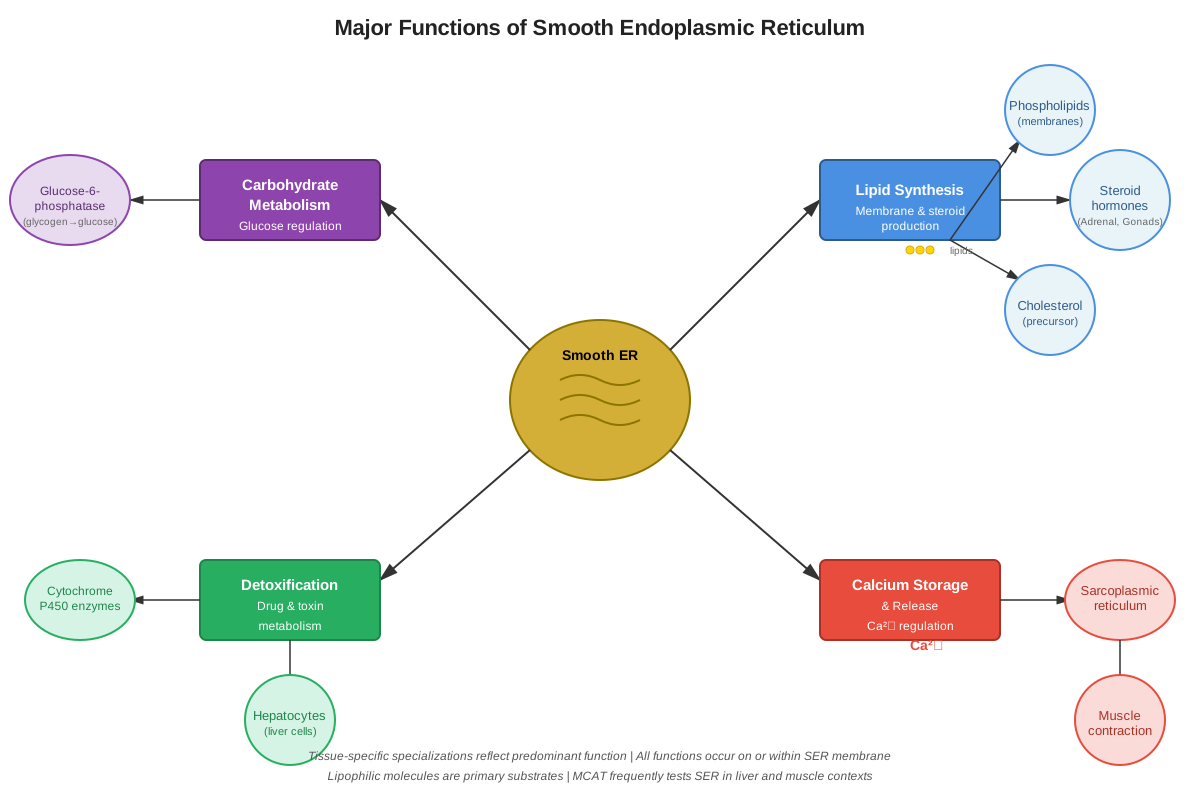
The smooth endoplasmic reticulum (SER) represents one of the most functionally diverse organelles within eukaryotic cells, distinguished from its rough counterpart by the absence of ribosomes on its cytoplasmic surface. This membranous network extends throughout the cytoplasm and performs critical metabolic functions including lipid synthesis, carbohydrate metabolism, detoxification of drugs and toxins, and calcium ion storage and release. Understanding the smooth endoplasmic reticulum is essential for mastering Cell Biology concepts that appear consistently on the MCAT, particularly in passages involving cellular metabolism, hormone synthesis, muscle contraction, and pharmacological mechanisms.
For the MCAT, the smooth endoplasmic reticulum appears in multiple contexts across both the Biological and Biochemical Foundations of Living Systems section and the Chemical and Physical Foundations of Biological Systems section. Questions may test knowledge of steroid hormone synthesis in endocrine cells, drug metabolism in hepatocytes, calcium regulation in muscle cells, or the structural differences between rough and smooth ER. The organelle's tissue-specific specializations make it a favorite topic for passage-based questions that integrate cellular structure with physiological function.
The smooth endoplasmic reticulum Biology content connects intimately with broader concepts in cellular organization, signal transduction, metabolism, and homeostasis. Mastery of SER function enables deeper understanding of how cells compartmentalize biochemical reactions, how lipophilic molecules are synthesized and processed, and how cells respond to toxic challenges. This organelle serves as a bridge between structural cell biology and functional biochemistry, making it a high-yield topic for comprehensive MCAT preparation.
Learning Objectives
- [ ] Define smooth endoplasmic reticulum using accurate Biology terminology
- [ ] Explain why smooth endoplasmic reticulum matters for the MCAT
- [ ] Apply smooth endoplasmic reticulum concepts to exam-style questions
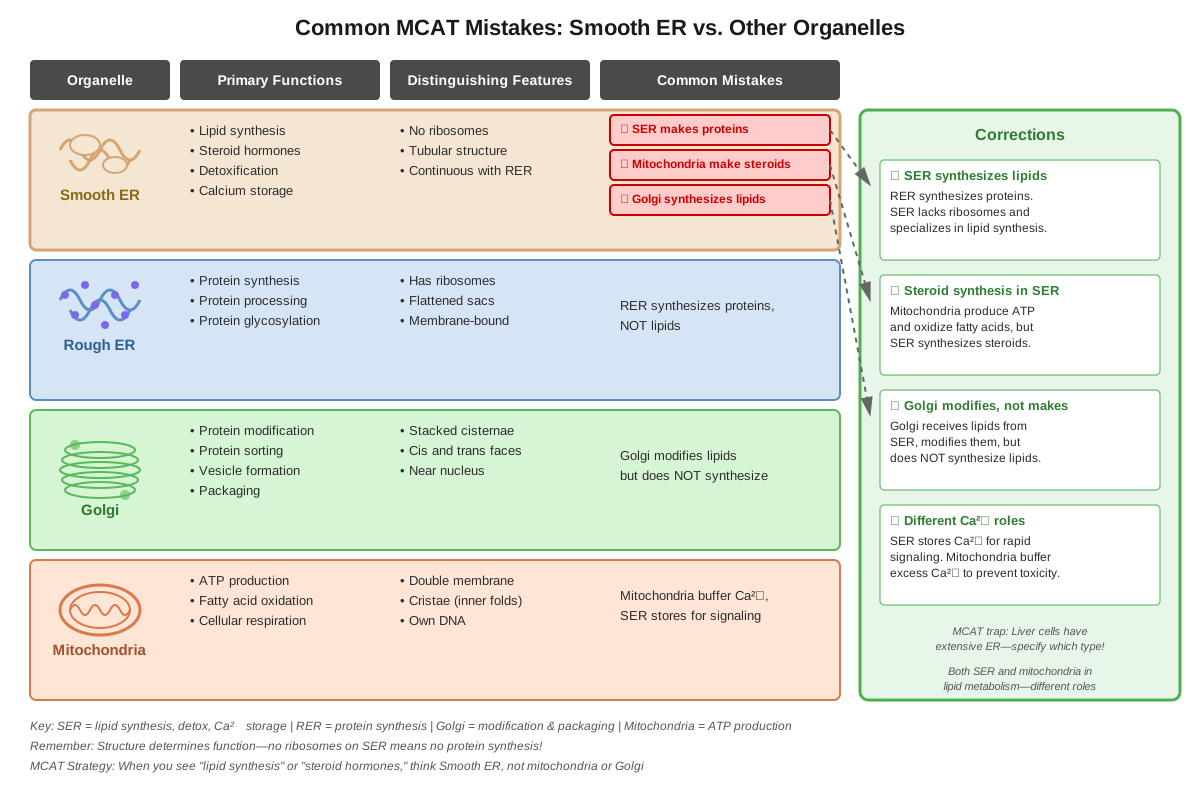
- [ ] Identify common mistakes related to smooth endoplasmic reticulum
- [ ] Connect smooth endoplasmic reticulum to related Biology concepts
- [ ] Compare and contrast the structural and functional differences between smooth and rough endoplasmic reticulum
- [ ] Describe the tissue-specific specializations of smooth endoplasmic reticulum and their physiological significance
- [ ] Explain the molecular mechanisms by which smooth endoplasmic reticulum performs detoxification reactions
- [ ] Analyze how smooth endoplasmic reticulum dysfunction contributes to disease states
Prerequisites
- Basic cell structure and organelle function: Understanding general organelle organization provides context for where SER fits within the cellular architecture
- Membrane structure and lipid bilayer properties: SER is a membranous organelle, so knowledge of phospholipid bilayers is essential for understanding its structure
- Basic biochemistry of lipids and steroids: SER synthesizes these molecules, requiring familiarity with their chemical structures
- Enzyme function and catalysis: Many SER functions involve enzymatic reactions, particularly those of the cytochrome P450 family
- Calcium's role in cellular signaling: SER stores and releases calcium, necessitating understanding of calcium as a second messenger
Why This Topic Matters
Clinical and Real-World Significance
The smooth endoplasmic reticulum plays crucial roles in human health and disease. In the liver, hepatocytes contain extensive SER networks that metabolize medications, alcohol, and environmental toxins through cytochrome P450 enzymes. Chronic alcohol consumption induces SER proliferation in liver cells, leading to increased alcohol tolerance but also enhanced metabolism of therapeutic drugs, requiring dosage adjustments. In muscle tissue, the specialized SER (sarcoplasmic reticulum) controls muscle contraction by regulating calcium release and reuptake, with dysfunction contributing to conditions like malignant hyperthermia. Endocrine cells rich in SER produce steroid hormones essential for stress response, sexual development, and metabolic regulation. Understanding SER function illuminates the cellular basis of drug interactions, hormonal disorders, and metabolic diseases.
Exam Statistics and Question Types
The smooth endoplasmic reticulum MCAT content appears in approximately 3-5% of Cell Biology questions on the exam. Questions typically fall into three categories: (1) structure-function relationships asking students to identify which organelle performs specific metabolic tasks, (2) passage-based questions describing experimental manipulations or disease states affecting SER function, and (3) comparative questions distinguishing between rough and smooth ER or between SER specializations in different tissues. The topic frequently appears in passages about drug metabolism, steroid hormone synthesis, muscle physiology, or cellular stress responses.
Common Exam Contexts
MCAT passages commonly present smooth endoplasmic reticulum in scenarios involving: hepatocyte drug metabolism and the first-pass effect; steroidogenic cells in the adrenal cortex, gonads, or placenta; skeletal and cardiac muscle contraction mechanisms; glycogen breakdown in liver and muscle; detoxification of lipophilic toxins; and cellular responses to oxidative stress. Questions may ask students to predict the effects of SER dysfunction, identify which cell types would have abundant SER, or explain why certain drugs induce SER proliferation.
Core Concepts
Structure and Organization
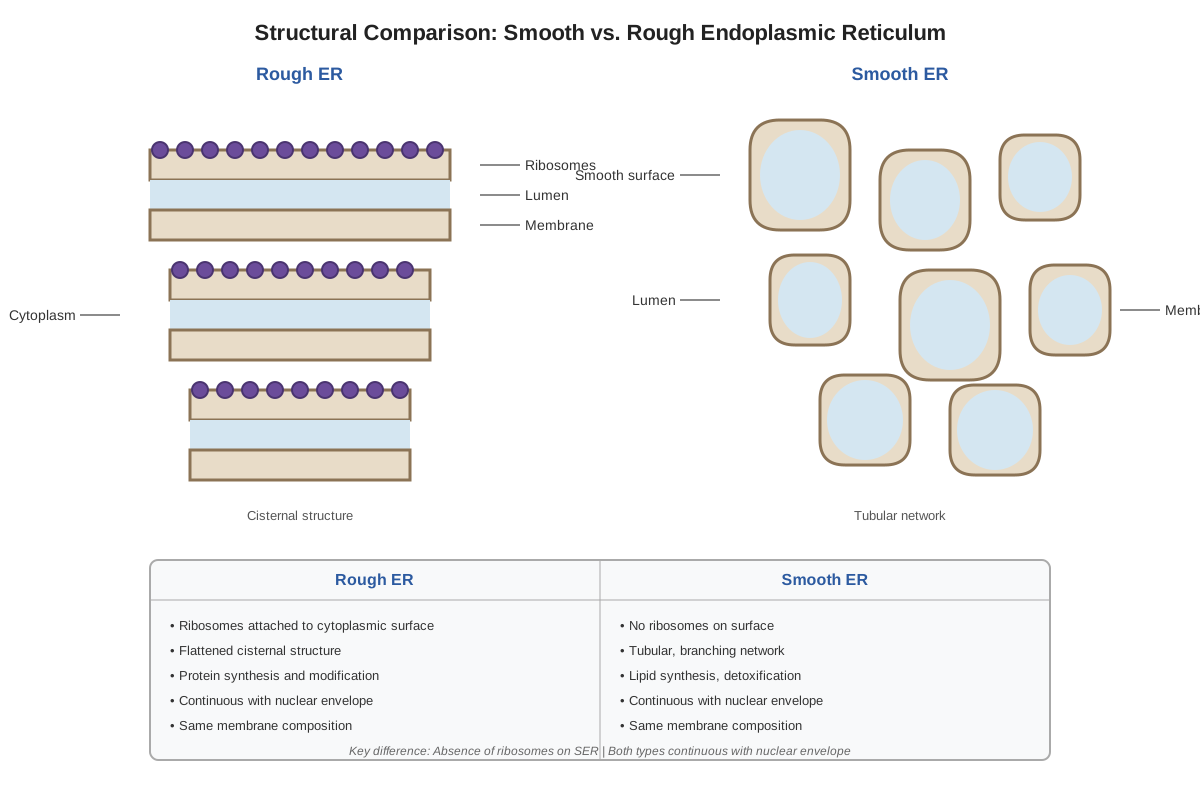
The smooth endoplasmic reticulum consists of an interconnected network of tubular membranes that extends throughout the cytoplasm, continuous with the rough endoplasmic reticulum and nuclear envelope. Unlike rough ER, the SER lacks bound ribosomes on its cytoplasmic surface, giving it a "smooth" appearance under electron microscopy. The membrane composition includes a high proportion of enzymes embedded within the lipid bilayer, particularly members of the cytochrome P450 superfamily. The tubular morphology provides a high surface-area-to-volume ratio, optimizing the efficiency of membrane-bound enzymatic reactions.
The SER lumen (interior space) is continuous with the rough ER lumen and serves as a specialized compartment for calcium storage and as a reaction chamber for various biosynthetic processes. The membrane thickness approximates 5-6 nanometers, typical of cellular membranes, but the protein-to-lipid ratio varies depending on the cell type and functional specialization. In cells with extensive SER, such as hepatocytes and steroidogenic cells, the organelle can occupy a substantial fraction of the cytoplasmic volume.
Major Functions
Lipid Synthesis
The smooth endoplasmic reticulum serves as the primary site for lipid synthesis in most eukaryotic cells. Enzymes embedded in the SER membrane catalyze the formation of phospholipids, cholesterol, and other membrane lipids. The process begins with fatty acid precursors that are elongated and modified by SER enzymes. Phospholipid synthesis occurs asymmetrically on the cytoplasmic leaflet of the SER membrane, with subsequent redistribution to both leaflets by enzymes called flippases and scramblases.
Cholesterol synthesis represents another critical SER function, with all enzymatic steps from acetyl-CoA to cholesterol occurring in or on the SER membrane. The rate-limiting enzyme, HMG-CoA reductase, resides in the SER membrane and serves as the target for statin medications. Newly synthesized lipids are either incorporated into the SER membrane itself, transferred to other organelles via vesicular transport or lipid transfer proteins, or assembled into lipoproteins for secretion.
Steroid Hormone Synthesis
In specialized endocrine cells, the smooth endoplasmic reticulum collaborates with mitochondria to synthesize steroid hormones from cholesterol. The process begins in mitochondria, where cholesterol is converted to pregnenolone, then continues in the SER, where various cytochrome P450 enzymes and hydroxysteroid dehydrogenases catalyze subsequent modifications. Different cell types express different combinations of these enzymes, determining which specific steroid hormones they produce.
Adrenal cortex cells produce cortisol, aldosterone, and androgens; ovarian cells produce estrogens and progesterone; testicular Leydig cells produce testosterone; and placental cells produce progesterone and estrogens. The abundance of SER in these cells correlates with their steroidogenic capacity, and electron microscopy reveals extensive tubular SER networks characteristic of hormone-producing cells.
Detoxification and Drug Metabolism
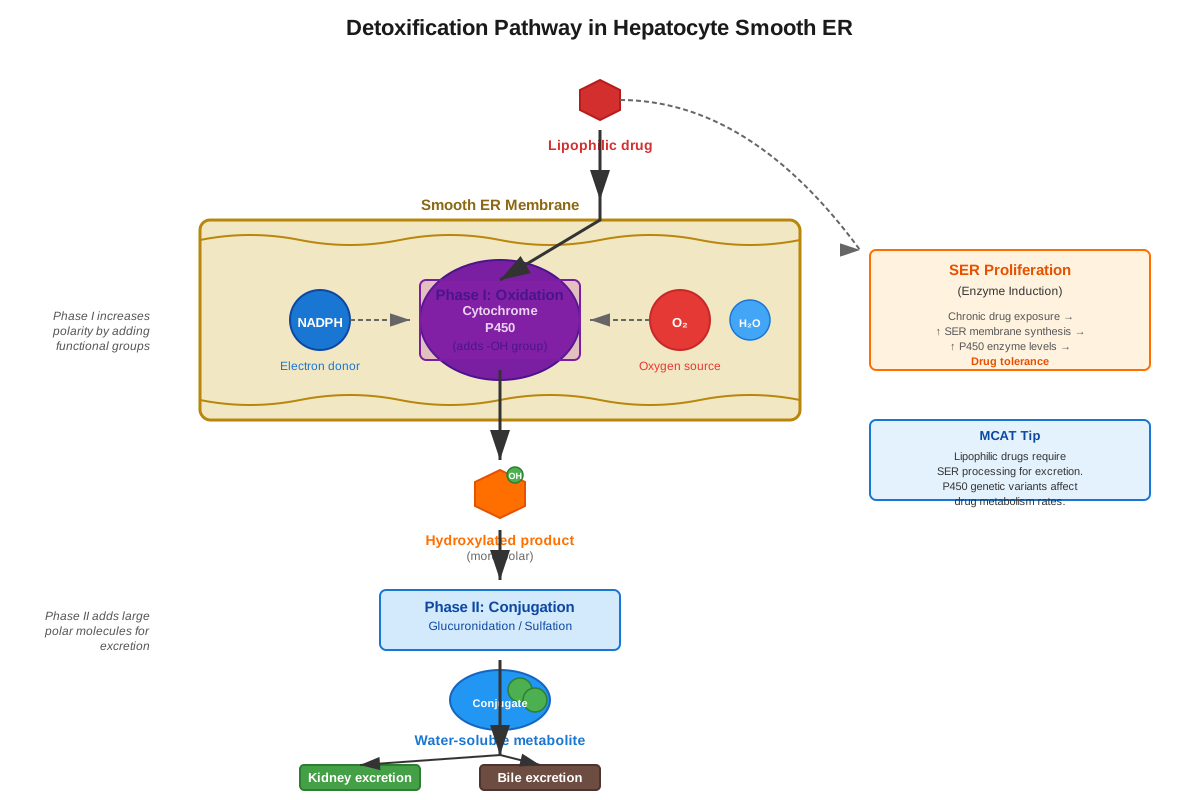
Hepatocytes contain particularly abundant SER specialized for detoxification of lipophilic drugs, toxins, and metabolic waste products. The cytochrome P450 enzyme family catalyzes Phase I metabolism reactions, including oxidation, reduction, and hydrolysis, that typically increase the polarity of lipophilic compounds. These modifications often create functional groups that serve as substrates for Phase II conjugation reactions, further increasing water solubility and facilitating excretion.
The detoxification process involves several steps:
- Lipophilic substrate binds to the active site of a cytochrome P450 enzyme
- NADPH-cytochrome P450 reductase transfers electrons to the P450 enzyme
- Molecular oxygen is activated and incorporated into the substrate
- The modified, more polar product is released
- The product may undergo further Phase II conjugation reactions
Chronic exposure to certain drugs or toxins induces SER proliferation and increased expression of cytochrome P450 enzymes, a phenomenon called enzyme induction. This adaptation increases metabolic capacity but can lead to drug tolerance and altered metabolism of other compounds, creating potential drug-drug interactions.
Calcium Storage and Release
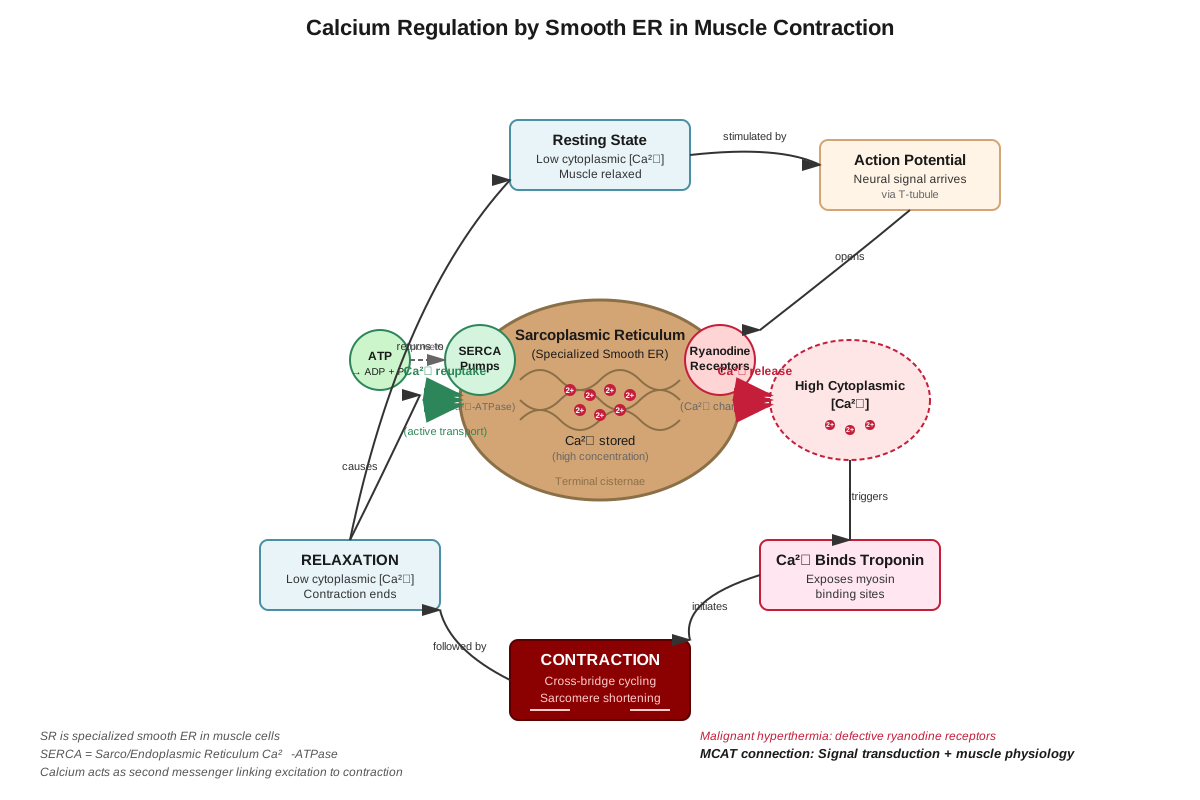
The smooth endoplasmic reticulum functions as the primary intracellular calcium storage organelle in most cell types. The SER lumen maintains calcium concentrations approximately 10,000-fold higher than cytoplasmic concentrations through the action of SERCA (Sarco/Endoplasmic Reticulum Ca²⁺-ATPase) pumps that actively transport calcium from the cytoplasm into the lumen. This steep concentration gradient enables rapid calcium release when signaling pathways activate calcium channels in the SER membrane.
Two major types of calcium release channels exist in the SER: IP₃ receptors (IP₃R) and ryanodine receptors (RyR). IP₃ receptors open in response to inositol 1,4,5-trisphosphate, a second messenger generated by phospholipase C activation. Ryanodine receptors respond to calcium itself (calcium-induced calcium release) or to other signals depending on the cell type. The released calcium serves as a crucial second messenger, triggering diverse cellular responses including muscle contraction, neurotransmitter release, enzyme activation, and gene transcription.
Carbohydrate Metabolism
In hepatocytes and muscle cells, the smooth endoplasmic reticulum participates in carbohydrate metabolism, particularly the final step of gluconeogenesis and glycogenolysis. The enzyme glucose-6-phosphatase, located in the SER membrane with its active site facing the lumen, catalyzes the dephosphorylation of glucose-6-phosphate to free glucose. This reaction is essential for releasing glucose into the bloodstream during fasting or exercise.
The process requires a multi-component system:
- Glucose-6-phosphate transporter (T1) moves G6P from cytoplasm into SER lumen
- Glucose-6-phosphatase catalyzes hydrolysis of G6P to glucose and phosphate
- Glucose transporter (T2) moves glucose from lumen to cytoplasm
- Phosphate transporter (T3) moves phosphate from lumen to cytoplasm
Deficiency of glucose-6-phosphatase or its associated transporters causes glycogen storage disease type I (von Gierke disease), characterized by severe hypoglycemia and hepatomegaly.
Tissue-Specific Specializations
| Cell Type | SER Specialization | Primary Function | Key Features |
|---|---|---|---|
| Hepatocytes | Extensive tubular SER | Drug metabolism, detoxification | High cytochrome P450 content, inducible |
| Steroidogenic cells | Abundant tubular SER | Steroid hormone synthesis | High cholesterol content, P450 enzymes |
| Muscle cells | Sarcoplasmic reticulum | Calcium regulation | Specialized calcium channels, SERCA pumps |
| Adipocytes | Moderate SER | Lipid synthesis and storage | Coordinates with lipid droplet formation |
| Neurons | Smooth ER in dendrites | Calcium signaling, lipid synthesis | Extends into dendritic spines |
The sarcoplasmic reticulum in muscle cells represents the most highly specialized form of smooth endoplasmic reticulum. This organelle forms a network of tubules surrounding each myofibril, with specialized regions called terminal cisternae positioned adjacent to T-tubules. During excitation-contraction coupling, depolarization of the T-tubule membrane triggers calcium release from the sarcoplasmic reticulum through ryanodine receptors, initiating muscle contraction. Subsequent calcium reuptake by SERCA pumps causes muscle relaxation.
Relationship to Rough Endoplasmic Reticulum
The smooth and rough endoplasmic reticulum form a continuous membrane system, with transitional regions where ribosomes attach or detach. The relative abundance of smooth versus rough ER varies dramatically among cell types, reflecting their specialized functions. Cells engaged primarily in protein secretion (plasma cells, pancreatic acinar cells, goblet cells) contain predominantly rough ER, while cells specialized for lipid metabolism, steroid synthesis, or detoxification contain abundant smooth ER.
The two ER types collaborate in certain processes. For example, integral membrane proteins and secretory proteins are synthesized on rough ER ribosomes, then transported through the ER lumen and may be further modified by SER-resident enzymes before vesicular transport to the Golgi apparatus. Lipids synthesized in the SER are incorporated into membranes throughout the cell, including the rough ER membrane itself.
Quick check — test yourself on Smooth endoplasmic reticulum so far.
Try Flashcards →Concept Relationships
The smooth endoplasmic reticulum functions as a central hub connecting multiple cellular processes. Lipid synthesis in the SER → provides membrane components for all organelles → enabling cellular growth and organelle biogenesis. Steroid hormone synthesis in the SER → produces signaling molecules → that regulate gene expression and metabolism in target cells throughout the body. Calcium storage and release from the SER → controls cytoplasmic calcium concentrations → triggering diverse cellular responses including muscle contraction, neurotransmitter release, and enzyme activation.
The relationship between SER and mitochondria is particularly important: mitochondria supply ATP for SER calcium pumps and provide NADPH for cytochrome P450 reactions; SER synthesizes lipids that are transferred to mitochondrial membranes; and in steroidogenic cells, cholesterol shuttles between mitochondria and SER during hormone synthesis. The SER also connects to peroxisomes through lipid exchange and collaborative detoxification functions.
Within the endomembrane system, SER → transitions to rough ER → which packages proteins into vesicles → that fuse with the Golgi apparatus → for further processing and sorting. The SER contributes membrane lipids to this entire pathway. Understanding these interconnections enables prediction of how SER dysfunction affects multiple cellular processes simultaneously.
High-Yield Facts
⭐ The smooth endoplasmic reticulum lacks ribosomes on its cytoplasmic surface, distinguishing it structurally from rough ER
⭐ Hepatocytes contain extensive SER specialized for drug metabolism via cytochrome P450 enzymes
⭐ Steroidogenic cells (adrenal cortex, gonads, placenta) have abundant SER for steroid hormone synthesis from cholesterol
⭐ The sarcoplasmic reticulum in muscle cells is specialized SER that stores and releases calcium to control contraction
⭐ SER synthesizes phospholipids and cholesterol, serving as the primary site of lipid biosynthesis
- Glucose-6-phosphatase in the SER membrane catalyzes the final step of gluconeogenesis and glycogenolysis
- Chronic drug or alcohol exposure induces SER proliferation and increased cytochrome P450 expression
- SERCA pumps actively transport calcium from cytoplasm into SER lumen, maintaining a steep concentration gradient
- IP₃ receptors and ryanodine receptors are calcium release channels in the SER membrane
- The SER lumen is continuous with the rough ER lumen and nuclear envelope lumen
- Cytochrome P450 enzymes catalyze Phase I metabolism reactions (oxidation, reduction, hydrolysis)
- SER abundance varies dramatically among cell types based on their specialized functions
Common Misconceptions
Misconception: The smooth ER and rough ER are completely separate organelles with no connection.
Correction: The smooth and rough endoplasmic reticulum form a continuous membrane system with transitional regions. They share a common lumen and can interconvert depending on ribosome attachment and detachment.
Misconception: All cells contain equal amounts of smooth endoplasmic reticulum.
Correction: SER abundance varies dramatically among cell types. Hepatocytes, steroidogenic cells, and muscle cells contain extensive SER, while cells specialized for protein secretion contain predominantly rough ER with minimal smooth ER.
Misconception: The smooth ER only synthesizes lipids and has no other functions.
Correction: While lipid synthesis is important, the SER performs multiple critical functions including drug detoxification, steroid hormone synthesis, calcium storage and release, and carbohydrate metabolism (glucose-6-phosphatase activity). The specific functions depend on cell type.
Misconception: Cytochrome P450 enzymes always detoxify compounds, making them less harmful.
Correction: While cytochrome P450 enzymes typically increase compound polarity to facilitate excretion, they sometimes convert relatively harmless compounds into toxic metabolites (bioactivation). For example, acetaminophen is converted to a toxic metabolite (NAPQI) by P450 enzymes when taken in excess.
Misconception: The sarcoplasmic reticulum is a different organelle from the smooth endoplasmic reticulum.
Correction: The sarcoplasmic reticulum is a specialized form of smooth endoplasmic reticulum found in muscle cells, adapted specifically for calcium regulation during muscle contraction. It represents functional specialization rather than a distinct organelle type.
Misconception: Enzyme induction in the SER is always beneficial because it increases detoxification capacity.
Correction: While enzyme induction increases metabolic capacity for the inducing compound, it can create problems by accelerating metabolism of other drugs (reducing their effectiveness), increasing production of toxic metabolites, and contributing to drug tolerance and dependence.
Worked Examples
Example 1: Drug Metabolism and Enzyme Induction
Question: A patient taking warfarin (a blood thinner metabolized by cytochrome P450 enzymes) begins taking St. John's Wort, an herbal supplement that induces cytochrome P450 expression. What effect would this have on warfarin effectiveness, and what cellular changes occur in hepatocytes?
Solution:
Step 1: Identify the relevant SER function. Warfarin metabolism occurs in hepatocyte smooth endoplasmic reticulum via cytochrome P450 enzymes.
Step 2: Understand enzyme induction. St. John's Wort induces increased expression of cytochrome P450 enzymes and SER proliferation in hepatocytes.
Step 3: Predict the metabolic consequence. Increased P450 enzyme levels accelerate warfarin metabolism, reducing its plasma concentration and half-life.
Step 4: Determine the clinical effect. Faster warfarin metabolism decreases its anticoagulant effect, potentially leading to inadequate anticoagulation and increased clotting risk.
Step 5: Describe cellular changes. Hepatocytes respond to St. John's Wort by increasing SER membrane synthesis, expanding the tubular SER network, and upregulating cytochrome P450 gene expression. Electron microscopy would reveal increased SER abundance.
Answer: St. John's Wort induces cytochrome P450 expression and SER proliferation in hepatocytes, accelerating warfarin metabolism and reducing its anticoagulant effectiveness. This represents a clinically significant drug-drug interaction requiring warfarin dose adjustment or avoidance of the herbal supplement.
Connection to learning objectives: This example demonstrates application of SER concepts to a clinical scenario, illustrating the importance of understanding drug metabolism for medical practice and MCAT passages involving pharmacology.
Example 2: Muscle Contraction and Calcium Regulation
Question: A researcher treats isolated muscle fibers with thapsigargin, a compound that irreversibly inhibits SERCA pumps. Predict the immediate and long-term effects on muscle contraction, and explain the cellular mechanism.
Solution:
Step 1: Identify the affected organelle and process. SERCA pumps reside in the sarcoplasmic reticulum (specialized SER) membrane and actively transport calcium from cytoplasm into the SR lumen.
Step 2: Predict immediate effects of SERCA inhibition. Without functional SERCA pumps, calcium cannot be resequestered into the SR after release. The first contraction triggered by calcium release would occur normally, but calcium would remain elevated in the cytoplasm.
Step 3: Analyze the consequence of sustained calcium elevation. Elevated cytoplasmic calcium maintains myosin-actin interaction, preventing muscle relaxation. The muscle fiber enters a state of sustained contraction (contracture).
Step 4: Consider long-term effects. Sustained calcium elevation activates calcium-dependent proteases and other degradative enzymes, potentially causing cellular damage. The SR calcium stores become depleted, and subsequent contractions cannot occur because no calcium remains available for release.
Step 5: Connect to broader concepts. This mechanism resembles malignant hyperthermia, where defective ryanodine receptors cause uncontrolled calcium release, and rigor mortis, where ATP depletion prevents SERCA pump function after death.
Answer: Thapsigargin inhibition of SERCA pumps causes immediate sustained muscle contraction due to inability to remove calcium from the cytoplasm, followed by eventual loss of contractile ability as SR calcium stores deplete. This demonstrates the critical role of the sarcoplasmic reticulum in both muscle contraction and relaxation.
Connection to learning objectives: This example applies SER knowledge to experimental manipulation, requiring integration of structure (SR), function (calcium regulation), and mechanism (SERCA pump activity) to predict physiological outcomes.
Exam Strategy
Approaching MCAT Questions on Smooth ER
When encountering smooth endoplasmic reticulum questions on the MCAT, first identify the cell type or tissue mentioned in the passage or question stem. This immediately narrows the relevant SER functions: liver cells suggest drug metabolism, endocrine cells suggest steroid synthesis, muscle cells suggest calcium regulation. Look for trigger words that indicate specific SER functions.
For passage-based questions, pay attention to experimental manipulations affecting SER function. Common scenarios include: enzyme inhibitors (SERCA inhibitors, cytochrome P450 inhibitors), enzyme inducers (drugs, toxins), calcium chelators, or genetic mutations affecting SER proteins. Predict how these manipulations would affect the specific SER function relevant to the cell type described.
Trigger Words and Phrases
Watch for these high-yield trigger words indicating smooth ER involvement:
- "Lipophilic drug metabolism" or "first-pass effect" → hepatocyte SER and cytochrome P450
- "Steroid hormone synthesis" or "steroidogenic cells" → SER collaboration with mitochondria
- "Muscle contraction" or "calcium release" → sarcoplasmic reticulum
- "Detoxification" or "Phase I metabolism" → hepatocyte SER
- "Lipid synthesis" or "membrane biogenesis" → SER lipid biosynthesis
- "Enzyme induction" or "drug tolerance" → SER proliferation
Process of Elimination Tips
When comparing organelles in multiple-choice questions, eliminate options based on these distinctions:
- If ribosomes are mentioned, eliminate smooth ER (choose rough ER)
- If protein synthesis is the primary function, eliminate smooth ER
- If the question involves hydrolytic enzymes and digestion, eliminate ER (choose lysosome)
- If ATP synthesis is mentioned, eliminate ER (choose mitochondria)
- If the question specifies "membrane-bound enzymes" for lipid metabolism, smooth ER is likely correct
For questions asking which cell type has abundant smooth ER, eliminate cells specialized for protein secretion (plasma cells, pancreatic cells, goblet cells) and choose cells involved in lipid metabolism, steroid synthesis, or detoxification.
Time Allocation
Smooth ER questions typically require 60-90 seconds. Spend 20-30 seconds identifying the relevant function based on cell type or context, 20-30 seconds applying the mechanism, and 20-30 seconds evaluating answer choices. If a passage describes an experiment affecting SER function, invest time understanding the experimental design, as multiple questions may test this concept.
Memory Techniques
Mnemonic for Major SER Functions
"SLDC" - The smooth ER is SLiDing through the cytoplasm:
- Steroid synthesis
- Lipid synthesis
- Detoxification
- Calcium storage
Visualization Strategy
Picture the smooth ER as a tubular network of "smooth pipes" running through the cell, contrasting with rough ER's "studded pipes" covered with ribosomal "bumps." Visualize different cell types with different pipe densities: liver cells packed with detoxification pipes, muscle cells with specialized calcium-storage pipes (sarcoplasmic reticulum), and steroid-producing cells with hormone-synthesis pipes.
Acronym for Cytochrome P450 Functions
"ROHS" - Cytochrome P450 enzymes perform ROHS reactions:
- Reduction
- Oxidation
- Hydrolysis
- Steroid synthesis (specific P450s)
Memory Hook for SERCA
"SERCA Sucks Calcium" - SERCA pumps actively transport (suck) calcium from the cytoplasm into the SR lumen, using ATP. The alliteration helps remember both the pump name and its function.
Tissue Specialization Memory Aid
"HeSS MAN" - Cell types with abundant smooth ER:
- Hepatocytes (detoxification)
- Steroidogenic cells (hormone synthesis)
- Skeletal muscle (sarcoplasmic reticulum)
- Muscle (cardiac)
- Adipocytes (lipid synthesis)
- Neurons (calcium signaling in dendrites)
Summary
The smooth endoplasmic reticulum represents a functionally diverse membranous organelle distinguished by its lack of ribosomes and specialized for lipid metabolism, detoxification, calcium regulation, and carbohydrate metabolism. Its tubular structure provides extensive membrane surface area for embedded enzymes, particularly cytochrome P450 proteins that catalyze drug metabolism and steroid synthesis. The SER's abundance and specific functions vary dramatically among cell types: hepatocytes contain extensive SER for detoxification, steroidogenic cells use SER for hormone synthesis, and muscle cells possess specialized sarcoplasmic reticulum for calcium-regulated contraction. Understanding SER structure-function relationships, tissue-specific specializations, and connections to cellular metabolism enables students to analyze MCAT passages involving drug interactions, hormonal regulation, muscle physiology, and cellular responses to toxic challenges. Mastery of smooth endoplasmic reticulum concepts requires integrating knowledge of membrane biology, enzyme function, signal transduction, and organ system physiology.
Key Takeaways
- The smooth endoplasmic reticulum is a ribosome-free membranous organelle with diverse metabolic functions that vary by cell type
- Major SER functions include lipid synthesis, steroid hormone production, drug detoxification via cytochrome P450 enzymes, and calcium storage and release
- Hepatocytes contain abundant SER specialized for drug metabolism, with enzyme induction occurring in response to chronic drug exposure
- The sarcoplasmic reticulum is specialized smooth ER in muscle cells that regulates contraction through calcium release and reuptake via SERCA pumps
- SER collaborates with other organelles (mitochondria for steroid synthesis, rough ER for membrane protein insertion) and connects to broader cellular processes
- Tissue-specific SER specializations reflect cellular function: abundant in hepatocytes, steroidogenic cells, and muscle; minimal in protein-secreting cells
- Understanding SER dysfunction explains clinical phenomena including drug interactions, hormonal disorders, and muscle diseases
Related Topics
Rough Endoplasmic Reticulum: Understanding rough ER structure and protein synthesis functions provides essential contrast to smooth ER and completes knowledge of the endoplasmic reticulum system. Mastery of both ER types enables analysis of how cells balance protein versus lipid synthesis.
Golgi Apparatus: The Golgi receives products from both smooth and rough ER, requiring understanding of vesicular transport and the endomembrane system. SER-synthesized lipids are incorporated into Golgi membranes.
Mitochondria: Mitochondrial collaboration with SER in steroid synthesis and provision of ATP for SERCA pumps illustrates inter-organelle cooperation. Understanding both organelles enables analysis of cellular energetics and biosynthesis.
Cytochrome P450 Enzyme System: Deeper study of P450 enzyme mechanisms, isoforms, and pharmacological significance builds on SER knowledge and connects to drug metabolism and toxicology.
Calcium Signaling: Comprehensive understanding of calcium as a second messenger, including SER storage and release mechanisms, IP₃ and ryanodine receptors, and downstream effects, extends SER concepts to cell signaling.
Muscle Contraction Physiology: Detailed study of excitation-contraction coupling, the role of sarcoplasmic reticulum, and calcium regulation mechanisms applies SER knowledge to organ system physiology.
Practice CTA
Now that you have mastered the core concepts of smooth endoplasmic reticulum structure and function, challenge yourself with practice questions that test your ability to apply this knowledge in MCAT-style scenarios. Focus on passages involving drug metabolism, steroid hormone synthesis, and muscle physiology, as these represent the highest-yield contexts for smooth ER questions. Use flashcards to reinforce the tissue-specific specializations and major functions, ensuring rapid recall during timed practice. Remember that understanding the smooth endoplasmic reticulum provides a foundation for integrating cellular structure with biochemical function—a critical skill for MCAT success. Your investment in mastering this organelle will pay dividends across multiple exam sections and question types. Keep pushing forward!
Sign up free to keep reading
Create a free AnvayaPrep account to finish this MCAT guide on Smooth endoplasmic reticulum — plus flashcards and practice questions.