Overview
The sodium potassium pump (Na⁺/K⁺-ATPase) stands as one of the most fundamental active transport mechanisms in Cell Biology and represents a cornerstone concept for MCAT success. This transmembrane protein complex uses energy from ATP hydrolysis to move sodium ions out of cells and potassium ions into cells, both against their concentration gradients. The pump maintains the electrochemical gradients essential for nerve impulse transmission, muscle contraction, nutrient absorption, and cellular volume regulation. Understanding this pump's mechanism illuminates the broader principles of active transport, membrane potential establishment, and cellular energy expenditure.
For the MCAT, the sodium potassium pump appears frequently across multiple contexts within the Biology section. Test-makers favor this topic because it integrates membrane structure, thermodynamics, protein function, and physiological applications into a single testable concept. Questions may present the pump within passages about neurophysiology, kidney function, cardiac muscle physiology, or cellular homeostasis. The pump exemplifies how cells invest metabolic energy to maintain conditions far from equilibrium—a principle that extends throughout biological systems.
Mastery of the sodium potassium pump connects directly to understanding action potentials, resting membrane potential, secondary active transport, osmotic balance, and metabolic energy allocation. This topic bridges cellular and organ-system physiology, making it a high-yield investment for both the Biological and Biochemical Foundations of Living Systems section and passages integrating multiple biological scales. The pump's dysfunction underlies numerous pathological conditions, providing rich material for clinical vignettes that test both mechanism comprehension and application skills.
Learning Objectives
- [ ] Define the sodium potassium pump using accurate Biology terminology
- [ ] Explain why the sodium potassium pump matters for the MCAT
- [ ] Apply sodium potassium pump concepts to exam-style questions
- [ ] Identify common mistakes related to the sodium potassium pump
- [ ] Connect the sodium potassium pump to related Biology concepts
- [ ] Describe the complete mechanistic cycle of the Na⁺/K⁺-ATPase including conformational changes
- [ ] Calculate the energetic cost and stoichiometry of pump operation
- [ ] Predict the physiological consequences of pump inhibition or dysfunction
- [ ] Distinguish between primary and secondary active transport mechanisms involving the pump
Prerequisites
- Basic membrane structure: Understanding phospholipid bilayers and integral membrane proteins provides the structural context for where and how the pump operates
- ATP structure and hydrolysis: Knowledge of ATP as the universal energy currency explains the energy source driving the pump against concentration gradients
- Concentration gradients and diffusion: Familiarity with passive transport principles establishes the baseline against which active transport mechanisms are understood
- Protein structure and conformational changes: Recognition that proteins can change shape enables comprehension of the pump's mechanical cycle
- Electrochemical gradients: Understanding both concentration and electrical components of ion gradients clarifies the pump's role in membrane potential
Why This Topic Matters
Clinical and Real-World Significance
The sodium potassium pump consumes approximately 20-40% of the body's total ATP production at rest, rising to 70% in neurons. This massive energy investment underscores its physiological importance. Cardiac glycosides like digoxin—medications used to treat heart failure and atrial fibrillation—work by partially inhibiting the Na⁺/K⁺-ATPase, demonstrating direct clinical relevance. Pump dysfunction contributes to conditions including hypertension, neurological disorders, and cellular edema. The pump maintains the ionic gradients that enable neurons to fire action potentials, muscles to contract, and kidneys to reabsorb nutrients—making it indispensable for survival.
MCAT Exam Statistics
The sodium potassium pump appears in approximately 3-5% of MCAT Biology questions, either as the primary focus or as a supporting concept within broader physiological passages. Questions typically test mechanism understanding (40%), energetics and stoichiometry (30%), physiological applications (20%), and inhibitor effects (10%). The topic frequently appears in passages about neurophysiology, renal physiology, or cellular homeostasis, often integrated with questions about membrane potential, action potentials, or secondary active transport.
Common Exam Contexts
MCAT passages present the sodium potassium pump through multiple lenses: experimental passages describing pump kinetics or inhibitor studies, physiological passages about nerve or muscle function, clinical vignettes involving cardiac glycoside toxicity, or biochemical passages examining cellular energy expenditure. Questions may ask students to predict ion concentration changes, calculate ATP consumption, identify pump inhibitors' effects, or explain the pump's role in establishing resting membrane potential. The pump often appears alongside concepts like action potentials, cotransporters, or osmotic regulation, requiring integrated understanding.
Core Concepts
Structure and Composition
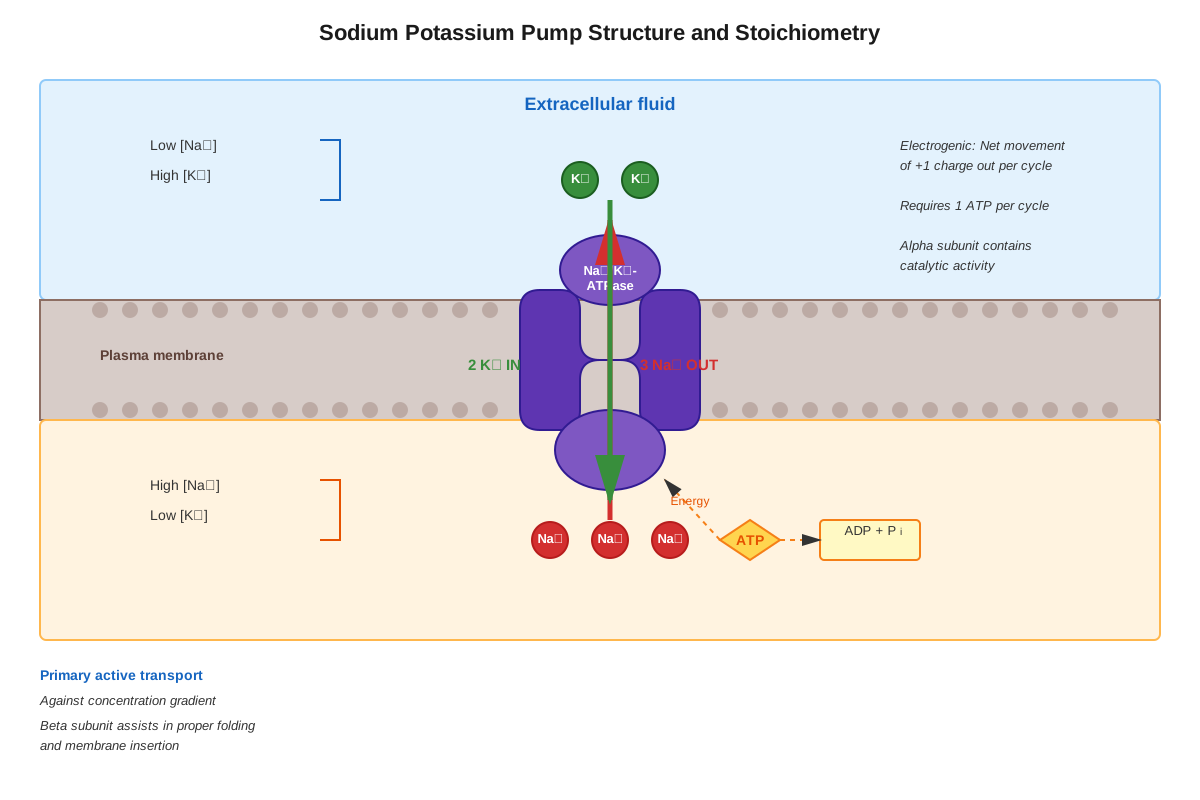
The sodium potassium pump is an integral membrane protein complex belonging to the P-type ATPase family. The functional unit consists of an α-subunit (approximately 110 kDa) containing the catalytic activity and ion-binding sites, and a β-subunit (approximately 55 kDa) that assists in proper folding and membrane insertion. The α-subunit spans the membrane multiple times, creating a channel-like structure with binding sites for both sodium and potassium ions. The pump also contains binding sites for ATP on its cytoplasmic surface and specific binding sites for cardiac glycoside inhibitors on its extracellular surface.
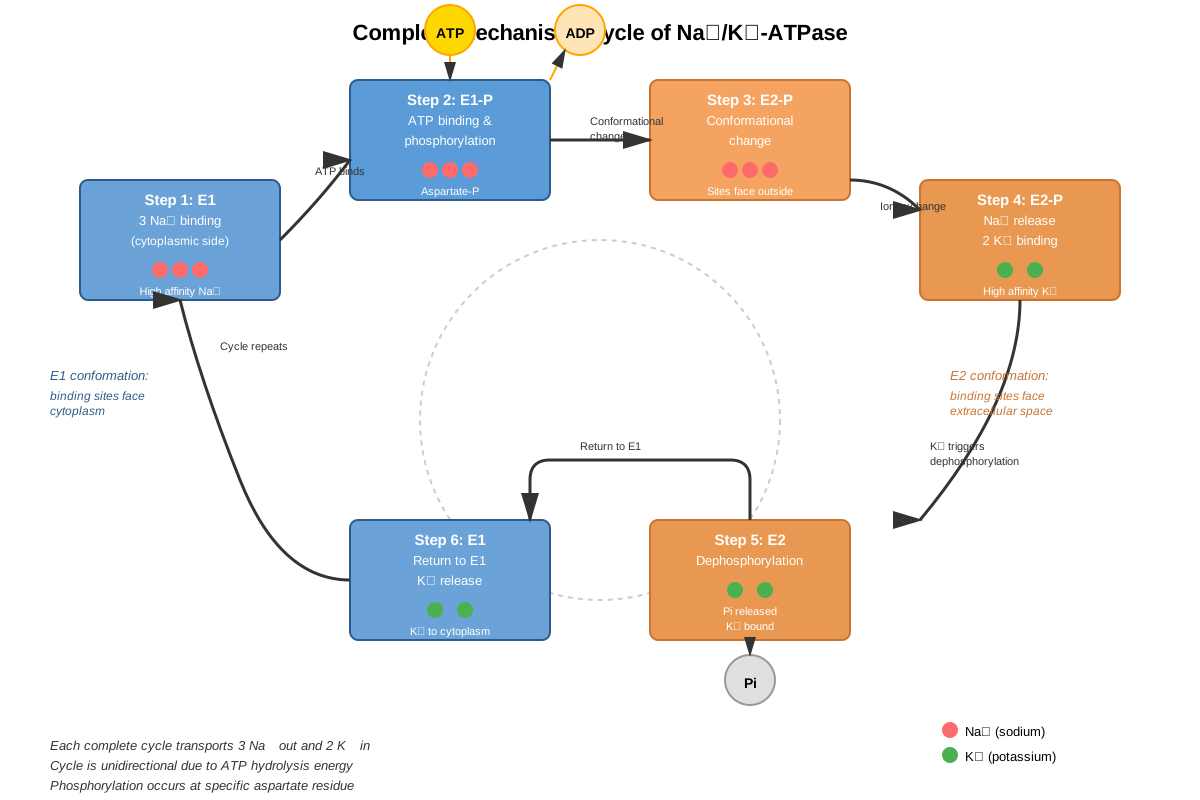
The pump's structure enables it to undergo conformational changes between two major states: the E1 conformation (high affinity for Na⁺, facing the cytoplasm) and the E2 conformation (high affinity for K⁺, facing the extracellular space). These conformational transitions are coupled to ATP hydrolysis and phosphorylation of a specific aspartate residue on the α-subunit, which provides the energy for the conformational changes that move ions against their gradients.
Mechanism and Cycle
The sodium potassium pump operates through a six-step cycle that couples ATP hydrolysis to ion transport:
- Initial binding: Three Na⁺ ions from the cytoplasm bind to high-affinity sites on the pump in its E1 conformation
- Phosphorylation: ATP binds and transfers its terminal phosphate group to an aspartate residue on the pump, releasing ADP
- Conformational change: Phosphorylation triggers a conformational change from E1 to E2, reducing Na⁺ affinity and exposing the ions to the extracellular space
- Na⁺ release and K⁺ binding: The three Na⁺ ions are released extracellularly, and two K⁺ ions bind to newly exposed high-affinity sites
- Dephosphorylation: K⁺ binding triggers hydrolysis of the aspartyl-phosphate bond, releasing inorganic phosphate
- Return to E1: Dephosphorylation causes the pump to return to the E1 conformation, reducing K⁺ affinity and releasing the two K⁺ ions into the cytoplasm
This cycle repeats continuously, with each complete cycle consuming one ATP molecule and transporting three Na⁺ ions out and two K⁺ ions in.
Stoichiometry and Energetics
The pump's stoichiometry is fixed at 3 Na⁺ out : 2 K⁺ in : 1 ATP consumed per cycle. This 3:2 ratio creates a net movement of positive charge out of the cell, making the pump electrogenic—it directly contributes to the negative resting membrane potential (typically -3 to -10 mV of the total -70 mV in neurons). The asymmetric transport ratio is crucial for maintaining the steep concentration gradients characteristic of animal cells.
The energetic cost is substantial. Each ATP hydrolysis releases approximately 7.3 kcal/mol under standard conditions (more under cellular conditions). This energy overcomes the unfavorable free energy change of moving ions against their electrochemical gradients. The pump can maintain Na⁺ concentrations of approximately 12 mM inside versus 145 mM outside, and K⁺ concentrations of approximately 140 mM inside versus 4 mM outside—gradients representing significant stored potential energy.
| Parameter | Value | Significance |
|---|---|---|
| Na⁺ transported out | 3 per cycle | Creates low intracellular [Na⁺] |
| K⁺ transported in | 2 per cycle | Creates high intracellular [K⁺] |
| ATP consumed | 1 per cycle | Energy source for active transport |
| Net charge movement | +1 out per cycle | Electrogenic contribution to membrane potential |
| Cycle rate | ~100-200 cycles/sec | Determines pump capacity |
Physiological Functions
The sodium potassium pump serves multiple critical physiological roles:
Membrane potential establishment: By maintaining ion gradients and contributing electrogenically, the pump establishes the baseline negative resting membrane potential essential for excitable cell function. While potassium leak channels determine most of the resting potential through the Goldman equation, the pump maintains the gradients that make this possible.
Action potential recovery: After neurons or muscle cells fire action potentials, the pump restores the original ion distributions, preparing cells for subsequent signals. Without functional pumps, cells would gradually equilibrate and lose excitability.
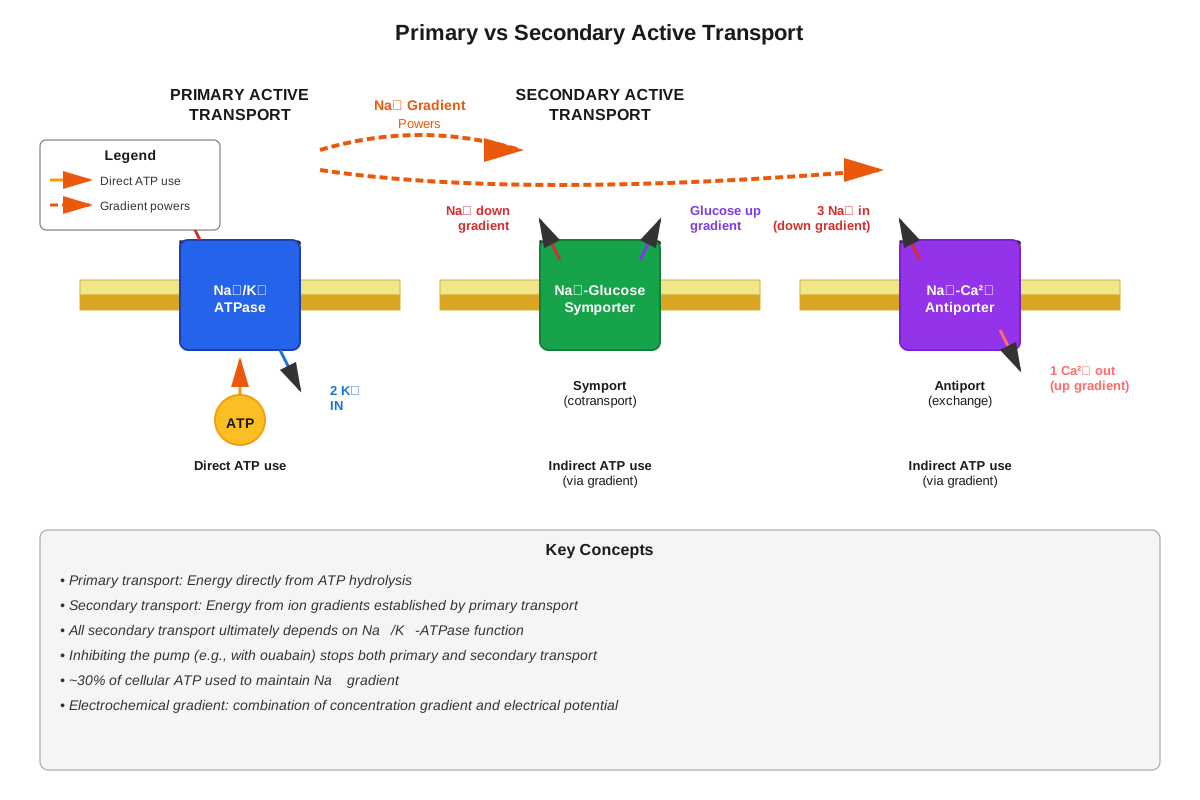
Secondary active transport: The sodium gradient created by the pump powers numerous secondary active transporters (symporters and antiporters) that move glucose, amino acids, neurotransmitters, and other molecules against their gradients. Examples include the Na⁺-glucose cotransporter in intestinal epithelium and the Na⁺-Ca²⁺ exchanger in cardiac muscle.
Osmotic regulation: By controlling intracellular ion concentrations, the pump regulates osmotic pressure and prevents cellular swelling. Animal cells lack rigid cell walls, making active osmotic regulation essential for volume homeostasis.
Signal transduction: The pump can function as a signal transducer, with its activity modulated by hormones, second messengers, and metabolic state, allowing cells to adjust ion homeostasis to physiological demands.
Inhibition and Regulation
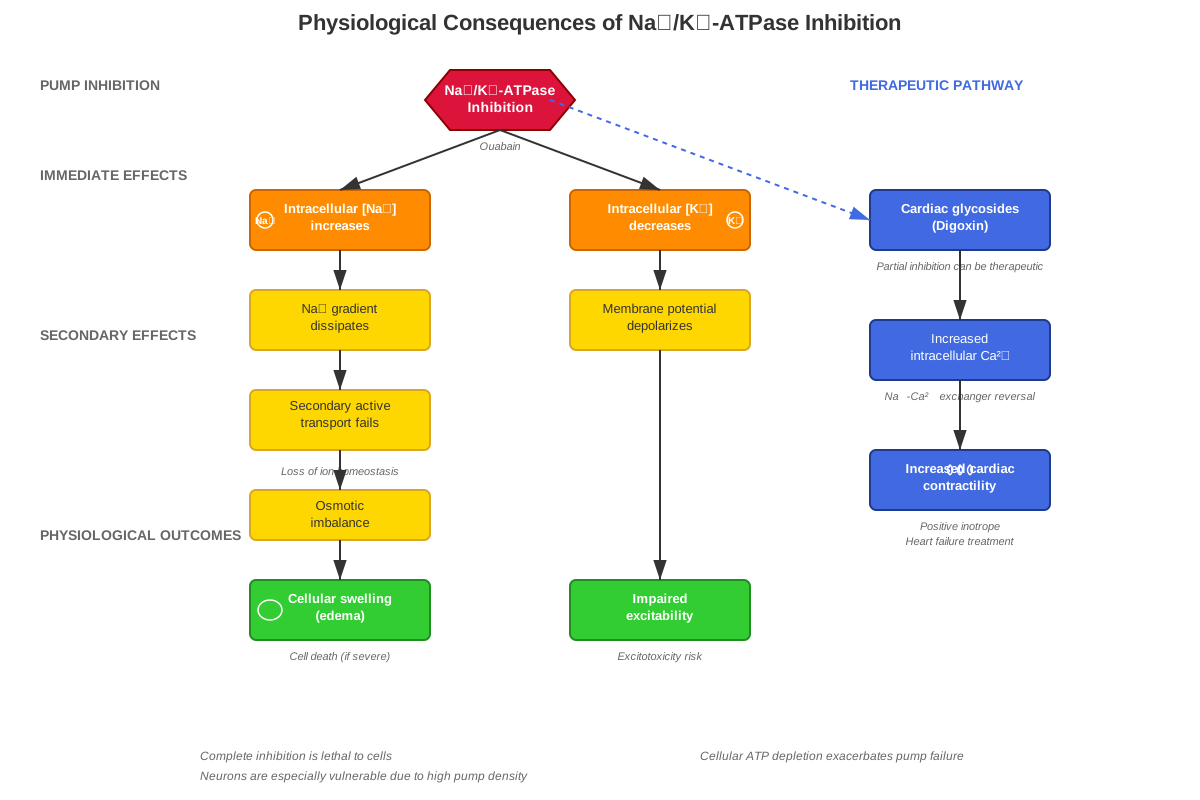
Cardiac glycosides (digoxin, ouabain, digitalis) are the most clinically relevant pump inhibitors. These compounds bind to the extracellular surface of the α-subunit, stabilizing the E2-P conformation and preventing the conformational changes necessary for ion transport. Partial inhibition in cardiac muscle increases intracellular Na⁺, which reduces the Na⁺ gradient driving the Na⁺-Ca²⁺ exchanger, leading to increased intracellular Ca²⁺ and stronger contractions (positive inotropic effect).
The pump's activity is regulated through multiple mechanisms:
- Phosphorylation: Protein kinases can phosphorylate the pump, modulating its activity in response to hormones like insulin or catecholamines
- Intracellular Na⁺ concentration: Increased cytoplasmic Na⁺ stimulates pump activity through positive feedback
- Metabolic state: ATP availability directly affects pump function, linking ion homeostasis to cellular energy status
- Hormonal regulation: Thyroid hormones increase pump expression, contributing to their thermogenic effects
Active Transport Classification
The sodium potassium pump exemplifies primary active transport—it directly uses ATP hydrolysis to move substances against their gradients. This distinguishes it from secondary active transport, where the movement of one substance down its gradient (established by primary active transport) powers the movement of another substance against its gradient. The Na⁺ gradient created by the Na⁺/K⁺-ATPase drives numerous secondary active transporters, making the pump the ultimate energy source for many cellular transport processes.
The pump also demonstrates antiport (exchange) transport, moving different ions in opposite directions, contrasted with symport (cotransport) where substances move in the same direction, or uniport where a single substance moves alone.
Concept Relationships
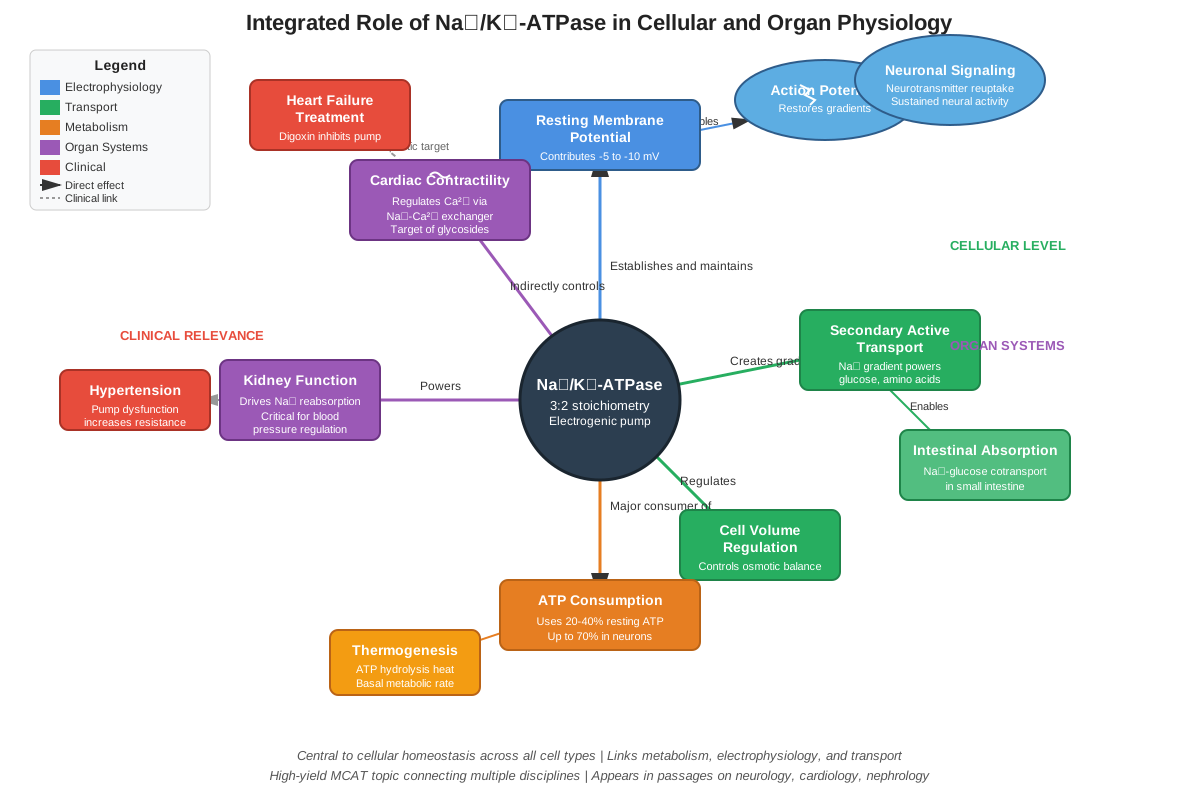
The sodium potassium pump sits at the nexus of multiple biological concepts, serving as both a consequence of and prerequisite for other cellular processes. The pump's structure depends on membrane protein synthesis and insertion, connecting to topics in molecular biology and the endomembrane system. Its function requires ATP production through cellular respiration, linking cellular energetics to ion homeostasis—when ATP production fails (hypoxia, metabolic poisons), pump failure follows rapidly, causing cellular depolarization and swelling.
The ion gradients established by the pump enable resting membrane potential through potassium leak channels (Goldman-Hodgkin-Katz equation), which in turn enables action potentials in neurons and muscle cells. This creates a conceptual chain: ATP → Na⁺/K⁺-ATPase → ion gradients → resting potential → action potentials → cellular signaling. The pump also powers secondary active transport mechanisms, creating a branching relationship where one primary active transporter enables multiple secondary transporters (Na⁺-glucose, Na⁺-amino acid, Na⁺-Ca²⁺ exchange, Na⁺-H⁺ exchange).
Within cell biology, the pump connects to osmotic regulation and cell volume control, as ion concentrations determine water movement. This links to concepts of tonicity, osmolarity, and the consequences of placing cells in hypertonic, hypotonic, or isotonic solutions. The pump's massive ATP consumption connects to metabolic rate and thermogenesis, particularly relevant in thyroid hormone physiology.
Relationship map: Cellular respiration → ATP production → Na⁺/K⁺-ATPase → (1) Na⁺ and K⁺ gradients → resting membrane potential → action potentials; (2) Na⁺ gradient → secondary active transport → nutrient absorption; (3) ion concentration control → osmotic regulation → cell volume homeostasis
Quick check — test yourself on Sodium potassium pump so far.
Try Flashcards →High-Yield Facts
⭐ The sodium potassium pump transports 3 Na⁺ out and 2 K⁺ in per ATP hydrolyzed, making it electrogenic and contributing directly to negative membrane potential
⭐ The pump is a P-type ATPase that undergoes phosphorylation at an aspartate residue during its catalytic cycle
⭐ Cardiac glycosides (digoxin, ouabain) inhibit the Na⁺/K⁺-ATPase by binding to its extracellular surface
⭐ The pump consumes 20-40% of resting metabolic energy (up to 70% in neurons), representing the largest single ATP expenditure in most cells
⭐ The pump exemplifies primary active transport, directly using ATP to move ions against their electrochemical gradients
- The pump maintains typical intracellular Na⁺ at ~12 mM (vs. ~145 mM extracellular) and K⁺ at ~140 mM (vs. ~4 mM extracellular)
- The Na⁺ gradient established by the pump powers numerous secondary active transporters including Na⁺-glucose cotransporter and Na⁺-Ca²⁺ exchanger
- Pump inhibition leads to cellular depolarization, increased intracellular Na⁺, decreased Na⁺-Ca²⁺ exchanger activity, and increased intracellular Ca²⁺
- The pump cycles through E1 (high Na⁺ affinity, cytoplasm-facing) and E2 (high K⁺ affinity, extracellular-facing) conformations
- Thyroid hormones increase Na⁺/K⁺-ATPase expression, contributing to their thermogenic and metabolic effects
Common Misconceptions
Misconception: The sodium potassium pump creates the entire resting membrane potential through its electrogenic activity.
Correction: The pump contributes only -3 to -10 mV directly through its 3:2 transport ratio. The majority of the resting potential (-60 to -70 mV) results from potassium ions flowing down their concentration gradient (established by the pump) through leak channels, as described by the Goldman-Hodgkin-Katz equation. The pump's primary role is maintaining the gradients, not directly generating most of the voltage.
Misconception: The pump moves ions down their concentration gradients, similar to facilitated diffusion.
Correction: The sodium potassium pump performs active transport, moving both Na⁺ and K⁺ against their electrochemical gradients. This requires energy input from ATP hydrolysis. Sodium is moved from low concentration (inside) to high concentration (outside), and potassium from low (outside) to high (inside), opposite to the direction of passive diffusion.
Misconception: Each ion-binding site can bind either sodium or potassium interchangeably.
Correction: The pump has distinct binding sites with different affinities depending on its conformational state. In the E1 conformation, the sites have high affinity for Na⁺ and low affinity for K⁺. After phosphorylation and transition to E2, the same sites undergo conformational changes that create high affinity for K⁺ and low affinity for Na⁺. This conformational coupling to phosphorylation state ensures proper directional transport.
Misconception: Cardiac glycosides increase pump activity to strengthen heart contractions.
Correction: Cardiac glycosides inhibit the Na⁺/K⁺-ATPase, reducing its activity. The positive inotropic effect occurs indirectly: pump inhibition increases intracellular Na⁺, which reduces the gradient driving the Na⁺-Ca²⁺ exchanger (a secondary active transporter), leading to increased intracellular Ca²⁺ and stronger contractions. The therapeutic effect results from pump inhibition, not stimulation.
Misconception: The pump only functions in neurons and muscle cells.
Correction: The sodium potassium pump is present in virtually all animal cells, not just excitable cells. While particularly important in neurons and muscle for action potentials, the pump serves essential functions in all cells including osmotic regulation, cell volume control, and powering secondary active transport. Epithelial cells, kidney cells, and intestinal cells all depend critically on pump function for their specialized transport activities.
Misconception: One ATP molecule can power multiple pump cycles through energy storage.
Correction: Each pump cycle requires exactly one ATP molecule. The energy from ATP hydrolysis is used immediately to phosphorylate the pump and drive the conformational change. There is no energy storage mechanism—the stoichiometry is fixed at 1 ATP per 3 Na⁺ out and 2 K⁺ in. Cells requiring more ion transport must either increase pump density or increase ATP production.
Worked Examples
Example 1: Calculating Pump Energetics
Question: A neuron at rest maintains its ion gradients using Na⁺/K⁺-ATPases. If the neuron contains 1,000,000 pump molecules, each cycling at 100 times per second, calculate: (a) the number of Na⁺ ions exported per second, (b) the number of ATP molecules consumed per second, and (c) the percentage of the neuron's ATP production used by pumps if the cell produces 5 × 10⁸ ATP molecules per second.
Solution:
(a) Number of Na⁺ ions exported per second:
- Each pump cycle exports 3 Na⁺ ions
- Total cycles per second = (1,000,000 pumps) × (100 cycles/pump/second) = 1 × 10⁸ cycles/second
- Na⁺ exported = (1 × 10⁸ cycles/second) × (3 Na⁺/cycle) = 3 × 10⁸ Na⁺ ions/second
(b) ATP molecules consumed per second:
- Each pump cycle consumes 1 ATP
- ATP consumed = (1 × 10⁸ cycles/second) × (1 ATP/cycle) = 1 × 10⁸ ATP molecules/second
(c) Percentage of ATP used by pumps:
- Percentage = (ATP used by pumps / Total ATP produced) × 100%
- Percentage = (1 × 10⁸ / 5 × 10⁸) × 100% = 20%
Key concepts demonstrated: This problem reinforces the fixed stoichiometry (3 Na⁺ : 2 K⁺ : 1 ATP), the continuous cycling of pumps, and the substantial fraction of cellular ATP devoted to maintaining ion gradients. The 20% value falls within the typical 20-40% range for resting cells, validating the calculation and demonstrating the pump's metabolic significance.
Example 2: Predicting Physiological Consequences
Question: A patient is treated with digoxin for heart failure. Explain the molecular and cellular cascade that leads from digoxin binding to increased cardiac contractility, including effects on: (a) the Na⁺/K⁺-ATPase, (b) intracellular Na⁺ concentration, (c) the Na⁺-Ca²⁺ exchanger, and (d) cardiac muscle contraction.
Solution:
(a) Effect on Na⁺/K⁺-ATPase: Digoxin is a cardiac glycoside that binds to the extracellular surface of the Na⁺/K⁺-ATPase α-subunit, partially inhibiting pump activity. This reduces the number of functional pump cycles, decreasing the rate at which Na⁺ is exported from cardiac myocytes.
(b) Effect on intracellular Na⁺: With reduced pump activity, Na⁺ export decreases while Na⁺ entry through various channels continues. This causes intracellular Na⁺ concentration to increase from its normal ~12 mM toward higher levels (though not to extracellular levels due to partial, not complete, inhibition).
(c) Effect on Na⁺-Ca²⁺ exchanger: The Na⁺-Ca²⁺ exchanger (NCX) is a secondary active transporter that normally uses the Na⁺ gradient (high outside, low inside) to export Ca²⁺ from the cell. The exchanger typically moves 3 Na⁺ in and 1 Ca²⁺ out. When intracellular Na⁺ increases, the Na⁺ gradient decreases, reducing the driving force for the exchanger. This slows Ca²⁺ export, causing intracellular Ca²⁺ concentration to increase.
(d) Effect on cardiac contraction: Increased intracellular Ca²⁺ means more Ca²⁺ is available to bind troponin C during excitation-contraction coupling. This enhances the interaction between actin and myosin, producing stronger contractions (positive inotropic effect). The increased contractility helps the failing heart pump more effectively.
Key concepts demonstrated: This example illustrates the interconnection between primary active transport (Na⁺/K⁺-ATPase), secondary active transport (Na⁺-Ca²⁺ exchanger), and physiological function (cardiac contractility). It demonstrates how inhibiting one transporter creates a cascade affecting other transport systems and ultimately organ function. This type of mechanistic reasoning—tracing molecular effects through cellular consequences to physiological outcomes—is exactly what MCAT passages test.
Exam Strategy
Approaching MCAT Questions
When encountering sodium potassium pump questions, first identify the question type: mechanism (how does it work?), energetics (ATP consumption, stoichiometry), inhibition (what happens when blocked?), or application (role in a physiological process). Mechanism questions require understanding the conformational cycle and phosphorylation. Energetics questions demand knowledge of the 3:2:1 stoichiometry. Inhibition questions test understanding of cardiac glycosides and cascade effects. Application questions integrate the pump with action potentials, secondary transport, or osmotic regulation.
Trigger Words and Phrases
Watch for these high-yield trigger phrases that signal pump-related content:
- "Primary active transport" or "directly uses ATP" → likely referring to the Na⁺/K⁺-ATPase
- "Electrogenic pump" → indicates the 3:2 ratio creates net charge movement
- "Cardiac glycoside", "digoxin", or "ouabain" → pump inhibition scenario
- "Maintains concentration gradients" → pump's role in establishing baseline conditions
- "P-type ATPase" or "autophosphorylation" → mechanistic details of pump function
- "Secondary active transport" in the same passage → likely depends on Na⁺ gradient from pump
- "Resting membrane potential" → pump maintains gradients enabling this
- "Metabolic energy expenditure" → pump consumes 20-40% of ATP
Process of Elimination Tips
When eliminating answer choices:
- Eliminate options suggesting the pump moves ions down their gradients (it moves against gradients)
- Eliminate choices claiming the pump directly generates most of the resting potential (it contributes -3 to -10 mV; leak channels do most)
- Eliminate answers stating cardiac glycosides stimulate the pump (they inhibit it)
- Eliminate options with incorrect stoichiometry (anything other than 3 Na⁺ out, 2 K⁺ in, 1 ATP)
- Eliminate choices suggesting the pump doesn't require ATP (it's primary active transport)
- Eliminate answers confusing primary and secondary active transport
Time Allocation
For discrete questions about the pump, allocate 60-90 seconds—these typically test straightforward recall of mechanism, stoichiometry, or inhibition. For passage-based questions, spend 30-45 seconds per question after reading the passage. If a question requires tracing a cascade (like the digoxin example), allocate up to 90 seconds to work through the logical sequence. Don't get bogged down in excessive detail; MCAT questions test conceptual understanding more than memorized minutiae.
Memory Techniques
Stoichiometry Mnemonic
"3-2-1 BLAST OFF": The pump launches 3 Na⁺ out, brings 2 K⁺ in, using 1 ATP—like a rocket countdown. The "blast off" represents ions being actively transported against their gradients, requiring energy input.
Conformational States
"E1 = Entry (Na⁺ enters pump from cytoplasm), E2 = Exit (Na⁺ exits to extracellular)": This helps remember that E1 faces the cytoplasm with high Na⁺ affinity, while E2 faces extracellular space and releases Na⁺.
Cardiac Glycoside Effect
"Digoxin Digs a hole in the pump, Calcium Climbs up": Digoxin inhibits (digs a hole in) the pump, causing Na⁺ to accumulate, which reduces Na⁺-Ca²⁺ exchange, causing Ca²⁺ to climb (increase) intracellularly.
Pump Cycle Sequence
"Sodium Phosphorylates, Changes, Exits; Potassium Dephosphorylates, Returns":
- Sodium binds
- Phosphorylation occurs
- Conformational change to E2
- Exit of Na⁺
- K⁺ binds
- Dephosphorylation occurs
- Return to E1 conformation
Visualization Strategy
Picture the pump as a revolving door with two compartments. The door (pump) rotates between facing inside (E1, accepting Na⁺ from cytoplasm) and facing outside (E2, accepting K⁺ from extracellular fluid). ATP acts as the motor turning the door. Each rotation costs one ATP and moves three people (Na⁺) out while bringing two people (K⁺) in. The unequal exchange means one net person leaves each rotation, making the inside more negative (electrogenic effect).
Summary
The sodium potassium pump (Na⁺/K⁺-ATPase) is a P-type ATPase that performs primary active transport, using ATP hydrolysis to move three sodium ions out of cells and two potassium ions into cells per cycle, against their electrochemical gradients. This 3:2:1 stoichiometry makes the pump electrogenic, directly contributing to negative membrane potential. The pump cycles between E1 (cytoplasm-facing, high Na⁺ affinity) and E2 (extracellular-facing, high K⁺ affinity) conformations, with phosphorylation driving the E1→E2 transition and dephosphorylation driving the E2→E1 return. The pump maintains the ion gradients essential for resting membrane potential, action potential recovery, secondary active transport, and osmotic regulation, consuming 20-40% of cellular ATP. Cardiac glycosides like digoxin inhibit the pump, creating a cascade that increases intracellular Ca²⁺ and cardiac contractility. Understanding the pump's mechanism, energetics, regulation, and physiological roles is essential for MCAT success, as it integrates membrane biology, cellular energetics, and organ system physiology.
Key Takeaways
- The Na⁺/K⁺-ATPase transports 3 Na⁺ out and 2 K⁺ in per ATP hydrolyzed, making it electrogenic and exemplifying primary active transport
- The pump cycles between E1 (high Na⁺ affinity, cytoplasm-facing) and E2 (high K⁺ affinity, extracellular-facing) conformations, driven by phosphorylation and dephosphorylation
- The pump maintains ion gradients essential for resting membrane potential, action potentials, secondary active transport, and cell volume regulation
- Cardiac glycosides inhibit the pump, indirectly increasing intracellular Ca²⁺ and cardiac contractility through effects on the Na⁺-Ca²⁺ exchanger
- The pump consumes 20-40% of resting ATP (up to 70% in neurons), representing the largest single energy expenditure in most cells
- The Na⁺ gradient established by the pump powers numerous secondary active transporters, making it the ultimate energy source for many cellular transport processes
- Pump dysfunction leads to cellular depolarization, swelling, and loss of secondary transport capabilities, demonstrating its fundamental importance to cell survival
Related Topics
Action Potentials: The sodium potassium pump maintains the ion gradients that enable action potentials and restores these gradients after each action potential. Mastering the pump provides the foundation for understanding neuronal and muscle excitability.
Resting Membrane Potential: The pump establishes the ion gradients that, combined with selective membrane permeability, create the resting potential described by the Goldman-Hodgkin-Katz equation. Understanding the pump clarifies how cells maintain electrical polarization.
Secondary Active Transport: Numerous cotransporters and exchangers (Na⁺-glucose, Na⁺-amino acid, Na⁺-Ca²⁺, Na⁺-H⁺) depend on the Na⁺ gradient created by the pump. Mastering primary active transport enables understanding of secondary mechanisms.
Cardiac Physiology: The pump's role in cardiac myocytes and its inhibition by cardiac glycosides connects cellular transport to organ function and pharmacology, bridging basic science and clinical medicine.
Renal Physiology: Kidney tubule cells use the Na⁺/K⁺-ATPase to power nutrient reabsorption and maintain osmotic gradients. Understanding the pump is essential for comprehending kidney function.
Cellular Energetics: The pump's massive ATP consumption links ion homeostasis to metabolism, connecting membrane transport with cellular respiration, metabolic rate, and thermogenesis.
Practice CTA
Now that you've mastered the sodium potassium pump's mechanism, energetics, and physiological significance, test your understanding with practice questions and flashcards. Focus on questions requiring you to trace mechanistic cascades, calculate stoichiometric relationships, and predict physiological consequences of pump dysfunction. The pump appears frequently on the MCAT in integrated contexts, so practice applying this knowledge to passages about neurophysiology, cardiac function, and cellular homeostasis. Your investment in understanding this fundamental transport mechanism will pay dividends across multiple MCAT topics. You've got this!
Sign up free to keep reading
Create a free AnvayaPrep account to finish this MCAT guide on Sodium potassium pump — plus flashcards and practice questions.