Overview
Bacterial growth is a fundamental concept in Microbiology that describes the process by which bacterial populations increase in number through cell division. Unlike multicellular organisms where "growth" refers to an increase in size, bacterial growth specifically refers to an increase in the number of cells within a population. This distinction is critical for MCAT success, as test questions frequently exploit confusion between individual cell enlargement and population expansion. Understanding bacterial growth requires mastery of the bacterial cell cycle, environmental factors affecting reproduction, and the mathematical patterns that describe population dynamics over time.
For the MCAT, bacterial growth represents a high-yield intersection of multiple testable domains. Questions may appear in Biology passages discussing infectious disease progression, in Biochemistry contexts examining metabolic requirements for cell division, or in research-based passages analyzing experimental microbiology techniques. The MCAT frequently tests bacterial growth through data interpretation questions featuring growth curves, calculation problems involving generation time, and experimental design scenarios requiring knowledge of culture conditions. This topic connects directly to broader themes including cellular reproduction, metabolism, genetics, and evolution—all core pillars of the biological sciences tested on the exam.
The significance of bacterial growth extends beyond isolated microbiology questions. Understanding how bacteria reproduce and respond to environmental conditions provides the foundation for comprehending antibiotic resistance mechanisms, immune system function, biotechnology applications, and epidemiological patterns. The mathematical and graphical representations of bacterial growth also serve as excellent vehicles for testing quantitative reasoning skills, making this topic particularly valuable for integrated MCAT passages that combine biological knowledge with data analysis.
Learning Objectives
- [ ] Define bacterial growth using accurate Biology terminology, distinguishing between individual cell enlargement and population increase
- [ ] Explain why bacterial growth matters for the MCAT, including typical question formats and passage contexts
- [ ] Apply bacterial growth concepts to exam-style questions involving growth curves, generation time calculations, and experimental scenarios
- [ ] Identify common mistakes related to bacterial growth, particularly regarding phase interpretation and mathematical calculations
- [ ] Connect bacterial growth to related Biology concepts including cellular respiration, DNA replication, and evolutionary selection
- [ ] Analyze and interpret bacterial growth curves, identifying all four phases and their physiological characteristics
- [ ] Calculate generation time, growth rate constant, and population size using appropriate mathematical formulas
- [ ] Predict how environmental variables (temperature, pH, nutrients, oxygen) affect bacterial growth patterns
Prerequisites
- Cell division and binary fission: Bacterial growth occurs through binary fission, requiring understanding of this asexual reproduction mechanism
- DNA replication: Chromosome duplication must occur before cell division, making replication kinetics relevant to growth rate
- Cellular metabolism: Bacteria require energy (ATP) and building blocks (amino acids, nucleotides) to support growth
- Exponential functions: Growth curves involve exponential mathematics, requiring comfort with logarithmic scales and exponential equations
- Basic microbiology terminology: Familiarity with terms like prokaryote, colony, culture medium, and inoculation
Why This Topic Matters
Clinical and Real-World Significance
Bacterial growth principles underpin virtually every aspect of infectious disease medicine. Physicians must understand growth dynamics to determine appropriate antibiotic dosing schedules, predict disease progression, and interpret laboratory culture results. The lag phase explains why symptoms don't appear immediately after infection, while the exponential phase corresponds to acute illness when bacterial numbers surge. Understanding stationary phase helps explain chronic infections where bacterial populations stabilize, and death phase relates to successful antibiotic treatment or immune clearance.
In biotechnology and pharmaceutical industries, bacterial growth optimization is essential for producing recombinant proteins, vaccines, and antibiotics. Industrial microbiologists manipulate growth conditions to maximize yield, requiring deep understanding of the factors controlling bacterial reproduction. Food safety, water treatment, and environmental remediation all depend on controlling or promoting bacterial growth under specific conditions.
MCAT Exam Statistics
Bacterial growth appears in approximately 3-5% of MCAT Biology questions, with higher representation in passages than discrete questions. The topic most commonly appears in:
- Research-based passages presenting experimental data on bacterial cultures (40% of bacterial growth questions)
- Physiology passages discussing infection and immune response (30%)
- Biochemistry passages examining metabolic pathways supporting growth (20%)
- Genetics passages involving bacterial transformation or selection (10%)
Questions typically test graph interpretation (growth curves), quantitative reasoning (generation time calculations), experimental design (culture conditions), and conceptual understanding (phase characteristics). The MCAT favors questions that integrate bacterial growth with other concepts rather than testing isolated memorization.
Common Exam Contexts
Bacterial growth appears in passages describing antibiotic resistance studies, probiotic research, environmental microbiology experiments, and biotechnology applications. Expect to see growth curves with unusual patterns requiring explanation, experimental manipulations affecting growth phases, or clinical scenarios involving infection dynamics. The MCAT particularly favors questions asking students to predict how changing one variable (temperature, nutrient availability, antibiotic presence) affects the growth curve shape or phase duration.
Core Concepts
Definition of Bacterial Growth
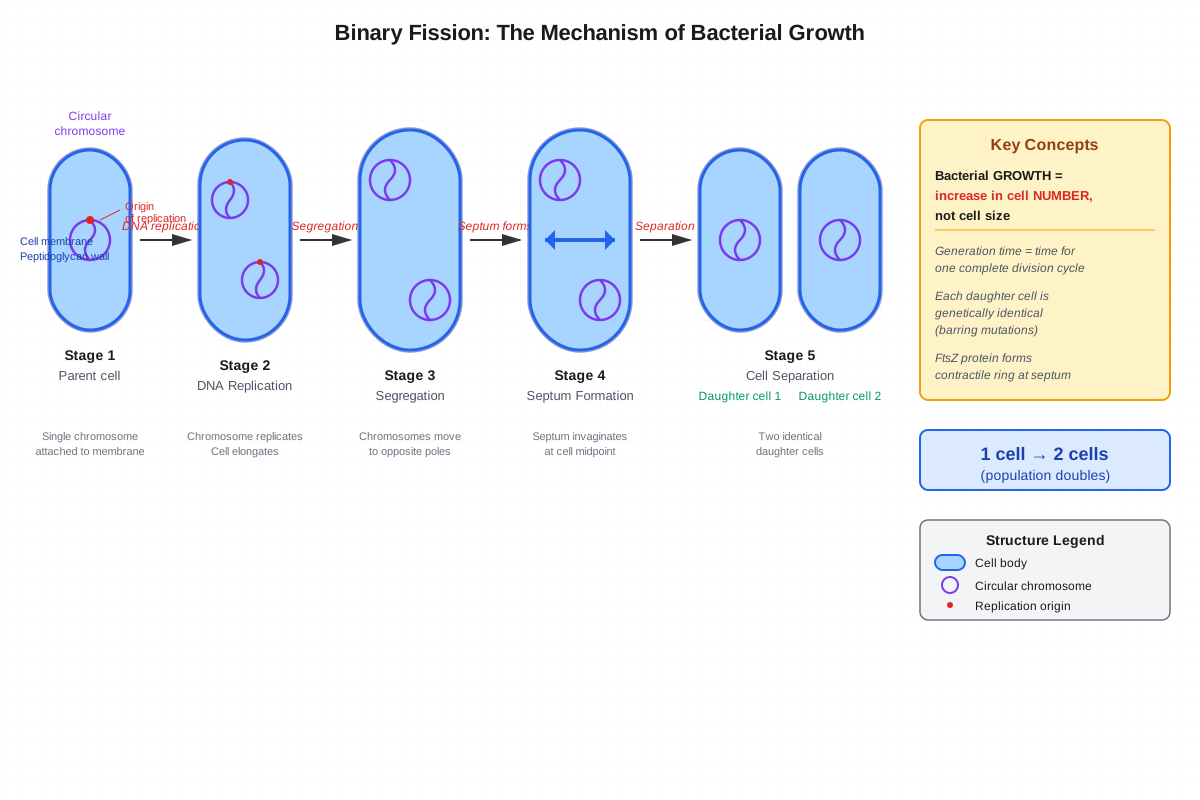
Bacterial growth refers to the increase in the number of bacterial cells in a population, not the increase in size of individual cells. This occurs primarily through binary fission, an asexual reproduction process where one parent cell divides into two genetically identical daughter cells. The term "growth" in Microbiology thus describes population dynamics rather than individual organism development, distinguishing it from growth in multicellular organisms.
During binary fission, the bacterial chromosome (circular DNA) replicates, the cell elongates, a septum forms at the cell's midpoint, and the cell divides into two complete cells. Under optimal conditions, this process can occur remarkably quickly—some bacteria complete binary fission in as little as 20 minutes, though 1-3 hours is more typical for common laboratory species like Escherichia coli.
Generation Time and Growth Rate
Generation time (also called doubling time) is the time required for a bacterial population to double in number. This parameter varies dramatically among species and environmental conditions:
| Organism | Optimal Generation Time |
|---|---|
| Escherichia coli | 20 minutes |
| Staphylococcus aureus | 30 minutes |
| Mycobacterium tuberculosis | 15-20 hours |
| Treponema pallidum | 30 hours |
The growth rate constant (k) represents the number of generations per unit time, while the specific growth rate (μ) represents the rate of increase in cell number per unit time. These parameters are mathematically related:
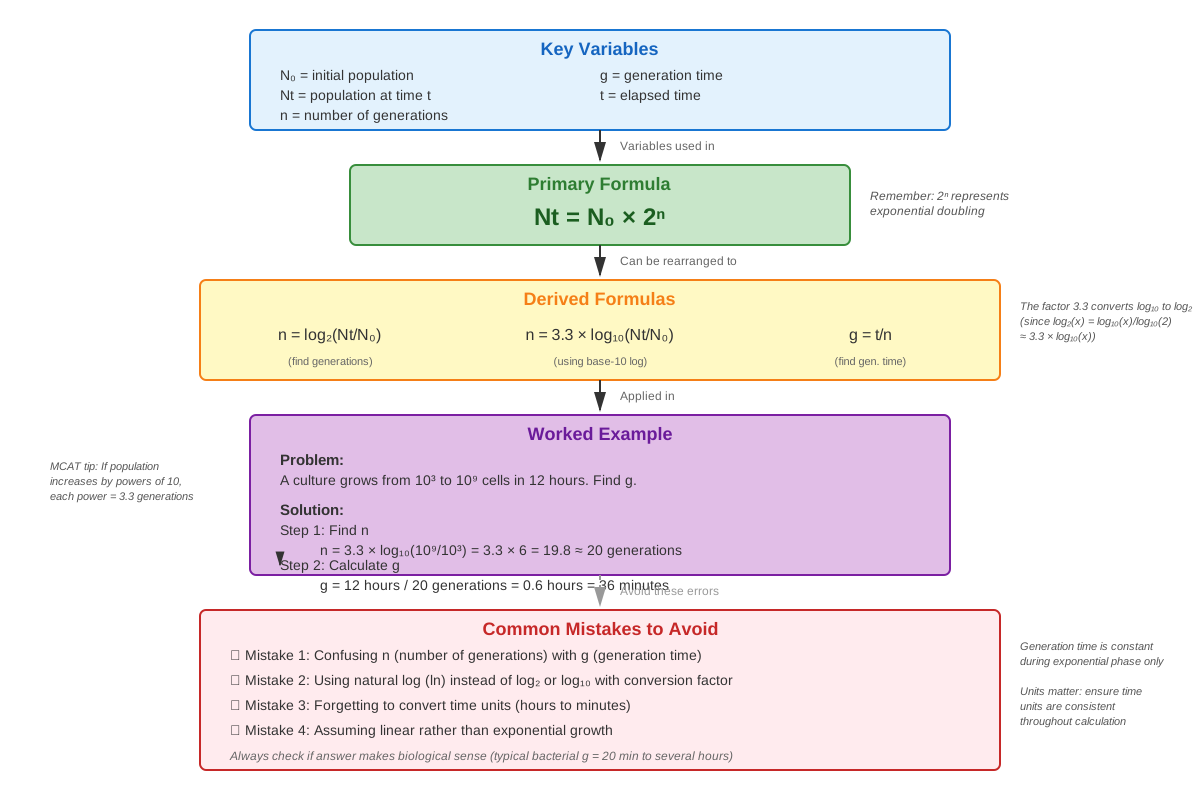
N = N₀ × 2ⁿWhere:
- N = final population size
- N₀ = initial population size
- n = number of generations
n = (log N - log N₀) / log 2 = 3.3 × (log N - log N₀)Generation time (g) = t / nWhere t = total elapsed time
The Bacterial Growth Curve
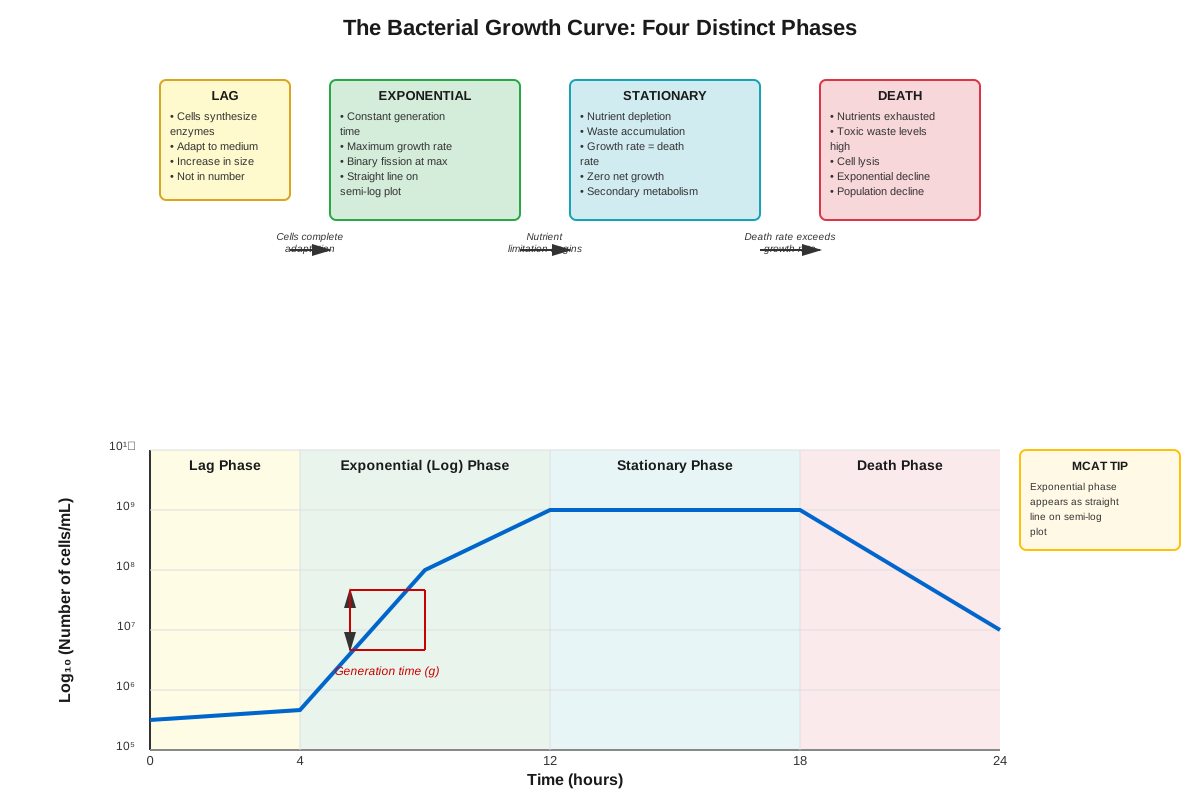
When bacteria are inoculated into fresh culture medium, the population follows a predictable pattern called the bacterial growth curve. This curve has four distinct phases, each with characteristic physiology and growth kinetics:
Lag Phase
The lag phase represents the period immediately after inoculation when bacteria are adapting to their new environment but not yet dividing. During this phase:
- Cell number remains constant (no net increase)
- Cells are metabolically active, synthesizing enzymes and cellular components
- Cells increase in size as they prepare for division
- Duration depends on the inoculum's previous growth conditions and the new medium's composition
- Bacteria are inducing genes necessary for utilizing available nutrients
The lag phase can be shortened by using a large inoculum from actively growing cultures in similar medium, or lengthened by transferring bacteria to medium with different nutrients requiring new enzyme synthesis.
Exponential (Log) Phase
The exponential phase (or logarithmic phase) is characterized by:
- Constant, maximal growth rate with cells dividing at regular intervals
- Population doubling at a constant rate (generation time is minimal and constant)
- Balanced growth where all cellular components increase proportionally
- Cells are most uniform in terms of metabolic activity and chemical composition
- When plotted on a semi-logarithmic scale (log of cell number vs. time), this phase appears as a straight line
During exponential growth, bacteria are most susceptible to antibiotics that target cell wall synthesis (like β-lactams) because they're actively dividing. This phase represents optimal conditions where nutrients are abundant, waste products haven't accumulated, and space isn't limiting.
The mathematical relationship during exponential phase:
log N = log N₀ + (n × log 2)This can be rearranged to calculate generation time from two time points during exponential growth.
Stationary Phase
The stationary phase occurs when the growth rate equals the death rate, resulting in:
- No net change in cell number (population size plateaus)
- Nutrient depletion and/or toxic waste accumulation limiting growth
- Some cells dividing while others die at equal rates
- Activation of stress response genes
- Production of secondary metabolites (many antibiotics are produced during this phase)
- Cells becoming more resistant to environmental stresses
Bacteria enter stationary phase due to various limiting factors: essential nutrient exhaustion (carbon source, nitrogen, phosphorus), oxygen depletion (for aerobes), toxic waste accumulation (organic acids, ammonia), or physical space limitations. The specific limiting factor depends on the culture conditions and bacterial species.
Death (Decline) Phase
The death phase (or decline phase) is characterized by:
- Exponential decrease in viable cell number
- Death rate exceeding growth rate
- Accumulation of toxic metabolic byproducts
- Nutrient exhaustion
- Cell lysis releasing intracellular contents
Not all bacteria die at the same rate—some cells may persist much longer than others due to genetic variation or entering dormant states. The death phase often follows exponential kinetics, similar to the growth phase but in reverse.
Environmental Factors Affecting Bacterial Growth
Temperature
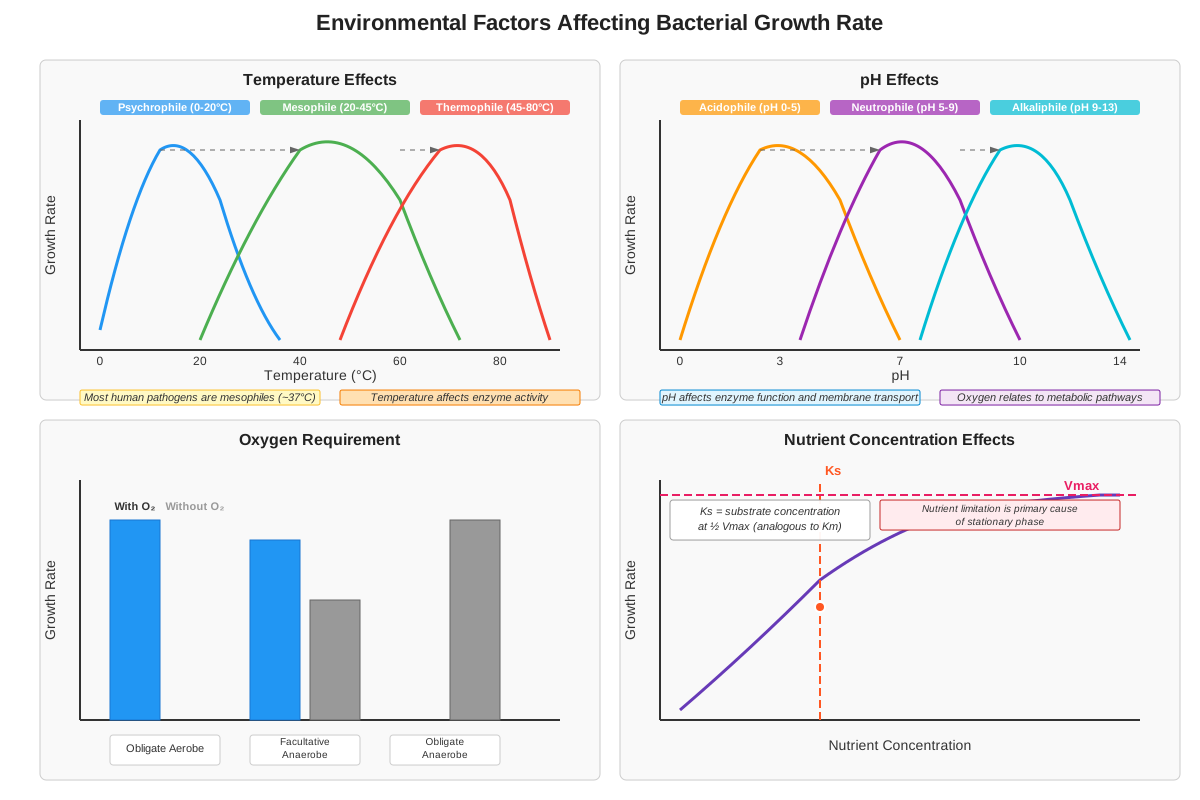
Bacteria are classified by their optimal growth temperature:
| Classification | Optimal Temperature | Examples |
|---|---|---|
| Psychrophiles | 0-20°C | Arctic/Antarctic bacteria |
| Mesophiles | 20-45°C | Most pathogens, E. coli |
| Thermophiles | 45-80°C | Thermus aquaticus |
| Hyperthermophiles | 80-113°C | Pyrolobus fumarii |
Temperature affects enzyme activity, membrane fluidity, and protein stability. Each species has a minimum, optimum, and maximum temperature for growth. Human pathogens are typically mesophiles with optima near 37°C (body temperature).
pH
Most bacteria grow best at neutral pH (6.5-7.5), though exceptions exist:
- Acidophiles: grow optimally at pH < 5.5 (Helicobacter pylori in stomach acid)
- Neutrophiles: grow optimally at pH 5.5-8.0 (most bacteria)
- Alkaliphiles: grow optimally at pH > 8.5 (some soil bacteria)
Bacteria maintain internal pH homeostasis through proton pumps and buffering systems, but extreme external pH can overwhelm these mechanisms.
Oxygen Requirements
Bacteria vary dramatically in their oxygen requirements:
| Type | Oxygen Requirement | Examples |
|---|---|---|
| Obligate aerobes | Require O₂ | Mycobacterium tuberculosis |
| Obligate anaerobes | Killed by O₂ | Clostridium botulinum |
| Facultative anaerobes | Grow with or without O₂ | E. coli, Staphylococcus |
| Microaerophiles | Require low O₂ (2-10%) | Helicobacter pylori |
| Aerotolerant anaerobes | Tolerate O₂ but don't use it | Streptococcus pyogenes |
Oxygen requirements relate to the presence or absence of enzymes like catalase and superoxide dismutase that detoxify reactive oxygen species.
Nutrient Availability
Bacterial growth requires:
- Carbon source: organic compounds (glucose, amino acids) or CO₂ (autotrophs)
- Nitrogen source: amino acids, ammonia, nitrate, or N₂ (nitrogen-fixing bacteria)
- Minerals: phosphorus, sulfur, potassium, magnesium, iron
- Growth factors: vitamins, amino acids, nucleotides (for auxotrophs)
- Water: essential for all life processes
Chemoheterotrophs (most bacteria) obtain both energy and carbon from organic compounds, while photoautotrophs use light energy and CO₂.
Continuous vs. Batch Culture
Batch culture is the standard laboratory method where bacteria are inoculated into a fixed volume of medium and progress through all four growth phases. This closed system eventually depletes nutrients and accumulates waste.
Continuous culture (chemostat) maintains bacteria in exponential phase indefinitely by continuously adding fresh medium and removing culture at equal rates. This allows study of bacterial physiology under steady-state conditions and is used industrially for sustained production.
Quick check — test yourself on Bacterial growth so far.
Try Flashcards →Concept Relationships
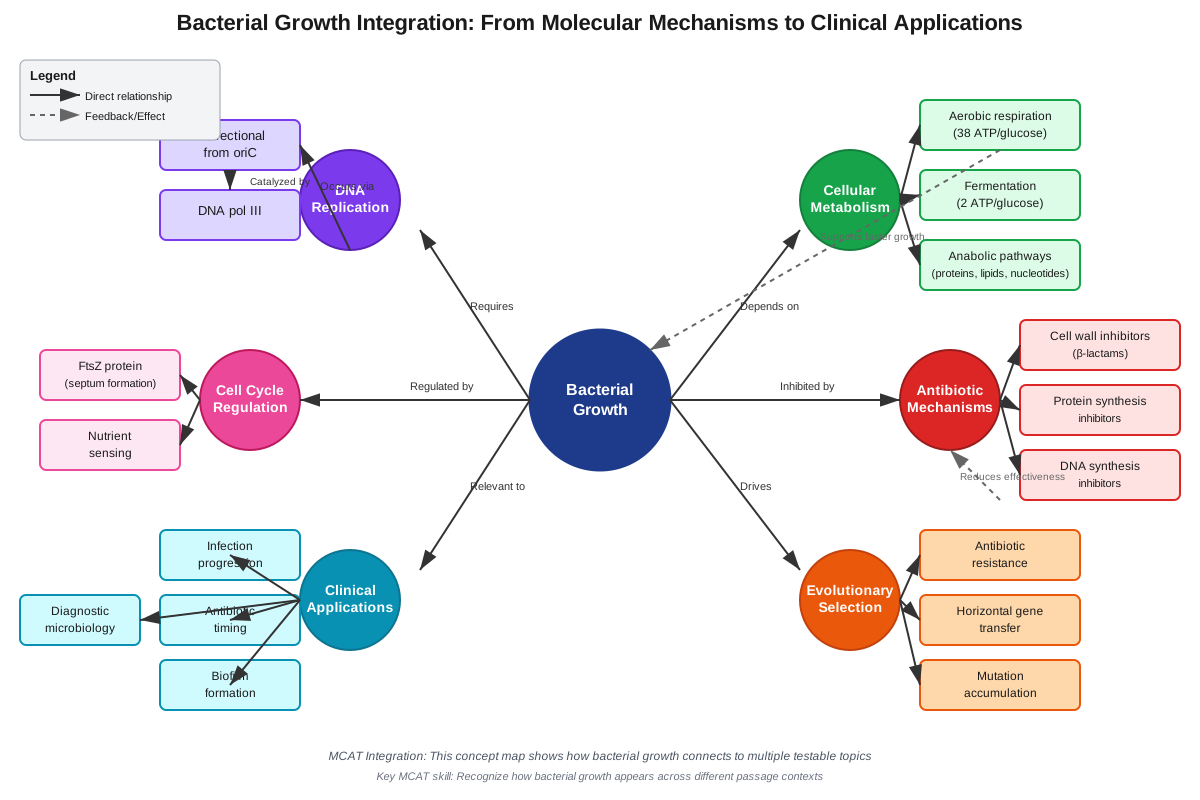
Bacterial growth integrates multiple biological concepts into a cohesive framework. At the cellular level, binary fission requires successful DNA replication, making the bacterial growth rate dependent on replication speed and accuracy. The cell cycle in bacteria is simpler than in eukaryotes but still requires coordination between chromosome replication and cell division.
Metabolism directly controls growth rate—bacteria must generate sufficient ATP through cellular respiration or fermentation to power biosynthesis and cell division. The exponential phase represents optimal metabolic conditions where catabolic pathways (breaking down nutrients) and anabolic pathways (building cellular components) are balanced. During stationary phase, metabolism shifts toward maintenance rather than growth, with activation of stress response pathways.
Environmental factors affecting growth connect to biochemistry: temperature affects enzyme kinetics and membrane fluidity, pH influences protein structure and enzyme activity, and oxygen availability determines which metabolic pathways can operate (aerobic respiration vs. fermentation).
The relationship map:
Environmental conditions → determine → Metabolic rate → controls → Generation time → defines → Growth curve shape → influences → Population dynamics → affects → Evolutionary selection → leads to → Antibiotic resistance
Bacterial growth also connects to genetics: mutations arising during exponential growth provide variation for natural selection, and horizontal gene transfer (transformation, transduction, conjugation) can occur during growth. Evolution operates rapidly in bacterial populations due to short generation times and large population sizes.
In clinical contexts, understanding bacterial growth explains infection progression: the lag phase corresponds to the incubation period, exponential phase to acute symptoms, and stationary phase to chronic infection. Antibiotic efficacy depends on growth phase—bactericidal antibiotics targeting cell wall synthesis work best during exponential growth.
High-Yield Facts
⭐ Bacterial growth refers to increase in cell number (population), not individual cell size
⭐ Generation time is the time required for a bacterial population to double in number
⭐ The bacterial growth curve has four phases: lag, exponential (log), stationary, and death
⭐ During exponential phase, bacteria divide at a constant, maximal rate and are most susceptible to antibiotics targeting cell division
⭐ Stationary phase occurs when growth rate equals death rate due to nutrient depletion or waste accumulation
- Lag phase duration depends on inoculum size, previous growth conditions, and medium composition
- When plotted on semi-log paper (log cell number vs. time), exponential phase appears as a straight line
- Facultative anaerobes can grow with or without oxygen, while obligate anaerobes are killed by oxygen
- Most human pathogens are mesophiles with optimal growth near 37°C (body temperature)
- Secondary metabolites (including many antibiotics) are often produced during stationary phase
- Generation time varies from 20 minutes (E. coli) to 20+ hours (M. tuberculosis)
- Bacteria in stationary phase are more resistant to environmental stresses than those in exponential phase
- Continuous culture (chemostat) maintains bacteria in exponential phase indefinitely
- The formula N = N₀ × 2ⁿ describes population growth where n is the number of generations
- Obligate aerobes require oxygen, obligate anaerobes are killed by oxygen, and facultative anaerobes grow either way
Common Misconceptions
Misconception: Bacterial growth means individual bacteria getting larger.
Correction: Bacterial growth specifically refers to increase in the number of cells in a population through binary fission, not increase in individual cell size. While cells may enlarge slightly before division, "growth" in microbiology contexts always means population increase.
Misconception: During lag phase, bacteria are dormant and not metabolically active.
Correction: Bacteria in lag phase are highly metabolically active—synthesizing enzymes, producing cellular components, and adapting to new conditions. They're not dividing yet, but they're preparing to divide. Cell number stays constant, but individual cells are growing and becoming metabolically prepared for reproduction.
Misconception: All bacteria in a culture die simultaneously when entering death phase.
Correction: Death phase involves exponential decrease in viable cells, but individual bacteria die at different rates. Some cells may persist much longer due to genetic variation, stress resistance mechanisms, or entering dormant states. The population shows net decline, but heterogeneity exists.
Misconception: Stationary phase means all bacterial activity stops.
Correction: During stationary phase, growth rate equals death rate, resulting in constant population size. However, individual cells continue dividing while others die. Metabolism continues, stress responses activate, and secondary metabolite production often increases. It's a dynamic equilibrium, not stasis.
Misconception: Generation time is constant for a given bacterial species.
Correction: Generation time varies dramatically based on environmental conditions (temperature, nutrients, pH, oxygen) even for the same species. The values cited (e.g., 20 minutes for E. coli) represent optimal conditions. Suboptimal conditions substantially increase generation time.
Misconception: Exponential growth can continue indefinitely if nutrients are provided.
Correction: Even with continuous nutrient addition, physical space limitations, waste accumulation, and other factors eventually limit growth. In nature, exponential growth is always temporary. Only in carefully controlled continuous culture systems (chemostats) can exponential growth be maintained by removing waste and cells while adding nutrients.
Misconception: Antibiotics work equally well regardless of bacterial growth phase.
Correction: Antibiotic efficacy is highly phase-dependent. Antibiotics targeting cell wall synthesis (β-lactams) work best during exponential phase when bacteria are actively dividing. Bacteria in stationary phase or lag phase may be less susceptible because they're not actively synthesizing cell walls.
Worked Examples
Example 1: Generation Time Calculation
Question: A bacterial culture initially contains 1 × 10⁴ cells. After 3 hours of exponential growth, the population reaches 1 × 10⁷ cells. Calculate the generation time.
Solution:
Step 1: Identify the given information
- N₀ (initial population) = 1 × 10⁴ cells
- N (final population) = 1 × 10⁷ cells
- t (elapsed time) = 3 hours = 180 minutes
Step 2: Calculate the number of generations (n)
Using the formula: n = 3.3 × (log N - log N₀)
n = 3.3 × (log 10⁷ - log 10⁴)
n = 3.3 × (7 - 4)
n = 3.3 × 3
n = 9.9 generations ≈ 10 generations
Step 3: Calculate generation time (g)
g = t / n
g = 180 minutes / 10 generations
g = 18 minutes per generation
Answer: The generation time is approximately 18 minutes, indicating these bacteria are dividing very rapidly under optimal conditions.
MCAT Connection: This type of calculation tests quantitative reasoning skills and understanding of exponential growth. The MCAT may present similar problems in passage-based questions or ask you to interpret whether a calculated generation time is reasonable for a given bacterial species.
Example 2: Growth Curve Interpretation
Question: Researchers inoculate bacteria into fresh medium and measure cell density over 24 hours. The growth curve shows: 0-2 hours (constant low cell number), 2-8 hours (exponential increase), 8-20 hours (plateau), 20-24 hours (decline). At 10 hours, they add a bactericidal antibiotic that inhibits cell wall synthesis. Predict the effect on the growth curve.
Solution:
Step 1: Identify the growth phases
- 0-2 hours: Lag phase (adaptation)
- 2-8 hours: Exponential phase (rapid division)
- 8-20 hours: Stationary phase (growth = death rate)
- 20-24 hours: Death phase (decline)
Step 2: Determine when antibiotic is added
The antibiotic is added at 10 hours, which falls within the stationary phase (8-20 hours).
Step 3: Consider the antibiotic mechanism
The antibiotic inhibits cell wall synthesis, meaning it targets actively dividing cells. It's bactericidal (kills bacteria) rather than bacteriostatic (stops growth).
Step 4: Predict the effect
During stationary phase, some cells are still dividing (though growth rate equals death rate). The antibiotic will kill dividing cells, but non-dividing cells may be less affected. This will:
- Shift the balance toward death (death rate > growth rate)
- Cause the plateau to decline earlier than it would naturally
- Accelerate entry into death phase
- The effect will be less dramatic than if added during exponential phase when all cells are dividing
Answer: The growth curve will show premature entry into death phase starting around 10 hours, with a steeper decline than the control. However, the effect will be less pronounced than if the antibiotic were added during exponential phase because many stationary-phase cells aren't actively synthesizing cell walls.
MCAT Connection: This question integrates bacterial growth phases, antibiotic mechanisms, and experimental interpretation—exactly the type of synthesis the MCAT requires. Understanding that antibiotic efficacy depends on growth phase is clinically relevant and frequently tested.
Exam Strategy
Approaching MCAT Questions on Bacterial Growth
For growth curve questions:
- First identify which phase is being discussed (lag, exponential, stationary, or death)
- Recall the key characteristics of that phase (metabolic activity, growth rate, cell number changes)
- Consider what factors could shift the curve (nutrients, temperature, antibiotics, oxygen)
- Look for semi-log plots where exponential phase appears linear
For calculation questions:
- Write down the given values (N₀, N, t)
- Determine what's being asked (generation time, number of generations, final population)
- Select the appropriate formula
- Check if your answer is reasonable (generation times typically 20 minutes to several hours)
- Watch for unit conversions (hours to minutes)
For experimental design questions:
- Identify the independent variable (what's being manipulated)
- Predict how it affects growth rate or curve shape
- Consider which phase would show the most dramatic effect
- Think about appropriate controls
Trigger Words and Phrases
- "Exponential growth" → think constant generation time, maximal growth rate, straight line on semi-log plot
- "Lag phase" → adaptation, enzyme synthesis, no increase in cell number
- "Stationary phase" → nutrient depletion, growth rate = death rate, secondary metabolite production
- "Generation time" or "doubling time" → calculation question likely
- "Facultative anaerobe" → can grow with or without oxygen
- "Optimal growth conditions" → shortest generation time, longest exponential phase
- "Bactericidal antibiotic" → consider growth phase for efficacy
Process of Elimination Tips
When evaluating answer choices:
- Eliminate options that confuse individual cell size with population number
- Eliminate options suggesting bacteria are inactive during lag phase
- Eliminate options claiming exponential growth can continue indefinitely
- Eliminate options that ignore the relationship between growth phase and antibiotic susceptibility
- For calculation questions, eliminate answers that are orders of magnitude off (e.g., generation time of 2 minutes or 20 hours for E. coli)
Time Allocation
- Discrete questions: 60-90 seconds—these typically test definitions or simple calculations
- Passage-based questions: 90-120 seconds—allow time to reference the growth curve or experimental data
- Calculation questions: 90-120 seconds—show your work to avoid arithmetic errors
- If a calculation seems complex, flag it and return after completing easier questions
Memory Techniques
Mnemonic for Growth Curve Phases
"LESD" = Lag, Exponential, Stationary, Death
Or use the phrase: "Learning Exponentially Stops Death" to remember the sequence and that learning (adaptation) happens in lag phase, exponential growth is the rapid phase, stationary stops net growth, and death follows.
Visualizing the Growth Curve
Picture a rocket launch:
- Lag phase: Countdown and preparation (engines warming up but not moving yet)
- Exponential phase: Liftoff and acceleration (rapid upward movement)
- Stationary phase: Reaching orbit (maintaining altitude, not going higher)
- Death phase: Reentry and descent (coming back down)
Oxygen Requirements Mnemonic
"FOAMA" for oxygen categories:
- Facultative (can go either way)
- Obligate aerobes (need oxygen)
- Anaerobes, obligate (killed by oxygen)
- Microaerophiles (need a little oxygen)
- Aerotolerant (don't care about oxygen)
Generation Time Formula
Remember: "Number of generations = 3.3 times the log difference"
The 3.3 comes from 1/log(2), and this converts log₁₀ to log₂ (since bacteria double).
Temperature Classifications
"PMT" = Psychrophiles (cold), Mesophiles (middle), Thermophiles (hot)
Think: "Pretty Much Toasty" going from cold to hot
Summary
Bacterial growth describes the increase in bacterial population size through binary fission, not individual cell enlargement. Understanding this process requires mastery of the four-phase growth curve (lag, exponential, stationary, and death), each with distinct physiological characteristics and clinical implications. The lag phase involves metabolic adaptation without cell division, exponential phase features constant maximal growth rate with regular doubling, stationary phase occurs when growth equals death rate due to limiting factors, and death phase shows population decline. Generation time—the time required for population doubling—varies by species and conditions, ranging from 20 minutes to over 20 hours. Environmental factors including temperature, pH, oxygen availability, and nutrients profoundly affect growth rate and pattern. For the MCAT, bacterial growth appears frequently in research passages requiring graph interpretation, calculation questions testing quantitative skills, and clinical scenarios involving infection dynamics and antibiotic efficacy. Success requires understanding the mathematical relationships describing exponential growth, recognizing how growth phase affects antibiotic susceptibility, and connecting bacterial growth to broader concepts in metabolism, genetics, and evolution.
Key Takeaways
- Bacterial growth = increase in cell number (population), not individual cell size, occurring through binary fission
- The four growth phases (lag, exponential, stationary, death) have distinct characteristics that determine bacterial physiology and antibiotic susceptibility
- Generation time is the doubling time for a population and varies dramatically based on species and environmental conditions
- Exponential phase features constant maximal growth rate and appears as a straight line on semi-log plots
- Environmental factors (temperature, pH, oxygen, nutrients) profoundly affect growth rate and curve shape
- Antibiotics targeting cell division work best during exponential phase when bacteria are actively dividing
- Mathematical calculations involving N = N₀ × 2ⁿ and generation time formulas are high-yield for MCAT questions
Related Topics
Antibiotic Mechanisms and Resistance: Understanding bacterial growth phases is essential for comprehending why certain antibiotics work better during active growth and how resistance evolves through selection during antibiotic exposure. Mastering bacterial growth enables deeper understanding of minimum inhibitory concentration (MIC) and bactericidal vs. bacteriostatic effects.
Bacterial Genetics and Horizontal Gene Transfer: Bacterial growth provides the context for understanding transformation, transduction, and conjugation. Rapid generation times and large population sizes make bacteria ideal for studying evolution and genetic exchange.
Cellular Respiration and Metabolism: The metabolic pathways supporting bacterial growth (glycolysis, citric acid cycle, electron transport chain, fermentation) determine growth rate and oxygen requirements. Understanding metabolism explains why certain nutrients are essential and how bacteria adapt to different environments.
Immune System and Infection: Bacterial growth dynamics explain infection progression, incubation periods, and the timing of immune responses. The exponential phase corresponds to acute symptoms, while stationary phase relates to chronic infection.
Biotechnology and Recombinant DNA: Industrial applications require optimizing bacterial growth to maximize protein production. Understanding growth curves and continuous culture enables comprehension of large-scale fermentation and bioreactor design.
Practice CTA
Now that you've mastered the core concepts of bacterial growth, it's time to solidify your understanding through active practice. Work through the practice questions to test your ability to interpret growth curves, perform calculations, and apply concepts to clinical scenarios. Use the flashcards to reinforce high-yield facts and ensure rapid recall during the exam. Remember: understanding bacterial growth isn't just about memorizing phases—it's about developing the analytical skills to interpret experimental data and predict how changing conditions affect bacterial populations. These skills will serve you throughout the biological sciences section of the MCAT. You've got this!
Sign up free to keep reading
Create a free AnvayaPrep account to finish this MCAT guide on Bacterial growth — plus flashcards and practice questions.