Overview
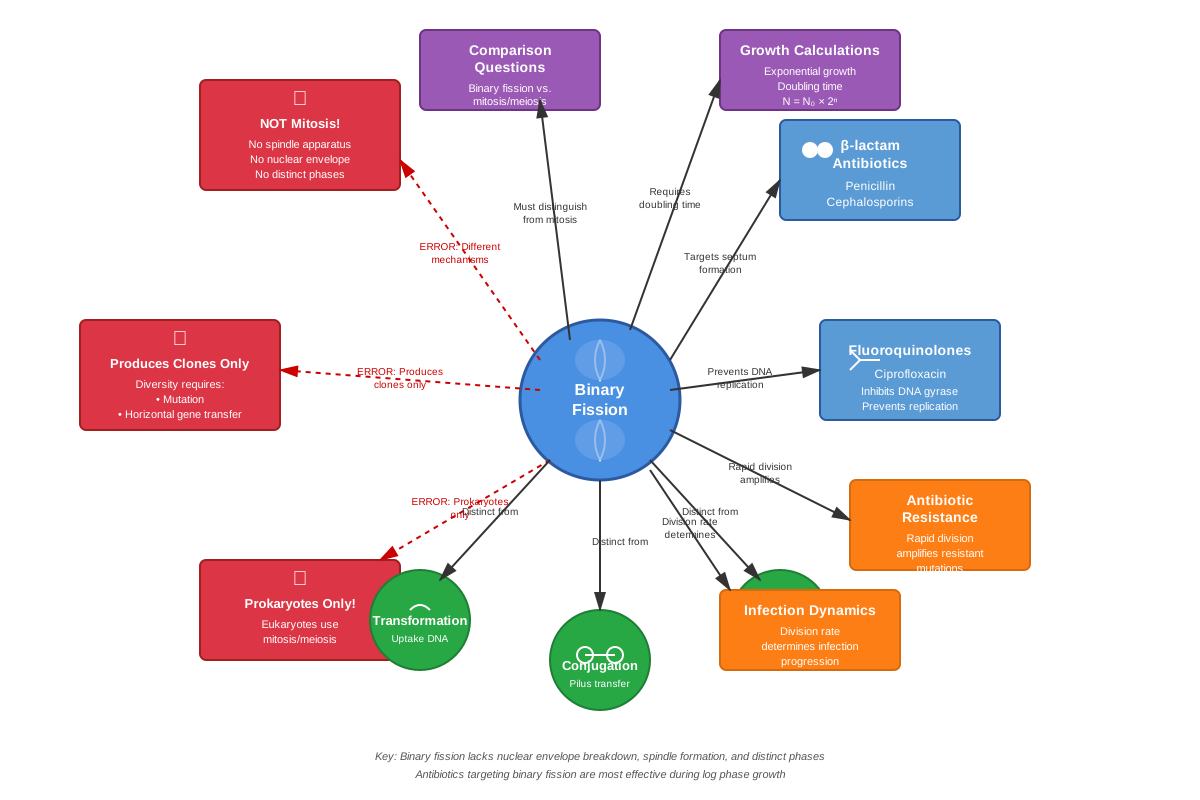
Binary fission is the primary mode of asexual reproduction in prokaryotic organisms, including bacteria and archaea. This fundamental process allows a single parent cell to divide into two genetically identical daughter cells, enabling rapid population growth under favorable conditions. Understanding binary fission is essential for the MCAT because it represents a key distinction between prokaryotic and eukaryotic cell division, appears frequently in Microbiology passages, and connects to broader themes in genetics, evolution, and disease pathology.
For the MCAT, binary fission serves as a cornerstone concept in Biology that bridges cellular biology, genetics, and microbiology. Questions may test your understanding of the mechanism itself, comparisons with mitosis and meiosis, or applications to antibiotic resistance and bacterial growth curves. The process exemplifies how prokaryotes achieve genetic continuity without the complex machinery of eukaryotic cell division, making it a high-yield topic for both discrete questions and passage-based reasoning.
The significance of binary fission extends beyond pure memorization of steps. MCAT passages often embed this concept within experimental designs studying bacterial growth rates, antibiotic mechanisms of action, or evolutionary adaptations. Recognizing how binary fission enables exponential population growth, facilitates horizontal gene transfer opportunities, and differs mechanistically from eukaryotic division will strengthen your ability to analyze complex biological scenarios and answer questions efficiently under time pressure.
Learning Objectives
- [ ] Define binary fission using accurate Biology terminology
- [ ] Explain why binary fission matters for the MCAT
- [ ] Apply binary fission to exam-style questions
- [ ] Identify common mistakes related to binary fission
- [ ] Connect binary fission to related Biology concepts
- [ ] Compare and contrast binary fission with mitosis at the molecular and structural level
- [ ] Calculate bacterial population growth using binary fission doubling times
- [ ] Analyze experimental data involving bacterial reproduction and growth curves
Prerequisites
- Cell structure (prokaryotic vs. eukaryotic): Understanding the absence of a nucleus and membrane-bound organelles in prokaryotes is essential for appreciating how binary fission differs from eukaryotic cell division
- DNA structure and replication: Binary fission requires DNA replication, so familiarity with semiconservative replication and the circular prokaryotic chromosome is necessary
- Basic genetics: Knowledge of genetic inheritance and clonal populations helps contextualize why binary fission produces genetically identical offspring
- Cell membrane structure: Understanding membrane composition and function is relevant for comprehending how the cell membrane participates in separating daughter cells
Why This Topic Matters
Binary fission appears regularly on the MCAT in multiple contexts, making it a medium-to-high yield topic. Approximately 2-4% of Biology questions directly or indirectly test knowledge of prokaryotic reproduction, often embedded within passages about bacterial growth, antibiotic resistance, or experimental microbiology. The topic frequently appears in questions requiring comparison between prokaryotic and eukaryotic processes, making it a natural bridge between cell biology and microbiology content.
Clinically, understanding binary fission is crucial for comprehending infectious disease dynamics, antibiotic mechanisms, and the development of antimicrobial resistance. When bacteria reproduce rapidly through binary fission, populations can double every 20-30 minutes under optimal conditions, explaining why bacterial infections can become severe quickly. Antibiotics that target cell wall synthesis (like penicillin) or DNA replication (like fluoroquinolones) work by disrupting binary fission, making this knowledge directly applicable to pharmacology and pathology questions.
On the MCAT, binary fission commonly appears in passages describing bacterial growth curves, experimental manipulations of bacterial cultures, or evolutionary scenarios involving mutation rates and selection. Questions may ask you to interpret graphs showing exponential growth phases, calculate generation times, or predict the effects of environmental changes on reproduction rates. Additionally, the topic connects to broader themes like genetic variation (or lack thereof in asexual reproduction), population dynamics, and the evolution of antibiotic resistance through selection acting on clonal populations.
Core Concepts
Definition and Overview of Binary Fission
Binary fission is a form of asexual reproduction in which a single prokaryotic cell divides into two genetically identical daughter cells. The term "binary" refers to the splitting into two parts, while "fission" indicates the division or splitting process. This mechanism is the predominant reproductive strategy for bacteria and archaea, allowing these organisms to reproduce rapidly without the need for a sexual partner or the complex cellular machinery required for mitosis.
The process is fundamentally different from eukaryotic cell division because prokaryotes lack a nucleus, mitotic spindle apparatus, and the checkpoint controls characteristic of mitosis. Instead, binary fission relies on simpler mechanisms involving DNA replication, cell elongation, and septum formation to achieve cell division.
The Stages of Binary Fission
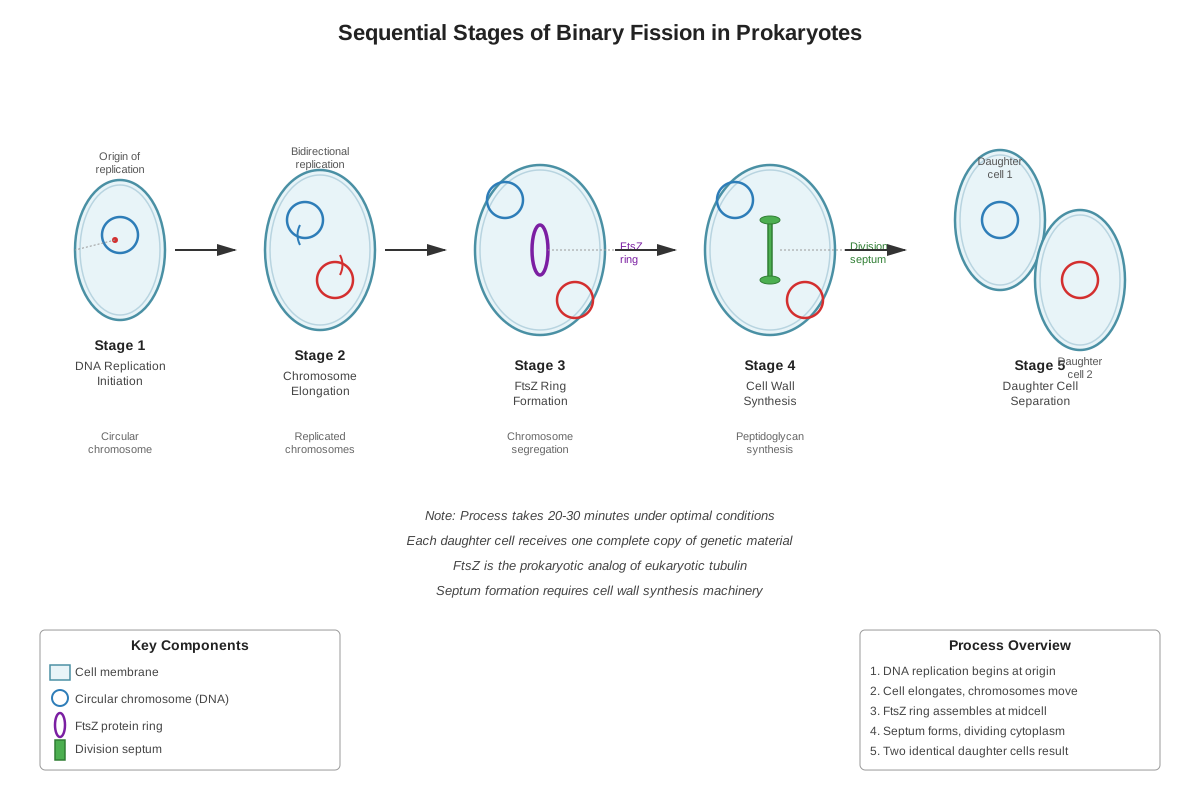
Binary fission proceeds through several distinct stages that ensure accurate DNA replication and equal distribution of cellular components:
- DNA Replication: The circular prokaryotic chromosome, attached to the cell membrane at the origin of replication (oriC), begins replication bidirectionally. The DNA polymerase complex moves around the circular chromosome, creating two identical copies.
- Cell Elongation: As DNA replication proceeds, the cell grows and elongates. The two copies of the chromosome attach to different points on the cell membrane, which begins to grow between them, effectively separating the chromosomes.
- Chromosome Segregation: The replicated chromosomes move toward opposite poles of the cell as the membrane continues to elongate. This movement is facilitated by the growth of the cell membrane between the attachment points.
- Septum Formation: The cell membrane begins to pinch inward at the cell's midpoint, forming a structure called the septum. In bacteria with cell walls, new cell wall material is synthesized to create a complete barrier between the two forming daughter cells.
- Cell Separation: The septum completes its formation, and the two daughter cells separate, each containing an identical copy of the parent cell's genetic material and approximately half of the cytoplasmic contents.
Molecular Mechanisms and Key Proteins
Several proteins play critical roles in coordinating binary fission:
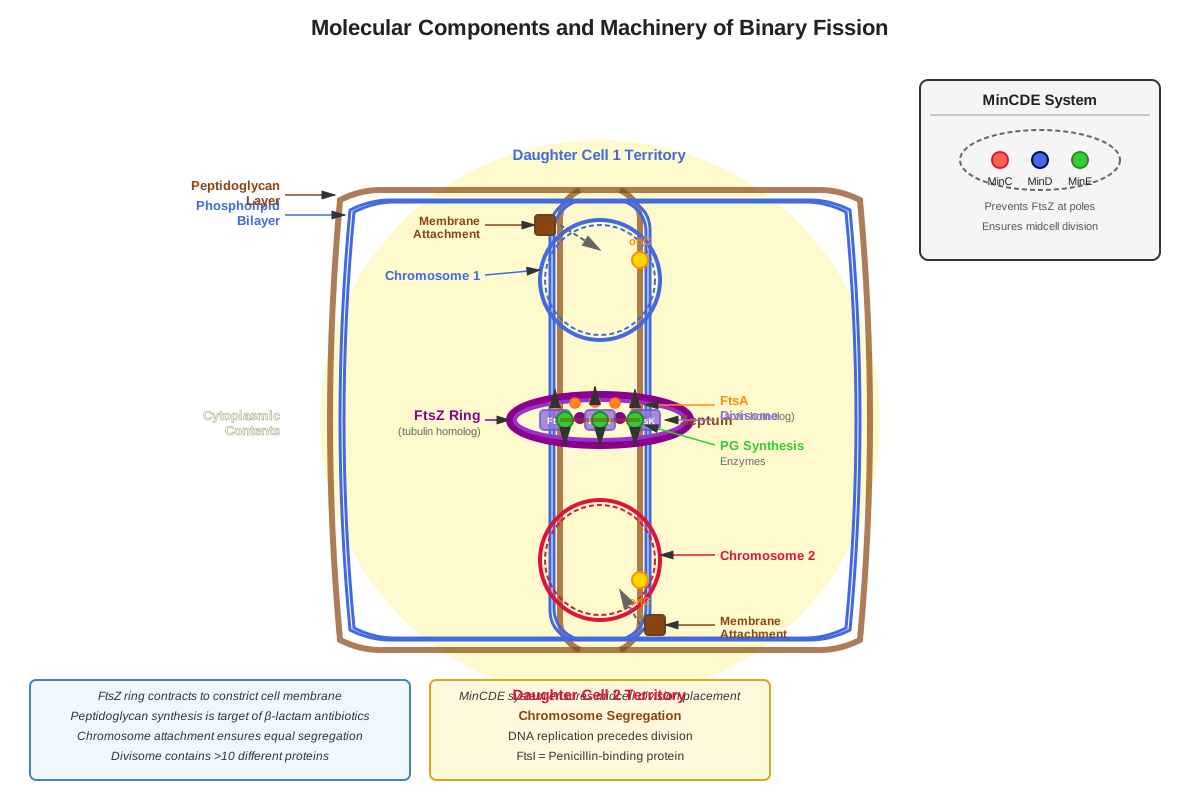
FtsZ protein is the prokaryotic homolog of tubulin and forms a contractile ring (Z-ring) at the site of division. This ring constricts to help pinch the cell membrane inward during septum formation. The FtsZ ring serves as a scaffold for recruiting other division proteins and marks the division plane.
DNA replication machinery includes DNA polymerase III (primary replicative enzyme), DNA polymerase I (fills gaps), helicase (unwinds DNA), primase (synthesizes RNA primers), and ligase (seals DNA fragments). These enzymes work coordinately to ensure accurate chromosome duplication before cell division.
Membrane and cell wall synthesis proteins generate new membrane and peptidoglycan to accommodate cell growth and septum formation. These include peptidoglycan synthases and membrane lipid biosynthesis enzymes.
Timing and Growth Rates
The generation time (or doubling time) is the time required for a bacterial population to double through binary fission. Under optimal conditions, some bacteria like Escherichia coli can complete binary fission in as little as 20 minutes, while others may require several hours or even days.
Generation time depends on multiple factors:
- Nutrient availability
- Temperature
- pH
- Oxygen availability
- Presence of inhibitory substances
The exponential growth phase of bacterial cultures reflects the power of binary fission, where population size increases geometrically: 1 → 2 → 4 → 8 → 16 → 32, and so forth.
Comparison with Eukaryotic Cell Division
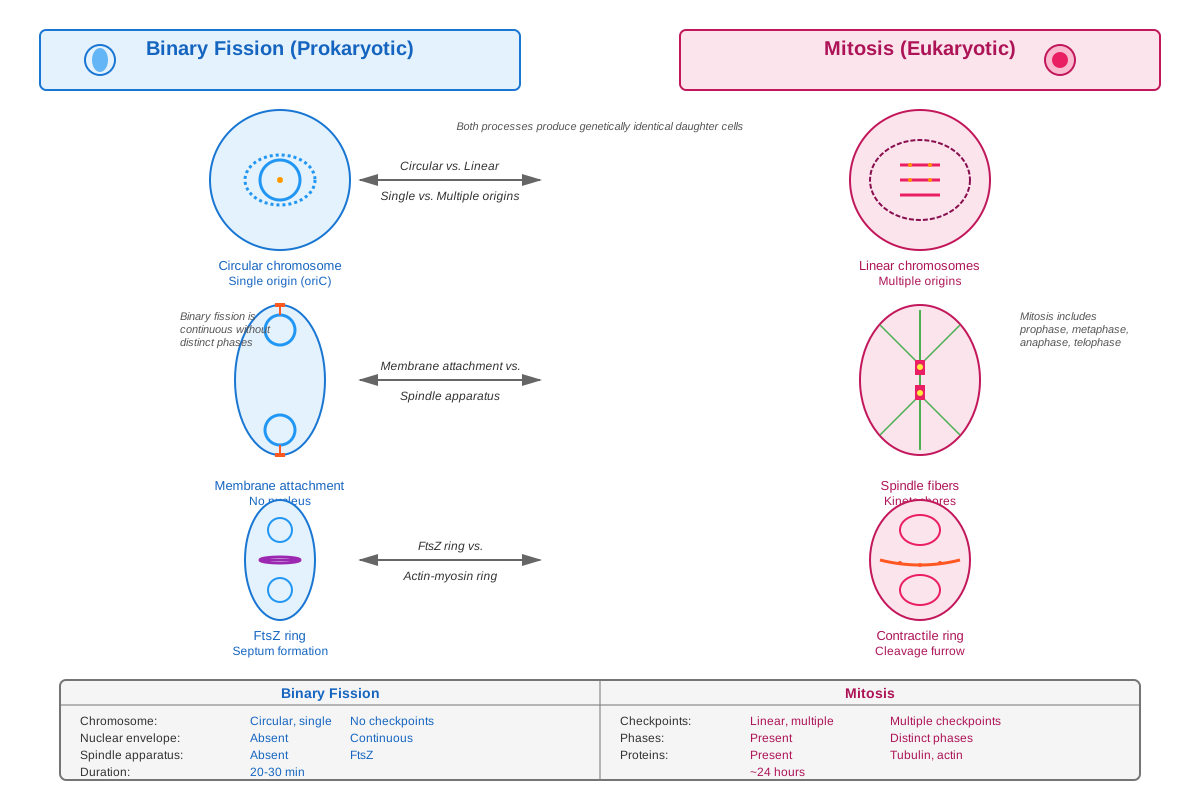
| Feature | Binary Fission | Mitosis |
|---|---|---|
| Organism type | Prokaryotes | Eukaryotes |
| Chromosome structure | Single, circular | Multiple, linear |
| Nuclear envelope | Absent | Breaks down and reforms |
| Spindle apparatus | Absent | Present (microtubules) |
| Chromosome attachment | Cell membrane | Kinetochores on chromosomes |
| Checkpoints | Minimal/absent | Multiple (G1, G2, M) |
| Duration | 20 minutes to hours | Hours to days |
| Genetic outcome | Two identical cells | Two identical cells |
Genetic Implications
Binary fission produces clonal populations—all offspring are genetically identical to the parent cell (barring mutations). This differs fundamentally from sexual reproduction, which generates genetic diversity through recombination and independent assortment. However, bacteria can still acquire genetic variation through:
- Spontaneous mutations during DNA replication
- Horizontal gene transfer (transformation, transduction, conjugation)
- Transposable elements moving within the genome
The lack of genetic recombination during binary fission means that beneficial mutations can quickly sweep through a population, but it also means that harmful mutations are passed directly to offspring without the buffering effect of sexual reproduction.
Concept Relationships
Binary fission connects intimately with DNA replication—the process cannot proceed without first duplicating the genetic material. DNA replication → enables → chromosome segregation → leads to → successful binary fission. The circular nature of prokaryotic chromosomes facilitates the bidirectional replication that characterizes binary fission, distinguishing it from the multiple origins of replication found in linear eukaryotic chromosomes.
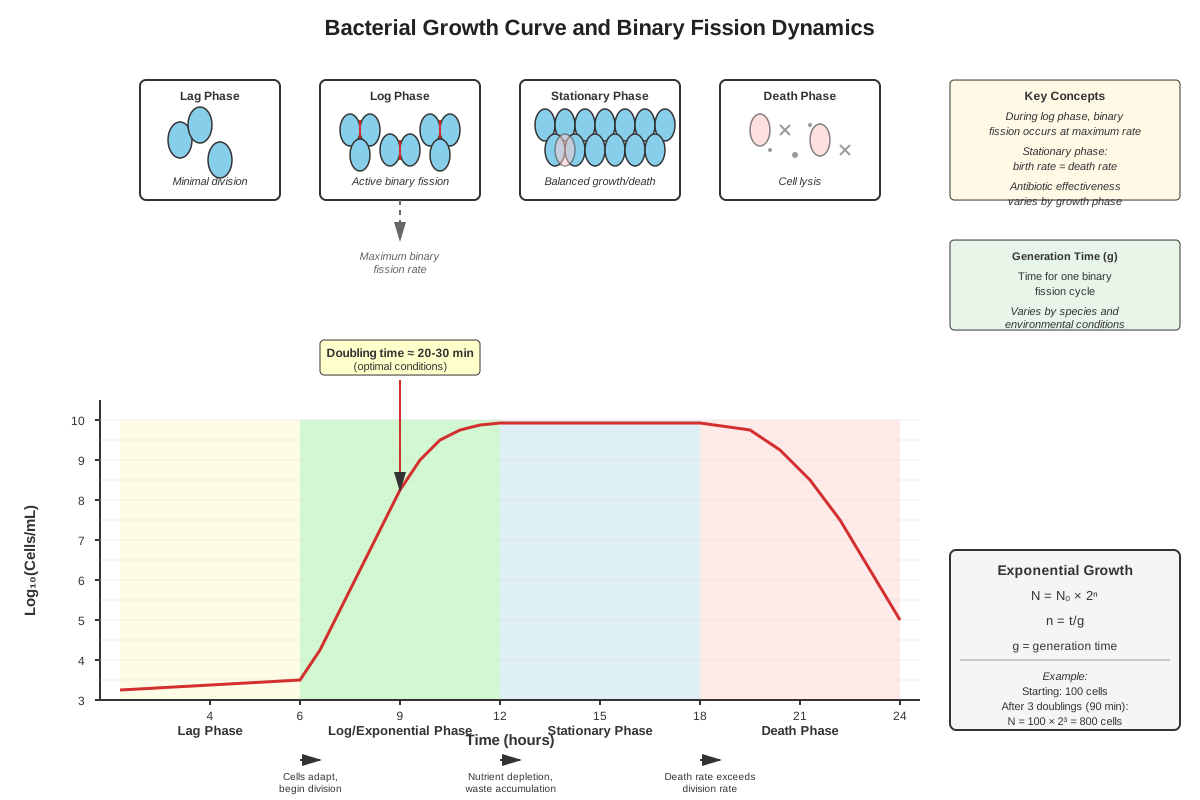
The relationship between binary fission and bacterial growth curves is direct: the exponential (log) phase of growth reflects unrestricted binary fission, where each cell divides at a constant rate. This connects to population dynamics and mathematical modeling, as the equation N = N₀ × 2^n (where n is the number of generations) describes population growth through binary fission.
Binary fission also relates to antibiotic mechanisms of action. Antibiotics targeting cell wall synthesis (β-lactams) or DNA replication (fluoroquinolones) specifically disrupt binary fission, preventing bacterial reproduction. This connects to clinical microbiology and pharmacology concepts tested on the MCAT.
The concept bridges to evolution and natural selection: because binary fission produces clonal populations, any mutation that occurs is immediately passed to all descendants. This creates strong selection pressure, explaining rapid evolution of antibiotic resistance. The relationship flows: mutation during DNA replication → inherited through binary fission → selection acts on clonal lineages → rapid evolutionary change.
Quick check — test yourself on Binary fission so far.
Try Flashcards →High-Yield Facts
⭐ Binary fission produces two genetically identical daughter cells from one parent cell through asexual reproduction
⭐ The process requires DNA replication, cell elongation, chromosome segregation, and septum formation
⭐ FtsZ protein forms the contractile Z-ring that marks the division plane and coordinates cell division
⭐ Generation time is the period required for a bacterial population to double; E. coli can divide every 20 minutes under optimal conditions
⭐ Binary fission differs from mitosis by lacking a nuclear envelope, spindle apparatus, and formal checkpoints
- Prokaryotic chromosomes are circular and attach to the cell membrane during replication and segregation
- Binary fission creates clonal populations, meaning all genetic variation comes from mutations or horizontal gene transfer, not recombination
- The exponential growth phase of bacterial cultures directly reflects unrestricted binary fission
- Antibiotics that inhibit cell wall synthesis or DNA replication specifically target binary fission
- The formula N = N₀ × 2^n calculates population size after n generations of binary fission
- Septum formation involves both membrane invagination and new cell wall synthesis in bacteria with peptidoglycan layers
Common Misconceptions
Misconception: Binary fission is the same as mitosis, just in prokaryotes.
Correction: While both produce two genetically identical daughter cells, binary fission lacks the nuclear envelope breakdown, spindle apparatus formation, distinct phases (prophase, metaphase, etc.), and checkpoint controls that characterize mitosis. Binary fission is mechanistically simpler and faster.
Misconception: Binary fission always takes exactly 20 minutes.
Correction: Generation time varies widely depending on species and environmental conditions. While E. coli can divide every 20 minutes under optimal conditions, other bacteria may require hours or days. Mycobacterium tuberculosis, for example, has a generation time of 15-20 hours.
Misconception: Bacteria cannot evolve quickly because binary fission produces identical offspring.
Correction: Although binary fission creates clones, mutations during DNA replication introduce variation. Combined with rapid generation times and large population sizes, bacteria can evolve extremely quickly. Additionally, horizontal gene transfer introduces genetic variation independent of reproduction.
Misconception: The FtsZ protein is equivalent to the entire mitotic spindle.
Correction: While FtsZ is a tubulin homolog and forms a ring structure, it functions differently from the mitotic spindle. The Z-ring constricts to divide the cell rather than pulling chromosomes apart. Chromosome segregation in binary fission occurs through membrane growth, not spindle-mediated movement.
Misconception: Binary fission only occurs in bacteria.
Correction: Binary fission is the primary reproductive mode for both bacteria and archaea (both prokaryotic domains). Some organelles (mitochondria and chloroplasts) also divide through a binary fission-like process, reflecting their evolutionary origin from prokaryotic endosymbionts.
Misconception: All cellular components are precisely divided equally between daughter cells.
Correction: While DNA is replicated and distributed equally, other cellular components (ribosomes, proteins, metabolites) are distributed approximately equally but not with the precision of genetic material. This usually doesn't affect cell viability because cells can synthesize needed components after division.
Worked Examples
Example 1: Calculating Bacterial Population Growth
Question: A bacterial culture begins with 1,000 cells. If the bacteria reproduce through binary fission with a generation time of 30 minutes, how many cells will be present after 3 hours?
Solution:
Step 1: Identify the given information
- Initial population (N₀) = 1,000 cells
- Generation time = 30 minutes
- Total time = 3 hours = 180 minutes
Step 2: Calculate the number of generations
- Number of generations (n) = Total time ÷ Generation time
- n = 180 minutes ÷ 30 minutes = 6 generations
Step 3: Apply the exponential growth formula
- N = N₀ × 2^n
- N = 1,000 × 2^6
- N = 1,000 × 64
- N = 64,000 cells
Answer: After 3 hours, the bacterial population will contain 64,000 cells.
Connection to learning objectives: This problem applies binary fission concepts to quantitative reasoning, a common MCAT question type. It demonstrates how the asexual nature of binary fission leads to exponential population growth and requires understanding of generation time.
Example 2: Analyzing an Experimental Scenario
Question: Researchers treat a bacterial culture with an antibiotic that specifically inhibits FtsZ protein function. Microscopic examination 2 hours later reveals elongated cells with multiple copies of the chromosome but no cell division. Explain these observations in terms of binary fission.
Solution:
Step 1: Identify what FtsZ does in binary fission
- FtsZ forms the Z-ring at the division plane
- The Z-ring is essential for septum formation and cell separation
- FtsZ does not directly affect DNA replication
Step 2: Predict effects of FtsZ inhibition
- DNA replication can still occur (not FtsZ-dependent)
- Cell elongation can still occur (not FtsZ-dependent)
- Septum formation cannot occur (FtsZ-dependent)
- Cell separation cannot occur (requires septum)
Step 3: Connect predictions to observations
- Multiple chromosome copies: DNA replication proceeded normally through multiple rounds
- Elongated cells: Cell growth continued without division
- No cell division: Without functional FtsZ, the Z-ring cannot form, preventing septum formation and cell separation
Answer: The antibiotic blocks the final stages of binary fission (septum formation and cell separation) while allowing earlier stages (DNA replication and cell elongation) to continue. This creates elongated cells with multiple chromosomes that cannot complete division, demonstrating that FtsZ is specifically required for the physical separation of daughter cells but not for DNA replication or cell growth.
Connection to learning objectives: This example requires applying knowledge of binary fission stages and molecular mechanisms to interpret experimental data, a high-yield MCAT skill. It also connects to antibiotic mechanisms and demonstrates how disrupting specific steps affects the overall process.
Exam Strategy
When approaching binary fission MCAT questions, first identify whether the question asks about the mechanism itself, comparisons with eukaryotic division, or applications to bacterial growth and evolution. Questions often embed binary fission within larger passages about bacterial experiments, antibiotic resistance, or population dynamics.
Trigger words and phrases to recognize:
- "Prokaryotic reproduction" or "bacterial division" → think binary fission
- "Generation time" or "doubling time" → prepare to calculate exponential growth
- "Clonal population" → indicates asexual reproduction like binary fission
- "FtsZ" or "Z-ring" → specific molecular mechanism of binary fission
- "Exponential growth phase" → relates to unrestricted binary fission
Process-of-elimination strategies:
- Eliminate answers mentioning spindle fibers, kinetochores, or nuclear envelope changes when asked about prokaryotic division
- Eliminate answers suggesting genetic recombination during binary fission (it produces clones)
- When comparing to mitosis, eliminate answers that claim identical mechanisms or timing
- For growth calculations, eliminate answers that don't follow exponential (2^n) patterns
Time allocation advice: Binary fission questions are typically straightforward if you know the core concepts. Spend 60-90 seconds on discrete questions about the mechanism. For passage-based questions involving calculations or experimental analysis, allocate 90-120 seconds. If a question asks you to compare binary fission with mitosis, quickly make a mental table of key differences before evaluating answer choices.
Exam Tip: When you see bacterial growth curves in passages, immediately think about which phase represents unrestricted binary fission (exponential/log phase). Questions often ask about factors affecting growth rate or how interventions change the curve shape.
Memory Techniques
Mnemonic for binary fission stages: "Really Excited Children Sing Songs"
- Replication (DNA replication)
- Elongation (cell elongation)
- Chromosome segregation
- Septum formation
- Separation (cell separation)
Visualization strategy: Picture a rubber band with two dots (chromosomes) attached to opposite sides. As you stretch the rubber band (cell elongation), the dots move apart (chromosome segregation). Then imagine pinching the middle of the stretched rubber band (septum formation) until it splits into two separate bands (cell separation).
Acronym for key differences from mitosis: "PANS"
- Prokaryotic (no nucleus)
- Asexual (produces clones)
- No spindle apparatus
- Simpler and faster
Memory hook for FtsZ: "FtsZ forms a Zipper that Zips the cell in two" (the Z-ring constricts like a zipper closing)
Generation time calculation: Remember "2 to the N" (2^n) for exponential growth—each generation doubles the population
Summary
Binary fission is the fundamental asexual reproductive process in prokaryotes, producing two genetically identical daughter cells through DNA replication, cell elongation, chromosome segregation, septum formation, and cell separation. Unlike mitosis, binary fission lacks a nuclear envelope, spindle apparatus, and formal checkpoints, making it mechanistically simpler and faster. The FtsZ protein plays a crucial role by forming the contractile Z-ring that coordinates cell division. Understanding binary fission is essential for the MCAT because it appears in questions about bacterial growth curves, antibiotic mechanisms, population dynamics, and comparisons with eukaryotic cell division. The process enables exponential population growth with generation times as short as 20 minutes, explaining rapid bacterial proliferation in infections and laboratory cultures. While binary fission produces clonal populations, mutations and horizontal gene transfer introduce genetic variation that drives bacterial evolution and antibiotic resistance.
Key Takeaways
- Binary fission is asexual prokaryotic reproduction that produces two genetically identical daughter cells through a five-stage process
- The mechanism differs fundamentally from mitosis by lacking a nucleus, spindle apparatus, and checkpoint controls
- FtsZ protein forms the Z-ring that marks the division plane and coordinates septum formation
- Generation time determines how quickly bacterial populations grow exponentially (N = N₀ × 2^n)
- Binary fission creates clonal populations, but mutations during DNA replication and horizontal gene transfer introduce genetic variation
- Antibiotics targeting cell wall synthesis or DNA replication disrupt binary fission, preventing bacterial reproduction
- Understanding binary fission is essential for interpreting bacterial growth curves, calculating population dynamics, and analyzing experimental microbiology passages on the MCAT
Related Topics
Bacterial Growth Curves: Understanding the lag, exponential (log), stationary, and death phases requires knowledge of binary fission as the mechanism driving exponential growth. Mastering binary fission provides the foundation for interpreting growth curve experiments.
Antibiotic Mechanisms of Action: Many antibiotics work by disrupting specific stages of binary fission. Understanding the process enables prediction of how different antibiotic classes affect bacterial reproduction.
Horizontal Gene Transfer: While binary fission produces clones, transformation, transduction, and conjugation introduce genetic variation in prokaryotes. These processes complement binary fission in bacterial genetics.
Mitosis and Meiosis: Comparing binary fission with eukaryotic cell division deepens understanding of both processes and is a high-yield MCAT comparison topic.
Endosymbiotic Theory: Mitochondria and chloroplasts divide through binary fission-like processes, providing evidence for their prokaryotic origin and connecting cell biology to evolution.
Population Genetics and Evolution: Binary fission's role in creating clonal populations with rapid generation times explains how selection acts on bacterial populations, relevant for evolution questions.
Practice CTA
Now that you've mastered the core concepts of binary fission, test your understanding with practice questions and flashcards. Focus on applying these concepts to experimental scenarios, growth calculations, and comparison questions. Remember that the MCAT rewards not just memorization but the ability to apply knowledge to novel situations—practice interpreting passages that embed binary fission within larger experimental contexts. You've built a strong foundation in this essential microbiology topic; reinforce it through active practice and you'll be well-prepared for any binary fission question on test day!
Sign up free to keep reading
Create a free AnvayaPrep account to finish this MCAT guide on Binary fission — plus flashcards and practice questions.