Overview
Gram negative bacteria represent one of the two major classifications of bacteria based on their cell wall structure and response to the Gram staining procedure. These microorganisms possess a distinctive cell envelope architecture characterized by a thin peptidoglycan layer sandwiched between an inner cytoplasmic membrane and an outer membrane containing lipopolysaccharide (LPS). This unique structural organization confers specific biochemical properties, antibiotic resistance patterns, and pathogenic mechanisms that distinguish them from their Gram positive counterparts. Understanding the molecular basis of Gram negative bacteria is essential for comprehending bacterial physiology, host-pathogen interactions, and the mechanisms underlying infectious disease.
For the MCAT, Gram negative bacteria appear frequently in passages related to microbiology, immunology, and pharmacology. Test-makers favor this topic because it integrates multiple biological concepts including membrane structure, protein transport, immune system activation, and antibiotic mechanisms of action. Questions may present clinical scenarios involving bacterial infections, experimental passages examining bacterial cell wall synthesis, or comparative analyses of different bacterial species. The ability to quickly identify Gram negative characteristics and predict their biological consequences is a high-yield skill that can improve performance across multiple MCAT sections.
The study of Gram negative bacteria connects to broader Biology principles including membrane biology, cellular structure, evolutionary adaptations, and biochemical pathways. The outer membrane of Gram negative bacteria serves as an excellent model system for understanding selective permeability, protein secretion systems, and the relationship between structure and function. Additionally, the lipopolysaccharide component provides insight into innate immunity, inflammation, and the molecular basis of septic shock—topics that bridge biology with clinical medicine and appear regularly on standardized examinations.
Learning Objectives
- [ ] Define Gram negative bacteria using accurate Biology terminology
- [ ] Explain why Gram negative bacteria matters for the MCAT
- [ ] Apply Gram negative bacteria to exam-style questions
- [ ] Identify common mistakes related to Gram negative bacteria
- [ ] Connect Gram negative bacteria to related Biology concepts
- [ ] Compare and contrast the structural differences between Gram negative and Gram positive bacteria
- [ ] Describe the mechanism of the Gram stain procedure and explain the molecular basis for differential staining
- [ ] Analyze how the outer membrane structure affects antibiotic susceptibility and pathogenicity
- [ ] Predict the immunological consequences of lipopolysaccharide exposure in human hosts
Prerequisites
- Basic cell membrane structure: Understanding phospholipid bilayers is essential because Gram negative bacteria possess two distinct membranes with different compositions
- Peptidoglycan structure: Knowledge of N-acetylglucosamine and N-acetylmuramic acid polymers helps explain the thin cell wall characteristic of Gram negative organisms
- Protein structure and function: Familiarity with protein domains and membrane proteins is necessary to understand porins and transport systems
- Basic immunology concepts: Understanding innate immunity provides context for how the immune system recognizes bacterial components like LPS
- Chemical bonding: Knowledge of ionic and covalent bonds explains the mechanism of crystal violet retention in the Gram stain procedure
Why This Topic Matters
Gram negative bacteria have profound clinical significance as causative agents of numerous human diseases including urinary tract infections (E. coli), pneumonia (Klebsiella, Pseudomonas), meningitis (Neisseria meningitidis), and gastrointestinal infections (Salmonella, Shigella). The outer membrane of these organisms creates a permeability barrier that makes them inherently resistant to many antibiotics, detergents, and host defense mechanisms. This resistance contributes to the growing crisis of antibiotic-resistant infections, making Gram negative pathogens a major public health concern. The lipopolysaccharide component can trigger severe systemic inflammatory responses, leading to septic shock—a life-threatening condition with high mortality rates.
On the MCAT, questions involving Gram negative bacteria appear with moderate frequency, typically 2-4 questions per exam across the Biological and Biochemical Foundations section. These questions commonly appear in passage-based formats where students must interpret experimental data about bacterial growth, analyze antibiotic mechanisms, or evaluate immune responses to infection. Discrete questions may test knowledge of bacterial classification, structural features, or the Gram stain procedure itself. The topic integrates well with biochemistry (cell wall synthesis pathways), physiology (fever and inflammation), and molecular biology (gene regulation in bacteria), making it a versatile subject for test construction.
Common exam presentations include: experimental passages describing novel antibiotics targeting bacterial cell walls, clinical vignettes requiring identification of bacterial species based on staining characteristics and symptoms, research passages examining bacterial virulence factors or antibiotic resistance mechanisms, and comparative biology questions contrasting prokaryotic and eukaryotic cellular features. Understanding the fundamental differences between Gram negative and Gram positive bacteria enables rapid elimination of incorrect answer choices and accurate prediction of bacterial behavior in various experimental contexts.
Core Concepts
Structural Organization of Gram Negative Bacteria
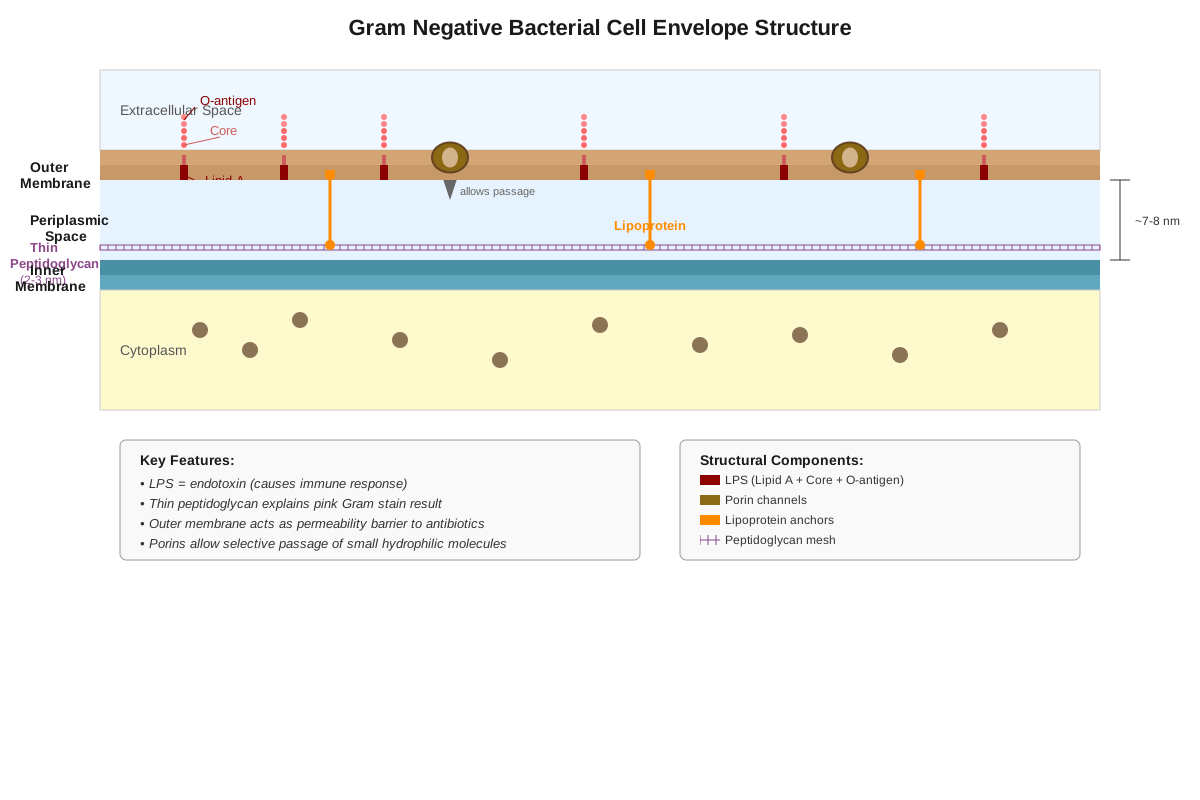
Gram negative bacteria possess a complex cell envelope consisting of three distinct layers: an inner cytoplasmic membrane, a thin peptidoglycan layer within the periplasmic space, and an outer membrane unique to this bacterial class. The peptidoglycan layer in Gram negative organisms is significantly thinner (2-3 nm) compared to Gram positive bacteria (20-80 nm), containing only 1-3 layers of the peptidoglycan mesh. This thin layer provides structural support but is insufficient to retain the crystal violet-iodine complex during the Gram stain decolorization step.
The outer membrane represents the defining feature of Gram negative bacteria and consists of an asymmetric lipid bilayer. The inner leaflet contains typical phospholipids (phosphatidylethanolamine, phosphatidylglycerol), while the outer leaflet is composed primarily of lipopolysaccharide (LPS). This asymmetry creates a highly effective permeability barrier that restricts the entry of hydrophobic molecules, including many antibiotics. The outer membrane is anchored to the peptidoglycan layer through Braun's lipoprotein, the most abundant protein in E. coli, which covalently links the outer membrane to the peptidoglycan mesh.
The periplasmic space lies between the inner and outer membranes and contains the thin peptidoglycan layer along with numerous proteins involved in nutrient acquisition, protein folding, and detoxification. Periplasmic proteins include binding proteins for transport systems, degradative enzymes like β-lactamases that confer antibiotic resistance, and chaperones that assist in protein folding. This compartment represents approximately 20-40% of the total cell volume and maintains a distinct biochemical environment from the cytoplasm.
Lipopolysaccharide Structure and Function
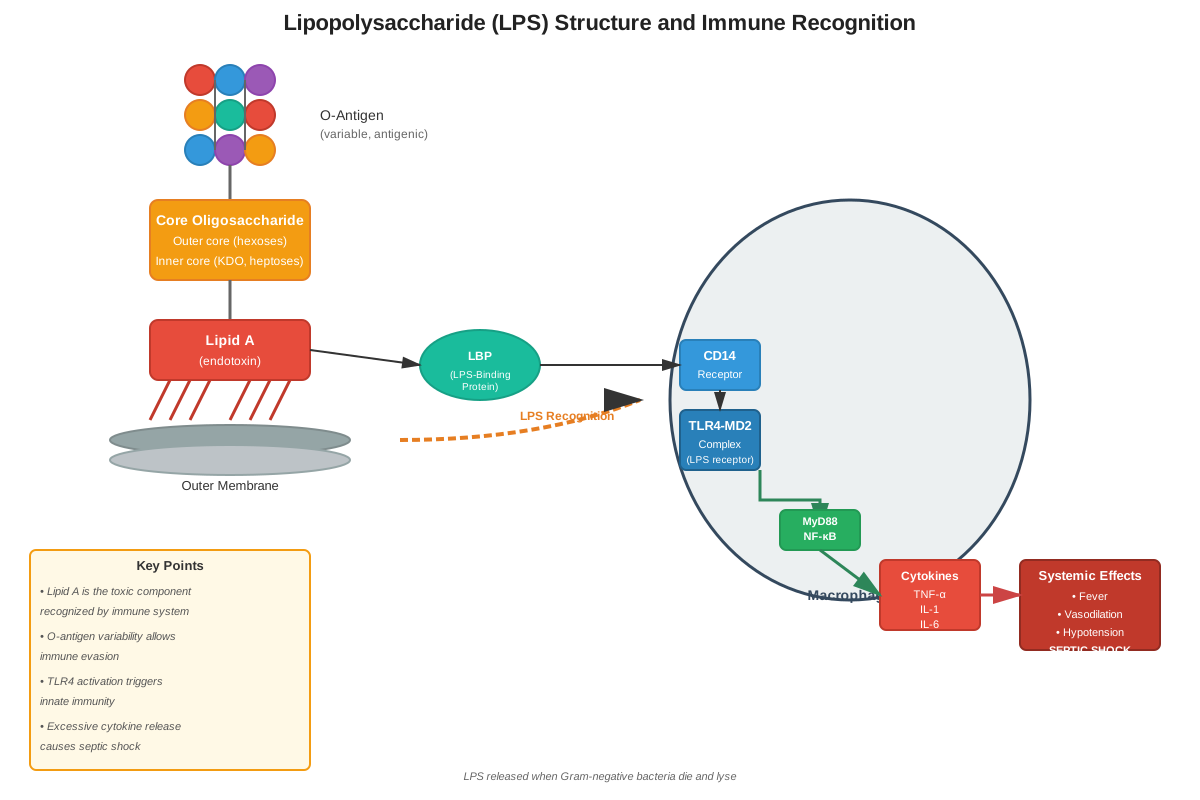
Lipopolysaccharide (LPS), also called endotoxin, consists of three distinct regions: lipid A, core oligosaccharide, and O-antigen. Lipid A forms the hydrophobic anchor embedded in the outer leaflet of the outer membrane and consists of a disaccharide of glucosamine with multiple fatty acid chains attached. This region is highly conserved across Gram negative species and represents the toxic component responsible for triggering intense immune responses. When released during bacterial lysis, lipid A is recognized by Toll-like receptor 4 (TLR4) on immune cells, initiating a signaling cascade that produces pro-inflammatory cytokines including TNF-α, IL-1, and IL-6.
The core oligosaccharide extends from lipid A and consists of unusual sugars including 2-keto-3-deoxyoctonate (KDO) and heptoses. This region shows moderate variability between bacterial species but maintains conserved structural elements. The core provides structural stability and serves as the attachment point for the O-antigen. The O-antigen (O-polysaccharide) forms the outermost region and consists of repeating oligosaccharide units that extend into the surrounding environment. This region exhibits extreme variability between bacterial strains and serves as the basis for serological classification (e.g., E. coli O157:H7). The O-antigen provides protection against complement-mediated lysis and phagocytosis, contributing to bacterial virulence.
The biological effects of LPS exposure range from beneficial immune activation at low concentrations to life-threatening septic shock at high concentrations. During septic shock, massive LPS release triggers uncontrolled cytokine production, leading to systemic vasodilation, increased vascular permeability, disseminated intravascular coagulation, and multi-organ failure. Understanding LPS structure and its immunological consequences is crucial for predicting the clinical course of Gram negative infections and interpreting experimental data on immune responses.
Porins and Selective Permeability
The outer membrane's lipopolysaccharide composition creates an effective barrier against hydrophobic molecules, but cells must still acquire nutrients from the environment. Porins are β-barrel proteins that span the outer membrane and form water-filled channels allowing passive diffusion of small hydrophilic molecules (typically <600 Da). These proteins exist as trimers, with each monomer forming a 16- or 18-stranded β-barrel structure. The channel interior contains charged and polar amino acids that facilitate passage of hydrophilic solutes while excluding hydrophobic compounds.
General porins (like OmpF and OmpC in E. coli) allow non-specific passage of small molecules including sugars, amino acids, and ions. The expression of different porin types is regulated in response to environmental conditions—OmpF predominates in low osmolarity environments and has a larger pore size, while OmpC is expressed in high osmolarity conditions and has a smaller pore. Specific porins selectively transport particular molecules; for example, LamB specifically facilitates maltose and maltodextrin transport, while PhoE preferentially allows passage of phosphate and other anions.
The selective permeability conferred by porins has important implications for antibiotic resistance. Many antibiotics, particularly β-lactams, must traverse the outer membrane through porins to reach their targets. Mutations that reduce porin expression or alter channel size can significantly decrease antibiotic susceptibility. Additionally, the size exclusion limit of porins (approximately 600 Da) means that larger antibiotics like vancomycin cannot penetrate the outer membrane of Gram negative bacteria, explaining why this drug is only effective against Gram positive organisms.
The Gram Stain Procedure
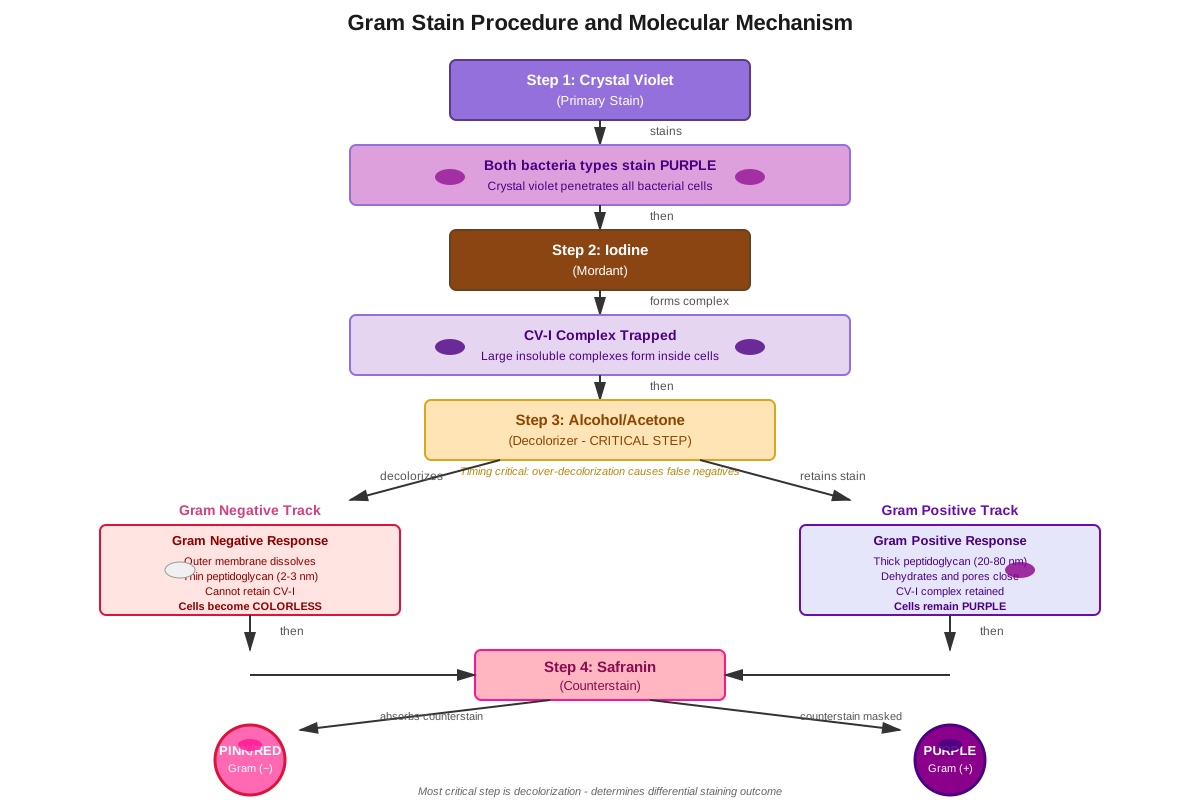
The Gram stain is a differential staining technique developed by Hans Christian Gram in 1884 that classifies bacteria based on cell wall structure. The procedure involves four sequential steps: (1) application of crystal violet (primary stain), (2) treatment with iodine solution (mordant), (3) decolorization with alcohol or acetone, and (4) counterstaining with safranin (secondary stain). Understanding the molecular basis of each step is essential for predicting staining outcomes and interpreting experimental modifications.
During the crystal violet step, the positively charged dye enters all bacterial cells and binds to negatively charged cellular components. The iodine treatment forms large crystal violet-iodine (CV-I) complexes within the cells. The critical decolorization step differentiates Gram negative from Gram positive bacteria. In Gram positive bacteria, the thick peptidoglycan layer becomes dehydrated by the alcohol, causing pores to shrink and trapping the large CV-I complexes inside—these cells retain the purple color. In Gram negative bacteria, the alcohol dissolves lipids in the outer membrane and extracts the CV-I complexes through the thin peptidoglycan layer, decolorizing the cells. The final safranin counterstain colors the decolorized Gram negative cells pink/red, while Gram positive cells remain purple.
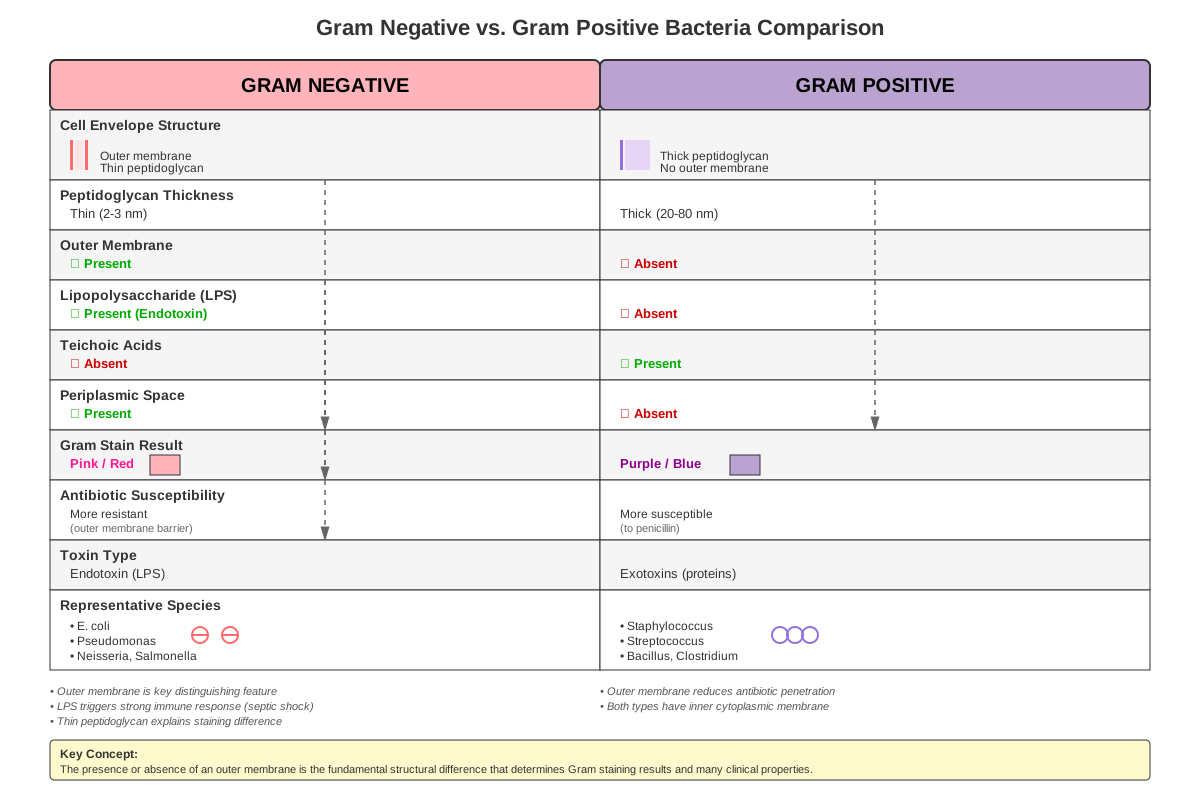
| Feature | Gram Positive | Gram Negative |
|---|---|---|
| Peptidoglycan thickness | 20-80 nm (thick) | 2-3 nm (thin) |
| Outer membrane | Absent | Present |
| Lipopolysaccharide | Absent | Present |
| Teichoic acids | Present | Absent |
| Periplasmic space | Absent | Present |
| Gram stain result | Purple/violet | Pink/red |
| Antibiotic susceptibility | More susceptible to penicillin | More resistant due to outer membrane |
| Toxin type | Exotoxins (secreted) | Endotoxin (LPS) |
Antibiotic Resistance Mechanisms
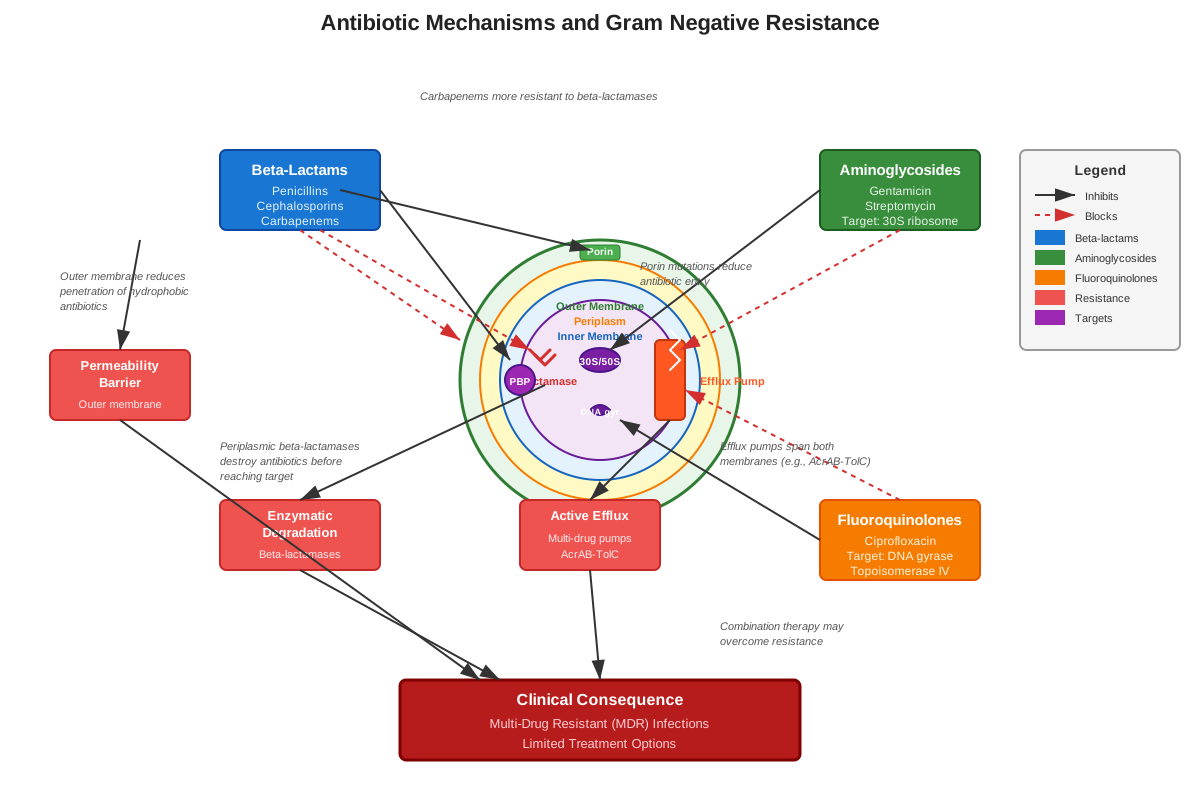
The structural features of Gram negative bacteria confer intrinsic resistance to multiple antibiotic classes. The outer membrane serves as a permeability barrier that restricts entry of large or hydrophobic antibiotics. This explains why Gram negative bacteria are naturally resistant to vancomycin (molecular weight ~1450 Da), which cannot traverse porins, and why they show reduced susceptibility to many other antibiotics compared to Gram positive organisms. The periplasmic space provides a compartment where resistance enzymes can accumulate and inactivate antibiotics before they reach their targets.
β-lactamases are enzymes that hydrolyze the β-lactam ring of penicillins and cephalosporins, rendering them inactive. Gram negative bacteria can produce various β-lactamases that are secreted into the periplasmic space, where they intercept antibiotics traversing the outer membrane. Extended-spectrum β-lactamases (ESBLs) and carbapenemases represent particularly concerning resistance mechanisms that inactivate broad-spectrum antibiotics. The periplasmic location of these enzymes is more effective than cytoplasmic β-lactamases because they destroy antibiotics before they reach their target (penicillin-binding proteins in the cytoplasmic membrane).
Efflux pumps actively transport antibiotics out of the cell, reducing intracellular drug concentrations below therapeutic levels. Gram negative bacteria possess multiple efflux systems, including the AcrAB-TolC system in E. coli, which spans both membranes and can export diverse antibiotics including fluoroquinolones, tetracyclines, and β-lactams. Overexpression of efflux pumps through regulatory mutations contributes to multidrug resistance. The combination of reduced permeability (outer membrane), enzymatic inactivation (β-lactamases), and active export (efflux pumps) creates formidable barriers to antibiotic therapy in Gram negative infections.
Clinically Important Gram Negative Bacteria
Several Gram negative bacteria species are high-yield for the MCAT due to their clinical significance and distinctive characteristics. Escherichia coli is a facultative anaerobe that normally inhabits the human intestinal tract but can cause urinary tract infections, neonatal meningitis, and gastroenteritis (particularly enterohemorrhagic strains like O157:H7). Pseudomonas aeruginosa is an obligate aerobe notable for causing opportunistic infections in immunocompromised patients, burn victims, and cystic fibrosis patients; it exhibits intrinsic resistance to many antibiotics due to low outer membrane permeability and constitutive efflux pump expression.
Neisseria meningitidis and Neisseria gonorrhoeae are diplococci (paired spherical bacteria) that cause meningitis and gonorrhea, respectively. These organisms are fastidious (requiring enriched media) and oxidase-positive. Salmonella species cause typhoid fever (S. typhi) and gastroenteritis (non-typhoidal strains), while Shigella causes bacillary dysentery through invasion of intestinal epithelial cells. Helicobacter pylori is a curved, microaerophilic bacterium that colonizes the stomach and causes peptic ulcers and gastric cancer; it produces urease to neutralize stomach acid.
Klebsiella pneumoniae causes pneumonia particularly in alcoholics and diabetics, producing characteristic "currant jelly" sputum due to its thick polysaccharide capsule. Vibrio cholerae produces cholera toxin, causing massive secretory diarrhea through activation of adenylyl cyclase in intestinal cells. Understanding the distinctive features, disease presentations, and virulence mechanisms of these organisms enables rapid identification in clinical vignettes and prediction of appropriate diagnostic and therapeutic approaches.
Concept Relationships
The structural features of Gram negative bacteria are intimately interconnected, with each component influencing the function and properties of others. The thin peptidoglycan layer → determines the Gram stain result (negative/pink) → which reflects the presence of the outer membrane → which contains lipopolysaccharide → which triggers innate immune responses through TLR4 activation → leading to cytokine production and inflammation. This cascade demonstrates how a single structural feature (outer membrane) has multiple downstream consequences affecting both bacterial physiology and host-pathogen interactions.
The relationship between membrane structure and antibiotic resistance illustrates another critical connection: outer membrane with LPS → creates permeability barrier → restricts antibiotic entry → combined with periplasmic β-lactamases → results in antibiotic inactivation → necessitating higher drug doses or alternative antibiotics. This relationship explains clinical observations about treatment failures and the importance of selecting appropriate antibiotics based on Gram stain results.
Connections to prerequisite knowledge include: basic membrane biology (phospholipid bilayers) → extended to asymmetric bilayers with LPS → leading to understanding of selective permeability and porins. Similarly, peptidoglycan structure (NAG-NAM polymers) → cross-linked by transpeptidases → which are targeted by β-lactam antibiotics → explaining antibiotic mechanisms of action. The immunology connection flows from: bacterial cell wall components (LPS, peptidoglycan) → recognized by pattern recognition receptors (TLR4, NOD proteins) → activating innate immunity → producing inflammatory responses.
Related topics that build on Gram negative bacteria include: bacterial genetics (transformation, conjugation, transduction), antibiotic mechanisms and resistance, innate and adaptive immunity, bacterial pathogenesis and virulence factors, and microbial metabolism. Mastery of Gram negative bacterial structure provides the foundation for understanding how bacteria interact with their environment, evade immune defenses, and respond to antimicrobial therapy—all high-yield topics for standardized examinations.
Quick check — test yourself on Gram negative bacteria so far.
Try Flashcards →High-Yield Facts
⭐ Gram negative bacteria have a thin peptidoglycan layer (2-3 nm) located in the periplasmic space between inner and outer membranes, causing them to stain pink/red with safranin after decolorization in the Gram stain procedure.
⭐ The outer membrane contains lipopolysaccharide (LPS) in its outer leaflet, which consists of lipid A (endotoxin), core oligosaccharide, and O-antigen; lipid A triggers severe immune responses through TLR4 activation.
⭐ Porins are β-barrel proteins in the outer membrane that allow passive diffusion of small hydrophilic molecules (<600 Da), explaining why large antibiotics like vancomycin cannot penetrate Gram negative bacteria.
⭐ The periplasmic space contains β-lactamases that hydrolyze β-lactam antibiotics, contributing to antibiotic resistance; this location allows enzyme interception of drugs before they reach their targets.
⭐ Septic shock results from massive LPS release during Gram negative bacterial infections, causing uncontrolled cytokine production (TNF-α, IL-1, IL-6), vasodilation, and multi-organ failure.
- Gram negative bacteria are intrinsically more resistant to antibiotics than Gram positive bacteria due to the outer membrane permeability barrier and periplasmic resistance enzymes.
- The O-antigen portion of LPS exhibits extreme variability between strains and serves as the basis for serological typing (e.g., E. coli O157:H7).
- Braun's lipoprotein covalently links the outer membrane to the peptidoglycan layer, providing structural stability to the cell envelope.
- During the Gram stain, alcohol decolorization dissolves outer membrane lipids and extracts crystal violet-iodine complexes through the thin peptidoglycan layer.
- Efflux pumps like AcrAB-TolC span both membranes in Gram negative bacteria and actively export multiple antibiotic classes, contributing to multidrug resistance.
- The periplasmic space represents 20-40% of total cell volume and maintains a distinct biochemical environment containing binding proteins, chaperones, and degradative enzymes.
- Neisseria species are the only Gram negative cocci commonly tested on the MCAT; most other clinically important Gram negative bacteria are rod-shaped (bacilli).
Common Misconceptions
Misconception: All bacteria with cell walls are Gram positive because they have peptidoglycan.
Correction: Both Gram positive and Gram negative bacteria possess peptidoglycan cell walls; the difference lies in the thickness of the peptidoglycan layer and the presence (Gram negative) or absence (Gram positive) of an outer membrane. Gram negative bacteria have thin peptidoglycan (2-3 nm) plus an outer membrane, while Gram positive bacteria have thick peptidoglycan (20-80 nm) without an outer membrane.
Misconception: The Gram stain colors Gram negative bacteria pink because they lack cell walls.
Correction: Gram negative bacteria possess cell walls with peptidoglycan; they stain pink because the thin peptidoglycan layer cannot retain the crystal violet-iodine complex during alcohol decolorization. The alcohol dissolves the outer membrane lipids and allows the CV-I complex to escape, after which the safranin counterstain colors the cells pink.
Misconception: Lipopolysaccharide is toxic because it directly damages human cells like exotoxins do.
Correction: LPS (endotoxin) does not directly damage cells; instead, it triggers excessive immune responses by binding to TLR4 on immune cells, causing uncontrolled cytokine release. The pathology results from the host's own inflammatory response rather than direct bacterial toxin activity. This distinguishes endotoxin from exotoxins, which are secreted proteins with direct enzymatic or receptor-binding activities that damage host cells.
Misconception: Gram negative bacteria are more pathogenic than Gram positive bacteria because they have an extra membrane.
Correction: Neither group is inherently more pathogenic; both include harmless commensals and dangerous pathogens. The outer membrane does provide Gram negative bacteria with advantages including antibiotic resistance and protection from complement, but pathogenicity depends on specific virulence factors (toxins, adhesins, invasion mechanisms) rather than Gram stain classification alone.
Misconception: Vancomycin doesn't work against Gram negative bacteria because they are resistant to all antibiotics.
Correction: Vancomycin specifically cannot penetrate the outer membrane of Gram negative bacteria because its large molecular weight (~1450 Da) exceeds the size exclusion limit of porins (~600 Da). Gram negative bacteria remain susceptible to many other antibiotics that can traverse the outer membrane, including aminoglycosides, fluoroquinolones, and certain β-lactams. The resistance is selective, not universal.
Misconception: The periplasmic space is the same as the cytoplasm, just located between membranes.
Correction: The periplasmic space is topologically equivalent to the extracellular environment, not the cytoplasm. It lacks ribosomes, DNA, and the metabolic machinery present in the cytoplasm. The periplasm has a distinct protein composition, different pH, and serves specialized functions including protein folding, nutrient binding, and antibiotic degradation. Proteins are actively transported into the periplasm via secretion systems.
Misconception: All Gram negative bacteria cause septic shock when they infect humans.
Correction: Septic shock requires massive bacterial lysis releasing large quantities of LPS into the bloodstream, typically occurring in severe systemic infections (sepsis). Many Gram negative infections remain localized (e.g., urinary tract infections, wound infections) and do not progress to septic shock. The development of septic shock depends on bacterial load, infection site, host immune status, and treatment timing.
Worked Examples
Example 1: Interpreting Experimental Data on Antibiotic Susceptibility
Question: Researchers test a novel antibiotic against E. coli and Staphylococcus aureus. The antibiotic has a molecular weight of 800 Da and is highly hydrophobic. Disk diffusion assays show large zones of inhibition around S. aureus colonies but no inhibition of E. coli growth. The antibiotic's mechanism involves binding to ribosomes and inhibiting protein synthesis. Which structural feature of E. coli most likely explains the resistance?
Step 1 - Identify the bacterial classifications: E. coli is Gram negative (has outer membrane with LPS, thin peptidoglycan, periplasmic space). S. aureus is Gram positive (thick peptidoglycan, no outer membrane). Both have ribosomes, so the target is present in both organisms.
Step 2 - Analyze the antibiotic properties: Molecular weight of 800 Da exceeds the typical porin size exclusion limit (~600 Da). The hydrophobic nature means it cannot easily traverse water-filled porin channels even if size permitted. The drug must reach cytoplasmic ribosomes to exert its effect.
Step 3 - Consider penetration barriers: In S. aureus (Gram positive), the hydrophobic antibiotic can diffuse through the thick peptidoglycan layer, which is porous to small molecules. In E. coli (Gram negative), the outer membrane with its LPS outer leaflet creates a barrier to hydrophobic molecules. The antibiotic cannot pass through porins (too large and too hydrophobic) and cannot dissolve through the LPS layer.
Step 4 - Formulate the answer: The outer membrane of E. coli prevents the hydrophobic antibiotic from reaching its ribosomal target, explaining the selective activity against S. aureus. This demonstrates how the Gram negative cell envelope architecture confers intrinsic resistance to certain antibiotics regardless of target presence.
Key Concept Connection: This example illustrates the relationship between bacterial structure (outer membrane), chemical properties (hydrophobicity, size), and antibiotic susceptibility—a common MCAT question format that requires integration of multiple concepts.
Example 2: Clinical Vignette Analysis
Question: A 45-year-old patient presents to the emergency department with fever (39.5°C), hypotension (BP 85/50), tachycardia (HR 125), and altered mental status. Blood cultures grow Gram negative rods. Laboratory results show elevated TNF-α, IL-1, and IL-6 levels. The patient develops disseminated intravascular coagulation and requires intensive care. What bacterial component most likely triggered this clinical presentation, and through what mechanism?
Step 1 - Recognize the clinical syndrome: The combination of fever, hypotension, tachycardia, altered mental status, elevated inflammatory cytokines, and DIC indicates septic shock. The Gram negative bacteremia is the key etiologic clue.
Step 2 - Identify the relevant bacterial component: Gram negative bacteria contain lipopolysaccharide (LPS/endotoxin) in their outer membrane. During bacterial lysis (spontaneous or antibiotic-induced), LPS is released into the bloodstream. The lipid A portion of LPS is the toxic component.
Step 3 - Explain the mechanism: Lipid A binds to TLR4 (Toll-like receptor 4) on immune cells including macrophages and dendritic cells. TLR4 activation triggers intracellular signaling cascades (MyD88 pathway) leading to NF-κB activation and transcription of pro-inflammatory cytokine genes. This produces massive amounts of TNF-α, IL-1, and IL-6.
Step 4 - Connect to pathophysiology: The excessive cytokine production causes systemic vasodilation (hypotension), increased vascular permeability (tissue edema), activation of coagulation cascades (DIC), and metabolic derangements (altered mental status). This represents the host's own immune response causing pathology rather than direct bacterial toxin effects.
Step 5 - Synthesize the answer: LPS (specifically lipid A) released from lysed Gram negative bacteria triggered septic shock through TLR4-mediated activation of the innate immune system, resulting in uncontrolled cytokine production and the observed clinical manifestations.
Key Concept Connection: This example demonstrates how structural knowledge (LPS in outer membrane) connects to immunology (TLR4 recognition, cytokine production) and clinical medicine (septic shock pathophysiology)—exactly the type of integration the MCAT tests.
Exam Strategy
When approaching MCAT questions on Gram negative bacteria, first identify whether the question involves structural features, functional consequences, or clinical applications. Structural questions typically ask about membrane composition, peptidoglycan thickness, or the Gram stain procedure—these require precise recall of specific facts. Functional questions explore antibiotic resistance mechanisms, permeability barriers, or immune responses—these require understanding of cause-and-effect relationships. Clinical questions present patient scenarios or experimental data—these require integration of multiple concepts and application to novel situations.
Trigger words and phrases that indicate Gram negative bacteria include: "outer membrane," "lipopolysaccharide," "endotoxin," "periplasmic space," "porins," "stains pink/red with Gram stain," "septic shock," and specific organism names (E. coli, Pseudomonas, Neisseria, Salmonella, Shigella). When you see these terms, immediately activate your knowledge of Gram negative structural features and their consequences. Conversely, terms like "thick peptidoglycan," "teichoic acids," "stains purple," or "exotoxins" suggest Gram positive bacteria, allowing you to eliminate answer choices involving Gram negative characteristics.
For process-of-elimination strategies, remember that Gram negative bacteria: (1) always have an outer membrane with LPS, (2) always have thin peptidoglycan, (3) always stain pink/red after Gram staining, (4) are always more resistant to hydrophobic antibiotics than Gram positive bacteria, and (5) always possess a periplasmic space. Any answer choice contradicting these absolute features can be immediately eliminated. Additionally, if a question describes vancomycin resistance, the organism must be Gram negative (or lack a cell wall entirely), since vancomycin cannot penetrate the outer membrane.
Time allocation advice: Straightforward recall questions about Gram stain results or structural features should take 30-45 seconds. Passage-based questions requiring data interpretation may need 60-90 seconds, but don't get bogged down in complex calculations—the MCAT typically tests conceptual understanding rather than quantitative analysis for microbiology topics. If a question seems to require extensive outside knowledge about specific bacterial species beyond what's presented here, you may be overthinking it; return to fundamental principles about Gram negative structure and function.
When passages present experimental manipulations (e.g., "researchers deleted the gene encoding porin X"), predict the consequences using first principles: loss of porins → decreased permeability → reduced nutrient uptake and antibiotic entry → slower growth and increased resistance. This logical approach often leads to correct answers even when the specific experimental system is unfamiliar. Always connect back to the core structural features and their functional implications.
Memory Techniques
Mnemonic for Gram Negative Features - "POLLEN":
- Periplasmic space present
- Outer membrane with LPS
- Lipid A (endotoxin) triggers immune response
- Less peptidoglycan (thin layer)
- Endotoxin causes septic shock
- Not retaining crystal violet (stains pink)
Mnemonic for LPS Structure - "LAC-O":
- Lipid A (toxic component, embedded in membrane)
- Attached to
- Core oligosaccharide
- O-antigen (outermost, variable)
Visualization Strategy for Gram Stain: Picture a thick purple sweater (Gram positive with thick peptidoglycan retaining purple stain) versus a thin pink t-shirt (Gram negative with thin peptidoglycan taking pink counterstain). The sweater is so thick that even after washing (decolorization), it stays purple. The thin t-shirt loses its original color when washed and takes on the pink color of the final rinse (safranin).
Acronym for Clinically Important Gram Negative Bacteria - "PEKNSSH" (pronounced "peck-nish"):
- Pseudomonas aeruginosa
- Escherichia coli
- Klebsiella pneumoniae
- Neisseria (meningitidis and gonorrhoeae)
- Salmonella
- Shigella
- Helicobacter pylori
Memory Palace Technique: Imagine walking through a house with two rooms separated by a hallway (periplasm). The outer room (outer membrane) has a sticky, toxic doormat (LPS) that triggers alarms (immune response) when disturbed. The hallway has a thin paper wall (thin peptidoglycan) and contains scissors (β-lactamases) that cut up intruders. Small doors (porins) in the outer wall only allow tiny visitors through. This spatial organization helps recall the layered structure and functional components.
Summary
Gram negative bacteria represent a major bacterial classification defined by their distinctive cell envelope architecture consisting of an inner membrane, thin peptidoglycan layer within the periplasmic space, and an outer membrane containing lipopolysaccharide. The thin peptidoglycan (2-3 nm) cannot retain crystal violet-iodine complexes during Gram staining, resulting in pink/red coloration after safranin counterstaining. The outer membrane's LPS component, particularly lipid A, triggers potent immune responses through TLR4 activation, potentially causing septic shock during severe infections. Porins in the outer membrane allow selective passage of small hydrophilic molecules while excluding large or hydrophobic compounds, explaining intrinsic antibiotic resistance patterns. The periplasmic space contains resistance enzymes like β-lactamases that inactivate antibiotics before they reach their targets. Understanding these structural features and their functional consequences enables prediction of bacterial behavior, antibiotic susceptibility, immune responses, and clinical presentations—all high-yield applications for MCAT success.
Key Takeaways
- Gram negative bacteria possess a unique cell envelope with inner membrane, thin peptidoglycan (2-3 nm), periplasmic space, and outer membrane containing LPS, causing pink/red Gram stain results
- Lipopolysaccharide (LPS) consists of lipid A (endotoxin), core oligosaccharide, and O-antigen; lipid A triggers severe immune responses via TLR4, potentially causing septic shock
- Porins are β-barrel proteins allowing passive diffusion of small hydrophilic molecules (<600 Da), explaining why large antibiotics like vancomycin cannot penetrate Gram negative bacteria
- The outer membrane creates a permeability barrier and the periplasmic space contains resistance enzymes (β-lactamases), conferring intrinsic antibiotic resistance
- During Gram staining, alcohol decolorization dissolves the outer membrane and extracts crystal violet through thin peptidoglycan, distinguishing Gram negative (pink) from Gram positive (purple) bacteria
- Clinically important Gram negative bacteria include E. coli, Pseudomonas, Neisseria, Salmonella, Shigella, and Helicobacter, each with distinctive pathogenic mechanisms
- Understanding Gram negative structure enables prediction of antibiotic susceptibility, immune responses, and clinical presentations—essential skills for MCAT passage analysis and discrete questions
Related Topics
Gram Positive Bacteria: Study the contrasting features of thick peptidoglycan, teichoic acids, absence of outer membrane, and purple Gram stain results. Understanding both classifications enables comparative analysis questions and rapid identification of bacterial types in clinical vignettes.
Antibiotic Mechanisms of Action: Explore how β-lactams inhibit peptidoglycan synthesis, aminoglycosides disrupt protein synthesis, and fluoroquinolones inhibit DNA replication. This knowledge builds on understanding of bacterial structure to explain therapeutic interventions.
Innate Immunity and Pattern Recognition: Investigate how Toll-like receptors (TLRs), NOD-like receptors, and complement recognize bacterial components. This extends the LPS-TLR4 interaction to broader principles of immune surveillance.
Bacterial Genetics and Horizontal Gene Transfer: Learn how antibiotic resistance genes spread through transformation, conjugation, and transduction. This explains the evolution and dissemination of resistance mechanisms in Gram negative bacteria.
Bacterial Pathogenesis and Virulence Factors: Study adhesins, toxins, capsules, and secretion systems that enable bacterial infection. This applies structural knowledge to understanding disease mechanisms and host-pathogen interactions.
Practice CTA
Now that you've mastered the core concepts of Gram negative bacteria, it's time to solidify your understanding through active practice. Complete the associated practice questions to test your ability to apply these concepts to MCAT-style scenarios, and use the flashcards to reinforce high-yield facts and relationships. Remember, understanding bacterial structure is not just about memorizing features—it's about predicting consequences and integrating multiple biological principles. Each practice question you complete strengthens your ability to think like the test-makers and approach novel scenarios with confidence. Your investment in mastering this foundational microbiology topic will pay dividends across multiple MCAT sections. Keep pushing forward—you're building the knowledge base that will carry you to your target score!
Sign up free to keep reading
Create a free AnvayaPrep account to finish this MCAT guide on Gram negative bacteria — plus flashcards and practice questions.