Overview
Gram positive bacteria represent a fundamental classification of prokaryotic organisms distinguished by their unique cell wall structure and staining characteristics. These bacteria possess a thick peptidoglycan layer that retains crystal violet dye during the Gram staining procedure, causing them to appear purple under microscopic examination. Understanding Gram positive bacteria is essential for MCAT Biology preparation because questions frequently test the structural differences between bacterial types, mechanisms of antibiotic action, and the relationship between cell wall composition and bacterial physiology.
The study of Gram positive bacteria bridges multiple high-yield Microbiology concepts tested on the MCAT, including cell structure, membrane biology, immune system interactions, and pharmacology. The MCAT regularly presents passages involving bacterial infections, antibiotic resistance mechanisms, and experimental designs that require students to differentiate between Gram positive and Gram negative organisms based on structural and functional characteristics. Questions may appear in both the Biological and Biochemical Foundations of Living Systems section and the Psychological, Social, and Biological Foundations of Behavior section when discussing infectious disease and public health.
Mastery of Gram positive bacteria connects directly to broader Biology principles including cell membrane structure, protein synthesis, cellular respiration, and evolutionary adaptations. The topic integrates seamlessly with immunology (innate and adaptive immune responses), biochemistry (peptidoglycan synthesis pathways), and molecular biology (horizontal gene transfer and antibiotic resistance). This foundational knowledge enables students to approach complex MCAT passages that combine multiple biological systems and require integration of structural, functional, and clinical information.
Learning Objectives
- [ ] Define Gram positive bacteria using accurate Biology terminology
- [ ] Explain why Gram positive bacteria matters for the MCAT
- [ ] Apply Gram positive bacteria to exam-style questions
- [ ] Identify common mistakes related to Gram positive bacteria
- [ ] Connect Gram positive bacteria to related Biology concepts
- [ ] Compare and contrast the cell wall structures of Gram positive and Gram negative bacteria
- [ ] Predict how structural differences affect antibiotic susceptibility and immune system recognition
- [ ] Analyze experimental data involving bacterial staining procedures and interpret results
Prerequisites
- Basic cell structure: Understanding prokaryotic versus eukaryotic cell organization is essential for recognizing the unique features of bacterial cells
- Membrane biology: Knowledge of phospholipid bilayers and membrane proteins provides context for understanding bacterial envelope structures
- Chemical bonding: Familiarity with covalent and non-covalent interactions explains peptidoglycan cross-linking and cell wall stability
- pH and chemical properties: Understanding acidic and basic conditions is necessary for comprehending staining mechanisms
- Basic immunology: Awareness of pathogen recognition helps contextualize how the immune system distinguishes bacterial types
Why This Topic Matters
Clinical and Real-World Significance
Gram positive bacteria include numerous clinically significant pathogens that cause serious human diseases. Staphylococcus aureus causes skin infections, pneumonia, and sepsis, with methicillin-resistant strains (MRSA) representing a major public health challenge. Streptococcus pneumoniae remains a leading cause of bacterial pneumonia and meningitis worldwide. Clostridium difficile causes severe antibiotic-associated diarrhea, while Bacillus anthracis is the causative agent of anthrax. Understanding the structural characteristics of these organisms directly informs antibiotic selection, vaccine development, and infection control strategies in healthcare settings.
MCAT Exam Statistics and Question Types
Gram positive bacteria appear in approximately 3-5% of MCAT Biology questions, with the topic frequently integrated into larger passages about infectious disease, antibiotic mechanisms, or experimental microbiology. Questions typically test structural knowledge (cell wall composition), functional implications (antibiotic susceptibility patterns), and analytical skills (interpreting experimental results from Gram staining or antibiotic testing). The MCAT favors questions that require students to apply knowledge rather than simply recall facts, such as predicting which antibiotics would be most effective against a newly discovered organism based on its staining characteristics.
Common Exam Passage Contexts
MCAT passages involving Gram positive bacteria commonly present scenarios including: (1) experimental studies comparing antibiotic efficacy against different bacterial strains, (2) clinical vignettes describing patient infections requiring antibiotic selection, (3) research on bacterial cell wall synthesis and novel antimicrobial targets, (4) epidemiological studies of antibiotic resistance patterns, and (5) immunological investigations of how the innate immune system recognizes bacterial cell wall components. Students must be prepared to integrate structural knowledge with functional outcomes and clinical applications.
Core Concepts
Gram Staining Procedure and Principles
The Gram stain is a differential staining technique developed by Hans Christian Gram in 1884 that categorizes bacteria based on cell wall structure. The procedure involves four sequential steps: (1) application of crystal violet (primary stain), (2) treatment with iodine solution (mordant that forms crystal violet-iodine complexes), (3) decolorization with alcohol or acetone, and (4) counterstaining with safranin (secondary stain). Gram positive bacteria retain the crystal violet-iodine complex during decolorization and appear purple, while Gram negative bacteria lose the primary stain and take up safranin, appearing pink or red.
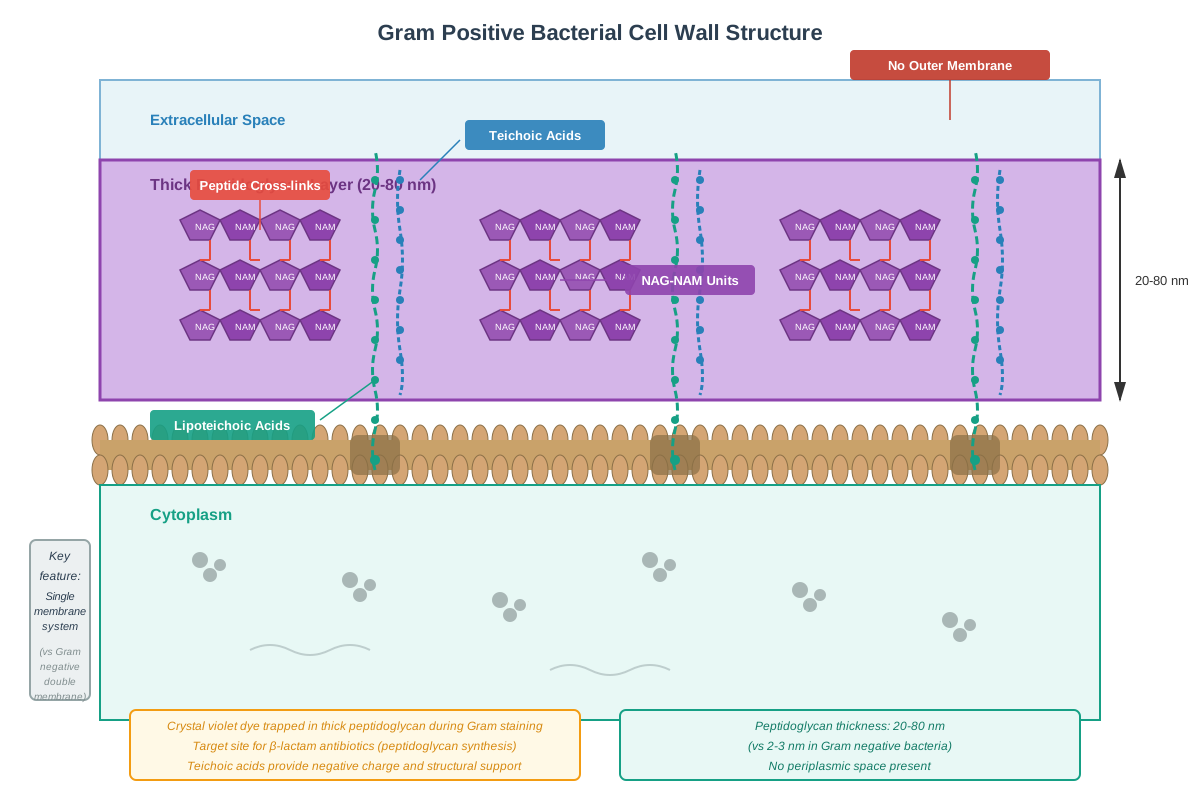
The differential staining result reflects fundamental structural differences in bacterial cell envelopes. The thick peptidoglycan layer in Gram positive bacteria (20-80 nm thick, comprising 40-90% of the cell wall) traps the crystal violet-iodine complex within its dense mesh-like structure. During decolorization, alcohol dehydrates the thick peptidoglycan, causing pores to close and preventing the stain from escaping. In contrast, Gram negative bacteria possess a thin peptidoglycan layer (2-7 nm) that cannot retain the stain complex effectively.
Cell Wall Structure and Composition
The cell wall of Gram positive bacteria consists primarily of a thick peptidoglycan layer located external to the plasma membrane. Peptidoglycan (also called murein) is a polymer composed of alternating N-acetylglucosamine (NAG) and N-acetylmuramic acid (NAM) sugar residues connected by β-1,4-glycosidic bonds. Short peptide chains (typically four amino acids) extend from NAM residues and cross-link to peptides on adjacent glycan chains, creating a rigid, mesh-like structure that provides mechanical strength and maintains cell shape.
The peptide cross-links in Gram positive bacteria typically involve a pentaglycine bridge connecting the terminal D-alanine of one peptide chain to the L-lysine of another. This extensive cross-linking (up to 90% of peptide chains may be cross-linked in some species) creates an exceptionally strong and rigid structure. The enzyme transpeptidase (also called penicillin-binding protein) catalyzes the formation of these cross-links, representing a critical target for β-lactam antibiotics.
Teichoic Acids and Surface Components
Embedded within and extending through the peptidoglycan layer are teichoic acids, unique polymers found exclusively in Gram positive bacteria. Wall teichoic acids (WTA) are covalently attached to peptidoglycan via phosphodiester bonds to NAM residues, while lipoteichoic acids (LTA) are anchored to the plasma membrane and extend through the cell wall. These polyol phosphate polymers (typically glycerol-phosphate or ribitol-phosphate repeating units) are negatively charged and serve multiple functions: (1) regulation of cell wall synthesis and cell division, (2) cation homeostasis (particularly Mg²⁺), (3) adhesion to host tissues, and (4) immune system activation.
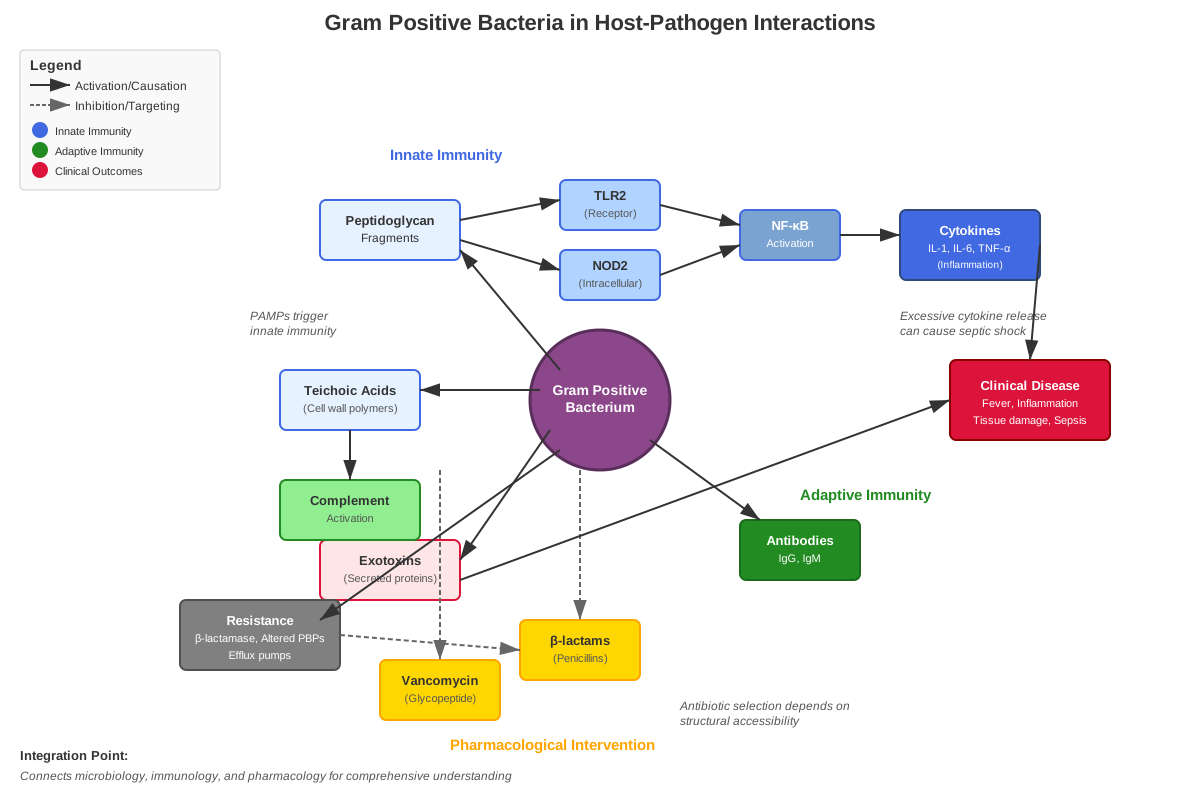
Teichoic acids represent important pathogen-associated molecular patterns (PAMPs) recognized by the innate immune system. Toll-like receptor 2 (TLR2) on immune cells recognizes lipoteichoic acids, triggering inflammatory responses. Some Gram positive bacteria also possess surface proteins covalently attached to peptidoglycan via sortase enzymes, including protein A in Staphylococcus aureus (which binds antibody Fc regions) and M protein in Streptococcus pyogenes (which inhibits complement activation).
Comparison with Gram Negative Bacteria
| Feature | Gram Positive Bacteria | Gram Negative Bacteria |
|---|---|---|
| Peptidoglycan thickness | Thick (20-80 nm) | Thin (2-7 nm) |
| Outer membrane | Absent | Present |
| Teichoic acids | Present | Absent |
| Lipopolysaccharide (LPS) | Absent | Present in outer membrane |
| Periplasmic space | Absent or minimal | Present (10-40 nm) |
| Gram stain result | Purple (retains crystal violet) | Pink/red (takes up safranin) |
| Antibiotic susceptibility | More susceptible to lysozyme, penicillin | More resistant due to outer membrane barrier |
| Toxin production | Primarily exotoxins | Both exotoxins and endotoxin (LPS) |
Antibiotic Mechanisms and Susceptibility
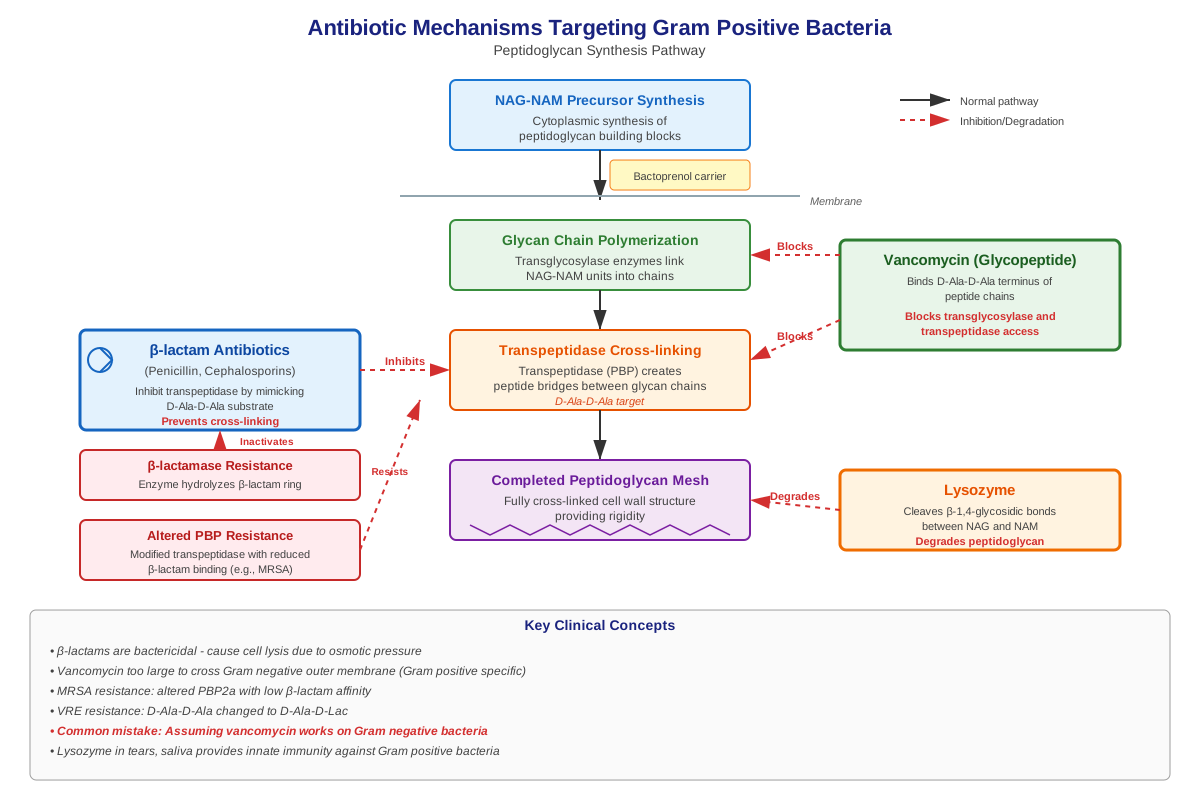
The structural characteristics of Gram positive bacteria directly influence antibiotic susceptibility patterns. β-lactam antibiotics (penicillins, cephalosporins, carbapenems) inhibit transpeptidase enzymes, preventing peptidoglycan cross-linking and causing cell wall weakening. Without a functional cell wall, osmotic pressure causes bacterial cell lysis. Gram positive bacteria are generally more susceptible to β-lactams because these antibiotics can readily access transpeptidases in the exposed peptidoglycan layer, unlike in Gram negative bacteria where the outer membrane creates a permeability barrier.
Vancomycin, a glycopeptide antibiotic, binds to the D-alanyl-D-alanine terminus of peptidoglycan precursors, sterically hindering transpeptidase and transglycosylase enzymes. This antibiotic is particularly effective against Gram positive bacteria and serves as a last-resort treatment for MRSA infections. However, vancomycin cannot penetrate the outer membrane of Gram negative bacteria, rendering it ineffective against these organisms. Lysozyme, an enzyme found in tears, saliva, and other secretions, cleaves β-1,4-glycosidic bonds between NAG and NAM, degrading peptidoglycan. Gram positive bacteria are more susceptible to lysozyme due to their exposed peptidoglycan layer.
Clinically Important Gram Positive Bacteria
Several Gram positive bacterial genera include medically significant pathogens that MCAT students should recognize:
Staphylococcus species are spherical bacteria (cocci) that form grape-like clusters. S. aureus produces coagulase enzyme and causes skin infections, pneumonia, endocarditis, and toxic shock syndrome. MRSA strains possess altered penicillin-binding proteins (PBP2a) that have low affinity for β-lactam antibiotics, conferring resistance.
Streptococcus species are cocci that form chains. S. pyogenes (Group A Streptococcus) causes pharyngitis, scarlet fever, and can lead to rheumatic fever or glomerulonephritis. S. pneumoniae is a leading cause of pneumonia, meningitis, and otitis media, with a polysaccharide capsule serving as a major virulence factor.
Bacillus species are rod-shaped bacteria (bacilli) that form endospores. B. anthracis causes anthrax, while B. cereus causes food poisoning. Endospores are highly resistant dormant structures that can survive extreme environmental conditions.
Clostridium species are anaerobic, spore-forming bacilli. C. difficile causes antibiotic-associated colitis, C. tetani produces tetanus toxin, and C. botulinum produces botulinum toxin (the most potent biological toxin known).
Listeria monocytogenes is a facultative intracellular pathogen that can cross the placenta and blood-brain barrier, causing meningitis and sepsis in immunocompromised individuals and neonates.
Bacterial Morphology and Arrangement
Gram positive bacteria exhibit diverse morphologies that aid in identification. Cocci (spherical bacteria) may appear as single cells, pairs (diplococci), chains (streptococci), or clusters (staphylococci). Bacilli (rod-shaped bacteria) may be short or long, and can form chains (streptobacilli) or remain as single cells. Some species like Corynebacterium display characteristic V-shaped or palisade arrangements. Morphology combined with Gram stain results provides initial identification information in clinical microbiology laboratories.
Spore Formation
Certain Gram positive bacteria (genera Bacillus and Clostridium) can form endospores, highly resistant dormant structures that develop inside the vegetative cell in response to nutrient depletion or environmental stress. The endospore contains a copy of the bacterial chromosome, minimal cytoplasm, and specialized protective layers including a thick peptidoglycan cortex and a protein coat. Endospores can survive extreme heat, desiccation, radiation, and chemical disinfectants, remaining viable for decades or centuries. When conditions improve, endospores germinate, returning to the vegetative state. This survival mechanism has important implications for sterilization procedures and bioterrorism (anthrax spores).
Concept Relationships
The structural features of Gram positive bacteria form an interconnected network of concepts. The thick peptidoglycan layer → determines Gram stain results (purple color retention) → influences antibiotic susceptibility patterns → affects clinical treatment decisions. Teichoic acids embedded in peptidoglycan → serve as PAMPs → trigger innate immune responses via TLR2 → contribute to inflammatory symptoms of infection.
Cell wall synthesis pathways → represent targets for antibiotics (β-lactams inhibit transpeptidase, vancomycin blocks precursor assembly) → selection pressure from antibiotic use → drives evolution of resistance mechanisms (altered PBPs in MRSA, vancomycin-resistant enterococci with modified peptide termini). The absence of an outer membrane → allows easier access for certain antibiotics and lysozyme → but also necessitates alternative protective mechanisms like capsule formation.
Spore formation capability → enables survival in harsh environments → facilitates transmission and persistence → creates challenges for sterilization and infection control. Bacterial morphology and arrangement patterns → reflect cell division planes and adhesion properties → aid in preliminary identification → guide further diagnostic testing.
These concepts connect to broader biological principles: peptidoglycan structure relates to carbohydrate chemistry and polymer formation; antibiotic mechanisms illustrate enzyme inhibition and competitive binding; immune recognition demonstrates pattern recognition receptor function; and antibiotic resistance exemplifies natural selection and evolutionary adaptation.
High-Yield Facts
⭐ Gram positive bacteria possess a thick peptidoglycan layer (20-80 nm) that comprises 40-90% of the cell wall and retains crystal violet dye during Gram staining, appearing purple under microscopy.
⭐ Teichoic acids (wall teichoic acids and lipoteichoic acids) are unique to Gram positive bacteria and serve as pathogen-associated molecular patterns recognized by Toll-like receptor 2.
⭐ β-lactam antibiotics (penicillins, cephalosporins) inhibit transpeptidase enzymes, preventing peptidoglycan cross-linking and causing cell lysis due to osmotic pressure.
⭐ Gram positive bacteria lack an outer membrane, making them generally more susceptible to lysozyme and certain antibiotics compared to Gram negative bacteria.
⭐ Vancomycin binds to D-alanyl-D-alanine termini of peptidoglycan precursors and is effective only against Gram positive bacteria because it cannot penetrate the outer membrane of Gram negative organisms.
- Peptidoglycan consists of alternating N-acetylglucosamine (NAG) and N-acetylmuramic acid (NAM) residues connected by β-1,4-glycosidic bonds with peptide cross-links.
- MRSA (methicillin-resistant Staphylococcus aureus) possesses altered penicillin-binding protein 2a (PBP2a) with low affinity for β-lactam antibiotics.
- Endospores formed by Bacillus and Clostridium species contain a thick peptidoglycan cortex and protein coat, enabling survival in extreme conditions for extended periods.
- Streptococcus pneumoniae possesses a polysaccharide capsule that inhibits phagocytosis and serves as the basis for pneumococcal vaccines.
- Lysozyme cleaves β-1,4-glycosidic bonds between NAG and NAM residues, degrading peptidoglycan and causing bacterial lysis.
- The pentaglycine bridge in Gram positive bacteria connects peptide chains from adjacent glycan strands, creating extensive cross-linking that provides mechanical strength.
- Clostridium difficile produces toxins A and B that disrupt the intestinal epithelium, causing antibiotic-associated colitis following disruption of normal gut flora.
Quick check — test yourself on Gram positive bacteria so far.
Try Flashcards →Common Misconceptions
Misconception: All bacteria with thick cell walls are Gram positive.
Correction: While Gram positive bacteria have thick peptidoglycan layers, the Gram stain result depends on the overall cell envelope structure. Acid-fast bacteria like Mycobacterium tuberculosis have thick, waxy cell walls containing mycolic acids but do not reliably stain with the Gram procedure and require special acid-fast staining.
Misconception: Gram positive bacteria are always more susceptible to all antibiotics than Gram negative bacteria.
Correction: While Gram positive bacteria are generally more susceptible to certain antibiotics (β-lactams, lysozyme) due to their exposed peptidoglycan, they can develop significant resistance mechanisms. MRSA and vancomycin-resistant enterococci (VRE) are Gram positive organisms with extensive antibiotic resistance. Additionally, Gram positive bacteria are naturally resistant to some antibiotics that specifically target the outer membrane of Gram negative bacteria.
Misconception: The purple color in Gram positive bacteria comes from the peptidoglycan itself.
Correction: The purple color results from retention of the crystal violet-iodine complex, not from peptidoglycan's intrinsic color. The thick peptidoglycan layer traps this complex during the decolorization step. Without the staining procedure, peptidoglycan is colorless.
Misconception: Teichoic acids and lipopolysaccharide (LPS) are the same molecule found in different bacterial types.
Correction: Teichoic acids and LPS are structurally and functionally distinct molecules. Teichoic acids are polyol phosphate polymers found in Gram positive bacteria, while LPS is a complex glycolipid found exclusively in the outer membrane of Gram negative bacteria. Both serve as PAMPs but are recognized by different immune receptors (TLR2 for teichoic acids, TLR4 for LPS).
Misconception: All Gram positive bacteria form endospores.
Correction: Only certain genera of Gram positive bacteria (Bacillus and Clostridium) can form endospores. Most Gram positive bacteria, including Staphylococcus, Streptococcus, and Listeria, do not form spores and must survive environmental stress through other mechanisms.
Misconception: Vancomycin works by the same mechanism as penicillin.
Correction: Although both antibiotics target peptidoglycan synthesis, their mechanisms differ. Penicillin inhibits transpeptidase enzymes that catalyze cross-link formation, while vancomycin binds to peptidoglycan precursors (D-Ala-D-Ala termini), sterically preventing both transpeptidase and transglycosylase from accessing their substrates.
Misconception: The Gram stain is a definitive identification method for bacterial species.
Correction: The Gram stain provides preliminary classification information (Gram positive vs. Gram negative, morphology, arrangement) but does not identify specific species. Definitive identification requires additional tests including biochemical assays, culture characteristics, molecular methods (16S rRNA sequencing), and sometimes mass spectrometry.
Worked Examples
Example 1: Antibiotic Selection Based on Structural Features
Clinical Vignette: A patient presents with pneumonia. Sputum culture reveals purple-staining, spherical bacteria arranged in chains. The laboratory reports the organism is susceptible to penicillin but resistant to polymyxin B (an antibiotic that disrupts outer membranes).
Question: Explain the structural basis for this susceptibility pattern and identify the likely bacterial classification.
Solution:
Step 1: Analyze the staining and morphology information.
- Purple staining indicates Gram positive bacteria (thick peptidoglycan retains crystal violet)
- Spherical bacteria = cocci
- Chain arrangement = streptococci
- This combination suggests Streptococcus species, likely S. pneumoniae given the pneumonia presentation
Step 2: Explain penicillin susceptibility.
- Penicillin is a β-lactam antibiotic that inhibits transpeptidase (penicillin-binding proteins)
- Transpeptidase catalyzes peptidoglycan cross-linking
- In Gram positive bacteria, the thick peptidoglycan layer is exposed (no outer membrane barrier)
- Penicillin readily accesses transpeptidases, preventing cross-link formation
- Without proper cross-linking, the cell wall weakens and osmotic pressure causes lysis
- Therefore, susceptibility to penicillin is consistent with Gram positive classification
Step 3: Explain polymyxin B resistance.
- Polymyxin B disrupts bacterial outer membranes by binding to lipopolysaccharide
- Gram positive bacteria lack an outer membrane (they have only plasma membrane and thick peptidoglycan)
- Without an outer membrane target, polymyxin B cannot exert its mechanism of action
- Therefore, resistance to polymyxin B confirms Gram positive classification
Step 4: Integrate findings.
The organism is a Gram positive coccus (likely Streptococcus pneumoniae) with an exposed thick peptidoglycan layer that makes it susceptible to β-lactam antibiotics but naturally resistant to outer membrane-targeting agents. This example demonstrates how structural features directly determine antibiotic susceptibility patterns.
Connection to Learning Objectives: This example applies knowledge of Gram positive bacteria structure to predict antibiotic susceptibility, demonstrates exam-style clinical reasoning, and connects structural features to functional outcomes.
Example 2: Experimental Analysis of Gram Staining
Experimental Scenario: Researchers are studying a newly isolated bacterial strain. They perform the following experiment:
- Apply crystal violet to bacterial smear (all cells appear purple)
- Add iodine solution (all cells remain purple)
- Treat with 95% ethanol for 10 seconds (cells remain purple)
- Counterstain with safranin (cells remain purple)
A control strain of Escherichia coli (known Gram negative) processed simultaneously appears pink after step 4.
Question: Based on these results, what can you conclude about the cell wall structure of the unknown bacterium? What additional structural features would you predict?
Solution:
Step 1: Interpret the staining results.
- The unknown bacterium retained crystal violet through decolorization (step 3) and did not take up safranin
- This indicates a Gram positive result
- The E. coli control showed expected Gram negative results (pink), confirming the procedure worked correctly
Step 2: Infer cell wall structure.
- Retention of crystal violet-iodine complex indicates a thick peptidoglycan layer (20-80 nm)
- The thick peptidoglycan comprises 40-90% of the cell wall
- During ethanol treatment, the thick peptidoglycan dehydrates and pores close, trapping the stain complex
- This structure provides mechanical strength and maintains cell shape
Step 3: Predict additional structural features.
Based on Gram positive classification, predict:
- Presence of teichoic acids: Wall teichoic acids covalently attached to peptidoglycan and lipoteichoic acids anchored to plasma membrane
- Absence of outer membrane: Unlike E. coli, this bacterium should lack the outer membrane containing LPS
- Extensive peptidoglycan cross-linking: Up to 90% of peptide chains may be cross-linked via pentaglycine bridges
- Surface proteins: May possess sortase-anchored proteins for adhesion or immune evasion
- Susceptibility to lysozyme: The exposed peptidoglycan should be vulnerable to enzymatic degradation
Step 4: Predict functional implications.
- Should be susceptible to β-lactam antibiotics (penicillin, cephalosporins) due to accessible transpeptidases
- Should be susceptible to vancomycin (targets peptidoglycan precursors)
- Should be resistant to polymyxin B (no outer membrane target)
- Teichoic acids should activate innate immunity via TLR2 recognition
Step 5: Suggest confirmatory tests.
To confirm Gram positive classification and structural predictions:
- Electron microscopy to visualize thick peptidoglycan layer and absence of outer membrane
- Chemical analysis to detect teichoic acids
- Antibiotic susceptibility testing (penicillin, vancomycin, polymyxin B)
- Lysozyme sensitivity assay
Connection to Learning Objectives: This example demonstrates application of Gram staining principles to experimental data, requires prediction of structural features based on staining results, and connects structure to functional properties—all critical skills for MCAT passages involving experimental microbiology.
Exam Strategy
Approaching MCAT Questions on Gram Positive Bacteria
When encountering questions about Gram positive bacteria, follow this systematic approach:
- Identify key structural information: Look for mentions of cell wall thickness, peptidoglycan content, presence/absence of outer membrane, or staining characteristics
- Connect structure to function: Determine how structural features affect antibiotic susceptibility, immune recognition, or experimental outcomes
- Consider the clinical context: If a patient scenario is presented, think about which Gram positive pathogens commonly cause that type of infection
- Eliminate answers based on structural incompatibility: Rule out options that describe Gram negative features (outer membrane, LPS, thin peptidoglycan)
Trigger Words and Phrases
Watch for these high-yield terms that signal Gram positive bacteria content:
- "Thick peptidoglycan layer" or "extensive peptidoglycan"
- "Retains crystal violet" or "appears purple after Gram staining"
- "Teichoic acids" or "lipoteichoic acids"
- "Lacks outer membrane" or "single membrane"
- "Susceptible to lysozyme"
- "Vancomycin-sensitive" (though resistance can occur)
- Specific organism names: Staphylococcus, Streptococcus, Bacillus, Clostridium, Listeria
- "Endospore-forming" (only certain Gram positive genera)
- "Coagulase-positive" (indicates S. aureus)
Process-of-Elimination Tips
When unsure about an answer:
- Eliminate options describing Gram negative features: If an answer choice mentions outer membrane, LPS, periplasmic space, or thin peptidoglycan, it cannot be correct for a Gram positive bacterium
- Check antibiotic compatibility: Gram positive bacteria should be susceptible to vancomycin and generally susceptible to β-lactams (unless resistance mechanisms are specified); they should be resistant to polymyxin B
- Verify structural consistency: All features in the correct answer must be consistent with Gram positive classification (e.g., an answer cannot correctly describe both thick peptidoglycan AND outer membrane)
- Consider the mechanism: If the question involves an antibiotic or immune mechanism, eliminate answers where the target structure is absent in Gram positive bacteria
Time Allocation Advice
For discrete questions on Gram positive bacteria (30-45 seconds):
- Quickly identify whether the question tests structure, function, or clinical application
- Recall the key distinguishing feature (thick peptidoglycan, no outer membrane)
- Eliminate incompatible answers
- Select the best remaining option
For passage-based questions (60-90 seconds per question):
- Skim the passage for structural clues about bacterial type
- Note any experimental manipulations involving antibiotics or staining
- Refer back to specific passage details when answering questions
- Don't rely solely on outside knowledge—integrate passage information
Exam Tip: If a passage describes an experiment testing multiple antibiotics against a bacterial strain, create a quick mental table of expected susceptibility patterns for Gram positive vs. Gram negative bacteria. This framework helps you predict results and identify inconsistencies.
Memory Techniques
Mnemonics for Key Concepts
PEPTIDO - Features of Gram Positive bacteria:
- Purple in Gram stain
- Extensive peptidoglycan (thick layer)
- Penicillin susceptible (generally)
- Teichoic acids present
- Inner membrane only (no outer membrane)
- D-Ala-D-Ala termini (vancomycin target)
- One membrane system
Clinically Important Gram Positive Cocci - "SELS":
- Staphylococcus (clusters)
- Enterococcus (pairs/chains)
- Listeria (actually a bacillus, but remember it's Gram positive)
- Streptococcus (chains)
Spore-Forming Gram Positive Bacteria - "BC":
- Bacillus
- Clostridium
Visualization Strategies
Mental Image for Gram Staining:
Visualize the thick peptidoglycan as a dense purple sponge that soaks up and traps the crystal violet-iodine complex. When alcohol washes over it, the sponge dehydrates and squeezes shut, preventing the purple dye from escaping. In contrast, imagine Gram negative bacteria as having a thin purple sponge covered by a protective outer shell—when alcohol dissolves the outer shell, the thin sponge easily releases its dye.
Peptidoglycan Structure:
Picture peptidoglycan as a chain-link fence where the vertical posts are glycan chains (alternating NAG-NAM-NAG-NAM) and the horizontal connections are peptide cross-links. In Gram positive bacteria, this fence is many layers thick (like multiple chain-link fences stacked together), while in Gram negative bacteria, it's just one or two layers thin.
Antibiotic Mechanisms:
Visualize β-lactam antibiotics as wrenches that jam the machinery (transpeptidase) that connects the horizontal links in the chain-link fence. Vancomycin is like a cap that covers the ends of the fence posts, preventing the machinery from grabbing them to make connections.
Acronyms
VANC - Vancomycin mechanism:
- Vancomycin
- Attaches to
- NAM-peptide (D-Ala-D-Ala)
- Cross-linking prevented
THICK - Gram Positive characteristics:
- Teichoic acids
- Heavy peptidoglycan layer
- Inner membrane only
- Crystal violet retained
- Kills with penicillin (generally susceptible)
Summary
Gram positive bacteria represent a major classification of prokaryotic organisms distinguished by their thick peptidoglycan cell wall (20-80 nm, comprising 40-90% of cell wall mass) that retains crystal violet dye during Gram staining, causing purple microscopic appearance. These bacteria lack an outer membrane, instead possessing unique teichoic acids embedded in and extending through the peptidoglycan layer. The exposed, extensively cross-linked peptidoglycan makes Gram positive bacteria generally susceptible to β-lactam antibiotics (which inhibit transpeptidase enzymes) and vancomycin (which binds peptidoglycan precursors), but naturally resistant to outer membrane-targeting agents like polymyxin B. Clinically significant Gram positive pathogens include Staphylococcus aureus, Streptococcus pneumoniae, and spore-forming genera Bacillus and Clostridium. Understanding the structural features of Gram positive bacteria enables prediction of antibiotic susceptibility patterns, immune system interactions, and experimental outcomes—critical skills for MCAT success. The topic integrates cell biology, biochemistry, immunology, and clinical medicine, appearing frequently in passages requiring application of structural knowledge to functional scenarios.
Key Takeaways
- Gram positive bacteria possess a thick peptidoglycan layer (20-80 nm) that retains crystal violet during Gram staining and lacks an outer membrane, distinguishing them structurally and functionally from Gram negative bacteria
- Teichoic acids (wall teichoic acids and lipoteichoic acids) are unique to Gram positive bacteria and serve as pathogen-associated molecular patterns recognized by the innate immune system via TLR2
- The exposed thick peptidoglycan makes Gram positive bacteria generally susceptible to β-lactam antibiotics (penicillins, cephalosporins) and vancomycin, but resistant to outer membrane-targeting antibiotics
- Clinically important Gram positive bacteria include Staphylococcus (clusters), Streptococcus (chains), and spore-forming Bacillus and Clostridium species, each with distinct pathogenic mechanisms
- Antibiotic resistance in Gram positive bacteria (MRSA, VRE) results from altered target proteins or modified peptidoglycan precursors, demonstrating evolutionary adaptation to selection pressure
- MCAT questions on Gram positive bacteria typically require integration of structural knowledge with functional outcomes, antibiotic mechanisms, or experimental data interpretation rather than simple recall
- The structural differences between Gram positive and Gram negative bacteria directly determine antibiotic susceptibility patterns, immune recognition mechanisms, and experimental staining results
Related Topics
Gram Negative Bacteria: Understanding the contrasting structure of Gram negative bacteria (thin peptidoglycan, outer membrane containing LPS, periplasmic space) provides essential context for comparative questions and deepens comprehension of bacterial diversity. Mastering Gram positive bacteria creates the foundation for understanding these structural and functional differences.
Antibiotic Mechanisms and Resistance: Detailed study of how antibiotics target bacterial cell wall synthesis, protein synthesis, DNA replication, and metabolic pathways builds directly on knowledge of Gram positive bacterial structure. Understanding resistance mechanisms (altered targets, enzymatic inactivation, efflux pumps) represents a high-yield MCAT topic.
Innate Immunity and Pattern Recognition: The recognition of bacterial PAMPs (teichoic acids, peptidoglycan fragments) by pattern recognition receptors (TLRs, NOD-like receptors) connects microbiology to immunology. This integration frequently appears in MCAT passages combining infectious disease and immune responses.
Bacterial Genetics and Horizontal Gene Transfer: Understanding how antibiotic resistance genes spread through bacterial populations via transformation, transduction, and conjugation extends knowledge of Gram positive bacteria into molecular biology and evolution.
Microbial Pathogenesis: Study of virulence factors (toxins, adhesins, capsules, immune evasion mechanisms) in Gram positive pathogens connects structure to disease mechanisms and clinical presentations, a common MCAT passage theme.
Practice CTA
Now that you've mastered the structural and functional characteristics of Gram positive bacteria, reinforce your understanding by attempting practice questions and flashcards on this topic. Focus on questions that require you to apply structural knowledge to predict antibiotic susceptibility, interpret experimental results, or analyze clinical scenarios. The more you practice integrating these concepts, the more confident you'll become in tackling complex MCAT passages that combine microbiology with immunology, biochemistry, and clinical medicine. Remember: understanding the "why" behind Gram positive bacterial characteristics is far more valuable than memorizing isolated facts. You've built a strong foundation—now apply it!
Sign up free to keep reading
Create a free AnvayaPrep account to finish this MCAT guide on Gram positive bacteria — plus flashcards and practice questions.