Overview
The lysogenic cycle is a critical viral replication strategy in which a bacteriophage integrates its genetic material into the host bacterial chromosome, remaining dormant for extended periods before potentially entering the lytic cycle. This process represents one of two major pathways of viral reproduction in bacteria, contrasting sharply with the immediately destructive lytic cycle. Understanding the lysogenic cycle is essential for MCAT success because it appears frequently in Microbiology passages, particularly those involving bacterial genetics, gene regulation, and evolutionary adaptations. The MCAT tests not only the mechanistic details of this cycle but also its implications for horizontal gene transfer, bacterial pathogenicity, and the emergence of antibiotic resistance.
From a broader Biology perspective, the lysogenic cycle exemplifies the complex relationship between viruses and their hosts, demonstrating how genetic information can be stably maintained across generations without immediate harm to the host organism. This concept connects to fundamental principles of molecular biology, including DNA recombination, gene expression regulation, and the role of environmental signals in triggering developmental switches. The lysogenic cycle also provides a foundation for understanding temperate phages, prophages, and specialized transduction—all topics that may appear in MCAT passages involving bacterial genetics or evolutionary biology.
For the MCAT, the lysogenic cycle frequently appears in passages that require students to distinguish between viral replication strategies, predict outcomes of environmental stressors on bacterial populations, or analyze experimental data involving phage genetics. Questions may test understanding of the molecular mechanisms governing lysogeny, the conditions that trigger induction into the lytic cycle, or the evolutionary advantages this strategy confers to both virus and host. Mastery of this topic enables students to tackle complex passages involving gene regulation, bacterial transformation, and the molecular basis of disease.
Learning Objectives
- [ ] Define lysogenic cycle using accurate Biology terminology
- [ ] Explain why lysogenic cycle matters for the MCAT
- [ ] Apply lysogenic cycle to exam-style questions
- [ ] Identify common mistakes related to lysogenic cycle
- [ ] Connect lysogenic cycle to related Biology concepts
- [ ] Compare and contrast the lysogenic and lytic cycles at the molecular level
- [ ] Predict the conditions that trigger prophage induction and entry into the lytic cycle
- [ ] Analyze the role of lysogeny in horizontal gene transfer and bacterial evolution
- [ ] Evaluate experimental scenarios involving temperate phages and prophage behavior
Prerequisites
- Basic viral structure and classification: Understanding virion components (capsid, nucleic acid, envelope) is necessary to comprehend how bacteriophages inject genetic material into host cells
- DNA replication and recombination mechanisms: Knowledge of DNA integration, excision, and recombination is essential for understanding prophage insertion and removal from bacterial chromosomes
- Gene expression and regulation: Familiarity with promoters, repressors, and transcriptional control enables comprehension of how lysogeny is maintained and how induction occurs
- Bacterial chromosome structure: Understanding circular bacterial DNA and plasmids provides context for where and how prophage DNA integrates
- Basic lytic cycle knowledge: Recognizing the alternative viral replication pathway helps distinguish the unique features and advantages of lysogeny
Why This Topic Matters
Clinical and Real-World Significance
The lysogenic cycle has profound implications for human health and disease. Many bacterial pathogens acquire virulence factors through lysogenic conversion, where prophages carry genes encoding toxins or other pathogenicity determinants. For example, Corynebacterium diphtheriae produces diphtheria toxin only when lysogenized by a specific bacteriophage, and Vibrio cholerae acquires cholera toxin genes through prophage integration. This mechanism explains how harmless bacterial strains can suddenly become pathogenic, making lysogeny a critical concept in understanding infectious disease emergence and evolution. Additionally, prophage induction by antibiotics or other stressors can lead to increased toxin production, complicating treatment strategies.
MCAT Exam Statistics and Question Types
The lysogenic cycle appears in approximately 3-5% of MCAT Biology passages, typically within Microbiology or Molecular Biology contexts. Questions most commonly test:
- Mechanism identification: Distinguishing lysogenic from lytic cycles based on experimental observations
- Prediction questions: Determining outcomes when environmental conditions change (UV radiation, chemical stress)
- Data interpretation: Analyzing graphs or tables showing bacterial survival, phage production, or gene expression patterns
- Application scenarios: Understanding specialized transduction, lysogenic conversion, and prophage excision
Common Exam Passage Contexts
MCAT passages featuring the lysogenic cycle typically present:
- Experimental investigations of temperate phage behavior under various conditions
- Genetic studies examining bacterial strains with and without integrated prophages
- Evolutionary scenarios exploring the advantages of lysogeny for viral persistence
- Clinical vignettes describing toxin production or antibiotic resistance acquisition through lysogenic conversion
- Comparative studies contrasting virulent (strictly lytic) and temperate (capable of lysogeny) bacteriophages
Core Concepts
Definition and Overview of the Lysogenic Cycle
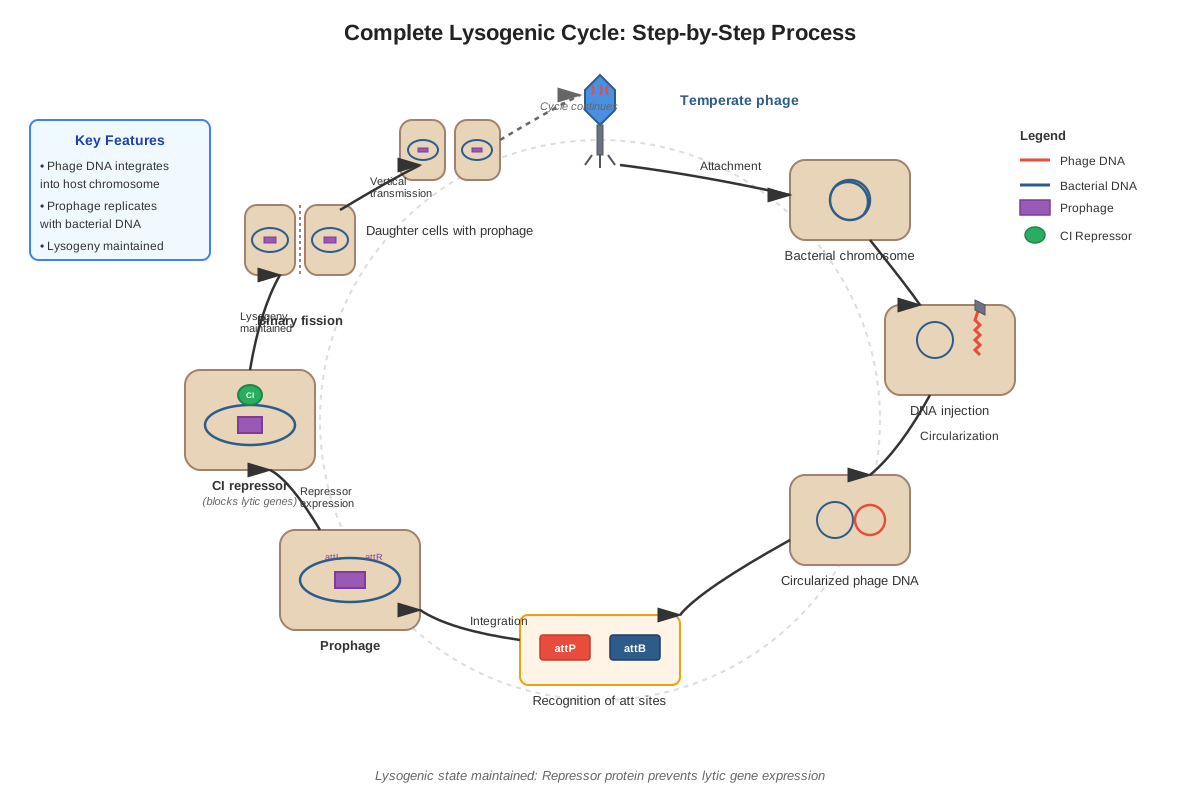
The lysogenic cycle is a method of viral replication in which a bacteriophage (bacterial virus) integrates its genetic material into the host bacterium's chromosome, where it remains dormant as a prophage and replicates passively along with the host DNA through successive cell divisions. Unlike the lytic cycle, which immediately destroys the host cell to produce new viral particles, the lysogenic cycle allows the viral genome to persist indefinitely within the bacterial population without causing immediate cell death. This integrated viral DNA is replicated along with the bacterial chromosome and passed to daughter cells during binary fission, creating a population of bacteria that all carry the prophage.
Bacteriophages capable of undergoing lysogeny are called temperate phages, distinguishing them from virulent phages that can only undergo the lytic cycle. The decision between entering the lysogenic or lytic pathway depends on complex molecular switches involving viral regulatory proteins and environmental conditions. Lambda phage (λ phage) serves as the classical model system for studying lysogeny and has provided most of our mechanistic understanding of this process.
Molecular Mechanisms of Lysogenic Cycle Establishment
The lysogenic cycle begins when a temperate bacteriophage infects a bacterial cell and injects its genetic material (typically double-stranded DNA) into the host cytoplasm. Following injection, the phage DNA circularizes through complementary cohesive ends (cos sites). At this critical juncture, the phage genome expresses regulatory genes that determine whether to proceed with the lytic or lysogenic pathway.
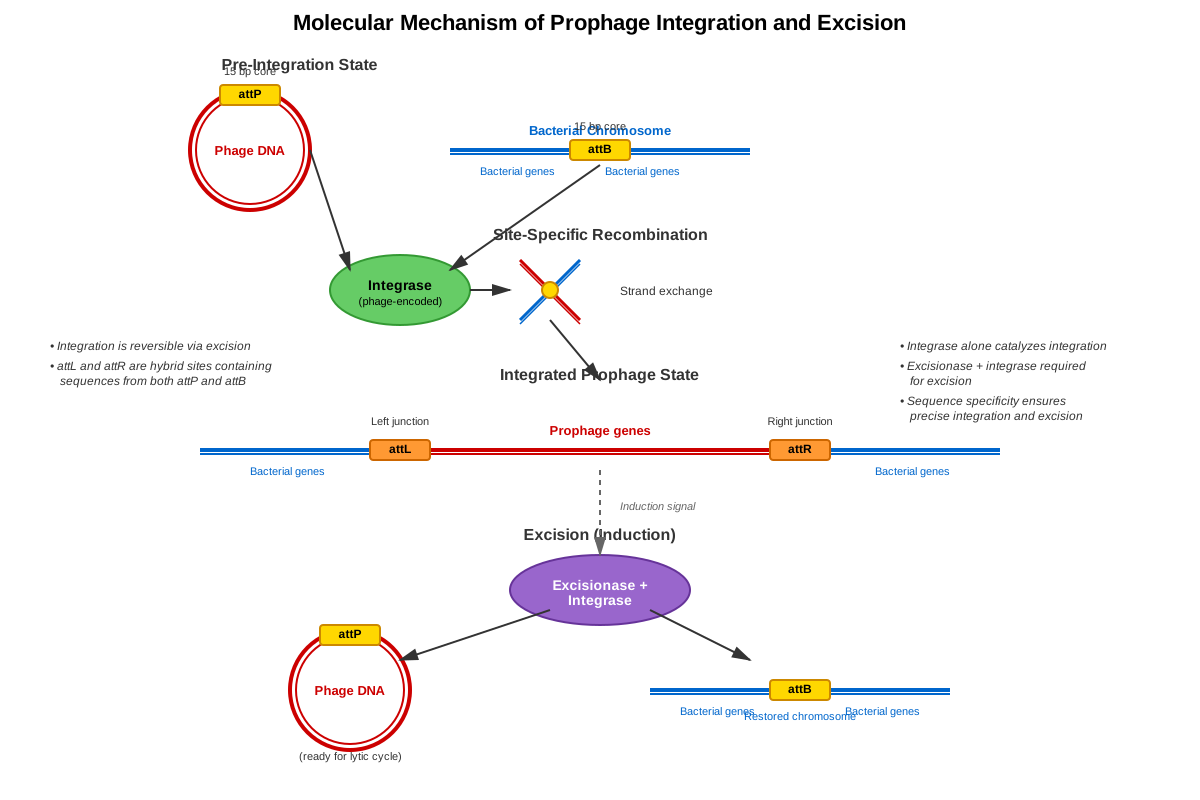
Integration of phage DNA into the bacterial chromosome occurs through site-specific recombination between an attachment site (attP) on the phage DNA and a corresponding attachment site (attB) on the bacterial chromosome. This process is catalyzed by phage-encoded integrase enzyme, which recognizes these specific sequences and facilitates the crossover event. The result is a linear prophage flanked by hybrid attachment sites (attL and attR) that mark the boundaries of the integrated viral genome.
Once integrated, the prophage enters a state of lysogenic repression maintained primarily by a phage-encoded repressor protein (CI repressor in lambda phage). This repressor binds to operator sequences in the phage DNA, blocking transcription of lytic genes while allowing its own continued production. This creates a stable negative feedback loop: the repressor prevents lytic gene expression, and the repressor gene itself remains active to maintain repression. The bacterial cell continues normal metabolism and reproduction, unknowingly carrying and replicating the dormant viral genome.
Steps of the Lysogenic Cycle
- Attachment (Adsorption): The temperate bacteriophage binds to specific receptor proteins on the bacterial cell surface through tail fibers or other attachment structures
- Injection: The phage injects its nucleic acid (DNA) into the bacterial cytoplasm while the protein coat remains outside
- Circularization: Linear phage DNA circularizes through complementary cohesive ends, preparing for integration
- Integration: Phage integrase catalyzes site-specific recombination between attP (phage) and attB (bacterial) sites, inserting the phage genome into the bacterial chromosome as a prophage
- Repression: CI repressor protein is produced and binds to operator regions, blocking transcription of lytic genes and establishing lysogenic maintenance
- Replication: The prophage replicates passively as part of the bacterial chromosome during normal DNA replication
- Cell Division: During bacterial binary fission, the prophage is transmitted to both daughter cells, propagating the lysogenic state
Maintenance of Lysogeny
The lysogenic state is remarkably stable under normal conditions, potentially persisting through hundreds or thousands of bacterial generations. This stability depends on continuous production of the repressor protein, which prevents expression of lytic genes. The repressor acts at multiple operator sites, creating a robust regulatory circuit that is resistant to random fluctuations in gene expression.
The prophage genome typically includes genes for:
- Repressor protein: Maintains lysogenic state by blocking lytic gene transcription
- Integrase: Required for initial integration and potential excision
- Immunity functions: Prevent superinfection by related phages
- Occasionally, beneficial genes: May provide selective advantages to the host (lysogenic conversion)
Induction: Transition from Lysogenic to Lytic Cycle
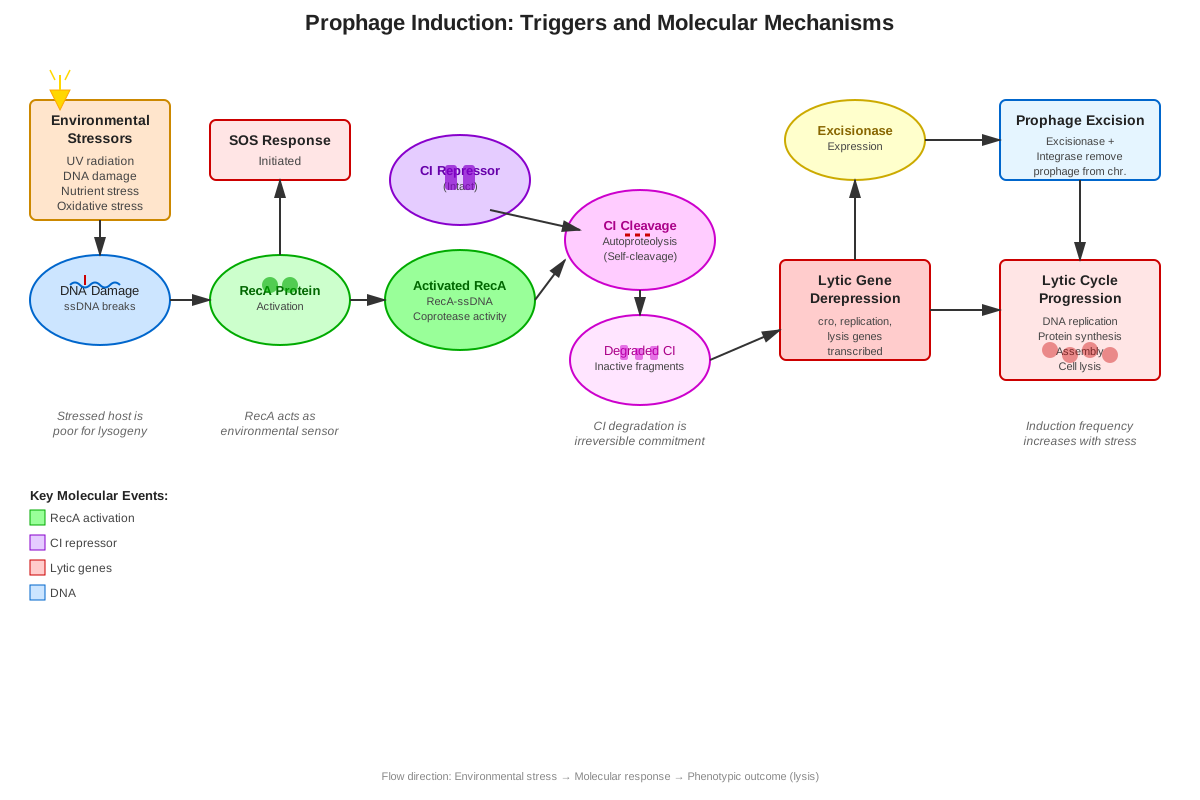
Under certain stress conditions, the prophage can be induced to exit the lysogenic cycle and enter the lytic cycle, a process called prophage induction. This typically occurs when the bacterial cell experiences DNA damage or other severe stress signals. The molecular mechanism involves:
- Stress signal detection: DNA damage (from UV radiation, chemicals, or other mutagens) activates the bacterial SOS response
- RecA protein activation: The SOS response produces activated RecA protein, which acts as a coprotease
- Repressor cleavage: Activated RecA facilitates self-cleavage of the CI repressor protein
- Derepression: Loss of repressor allows transcription of lytic genes
- Excision: Phage excisionase and integrase work together to remove the prophage from the bacterial chromosome through recombination at attL and attR sites
- Lytic cycle entry: The excised phage DNA circularizes and proceeds through the lytic cycle, producing new phage particles and lysing the host cell
This induction mechanism represents an elegant survival strategy: when the host cell is damaged and likely to die, the prophage "abandons ship" by producing progeny that can infect new, healthier hosts.
Lysogenic Conversion
Lysogenic conversion refers to the phenomenon where prophage genes confer new phenotypic properties to the lysogenized bacterial host. These genes are not essential for the phage life cycle but provide selective advantages to the bacterial host, creating a mutualistic relationship. Examples include:
- Toxin production: Diphtheria toxin (tox gene), cholera toxin (ctx genes), Shiga toxin (stx genes)
- Antibiotic resistance: Some prophages carry resistance genes
- Surface antigen modification: Changes in bacterial surface proteins that affect immune recognition
- Metabolic capabilities: Occasionally, prophages carry genes for novel metabolic functions
Lysogenic conversion has major implications for bacterial pathogenesis and evolution, as it represents a mechanism of horizontal gene transfer that can rapidly spread virulence factors through bacterial populations.
Comparison: Lysogenic vs. Lytic Cycle
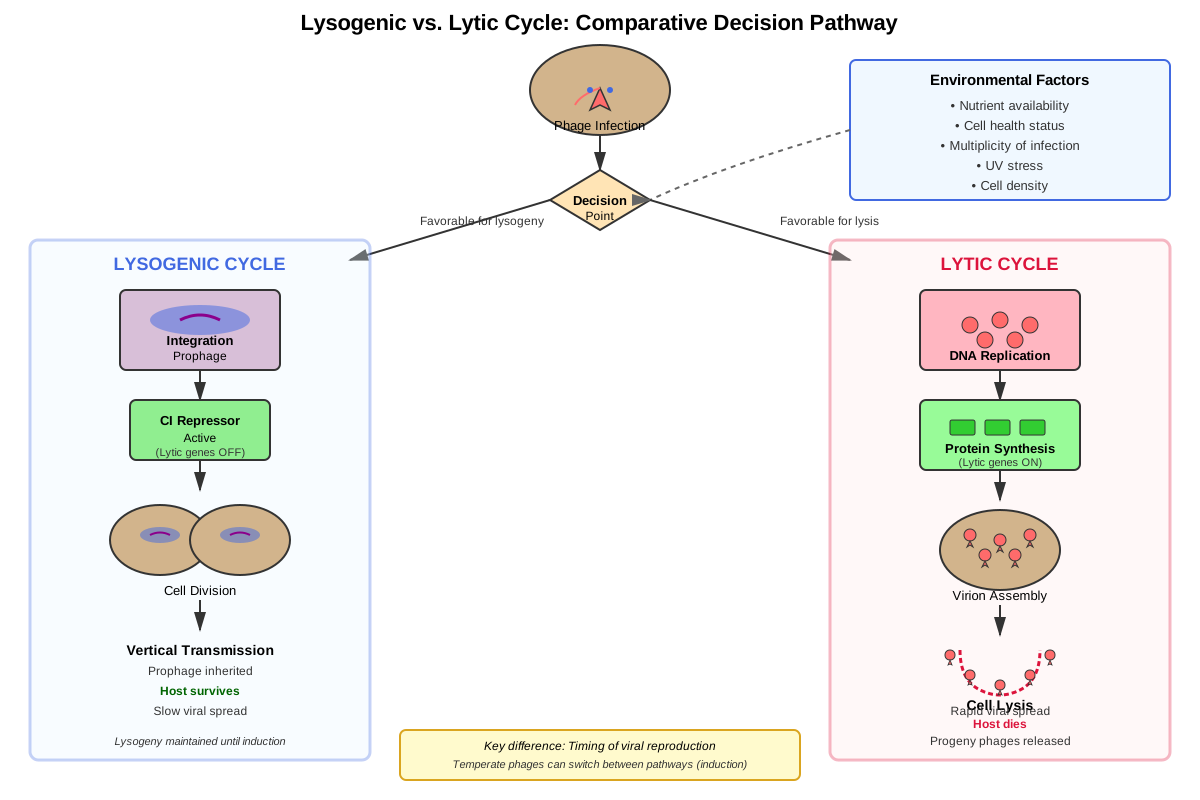
| Feature | Lysogenic Cycle | Lytic Cycle |
|---|---|---|
| Phage type | Temperate phages | Virulent or temperate phages |
| Integration | Phage DNA integrates into host chromosome | No integration; remains separate |
| Host cell fate | Survives and reproduces normally | Destroyed (lysed) |
| Viral replication | Passive replication with host DNA | Active viral DNA replication |
| Timing | Can persist indefinitely | Rapid (20-40 minutes typically) |
| Progeny production | None until induction | Immediate (50-200+ phage particles) |
| Repressor protein | Present and active | Absent or inactive |
| Reversibility | Can switch to lytic via induction | Cannot switch to lysogenic |
| Evolutionary advantage | Viral persistence in stable environments | Rapid spread in favorable conditions |
Concept Relationships
The lysogenic cycle connects intimately with multiple biological concepts, forming a network of relationships essential for comprehensive understanding. Site-specific recombination (integration mechanism) → enables → prophage formation → leads to → lysogenic repression → maintained by → gene regulation (repressor-operator system) → can be disrupted by → SOS response → triggers → prophage induction → results in → lytic cycle entry.
The lysogenic cycle relates to prerequisite knowledge through several pathways. Understanding DNA replication is essential because prophage DNA replicates as part of the bacterial chromosome using the host's replication machinery. Knowledge of gene regulation directly applies to understanding how the CI repressor maintains lysogeny through negative feedback. The concept of recombination underlies both integration (attP × attB) and excision (attL × attR) events.
Connections to broader biological themes include horizontal gene transfer (lysogenic conversion as a mechanism for acquiring new genes), evolution (lysogeny as a viral survival strategy and driver of bacterial adaptation), symbiosis (the mutualistic relationship when prophages confer beneficial traits), and molecular switches (the bistable regulatory circuit controlling lysogenic vs. lytic decisions). The lysogenic cycle also connects forward to concepts like specialized transduction (aberrant prophage excision carrying adjacent bacterial genes), bacterial pathogenesis (toxin acquisition through lysogenic conversion), and genetic engineering (use of temperate phages as cloning vectors).
High-Yield Facts
⭐ The lysogenic cycle involves integration of phage DNA into the bacterial chromosome, where it replicates passively as a prophage through successive bacterial generations without producing viral particles or killing the host.
⭐ Temperate phages can undergo either lysogenic or lytic cycles, while virulent phages can only undergo the lytic cycle.
⭐ Prophage induction (transition from lysogenic to lytic cycle) is triggered by DNA damage and stress conditions that activate the bacterial SOS response, leading to RecA-mediated cleavage of the CI repressor protein.
⭐ Site-specific recombination between attP (phage attachment site) and attB (bacterial attachment site) is catalyzed by integrase enzyme to insert prophage DNA into the bacterial chromosome.
⭐ Lysogenic conversion occurs when prophage genes confer new phenotypic properties to the host bacterium, such as toxin production (diphtheria toxin, cholera toxin, Shiga toxin) or antibiotic resistance.
- The CI repressor protein maintains lysogeny by binding to operator sequences and blocking transcription of lytic genes while promoting its own continued synthesis.
- Prophage excision requires both integrase and excisionase enzymes working together to catalyze recombination between attL and attR sites flanking the integrated prophage.
- Lysogenized bacteria are immune to superinfection by the same or closely related phages because the resident prophage's repressor protein blocks incoming phage DNA from entering the lytic cycle.
- The lysogenic cycle provides evolutionary advantages to phages by ensuring viral genome persistence when host populations are sparse or environmental conditions are unfavorable for lytic reproduction.
- Specialized transduction can occur when prophage excision is imprecise, resulting in phage particles that carry adjacent bacterial genes instead of complete viral genomes.
- UV radiation is a common laboratory method for inducing prophages because it causes thymine dimers and other DNA damage that triggers the SOS response.
- The lambda phage (λ phage) serves as the primary model organism for studying lysogeny, with its regulatory circuits extensively characterized at the molecular level.
Quick check — test yourself on Lysogenic cycle so far.
Try Flashcards →Common Misconceptions
Misconception: The lysogenic cycle is simply a "dormant" or "inactive" state where nothing happens.
Correction: The prophage is metabolically active in maintaining repression through continuous CI repressor production, and the prophage DNA actively replicates along with the bacterial chromosome. The lysogenic state represents an active regulatory program, not passive dormancy.
Misconception: All bacteriophages can undergo both lytic and lysogenic cycles.
Correction: Only temperate phages can undergo lysogeny; virulent phages lack the genetic machinery for integration and repression, so they can only undergo the lytic cycle. The distinction between temperate and virulent phages is fundamental to understanding phage biology.
Misconception: Prophage induction is a random event that occurs spontaneously.
Correction: Induction is triggered by specific environmental signals, particularly DNA damage that activates the SOS response. While spontaneous induction can occur at very low frequencies due to random repressor degradation, the primary mechanism is signal-mediated through the RecA-dependent pathway.
Misconception: During lysogeny, the phage DNA floats freely in the bacterial cytoplasm like a plasmid.
Correction: The prophage is covalently integrated into the bacterial chromosome through site-specific recombination, becoming a permanent part of the chromosomal DNA. This integration is what distinguishes lysogeny from other forms of viral persistence.
Misconception: Lysogenic conversion always makes bacteria more pathogenic.
Correction: While many well-known examples involve toxin genes, lysogenic conversion can confer various phenotypes, including metabolic capabilities, surface antigen changes, or antibiotic resistance. Some prophage genes may be neutral or even detrimental to the host under certain conditions.
Misconception: Once a bacterium is lysogenized, it can never produce phage particles.
Correction: Lysogenized bacteria can produce phage particles through prophage induction when exposed to appropriate stress signals. The lysogenic state is reversible, which is a key feature distinguishing it from permanent genetic integration.
Misconception: Integration always occurs at the same location in the bacterial chromosome for all phages.
Correction: Different temperate phages have different attB site specificities. While lambda phage integrates at a specific site in the E. coli chromosome, other temperate phages integrate at different locations, and some can integrate at multiple sites.
Worked Examples
Example 1: Experimental Analysis of Lysogenic vs. Lytic Outcomes
Scenario: Researchers infect a culture of E. coli bacteria with lambda phage at a multiplicity of infection (MOI) of 0.1 (one phage per ten bacteria). After 2 hours, they observe that 60% of infected bacteria have lysed, while 40% remain viable and continue dividing. When they test the surviving bacteria, they find that these cells are resistant to infection by lambda phage. After exposing the surviving culture to UV radiation, they observe massive cell lysis and production of new phage particles.
Question: Explain these observations using your knowledge of the lysogenic cycle.
Solution:
Step 1 - Analyze the initial infection outcome: The observation that 60% of infected bacteria lysed while 40% survived indicates that lambda phage, being a temperate phage, made different "decisions" in different cells. The 60% that lysed underwent the lytic cycle, while the 40% that survived underwent the lysogenic cycle and became lysogenized.
Step 2 - Explain the resistance to superinfection: The surviving bacteria are resistant to lambda phage infection because they carry an integrated prophage that continuously produces CI repressor protein. This repressor not only maintains lysogeny of the resident prophage but also binds to operator sequences in any incoming lambda phage DNA, preventing it from entering the lytic cycle. This phenomenon is called immunity to superinfection.
Step 3 - Interpret the UV radiation response: UV radiation causes thymine dimers and other DNA damage, triggering the bacterial SOS response. This activates RecA protein, which facilitates self-cleavage of the CI repressor. Loss of repressor allows expression of lytic genes and prophage excision from the chromosome. The prophage then enters the lytic cycle, explaining the massive cell lysis and phage production observed.
Step 4 - Connect to learning objectives: This example demonstrates the bistable nature of temperate phage infection (lysogenic vs. lytic decision), the molecular basis of lysogenic maintenance (repressor-mediated immunity), and the mechanism of prophage induction (SOS response triggering transition to lytic cycle).
Key takeaway: The lysogenic cycle is not a permanent state but a reversible regulatory program that can be disrupted by environmental signals, allowing the prophage to "escape" when the host cell is compromised.
Example 2: Lysogenic Conversion and Bacterial Pathogenesis
Scenario: A research team is studying two strains of Corynebacterium diphtheriae: Strain A causes severe diphtheria symptoms in infected patients, while Strain B causes only mild throat irritation. Genetic analysis reveals that Strain A carries an integrated prophage that Strain B lacks. When researchers cure Strain A of its prophage using chemical treatment, the resulting bacteria no longer produce diphtheria toxin and cause only mild symptoms. When they infect Strain B with the temperate phage from Strain A, Strain B becomes capable of producing diphtheria toxin.
Question: Explain these observations and their implications for understanding bacterial pathogenesis.
Solution:
Step 1 - Identify the mechanism: These observations demonstrate lysogenic conversion, where a prophage carries genes (in this case, the tox gene encoding diphtheria toxin) that confer new phenotypic properties to the lysogenized host. The prophage is not merely a dormant viral genome but actively contributes to the host's phenotype.
Step 2 - Explain the loss-of-function experiment: When Strain A is cured of its prophage, it loses the tox gene and can no longer produce diphtheria toxin. This demonstrates that the toxin gene is carried by the prophage, not by the bacterial chromosome itself. The bacteria remain viable because the prophage genes are not essential for bacterial survival—they only contribute virulence.
Step 3 - Explain the gain-of-function experiment: When Strain B is infected with the temperate phage and becomes lysogenized, it acquires the tox gene and gains the ability to produce diphtheria toxin. This represents horizontal gene transfer mediated by lysogeny, a mechanism by which bacteria can rapidly acquire new traits without vertical inheritance.
Step 4 - Discuss broader implications: This example illustrates how lysogenic conversion drives bacterial evolution and the emergence of pathogenic strains. Non-pathogenic bacteria can become dangerous pathogens through acquisition of prophages carrying virulence genes. This mechanism explains the sudden appearance of toxin-producing bacterial strains and has implications for public health surveillance and understanding disease outbreaks.
Key takeaway: Lysogenic conversion is a major mechanism of horizontal gene transfer that can rapidly alter bacterial phenotypes, particularly pathogenicity. The relationship between temperate phages and bacteria can be mutualistic when prophage genes provide selective advantages to the host.
Exam Strategy
Approaching MCAT Questions on Lysogenic Cycle
When encountering lysogenic cycle questions on the MCAT, follow this systematic approach:
- Identify the phage type: Determine whether the passage describes a temperate or virulent phage. Only temperate phages can undergo lysogeny, so if the passage mentions integration or prophage, you're dealing with a temperate phage.
- Track the viral DNA: Follow where the viral genetic material is located throughout the scenario. In lysogeny, it's integrated into the bacterial chromosome; in the lytic cycle, it remains separate and replicates independently.
- Look for regulatory signals: Questions often hinge on understanding what maintains lysogeny (repressor protein) and what triggers induction (DNA damage, SOS response, RecA activation).
- Consider the timeline: Lysogenic cycle questions may span multiple bacterial generations, while lytic cycle questions typically focus on a single infection cycle lasting minutes to hours.
Trigger Words and Phrases
Watch for these key terms that signal lysogenic cycle content:
- "Temperate phage" or "lambda phage": Indicates capacity for lysogeny
- "Integrated", "prophage", or "provirus": Confirms lysogenic state
- "UV radiation", "DNA damage", or "stress": Suggests prophage induction
- "Immunity to superinfection" or "resistant to reinfection": Indicates lysogenic repression
- "Toxin production" or "new phenotype": Points to lysogenic conversion
- "Attachment site" or "attP/attB": Refers to integration mechanism
- "Repressor" or "CI protein": Relates to lysogenic maintenance
- "Excision" or "induction": Describes transition to lytic cycle
Process-of-Elimination Tips
When evaluating answer choices:
- Eliminate options that confuse lytic and lysogenic cycles: If an answer describes immediate cell lysis during lysogeny or integration during the lytic cycle, it's incorrect.
- Reject answers that ignore the repressor: Any explanation of lysogenic maintenance that doesn't mention the repressor protein is incomplete or wrong.
- Eliminate options suggesting irreversibility: The lysogenic state is reversible through induction, so answers claiming permanent integration without possibility of excision are incorrect.
- Watch for timing errors: Answers that describe rapid phage production during lysogeny or slow, multi-generational processes during the lytic cycle are wrong.
Time Allocation Advice
For discrete questions on lysogeny: allocate 60-90 seconds. These typically test straightforward definitional knowledge or simple mechanism identification.
For passage-based questions: allocate 90-120 seconds per question. These require integrating passage information with lysogenic cycle knowledge, often involving data interpretation or experimental analysis.
Exam Tip: If a passage describes bacteria surviving phage infection and continuing to divide, immediately consider lysogeny. If it then mentions UV exposure or stress leading to cell lysis, you're almost certainly dealing with prophage induction.
Memory Techniques
Mnemonic for Lysogenic Cycle Steps
"All Infected Cells Integrate Repressed Replicas During Division"
- Attachment
- Injection
- Circularization
- Integration
- Repression
- Replication
- Division (cell division with prophage transmission)
Visualization Strategy for Integration
Picture the bacterial chromosome as a circular highway and the phage DNA as a car that needs to merge. The attB site is like an on-ramp on the highway, and the attP site is the car's entrance point. The integrase enzyme acts as a traffic controller that facilitates the merge. Once merged, the car (phage DNA) becomes part of the traffic flow (replicates with bacterial DNA). The hybrid sites attL and attR are like the merge points that mark where the car entered—they're needed later if the car wants to exit (excision).
Acronym for Induction Triggers
"UV Causes Damage, Activating RecA, Cleaving Repressor"
- UV radiation (or other mutagens)
- Causes DNA Damage
- Activates RecA protein
- Cleaves Repressor (CI protein)
Memory Aid for Lysogenic Conversion Examples
"Don't Cry, Sherry" for the three major toxins acquired through lysogenic conversion:
- Diphtheria toxin (Corynebacterium diphtheriae)
- Cholera toxin (Vibrio cholerae)
- Shiga toxin (E. coli O157:H7)
Conceptual Anchor: The "Sleeper Agent" Analogy
Think of a prophage as a "sleeper agent" embedded within the bacterial population. It:
- Hides in plain sight: Integrated into the chromosome, appearing as normal bacterial DNA
- Maintains cover: Produces repressor protein to prevent detection (lytic gene expression)
- Replicates its identity: Passes to daughter cells during division
- Activates under stress: When the host is compromised (DNA damage), it "awakens" and takes action (enters lytic cycle)
- May provide benefits: Sometimes carries useful genes (lysogenic conversion), making the host more successful
This analogy helps remember that lysogeny is an active, regulated state, not passive dormancy, and that induction is triggered by specific signals indicating host compromise.
Summary
The lysogenic cycle represents a sophisticated viral replication strategy in which temperate bacteriophages integrate their genetic material into the host bacterial chromosome, persisting as prophages that replicate passively through successive bacterial generations without immediately destroying the host. This process involves site-specific recombination between phage (attP) and bacterial (attB) attachment sites, catalyzed by integrase enzyme, followed by establishment of lysogenic repression through continuous production of repressor protein that blocks lytic gene expression. The lysogenic state remains stable under normal conditions but can be induced to enter the lytic cycle when the host experiences DNA damage or stress, triggering the SOS response and RecA-mediated repressor cleavage. Lysogenic conversion, where prophage genes confer new phenotypic properties such as toxin production, represents a major mechanism of horizontal gene transfer with profound implications for bacterial pathogenesis and evolution. For MCAT success, students must distinguish lysogenic from lytic cycles, understand the molecular mechanisms of integration and induction, recognize lysogenic conversion as a source of bacterial virulence factors, and apply these concepts to experimental scenarios and clinical contexts.
Key Takeaways
- The lysogenic cycle involves integration of temperate phage DNA into the bacterial chromosome as a prophage that replicates passively with the host genome across multiple generations
- Site-specific recombination between attP and attB sites, catalyzed by integrase, establishes the prophage, while excision requires both integrase and excisionase acting on attL and attR sites
- Lysogenic maintenance depends on continuous repressor protein production that blocks lytic gene expression and confers immunity to superinfection by related phages
- Prophage induction occurs when DNA damage triggers the SOS response, activating RecA protein that facilitates repressor cleavage and allows transition to the lytic cycle
- Lysogenic conversion enables horizontal gene transfer of virulence factors (diphtheria toxin, cholera toxin, Shiga toxin) and other phenotypic traits, driving bacterial evolution and pathogenesis
- Temperate phages can undergo either lysogenic or lytic cycles depending on environmental conditions, while virulent phages can only undergo the lytic cycle
- Understanding the lysogenic cycle is essential for interpreting MCAT passages involving bacterial genetics, phage biology, gene regulation, and the molecular basis of infectious disease
Related Topics
Lytic Cycle: The alternative viral replication pathway where phages immediately reproduce and lyse the host cell. Mastering the lysogenic cycle enables direct comparison with the lytic cycle, a common MCAT question format.
Specialized Transduction: Occurs when prophage excision is imprecise, resulting in phage particles carrying adjacent bacterial genes. Understanding lysogeny is prerequisite to comprehending this horizontal gene transfer mechanism.
Gene Regulation and Repressor-Operator Systems: The CI repressor-operator system maintaining lysogeny exemplifies negative gene regulation. This connects to broader topics in molecular biology including the lac operon and trp operon.
Bacterial Transformation and Horizontal Gene Transfer: Lysogenic conversion represents one of three major mechanisms (along with transformation and conjugation) by which bacteria acquire new genetic material, essential for understanding bacterial evolution.
SOS Response and DNA Repair: The bacterial stress response that triggers prophage induction connects to broader topics in DNA damage recognition and repair mechanisms, frequently tested on the MCAT.
Viral Classification and Life Cycles: Understanding lysogeny provides foundation for studying other viral persistence strategies, including latency in animal viruses (HIV, herpes viruses) and the concept of proviral integration.
Practice CTA
Now that you've mastered the lysogenic cycle, reinforce your understanding by attempting practice questions and flashcards on this topic. Focus on questions that require you to distinguish between lytic and lysogenic cycles, predict outcomes of prophage induction, and analyze experimental scenarios involving temperate phages. Pay special attention to passages involving lysogenic conversion and bacterial pathogenesis, as these frequently appear on the MCAT. Remember: understanding the molecular mechanisms and regulatory circuits of lysogeny will enable you to tackle even complex, novel scenarios on exam day. Your investment in mastering this topic will pay dividends not only in Microbiology questions but also in passages involving gene regulation, bacterial genetics, and evolutionary biology. Keep pushing forward—you're building the comprehensive knowledge base needed for MCAT success!
Sign up free to keep reading
Create a free AnvayaPrep account to finish this MCAT guide on Lysogenic cycle — plus flashcards and practice questions.