Overview
The lytic cycle is a fundamental viral replication mechanism that represents one of the two primary pathways through which bacteriophages (viruses that infect bacteria) reproduce and propagate. In this destructive process, a virus hijacks the cellular machinery of its bacterial host, commandeers metabolic resources to produce viral components, assembles new viral particles, and ultimately causes the host cell to rupture (lyse), releasing progeny viruses to infect neighboring cells. This cycle stands in contrast to the lysogenic cycle, where viral DNA integrates into the host chromosome and remains dormant for extended periods.
Understanding the lytic cycle is essential for MCAT success because it exemplifies core principles of microbiology and molecular biology that appear throughout the exam. The cycle demonstrates how genetic information flows from DNA to functional proteins, illustrates enzyme regulation and specificity, and showcases the intricate relationship between pathogens and their hosts. Questions about viral replication mechanisms frequently appear in MCAT passages, particularly in sections testing biological and biochemical foundations. The lytic cycle also serves as a model system for understanding more complex viral infections in eukaryotic cells, including those affecting human health.
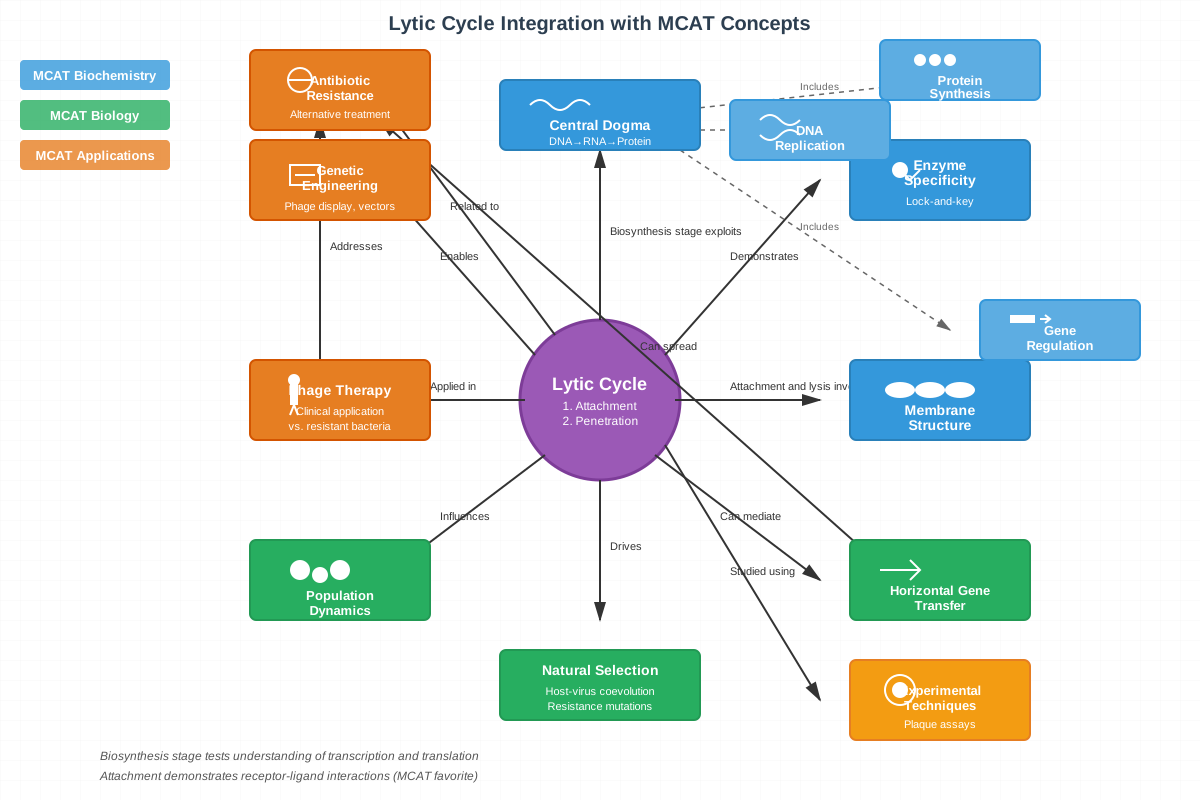
The lytic cycle connects to numerous high-yield MCAT topics including DNA replication, transcription, translation, enzyme function, membrane structure, and evolutionary biology. Mastery of this topic provides a foundation for understanding antibiotic resistance mechanisms, genetic engineering techniques like CRISPR, and the molecular basis of infectious disease. The cycle's step-by-step progression makes it an ideal framework for testing students' ability to analyze experimental data, interpret graphs showing viral growth curves, and predict outcomes of genetic manipulations—all common question formats on the MCAT.
Learning Objectives
- [ ] Define lytic cycle using accurate Biology terminology
- [ ] Explain why lytic cycle matters for the MCAT
- [ ] Apply lytic cycle to exam-style questions
- [ ] Identify common mistakes related to lytic cycle
- [ ] Connect lytic cycle to related Biology concepts
- [ ] Diagram and explain each sequential stage of the lytic cycle with appropriate molecular detail
- [ ] Compare and contrast the lytic cycle with the lysogenic cycle, identifying key regulatory decision points
- [ ] Analyze experimental data involving viral growth curves and burst size calculations
- [ ] Predict the effects of mutations or inhibitors on specific stages of the lytic cycle
Prerequisites
- Basic viral structure: Understanding of viral components (capsid, nucleic acid genome, envelope when present) is necessary to comprehend how viruses attach to and enter host cells
- Central dogma of molecular biology: Knowledge of DNA replication, transcription, and translation is essential since the lytic cycle exploits all these processes
- Bacterial cell structure: Familiarity with bacterial cell walls, membranes, and cytoplasmic organization helps explain how viruses recognize hosts and cause lysis
- Enzyme function and specificity: Understanding how enzymes catalyze reactions is critical for grasping how viral enzymes degrade host DNA and synthesize viral components
- Basic genetics: Knowledge of genes, genomes, and genetic expression provides context for understanding how viral genes are expressed in host cells
Why This Topic Matters
The lytic cycle holds significant clinical and research relevance beyond its importance as an MCAT topic. Bacteriophage therapy is experiencing a renaissance as antibiotic-resistant bacteria become increasingly problematic in healthcare settings. Researchers are engineering phages to target specific pathogenic bacteria, exploiting the lytic cycle's destructive power as a therapeutic tool. Understanding viral replication mechanisms also informs vaccine development, antiviral drug design, and biosafety protocols in laboratory and clinical settings.
On the MCAT, questions involving the lytic cycle appear with moderate frequency, typically 1-2 questions per exam either as discrete items or embedded within passages. These questions most commonly test students' ability to interpret experimental results, such as one-step growth curves that measure viral burst size and latent periods. The topic frequently appears in passages describing genetic engineering experiments, viral evolution studies, or comparative analyses of different viral replication strategies. Questions may present novel scenarios requiring students to apply their understanding of the cycle's mechanisms rather than simply recalling memorized facts.
The lytic cycle commonly appears in MCAT passages that describe research experiments manipulating viral genes, passages comparing different types of viruses or their life cycles, and passages exploring host-pathogen interactions at the molecular level. Students should be prepared to analyze graphs showing viral titer over time, interpret the effects of mutations on cycle progression, and evaluate hypotheses about viral evolution. The topic also appears in questions testing understanding of molecular biology techniques, as bacteriophages serve as important tools in genetic engineering and cloning procedures.
Core Concepts
Definition and Overview of the Lytic Cycle
The lytic cycle is a viral reproductive pathway characterized by the rapid production of viral progeny followed by host cell destruction. This cycle represents a "virulent" infection strategy where the virus prioritizes immediate reproduction over long-term survival within the host. The term "lytic" derives from "lysis," meaning the rupture or destruction of cells, which is the defining endpoint of this replication mechanism. During the lytic cycle, bacteriophages (bacterial viruses) complete their entire reproductive process within a single generation of host cell infection, typically lasting 20-40 minutes for well-studied phages like T4.
The cycle is obligately destructive—the host cell cannot survive the infection. This distinguishes it from the lysogenic cycle, where viral DNA integrates into the host chromosome and replicates passively along with host DNA without immediately killing the cell. The lytic cycle's efficiency as a reproductive strategy depends on the availability of susceptible host cells; in environments with high bacterial density, the lytic strategy maximizes viral spread.
The Five Stages of the Lytic Cycle
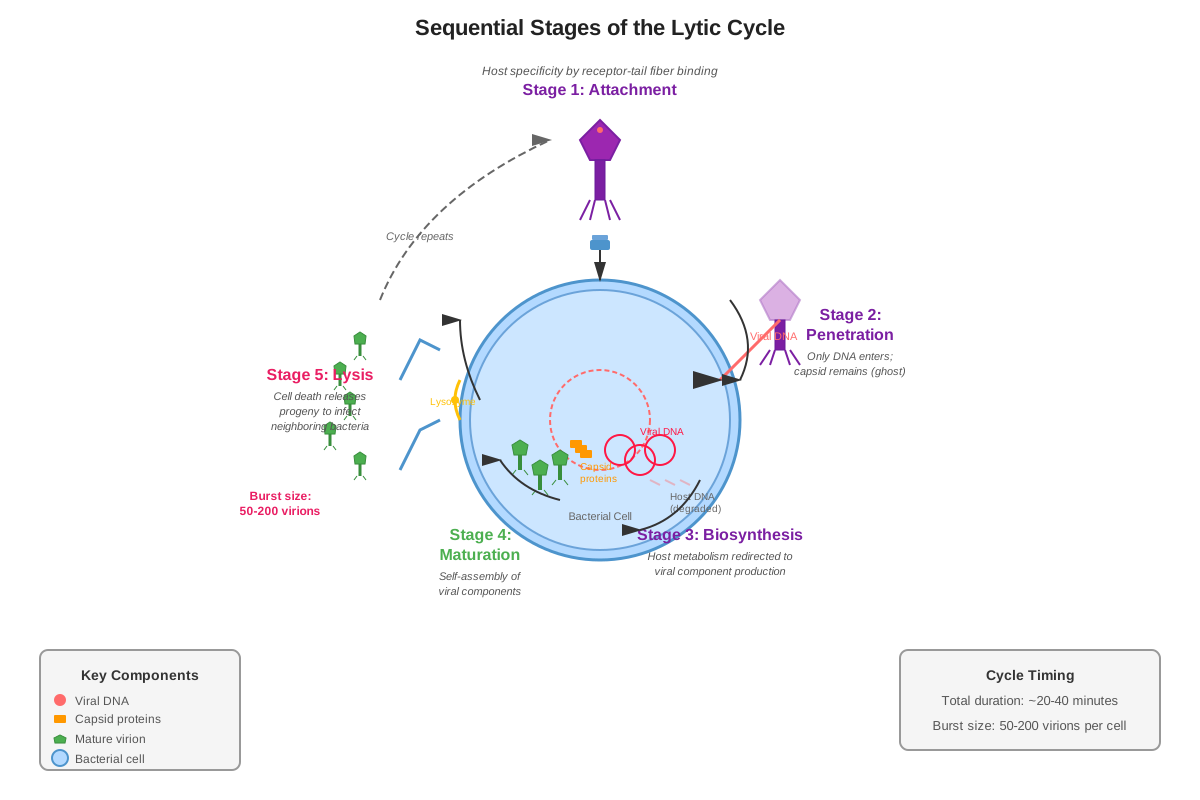
The lytic cycle proceeds through five distinct, sequential stages: attachment (adsorption), penetration (injection), biosynthesis (replication and gene expression), maturation (assembly), and release (lysis). Each stage involves specific molecular interactions and represents a potential target for therapeutic intervention.
1. Attachment (Adsorption)
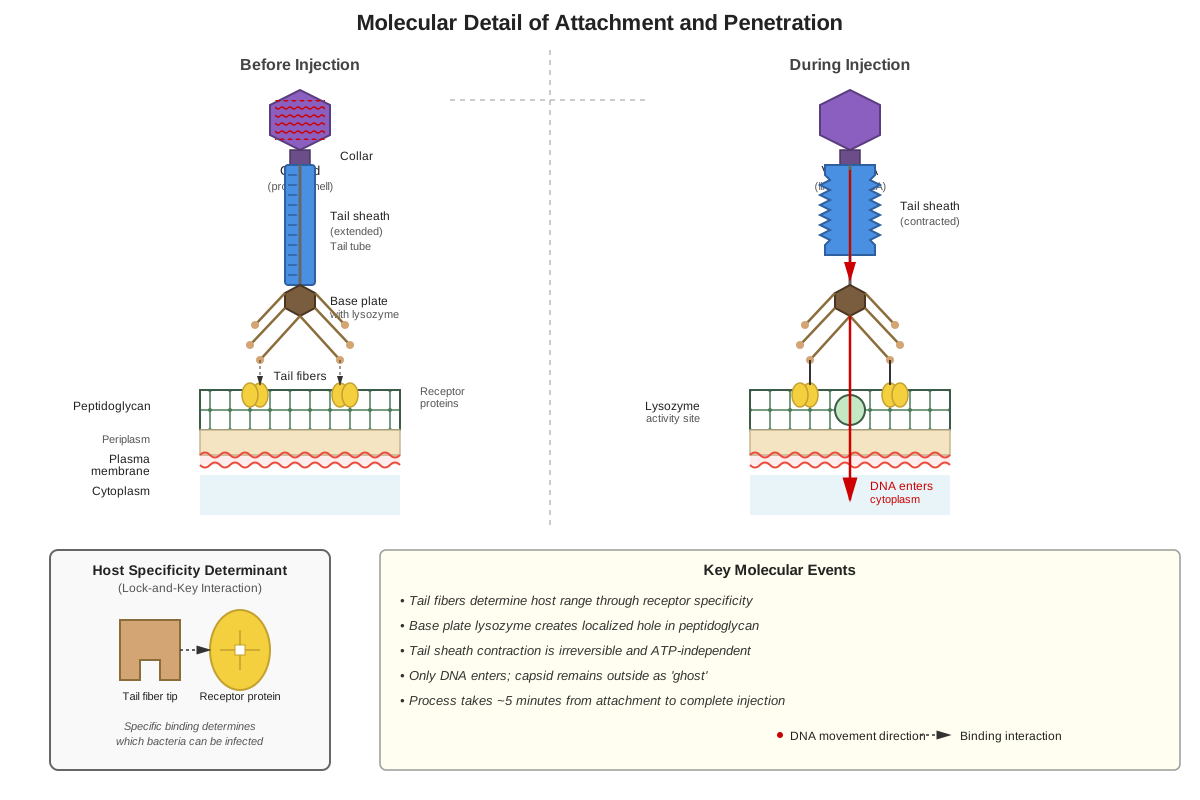
Attachment is the initial recognition and binding phase where viral surface proteins interact with specific receptor molecules on the bacterial cell surface. This stage determines host specificity—each bacteriophage can only infect bacteria displaying the appropriate receptor. For example, bacteriophage T4 recognizes and binds to specific proteins and lipopolysaccharides on the outer membrane of Escherichia coli. The interaction is highly specific, following lock-and-key molecular recognition principles.
The attachment process is reversible initially but becomes irreversible once multiple binding sites engage. Tail fibers (in tailed phages) or surface proteins (in other viral morphologies) mediate this recognition. Temperature, pH, and ionic strength affect attachment efficiency. The specificity of attachment explains why certain phages only infect particular bacterial strains—a concept frequently tested on the MCAT through questions about host range and viral tropism.
2. Penetration (Injection)
Penetration involves the transfer of viral genetic material into the host cell cytoplasm. In bacteriophages, this typically occurs through injection rather than endocytosis (which is common in eukaryotic viral infections). The viral particle remains outside the cell while its nucleic acid genome enters. Tailed bacteriophages like T4 use a sophisticated injection mechanism: the tail sheath contracts, driving a hollow tube through the bacterial cell wall and membrane, creating a channel through which DNA passes.
The viral capsid (protein coat) remains outside the bacterial cell and plays no further role in the infection. This "ghost" can be separated from infected bacteria through mechanical shearing, a technique used in classic experiments (like the Hershey-Chase experiment) that demonstrated DNA as genetic material. Only the viral nucleic acid enters, carrying all the genetic information necessary to redirect host cell metabolism toward viral reproduction.
3. Biosynthesis (Replication and Gene Expression)
Biosynthesis is the most complex stage, involving the coordinated expression of viral genes and the synthesis of viral components. This stage can be subdivided into early and late phases based on the timing and function of gene expression.
Early biosynthesis begins immediately after DNA injection. Early viral genes encode enzymes that shut down host cell functions and redirect metabolism toward viral needs. These include:
- Nucleases that degrade host chromosomal DNA, providing nucleotides for viral DNA synthesis
- Enzymes that modify host RNA polymerase to preferentially transcribe viral genes
- Recombination enzymes that facilitate viral DNA replication
- Regulatory proteins that control the timing of late gene expression
Late biosynthesis focuses on producing structural components and assembly factors. Late genes encode:
- Major and minor capsid proteins that form the viral head
- Tail proteins, tail fibers, and baseplate components (in tailed phages)
- DNA packaging proteins that insert viral genomes into empty capsid heads
- Lysozyme and other lytic enzymes that will eventually break down the cell wall
Viral DNA replication during biosynthesis often produces concatemers—long DNA molecules containing multiple copies of the viral genome linked end-to-end. These are later cleaved into individual genome units during packaging. The MCAT may test understanding of why concatemeric replication is advantageous (it's faster and more efficient than producing individual circular molecules).
4. Maturation (Assembly)
Maturation involves the assembly of viral components into complete, infectious viral particles (virions). This stage follows a precise sequence, with different structural components assembled along separate pathways that converge in final assembly steps. For complex bacteriophages like T4, assembly occurs in three independent pathways:
- Head assembly: Capsid proteins self-assemble into a precursor structure (procapsid), which then matures and receives packaged DNA
- Tail assembly: Tail tube, sheath, and baseplate components assemble sequentially
- Tail fiber assembly: Fibers assemble separately and attach last
The assembly process is largely spontaneous, driven by protein-protein interactions, though some steps require scaffolding proteins that guide assembly but don't appear in the final structure. DNA packaging into capsid heads requires ATP-dependent motor proteins that generate enormous forces to compress DNA into the confined space. This packaging process is highly specific—only viral DNA of the correct length is efficiently packaged.
Quality control mechanisms ensure that only properly assembled, functional virions are produced. Defective particles lacking complete genomes or having malformed structures are non-infectious. The efficiency of assembly affects burst size—the number of progeny viruses released per infected cell.
5. Release (Lysis)
Release is the final stage where newly assembled virions escape the host cell through cell lysis. Late viral genes encode lysozyme (also called endolysin), an enzyme that degrades peptidoglycan in the bacterial cell wall. As lysozyme accumulates, it weakens the cell wall until osmotic pressure causes the cell to burst, releasing 50-200 progeny viruses (depending on the phage and host conditions) into the surrounding environment.
Some bacteriophages also encode holin proteins that create pores in the cell membrane, allowing lysozyme to reach the cell wall. The timing of lysis is carefully regulated—premature lysis would reduce burst size, while delayed lysis wastes time that could be spent infecting new hosts. The released virions can then initiate new rounds of infection in nearby susceptible bacteria.
Lytic vs. Lysogenic Cycle Comparison
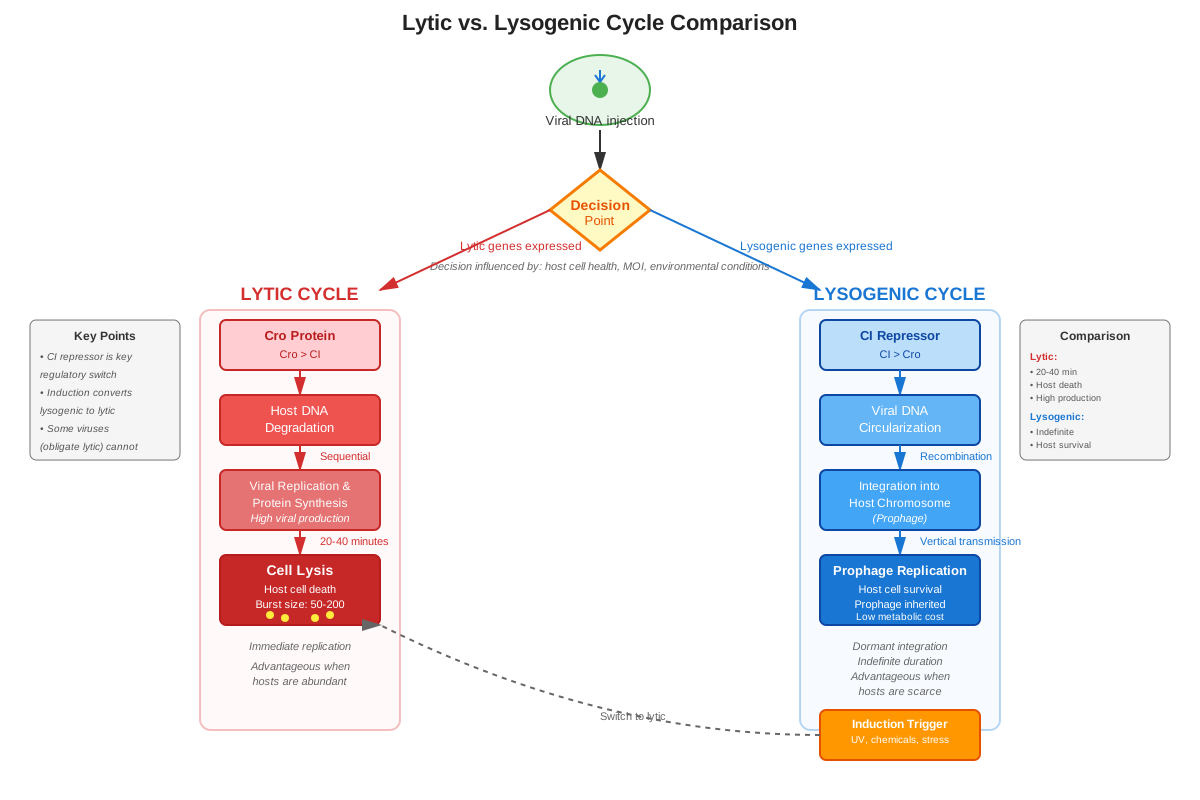
Understanding the distinction between lytic and lysogenic cycles is crucial for MCAT success. The following table summarizes key differences:
| Feature | Lytic Cycle | Lysogenic Cycle |
|---|---|---|
| Host cell fate | Immediate destruction | Survives and reproduces |
| Viral DNA state | Remains separate, replicates independently | Integrates into host chromosome (prophage) |
| Timing | Rapid (20-40 minutes) | Can persist indefinitely |
| Viral gene expression | All genes expressed in sequence | Most viral genes repressed |
| Progeny production | Immediate and abundant | Delayed until induction |
| Environmental trigger | Constitutive pathway | Can be induced by stress |
| Example phages | T4, T7 | Lambda (λ), P1 |
The decision between lytic and lysogenic pathways (in temperate phages capable of both) depends on environmental conditions and molecular regulatory switches. When host cells are abundant and healthy, lytic reproduction maximizes viral spread. When hosts are scarce or stressed, lysogeny allows the virus to "wait" for better conditions. This decision point involves complex regulatory proteins and is a favorite topic for MCAT passage-based questions.
Viral Growth Curves and Burst Size
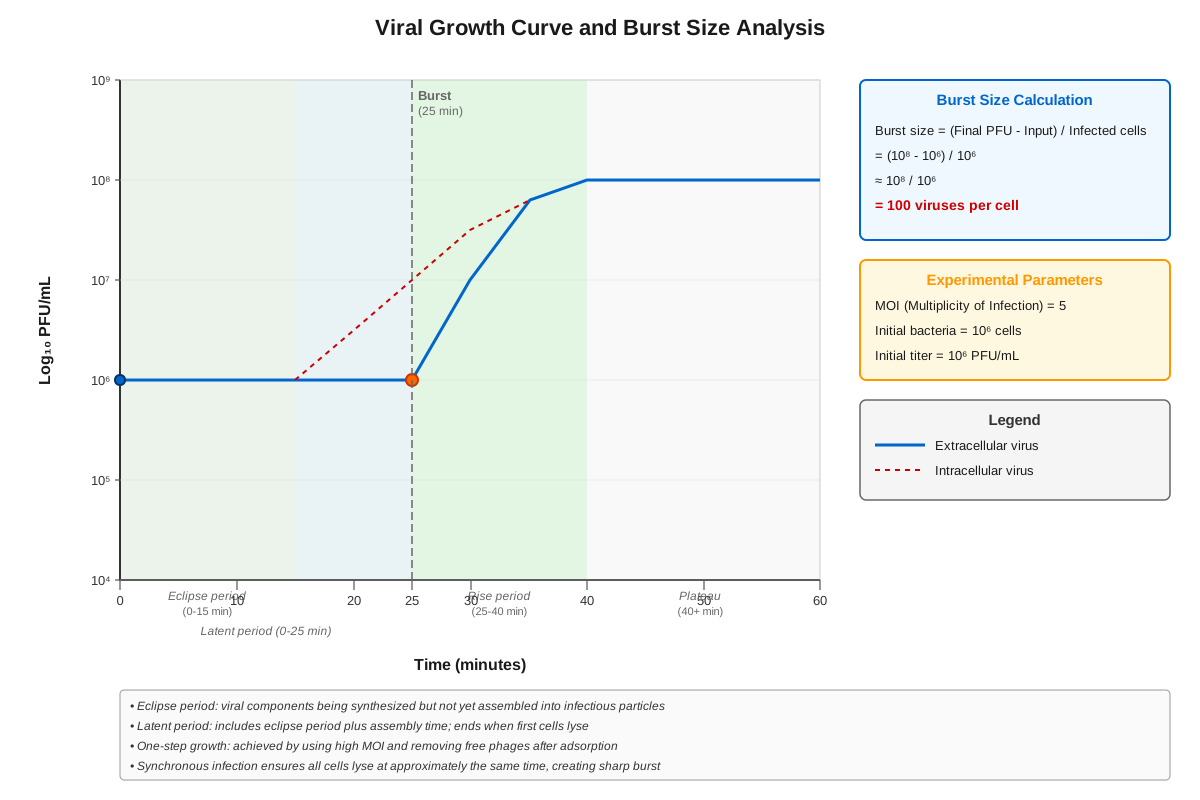
The one-step growth curve is an experimental method for studying the lytic cycle that frequently appears in MCAT passages. In this experiment, bacteria are infected simultaneously (synchronized infection), and viral titer (concentration) is measured over time. The resulting curve has three distinct phases:
- Eclipse period: Viral titer drops to near zero as viruses attach and inject DNA; no free infectious particles exist
- Latent period: Intracellular viral assembly occurs, but no extracellular viruses are detected
- Rise period: Cell lysis releases progeny, causing a sharp increase in viral titer
The burst size is calculated by dividing the final viral titer by the initial number of infected cells. This value indicates the productivity of the infection and can be affected by host cell physiology, viral mutations, and environmental conditions. MCAT questions may present growth curve data and ask students to identify stages, calculate burst size, or predict the effects of experimental manipulations.
Concept Relationships
The lytic cycle integrates multiple fundamental biological concepts into a coherent process. Attachment depends on protein structure and molecular recognition principles, connecting to biochemistry topics about protein-ligand interactions and receptor specificity. This stage also relates to evolutionary biology, as host-virus coevolution drives changes in both receptor and viral attachment proteins.
Penetration mechanisms connect to membrane biology and the structure of bacterial cell envelopes. Understanding how phages breach peptidoglycan layers requires knowledge of cell wall composition and the mechanical properties of biological membranes. This stage also relates to the Hershey-Chase experiment, a classic molecular biology study that used phage infection to prove DNA is genetic material.
Biosynthesis represents the cycle's most interconnected stage, drawing on DNA replication mechanisms, transcriptional regulation, and translational control. The temporal regulation of early and late genes exemplifies gene expression control, connecting to topics like operons, promoter recognition, and transcription factors. Viral DNA replication strategies (rolling circle, concatemeric replication) relate to broader DNA replication concepts while highlighting variations from standard bacterial replication.
Maturation connects to protein folding, self-assembly, and quaternary structure formation. The spontaneous assembly of complex structures from individual protein subunits demonstrates thermodynamic principles and the information encoded in primary amino acid sequences. This stage also relates to molecular motors and ATP-dependent processes, as DNA packaging requires energy input.
Release through enzymatic cell wall degradation connects to enzyme specificity, lysozyme function (also relevant in immune system discussions), and osmotic principles. The regulation of lysis timing relates to genetic regulatory circuits and feedback mechanisms.
The relationship between lytic and lysogenic cycles illustrates genetic regulatory switches and environmental sensing mechanisms. The molecular decision between these pathways (in temperate phages) involves repressor proteins, operator sequences, and environmental stress signals—concepts that connect to the lac operon and other regulatory systems tested on the MCAT.
Conceptual flow: Viral attachment → DNA injection → Host machinery hijacking → Viral gene expression (early then late) → Component synthesis → Self-assembly → Cell lysis → Progeny release → New infection cycles
Quick check — test yourself on Lytic cycle so far.
Try Flashcards →High-Yield Facts
⭐ The lytic cycle consists of five sequential stages: attachment, penetration, biosynthesis, maturation, and release through cell lysis
⭐ Only viral nucleic acid (not the protein capsid) enters the bacterial cell during penetration; the capsid remains outside as a "ghost"
⭐ Burst size is calculated as the number of progeny viruses released divided by the number of initially infected cells, typically ranging from 50-200 for bacteriophages
⭐ Early viral genes encode enzymes that degrade host DNA and redirect metabolism, while late genes encode structural proteins and lytic enzymes
⭐ The eclipse period in a one-step growth curve represents the time when no extracellular infectious particles exist because viruses are being assembled inside cells
- Lysozyme (endolysin) is the viral enzyme that degrades peptidoglycan in the bacterial cell wall, causing lysis and viral release
- Viral DNA replication during biosynthesis often produces concatemers (multiple genome copies linked end-to-end) that are later cleaved during packaging
- Host specificity is determined during attachment when viral surface proteins recognize specific bacterial cell surface receptors
- The lytic cycle is obligately destructive—the host cell cannot survive infection, distinguishing it from the lysogenic cycle
- Temperate phages can choose between lytic and lysogenic pathways based on environmental conditions and regulatory protein activity
- Viral assembly is largely spontaneous and driven by protein-protein interactions, though some steps require scaffolding proteins
- The latent period (time from infection to lysis) is typically 20-40 minutes for well-studied bacteriophages like T4
Common Misconceptions
Misconception: The entire virus enters the bacterial cell during infection.
Correction: Only the viral nucleic acid (DNA or RNA) enters the host cell during penetration. The protein capsid remains outside attached to the cell surface. This was definitively demonstrated by the Hershey-Chase experiment, where radioactively labeled protein coats could be separated from infected bacteria by blending, while labeled DNA remained inside.
Misconception: The lytic and lysogenic cycles are completely separate processes that never interact.
Correction: Temperate bacteriophages (like lambda phage) can switch between lysogenic and lytic cycles. A lysogenic bacterium carrying integrated viral DNA (prophage) can undergo induction—triggered by stress conditions like UV radiation or DNA damage—causing the prophage to excise from the chromosome and enter the lytic cycle. This flexibility represents an adaptive strategy for viral survival.
Misconception: Viral genes are expressed simultaneously during biosynthesis.
Correction: Viral gene expression is temporally regulated with distinct early and late phases. Early genes (expressed immediately after infection) encode enzymes for DNA replication and host takeover, while late genes (expressed later) encode structural proteins and lytic enzymes. This sequential expression is controlled by promoter specificity and modifications to host RNA polymerase, ensuring efficient resource allocation.
Misconception: The eclipse period and latent period are the same thing.
Correction: The eclipse period is shorter than the latent period. The eclipse period ends when the first complete infectious virions are assembled inside the cell, while the latent period continues until cell lysis releases these virions into the extracellular environment. Both periods show no increase in extracellular viral titer, but they represent different biological events.
Misconception: Burst size is constant for a given bacteriophage.
Correction: Burst size varies depending on host cell physiology, nutritional conditions, temperature, and the multiplicity of infection (MOI—the ratio of viruses to bacteria). Well-nourished, rapidly growing bacteria typically support larger burst sizes than stressed or nutrient-limited cells. Mutations in viral genes can also affect burst size by altering assembly efficiency or lysis timing.
Misconception: All bacteriophages follow the same lytic cycle mechanism.
Correction: While the five-stage framework applies broadly, specific mechanisms vary among different phage types. Filamentous phages (like M13) are released by extrusion through the membrane without killing the host. Some phages lack tails and use different injection mechanisms. RNA phages have different replication strategies than DNA phages. The T4 lytic cycle is a model system but doesn't represent all bacteriophage infections.
Worked Examples
Example 1: Interpreting a One-Step Growth Curve
Question: Researchers synchronously infected a bacterial culture with bacteriophage X at time 0. They measured extracellular viral titer at regular intervals and obtained the following data: 0-15 min (titer = 10³ PFU/mL), 15-25 min (titer = 10³ PFU/mL), 25-30 min (titer increases from 10³ to 10⁵ PFU/mL), 30-60 min (titer = 10⁵ PFU/mL). The initial bacterial concentration was 10⁶ cells/mL. Calculate the burst size and identify the eclipse and latent periods.
Solution:
Step 1: Identify the eclipse period. The eclipse period is the time during which no extracellular infectious particles are detected because viruses are being assembled intracellularly. From the data, the titer remains constant at 10³ PFU/mL from 0-25 minutes, then increases. However, we need to account for the initial viral titer. The eclipse period ends when the first complete virions are assembled inside cells, which occurs just before the rise period begins. Therefore, the eclipse period is approximately 0-25 minutes.
Step 2: Identify the latent period. The latent period extends from infection until cell lysis releases progeny viruses, marked by the increase in extracellular titer. The titer begins increasing at 25 minutes and plateaus by 30 minutes, indicating that lysis is complete. The latent period is 0-25 minutes (essentially the same as the eclipse period in this case, suggesting lysis occurs soon after assembly).
Step 3: Calculate burst size. Burst size = (final titer - initial titer) / number of infected cells. The initial titer was 10³ PFU/mL, and the final titer is 10⁵ PFU/mL. The increase is 10⁵ - 10³ ≈ 10⁵ PFU/mL (since 10⁵ >> 10³). If all 10⁶ cells/mL were infected, burst size = 10⁵ PFU/mL ÷ 10⁶ cells/mL = 0.1 PFU/cell. This seems too low, suggesting not all bacteria were infected. If we assume the initial 10³ PFU/mL infected 10³ cells/mL (MOI = 1), then burst size = (10⁵ - 10³) / 10³ ≈ 100 PFU/cell, which is reasonable.
Key Concepts Applied: Understanding one-step growth curves, distinguishing eclipse from latent periods, calculating burst size from experimental data, and recognizing that MOI affects interpretation.
Example 2: Predicting Effects of Mutations
Question: A researcher isolates three mutant strains of bacteriophage T4. Mutant A has a defective tail fiber gene, Mutant B has a defective lysozyme gene, and Mutant C has a defective major capsid protein gene. Predict the stage at which each mutant's lytic cycle would be blocked and whether any infectious progeny would be produced.
Solution:
Mutant A (defective tail fiber gene):
Tail fibers mediate attachment to bacterial cell surface receptors. Without functional tail fibers, the phage cannot recognize or bind to host cells. The lytic cycle would be blocked at the attachment stage (stage 1). No infection would occur, and no progeny would be produced. This mutant could potentially be rescued by providing wild-type tail fibers in trans (from another source) or by using a host with alternative receptors that other viral proteins could recognize.
Mutant B (defective lysozyme gene):
Lysozyme degrades the bacterial cell wall during the release stage. Without functional lysozyme, viral assembly would proceed normally inside the cell, producing complete infectious virions. However, these virions would remain trapped inside the intact bacterial cell because lysis cannot occur. The cycle would be blocked at the release stage (stage 5). Infectious progeny would be produced but not released. If the cells were artificially lysed (by mechanical disruption or chemical treatment), the trapped virions would be released and could infect new cells. This demonstrates that lysozyme is required for natural release but not for virion assembly or infectivity.
Mutant C (defective major capsid protein gene):
Major capsid proteins form the viral head structure that protects viral DNA. Without functional capsid proteins, viral DNA and other components would be synthesized, but proper virion assembly could not occur. The cycle would be blocked at the maturation stage (stage 4). No infectious progeny would be produced because viral DNA cannot be packaged or protected without a capsid. Even if the cell lysed, the released material would not include functional virions capable of infecting new cells.
Key Concepts Applied: Understanding the function of specific viral components, recognizing which cycle stage each component is required for, distinguishing between virion assembly and release, and predicting phenotypes from genotypes.
Exam Strategy
When approaching MCAT questions about the lytic cycle, first identify whether the question asks about a specific stage or the overall process. Questions often present experimental scenarios or mutations and ask students to predict outcomes. The key strategy is to mentally walk through the five stages in order and identify where the described manipulation would have its effect.
Trigger words and phrases to watch for include:
- "Attachment" or "adsorption" → focus on receptor-ligand interactions and host specificity
- "Eclipse period" → no extracellular infectious particles; assembly occurring intracellularly
- "Burst size" → calculate as progeny per infected cell; consider factors affecting this value
- "Early genes" vs. "late genes" → temporal regulation; early = takeover/replication, late = structure/lysis
- "Lysozyme" or "endolysin" → cell wall degradation and release stage
- "Concatemers" → linked viral genomes produced during replication
- "Temperate phage" → capable of both lytic and lysogenic cycles; look for regulatory switches
Process-of-elimination tips: When evaluating answer choices, eliminate options that place events out of sequence (e.g., claiming lysis occurs before assembly). Also eliminate choices that confuse lytic with lysogenic cycle features (e.g., stating that lytic cycle involves chromosomal integration). Be wary of options that claim the entire virus enters the cell or that all viral genes are expressed simultaneously—these are common distractors based on misconceptions.
For passage-based questions, carefully examine any graphs or data tables. One-step growth curves are particularly common; identify the eclipse period (flat line before rise), latent period (time to lysis), and calculate burst size from the magnitude of titer increase. If the passage describes mutations or experimental manipulations, predict effects on each stage systematically.
Time allocation: Discrete questions about the lytic cycle should take 60-90 seconds. Passage-based questions may require 90-120 seconds, especially if they involve data interpretation or calculations. Don't spend excessive time on these questions—if you understand the five stages and their molecular basis, the answers should be straightforward.
Exam Tip: If a question asks about the effect of an antibiotic or inhibitor on viral replication, remember that most antibiotics target bacterial processes (cell wall synthesis, protein synthesis, DNA replication). Since viruses use host machinery, antibiotics that inhibit bacterial ribosomes or DNA polymerase will also inhibit viral replication during the biosynthesis stage.
Memory Techniques
Mnemonic for the five stages: "A Pretty Big Monster Roars"
- Attachment
- Penetration
- Biosynthesis
- Maturation
- Release
Visualization strategy: Picture the lytic cycle as a factory takeover. The virus is a saboteur that breaks into the factory (attachment and penetration), takes control of the machinery (biosynthesis), manufactures copies of itself (maturation), then blows up the factory to escape (release). This narrative helps remember both the sequence and the destructive nature of the cycle.
Acronym for early gene functions: "DERN"
- Degrade host DNA
- Enzymes for replication
- Redirect metabolism
- Nucleases and regulatory proteins
Acronym for late gene functions: "SCAL"
- Structural proteins (capsid, tail)
- Components for assembly
- Assembly factors
- Lytic enzymes (lysozyme)
Memory aid for burst size: Think "burst" = "break open" = "count what comes out." Burst size is simply counting how many viruses burst out per cell. If you remember it's calculated as progeny/infected cells, you can always reconstruct the formula during the exam.
Distinguishing eclipse from latent period: "Eclipse" means "hidden"—the viruses are hidden inside cells being assembled. "Latent" means "waiting"—waiting for lysis to release them. Eclipse ends when assembly completes; latent ends when lysis occurs. Eclipse ⊂ Latent (eclipse is contained within latent period).
Summary
The lytic cycle is a five-stage viral replication process that results in host cell destruction and the release of progeny viruses. Beginning with specific attachment of viral proteins to bacterial surface receptors, the cycle proceeds through penetration (injection of viral nucleic acid only), biosynthesis (temporally regulated expression of early and late genes), maturation (self-assembly of viral components into complete virions), and release (lysozyme-mediated cell lysis). This cycle exemplifies fundamental biological principles including molecular recognition, gene regulation, enzyme function, and self-assembly. Understanding the lytic cycle is essential for MCAT success because it integrates multiple testable concepts and frequently appears in passage-based questions involving experimental data interpretation, particularly one-step growth curves and burst size calculations. The cycle's contrast with the lysogenic pathway highlights viral adaptive strategies and regulatory mechanisms. Mastery requires knowing the molecular details of each stage, recognizing how mutations or inhibitors affect specific steps, and applying this knowledge to novel scenarios—skills directly tested on the MCAT.
Key Takeaways
- The lytic cycle proceeds through five obligate stages (attachment, penetration, biosynthesis, maturation, release) that must occur in sequence for successful viral reproduction
- Only viral nucleic acid enters the host cell during penetration; the protein capsid remains outside, a fact demonstrated by the Hershey-Chase experiment
- Viral gene expression is temporally regulated: early genes encode enzymes for host takeover and DNA replication, while late genes encode structural proteins and lytic enzymes
- Burst size (progeny viruses per infected cell) is calculated from one-step growth curves and varies based on host physiology and environmental conditions
- The eclipse period (no extracellular infectious particles) ends when virion assembly completes, while the latent period extends until cell lysis releases progeny
- Lysozyme degrades bacterial cell wall peptidoglycan, causing osmotic lysis and viral release in the final stage
- The lytic cycle is obligately destructive and contrasts with the lysogenic cycle, where viral DNA integrates into the host chromosome without immediate cell death
Related Topics
Lysogenic Cycle: The alternative viral replication pathway where viral DNA integrates into the host chromosome as a prophage and replicates passively with host DNA. Understanding lysogeny is essential for comparing viral strategies and understanding temperate phages. Mastering the lytic cycle provides the foundation for appreciating how and why viruses switch between these pathways.
Viral Structure and Classification: Detailed study of viral morphology, genome types (DNA vs. RNA, single-stranded vs. double-stranded), and classification schemes. This topic builds on lytic cycle knowledge by explaining how structural differences affect infection mechanisms.
Eukaryotic Viral Replication: Viruses infecting animal and plant cells use different entry mechanisms (endocytosis, membrane fusion) and replication strategies than bacteriophages. The lytic cycle provides a conceptual framework for understanding these more complex infections.
Genetic Engineering and Cloning: Bacteriophages are essential tools in molecular biology, used as cloning vectors and in techniques like phage display. Understanding the lytic cycle explains why certain phage genes must be removed or modified for these applications.
Bacterial Genetics and Horizontal Gene Transfer: Transduction (viral-mediated gene transfer between bacteria) occurs when phages accidentally package host DNA. This topic connects lytic cycle mechanisms to bacterial evolution and antibiotic resistance spread.
Practice CTA
Now that you've mastered the core concepts of the lytic cycle, it's time to reinforce your understanding through active practice. Complete the associated practice questions to test your ability to apply these concepts to MCAT-style scenarios, and use the flashcards to solidify your memory of high-yield facts. Remember, understanding the lytic cycle isn't just about memorizing stages—it's about developing the analytical skills to predict outcomes, interpret experimental data, and connect molecular mechanisms to broader biological principles. These are exactly the skills the MCAT rewards. You've built a strong foundation; now strengthen it through deliberate practice!
Sign up free to keep reading
Create a free AnvayaPrep account to finish this MCAT guide on Lytic cycle — plus flashcards and practice questions.