Overview
Transformation is a fundamental mechanism of horizontal gene transfer in bacteria, representing one of the key ways that genetic material moves between organisms outside of traditional vertical inheritance. In transformation biology, competent bacterial cells take up free DNA from their surrounding environment and incorporate it into their own genome, leading to heritable genetic changes. This process was first discovered by Frederick Griffith in 1928 through his famous experiments with Streptococcus pneumoniae, which ultimately led to the identification of DNA as the genetic material by Avery, MacLeod, and McCarty in 1944.
For the MCAT, transformation serves as a critical bridge between multiple high-yield topics in microbiology and molecular biology. Understanding transformation requires integration of knowledge about DNA structure, bacterial genetics, gene expression, and evolutionary mechanisms. The MCAT frequently tests transformation in the context of experimental design passages, particularly those involving bacterial genetics research or antibiotic resistance studies. Questions may ask students to interpret experimental results, predict outcomes of genetic manipulations, or explain the molecular mechanisms underlying bacterial adaptation.
Transformation connects to broader biological principles including genetic variation, natural selection, and the molecular basis of heredity. It exemplifies how organisms can acquire new traits rapidly without waiting for random mutations, making it particularly relevant to understanding antibiotic resistance—a major public health concern that appears regularly in MCAT passages. The topic also reinforces fundamental concepts about DNA structure, protein synthesis, and cellular regulation that appear throughout the biological sciences section of the exam.
Learning Objectives
- [ ] Define transformation using accurate biology terminology
- [ ] Explain why transformation matters for the MCAT
- [ ] Apply transformation to exam-style questions
- [ ] Identify common mistakes related to transformation
- [ ] Connect transformation to related biology concepts
- [ ] Distinguish transformation from other mechanisms of horizontal gene transfer (conjugation and transduction)
- [ ] Describe the molecular mechanisms of competence and DNA uptake in bacterial cells
- [ ] Analyze experimental designs that utilize transformation as a research tool
- [ ] Predict the phenotypic outcomes of transformation experiments involving specific genes
Prerequisites
- DNA structure and replication: Understanding double-stranded DNA, complementary base pairing, and DNA stability is essential for comprehending how foreign DNA integrates into bacterial genomes
- Bacterial cell structure: Knowledge of bacterial cell walls, membranes, and the lack of membrane-bound organelles explains the mechanisms by which DNA crosses cellular barriers
- Gene expression (transcription and translation): Transformation only produces observable effects when the incorporated DNA is expressed into functional proteins
- Basic genetics terminology: Familiarity with terms like genotype, phenotype, allele, and homologous recombination provides the foundation for understanding genetic changes
- Selective pressure and natural selection: These evolutionary concepts explain why transformation confers survival advantages in certain environments
Why This Topic Matters
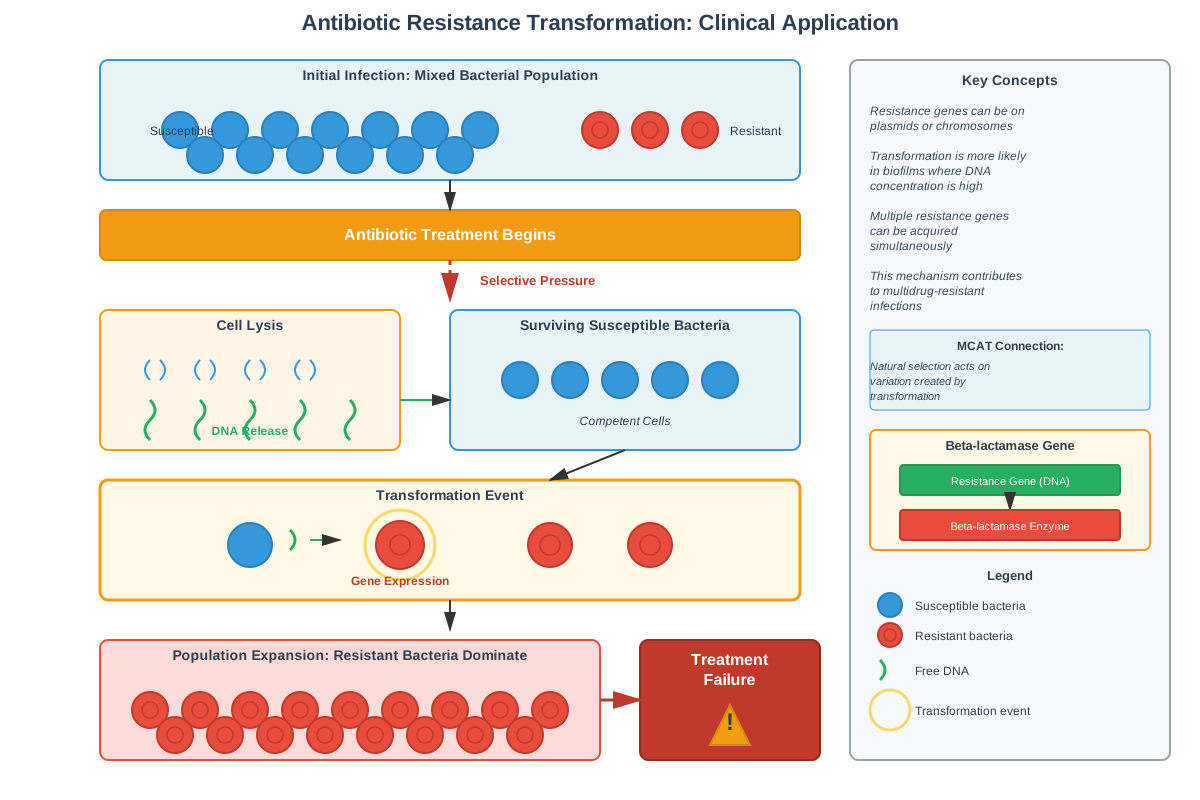
Transformation has profound clinical and real-world significance, particularly in the context of antibiotic resistance. Pathogenic bacteria can acquire resistance genes through transformation, allowing them to survive antibiotic treatment and spread resistant traits throughout bacterial populations. This mechanism contributes to the global health crisis of multidrug-resistant infections, making transformation relevant to public health, epidemiology, and clinical medicine—all areas the MCAT may explore through passage-based questions.
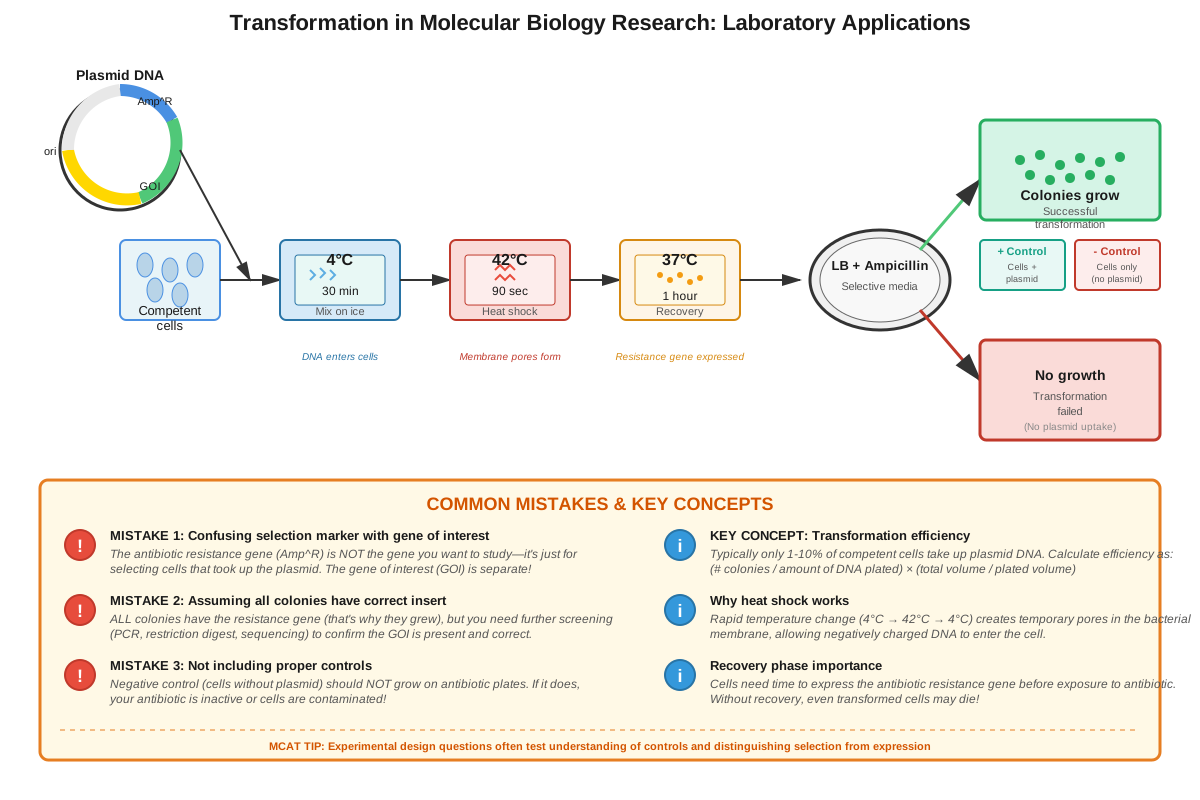
In laboratory and biotechnology applications, transformation is the cornerstone technique for genetic engineering. Researchers routinely use transformation to introduce recombinant plasmids into bacterial cells for protein production, gene cloning, and molecular biology research. The MCAT frequently presents experimental passages describing these techniques, requiring students to understand the underlying principles of transformation to interpret results correctly.
On the MCAT, transformation appears in approximately 2-4% of biological sciences questions, typically within passages about bacterial genetics, biotechnology applications, or evolutionary biology. Questions commonly take several forms: interpreting Griffith-type experiments, predicting outcomes when bacteria are exposed to foreign DNA, explaining how antibiotic resistance spreads, analyzing transformation efficiency in research protocols, or distinguishing transformation from conjugation and transduction. The topic often appears in medium-difficulty discrete questions or as part of more complex experimental design passages that test multiple concepts simultaneously.
Core Concepts
Definition and Basic Mechanism
Transformation is the process by which bacteria take up naked DNA molecules from their external environment and incorporate this genetic material into their own genome, resulting in a stable, heritable genetic change. Unlike conjugation (which requires direct cell-to-cell contact) or transduction (which requires viral vectors), transformation involves free DNA molecules that may originate from dead or lysed bacterial cells in the environment.
The process requires that bacterial cells be in a state of competence—a physiological condition in which the cell membrane and cell wall become permeable to large DNA molecules. Some bacterial species develop natural competence at specific stages of their growth cycle or in response to environmental stress, while others can be made artificially competent through laboratory treatments involving calcium chloride and heat shock or electroporation.
Historical Context: Griffith's Experiment
Frederick Griffith's 1928 experiment with Streptococcus pneumoniae provided the first evidence of transformation, though he called it the "transforming principle" without knowing DNA was responsible. Griffith worked with two strains:
- S strain (smooth): Virulent bacteria with polysaccharide capsules that protect against the host immune system, forming smooth colonies
- R strain (rough): Non-virulent bacteria lacking capsules, forming rough colonies
Griffith's key observations:
- Living S strain injected into mice → mice died
- Living R strain injected into mice → mice survived
- Heat-killed S strain injected into mice → mice survived
- Heat-killed S strain + living R strain injected into mice → mice died, and living S strain bacteria were recovered
This demonstrated that some "transforming principle" from the dead S strain had converted the harmless R strain into the virulent S strain. Later work by Avery, MacLeod, and McCarty (1944) identified this transforming principle as DNA, providing crucial evidence that DNA, not protein, carries genetic information.
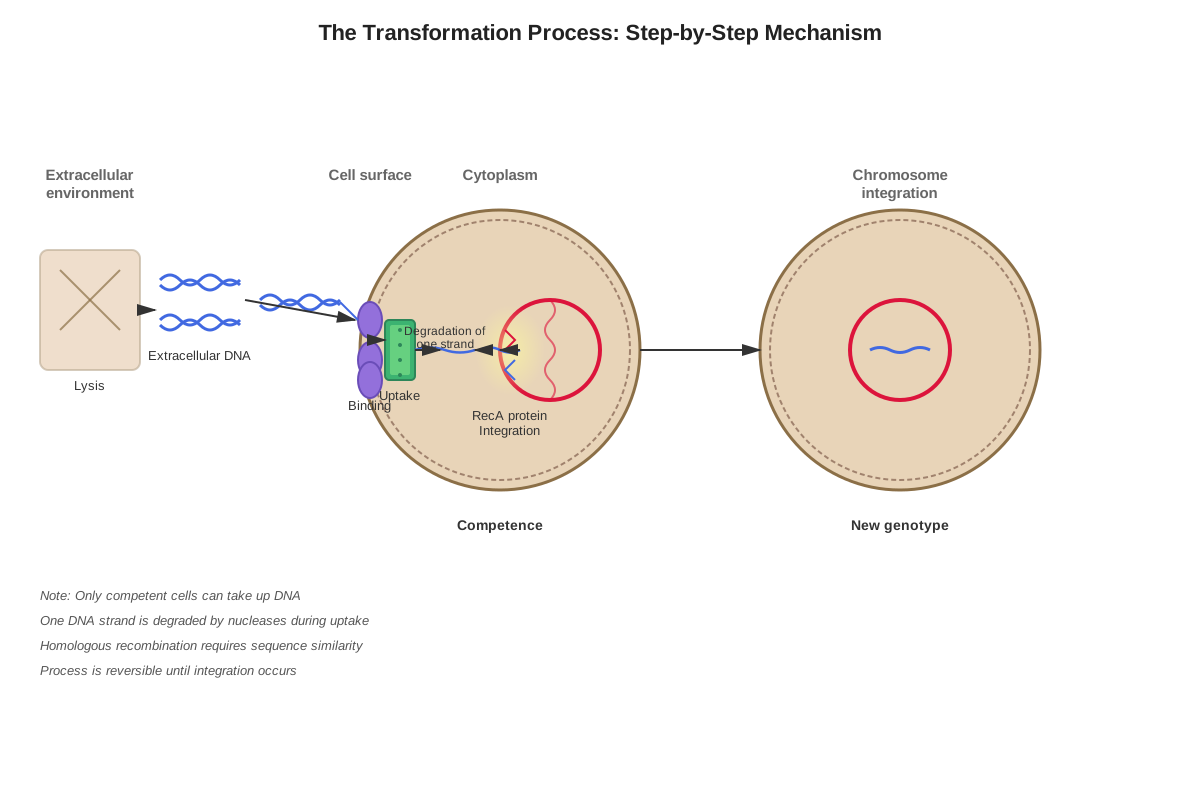
Molecular Mechanism of Transformation
The transformation process involves several distinct molecular steps:
1. DNA Release into Environment
When bacterial cells die and lyse, their chromosomal and plasmid DNA is released into the surrounding medium. This DNA may remain intact or fragment into smaller pieces. Double-stranded DNA molecules are relatively stable in the environment, particularly in biofilms or protected microenvironments.
2. Development of Competence
Competent cells express specific surface proteins that recognize and bind extracellular DNA. Natural competence is regulated by complex genetic systems:
- Competence factors: Proteins that alter membrane permeability
- DNA-binding proteins: Surface receptors that recognize DNA molecules
- Quorum sensing: Some bacteria become competent in response to population density signals
3. DNA Binding and Uptake
DNA molecules bind to receptor proteins on the competent cell surface. One strand of the double-stranded DNA is degraded by nucleases, while the complementary strand is transported across the cell membrane through a specialized protein channel. This process requires energy (ATP).
4. Integration into Genome
Once inside the cell, the single-stranded DNA must integrate into the bacterial chromosome through homologous recombination:
- The foreign DNA aligns with homologous sequences in the host chromosome
- RecA protein and other recombination enzymes facilitate strand exchange
- The foreign DNA replaces the corresponding region of the host chromosome
- The displaced host DNA is degraded
5. Expression and Phenotypic Change
After integration, the new genetic information is replicated along with the rest of the chromosome and expressed through normal transcription and translation processes. The transformed cell now exhibits a new phenotype that can be passed to daughter cells.
Types of Transformation
| Type | Description | MCAT Relevance |
|---|---|---|
| Natural Transformation | Occurs spontaneously in certain bacterial species under specific environmental conditions | Explains how antibiotic resistance spreads in natural populations |
| Artificial Transformation | Induced in laboratory settings using chemical or physical methods | Essential for understanding molecular biology techniques in experimental passages |
| Chromosomal Transformation | Integration of DNA into the bacterial chromosome | Results in stable, heritable changes |
| Plasmid Transformation | Uptake of circular plasmid DNA that replicates independently | Common in biotechnology applications; basis for cloning vectors |
Factors Affecting Transformation Efficiency
Several variables influence the success rate of transformation:
- DNA concentration: Higher concentrations generally increase transformation frequency up to a saturation point
- DNA size: Smaller DNA fragments are taken up more efficiently than large chromosomes
- Homology: DNA with sequences similar to the host genome integrates more readily through homologous recombination
- Competence state: Only competent cells can undergo transformation; timing and conditions are critical
- Selection pressure: Transformed cells must be selectively identified, typically using antibiotic resistance markers
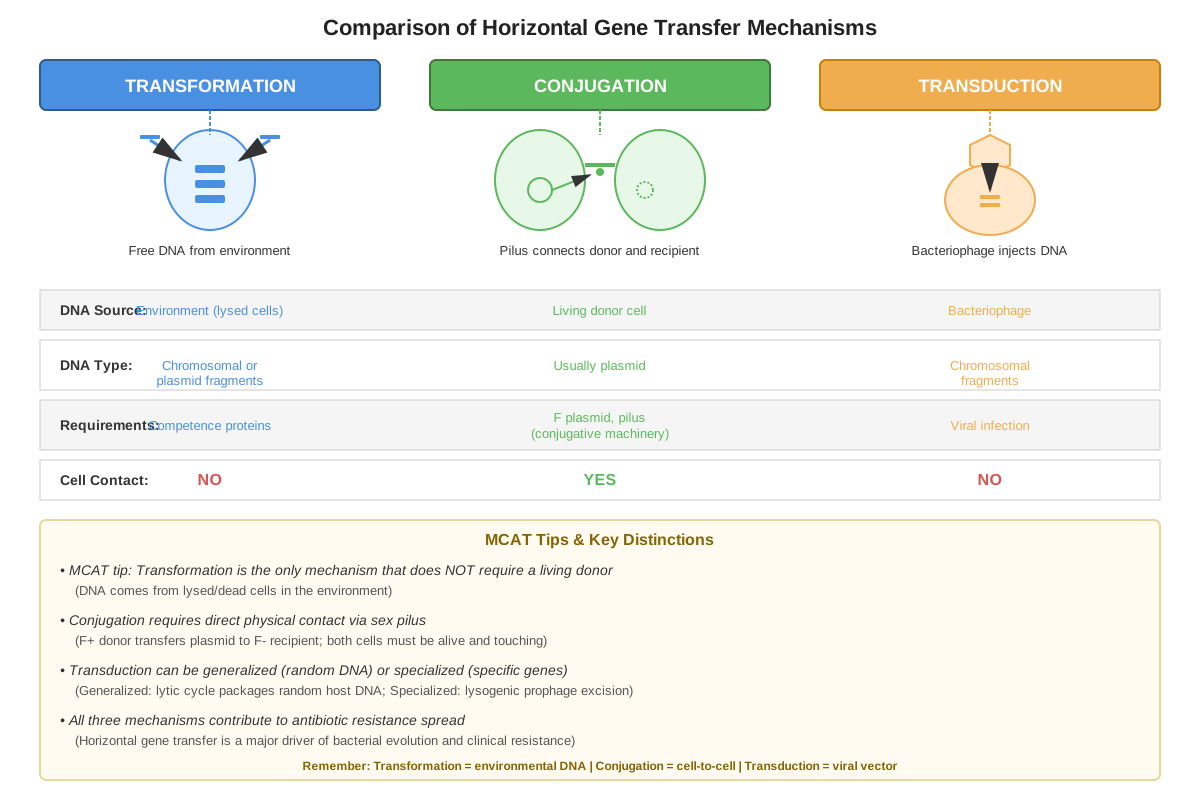
Transformation vs. Other Horizontal Gene Transfer Mechanisms
Understanding the distinctions between transformation, conjugation, and transduction is high-yield for the MCAT:
Transformation:
- Mechanism: Uptake of naked DNA from environment
- Requirements: Competent recipient cell, free DNA
- DNA source: Dead/lysed cells
- Amount of DNA transferred: Variable, typically small fragments
Conjugation:
- Mechanism: Direct transfer through pilus
- Requirements: Donor cell with F plasmid, physical contact
- DNA source: Living donor cell
- Amount of DNA transferred: Can transfer entire plasmids or chromosomal segments
Transduction:
- Mechanism: Viral-mediated transfer
- Requirements: Bacteriophage vector
- DNA source: Packaged into viral particles
- Amount of DNA transferred: Limited by viral capsid size
Concept Relationships
Transformation connects to numerous biological concepts in an integrated network. At the molecular level, transformation depends on DNA structure and stability—the double helix must remain intact enough to carry genetic information but accessible enough for cellular machinery to process. The process of homologous recombination that enables DNA integration is the same mechanism used in meiotic crossing over in eukaryotes, creating a conceptual bridge between prokaryotic and eukaryotic genetics.
The relationship flows as follows: Environmental stress → competence development → DNA uptake → homologous recombination → gene expression → new phenotype → selective advantage → evolutionary change. Each arrow represents a dependent relationship where the preceding step enables the subsequent one.
Transformation relates to gene regulation because competence genes must be activated before transformation can occur, illustrating how bacteria respond to environmental signals. The connection to biotechnology is direct—scientists exploit transformation to create recombinant organisms, produce therapeutic proteins, and conduct genetic research. Understanding transformation also requires knowledge of selective pressure and evolution, as the acquisition of new traits through horizontal gene transfer accelerates bacterial adaptation far beyond what random mutation alone could achieve.
The topic bridges to antibiotic resistance mechanisms (a separate high-yield MCAT topic) because transformation is one route by which resistance genes spread through bacterial populations. It also connects to bacterial growth curves since natural competence often develops during specific growth phases, particularly during the transition from exponential to stationary phase when nutrients become limited.
High-Yield Facts
⭐ Transformation is the uptake of naked DNA from the environment by competent bacterial cells, resulting in heritable genetic change
⭐ Griffith's experiment with S and R strains of Streptococcus pneumoniae provided the first evidence of transformation and ultimately led to identifying DNA as genetic material
⭐ Only one strand of double-stranded DNA enters the bacterial cell during transformation; the complementary strand is degraded by nucleases
⭐ Homologous recombination is required for chromosomal integration of transformed DNA, while plasmids can replicate autonomously
⭐ Transformation differs from conjugation (requires cell contact and pilus) and transduction (requires bacteriophage vector)
- Competence is a temporary physiological state that can occur naturally or be induced artificially in the laboratory
- Calcium chloride treatment and heat shock are common methods for inducing artificial competence in E. coli
- Antibiotic resistance genes are frequently transferred between bacteria through transformation, contributing to the spread of multidrug resistance
- Transformation efficiency is typically measured as the number of transformed colonies per microgram of DNA
- Plasmid transformation is more efficient than chromosomal transformation because plasmids don't require integration into the host genome
- The RecA protein is essential for homologous recombination during chromosomal transformation
- Transformation can be used as a tool to map bacterial genes by determining which genes are linked during co-transformation
Quick check — test yourself on Transformation so far.
Try Flashcards →Common Misconceptions
Misconception: Transformation requires living donor cells to transfer DNA
Correction: Unlike conjugation, transformation specifically involves uptake of naked DNA from the environment, typically released from dead or lysed cells. Living cells are not required as DNA donors.
Misconception: All bacteria can undergo transformation at any time
Correction: Only competent cells can take up DNA, and competence is a specific physiological state that occurs naturally in some species under certain conditions or must be artificially induced in others. E. coli, commonly used in labs, rarely develops natural competence and requires chemical or electrical treatment.
Misconception: Both strands of double-stranded DNA enter the cell during transformation
Correction: During natural transformation, nucleases on the cell surface degrade one strand of the DNA duplex while the complementary strand is transported into the cell. Only single-stranded DNA enters the cytoplasm.
Misconception: Transformed DNA automatically becomes part of the bacterial chromosome
Correction: Chromosomal integration requires homologous recombination between the foreign DNA and similar sequences in the host genome. Without sufficient homology, the DNA will be degraded. Plasmid DNA, however, can replicate independently without integration.
Misconception: Transformation and transfection are the same process
Correction: Transformation specifically refers to genetic modification of bacteria through DNA uptake. Transfection is the analogous process in eukaryotic cells. While mechanistically similar, the terminology is specific to cell type.
Misconception: The transforming principle in Griffith's experiment was protein from the capsule
Correction: Although the capsule (made of polysaccharides) was the visible trait that changed, the transforming principle was DNA encoding the enzymes necessary to synthesize the capsule. Avery, MacLeod, and McCarty demonstrated this by showing that only DNA, not protein or polysaccharide, could transform R strain to S strain.
Misconception: Transformation occurs at the same rate in all environmental conditions
Correction: Transformation efficiency is highly dependent on environmental factors including pH, temperature, salt concentration, and the presence of divalent cations like Ca²⁺ and Mg²⁺. These factors affect both DNA stability and cell membrane permeability.
Worked Examples
Example 1: Interpreting a Griffith-Type Experiment
Question: Researchers are studying two strains of bacteria: Strain A produces a green fluorescent protein (GFP) and is resistant to ampicillin, while Strain B produces neither GFP nor ampicillin resistance. In an experiment, Strain A is heat-killed and mixed with living Strain B. The mixture is plated on agar containing ampicillin. After incubation, researchers observe green fluorescent colonies growing on the ampicillin plates. Which of the following best explains this observation?
A) Strain B underwent conjugation with Strain A
B) Strain A was not completely killed by heat treatment
C) Strain B took up DNA from Strain A through transformation
D) A bacteriophage transferred genes from Strain A to Strain B
Worked Solution:
Step 1: Identify what we observe
- Green fluorescent colonies (indicating GFP expression)
- Growth on ampicillin plates (indicating ampicillin resistance)
- These traits originally belonged only to Strain A
- Strain A was heat-killed before mixing
Step 2: Analyze each answer choice
Choice A (Conjugation): Conjugation requires living donor cells with a pilus to transfer DNA through direct contact. Since Strain A was heat-killed, conjugation cannot occur. Eliminate A.
Choice B (Incomplete killing): If Strain A survived, we would see Strain A colonies, which would be both green and ampicillin-resistant. However, the question states Strain A was heat-killed, and heat treatment is generally effective at killing bacteria. More importantly, this doesn't explain a mechanism of genetic transfer. Eliminate B.
Choice C (Transformation): Transformation involves uptake of naked DNA from the environment. When Strain A cells were heat-killed, their DNA was released. Living Strain B cells could take up this DNA if they were competent, and if the genes for GFP and ampicillin resistance were incorporated into Strain B's genome through homologous recombination (or if they were on a plasmid that could replicate independently), Strain B would express these new traits. This matches our observations. Keep C.
Choice D (Transduction): Transduction requires a bacteriophage vector to transfer DNA. The question provides no information about viral infection, making this unlikely. Eliminate D.
Answer: C
Key Concept Connection: This question tests understanding of transformation's defining features—uptake of naked DNA from dead cells—and the ability to distinguish it from other horizontal gene transfer mechanisms. The presence of two traits (GFP and ampicillin resistance) in the transformed bacteria suggests these genes were either linked on the same DNA fragment or both successfully transformed independently.
Example 2: Experimental Design and Transformation Efficiency
Question: A molecular biology lab is attempting to transform E. coli with a plasmid containing a gene for tetracycline resistance. They prepare competent cells and add plasmid DNA, then plate the bacteria on different media:
- Plate 1: Nutrient agar (no antibiotic)
- Plate 2: Nutrient agar + tetracycline
After incubation, Plate 1 shows approximately 10,000 colonies, while Plate 2 shows 100 colonies. What is the transformation efficiency, and what do these results indicate?
Worked Solution:
Step 1: Understand what each plate tells us
Plate 1 (no antibiotic): Shows total viable bacteria plated, including both transformed and non-transformed cells. Result: 10,000 colonies
Plate 2 (with tetracycline): Only bacteria that successfully took up the plasmid with tetracycline resistance can grow. Result: 100 colonies
Step 2: Calculate transformation efficiency
Transformation efficiency = (Number of transformed colonies / Total viable cells) × 100%
= (100 / 10,000) × 100%
= 1%
Step 3: Interpret the results
Only 1% of the viable bacteria successfully took up and expressed the plasmid. This is actually a reasonable efficiency for standard chemical transformation of E. coli. The 99% of cells that didn't transform can still grow on Plate 1 but die on Plate 2 due to tetracycline sensitivity.
Step 4: Consider what affects this efficiency
Several factors could improve transformation efficiency:
- Higher plasmid DNA concentration (up to a point)
- Better competent cell preparation
- Optimal heat shock timing and temperature
- Appropriate recovery time before plating
- Using electroporation instead of chemical transformation
Key Concept Connection: This problem integrates transformation with experimental design and quantitative analysis. Understanding that antibiotic selection is necessary to identify transformed cells is crucial for interpreting molecular biology experiments on the MCAT. The low percentage of successful transformation explains why selection markers (like antibiotic resistance) are essential—without them, transformed cells would be impossible to identify among the vast majority of non-transformed cells.
Exam Strategy
When approaching transformation MCAT questions, first identify whether the question is asking about the mechanism itself or its application in an experimental context. Mechanism questions typically require you to sequence the steps of transformation or distinguish it from conjugation and transduction. Application questions usually present experimental scenarios where you must predict outcomes or interpret results.
Trigger words and phrases to watch for:
- "Competent cells" → signals transformation is relevant
- "Naked DNA" or "free DNA" → distinguishes transformation from conjugation
- "Heat-killed" bacteria → classic Griffith-type experiment setup
- "Antibiotic selection" → indicates transformed cells are being identified
- "Plasmid uptake" → transformation in biotechnology context
- "Horizontal gene transfer" → may require comparing all three mechanisms
Process-of-elimination strategy:
When distinguishing between horizontal gene transfer mechanisms, eliminate answers systematically:
- If the question mentions dead cells as DNA source → must be transformation (not conjugation)
- If bacteriophage or virus is mentioned → must be transduction
- If direct cell contact or pilus is mentioned → must be conjugation
- If "naked DNA" or "free DNA" appears → must be transformation
For experimental design passages, identify the control groups and what each experimental condition tests. Transformation experiments typically include:
- Negative control: cells with no DNA added
- Positive control: cells with known functional plasmid
- Experimental group: cells with test plasmid
- Selection plates: media with antibiotics to identify transformants
Time allocation advice:
Transformation questions are typically medium difficulty and should take 60-90 seconds for discrete questions. Passage-based questions may take longer (90-120 seconds) because you need to extract information from the passage. Don't get bogged down in complex experimental details—focus on the core principle being tested. If a question asks about transformation mechanism, you should be able to answer it quickly from memory. If it requires passage analysis, skim for the relevant experimental conditions first, then answer.
Memory Techniques
Mnemonic for Transformation Steps: "Can Dogs Bite Immediately?"
- Competence development
- DNA binding to surface
- Breakdown of one strand (nuclease digestion)
- Integration through homologous recombination
Mnemonic for Distinguishing Horizontal Gene Transfer: "TV Cop"
- Transformation: Very dead cells (DNA from lysed cells)
- Conjugation: One-on-one contact (pilus required)
- Transduction: Phage required (viral vector)
Visualization Strategy for Griffith's Experiment:
Picture the letter "S" as smooth and shiny (like the smooth capsule), and "R" as rough and jagged (like rough colonies). When heat kills the S strain, imagine the smooth capsule melting and releasing DNA (like ice cream melting). The R strain bacteria "eat" this DNA and become smooth themselves. This visual helps remember that dead S strain transforms living R strain.
Acronym for Competence Requirements: "DAMP"
- DNA-binding proteins on surface
- ATP for energy
- Membrane permeability changes
- Proteins for DNA uptake machinery
Memory Hook for Transformation vs. Transfection:
"Transformation is for bacteria—both start with 'T' and have short names. Transfection is for eukaryotes—both have more letters (longer/more complex)."
Summary
Transformation is a fundamental mechanism of horizontal gene transfer in which competent bacterial cells take up naked DNA from their environment and incorporate it into their genome, resulting in heritable genetic changes. First discovered through Griffith's experiments with Streptococcus pneumoniae, transformation provided crucial evidence that DNA carries genetic information. The process requires cells to be in a competent state, involves degradation of one DNA strand while the other enters the cell, and necessitates homologous recombination for chromosomal integration. Transformation differs from conjugation (which requires living donor cells and direct contact) and transduction (which requires viral vectors). For the MCAT, understanding transformation is essential for interpreting bacterial genetics experiments, explaining antibiotic resistance spread, and analyzing biotechnology applications. The topic frequently appears in experimental design passages and requires integration with concepts including DNA structure, gene expression, recombination, and evolutionary biology.
Key Takeaways
- Transformation is the uptake of naked DNA from the environment by competent bacteria, distinguished from conjugation and transduction by not requiring living donors or viral vectors
- Griffith's S and R strain experiments demonstrated transformation and led to identifying DNA as genetic material—a historically significant discovery frequently tested on the MCAT
- Only one strand of double-stranded DNA enters the cell during transformation; the complementary strand is degraded by surface nucleases
- Competence is a specific physiological state required for transformation, occurring naturally in some species or induced artificially through chemical or electrical methods
- Homologous recombination integrates foreign DNA into the bacterial chromosome, while plasmids can replicate autonomously without integration
- Transformation is clinically relevant as a mechanism for spreading antibiotic resistance and is foundational to biotechnology applications including genetic engineering
- MCAT questions on transformation typically involve experimental interpretation, mechanism sequencing, or distinguishing between horizontal gene transfer methods
Related Topics
Conjugation and Transduction: The other two mechanisms of horizontal gene transfer in bacteria. Mastering transformation provides the foundation for understanding how these alternative mechanisms differ in requirements, efficiency, and biological significance.
Homologous Recombination: The molecular mechanism by which foreign DNA integrates into bacterial chromosomes during transformation. This process also occurs during meiosis in eukaryotes, creating conceptual connections across domains of life.
Antibiotic Resistance Mechanisms: Transformation is one route by which resistance genes spread through bacterial populations. Understanding transformation enables deeper comprehension of how resistance emerges and disseminates.
Bacterial Growth and Gene Regulation: Natural competence often develops during specific growth phases and is regulated by complex genetic circuits. This connects transformation to broader concepts of bacterial physiology and environmental response.
Biotechnology and Genetic Engineering: Transformation is the primary technique for introducing recombinant DNA into bacterial cells for research and industrial applications. Mastery of transformation is essential for understanding molecular biology experimental design.
Molecular Biology Techniques: Transformation underlies many laboratory methods including cloning, protein expression, and gene knockout studies that appear in MCAT experimental passages.
Practice CTA
Now that you've mastered the core concepts of transformation, it's time to solidify your understanding through active practice. Work through the practice questions and flashcards to test your ability to apply these concepts in exam-style scenarios. Focus particularly on distinguishing transformation from other gene transfer mechanisms and interpreting experimental designs—these are the highest-yield applications for MCAT success. Remember, understanding transformation not only helps you answer direct questions about this topic but also provides essential background for passages involving bacterial genetics, biotechnology, and antibiotic resistance. Your investment in mastering this medium-importance topic will pay dividends across multiple areas of the biological sciences section!
Sign up free to keep reading
Create a free AnvayaPrep account to finish this MCAT guide on Transformation — plus flashcards and practice questions.