Overview
Enhancers are critical regulatory DNA sequences that play a fundamental role in controlling gene expression in eukaryotic organisms. These non-coding regions can be located thousands of base pairs away from the genes they regulate, yet they dramatically influence transcription rates by serving as binding sites for transcription factors and other regulatory proteins. Understanding enhancers is essential for mastering Molecular Biology and Genetics concepts tested on the MCAT, as they represent a key mechanism by which cells achieve tissue-specific gene expression and respond to developmental and environmental signals.
For the MCAT, enhancers represent a medium-difficulty topic that bridges multiple high-yield concepts in Biology, including gene regulation, transcription, cell differentiation, and development. Questions involving Enhancers Biology frequently appear in passage-based formats where students must analyze experimental data about gene expression patterns, interpret mutations affecting regulatory regions, or predict the consequences of enhancer dysfunction. The MCAT tests not just memorization of enhancer function, but the ability to apply this knowledge to novel scenarios involving development, cancer biology, and evolutionary adaptations.
The significance of enhancers extends beyond basic transcriptional control—they are central to understanding how a single genome can produce hundreds of different cell types, each with distinct gene expression profiles. This topic connects directly to promoters, transcription factors, chromatin remodeling, and signal transduction pathways, making it a conceptual hub within molecular biology. Mastery of enhancer function enables students to tackle complex MCAT questions about cellular differentiation, homeotic genes, and the molecular basis of disease, particularly cancer where enhancer dysregulation is increasingly recognized as a driver of oncogene activation.
Learning Objectives
- [ ] Define Enhancers using accurate Biology terminology
- [ ] Explain why Enhancers matters for the MCAT
- [ ] Apply Enhancers to exam-style questions
- [ ] Identify common mistakes related to Enhancers
- [ ] Connect Enhancers to related Biology concepts
- [ ] Distinguish between enhancers, promoters, and silencers based on their structural and functional properties
- [ ] Predict the effects of enhancer mutations on tissue-specific gene expression patterns
- [ ] Analyze experimental data to identify enhancer regions and their regulatory proteins
Prerequisites
- Basic DNA structure and organization: Understanding of nucleotide sequences, double helix structure, and the distinction between coding and non-coding regions is essential for comprehending where enhancers are located and how they function
- Transcription fundamentals: Knowledge of RNA polymerase II, the transcription initiation complex, and the basic steps of transcription provides the foundation for understanding how enhancers modulate this process
- Protein-DNA interactions: Familiarity with how proteins recognize and bind specific DNA sequences is necessary to understand transcription factor binding to enhancer elements
- Gene structure in eukaryotes: Understanding of promoters, exons, introns, and regulatory regions helps contextualize where enhancers fit within the overall gene architecture
- Basic principles of gene regulation: General awareness that genes can be turned on or off provides context for enhancers as one specific regulatory mechanism
Why This Topic Matters
Clinical and Real-World Significance
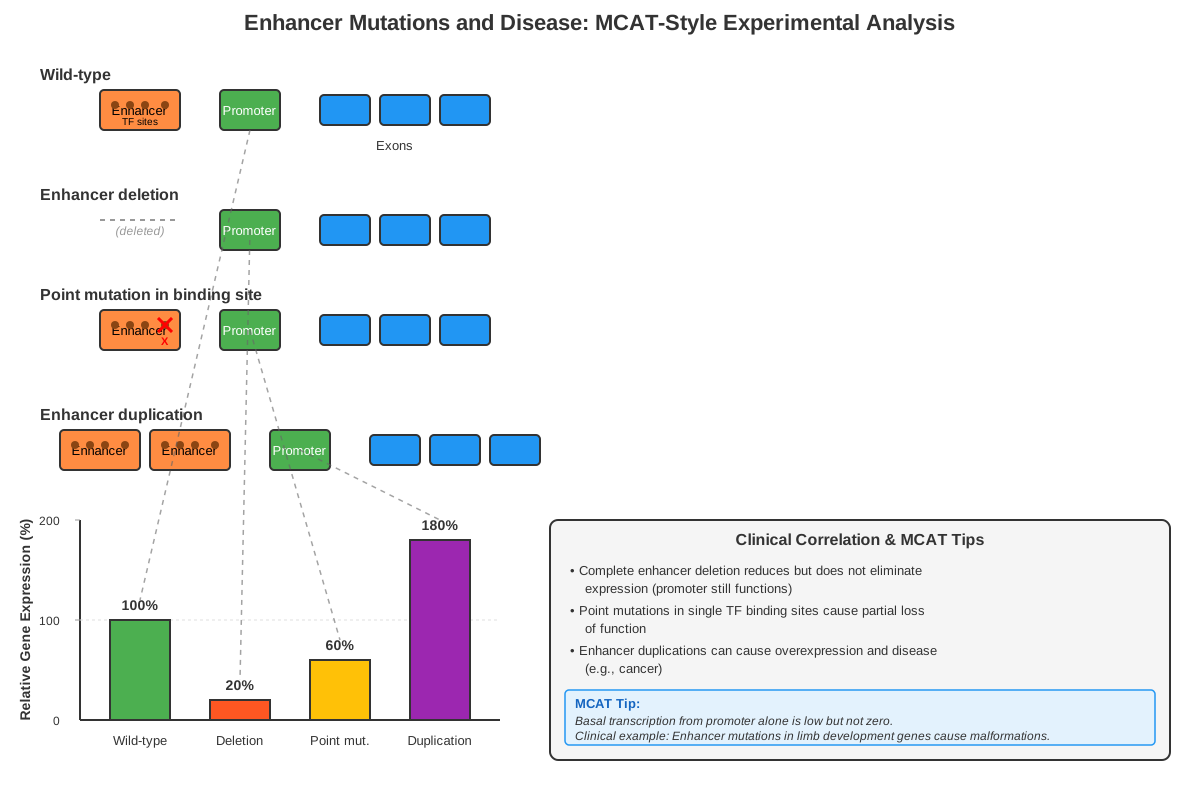
Enhancer dysfunction underlies numerous human diseases and developmental disorders. Mutations in enhancer regions can cause limb malformations, congenital heart defects, and various cancers even when the coding sequences of genes remain intact. For example, mutations in enhancers controlling the SHH (Sonic Hedgehog) gene can result in polydactyly or other limb abnormalities. In cancer biology, chromosomal translocations can place oncogenes under the control of highly active enhancers, leading to inappropriate gene expression—a mechanism seen in Burkitt's lymphoma where the MYC oncogene comes under control of immunoglobulin enhancers. Understanding enhancers also has therapeutic implications, as modern gene therapy and CRISPR-based approaches increasingly target regulatory regions rather than coding sequences.
MCAT Exam Statistics and Question Types
Enhancers appear in approximately 3-5% of MCAT Biology passages, typically in the context of molecular biology, genetics, or developmental biology sections. Questions most commonly present experimental scenarios where students must interpret gene expression data, analyze the effects of regulatory mutations, or predict outcomes of enhancer deletions. The MCAT frequently tests enhancers through:
- Passage-based questions presenting experimental data on gene expression in different tissues or developmental stages
- Discrete questions asking students to compare enhancers with other regulatory elements
- Data interpretation questions requiring analysis of reporter gene assays or chromatin immunoprecipitation experiments
- Reasoning questions that ask students to predict the phenotypic consequences of enhancer mutations
The topic integrates well with other high-yield MCAT concepts including transcription factors, cell differentiation, homeotic genes, and cancer biology, making it a valuable connector topic that can appear across multiple question contexts.
Core Concepts
Definition and Basic Structure of Enhancers
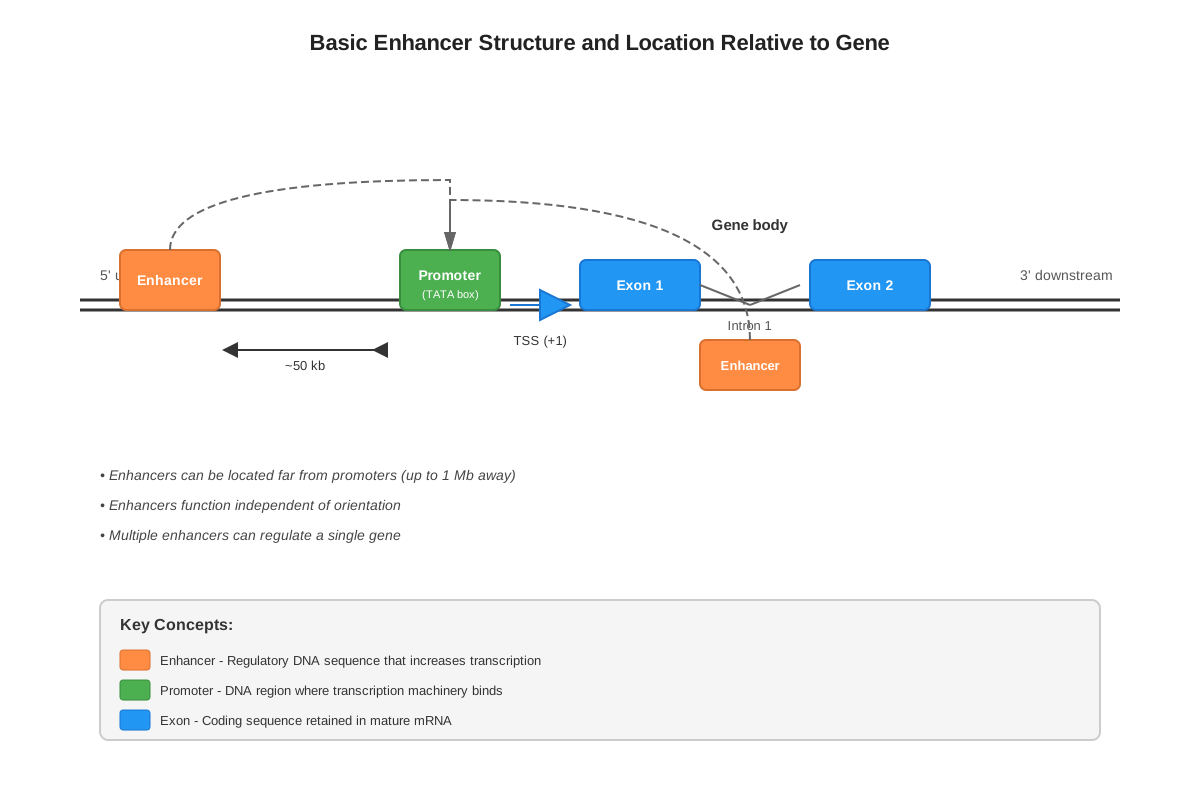
Enhancers are cis-regulatory DNA sequences that increase the transcription rate of genes when bound by specific transcription factors, regardless of their orientation or precise distance from the target gene's promoter. Unlike promoters, which must be located immediately upstream of the transcription start site, enhancers can function from locations thousands or even millions of base pairs away from the genes they regulate. They can be positioned upstream (5'), downstream (3'), or even within introns of the genes they control.
Structurally, enhancers typically span 50-1500 base pairs and contain multiple binding sites for different transcription factors (also called trans-acting factors). These binding sites are often called response elements and are usually 6-12 base pairs long. A single enhancer may contain 10-20 different transcription factor binding sites, allowing for complex combinatorial control where multiple signals must converge to activate transcription. This modular organization enables enhancers to integrate diverse cellular signals and respond to multiple developmental or environmental cues simultaneously.
Mechanism of Enhancer Function
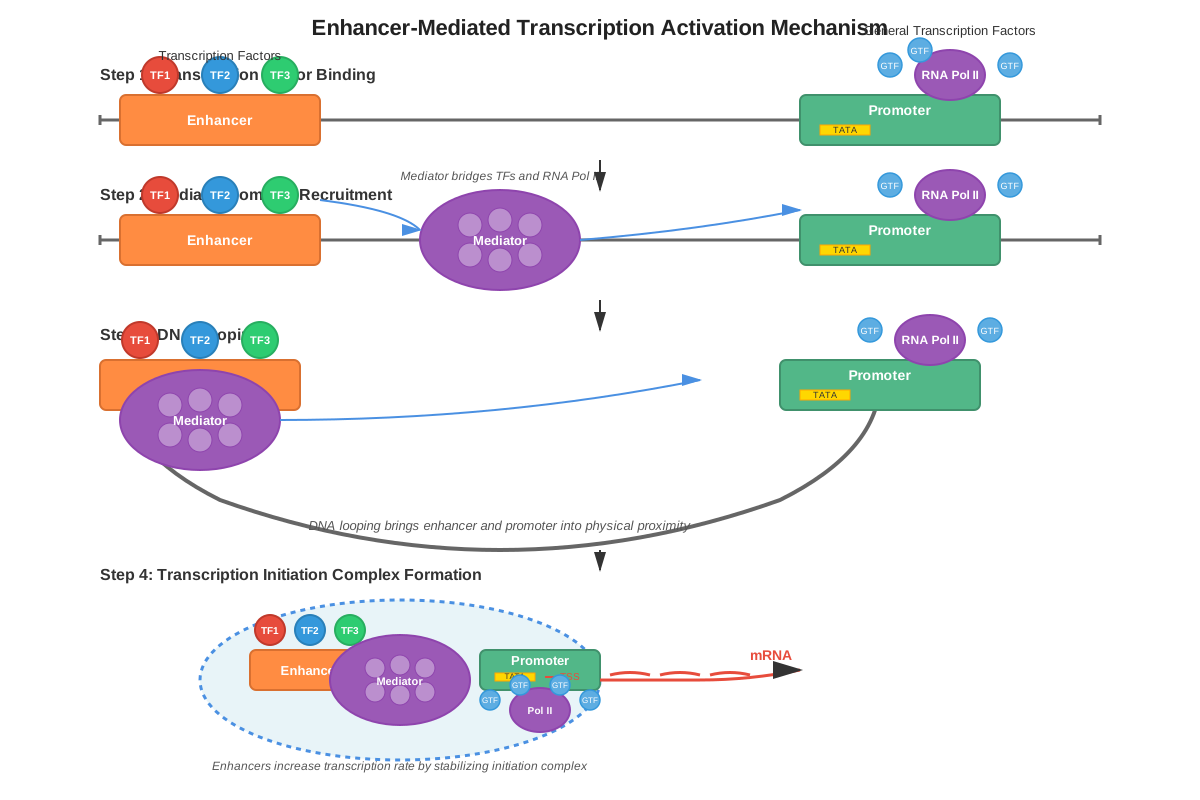
Enhancers work through a process called DNA looping, where the linear DNA molecule bends to bring the enhancer into close physical proximity with the promoter region of the target gene. This looping is facilitated by mediator complexes and coactivator proteins that serve as molecular bridges between transcription factors bound at the enhancer and the transcription machinery assembled at the promoter.
The mechanism proceeds through these key steps:
- Transcription factor binding: Specific transcription factors recognize and bind to their cognate sequences within the enhancer
- Coactivator recruitment: Bound transcription factors recruit coactivator proteins and chromatin remodeling complexes
- DNA looping: The DNA between the enhancer and promoter loops out, bringing the two regions into physical contact
- Mediator complex bridging: The mediator complex physically connects transcription factors at the enhancer with RNA polymerase II and general transcription factors at the promoter
- Transcription activation: This assembly stabilizes the transcription initiation complex and increases the rate of transcription initiation
The mediator complex is a large multi-subunit protein complex (over 30 subunits in humans) that serves as the critical bridge between enhancer-bound transcription factors and the basal transcription machinery. It does not bind DNA directly but instead serves as a signal integrator, translating the combinatorial transcription factor code at enhancers into appropriate levels of transcriptional output.
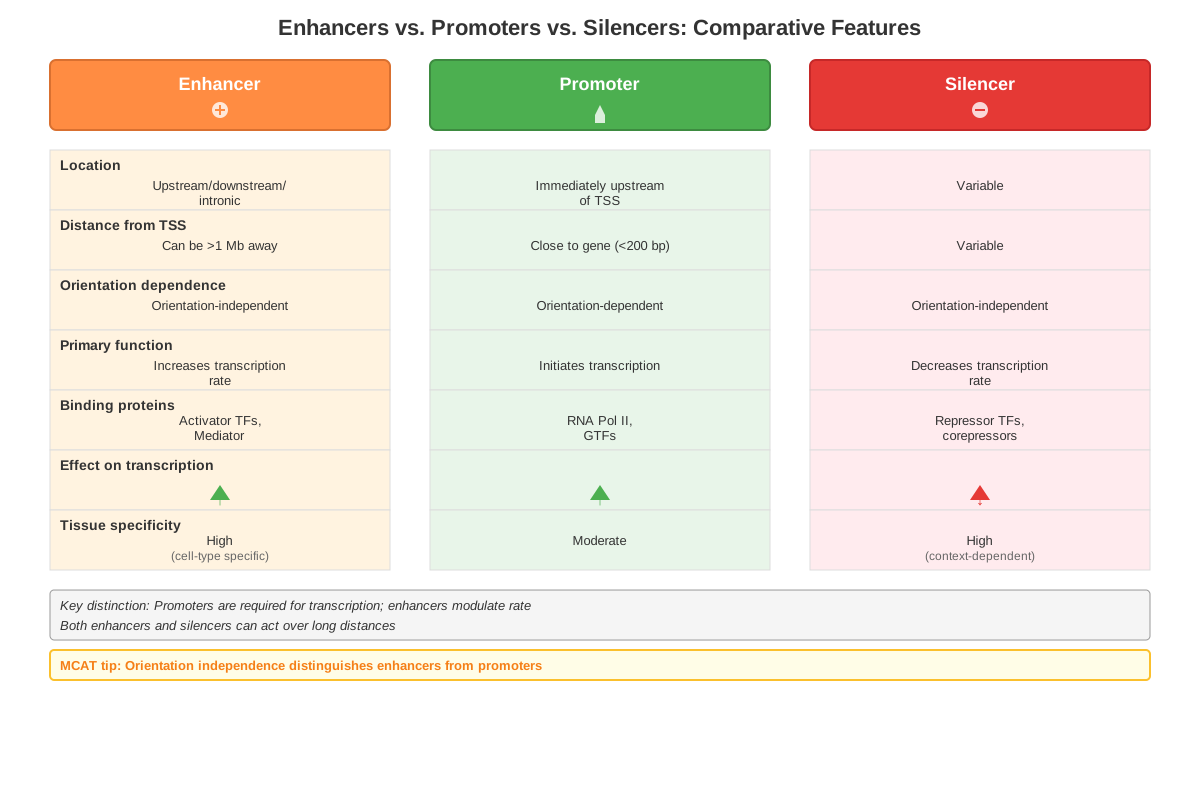
Enhancers vs. Promoters vs. Silencers
Understanding the distinctions between these regulatory elements is crucial for MCAT success:
| Feature | Enhancers | Promoters | Silencers |
|---|---|---|---|
| Function | Increase transcription rate | Initiate transcription | Decrease transcription rate |
| Location | Variable; can be far from gene | Immediately upstream of gene | Variable; can be far from gene |
| Orientation | Works in either orientation | Orientation-dependent | Works in either orientation |
| Distance | Can be >1 million bp away | Typically within 200 bp of TSS | Can be far from gene |
| Proteins bound | Activator transcription factors | General transcription factors + RNA Pol II | Repressor transcription factors |
| Mechanism | DNA looping to promoter | Direct assembly of transcription machinery | DNA looping; recruitment of repressors |
Promoters are the DNA sequences where RNA polymerase II and general transcription factors assemble to initiate transcription. They contain core elements like the TATA box (TATAAA sequence ~25 bp upstream of the transcription start site) and binding sites for general transcription factors. Promoters are necessary for transcription to occur but are often insufficient to drive high levels of tissue-specific expression—this is where enhancers become critical.
Silencers function as the opposite of enhancers, binding repressor proteins that decrease transcription rates. Like enhancers, they can act over long distances and in either orientation. The same DNA sequence can sometimes function as an enhancer in one cell type and a silencer in another, depending on which transcription factors are expressed in that cell.
Tissue-Specific and Developmental Gene Expression
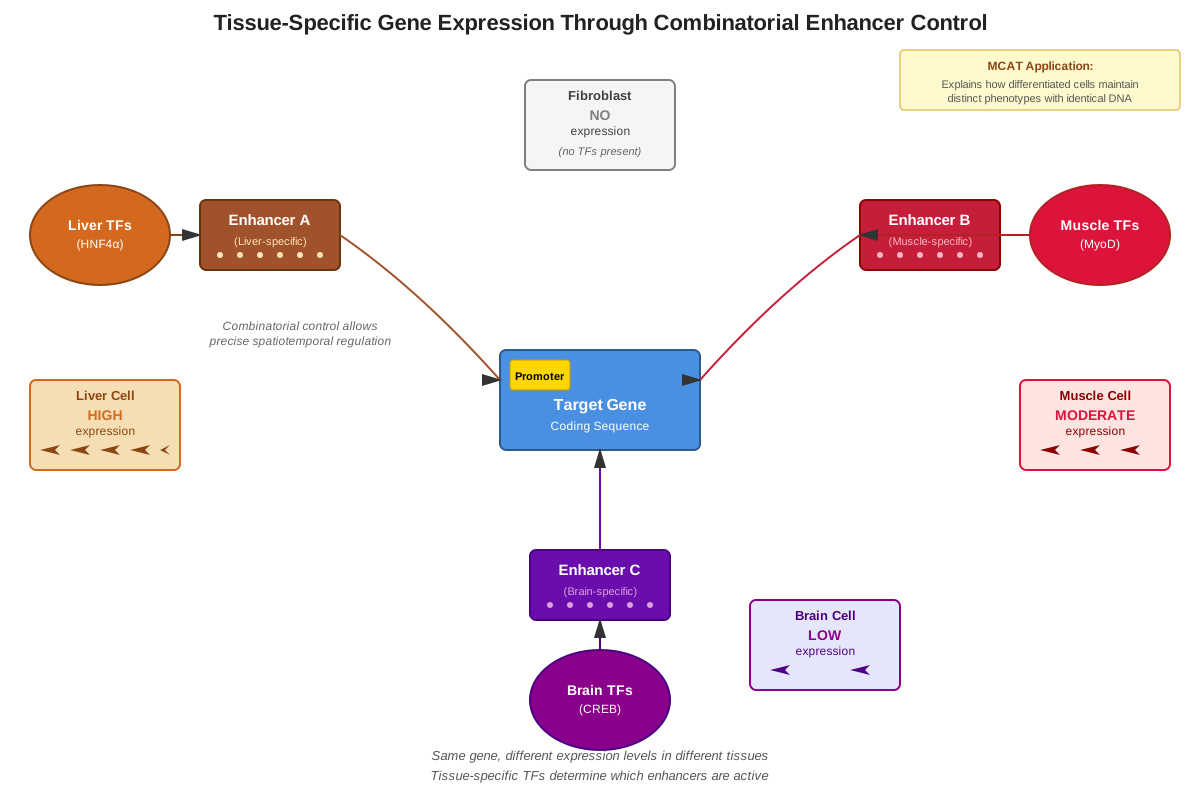
Enhancers are the primary mechanism by which eukaryotic cells achieve tissue-specific gene expression—the phenomenon where different cell types express different sets of genes despite having identical genomes. A single gene may be controlled by multiple enhancers, each active in different tissues or developmental stages. This modular organization allows for precise spatiotemporal control of gene expression.
For example, the Pax6 gene (important for eye development) is controlled by multiple enhancers:
- One enhancer drives expression in the developing lens
- Another drives expression in the retina
- A third drives expression in the pancreas
- Each enhancer responds to different combinations of transcription factors present in those specific tissues
This modular enhancer architecture explains how mutations can cause tissue-specific defects even when the gene itself is intact. Deletion of a single enhancer might eliminate gene expression in one tissue while leaving expression normal in others.
Combinatorial Control and Signal Integration
The presence of multiple transcription factor binding sites within enhancers enables combinatorial control—the principle that gene expression depends on the specific combination of transcription factors present rather than any single factor. This provides several advantages:
- Specificity: A gene is only activated when the precise combination of transcription factors is present, ensuring expression only in appropriate cell types
- Signal integration: Multiple signaling pathways can converge on a single enhancer, allowing the cell to integrate diverse information
- Fine-tuning: Different combinations of factors can produce different levels of transcription, not just on/off responses
- Evolutionary flexibility: New expression patterns can evolve through mutations that create or eliminate individual binding sites without completely disrupting enhancer function
For instance, an enhancer might require transcription factors A, B, and C to be simultaneously bound for activation. If a cell expresses only A and B, the enhancer remains inactive. This explains why the same enhancer can be inactive in most cell types but highly active in specific tissues where the right combination of factors is expressed.
Chromatin Context and Enhancer Activity
Enhancer function is intimately connected to chromatin structure. Active enhancers are typically located in regions of open chromatin characterized by:
- Histone acetylation: Particularly acetylation of histone H3 at lysine 27 (H3K27ac), which is a hallmark of active enhancers
- DNase hypersensitivity: Active enhancers are more accessible to DNase digestion because the DNA is not tightly wrapped around histones
- Histone H3K4 monomethylation: The H3K4me1 mark distinguishes enhancers from promoters (which have H3K4me3)
- Nucleosome depletion: Active enhancers often have reduced nucleosome occupancy at transcription factor binding sites
Chromatin remodeling complexes are often recruited by transcription factors bound at enhancers. These complexes use ATP to physically move, eject, or restructure nucleosomes, making the DNA more accessible to other regulatory proteins. This creates a positive feedback loop where initial transcription factor binding promotes chromatin opening, which facilitates binding of additional factors.
Concept Relationships
The concepts within enhancer biology form an interconnected network. Enhancers serve as the central hub, with their function depending on transcription factor binding, which in turn depends on the combinatorial presence of specific factors in a given cell type. This binding triggers DNA looping facilitated by mediator complexes, ultimately connecting to the promoter and RNA polymerase II to increase transcription rates.
The relationship flows: Cell signaling pathways → Transcription factor expression/activation → Transcription factor binding to enhancers → Coactivator and mediator recruitment → DNA looping → Promoter activation → Increased transcription → Tissue-specific gene expression
Enhancers connect to prerequisite knowledge through their dependence on basic DNA-protein interactions and their role in modulating the transcription process. They extend to advanced topics including epigenetics (through chromatin modifications), development (through control of homeotic and tissue-specification genes), and evolution (as enhancer mutations can drive phenotypic diversity without altering protein sequences).
The relationship to silencers is complementary—both use similar mechanisms (DNA looping, distance independence) but with opposite effects. The relationship to promoters is synergistic—promoters are necessary but not sufficient, while enhancers amplify and specify the transcriptional output. Together, these elements form the complete cis-regulatory architecture that controls gene expression in eukaryotes.
Quick check — test yourself on Enhancers so far.
Try Flashcards →High-Yield Facts
⭐ Enhancers can function at distances of 1 million base pairs or more from their target genes and work regardless of their orientation (5' to 3' or 3' to 5')
⭐ Enhancers increase transcription rates through DNA looping that brings enhancer-bound transcription factors into physical contact with the promoter via mediator complexes
⭐ A single gene can be controlled by multiple enhancers, each driving expression in different tissues or developmental stages (modular architecture)
⭐ Enhancers contain multiple transcription factor binding sites (response elements), enabling combinatorial control where specific combinations of factors determine activity
⭐ Active enhancers are marked by specific histone modifications, particularly H3K27ac (acetylation) and H3K4me1 (monomethylation), distinguishing them from promoters
- Enhancers are cis-acting elements (on the same DNA molecule as the gene they regulate), while transcription factors are trans-acting factors (proteins that can diffuse and act on any DNA molecule)
- Mutations in enhancers can cause disease even when the gene's coding sequence is completely normal, explaining some cases of genetic disorders with no apparent gene mutations
- Super-enhancers are clusters of multiple enhancers spanning large genomic regions that drive extremely high expression of genes critical for cell identity
- Enhancer activity is cell-type specific because different cell types express different combinations of transcription factors
- The mediator complex does not bind DNA directly but serves as a bridge between enhancer-bound activators and the RNA polymerase II machinery at the promoter
Common Misconceptions
Misconception: Enhancers must be located upstream (5') of the genes they regulate
Correction: Enhancers can be located upstream, downstream, or within introns of their target genes. Their position-independence is a defining characteristic that distinguishes them from promoters, which must be immediately upstream of the transcription start site.
Misconception: Enhancers directly bind RNA polymerase II to increase transcription
Correction: Enhancers do not directly bind RNA polymerase II. Instead, they bind transcription factors that recruit coactivators and mediator complexes, which then interact with RNA polymerase II assembled at the promoter through DNA looping. The enhancer and promoter are brought into physical proximity, but the enhancer does not directly contact the polymerase.
Misconception: Each gene has only one enhancer that controls its expression
Correction: Most genes are controlled by multiple enhancers, each potentially active in different tissues, developmental stages, or in response to different signals. This modular organization allows for complex spatiotemporal expression patterns from a single gene.
Misconception: Enhancers and promoters are interchangeable terms for gene regulatory regions
Correction: Enhancers and promoters are distinct regulatory elements with different properties. Promoters are located immediately upstream of genes, are orientation-dependent, and are where transcription initiates. Enhancers are distance- and orientation-independent, can be far from genes, and modulate transcription rates rather than serving as initiation sites.
Misconception: A mutation in an enhancer will always completely eliminate gene expression
Correction: The effect of an enhancer mutation depends on which enhancer is affected and whether other enhancers control the same gene. Mutation of one enhancer might eliminate expression only in specific tissues while leaving expression normal in others. Additionally, mutations might reduce rather than eliminate enhancer function, leading to decreased but not absent expression.
Misconception: Enhancers work by increasing the number of RNA polymerase II molecules in the cell
Correction: Enhancers do not increase the cellular concentration of RNA polymerase II. Instead, they increase the frequency with which RNA polymerase II initiates transcription at a specific gene's promoter by stabilizing the transcription initiation complex and facilitating reinitiation.
Worked Examples
Example 1: Analyzing Tissue-Specific Expression
Question: Researchers studying the MyoD gene (a muscle-specific transcription factor) identify three enhancers: E1 (located 50 kb upstream), E2 (located in intron 1), and E3 (located 30 kb downstream). They create mice with deletions of each enhancer individually and observe the following:
- E1 deletion: No MyoD expression in limb muscles; normal expression in trunk muscles
- E2 deletion: No MyoD expression in trunk muscles; normal expression in limb muscles
- E3 deletion: Reduced MyoD expression in both limb and trunk muscles
What can you conclude about enhancer function from these results?
Solution:
Step 1: Recognize that this is testing the concept of modular enhancer architecture where multiple enhancers control the same gene in different contexts.
Step 2: Analyze E1 deletion results. The loss of limb muscle expression but retention of trunk muscle expression indicates that E1 is specifically required for MyoD expression in limb muscles. This demonstrates tissue-specific enhancer function.
Step 3: Analyze E2 deletion results. The opposite pattern (loss of trunk, retention of limb) indicates E2 is specifically required for trunk muscle expression. This confirms that different enhancers drive expression in different tissues.
Step 4: Analyze E3 deletion results. The reduction (not elimination) in both tissues suggests E3 functions as a general enhancer that boosts expression in multiple contexts but is not absolutely required in either tissue. This demonstrates that enhancers can have overlapping or redundant functions.
Step 5: Note the location independence. E2 is within an intron, E1 is far upstream, and E3 is downstream—yet all function as enhancers, confirming that enhancers work regardless of position or orientation.
Conclusion: This example demonstrates that (1) a single gene can have multiple enhancers with distinct tissue specificities, (2) enhancers can be located in various positions relative to the gene, (3) some enhancers are absolutely required for expression in specific tissues while others provide quantitative enhancement, and (4) the modular organization allows for complex expression patterns from a single gene.
Example 2: Predicting Effects of Enhancer Mutations
Question: A patient presents with isolated pancreatic agenesis (absence of pancreas development) but normal development of all other organs. Genetic sequencing reveals that the coding sequence of the PDX1 gene (critical for pancreas development) is completely normal. However, a mutation is found 500 kb upstream of PDX1. How can you explain this phenotype, and what experiment would confirm your hypothesis?
Solution:
Step 1: Recognize the apparent paradox—a developmental defect in a specific organ despite a normal gene sequence. This should trigger consideration of regulatory mutations.
Step 2: Recall that enhancers can be located far from their target genes (even >1 million bp away) and that tissue-specific enhancers control where genes are expressed.
Step 3: Formulate hypothesis: The mutation likely disrupts a pancreas-specific enhancer for PDX1 located 500 kb upstream. This would explain why PDX1 is not expressed in the developing pancreas (causing agenesis) but might be normally expressed in other tissues where it has different enhancers.
Step 4: Consider the mechanism: The mutation probably disrupts a transcription factor binding site within the pancreatic enhancer, preventing the transcription factors expressed in pancreatic progenitor cells from binding and activating PDX1 transcription.
Step 5: Design confirmatory experiment:
- Experiment 1: Use a reporter gene assay. Clone the wild-type and mutant upstream regions separately in front of a reporter gene (like luciferase) and transfect into pancreatic cell lines. The wild-type should drive high reporter expression while the mutant should not, confirming enhancer function.
- Experiment 2: Perform chromatin immunoprecipitation (ChIP) in pancreatic cells to show that transcription factors bind to the wild-type sequence but not the mutant sequence.
- Experiment 3: Use CRISPR to delete this region in mice and observe if they phenocopy the pancreatic agenesis.
Conclusion: This example illustrates how enhancer mutations can cause tissue-specific developmental defects even when genes are intact, and demonstrates the experimental approaches used to identify and characterize enhancer function—both important concepts for MCAT passages involving molecular genetics.
Exam Strategy
Approaching MCAT Questions on Enhancers
When encountering enhancer-related questions on the MCAT, follow this systematic approach:
- Identify the question type: Is it asking about mechanism, location, comparison with other elements, or prediction of experimental outcomes?
- Look for key trigger words: "Regulatory region," "tissue-specific expression," "distance from gene," "orientation-independent," "DNA looping," "transcription factors," or "non-coding mutation"
- Distinguish from promoters: If a question asks about differences between regulatory elements, remember that promoters are position- and orientation-dependent and located immediately upstream, while enhancers are flexible in both respects
- Consider tissue specificity: If a passage describes different expression patterns in different tissues, enhancers are likely involved. Look for information about which transcription factors are present in each tissue
- Analyze experimental data systematically: Enhancer questions often present deletion or mutation experiments. For each manipulation, ask: "What is lost?" and "What remains normal?" This reveals which enhancer controls which expression pattern
Process of Elimination Tips
- Eliminate answers suggesting enhancers must be upstream: This is a common distractor based on confusion with promoters
- Eliminate answers suggesting enhancers directly bind RNA polymerase: Enhancers work through transcription factors and mediator complexes, not direct polymerase binding
- Eliminate answers that ignore tissue specificity: If an answer suggests an enhancer mutation would affect all tissues equally when the passage indicates tissue-specific expression, it's likely wrong
- Watch for answers confusing cis and trans elements: Enhancers are cis-acting (DNA sequences); transcription factors are trans-acting (proteins)
Time Allocation
For discrete questions on enhancers, spend 60-90 seconds. For passage-based questions, allocate 90-120 seconds per question, with extra time for questions requiring analysis of experimental data or figures. If a question asks you to compare multiple regulatory elements, quickly sketch a table to organize the information before selecting an answer.
Exam Tip: If a passage describes a mutation causing a tissue-specific phenotype but doesn't mention the gene itself being mutated, immediately consider enhancer dysfunction as a likely explanation. This is a high-yield pattern on the MCAT.
Memory Techniques
Mnemonics
ENHANCER - Remember key properties:
- Enhances transcription rate
- Non-coding DNA sequence
- Has multiple transcription factor binding sites
- Acts at a distance (far from gene)
- No orientation requirement
- Combinatorial control mechanism
- Enables tissue-specific expression
- Requires DNA looping to function
"LOOPED" - Remember the mechanism:
- Looping of DNA brings enhancer to promoter
- Orientation-independent function
- Occupied by transcription factors
- Physical contact with promoter via mediator
- Enables high transcription rates
- Distance-independent action
Visualization Strategy
Picture a telephone cord connecting two distant points (enhancer and promoter). The cord can be stretched out (linear DNA) or coiled up (DNA looping), but either way, it connects the two endpoints. The transcription factors at the enhancer are like hands holding one end of the phone, while RNA polymerase at the promoter holds the other end. The mediator complex is the phone cord itself, transmitting the signal from enhancer to promoter.
Conceptual Anchors
- Enhancers = Volume knob: The promoter is like a radio's power button (on/off), while enhancers are like the volume knob (how loud/how much transcription)
- Modular architecture = Light switches: Think of a room with multiple light switches controlling different lights. Each enhancer is like a switch controlling expression in a different tissue, but all switches control the same gene (room)
Summary
Enhancers are distance- and orientation-independent cis-regulatory DNA sequences that dramatically increase gene transcription rates when bound by specific transcription factors. They function through DNA looping mechanisms that bring enhancer-bound activators into physical contact with the promoter via mediator complexes, thereby stabilizing and activating the transcription initiation complex. Unlike promoters, which must be immediately upstream of genes and serve as transcription initiation sites, enhancers can be located thousands to millions of base pairs away in any direction and work in either orientation. A single gene typically has multiple enhancers, each driving expression in different tissues or developmental stages, enabling the complex spatiotemporal gene expression patterns required for development and cellular differentiation. Enhancers contain multiple transcription factor binding sites that enable combinatorial control, where specific combinations of factors determine enhancer activity. Active enhancers are marked by characteristic chromatin modifications (H3K27ac, H3K4me1) and exist in open chromatin regions. For the MCAT, understanding enhancers is critical for analyzing tissue-specific gene expression, predicting effects of regulatory mutations, and interpreting experimental data on gene regulation.
Key Takeaways
- Enhancers are cis-regulatory sequences that increase transcription rates through DNA looping, functioning independently of distance or orientation relative to their target genes
- Multiple enhancers typically control a single gene, each active in different tissues or developmental stages, enabling modular and tissue-specific expression patterns
- Enhancers work by binding transcription factors that recruit mediator complexes, which bridge the enhancer to RNA polymerase II at the promoter through DNA looping
- Combinatorial control—requiring specific combinations of transcription factors—allows enhancers to integrate multiple signals and ensure precise spatiotemporal gene expression
- Active enhancers are marked by H3K27ac and H3K4me1 histone modifications and are located in open chromatin regions accessible to transcription factors
- Enhancer mutations can cause tissue-specific diseases even when gene coding sequences are normal, explaining some developmental disorders and cancers
- Enhancers differ fundamentally from promoters in location flexibility, orientation independence, and function (modulation vs. initiation of transcription)
Related Topics
- Transcription Factors and Gene Regulation: Understanding the proteins that bind enhancers and how they activate transcription; mastering enhancers provides the foundation for understanding how transcription factors exert their effects
- Chromatin Remodeling and Epigenetics: Exploring how chromatin structure affects enhancer accessibility and how histone modifications mark active regulatory regions; builds directly on enhancer concepts
- Developmental Biology and Homeotic Genes: Examining how enhancers control developmental gene expression patterns and body plan specification; applies enhancer principles to organismal development
- Signal Transduction Pathways: Investigating how extracellular signals ultimately affect enhancer activity by modifying transcription factor activity; connects cell signaling to gene regulation
- Cancer Biology and Oncogenes: Analyzing how enhancer dysregulation contributes to cancer through inappropriate oncogene activation; applies enhancer concepts to disease mechanisms
Practice CTA
Now that you've mastered the core concepts of enhancers, it's time to solidify your understanding through active practice. Work through the practice questions and flashcards to test your ability to apply these concepts to MCAT-style scenarios. Focus particularly on questions involving experimental analysis and tissue-specific expression patterns, as these are high-yield question types. Remember, understanding enhancers gives you a powerful framework for tackling questions across molecular biology, genetics, and development—making this time investment highly valuable for your MCAT success. Challenge yourself to explain enhancer mechanisms out loud or teach the concept to a study partner to ensure deep, retrievable understanding on test day.
Sign up free to keep reading
Create a free AnvayaPrep account to finish this MCAT guide on Enhancers — plus flashcards and practice questions.