Overview
Nonsense mutations represent a critical category of genetic alterations that fundamentally disrupt protein synthesis by introducing premature termination signals into messenger RNA (mRNA) sequences. These mutations convert a codon that normally specifies an amino acid into one of the three stop codons (UAA, UAG, or UGA), causing ribosomal translation to halt prematurely. The resulting truncated proteins are typically nonfunctional or possess severely compromised activity, leading to loss-of-function phenotypes that can manifest as serious genetic disorders. Understanding nonsense mutations requires integration of knowledge spanning DNA replication, transcription, translation, and the genetic code—making this topic a nexus point for Molecular Biology and Genetics concepts.
For the MCAT, nonsense mutations Biology serves as a high-yield topic that frequently appears in both discrete questions and passage-based scenarios. The exam tests not only the ability to define and recognize nonsense mutations but also to predict their downstream consequences on protein structure, cellular function, and organismal phenotype. Questions often require students to distinguish nonsense mutations from other mutation types (missense, silent, frameshift) and to understand quality control mechanisms like nonsense-mediated decay that cells employ to manage aberrant transcripts. The nonsense mutations MCAT content bridges fundamental genetics with clinical applications, as many human diseases—including Duchenne muscular dystrophy, beta-thalassemia, and certain cancers—result from nonsense mutations in critical genes.
The broader significance of this topic extends to understanding evolutionary constraints on genetic sequences, the redundancy built into the genetic code, and therapeutic strategies currently under development. Nonsense mutations exemplify how single-nucleotide changes can have catastrophic consequences, contrasting with the buffering effects seen with synonymous mutations. This topic connects intimately with concepts of gene expression regulation, protein folding, cellular quality control systems, and the relationship between genotype and phenotype—all recurring themes throughout Biology sections of the MCAT.
Learning Objectives
- [ ] Define nonsense mutations using accurate Biology terminology
- [ ] Explain why nonsense mutations matter for the MCAT
- [ ] Apply nonsense mutations to exam-style questions
- [ ] Identify common mistakes related to nonsense mutations
- [ ] Connect nonsense mutations to related Biology concepts
- [ ] Distinguish nonsense mutations from missense, silent, and frameshift mutations based on molecular consequences
- [ ] Predict the functional impact of nonsense mutations at different positions within a gene
- [ ] Explain the cellular response to nonsense mutations, including nonsense-mediated decay
- [ ] Analyze inheritance patterns and disease phenotypes resulting from nonsense mutations
Prerequisites
- The genetic code and codon structure: Understanding the triplet nature of codons and their correspondence to amino acids is essential for recognizing how single nucleotide changes create stop codons
- Transcription and translation mechanisms: Knowledge of mRNA synthesis and ribosomal protein synthesis enables comprehension of where and how nonsense mutations exert their effects
- DNA mutation types: Familiarity with point mutations, substitutions, and the distinction between transitions and transversions provides context for classifying nonsense mutations
- Protein structure and function: Understanding primary through quaternary structure explains why truncated proteins typically lose function
- Basic Mendelian genetics: Knowledge of dominant and recessive inheritance patterns helps predict phenotypic outcomes of nonsense mutations
Why This Topic Matters
Clinical and Real-World Significance
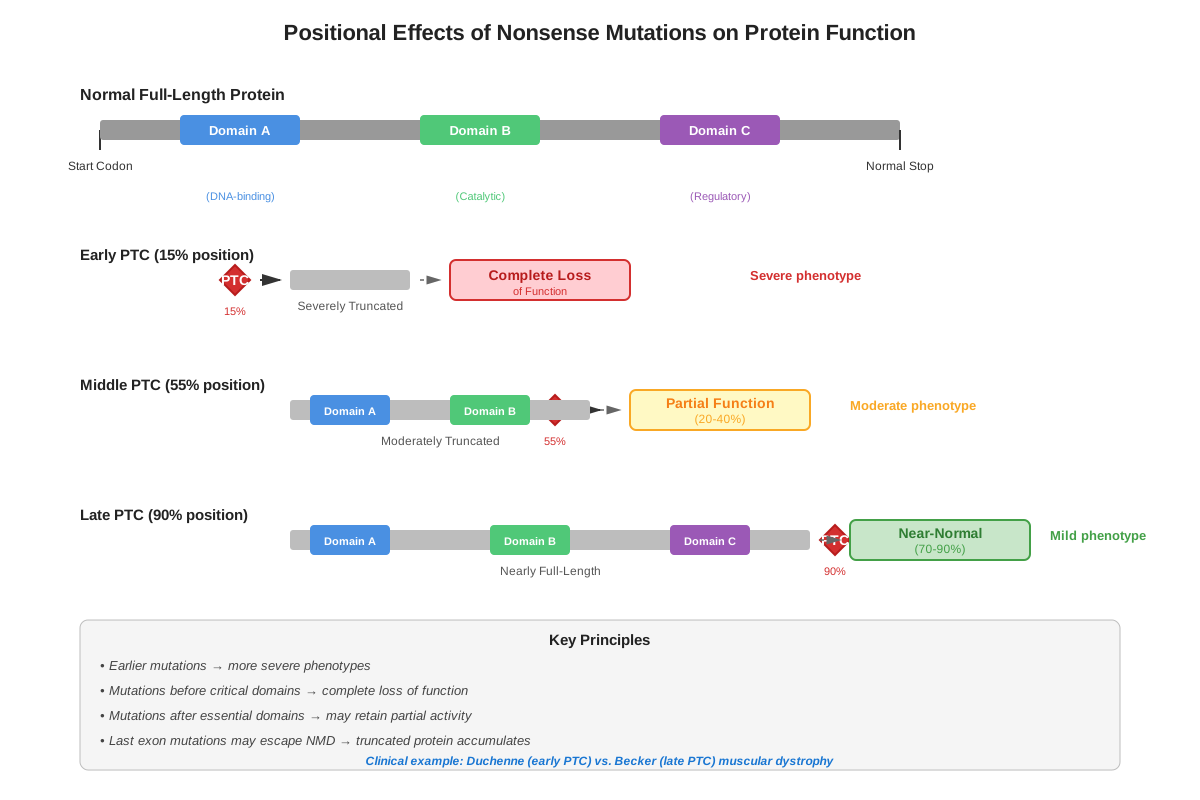
Nonsense mutations account for approximately 11% of all described gene lesions causing human genetic diseases. These mutations are responsible for numerous clinically significant conditions, including cystic fibrosis (certain alleles), Duchenne muscular dystrophy (approximately 15% of cases), various forms of beta-thalassemia, and hereditary cancer syndromes involving tumor suppressor genes like TP53 and BRCA1. The severity of disease often correlates with the position of the nonsense mutation within the gene—mutations occurring early in the coding sequence typically produce more severe phenotypes than those near the 3' end, as they result in greater loss of functional protein domains. Understanding nonsense mutations has direct therapeutic implications, as several experimental treatments (readthrough drugs like ataluren) aim to suppress premature termination and restore full-length protein production.
MCAT Exam Statistics and Question Types
Nonsense mutations appear in approximately 3-5% of MCAT Biology questions, with representation across both Biological and Biochemical Foundations sections. The topic most commonly appears in passage-based questions that present experimental data about mutant phenotypes, pedigree analysis, or molecular biology techniques (like Western blotting showing truncated proteins). Discrete questions frequently test the ability to predict mutation consequences or distinguish mutation types based on DNA/RNA sequence changes. The MCAT particularly favors questions that require multi-step reasoning: identifying the mutation type, predicting the protein consequence, and connecting this to a phenotypic outcome.
Common Exam Passage Contexts
Passages featuring nonsense mutations typically present: (1) genetic disease case studies with pedigrees requiring inheritance pattern analysis; (2) experimental research on gene function where knockout or loss-of-function phenotypes are compared to wild-type; (3) molecular biology experiments showing truncated proteins via gel electrophoresis; (4) evolutionary biology contexts examining selection pressures on different mutation types; or (5) biotechnology applications involving engineered stop codons for controlled protein expression.
Core Concepts
Definition and Molecular Basis
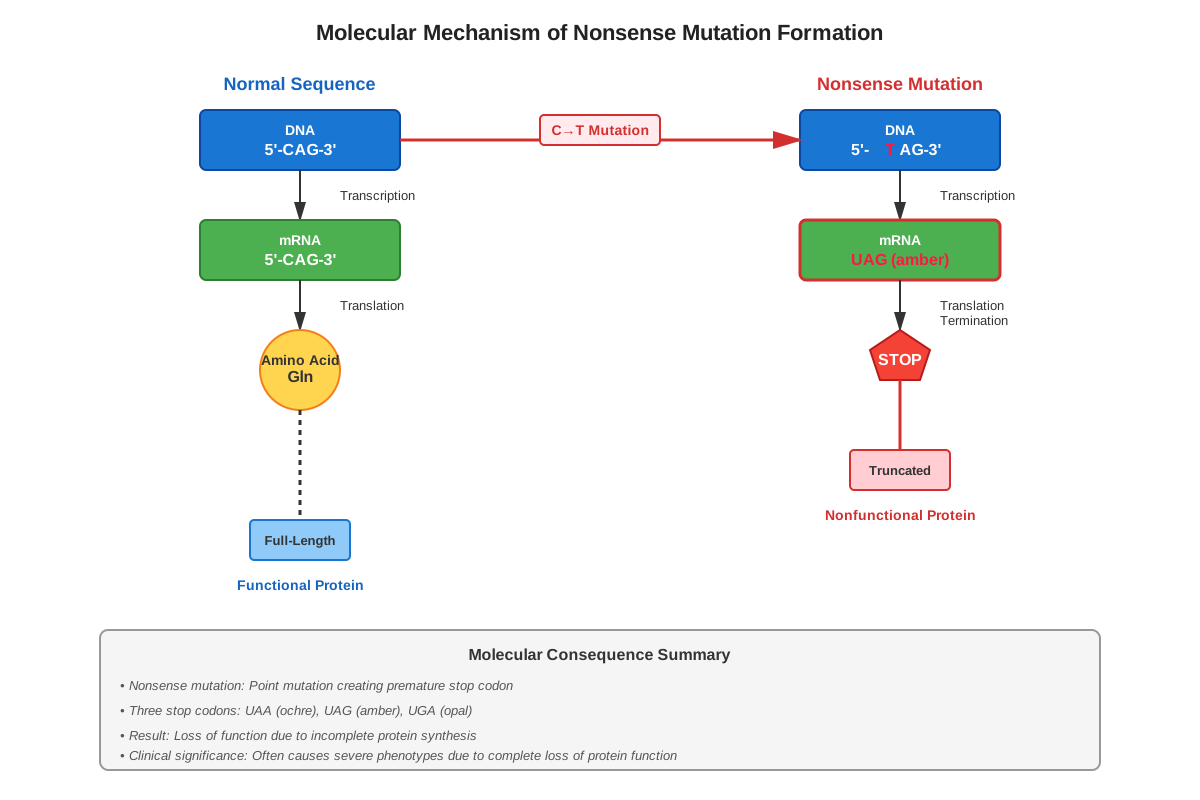
A nonsense mutation is a point mutation—specifically a single nucleotide substitution—that converts a sense codon (one that specifies an amino acid) into a nonsense codon (stop codon). The three stop codons in the genetic code are UAA (ochre), UAG (amber), and UGA (opal). When a nonsense mutation occurs in the DNA coding strand, it results in one of these stop codons appearing in the corresponding mRNA transcript at a position where an amino acid codon should normally exist.
The molecular mechanism involves a single base pair change in the DNA sequence. For example, if the DNA template strand contains the sequence 3'-TAC-5' (corresponding to the codon 5'-AUG-3' in mRNA, which codes for methionine), a point mutation changing the middle nucleotide from A to T would create 3'-TTC-5' in the template strand, resulting in 5'-AAG-3' in mRNA—still coding for an amino acid (lysine). However, if the mutation changes the sequence to create a stop codon in the mRNA, translation terminates prematurely.
Mechanism of Premature Termination
During translation, ribosomes read mRNA codons sequentially from the start codon (AUG) toward the 3' end. Each codon is recognized by a complementary anticodon on a transfer RNA (tRNA) molecule carrying the appropriate amino acid. However, stop codons are not recognized by tRNA molecules; instead, they are recognized by release factors (proteins that bind to the ribosomal A site when a stop codon is present). When a release factor binds, it triggers hydrolysis of the bond between the polypeptide chain and the tRNA in the P site, releasing the incomplete protein and causing ribosomal subunit dissociation.
In the case of a nonsense mutation, this termination process occurs prematurely—before the ribosome reaches the natural stop codon at the end of the coding sequence. The result is a truncated protein that lacks all amino acids that would normally be encoded downstream of the mutation site. This truncation typically eliminates critical functional domains, active sites, or structural elements necessary for proper protein function.
Consequences at the Protein Level
The functional impact of a nonsense mutation depends critically on several factors:
- Position within the gene: Mutations near the 5' end of the coding sequence produce severely truncated proteins missing most functional domains, while mutations near the 3' end may produce nearly complete proteins with partial function
- Domain architecture: If the mutation occurs before critical functional domains (catalytic sites, binding domains, structural motifs), the protein will likely be completely nonfunctional
- Protein stability: Truncated proteins often misfold and are rapidly degraded by cellular quality control mechanisms, resulting in little to no protein product
- Dominant-negative effects: In some cases, truncated proteins can interfere with normal protein function, particularly for proteins that function as multimers
Nonsense-Mediated Decay
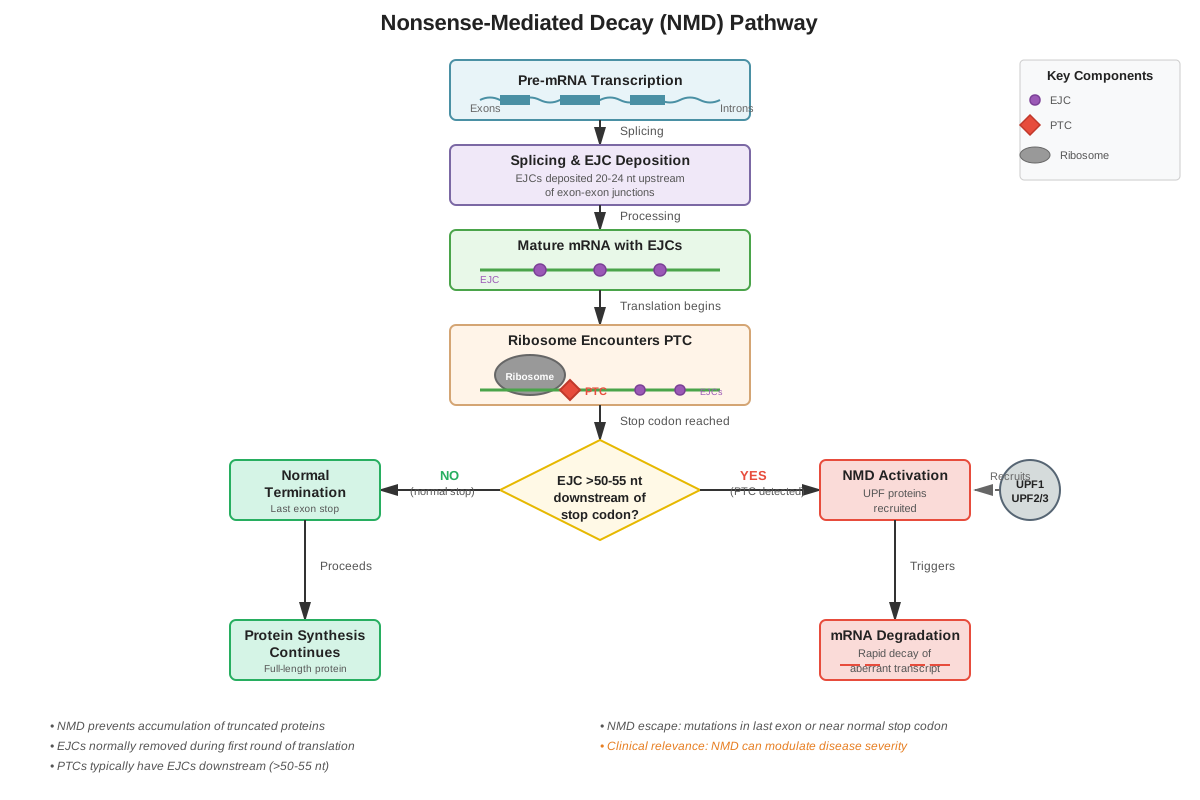
Cells possess a quality control mechanism called nonsense-mediated decay (NMD) that recognizes and degrades mRNA transcripts containing premature termination codons (PTCs). This surveillance system prevents the accumulation of truncated proteins that might have deleterious effects. NMD is triggered when a stop codon is located more than 50-55 nucleotides upstream of the final exon-exon junction (marked by exon junction complexes deposited during splicing).
The NMD pathway involves several key proteins, including UPF1, UPF2, and UPF3, which recognize the aberrant mRNA configuration and recruit degradation machinery. While NMD serves a protective function by eliminating aberrant transcripts, it can paradoxically worsen disease phenotypes by completely eliminating protein production rather than allowing synthesis of partially functional truncated proteins. Understanding NMD is important for the MCAT because it explains why some nonsense mutations result in complete absence of protein (null alleles) rather than production of truncated products.
Comparison with Other Mutation Types
Understanding nonsense mutations requires distinguishing them from other point mutation categories:
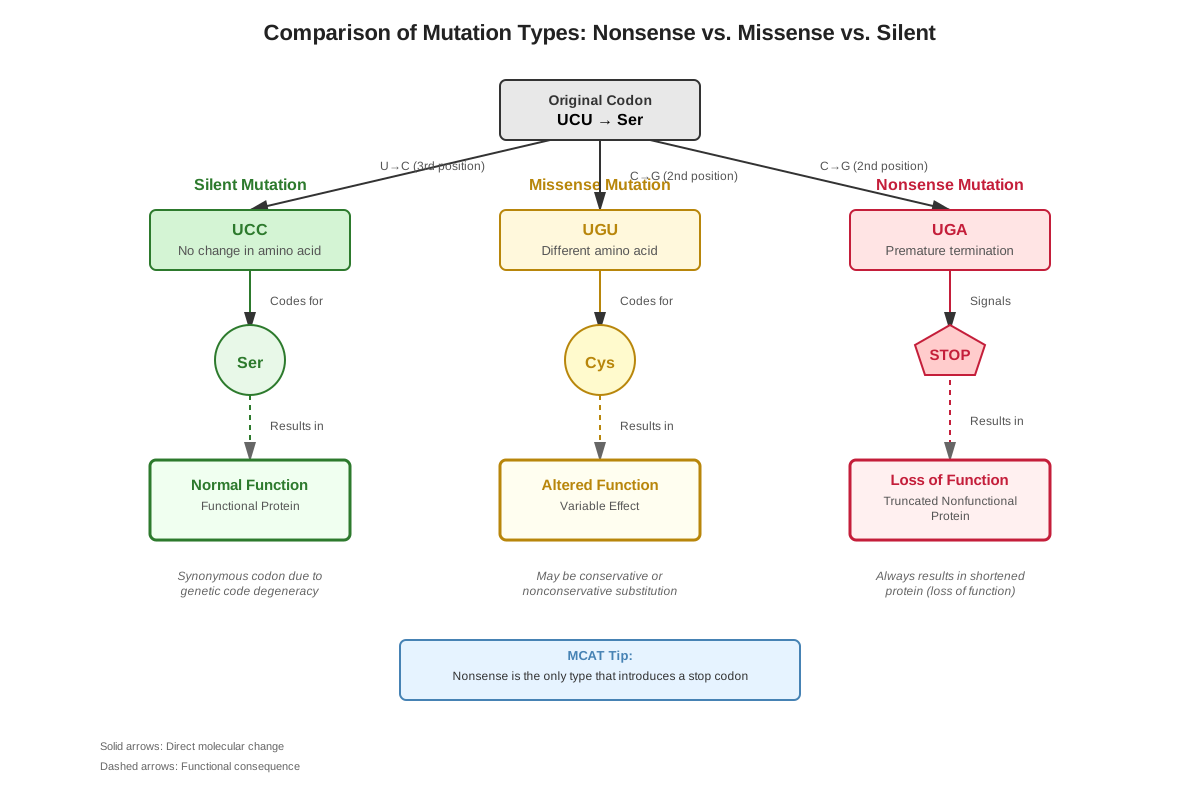
| Mutation Type | Codon Change | Protein Effect | Example |
|---|---|---|---|
| Silent (Synonymous) | Sense → Different sense (same amino acid) | No change | CAA → CAG (both code for glutamine) |
| Missense (Nonsynonymous) | Sense → Different sense (different amino acid) | Single amino acid substitution | GAA → GUA (glutamate → valine) |
| Nonsense | Sense → Stop | Premature termination, truncated protein | UAC → UAA (tyrosine → stop) |
| Frameshift | Insertion/deletion (not multiple of 3) | Altered reading frame, usually premature stop | Not a point mutation |
The key distinction is that nonsense mutations specifically create stop codons, while missense mutations change one amino acid to another, and silent mutations have no effect on the amino acid sequence. Frameshift mutations, though they often lead to premature stops, are mechanistically different as they involve insertions or deletions rather than substitutions.
Genetic and Evolutionary Implications
Nonsense mutations typically represent loss-of-function alleles. In diploid organisms, the phenotypic consequence depends on whether the gene follows a haploinsufficient pattern (where one functional copy is insufficient) or whether the mutation is recessive (requiring both alleles to be affected for phenotype manifestation). Many genetic diseases caused by nonsense mutations follow autosomal recessive inheritance patterns, as one functional allele often produces sufficient protein for normal function.
From an evolutionary perspective, nonsense mutations are generally subject to strong purifying selection because they usually eliminate protein function. However, in some contexts, nonsense mutations can be advantageous—for example, creating pseudogenes or eliminating protein functions that are detrimental in specific environments. The mutation rate to nonsense codons is constrained by the genetic code structure; only certain single-nucleotide changes can create stop codons from sense codons, making nonsense mutations less common than missense mutations overall.
Clinical Examples and Disease Associations
Several well-characterized genetic diseases result from nonsense mutations:
- Beta-thalassemia: Nonsense mutations in the HBB gene (encoding beta-globin) cause premature termination, reducing or eliminating beta-globin chain production and leading to severe anemia
- Duchenne muscular dystrophy (DMD): Approximately 15% of DMD cases result from nonsense mutations in the dystrophin gene, producing nonfunctional truncated dystrophin protein
- Cystic fibrosis: The G542X mutation (glycine at position 542 changed to stop codon) is one of several nonsense mutations in the CFTR gene causing CF
- Cancer syndromes: Nonsense mutations in tumor suppressor genes like TP53, APC, and BRCA1/2 eliminate critical regulatory functions, predisposing to cancer development
Concept Relationships
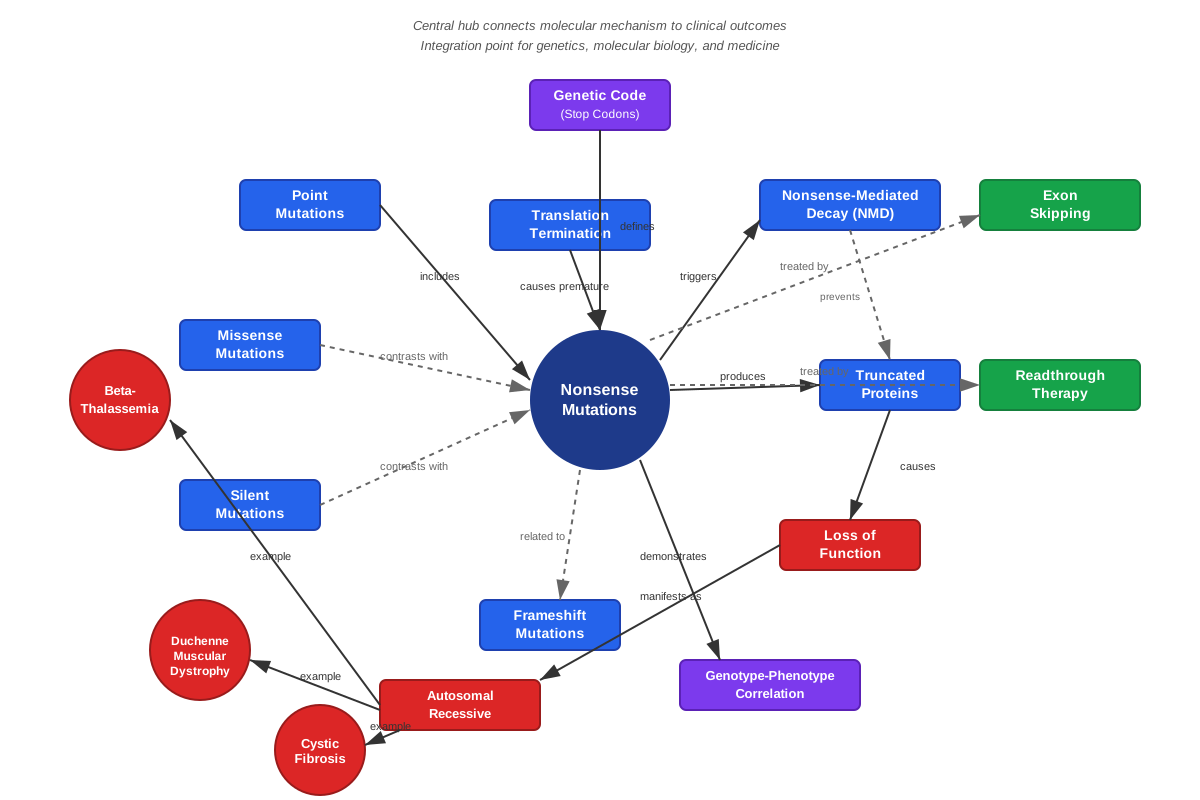
The understanding of nonsense mutations builds hierarchically from fundamental molecular biology concepts. DNA structure and replication provide the foundation, as mutations originate from replication errors or DNA damage. These DNA-level changes are then transcribed into mRNA, where the nonsense codon appears in the transcript. During translation, the nonsense codon is recognized by release factors rather than tRNA, causing premature termination of protein synthesis.
The resulting truncated protein connects to concepts of protein structure and function, as the loss of downstream amino acids typically eliminates critical functional domains. This protein-level consequence then manifests at the cellular level through loss of enzymatic activity, structural integrity, or regulatory function. At the organismal level, these cellular defects produce disease phenotypes that follow predictable inheritance patterns based on whether the mutation is dominant or recessive.
Nonsense mutations also connect laterally to other mutation types through the framework of genetic variation. They share the point mutation mechanism with missense and silent mutations but differ in consequence. They relate to frameshift mutations through the common outcome of premature termination, though the mechanisms differ. Understanding nonsense-mediated decay requires integration of RNA processing, quality control mechanisms, and gene expression regulation.
Relationship Map:
DNA replication error → Point mutation in coding sequence → Transcription produces mRNA with stop codon → Translation terminates prematurely → Truncated protein produced → Protein degraded or nonfunctional → Loss of cellular function → Disease phenotype → Inheritance pattern determines affected individuals
Quick check — test yourself on Nonsense mutations so far.
Try Flashcards →High-Yield Facts
⭐ Nonsense mutations convert sense codons to one of three stop codons (UAA, UAG, UGA) through single nucleotide substitutions
⭐ Premature termination produces truncated proteins that typically lack functional domains and are rapidly degraded
⭐ Nonsense-mediated decay (NMD) is a quality control mechanism that degrades mRNA transcripts with premature termination codons located >50-55 nucleotides before the last exon junction
⭐ The phenotypic severity of nonsense mutations generally correlates with position—earlier mutations produce more severe phenotypes than those near the 3' end
⭐ Nonsense mutations typically create loss-of-function alleles, often following recessive inheritance patterns in diploid organisms
- Approximately 11% of disease-causing mutations in humans are nonsense mutations
- Release factors (proteins, not tRNAs) recognize stop codons and trigger polypeptide release from the ribosome
- Some nonsense mutations escape NMD if they occur in the final exon or within 50-55 nucleotides of the last exon junction
- Readthrough drugs (like ataluren/PTC124) can suppress premature termination by promoting insertion of an amino acid at stop codons
- Nonsense mutations in tumor suppressor genes often act as recessive alleles at the cellular level, requiring loss of both copies for cancer development
- The genetic code's redundancy means that not all single nucleotide changes can create stop codons—specific substitutions are required
- Truncated proteins from nonsense mutations may exhibit dominant-negative effects if they interfere with wild-type protein function in multimeric complexes
Common Misconceptions
Misconception: All nonsense mutations completely eliminate protein production.
Correction: While nonsense mutations cause premature termination, several factors affect actual protein levels: (1) NMD may degrade the mRNA before translation; (2) mutations near the 3' end may produce nearly full-length proteins with partial function; (3) readthrough mechanisms can occasionally suppress termination; (4) alternative start codons downstream might produce shorter but partially functional proteins.
Misconception: Nonsense mutations and frameshift mutations are the same because both cause premature stops.
Correction: These are mechanistically distinct mutation types. Nonsense mutations are point mutations (single nucleotide substitutions) that directly create stop codons. Frameshift mutations result from insertions or deletions (not multiples of three nucleotides) that shift the reading frame, which typically leads to a downstream stop codon in the altered reading frame. The distinction matters for understanding mutation mechanisms and potential therapeutic approaches.
Misconception: A nonsense mutation always produces a visible truncated protein product.
Correction: Due to nonsense-mediated decay and protein quality control mechanisms (proteasomal degradation), many nonsense mutations result in complete absence of detectable protein rather than accumulation of truncated products. Western blot analysis might show no band rather than a smaller band, depending on the efficiency of these degradation pathways.
Misconception: Nonsense mutations are always more severe than missense mutations.
Correction: While nonsense mutations typically have severe consequences, the actual phenotypic impact depends on multiple factors including mutation position, protein function, and cellular context. A missense mutation affecting a critical active site residue might be more deleterious than a nonsense mutation in the final exon that produces a nearly complete protein. Additionally, some missense mutations cause protein misfolding and aggregation with toxic gain-of-function effects.
Misconception: The terms "nonsense mutation" and "silent mutation" are opposites, with nonsense being harmful and silent being harmless.
Correction: While the terminology might suggest opposition, these terms describe different molecular outcomes rather than a severity spectrum. "Nonsense" refers to creating a stop codon (nonsense codon), while "silent" refers to synonymous changes that don't alter the amino acid sequence. Both are types of point mutations, but they differ in their effect on the genetic code translation, not in a conceptual opposition of meaning versus meaninglessness.
Misconception: All three stop codons are equally likely to result from nonsense mutations.
Correction: The probability of creating each stop codon through single nucleotide substitution depends on the original codon sequence and the types of nucleotide changes that occur. Some sense codons require only one specific substitution to become a particular stop codon, while others cannot be converted to certain stop codons by any single substitution. For example, the codon CAG (glutamine) can become UAG (amber stop) through a C→U transition, but cannot become UAA or UGA through a single substitution.
Worked Examples
Example 1: Predicting Mutation Consequences
Question: A researcher identifies a point mutation in the gene encoding a 450-amino acid enzyme. The wild-type DNA coding strand sequence at codon 150 is 5'-TAC-3', which is mutated to 5'-TAA-3'. The corresponding mRNA codons are AUG (wild-type) and AUU (mutant). Wait—let me reconsider. The DNA coding strand 5'-TAC-3' would be transcribed to mRNA as 5'-UAC-3' (not AUG). If mutated to 5'-TAA-3', the mRNA would be 5'-UAA-3', which is a stop codon.
Actually, let me restart with correct molecular biology: The DNA template strand is read 3'→5' to produce mRNA 5'→3'. If the DNA coding strand (same sequence as mRNA, except T instead of U) at position 150 reads 5'-CAG-3' (glutamine), the template strand is 3'-GTC-5', producing mRNA 5'-CAG-3'. A mutation changing the coding strand to 5'-TAG-3' (template: 3'-ATC-5') produces mRNA 5'-UAG-3', an amber stop codon.
Analysis:
- Identify mutation type: This is a nonsense mutation because a sense codon (CAG, coding for glutamine) has been converted to a stop codon (UAG)
- Predict protein consequence: Translation will terminate at position 150 instead of continuing to position 450, producing a truncated protein of only 149 amino acids
- Assess functional impact: The truncated protein lacks 301 amino acids (67% of the normal protein), almost certainly eliminating critical functional domains
- Consider cellular response: If this mutation occurs before the last exon junction, nonsense-mediated decay will likely degrade the mRNA, resulting in little to no protein production
- Predict phenotype: This represents a loss-of-function allele; if the enzyme is essential and the organism is diploid, heterozygotes might be phenotypically normal (if one copy suffices) while homozygotes would show disease phenotype
Answer: This nonsense mutation will likely result in complete loss of enzyme function due to either production of a severely truncated nonfunctional protein or elimination of the mRNA through nonsense-mediated decay. The phenotypic consequence depends on the inheritance pattern and whether haploinsufficiency occurs.
Example 2: Distinguishing Mutation Types from Sequence Data
Question: A genetics laboratory sequences a disease gene from three affected patients and identifies the following mutations (showing only the affected codon in mRNA):
- Patient A: Wild-type UGG (tryptophan) → Mutant UGA (stop)
- Patient B: Wild-type UGG (tryptophan) → Mutant UGC (cysteine)
- Patient C: Wild-type AAG (lysine) → Mutant AAC (asparagine)
The disease shows variable severity: Patient A has severe symptoms, Patient B has moderate symptoms, and Patient C has mild symptoms. Explain the molecular basis for these phenotypic differences.
Analysis:
Patient A:
- Mutation type: Nonsense mutation (UGG → UGA)
- Molecular consequence: Premature termination at the tryptophan position
- Protein effect: Truncated protein lacking all downstream sequences
- Phenotype correlation: Severe symptoms due to complete loss of function
Patient B:
- Mutation type: Missense mutation (UGG → UGC)
- Molecular consequence: Single amino acid substitution (tryptophan → cysteine)
- Protein effect: Full-length protein with altered chemical properties at one position (loss of bulky aromatic residue, gain of smaller polar residue with reactive thiol group)
- Phenotype correlation: Moderate symptoms because the protein is produced but may have reduced activity or stability
Patient C:
- Mutation type: Missense mutation (AAG → AAC)
- Molecular consequence: Single amino acid substitution (lysine → asparagine)
- Protein effect: Full-length protein with conservative change (both residues are polar, though lysine is positively charged while asparagine is neutral)
- Phenotype correlation: Mild symptoms because the substitution is relatively conservative and may only partially impair function
Synthesis: The severity gradient (A > B > C) reflects the hierarchy of mutation consequences: nonsense mutations (complete loss of function) > non-conservative missense mutations (altered function) > conservative missense mutations (partially preserved function). This example illustrates why understanding mutation types is crucial for predicting clinical outcomes.
Exam Strategy
Approaching MCAT Questions on Nonsense Mutations
When encountering questions about nonsense mutations, employ this systematic approach:
- Identify the mutation type first: Look for key phrases like "premature stop codon," "truncated protein," "UAA/UAG/UGA," or "early termination." Distinguish from "amino acid substitution" (missense) or "reading frame shift" (frameshift)
- Trace the consequence pathway: DNA mutation → mRNA stop codon → premature translation termination → truncated protein → loss of function → phenotype
- Consider position effects: Questions often hinge on whether the mutation occurs early (severe) or late (potentially mild) in the coding sequence
- Watch for NMD implications: If a passage mentions mRNA levels or stability, consider whether nonsense-mediated decay is relevant
Trigger Words and Phrases
- "Premature termination codon" or "PTC" = nonsense mutation
- "Truncated protein" = likely nonsense mutation (or frameshift)
- "Loss-of-function allele" = often nonsense mutation
- "Null allele" = complete loss of function, possibly nonsense with NMD
- "Readthrough" or "suppressor tRNA" = therapeutic approaches to nonsense mutations
- "Stop codon" appearing in unusual context = nonsense mutation
Process of Elimination Tips
When answer choices involve different mutation types:
- Eliminate options suggesting "single amino acid change" if the question describes premature termination
- Eliminate "frameshift" if the mutation is explicitly described as a point mutation or single nucleotide substitution
- Eliminate "silent mutation" if any protein-level consequence is described
- If protein size is mentioned (Western blot, gel electrophoresis), nonsense and frameshift mutations produce smaller proteins, while missense mutations maintain normal size
Time Allocation
For discrete questions on nonsense mutations: 60-90 seconds (straightforward definition and consequence prediction)
For passage-based questions:
- First pass: Identify that nonsense mutations are involved (10-15 seconds)
- Question answering: 90-120 seconds per question, as these often require integrating passage data with mutation consequences
Exam Tip: If a passage shows a Western blot with a smaller-than-expected protein band, immediately consider nonsense or frameshift mutations. If no protein band appears despite mRNA presence, think nonsense-mediated decay.
Memory Techniques
Mnemonic for Stop Codons: "U Are Away" or "U Are Gone" or "U Go Away"
- UAA = U Are Away (ochre)
- UAG = U Are Gone (amber)
- UGA = U Go Away (opal)
All three stop codons begin with U, and the mnemonic emphasizes the "stopping" or "going away" function.
Mnemonic for Mutation Type Hierarchy: "Silent Mice Never Fight"
- Silent = no protein change (least severe)
- Missense = amino acid change (moderate)
- Nonsense = premature stop (severe)
- Frameshift = reading frame altered (most severe, usually)
Visualization Strategy for Nonsense Mutations:
Picture a factory assembly line (ribosome) building a car (protein):
- Normal: Assembly continues until the complete car is built
- Nonsense mutation: A STOP sign appears halfway down the line, workers leave, and only half a car is produced (truncated protein)
- The half-car is either scrapped immediately (NMD) or sent out but doesn't work (nonfunctional truncated protein)
Acronym for NMD Trigger: "50-LAST"
- 50 nucleotides upstream
- LAST exon junction
- If a stop codon is more than 50 nucleotides before the LAST exon junction, NMD is triggered
Position-Severity Relationship: "Early Stop = Early Death" (of protein function)
- Nonsense mutations early in the gene (5' end) = severe loss of function
- Nonsense mutations late in the gene (3' end) = potentially mild, partial function retained
Summary
Nonsense mutations represent a critical category of point mutations where single nucleotide substitutions convert sense codons into stop codons (UAA, UAG, or UGA), causing premature termination of translation. These mutations produce truncated proteins that typically lack essential functional domains, resulting in loss-of-function phenotypes. The severity of nonsense mutations correlates with their position within the gene—earlier mutations generally cause more severe phenotypes than those near the 3' end. Cellular quality control mechanisms, particularly nonsense-mediated decay, often degrade mRNA transcripts containing premature termination codons, potentially eliminating protein production entirely. Understanding nonsense mutations requires integrating knowledge of the genetic code, transcription, translation, protein structure-function relationships, and inheritance patterns. For the MCAT, students must be able to distinguish nonsense mutations from other mutation types (missense, silent, frameshift), predict their molecular and phenotypic consequences, and apply this knowledge to clinical scenarios and experimental data interpretation. The topic connects fundamentally to gene expression, genetic disease mechanisms, and therapeutic strategies, making it essential for both exam success and broader biological literacy.
Key Takeaways
- Nonsense mutations are point mutations that create premature stop codons (UAA, UAG, UGA), causing early translation termination and truncated proteins
- The functional impact depends critically on mutation position—early mutations eliminate more protein sequence and are typically more severe
- Nonsense-mediated decay (NMD) degrades mRNA with premature stop codons located >50-55 nucleotides before the last exon junction, often eliminating protein production entirely
- Nonsense mutations differ from missense mutations (amino acid substitution), silent mutations (no change), and frameshift mutations (reading frame alteration) in both mechanism and consequence
- These mutations typically create loss-of-function alleles, often following recessive inheritance patterns, and account for approximately 11% of human genetic diseases
- On the MCAT, nonsense mutations appear in questions requiring multi-step reasoning from DNA sequence to phenotype, often in contexts of genetic disease, experimental genetics, or protein analysis
- Recognition of trigger words ("premature termination," "truncated protein," "stop codon") and understanding the consequence pathway enables efficient question solving
Related Topics
Missense Mutations: Single nucleotide substitutions that change one amino acid to another; understanding nonsense mutations provides contrast for appreciating how different point mutations have varying consequences on protein function.
Frameshift Mutations: Insertions or deletions not in multiples of three that alter the reading frame; like nonsense mutations, these often lead to premature termination, but through a different mechanism.
Nonsense Suppressor tRNAs: Mutant tRNAs that can recognize stop codons and insert amino acids, allowing readthrough of nonsense mutations; this topic extends understanding of translation fidelity and potential therapeutic approaches.
RNA Surveillance Mechanisms: Beyond NMD, cells employ other quality control systems (nonstop decay, no-go decay) that connect to broader themes of gene expression regulation and cellular homeostasis.
Genetic Code Degeneracy and Wobble Base Pairing: Understanding why some mutations are silent while others are nonsense requires deeper knowledge of codon-anticodon interactions and the structure of the genetic code.
Tumor Suppressor Genes and Cancer Genetics: Many cancer-predisposing mutations are nonsense mutations in genes like TP53, BRCA1/2, and APC; mastering nonsense mutations enables better understanding of cancer molecular biology.
Protein Degradation Pathways: The ubiquitin-proteasome system and autophagy mechanisms that eliminate truncated proteins connect to broader cell biology concepts tested on the MCAT.
Practice CTA
Now that you've mastered the core concepts of nonsense mutations, it's time to reinforce your understanding through active practice. Challenge yourself with MCAT-style practice questions that require you to apply these concepts in novel contexts—from predicting mutation consequences in unfamiliar genes to analyzing experimental data about truncated proteins. Use flashcards to drill the distinctions between mutation types and memorize the stop codons until recognition becomes automatic. Remember: understanding the "why" behind nonsense mutations (not just memorizing facts) will enable you to tackle any question the MCAT presents, even those testing the concept in unexpected ways. Your ability to trace the pathway from DNA mutation to phenotypic consequence demonstrates true mastery of molecular biology—exactly what top MCAT scores require. Keep pushing forward!
Sign up free to keep reading
Create a free AnvayaPrep account to finish this MCAT guide on Nonsense mutations — plus flashcards and practice questions.