Overview
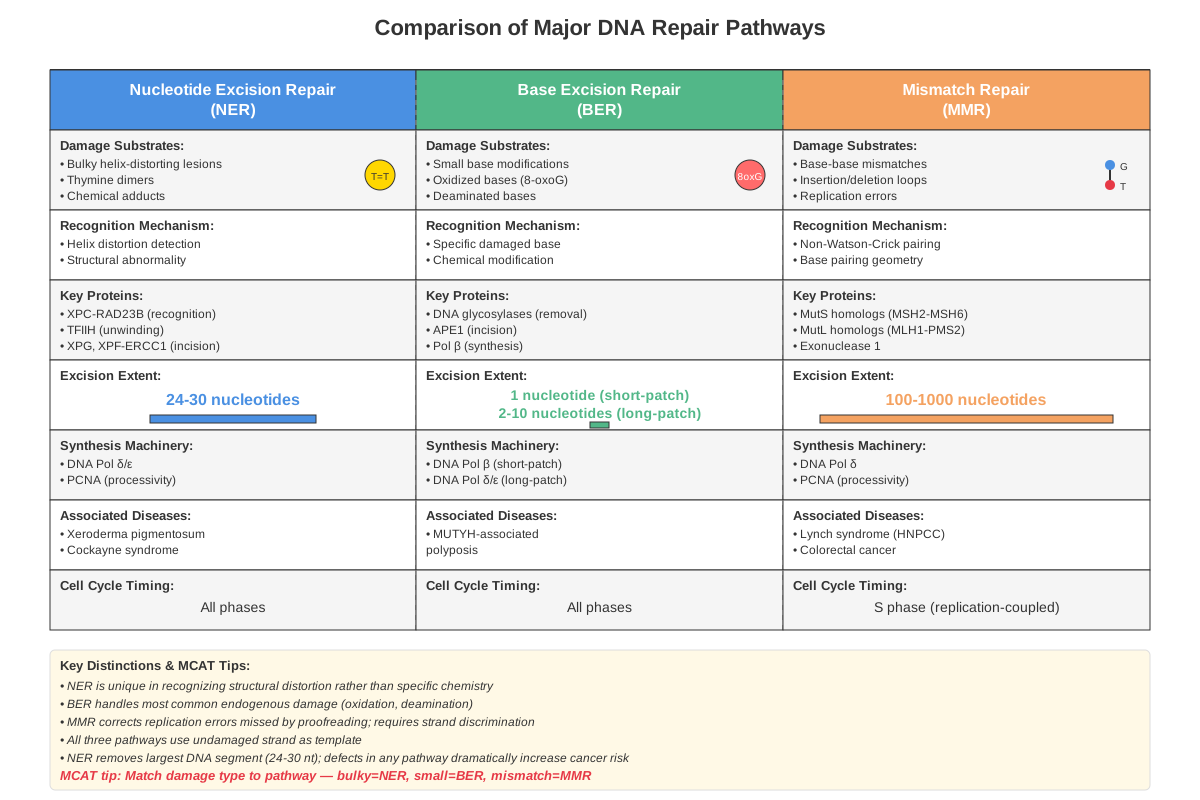
Nucleotide excision repair (NER) is a critical DNA repair mechanism that removes bulky, helix-distorting lesions from the genome. This sophisticated cellular process recognizes and excises damaged DNA segments, replacing them with newly synthesized nucleotides to restore the original sequence. Unlike other repair pathways that target specific types of damage, NER exhibits remarkable versatility by recognizing structural distortions in the DNA double helix rather than specific chemical modifications. This makes NER essential for removing thymine dimers caused by ultraviolet (UV) radiation, chemical adducts from carcinogens, and other large DNA lesions that interfere with normal base pairing and replication.
For the MCAT, understanding nucleotide excision repair is essential because it integrates multiple high-yield concepts in Molecular Biology and Genetics: DNA structure, enzyme function, mutation prevention, and the relationship between DNA damage and disease. The MCAT frequently tests NER in the context of UV-induced DNA damage, cancer biology, and genetic disorders such as xeroderma pigmentosum. Questions may present experimental passages describing DNA repair deficiencies, ask students to predict consequences of enzyme mutations, or require analysis of repair mechanisms in different cellular contexts.
Within the broader landscape of Biology, nucleotide excision repair represents a fundamental cellular defense mechanism that maintains genomic integrity. It connects to transcription (through transcription-coupled repair), cell cycle regulation (checkpoints that detect unrepaired damage), and evolutionary biology (conservation of repair mechanisms across species). Understanding NER provides insight into how cells balance the constant threat of DNA damage with the need for accurate genetic information transmission, making it a cornerstone concept for comprehending cellular homeostasis and disease pathogenesis.
Learning Objectives
- [ ] Define nucleotide excision repair using accurate Biology terminology
- [ ] Explain why nucleotide excision repair matters for the MCAT
- [ ] Apply nucleotide excision repair to exam-style questions
- [ ] Identify common mistakes related to nucleotide excision repair
- [ ] Connect nucleotide excision repair to related Biology concepts
- [ ] Distinguish between global genome NER and transcription-coupled NER mechanisms
- [ ] Predict the cellular and organismal consequences of defective nucleotide excision repair
- [ ] Compare and contrast nucleotide excision repair with other DNA repair pathways (base excision repair, mismatch repair)
Prerequisites
- DNA structure and base pairing: Understanding the double helix, complementary base pairing, and antiparallel strands is essential for comprehending how NER recognizes distortions and uses the undamaged strand as a template
- DNA replication mechanisms: Knowledge of DNA polymerase function, primer requirements, and 5' to 3' synthesis direction is necessary to understand the resynthesis step of NER
- Enzyme function and specificity: Familiarity with how enzymes recognize substrates and catalyze reactions helps explain how NER proteins detect and process damaged DNA
- Transcription basics: Understanding RNA polymerase function and gene expression is relevant for transcription-coupled repair mechanisms
- Cell cycle and checkpoints: Knowledge of cell cycle phases helps contextualize when and why DNA repair is critical
Why This Topic Matters
Clinical and Real-World Significance
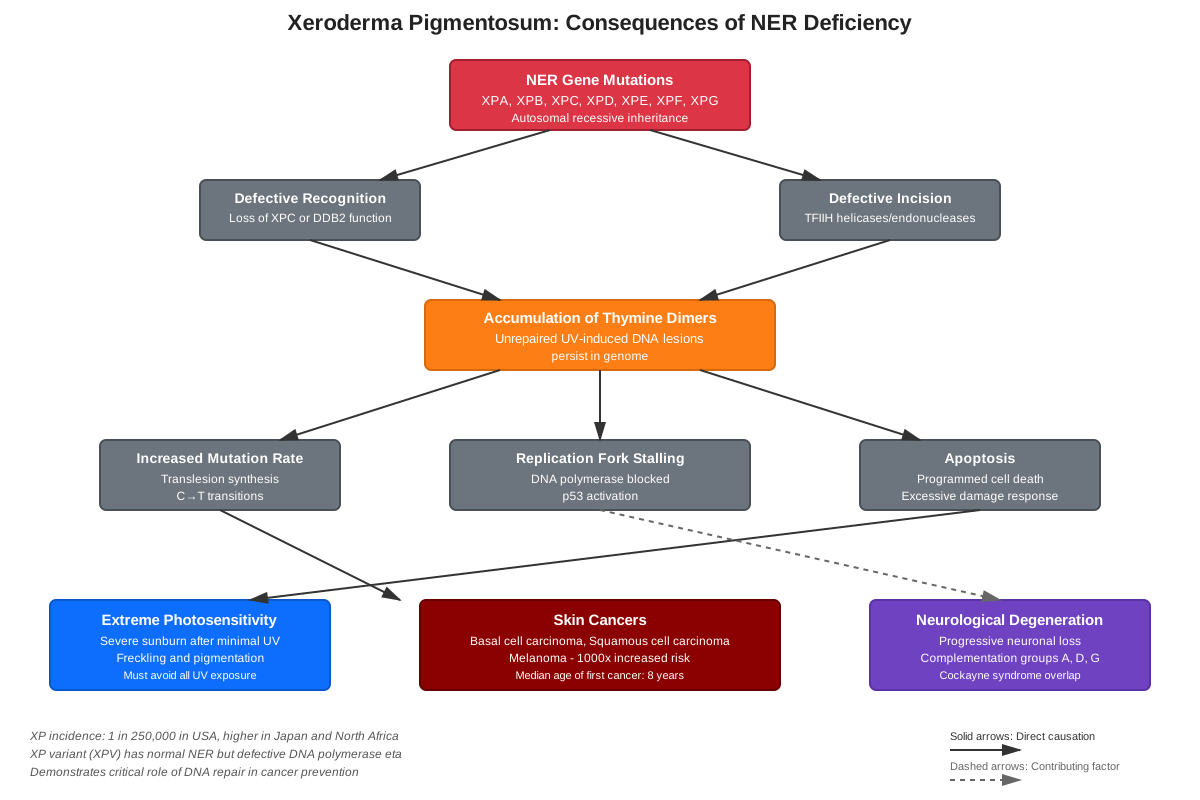
Nucleotide excision repair deficiencies cause severe human diseases that dramatically illustrate the importance of DNA repair. Xeroderma pigmentosum (XP) patients have mutations in NER genes and develop skin cancers at rates 1,000-fold higher than the general population due to inability to repair UV-induced DNA damage. These patients must avoid sunlight completely and often develop multiple cancers before age 20. Cockayne syndrome, another NER-deficiency disorder, causes premature aging, neurological degeneration, and developmental abnormalities. These diseases demonstrate that NER is not merely a biochemical curiosity but a life-sustaining process. Additionally, understanding NER has practical implications for cancer treatment, as many chemotherapy drugs work by creating DNA lesions that overwhelm repair systems, and tumors with defective NER may show different drug sensitivities.
MCAT Exam Statistics and Question Types
Nucleotide excision repair appears on the MCAT with moderate frequency, typically in 1-3 questions per exam. Questions most commonly appear in Biology passages within the Biological and Biochemical Foundations of Living Systems section. The topic appears in several formats: experimental passages describing repair kinetics or enzyme function studies, clinical vignettes about UV exposure or genetic disorders, and discrete questions testing mechanism knowledge. Approximately 60% of NER questions are passage-based, requiring integration of experimental data with mechanistic understanding. Common question stems ask students to predict experimental outcomes, identify which enzymes are defective based on phenotypes, or explain why certain DNA lesions require NER rather than other repair pathways.
Common Exam Passage Contexts
MCAT passages frequently present NER in the context of UV radiation damage, describing experiments measuring thymine dimer formation and repair rates. Another common scenario involves genetic complementation studies where cells from different XP patients are fused to determine if they have mutations in the same or different genes. Passages may also describe structure-function studies of NER proteins, presenting data about DNA binding specificity or enzymatic activity. Some passages integrate NER with cancer biology, discussing how repair deficiencies increase mutation rates or how chemotherapy drugs exploit repair mechanisms. Understanding these common contexts helps students quickly orient themselves when encountering NER passages.
Core Concepts
Definition and Overview of Nucleotide Excision Repair
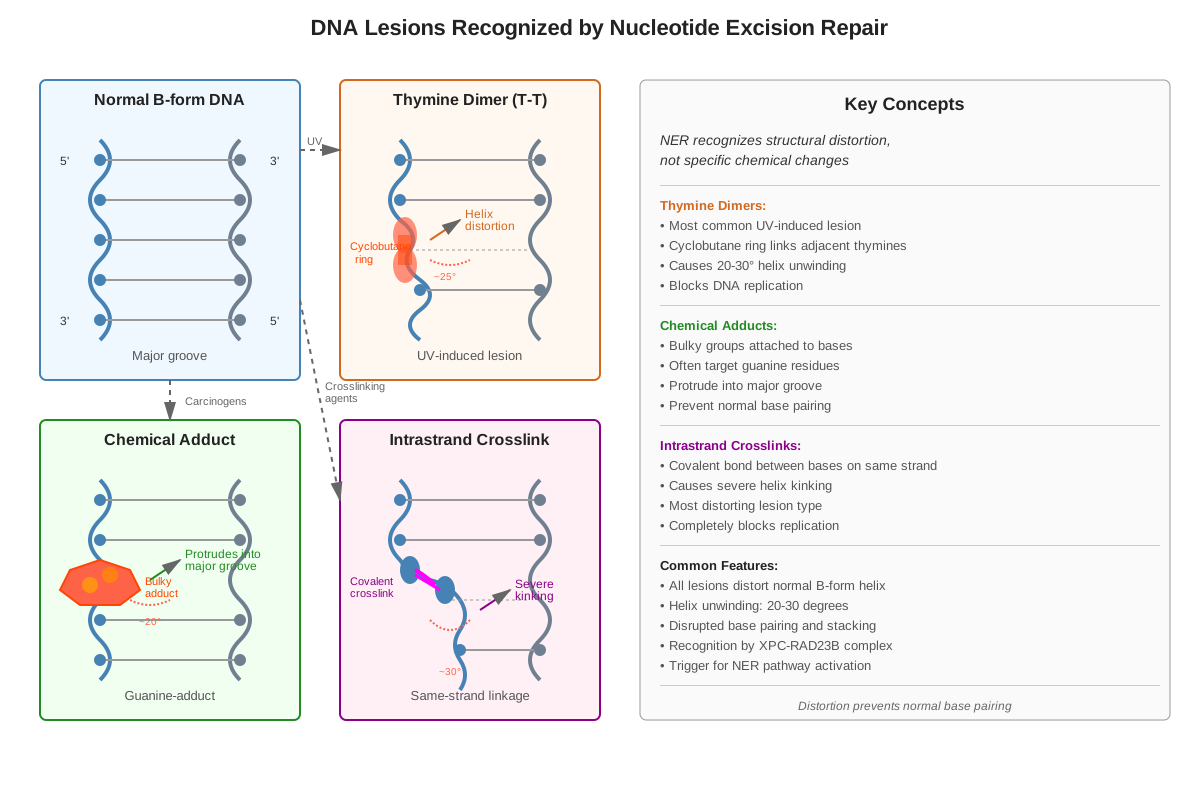
Nucleotide excision repair is a multi-step DNA repair pathway that removes bulky, helix-distorting lesions by excising a short single-stranded DNA segment containing the damage and resynthesizing the correct sequence using the complementary strand as a template. Unlike repair mechanisms that remove individual damaged bases, NER excises an oligonucleotide fragment typically 24-32 nucleotides long in eukaryotes (12-13 nucleotides in prokaryotes). This "cut-and-patch" mechanism makes NER particularly effective against lesions that distort the DNA double helix structure, such as thymine dimers (covalent linkages between adjacent thymine bases caused by UV light), bulky chemical adducts from carcinogens like benzo[a]pyrene, and intrastrand crosslinks.
The defining characteristic of NER is its recognition mechanism: rather than identifying specific chemical modifications, NER proteins detect structural distortions in the DNA helix. This versatility allows a single repair pathway to address diverse types of damage. The process requires coordinated action of approximately 30 proteins in eukaryotes, making it one of the most complex repair systems. Despite this complexity, the fundamental logic remains straightforward: recognize distortion, remove damaged segment, fill gap, seal nick.
The Five Major Steps of Nucleotide Excision Repair
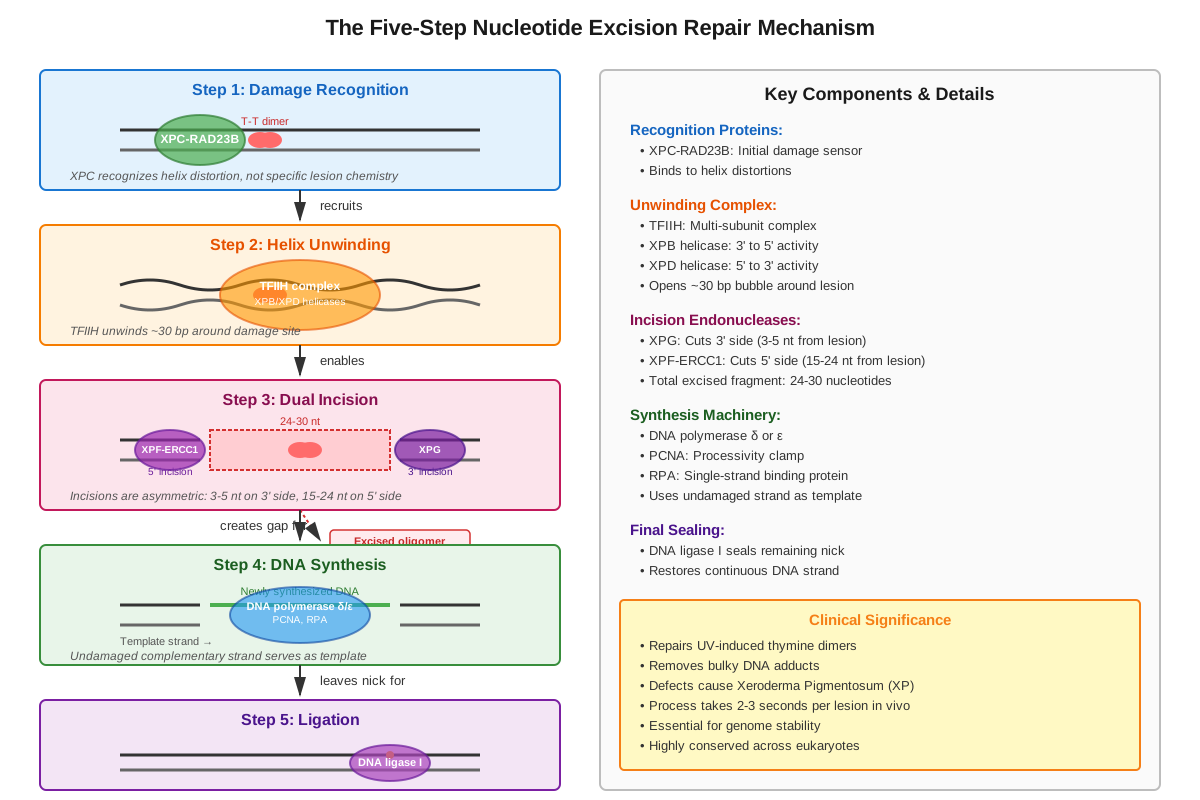
The NER pathway proceeds through five distinct, sequential steps that can be remembered and tested individually:
- Damage Recognition: Specialized proteins scan DNA for helix distortions. In global genome NER (GG-NER), the XPC-RAD23B complex recognizes distortions anywhere in the genome. In transcription-coupled NER (TC-NER), stalled RNA polymerase II signals damage in actively transcribed genes. This initial recognition is the rate-limiting step and determines pathway specificity.
- Lesion Verification and DNA Unwinding: After initial recognition, the TFIIH complex (a multi-subunit protein complex) is recruited. TFIIH contains two helicase subunits (XPB and XPD) that unwind approximately 20-30 base pairs of DNA around the lesion, creating an open bubble structure. This unwinding allows verification that genuine damage exists and provides access for subsequent repair enzymes.
- Dual Incision: Two structure-specific endonucleases make precise cuts flanking the damage. XPG endonuclease cuts on the 3' side of the lesion (approximately 5 nucleotides away), while the ERCC1-XPF complex cuts on the 5' side (approximately 20 nucleotides away). These coordinated incisions release the damaged oligonucleotide fragment, leaving a single-stranded gap.
- Gap Filling (Resynthesis): DNA polymerase δ or ε (in eukaryotes) synthesizes new DNA using the undamaged complementary strand as a template. The polymerase requires a 3'-OH group (provided by the incision) and uses the standard 5' to 3' direction of synthesis. Proliferating cell nuclear antigen (PCNA) acts as a processivity factor, keeping the polymerase attached during synthesis.
- Ligation: DNA ligase I seals the final nick between the newly synthesized DNA and the original strand, restoring the continuous double helix. This completes the repair process, ideally restoring the original DNA sequence.
Global Genome NER vs. Transcription-Coupled NER
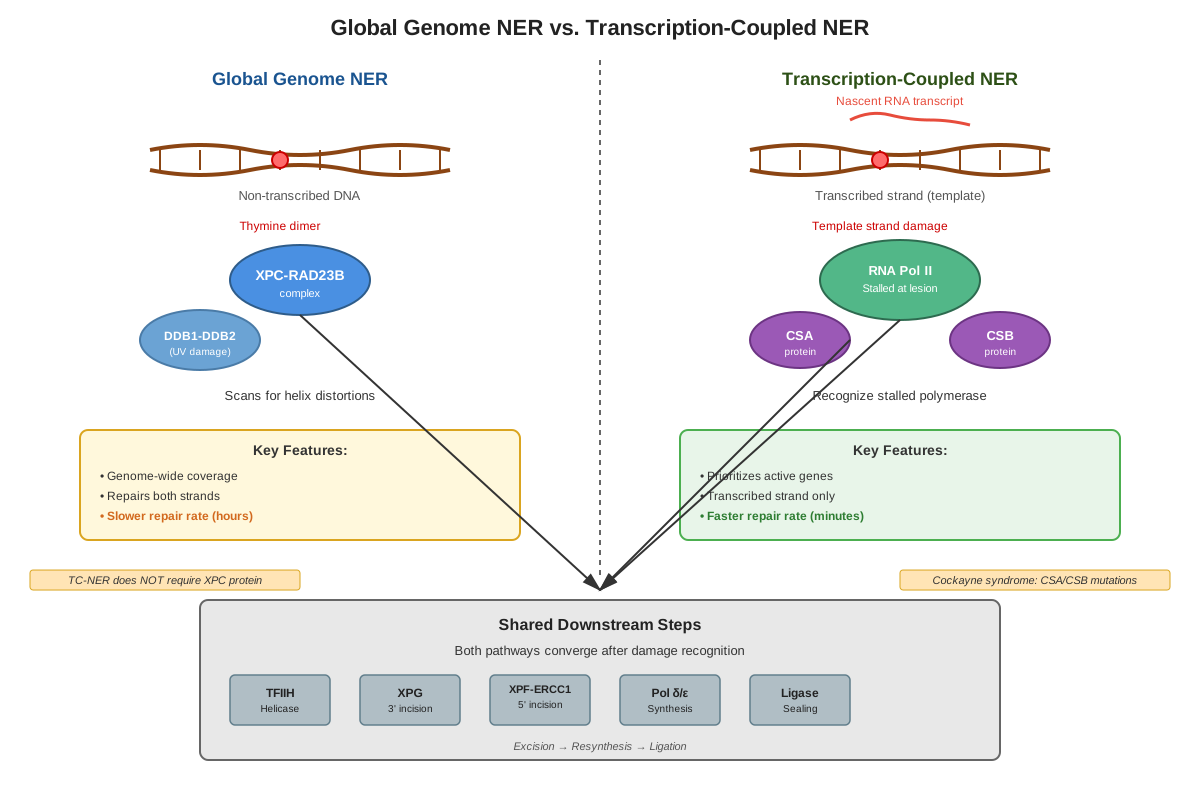
Nucleotide excision repair operates through two sub-pathways that differ in their recognition mechanisms but share the same downstream repair steps:
| Feature | Global Genome NER (GG-NER) | Transcription-Coupled NER (TC-NER) |
|---|---|---|
| Recognition Protein | XPC-RAD23B complex | Stalled RNA polymerase II |
| Genome Coverage | Entire genome, including non-transcribed regions | Only transcribed strand of active genes |
| Repair Speed | Slower (hours to days) | Faster (minutes to hours) |
| Biological Priority | General genome maintenance | Ensures transcription can proceed |
| Additional Factors | UV-DDB (XPE) enhances recognition | CSA and CSB proteins required |
| MCAT Relevance | Explains why non-coding regions accumulate more mutations | Explains preferential repair of expressed genes |
Global genome NER surveys the entire genome for damage, making it comprehensive but relatively slow. The XPC protein complex recognizes helix distortions by detecting unpaired bases opposite lesions. This pathway is particularly important for repairing damage in non-coding regions, introns, and the non-transcribed strand of genes.
Transcription-coupled NER provides rapid repair of the transcribed strand of active genes. When RNA polymerase II encounters a lesion that blocks transcription elongation, it stalls and recruits TC-NER factors (CSA and CSB proteins). This mechanism prioritizes repair of damage that would otherwise block gene expression, explaining why transcribed strands show fewer mutations than non-transcribed strands. The MCAT frequently tests understanding of why actively transcribed genes are repaired more rapidly than silent genes.
Key Proteins and Their Functions
Understanding the major NER proteins and their specific roles is essential for MCAT questions about experimental manipulations or genetic disorders:
- XPC (Xeroderma Pigmentosum group C): Initiates GG-NER by recognizing helix distortions; deficiency causes XP with moderate severity
- XPA: Verifies damage and coordinates assembly of repair complex; deficiency causes severe XP
- XPB and XPD: Helicase subunits of TFIIH that unwind DNA; mutations cause XP, Cockayne syndrome, or trichothiodystrophy depending on specific defect
- XPG: Endonuclease that cuts 3' to the lesion; deficiency causes severe XP, sometimes with Cockayne syndrome features
- ERCC1-XPF: Endonuclease complex that cuts 5' to the lesion; deficiency causes XP and accelerated aging
- CSA and CSB (Cockayne Syndrome proteins): Required specifically for TC-NER; mutations cause Cockayne syndrome without cancer predisposition
- TFIIH: Multi-subunit transcription factor that also functions in NER, linking transcription and repair
Types of DNA Damage Repaired by NER
Nucleotide excision repair addresses lesions that share a common feature: they create significant structural distortion of the DNA double helix. The most MCAT-relevant damage types include:
Thymine Dimers: The classic NER substrate, formed when UV light (particularly UV-B at 280-320 nm) causes covalent bonds between adjacent thymine bases on the same DNA strand. These cyclobutane pyrimidine dimers (CPDs) and 6-4 photoproducts distort the helix and block replication and transcription. The MCAT frequently presents scenarios involving UV exposure and asks students to identify the repair pathway or predict consequences of repair deficiency.
Bulky Chemical Adducts: Large chemical groups attached to DNA bases by carcinogens such as benzo[a]pyrene (from tobacco smoke), aflatoxin B1 (from moldy foods), or cisplatin (chemotherapy drug). These adducts sterically interfere with base pairing and helix structure, making them NER substrates.
Intrastrand Crosslinks: Covalent bonds between bases on the same DNA strand, often caused by chemotherapy drugs like cisplatin. These differ from interstrand crosslinks (between opposite strands), which require different repair mechanisms.
Relationship to Other DNA Repair Pathways
Understanding how NER differs from other repair mechanisms is crucial for MCAT questions that ask students to identify the appropriate pathway for specific damage types:
Base Excision Repair (BER): Removes small, non-helix-distorting base modifications (oxidized bases, deaminated bases, alkylated bases). BER removes only the damaged base and replaces 1-2 nucleotides, whereas NER removes an entire oligonucleotide segment. BER uses DNA glycosylases for recognition; NER uses proteins that detect structural distortion.
Mismatch Repair (MMR): Corrects base-base mismatches and insertion-deletion loops that arise from replication errors. MMR recognizes incorrect but normal bases (e.g., G paired with T), whereas NER recognizes structurally abnormal lesions. MMR must distinguish the newly synthesized strand from the template strand; NER does not require this distinction.
Direct Repair: Some lesions are repaired by direct reversal (e.g., O6-methylguanine methyltransferase removes methyl groups). These mechanisms are simpler than NER but highly specific to particular lesions.
Consequences of NER Deficiency
Defective nucleotide excision repair causes several human genetic disorders that illustrate the pathway's importance:
Xeroderma Pigmentosum (XP): Caused by mutations in any of seven NER genes (XPA-XPG) or a variant form affecting translesion synthesis. Patients show extreme UV sensitivity, with severe sunburns from minimal exposure, freckling in sun-exposed areas by age 2, and skin cancer development often before age 10. The 1,000-fold increased cancer risk demonstrates that NER is essential for preventing UV-induced mutations. XP patients also show increased risk of internal cancers, indicating that NER repairs damage from endogenous sources, not just UV light.
Cockayne Syndrome (CS): Caused by mutations in CSA or CSB genes specifically required for TC-NER. Patients show growth failure, progressive neurological degeneration, premature aging, and photosensitivity. Notably, CS patients do NOT show increased cancer rates, demonstrating that TC-NER is essential for neurological function but GG-NER is sufficient for cancer prevention. This distinction is frequently tested on the MCAT.
Trichothiodystrophy (TTD): Caused by specific mutations in XPB or XPD that affect both NER and transcription. Patients show brittle hair, intellectual disability, and photosensitivity but, like CS patients, no increased cancer risk.
Concept Relationships
The concepts within nucleotide excision repair form an integrated system where each component depends on others. Damage recognition (by XPC or stalled RNA polymerase) → recruits TFIIH complex → DNA unwinding (by XPB and XPD helicases) → enables dual incision (by XPG and ERCC1-XPF) → creates gap for resynthesis (by DNA polymerase) → requires ligation (by DNA ligase I) to complete repair. This sequential dependency means that defects in any step block the entire pathway, explaining why mutations in different NER genes cause similar phenotypes.
The distinction between GG-NER and TC-NER connects to broader concepts of genome organization and gene expression. TC-NER's preferential repair of transcribed strands → explains strand-specific mutation patterns → connects to evolutionary selection for maintaining expressed genes → relates to the concept that not all genome regions are equally important. This hierarchy of repair priorities reflects cellular resource allocation and appears in MCAT questions about mutation distribution.
NER connects to prerequisite knowledge of DNA structure through its recognition mechanism: helix distortion detection requires understanding normal DNA geometry. The resynthesis step directly applies DNA replication principles, including polymerase requirements, 5' to 3' directionality, and template-directed synthesis. Understanding enzyme specificity explains how structure-specific endonucleases recognize DNA junctions created during NER.
NER relates to downstream topics including mutagenesis and cancer biology: unrepaired lesions → cause replication errors → generate mutations → may activate oncogenes or inactivate tumor suppressors → contribute to carcinogenesis. This pathway explains why UV exposure causes skin cancer and why NER deficiency dramatically increases cancer risk. NER also connects to cell cycle checkpoints: extensive DNA damage → activates checkpoint kinases → arrests cell cycle → allows time for repair → prevents replication of damaged DNA.
The relationship between NER and transcription extends beyond TC-NER: the TFIIH complex functions in both processes, creating a molecular link between gene expression and genome maintenance. This dual function explains why some TFIIH mutations affect both transcription and repair, causing complex syndromes like TTD.
Quick check — test yourself on Nucleotide excision repair so far.
Try Flashcards →High-Yield Facts
⭐ Nucleotide excision repair removes bulky, helix-distorting lesions by excising 24-32 nucleotides in eukaryotes, using the complementary strand as a template for resynthesis.
⭐ Thymine dimers caused by UV radiation are the classic NER substrate and the most commonly tested damage type on the MCAT.
⭐ Xeroderma pigmentosum patients have defective NER and develop skin cancers at 1,000-fold higher rates due to inability to repair UV-induced DNA damage.
⭐ Transcription-coupled NER (TC-NER) repairs the transcribed strand of active genes faster than global genome NER (GG-NER) repairs other regions, explaining strand-specific mutation patterns.
⭐ Cockayne syndrome patients have defective TC-NER but normal GG-NER, explaining why they show neurological problems and photosensitivity but NOT increased cancer rates.
- NER requires approximately 30 proteins in eukaryotes, making it one of the most complex DNA repair pathways.
- The TFIIH complex contains helicases (XPB and XPD) that unwind DNA and also functions in transcription initiation, linking these processes.
- XPG cuts on the 3' side of the lesion while ERCC1-XPF cuts on the 5' side, creating the excised oligonucleotide fragment.
- DNA polymerase δ or ε performs the resynthesis step in eukaryotes, using PCNA as a processivity factor.
- NER deficiency increases sensitivity to chemotherapy drugs like cisplatin that create bulky DNA adducts, a concept relevant to cancer treatment.
- The XPC protein initiates GG-NER by recognizing unpaired bases opposite lesions rather than detecting the lesion itself.
- Stalled RNA polymerase II recruits CSA and CSB proteins to initiate TC-NER when encountering transcription-blocking lesions.
Common Misconceptions
Misconception: NER removes individual damaged bases like base excision repair does.
Correction: NER removes an entire oligonucleotide segment (24-32 nucleotides in eukaryotes) containing the damage, not just the damaged base. This "cut-and-patch" mechanism distinguishes NER from BER, which removes only the damaged base and replaces 1-2 nucleotides. The larger excision in NER is necessary because bulky lesions distort extensive regions of the helix.
Misconception: All xeroderma pigmentosum patients have the same genetic defect and identical symptoms.
Correction: XP is genetically heterogeneous, caused by mutations in any of seven different NER genes (XPA-XPG) or a variant form (XP-V) affecting translesion synthesis polymerase. Different complementation groups show varying severity, with XPA, XPD, and XPG mutations typically causing more severe disease than XPC mutations. This genetic heterogeneity is why complementation studies (fusing cells from different patients) can determine if mutations are in the same or different genes.
Misconception: Cockayne syndrome patients have high cancer rates like xeroderma pigmentosum patients.
Correction: Cockayne syndrome patients do NOT show increased cancer rates despite having photosensitivity and DNA repair defects. CS results from defective TC-NER (mutations in CSA or CSB) while GG-NER remains functional. This demonstrates that GG-NER is sufficient for cancer prevention, but TC-NER is essential for neurological function and development. This distinction is frequently tested on the MCAT.
Misconception: NER recognizes specific chemical modifications on damaged bases.
Correction: NER recognizes structural distortions in the DNA double helix, not specific chemical structures. This recognition mechanism explains NER's versatility—it can repair diverse lesions (thymine dimers, chemical adducts, crosslinks) that share the common feature of distorting helix geometry. The XPC protein detects unpaired bases opposite lesions rather than the lesions themselves.
Misconception: The same proteins perform all steps of NER from recognition through ligation.
Correction: NER requires sequential action of different protein complexes with specialized functions: XPC for recognition, TFIIH for unwinding, XPG and ERCC1-XPF for incision, DNA polymerase for synthesis, and DNA ligase for sealing. Each step requires specific proteins, which is why mutations in different genes cause similar phenotypes—any step's failure blocks the entire pathway.
Misconception: NER only repairs damage caused by external sources like UV radiation.
Correction: While UV-induced thymine dimers are the most studied NER substrate, the pathway also repairs damage from endogenous sources including oxidative stress and normal metabolic byproducts. XP patients show increased rates of internal cancers (not just skin cancers), demonstrating that NER functions throughout the body to repair damage from multiple sources.
Misconception: DNA polymerase can begin synthesis immediately after the dual incision step.
Correction: The dual incision creates a gap with a 3'-OH group that DNA polymerase requires, but the damaged oligonucleotide must first be removed from the gap. Additionally, accessory proteins like PCNA must be loaded to provide processivity. The coordination of these steps ensures accurate repair.
Worked Examples
Example 1: UV Exposure and Repair Pathway Identification
Question: A researcher exposes cultured human skin cells to UV-B radiation (300 nm) and observes formation of covalent bonds between adjacent thymine bases on the same DNA strand. The cells are then incubated in the dark, and the researcher measures disappearance of these lesions over time. Which DNA repair pathway is primarily responsible for removing these lesions, and what would be the expected phenotype of cells lacking functional XPC protein?
Solution:
Step 1: Identify the DNA lesion
UV-B radiation causing covalent bonds between adjacent thymines describes thymine dimers (specifically cyclobutane pyrimidine dimers). These are bulky, helix-distorting lesions.
Step 2: Match lesion characteristics to repair pathway
Thymine dimers are:
- Bulky (large structural modification)
- Helix-distorting (disrupt normal DNA geometry)
- Located on the same strand (intrastrand)
These characteristics indicate nucleotide excision repair is the appropriate pathway. BER handles small, non-distorting lesions; MMR handles mismatches; direct repair is not applicable to thymine dimers.
Step 3: Determine XPC function
XPC protein initiates global genome NER by recognizing helix distortions throughout the genome. It is not required for transcription-coupled NER.
Step 4: Predict phenotype of XPC-deficient cells
Cells lacking functional XPC would:
- Show defective global genome NER
- Retain functional transcription-coupled NER
- Accumulate thymine dimers in non-transcribed regions and non-transcribed strands
- Show slower overall repair of UV damage
- Exhibit increased UV sensitivity and mutation rates
- Model xeroderma pigmentosum group C
Step 5: Consider experimental observations
The researcher would observe slower disappearance of thymine dimers in XPC-deficient cells compared to wild-type cells, with the difference most pronounced in non-transcribed DNA regions.
Answer: Nucleotide excision repair is primarily responsible for removing thymine dimers. XPC-deficient cells would show defective global genome NER, resulting in slower repair of UV damage (especially in non-transcribed regions), increased UV sensitivity, and higher mutation rates, modeling xeroderma pigmentosum group C.
Connection to Learning Objectives: This example applies NER knowledge to an experimental scenario, requires distinguishing NER from other repair pathways, and connects protein function to cellular phenotype—all key MCAT skills.
Example 2: Genetic Complementation and Pathway Analysis
Question: A geneticist studies three patients (A, B, and C) with severe photosensitivity and skin cancer predisposition. Fibroblasts from each patient are cultured and tested for UV-induced DNA repair capacity, showing all three have defective repair. The geneticist then performs complementation analysis by fusing cells from different patients and measuring repair capacity in the fused cells:
- Patient A cells + Patient B cells → Normal repair
- Patient A cells + Patient C cells → Defective repair
- Patient B cells + Patient C cells → Normal repair
Additionally, Patient B shows growth retardation and neurological problems, while Patients A and C do not. Explain these results and identify which patients likely have mutations in the same gene.
Solution:
Step 1: Understand complementation analysis logic
When cells with mutations in different genes are fused, each cell provides the functional protein the other lacks, restoring normal function (complementation). When cells with mutations in the same gene are fused, neither can provide functional protein, so the defect persists (no complementation).
Step 2: Analyze fusion results
- A + B → Normal repair: Patients A and B have mutations in different genes
- A + C → Defective repair: Patients A and C have mutations in the same gene
- B + C → Normal repair: Patients B and C have mutations in different genes
Step 3: Determine genetic relationships
Since A and C fail to complement, they have mutations in the same gene. Since A and B complement, and B and C complement, Patient B must have a mutation in a different gene than both A and C.
Step 4: Analyze additional phenotypic information
Patient B shows growth retardation and neurological problems in addition to photosensitivity, but no mention of increased cancer risk. This phenotype is characteristic of Cockayne syndrome, caused by defects in TC-NER (CSA or CSB genes). Patients A and C show photosensitivity with cancer predisposition but no neurological symptoms, characteristic of xeroderma pigmentosum, caused by defects in genes required for both GG-NER and TC-NER (such as XPA, XPD, or XPG).
Step 5: Synthesize conclusions
- Patients A and C: Same XP complementation group (mutations in same NER gene)
- Patient B: Cockayne syndrome (mutation in CSA or CSB)
- The complementation pattern makes sense because CS genes are distinct from XP genes
Step 6: Explain why Patient B shows different symptoms
Patient B has defective TC-NER but functional GG-NER, explaining photosensitivity (both pathways repair UV damage) without increased cancer risk (GG-NER is sufficient for cancer prevention). The neurological problems reflect TC-NER's importance in maintaining transcription in long-lived neurons.
Answer: Patients A and C have mutations in the same gene (same XP complementation group), while Patient B has a mutation in a different gene. Patient B likely has Cockayne syndrome (CSA or CSB mutation affecting TC-NER), while Patients A and C have xeroderma pigmentosum (mutation in a gene required for both GG-NER and TC-NER). The complementation pattern confirms these are distinct genetic defects, and the phenotypic differences reflect the specific repair pathways affected.
Connection to Learning Objectives: This example requires applying NER knowledge to interpret genetic data, distinguishing between different NER sub-pathways, connecting genotype to phenotype, and integrating multiple concepts—all high-level MCAT skills.
Exam Strategy
Approaching MCAT Questions on Nucleotide Excision Repair
When encountering NER questions, first identify whether the question asks about mechanism (how NER works), substrate specificity (what damage NER repairs), or consequences (what happens when NER is defective). Mechanism questions typically require knowledge of the five-step process and key proteins. Substrate questions require distinguishing bulky, helix-distorting lesions from other damage types. Consequence questions often present clinical scenarios or experimental data about repair-deficient cells.
Trigger Words and Phrases
Watch for these high-yield terms that signal NER is relevant:
- "UV radiation," "UV light," "sunlight exposure" → Think thymine dimers and NER
- "Bulky lesion," "helix distortion," "structural distortion" → NER substrate characteristics
- "Xeroderma pigmentosum," "XP," "extreme sun sensitivity" → NER deficiency
- "Cockayne syndrome," "CS" → TC-NER deficiency specifically
- "Transcribed strand," "active genes" → TC-NER vs. GG-NER distinction
- "Oligonucleotide excision," "24-32 nucleotides removed" → NER mechanism
- "Thymine dimer," "cyclobutane pyrimidine dimer," "6-4 photoproduct" → Classic NER substrates
- "Cisplatin," "chemotherapy," "bulky adduct" → NER-relevant DNA damage
Process-of-Elimination Tips
When distinguishing NER from other repair pathways:
- Eliminate BER if the damage is bulky or helix-distorting (BER handles small lesions)
- Eliminate MMR if the damage involves abnormal bases rather than mispairing of normal bases
- Eliminate direct repair if the question describes a multi-step process (direct repair is single-step)
- If the question mentions UV damage or thymine dimers, NER is almost certainly correct
When evaluating answer choices about NER deficiency:
- Eliminate choices suggesting that all NER-deficient patients have identical symptoms (genetic heterogeneity exists)
- Eliminate choices claiming Cockayne syndrome patients have high cancer rates (they don't)
- Eliminate choices suggesting NER only repairs exogenous damage (it repairs endogenous damage too)
Time Allocation Advice
For discrete NER questions, spend 60-90 seconds. These typically test straightforward mechanism or substrate knowledge. For passage-based questions, allocate 90-120 seconds per question. Passage questions often require integrating experimental data with mechanistic understanding, so take time to understand what the data show before attempting questions. If a passage presents complementation analysis or repair kinetics data, spend extra time understanding the experimental design—this investment pays off across multiple questions.
Exam Tip: If a question asks about strand-specific repair or why transcribed genes accumulate fewer mutations, immediately think about the TC-NER vs. GG-NER distinction. This concept appears frequently and is often the key to answering correctly.
Memory Techniques
Mnemonic for NER Steps: "Damaged DNA Requires Rapid Ligation"
- Damaged = Damage recognition
- DNA = DNA unwinding
- Requires = Removal (dual incision)
- Rapid = Resynthesis (gap filling)
- Ligation = Ligation
Mnemonic for XP Complementation Groups: "All Brave Cats Defend Every Fine Garden"
- A = XPA
- B = XPB
- C = XPC
- D = XPD
- E = XPE (UV-DDB)
- F = XPF
- G = XPG
Visualization Strategy for NER Mechanism:
Picture DNA as a twisted ladder. A thymine dimer creates a "bump" or "kink" in one side of the ladder (helix distortion). NER proteins:
- Spot the bump (recognition)
- Unzip the ladder around the bump (unwinding)
- Cut out the bumpy section with scissors on both sides (dual incision)
- Build a new, smooth section using the opposite side as a guide (resynthesis)
- Glue the new section in place (ligation)
This visual metaphor helps remember that NER removes a segment, not just the damaged base.
Acronym for NER Substrates: "TBC"
- Thymine dimers (UV-induced)
- Bulky chemical adducts (carcinogens)
- Crosslinks (intrastrand, from chemotherapy)
Memory Aid for TC-NER vs. GG-NER:
"Transcription-Coupled is Fast and Focused" (repairs transcribed regions quickly)
"Global Genome is Slow but Sweeping" (repairs everywhere but takes longer)
Distinguishing CS from XP:
"Cockayne Syndrome = Can't Stop transcription problems, but Cancer Spared"
(TC-NER defect causes transcription/neurological issues but not cancer)
"Xeroderma Pigmentosum = X-tremely Prone to cancer"
(GG-NER defect causes cancer predisposition)
Summary
Nucleotide excision repair is a versatile DNA repair pathway that removes bulky, helix-distorting lesions by excising oligonucleotide segments and resynthesizing the correct sequence. The pathway proceeds through five sequential steps—damage recognition, DNA unwinding, dual incision, gap filling, and ligation—requiring coordinated action of approximately 30 proteins. NER operates through two sub-pathways: global genome NER surveys the entire genome using XPC protein for recognition, while transcription-coupled NER provides rapid repair of transcribed strands when RNA polymerase encounters blocking lesions. The classic NER substrate is thymine dimers caused by UV radiation, though the pathway also repairs bulky chemical adducts and intrastrand crosslinks. Defective NER causes xeroderma pigmentosum (characterized by extreme UV sensitivity and 1,000-fold increased cancer risk) when both GG-NER and TC-NER are affected, or Cockayne syndrome (characterized by neurological degeneration without increased cancer) when only TC-NER is defective. Understanding NER requires integrating knowledge of DNA structure, enzyme function, and the relationship between DNA damage and disease—making it a high-yield topic that connects multiple MCAT concepts.
Key Takeaways
- Nucleotide excision repair removes bulky, helix-distorting lesions by excising 24-32 nucleotides and resynthesizing using the complementary strand as template
- The five NER steps are: damage recognition, DNA unwinding (by TFIIH helicases), dual incision (by XPG and ERCC1-XPF), gap filling (by DNA polymerase), and ligation
- Transcription-coupled NER repairs transcribed strands faster than global genome NER repairs other regions, explaining strand-specific mutation patterns
- Thymine dimers caused by UV radiation are the classic NER substrate and most commonly tested damage type on the MCAT
- Xeroderma pigmentosum (defective GG-NER and TC-NER) causes extreme cancer predisposition, while Cockayne syndrome (defective TC-NER only) causes neurological problems without increased cancer
- NER recognizes structural distortions in the DNA helix rather than specific chemical modifications, explaining its versatility in repairing diverse lesion types
- Understanding the distinction between NER, base excision repair, and mismatch repair is essential for correctly identifying which pathway repairs specific damage types
Related Topics
Base Excision Repair (BER): Removes small, non-helix-distorting base modifications through DNA glycosylases. Understanding BER helps distinguish it from NER based on lesion size and recognition mechanism. Mastering NER provides a framework for learning BER through comparison.
Mismatch Repair (MMR): Corrects base-base mismatches and insertion-deletion loops arising from replication errors. MMR deficiency causes Lynch syndrome (hereditary colorectal cancer). Comparing MMR to NER clarifies how different repair pathways address distinct damage types.
DNA Damage Response and Cell Cycle Checkpoints: Extensive DNA damage activates checkpoint kinases (ATM, ATR) that arrest the cell cycle, allowing time for repair. Understanding NER provides context for why checkpoints exist and how cells coordinate repair with proliferation.
Translesion Synthesis: When repair pathways fail, specialized DNA polymerases bypass lesions during replication, often introducing mutations. The XP-variant form results from defective translesion polymerase, connecting NER to alternative damage tolerance mechanisms.
Carcinogenesis and Tumor Suppressor Genes: Unrepaired DNA damage generates mutations that may activate oncogenes or inactivate tumor suppressors. Understanding NER explains why repair deficiency increases cancer risk and connects molecular mechanisms to disease.
UV Radiation and Skin Cancer: UV-B radiation causes thymine dimers that, if unrepaired, lead to characteristic C→T transition mutations in skin cells. This topic integrates NER with cancer biology and environmental health.
Practice CTA
Now that you've mastered the core concepts of nucleotide excision repair, it's time to reinforce your understanding through active practice. Work through the practice questions to apply your knowledge to MCAT-style scenarios, and use the flashcards to solidify key facts and mechanisms. Focus especially on distinguishing NER from other repair pathways, understanding the TC-NER vs. GG-NER distinction, and connecting protein defects to clinical phenotypes. Remember that NER questions often appear in experimental passages, so practice interpreting repair kinetics data and complementation studies. Your ability to quickly recognize NER-relevant trigger words and apply mechanistic understanding will directly translate to points on test day. You've built a strong foundation—now strengthen it through deliberate practice!
Sign up free to keep reading
Create a free AnvayaPrep account to finish this MCAT guide on Nucleotide excision repair — plus flashcards and practice questions.