Overview
Base excision repair (BER) is a critical DNA repair mechanism that safeguards genomic integrity by removing damaged or incorrect bases from DNA. This pathway specifically targets small, non-helix-distorting lesions such as deaminated, oxidized, or alkylated bases that arise from normal cellular metabolism, spontaneous hydrolysis, or exposure to reactive oxygen species. Unlike other repair mechanisms that recognize bulky adducts or structural distortions, BER operates at the single-nucleotide level, making it one of the most frequently utilized repair pathways in human cells—processing thousands of lesions per cell per day.
For the MCAT, Base excision repair represents a high-yield topic within Molecular Biology and Genetics that bridges multiple testable concepts including DNA structure, enzyme function, and cellular homeostasis. The MCAT frequently tests BER through passage-based questions that require students to analyze experimental data about DNA damage, interpret the consequences of repair pathway deficiencies, or predict outcomes when specific enzymes are inhibited. Understanding BER is essential not only for answering direct questions about DNA repair but also for comprehending broader topics such as mutation accumulation, cancer biology, and aging.
Within the landscape of Biology tested on the MCAT, base excision repair connects intimately with DNA replication fidelity, transcriptional regulation, and apoptotic pathways. When BER fails or becomes overwhelmed, the resulting accumulation of DNA damage can trigger cell cycle checkpoints, activate p53-mediated responses, or lead to oncogenic transformation. This topic exemplifies the MCAT's emphasis on understanding molecular mechanisms in the context of human health and disease, making it a cornerstone concept for achieving competitive scores in the Biological and Biochemical Foundations section.
Learning Objectives
- [ ] Define Base excision repair using accurate Biology terminology
- [ ] Explain why Base excision repair matters for the MCAT
- [ ] Apply Base excision repair to exam-style questions
- [ ] Identify common mistakes related to Base excision repair
- [ ] Connect Base excision repair to related Biology concepts
- [ ] Diagram the complete sequence of enzymatic steps in both short-patch and long-patch BER pathways
- [ ] Compare and contrast base excision repair with other DNA repair mechanisms (nucleotide excision repair, mismatch repair)
- [ ] Predict the cellular consequences of specific enzyme deficiencies within the BER pathway
Prerequisites
- DNA structure and chemistry: Understanding of nucleotide composition, base pairing rules, and the sugar-phosphate backbone is essential for comprehending which molecular changes BER targets and how enzymes recognize damage
- Enzyme kinetics and mechanisms: Familiarity with how enzymes catalyze reactions, including concepts of substrate specificity and active sites, enables understanding of glycosylase function and ligase activity
- DNA replication basics: Knowledge of DNA polymerase function and the directionality of DNA synthesis (5' to 3') is necessary for understanding the gap-filling step of BER
- Oxidation-reduction chemistry: Basic understanding of oxidative damage helps explain why reactive oxygen species create substrates for BER
- Cell cycle regulation: Awareness of checkpoints and damage response pathways provides context for why BER failure triggers broader cellular responses
Why This Topic Matters
Clinical and Real-World Significance
Base excision repair deficiencies have profound implications for human health. Mutations in BER enzymes are associated with increased cancer susceptibility, particularly colorectal cancer (mutations in MYH glycosylase) and certain hereditary cancer syndromes. The accumulation of oxidative DNA damage, when not properly repaired by BER, contributes to neurodegenerative diseases including Alzheimer's and Parkinson's disease. Additionally, BER plays a crucial role in aging—cells with compromised BER capacity accumulate mutations faster, accelerating cellular senescence. Understanding BER is also relevant to chemotherapy, as many cancer treatments work by overwhelming DNA repair capacity, and tumors with defective BER may show different sensitivities to specific therapeutic agents.
MCAT Exam Statistics and Question Types
Base excision repair appears in approximately 3-5% of MCAT questions in the Biological and Biochemical Foundations section, with particularly high representation in passage-based questions. The MCAT typically presents BER in three contexts: (1) experimental passages describing research on DNA damage and repair enzymes, requiring interpretation of Western blots, mutation rates, or cell survival curves; (2) questions comparing different DNA repair pathways and asking students to identify which mechanism addresses specific types of damage; and (3) questions linking BER deficiency to disease phenotypes or cellular outcomes. Discrete questions often test the sequence of enzymatic steps or the substrate specificity of different glycosylases.
Common Exam Passage Presentations
MCAT passages frequently present BER in the context of oxidative stress experiments, where cells are exposed to hydrogen peroxide or other reactive oxygen species, and students must predict repair outcomes. Another common presentation involves genetic studies where specific BER enzymes are knocked out, and students analyze the resulting mutation spectra or cancer incidence. Passages may also describe the development of inhibitors targeting BER enzymes as potential cancer therapeutics, requiring students to predict which tumor types would be most sensitive based on their existing DNA repair deficiencies.
Core Concepts
Definition and Overview of Base Excision Repair
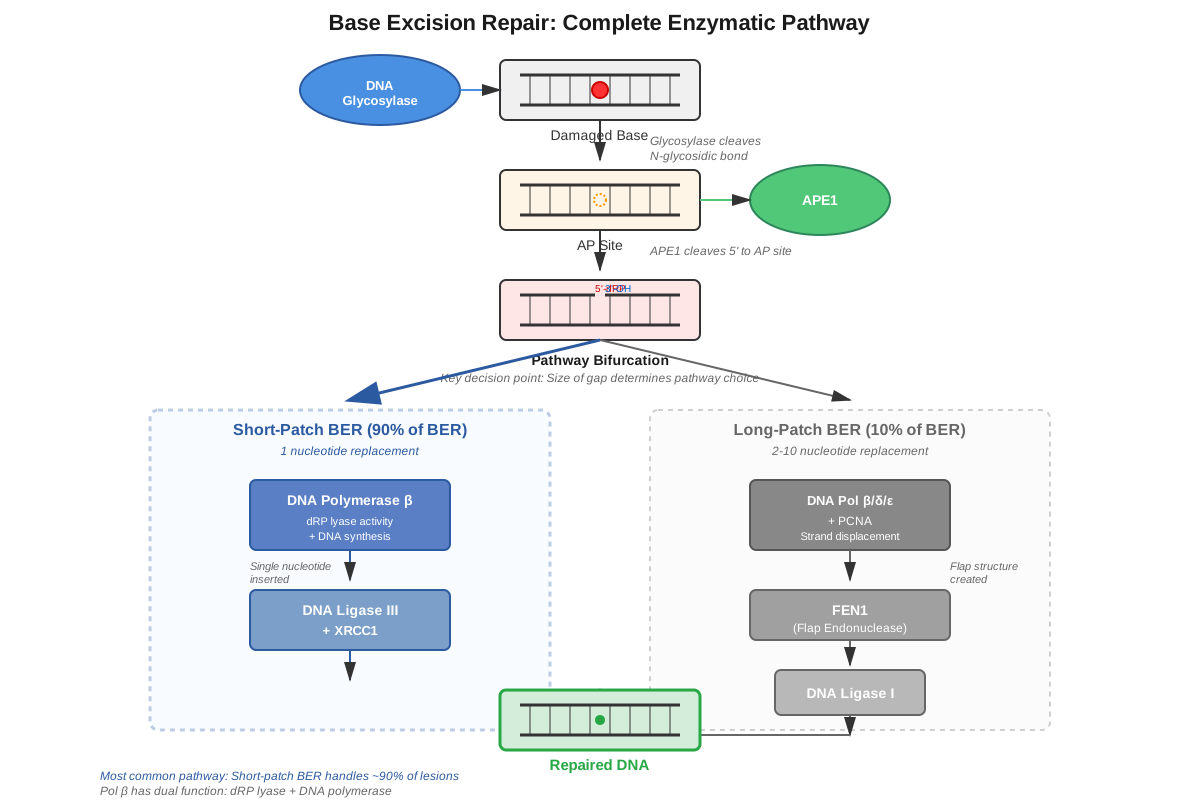
Base excision repair (BER) is a multi-step enzymatic pathway that removes and replaces damaged or inappropriate bases in DNA without requiring extensive unwinding of the double helix. The pathway is initiated when a DNA glycosylase recognizes and removes a damaged base by cleaving the N-glycosidic bond between the base and the deoxyribose sugar, creating an apurinic/apyrimidinic site (AP site, also called an abasic site). This AP site is then processed by additional enzymes that remove the sugar-phosphate residue, synthesize new DNA to fill the gap, and seal the strand break. BER is distinguished from other repair mechanisms by its focus on small, non-bulky lesions that do not significantly distort the DNA helix structure.
Types of DNA Damage Repaired by BER
BER addresses several categories of base damage that occur frequently in cells:
- Deaminated bases: Cytosine spontaneously deaminates to uracil at a rate of approximately 100-500 events per cell per day; adenine can deaminate to hypoxanthine
- Oxidized bases: Reactive oxygen species from normal metabolism create 8-oxoguanine (8-oxoG), thymine glycol, and other oxidized purines and pyrimidines
- Alkylated bases: Exposure to alkylating agents produces 3-methyladenine and 7-methylguanine
- Single-strand breaks: BER can process DNA breaks with damaged 5' or 3' termini
- Mismatched bases: Some glycosylases remove bases that are chemically normal but incorrectly paired
The chemical nature of these lesions—small modifications that don't dramatically alter helix geometry—makes them ideal substrates for the BER machinery, which operates without requiring extensive DNA unwinding.
The BER Pathway: Step-by-Step Mechanism
Step 1: Damage Recognition and Base Removal
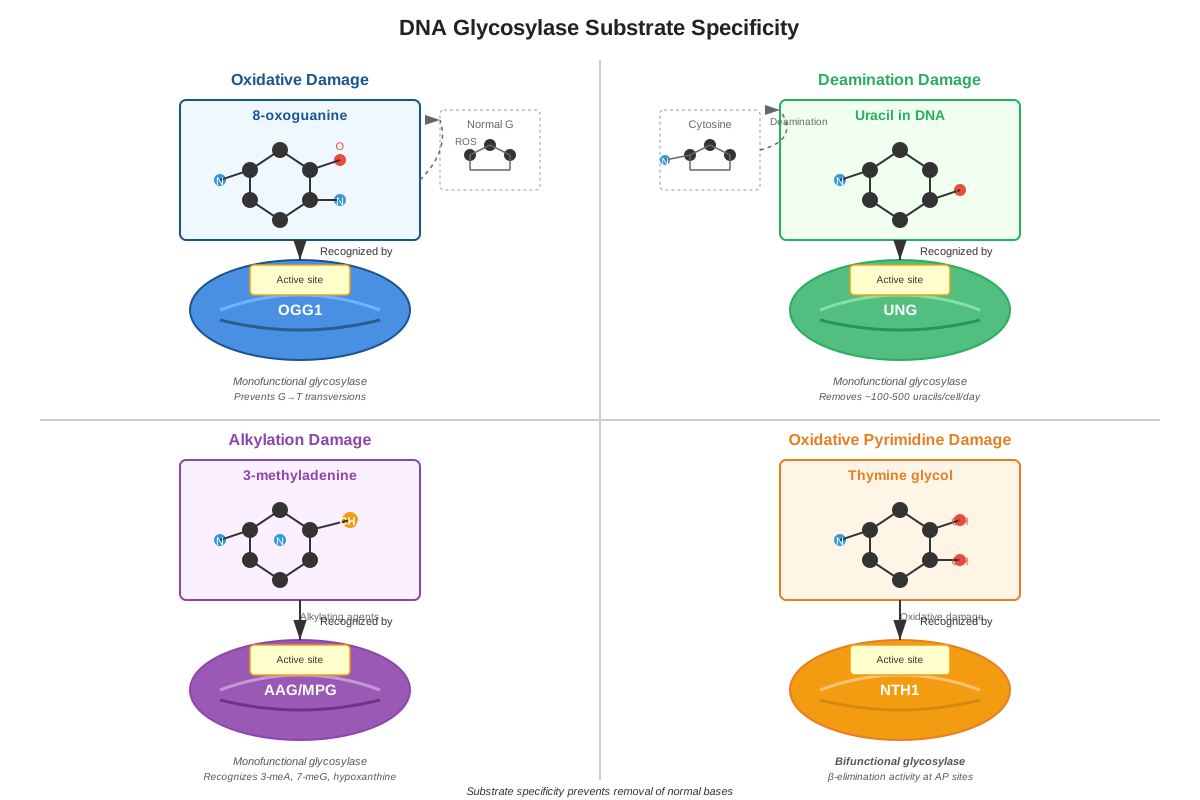
DNA glycosylases are the initiating enzymes of BER, with each glycosylase showing specificity for particular types of damaged bases. These enzymes scan DNA and flip damaged bases out of the helix into their active sites. Key glycosylases include:
- Uracil DNA glycosylase (UNG): Removes uracil from DNA
- 8-oxoguanine DNA glycosylase (OGG1): Removes 8-oxoguanine
- MYH glycosylase: Removes adenine mispaired with 8-oxoguanine
- Thymine DNA glycosylase (TDG): Removes thymine from G:T mispairs and 5-methylcytosine derivatives
Glycosylases cleave the N-glycosidic bond, releasing the damaged base and creating an AP site. Some glycosylases are monofunctional (only remove the base), while others are bifunctional (also possess AP lyase activity that nicks the DNA backbone).
Step 2: AP Site Processing
The AP endonuclease (APE1 in humans) recognizes the AP site and cleaves the phosphodiester backbone immediately 5' to the abasic sugar, creating a single-strand break with a 3'-hydroxyl group and a 5'-deoxyribose phosphate (5'-dRP) residue. This step is critical because AP sites are highly mutagenic—if left unrepaired, DNA polymerases may insert any base opposite the lesion during replication.
Step 3: Gap Filling and Strand Ligation
At this point, the pathway diverges into two sub-pathways:
Short-patch BER (repairs 1 nucleotide, ~80-90% of BER events):
- DNA polymerase β (Pol β) removes the 5'-dRP residue using its lyase activity
- Pol β fills the single-nucleotide gap using its polymerase activity
- DNA ligase III (complexed with XRCC1 scaffold protein) seals the nick
Long-patch BER (repairs 2-10 nucleotides, ~10-20% of BER events):
- DNA polymerase δ/ε (or sometimes Pol β) synthesizes new DNA, displacing the damaged strand
- The displaced strand forms a "flap" structure
- Flap endonuclease 1 (FEN1) removes the flap
- DNA ligase I seals the nick
The choice between short-patch and long-patch BER depends on the nature of the 5' terminus and the availability of specific proteins.
Comparison of BER with Other DNA Repair Mechanisms
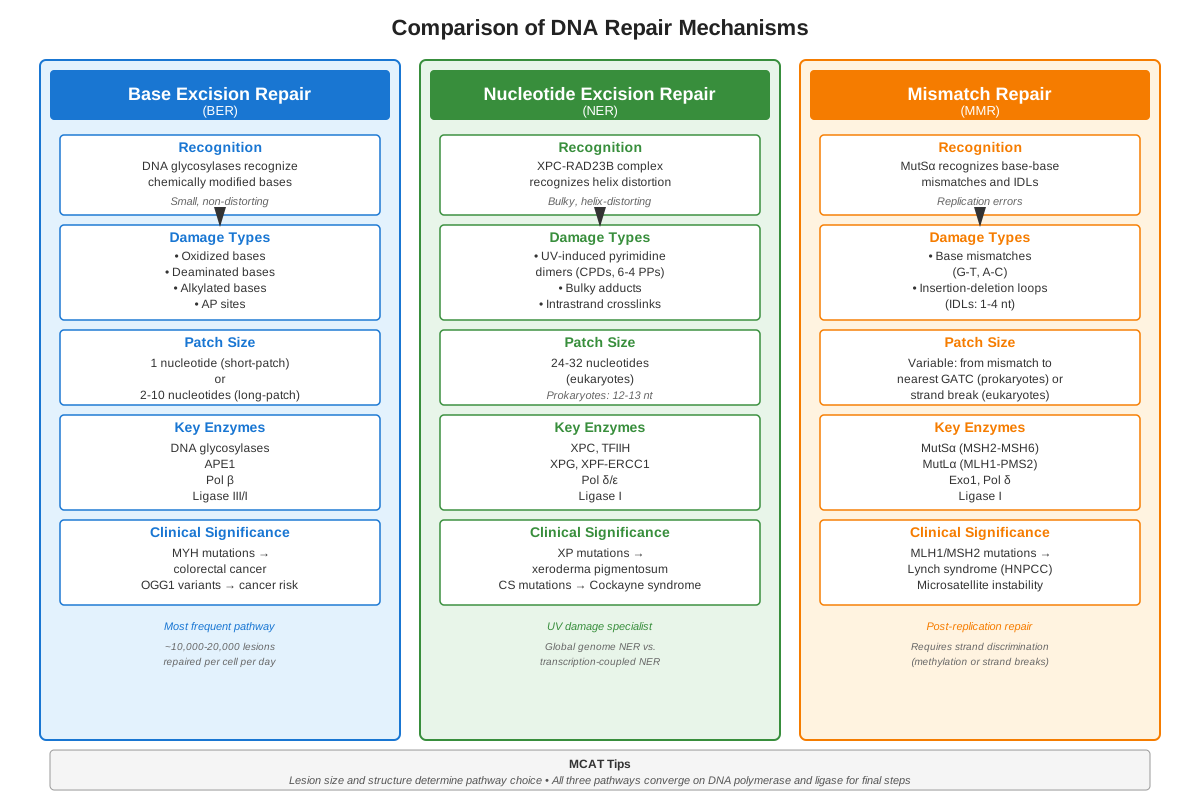
| Feature | Base Excision Repair | Nucleotide Excision Repair | Mismatch Repair |
|---|---|---|---|
| Lesion type | Small, non-helix-distorting damage | Bulky, helix-distorting adducts | Replication errors (mismatches) |
| Examples | Oxidized bases, deamination | UV-induced thymine dimers, chemical adducts | Base-base mismatches, insertion/deletion loops |
| Initiating enzyme | DNA glycosylase | XPC-RAD23B complex | MutS homologs (MSH2/MSH6) |
| Patch size | 1-10 nucleotides | ~30 nucleotides | 100-1000+ nucleotides |
| Helix unwinding | Minimal | Extensive | Extensive |
| Timing | Throughout cell cycle | Primarily G1/G2 | Primarily S phase |
Understanding these distinctions is crucial for MCAT questions that present a type of DNA damage and ask which repair pathway would address it.
Regulation and Coordination of BER
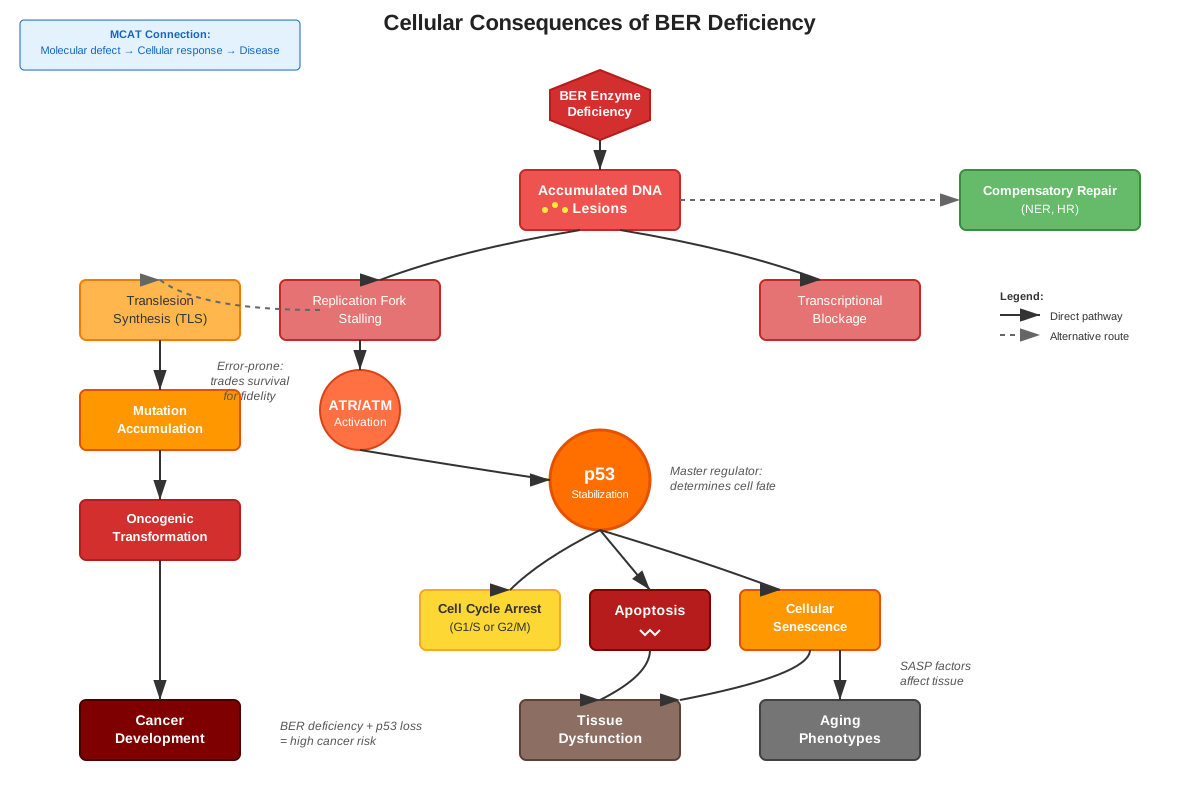
BER activity is regulated at multiple levels to ensure efficient repair while preventing inappropriate processing of normal DNA. Post-translational modifications such as phosphorylation and acetylation modulate enzyme activity and protein-protein interactions. The XRCC1 scaffold protein coordinates the assembly of BER complexes, bringing together Pol β, ligase III, and other factors at sites of damage. During S phase, BER is coordinated with DNA replication through interactions with PCNA (proliferating cell nuclear antigen), which recruits long-patch BER factors. When BER is overwhelmed or fails, cells activate DNA damage checkpoints mediated by ATM and ATR kinases, which can halt cell cycle progression or trigger apoptosis if damage is irreparable.
Consequences of BER Deficiency
When BER is compromised, cells accumulate mutations at accelerated rates, particularly G:C to T:A transversions (from unrepaired 8-oxoguanine) and C:G to T:A transitions (from unrepaired deaminated cytosine). This mutation signature is characteristic of oxidative damage and BER deficiency. At the cellular level, BER defects cause increased sensitivity to oxidative stress, elevated mutation rates, and genomic instability. At the organismal level, BER deficiency is associated with cancer predisposition, accelerated aging, and neurodegeneration. The MCAT frequently tests understanding of these consequences through questions asking students to predict phenotypes of cells or organisms with specific glycosylase mutations.
Concept Relationships
The concepts within base excision repair form a sequential cascade: DNA damage (oxidation, deamination, alkylation) → damage recognition by glycosylases → AP site formation → backbone cleavage by AP endonuclease → gap filling by DNA polymerase → ligation. Each step depends on the successful completion of the previous step, and failure at any point can lead to persistent DNA lesions.
BER connects to prerequisite knowledge of DNA structure because glycosylases must recognize subtle chemical modifications while distinguishing them from normal bases—this requires understanding base chemistry and hydrogen bonding patterns. The DNA polymerase function in BER directly relates to DNA replication mechanisms, as Pol β uses the same 5' to 3' synthesis mechanism as replicative polymerases. The oxidative damage that initiates many BER events connects to cellular metabolism and the production of reactive oxygen species from the electron transport chain.
BER also connects forward to several advanced topics: cancer biology (BER defects contribute to tumorigenesis), aging (accumulation of oxidative damage over time), apoptosis (overwhelming DNA damage triggers programmed cell death), and pharmacology (PARP inhibitors exploit BER deficiencies in cancer therapy). The relationship map can be visualized as:
Cellular metabolism → ROS production → DNA oxidative damage → BER activation → Repair or checkpoint activation → Cell survival or apoptosis → Long-term consequences (cancer, aging, neurodegeneration)
Quick check — test yourself on Base excision repair so far.
Try Flashcards →High-Yield Facts
⭐ Base excision repair is initiated by DNA glycosylases that recognize and remove damaged bases by cleaving the N-glycosidic bond, creating an AP site
⭐ AP endonuclease (APE1) cleaves the DNA backbone 5' to the AP site, creating a single-strand break with a 3'-OH and 5'-deoxyribose phosphate
⭐ Short-patch BER (1 nucleotide) uses DNA polymerase β and DNA ligase III/XRCC1; long-patch BER (2-10 nucleotides) uses DNA polymerase δ/ε, FEN1, and DNA ligase I
⭐ BER primarily repairs small, non-helix-distorting lesions including oxidized bases (8-oxoguanine), deaminated bases (uracil from cytosine), and alkylated bases
⭐ Uracil DNA glycosylase (UNG) removes uracil from DNA, preventing C→T transition mutations that would result from cytosine deamination
- DNA polymerase β has both polymerase activity (fills gaps) and lyase activity (removes 5'-deoxyribose phosphate)
- 8-oxoguanine, if unrepaired, pairs with adenine during replication, causing G:C to T:A transversion mutations
- BER occurs throughout the cell cycle, unlike nucleotide excision repair which is primarily active in G1/G2 phases
- XRCC1 serves as a scaffold protein that coordinates the assembly of BER protein complexes at damage sites
- Mutations in MYH glycosylase are associated with MYH-associated polyposis (MAP), a hereditary colorectal cancer syndrome
- AP sites are highly mutagenic and cytotoxic—cells generate approximately 10,000 AP sites per day from spontaneous base loss
- Bifunctional glycosylases possess both glycosylase activity and AP lyase activity, allowing them to both remove the base and nick the DNA backbone
Common Misconceptions
Misconception: Base excision repair removes entire nucleotides in the first step → Correction: DNA glycosylases only remove the nitrogenous base by cleaving the N-glycosidic bond, leaving the sugar-phosphate backbone intact. The AP endonuclease subsequently cleaves the backbone in a separate step. This two-step process is fundamental to BER mechanism.
Misconception: All DNA glycosylases are the same and can remove any type of damaged base → Correction: DNA glycosylases are highly specific enzymes, each recognizing particular types of base damage. UNG specifically removes uracil, OGG1 removes 8-oxoguanine, and TDG removes thymine from G:T mispairs. This specificity is testable on the MCAT when questions describe different types of DNA damage.
Misconception: Base excision repair and nucleotide excision repair are interchangeable terms for the same process → Correction: These are distinct repair pathways. BER addresses small, non-helix-distorting lesions (oxidized or deaminated bases) and removes only the damaged base initially, while nucleotide excision repair (NER) addresses bulky, helix-distorting lesions (like thymine dimers) and removes an entire oligonucleotide segment (~30 nucleotides) in one piece.
Misconception: The AP site created by glycosylase action is harmless and can wait indefinitely for repair → Correction: AP sites are among the most dangerous DNA lesions. They are highly mutagenic because DNA polymerases may insert any base opposite them during replication (often adenine by default), and they are cytotoxic because they can block replication and transcription. This is why AP endonuclease acts quickly after glycosylase action.
Misconception: DNA polymerase β synthesizes long stretches of DNA during BER → Correction: In short-patch BER (the predominant pathway), Pol β typically adds only a single nucleotide. Long-patch BER, which involves synthesis of 2-10 nucleotides, more commonly uses DNA polymerase δ or ε. Understanding which polymerase is involved in which sub-pathway is important for MCAT questions about BER mechanisms.
Misconception: BER only occurs in response to external DNA damage like radiation or chemicals → Correction: BER is constantly active in all cells, primarily addressing damage from endogenous sources such as reactive oxygen species from normal metabolism and spontaneous base modifications like cytosine deamination. This continuous activity makes BER one of the most frequently utilized repair pathways, processing thousands of lesions per cell per day even in the absence of external insults.
Worked Examples
Example 1: Predicting Mutation Patterns from BER Deficiency
Question: A research study generates a mouse strain with a homozygous knockout of the OGG1 gene, which encodes 8-oxoguanine DNA glycosylase. After several generations, researchers sequence the genomes of these mice and compare them to wild-type controls. What type of mutations would be most enriched in the OGG1 knockout mice, and what is the molecular mechanism?
Solution:
Step 1: Identify what OGG1 normally does. OGG1 is the glycosylase that specifically recognizes and removes 8-oxoguanine (8-oxoG), an oxidized form of guanine created by reactive oxygen species.
Step 2: Determine what happens when 8-oxoG is not removed. 8-oxoG has altered base-pairing properties. While normal guanine pairs with cytosine, 8-oxoG can pair with adenine during DNA replication.
Step 3: Trace the replication consequences. When DNA polymerase encounters 8-oxoG on the template strand:
- First replication: 8-oxoG (template) pairs with A (new strand) instead of C
- Second replication: The A now serves as template and pairs with T
- Result: The original G:C base pair becomes a T:A base pair
Step 4: Classify the mutation type. This is a G:C to T:A transversion mutation (purine to pyrimidine change at that position).
Answer: OGG1 knockout mice would show enrichment of G:C to T:A transversion mutations. The mechanism involves unrepaired 8-oxoguanine pairing with adenine during replication, which after a second round of replication becomes fixed as a T:A base pair where G:C originally existed. This mutation signature is characteristic of oxidative DNA damage that escapes BER.
MCAT Connection: This example demonstrates how understanding the substrate specificity of individual glycosylases and the base-pairing properties of damaged bases allows prediction of mutation patterns—a common MCAT question type in experimental passages about DNA repair.
Example 2: Analyzing BER Pathway Disruption
Question: An experiment uses cultured human cells treated with a specific inhibitor that blocks AP endonuclease (APE1) activity. The cells are then exposed to hydrogen peroxide to induce oxidative DNA damage. Which of the following would be the most immediate molecular consequence?
A) Accumulation of uracil in DNA
B) Accumulation of AP sites in DNA
C) Increased single-strand breaks in DNA
D) Decreased activity of DNA glycosylases
Solution:
Step 1: Map the BER pathway sequence:
- Glycosylase removes damaged base → creates AP site
- AP endonuclease cleaves backbone at AP site → creates single-strand break
- Polymerase fills gap
- Ligase seals nick
Step 2: Identify where APE1 acts. APE1 (AP endonuclease) functions in step 2, processing AP sites created by glycosylases.
Step 3: Determine what accumulates when APE1 is blocked. If APE1 is inhibited:
- Glycosylases continue to function normally, removing oxidized bases
- AP sites are created but cannot be processed further
- The pathway stalls at the AP site stage
Step 4: Evaluate each answer choice:
- A) Incorrect - hydrogen peroxide causes oxidation, not deamination; uracil would only accumulate if UNG were blocked
- B) Correct - AP sites are created by glycosylases but cannot be processed by the blocked APE1
- C) Incorrect - single-strand breaks are created by APE1; blocking APE1 prevents their formation
- D) Incorrect - glycosylases act upstream of APE1 and would not be directly affected
Answer: B) Accumulation of AP sites in DNA
MCAT Connection: This question type—asking about the consequences of blocking a specific enzyme in a multi-step pathway—is extremely common on the MCAT. Success requires knowing the exact sequence of steps and understanding that blocking one enzyme causes accumulation of its substrate while preventing formation of its product.
Exam Strategy
Approaching MCAT Questions on BER
When encountering base excision repair questions, first determine whether the question is asking about: (1) the sequence of enzymatic steps, (2) substrate specificity (which damage is repaired by BER), (3) consequences of pathway disruption, or (4) comparison with other repair mechanisms. Read the question stem carefully to identify which aspect is being tested.
For passage-based questions, pay close attention to experimental manipulations. If a passage describes knocking out a specific enzyme, immediately identify where that enzyme acts in the pathway and predict what will accumulate (the enzyme's substrate) and what will be depleted (the enzyme's product). If the passage presents mutation data, look for characteristic signatures: G:C to T:A transversions suggest oxidative damage and potential BER defects.
Trigger Words and Phrases
Watch for these high-yield trigger words that signal BER is relevant:
- "Oxidative damage," "reactive oxygen species," "8-oxoguanine" → BER is the repair mechanism
- "Deamination," "uracil in DNA" → BER via uracil DNA glycosylase
- "Small base modifications," "non-helix-distorting" → BER, not NER
- "AP site," "abasic site," "apurinic/apyrimidinic" → intermediate in BER pathway
- "DNA glycosylase" → initiating enzyme of BER
- "XRCC1," "DNA polymerase β" → specific BER proteins
Process-of-Elimination Tips
When comparing repair mechanisms, eliminate answers that confuse BER with NER by remembering: if the damage is bulky or caused by UV light (thymine dimers), it's NER, not BER. If the question describes mismatched normal bases after replication, it's mismatch repair, not BER. BER specifically addresses chemically modified bases.
For questions about enzyme sequence, eliminate answers that place ligation before gap filling, or gap filling before AP endonuclease action. The sequence is always: glycosylase → AP endonuclease → polymerase → ligase.
Time Allocation
For discrete BER questions, allocate 60-90 seconds. These typically test straightforward knowledge of the pathway sequence or substrate specificity. For passage-based questions involving BER, allocate 90-120 seconds per question, as you'll need time to integrate passage information (experimental data, graphs) with your knowledge of the pathway. If a question requires detailed analysis of mutation patterns or multiple steps of reasoning, don't hesitate to use the full time—these are often high-value questions worth the investment.
Memory Techniques
Mnemonic for BER Pathway Sequence
"Glyco-AP-Poly-Ligate" - This simple phrase captures the four main steps:
- Glyco: Glycosylase removes the damaged base
- AP: AP endonuclease cleaves the backbone
- Poly: Polymerase fills the gap
- Ligate: Ligase seals the nick
Visualization Strategy for Substrate Specificity
Create a mental image of a "damage menu" with three categories:
- Oxidation station: 8-oxoG and other oxidized bases (think rust/orange color)
- Deamination depot: Uracil from cytosine (think "C loses its amine, becomes U")
- Alkylation alley: Methylated bases (think "CH₃ groups stuck on")
All items on this menu are served by the BER restaurant, while bulky items (thymine dimers, large adducts) must go to the NER restaurant next door.
Acronym for Key BER Enzymes
"GAPL" for the enzyme sequence:
- G: Glycosylase
- A: AP endonuclease (APE1)
- P: Polymerase (β for short-patch)
- L: Ligase (III for short-patch, I for long-patch)
Memory Hook for Short vs. Long Patch
"Short and Sweet with Beta": Short-patch BER (1 nucleotide) uses DNA polymerase β (beta sounds like "better" for short jobs). Long-patch BER needs the "delta/epsilon crew" (δ/ε) for bigger jobs (2-10 nucleotides).
Summary
Base excision repair is a fundamental DNA repair pathway that maintains genomic integrity by removing and replacing small, non-helix-distorting base lesions such as oxidized, deaminated, and alkylated bases. The pathway proceeds through a defined sequence: DNA glycosylases recognize and remove damaged bases creating AP sites, AP endonuclease cleaves the DNA backbone, DNA polymerase fills the resulting gap, and DNA ligase seals the nick. The pathway exists in two forms—short-patch BER repairs single nucleotides using polymerase β and ligase III, while long-patch BER repairs 2-10 nucleotides using polymerase δ/ε, FEN1, and ligase I. BER is distinguished from other repair mechanisms by its substrate specificity (small chemical modifications rather than bulky adducts or mismatches) and its minimal disruption of DNA structure. Deficiencies in BER lead to characteristic mutation patterns, particularly G:C to T:A transversions from unrepaired oxidative damage, and are associated with cancer predisposition, accelerated aging, and neurodegeneration. For the MCAT, mastery of BER requires understanding the enzymatic sequence, recognizing which types of damage are BER substrates, predicting consequences of pathway disruption, and distinguishing BER from nucleotide excision repair and mismatch repair.
Key Takeaways
- Base excision repair specifically addresses small, non-helix-distorting lesions including oxidized bases (8-oxoguanine), deaminated bases (uracil), and alkylated bases through a multi-enzyme pathway
- The BER pathway sequence is: DNA glycosylase (removes base) → AP endonuclease (cleaves backbone) → DNA polymerase (fills gap) → DNA ligase (seals nick)
- Short-patch BER (1 nucleotide) uses Pol β and ligase III/XRCC1; long-patch BER (2-10 nucleotides) uses Pol δ/ε, FEN1, and ligase I
- Each DNA glycosylase shows specificity for particular damaged bases: UNG removes uracil, OGG1 removes 8-oxoguanine, and MYH removes adenine mispaired with 8-oxoG
- AP sites created by glycosylases are highly mutagenic and must be rapidly processed by AP endonuclease to prevent replication errors
- BER deficiency causes accumulation of mutations (especially G:C to T:A transversions), increased cancer risk, and sensitivity to oxidative stress
- On the MCAT, distinguish BER (small base modifications) from NER (bulky, helix-distorting lesions like thymine dimers) and mismatch repair (normal bases incorrectly paired after replication)
Related Topics
Nucleotide Excision Repair (NER): While BER removes individual damaged bases, NER removes entire oligonucleotide segments containing bulky, helix-distorting lesions such as UV-induced thymine dimers. Understanding NER provides contrast that deepens comprehension of when cells deploy BER versus NER.
Mismatch Repair (MMR): This pathway corrects base-base mismatches and insertion/deletion loops that escape proofreading during DNA replication. Comparing MMR with BER clarifies that MMR addresses replication errors involving normal bases, while BER addresses chemically modified bases.
DNA Damage Response and Cell Cycle Checkpoints: When BER is overwhelmed, cells activate ATM/ATR-mediated checkpoint pathways that halt cell cycle progression. Mastering BER enables understanding of how specific types of DNA damage trigger broader cellular responses.
Cancer Biology and Tumor Suppressor Genes: BER deficiency contributes to the mutator phenotype seen in many cancers. Understanding BER is foundational for comprehending how genomic instability drives tumorigenesis and why certain cancers show sensitivity to PARP inhibitors.
Oxidative Stress and Cellular Metabolism: Since reactive oxygen species from mitochondrial metabolism create many BER substrates, understanding BER connects to broader topics of cellular respiration, free radical biology, and antioxidant defense mechanisms.
Practice CTA
Now that you've mastered the core concepts of base excision repair, it's time to reinforce your understanding through active practice. Challenge yourself with MCAT-style practice questions that test your ability to apply the BER pathway sequence, predict consequences of enzyme deficiencies, and distinguish BER from other repair mechanisms. Use flashcards to drill the substrate specificity of individual glycosylases and the enzyme components of short-patch versus long-patch BER. Remember, understanding DNA repair mechanisms like BER isn't just about memorizing steps—it's about developing the analytical skills to tackle complex passage-based questions that integrate multiple biological concepts. Your investment in mastering this high-yield topic will pay dividends across multiple question types on test day. You've got this!
Sign up free to keep reading
Create a free AnvayaPrep account to finish this MCAT guide on Base excision repair — plus flashcards and practice questions.