Overview
Nucleotides represent one of the most fundamental building blocks in Biology, serving as the monomeric units that compose nucleic acids (DNA and RNA) and playing critical roles in cellular energy metabolism, signaling, and enzymatic reactions. Understanding nucleotide structure, function, and biochemistry is essential for mastering Molecular Biology and Genetics on the MCAT, as these molecules appear across multiple biological contexts—from genetic information storage and transmission to ATP-driven metabolic pathways.
For the MCAT, nucleotides bridge several high-yield topics including DNA replication, transcription, translation, cellular respiration, and signal transduction. Questions may test structural recognition, functional understanding, or the ability to trace nucleotides through metabolic pathways. The Nucleotides MCAT content typically appears in both passage-based and discrete questions, often requiring integration of biochemistry and molecular biology concepts. Students must recognize nucleotides not merely as abstract chemical structures but as dynamic participants in virtually every cellular process.
The comprehensive understanding of nucleotides provides the foundation for more advanced topics in genetics, molecular biology, and biochemistry. Whether analyzing a mutation's effect on DNA structure, understanding how ATP powers endergonic reactions, or recognizing the role of cyclic AMP in hormone signaling, nucleotide knowledge serves as the conceptual cornerstone. This guide will systematically develop the structural, functional, and clinical understanding necessary to confidently approach any MCAT question involving these essential biomolecules.
Learning Objectives
- [ ] Define Nucleotides using accurate Biology terminology
- [ ] Explain why Nucleotides matters for the MCAT
- [ ] Apply Nucleotides to exam-style questions
- [ ] Identify common mistakes related to Nucleotides
- [ ] Connect Nucleotides to related Biology concepts
- [ ] Distinguish between the structural components of purines and pyrimidines
- [ ] Analyze the functional roles of modified nucleotides in cellular metabolism
- [ ] Predict the consequences of nucleotide structural alterations on biological processes
Prerequisites
- Basic organic chemistry: Understanding of functional groups (amines, carbonyls, phosphates) and ring structures is essential for recognizing nucleotide components
- Carbohydrate chemistry: Knowledge of pentose sugars (ribose and deoxyribose) enables recognition of the sugar component in nucleotides
- Acid-base chemistry: pH effects on nucleotide structure and the ionization states of phosphate groups are frequently tested
- Chemical bonding: Comprehension of covalent bonds (phosphodiester linkages) and hydrogen bonding (base pairing) underlies nucleic acid structure
- Basic cellular biology: Familiarity with cellular compartments and processes where nucleotides function provides context for their roles
Why This Topic Matters
Clinical and Real-World Significance
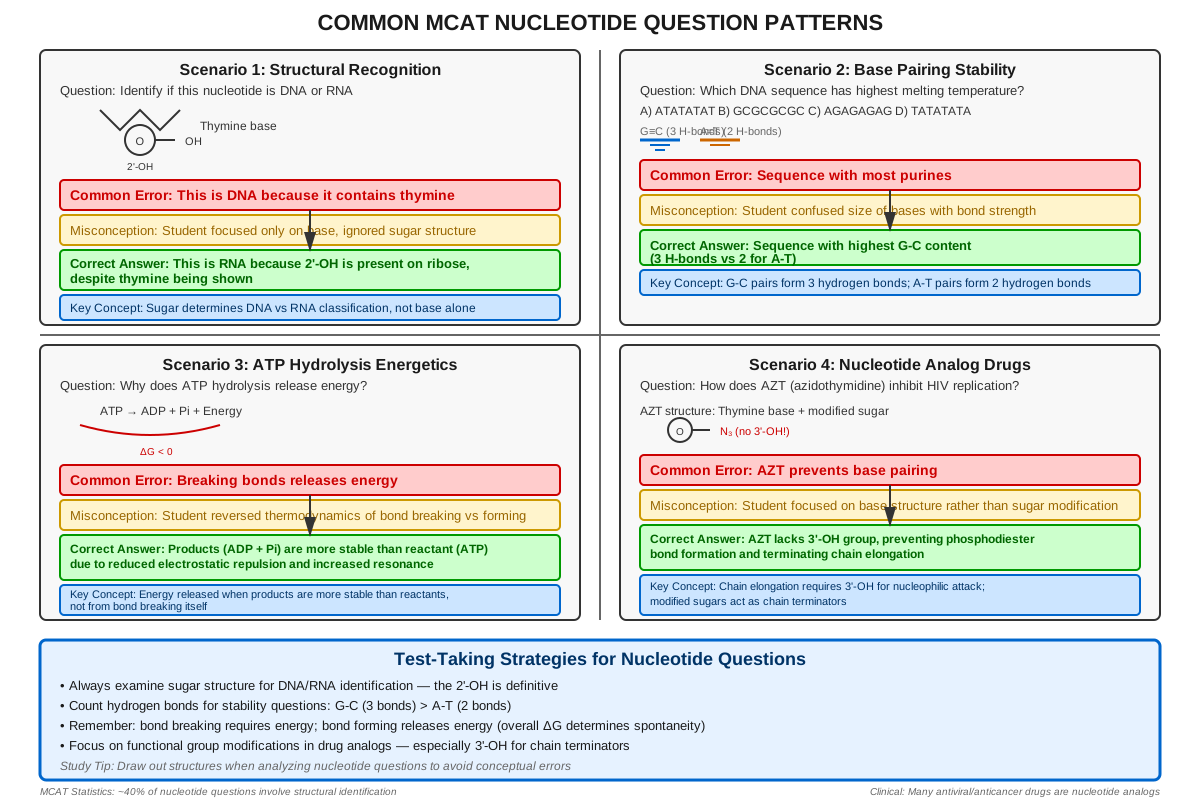
Nucleotides have profound clinical relevance that extends far beyond their role as genetic building blocks. Antiviral and anticancer medications frequently target nucleotide metabolism—drugs like AZT (azidothymidine) for HIV treatment and 5-fluorouracil for cancer therapy are nucleotide analogs that disrupt DNA synthesis in rapidly dividing cells. Genetic disorders such as Lesch-Nyhan syndrome result from defects in purine metabolism, while gout arises from excessive uric acid (a purine degradation product). Understanding nucleotide structure enables comprehension of how these therapeutic interventions and disease processes operate at the molecular level.
MCAT Exam Statistics and Question Types
Nucleotides appear in approximately 8-12% of MCAT Biology/Biochemistry questions, making them a medium-yield but essential topic. Questions typically fall into three categories: (1) structural identification and comparison questions requiring recognition of nucleotide components, (2) functional questions linking nucleotides to processes like energy transfer or signaling, and (3) experimental passage questions where nucleotide analogs or modifications are used as research tools. The MCAT frequently integrates nucleotide knowledge with other topics—a single question might require understanding both nucleotide structure and enzyme kinetics, or both ATP function and thermodynamics.
Common Exam Passage Contexts
Nucleotides commonly appear in MCAT passages describing: genetic engineering techniques (using modified nucleotides as tracers), drug development studies (testing nucleotide analog efficacy), metabolic pathway investigations (tracking ATP/ADP ratios), signal transduction research (examining cAMP or cGMP pathways), and evolutionary biology studies (comparing nucleotide sequences across species). Recognizing nucleotides in these diverse contexts requires flexible, integrated understanding rather than rote memorization.
Core Concepts
Nucleotide Structure and Components
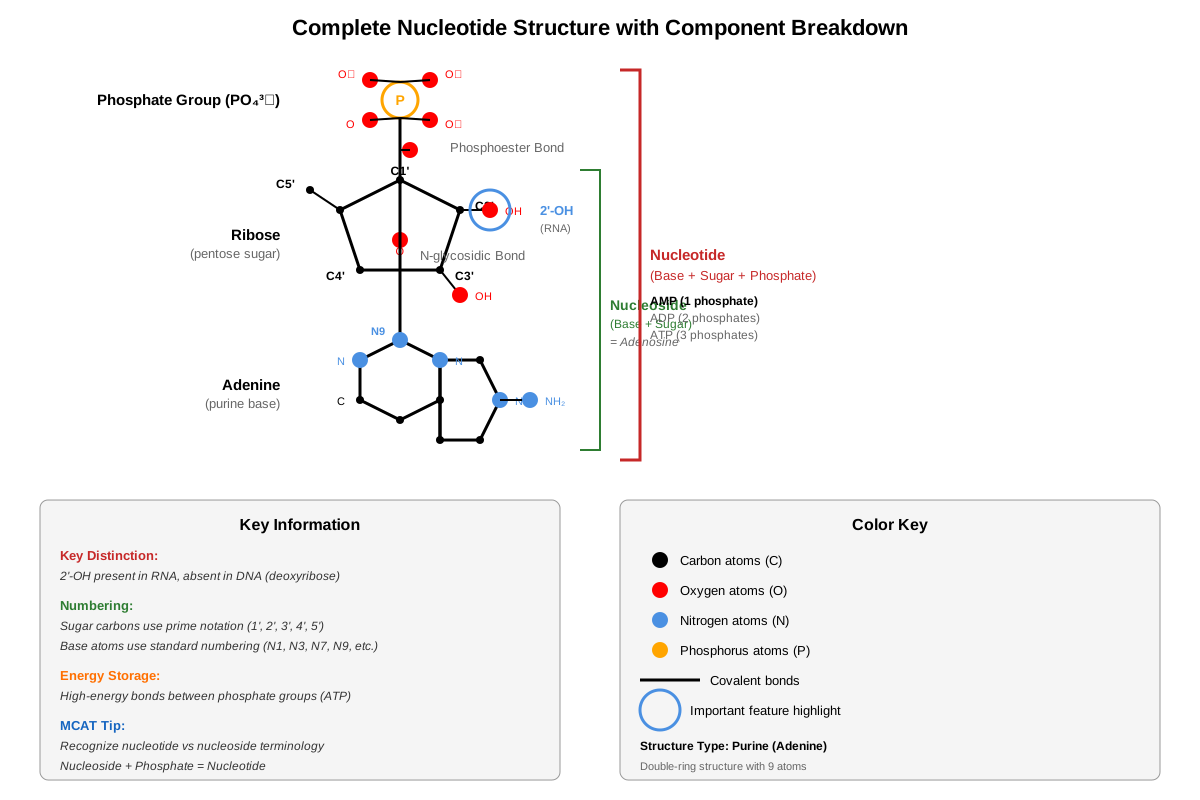
A nucleotide consists of three essential components covalently bonded together: a nitrogenous base, a five-carbon sugar (pentose), and one to three phosphate groups. This tripartite structure defines nucleotide identity and function. The nitrogenous base attaches to the 1' carbon of the sugar via a β-N-glycosidic bond, while phosphate groups attach to the 5' carbon through phosphoester bonds. When only the base and sugar are present without phosphate groups, the molecule is called a nucleoside.
The pentose sugar exists in two forms: ribose (in RNA nucleotides) contains a hydroxyl group (-OH) at the 2' carbon position, while deoxyribose (in DNA nucleotides) has only a hydrogen atom (-H) at this position. This seemingly minor structural difference has profound functional consequences—the 2'-OH group makes RNA more chemically reactive and less stable than DNA, explaining why DNA serves as the long-term genetic storage molecule while RNA functions in more transient roles.
Phosphate groups provide nucleotides with negative charges at physiological pH, making them highly polar and membrane-impermeable without specific transporters. Nucleotides can exist as monophosphates (NMP), diphosphates (NDP), or triphosphates (NTP). The phosphate bonds, particularly the bonds between β-γ and α-β phosphates in triphosphates, are high-energy bonds whose hydrolysis releases approximately 7.3 kcal/mol under standard conditions, though cellular conditions yield even more energy (approximately 12 kcal/mol for ATP).
Nitrogenous Bases: Purines and Pyrimidines
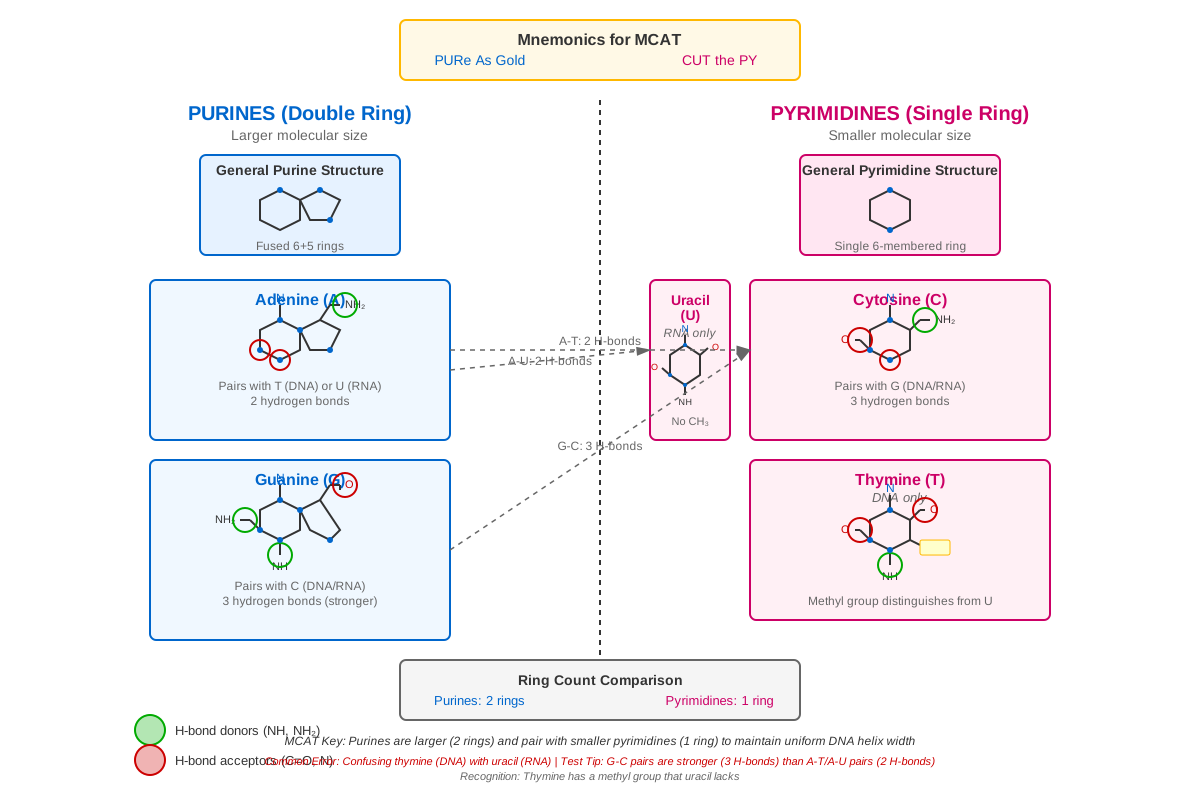
Nitrogenous bases fall into two structural categories: purines and pyrimidines. Purines—adenine (A) and guanine (G)—contain a fused double-ring structure consisting of a six-membered pyrimidine ring fused to a five-membered imidazole ring. This larger structure means purines are bulkier molecules. Pyrimidines—cytosine (C), thymine (T), and uracil (U)—contain only a single six-membered ring, making them smaller than purines.
| Feature | Purines (A, G) | Pyrimidines (C, T, U) |
|---|---|---|
| Ring structure | Double ring (9 atoms) | Single ring (6 atoms) |
| Size | Larger | Smaller |
| DNA bases | Adenine, Guanine | Cytosine, Thymine |
| RNA bases | Adenine, Guanine | Cytosine, Uracil |
| Hydrogen bonds (in DNA) | A forms 2, G forms 3 | T forms 2, C forms 3 |
| Mnemonic | PURe As Gold | CUT the PYramid |
The structural difference between thymine and uracil is a single methyl group (-CH₃) at the 5 position of thymine's ring. DNA uses thymine while RNA uses uracil, a distinction that aids in DNA repair—spontaneous cytosine deamination produces uracil, which repair enzymes recognize as abnormal in DNA and remove. If DNA naturally contained uracil, this error-detection mechanism would fail.
Nucleotide Nomenclature and Abbreviations
Understanding nucleotide naming conventions prevents confusion on the MCAT. Nucleosides (base + sugar) have names ending in "-osine" for purines (adenosine, guanosine) and "-idine" for pyrimidines (cytidine, thymidine, uridine). Nucleotides add "monophosphate," "diphosphate," or "triphosphate" to indicate phosphate number, abbreviated as NMP, NDP, or NTP where N represents the base.
For DNA nucleotides, a lowercase "d" prefix indicates deoxyribose: dATP (deoxyadenosine triphosphate), dGTP, dCTP, dTTP. RNA nucleotides typically omit this prefix: ATP, GTP, CTP, UTP. This nomenclature system allows precise communication about which nucleotide is being discussed—critical when distinguishing between DNA synthesis (requiring dNTPs) and RNA synthesis (requiring NTPs).
Energy Currency: ATP and Related Nucleotides
Adenosine triphosphate (ATP) serves as the universal energy currency in biological systems, coupling exergonic (energy-releasing) reactions to endergonic (energy-requiring) processes. ATP's high-energy phosphate bonds result from several factors: electrostatic repulsion between negatively charged phosphate groups, resonance stabilization of hydrolysis products (ADP and inorganic phosphate), and increased entropy when one molecule becomes two.
ATP hydrolysis can occur at two positions:
- Terminal hydrolysis: ATP → ADP + Pᵢ (releases ~12 kcal/mol in cells)
- Pyrophosphate hydrolysis: ATP → AMP + PPᵢ (releases ~12 kcal/mol, with subsequent PPᵢ hydrolysis releasing additional energy)
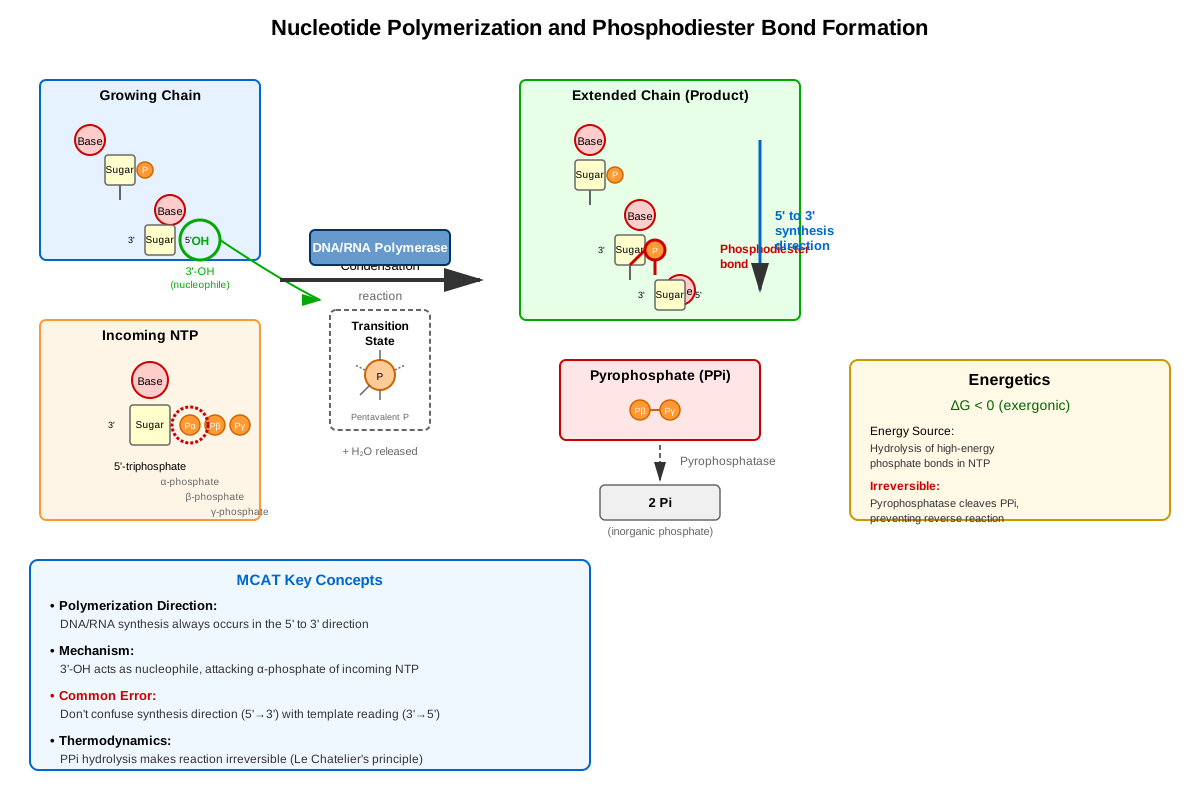
The second mechanism, producing pyrophosphate (PPᵢ), is often used in biosynthetic reactions because subsequent pyrophosphate hydrolysis by pyrophosphatase makes the overall reaction essentially irreversible, driving biosynthesis forward. This occurs in DNA/RNA synthesis, protein synthesis (aminoacyl-tRNA formation), and many other anabolic pathways.
Other nucleoside triphosphates (GTP, CTP, UTP) also serve energy functions in specific contexts: GTP powers protein synthesis elongation and G-protein signaling, CTP drives phospholipid synthesis, and UTP participates in glycogen synthesis. However, ATP remains the predominant energy carrier, with cellular ATP:ADP ratios carefully maintained around 10:1 to ensure sufficient energy availability.
Cyclic Nucleotides: Second Messengers
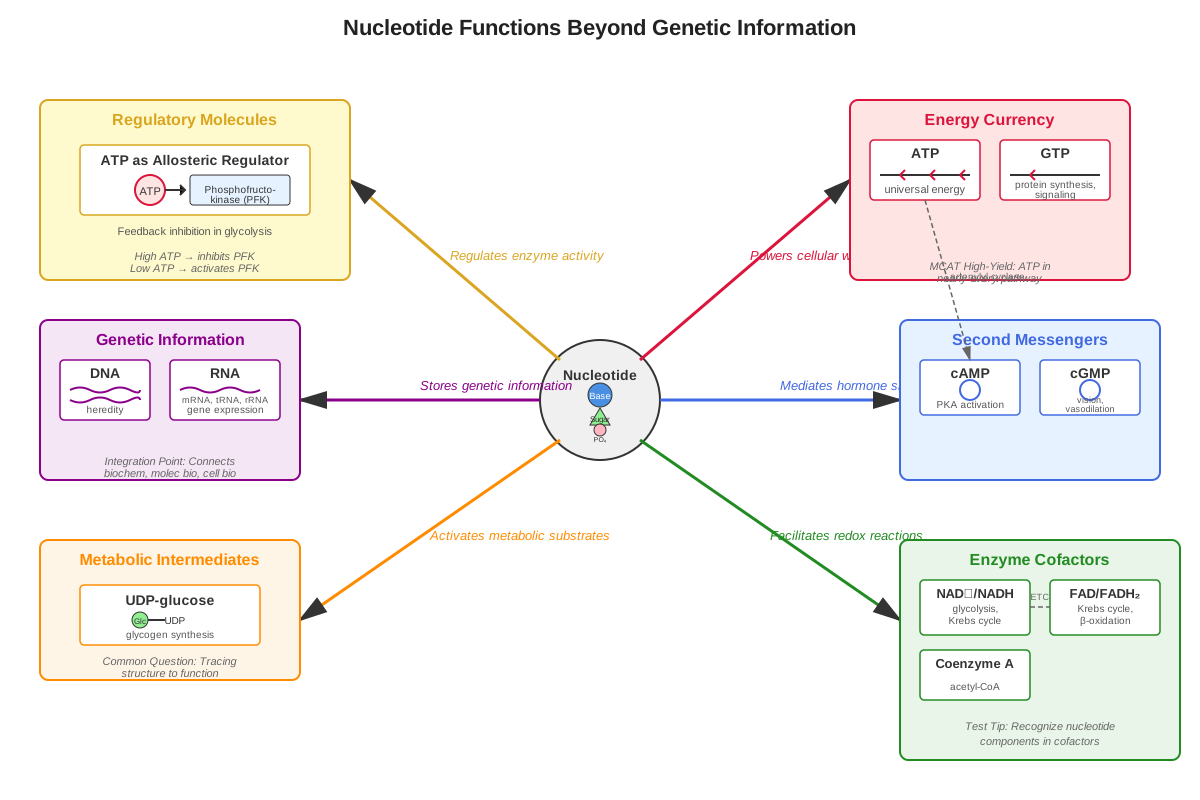
Cyclic AMP (cAMP) and cyclic GMP (cGMP) are modified nucleotides serving as intracellular second messengers in signal transduction pathways. These molecules form when adenylyl cyclase (for cAMP) or guanylyl cyclase (for cGMP) catalyzes the conversion of ATP or GTP into the cyclic form, creating a phosphodiester bond between the 5' phosphate and the 3' hydroxyl group of the same ribose sugar, forming a ring structure.
cAMP mediates the effects of many hormones including epinephrine, glucagon, and ACTH. When these hormones bind their G-protein coupled receptors, they activate adenylyl cyclase, increasing intracellular cAMP levels. cAMP then activates protein kinase A (PKA), which phosphorylates target proteins to produce cellular responses. The signal terminates when phosphodiesterase enzymes hydrolyze cAMP back to AMP. This cascade amplifies the original signal—one hormone molecule can generate thousands of cAMP molecules, each activating multiple PKA molecules.
cGMP functions similarly in pathways like nitric oxide signaling (important for vasodilation) and phototransduction in retinal cells. Understanding cyclic nucleotide signaling is essential for MCAT questions on hormone action, neurotransmission, and cardiovascular physiology.
Nucleotide Coenzymes
Several essential coenzymes are nucleotide derivatives, linking nucleotide biochemistry to metabolism. NAD⁺/NADH (nicotinamide adenine dinucleotide) and FAD/FADH₂ (flavin adenine dinucleotide) are electron carriers in cellular respiration, with NAD⁺ containing two nucleotides joined through their phosphate groups. Coenzyme A contains an adenosine nucleotide as part of its structure and carries acyl groups in metabolism, most notably as acetyl-CoA in the citric acid cycle.
These coenzymes demonstrate how nucleotide structures have been evolutionarily adapted for diverse functions beyond genetic information storage. The adenosine portion often serves as a "molecular handle" that enzymes recognize, while the non-nucleotide portion (nicotinamide, flavin, or pantothenic acid derivative) performs the actual chemical function.
Nucleotide Synthesis and Salvage
Cells synthesize nucleotides through two pathways: de novo synthesis (building nucleotides from simple precursors) and salvage pathways (recycling bases from degraded nucleotides). De novo purine synthesis builds the purine ring directly onto ribose-5-phosphate through a complex 10-step pathway requiring significant ATP investment. De novo pyrimidine synthesis first constructs the pyrimidine ring, then attaches it to ribose-5-phosphate.
Salvage pathways are more energy-efficient, using enzymes like hypoxanthine-guanine phosphoribosyltransferase (HGPRT) to reattach free bases to ribose-5-phosphate. Deficiency of HGPRT causes Lesch-Nyhan syndrome, demonstrating the clinical importance of nucleotide metabolism. The MCAT may test understanding of why salvage pathways are energetically favorable or how nucleotide synthesis inhibitors (like methotrexate, which blocks folate metabolism required for purine synthesis) function as chemotherapy agents.
Concept Relationships
Nucleotide structure directly determines function across biological systems. The nitrogenous base component enables specific base pairing through hydrogen bonding (A-T/U and G-C), which underlies DNA double helix formation, RNA secondary structure, and the fidelity of DNA replication and transcription. The sugar component distinguishes DNA from RNA, with the 2'-OH group's presence or absence affecting stability and function—this connects to why DNA serves for long-term storage while RNA functions in temporary roles like mRNA.
The phosphate groups create the phosphodiester backbone of nucleic acids (connecting the 5' carbon of one nucleotide to the 3' carbon of the next) and provide the energy-storage capacity of ATP. This links nucleotide structure to both genetic information flow (DNA → RNA → protein) and bioenergetics (ATP coupling exergonic and endergonic reactions).
Relationship map: Nucleotide structure → enables base pairing → allows DNA double helix formation → permits semiconservative replication → ensures genetic information transmission. Simultaneously: Nucleotide triphosphates → provide energy through phosphate bond hydrolysis → power biosynthetic reactions → drive cellular processes → connect to all metabolic pathways.
Modified nucleotides (cAMP, cGMP) connect nucleotide biochemistry to signal transduction, demonstrating how the same basic molecular scaffold adapts to diverse functions. Nucleotide coenzymes (NAD⁺, FAD) link nucleotides to cellular respiration and oxidation-reduction reactions, showing how nucleotide knowledge integrates across MCAT topics.
High-Yield Facts
⭐ Purines (adenine and guanine) have a double-ring structure; pyrimidines (cytosine, thymine, uracil) have a single-ring structure
⭐ DNA contains deoxyribose (no 2'-OH) and thymine; RNA contains ribose (has 2'-OH) and uracil instead of thymine
⭐ ATP hydrolysis releases approximately 7.3 kcal/mol under standard conditions but approximately 12 kcal/mol under cellular conditions
⭐ Adenine pairs with thymine via 2 hydrogen bonds; guanine pairs with cytosine via 3 hydrogen bonds
⭐ Cyclic AMP (cAMP) functions as a second messenger, formed from ATP by adenylyl cyclase and degraded by phosphodiesterase
- Nucleotides consist of three components: nitrogenous base, pentose sugar, and phosphate group(s)
- The β-N-glycosidic bond connects the base to the 1' carbon of the sugar
- Phosphodiester bonds link nucleotides in DNA/RNA, connecting the 5' phosphate of one nucleotide to the 3' hydroxyl of the next
- NAD⁺ and FAD are nucleotide-based coenzymes that function as electron carriers in cellular respiration
- GTP powers protein synthesis and G-protein signaling pathways
- Nucleoside = base + sugar; nucleotide = base + sugar + phosphate(s)
- The methyl group at position 5 distinguishes thymine from uracil
- Salvage pathways recycle nucleotide bases and are more energy-efficient than de novo synthesis
- Pyrophosphate (PPᵢ) release and subsequent hydrolysis makes biosynthetic reactions irreversible
- The negative charges on phosphate groups make nucleotides highly polar and membrane-impermeable
Quick check — test yourself on Nucleotides so far.
Try Flashcards →Common Misconceptions
Misconception: All nucleotides contain the same sugar molecule.
Correction: DNA nucleotides contain deoxyribose (lacking a 2'-OH group), while RNA nucleotides contain ribose (with a 2'-OH group). This structural difference is functionally significant—the 2'-OH makes RNA more reactive and less stable than DNA.
Misconception: ATP is the only nucleotide that stores energy.
Correction: All nucleoside triphosphates (GTP, CTP, UTP) contain high-energy phosphate bonds and can serve energy functions. GTP specifically powers protein synthesis and G-protein signaling, while CTP and UTP drive specific biosynthetic pathways. However, ATP is the most abundant and versatile energy carrier.
Misconception: The "high-energy" phosphate bonds in ATP are unusually strong bonds.
Correction: The phosphate bonds in ATP are actually relatively weak covalent bonds. They are called "high-energy" because their hydrolysis releases substantial free energy due to relief of electrostatic repulsion, resonance stabilization of products, and increased entropy—not because the bonds themselves are exceptionally strong.
Misconception: Thymine and uracil are functionally identical; DNA just happens to use thymine.
Correction: The use of thymine in DNA (rather than uracil) serves an important error-detection function. Cytosine spontaneously deaminates to uracil, which repair enzymes recognize as abnormal in DNA and remove. If DNA naturally contained uracil, this mutation would go undetected. The methyl group on thymine distinguishes it from deaminated cytosine.
Misconception: Nucleotides only function as building blocks of DNA and RNA.
Correction: Nucleotides have diverse functions beyond genetic information storage: ATP serves as universal energy currency, cAMP and cGMP function as second messengers in signaling, NAD⁺ and FAD serve as electron carriers in metabolism, and Coenzyme A (containing adenosine) carries acyl groups. Recognizing these multiple roles is essential for MCAT success.
Misconception: The phosphodiester bond connects the phosphate of one nucleotide to the phosphate of the next.
Correction: The phosphodiester bond connects the 5' phosphate group of one nucleotide to the 3' hydroxyl group of the adjacent nucleotide's sugar, not to another phosphate. This creates the sugar-phosphate backbone with directionality (5' to 3').
Misconception: Purines and pyrimidines can pair with each other randomly in DNA.
Correction: Specific base pairing rules (Chargaff's rules) dictate that purines pair only with pyrimidines: adenine with thymine (2 H-bonds) and guanine with cytosine (3 H-bonds). This complementary pairing maintains constant width of the DNA double helix and ensures accurate replication.
Worked Examples
Example 1: Structural Analysis and Energy Calculation
Question: A researcher is studying a novel enzyme that catalyzes the following reaction: ATP + glucose → glucose-6-phosphate + ADP. If the phosphorylation of glucose to glucose-6-phosphate has a ΔG°' of +3.3 kcal/mol, and ATP hydrolysis has a ΔG°' of -7.3 kcal/mol under standard conditions, determine: (a) whether this coupled reaction is thermodynamically favorable, (b) the overall ΔG°' of the coupled reaction, and (c) explain why cells use ATP rather than directly phosphorylating glucose.
Solution:
(a) Determining thermodynamic favorability: A reaction is thermodynamically favorable (spontaneous) when ΔG < 0. We need to calculate the overall ΔG°' for the coupled reaction.
(b) Calculating overall ΔG°':
The coupled reaction can be viewed as two component reactions:
- Reaction 1: Glucose + Pᵢ → Glucose-6-phosphate (ΔG°' = +3.3 kcal/mol)
- Reaction 2: ATP → ADP + Pᵢ (ΔG°' = -7.3 kcal/mol)
- Overall: ATP + Glucose → Glucose-6-phosphate + ADP
The overall ΔG°' = (+3.3 kcal/mol) + (-7.3 kcal/mol) = -4.0 kcal/mol
Since ΔG°' is negative, the coupled reaction is thermodynamically favorable and will proceed spontaneously under standard conditions.
(c) Why cells use ATP coupling: Direct phosphorylation of glucose is thermodynamically unfavorable (ΔG°' = +3.3 kcal/mol, positive), meaning it would not occur spontaneously. Cells cannot simply add inorganic phosphate to glucose efficiently. By coupling this unfavorable reaction to ATP hydrolysis (which is highly favorable at -7.3 kcal/mol), the cell makes the overall process favorable (-4.0 kcal/mol). This demonstrates ATP's role as an energy currency—it provides sufficient free energy to drive otherwise unfavorable biosynthetic reactions. The enzyme (hexokinase) facilitates this coupling by bringing ATP and glucose together in its active site, allowing direct phosphate transfer from ATP to glucose without free inorganic phosphate as an intermediate.
Connection to learning objectives: This example applies nucleotide knowledge to quantitative biochemistry, demonstrating how ATP's high-energy phosphate bonds enable cellular work—a common MCAT question type that integrates nucleotide structure, function, and thermodynamics.
Example 2: Signal Transduction Pathway Analysis
Question: Epinephrine binds to β-adrenergic receptors on liver cells, ultimately leading to glycogen breakdown. The pathway involves: (1) receptor activation, (2) G-protein activation, (3) adenylyl cyclase activation, (4) cAMP production, (5) protein kinase A (PKA) activation, and (6) phosphorylase kinase activation. A researcher treats liver cells with a phosphodiesterase inhibitor. Predict and explain the effect on: (a) cAMP levels, (b) glycogen breakdown, and (c) how this relates to the mechanism of caffeine as a stimulant.
Solution:
(a) Effect on cAMP levels: Phosphodiesterase normally hydrolyzes cAMP to AMP, terminating the signal. A phosphodiesterase inhibitor prevents this degradation, causing cAMP levels to remain elevated for a longer duration. Even after the epinephrine signal ends, cAMP persists because it cannot be efficiently broken down.
(b) Effect on glycogen breakdown: Elevated cAMP levels mean sustained activation of protein kinase A (PKA), which continues to phosphorylate and activate phosphorylase kinase. This leads to prolonged and enhanced glycogen breakdown (glycogenolysis), releasing more glucose into the bloodstream for longer periods than would occur without the inhibitor. The signal amplification cascade means that even modest increases in cAMP duration produce substantial increases in glucose output.
(c) Relationship to caffeine mechanism: Caffeine functions as a phosphodiesterase inhibitor, explaining its stimulant effects. By preventing cAMP breakdown, caffeine prolongs the effects of stimulatory neurotransmitters and hormones. In the nervous system, this increases alertness and reduces fatigue. In muscle and liver, it enhances glycogen breakdown, providing more glucose for energy. In cardiac muscle, it increases contractility. This example demonstrates how a simple modification of nucleotide metabolism (preventing cyclic nucleotide degradation) produces system-wide physiological effects.
Additional insight: This mechanism also explains why combining caffeine with epinephrine or other stimulants produces synergistic effects—caffeine prolongs the cAMP signal that epinephrine initiates, amplifying the response beyond what either compound produces alone.
Connection to learning objectives: This example connects nucleotide structure (cyclic AMP) to cellular signaling, demonstrates application to physiological scenarios, and shows how nucleotide modifications affect biological processes—all high-yield MCAT concepts that frequently appear in passage-based questions.
Exam Strategy
Approaching MCAT Nucleotide Questions
When encountering nucleotide questions, first identify the context: Is this about structure (recognizing components), function (energy transfer, signaling, genetic information), or metabolism (synthesis, degradation)? Many students miss points by not recognizing which aspect the question targets.
Trigger words and phrases to recognize:
- "Nitrogenous base," "pentose sugar," "phosphate group" → structural identification question
- "High-energy phosphate bond," "coupled reaction," "thermodynamically favorable" → bioenergetics question
- "Second messenger," "signal transduction," "adenylyl cyclase" → signaling pathway question
- "Base pairing," "complementary," "hydrogen bonding" → nucleic acid structure question
- "Salvage pathway," "de novo synthesis," "HGPRT" → nucleotide metabolism question
Process-of-Elimination Tips
For structural identification questions, eliminate answers that confuse nucleosides with nucleotides (nucleosides lack phosphate groups). When comparing DNA and RNA nucleotides, immediately eliminate any answer suggesting DNA contains uracil or RNA contains thymine—these are never correct on the MCAT.
For energy questions, remember that ATP hydrolysis releases energy (negative ΔG), so eliminate answers suggesting ATP synthesis is spontaneous without energy input. When questions involve coupled reactions, the unfavorable reaction must be coupled to a more favorable one—eliminate answers that couple two unfavorable reactions and claim the result is spontaneous.
For signaling questions, remember the sequence: hormone → receptor → G-protein → adenylyl cyclase → cAMP → PKA → cellular response. Eliminate answers that skip steps or reverse the order. Also remember that phosphodiesterase terminates the signal by degrading cAMP—eliminate answers suggesting phosphodiesterase amplifies signals.
Time Allocation Advice
Discrete nucleotide questions typically require 60-90 seconds—they usually test straightforward structural recognition or single-concept understanding. Passage-based questions involving nucleotides may require 90-120 seconds because they often integrate multiple concepts (e.g., nucleotide structure + enzyme kinetics + experimental design).
If a question asks you to analyze a complex pathway involving nucleotides, quickly sketch the pathway on your noteboard, marking where the nucleotide functions. This visual representation often reveals the answer more quickly than trying to hold the entire pathway in working memory. For calculation questions involving ATP energetics, write out the component reactions and their ΔG values before attempting to combine them—this prevents sign errors.
Memory Techniques
Mnemonics for Purines and Pyrimidines
"PURe As Gold" - PURines are Adenine and Guanine (both purines)
"CUT the PYramid" - CYtosine, Uracil, and Thymine are PYrimidines
"Two rings for PURity" - Purines have two rings (double-ring structure)
Remembering Base Pairing
"Apple Trees" - Adenine pairs with Thymine (A-T)
"Car Garage" - Cytosine pairs with Guanine (C-G)
"Two for AT, Three for CG" - Adenine-Thymine forms 2 hydrogen bonds; Cytosine-Guanine forms 3 hydrogen bonds
Nucleotide Components
"BaSe-SuPer" - Base attached to Sugar at 1' carbon; Phosphate attached to sugar at 5' carbon
DNA vs. RNA
"DNA Doesn't Require OH" - DNA has deoxyribose (lacks 2'-OH group)
"RNA Requires Additional Hydroxyl" - RNA has ribose (has 2'-OH group)
"DNA is Thymine, RNA is Uracil" - DNA contains thymine; RNA contains uracil instead
Cyclic AMP Pathway
"GRACE PKA" - G-protein → Receptor → Adenylyl Cyclase → cAMP → Protein Kinase A
Visualization Strategy
Visualize ATP as a "molecular spring" compressed by electrostatic repulsion between negative phosphate groups. When hydrolysis occurs, the spring releases, providing energy. This mental image helps remember why ATP hydrolysis is exergonic and why the terminal phosphate bonds are "high-energy."
For base pairing, visualize purines as "large" molecules (double ring) and pyrimidines as "small" molecules (single ring). In the DNA double helix, a large purine always pairs with a small pyrimidine, maintaining constant width—like interlocking puzzle pieces that only fit one way.
Summary
Nucleotides are essential biomolecules consisting of three components—a nitrogenous base (purine or pyrimidine), a pentose sugar (ribose or deoxyribose), and one to three phosphate groups—that serve multiple critical functions in biological systems. As monomeric units of nucleic acids, nucleotides store and transmit genetic information through specific base pairing (A-T/U and G-C). As energy carriers, particularly ATP, nucleotides couple exergonic and endergonic reactions, powering virtually all cellular processes. As signaling molecules (cAMP, cGMP), nucleotides mediate hormone and neurotransmitter effects through second messenger cascades. As coenzyme components (NAD⁺, FAD, CoA), nucleotides participate in metabolic redox reactions and group transfers. Understanding nucleotide structure enables prediction of function—the 2'-OH difference between ribose and deoxyribose explains DNA stability versus RNA reactivity; the phosphate groups provide both the energy-storage capacity of ATP and the charged backbone of nucleic acids; the specific geometry of purines and pyrimidines enables complementary base pairing essential for genetic fidelity. MCAT success requires recognizing nucleotides across diverse contexts and integrating structural knowledge with functional understanding.
Key Takeaways
- Nucleotides consist of three components: nitrogenous base (purine or pyrimidine), pentose sugar (ribose or deoxyribose), and phosphate group(s)
- Purines (A, G) have double-ring structures; pyrimidines (C, T, U) have single-ring structures; specific base pairing (A-T, G-C) maintains DNA structure
- DNA contains deoxyribose and thymine; RNA contains ribose and uracil—the 2'-OH difference affects stability and function
- ATP serves as universal energy currency through high-energy phosphate bond hydrolysis (ΔG°' ≈ -7.3 kcal/mol), coupling unfavorable reactions to favorable ones
- Cyclic nucleotides (cAMP, cGMP) function as second messengers in signal transduction, amplifying hormonal signals through protein kinase activation
- Nucleotide-based coenzymes (NAD⁺, FAD, CoA) participate in metabolism as electron carriers and group transfer agents
- Understanding nucleotide structure-function relationships enables prediction of biological consequences and integration across MCAT topics
Related Topics
DNA Structure and Replication: Building on nucleotide knowledge, this topic explores how nucleotides polymerize into double-helical DNA and how semiconservative replication ensures genetic continuity. Mastering nucleotides provides the foundation for understanding replication enzymes (DNA polymerase, helicase, ligase) and the directionality of DNA synthesis.
RNA Structure and Transcription: Understanding RNA nucleotides (containing ribose and uracil) enables comprehension of transcription, where DNA serves as template for RNA synthesis. This connects to mRNA, tRNA, and rRNA functions in protein synthesis.
Cellular Respiration and Metabolism: ATP's role as energy currency directly connects to glycolysis, citric acid cycle, and oxidative phosphorylation. Understanding how cells generate ATP from glucose requires nucleotide knowledge, particularly regarding ATP/ADP ratios and coupled reactions.
Signal Transduction Pathways: Cyclic nucleotide second messengers (cAMP, cGMP) appear throughout endocrinology and neurobiology. Mastering nucleotide signaling enables understanding of hormone action, neurotransmission, and drug mechanisms (beta-blockers, phosphodiesterase inhibitors).
Enzyme Kinetics and Regulation: Many enzymes use nucleotides as substrates or cofactors. Understanding nucleotide structure helps predict enzyme-substrate interactions and explains allosteric regulation by ATP/ADP ratios.
Molecular Biology Techniques: PCR, DNA sequencing, and genetic engineering all manipulate nucleotides. Understanding nucleotide chemistry enables comprehension of how these techniques work and interpretation of experimental passages on the MCAT.
Practice CTA
Now that you have mastered the core concepts of nucleotides, reinforce your understanding by attempting practice questions and reviewing flashcards focused on this topic. Challenge yourself with both discrete questions testing structural recognition and passage-based questions requiring integration of nucleotide knowledge with other biological concepts. Pay particular attention to questions involving ATP energetics, cyclic nucleotide signaling, and base pairing rules—these represent the highest-yield applications of nucleotide knowledge on the MCAT. Remember that nucleotides appear across multiple contexts, so practice identifying them in diverse question types. Your investment in thoroughly understanding nucleotides will pay dividends throughout your MCAT preparation, as this foundational knowledge supports mastery of genetics, biochemistry, and molecular biology. Stay focused, practice actively, and watch your confidence grow as nucleotide concepts become second nature!
Sign up free to keep reading
Create a free AnvayaPrep account to finish this MCAT guide on Nucleotides — plus flashcards and practice questions.