Overview
Point mutations represent one of the most fundamental types of genetic alterations that can occur in DNA sequences. These mutations involve changes to a single nucleotide base pair within the DNA molecule and serve as the molecular foundation for understanding genetic variation, evolution, and disease pathogenesis. For MCAT preparation in Biology, point mutations are essential because they bridge multiple high-yield topics including DNA replication, protein synthesis, gene expression, and evolutionary biology. Understanding point mutations requires integrating knowledge of nucleotide structure, the genetic code, and the relationship between genotype and phenotype.
The significance of point mutations in Molecular Biology and Genetics extends beyond theoretical knowledge. These mutations are responsible for numerous human genetic disorders, including sickle cell anemia, cystic fibrosis, and various cancers. The MCAT frequently tests students' ability to predict the consequences of different types of point mutations on protein structure and function, making this topic a reliable source of questions in both passage-based and discrete formats. Questions may require students to analyze mutation effects, predict inheritance patterns, or evaluate experimental data involving mutant organisms.
Mastery of point mutations MCAT content requires understanding not just the definitions but also the mechanistic consequences of each mutation type. Students must be able to trace the effects of a single nucleotide change through transcription and translation to predict alterations in protein structure and cellular function. This topic connects directly to amino acid properties, protein folding, enzyme kinetics, and metabolic pathways, making it a central node in the interconnected web of MCAT Biology concepts.
Learning Objectives
- [ ] Define point mutations using accurate Biology terminology
- [ ] Explain why point mutations matter for the MCAT
- [ ] Apply point mutations to exam-style questions
- [ ] Identify common mistakes related to point mutations
- [ ] Connect point mutations to related Biology concepts
- [ ] Distinguish between the three major types of point mutations and predict their functional consequences
- [ ] Analyze how the degeneracy of the genetic code influences mutation outcomes
- [ ] Evaluate the relative severity of different point mutations based on their location and type
- [ ] Apply knowledge of point mutations to predict phenotypic changes in clinical scenarios
Prerequisites
- DNA structure and nucleotide composition: Understanding the four DNA bases (adenine, guanine, cytosine, thymine) and base-pairing rules is essential for recognizing what changes during a point mutation
- The genetic code and codon structure: Knowledge of how three-nucleotide codons specify amino acids is necessary to predict the effects of nucleotide substitutions
- Transcription and translation processes: Familiarity with how DNA is transcribed to mRNA and translated to protein allows students to trace mutation effects through gene expression
- Amino acid properties and protein structure: Understanding amino acid characteristics enables prediction of how substitutions affect protein function
- DNA replication mechanisms: Knowledge of replication errors helps explain how point mutations arise spontaneously
Why This Topic Matters
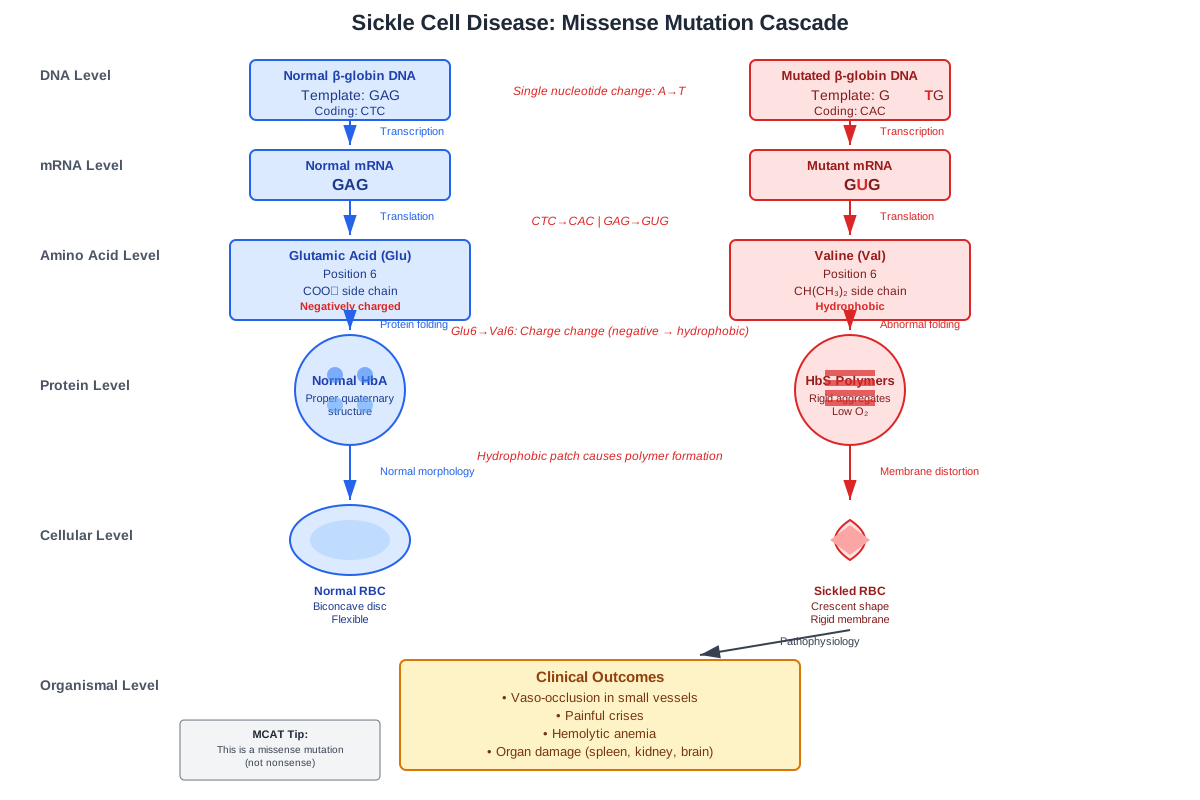
Point mutations represent a cornerstone concept in medical genetics and molecular medicine. Clinically, single nucleotide changes are responsible for thousands of inherited diseases. Sickle cell disease, one of the most studied genetic disorders, results from a single point mutation that changes glutamic acid to valine in the β-globin protein. Cystic fibrosis, affecting approximately 1 in 3,000 individuals of European descent, often results from point mutations in the CFTR gene. Understanding point mutations is essential for interpreting genetic testing results, understanding pharmacogenomics, and appreciating personalized medicine approaches.
On the MCAT, point mutations appear with moderate to high frequency across multiple question formats. Approximately 3-5% of Biology/Biochemistry section questions directly test point mutation concepts, while many additional questions incorporate mutation analysis as part of experimental passages. The exam commonly presents scenarios requiring students to predict mutation consequences, interpret genetic data, or analyze evolutionary relationships based on nucleotide changes. Questions may appear as discrete items testing definitions, passage-based questions analyzing experimental results with mutant organisms, or integrated questions connecting mutations to metabolic or physiological consequences.
Common MCAT passage contexts include: experimental genetics studies comparing wild-type and mutant phenotypes, evolutionary biology passages discussing genetic variation, biochemistry passages examining enzyme variants, and molecular biology passages analyzing gene expression regulation. The exam particularly favors questions that require multi-step reasoning, such as determining how a specific nucleotide change affects mRNA sequence, then protein sequence, then protein function, and finally organismal phenotype.
Core Concepts
Definition and Classification of Point Mutations
A point mutation is a genetic alteration affecting a single nucleotide base pair in the DNA sequence. These mutations represent the smallest possible genetic change and occur through base substitution, where one nucleotide is replaced by another. Point mutations are classified into two major categories based on the chemical nature of the substitution: transitions and transversions.
Transitions involve the replacement of one purine with another purine (A ↔ G) or one pyrimidine with another pyrimidine (C ↔ T). These mutations are more common because the similar molecular structures of purines (and of pyrimidines) make these substitutions more likely during DNA replication errors. Transversions involve the replacement of a purine with a pyrimidine or vice versa (A or G ↔ C or T). Although there are more possible transversion combinations, they occur less frequently than transitions due to the greater structural differences between purines and pyrimidines.
Types of Point Mutations Based on Functional Consequences
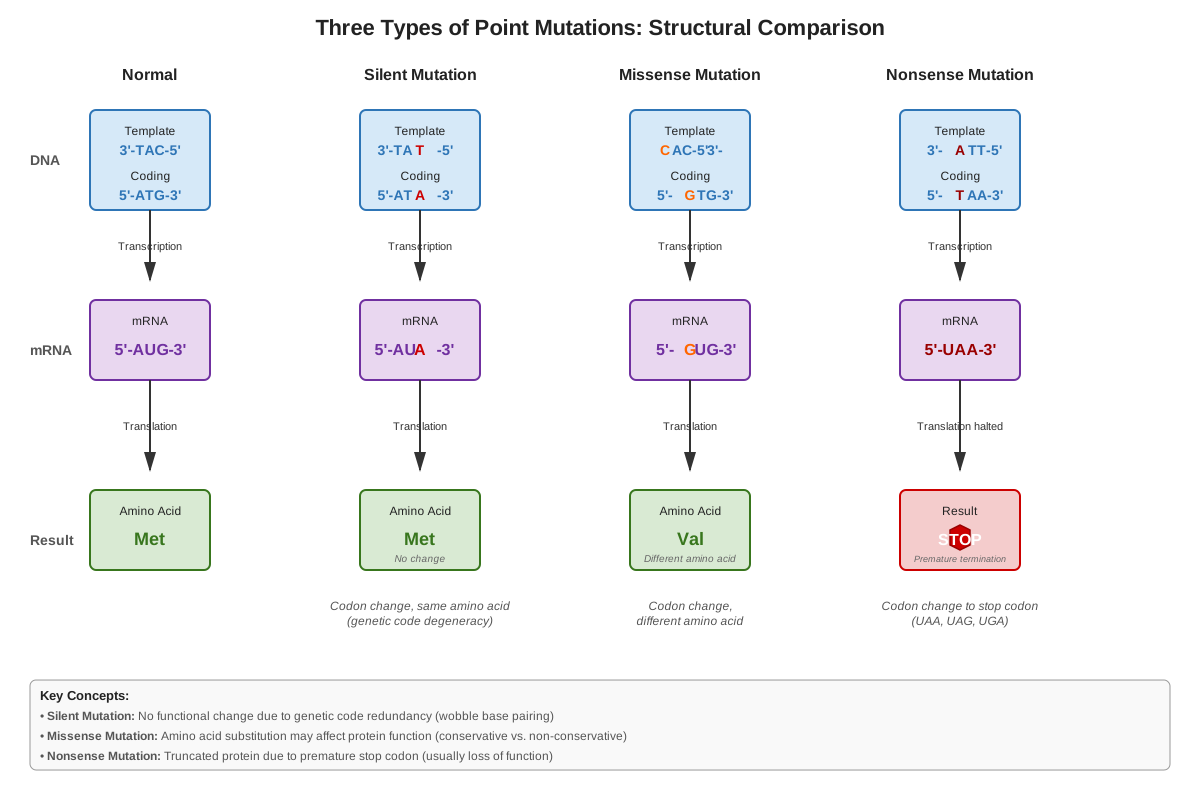
Point mutations are further classified based on their effects on the encoded protein sequence:
Silent (Synonymous) Mutations
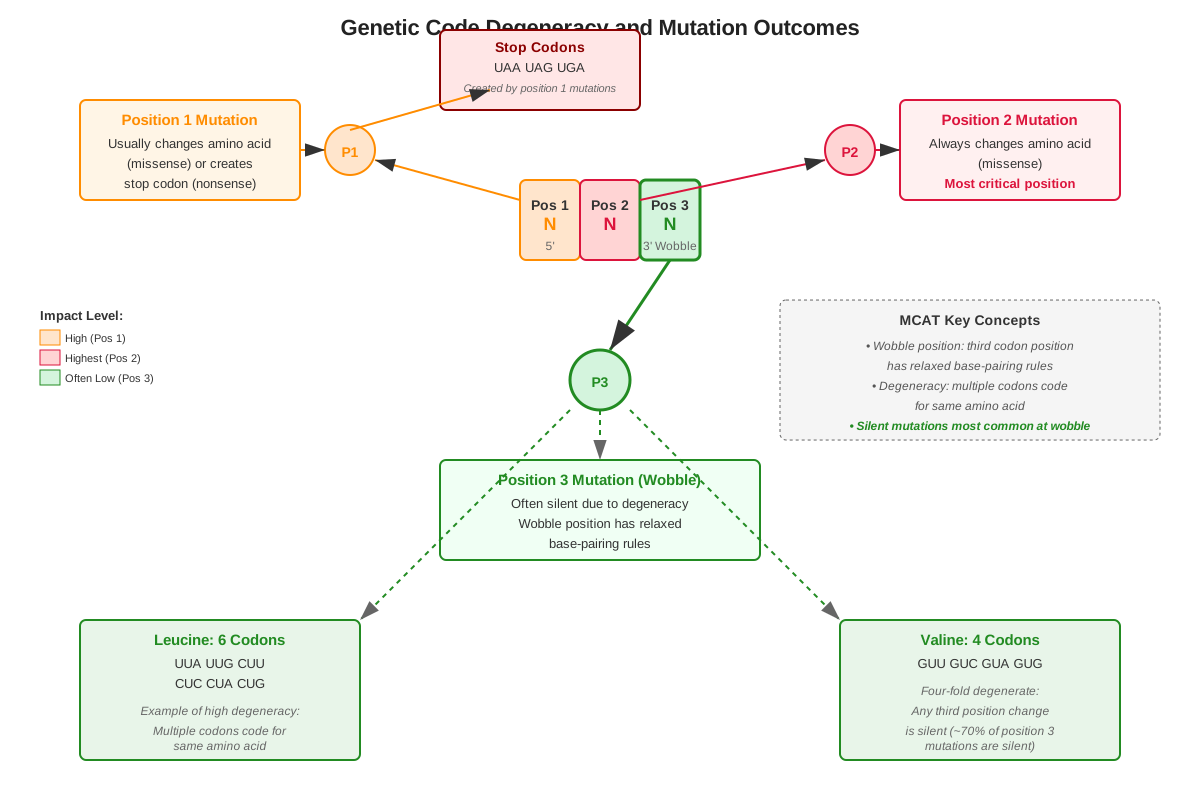
Silent mutations are nucleotide substitutions that do not change the amino acid sequence of the resulting protein. These mutations are possible due to the degeneracy (redundancy) of the genetic code, where multiple codons can specify the same amino acid. Silent mutations typically occur in the third position of a codon, often called the "wobble position," where changes frequently do not alter amino acid identity.
For example, if a codon changes from GAA to GAG, both codons still specify glutamic acid, making this a silent mutation. While these mutations do not change protein sequence, they are not always functionally neutral—they can affect mRNA stability, translation efficiency, or protein folding kinetics through altered codon usage patterns.
Missense (Nonsynonymous) Mutations
Missense mutations result in the substitution of one amino acid for another in the protein sequence. The functional consequences of missense mutations vary dramatically depending on the chemical properties of the substituted amino acids and the location within the protein structure.
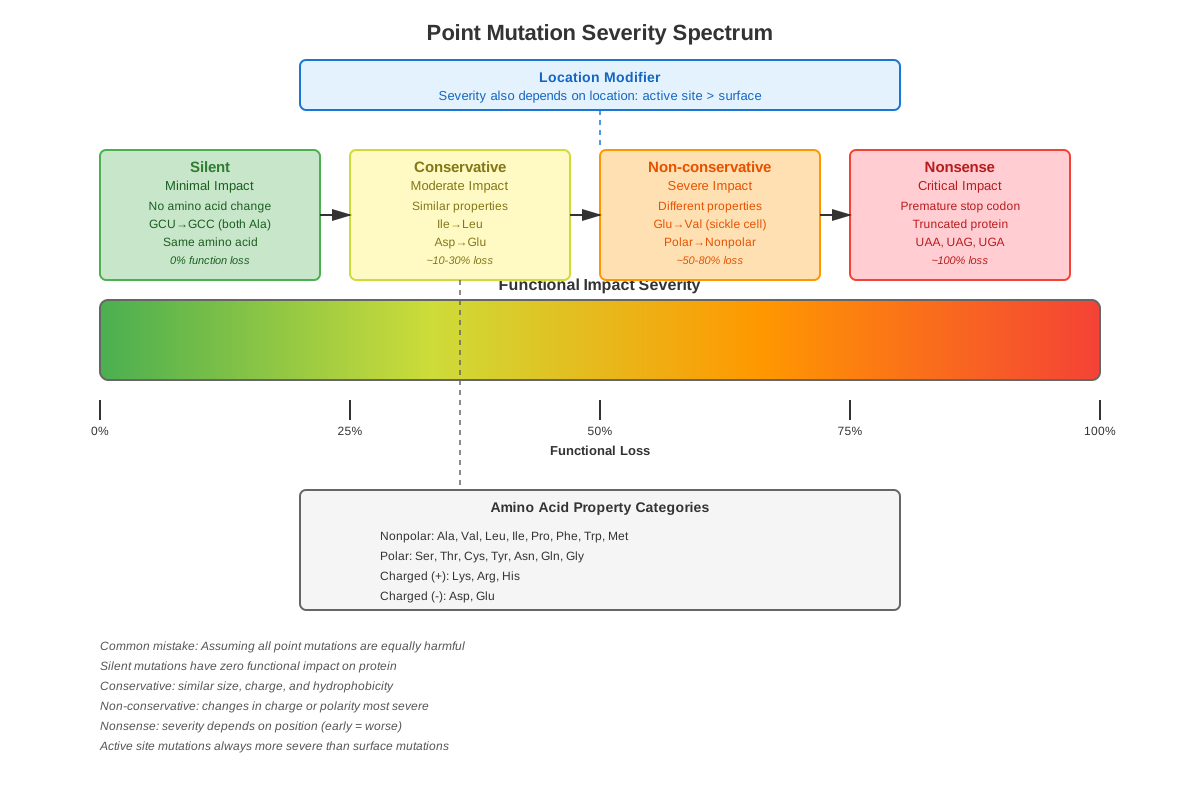
Conservative missense mutations replace an amino acid with another having similar chemical properties (e.g., replacing one nonpolar amino acid with another nonpolar amino acid). These mutations often have minimal effects on protein function because the overall chemical environment is preserved. For example, replacing leucine with isoleucine maintains hydrophobicity and similar size.
Nonconservative missense mutations replace an amino acid with one having different chemical properties (e.g., replacing a charged amino acid with a nonpolar one). These mutations are more likely to disrupt protein structure and function. The classic example is sickle cell disease, where glutamic acid (charged, hydrophilic) is replaced by valine (nonpolar, hydrophobic) at position 6 of β-globin, causing hemoglobin molecules to aggregate abnormally.
Nonsense Mutations
Nonsense mutations convert a codon that normally specifies an amino acid into one of the three stop codons (UAA, UAG, or UGA). These mutations result in premature termination of translation, producing a truncated protein that is typically nonfunctional. Nonsense mutations generally have severe consequences because they eliminate entire protein domains.
For example, if a CAG codon (glutamine) mutates to UAG (stop), translation terminates prematurely, and all downstream amino acids are lost from the protein. The severity depends on the mutation's location: nonsense mutations near the C-terminus may have minimal effects if critical functional domains remain intact, while those near the N-terminus typically abolish protein function entirely.
Molecular Mechanisms of Point Mutation Formation
Point mutations arise through several mechanisms:
- Spontaneous replication errors: DNA polymerase occasionally incorporates incorrect nucleotides despite proofreading mechanisms, occurring at a rate of approximately 1 in 10^9-10^10 base pairs per replication
- Tautomeric shifts: Rare tautomeric forms of nucleotide bases can form non-standard base pairs during replication
- Deamination: Spontaneous removal of amino groups from cytosine (forming uracil) or adenine (forming hypoxanthine) creates mismatches
- Oxidative damage: Reactive oxygen species can chemically modify bases, leading to mispairing
- Induced mutations: Exposure to mutagens such as UV radiation, ionizing radiation, or chemical agents increases mutation rates
The Genetic Code and Mutation Consequences
Understanding the genetic code is essential for predicting point mutation effects. The code's degeneracy means that 61 codons specify 20 amino acids, with most amino acids encoded by multiple codons. This redundancy provides some protection against mutations, particularly at the third codon position.
| Mutation Type | Codon Change Example | Amino Acid Change | Functional Impact |
|---|---|---|---|
| Silent | CUU → CUC | Leu → Leu | None (usually) |
| Conservative Missense | CUU → AUU | Leu → Ile | Minimal (usually) |
| Nonconservative Missense | GAA → GUA | Glu → Val | Potentially severe |
| Nonsense | UAC → UAA | Tyr → STOP | Severe (truncation) |
Context-Dependent Effects of Point Mutations
The functional consequences of point mutations depend heavily on context:
Location within the gene: Mutations in critical functional domains (active sites, binding sites, structural motifs) typically have more severe effects than mutations in less critical regions. Mutations in regulatory sequences (promoters, enhancers) can affect gene expression levels without changing protein sequence.
Location within the codon: Third-position mutations are more likely to be silent due to wobble base pairing, while first- and second-position mutations almost always change the amino acid or create stop codons.
Protein structure considerations: Mutations affecting buried residues in protein cores often disrupt folding, while surface mutations may be better tolerated. Mutations in α-helices or β-sheets can destabilize secondary structure more than mutations in loop regions.
Evolutionary conservation: Highly conserved amino acid positions across species indicate functional importance, and mutations at these sites are more likely to be deleterious.
Concept Relationships
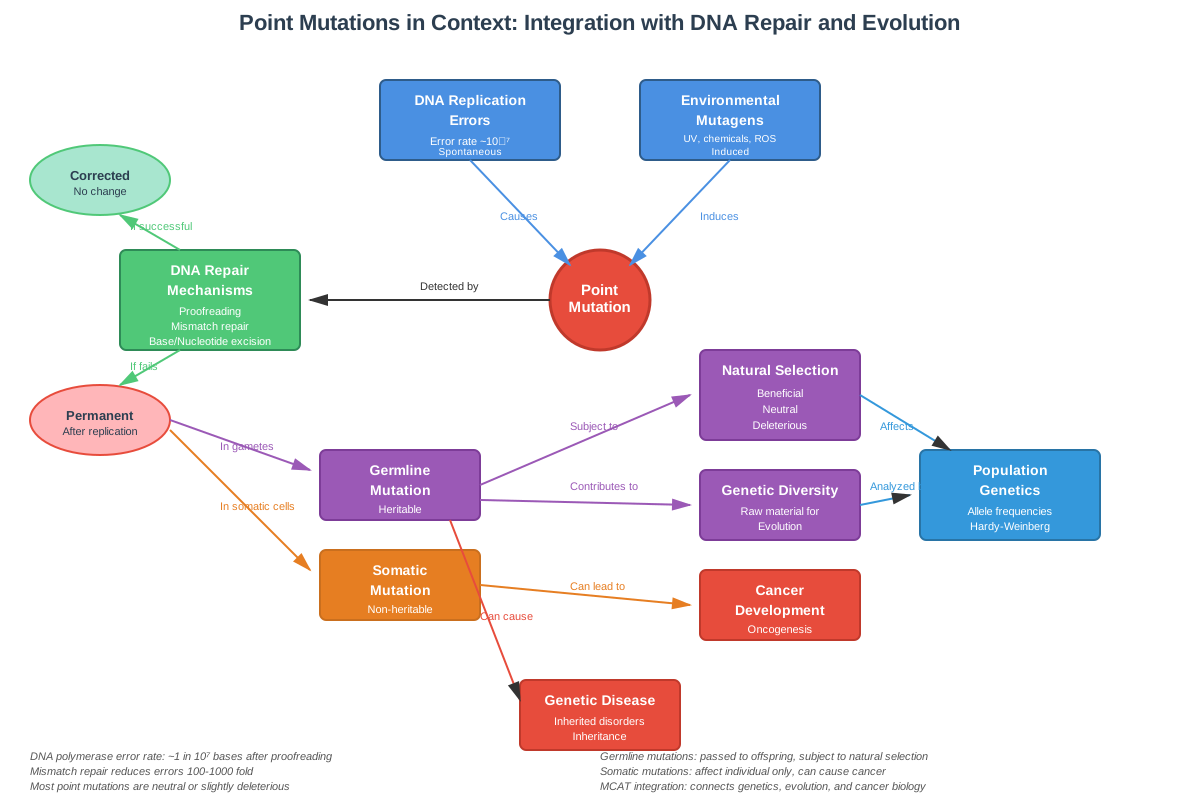
Point mutations serve as a foundational concept connecting multiple areas of molecular biology and genetics. The relationship begins with DNA structure → point mutations → altered mRNA sequence → changed protein sequence → modified protein function → phenotypic consequences. This linear pathway illustrates how molecular changes propagate to organismal effects.
Point mutations connect directly to DNA replication through the mechanisms by which mutations arise. Replication errors that escape proofreading and mismatch repair become permanent mutations. This links to DNA repair mechanisms, where defects in repair systems increase mutation rates and cancer risk. The connection extends to mutagenesis, where environmental factors accelerate mutation formation.
The relationship between point mutations and the genetic code is bidirectional: the code's structure determines mutation consequences, while mutation analysis historically helped decipher the code. This connects to translation and protein synthesis, where mutations manifest as altered amino acid sequences. The link extends further to protein structure and function, where amino acid changes affect folding, stability, and activity.
Point mutations fundamentally drive evolution by providing genetic variation upon which natural selection acts. This connects to population genetics, where mutation rates, selection coefficients, and genetic drift determine allele frequencies. The relationship extends to molecular evolution, where comparing point mutations between species reveals evolutionary relationships and selection pressures.
In medical contexts, point mutations connect to genetic diseases, cancer biology (where somatic mutations drive tumorigenesis), and pharmacogenomics (where mutations affect drug metabolism). The concept also relates to biotechnology applications, including site-directed mutagenesis for protein engineering and CRISPR-based gene editing.
Quick check — test yourself on Point mutations so far.
Try Flashcards →High-Yield Facts
⭐ Silent mutations do not change amino acid sequence but can still affect protein expression through altered mRNA stability or codon usage bias
⭐ Nonsense mutations create premature stop codons and typically have the most severe functional consequences due to protein truncation
⭐ Sickle cell disease results from a single missense mutation (GAG → GTG) causing glutamic acid to be replaced by valine at position 6 of β-globin
⭐ The degeneracy of the genetic code provides protection against mutations, especially at the third codon position (wobble position)
⭐ Transitions (purine ↔ purine or pyrimidine ↔ pyrimidine) occur more frequently than transversions (purine ↔ pyrimidine)
- Conservative missense mutations replace amino acids with similar chemical properties and often have minimal functional effects
- Nonconservative missense mutations are more likely to disrupt protein function when they occur in critical functional domains or highly conserved regions
- Point mutations in regulatory sequences can affect gene expression levels without changing the protein sequence
- The functional impact of a missense mutation depends on the location within the protein structure, with buried residues being more sensitive to substitution
- Spontaneous deamination of cytosine to uracil is a common source of C → T transition mutations
- Point mutations can be beneficial, neutral, or deleterious depending on environmental context and genetic background
Common Misconceptions
Misconception: All silent mutations have absolutely no effect on the organism.
Correction: While silent mutations do not change amino acid sequence, they can affect mRNA stability, translation efficiency, and protein folding kinetics. Some silent mutations alter splicing patterns or create/destroy regulatory elements, leading to functional consequences.
Misconception: Missense mutations always damage protein function.
Correction: Many missense mutations are neutral or nearly neutral, especially conservative substitutions in non-critical regions. Some missense mutations can even be beneficial, improving protein function or providing adaptive advantages in specific environments.
Misconception: Nonsense mutations always occur at the third position of codons.
Correction: Nonsense mutations can occur at any codon position. In fact, they most commonly result from first or second position changes (e.g., CAG → UAG requires a first position change, while UAC → UAA requires a third position change).
Misconception: Point mutations only affect coding sequences.
Correction: Point mutations can occur anywhere in the genome, including promoters, enhancers, introns, and intergenic regions. Mutations in regulatory sequences can have profound effects on gene expression without changing protein sequence.
Misconception: Transitions and transversions occur with equal frequency.
Correction: Transitions occur approximately 2-3 times more frequently than transversions because the structural similarity between purines (and between pyrimidines) makes these substitutions more likely during replication errors and spontaneous chemical changes.
Misconception: The wobble position (third codon position) is always silent when mutated.
Correction: While third position mutations are more likely to be silent due to genetic code degeneracy, not all third position changes are silent. For example, changing UGU (cysteine) to UGA (stop) is a third position change that creates a nonsense mutation.
Worked Examples
Example 1: Predicting Mutation Consequences
Scenario: A researcher identifies a point mutation in a bacterial gene encoding an enzyme involved in amino acid biosynthesis. The wild-type DNA sequence reads 5'-ATG GCA TTC GAA GGT-3' in the coding strand. A mutation changes this to 5'-ATG GCA TTC GAG GGT-3'. Predict the consequences of this mutation.
Step 1: Identify the mutation location and type.
The mutation changes the 12th nucleotide from A to G (a transition mutation). This affects the fourth codon.
Step 2: Determine the codon change.
- Wild-type codon 4: GAA (reading from DNA coding strand, which has the same sequence as mRNA except T→U)
- Mutant codon 4: GAG
Step 3: Identify the amino acid change.
- GAA codes for glutamic acid (Glu)
- GAG also codes for glutamic acid (Glu)
Step 4: Classify the mutation.
This is a silent mutation because the amino acid sequence remains unchanged despite the nucleotide substitution.
Step 5: Predict functional consequences.
The protein sequence is identical to wild-type, so the enzyme should retain normal function. However, subtle effects on mRNA stability or translation efficiency are possible but unlikely to significantly affect phenotype.
MCAT Connection: This example demonstrates the importance of genetic code degeneracy and illustrates why not all mutations cause phenotypic changes—a common MCAT question theme.
Example 2: Clinical Vignette Analysis
Scenario: A 6-month-old infant presents with severe anemia. Hemoglobin electrophoresis reveals abnormal hemoglobin migration. Genetic analysis shows a point mutation in the β-globin gene where the codon GAG (position 6) has changed to GTG. The parents are both carriers with one normal and one mutant allele. Analyze this mutation and predict its molecular and clinical consequences.
Step 1: Identify the mutation type and amino acid change.
- Wild-type codon: GAG → Glutamic acid (Glu)
- Mutant codon: GTG → Valine (Val)
- This is a missense mutation (specifically, a nonconservative missense mutation)
Step 2: Analyze the chemical property change.
- Glutamic acid: negatively charged, hydrophilic
- Valine: nonpolar, hydrophobic
- This represents a dramatic change in chemical properties
Step 3: Predict molecular consequences.
The substitution of hydrophobic valine for charged glutamic acid at position 6 (on the protein surface) causes deoxygenated hemoglobin molecules to aggregate through hydrophobic interactions. This leads to hemoglobin polymerization and red blood cell sickling.
Step 4: Connect to clinical presentation.
This is sickle cell disease. The infant is homozygous for the mutation (inherited one mutant allele from each carrier parent). Sickled cells cause vascular occlusion, hemolysis, anemia, pain crises, and organ damage.
Step 5: Explain the inheritance pattern.
Both parents are heterozygous carriers (sickle cell trait). The infant has a 25% chance of being homozygous mutant (disease), 50% chance of being heterozygous (carrier), and 25% chance of being homozygous wild-type (unaffected).
MCAT Connection: This example integrates point mutations with protein structure, disease pathophysiology, and Mendelian genetics—exactly the type of multi-concept integration the MCAT favors. Questions might ask about the mutation type, inheritance pattern, molecular mechanism, or evolutionary advantage of the carrier state (malaria resistance).
Exam Strategy
When approaching MCAT questions on point mutations, begin by identifying what information is provided and what is being asked. Questions typically provide either a DNA/mRNA sequence change or describe a phenotypic consequence and ask you to work forward or backward through the central dogma.
Trigger words and phrases to recognize:
- "Single nucleotide change" or "base substitution" → point mutation
- "Premature stop codon" or "truncated protein" → nonsense mutation
- "Amino acid substitution" → missense mutation
- "No change in protein sequence" → silent mutation
- "Conservative/nonconservative substitution" → evaluate amino acid properties
- "Wobble position" or "third codon position" → likely silent mutation
Systematic approach for sequence-based questions:
- Identify the exact nucleotide change
- Determine the affected codon(s)
- Translate both wild-type and mutant codons
- Compare amino acids and classify the mutation
- Evaluate functional consequences based on amino acid properties and location
Process of elimination strategies:
- If a question asks about the most severe mutation type, eliminate silent mutations first, then conservative missense mutations, leaving nonconservative missense and nonsense mutations
- If asked about the most common mutation type, favor transitions over transversions
- When evaluating mutation effects, consider location: mutations in active sites or highly conserved regions are more likely to be deleterious
- For inheritance questions involving point mutations, remember that most disease-causing mutations are recessive (loss of function)
Time allocation advice:
Point mutation questions typically require 60-90 seconds. Discrete questions should take 30-45 seconds, while passage-based questions may require up to 90 seconds if they involve sequence analysis or multi-step reasoning. If a question requires translating more than 2-3 codons, it may be worth flagging and returning to if time permits, as these are time-intensive relative to their point value.
Exam Tip: Always check whether the sequence provided is DNA or RNA, coding strand or template strand. This is a common source of errors. Remember that mRNA sequence matches the DNA coding strand (except U for T).
Memory Techniques
Mnemonic for mutation severity (least to most severe):
"Some Cats Never Fail"
- Silent
- Conservative missense
- Nonconservative missense
- Frameshift (note: not a point mutation, but useful for comparison)
- Nonsense fits between Nonconservative and Frameshift
Mnemonic for stop codons (nonsense mutations create these):
"U Are Annoying, U Are Gross, U Go Away"
- UAA (ochre)
- UAG (amber)
- UGA (opal)
Visualization for transitions vs. transversions:
Picture a two-ring circus (purines have two rings) and a one-ring circus (pyrimidines have one ring). Transitions keep you in the same circus (two-ring to two-ring, or one-ring to one-ring). Transversions make you switch circuses (two-ring to one-ring or vice versa).
Acronym for factors affecting mutation severity:
"PLACE"
- Protein location (active site vs. surface)
- Location in gene (exon vs. intron)
- Amino acid properties (conservative vs. nonconservative)
- Conservation across species
- Expression level (highly expressed genes show effects more readily)
Memory aid for sickle cell mutation:
"Glu is Glued to water (hydrophilic), but Val is in the Valley hiding from water (hydrophobic)" — helps remember the critical property change in sickle cell disease.
Summary
Point mutations represent single nucleotide changes in DNA that serve as the fundamental unit of genetic variation. These mutations are classified as transitions or transversions based on chemical structure, and as silent, missense, or nonsense based on functional consequences. Silent mutations preserve amino acid sequence due to genetic code degeneracy, particularly at the wobble position. Missense mutations substitute one amino acid for another, with effects ranging from negligible (conservative) to severe (nonconservative), depending on chemical property changes and protein location. Nonsense mutations create premature stop codons, typically causing severe loss of function through protein truncation. The MCAT tests point mutations through sequence analysis questions, clinical vignettes, and experimental passages requiring students to predict phenotypic consequences from genotypic changes. Mastery requires understanding the genetic code, amino acid properties, protein structure principles, and the ability to trace mutation effects through transcription and translation to organismal phenotype.
Key Takeaways
- Point mutations are single nucleotide substitutions classified as silent, missense, or nonsense based on their effects on protein sequence
- The degeneracy of the genetic code protects against many mutations, especially at the third codon position
- Nonsense mutations typically have the most severe consequences due to premature translation termination
- The functional impact of missense mutations depends on whether the substitution is conservative or nonconservative and where it occurs in the protein
- Transitions occur more frequently than transversions due to structural similarities between purines and between pyrimidines
- Understanding point mutations requires integrating knowledge of DNA structure, the genetic code, amino acid properties, and protein function
- MCAT questions on point mutations often require multi-step reasoning from DNA sequence through protein function to phenotype
Related Topics
Frameshift mutations: While point mutations involve single base substitutions, frameshift mutations involve insertions or deletions that alter the reading frame. Understanding point mutations provides the foundation for appreciating why frameshifts typically have more severe consequences.
DNA repair mechanisms: Mismatch repair, base excision repair, and nucleotide excision repair systems correct different types of DNA damage, including point mutations. Defects in these systems increase mutation rates and cancer risk.
Genetic code and translation: Deep understanding of how codons specify amino acids and how tRNA molecules recognize codons through wobble base pairing enhances ability to predict mutation consequences.
Protein structure and function: Knowledge of how amino acid sequence determines protein folding, stability, and activity is essential for evaluating missense mutation effects.
Population genetics and evolution: Point mutations provide the raw material for evolution, connecting to concepts of genetic drift, natural selection, and molecular clocks.
Cancer biology: Somatic point mutations in oncogenes and tumor suppressor genes drive cancer development, linking this topic to cell cycle regulation and signal transduction.
Practice CTA
Now that you have mastered the core concepts of point mutations, reinforce your understanding by working through practice questions and flashcards. Focus on questions requiring you to analyze sequences, predict mutation consequences, and integrate point mutation concepts with protein structure and disease mechanisms. The ability to quickly classify mutations and predict their effects is a high-yield skill that will serve you across multiple MCAT Biology topics. Challenge yourself with timed practice to build both accuracy and speed—your investment in mastering this foundational topic will pay dividends throughout your MCAT preparation!
Sign up free to keep reading
Create a free AnvayaPrep account to finish this MCAT guide on Point mutations — plus flashcards and practice questions.