Overview
Purines and pyrimidines are the two classes of nitrogenous bases that form the fundamental building blocks of nucleic acids—DNA and RNA. These heterocyclic aromatic compounds are essential components of nucleotides, which serve not only as the monomers of genetic material but also as energy carriers (ATP, GTP), signaling molecules (cAMP, cGMP), and coenzymes (NAD+, FAD). Understanding the structural differences, biosynthetic pathways, and functional roles of purines and pyrimidines is critical for mastering Molecular Biology and Genetics concepts tested on the MCAT.
For the MCAT, purines and pyrimidines appear frequently in questions involving DNA structure, replication, transcription, mutation analysis, and metabolic disorders. The exam tests not only the ability to identify these molecules but also to apply knowledge of their chemical properties to predict base-pairing patterns, understand the consequences of nucleotide metabolism disorders, and analyze experimental data involving nucleic acids. Questions may present clinical vignettes involving gout (purine metabolism), orotic aciduria (pyrimidine metabolism), or chemotherapeutic agents targeting nucleotide synthesis.
The topic connects broadly to other Biology concepts including DNA replication and repair, RNA processing, protein synthesis, cell signaling, and bioenergetics. Purines and pyrimidines also bridge to biochemistry topics such as nitrogen metabolism, one-carbon metabolism (folate), and enzyme kinetics. A solid understanding of these nitrogenous bases provides the foundation for comprehending how genetic information is stored, transmitted, and expressed—central themes throughout the biological sciences section of the MCAT.
Learning Objectives
- [ ] Define purines and pyrimidines using accurate Biology terminology
- [ ] Explain why purines and pyrimidines matter for the MCAT
- [ ] Apply purines and pyrimidines to exam-style questions
- [ ] Identify common mistakes related to purines and pyrimidines
- [ ] Connect purines and pyrimidines to related Biology concepts
- [ ] Distinguish between the structural features of purines versus pyrimidines and predict their chemical properties
- [ ] Describe the complementary base-pairing rules and explain the molecular basis for Watson-Crick pairing
- [ ] Analyze clinical scenarios involving disorders of purine and pyrimidine metabolism
Prerequisites
- Basic organic chemistry: Understanding of aromatic rings, heterocycles, and hydrogen bonding is essential for comprehending the structure and base-pairing properties of nitrogenous bases
- Nucleotide structure: Knowledge that nucleotides consist of a nitrogenous base, pentose sugar, and phosphate group(s) provides context for where purines and pyrimidines fit in the larger molecular architecture
- DNA and RNA structure: Familiarity with the double helix, antiparallel strands, and the sugar-phosphate backbone helps situate purines and pyrimidines within functional nucleic acids
- Basic biochemistry: Understanding of metabolic pathways, enzyme function, and cofactors supports comprehension of nucleotide biosynthesis and degradation
Why This Topic Matters
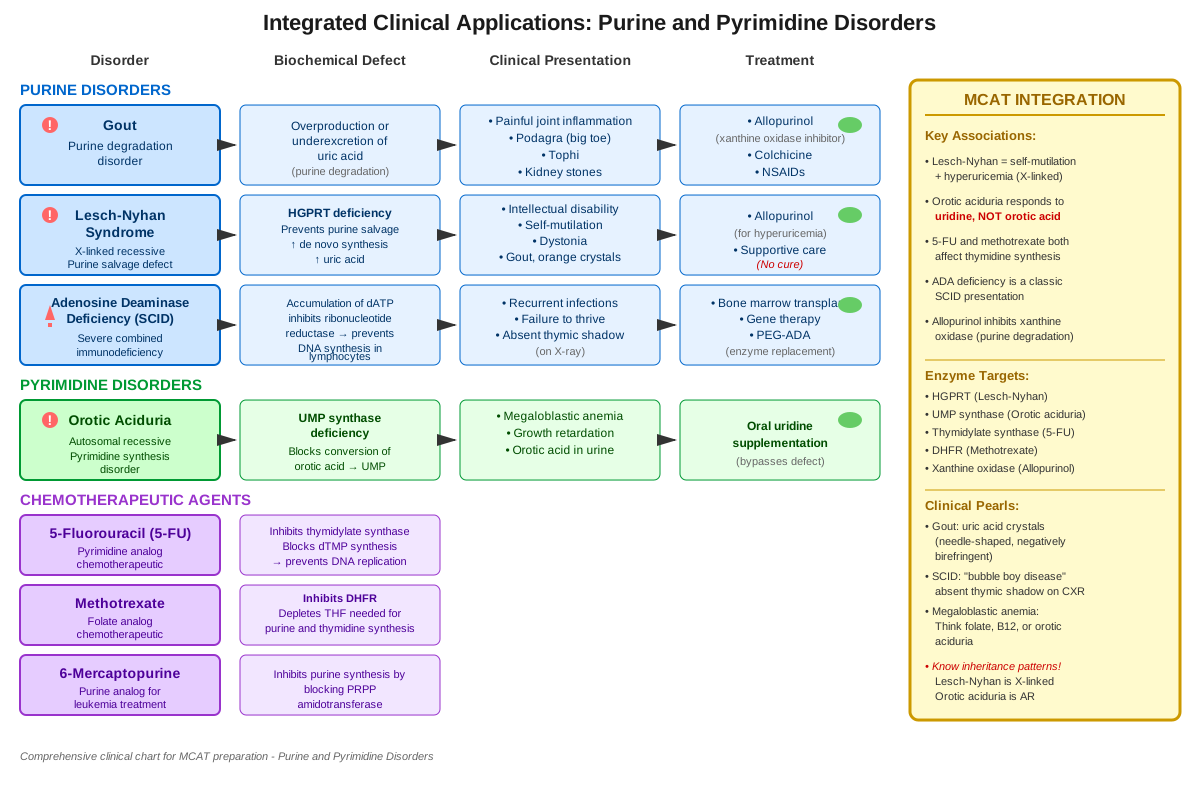
Clinical and Real-World Significance: Disorders of purine and pyrimidine metabolism have significant clinical consequences. Gout results from excessive uric acid (a purine degradation product) accumulation, causing painful joint inflammation. Lesch-Nyhan syndrome, caused by deficiency in hypoxanthine-guanine phosphoribosyltransferase (HGPRT), leads to severe neurological and behavioral problems. Orotic aciduria results from defects in pyrimidine synthesis. Many chemotherapeutic agents and antiviral medications target nucleotide synthesis pathways, making this knowledge directly applicable to pharmacology and medicine.
Exam Statistics: Purines and pyrimidines appear in approximately 5-8% of MCAT Biological and Biochemical Foundations questions. They most commonly appear in passages involving molecular biology techniques (PCR, sequencing), genetic mutations, DNA damage and repair, and metabolic pathways. The MCAT frequently tests the ability to identify purines versus pyrimidines, predict base-pairing patterns, and understand the consequences of nucleotide analogs or synthesis inhibitors.
Common Exam Presentations: The topic appears in several formats on the MCAT: (1) passage-based questions describing experimental manipulations of DNA or RNA, requiring students to predict outcomes based on base composition; (2) discrete questions testing knowledge of base-pairing rules or structural features; (3) biochemistry passages involving metabolic pathways where students must identify rate-limiting enzymes or predict effects of enzyme deficiencies; (4) genetics passages where understanding mutation types requires knowledge of which bases can substitute for others. Questions often integrate this topic with thermodynamics (hydrogen bonding stability), organic chemistry (tautomerization), or cell biology (replication, transcription).
Core Concepts
Structure of Purines
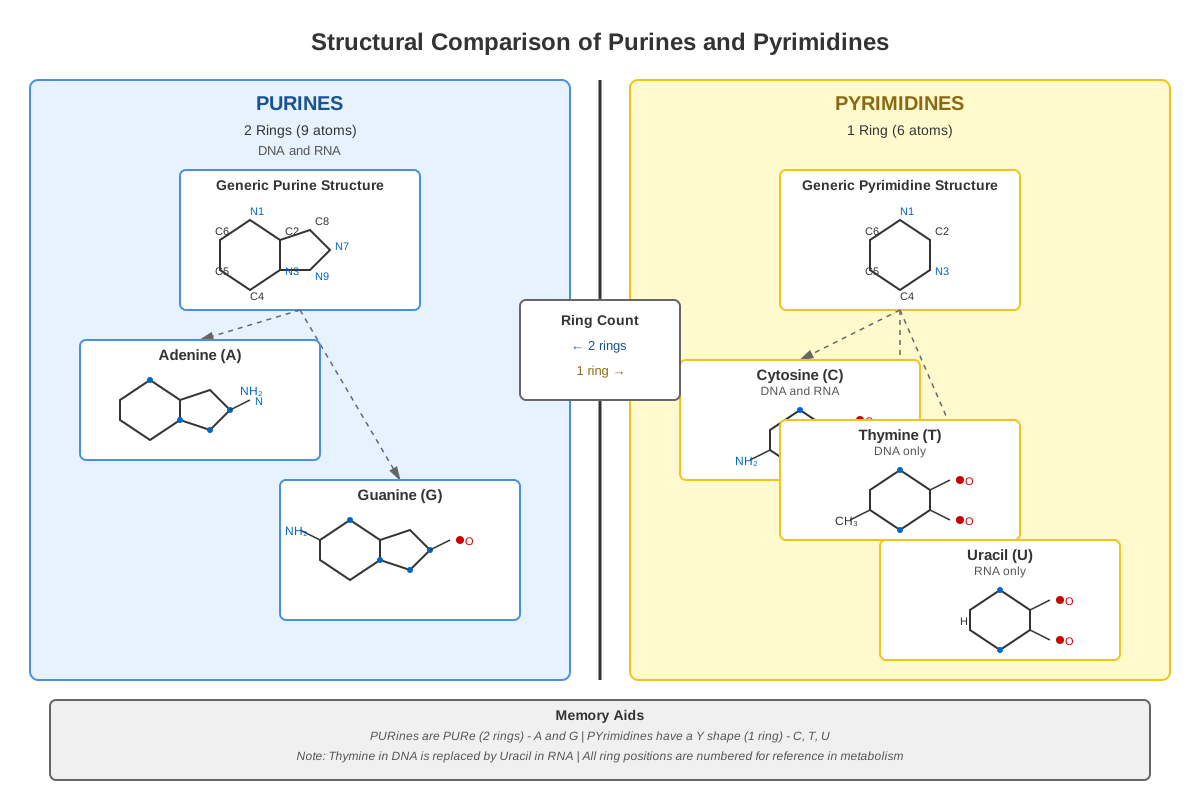
Purines are nitrogenous bases characterized by a double-ring structure consisting of a six-membered pyrimidine ring fused to a five-membered imidazole ring. This bicyclic structure contains a total of nine atoms in the ring system: five carbons and four nitrogens. The two purines found in DNA and RNA are adenine (A) and guanine (G).
Adenine contains an amino group (-NH₂) at the C6 position of the purine ring system. Guanine has both an amino group at C2 and a carbonyl group (C=O) at C6, plus an additional nitrogen at position 7. The larger size of purines compared to pyrimidines is a critical structural feature that determines base-pairing geometry in the DNA double helix.
The aromatic nature of purines makes them planar molecules capable of π-π stacking interactions, which contribute significantly to DNA stability. The nitrogen atoms in the ring system can act as hydrogen bond acceptors, while amino groups serve as hydrogen bond donors—properties essential for complementary base pairing.
Structure of Pyrimidines
Pyrimidines are nitrogenous bases with a single six-membered ring containing four carbons and two nitrogens at positions 1 and 3. The three pyrimidines relevant to nucleic acids are cytosine (C), thymine (T), and uracil (U). Cytosine appears in both DNA and RNA, thymine is found exclusively in DNA, and uracil replaces thymine in RNA.
Cytosine contains an amino group at C4 and a carbonyl group at C2. Thymine has carbonyl groups at both C2 and C4, plus a methyl group at C5. Uracil is structurally identical to thymine except it lacks the C5 methyl group. This single methyl group difference between thymine and uracil has important biological implications: it allows DNA repair enzymes to recognize cytosine deamination (which produces uracil) as damage requiring correction.
The smaller size of pyrimidines compared to purines is crucial for maintaining uniform width in the DNA double helix. When a purine on one strand pairs with a pyrimidine on the complementary strand, the distance between the two sugar-phosphate backbones remains constant at approximately 11 Å.
Complementary Base Pairing
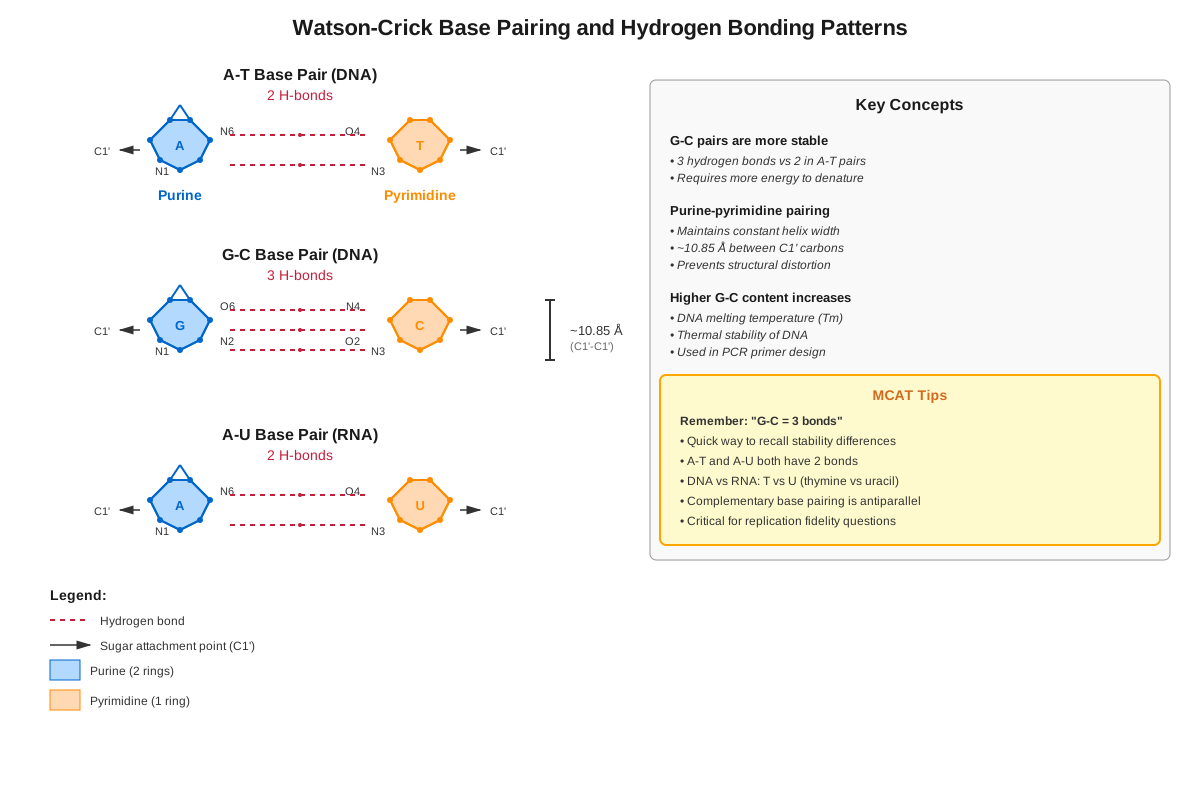
Watson-Crick base pairing describes the specific hydrogen bonding patterns between purines and pyrimidines that stabilize the DNA double helix. The pairing rules are: adenine pairs with thymine (A-T) through two hydrogen bonds, and guanine pairs with cytosine (G-C) through three hydrogen bonds. In RNA, adenine pairs with uracil (A-U) instead of thymine, also through two hydrogen bonds.
The molecular basis for these specific pairings involves complementary positioning of hydrogen bond donors and acceptors. In the A-T pair, adenine's N1 accepts a hydrogen bond from thymine's N3, while adenine's N6 amino group donates a hydrogen bond to thymine's C4 carbonyl. The G-C pair forms three hydrogen bonds: guanine's N1 donates to cytosine's N3, guanine's C2 amino group donates to cytosine's C2 carbonyl, and guanine's C6 carbonyl accepts from cytosine's C4 amino group.
The greater number of hydrogen bonds in G-C pairs makes them more thermodynamically stable than A-T pairs. DNA regions with higher G-C content require more energy (higher temperature) to denature. This principle is exploited in molecular biology techniques like PCR primer design and Southern blotting.
Purine-Pyrimidine Comparison Table
| Feature | Purines | Pyrimidines |
|---|---|---|
| Ring structure | Double ring (bicyclic) | Single ring (monocyclic) |
| Number of ring atoms | 9 (5 carbons, 4 nitrogens) | 6 (4 carbons, 2 nitrogens) |
| Examples in DNA | Adenine (A), Guanine (G) | Cytosine (C), Thymine (T) |
| Examples in RNA | Adenine (A), Guanine (G) | Cytosine (C), Uracil (U) |
| Size | Larger | Smaller |
| Mnemonic | PURe As Gold | CUT the PYramid |
| Hydrogen bonds | A forms 2, G forms 3 | T/U forms 2, C forms 3 |
| Pairing partner | Always pairs with pyrimidine | Always pairs with purine |
Chargaff's Rules
Chargaff's rules state that in double-stranded DNA: (1) the amount of adenine equals the amount of thymine (A = T), and (2) the amount of guanine equals the amount of cytosine (G = C). Consequently, the total amount of purines equals the total amount of pyrimidines (A + G = T + C). These rules provided crucial evidence for the complementary base-pairing model of DNA structure.
However, Chargaff's rules do NOT require that A + T equals G + C. The ratio of (A + T) to (G + C) varies among species and is characteristic of each organism's genome. This ratio affects DNA properties: AT-rich regions are easier to denature and often found at replication origins, while GC-rich regions are more stable and common in coding sequences.
Chargaff's rules apply only to double-stranded DNA. Single-stranded DNA or RNA molecules do not necessarily follow these rules because unpaired bases are not constrained by complementary pairing requirements.
Tautomerization and Rare Base Pairs
Nitrogenous bases can exist in different tautomeric forms—structural isomers that differ in the position of a hydrogen atom and double bond. The common forms are keto and enol (for carbonyl groups) or amino and imino (for amino groups). Under physiological conditions, bases predominantly exist in their standard tautomeric forms, which support Watson-Crick pairing.
Rarely, bases shift to alternative tautomeric forms, which can lead to mispairing during DNA replication. For example, if cytosine shifts to its rare imino form, it can pair with adenine instead of guanine. If thymine shifts to its rare enol form, it can pair with guanine instead of adenine. These rare tautomeric shifts are a source of spontaneous point mutations.
The MCAT may test understanding of how tautomerization contributes to mutation rates or how DNA polymerase proofreading mechanisms reduce errors from mispairing. This concept connects to topics of DNA replication fidelity and mutation mechanisms.
Modified Bases
Beyond the standard five bases, nucleic acids contain modified bases that serve specialized functions. In DNA, 5-methylcytosine results from post-replicative methylation and plays roles in gene regulation and epigenetics. In RNA, numerous modifications exist including pseudouridine, inosine, and various methylated bases, particularly in tRNA and rRNA where they affect structure and function.
Inosine deserves special mention because it can pair with multiple bases (A, C, or U) and appears at the wobble position of some tRNA anticodons, allowing one tRNA to recognize multiple codons. This "wobble pairing" is an important concept connecting purines and pyrimidines to translation and the genetic code.
Modified bases are also clinically relevant. For example, 5-fluorouracil is a chemotherapeutic agent that mimics uracil but disrupts both RNA function and thymidine synthesis, preferentially affecting rapidly dividing cancer cells.
Biosynthesis Overview
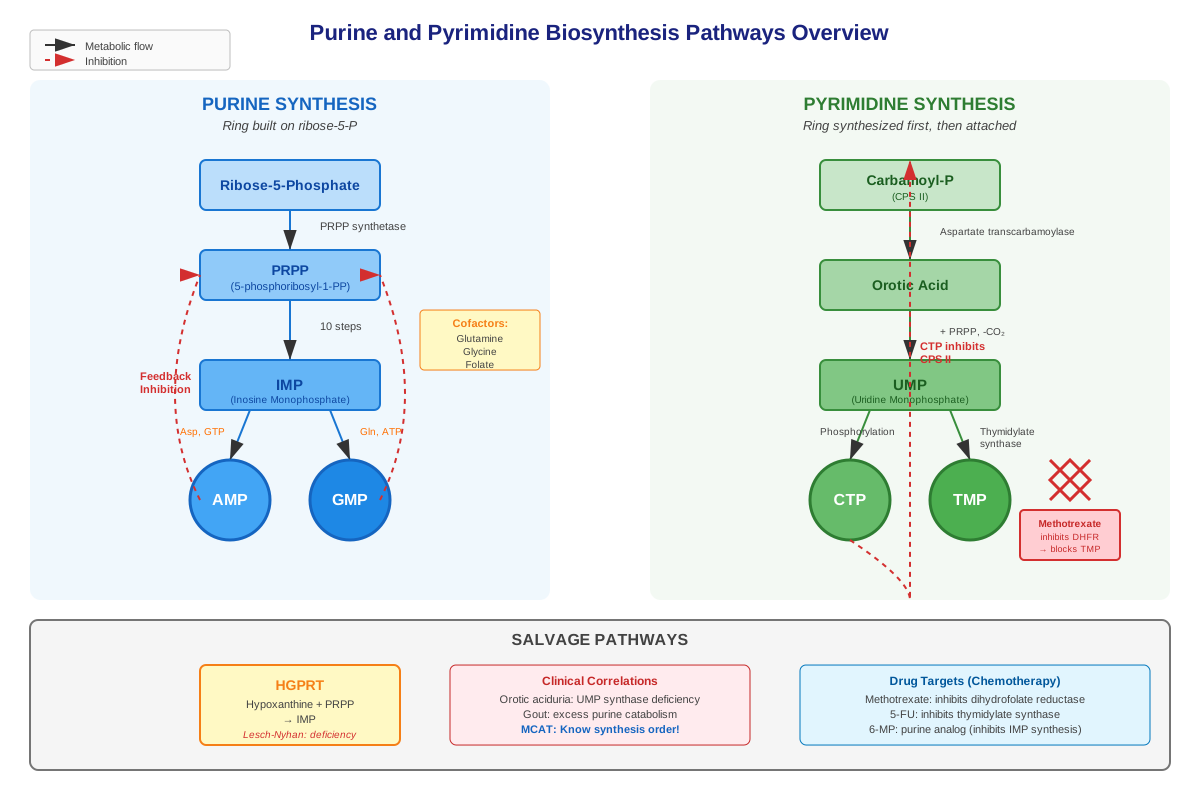
Purine biosynthesis builds the ring system directly onto ribose-5-phosphate through a complex 10-step pathway. The pathway begins with phosphoribosyl pyrophosphate (PRPP) and involves contributions from multiple amino acids (glycine, glutamine, aspartate), one-carbon units from tetrahydrofolate, and CO₂. The first complete purine formed is inosine monophosphate (IMP), which serves as a branch point for synthesis of AMP and GMP.
Pyrimidine biosynthesis constructs the ring system first, then attaches it to ribose-5-phosphate. The pathway begins with carbamoyl phosphate (formed from glutamine and CO₂ by carbamoyl phosphate synthetase II) and aspartate. These condense to form carbamoyl aspartate, which cyclizes to form the pyrimidine ring. The first pyrimidine nucleotide formed is orotic acid, which is then converted to UMP. UMP serves as the precursor for all other pyrimidine nucleotides.
The rate-limiting enzymes are glutamine-PRPP amidotransferase for purine synthesis and carbamoyl phosphate synthetase II for pyrimidine synthesis. Both pathways are regulated by feedback inhibition, with end products inhibiting early steps to prevent overproduction.
Degradation and Clinical Disorders
Purine degradation in humans ultimately produces uric acid, which is excreted in urine. Defects in purine metabolism cause several disorders. Gout results from hyperuricemia (elevated uric acid), leading to urate crystal deposition in joints. Lesch-Nyhan syndrome results from HGPRT deficiency, preventing purine salvage and causing excessive uric acid production along with severe neurological symptoms. Treatment strategies include allopurinol (xanthine oxidase inhibitor) for gout.
Pyrimidine degradation produces highly soluble products (β-alanine from cytosine/uracil, β-aminoisobutyrate from thymine) that are easily excreted. Orotic aciduria is a rare disorder caused by deficiency in UMP synthase, leading to orotic acid accumulation, megaloblastic anemia, and developmental delays. Treatment involves oral uridine supplementation, which bypasses the defective enzyme.
The MCAT may present clinical vignettes requiring identification of metabolic disorders based on symptoms and biochemical findings, or asking students to predict the effects of enzyme inhibitors on nucleotide pools.
Quick check — test yourself on Purines and pyrimidines so far.
Try Flashcards →Concept Relationships
The structural differences between purines and pyrimidines directly determine their base-pairing specificity through complementary hydrogen bonding patterns. This relationship flows as: Ring structure → Size and functional group positioning → Hydrogen bonding capacity → Complementary base pairing → DNA double helix stability.
Complementary base pairing connects to Chargaff's rules, which provided historical evidence for the base-pairing model and remain useful for calculating base composition in double-stranded DNA. The relationship is: Complementary pairing → Equal amounts of paired bases → Chargaff's rules → Predictable base ratios.
The stability differences between A-T (two hydrogen bonds) and G-C (three hydrogen bonds) pairs connect to DNA denaturation and melting temperature (Tm), which relates to molecular biology techniques. This flows as: Number of hydrogen bonds → Thermal stability → Melting temperature → Applications in PCR and hybridization.
Biosynthesis pathways connect to one-carbon metabolism (folate, tetrahydrofolate), amino acid metabolism (glycine, glutamine, aspartate), and energy metabolism (ATP, GTP consumption). The relationship is: Metabolic precursors → Nucleotide synthesis → DNA/RNA production → Cell division and growth.
Degradation pathways connect to nitrogen metabolism and clinical disorders. The flow is: Nucleotide breakdown → Uric acid (purines) or soluble products (pyrimidines) → Excretion or pathology → Clinical manifestations.
Modified bases connect to epigenetics (DNA methylation), translation (wobble pairing with inosine), and pharmacology (nucleotide analogs as drugs). This represents: Base modification → Altered function → Regulatory mechanisms or therapeutic targets.
Tautomerization connects to mutation mechanisms and DNA replication fidelity, showing how: Rare tautomeric forms → Mispairing → Point mutations → Genetic variation or disease.
High-Yield Facts
⭐ Purines (adenine and guanine) have a double-ring structure, while pyrimidines (cytosine, thymine, uracil) have a single-ring structure
⭐ Adenine pairs with thymine (or uracil in RNA) through 2 hydrogen bonds; guanine pairs with cytosine through 3 hydrogen bonds
⭐ G-C base pairs are more thermally stable than A-T pairs due to the additional hydrogen bond
⭐ In double-stranded DNA, the amount of purines equals the amount of pyrimidines (Chargaff's rules: A=T and G=C)
⭐ Thymine is found only in DNA, while uracil is found only in RNA; they differ by a single methyl group at the C5 position
- Purine biosynthesis builds the ring directly on ribose-5-phosphate, while pyrimidine biosynthesis forms the ring first then attaches it to ribose
- The rate-limiting enzyme for purine synthesis is glutamine-PRPP amidotransferase; for pyrimidine synthesis it is carbamoyl phosphate synthetase II
- Purine degradation in humans produces uric acid; excessive uric acid causes gout
- Lesch-Nyhan syndrome results from HGPRT deficiency, preventing purine salvage and causing hyperuricemia with neurological symptoms
- Orotic aciduria results from UMP synthase deficiency in pyrimidine synthesis and is treated with oral uridine
- Inosine can pair with multiple bases (A, C, or U) and appears in tRNA anticodons to allow wobble pairing
- 5-methylcytosine is an epigenetic modification involved in gene regulation
- Allopurinol inhibits xanthine oxidase to reduce uric acid production in gout treatment
- Nucleotide analogs like 5-fluorouracil and AZT are used as chemotherapeutic and antiviral agents
- Tautomerization of bases can cause spontaneous mutations by allowing non-Watson-Crick base pairing during replication
Common Misconceptions
Misconception: All purines are larger than all pyrimidines in every dimension.
Correction: While purines have more ring atoms and are "larger" in terms of molecular structure, the key point is that purine-pyrimidine pairing maintains constant width in the DNA helix. The distinction matters for base-pairing geometry, not absolute molecular size in all dimensions.
Misconception: Chargaff's rules mean that A+T must equal G+C in any DNA sample.
Correction: Chargaff's rules state that A=T and G=C in double-stranded DNA, but the ratio of (A+T) to (G+C) varies among organisms. A genome could be 70% AT and 30% GC, or vice versa, and still follow Chargaff's rules.
Misconception: Uracil in DNA is normal and functions the same as thymine.
Correction: Uracil in DNA is recognized as damage (from cytosine deamination) and is removed by base excision repair. The presence of thymine (methylated uracil) in DNA allows cells to distinguish normal bases from deamination products, which is why DNA uses thymine while RNA uses uracil.
Misconception: The number of hydrogen bonds is the only factor determining base-pairing specificity.
Correction: While hydrogen bonding is crucial, geometric complementarity (size and shape fit) is equally important. Purine-purine pairs would be too wide, and pyrimidine-pyrimidine pairs too narrow, to fit properly in the DNA helix even if hydrogen bonding were possible.
Misconception: Purine and pyrimidine synthesis pathways are completely independent.
Correction: Both pathways share common regulatory mechanisms and precursors (PRPP, glutamine, aspartate), and both require folate-dependent one-carbon transfers. Additionally, some chemotherapeutic agents (like methotrexate) inhibit both pathways by targeting folate metabolism.
Misconception: Modified bases like 5-methylcytosine change the base-pairing rules.
Correction: Most modified bases retain their normal pairing partners. 5-methylcytosine still pairs with guanine through the same hydrogen bonds as unmodified cytosine. The modification affects gene regulation and DNA-protein interactions, not base pairing itself.
Misconception: Gout is caused by excessive dietary purine intake alone.
Correction: While dietary purines contribute, gout primarily results from either overproduction of uric acid (often due to metabolic disorders or increased cell turnover) or underexcretion by the kidneys. Genetic factors, medications, and kidney function play larger roles than diet in most cases.
Worked Examples
Example 1: Base Composition Analysis
Question: A researcher isolates double-stranded DNA from a bacterial species and determines that 28% of the bases are adenine. What percentage of the bases are cytosine? What is the ratio of purines to pyrimidines?
Solution:
Step 1: Apply Chargaff's rules. In double-stranded DNA, A = T and G = C.
Step 2: If adenine is 28%, then thymine must also be 28% (since A = T).
Step 3: Calculate the remaining percentage: 100% - 28% - 28% = 44% for guanine and cytosine combined.
Step 4: Since G = C, divide the remaining percentage equally: 44% ÷ 2 = 22% for each.
Step 5: Therefore, cytosine = 22%.
Step 6: Calculate purine percentage: A + G = 28% + 22% = 50%
Step 7: Calculate pyrimidine percentage: T + C = 28% + 22% = 50%
Step 8: Ratio of purines to pyrimidines = 50:50 = 1:1
Answer: Cytosine comprises 22% of the bases. The ratio of purines to pyrimidines is 1:1.
Connection to learning objectives: This problem applies knowledge of Chargaff's rules and base-pairing principles to solve a quantitative problem typical of MCAT passages involving DNA composition analysis.
Example 2: Clinical Vignette - Metabolic Disorder
Question: A 6-month-old male infant presents with severe developmental delays, megaloblastic anemia, and elevated orotic acid in the urine. Laboratory analysis shows very low levels of UMP and other pyrimidine nucleotides. The physician suspects a deficiency in an enzyme involved in pyrimidine synthesis. Which enzyme is most likely deficient, and what treatment would be most appropriate?
Solution:
Step 1: Identify the key clinical findings: elevated orotic acid, low pyrimidine nucleotides, megaloblastic anemia.
Step 2: Recall that orotic acid is an intermediate in pyrimidine synthesis, converted to UMP by UMP synthase (which has both orotate phosphoribosyltransferase and orotidine 5'-decarboxylase activities).
Step 3: Elevated orotic acid with low UMP suggests a block in the conversion of orotic acid to UMP, indicating UMP synthase deficiency.
Step 4: This is orotic aciduria, a rare autosomal recessive disorder.
Step 5: Megaloblastic anemia results from insufficient pyrimidine nucleotides for DNA synthesis in rapidly dividing blood cell precursors.
Step 6: Treatment strategy: bypass the defective enzyme by providing a downstream product that can be salvaged.
Step 7: Oral uridine supplementation allows cells to produce UMP through salvage pathways (uridine → uridine monophosphate via uridine kinase), bypassing the defective UMP synthase.
Step 8: This treatment corrects the anemia and improves growth, though neurological effects may persist.
Answer: The deficient enzyme is UMP synthase. The most appropriate treatment is oral uridine supplementation.
Connection to learning objectives: This vignette integrates knowledge of pyrimidine biosynthesis pathways, clinical manifestations of metabolic disorders, and therapeutic strategies—all high-yield for MCAT biochemistry and clinical reasoning questions.
Exam Strategy
Approaching MCAT Questions: When encountering questions about purines and pyrimidines, first identify what the question is really asking: structure, pairing rules, biosynthesis, degradation, or clinical application. Many students miss points by not recognizing that a complex passage ultimately tests basic concepts like base-pairing rules or Chargaff's rules.
Trigger Words and Phrases: Watch for these high-yield terms that signal specific concepts:
- "Melting temperature" or "Tm" → think about G-C content and hydrogen bonding
- "Deamination" → cytosine to uracil conversion, DNA repair
- "Hyperuricemia" → purine degradation, gout
- "Megaloblastic anemia" → impaired DNA synthesis, possibly orotic aciduria
- "Wobble position" → inosine, tRNA, translation
- "Methylation" → 5-methylcytosine, epigenetics, gene regulation
- "Nucleotide analog" → chemotherapy, antiviral drugs
Process of Elimination Tips:
- If a question asks about DNA composition and provides one base percentage, immediately calculate the complementary base using Chargaff's rules to eliminate wrong answers
- For questions about base pairing, eliminate any answer suggesting purine-purine or pyrimidine-pyrimidine pairs
- When evaluating metabolic disorders, eliminate answers that confuse purine and pyrimidine pathways (e.g., suggesting gout results from pyrimidine metabolism)
- For questions about RNA versus DNA, eliminate answers that place thymine in RNA or uracil in DNA under normal circumstances
Time Allocation: Most discrete questions on purines and pyrimidines should take 45-60 seconds if you know the content cold. For passage-based questions, spend 30 seconds identifying which specific concept is being tested (often buried in complex experimental details), then 60-90 seconds applying that concept. Don't get bogged down in passage details that don't relate to the actual question being asked.
Common Question Types:
- Calculation questions requiring Chargaff's rules application
- Experimental interpretation requiring understanding of base-pairing stability
- Clinical vignettes requiring identification of metabolic disorders
- Mechanism questions about DNA replication or repair involving base recognition
- Comparative questions about DNA versus RNA structure and function
Memory Techniques
Mnemonic for Purines: "PURe As Gold" - PURines are Adenine and Guanine. The word "pure" contains "pur" to remind you of purines, and "as gold" gives you A and G.
Mnemonic for Pyrimidines: "CUT the PYramid" - PYrimidines are Cytosine, Uracil, and Thymine. Pyramids are cut from single blocks (single ring), while "pure gold" is more complex (double ring).
Hydrogen Bond Memory: "Two for AT, Three for GC" - Think of it alphabetically: A-T comes before G-C, and 2 comes before 3. Alternatively, visualize that G-C is a "stronger" pair (three bonds) because G and C are later in the alphabet (more "advanced").
Chargaff's Rules Visualization: Picture a ladder (DNA double helix) where each rung must have one purine and one pyrimidine to maintain equal width. If you know one side of the rung, you automatically know the other side.
Biosynthesis Memory: "Purines are Picky - they build on the Platform" - Purines build directly on the ribose-5-phosphate platform. "Pyrimidines are Prepared first" - Pyrimidines prepare (synthesize) their ring first, then attach to ribose.
Degradation Memory: "Purines make Uric acid (both have 'u'), pyrimidines make Pretty soluble products" - This helps remember that purine degradation causes problems (uric acid crystallizes) while pyrimidine degradation products are easily excreted.
Modified Bases: "Methyl-C Makes Marks" - 5-methylcytosine makes epigenetic marks for gene regulation.
Summary
Purines and pyrimidines are the two classes of nitrogenous bases that form the building blocks of nucleic acids. Purines (adenine and guanine) contain a double-ring structure with nine atoms, while pyrimidines (cytosine, thymine, uracil) have a single six-membered ring. These structural differences determine their size and base-pairing properties. Watson-Crick base pairing follows strict rules: adenine pairs with thymine (or uracil in RNA) through two hydrogen bonds, while guanine pairs with cytosine through three hydrogen bonds. The additional hydrogen bond makes G-C pairs more thermally stable than A-T pairs. Chargaff's rules state that in double-stranded DNA, A equals T and G equals C, making the total purine content equal to total pyrimidine content. Biosynthesis pathways differ: purines build their ring system directly on ribose-5-phosphate, while pyrimidines form the ring first then attach it to the sugar. Clinical disorders result from defects in these pathways, including gout and Lesch-Nyhan syndrome (purine metabolism) and orotic aciduria (pyrimidine metabolism). Understanding these molecules is essential for comprehending DNA structure, replication, transcription, mutation mechanisms, and numerous clinical applications tested on the MCAT.
Key Takeaways
- Purines (A, G) have double rings and are larger; pyrimidines (C, T, U) have single rings and are smaller—this size difference is crucial for maintaining uniform DNA helix width
- Base-pairing rules are absolute: A pairs with T/U (2 H-bonds), G pairs with C (3 H-bonds)—never purine-purine or pyrimidine-pyrimidine
- G-C base pairs are more stable than A-T pairs due to three versus two hydrogen bonds, affecting DNA melting temperature and regional stability
- Chargaff's rules (A=T, G=C) apply only to double-stranded DNA and allow calculation of base composition from partial data
- Thymine (DNA) and uracil (RNA) differ by one methyl group, allowing cells to detect cytosine deamination as DNA damage
- Purine degradation produces uric acid (can cause gout); pyrimidine degradation produces soluble products (rarely problematic)
- Clinical disorders of nucleotide metabolism include Lesch-Nyhan syndrome (HGPRT deficiency) and orotic aciduria (UMP synthase deficiency)
Related Topics
DNA Replication and Repair: Understanding purines and pyrimidines is essential for comprehending how DNA polymerase selects correct nucleotides, how mismatch repair recognizes errors, and how base excision repair removes damaged bases. Mastering base-pairing rules enables deeper understanding of replication fidelity mechanisms.
Transcription and RNA Processing: Knowledge of base pairing extends to understanding how RNA polymerase synthesizes complementary RNA strands and how RNA secondary structures form through intramolecular base pairing. The distinction between thymine and uracil becomes functionally important in these processes.
Translation and the Genetic Code: The wobble position in codon-anticodon pairing involves modified bases like inosine, connecting purine/pyrimidine chemistry to protein synthesis. Understanding base-pairing flexibility helps explain how fewer than 61 tRNAs can decode all codons.
Epigenetics and Gene Regulation: DNA methylation (5-methylcytosine) represents a key epigenetic modification. Understanding the chemical structure of cytosine enables comprehension of how methylation affects gene expression without changing DNA sequence.
Pharmacology of Nucleotide Analogs: Many chemotherapeutic agents (5-fluorouracil, methotrexate) and antiviral drugs (AZT, acyclovir) target nucleotide synthesis or mimic nucleotide structure. Understanding normal purine and pyrimidine metabolism is prerequisite for comprehending these drugs' mechanisms of action.
Molecular Biology Techniques: PCR primer design, DNA sequencing, Southern blotting, and hybridization techniques all depend on base-pairing principles and the relationship between G-C content and thermal stability.
Practice CTA
Now that you've mastered the core concepts of purines and pyrimidines, it's time to solidify your understanding through active practice. Challenge yourself with MCAT-style practice questions that test your ability to apply these concepts in novel contexts—from calculating base compositions to analyzing clinical vignettes involving metabolic disorders. Use flashcards to drill the high-yield facts until base-pairing rules and structural differences become automatic. Remember, the MCAT rewards not just knowledge but the ability to apply that knowledge under time pressure. Every practice question you work through builds the pattern recognition and analytical skills that will serve you on test day. You've built a strong foundation—now strengthen it through deliberate practice!
Sign up free to keep reading
Create a free AnvayaPrep account to finish this MCAT guide on Purines and pyrimidines — plus flashcards and practice questions.