Overview
Translation overview is a fundamental process in Molecular Biology and Genetics that describes how cells convert the genetic information encoded in messenger RNA (mRNA) into functional proteins. This process represents the second major stage of gene expression, following transcription, and is essential for all living organisms. During translation, ribosomes read the nucleotide sequence of mRNA in sets of three bases called codons, and with the help of transfer RNA (tRNA) molecules, assemble amino acids in the precise order specified by the genetic code to create polypeptide chains that fold into functional proteins.
For the MCAT, translation is a high-yield topic that appears frequently across multiple sections, particularly in the Biological and Biochemical Foundations of Living Systems section. Understanding translation is critical because it connects numerous biological concepts including molecular genetics, protein structure and function, cellular metabolism, and gene regulation. Questions may test knowledge of the translation machinery (ribosomes, tRNAs, mRNA), the genetic code, the sequential steps of translation (initiation, elongation, and termination), energy requirements, and regulatory mechanisms. The MCAT often presents translation in the context of experimental passages involving mutations, antibiotic mechanisms, or biotechnology applications.
Translation serves as a conceptual bridge between the information-storage function of nucleic acids and the catalytic and structural functions of proteins. Mastering this topic enables students to understand how genetic mutations affect protein function, how cells regulate protein synthesis in response to environmental signals, and how many pharmaceutical agents exert their therapeutic effects by targeting the translation machinery. This knowledge foundation is essential for understanding subsequent topics in biochemistry, cell biology, and genetics that appear throughout the MCAT.
Learning Objectives
- [ ] Define Translation overview using accurate Biology terminology
- [ ] Explain why Translation overview matters for the MCAT
- [ ] Apply Translation overview to exam-style questions
- [ ] Identify common mistakes related to Translation overview
- [ ] Connect Translation overview to related Biology concepts
- [ ] Describe the molecular components required for translation and their specific functions
- [ ] Explain the three phases of translation (initiation, elongation, termination) with mechanistic detail
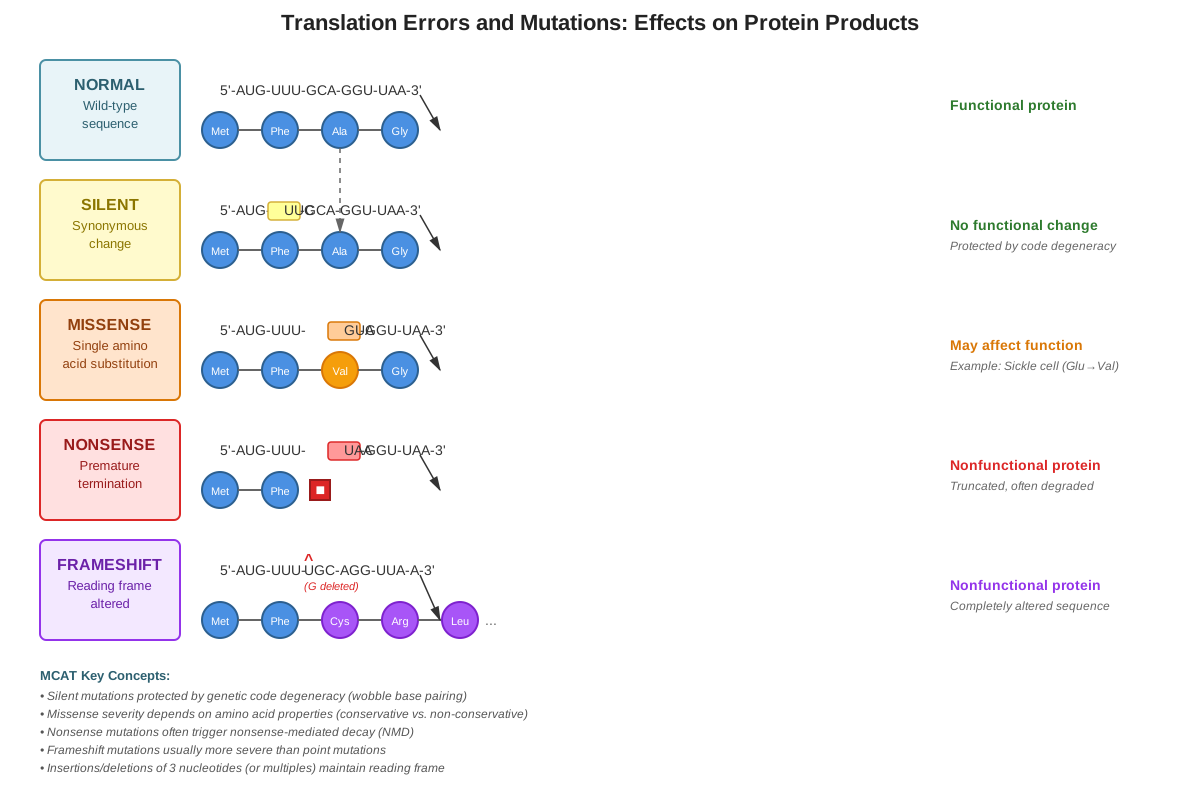
- [ ] Analyze how mutations in mRNA sequences affect the resulting protein products
- [ ] Compare and contrast prokaryotic and eukaryotic translation processes
Prerequisites
- DNA structure and replication: Understanding nucleotide structure and base-pairing rules is essential for comprehending how genetic information flows from DNA to RNA to protein
- Transcription: Translation directly follows transcription; students must understand how mRNA is synthesized from DNA templates and processed in eukaryotes
- RNA structure and types: Knowledge of mRNA, tRNA, and rRNA structures is necessary to understand their specific roles in translation
- Amino acid structure: Familiarity with the 20 standard amino acids and peptide bond formation is required to understand protein synthesis
- The genetic code: Understanding how nucleotide triplets (codons) specify amino acids is fundamental to translation
- Basic cell biology: Knowledge of ribosomes, the endoplasmic reticulum, and cellular compartmentalization helps contextualize where translation occurs
Why This Topic Matters
Clinical and Real-World Significance
Translation is the ultimate expression of genetic information, converting the blueprint stored in DNA into the functional molecules that perform virtually all cellular activities. Many human diseases result from mutations that disrupt translation, including various genetic disorders, cancers, and neurodegenerative conditions. Understanding translation is crucial for comprehending how antibiotics work—many antibiotics specifically target bacterial ribosomes to inhibit protein synthesis without affecting human cells. Additionally, modern biotechnology and medicine rely heavily on manipulating translation to produce therapeutic proteins like insulin, growth hormone, and monoclonal antibodies.
MCAT Exam Statistics
Translation appears in approximately 8-12% of questions in the Biological and Biochemical Foundations of Living Systems section, making it one of the most frequently tested topics in molecular biology. Questions typically appear in three formats: discrete questions testing fundamental knowledge of the translation process, passage-based questions involving experimental manipulation of translation, and questions requiring integration of translation with other topics like gene regulation or protein structure. The MCAT particularly favors questions that require students to predict the effects of mutations, understand antibiotic mechanisms, or analyze experimental data from translation studies.
Common Exam Contexts
The MCAT frequently presents translation in passages describing: (1) genetic mutations and their effects on protein function, requiring students to translate mutated sequences and predict phenotypic outcomes; (2) antibiotic mechanisms of action, testing understanding of how drugs like tetracycline or chloramphenicol inhibit bacterial translation; (3) biotechnology applications such as recombinant protein production or gene therapy; (4) evolutionary comparisons between prokaryotic and eukaryotic translation; and (5) regulatory mechanisms like the role of microRNAs or translation factors in controlling gene expression. Questions often integrate translation with protein structure, requiring students to predict how changes in amino acid sequence affect protein folding and function.
Core Concepts
The Central Dogma and Translation's Role
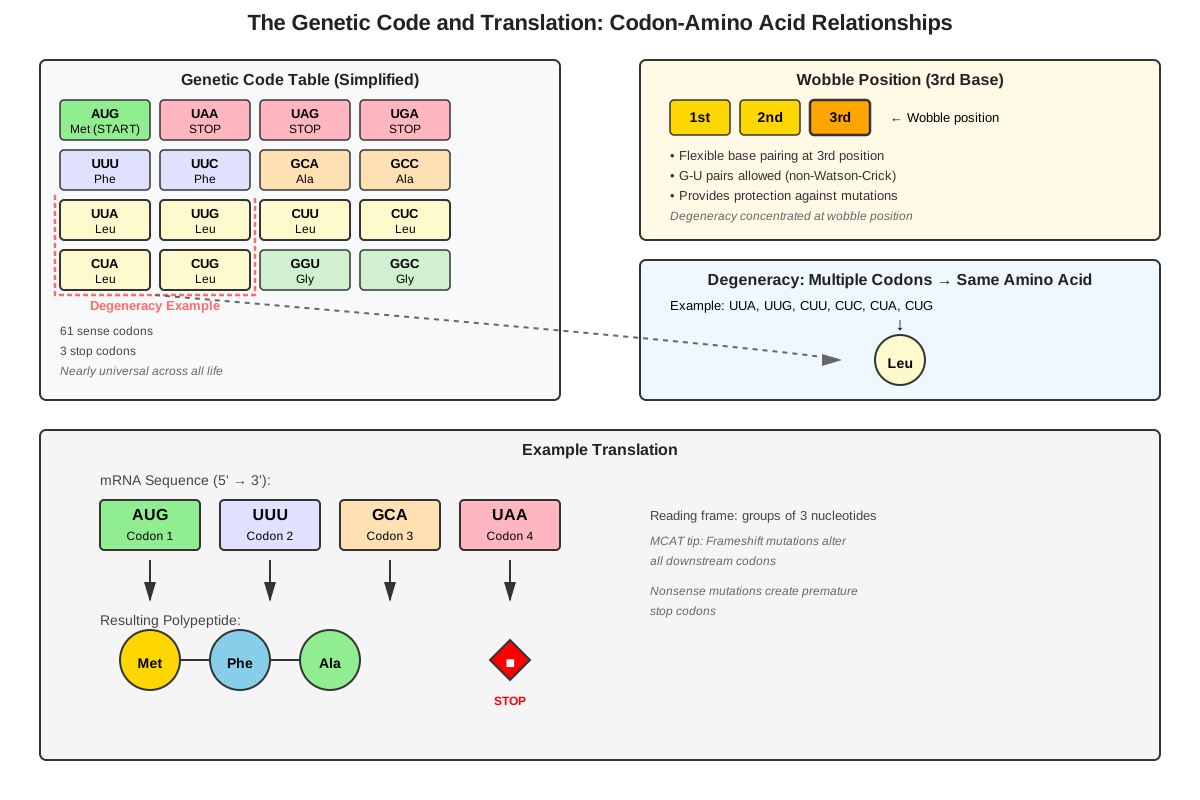
Translation represents the final step in the central dogma of molecular biology: DNA → RNA → Protein. While transcription converts genetic information from DNA into mRNA, translation decodes this mRNA message into a polypeptide chain. This process is termed "translation" because it involves converting information from one language (nucleotide sequences) into another (amino acid sequences). The genetic code serves as the dictionary for this translation, with each three-nucleotide codon in mRNA specifying one amino acid or a stop signal.
The Translation Machinery
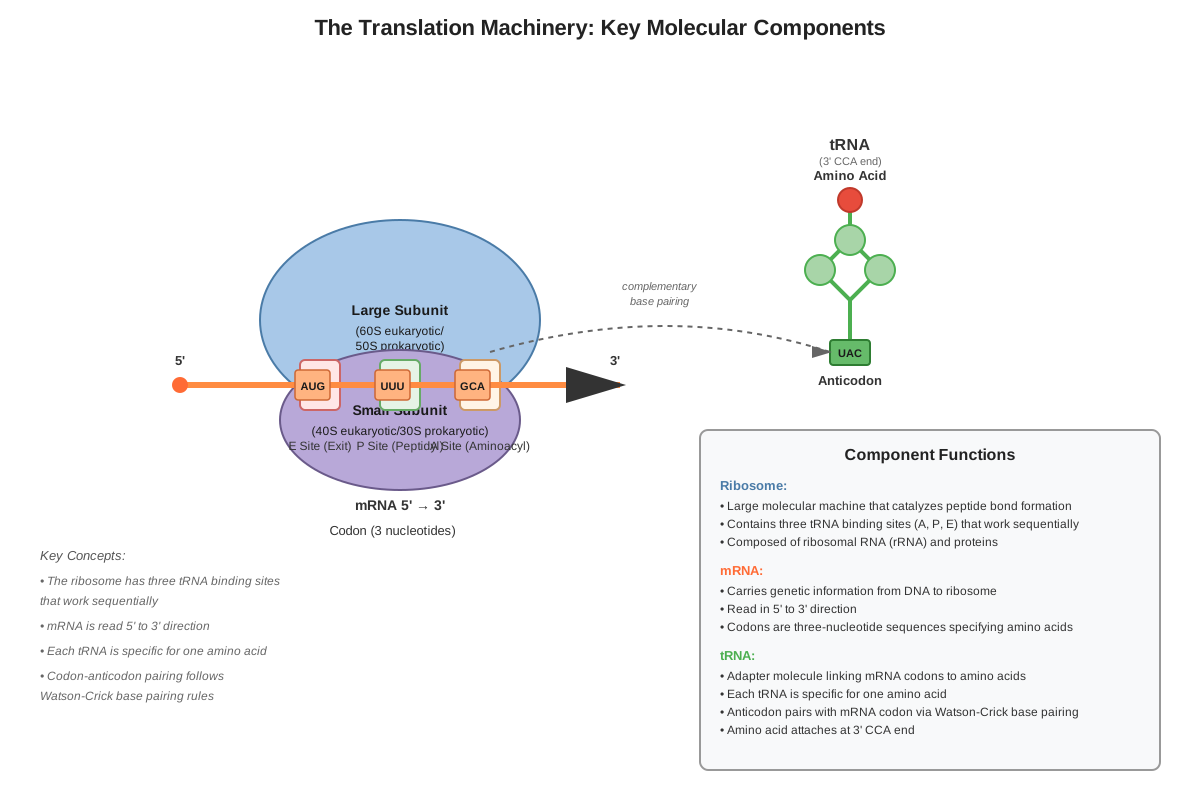
Translation requires three major molecular components working in concert:
Messenger RNA (mRNA) serves as the template containing the genetic information to be translated. In eukaryotes, mRNA has been processed to include a 5' methylguanosine cap, a 3' poly-A tail, and has had introns removed. The coding sequence begins at the start codon (AUG) and ends at one of three stop codons (UAA, UAG, or UGA). The mRNA also contains untranslated regions (UTRs) at both the 5' and 3' ends that play regulatory roles.
Transfer RNA (tRNA) molecules serve as adaptors that physically link codons to amino acids. Each tRNA has two critical regions: the anticodon loop that recognizes and base-pairs with specific mRNA codons, and the 3' acceptor stem where the corresponding amino acid attaches. The enzyme aminoacyl-tRNA synthetase catalyzes the attachment of the correct amino acid to its corresponding tRNA, a process called "charging" the tRNA. This charging reaction requires ATP and is crucial for maintaining the fidelity of translation—each of the 20 aminoacyl-tRNA synthetases recognizes only one amino acid and its corresponding tRNA(s).
Ribosomes are large ribonucleoprotein complexes that catalyze peptide bond formation and coordinate the translation process. Ribosomes consist of two subunits: a small subunit that binds mRNA and matches codons with anticodons, and a large subunit that catalyzes peptide bond formation. Ribosomes contain three tRNA binding sites:
| Site | Name | Function |
|---|---|---|
| A site | Aminoacyl site | Accepts incoming charged tRNA carrying the next amino acid |
| P site | Peptidyl site | Holds tRNA attached to the growing polypeptide chain |
| E site | Exit site | Holds uncharged tRNA before it leaves the ribosome |
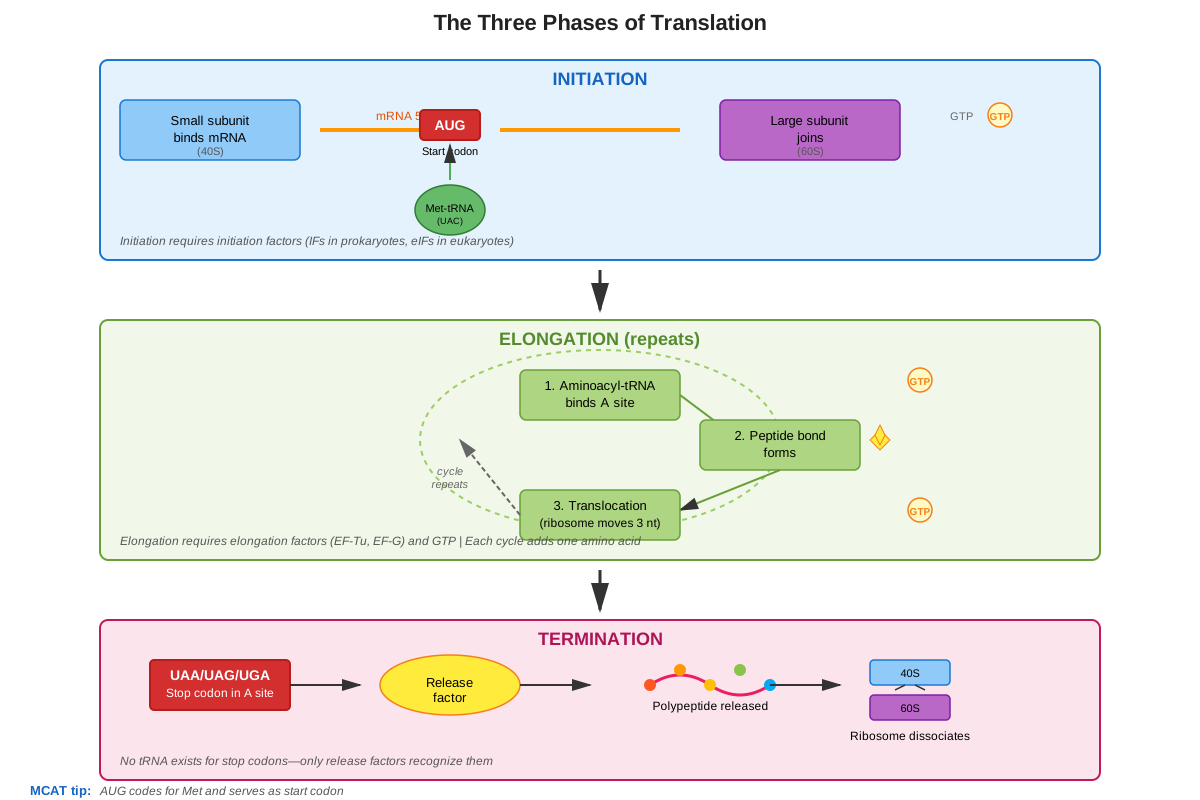
The Three Phases of Translation
Initiation
Initiation is the phase where the ribosome assembles on the mRNA and locates the start codon. This process differs significantly between prokaryotes and eukaryotes:
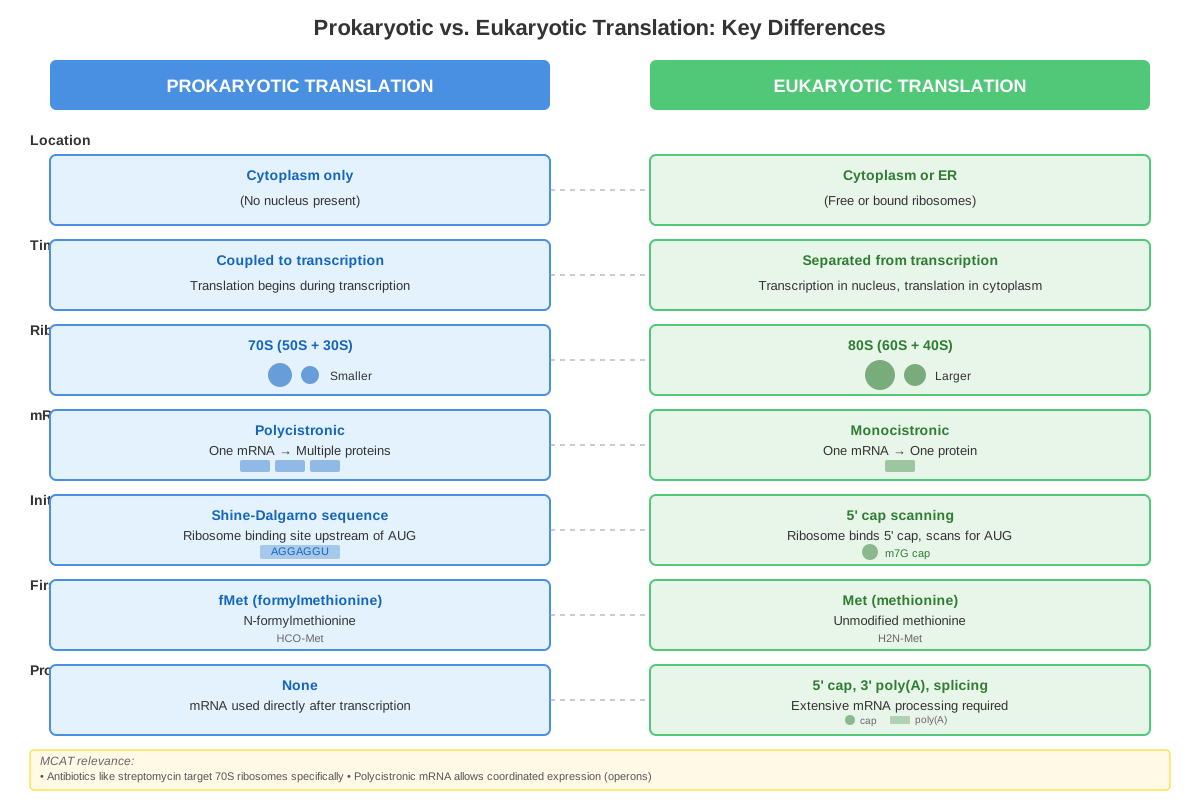
In prokaryotes, the small ribosomal subunit binds directly to the Shine-Dalgarno sequence (a ribosome binding site in the 5' UTR of mRNA) positioned upstream of the start codon. The initiator tRNA, carrying N-formylmethionine (fMet), binds to the start codon (AUG) in the P site with the help of initiation factors (IF1, IF2, IF3). The large ribosomal subunit then joins, forming the complete ribosome ready for elongation. This mechanism allows prokaryotic mRNA to be polycistronic, encoding multiple proteins from a single transcript.
In eukaryotes, initiation is more complex. The small ribosomal subunit, along with initiation factors (eIFs) and the initiator tRNA carrying methionine (Met), binds to the 5' methylguanosine cap of the mRNA. This complex then scans along the mRNA in the 3' direction until it encounters the first AUG codon, typically embedded in the Kozak sequence (a consensus sequence that facilitates start codon recognition). The large subunit then joins to form the complete ribosome. Eukaryotic mRNA is typically monocistronic, encoding only one protein per transcript.
Elongation
Elongation is the cyclic process of adding amino acids to the growing polypeptide chain. This phase repeats for each codon in the coding sequence and involves three steps:
- Codon recognition: An elongation factor (EF-Tu in prokaryotes, eEF1A in eukaryotes) escorts a charged tRNA to the A site of the ribosome. If the tRNA anticodon correctly base-pairs with the mRNA codon, the tRNA is accepted; if not, it is rejected. This step requires GTP hydrolysis and is crucial for translation accuracy.
- Peptide bond formation: The ribosome catalyzes formation of a peptide bond between the amino acid in the A site and the growing polypeptide chain attached to the tRNA in the P site. This reaction is catalyzed by the peptidyl transferase center, a ribozyme (catalytic RNA) in the large ribosomal subunit. The polypeptide chain is now attached to the tRNA in the A site.
- Translocation: The ribosome moves exactly three nucleotides along the mRNA in the 5' to 3' direction. This movement shifts the tRNA carrying the polypeptide from the A site to the P site, moves the now-uncharged tRNA from the P site to the E site (from which it exits), and positions the next codon in the empty A site. This step requires another elongation factor (EF-G in prokaryotes, eEF2 in eukaryotes) and GTP hydrolysis.
The elongation cycle repeats until a stop codon enters the A site. Translation elongation is remarkably fast, proceeding at approximately 15-20 amino acids per second in eukaryotes and even faster in prokaryotes.
Termination
Termination occurs when a stop codon (UAA, UAG, or UGA) enters the A site. No tRNA has an anticodon complementary to stop codons. Instead, release factors (RF1 and RF2 in prokaryotes, eRF1 in eukaryotes) recognize stop codons and bind to the A site. These proteins trigger hydrolysis of the bond between the polypeptide chain and the tRNA in the P site, releasing the completed polypeptide. The ribosomal subunits then dissociate from the mRNA and from each other, aided by additional release factors, and can be recycled for another round of translation.
Energy Requirements
Translation is energetically expensive, requiring significant ATP and GTP:
- Charging tRNAs: Each amino acid attachment to tRNA requires 2 ATP equivalents (ATP → AMP + PPi, then PPi → 2 Pi)
- Initiation: GTP hydrolysis is required for initiation factor function
- Elongation: Each cycle requires 2 GTP molecules (one for tRNA delivery, one for translocation)
- Termination: GTP hydrolysis facilitates release factor function
For a protein of 100 amino acids, approximately 400 high-energy phosphate bonds are consumed, highlighting the substantial metabolic investment cells make in protein synthesis.
Post-Translational Modifications and Protein Targeting
The polypeptide emerging from the ribosome is not yet a functional protein. It must fold into its proper three-dimensional structure and often undergoes post-translational modifications such as phosphorylation, glycosylation, or proteolytic cleavage. Additionally, proteins must be targeted to their correct cellular locations. In eukaryotes, proteins destined for secretion or membrane insertion contain a signal sequence at their N-terminus that directs the ribosome to the endoplasmic reticulum (ER) for co-translational translocation, a process mediated by the signal recognition particle (SRP).
Prokaryotic vs. Eukaryotic Translation
| Feature | Prokaryotes | Eukaryotes |
|---|---|---|
| Location | Cytoplasm | Cytoplasm (also ER-bound) |
| Coupling with transcription | Yes (simultaneous) | No (separated by nuclear envelope) |
| mRNA structure | Polycistronic | Monocistronic |
| Start codon recognition | Shine-Dalgarno sequence | 5' cap and scanning |
| First amino acid | N-formylmethionine | Methionine |
| Ribosome size | 70S (50S + 30S) | 80S (60S + 40S) |
| Sensitivity to antibiotics | High | Low |
Concept Relationships
Translation is deeply interconnected with multiple biological processes. Transcription directly precedes translation, providing the mRNA template; in prokaryotes, these processes are coupled, with ribosomes beginning translation while transcription is still ongoing. The genetic code serves as the fundamental link between nucleic acid and protein languages, making it essential for understanding how DNA mutations affect protein structure. Protein structure and function directly depend on translation accuracy—the primary sequence determined during translation dictates all higher levels of protein structure through folding.
Translation connects to cellular energetics through its substantial ATP and GTP requirements, linking protein synthesis to metabolic state. Gene regulation often occurs at the translational level through mechanisms like microRNA binding, ribosome availability, or translation factor modification, connecting translation to cellular responses to environmental signals. Molecular genetics concepts like mutations, genetic diseases, and biotechnology applications all require understanding how changes in DNA or mRNA sequences affect translation outcomes.
The relationship flow can be mapped as: DNA (genetic information storage) → Transcription → mRNA (information carrier) → Translation → Polypeptide (functional molecule) → Protein folding and modification → Functional protein → Cellular phenotype. This pathway illustrates how translation serves as the critical bridge between genotype and phenotype, making it central to understanding inheritance, disease, and cellular function.
Quick check — test yourself on Translation overview so far.
Try Flashcards →High-Yield Facts
⭐ Translation converts mRNA nucleotide sequences into amino acid sequences using the genetic code, with each three-nucleotide codon specifying one amino acid.
⭐ The start codon AUG codes for methionine (or N-formylmethionine in prokaryotes) and establishes the reading frame for translation.
⭐ The three stop codons (UAA, UAG, UGA) do not code for amino acids but signal translation termination through recognition by release factors.
⭐ Ribosomes have three tRNA binding sites: A (aminoacyl), P (peptidyl), and E (exit), which coordinate the sequential addition of amino acids.
⭐ Aminoacyl-tRNA synthetases charge tRNAs with their correct amino acids, ensuring translation fidelity; each synthetase is specific for one amino acid.
- Translation occurs in three phases: initiation (ribosome assembly at start codon), elongation (sequential amino acid addition), and termination (release at stop codon).
- Prokaryotic ribosomes (70S) are smaller than eukaryotic ribosomes (80S), making them selective targets for antibiotics that don't affect human protein synthesis.
- The peptidyl transferase center in the large ribosomal subunit is a ribozyme, demonstrating that RNA can have catalytic activity.
- Each elongation cycle requires two GTP molecules: one for tRNA delivery to the A site and one for ribosome translocation.
- In eukaryotes, the small ribosomal subunit binds the 5' cap and scans for the first AUG codon, while prokaryotes use the Shine-Dalgarno sequence for direct start codon recognition.
- Polyribosomes (polysomes) form when multiple ribosomes simultaneously translate a single mRNA molecule, increasing protein production efficiency.
- The signal recognition particle (SRP) recognizes signal sequences on nascent polypeptides and directs ribosomes to the ER for co-translational translocation.
Common Misconceptions
Misconception: Translation occurs in the nucleus where DNA is located.
Correction: Translation occurs in the cytoplasm (and on the rough ER in eukaryotes), not in the nucleus. Transcription occurs in the nucleus, producing mRNA that is then exported to the cytoplasm for translation. This spatial separation in eukaryotes allows for additional regulation through mRNA processing and transport.
Misconception: tRNA molecules carry amino acids to the ribosome and the ribosome determines which amino acid to add next.
Correction: While tRNAs do carry amino acids to the ribosome, the specificity is determined before arrival. Aminoacyl-tRNA synthetases charge each tRNA with its correct amino acid based on the tRNA's structure, not its anticodon. The ribosome then selects tRNAs based on codon-anticodon complementarity, ensuring the pre-attached amino acid matches the mRNA code.
Misconception: Each tRNA anticodon pairs with only one specific mRNA codon due to strict Watson-Crick base pairing.
Correction: Due to "wobble" base pairing at the third codon position, a single tRNA can recognize multiple codons that differ only in their third nucleotide. This explains why there are fewer than 61 different tRNAs (one for each sense codon) in cells—typically around 45 tRNA types can decode all codons through wobble pairing.
Misconception: The ribosome moves along mRNA one nucleotide at a time during translation.
Correction: The ribosome moves exactly three nucleotides (one codon) at a time during translocation. This maintains the reading frame established at initiation. Frameshift mutations that add or delete nucleotides (not in multiples of three) disrupt this reading frame and typically produce nonfunctional proteins.
Misconception: All antibiotics work by targeting human ribosomes to stop protein synthesis in infected cells.
Correction: Antibiotics like tetracycline, chloramphenicol, and streptomycin specifically target prokaryotic 70S ribosomes, exploiting structural differences from eukaryotic 80S ribosomes. This selectivity allows these drugs to inhibit bacterial protein synthesis while leaving human protein synthesis largely unaffected, though some side effects can occur at high doses.
Misconception: Translation always begins at the first AUG codon in an mRNA molecule.
Correction: In eukaryotes, translation typically begins at the first AUG encountered during scanning from the 5' cap, but this can be influenced by the Kozak sequence context. In prokaryotes, translation begins at AUG codons preceded by Shine-Dalgarno sequences, and since prokaryotic mRNA can be polycistronic, multiple internal AUG codons may serve as start sites for different proteins.
Misconception: Once a protein is synthesized, it is immediately functional.
Correction: Newly synthesized polypeptides must undergo folding (often assisted by chaperone proteins) and frequently require post-translational modifications such as phosphorylation, glycosylation, disulfide bond formation, or proteolytic cleavage to become fully functional. Additionally, proteins must be targeted to their correct cellular locations to function properly.
Worked Examples
Example 1: Predicting Translation Outcomes from mRNA Sequences
Question: Given the following mRNA sequence, determine the amino acid sequence of the resulting polypeptide. Assume translation begins at the first AUG and use the standard genetic code.
5'-GCUAGCAUGGGCUACUAAGGCUAG-3'
Solution:
Step 1: Identify the start codon (AUG) in the sequence.
The sequence contains AUG starting at position 7: GCU AGC AUG GGC UAC UAA GGC UAG
Step 2: Divide the coding sequence into codons, beginning with AUG.
Reading frame: AUG | GGC | UAC | UAA | GGC | UAG
Step 3: Translate each codon using the genetic code.
- AUG → Methionine (Met)
- GGC → Glycine (Gly)
- UAC → Tyrosine (Tyr)
- UAA → STOP
Step 4: Recognize that translation terminates at the stop codon.
The polypeptide sequence is: Met-Gly-Tyr
The sequence after the stop codon (GGC UAG) is not translated because the ribosome dissociates when it encounters UAA.
Key Concept Connection: This example demonstrates how the reading frame established by the start codon determines the entire amino acid sequence, and how stop codons terminate translation regardless of downstream sequence. This is critical for understanding how frameshift mutations can dramatically alter protein products.
Example 2: Analyzing a Mutation's Effect on Translation
Question: A gene normally produces a functional enzyme of 150 amino acids. A mutation changes a single nucleotide in the coding sequence. The mutation changes codon 45 from UAC (tyrosine) to UAG. What effect will this mutation have on the protein product?
Solution:
Step 1: Identify what the mutated codon specifies.
UAG is one of the three stop codons (UAA, UAG, UGA).
Step 2: Determine when translation will terminate.
Instead of continuing to codon 150, translation will now terminate at codon 45 when the ribosome encounters the premature stop codon (UAG).
Step 3: Predict the characteristics of the mutant protein.
The resulting protein will be only 44 amino acids long (codons 1-44, since codon 45 is now a stop signal), compared to the normal 150 amino acids. This represents approximately 29% of the normal protein length.
Step 4: Predict functional consequences.
This truncated protein is almost certainly nonfunctional because:
- It lacks more than 70% of the normal sequence
- Critical functional domains present in the C-terminal region are absent
- The truncated protein may be unstable and rapidly degraded
- Even if stable, it cannot perform the enzyme's normal catalytic function
Classification: This is a nonsense mutation—a point mutation that creates a premature stop codon.
Clinical Relevance: Nonsense mutations are responsible for many genetic diseases, including some forms of cystic fibrosis, Duchenne muscular dystrophy, and beta-thalassemia. Understanding this mechanism is essential for predicting disease severity and developing potential therapies like read-through drugs that allow ribosomes to occasionally bypass stop codons.
Key Concept Connection: This example illustrates how a single nucleotide change can have catastrophic effects on protein function by disrupting translation, connecting molecular genetics to phenotypic outcomes—a common MCAT question type.
Exam Strategy
Approaching Translation Questions
When encountering translation questions on the MCAT, follow this systematic approach:
- Identify the question type: Is it asking about the mechanism (how translation works), the outcome (what protein is produced), or regulation (how translation is controlled)?
- Locate the start codon: For sequence-based questions, always find AUG first to establish the reading frame. Remember that in eukaryotes, it's typically the first AUG from the 5' end.
- Work in triplets: Always group nucleotides in sets of three starting from the start codon. If you lose track of the reading frame, you'll get the wrong answer.
- Watch for stop codons: Translation terminates at UAA, UAG, or UGA—don't continue translating past these points.
Trigger Words and Phrases
Certain words in MCAT questions signal specific translation concepts:
- "Antibiotic mechanism" → Think about prokaryotic vs. eukaryotic ribosome differences
- "Frameshift mutation" → Consider how insertion/deletion affects the reading frame
- "Nonsense mutation" → Premature stop codon and truncated protein
- "Missense mutation" → Single amino acid substitution
- "Signal sequence" → Protein targeting to ER, co-translational translocation
- "Polyribosome" or "polysome" → Multiple ribosomes on one mRNA
- "Kozak sequence" or "Shine-Dalgarno" → Initiation mechanisms in eukaryotes vs. prokaryotes
- "Wobble" → Third codon position flexibility in codon-anticodon pairing
Process of Elimination Tips
For translation questions, eliminate answers that:
- Confuse transcription with translation (e.g., involving RNA polymerase in translation)
- Place translation in the wrong cellular location (nucleus instead of cytoplasm)
- Suggest tRNA carries information rather than amino acids
- Claim ribosomes determine which amino acid to add (aminoacyl-tRNA synthetases do this)
- Violate the directionality rules (translation proceeds 5' to 3' on mRNA, N-terminus to C-terminus for protein)
- Confuse the three ribosomal sites (A, P, E) and their functions
Time Allocation
For discrete translation questions, spend 60-90 seconds maximum. For passage-based questions:
- Spend 1-2 minutes reading the passage, noting experimental manipulations of translation
- Allocate 90 seconds per question
- If a question requires translating a sequence, write it out—don't try to do it mentally, as errors are common
- If stuck on a mechanism question, draw a quick diagram of the ribosome with A, P, and E sites to visualize the process
Exam Tip: When passages describe mutations, immediately classify them (silent, missense, nonsense, frameshift) as this often directly leads to the answer for multiple questions.
Memory Techniques
Mnemonics for Key Sequences
"APE" for ribosome sites: Aminoacyl → Peptidyl → Exit
This represents the path a tRNA takes through the ribosome during elongation.
"Stop UAA-UAG-UGA": Remember as "U Are Away, U Are Gone, U Go Away"
These are the three stop codons that terminate translation.
"AUG starts": Always Understand Genetics—AUG is the universal start codon
Visualization Strategy for Translation Phases
Initiation: Picture a ribosome "landing" on mRNA like an airplane on a runway, with the start codon as the touchdown point.
Elongation: Visualize an assembly line where tRNAs are workers bringing parts (amino acids) to the ribosome factory, which connects them in sequence as the line moves forward.
Termination: Imagine a stop sign (stop codon) where the assembly line ends, the product (protein) is released, and the factory (ribosome) disassembles to be reused.
Acronym for Energy Requirements
"CITE" for translation energy costs:
- Charging tRNAs (2 ATP per amino acid)
- Initiation (GTP)
- Translocation (GTP per cycle)
- EF-Tu delivery (GTP per cycle)
Prokaryotic vs. Eukaryotic Differences
"PECS" for Prokaryotic features:
- Polycistronic mRNA
- Earlier start (coupled with transcription)
- Cytoplasm only
- Shine-Dalgarno sequence
"MECS" for Eukaryotic features:
- Monocistronic mRNA
- ER-bound ribosomes (for some proteins)
- Cap-dependent initiation
- Separated from transcription
Summary
Translation is the fundamental process by which cells synthesize proteins from mRNA templates, representing the final step in gene expression. The process requires three major molecular components: mRNA (template), tRNA (adaptor molecules), and ribosomes (catalytic machinery). Translation proceeds through three distinct phases: initiation (ribosome assembly at the start codon), elongation (sequential amino acid addition through repeated cycles of codon recognition, peptide bond formation, and translocation), and termination (release of the completed polypeptide at stop codons). The genetic code serves as the dictionary linking nucleotide triplets to amino acids, with AUG serving as the start codon and UAA, UAG, and UGA as stop codons. Translation is energetically expensive, requiring ATP for tRNA charging and GTP for multiple steps in each elongation cycle. Significant differences exist between prokaryotic and eukaryotic translation, particularly in initiation mechanisms and the coupling with transcription, differences that are exploited by antibiotics. Understanding translation is essential for predicting how mutations affect protein function, comprehending drug mechanisms, and connecting genotype to phenotype—all high-yield concepts for the MCAT.
Key Takeaways
- Translation converts mRNA nucleotide sequences into polypeptide amino acid sequences using the genetic code, with ribosomes catalyzing peptide bond formation between amino acids carried by tRNAs
- The three phases of translation—initiation, elongation, and termination—each involve specific molecular events and energy requirements (GTP and ATP)
- Aminoacyl-tRNA synthetases ensure translation fidelity by charging each tRNA with its correct amino acid before the tRNA reaches the ribosome
- The ribosome contains three tRNA binding sites (A, P, E) that coordinate the sequential addition of amino acids during elongation
- Prokaryotic and eukaryotic translation differ in ribosome size, initiation mechanisms, mRNA structure, and coupling with transcription—differences exploited by antibiotics
- Mutations can affect translation outcomes in various ways: nonsense mutations create premature stop codons, missense mutations change single amino acids, and frameshift mutations alter the entire reading frame downstream
- Translation connects molecular genetics to protein function and cellular phenotype, making it central to understanding inheritance, disease mechanisms, and biotechnology applications
Related Topics
Transcription and RNA Processing: Understanding how mRNA is synthesized and processed is essential background for translation. Mastering translation enables deeper understanding of how transcriptional and translational regulation work together to control gene expression.
The Genetic Code: The specific codon-amino acid relationships that make translation possible. Understanding translation mechanisms provides context for why the genetic code's properties (degeneracy, universality) are biologically important.
Protein Structure and Function: Translation produces the primary sequence that determines all higher levels of protein structure. Mastering translation enables prediction of how sequence changes affect protein folding and function.
Gene Regulation: Many regulatory mechanisms operate at the translational level, including microRNA-mediated repression and translational control in response to cellular signals. Understanding basic translation is prerequisite for these advanced regulatory concepts.
Mutations and Genetic Disease: Different mutation types affect translation in distinct ways. Mastering translation enables prediction of phenotypic consequences from genotypic changes.
Antibiotics and Drug Mechanisms: Many antibiotics target translation machinery. Understanding translation mechanisms explains drug selectivity and resistance mechanisms.
Biotechnology and Recombinant Proteins: Modern biotechnology manipulates translation to produce therapeutic proteins. Understanding translation is essential for comprehending techniques like expression vectors and protein purification.
Practice CTA
Now that you've mastered the core concepts of translation, it's time to reinforce your understanding through active practice. Work through the practice questions and flashcards to test your ability to apply these concepts to MCAT-style scenarios. Focus particularly on sequence-based problems, mutation analysis, and questions comparing prokaryotic and eukaryotic translation. Remember that translation is one of the highest-yield topics in molecular biology—investing time in practice now will pay significant dividends on test day. Each practice question you complete strengthens your ability to quickly recognize question types and apply the systematic approaches outlined in this guide. You've built a strong foundation; now solidify it through deliberate practice!
Sign up free to keep reading
Create a free AnvayaPrep account to finish this MCAT guide on Translation overview — plus flashcards and practice questions.