Overview
The central nervous system (CNS) represents one of the most critical and frequently tested topics within the Physiology and Organ Systems unit of MCAT Biology. Comprising the brain and spinal cord, the CNS serves as the command center for all voluntary and involuntary bodily functions, integrating sensory information and coordinating appropriate motor responses. Understanding the structural organization, functional divisions, and physiological mechanisms of the CNS is essential for success on the MCAT, as questions frequently require students to apply knowledge of neural pathways, reflex arcs, and brain region functions to clinical scenarios and experimental passages.
The central nervous system MCAT content extends beyond simple anatomical memorization to encompass functional integration with the peripheral nervous system, endocrine system, and sensory-motor pathways. Test-makers commonly present passages involving neurological disorders, pharmacological interventions, or experimental manipulations of neural circuits that require students to demonstrate deep conceptual understanding rather than superficial recall. The CNS serves as a foundation for understanding consciousness, behavior, learning, memory, and homeostatic regulation—topics that bridge biological and psychological sciences sections of the exam.
Mastery of central nervous system Biology provides the framework for understanding related topics including neurotransmission, action potentials, synaptic plasticity, and the autonomic nervous system. The CNS integrates with virtually every other organ system, making it a high-yield topic that appears across multiple question contexts. Students who develop a robust mental model of CNS organization and function will find themselves better equipped to tackle complex passages involving neurophysiology, psychopharmacology, and behavioral neuroscience throughout the MCAT.
Learning Objectives
- [ ] Define Central nervous system using accurate Biology terminology
- [ ] Explain why Central nervous system matters for the MCAT
- [ ] Apply Central nervous system to exam-style questions
- [ ] Identify common mistakes related to Central nervous system
- [ ] Connect Central nervous system to related Biology concepts
- [ ] Differentiate between the structural and functional divisions of the CNS
- [ ] Trace the flow of information through major neural pathways and reflex arcs
- [ ] Analyze how CNS lesions or pharmacological interventions affect specific functions
- [ ] Integrate knowledge of brain regions with their associated cognitive and motor functions
Prerequisites
- Action potentials and neuronal signaling: Understanding membrane potential changes is essential for comprehending how the CNS processes and transmits information
- Synaptic transmission and neurotransmitters: Knowledge of chemical signaling between neurons underlies all CNS communication mechanisms
- Basic anatomical terminology: Directional terms (anterior/posterior, dorsal/ventral, rostral/caudal) are necessary for describing CNS structures
- Cell biology of neurons: Familiarity with neuronal structure (dendrites, soma, axon) provides the foundation for understanding CNS organization
- Homeostasis and feedback mechanisms: CNS regulatory functions depend on negative and positive feedback loops
Why This Topic Matters
The central nervous system appears in approximately 8-12% of MCAT Biology questions and frequently serves as the foundation for passages in the Psychological, Social, and Biological Foundations of Behavior section. Clinical vignettes involving stroke, spinal cord injury, neurodegenerative diseases, or pharmacological interventions targeting the CNS are common passage types. Understanding CNS anatomy and physiology enables students to predict functional deficits from structural damage, interpret experimental results involving neural circuits, and analyze the mechanisms of psychoactive drugs.
Real-world clinical significance makes CNS knowledge invaluable for future physicians. Neurological conditions affect millions of patients, and understanding the anatomical basis of symptoms guides diagnosis and treatment. For example, recognizing that damage to the left motor cortex produces right-sided paralysis (due to decussation of motor pathways) or that cerebellar lesions cause coordination deficits without paralysis demonstrates the type of clinical reasoning the MCAT assesses.
Exam passages commonly present experimental scenarios involving lesion studies, brain imaging data, or behavioral assessments following CNS manipulation. Students must integrate anatomical knowledge with functional outcomes, often requiring multi-step reasoning across several organ systems. The CNS also appears in interdisciplinary questions connecting neurobiology with psychology (learning, memory, emotion), pharmacology (drug mechanisms), and evolution (comparative neuroanatomy).
Core Concepts
Definition and Organization of the Central Nervous System
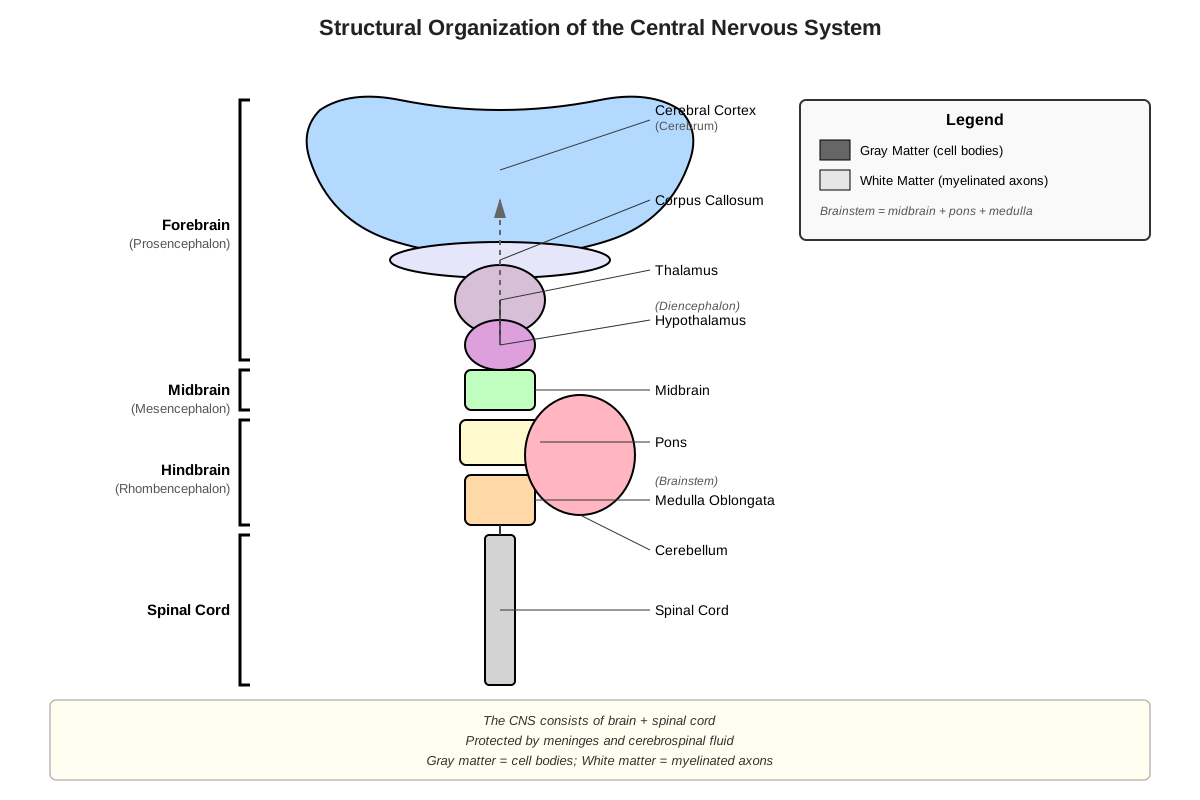
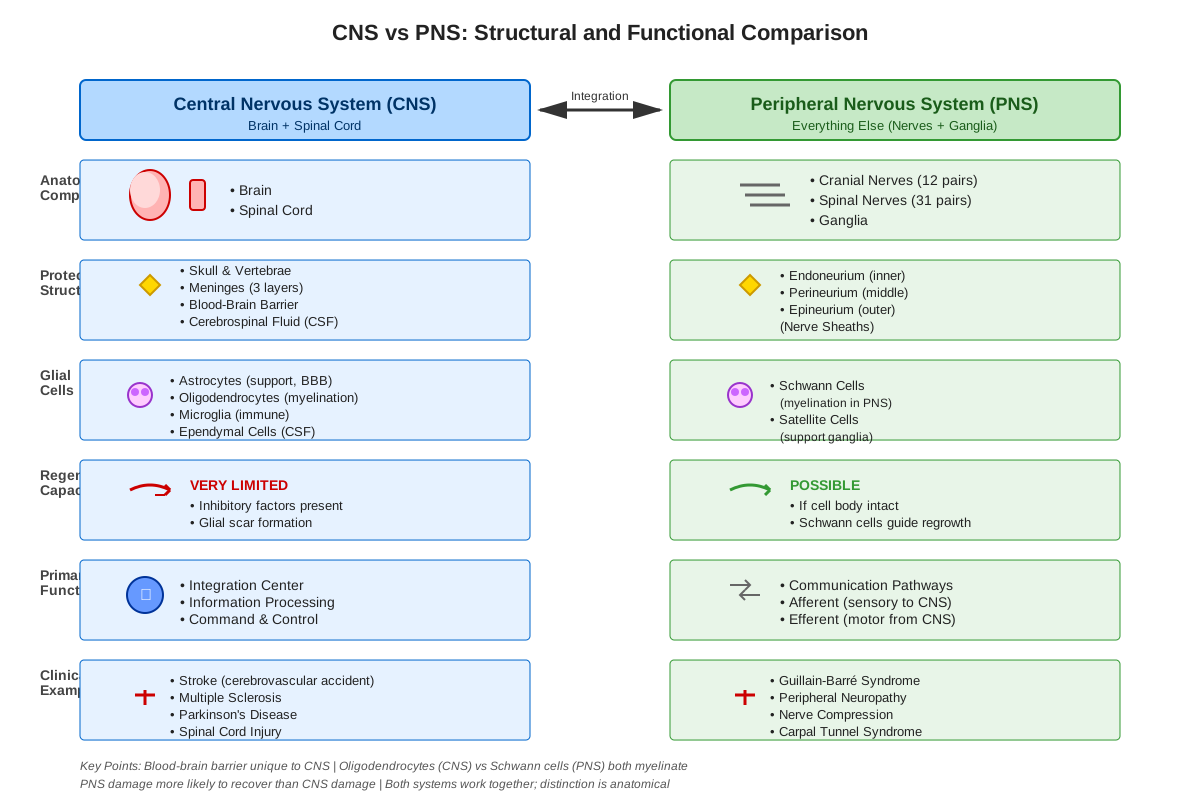
The central nervous system consists of the brain and spinal cord, distinguished from the peripheral nervous system by its location within protective bony structures (skull and vertebral column) and the presence of the blood-brain barrier. The CNS functions as the primary integration center for sensory input, motor output, and higher-order processing including cognition, emotion, and consciousness. Anatomically, the CNS develops from the embryonic neural tube, with the anterior portion forming the brain and the posterior portion forming the spinal cord.
The CNS can be organized both structurally and functionally. Structurally, gray matter contains neuronal cell bodies, dendrites, and unmyelinated axons, appearing darker in fresh tissue. White matter consists primarily of myelinated axons, appearing lighter due to the lipid-rich myelin sheaths. In the brain, gray matter typically forms the outer cortex with white matter internally, while the spinal cord shows the reverse arrangement with a central H-shaped gray matter core surrounded by white matter tracts.
Major Brain Divisions and Functions
The brain divides into three primary embryonic regions that give rise to adult structures:
Forebrain (Prosencephalon) derivatives include:
- Cerebral cortex: The outermost layer responsible for higher-order processing, divided into four lobes with distinct functions
- Basal ganglia: Subcortical nuclei involved in motor control, procedural learning, and habit formation
- Limbic system: Structures including the hippocampus (memory formation), amygdala (emotion, particularly fear), and hypothalamus (homeostatic regulation)
- Thalamus: The sensory relay station that processes and directs sensory information (except olfaction) to appropriate cortical regions
Midbrain (Mesencephalon) contains:
- Superior and inferior colliculi: Visual and auditory reflex centers, respectively
- Substantia nigra: Dopamine-producing neurons critical for motor control (degeneration causes Parkinson's disease)
- Cerebral peduncles: Major motor pathway tracts
Hindbrain (Rhombencephalon) includes:
- Cerebellum: Coordinates movement, maintains balance, and contributes to motor learning
- Pons: Contains nuclei for cranial nerves and serves as a relay between cerebrum and cerebellum
- Medulla oblongata: Controls vital autonomic functions including heart rate, blood pressure, and respiration
Cerebral Cortex Functional Regions
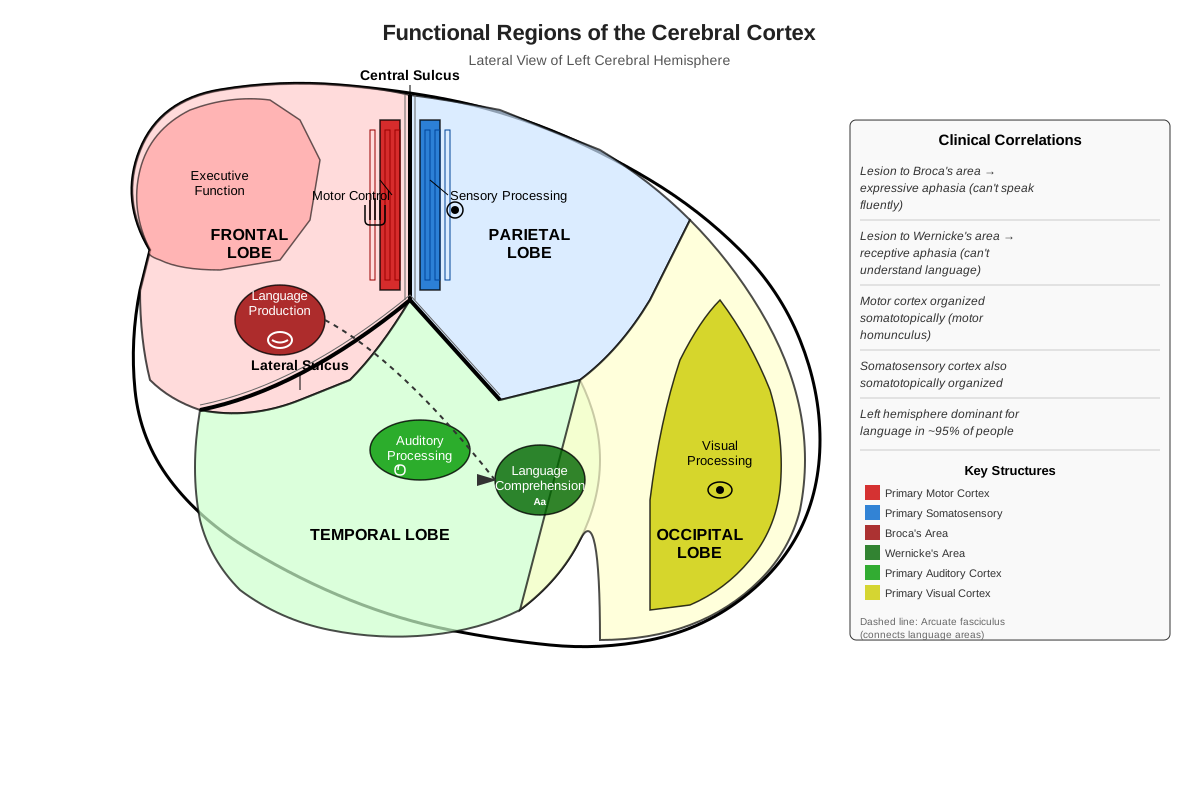
The cerebral cortex divides into four lobes, each associated with specific functions:
| Lobe | Primary Functions | Key Areas |
|---|---|---|
| Frontal | Executive function, motor control, speech production | Primary motor cortex, Broca's area, prefrontal cortex |
| Parietal | Somatosensory processing, spatial awareness | Primary somatosensory cortex, association areas |
| Temporal | Auditory processing, memory, language comprehension | Primary auditory cortex, Wernicke's area, hippocampus |
| Occipital | Visual processing | Primary visual cortex, visual association areas |
The primary motor cortex in the frontal lobe exhibits a somatotopic organization called the motor homunculus, where body regions are represented proportionally to the precision of control required (hands and face occupy disproportionately large areas). Similarly, the primary somatosensory cortex in the parietal lobe displays a sensory homunculus with representation proportional to sensory receptor density.
Spinal Cord Structure and Function
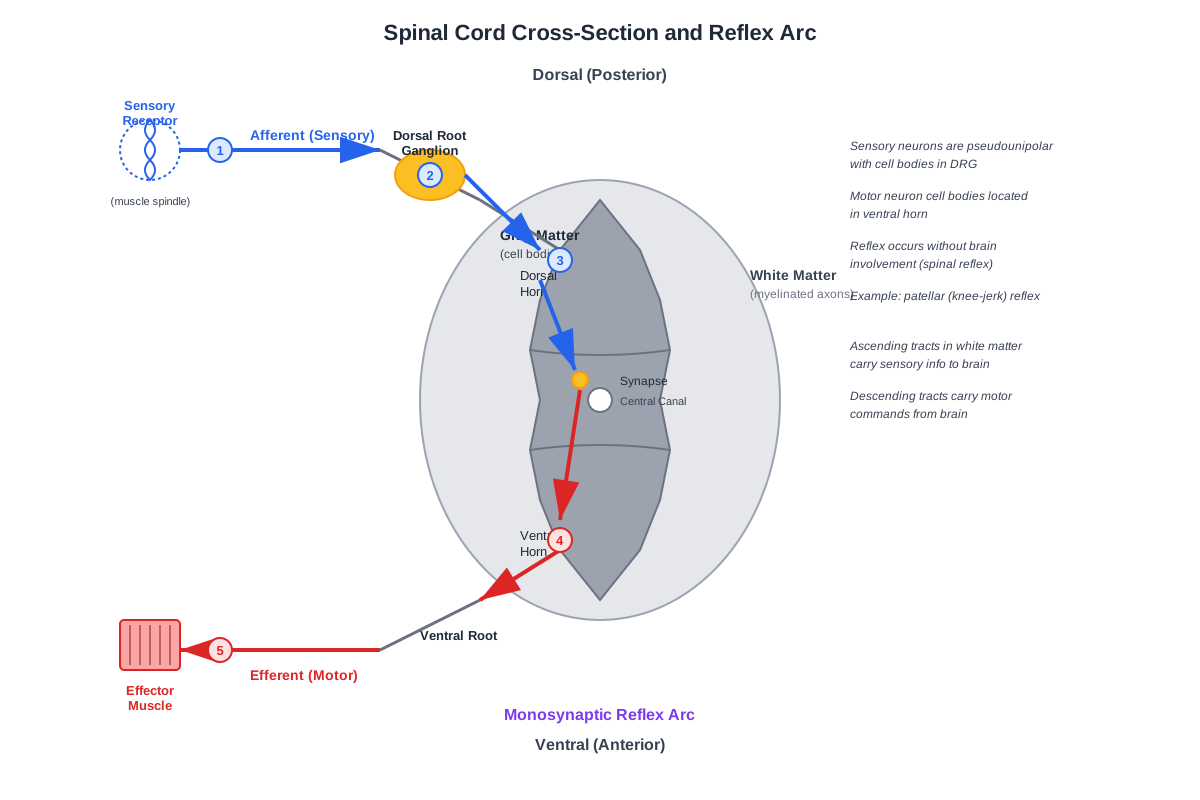
The spinal cord extends from the medulla oblongata to approximately the L1-L2 vertebral level, serving as the conduit for information between the brain and peripheral nervous system. The central H-shaped gray matter contains:
- Dorsal (posterior) horns: Receive sensory input from dorsal root ganglia
- Ventral (anterior) horns: Contain motor neuron cell bodies that innervate skeletal muscles
- Lateral horns (thoracic and upper lumbar regions): Contain preganglionic sympathetic neurons
Surrounding white matter organizes into three columns (funiculi) on each side:
- Dorsal columns: Carry proprioception, vibration, and fine touch information ascending to the brain
- Lateral columns: Contain both ascending (spinothalamic tract for pain and temperature) and descending (corticospinal tract for voluntary motor control) pathways
- Ventral columns: Contain motor pathways and some ascending sensory tracts
Major Neural Pathways
Understanding the major ascending (sensory) and descending (motor) pathways is critical for predicting functional deficits:
Ascending Pathways:
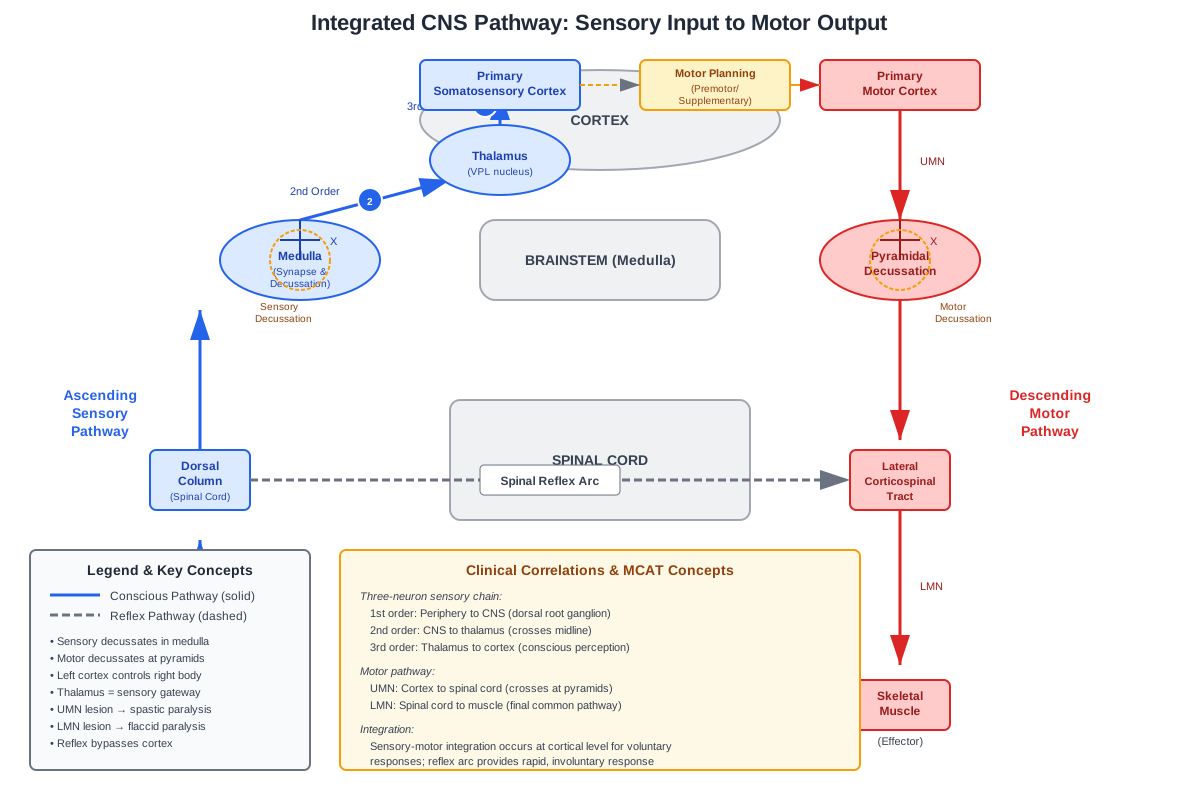
- Dorsal column-medial lemniscal pathway: Carries proprioception, vibration, and fine touch; crosses at the medulla
- Spinothalamic tract: Carries pain and temperature; crosses at the spinal cord level of entry
- Both pathways synapse in the thalamus before projecting to the somatosensory cortex
Descending Pathways:
- Corticospinal (pyramidal) tract: Voluntary motor control; originates in motor cortex, decussates at the medullary pyramids, descends in lateral white matter
- Extrapyramidal tracts: Involuntary motor control, posture, and muscle tone; includes rubrospinal, vestibulospinal, and reticulospinal tracts
Protective Structures and Cerebrospinal Fluid
The CNS benefits from multiple protective mechanisms:
Meninges (from superficial to deep):
- Dura mater: Tough outer layer
- Arachnoid mater: Middle layer with web-like projections
- Pia mater: Delicate inner layer adhering to neural tissue
Cerebrospinal fluid (CSF) circulates through the ventricular system and subarachnoid space, providing:
- Mechanical cushioning against trauma
- Chemical stability and waste removal
- Buoyancy reducing effective brain weight
CSF is produced by choroid plexuses in the ventricles, circulates through the ventricular system (lateral ventricles → third ventricle → cerebral aqueduct → fourth ventricle), and is reabsorbed into venous blood via arachnoid granulations.
Blood-Brain Barrier
The blood-brain barrier (BBB) consists of specialized endothelial cells with tight junctions, astrocyte foot processes, and a basement membrane that selectively restricts passage of substances from blood to brain tissue. This barrier:
- Permits passage of lipid-soluble molecules (O₂, CO₂, steroid hormones)
- Allows glucose transport via specific carriers
- Blocks most large, polar, or charged molecules
- Protects the CNS from toxins and pathogens but complicates drug delivery
Certain CNS regions lack a complete BBB (circumventricular organs) to allow monitoring of blood composition for homeostatic regulation.
Concept Relationships
The central nervous system serves as the integration hub connecting sensory input from the peripheral nervous system to motor output controlling effector organs. Sensory information enters the CNS through dorsal roots of spinal nerves or cranial nerves → ascends via specific white matter tracts → synapses in the thalamus (for most sensory modalities) → projects to primary sensory cortices → integrates in association cortices → motor planning occurs in frontal cortex → descends via corticospinal and extrapyramidal tracts → exits through ventral roots to control muscles.
The CNS intimately connects with the endocrine system through the hypothalamic-pituitary axis, where hypothalamic neurons produce releasing and inhibiting hormones that control anterior pituitary secretion. The autonomic nervous system originates from CNS structures (hypothalamus, brainstem, spinal cord) to regulate involuntary functions. The limbic system bridges emotional processing with memory formation (hippocampus) and homeostatic regulation (hypothalamus), demonstrating how anatomically distinct CNS regions functionally integrate.
Within the CNS, the cerebellum receives input from the cerebral cortex, spinal cord, and vestibular system → compares intended movements with actual movements → sends corrective signals back to motor cortex and descending pathways, illustrating feedback loops essential for motor coordination. The basal ganglia form parallel loops with the cortex, modulating motor programs and contributing to procedural learning, showing how subcortical structures influence cortical function.
Quick check — test yourself on Central nervous system so far.
Try Flashcards →High-Yield Facts
⭐ The CNS consists of the brain and spinal cord, protected by bone, meninges, and cerebrospinal fluid, and isolated from systemic circulation by the blood-brain barrier.
⭐ Gray matter contains neuronal cell bodies while white matter contains myelinated axons; their arrangement differs between brain (gray outside) and spinal cord (gray inside).
⭐ The corticospinal tract decussates at the medullary pyramids, causing left hemisphere damage to produce right-sided motor deficits.
⭐ The thalamus serves as the sensory relay station for all senses except olfaction, which projects directly to cortex.
⭐ The hypothalamus regulates homeostasis including temperature, hunger, thirst, circadian rhythms, and controls the pituitary gland.
- The cerebellum coordinates movement and balance without initiating voluntary movement; damage causes ataxia (incoordination) without paralysis.
- Broca's area (frontal lobe) controls speech production while Wernicke's area (temporal lobe) controls language comprehension.
- The dorsal column pathway carries proprioception and fine touch and crosses at the medulla, while the spinothalamic tract carries pain and temperature and crosses at the spinal level.
- The limbic system (hippocampus, amygdala, hypothalamus) processes emotion and memory formation.
- CSF is produced by choroid plexuses in the ventricles and reabsorbed by arachnoid granulations into venous sinuses.
- The blood-brain barrier allows lipid-soluble molecules to pass freely but restricts polar and charged molecules, requiring specific transporters for glucose.
- The medulla oblongata contains vital centers controlling heart rate, blood pressure, and respiration.
Common Misconceptions
Misconception: The brain and spinal cord are the entire nervous system.
Correction: The CNS (brain and spinal cord) is only one division; the peripheral nervous system includes all nerves outside the CNS, including cranial and spinal nerves, ganglia, and peripheral receptors.
Misconception: Gray matter is always on the outside and white matter on the inside.
Correction: This arrangement is true for the brain (cortex is gray matter), but the spinal cord shows the reverse pattern with central gray matter surrounded by white matter tracts. Additionally, subcortical gray matter nuclei (basal ganglia, thalamus) exist deep within the brain.
Misconception: Damage to the right side of the brain causes right-sided body deficits.
Correction: Due to decussation (crossing) of major motor and sensory pathways, right hemisphere damage typically produces left-sided deficits and vice versa. This is particularly true for the corticospinal tract and dorsal column pathway.
Misconception: The cerebellum controls voluntary movement initiation.
Correction: The cerebellum coordinates and refines movements initiated by the motor cortex but does not initiate voluntary movements. Cerebellar damage causes ataxia (poor coordination) and intention tremor, not paralysis.
Misconception: All sensory information passes through the thalamus.
Correction: Olfaction is the exception—olfactory information projects directly to the olfactory cortex and limbic structures without thalamic relay, which explains the strong connection between smell and emotional memory.
Misconception: The blood-brain barrier completely prevents all substances from entering the CNS.
Correction: The BBB is selectively permeable, allowing lipid-soluble molecules (O₂, CO₂, alcohol, anesthetics) and molecules with specific transporters (glucose) to pass while blocking most large, polar, or charged molecules. Some CNS regions (circumventricular organs) lack a complete BBB.
Misconception: CSF and blood are the same fluid.
Correction: CSF is a distinct fluid produced by choroid plexuses through selective filtration and secretion from blood plasma. CSF has lower protein and different ion concentrations compared to blood, and circulates through a separate system (ventricles and subarachnoid space).
Worked Examples
Example 1: Spinal Cord Hemisection (Brown-Séquard Syndrome)
Clinical Vignette: A patient suffers a knife wound that completely severs the right half of the spinal cord at the T10 level. What sensory and motor deficits would you expect?
Analysis:
Step 1: Identify affected pathways in the right half of the spinal cord at T10.
- Right corticospinal tract (descending motor pathway)
- Right dorsal column (ascending proprioception/fine touch)
- Right spinothalamic tract (ascending pain/temperature)
Step 2: Determine where each pathway crosses.
- Corticospinal tract: crosses at medulla (already crossed before reaching T10)
- Dorsal column: crosses at medulla (has not yet crossed at T10)
- Spinothalamic tract: crosses at spinal level of entry (already crossed before ascending)
Step 3: Predict deficits based on crossing patterns.
Motor deficits: Right-sided paralysis below T10 (ipsilateral)
- The right corticospinal tract carries motor commands from the left motor cortex (already crossed at medulla)
- Damage prevents these signals from reaching right ventral horn motor neurons below the lesion
Proprioception/fine touch loss: Right-sided loss below T10 (ipsilateral)
- Right dorsal column carries sensory information from right side of body
- This information has not yet crossed (crosses at medulla)
- Damage prevents right-sided sensory information from ascending
Pain/temperature loss: Left-sided loss below T10 (contralateral)
- Spinothalamic fibers carrying left-sided pain/temperature cross at their entry level
- These crossed fibers ascend in the right spinothalamic tract
- Damage to right tract eliminates left-sided pain/temperature sensation
Summary: Right hemisection at T10 produces ipsilateral motor paralysis and proprioception loss, with contralateral pain and temperature loss—a classic Brown-Séquard pattern demonstrating the importance of understanding pathway decussation.
Example 2: Stroke Localization
Passage-Based Question: A 68-year-old patient presents with inability to produce speech (knows what to say but cannot articulate words), right-sided weakness, and intact language comprehension. Where is the lesion most likely located?
Analysis:
Step 1: Identify the functional deficits.
- Expressive aphasia (speech production deficit)
- Right-sided motor weakness
- Preserved comprehension
Step 2: Localize speech production.
- Broca's area in the frontal lobe controls speech production (expressive language)
- Located in the dominant hemisphere (left in ~95% of right-handed and ~70% of left-handed individuals)
- Damage causes expressive aphasia (Broca's aphasia)
Step 3: Explain the motor deficit.
- Right-sided weakness indicates left hemisphere damage
- Primary motor cortex is located in the frontal lobe
- Broca's area is adjacent to the motor cortex controlling face and mouth
Step 4: Confirm with preserved function.
- Language comprehension is intact, ruling out Wernicke's area damage (temporal lobe)
- This confirms frontal lobe localization
Conclusion: The lesion is in the left frontal lobe, affecting Broca's area and adjacent motor cortex. This pattern is consistent with a stroke in the left middle cerebral artery distribution, which supplies the lateral frontal and parietal lobes. The combination of expressive aphasia with contralateral motor weakness is a classic presentation that requires understanding both cortical localization and the principle of contralateral motor control due to corticospinal tract decussation.
Exam Strategy
When approaching CNS questions on the MCAT, first identify whether the question tests anatomical localization, pathway tracing, or functional integration. Trigger words include "lesion," "damage," "deficit," "pathway," "tract," "decussation," and specific brain region names. These signal that you need to apply anatomical knowledge to predict functional outcomes.
For lesion-based questions, use a systematic approach:
- Identify the affected structure or pathway
- Determine the function of that structure
- Consider whether pathways have crossed (decussated)
- Predict ipsilateral vs. contralateral deficits
- Eliminate answer choices inconsistent with crossing patterns
Process-of-elimination tips:
- Eliminate choices that confuse ipsilateral and contralateral effects
- Rule out options that attribute functions to incorrect brain regions (e.g., cerebellum initiating movement)
- Discard answers that ignore pathway decussation
- Watch for choices that confuse sensory and motor pathways
For pathway questions, draw a quick mental or physical diagram tracing the information flow from origin to destination, marking where decussation occurs. This prevents confusion about laterality of deficits.
Time allocation: CNS questions often appear in passages requiring integration of multiple concepts. Allocate 1.5-2 minutes per question, spending extra time on passage analysis to identify the experimental manipulation or clinical scenario before attempting questions. Standalone CNS questions typically require less time (60-90 seconds) if you have solid foundational knowledge.
When passages present experimental data (lesion studies, brain imaging, behavioral tests), focus on the relationship between structure and function rather than memorizing every anatomical detail. The MCAT tests reasoning ability more than pure recall.
Memory Techniques
Mnemonic for cranial nerves (which originate from the brain, part of CNS): "Oh Oh Oh To Touch And Feel Very Good Velvet AH"
- Olfactory, Optic, Oculomotor, Trochlear, Trigeminal, Abducens, Facial, Vestibulocochlear, Glossopharyngeal, Vagus, Accessory, Hypoglossal
Mnemonic for meninges (superficial to deep): "The Dura mater is Tough, the Arachnoid is A web, the Pia is Pretty (delicate)"
- Dura, Arachnoid, Pia (DAP)
Mnemonic for pathway crossing:
- "Dorsal Delays Decussation" (dorsal columns cross at medulla, not spinal cord)
- "Spinothalamic Switches Sides Soon" (crosses at spinal level of entry)
- "Pyramids Produce Crossing" (corticospinal tract crosses at medullary pyramids)
Visualization for cortical lobes: Picture a boxing glove (frontal lobe) punching forward for motor control, a hand (parietal lobe) feeling sensations, an ear (temporal lobe) for hearing, and eyes in the back of your head (occipital lobe) for vision.
Acronym for hypothalamic functions: "TH HOTT"
- Temperature regulation, Hunger, Homeostasis, Osmolarity, Thirst, Thalamus connection
Memory palace technique: Visualize walking through the CNS from spinal cord (entrance hall) → brainstem (stairway with vital functions) → thalamus (relay station/switchboard) → cortex (executive offices with different departments for each lobe).
Summary
The central nervous system, comprising the brain and spinal cord, serves as the primary integration and control center for all nervous system functions. Structurally organized into gray matter (cell bodies) and white matter (myelinated axons), the CNS processes sensory information, generates motor commands, and enables higher-order functions including cognition, emotion, and consciousness. The brain divides into forebrain (cerebrum, thalamus, hypothalamus, limbic system), midbrain (visual and auditory reflexes), and hindbrain (cerebellum, pons, medulla) regions, each with distinct functions. The cerebral cortex organizes into four lobes with specialized functions: frontal (motor control, executive function), parietal (somatosensory processing), temporal (auditory processing, memory), and occipital (vision). The spinal cord transmits information via ascending sensory and descending motor pathways, with critical decussations determining laterality of deficits. Protective mechanisms including meninges, CSF, and the blood-brain barrier maintain CNS homeostasis. Understanding CNS anatomy, pathway organization, and functional localization enables prediction of deficits from lesions and interpretation of clinical presentations—essential skills for MCAT success.
Key Takeaways
- The CNS consists of the brain and spinal cord, distinguished by protective structures (bone, meninges, BBB) and organization of gray and white matter
- Major motor and sensory pathways decussate (cross), causing contralateral deficits: corticospinal tract crosses at medulla, spinothalamic at spinal level, dorsal columns at medulla
- The cerebral cortex divides into four functional lobes: frontal (motor/executive), parietal (sensory), temporal (auditory/memory), occipital (visual)
- The thalamus relays all sensory information except olfaction; the hypothalamus regulates homeostasis and controls the pituitary
- The cerebellum coordinates movement without initiating it; damage causes ataxia, not paralysis
- Understanding pathway anatomy and decussation patterns enables prediction of deficit laterality from CNS lesions
- The blood-brain barrier selectively permits lipid-soluble molecules while restricting polar substances, complicating drug delivery but protecting the CNS
Related Topics
- Peripheral Nervous System: Understanding PNS organization (somatic and autonomic divisions) complements CNS knowledge by showing how central commands reach effector organs
- Neurotransmitters and Synaptic Transmission: CNS function depends on chemical signaling; mastering neurotransmitter systems enables understanding of psychopharmacology
- Sensory Systems: Detailed study of vision, hearing, and somatosensation builds on CNS pathway knowledge
- Motor Systems and Muscle Physiology: Integration of CNS motor commands with peripheral muscle contraction completes the motor control picture
- Autonomic Nervous System: CNS control of involuntary functions through sympathetic and parasympathetic divisions
- Behavioral Neuroscience: Limbic system functions connect to psychological concepts of emotion, motivation, and memory
- Neurological Disorders: Clinical applications of CNS anatomy including stroke, Parkinson's disease, and spinal cord injury
Practice CTA
Now that you have mastered the foundational concepts of the central nervous system, challenge yourself with practice questions and flashcards to reinforce your understanding. Focus on questions requiring pathway tracing, lesion localization, and functional prediction—these mirror the reasoning skills the MCAT assesses. Remember that CNS questions often integrate multiple concepts, so practice with passage-based questions to develop your analytical skills. Your solid foundation in CNS anatomy and physiology will serve you well not only on the MCAT but throughout your medical education. Keep pushing forward—you're building the knowledge base of a future physician!
Sign up free to keep reading
Create a free AnvayaPrep account to finish this MCAT guide on Central nervous system — plus flashcards and practice questions.