Overview
The endocrine system represents one of the body's two major communication networks, working alongside the nervous system to maintain homeostasis and coordinate physiological processes. While the nervous system uses electrical signals and neurotransmitters for rapid, localized communication, the endocrine system employs chemical messengers called hormones that travel through the bloodstream to reach distant target cells. This fundamental distinction—speed versus duration—defines how these systems complement each other in regulating everything from metabolism and growth to reproduction and stress responses. Understanding the endocrine system overview provides the foundation for comprehending how organisms maintain internal stability despite constant environmental changes.
For the MCAT, the endocrine system appears frequently in both the Biological and Biochemical Foundations of Living Systems section and occasionally in passages involving psychological and social determinants of health. Questions may test direct knowledge of hormone functions, mechanisms of hormone action, feedback loops, or require integration with other organ systems. The endocrine system overview Biology content serves as scaffolding for more detailed topics including specific glands, hormone biochemistry, and disease states. Mastery of this overview enables students to quickly orient themselves when encountering complex passages about diabetes, thyroid disorders, or reproductive physiology.
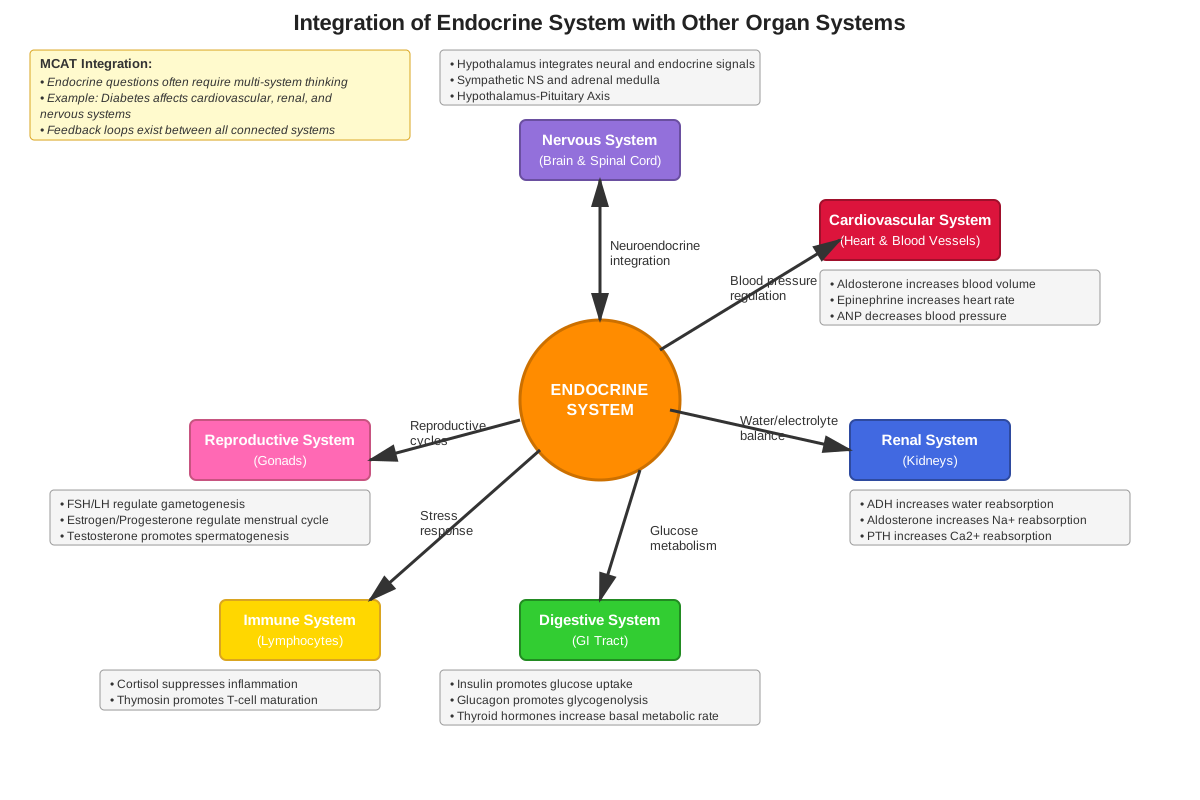
The endocrine system integrates seamlessly with nearly every other physiology and organ systems topic tested on the MCAT. Hormones regulate cardiovascular function (blood pressure control via aldosterone), renal function (ADH and water balance), digestive processes (insulin and glucose metabolism), immune responses (cortisol's anti-inflammatory effects), and reproductive cycles (sex hormones). This interconnectedness means that endocrine system overview MCAT questions rarely test isolated facts; instead, they assess the ability to trace cause-and-effect relationships across multiple organ systems and predict physiological consequences of endocrine dysfunction.
Learning Objectives
- [ ] Define endocrine system overview using accurate Biology terminology
- [ ] Explain why endocrine system overview matters for the MCAT
- [ ] Apply endocrine system overview to exam-style questions
- [ ] Identify common mistakes related to endocrine system overview
- [ ] Connect endocrine system overview to related Biology concepts
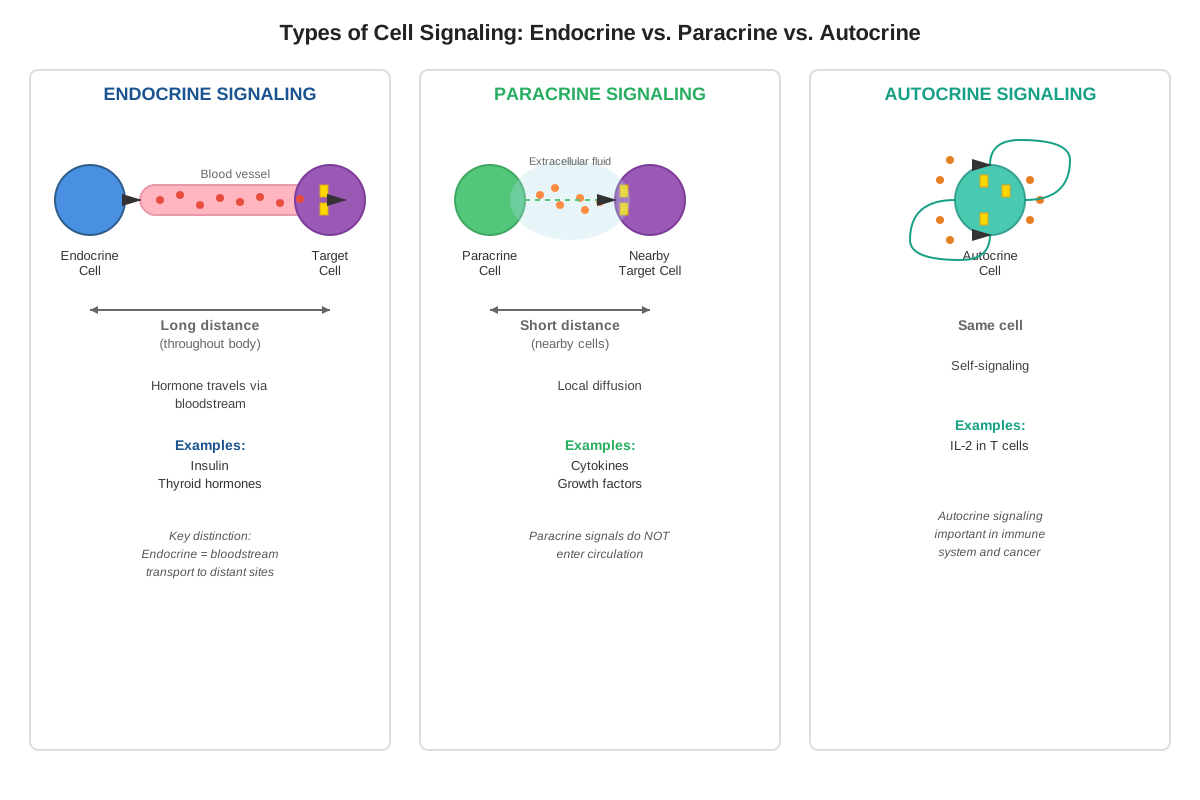
- [ ] Distinguish between endocrine, paracrine, autocrine, and exocrine signaling mechanisms
- [ ] Analyze feedback loops (negative and positive) in hormonal regulation
- [ ] Predict physiological consequences of hormone excess or deficiency
- [ ] Compare and contrast mechanisms of lipid-soluble versus water-soluble hormone action
Prerequisites
- Cell membrane structure and function: Understanding receptor location (membrane-bound vs. intracellular) is essential for hormone mechanism classification
- Basic biochemistry of proteins and lipids: Hormones are either peptide/protein-based or steroid-based, requiring knowledge of these molecular classes
- Signal transduction pathways: Second messenger systems (cAMP, IP3, calcium) mediate many hormone effects
- Basic anatomy: Familiarity with major organ locations helps contextualize gland positions and hormone target tissues
- Homeostasis principles: The endocrine system's primary function is maintaining homeostatic balance through negative feedback
Why This Topic Matters
Clinical Significance: Endocrine disorders affect millions globally and represent some of medicine's most common conditions. Diabetes mellitus (insulin dysfunction), hypothyroidism (thyroid hormone deficiency), Cushing's syndrome (cortisol excess), and polycystic ovary syndrome (reproductive hormone imbalance) all stem from endocrine pathology. Understanding normal endocrine function provides the foundation for recognizing disease presentations, interpreting laboratory values, and predicting treatment outcomes—skills the MCAT tests through clinical vignettes.
Exam Statistics: Endocrine system content appears in approximately 10-15% of MCAT Biology/Biochemistry questions, with medium-to-high yield for scoring. Questions typically fall into three categories: (1) direct recall of hormone functions and sources (20% of endocrine questions), (2) mechanism-based questions requiring understanding of hormone action at the cellular level (50%), and (3) integration questions connecting endocrine function to other systems or experimental scenarios (30%). The endocrine system frequently appears in passages rather than discrete questions, often embedded within research studies examining metabolic regulation, stress responses, or reproductive physiology.
Common Exam Presentations: MCAT passages may present experimental data showing hormone levels before and after an intervention, requiring students to interpret feedback mechanisms. Clinical vignettes might describe a patient with symptoms (weight gain, fatigue, heat intolerance) and ask students to identify the affected hormone or gland. Biochemistry passages may explore hormone synthesis pathways or receptor mutations. The endocrine system also appears in psychology/sociology passages examining stress hormones (cortisol, epinephrine) and their effects on behavior and health outcomes.
Core Concepts
Definition and Components of the Endocrine System
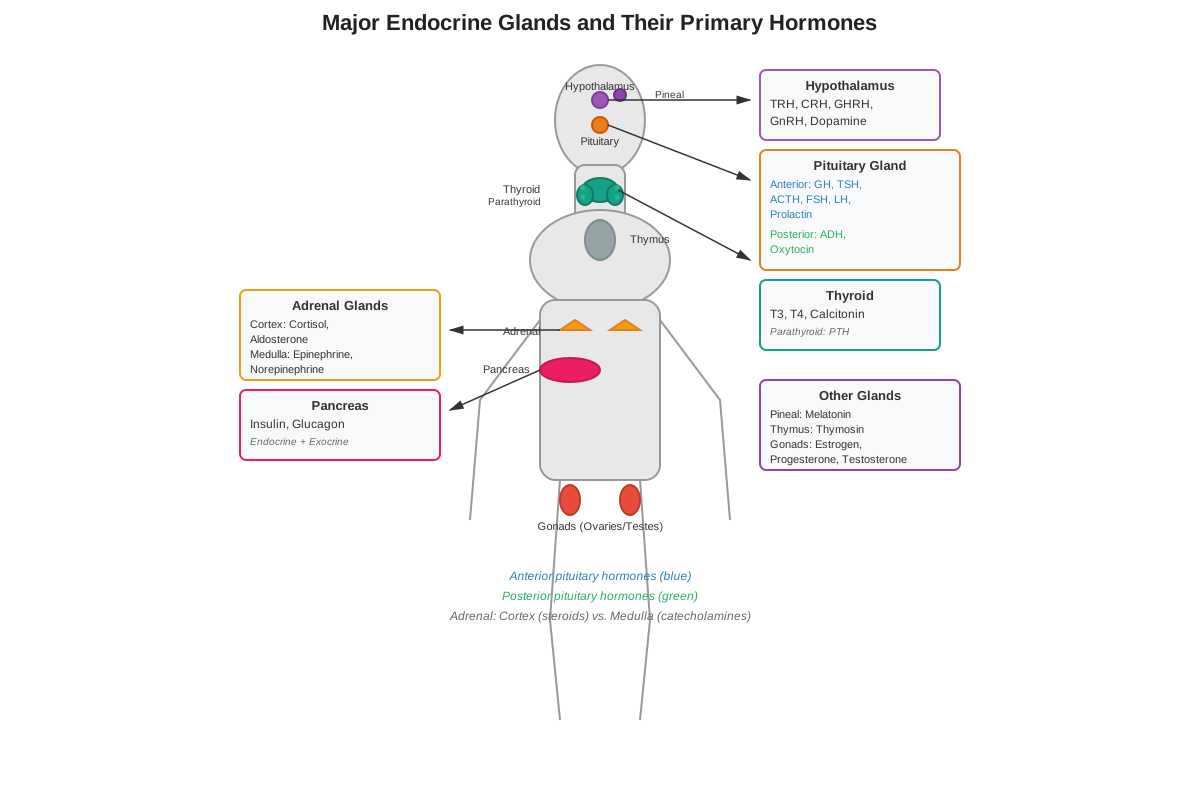
The endocrine system comprises all glands and tissues that secrete hormones directly into the bloodstream to regulate physiological processes in distant target cells. Unlike exocrine glands (which secrete products through ducts to external surfaces or body cavities, such as sweat glands or salivary glands), endocrine glands are ductless and rely on the circulatory system for hormone distribution. The major endocrine glands include the hypothalamus, pituitary (anterior and posterior), thyroid, parathyroid, adrenal (cortex and medulla), pancreas (islets of Langerhans), gonads (testes and ovaries), and pineal gland. Additionally, several organs with primary non-endocrine functions also secrete hormones, including the heart (atrial natriuretic peptide), kidneys (erythropoietin, renin), adipose tissue (leptin), and gastrointestinal tract (gastrin, secretin, cholecystokinin).
Hormone Classification
Hormones fall into three major chemical classes, each with distinct synthesis, transport, and mechanism characteristics:
| Hormone Class | Chemical Nature | Examples | Synthesis Location | Solubility | Transport Method | Receptor Location |
|---|---|---|---|---|---|---|
| Peptide/Protein | Amino acid chains | Insulin, growth hormone, ACTH, oxytocin | Ribosomes, processed in ER/Golgi | Water-soluble | Free in plasma | Cell membrane |
| Steroid | Cholesterol derivatives | Cortisol, aldosterone, testosterone, estrogen | Smooth ER and mitochondria | Lipid-soluble | Bound to carrier proteins | Intracellular (cytoplasm or nucleus) |
| Amino acid derivatives | Modified amino acids | Thyroid hormones (T3, T4), catecholamines (epinephrine, norepinephrine) | Varies by hormone | T3/T4: lipid-soluble; Catecholamines: water-soluble | T3/T4: bound to proteins; Catecholamines: free | T3/T4: intracellular; Catecholamines: membrane |
Mechanisms of Hormone Action
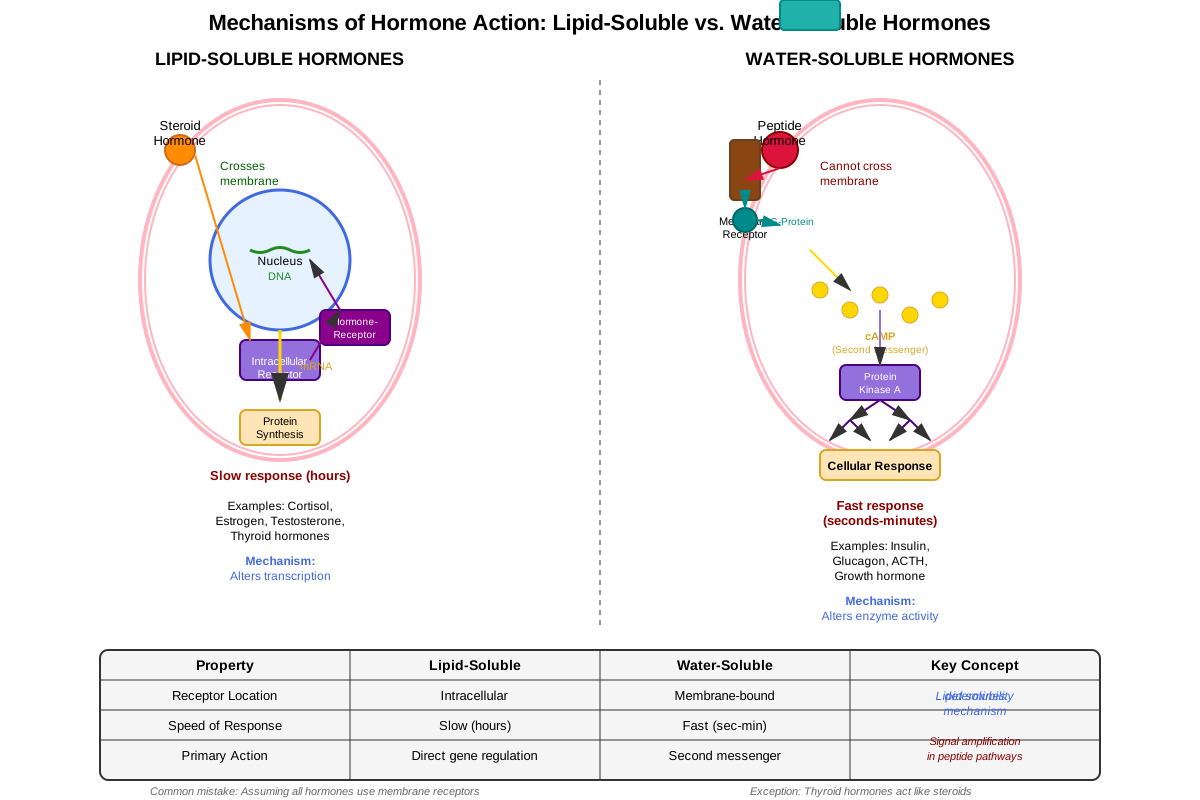
Water-soluble hormones (peptides and catecholamines) cannot cross the lipid bilayer and must bind to membrane-bound receptors on target cell surfaces. This binding triggers signal transduction cascades involving second messengers:
- cAMP pathway: Hormone binds receptor → activates G-protein → stimulates adenylyl cyclase → converts ATP to cAMP → activates protein kinase A (PKA) → phosphorylates target proteins (used by epinephrine, glucagon, ACTH, TSH)
- IP3/DAG pathway: Hormone binds receptor → activates G-protein → stimulates phospholipase C → cleaves PIP2 into IP3 and DAG → IP3 releases Ca²⁺ from ER, DAG activates protein kinase C (used by oxytocin, some hypothalamic hormones)
- Receptor tyrosine kinase pathway: Hormone binding causes receptor dimerization and autophosphorylation → activates intracellular signaling cascades like MAPK pathway (used by insulin, growth factors)
Lipid-soluble hormones (steroids and thyroid hormones) diffuse across cell membranes and bind to intracellular receptors in the cytoplasm or nucleus. The hormone-receptor complex acts as a transcription factor, binding to hormone response elements (HREs) on DNA to regulate gene expression. This mechanism produces slower but longer-lasting effects compared to second messenger systems, as it requires new protein synthesis.
Types of Signaling
The endocrine system employs several signaling modalities:
- Endocrine signaling: Hormones travel through bloodstream to distant target cells (classic definition; e.g., insulin from pancreas affecting muscle cells)
- Paracrine signaling: Hormones affect nearby cells in the local environment (e.g., somatostatin from pancreatic delta cells inhibiting nearby alpha and beta cells)
- Autocrine signaling: Hormones affect the same cell that secreted them (e.g., IL-2 in T-cell activation)
- Neuroendocrine signaling: Neurons secrete hormones into bloodstream (e.g., hypothalamic neurons releasing hormones into hypophyseal portal system)
Feedback Regulation
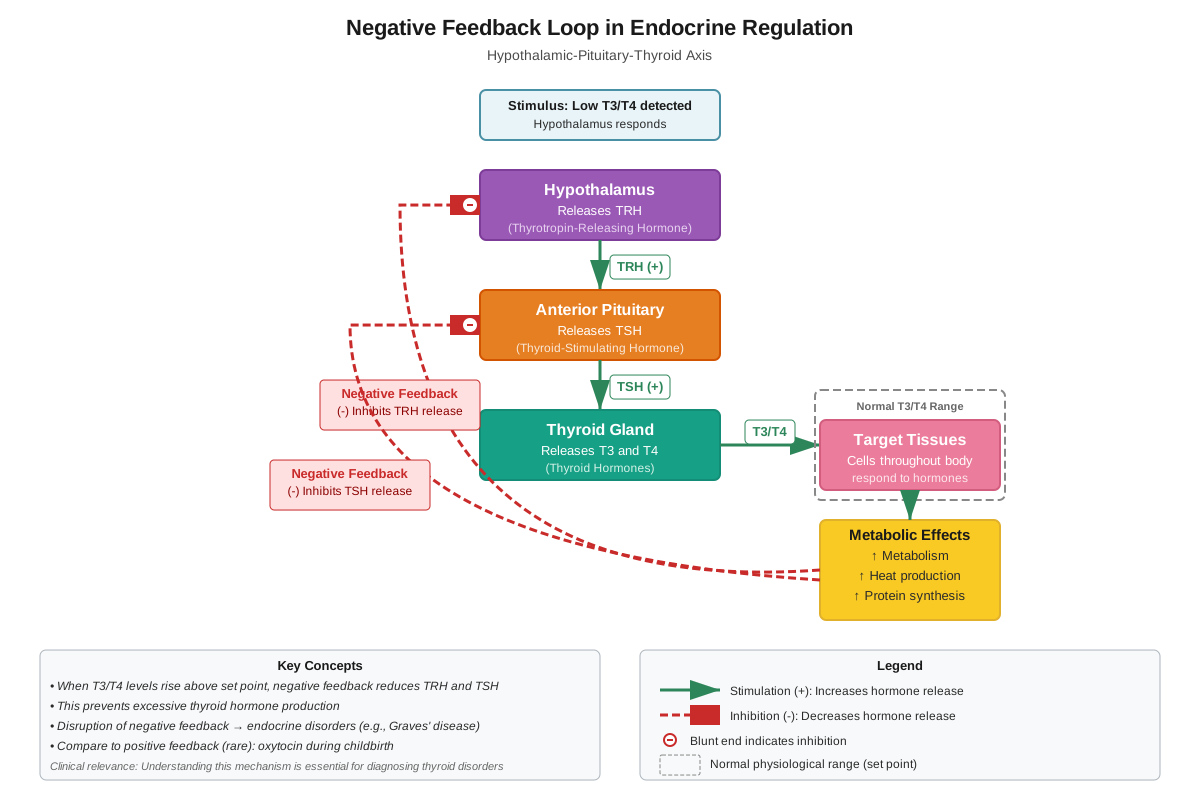
Negative feedback represents the predominant regulatory mechanism in endocrinology, maintaining hormone levels within narrow physiological ranges:
- A stimulus triggers hormone release
- The hormone produces its physiological effect
- The effect or hormone level itself inhibits further hormone release
- Hormone levels decrease, removing the inhibition
- The cycle repeats to maintain homeostasis
Example: The hypothalamic-pituitary-thyroid (HPT) axis demonstrates classic negative feedback. Low thyroid hormone (T3/T4) stimulates hypothalamic release of thyrotropin-releasing hormone (TRH), which stimulates pituitary release of thyroid-stimulating hormone (TSH), which stimulates thyroid release of T3/T4. Elevated T3/T4 then inhibits both TRH and TSH release, completing the negative feedback loop.
Positive feedback is rare but occurs in specific physiological contexts where amplification is necessary:
- Oxytocin during labor: Uterine contractions stimulate oxytocin release, which increases contractions, creating a self-amplifying cycle until delivery
- LH surge during ovulation: Rising estrogen levels trigger a surge in luteinizing hormone, which triggers ovulation
- Blood clotting cascade: Activated clotting factors activate more clotting factors in an amplifying cascade
Hormone Interactions
Multiple hormones often regulate the same physiological process, creating complex interactions:
- Synergistic effects: Two hormones produce a greater combined effect than the sum of their individual effects (e.g., glucagon and epinephrine both elevate blood glucose, and together produce a more pronounced hyperglycemic effect)
- Permissive effects: One hormone enables another hormone to exert its full effect (e.g., thyroid hormone is necessary for normal growth hormone function)
- Antagonistic effects: Two hormones produce opposite effects on the same target (e.g., insulin lowers blood glucose while glucagon raises it)
Hypothalamic-Pituitary Axis
The hypothalamus serves as the master regulator, integrating neural and endocrine signals. It produces releasing hormones and inhibiting hormones that control anterior pituitary function:
- TRH (thyrotropin-releasing hormone) → stimulates TSH release
- CRH (corticotropin-releasing hormone) → stimulates ACTH release
- GnRH (gonadotropin-releasing hormone) → stimulates FSH and LH release
- GHRH (growth hormone-releasing hormone) → stimulates GH release
- Dopamine (prolactin-inhibiting hormone) → inhibits prolactin release
The anterior pituitary (adenohypophysis) produces tropic hormones that regulate other endocrine glands:
- TSH (thyroid-stimulating hormone)
- ACTH (adrenocorticotropic hormone)
- FSH (follicle-stimulating hormone) and LH (luteinizing hormone)
- GH (growth hormone)
- Prolactin
The posterior pituitary (neurohypophysis) stores and releases hormones synthesized in the hypothalamus:
- ADH/vasopressin (antidiuretic hormone) → water retention in kidneys
- Oxytocin → uterine contractions and milk ejection
Concept Relationships
The endocrine system's organization follows a hierarchical structure: Hypothalamus → controls → Pituitary → controls → Peripheral endocrine glands → produce → Hormones → act on → Target tissues → produce → Physiological effects → feedback to → Hypothalamus and Pituitary. This axis structure appears repeatedly (HPT axis, hypothalamic-pituitary-adrenal axis, hypothalamic-pituitary-gonadal axis) and represents a high-yield pattern for MCAT questions.
Hormone classification connects directly to mechanism of action: Water-soluble hormones → cannot cross membrane → bind membrane receptors → activate second messengers → produce rapid effects without gene transcription. Conversely, Lipid-soluble hormones → cross membrane → bind intracellular receptors → act as transcription factors → alter gene expression → produce slower, sustained effects.
The endocrine system integrates with other physiological systems through specific hormones: Cardiovascular system (epinephrine increases heart rate and contractility; aldosterone regulates blood volume; ANP promotes sodium excretion), Renal system (ADH controls water reabsorption; aldosterone controls sodium reabsorption; PTH regulates calcium reabsorption), Digestive system (insulin and glucagon regulate nutrient metabolism; gastrin, secretin, and CCK coordinate digestion), Immune system (cortisol suppresses inflammation; thymosin supports T-cell development), and Reproductive system (FSH, LH, estrogen, progesterone, testosterone coordinate gamete production and secondary sex characteristics).
Feedback mechanisms connect hormone levels to secretion rates: Negative feedback maintains homeostasis by creating self-limiting systems, while Positive feedback creates self-amplifying systems for processes requiring rapid completion (parturition, ovulation, coagulation).
Quick check — test yourself on Endocrine system overview so far.
Try Flashcards →High-Yield Facts
⭐ The endocrine system uses hormones as chemical messengers that travel through the bloodstream to reach distant target cells, distinguishing it from the nervous system's rapid, localized signaling.
⭐ Water-soluble hormones (peptides, catecholamines) bind membrane receptors and use second messenger systems; lipid-soluble hormones (steroids, thyroid hormones) bind intracellular receptors and directly regulate gene transcription.
⭐ Negative feedback is the primary regulatory mechanism in endocrinology, maintaining hormone levels within physiological ranges by inhibiting further hormone release when levels rise.
⭐ The hypothalamus controls the anterior pituitary through releasing and inhibiting hormones delivered via the hypophyseal portal system, while the posterior pituitary stores and releases hormones synthesized in hypothalamic neurons.
⭐ The anterior pituitary produces six major hormones: TSH, ACTH, FSH, LH, GH, and prolactin; the posterior pituitary releases ADH and oxytocin.
- Exocrine glands secrete products through ducts to external surfaces; endocrine glands are ductless and secrete hormones directly into the bloodstream.
- Steroid hormones are synthesized from cholesterol in the smooth ER and mitochondria, while peptide hormones are synthesized on ribosomes and processed through the ER and Golgi.
- Positive feedback loops are rare in endocrinology but occur during labor (oxytocin), ovulation (LH surge), and blood clotting.
- Paracrine signaling affects nearby cells, autocrine signaling affects the secreting cell itself, and endocrine signaling affects distant cells via the bloodstream.
- Hormone interactions include synergistic effects (combined effect greater than sum), permissive effects (one hormone enables another), and antagonistic effects (opposing actions).
- The cAMP second messenger pathway involves G-protein activation of adenylyl cyclase, which converts ATP to cAMP, activating protein kinase A.
- Tropic hormones from the anterior pituitary regulate other endocrine glands (TSH → thyroid, ACTH → adrenal cortex, FSH/LH → gonads).
- Lipid-soluble hormones require carrier proteins for blood transport due to their hydrophobic nature, while water-soluble hormones travel freely dissolved in plasma.
Common Misconceptions
Misconception: All hormones are proteins or peptides. → Correction: Hormones fall into three chemical classes: peptides/proteins (insulin, growth hormone), steroids derived from cholesterol (cortisol, testosterone, estrogen), and amino acid derivatives (thyroid hormones, catecholamines). Each class has distinct synthesis, transport, and mechanism characteristics.
Misconception: The endocrine system always works slower than the nervous system. → Correction: While many endocrine effects (especially those involving gene transcription) take minutes to hours, some hormones like epinephrine produce effects within seconds through second messenger cascades. The key distinction is that endocrine effects typically last longer than neural effects, not that they're always slower to initiate.
Misconception: Positive feedback is abnormal or pathological. → Correction: Positive feedback is a normal physiological mechanism in specific contexts requiring rapid amplification and completion, including parturition (oxytocin-contraction cycle), ovulation (estrogen-LH surge), and blood clotting. Negative feedback is more common because most physiological parameters require stable maintenance, but positive feedback serves essential functions.
Misconception: The posterior pituitary produces ADH and oxytocin. → Correction: The posterior pituitary (neurohypophysis) stores and releases ADH and oxytocin, but these hormones are synthesized in hypothalamic neurons (supraoptic and paraventricular nuclei). The hormones travel down axons to the posterior pituitary for storage and release, making this a neuroendocrine rather than purely endocrine process.
Misconception: All steroid hormones have the same mechanism of action. → Correction: While most steroid hormones bind intracellular receptors and act as transcription factors, there are variations. Some steroids can also have rapid, non-genomic effects through membrane receptors. Additionally, the specific genes regulated and the resulting physiological effects vary dramatically between different steroid hormones (cortisol vs. testosterone vs. aldosterone).
Misconception: Hormone levels remain constant throughout the day. → Correction: Many hormones exhibit circadian rhythms (cortisol peaks in early morning), ultradian rhythms (GH pulses every few hours), or longer cycles (menstrual cycle hormones). Understanding these patterns is important for interpreting laboratory values and predicting physiological states.
Misconception: Each endocrine gland produces only one hormone. → Correction: Most endocrine glands produce multiple hormones. The anterior pituitary produces six major hormones, the pancreatic islets produce insulin, glucagon, and somatostatin, the adrenal cortex produces cortisol, aldosterone, and androgens, and the thyroid produces T3, T4, and calcitonin.
Worked Examples
Example 1: Feedback Loop Analysis
Question: A patient with a pituitary tumor has elevated ACTH levels. Laboratory tests show high cortisol levels, but the patient's hypothalamus is functioning normally. Explain the expected feedback response and why the high ACTH persists despite elevated cortisol.
Solution:
Step 1: Identify the normal feedback pathway
- Hypothalamus releases CRH → Anterior pituitary releases ACTH → Adrenal cortex releases cortisol
- Elevated cortisol normally inhibits both CRH and ACTH release (negative feedback)
Step 2: Analyze the pathological situation
- The pituitary tumor autonomously secretes ACTH independent of normal regulatory signals
- Despite high cortisol levels that should suppress ACTH release, the tumor cells don't respond to negative feedback
Step 3: Predict the physiological consequences
- The hypothalamus would detect high cortisol and decrease CRH production (normal negative feedback)
- However, the tumor continues producing ACTH regardless of CRH levels or cortisol feedback
- This leads to persistently elevated cortisol (Cushing's disease)
- The patient would exhibit symptoms of cortisol excess: weight gain, hyperglycemia, immunosuppression, muscle wasting
Key Concept: This example illustrates that pathological hormone production can override normal feedback mechanisms. The MCAT frequently tests understanding of what happens when one component of a feedback loop malfunctions.
Example 2: Hormone Mechanism Prediction
Question: A researcher develops a synthetic hormone analog that has the same amino acid sequence as insulin but includes a hydrophobic modification that makes it lipid-soluble. Predict how this modified hormone's mechanism of action would differ from natural insulin, and explain the likely physiological consequences.
Solution:
Step 1: Recall natural insulin's mechanism
- Insulin is a peptide hormone (water-soluble)
- Binds to membrane-bound receptor tyrosine kinase
- Triggers rapid signaling cascades (IRS proteins, PI3K/Akt pathway)
- Promotes glucose uptake within minutes by recruiting GLUT4 transporters to cell membrane
- Does not directly alter gene transcription
Step 2: Predict the modified hormone's mechanism
- Lipid-soluble modification allows membrane crossing
- Would likely bind intracellular receptors (if any exist for this structure)
- If it binds intracellular receptors, it would act as a transcription factor
- Effects would require new protein synthesis (slower onset, longer duration)
Step 3: Analyze physiological consequences
- The rapid glucose-lowering effect of natural insulin would be lost or delayed
- This would be therapeutically problematic for treating acute hyperglycemia
- The modified hormone might produce sustained metabolic effects through altered gene expression
- However, insulin's primary mechanism relies on rapid post-translational modifications (GLUT4 translocation), not gene transcription, so the modified hormone might be ineffective
Key Concept: This example demonstrates the critical relationship between hormone structure, solubility, receptor location, and mechanism of action. The MCAT tests whether students can predict functional consequences from structural changes.
Exam Strategy
Approaching Endocrine Questions: Begin by identifying the hormone class (peptide, steroid, or amino acid derivative) as this immediately indicates the mechanism of action. For passage-based questions, create a quick diagram of the feedback loop being discussed, marking where the experimental manipulation or pathology occurs. This visual representation helps predict downstream effects and identify which hormone levels should increase or decrease.
Trigger Words and Phrases:
- "Membrane-bound receptor" or "second messenger" → water-soluble hormone
- "Intracellular receptor" or "transcription factor" → lipid-soluble hormone
- "Negative feedback" → look for inverse relationships between hormone levels
- "Tropic hormone" → affects another endocrine gland
- "Releasing hormone" → hypothalamic control of anterior pituitary
- "Portal system" → hypothalamic-pituitary connection
Process of Elimination Tips:
- If a question asks about rapid hormone effects (seconds to minutes), eliminate answers involving gene transcription or protein synthesis
- If a question describes a hormone that requires a carrier protein in blood, eliminate water-soluble hormone options
- For feedback loop questions, eliminate answers that suggest positive feedback unless the context involves labor, ovulation, or clotting
- When comparing endocrine vs. nervous system, eliminate answers suggesting endocrine effects are always faster or more localized
Time Allocation: Endocrine questions often appear in passages with experimental data or clinical vignettes. Spend 30-45 seconds orienting yourself to the feedback loop or hormone pathway being tested before attempting questions. For discrete questions, 45-60 seconds should suffice for straightforward recall, but mechanism-based questions may require 90 seconds to work through the logic. Don't get bogged down trying to recall every specific hormone function—focus on general principles (feedback, mechanism, classification) that allow you to reason through unfamiliar scenarios.
Exam Tip: When a passage presents hormone level data, immediately ask: "Is this negative feedback working normally?" If hormone A is high but hormone B (which should suppress A) is also high, suspect a pathological process or experimental manipulation disrupting normal feedback.
Memory Techniques
FLAT PiG - Anterior pituitary hormones:
- FSH (Follicle-Stimulating Hormone)
- LH (Luteinizing Hormone)
- ACTH (Adrenocorticotropic Hormone)
- TSH (Thyroid-Stimulating Hormone)
- Prolactin
- GH (Growth Hormone)
Steroid Hormone Sources - "Go Find The Steroid Cell":
- Gonads (testosterone, estrogen, progesterone)
- Fat/Adipose (converts androgens to estrogens)
- Thyroid (NOT steroids—this is the exception that proves you're thinking)
- Skin (vitamin D activation)
- Cortex of adrenal gland (cortisol, aldosterone, androgens)
Water vs. Lipid Solubility - "PIGS Can't Swim":
- Peptides
- Insulin
- Growth hormone
- Somatostatin
- Catecholamines (epinephrine, norepinephrine)
These are all water-soluble and can't "swim" through the lipid membrane, so they need membrane receptors.
Negative Feedback Visualization: Picture a thermostat controlling room temperature. When temperature rises above the set point, the heater turns off (negative feedback). When it falls below, the heater turns on. This same principle governs hormone regulation—the product inhibits its own production.
Positive Feedback Visualization: Picture a snowball rolling downhill, getting larger and faster (amplification) until it reaches the bottom and stops (completion). This represents the three main positive feedback loops: labor (amplifies until delivery), ovulation (amplifies until egg release), and clotting (amplifies until vessel sealed).
Mechanism Memory - "SLOW Steroids, FAST Peptides":
- Steroids: Slow onset, Lipid-soluble, Onset requires transcription, Work intracellularly
- Peptides: Fast onset, Aqueous-soluble, Second messengers, Transmembrane receptors
Summary
The endocrine system represents a sophisticated chemical communication network that maintains homeostasis through hormone secretion into the bloodstream. Hormones are classified by chemical structure (peptides, steroids, or amino acid derivatives), which determines their solubility, transport method, receptor location, and mechanism of action. Water-soluble hormones bind membrane receptors and utilize second messenger cascades for rapid effects, while lipid-soluble hormones cross membranes to bind intracellular receptors and regulate gene transcription for sustained effects. The hypothalamic-pituitary axis serves as the master regulatory system, with the hypothalamus controlling anterior pituitary hormone release through releasing and inhibiting hormones, and the anterior pituitary producing tropic hormones that regulate peripheral endocrine glands. Negative feedback predominates in endocrine regulation, maintaining hormone levels within physiological ranges, though positive feedback occurs in specific contexts requiring amplification. Understanding these fundamental principles—hormone classification, mechanisms of action, feedback regulation, and system integration—provides the foundation for analyzing complex endocrine scenarios on the MCAT and predicting physiological consequences of endocrine dysfunction.
Key Takeaways
- The endocrine system uses hormones as bloodborne chemical messengers to regulate distant target cells, complementing the nervous system's rapid, localized signaling with slower, sustained, widespread effects.
- Hormone chemical class (peptide, steroid, or amino acid derivative) determines solubility, which dictates receptor location (membrane vs. intracellular) and mechanism of action (second messengers vs. gene transcription).
- Negative feedback maintains homeostasis by creating self-limiting regulatory loops where the hormone or its effect inhibits further hormone release; positive feedback is rare but occurs during labor, ovulation, and clotting.
- The hypothalamic-pituitary axis hierarchically controls peripheral endocrine glands through releasing hormones (hypothalamus → anterior pituitary) and tropic hormones (anterior pituitary → peripheral glands).
- Water-soluble hormones produce rapid effects through second messenger systems (cAMP, IP3/DAG, receptor tyrosine kinases) without requiring new protein synthesis.
- Lipid-soluble hormones produce slower but longer-lasting effects by binding intracellular receptors that function as transcription factors, requiring gene transcription and protein synthesis.
- Understanding feedback loops and predicting consequences of disruption (tumor, deficiency, receptor mutation) represents a high-yield MCAT skill applicable to both discrete questions and passage analysis.
Related Topics
Specific Endocrine Glands: Deep dives into thyroid function (T3/T4 synthesis, iodine metabolism), adrenal glands (cortex zones and their hormones, medulla catecholamine production), and pancreatic islets (insulin/glucagon regulation of glucose metabolism) build on this overview's foundation.
Reproductive Endocrinology: The hypothalamic-pituitary-gonadal axis, menstrual cycle hormone fluctuations, spermatogenesis regulation, and pregnancy hormones all apply endocrine principles to reproductive physiology.
Metabolic Regulation: Integration of insulin, glucagon, cortisol, growth hormone, and thyroid hormones in controlling glucose, lipid, and protein metabolism represents a high-yield MCAT topic requiring endocrine system mastery.
Calcium and Phosphate Homeostasis: Parathyroid hormone, calcitonin, and vitamin D interactions demonstrate endocrine regulation of mineral balance and bone metabolism.
Stress Response: The hypothalamic-pituitary-adrenal axis and sympathetic nervous system activation (catecholamine release) illustrate neuroendocrine integration and appear frequently in psychology/sociology passages.
Practice CTA
Now that you've mastered the endocrine system overview, reinforce your understanding by attempting practice questions that test hormone classification, feedback mechanisms, and integration with other organ systems. Focus on questions requiring you to predict physiological consequences rather than simple recall—these higher-order questions reflect actual MCAT difficulty. Use flashcards to drill the anterior pituitary hormones, hormone chemical classes, and second messenger pathways until you can recall them instantly. Remember: endocrine questions reward systematic thinking about feedback loops and mechanisms rather than memorization of isolated facts. You've built the foundation—now apply it to achieve mastery!
Sign up free to keep reading
Create a free AnvayaPrep account to finish this MCAT guide on Endocrine system overview — plus flashcards and practice questions.